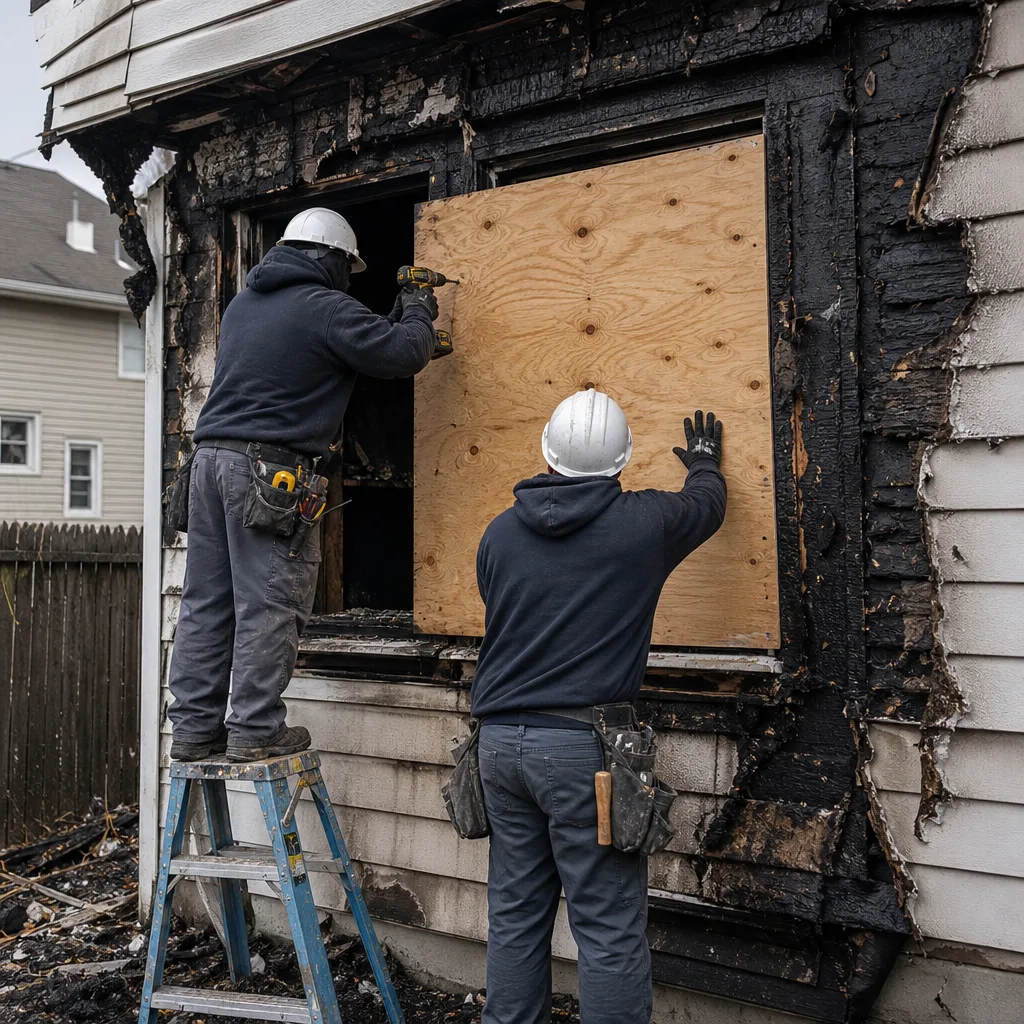
Free visual inspection and a written scope of work before any mitigation begins - photos, moisture readings, and drying logs go in your claim file
The scope we write is the scope we bill. Anything new gets shown to you, in writing, before we touch it.
Storm response
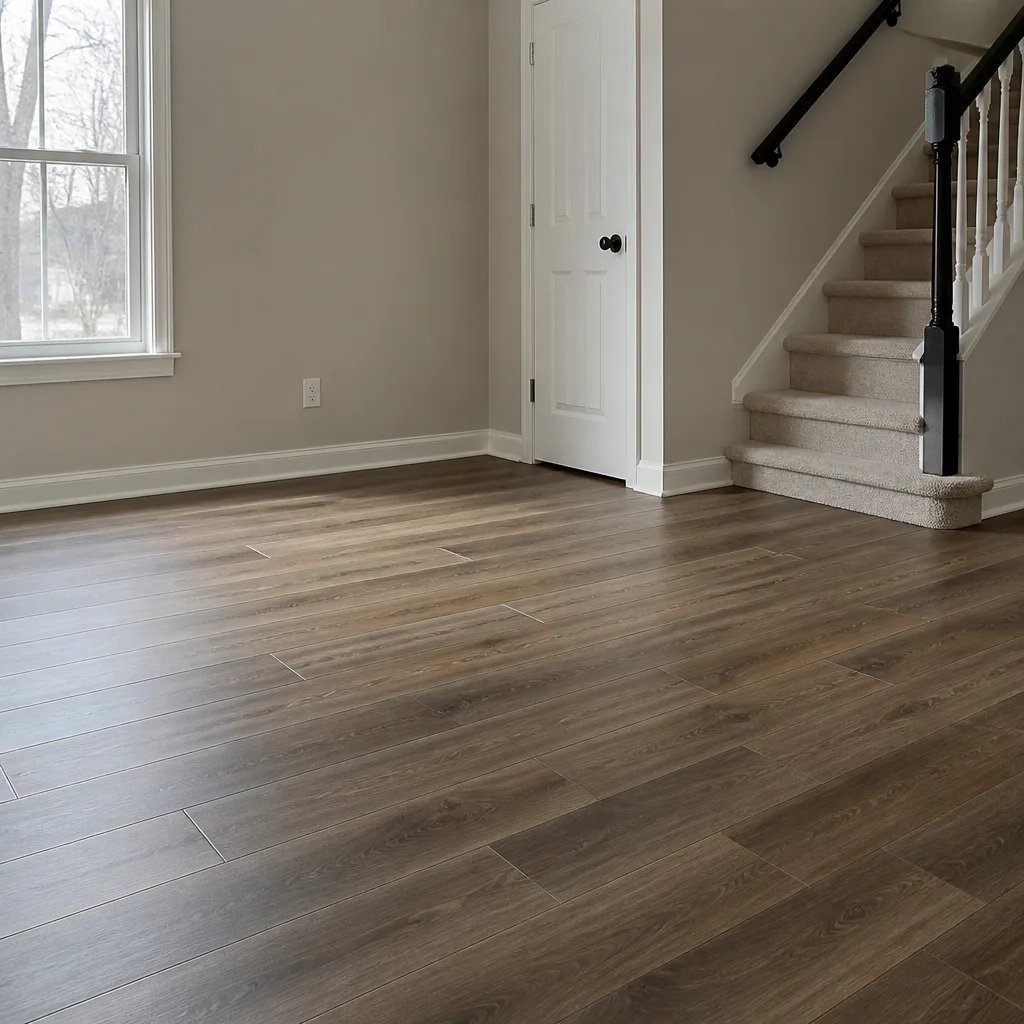
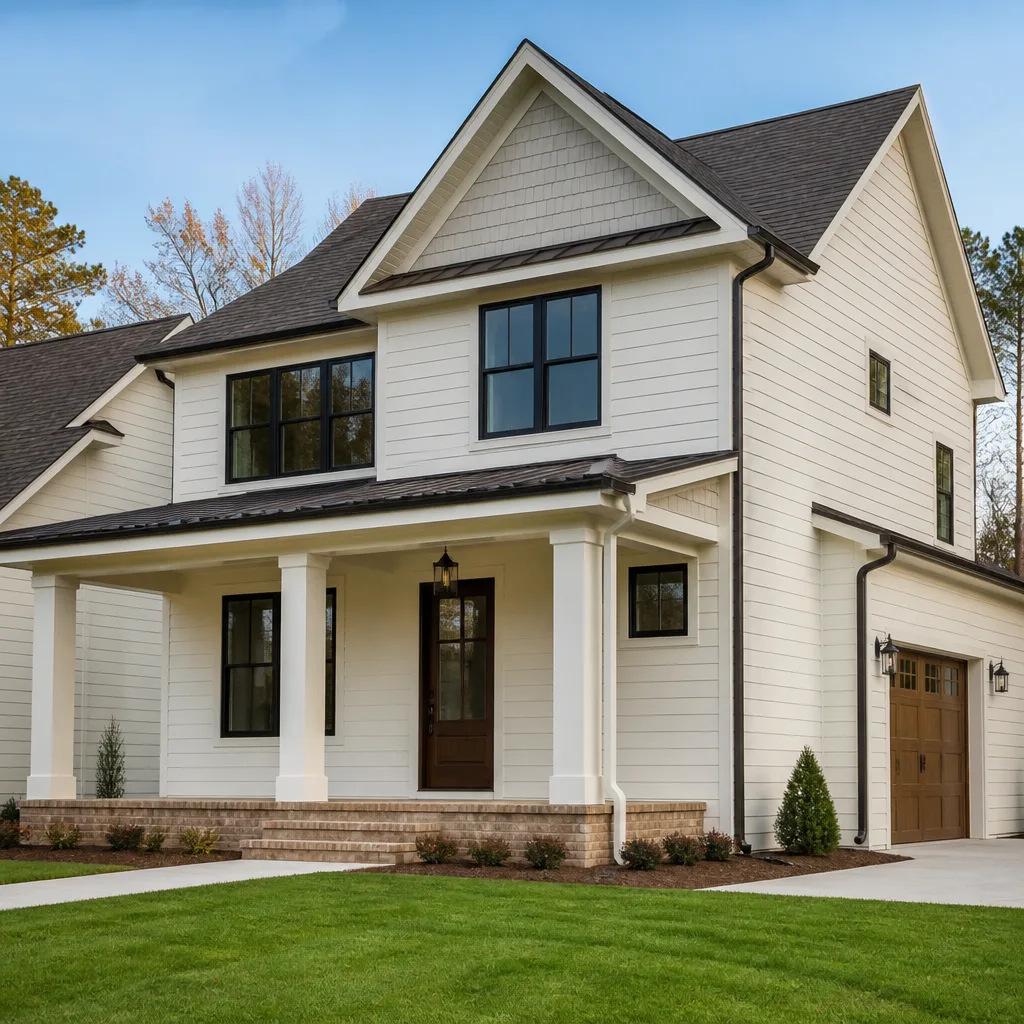
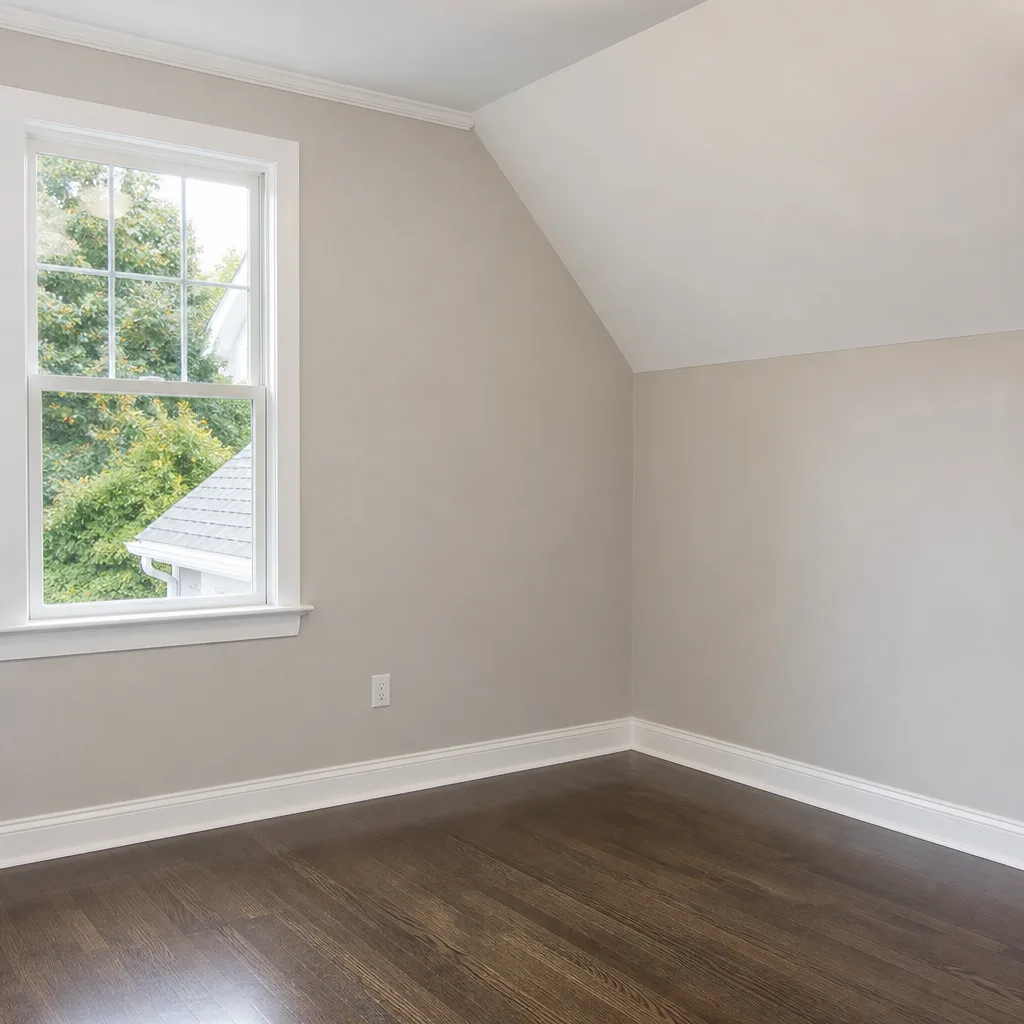
 Before
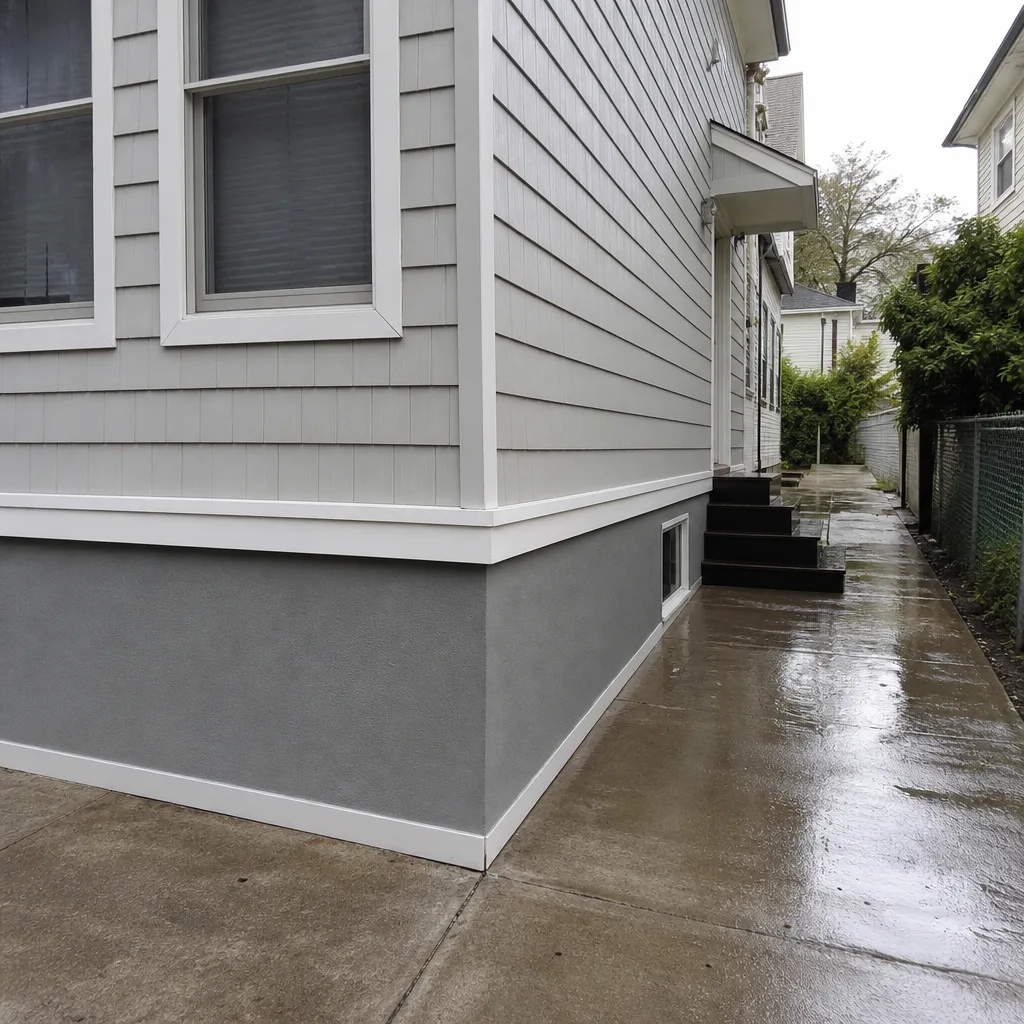 After
After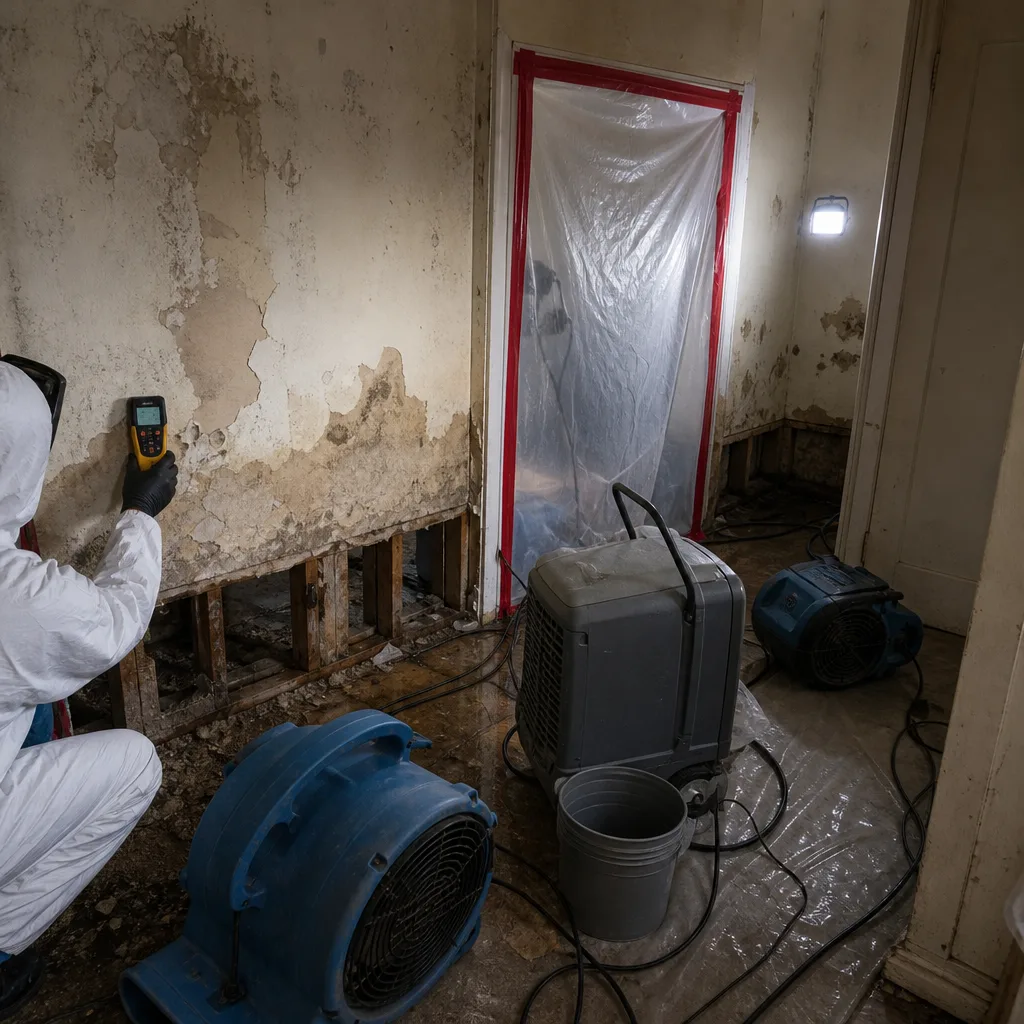 Before
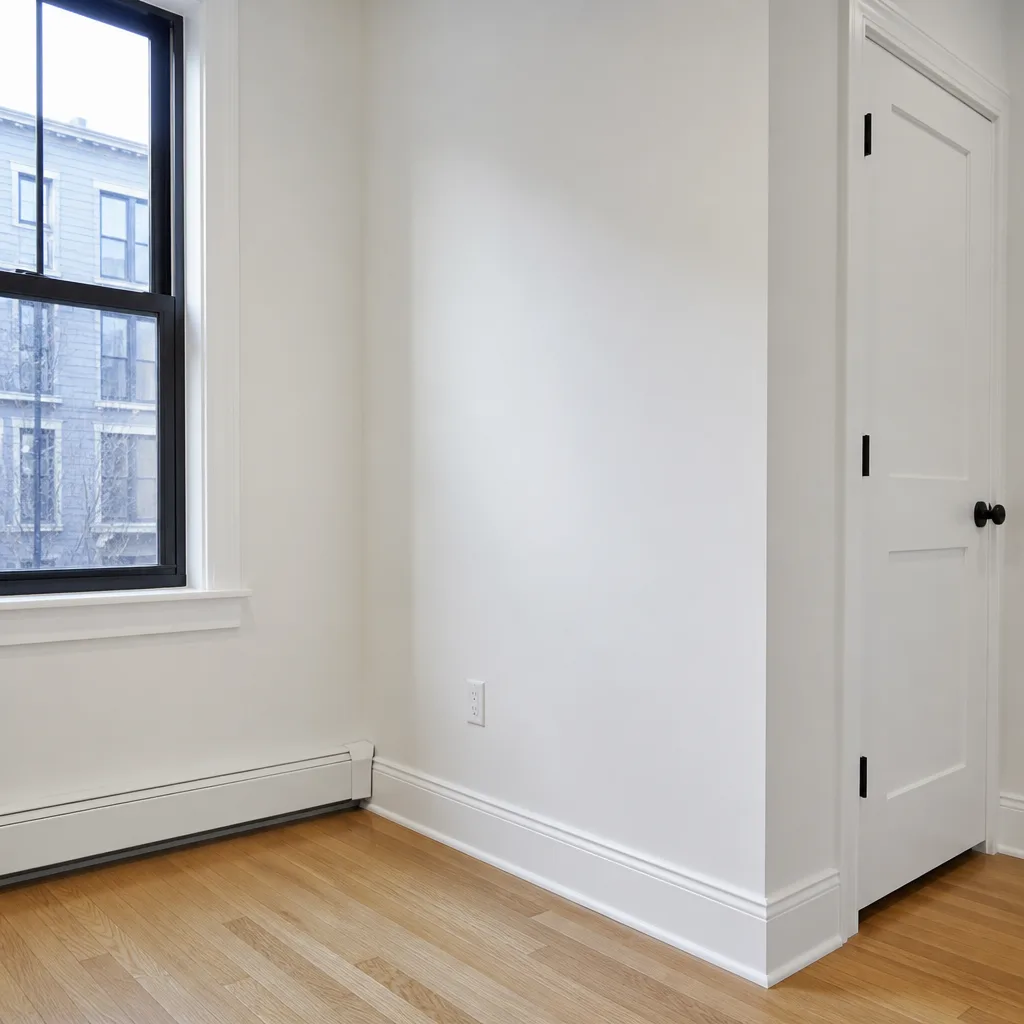 After
After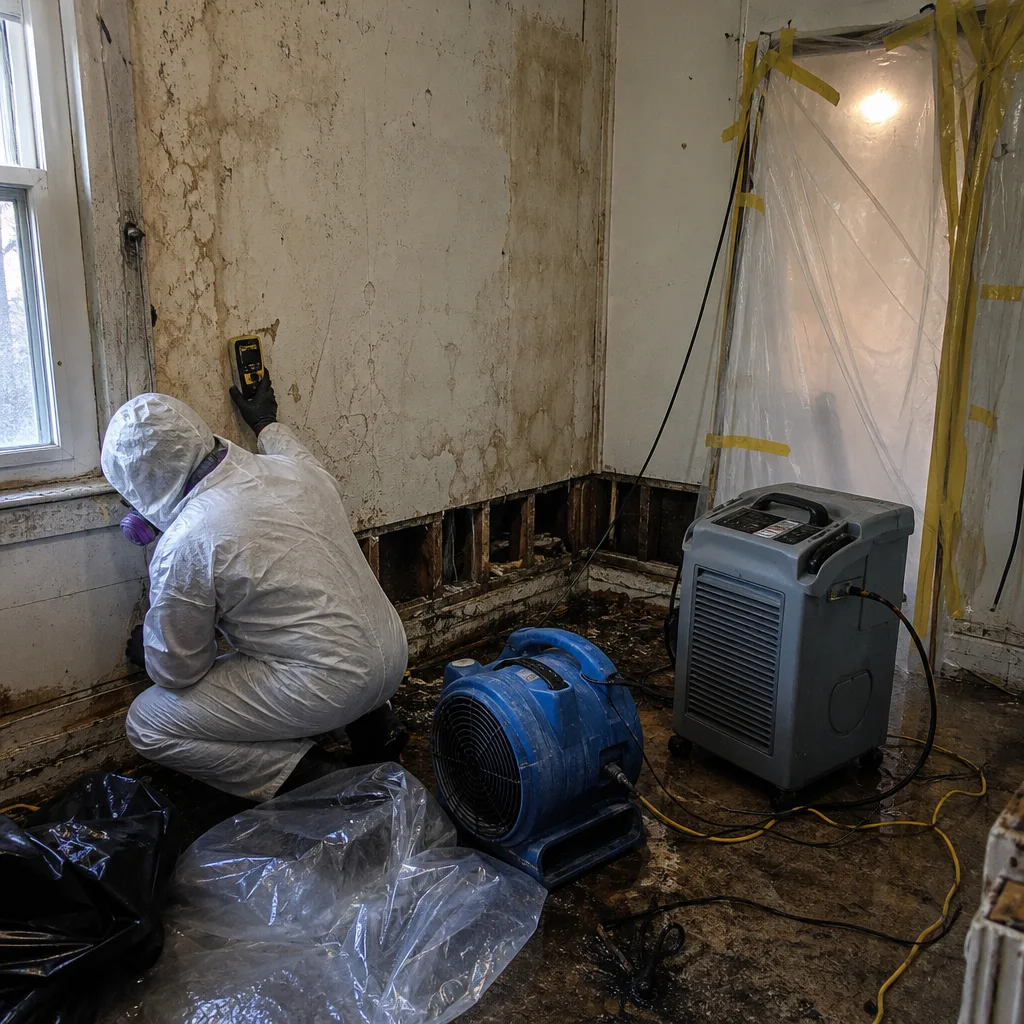 Before
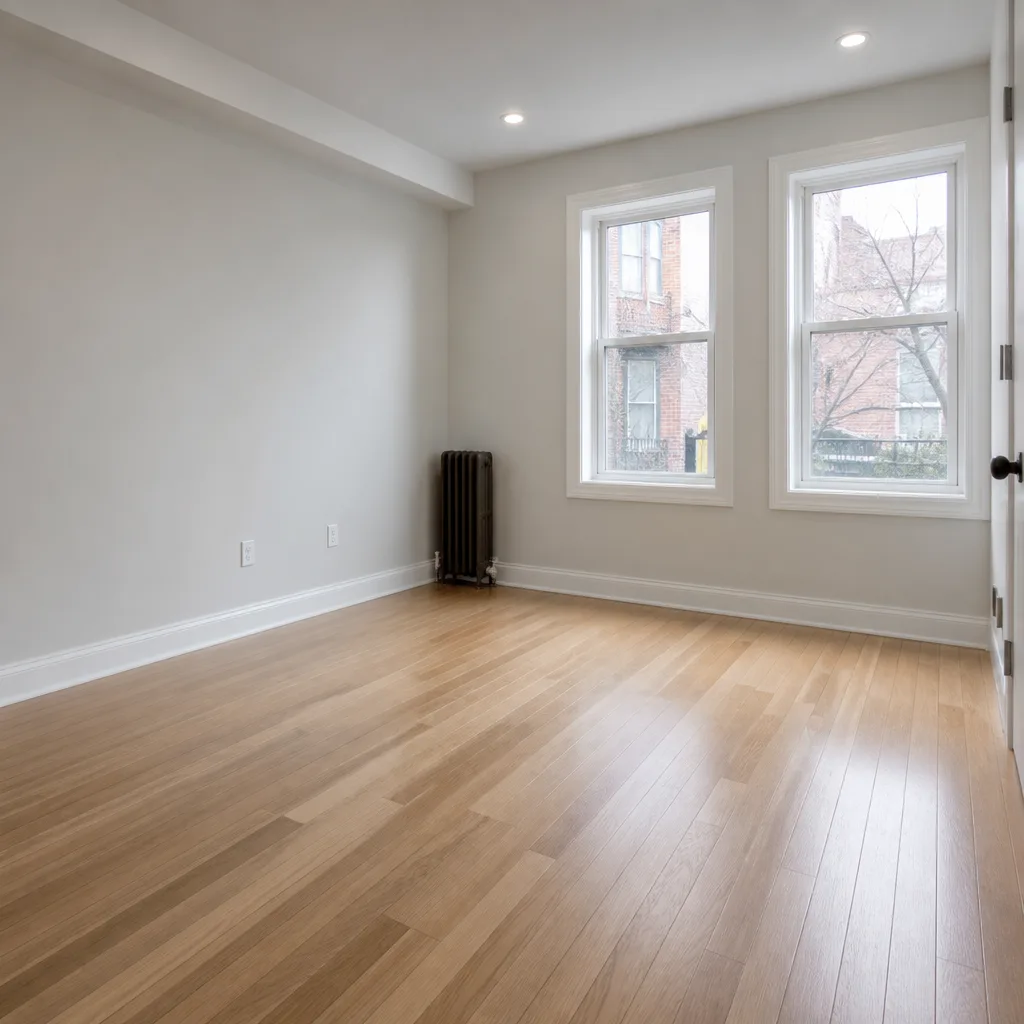 After
After24/7 Emergency Water Damage Restoration in Williamsburg
Water damage in a Williamsburg loft or apartment typically costs $2,800-$7,500 to mitigate and dry, with full restoration adding $4,200-$12,000 depending on finish level. Our crews answer live at (862) 281-7710 every hour of every day, and we can have a technician on-site anywhere in Williamsburg within 45 minutes. The first hour determines whether water stops at the subfloor or travels through brick cavities and under concrete slabs for days. We do not charge for the initial visual inspection, and we bring thermal imaging and non-invasive moisture meters calibrated for masonry, not just drywall framing.
When water hits a converted warehouse on Kent Avenue or a pre-war walk-up near Metropolitan Avenue, speed matters less than precision. A crew that extracts fast but maps poorly will miss lateral migration through original brick courses, leaving moisture that resurfaces as efflorescence or mold behind custom millwork weeks later. Our Water Damage Restoration team documents every reading, every photo, every drying log to IICRC WRT standards so your insurer pays the scope we actually performed.
Understanding Water Damage Restoration Severity in Williamsburg Properties
Water damage severity is classified by contamination level, not by how wet things look. Category 1 water is clean supply-line water. Category 2 carries significant contamination from washing machines, dishwashers, or sump failures. Category 3 is grossly contaminated sewage, ground water, or storm surge from the East River. In Williamsburg’s converted industrial buildings, the real complication is not category alone but substrate: exposed brick masonry, heavy timber joists, and poured concrete slabs absorb and hold moisture on timelines that drywall-framed construction does not.
Moisture mapping with thermal imaging and non-invasive meters is standard on every Williamsburg job because visible damage routinely under-represents actual wetted area by 200-400%. A polished concrete floor in a North 6th Street loft may show one damp patch while moisture has traveled laterally through the slab edge and into brick cavities for days. Structural drying here requires psychrometric data, vapor pressure differential monitoring, and equipment selected for concrete and timber, not just carpet and drywall. Tertiary drying, the final phase where deep substrate moisture equalizes with ambient conditions, takes longer in masonry assemblies and must be verified with probe readings, not surface meters alone.
Why Williamsburg Property Owners Choose DryMark Restoration Astoria
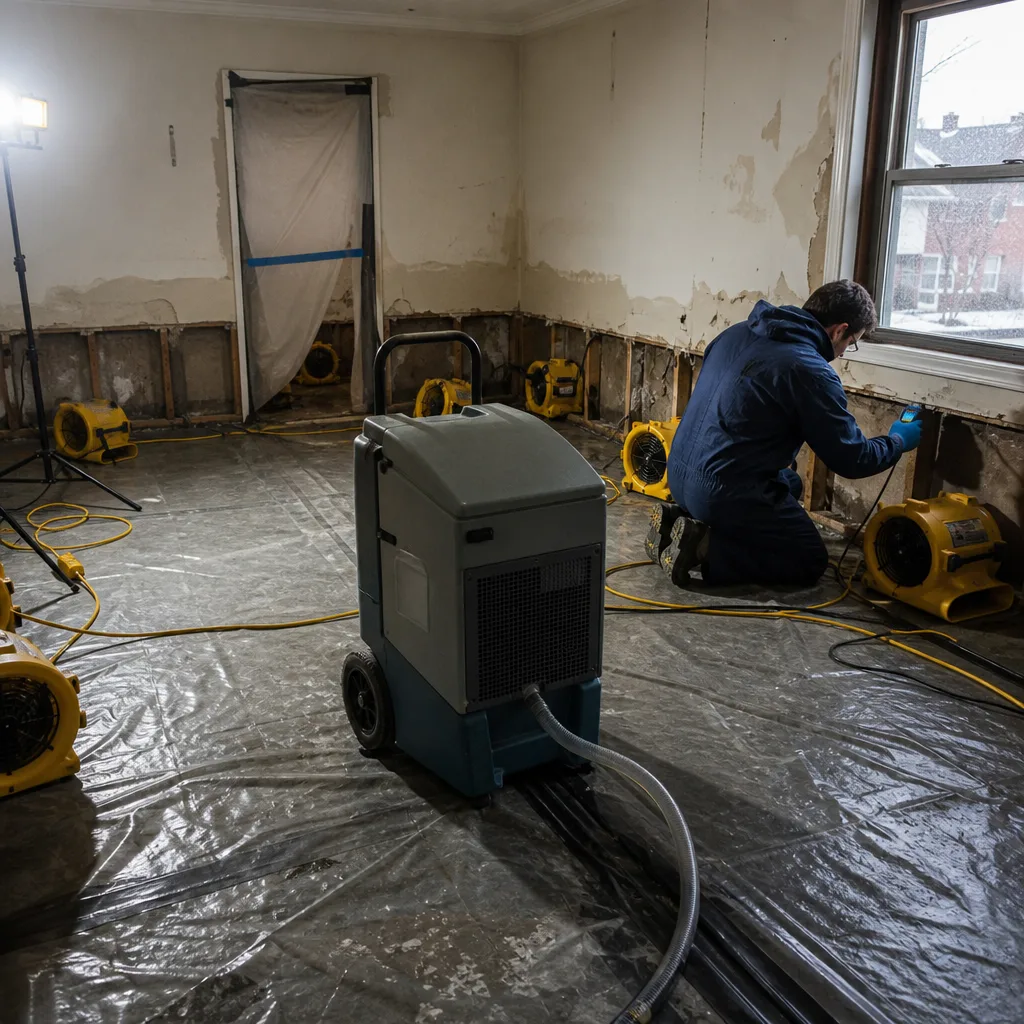
- 45-minute response commitment anywhere in Williamsburg, from the East River waterfront to the Bushwick border
- 24/7 live answer by a real person, never an automated system or voicemail tree, on every emergency line
- IICRC-certified crews holding WRT (Water Damage Restoration Technician) and FSRT (Fire & Smoke Restoration Technician) certifications, with AMRT (Applied Microbial Remediation Technician) on mold-prone masonry jobs
- Free visual inspection with thermal imaging and moisture mapping before any work is proposed
- Direct insurance billing with photo-documented estimates and daily drying logs submitted to your adjuster
- One team from emergency extraction through structural drying to reconstruction, so scope and accountability never change hands mid-job
BeforeAfterOur Water Damage Restoration Process
1. Inspection & Assessment
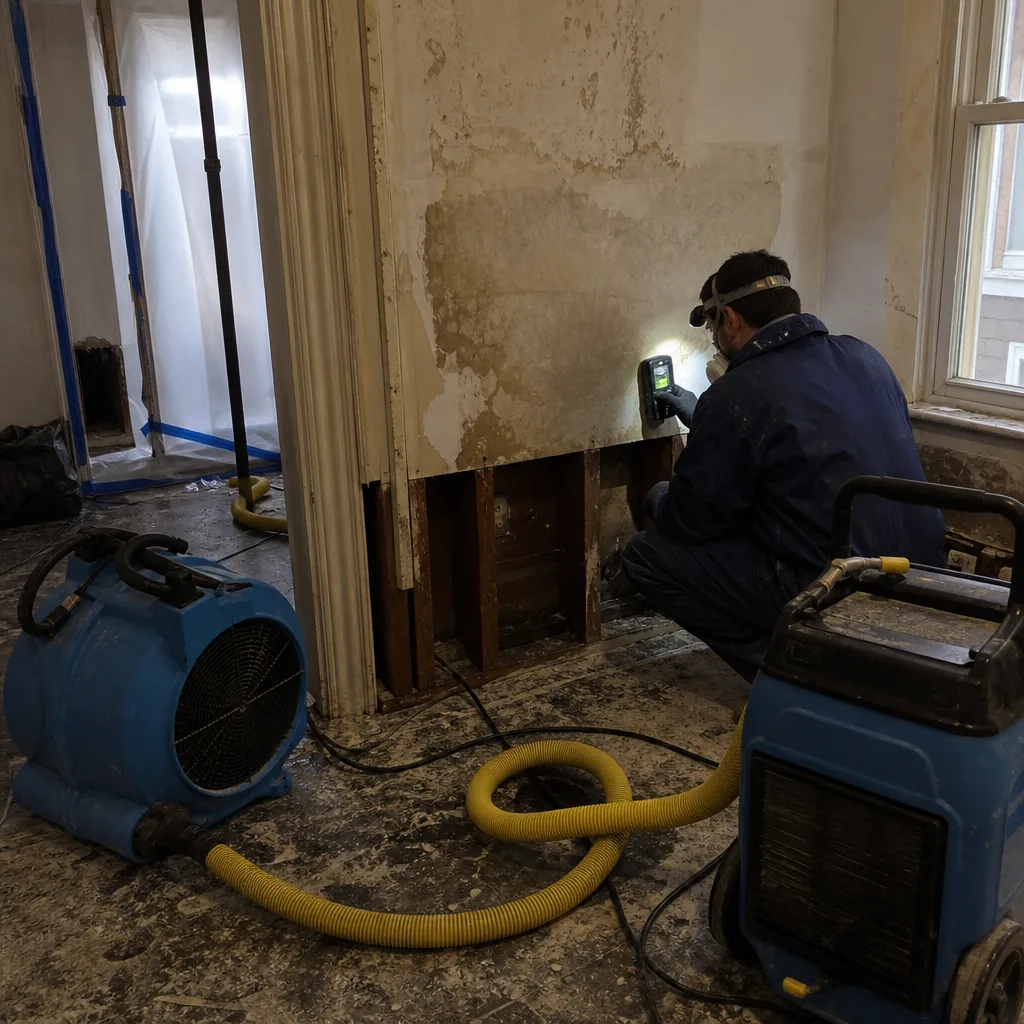
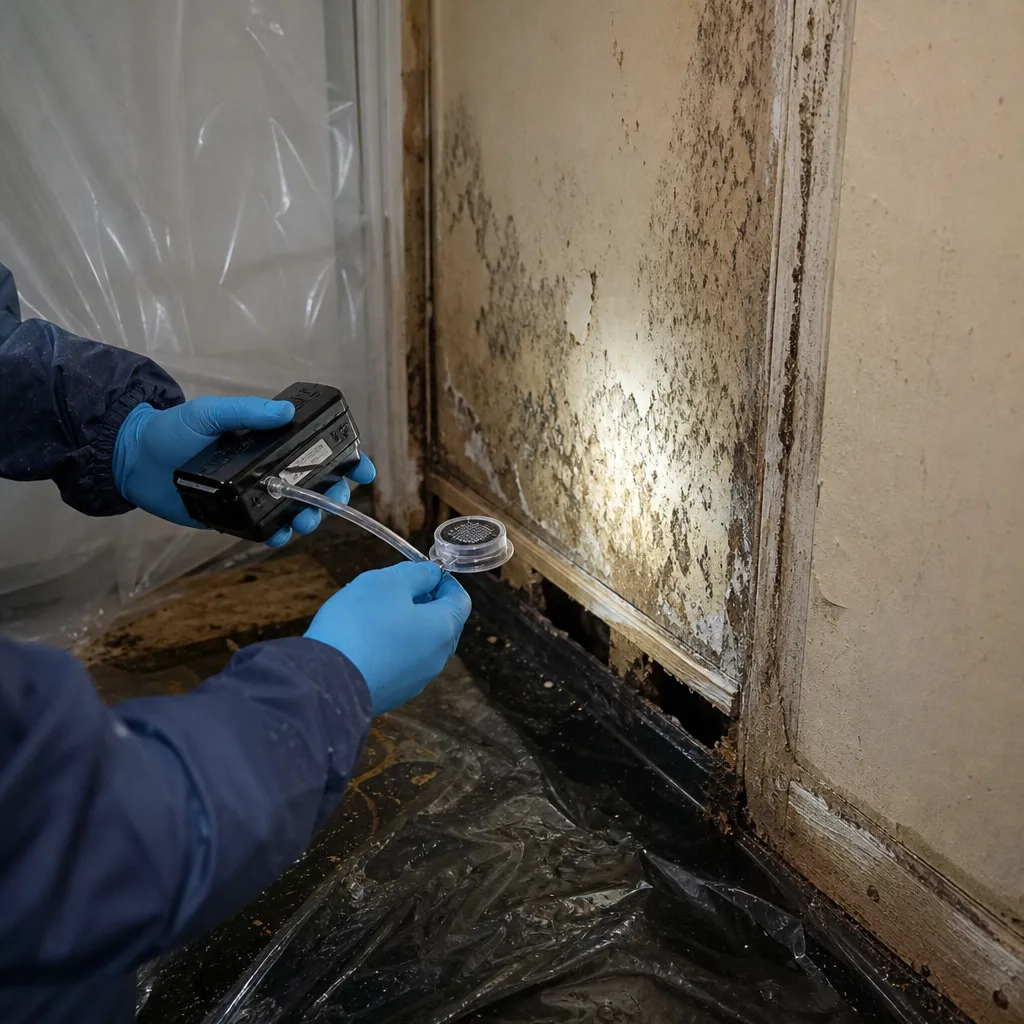
We arrive with thermal imaging cameras, non-invasive moisture meters, and probe meters calibrated for masonry and concrete. In Williamsburg’s converted lofts, we map the full lateral migration path through brick courses and slab edges, not just the visible wet spot. Every reading is logged to the drying plan before equipment is placed.
2. Extraction & Stabilization
Standing water is extracted with truck-mounted or portable systems depending on building access. We establish containment to protect high-end finishes and custom millwork, then document a photo record of every affected room before any material is disturbed.
3. Drying & Dehumidification
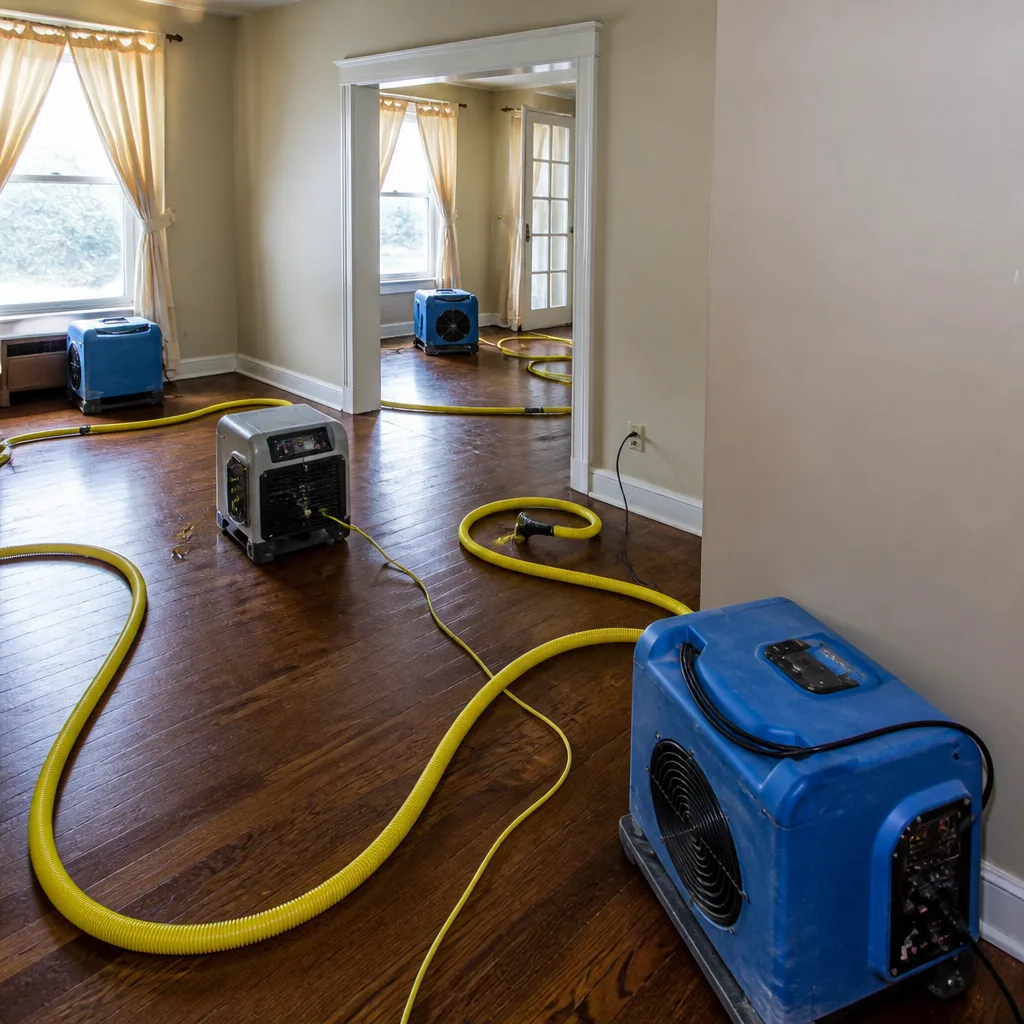
We deploy Dri-Eaz, Phoenix, and XPOWER air movers with dehumidifiers sized to the cubic volume and substrate type. In brick-and-timber lofts, Injectidry wall-cavity panels direct airflow into masonry cavities that conventional equipment cannot reach. Daily moisture logs track every structural component to pre-loss readings.
4. Cleaning & Sanitization
Category 2 or 3 water requires antimicrobial treatment of all affected surfaces. In Williamsburg’s organic-heavy substrates, timber joists and brick cavities receive targeted application even after Category 1 events if moisture has sat over a weekend, preventing latent mold colonization.
5. Moisture Verification & Documentation
We do not sign off on structural drying until probe-verified moisture content matches pre-loss baselines on every logged point. The drying log, photo record, and final moisture readings are packaged for your insurer as a complete claim file.
6. Repairs & Restoration
Our reconstruction crew restores finishes to match existing conditions, from polished concrete sealing to custom millwork replacement. Every repair is scoped in writing before work begins, with no additions once the crew is inside your building.
Need Emergency Water Damage Restoration in Williamsburg Now?
Crews minutes away, answering live 24 hours a day. The sooner we start, the less it costs.
Working With Your Insurance Company
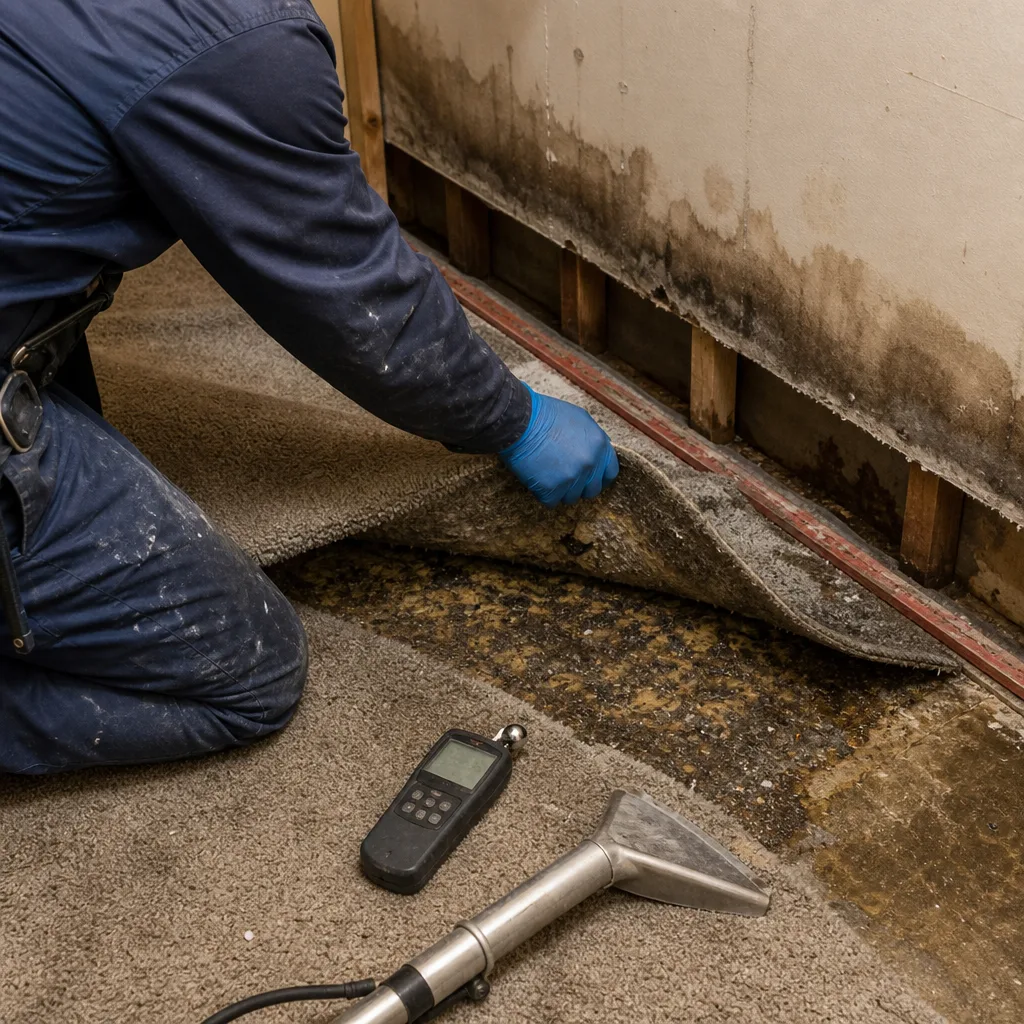
Williamsburg water damage claims succeed or fail on documentation. Insurance adjusters review every invoice against the scope they approved, and gaps between what was done and what was documented get denied. We start building your claim file on the first visit: photos of all visible damage, moisture readings with equipment model and calibration date, a line-item scope written to Xactimate or Symbility standards, and daily drying logs that show progress toward measurable dry standards.
Our New York City office coordinates directly with your carrier’s adjuster, submitting documentation as it is produced rather than in a batch at job completion. If your building carries prior flood-loss history from Sandy or subsequent events, we flag that documentation early so your adjuster can verify coverage limits and exclusions before work proceeds. Haven Standard, Clause 1: a written price is delivered before anyone starts work, every time, with no scope-creep additions once the crew is inside.
What We Provide Your Insurer
- Thorough documentation of the loss
- Photos of all damage, room by room
- Moisture readings and drying logs
- A detailed, line-item scope of work
- Direct coordination with your carrier
Built for Williamsburg’s Loss Calendar
January deep freezes split aging galvanized supply lines in tenement walk-ups near Graham Avenue, where original 1920s plumbing has thinned past reliable wall thickness. Spring thaw brings basement seepage through century-old foundations, particularly in buildings where exterior waterproofing was never upgraded. Summer thunderstorms overwhelm flat roofs and parapet walls on converted warehouses, sending water through penetrations that were sealed for industrial use, not residential weatherproofing.
Fall nor’easters and hurricane remnants push storm surge against the East River waterfront, activating FEMA flood-zone exposure for ground-floor and below-grade units from North 7th Street to Grand Ferry Park. Year-round, the luxury-condo pressure for speed-to-dry pushes some crews to skip pack-out and containment, risking secondary damage to finishes that cost $400-$800 per linear foot to replicate. We do not skip steps. The drying log determines when equipment comes out, not the building manager’s schedule.
Water Damage Restoration Across Williamsburg’s Neighborhoods
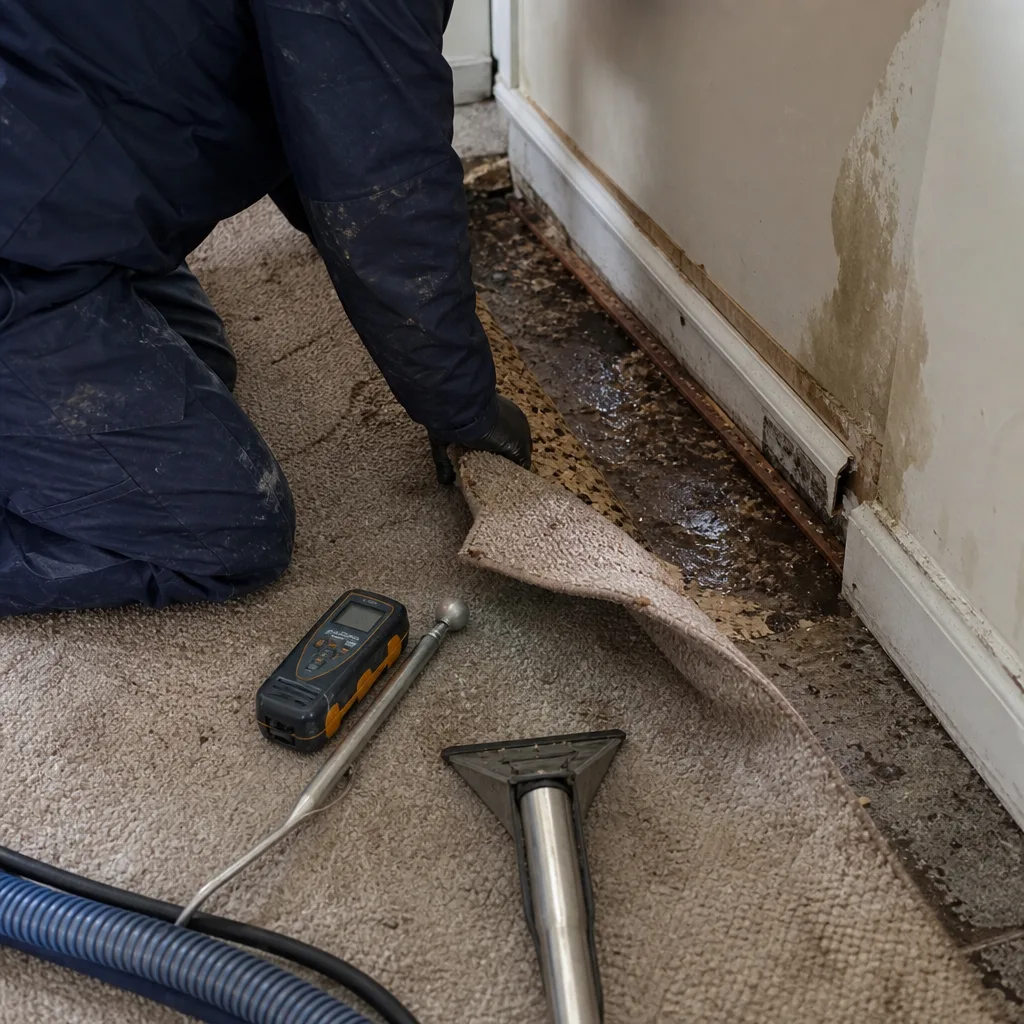
North Williamsburg, from the waterfront to McCarren Park, concentrates the highest-value converted lofts and the most complex moisture-mapping challenges. Buildings on Kent Avenue and North 6th Street retain original brick envelope construction with poured concrete slabs that mask water migration for days. Our crews route here with masonry-calibrated meters and Injectidry cavity-drying panels as standard equipment.
South Williamsburg, below the Williamsburg Bridge, mixes Hasidic residential blocks with industrial conversions near the Broadway Triangle. Aging cast-iron drain lines in tenement walk-ups fail seasonally, and basement water removal requires pumps rated for debris and sediment that accumulate in century-old utility spaces. East Williamsburg, toward the Morgan Avenue L train, holds more recent residential development with standard framed construction, but the adjoining industrial zones still supply the neighborhood’s share of sprinkler-discharge and pipe-burst events in unheated warehouse spaces.
The waterfront corridor from North 5th Street to Grand Street carries documented Sandy flood history and active FEMA flood-zone designation. Restoration here requires flood-specific documentation for NFIP and private flood carriers, with moisture mapping that accounts for salt-water residue accelerating corrosion in mechanical systems. We have handled flood losses on this corridor where the initial water line was visible on brick walls three feet above finished floor.
Specialized Water Damage Restoration Services We Offer in Williamsburg
Emergency Water Extraction
Standing water in a Williamsburg loft with polished concrete or wide-plank oak cannot wait for conventional scheduling. We extract with truck-mounted systems where access allows, or portable high-volume extractors for buildings with freight elevator limits or narrow stairwells. Every extraction is photo-documented before and after, with moisture readings taken within 30 minutes of water removal to establish the drying baseline.
Structural Drying & Dehumidification
This is the critical service for Williamsburg’s converted industrial buildings. Exposed brick, heavy timber, and concrete slabs dry on different timelines than standard residential assemblies. We size dehumidification to the total cubic volume, account for vapor pressure differential between wet substrate and ambient air, and log daily readings until every probe point verifies pre-loss moisture content. Dri-Eaz and Phoenix LGR dehumidifiers handle the heavy vapor load; Injectidry systems deliver targeted airflow into masonry cavities.
Flood Cleanup
East River waterfront buildings in FEMA flood zones require Category 3 protocols even when the water looks clear. Storm surge carries contaminants, salt residue, and petroleum products that standard extraction cannot address. We document flood height, sample water for classification, and coordinate with flood adjusters who require specific NFIP documentation that differs from standard homeowner’s claims.
Burst Pipe Restoration
Williamsburg’s housing stock spans three eras of plumbing: original galvanized supply in pre-war walk-ups, copper replacement in 1980s renovations, and PEX in newer construction. Each fails differently. Galvanized pinholes spray inside walls until pressure drops; copper splits at joints in deep freeze; PEX expands but can rupture at crimp connections. We extract, map, dry, and scope repairs to the specific plumbing era and building type.
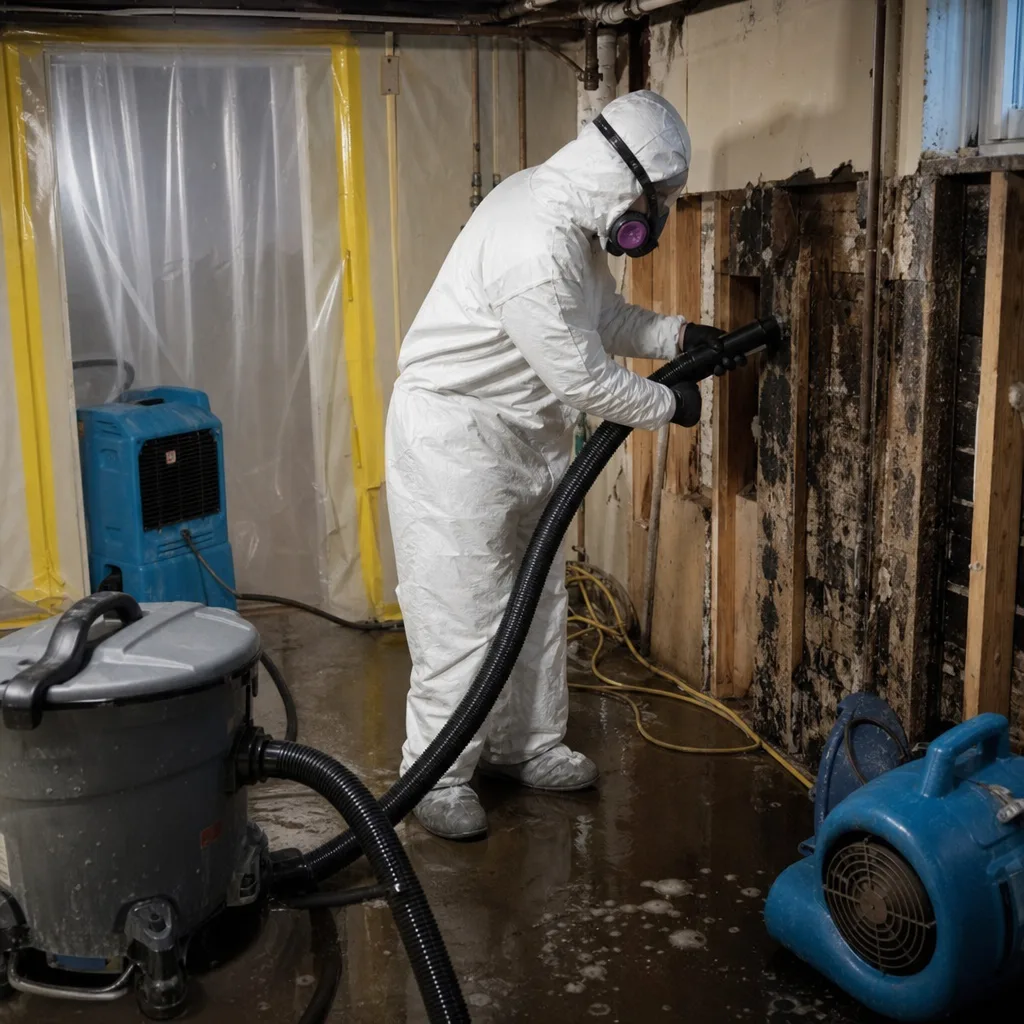
Basement Water Removal
Below-grade units in converted warehouses and tenement walk-ups accumulate water from foundation seepage, failed sump pumps, or backed-up drain lines. Access is often through narrow stairwells with limited headroom. We deploy submersible pumps and portable extractors sized for the space, then address residual moisture in stone or concrete foundations that standard residential drying protocols underestimate.
What happens when you call
- 1
A real person answersNo phone trees - you reach a local pro.
- 2
You get an upfront price rangeHonest numbers before anyone is dispatched.
- 3
A background-checked tech heads outLicensed & insured, dispatched right away.
- 4
You approve before work beginsNothing starts until you say go.
Water Damage Restoration Costs in Williamsburg, NY
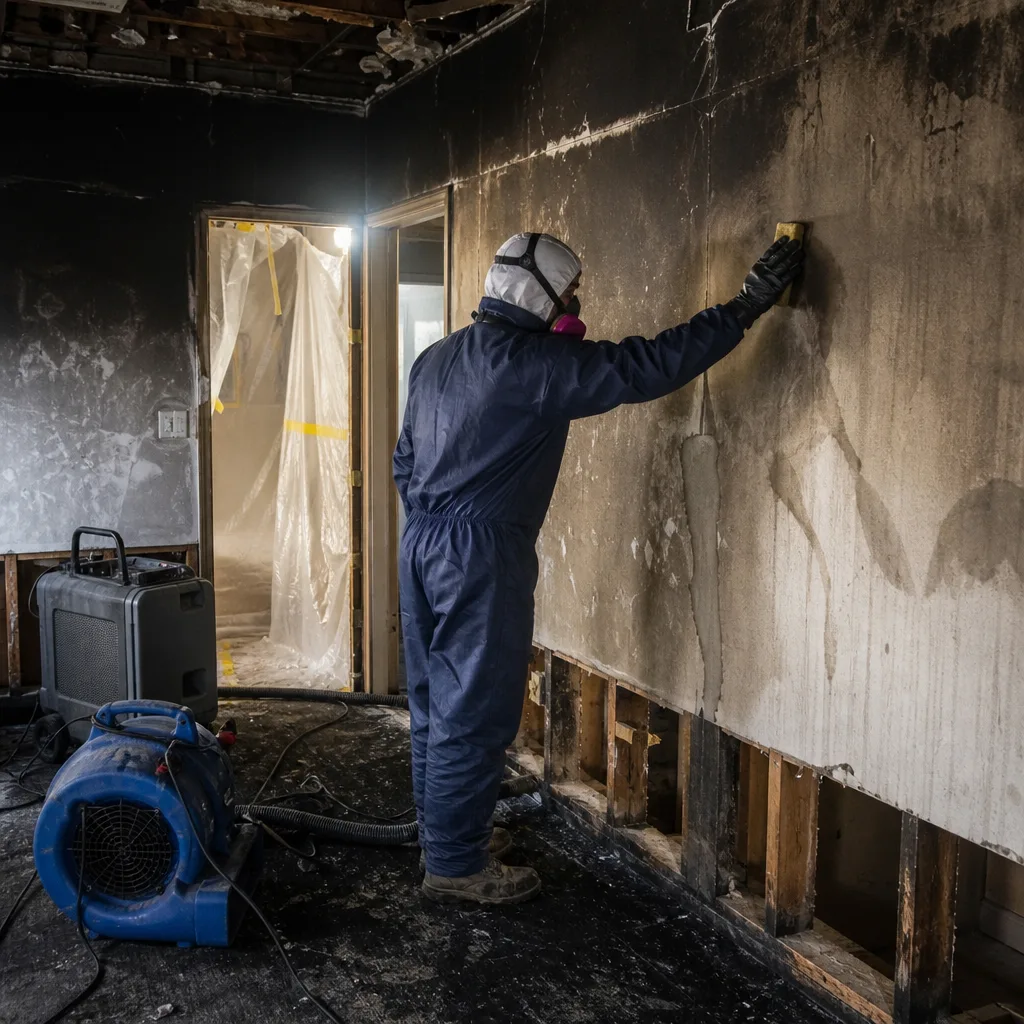
Water damage mitigation in Williamsburg typically runs $2,800-$7,500 for extraction and structural drying, with reconstruction adding $4,200-$12,000 for high-end loft finishes. These ranges reflect actual 2024-2025 jobs in the neighborhood, not national averages.
| Service | Typical Range in Williamsburg |
|---|---|
| Emergency water extraction | $450-$1,200 |
| Structural drying & dehumidification (per day) | $380-$650 |
| Masonry/substrate moisture mapping | $280-$520 |
| Pack-out and contents cleaning | $850-$2,400 |
| Antimicrobial treatment (timber/brick) | $320-$780 |
| Full reconstruction, high-end loft finish | $85-$165 per sq ft |
What moves the price: substrate type (concrete and brick require longer drying than drywall), water category (Category 3 requires more removal and treatment), square footage of actual wetted area versus visible damage, and whether pack-out is needed to protect high-end furnishings. Insurance typically covers sudden and accidental water damage from supply lines, storms, and most appliance failures; gradual leaks and maintenance-related seepage often fall under policy exclusions. We review your coverage with you before work begins and provide a Free Second Opinion on any competitor’s written estimate.
We Also Serve Cities Near Williamsburg
Our Williamsburg crews dispatch from the New York City office to surrounding neighborhoods including Astoria, Upper East Side, Long Island City, and Jackson Heights. Each area carries distinct building stock and loss patterns, and we adjust equipment and protocols accordingly.
Serving Williamsburg, NY - Our Local Coverage Area
We’re based in the Williamsburg area and know this community well. Use the map below to see our service coverage - if you’re nearby, we can almost certainly help.
Williamsburg Water Damage Restoration Questions, Answered
A small damp patch appeared on my Williamsburg loft’s polished concrete - why does the restoration crew keep finding so much more water?
Polished concrete and exposed brick hide lateral water migration that drywall would reveal as staining. In Williamsburg’s converted warehouses, moisture routinely travels two to four times beyond the visible patch through masonry courses and under slab edges before anyone notices. Our moisture mapping with thermal imaging and probe meters finds the full extent before we scope work, so you do not pay for a second round of demolition when latent moisture resurfaces later. Call (862) 281-7710 for a free inspection with full mapping.
My Williamsburg building is a converted factory with original brick and heavy timber - does that change how water damage is handled?
Yes. Standard residential moisture meters calibrated for wood framing under-read moisture held in dense brick and timber, and drying timelines for these substrates run 40-100% longer than drywall assemblies. We deploy Injectidry cavity-drying panels, size dehumidifiers for the vapor load, and do not sign off until probe-verified readings match pre-loss baselines on every structural component. Call (862) 281-7710 to discuss your building’s specific substrate mix.
We’re in a FEMA flood zone along the East River waterfront - does prior flood-loss history affect a new water damage claim?
Prior flood losses are documented in CLUE reports and can trigger coverage limits, higher deductibles, or exclusion disputes with carriers. We flag documented prior-loss history in our initial adjuster communication and photograph flood lines, source verification, and damage differentiation to support coverage arguments. Our documentation package includes the specific NFIP or private flood forms your adjuster needs. Call (862) 281-7710 and we will review your policy documentation before work begins.
How fast do we need to act on a water intrusion in our Williamsburg apartment before mold becomes an issue?
Mold colonization begins in 48-72 hours on organic substrates, and Williamsburg’s heavy timber joists and plaster lath provide more food source than modern drywall. In converted lofts where moisture hides in masonry cavities, the clock starts when water enters, not when it becomes visible. We answer live 24/7 and can have a crew on-site within 45 minutes to begin extraction and establish drying targets. Call (862) 281-7710 now if water is active in your building.
Does the water category actually change what you can dry in place in a Williamsburg loft?
Yes. Category 1 clean water allows more in-place drying if reached quickly. Category 2 requires removal of porous materials that contacted water. Category 3 demands removal of all affected porous materials and antimicrobial treatment of structural elements. In loft buildings with high-end finishes, the temptation is to over-dry Category 2 or 3 water in place to preserve custom millwork. We do not; Haven Standard, Clause 1 requires a written scope that correctly classifies water and specifies required removals, with no changes once work starts. Call (862) 281-7710 for a classification assessment.
How long does structural drying take in a converted warehouse versus a standard apartment?
Standard drywall-framed apartments typically dry in 3-5 days. Williamsburg’s converted warehouses with exposed brick, heavy timber, and concrete slabs require 5-10 days, with tertiary drying sometimes extending to 14 days for deep substrate equalization. We log daily moisture readings and do not remove equipment until every probe point verifies pre-loss moisture content, regardless of building pressure to accelerate. Call (862) 281-7710 for a timeline estimate based on your specific building.
Can we stay in our Williamsburg loft during water damage restoration?
It depends on water category, affected square footage, and equipment noise. Category 1 water in a contained area may allow occupancy with air movers and dehumidifiers running. Category 2 or 3 water, or extensive masonry drying with multiple Injectidry panels, typically requires temporary relocation for safety and equipment access. We discuss occupancy in our written scope before work begins, with no surprises once the crew arrives. Call (862) 281-7710 to review your situation.
What certifications should a water damage restoration company hold for Williamsburg’s industrial-conversion buildings?
IICRC WRT (Water Damage Restoration Technician) is baseline. For masonry and timber substrates common in Williamsburg lofts, look for crews with additional training in structural drying, moisture measurement technology, and applied microbial remediation (AMRT). Our technicians carry WRT, FSRT, and AMRT certifications, with specific experience in concrete and masonry drying protocols that standard residential training does not cover. Equipment documentation to IICRC, RIA, and IFA standards supports insurance claim acceptance. Call (862) 281-7710 to verify current certifications.
When a supply-line failure tripped the riser in a converted riverside warehouse on Kent Ave, our tech arrived to a tenant report of one wet floor patch - moisture mapping with non-invasive meters and thermal imaging ultimately flagged 6,200 sq ft of affected brick cavity and slab-edge, four times the visible footprint. We established containment, ran Dri-Eaz and Phoenix air movers with Injectidry wall-cavity panels, logged daily moisture readings across the exposed brick and concrete, completed a documented pack-out of the tenant’s furnishings, and only signed off once structural drying verified pre-loss condition on every logged point. Because category 1 water had been sitting in organic masonry substrate over the weekend, we also applied antimicrobial treatment to the timber joists before any rebuild.
Ready for a written price before work starts? Call (862) 281-7710 now. We answer live 24 hours a day, dispatch within 45 minutes anywhere in Williamsburg, and deliver a documented scope with a firm price before any equipment enters your building. Free Second Opinion available on any competitor’s written estimate.
Written by Alicia Brennan, Owner at Back to Dry Restoration, serving Williamsburg since 2011 under The Haven Standard.
Water Damage Restoration in Nearby Areas