
Free visual inspection and a written scope of work before any mitigation begins - photos, moisture readings, and drying logs go in your claim file
The scope we write is the scope we bill. Anything new gets shown to you, in writing, before we touch it.
Storm response
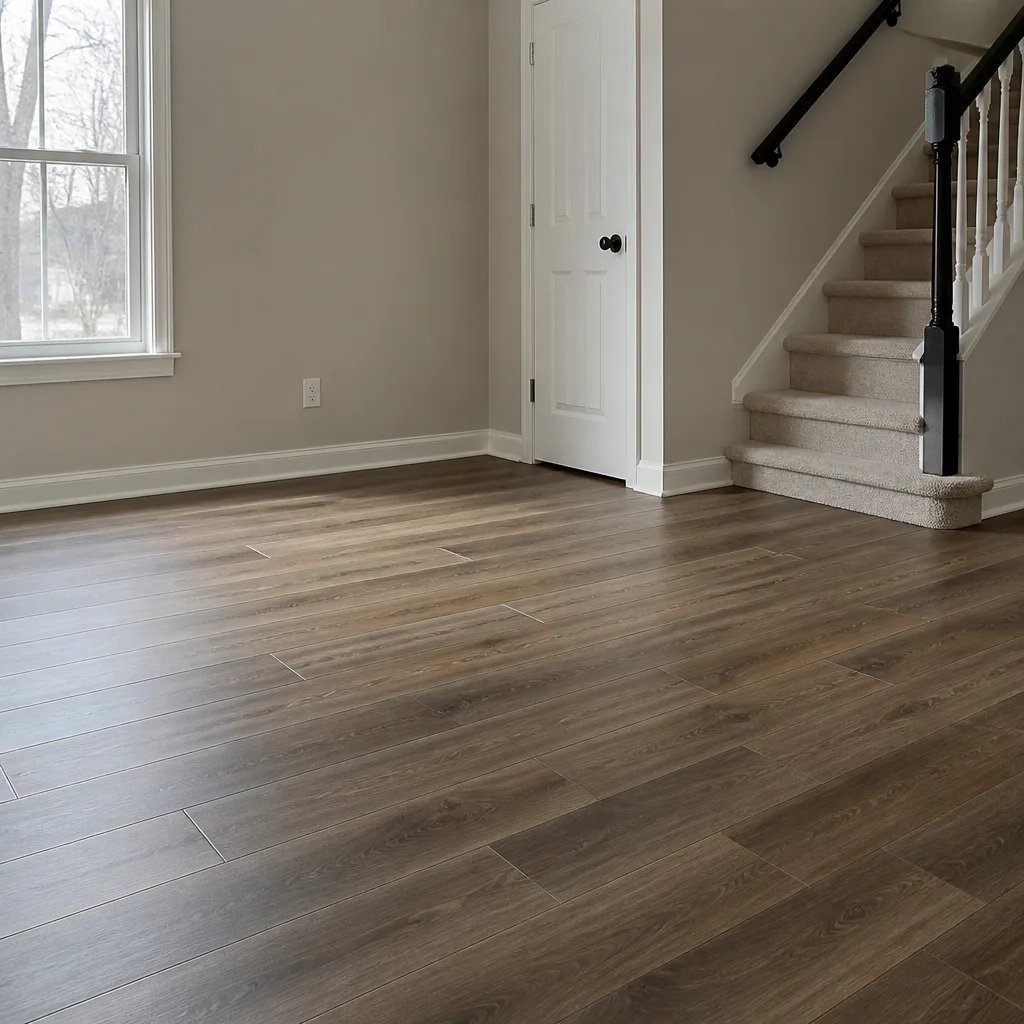
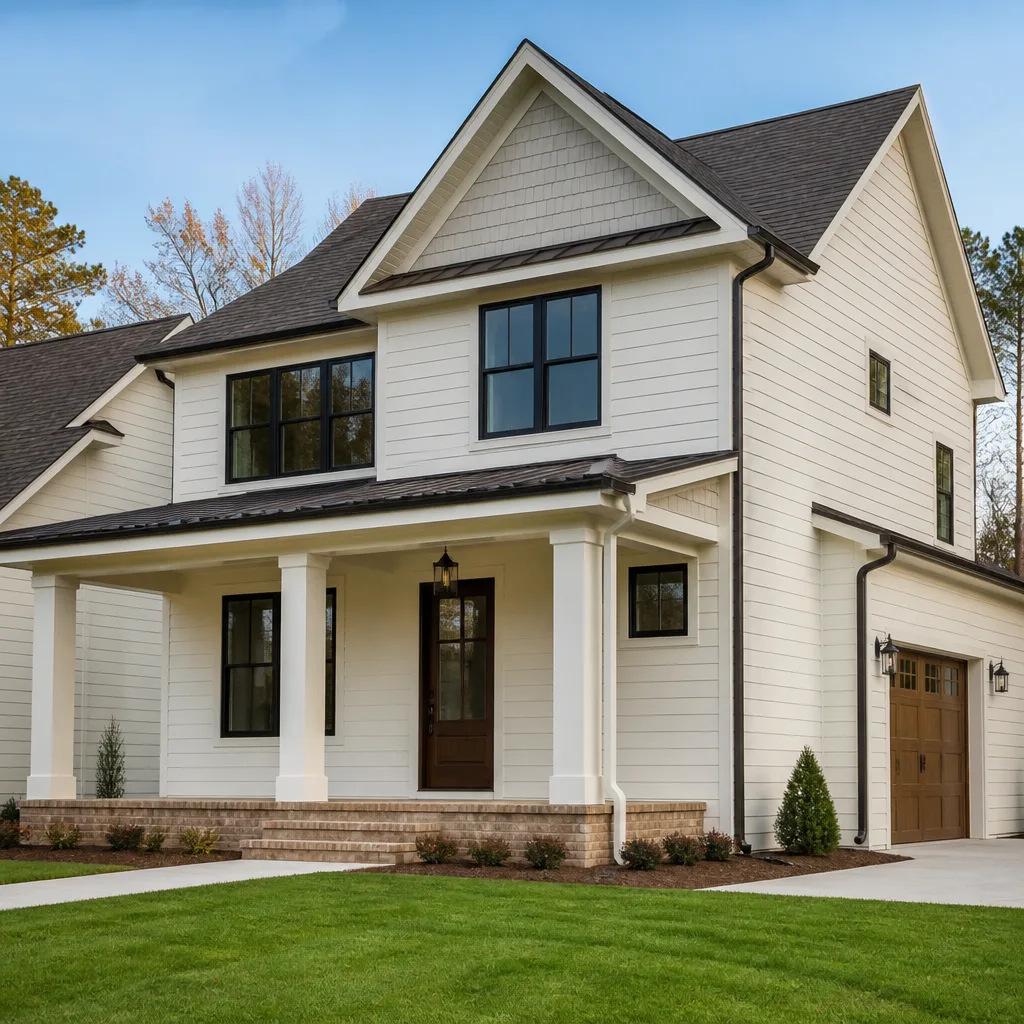
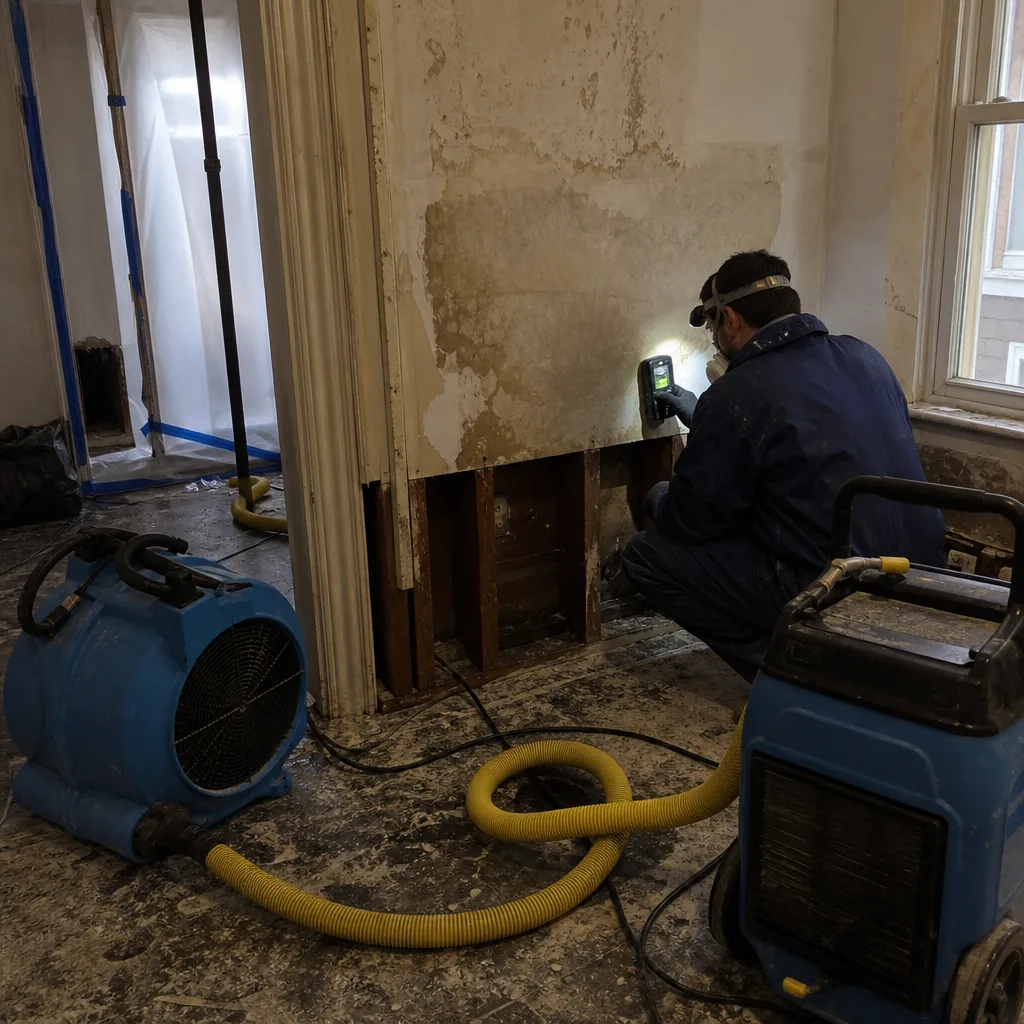 Before
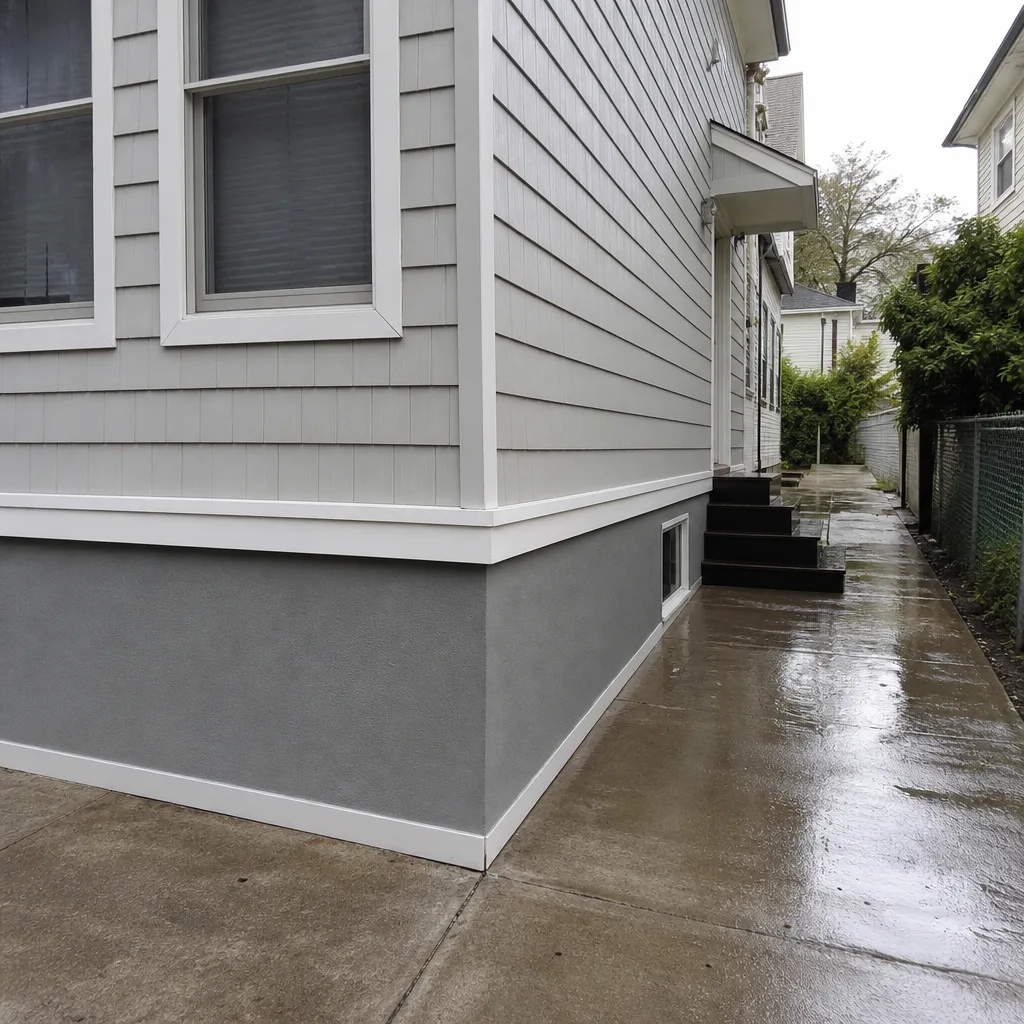 After
After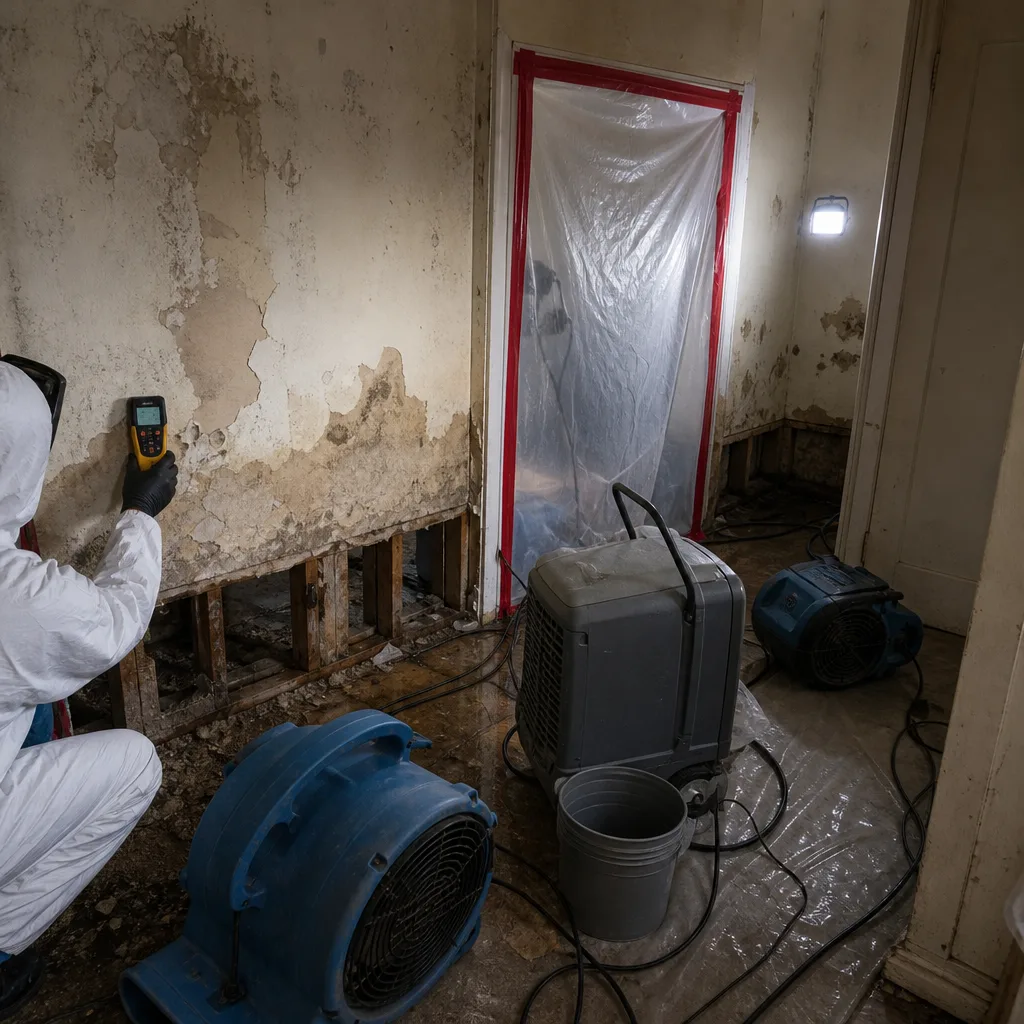 Before
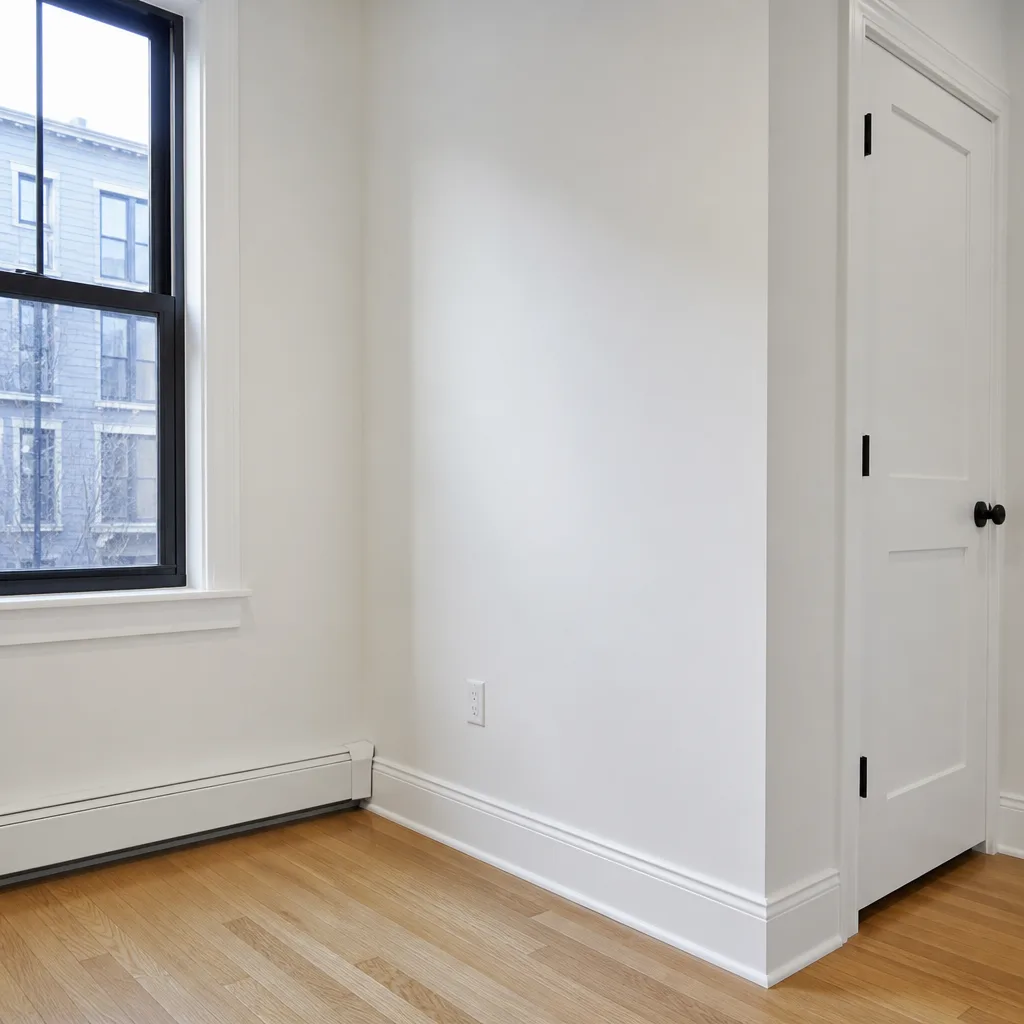 After
After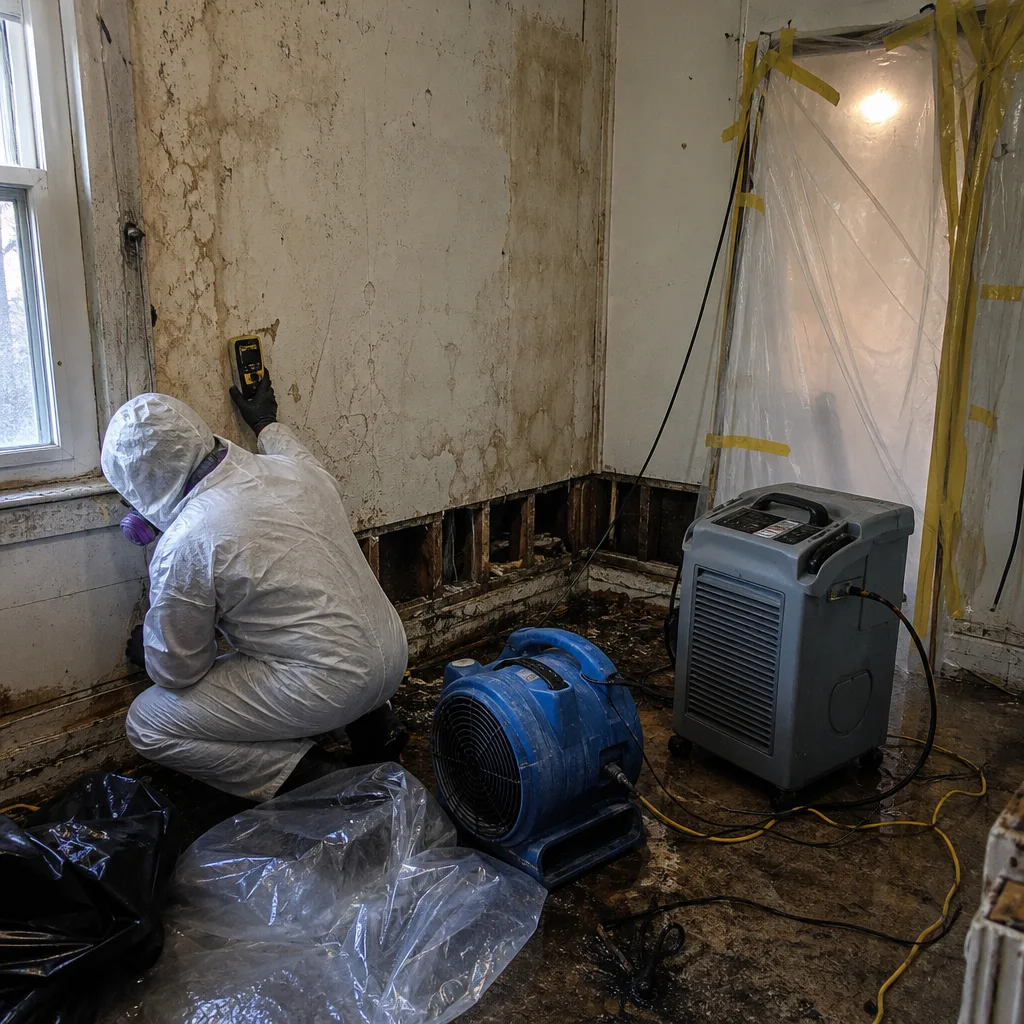 Before
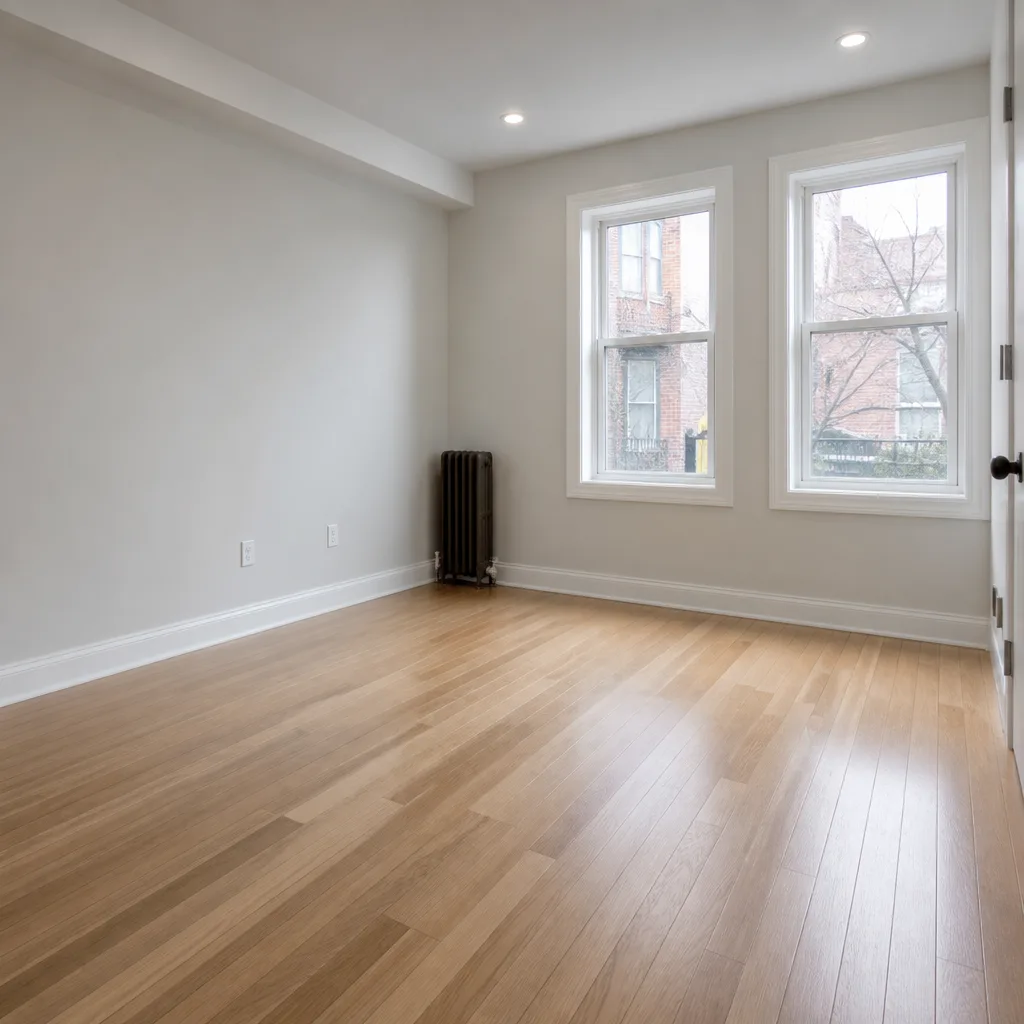 After
After24/7 Emergency Fire & Smoke Damage Restoration in Williamsburg
Fire and smoke damage restoration in Williamsburg typically runs $3,200-$18,500 depending on the affected square footage, with emergency board-up and stabilization starting same-day when you call (862) 281-7710. We answer live, 24 hours a day, 7 days a week - no voicemail, no callback queues while smoke residue continues etching into surfaces. Our crews dispatch from our New York City office to Williamsburg addresses with a 45-minute response commitment, because the first hour after a fire determines whether soot damage stays surface-level or becomes permanent structural corrosion.
Williamsburg’s converted industrial buildings present a specific urgency: exposed brick masonry and heavy timber structural elements absorb smoke and moisture from firefighting efforts in ways that standard drywall construction does not. The longer stabilization waits, the deeper particulate matter migrates into porous substrates. We provide a free visual inspection on arrival, document every affected room with photo records, and deliver a written scope before any work begins - Haven Standard, Clause 1.
Understanding Fire & Smoke Damage Restoration Severity in Williamsburg Properties
Fire damage severity in Williamsburg falls into three practical categories tied to the neighborhood’s actual building stock. Light damage - confined to a single room with surface soot on painted drywall or finished surfaces - typically responds to dry sponging, HEPA vacuuming, and thermal fogging within 3-5 days. Moderate damage involves smoke migration through HVAC systems, soot penetration into porous materials, and water intrusion from suppression systems; in Williamsburg’s converted lofts with open floor plans, this grade routinely affects 2,000-4,000 square feet beyond the fire origin. Heavy damage includes structural compromise, charred framing or heavy timber, and extensive water saturation requiring demolition, reconstruction, and extended deodorization protocols.
The neighborhood’s housing stock dictates our assessment approach. Late-19th and early-20th century tenement walk-ups along Bedford Avenue and the interior blocks contain original plaster-and-lath walls, aging cast-iron drain lines, and galvanized supply pipes - materials that fracture under thermal stress and conceal water migration behind intact surfaces. Converted warehouse and factory buildings along the Kent Avenue waterfront corridor retain original brick masonry, poured concrete subfloors, and heavy timber structural members. These substrates demand specialized cleaning agents: alkaline cleaners for protein-based smoke residues from kitchen fires, solvent-based products for synthetic soot from plastic and petroleum combustion, and dry-ice blasting or soda blasting for delicate historic brick where water-based methods would drive contaminants deeper.
Smoke migration patterns in Williamsburg loft conversions defy standard apartment logic. Wide-open floor plans, elevator shafts, and original industrial ventilation pathways create lateral smoke travel through brick courses and under concrete slabs. Our crews use thermal imaging and borescopic inspection to map actual migration, because the visible char zone in these buildings routinely measures one-quarter to one-half of the true affected area.
Why Williamsburg Property Owners Choose DryMark Restoration Astoria
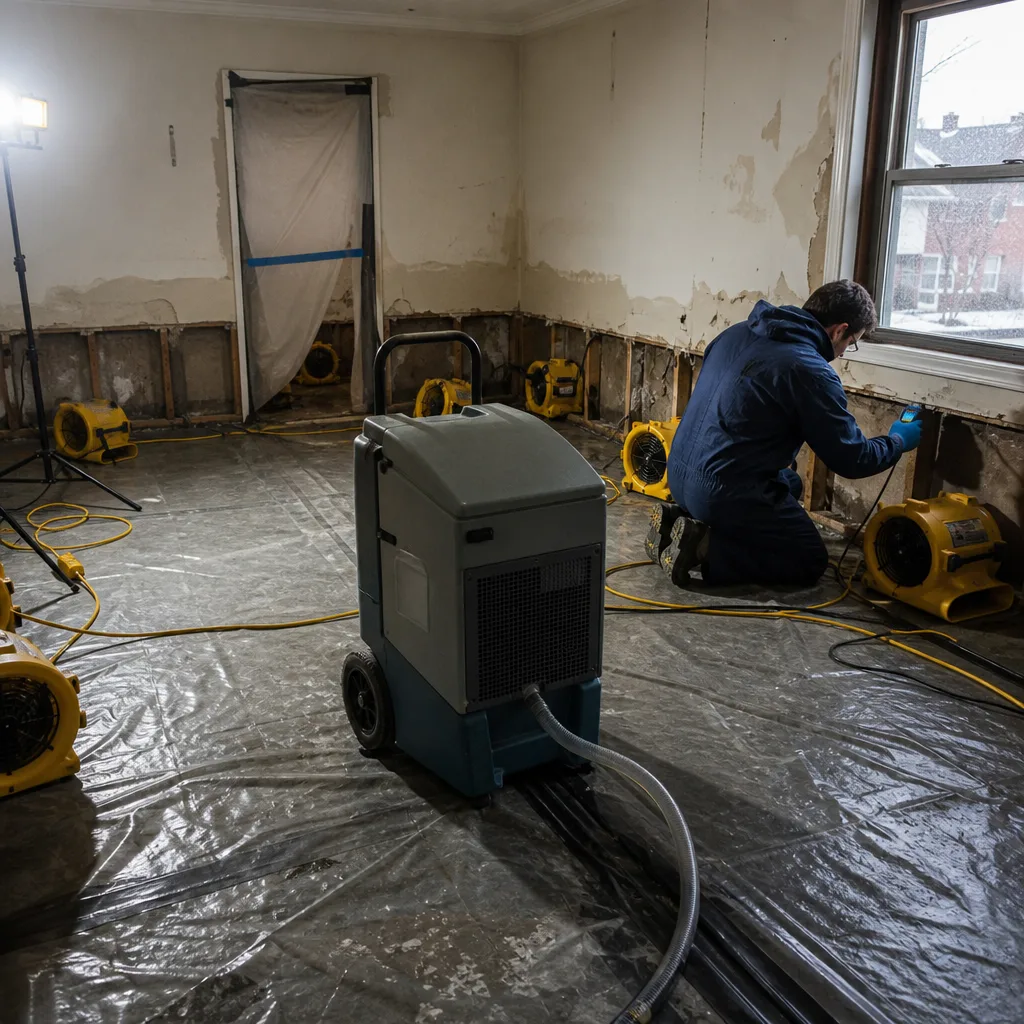
- 45-minute response commitment to Williamsburg addresses, with crews dispatched from our New York City office and GPS-tracked en route.
- 24/7 live answer - a real person, never an automated system or voicemail tree, on every call to (862) 281-7710.
- IICRC-certified crews holding FSRT (Fire and Smoke Restoration Technician) and WRT (Water Damage Restoration Technician) certifications, with background-checked, uniformed technicians named and verified before arrival.
- Free visual inspection with documented photo record on every visit, included as standard deliverable, never an upsell.
- Direct insurance billing with adjuster coordination, daily drying logs, and line-item scopes that turn restoration invoices into payable claims.
- One team from emergency board-up through structural fire repair and final reconstruction, eliminating handoff gaps that delay completion.
BeforeAfterOur Fire & Smoke Damage Restoration Process
1. Inspection & Assessment
We arrive with thermal imaging cameras, moisture meters calibrated for masonry and concrete substrates, and borescopes to inspect wall cavities. In Williamsburg’s converted lofts, we specifically map smoke migration through original brick courses and test concrete slabs for water intrusion from firefighting efforts. Every finding is photo-documented before any equipment moves in.
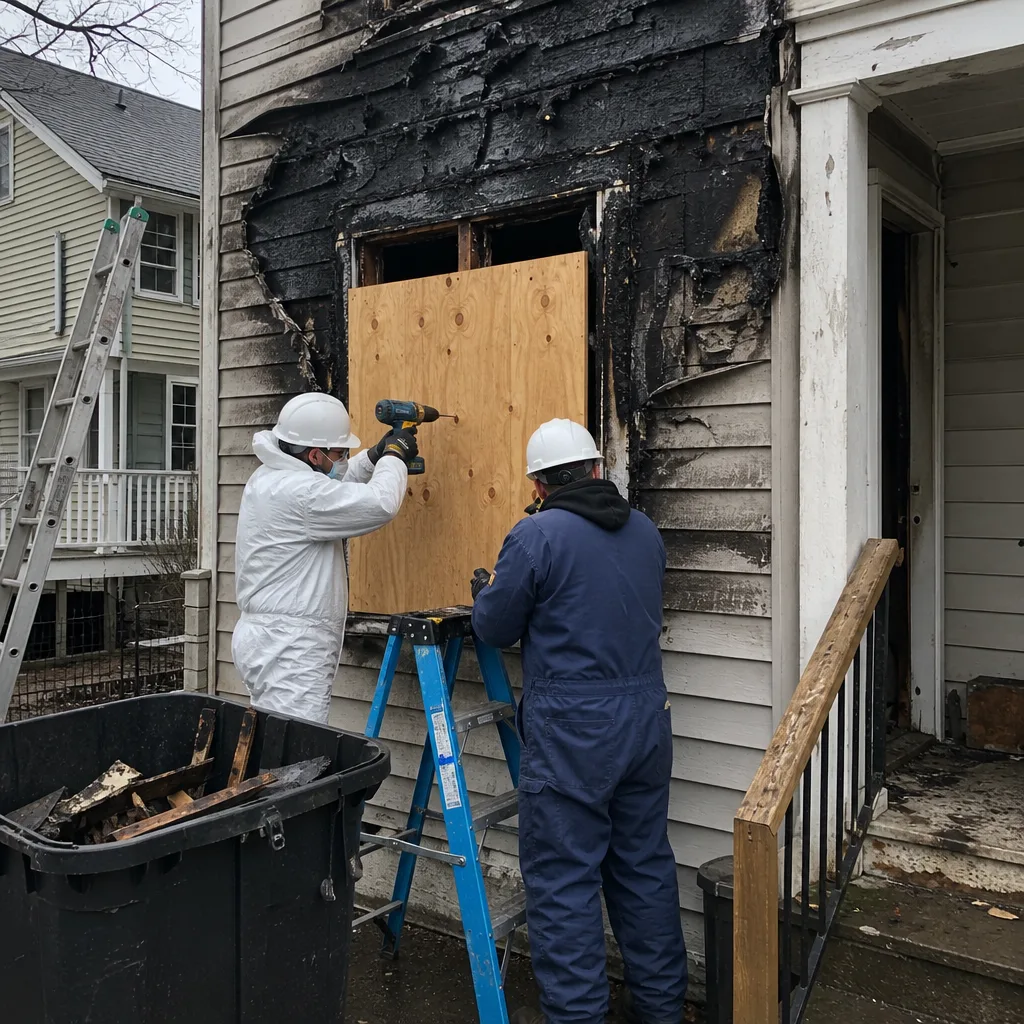
2. Emergency Board-Up & Tarping
Fire-damaged exterior openings are secured with plywood and weatherproof tarps to prevent secondary water intrusion. In Williamsburg’s FEMA-designated flood zones, we assess whether replacement doors and wall assemblies require wind-rated framing to maintain code compliance - a specification standard inland fire jobs rarely encounter.
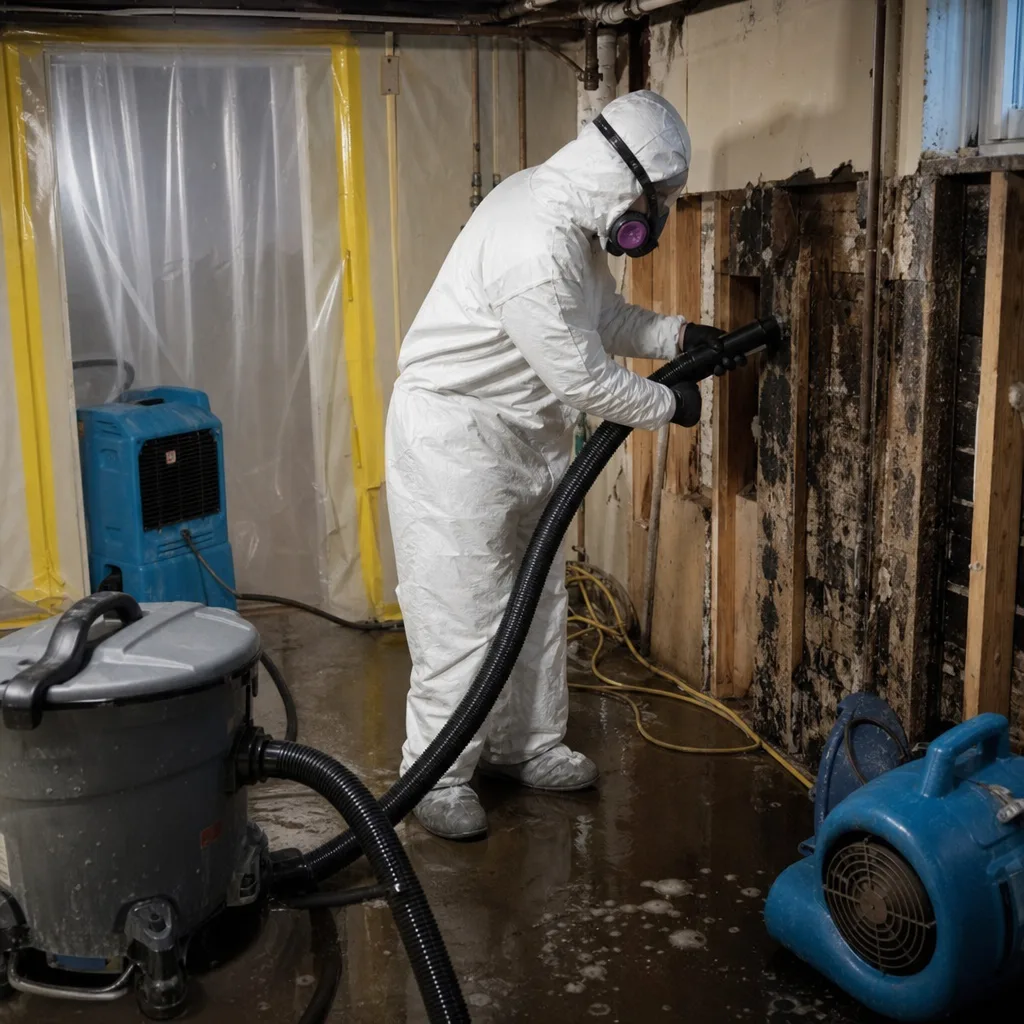
3. Water Extraction & Structural Drying
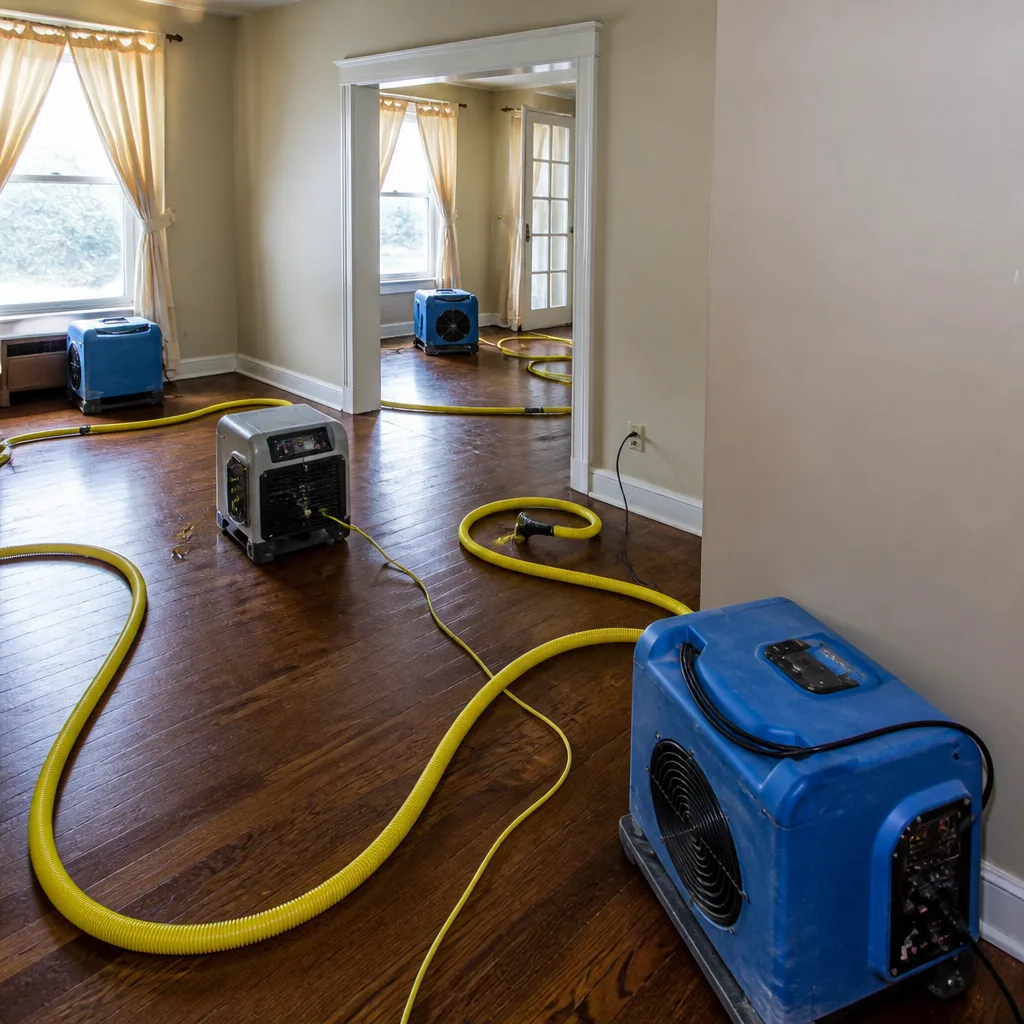
Firefighting water saturates concrete subfloors and wicks into exposed brick far deeper than standard residential construction. We deploy Dri-Eaz and Phoenix LGR dehumidifiers with air movers positioned for vapor pressure differential drying, plus Injectidry systems for wall cavity evacuation. Daily moisture logs track psychrometric data until substrates reach pre-loss equilibrium.
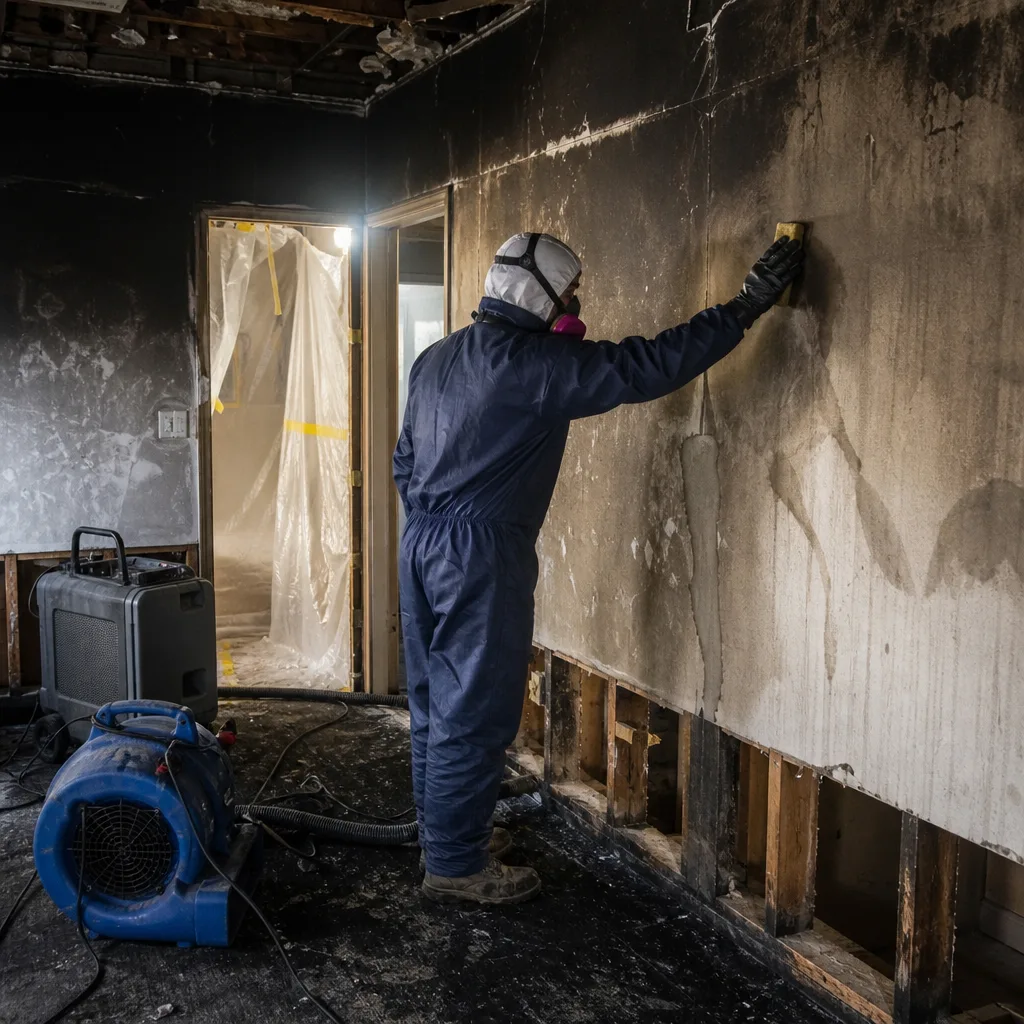
4. Soot & Smoke Residue Cleaning
Our FSRT-certified technicians classify residue type - dry smoke, wet smoke, protein smoke, or fuel oil soot - then select cleaning chemistry accordingly. Dry-ice blasting restores historic brick without water damage; HEPA vacuums and ultrasonic cleaning handle contents and fixtures. Every surface is tested with solvent swabs before deodorization begins.
5. Odor Removal & Deodorization
Surface spraying fails in Williamsburg’s porous industrial substrates. We deploy thermal fogging, ozone treatment, and hydroxyl generators to neutralize odor compounds at the molecular level within brick masonry and heavy timber. Multiple treatment cycles with air scrubber containment prevent recontamination of cleaned zones.
6. Structural Fire Repair & Reconstruction
Charred heavy timber is sistered or replaced per structural engineering review. Fire-damaged exterior doors in waterfront zones receive impact-rated, wind-rated framing assemblies meeting FEMA flood zone requirements. Final walkthrough includes written completion documentation, photo record, and our 365-Day Done Right Promise under The Haven Standard.
Need Emergency Fire & Smoke Damage Restoration in Williamsburg Now?
Crews minutes away, answering live 24 hours a day. The sooner we start, the less it costs.
Working With Your Insurance Company
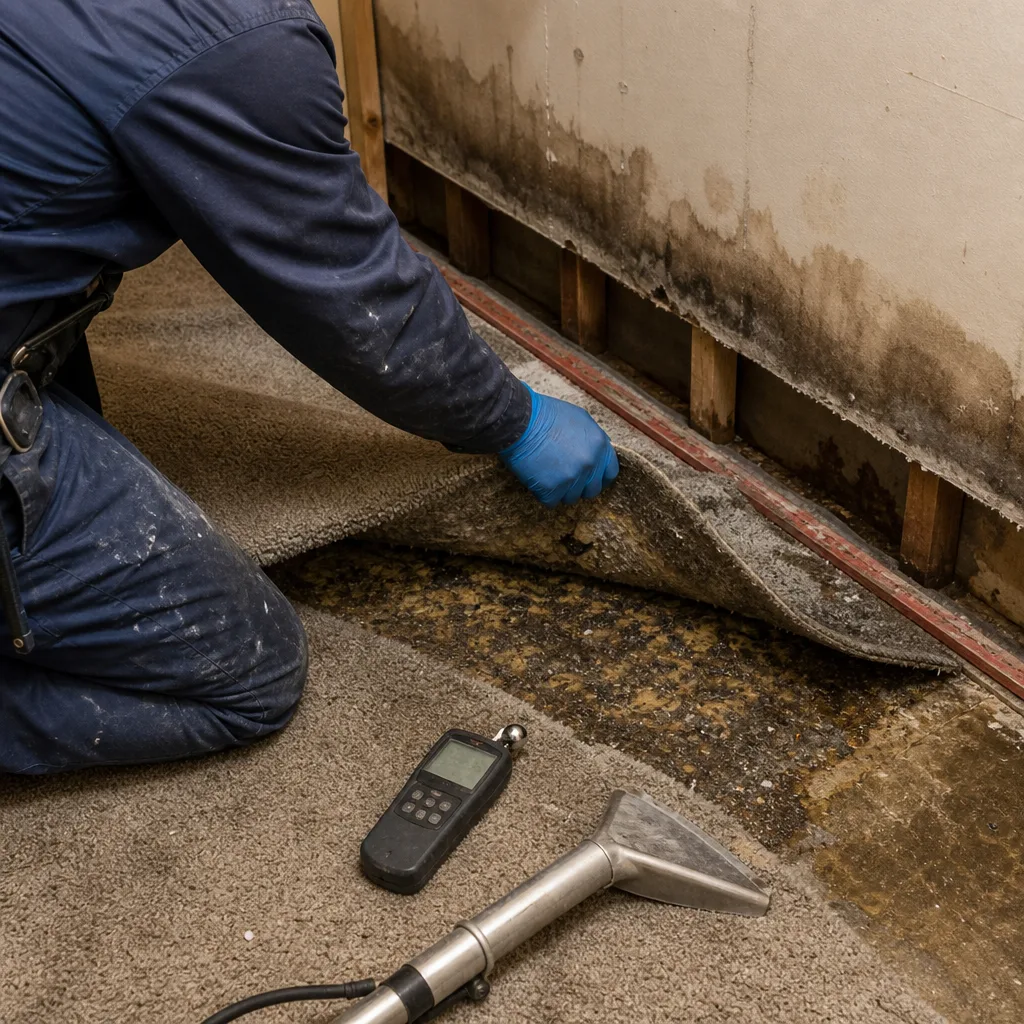
Fire claims in Williamsburg carry added complexity: many waterfront buildings hold documented prior-loss history from Hurricane Sandy’s 2012 surge, and adjusters scrutinize whether new damage stems from the reported fire or pre-existing conditions. Our documentation protocol begins the moment we arrive. We photograph every room, every surface, every piece of equipment deployed, with timestamps and moisture readings that establish a clear pre-loss condition baseline.
Our estimates follow industry-standard Xactimate pricing with line-item detail that carriers recognize and pay without dispute. We speak directly with your adjuster, provide supplemental documentation when scope expands, and never proceed beyond the written authorization without signed approval. The goal is simple: your restoration invoice becomes a claim that processes without fight.
What We Provide Your Insurer
- Thorough documentation of the loss with timestamped arrival photos
- Photos of all damage, room by room, surface by surface
- Moisture readings and daily drying logs to IICRC and RIA standards
- A detailed, line-item scope of work with written price before work begins
- Direct coordination with your carrier, including adjuster site visits
Built for Williamsburg’s Loss Calendar
January deep freezes in the NY metro area strain aging heating systems in Williamsburg’s pre-war walk-ups, with space heaters and overloaded electrical circuits sparking fires in buildings where original knob-and-tube wiring still serves portions of the structure. Spring thaw brings basement seepage into below-grade units already compromised by fire suppression water. Summer thunderstorm flash flooding hits the FEMA-designated waterfront zone with particular severity, often arriving while fire-damaged buildings remain open to the elements during initial stabilization.
Nor’easter season, running October through April, combines wind-driven rain with tidal surge that tests any temporary board-up or tarp installation. In Williamsburg’s converted lofts, a fire loss during storm season creates overlapping damage streams: smoke and soot from combustion, water from suppression, and wind-driven precipitation through compromised envelopes. Our crews carry wind-rated door and framing specifications specifically for this scenario, because standard fire restoration in inland Queens or Brooklyn never faces the same code requirements.
Fire & Smoke Damage Restoration Across Williamsburg’s Neighborhoods
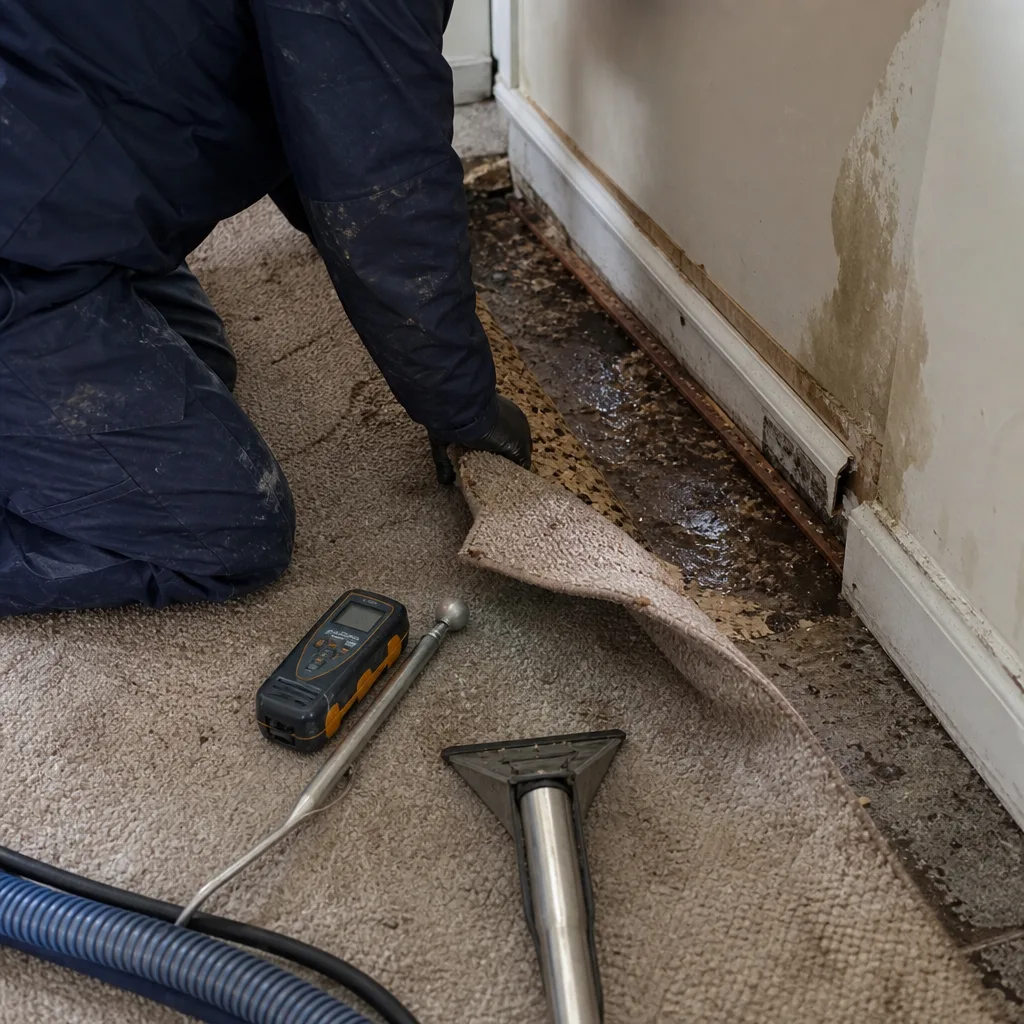
Our Fire & Smoke Damage Restoration team serves distinct Williamsburg corridors with loss patterns shaped by their building stock and exposure.
The Kent Avenue waterfront, from North 14th Street down to Broadway, holds the highest concentration of converted industrial loft buildings. These structures face dual exposure: fire risk from aging electrical infrastructure adapted for residential use, and flood risk from the East River. After a fire on this corridor, we routinely find smoke has traveled through original freight elevator shafts and ventilation ducts to affect units three floors above and two wings across from the origin. Emergency board-up here must account for wind-load requirements that standard plywood won’t satisfy.
The interior blocks between Bedford Avenue and Wythe Avenue, from Metropolitan Avenue to Division Street, contain the neighborhood’s densest tenement stock. Original plaster-and-lath walls, shared party walls, and common roof structures mean fire and smoke spread horizontally through concealed spaces. Our response to calls on Leonard Street or Roebling Street always includes borescope inspection of adjacent units, because smoke migration through lath channels is invisible until it becomes an odor complaint weeks later.
South Williamsburg, below the BQE and toward the Williamsburg Bridge, mixes industrial remnants with newer residential construction. The Hasidic community along Division Street maintains large multi-generational residences with kosher kitchen requirements that complicate standard fire restoration chemistry selection. We coordinate with rabbinical authorities when necessary to ensure cleaning agents meet dietary law standards for spaces where food preparation will resume.
The Graham Avenue corridor and East Williamsburg toward the Morgan Avenue L train retain active industrial and light manufacturing alongside residential conversion. Mixed-use buildings here present unique fire scenarios: commercial kitchen grease fires on ground floors with residential units above, or welding and fabrication sparks igniting shared wall assemblies. Our crews document commercial-residential occupancy classifications carefully, because insurance coverage and code requirements diverge sharply between the two uses.
Specialized Fire & Smoke Damage Restoration Services We Offer in Williamsburg
Fire Damage Cleanup
We remove charred debris, classify structural integrity of heavy timber and steel members, and establish containment barriers before cleaning begins. In Williamsburg’s converted lofts, this includes testing concrete slabs for spalling from thermal shock and evaluating whether original brick faces require repointing after dry-ice blasting removes soot.
Smoke & Soot Removal
Different combustion sources produce different residues: protein fires from kitchens leave nearly invisible but pungent films; plastic and synthetic fires leave thick, acidic soot that etches metal and glass within hours. We identify residue type through solvent testing, then select appropriate cleaning chemistry - never the one-size-fits-all approach that drives callbacks.
Odor Removal & Deodorization
Williamsburg’s exposed brick and heavy timber demand aggressive odor treatment that surface methods cannot provide. We sequence thermal fogging, ozone, and hydroxyl generation with containment air scrubbing, verifying elimination with olfactory testing and air quality measurement rather than masking with perfumes.
Contents Cleaning & Pack-Out
Fire-damaged personal property is inventoried, photographed, and transported to our facility for ultrasonic cleaning, ozone treatment, and specialized textile restoration. Items are returned only after passing inspection, with documentation that supports contents coverage claims.
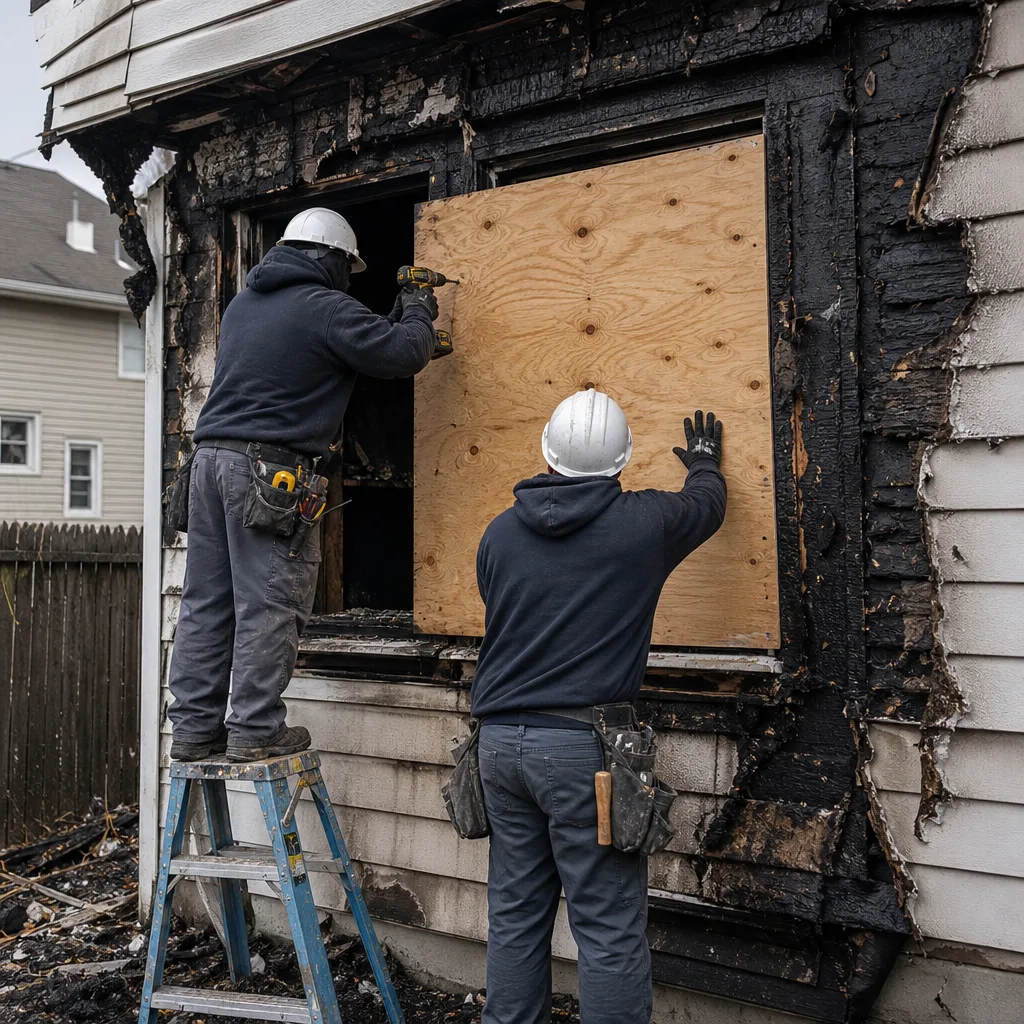
Emergency Board-Up & Tarping
Fire-damaged openings are secured against weather, intrusion, and secondary damage. In Williamsburg’s flood zones, we specify impact-rated and wind-rated door assemblies where code requires them - not standard plywood barriers that fail inspection or leave the building non-compliant.
What happens when you call
- 1
A real person answersNo phone trees - you reach a local pro.
- 2
You get an upfront price rangeHonest numbers before anyone is dispatched.
- 3
A background-checked tech heads outLicensed & insured, dispatched right away.
- 4
You approve before work beginsNothing starts until you say go.
Fire & Smoke Damage Restoration Costs in Williamsburg, NY
Actual pricing for Williamsburg’s market, delivered in writing before work begins on every job:
| Service | Typical Range |
|---|---|
| Emergency board-up & stabilization | $850 - $2,400 |
| Smoke & soot cleanup (light, single room) | $1,800 - $4,200 |
| Smoke & soot cleanup (moderate, open loft plan) | $4,500 - $9,800 |
| Odor removal & deodorization (comprehensive) | $2,200 - $5,600 |
| Contents pack-out, cleaning & storage | $1,500 - $6,000+ |
| Structural fire repair & reconstruction | $8,500 - $35,000+ |
What moves the price: affected square footage, substrate type (brick and timber cost more than drywall), presence of water damage requiring full structural drying, and whether wind-rated replacement assemblies are required for flood-zone compliance. Insurance typically covers direct fire and smoke damage plus necessary water damage from suppression; our written scope separates covered from non-covered items before you authorize work. Bring any competitor’s written estimate for our Free Second Opinion - we’ll review it at no charge.
We Also Serve Cities Near Williamsburg
Our crews respond throughout the immediate metro area from our New York City coordination office. We regularly serve Williamsburg alongside Astoria, Upper East Side, Long Island City, and Jackson Heights - often handling multiple-loss events when regional storms or infrastructure failures affect contiguous neighborhoods simultaneously.
Serving Williamsburg, NY - Our Local Coverage Area
We’re based in the Williamsburg area and know this community well. Use the map below to see our service coverage - if you’re nearby, we can almost certainly help.
Williamsburg Fire & Smoke Damage Restoration Questions, Answered
Why does a fire loss in a Williamsburg converted loft take longer to restore than a standard apartment?
Exposed brick masonry and heavy timber absorb smoke particulates and firefighting water far deeper than standard drywall and stud construction, requiring extended drying cycles and multiple deodorization treatments before substrates reach pre-loss condition. The visible damage zone in these buildings typically understates true affected area by 50-200%. Call (862) 281-7710 for a free inspection and written timeline.
Are exterior doors on Williamsburg waterfront buildings required to be wind-rated after a fire?
Yes, buildings within FEMA-designated flood zones along the East River waterfront must maintain wind-rated and impact-rated exterior door assemblies per post-Sandy building code amendments; standard replacement doors without proper ratings will fail inspection and leave the building non-compliant. We specify and install compliant assemblies as part of our structural fire repair scope. Call (862) 281-7710 to discuss your specific building requirements.
Can smoke odor really come back after a fire is ‘cleaned’?
Yes, when surface deodorization is applied while soot remains trapped in porous substrates like exposed brick, heavy timber, or concrete - common in Williamsburg’s converted industrial buildings - temperature and humidity changes re-release odor compounds for weeks or months. Our protocol includes substrate testing before declaring odor elimination, with written verification. Call (862) 281-7710 if you’ve experienced a callback from a previous restoration.
What does a pre-loss condition report matter when a fire follows a storm surge?
Insurance adjusters scrutinize whether damage is fire-related or pre-existing from prior flooding, particularly in Williamsburg buildings with documented Sandy loss history; our photo-documented pre-loss condition report establishes a clear baseline that protects your coverage. We produce this documentation on every job, standard. Call (862) 281-7710 before conditions change further.
How fast does mold become a problem after firefighting water soaks a Williamsburg loft?
Mold colonization begins 24-72 hours after water intrusion in porous materials; Williamsburg’s concrete subfloors and brick masonry can hold moisture for weeks while appearing surface-dry, creating hidden mold risk that standard moisture meters miss. We deploy specialized masonry-calibrated detection and begin structural drying within hours of arrival. Call (862) 281-7710 for immediate response.
Will my insurance cover the full cost of fire and smoke restoration?
Most homeowner and commercial policies cover direct fire, smoke, and suppression water damage, though coverage limits, deductibles, and prior-loss history affect actual payout; our written scope separates covered items from potential out-of-pocket expenses before work begins, and we coordinate directly with your adjuster. Call (862) 281-7710 with your policy details for a coverage review.
How fast can your crew actually get to a Williamsburg address?
We maintain a 45-minute response commitment to Williamsburg with crews dispatched from our New York City office, GPS-tracked en route, answering live on every call. Actual arrival varies with traffic and incident location, but we never leave you in a voicemail queue while damage spreads. Call (862) 281-7710 now for immediate dispatch.
What should I do in the first 30 minutes after a fire is extinguished?
Ensure all occupants are accounted for and do not re-enter until fire department clearance; call (862) 281-7710 immediately for emergency board-up to prevent secondary water and weather damage; avoid touching soot-covered surfaces as skin oils set stains permanently; and gather your insurance policy and contact information for our documentation team. Do not attempt DIY cleanup of fire-damaged electrical systems or compromised structural elements.
On a fire loss in a converted warehouse loft off Kent Avenue near the East River waterfront, our crew found the exterior steel roll-up door had buckled from wind load during the same storm that started the fire; we built containment, ran moisture mapping on the exposed brick and polished concrete slab, and installed impact-rated reinforced door framing before structural drying and odor removal could proceed. That sequence - stabilize the envelope, verify substrate conditions, meet code requirements, then restore - is standard for Williamsburg waterfront properties and irrelevant a few miles inland.
Williamsburg’s defining restoration challenge is its massive stock of former industrial and warehouse buildings converted to luxury residential lofts: exposed brick masonry wicks and holds moisture deep into wall assemblies far longer than drywall construction, poured concrete subfloors mask water migration underneath, and wide-open floor plans allow a single pipe burst or sprinkler discharge to spread damage across thousands of square feet before anyone notices. Restoration crews here must treat what looks like a conventional fire call as a masonry and concrete remediation job with high-end finishes at stake - a skill set irrelevant a few miles away in a neighborhood of standard stud-framed apartments.
Fire-damaged exterior doors in Williamsburg’s waterfront lofts are too often replaced with stock units that don’t carry a wind rating, leaving the building non-compliant for the FEMA flood zone. Smoke odor is treated with surface deodorization while soot remains trapped in exposed brick masonry and heavy timber, which re-release odor for weeks. Wide-open converted floor plans let smoke and soot travel laterally through brick courses and under concrete slabs, so the visible char zone is two to four times smaller than the actual affected area. These are the failure modes we built our Williamsburg protocol to prevent.
Every job we perform in Williamsburg is quoted in writing before work begins, documented with a photo record on every visit, and covered by our 365-Day Done Right Promise under The Haven Standard. Our equipment includes professional-grade drying systems from Dri-Eaz, Phoenix, and XPOWER, with all work documented to IICRC, RIA, and IFA standards. We have restored 12,000+ homes since 2011, every one with a written price before work started and a documented record when the crew left.
Call (862) 281-7710 now for a free visual inspection and written scope. We answer live, 24 hours a day, 7 days a week.
Written by Alicia Brennan, Owner at Back to Dry Restoration, serving Williamsburg since 2011 under The Haven Standard.
Fire & Smoke Damage Restoration in Nearby Areas