
Free visual inspection and a written scope of work before any mitigation begins - photos, moisture readings, and drying logs go in your claim file
The scope we write is the scope we bill. Anything new gets shown to you, in writing, before we touch it.
Storm response
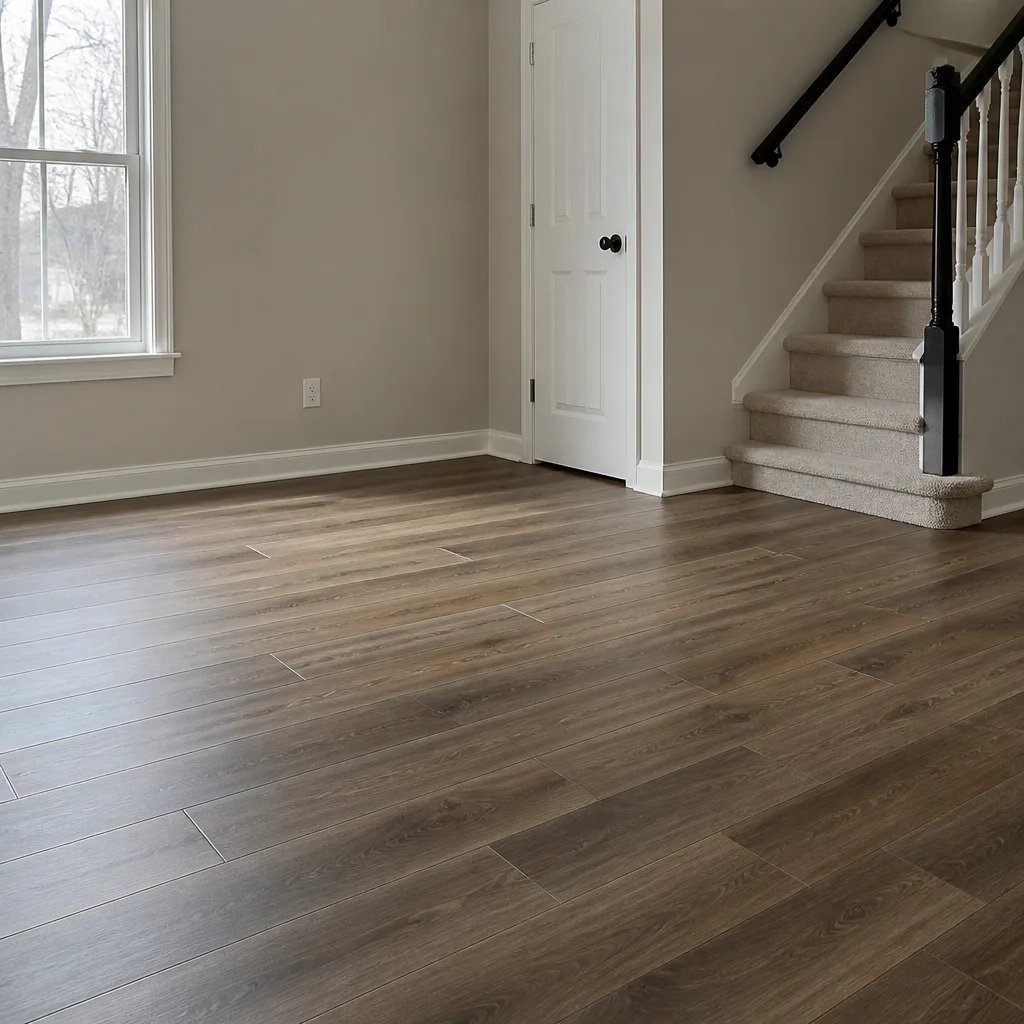
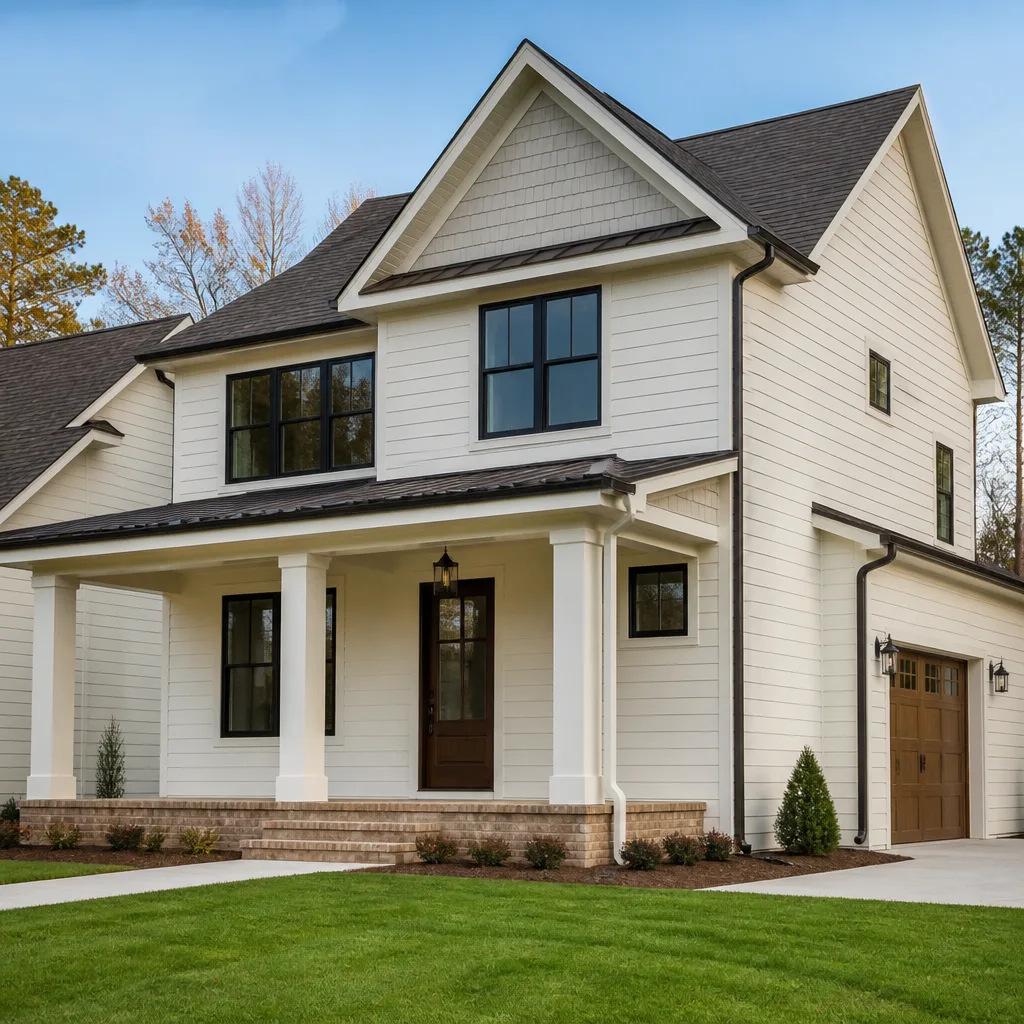
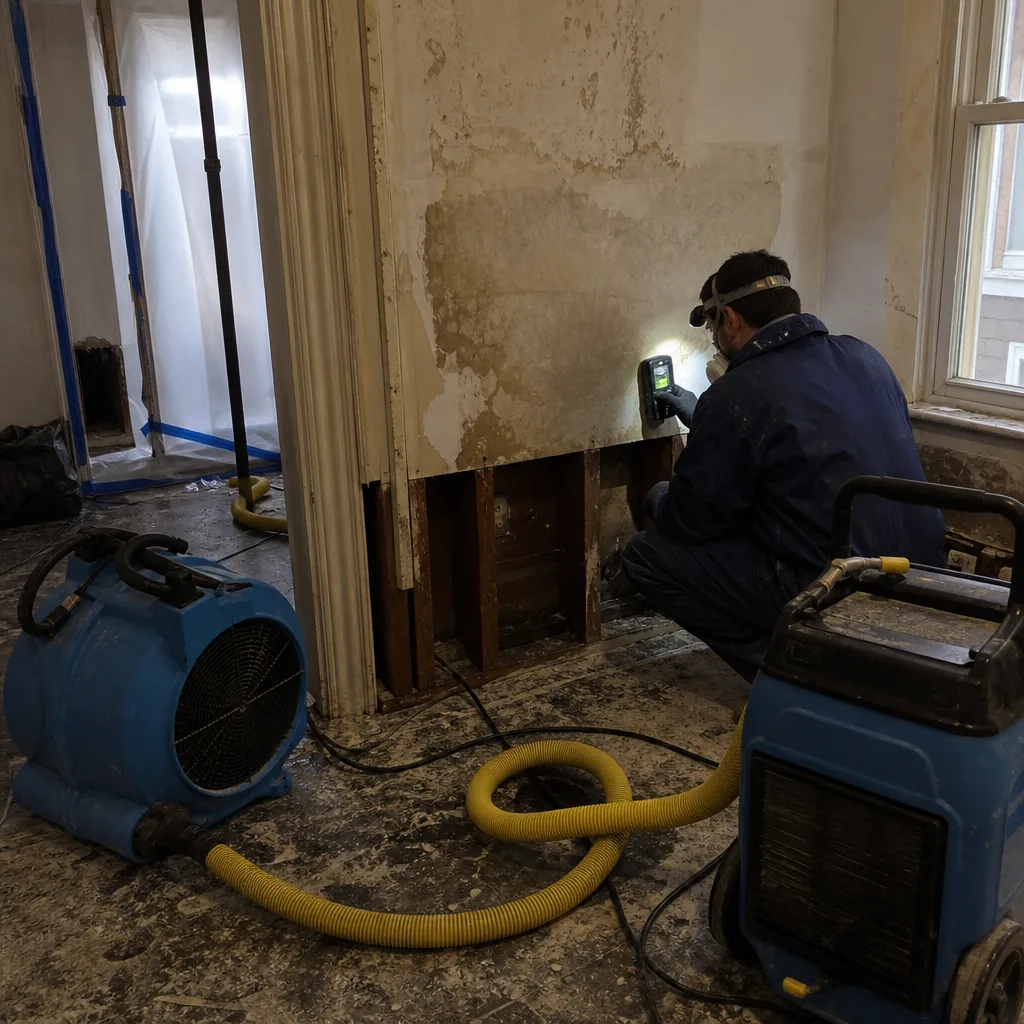 Before
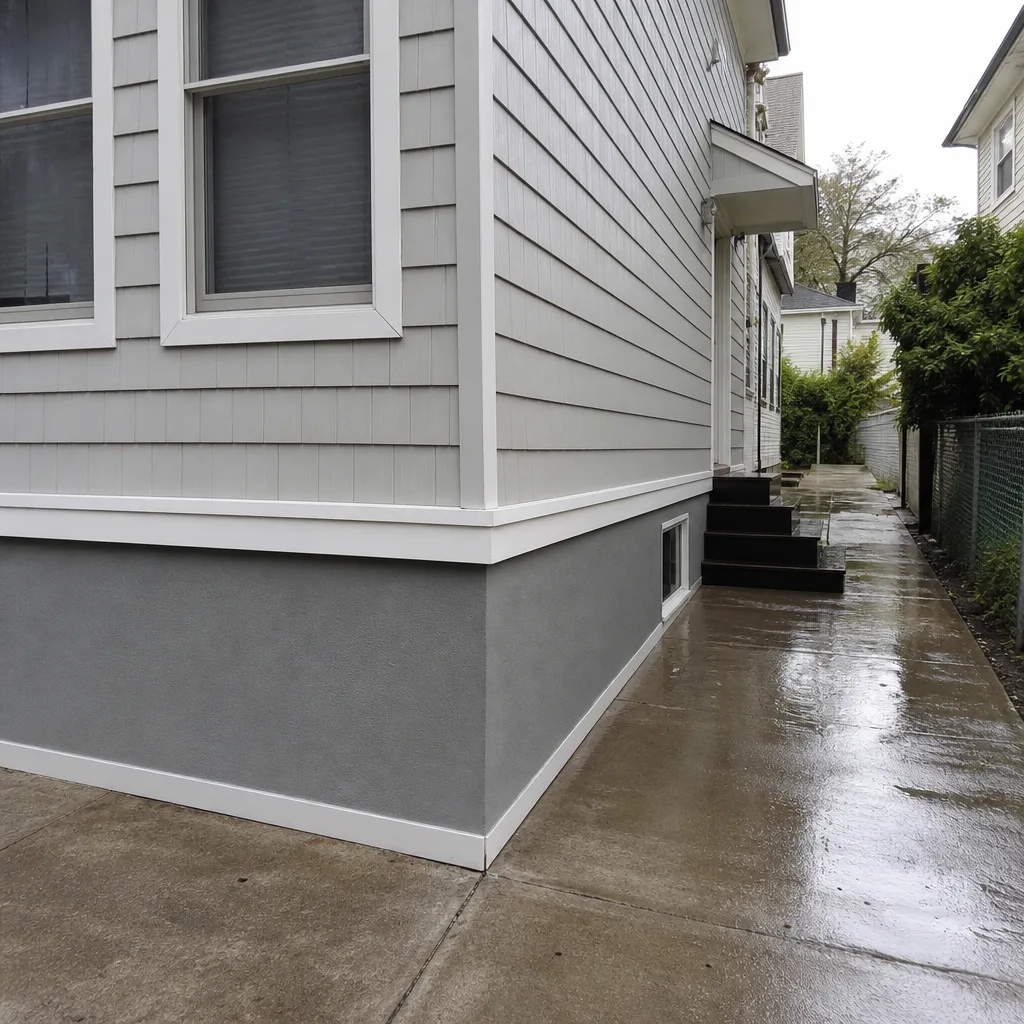 After
After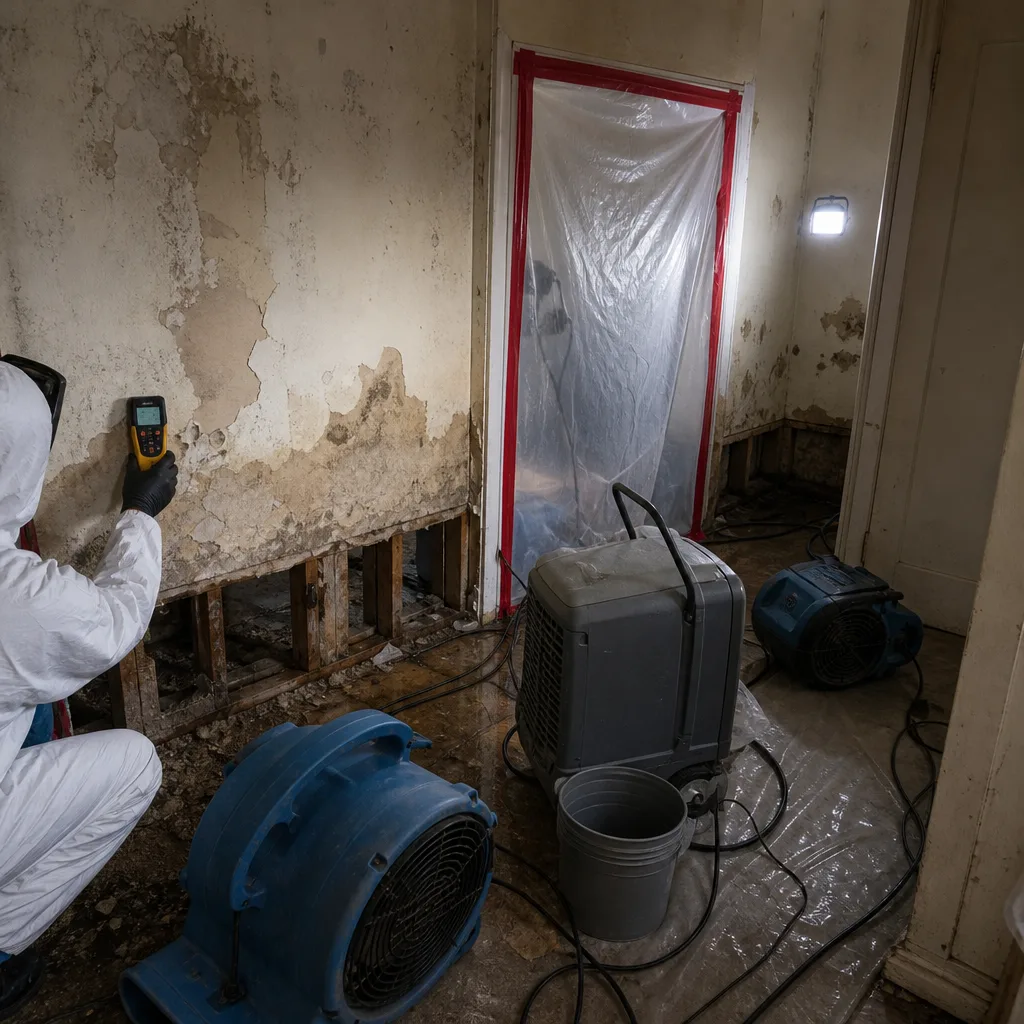 Before
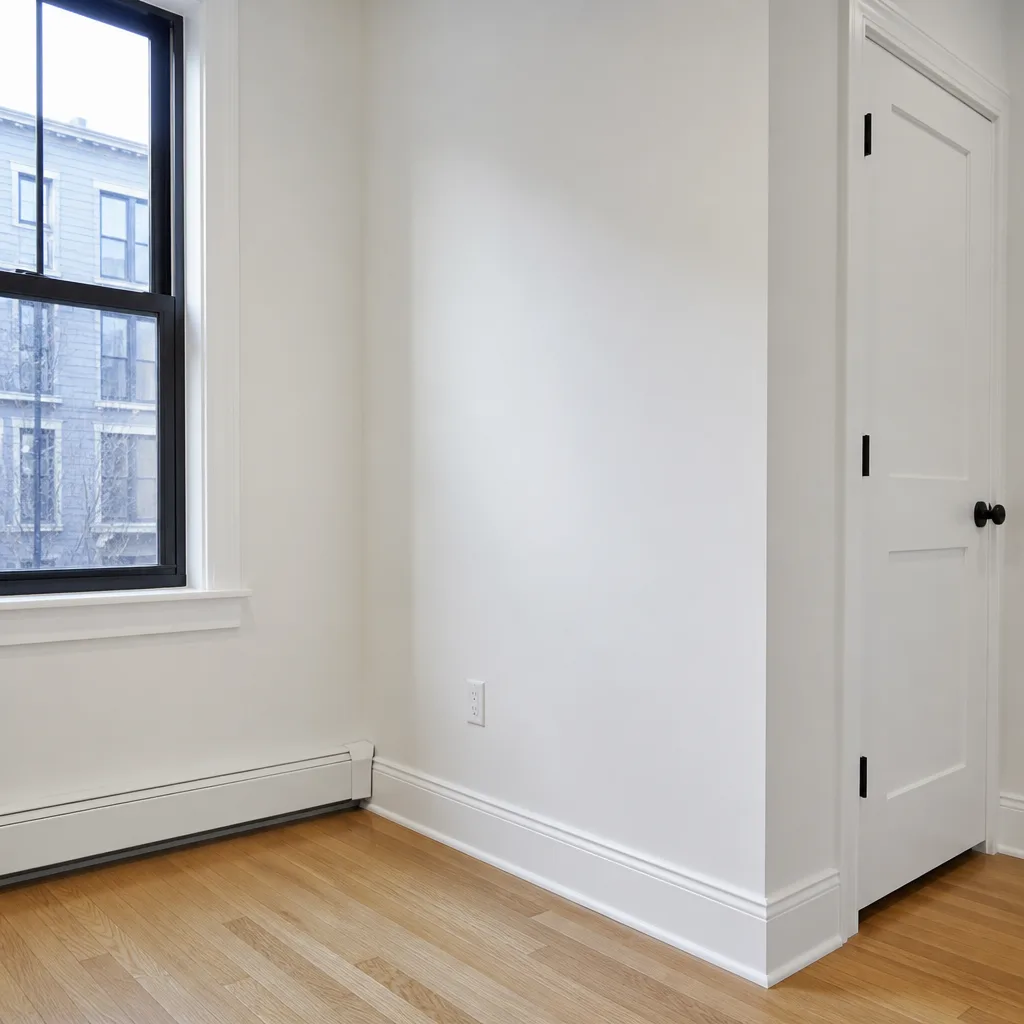 After
After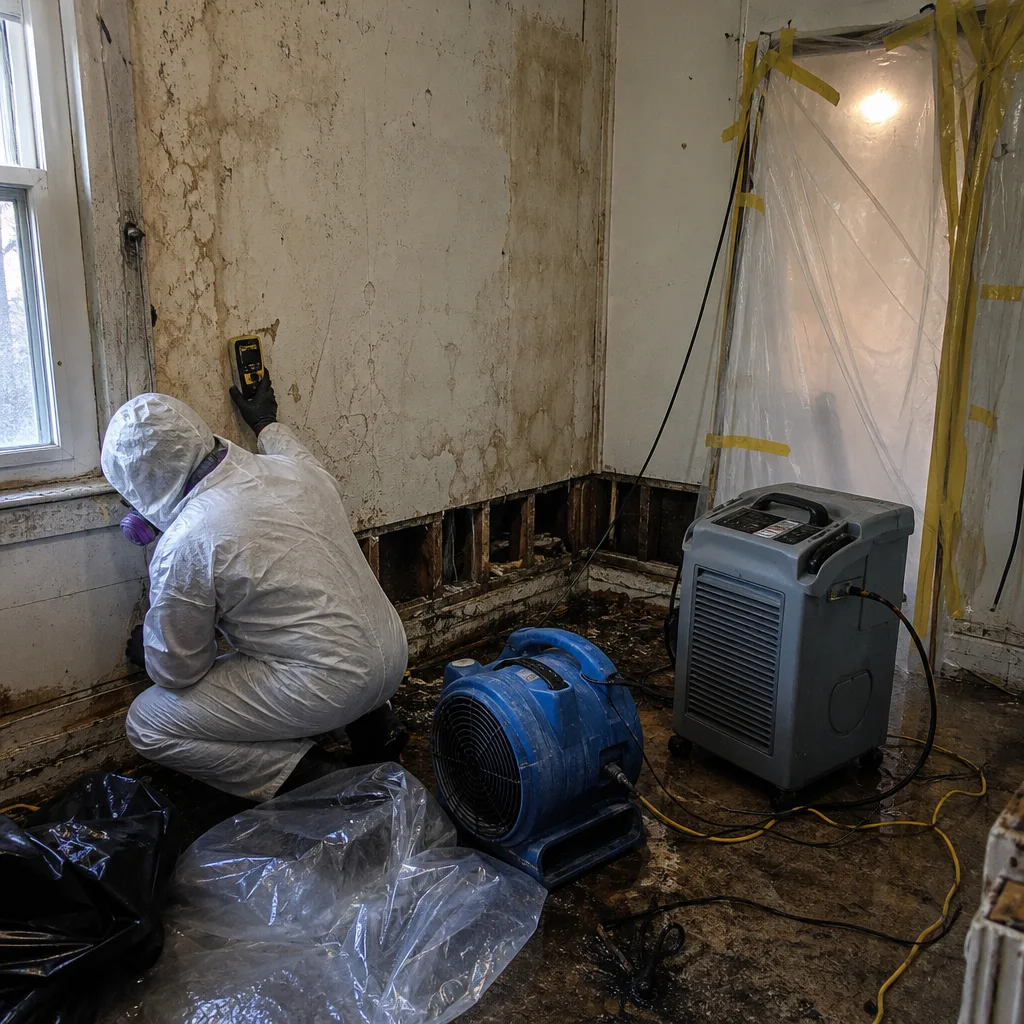 Before
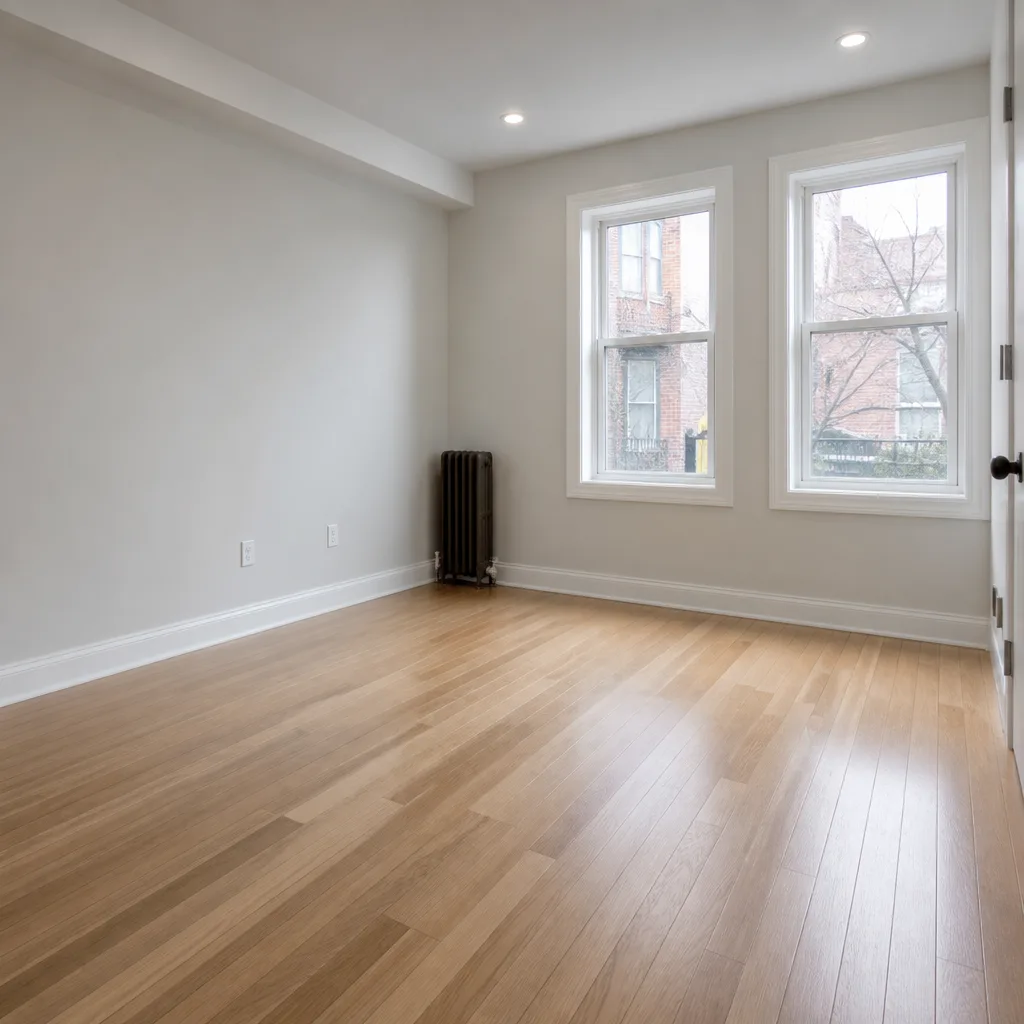 After
AfterTrusted Mold Remediation for Astoria Homeowners
Astoria Mold Remediation typically costs $1,200-$4,500 depending on the affected square footage, material type, and whether the source moisture has been resolved. Most Astoria inspections are scheduled within 24 hours, with containment and removal beginning the same day for active infestations. Call (862) 281-7710 for a written estimate before any work starts.
We’ve restored more than 12,000 homes since 2011, and the ones that go smoothly share one trait: the documentation was right from day one. Alicia Brennan founded Back to Dry Restoration after years as a claims adjuster watching homeowners lose coverage because a restoration company couldn’t produce moisture logs, photo records, or a written scope that matched the invoice. In Astoria, that problem is compounded by the neighborhood’s housing stock - pre-war brick and frame buildings with shared walls, aging plumbing, and crawl spaces that trap humidity from the East River. We’ve worked in the six-story walk-ups near 30th Avenue, the converted industrial lofts by the waterfront, and the attached row houses south of Astoria Boulevard. Each structure type presents different vapor pressure conditions, and each requires a different drying protocol documented to IICRC, RIA, and IFA standards.
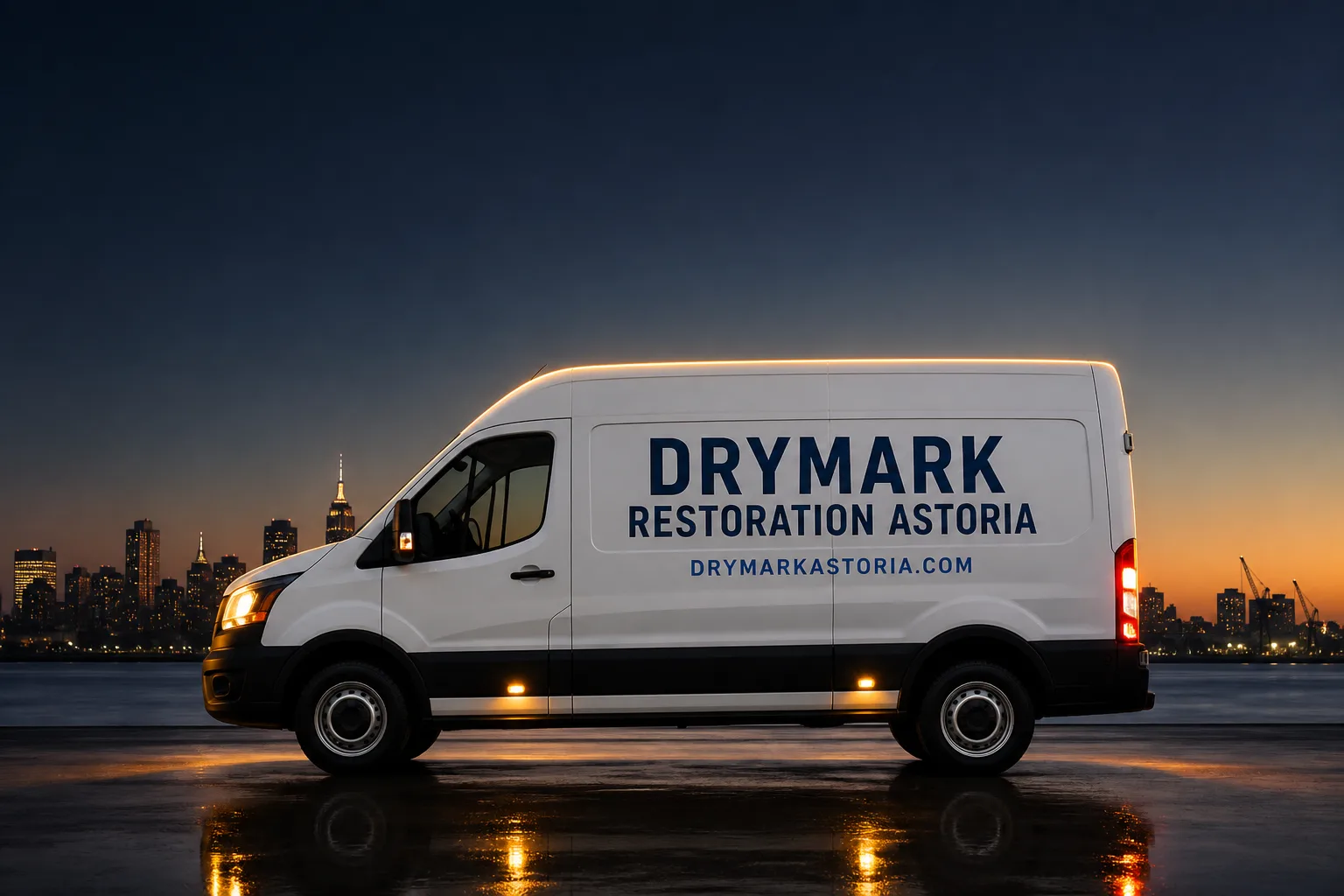
Our crews arrive in marked vehicles with background-checked, uniformed technicians. The license number is on the page. The price is in writing before anyone opens a containment barrier. The photo record starts on the first visit and continues through the final clearance test. That’s Haven Standard, Clause 1, and it’s how we’ve operated since 2011.
What Our Mold Remediation Service Includes
Mold Inspection & Testing
A proper Mold Inspection & Testing begins with a moisture survey, not a visual scan. We use thermal imaging to locate vapor pressure differentials - areas where warm, moist air meets cooler surfaces, creating condensation that feeds mold growth. In Astoria’s pre-war buildings, we regularly find hidden colonization behind plaster lathe walls where bathroom exhaust vents terminate in wall cavities rather than ducting outside. Air sampling and surface tape lifts are sent to independent laboratories; we don’t perform our own testing to avoid the conflict of interest that voids insurance claims. You’ll receive the lab report, the moisture readings by room, and a written scope with a fixed price before any remediation begins.
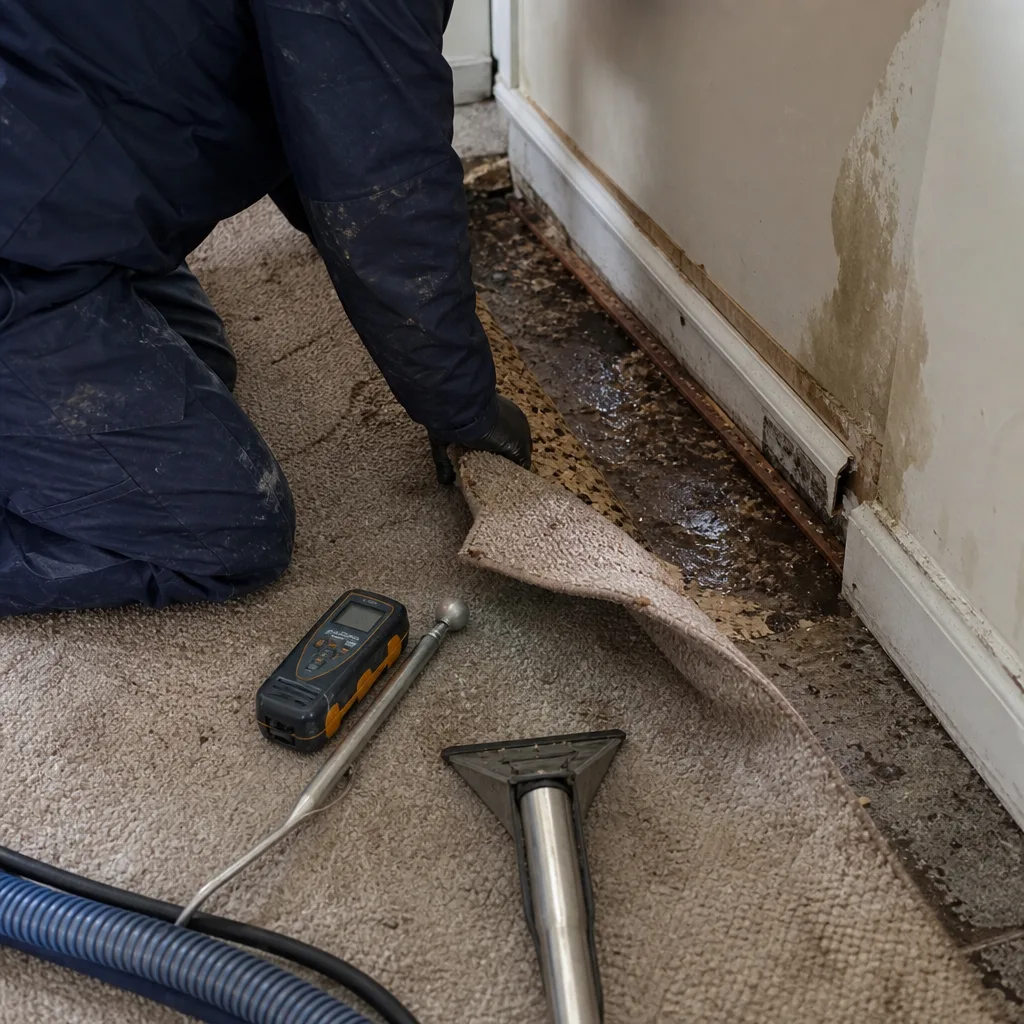
Mold Removal
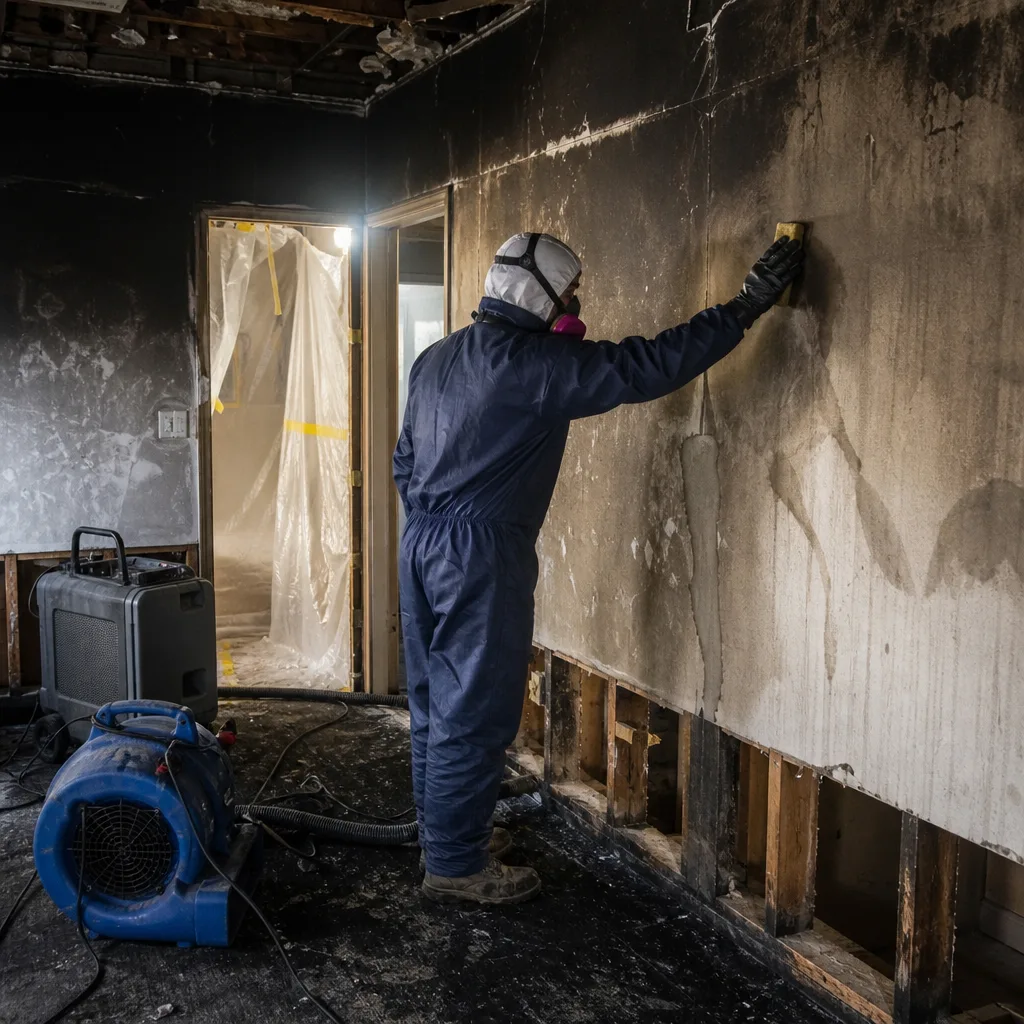
Mold Removal is the physical extraction of colonized materials following IICRC S520 standards, not a surface wipe with antimicrobial spray. Porous materials with active growth - drywall, insulation, carpet pad, ceiling tiles - are removed and bagged within contained work zones under negative air pressure. Non-porous surfaces such as metal studs, concrete, and sealed wood receive HEPA vacuuming and damp wiping with EPA-registered fungicides. In Astoria, we see frequent removal scenarios in basement utility rooms where washing machine drains back up, and in kitchen soffits where refrigerator condensate lines leak slowly for months. Every removal job includes a photo record of the containment setup, the removed materials, and the post-remediation surface condition.
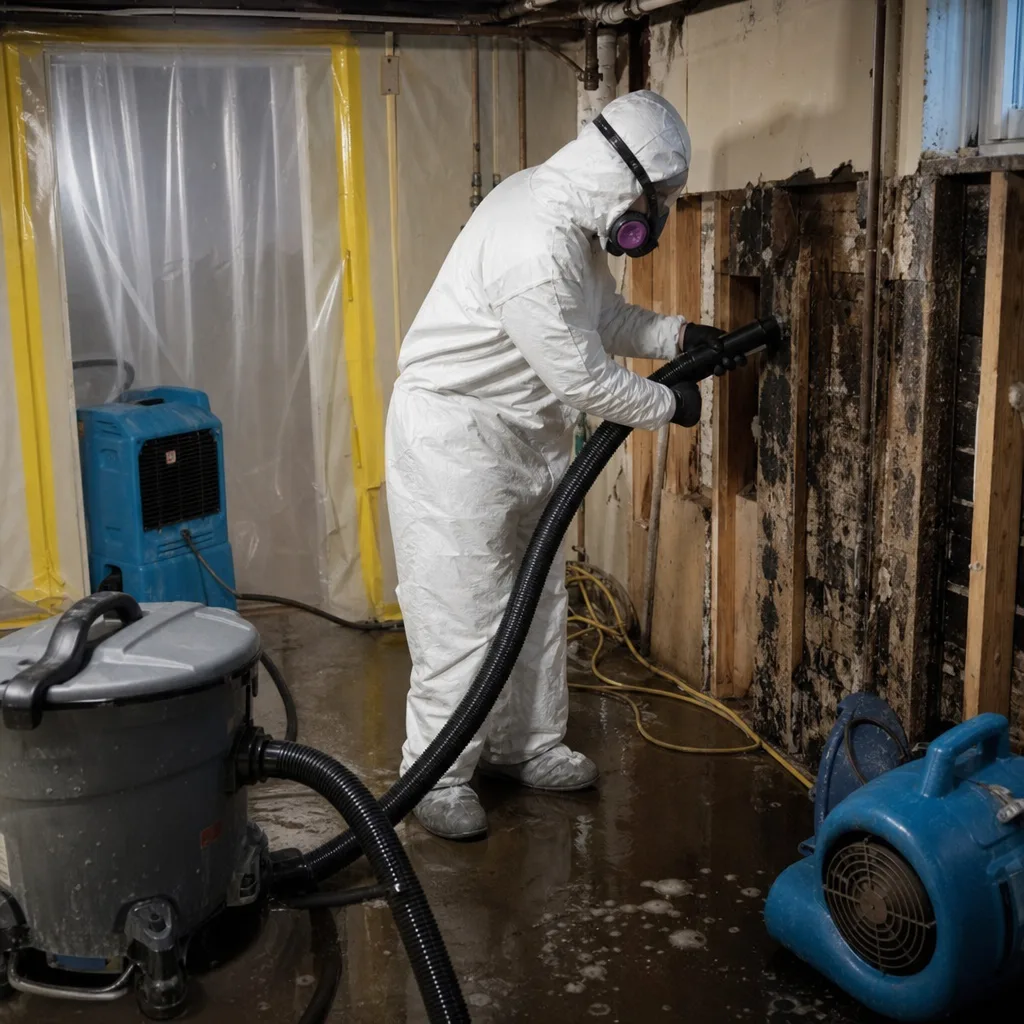
Black Mold Remediation
Stachybotrys chartarum, the mold species commonly called “black mold,” requires the same containment and removal protocols as other toxigenic molds, with additional respiratory protection for technicians and extended air scrubbing post-removal. The distinguishing factor is not the color but the mycotoxin potential and the chronic moisture condition that supports its growth - typically cellulose-rich materials that have stayed wet for 10-14 days. In Astoria, we’ve found Stachybotrys in flooded basement storage areas, behind vinyl wallpaper in bathrooms with failed exhaust fans, and in ceiling cavities below roof leaks in the older frame structures near Ditmars Boulevard. Remediation includes source moisture elimination, containment with 6-mil polyethylene barriers, HEPA air filtration at 99.97% efficiency, and third-party clearance testing before containment removal.
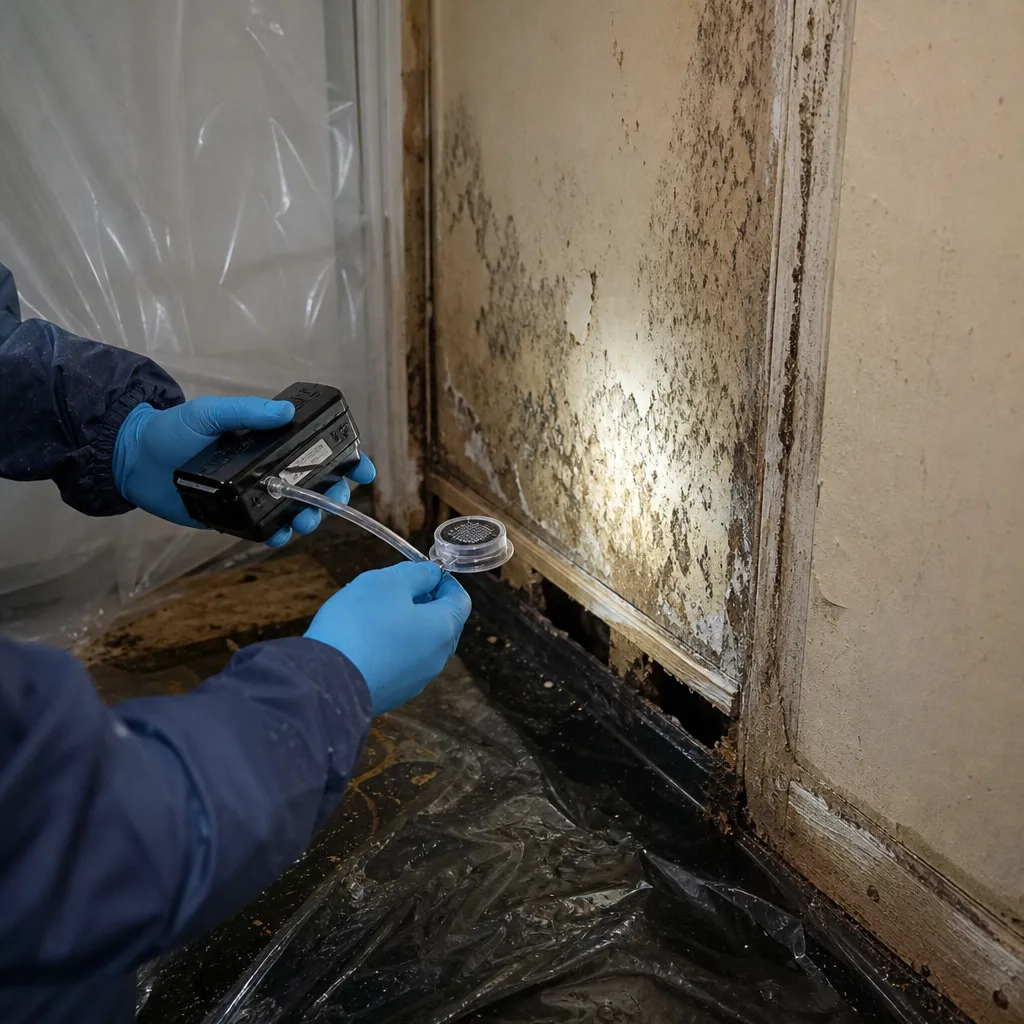
Air Quality Restoration
Air quality restoration addresses the microscopic spore load that remains after visible mold is removed. We deploy HEPA-filtered negative air machines that exchange the air within contained zones at a rate calculated by cubic footage, typically 4-6 air changes per hour. Post-remediation, we run air samples comparing indoor spore counts to outdoor baseline levels for the Astoria area. The goal is not zero spores - that’s impossible and unnecessary - but a normalized fungal ecology matching ambient conditions. For homeowners with asthma, immunocompromised conditions, or infant residents, we can specify enhanced filtration with activated carbon stages to address mycotoxin fragments and microbial volatile organic compounds (MVOCs), the musty odors that indicate active colonization even when visible mold is gone.
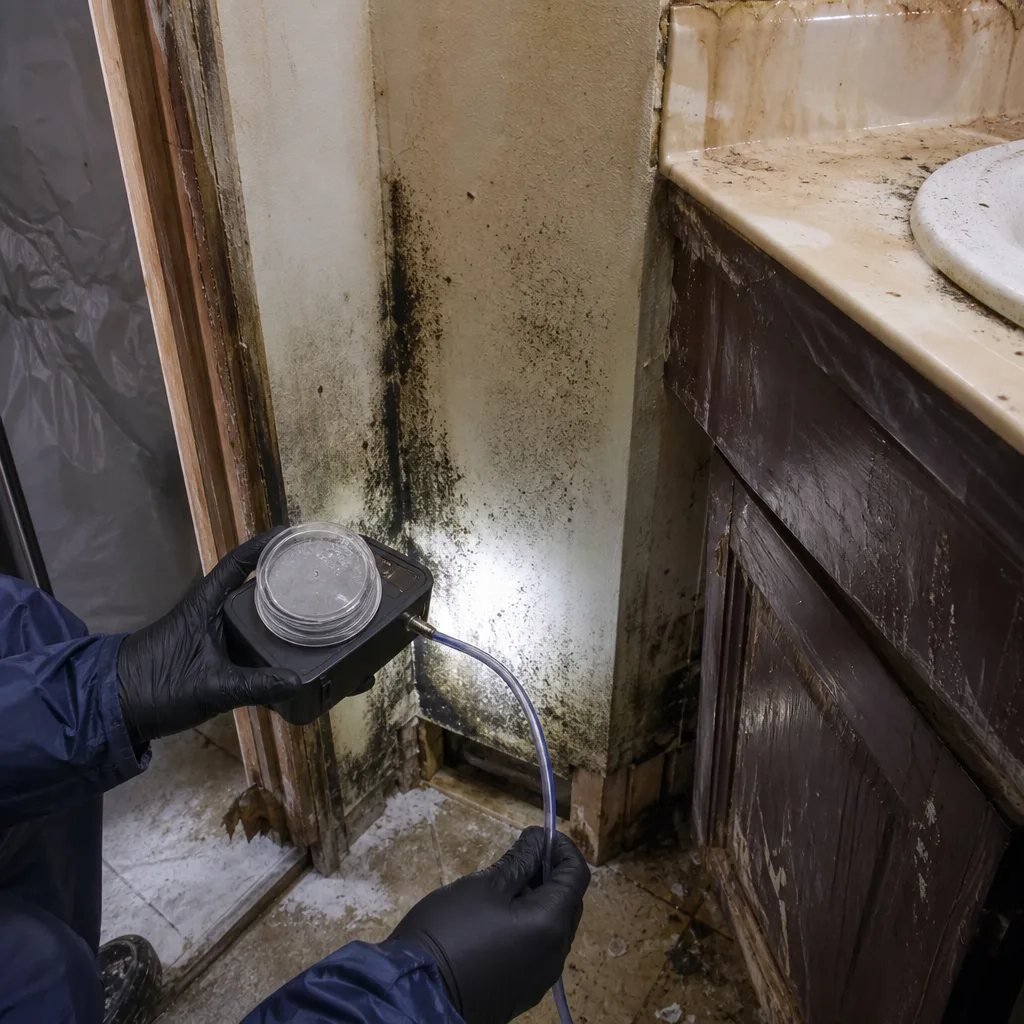
Crawl Space Treatment
Astoria’s crawl spaces, particularly in the older frame construction south of Astoria Park and in the attached row houses with partial basements, are chronic moisture reservoirs. We install vapor barriers of 10-mil polyethylene sealed at seams and perimeter walls, combined with mechanical dehumidification sized to the space’s cubic footage and the local vapor pressure load. In some cases, we specify closed-cell spray foam insulation at rim joists to prevent condensation on cold surfaces during winter heating cycles. Every crawl space treatment includes a humidity monitoring plan with target readings below 60% relative humidity, the threshold that inhibits mold germination. The drying log documents daily readings until stability is achieved.
Moisture & Humidity Control
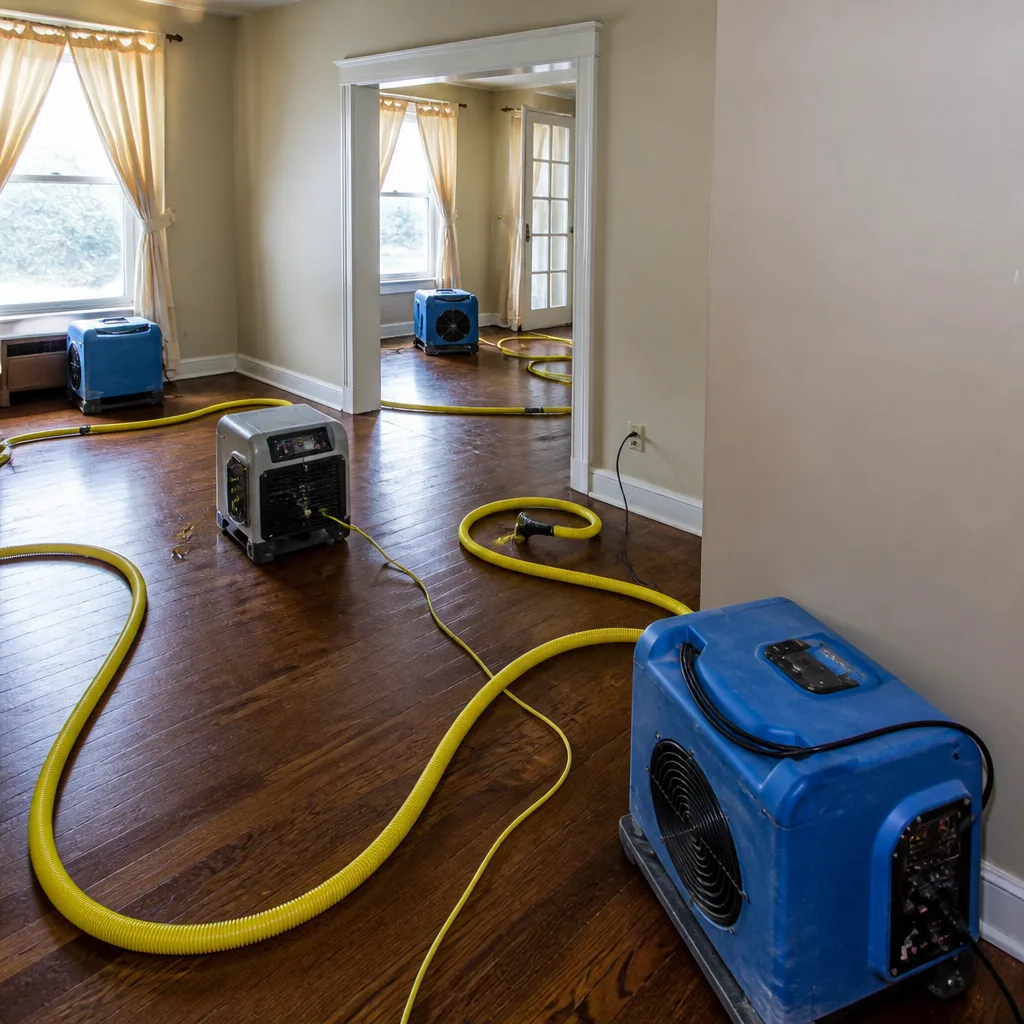
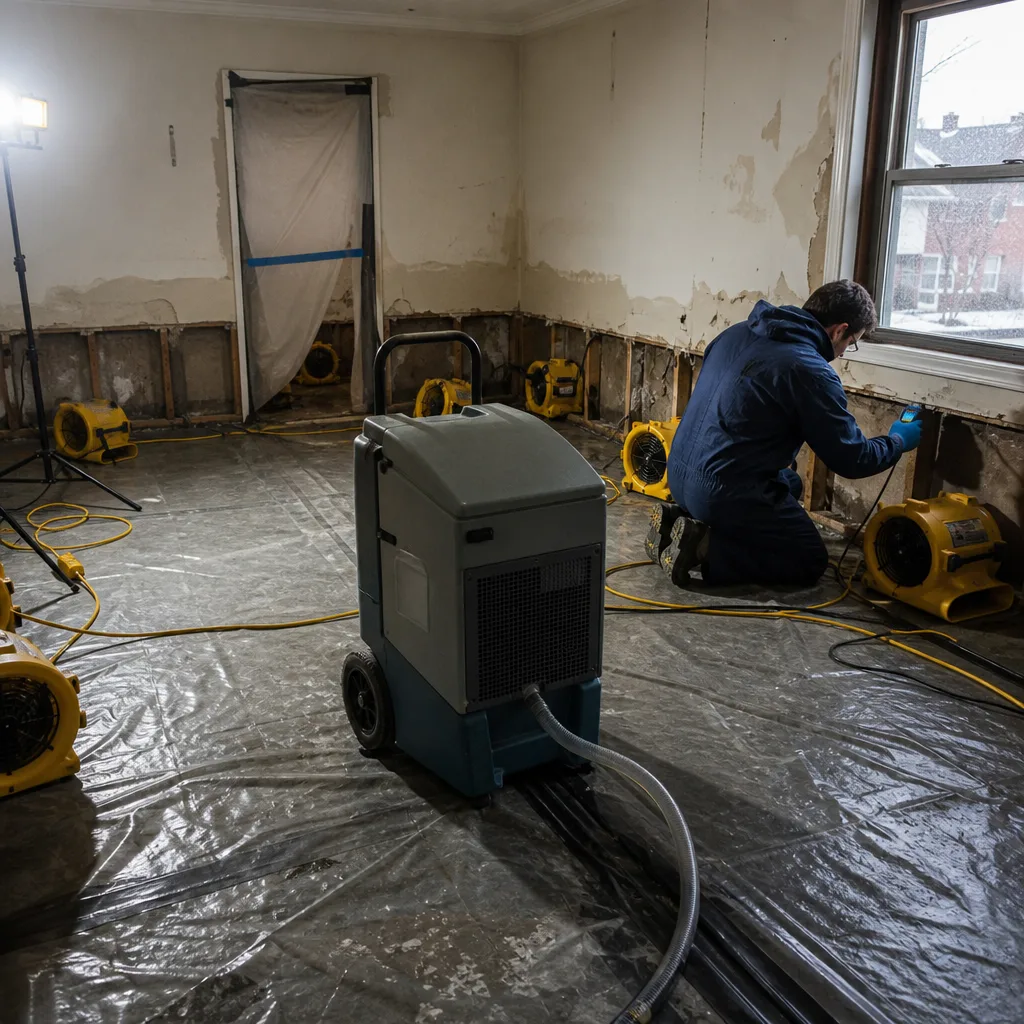
Moisture control is the permanent solution to recurring mold. We identify and document the source - plumbing leak, foundation seepage, HVAC condensate, or exterior drainage failure - then specify the repair with a written scope and fixed price. In Astoria’s dense housing, shared wall leaks from neighboring units are a frequent source we coordinate with building management and insurance adjusters to resolve. Our crews deploy Dri-Eaz and Phoenix dehumidifiers with psychrometric monitoring, measuring temperature, relative humidity, and specific humidity to calculate the exact drying progress. The daily drying log becomes part of your documentation package, the record that transforms a restoration invoice into a payable insurance claim.
What happens when you call
- 1
A real person answersNo phone trees - you reach a local pro.
- 2
You get an upfront price rangeHonest numbers before anyone is dispatched.
- 3
A background-checked tech heads outLicensed & insured, dispatched right away.
- 4
You approve before work beginsNothing starts until you say go.
Signs You Need Mold Remediation Right Now
- A persistent musty odor that intensifies in humid weather. MVOCs produced by active mold colonies create the characteristic earthy smell. If you notice it worsening after rain or when the HVAC cycles on, you likely have hidden colonization in wall cavities, ductwork, or crawl spaces. Don’t mask it with air fresheners - the source is spreading.
- Visible discoloration on walls, ceilings, or baseboards that returns after cleaning. Surface mold on painted drywall often indicates deeper colonization on the paper facing behind the paint. In Astoria’s pre-war buildings with multiple paint layers, the mold may be feeding on the original oil-based primer while the latex topcoat appears intact.
- Recent water damage that wasn’t professionally dried within 48-72 hours. Mold germinates on wet organic materials in roughly 48 hours under favorable temperatures. If a leak, flood, or overflow was mopped up without dehumidification and air movement, colonization is likely established in subflooring, wall insulation, or carpet pad.
- Respiratory symptoms that improve when you leave the building. While mold affects individuals differently, a pattern of coughing, congestion, or headaches that resolves during work hours and returns at home suggests elevated indoor spore counts or mycotoxin exposure. This is particularly relevant for infants, elderly residents, and those with asthma or immune conditions.
- Peeling wallpaper, bubbling paint, or warped wood surfaces. These are moisture indicators, not mold itself, but sustained moisture above 16% wood moisture content supports fungal growth. In Astoria’s brick and frame structures, we frequently find hidden colonization behind vinyl wallpaper where paste moisture and trapped humidity create ideal conditions.
BeforeAfterOur Mold Remediation Process - Step by Step
- 1
Inspection and moisture mapping. We arrive with thermal imaging cameras, pin and pinless moisture meters, and hygrometers to document the full extent of water damage and mold colonization. In Astoria’s multi-unit buildings, we inspect adjacent units and common areas when the moisture source may originate outside your property lines. You receive a written scope with a fixed price before any work begins - Haven Standard, Clause 1.
- 2
Containment and negative air establishment. We isolate the work zone with 6-mil polyethylene barriers sealed with contractor tape, creating negative air pressure with HEPA-filtered machines that prevent spore migration to clean areas. The containment is photographed before any disturbance begins.
- 3
Source moisture elimination. Mold cannot be remediated while the moisture source remains active. We identify and stop the water intrusion - plumbing repair, roof patching, dehumidification, or drainage correction - and document the dry standard achievement with moisture readings. This step is where many remediation failures originate; we don’t proceed to removal until the environment supports drying.
- 4
Removal and cleaning. Colonized porous materials are removed and disposed of as regulated waste. Non-porous surfaces receive HEPA vacuuming and antimicrobial treatment. Air scrubbers run continuously during removal, and the work zone is photographed at each phase. For Astoria’s historic plaster walls, we may specify selective removal and in-place treatment when full demolition would compromise architectural integrity.
- 5
Drying, verification, and documentation. We deploy professional-grade drying systems from Dri-Eaz and Phoenix with daily psychrometric logging until materials reach established dry standards. Third-party clearance testing confirms spore counts have normalized. You receive the complete documentation package: photo record, drying log, lab results, and the 365-Day Done Right Promise signed under The Haven Standard.
How Much Does Mold Remediation Cost in Astoria?
A typical mold inspection with moisture mapping and air sampling in Astoria runs $350-$650, with lab results available in 24-48 hours. Contained mold removal for a single bathroom or small closet area typically costs $1,200-$2,800. Whole-room remediation with drywall removal, insulation replacement, and air quality restoration ranges $3,500-$6,500. Crawl space treatment with vapor barrier installation and permanent dehumidification runs $4,000-$8,500 depending on square footage and accessibility.
Several factors move these ranges. The affected square footage is primary - mold behind a single section of drywall is straightforward; colonization that has spread through wall cavities to adjacent rooms requires expanded containment and longer air scrubbing. Material type matters: plaster lathe in Astoria’s pre-war buildings is harder to remove and replace than modern drywall, but often salvageable with proper drying. The moisture source complexity affects price - a simple plumbing leak is faster to resolve than foundation seepage requiring exterior drainage work. Finally, third-party clearance testing, which we recommend on all jobs, adds $300-$500 but provides the documentation that protects your insurance claim and resale disclosure requirements. See our Mold Remediation cost guide for more details.
To avoid overpaying, get a written scope that specifies the square footage of containment, the number of air scrubbing machines, the drying equipment by brand and capacity, and the clearance testing protocol. Vague estimates that list “remediate mold in basement” without these details invite scope creep. We provide itemized written prices before work starts, every time, with no additions once the crew is inside - Haven Standard, Clause 1. Bring a competitor’s written estimate and we’ll review it at no charge.
What’s included in our free estimate: the moisture survey, thermal imaging, a written scope with fixed pricing, and a discussion of your insurance coverage and documentation needs. No obligation, no pressure, no call for a quote - the price is in writing when we leave.
Mold Remediation Near Astoria - Our Service Area
We maintain crews positioned for response across western Queens and into Manhattan. Typical drive times to Mold Remediation in Long Island City are under 15 minutes, to Jackson Heights and Elmhurst under 20 minutes, and to Mold Remediation in Upper East Side and Murray Hill under 25 minutes via the Queensboro Bridge or Roosevelt Island route. We also serve Greenpoint, Maspeth, East Harlem, Midtown Manhattan, Upper West Side, and the broader Manhattan market. For home and business owners in Astoria proper, we can usually schedule an inspection within 24 hours of contact, with emergency response for active water damage that threatens rapid mold proliferation.
Serving Astoria, NY - Our Local Coverage Area
We’re based in the Astoria area and know this community well. Use the map below to see our service coverage - if you’re nearby, we can almost certainly help.
Frequently Asked Questions - Mold Remediation in Astoria
Mold remediation is the professional process of containing, removing, and verifying the elimination of mold colonization from an indoor environment, including the correction of moisture conditions that allowed growth. It is distinct from mold “cleaning,” which addresses only visible surface growth without resolving hidden colonization or moisture sources. Professional remediation follows IICRC S520 standards and produces documentation - moisture logs, photo records, and clearance testing - that satisfies insurance and real estate disclosure requirements.
A contained single-room remediation typically requires 3-5 days from containment setup to clearance testing; whole-house projects or those requiring extensive reconstruction may extend to 2-3 weeks. The timeline is determined by the drying curve - materials must reach established moisture content levels before reconstruction begins, or mold will recur. We document daily psychrometric data so you can see exactly where the project stands. Call (862) 281-7710 for a timeline estimate specific to your property.
Most Astoria remediation projects fall between $1,200 and $6,500, with inspections at $350-$650 and crawl space treatments at $4,000-$8,500. The exact price depends on affected square footage, material type, moisture source complexity, and whether third-party clearance testing is specified. We provide a written, itemized price before any work begins - no exceptions. For an exact quote on your property, call (862) 281-7710; estimates are free.
We remediate mold in all Astoria housing types, from pre-war brick and frame walk-ups to converted loft buildings and newer construction. Our crews are experienced with the challenges of shared-wall buildings, steam heat systems that create uneven humidity, and the limited ventilation common in basement and crawl space areas. Whether your building dates to 1920 or 2020, we specify the containment, drying, and documentation protocol that matches its construction.
We answer calls live 24 hours a day, 7 days a week - no voicemail, no next-business-day callback. Emergency response applies primarily to active water damage situations where mold proliferation is imminent; established mold colonization without active water intrusion is scheduled for inspection within 24 hours. If you’re experiencing a current leak, flood, or sewage backup in Astoria, call (862) 281-7710 now and we’ll dispatch a crew to stop the moisture and begin documentation.
Every job is covered by our 365-Day Done Right Promise under The Haven Standard: if the remediation fails to achieve clearance standards or mold recurs in the treated area due to our work, we return and correct it at no charge. This is a written guarantee, signed and dated, not a verbal assurance. The warranty requires that the moisture source we identified and documented has been maintained; new leaks or unaddressed building envelope failures are outside the scope.
Remove personal items from the affected area if safe to do so; our crew will photograph the space before any disturbance. If the area contains valuables or sensitive documents, move them to a dry, unaffected room before our arrival. For occupied properties, we recommend that residents with asthma, allergies, or immune conditions plan to be elsewhere during active removal and the initial 24 hours of air scrubbing. We coordinate directly with your insurance adjuster if a claim is open, and we bring all necessary containment materials, PPE, and equipment.
Schedule Your Mold Remediation Service in Astoria Today
Call (862) 281-7710 now. A live person answers 24 hours a day, 7 days a week. We’ll schedule your inspection, deliver a written price before any work starts, and document every step to the standard your insurance company expects. The estimate is free. The documentation is included. The 365-Day Done Right Promise is guaranteed in writing under The Haven Standard.
Written by Alicia Brennan, Owner at Back to Dry Restoration, serving Astoria since 2011.