
Free visual inspection and a written scope of work before any mitigation begins - photos, moisture readings, and drying logs go in your claim file
The scope we write is the scope we bill. Anything new gets shown to you, in writing, before we touch it.
Storm response
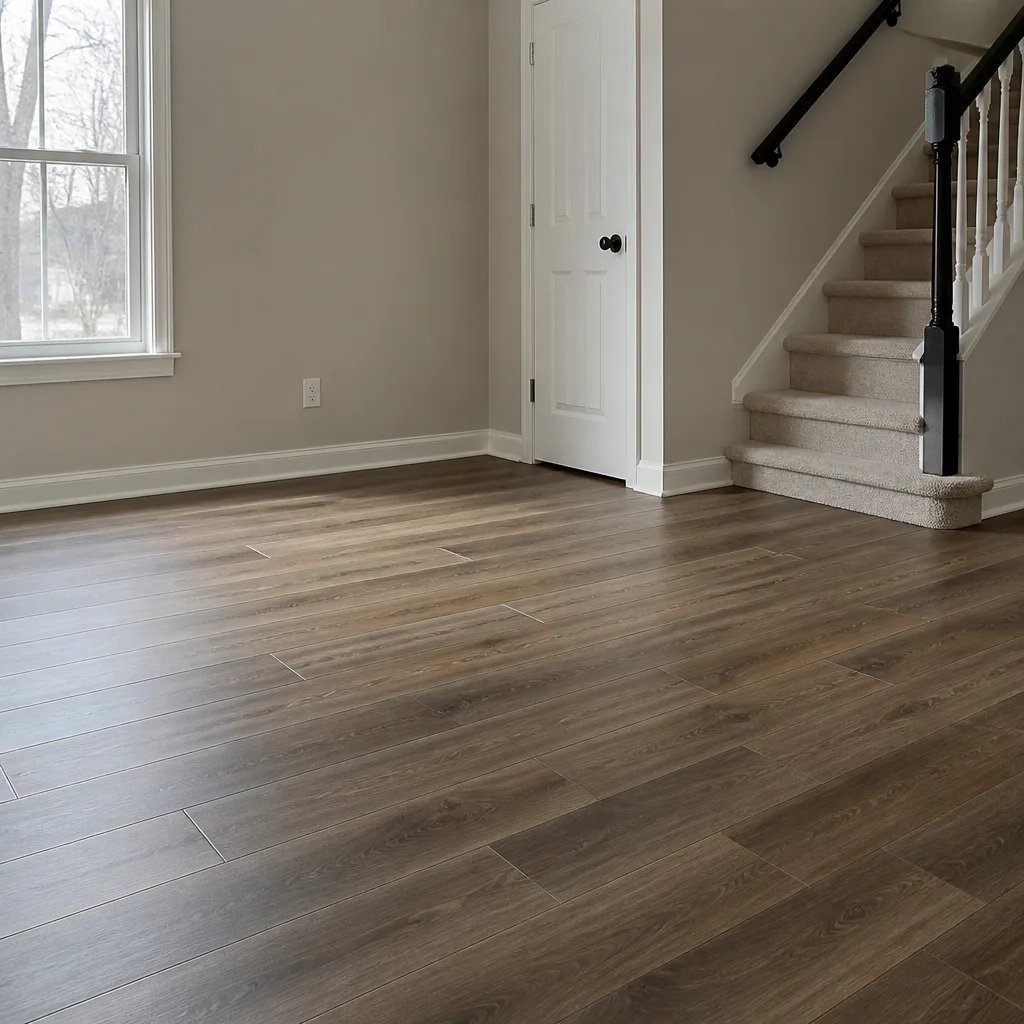
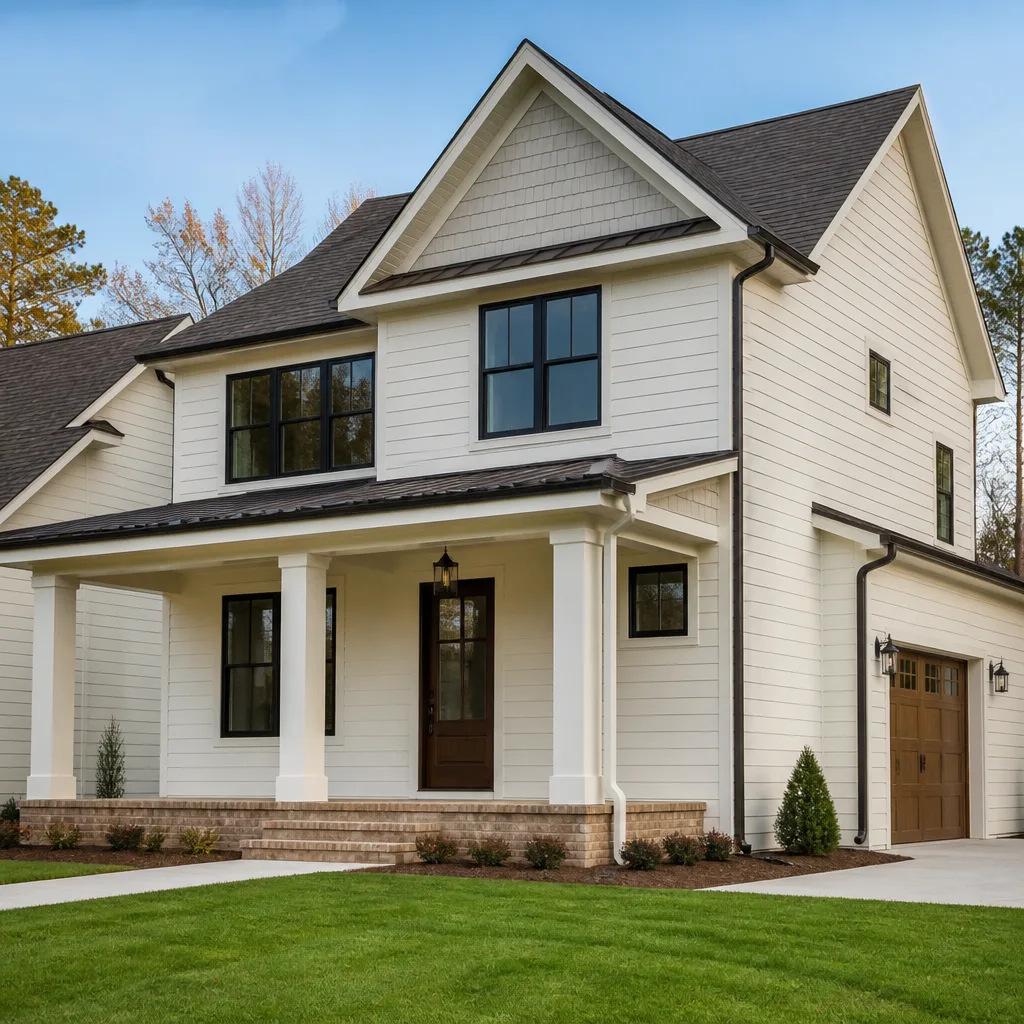
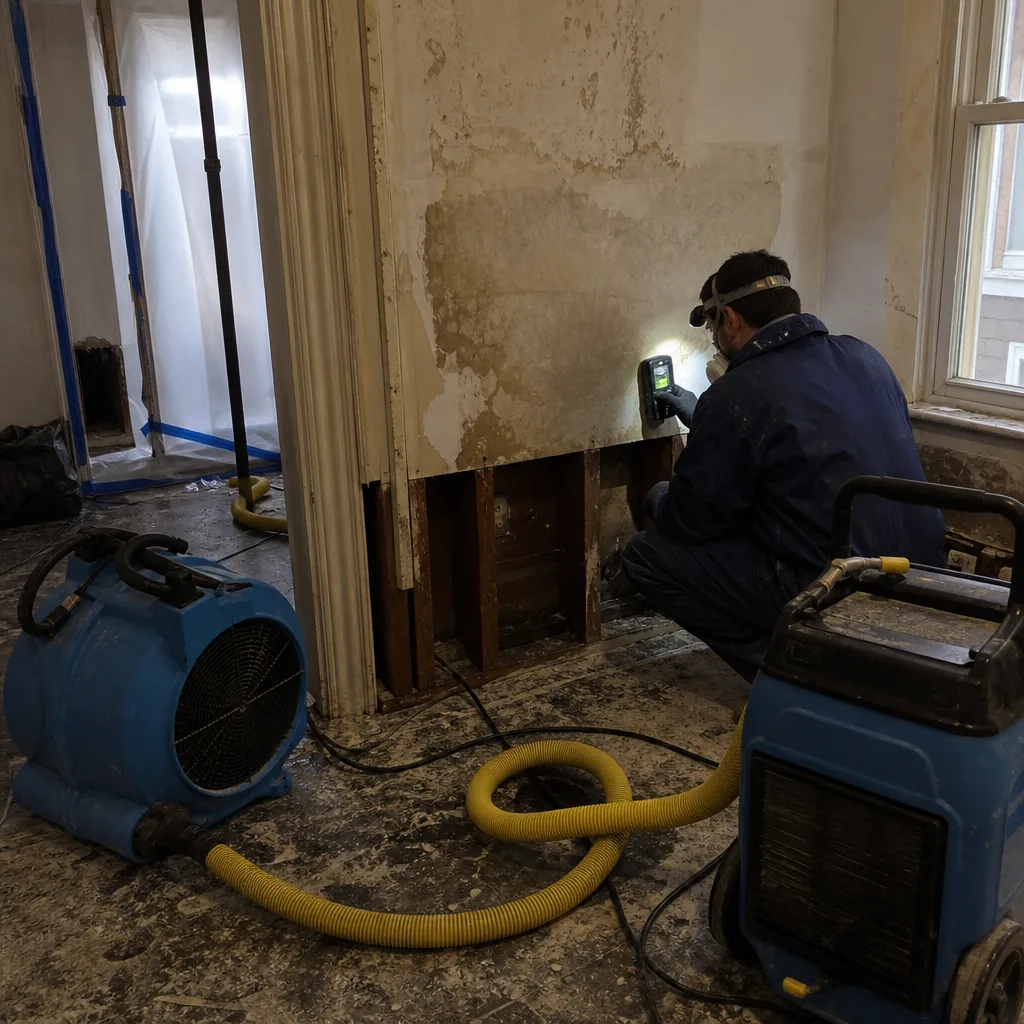 Before
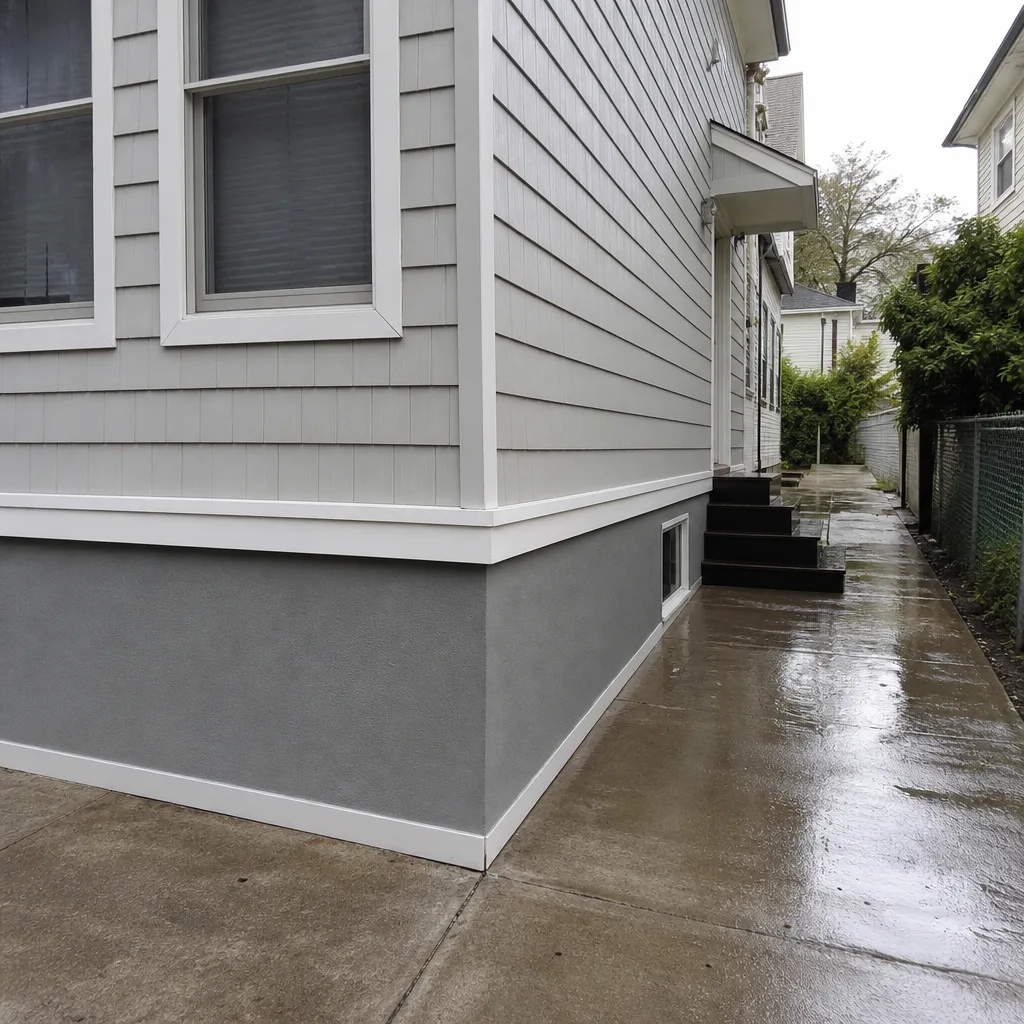 After
After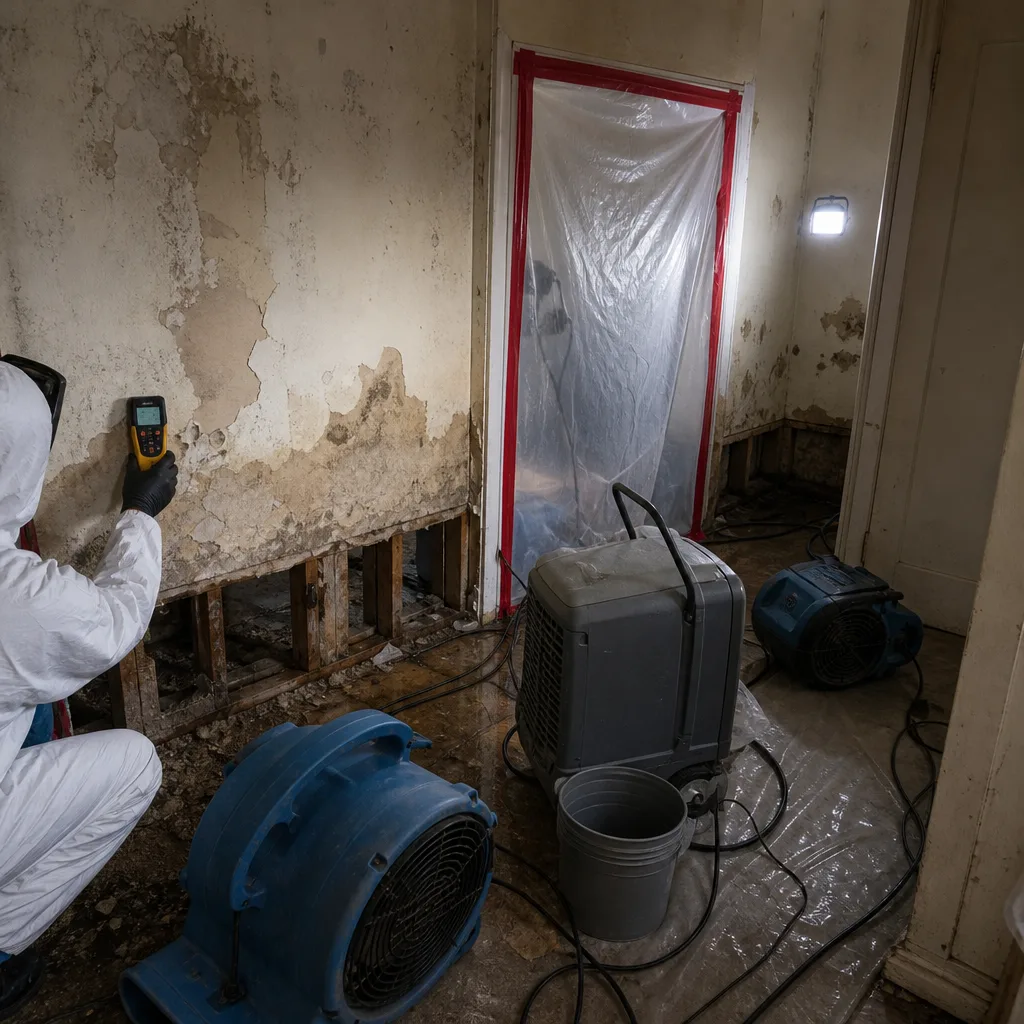 Before
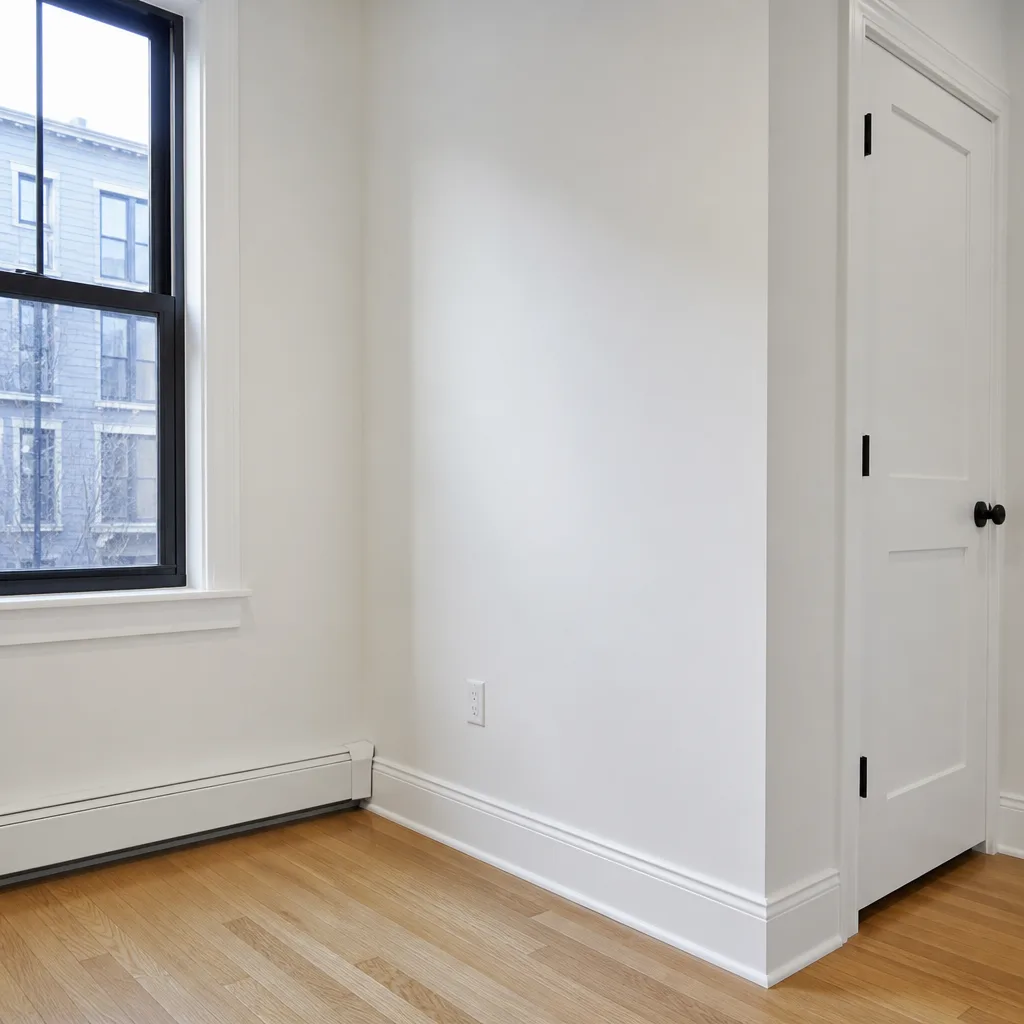 After
After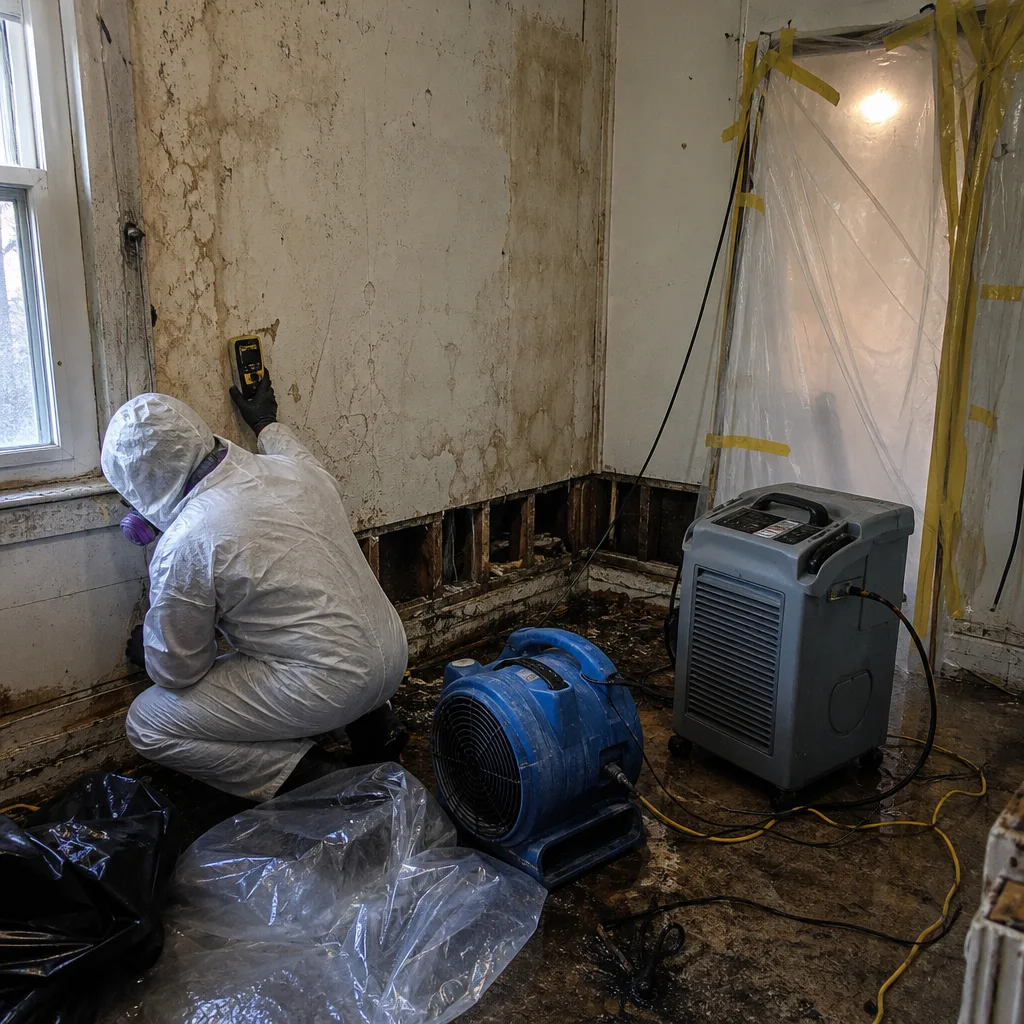 Before
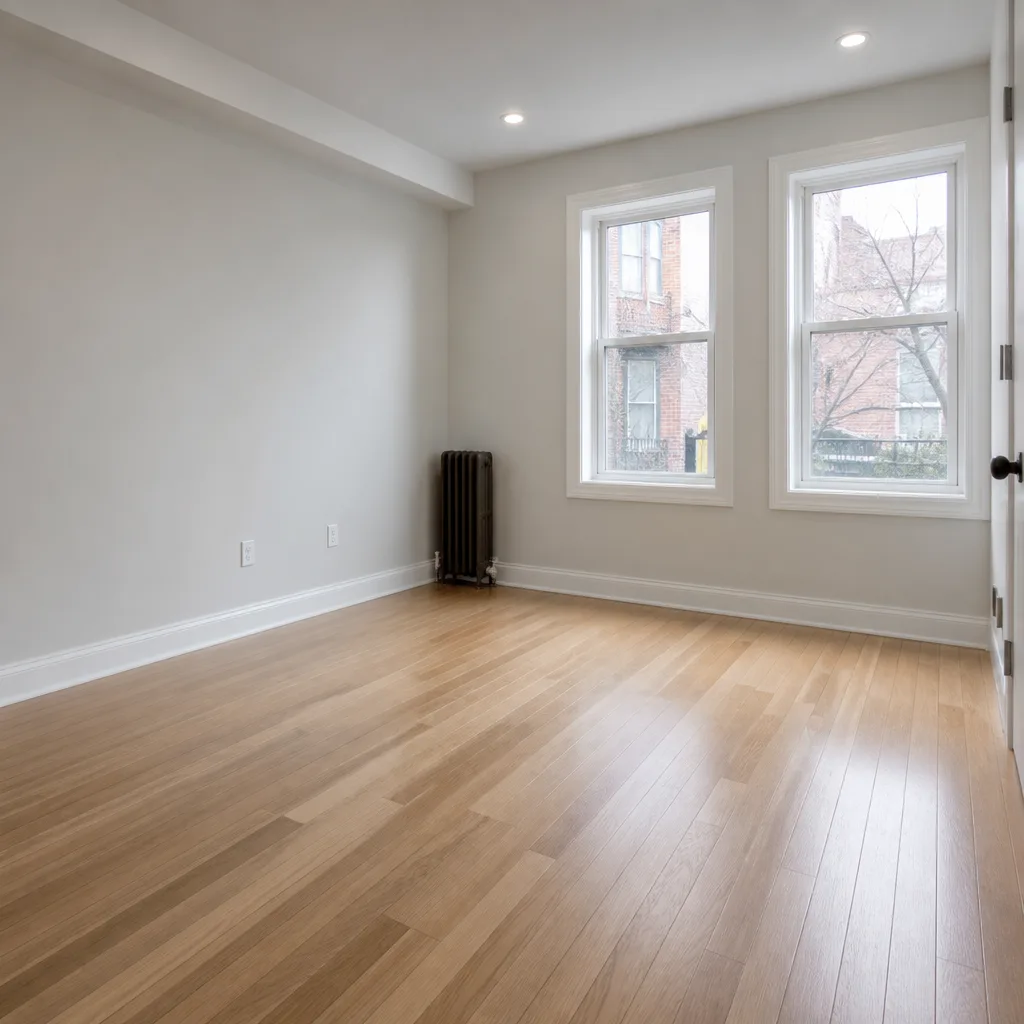 After
After24/7 Emergency Water Damage Restoration in Flushing
Water damage restoration in Flushing typically costs $1,800-$6,500 depending on category, square footage, and whether structural drying or reconstruction is needed. Most emergency calls in Flushing receive a crew on-site within 45 minutes, and our phones are answered live 24 hours a day at (862) 281-7710. The first hour determines whether water wicks into plaster, warps hardwood, or triggers mold amplification behind finished basement walls, so we dispatch immediately from our New York City office with moisture meters, extraction units, and documentation cameras already rolling.
Flushing’s low-lying position adjacent to tidal Flushing Creek means water often enters from street-level drain backup during high tide, even after rain stops. That hydraulic reality changes where we start mitigation, what equipment we prioritize, and how we sequence drying. Our Water Damage Restoration team maps moisture from the entry point outward, not from the ceiling down.
Understanding Water Damage Restoration Severity in Flushing Properties
Water damage falls into three categories that dictate PPE, disposal, and drying protocol. Category 1 is clean water from a broken supply line. Category 2 carries significant contamination, think washing machine discharge or sump overflow. Category 3 is grossly contaminated, sewage intrusion, or water that has passed through ground or building materials, and it requires full antimicrobial treatment and often removal of porous finishes.
Flushing’s housing stock complicates every category. The 1920s-1950s attached brick rowhouses and two-family homes that dominate blocks near Main Street, Roosevelt Avenue, and the Kissena Park corridor have been subdivided repeatedly, often with informally added basement apartments. We regularly find galvanized supply lines actively weeping behind lath-and-plaster walls, and cast-iron drain stacks with decades of internal scaling that narrows flow capacity. When a storm hits, the acute damage is visible, but pre-existing moisture from those slow leaks has already compromised wall cavities. Our moisture mapping distinguishes old from new water using psychrometric data, temperature differentials on thermal imaging, and vapor pressure differential readings that show where hidden reservoirs remain. Tertiary drying, the final phase where bound moisture is coaxed from dense materials, often takes longer in these solid masonry walls than in modern frame construction.
Why Flushing Property Owners Choose DryMark Restoration Astoria
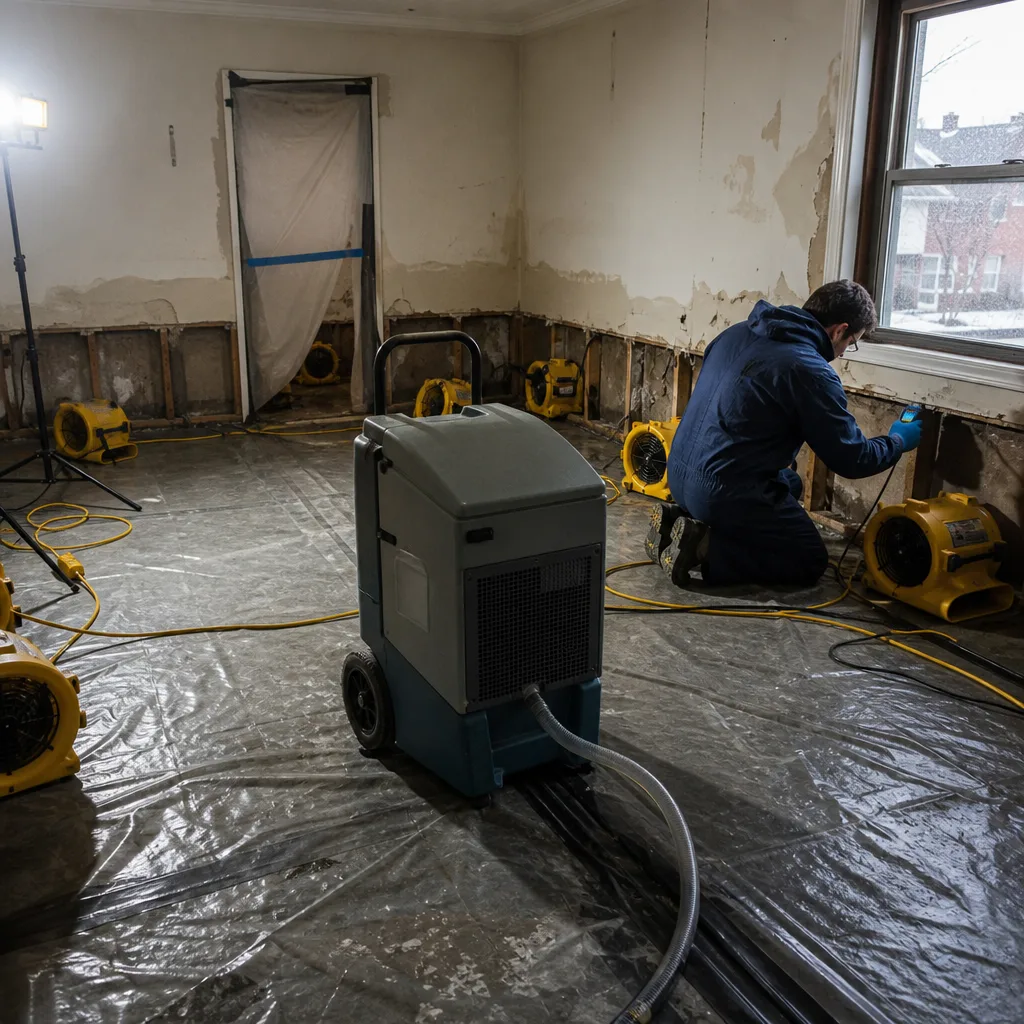
- 45-minute response commitment to Flushing addresses, with crews staged for the Queens market and GPS-routed around Northern Boulevard and Roosevelt Avenue traffic patterns.
- 24/7 live answer, a real person, never an automated system; our dispatchers speak English, Mandarin, and Cantonese to match Flushing’s owner-occupant demographics.
- IICRC-certified crews holding WRT (Water Damage Restoration Technician), ASD (Applied Structural Drying), and AMRT (Applied Microbial Remediation Technician) certifications, with license numbers documented on every job file.
- Free visual inspection with moisture readings, thermal imaging, and a written scope delivered before any equipment is powered on.
- Direct insurance billing with photo-documented estimates formatted to carrier specifications, including daily drying logs that satisfy adjuster review.
- One team from extraction to reconstruction, eliminating handoff gaps that leave moisture undetected between drying and rebuild phases.
BeforeAfterOur Water Damage Restoration Process
1. Inspection & Assessment
We arrive with FLIR thermal cameras, penetrating and non-penetrating moisture meters, and hygrometers to map the full water perimeter. In Flushing, we also check NYC tide charts and storm drain capacity, because Flushing Creek’s tidal cycle can re-flood a basement hours after extraction if high tide coincides with residual stormwater.
2. Extraction & Stabilization
Truck-mounted and portable extraction units remove standing water from floors, carpets, and pad. We deploy weighted extraction tools on basement slabs near Franklin Avenue and Kissena Park where we’ve documented repeated flooding, and we seal compromised door assemblies to prevent additional intrusion.
3. Structural Drying & Dehumidification
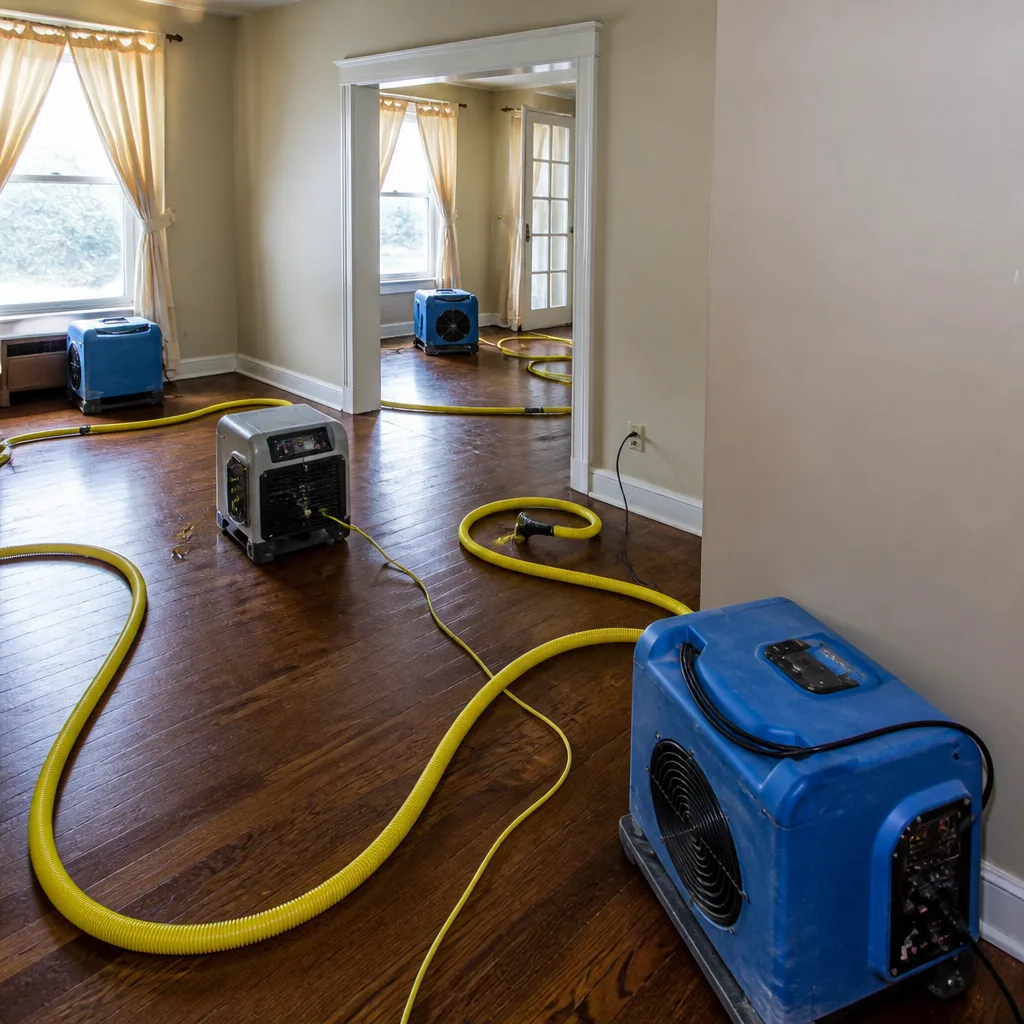
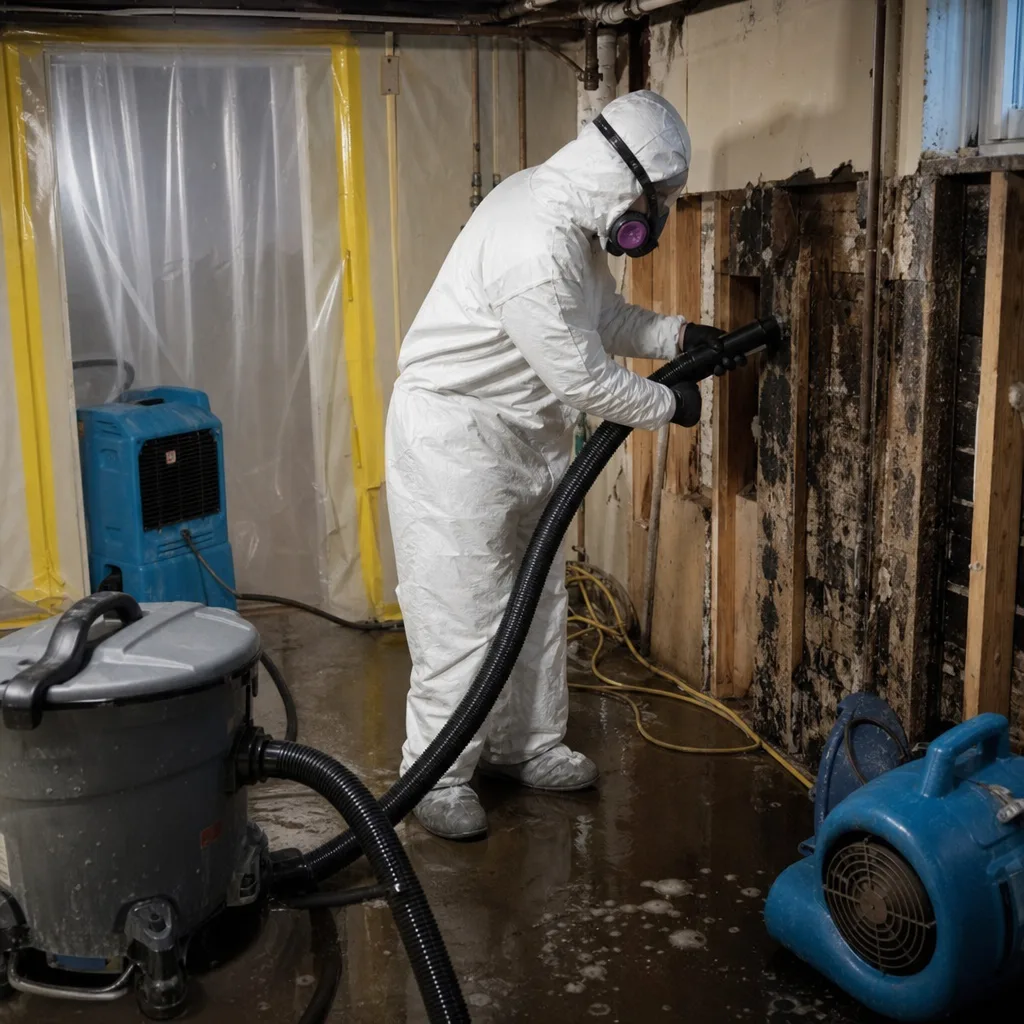
Industrial air movers create controlled airflow across wet surfaces while LGR dehumidifiers from Dri-Eaz and Phoenix pull vapor from the air. Injectidry systems dry inside wall cavities without destructive demolition. We log specific humidity, grain depression, and temperature every four hours.
4. Cleaning & Sanitization
Category 2 and 3 losses receive antimicrobial treatment with EPA-registered products. HEPA air scrubbers run continuously during this phase to capture airborne particulates. All surfaces are cleaned to IICRC S500 standards, with documentation photos before and after.
5. Wind-Rated Door & Entry Reinforcement
Where water entered through a failed or under-rated basement door, we assess the assembly for wind-load compliance and coordinate reinforcement or replacement. This is standard on Flushing jobs where tidal surge pressure meets aging door frames, and we document the upgrade for insurance and DOB permit files.
6. Repairs & Restoration
Our reconstruction crew replaces drywall, flooring, trim, and finishes to match existing materials. A final moisture reading confirms the structure is below 16% wood moisture equivalent before we sign off. Every job closes with a written completion certificate and the 365-Day Done Right Promise.
Need Emergency Water Damage Restoration in Flushing Now?
Crews minutes away, answering live 24 hours a day. The sooner we start, the less it costs.
Working With Your Insurance Company
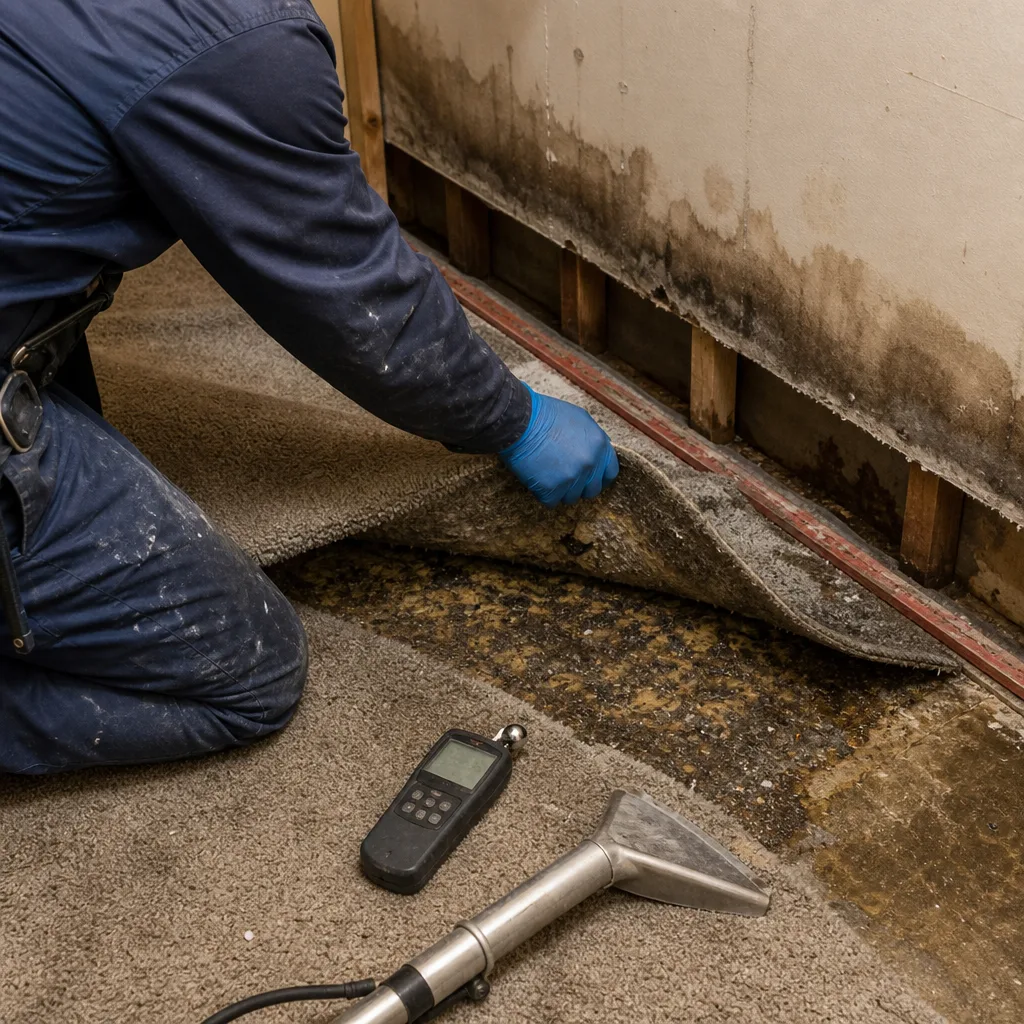
Insurance claims succeed or fail on documentation. We begin photographing and logging from the first hour, before extraction changes the scene. Our estimates follow Xactimate or Symbility pricing standards depending on carrier preference, and we coordinate directly with your adjuster rather than handing you a bill to submit alone.
Flushing’s flood insurance landscape has additional complexity. FEMA-designated Special Flood Hazard Areas cover portions of the neighborhood, and many basement-level units lack proper flood coverage or fall into coverage gaps when the unit itself is an unpermitted conversion. We identify these exposures early, document them transparently, and help owners understand what their policy will and won’t address before work proceeds.
What We Provide Your Insurer
- Thorough documentation of the loss
- Photos of all damage, room by room
- Moisture readings and drying logs
- A detailed, line-item scope of work
- Direct coordination with your carrier
Built for Flushing’s Loss Calendar
January deep freezes split aging galvanized supply lines in rowhouses where pipes run through uninsulated exterior walls. The thaw in March brings basement seepage through century-old foundations on blocks near the creek. Summer thunderstorms deliver flash flooding that overwhelms storm drains already constricted by tide, and Nor’easters in fall push bay water backward through the drainage system.
Our crew was called to a two-family brick rowhouse on Franklin Avenue near Kissena Park after a spring storm; the homeowner reported water pouring through a failing wind-rated basement door frame during a Nor’easter. We deployed air movers and a Dri-Eaz dehumidifier after moisture mapping showed category 2 water wicking up the door jamb and into the finished basement walls; structural drying and antimicrobial treatment took three days, and the door assembly was later reinforced to meet current wind-load expectations.
Each season demands different equipment staging and different communication with owners. Winter freeze jobs often require pipe-thawing coordination before drying can begin. Summer flood losses may need permit navigation for undocumented basement units. We adjust our response protocol to the calendar, not the other way around.
Water Damage Restoration Across Flushing’s Neighborhoods
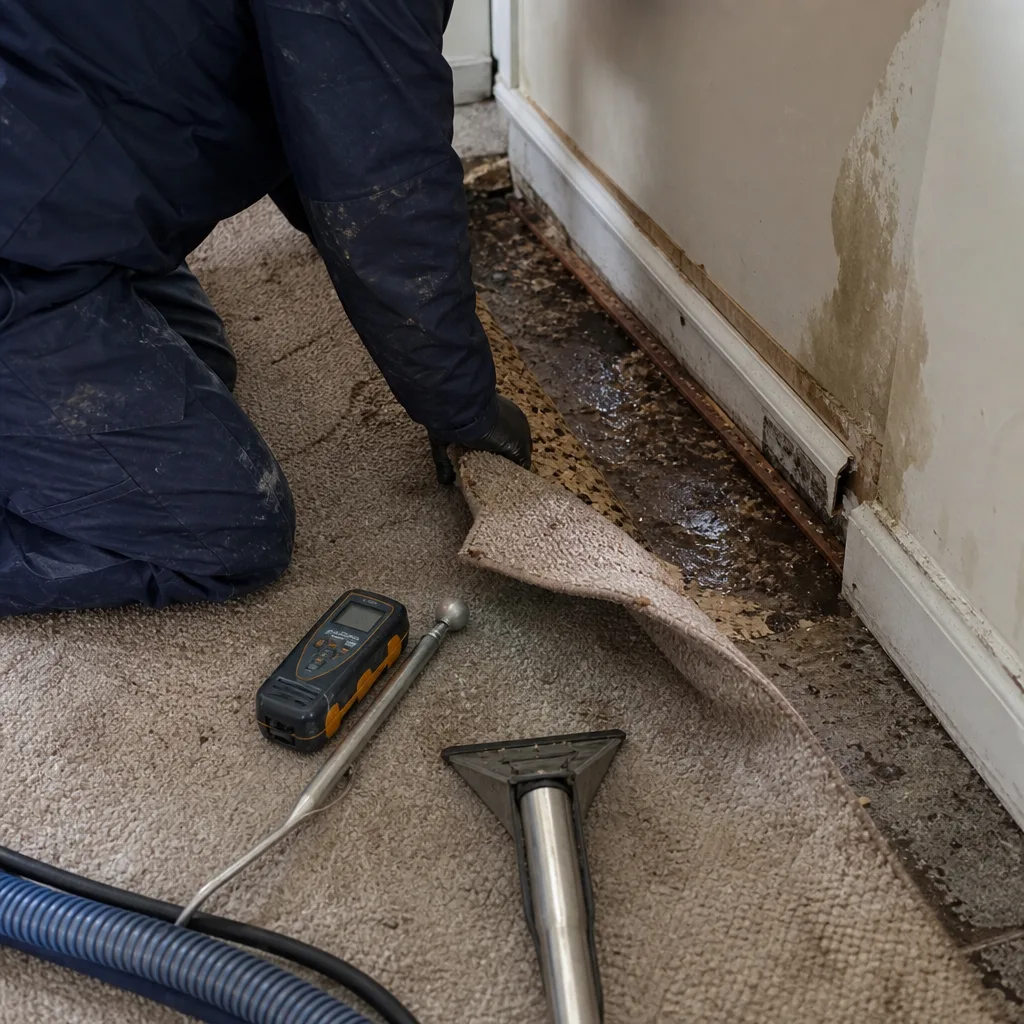
Downtown Flushing, centered on Main Street and Roosevelt Avenue, presents the highest density of basement-level commercial and residential conversions. Water entering from street drains during tidal backup often affects multiple connected structures simultaneously, and DOB record gaps are common. We cross-reference permit status before pulling remediation permits, because starting work on an undocumented unit can trigger stop-work orders that delay drying.
The Kissena Park corridor, including blocks along Franklin Avenue and Parsons Boulevard, sits slightly higher but still within Flushing Creek’s drainage basin. Here we see repeated calls from the same addresses after major storms, often involving wind-rated door failures on below-grade entries. Owners in this area benefit most from pre-storm door assessments and tide-gate maintenance.
North Flushing, toward Bayside Avenue and the Long Island Expressway, has a mix of detached homes and attached rowhouses with more modern construction but similar drainage challenges. The 162nd Street and 164th Street corridors see significant spring seepage through older foundations.
West Flushing, bordering Willets Point Boulevard and the Van Wyck Expressway, includes industrial and mixed-use buildings where water damage often involves commercial drying equipment and coordination with business-interruption claims. Response routes from our New York City office prioritize the Van Wyck and Northern Boulevard corridors to reach these addresses efficiently.
Specialized Water Damage Restoration Services We Offer in Flushing
Emergency Water Extraction
Standing water begins degrading to category 2 within 24-48 hours. Our truck-mounted extraction units remove thousands of gallons per hour, and portable units access basement apartments where truck hoses won’t reach. In Flushing’s dense rowhouse blocks, we often extract from multiple connected units simultaneously.
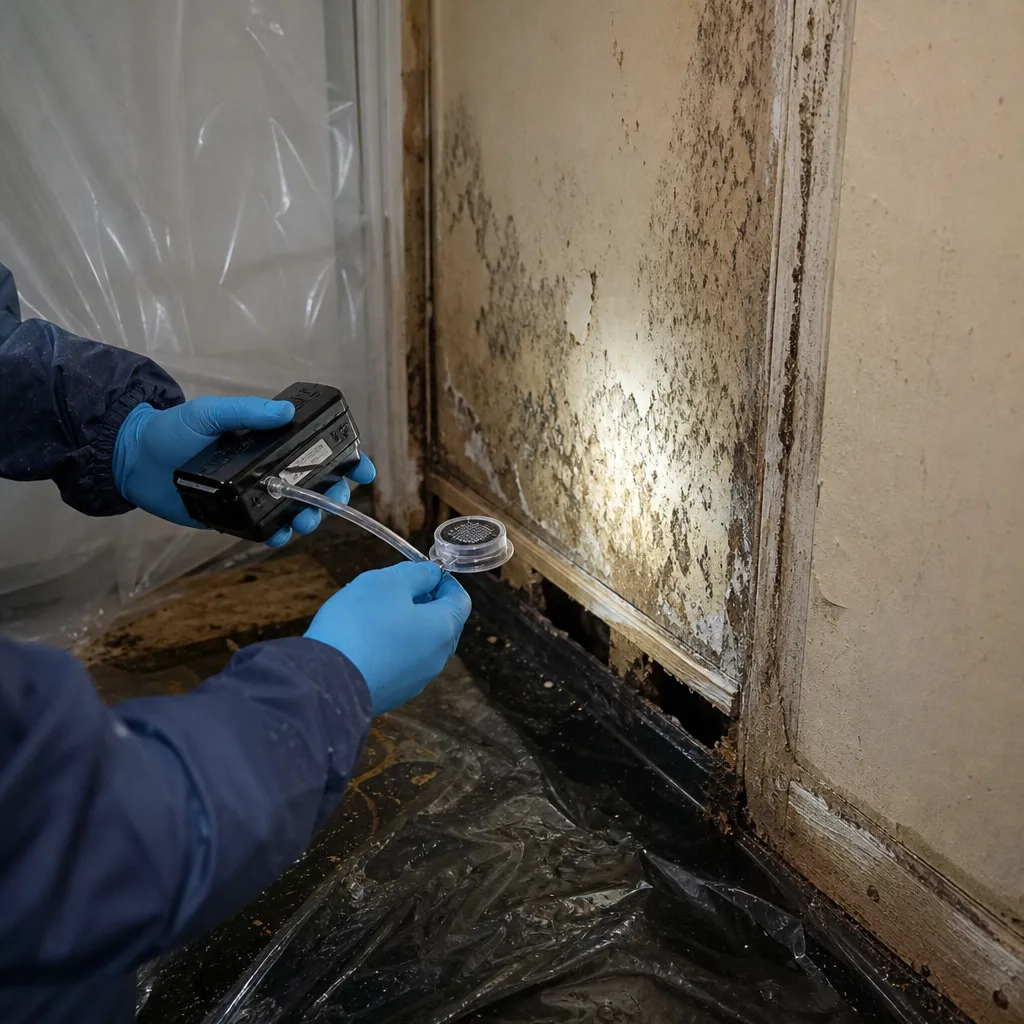
Structural Drying & Dehumidification
We deploy Phoenix 200 MAX dehumidifiers and Dri-Eaz Evolution units sized to the cubic footage of affected space. Injectidry floor and wall drying systems address water trapped behind original plaster and lathe without destructive removal. Daily moisture logs track progress to IICRC S500 dry standards.
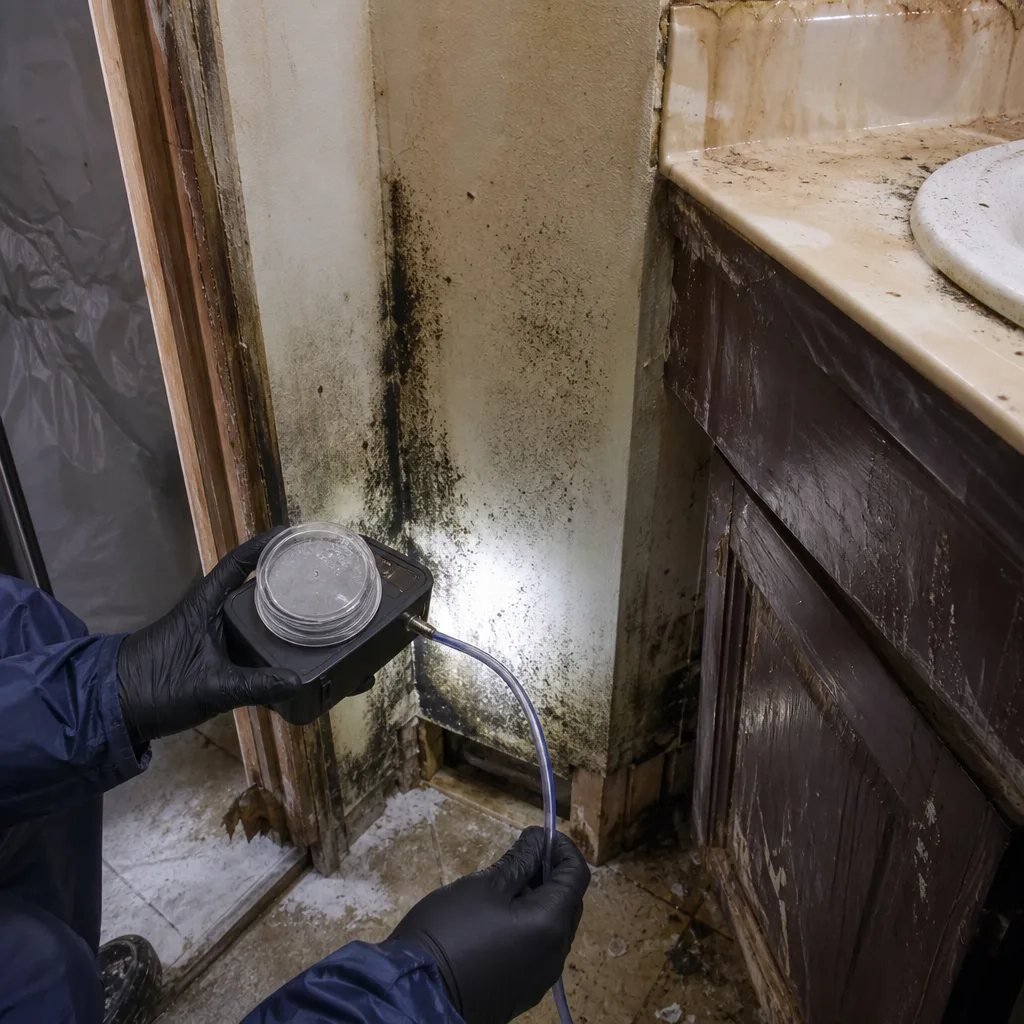
Flood Cleanup
Flushing flood losses often involve tidal back-flow through floor drains, which carries street contaminants and requires category 3 protocol. We coordinate with NYC DEP on drain condition reports and document tide timing for insurance files. All porous materials in the flood line are evaluated for salvage versus disposal.
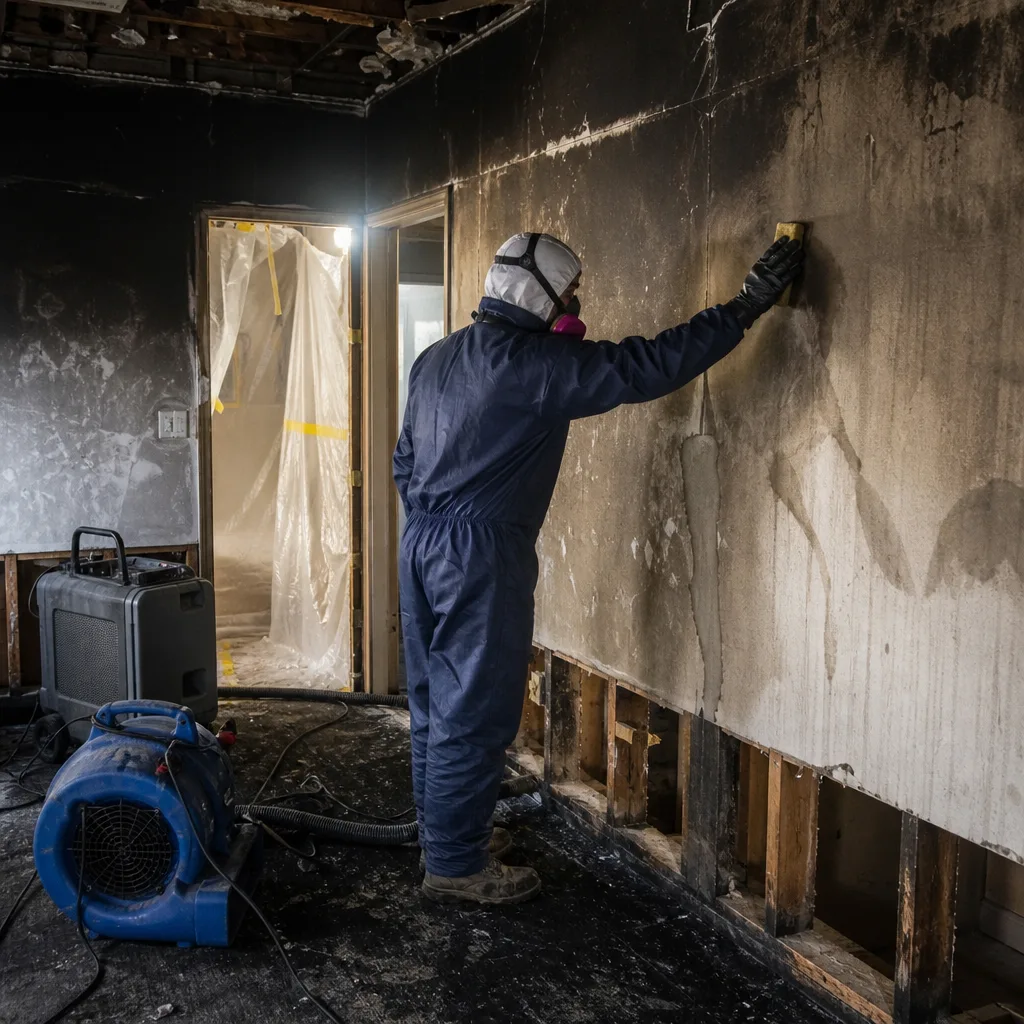
Burst Pipe Restoration
January freeze events in Flushing’s older rowhouses frequently split galvanized supply lines at threaded joints. We extract, dry, and document the water loss, then coordinate licensed plumbing replacement to prevent recurrence. The pipe material and failure mode are photographed for insurance subrogation review.
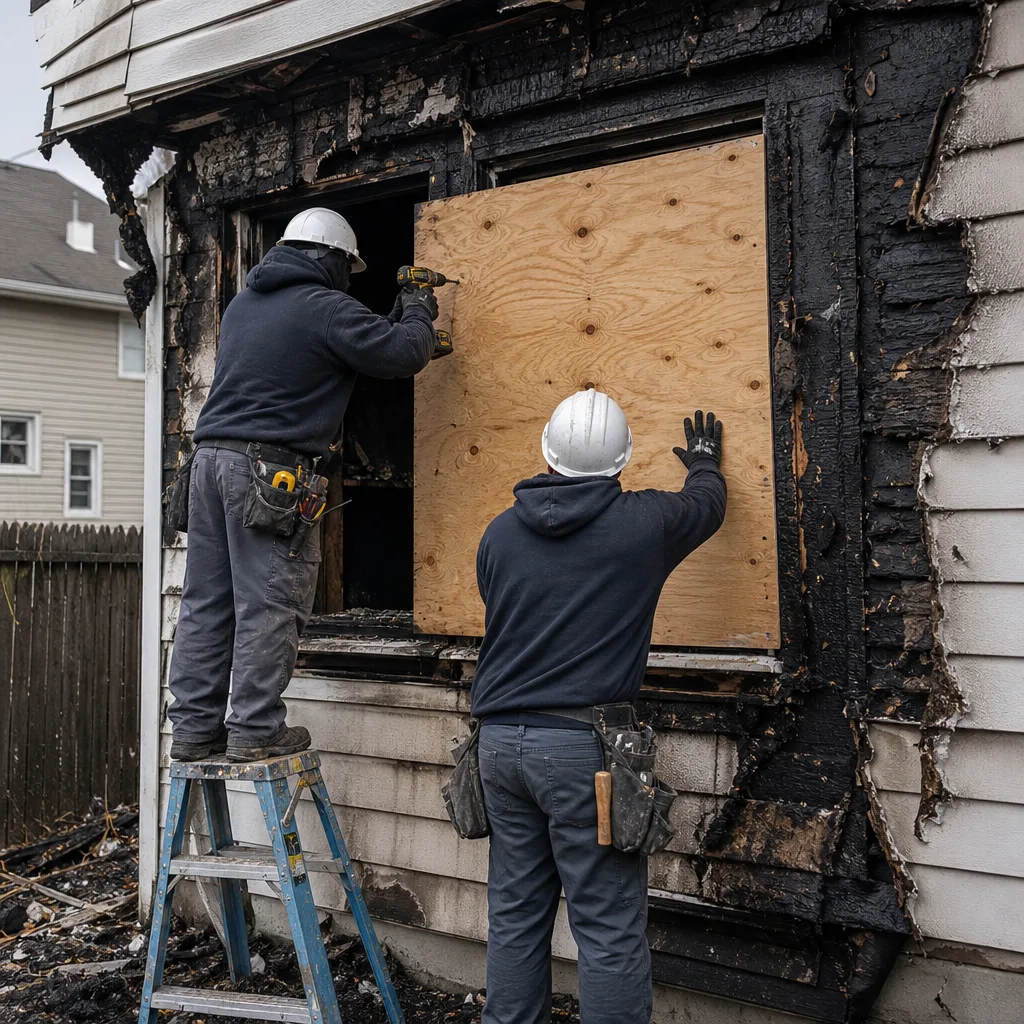
Basement Water Removal
Flushing’s extraordinary density of basement apartment conversions means we’re often drying finished living spaces with electrical systems, HVAC equipment, and personal contents below grade. We prioritize electrical safety lockout, content inventory with photo documentation, and staged drying that protects salvageable belongings while addressing structural moisture.
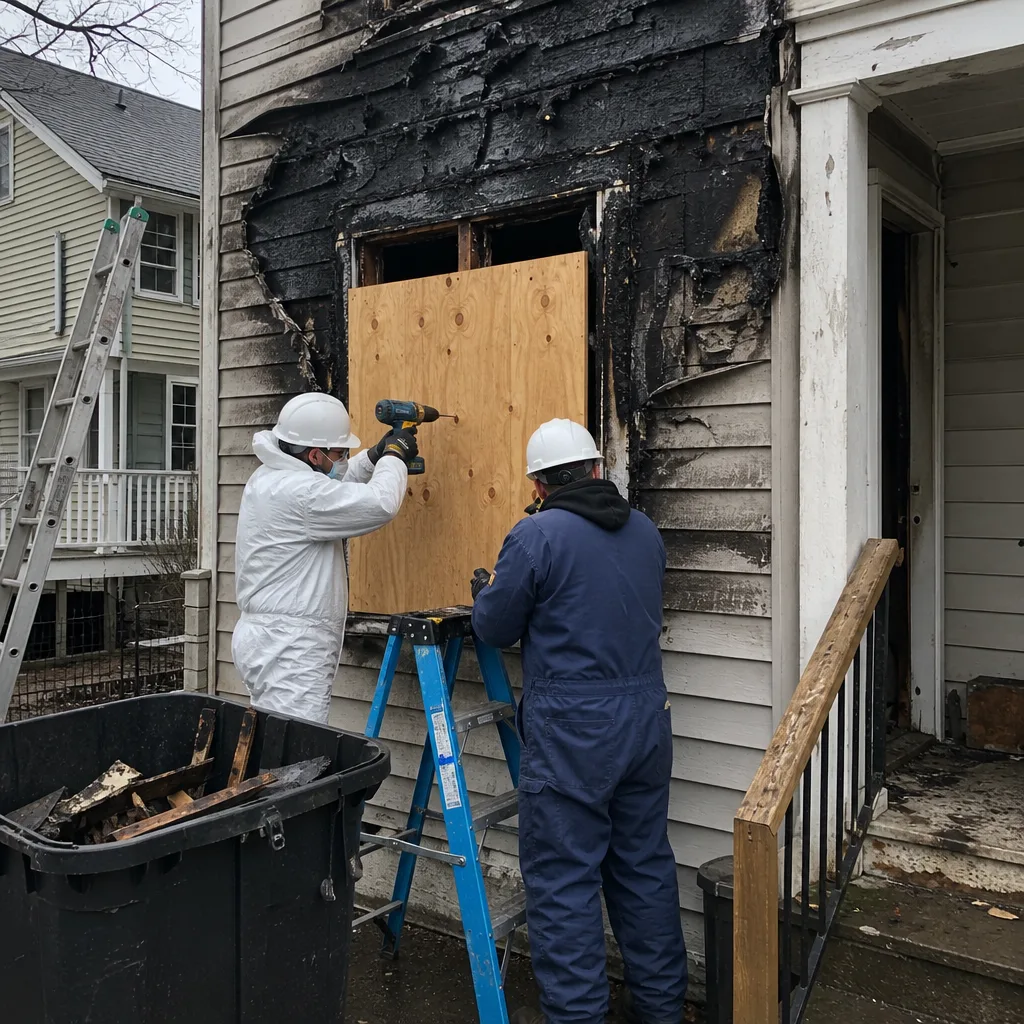
Ceiling & Roof Leak Water Damage
While Flushing’s most distinctive water entry is street-level, roof leaks still occur in aging flat roofs on multi-family buildings. We trace water migration through ceiling assemblies, identify the full affected area with thermal imaging, and dry from above and below to prevent collapse of saturated plaster.
What happens when you call
- 1
A real person answersNo phone trees - you reach a local pro.
- 2
You get an upfront price rangeHonest numbers before anyone is dispatched.
- 3
A background-checked tech heads outLicensed & insured, dispatched right away.
- 4
You approve before work beginsNothing starts until you say go.
Water Damage Restoration Costs in Flushing, NY
Typical water damage restoration in Flushing runs $1,800-$6,500, with most finished basement jobs landing between $3,200 and $5,800. Emergency water extraction alone typically ranges $500-$1,500 depending on volume and access. Structural drying with dehumidification adds $1,200-$3,000 for a standard basement over three to five days. Category 3 losses requiring antimicrobial treatment, content disposal, and permit navigation for undocumented units can extend to $7,500-$12,000.
What moves the price: square footage affected, water category, whether walls or flooring require removal, and whether the loss involves an unpermitted basement conversion requiring DOB consultation. Insurance typically covers sudden and accidental water losses from supply line breaks or storm entry through wind damage. Gradual leaks, seepage, and flooding from tidal backup may fall under separate flood coverage or be excluded depending on policy terms.
Every job begins with a free visual inspection and written scope before work starts. Haven Standard, Clause 1. Call (862) 281-7710 for a firm, documented price.
We Also Serve Cities Near Flushing
Our crews respond throughout Queens from the same staging location: Flushing is our core service area, and we regularly handle losses in Jackson Heights, where pre-war elevator buildings present unique vertical water migration; Elmhurst, with similar basement conversion density; Forest Hills, where garden apartments and co-op buildings require board coordination; and Astoria, with its mix of industrial lofts and residential conversions.
Serving Flushing, NY - Our Local Coverage Area
We’re based in the Flushing area and know this community well. Use the map below to see our service coverage - if you’re nearby, we can almost certainly help.
Flushing Water Damage Restoration Questions, Answered
Why did my Flushing basement flood even though the rain had stopped hours earlier?
Flushing Creek is tidal, and its connection to Flushing Bay means stormwater in the drainage system gets pushed backward through floor drains during high tide, even after rainfall ends. This hydraulic back-flow is distinct from inland Queens flooding and is why we check tide charts before declaring a basement dry. Call (862) 281-7710 if water is still entering, and we’ll assess whether the drain line needs sealing or a back-flow preventer.
Does a wind-rated door really make a difference for water damage in Flushing?
Yes. A properly wind-rated basement door assembly resists the pressure differential that forces water through gaps and failed seals during coastal storms and Nor’easters. In Flushing, where tidal surge adds hydrostatic pressure to wind load, an under-rated or improperly installed door is often the entry point for thousands of gallons. We assess and document door ratings as part of our mitigation scope, and we coordinate reinforcement or replacement that meets current NYC wind-load standards.
My basement apartment isn’t on the DOB records-can you still dry it out after a flood?
We can begin emergency extraction and stabilization immediately on any flooded space. However, pulling formal remediation permits requires a legal unit designation, and many Flushing basement conversions lack this documentation. We work with owners to determine the fastest path forward, which may involve DOB consultation or proceeding under a limited repair permit, and we document this process for insurance files. Bilingual communication with Mandarin- and Cantonese-speaking owners is standard on our Flushing jobs. Call (862) 281-7710 for a confidential assessment of your specific situation.
How quickly do we need to start drying after a water event in Flushing?
Within the first 24 hours, and preferably within the first 4. Mold amplification begins on wet organic materials in 24-48 hours, and category 1 water degrades to category 2 in that window. In Flushing’s humid summer climate and dense masonry construction, the timeline compresses further. Our 45-minute response commitment exists because the first hour of controlled drying prevents the third day of demolition. Call (862) 281-7710 for immediate dispatch.
What does ‘category 3 water’ mean for my flooded Flushing basement?
Category 3 water is grossly contaminated and requires full antimicrobial treatment, removal of porous materials that contacted the water, and protective equipment for technicians. In Flushing, tidal back-flow through storm drains often qualifies as category 3 because the water has passed through street surfaces and sewage systems. Carpet pad, drywall below the water line, and insulation are typically removed rather than dried, and the space is cleaned to IICRC S500 standards before reconstruction begins. We document the category determination with photo evidence for insurance review.
Will my insurance cover water damage restoration in Flushing?
Sudden and accidental water damage from burst pipes or storm entry through wind-compromised building envelopes is typically covered under standard homeowners policies. Flood damage from tidal backup or rising groundwater usually requires separate flood insurance through the NFIP or private market. Gradual leaks and seepage are often excluded. We review your policy language, document the loss mechanism with photos and moisture data, and coordinate directly with your adjuster to establish coverage before work proceeds. Our documentation package is designed to minimize disputes.
How long does structural drying take in a typical Flushing rowhouse?
Three to five days for standard basement or first-floor losses in frame or plaster construction, and five to seven days for dense masonry walls or deep water penetration. Flushing’s 1920s-1950s rowhouses with solid brick walls and lath-and-plaster finishes often extend toward the longer end because these materials hold bound moisture that releases slowly. We don’t sign off until wood moisture equivalent readings confirm the structure is below 16%, and we provide you the daily drying logs that prove it.
Can we stay in the home during water damage restoration?
Often yes, for category 1 and 2 losses limited to a basement or single room, provided electrical safety is confirmed and drying equipment noise is tolerable. Category 3 losses, extensive demolition, or whole-house drying typically require temporary relocation. In Flushing’s multi-family buildings, we coordinate with all affected units to minimize disruption. We discuss livability at the initial assessment and note any relocation recommendations in your written scope.
Every water damage restoration job in Flushing closes with a written completion certificate, the full photo record, daily drying logs, and our 365-Day Done Right Promise under The Haven Standard. If it’s not done right, we make it right. That’s not a slogan. It’s a signed guarantee.
Written by Alicia Brennan, Owner at Back to Dry Restoration, serving Flushing since 2011.
Water Damage Restoration in Nearby Areas