
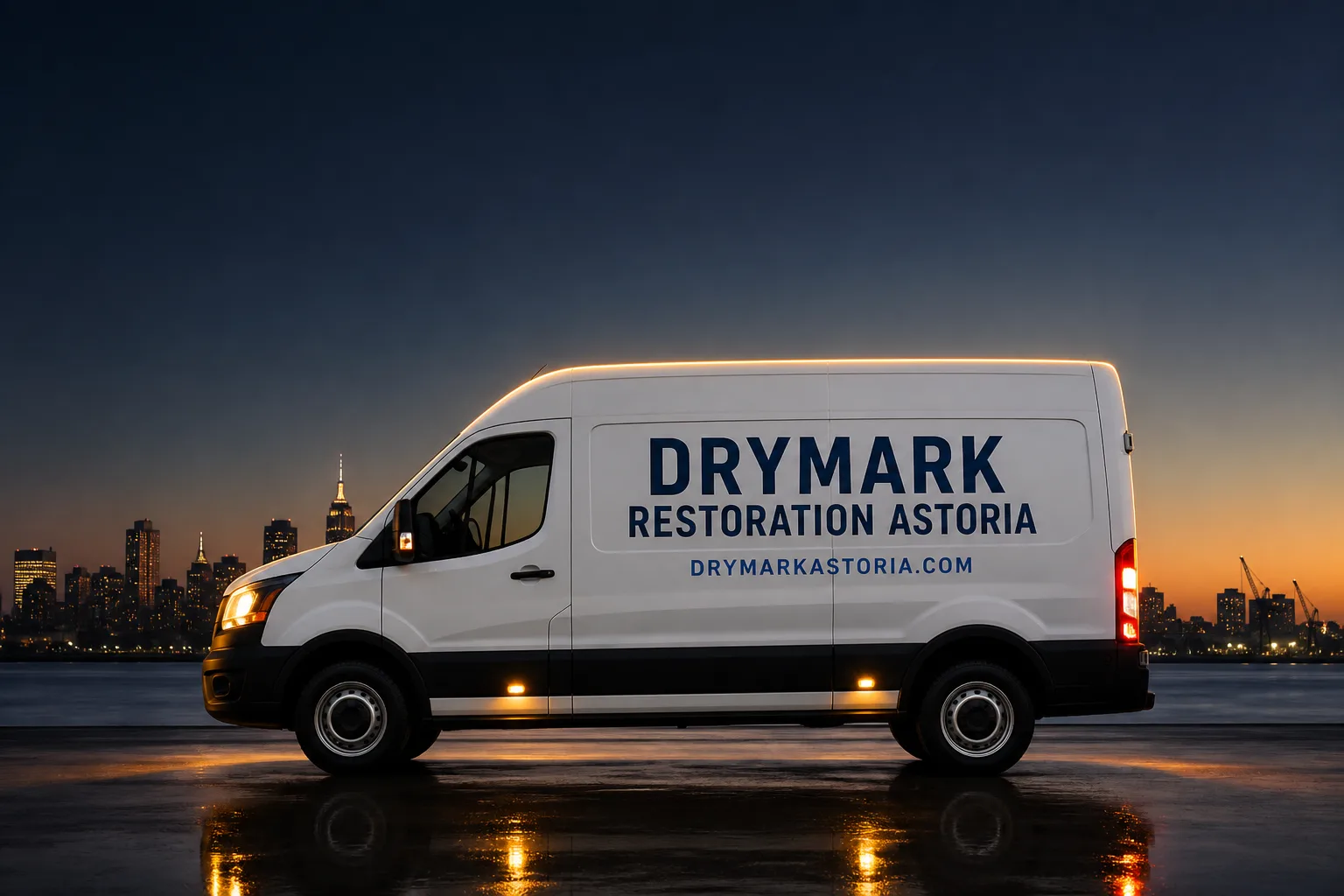
Free visual inspection and a written scope of work before any mitigation begins - photos, moisture readings, and drying logs go in your claim file
The scope we write is the scope we bill. Anything new gets shown to you, in writing, before we touch it.
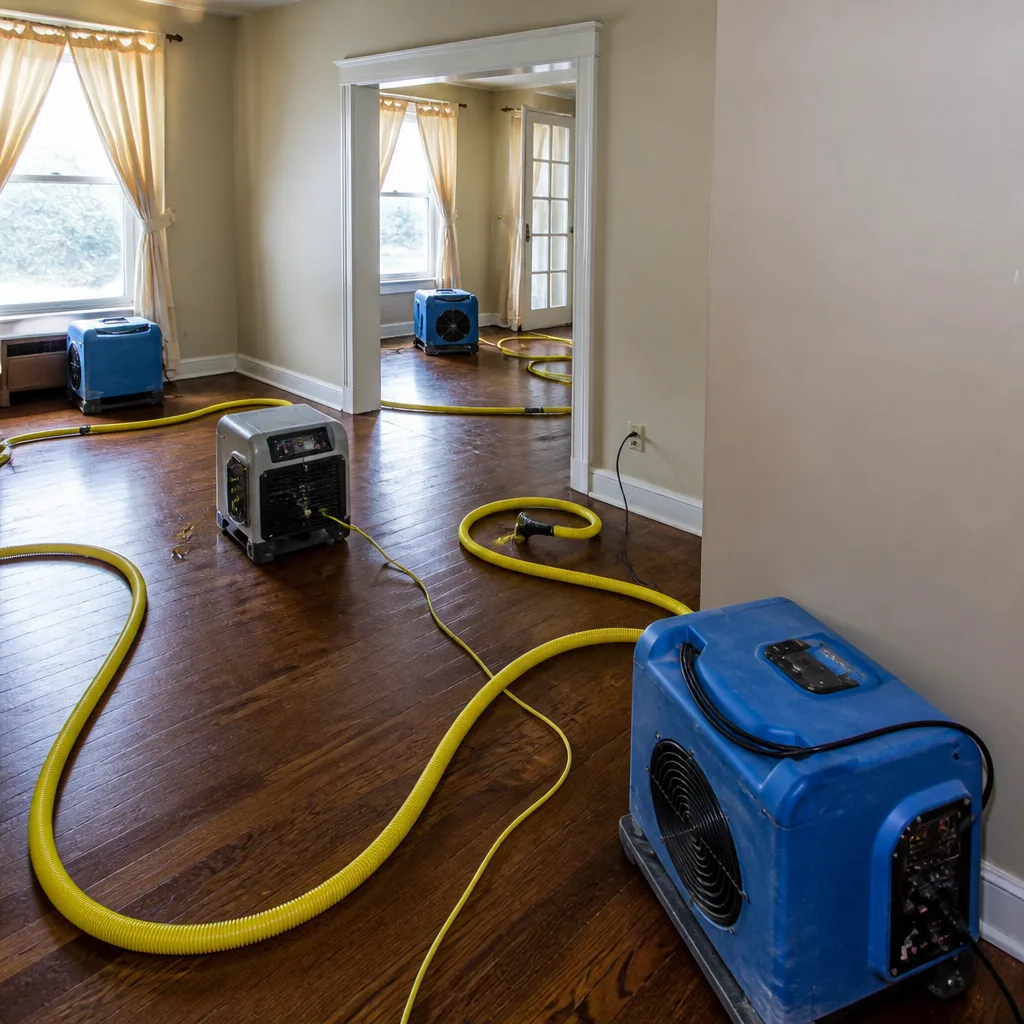
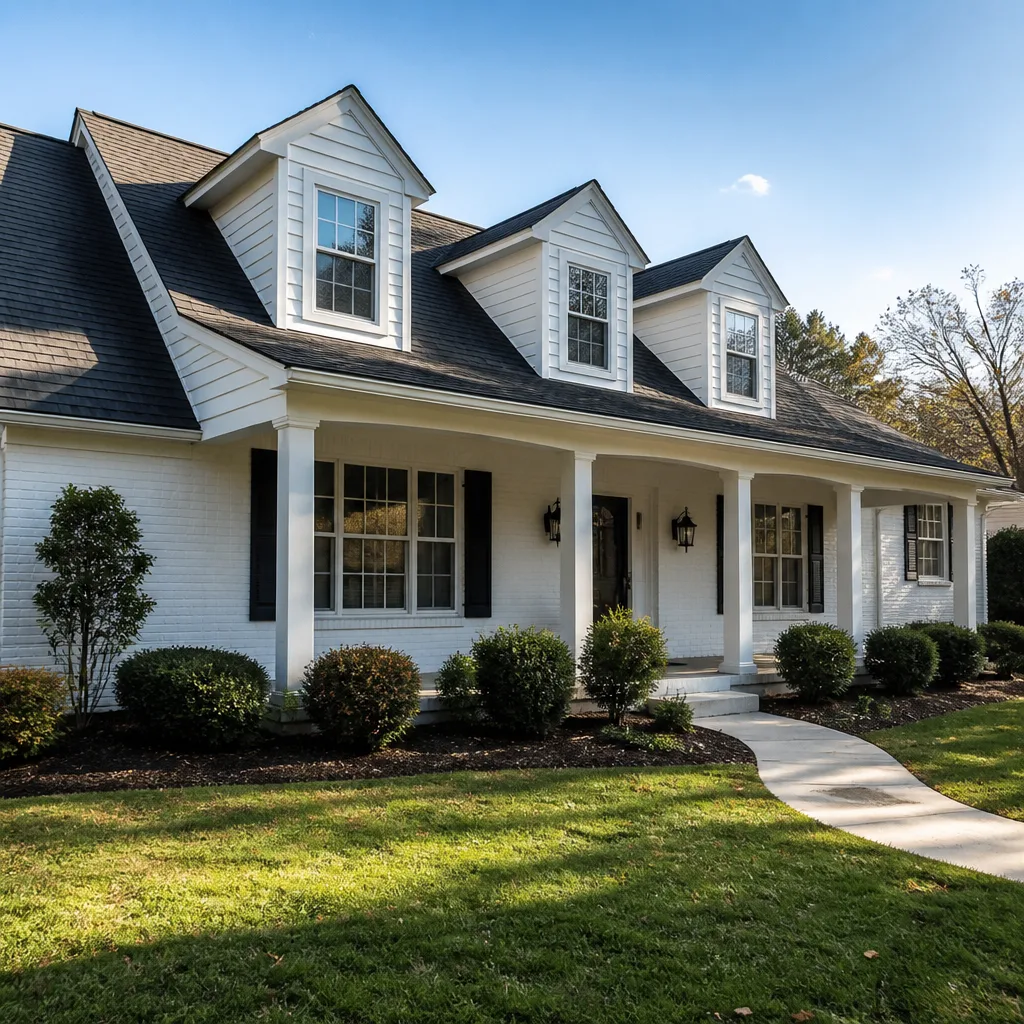
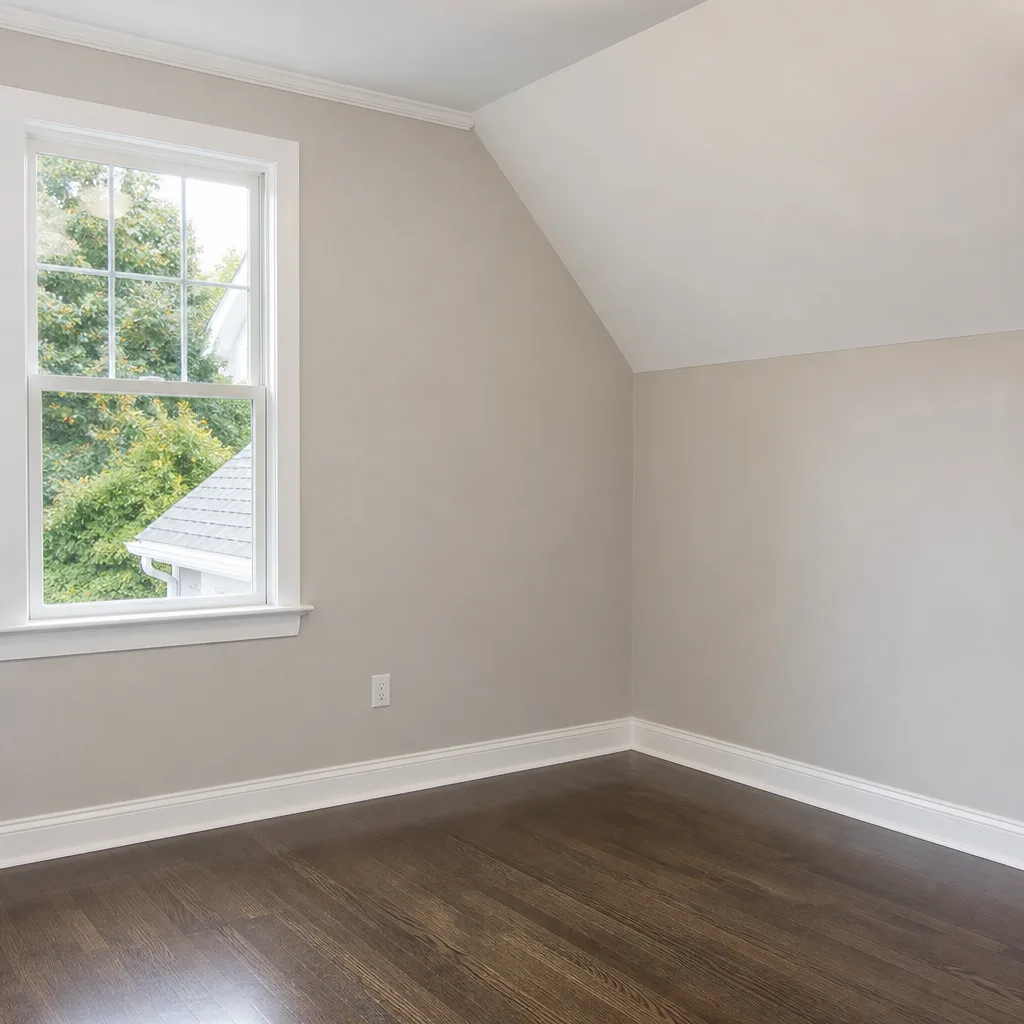
Storm response
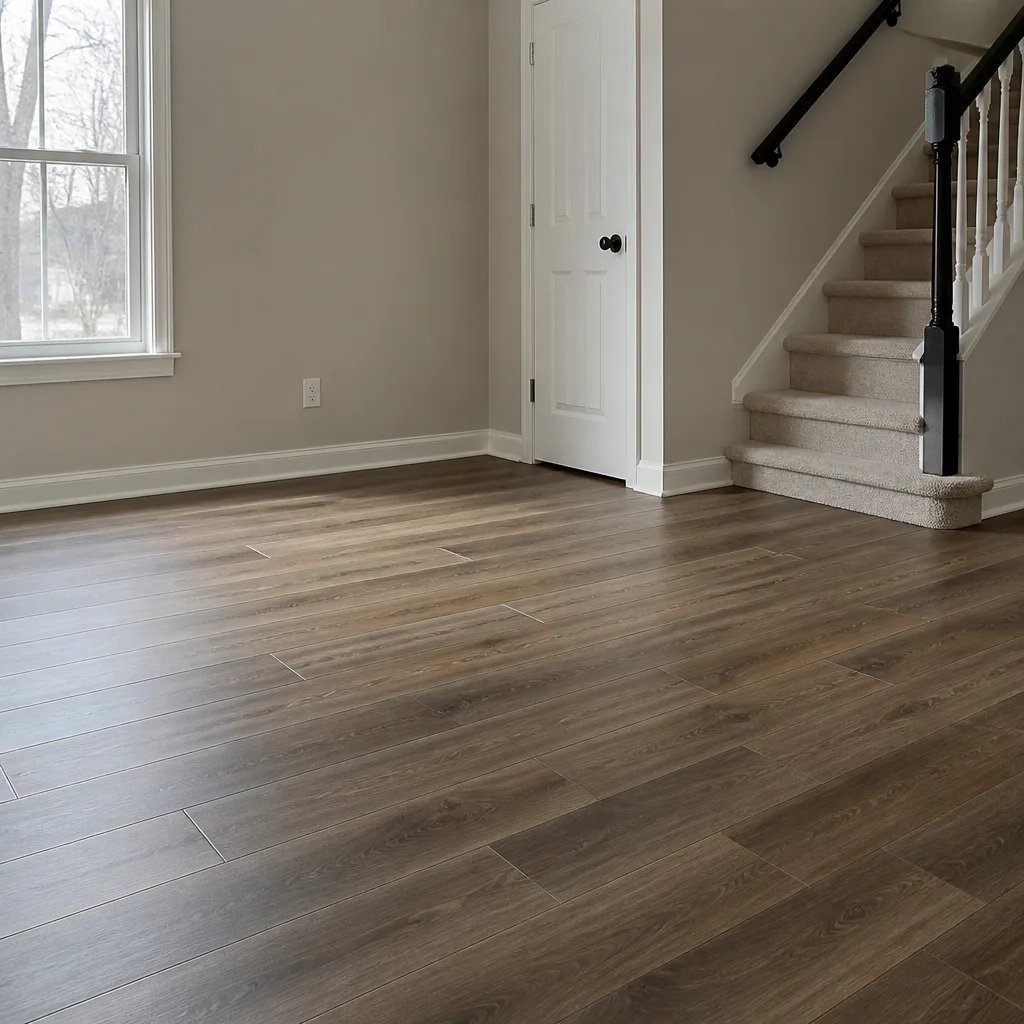
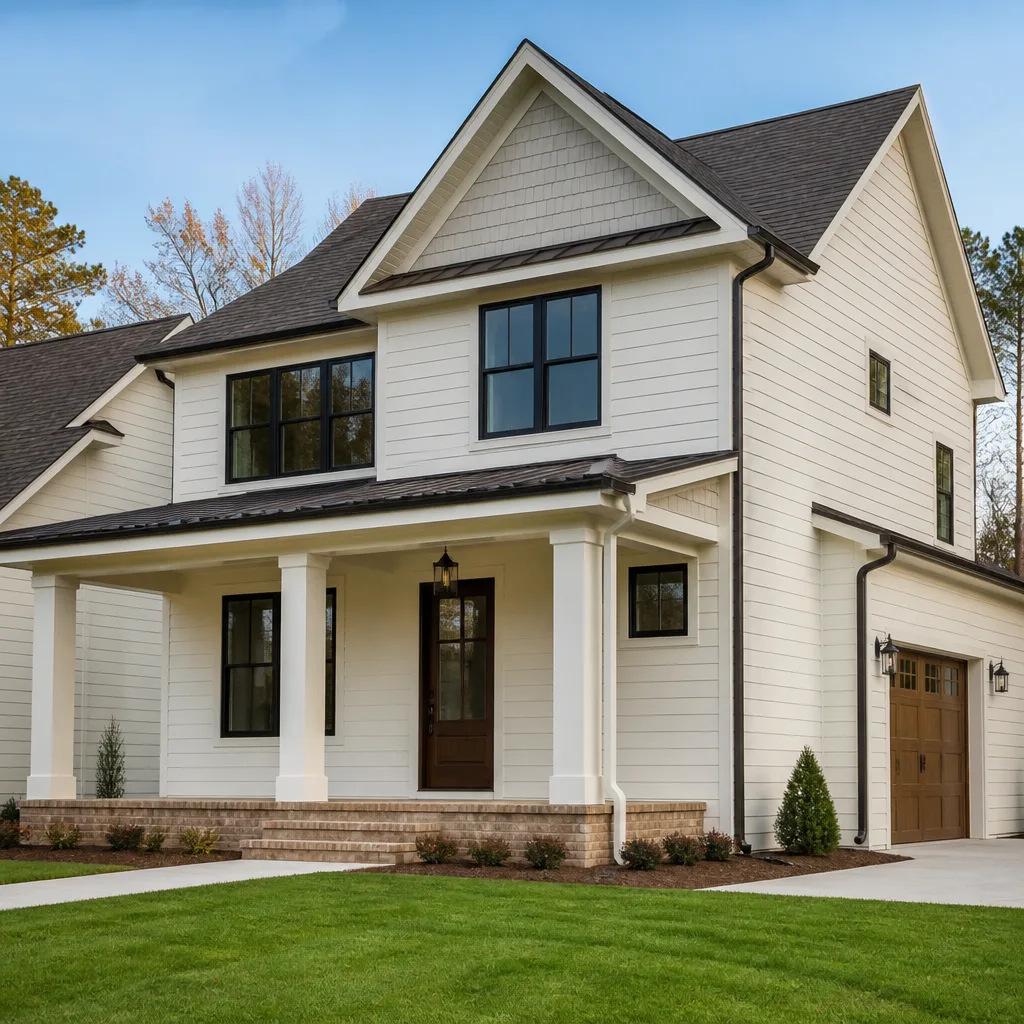
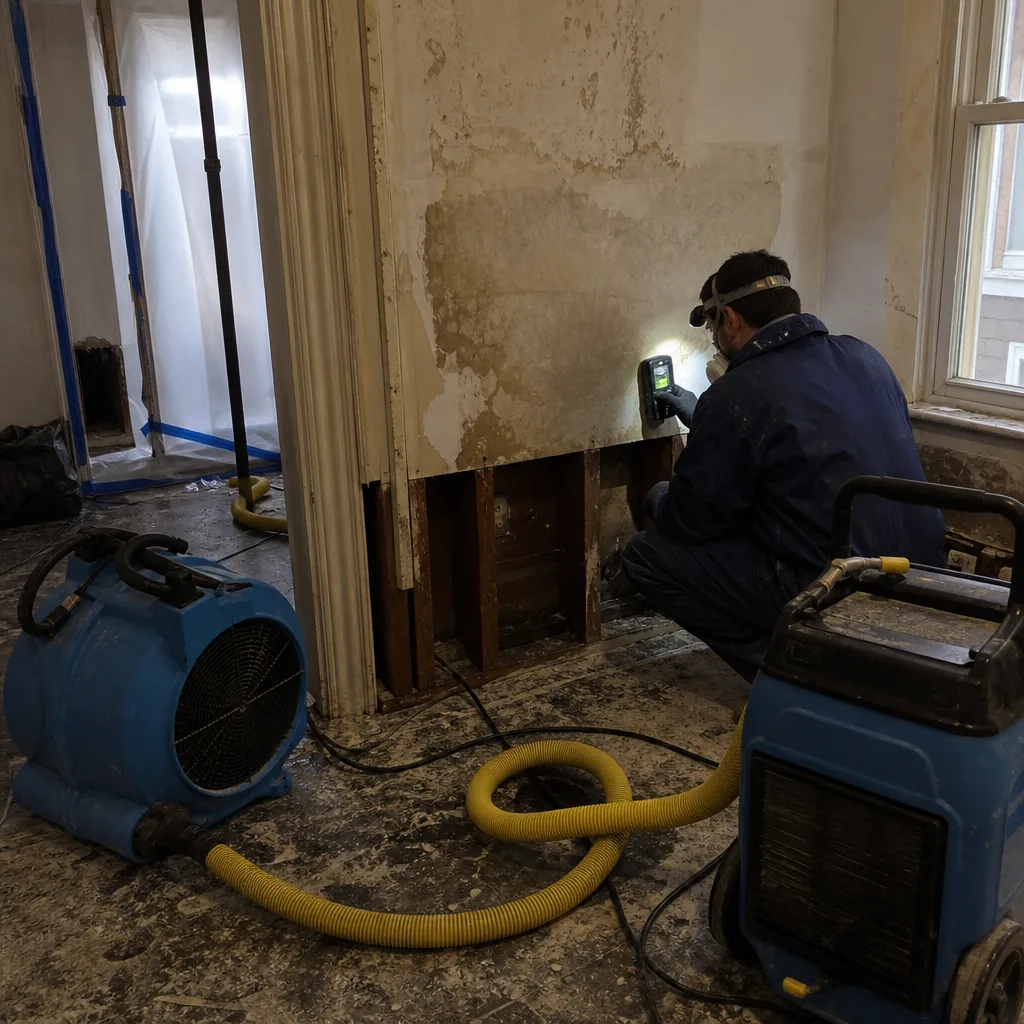 Before
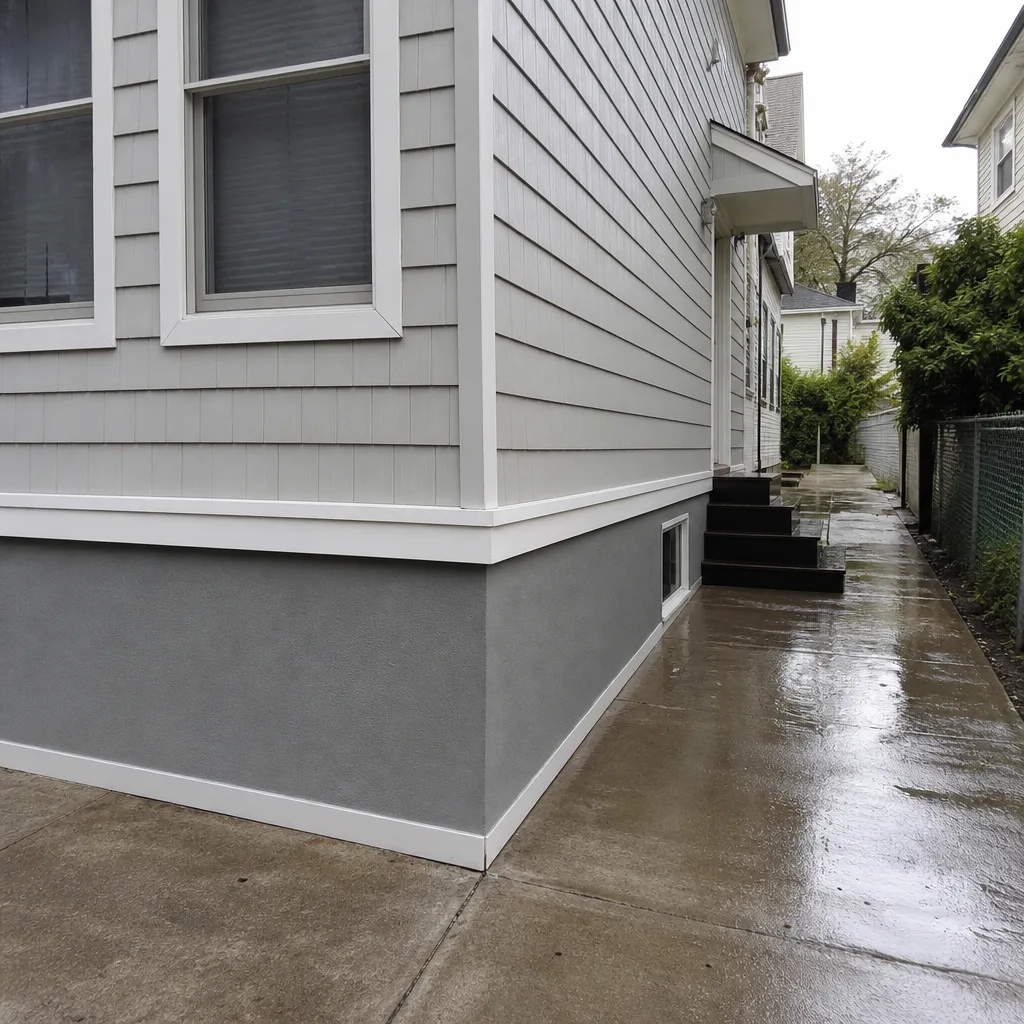 After
After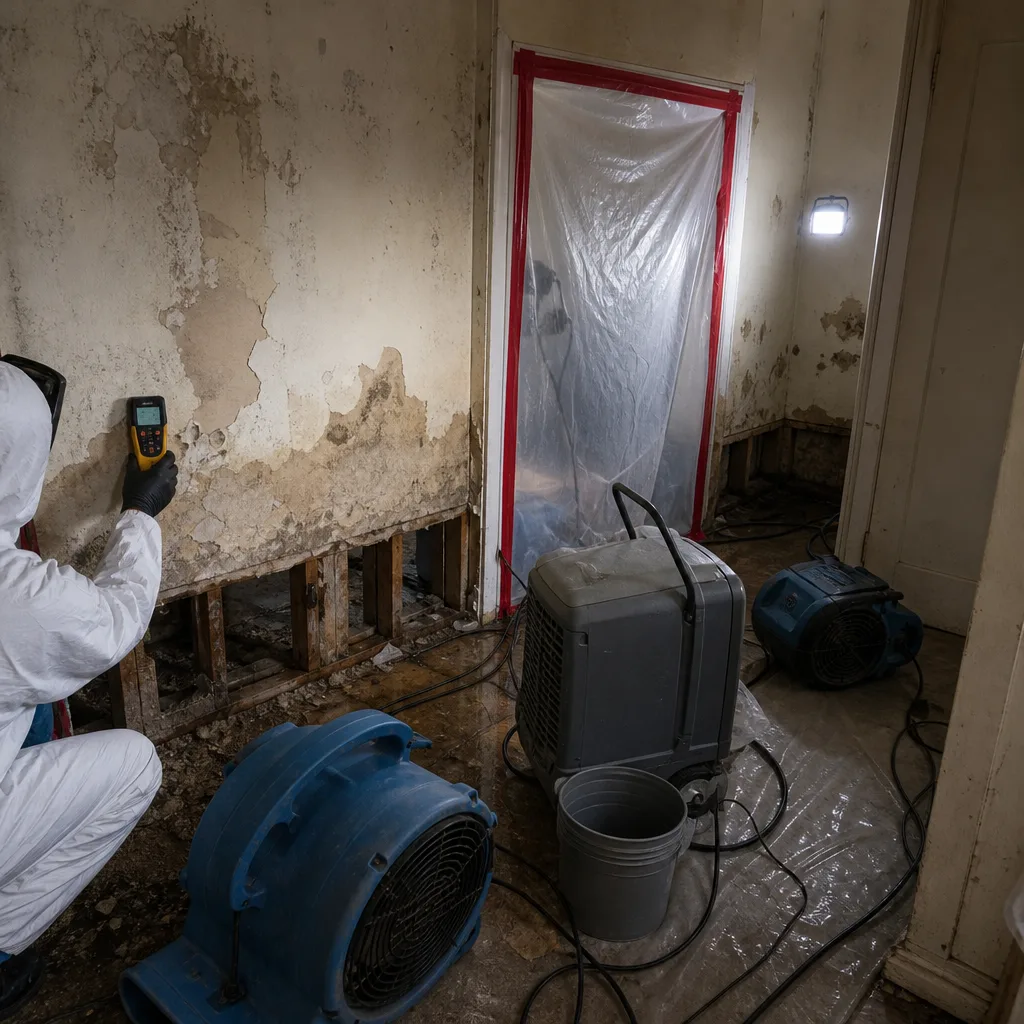 Before
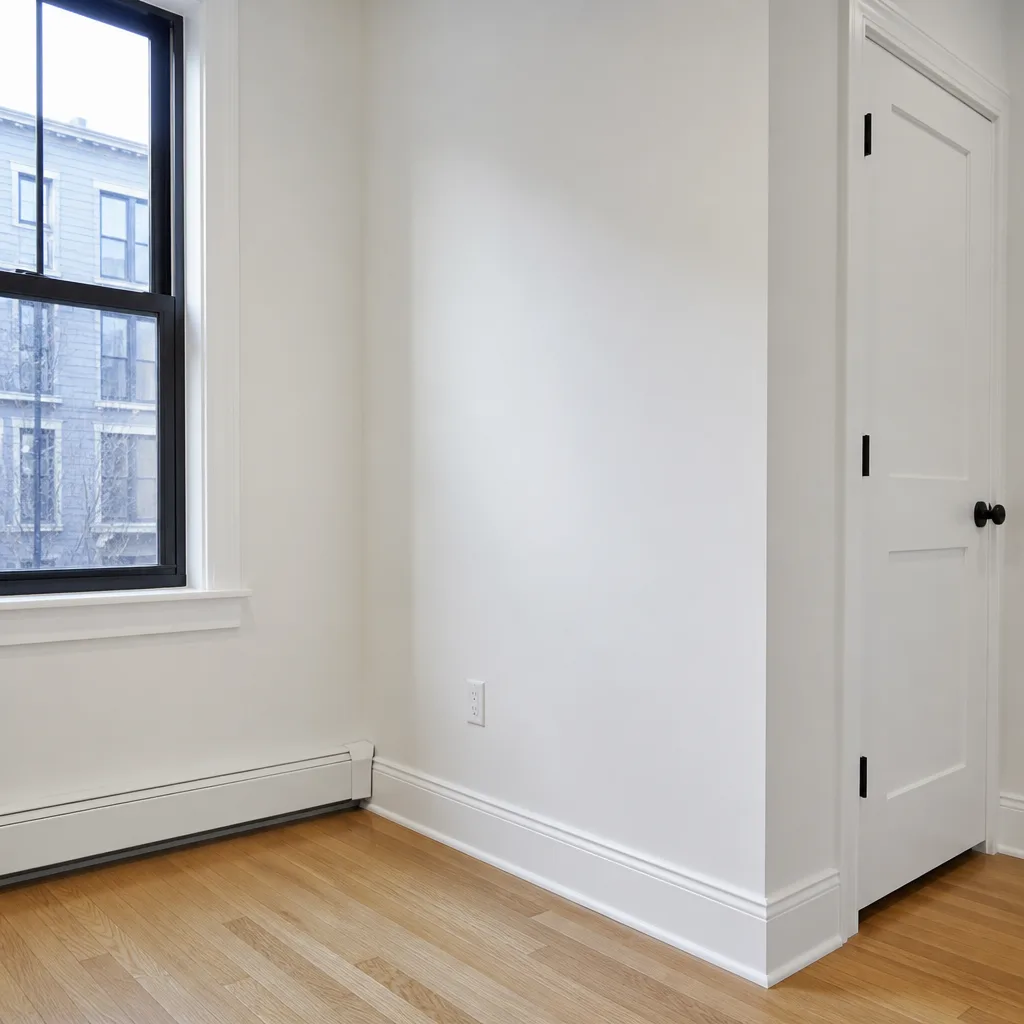 After
After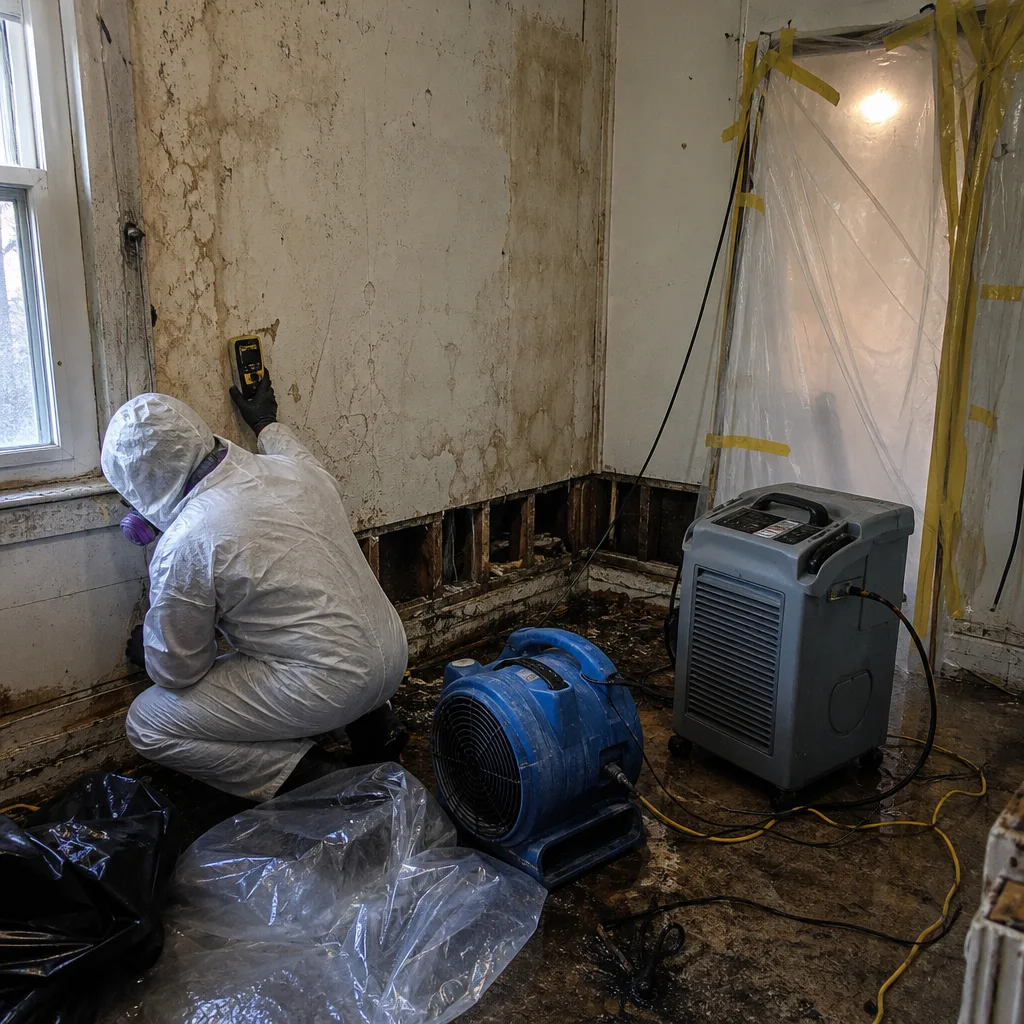 Before
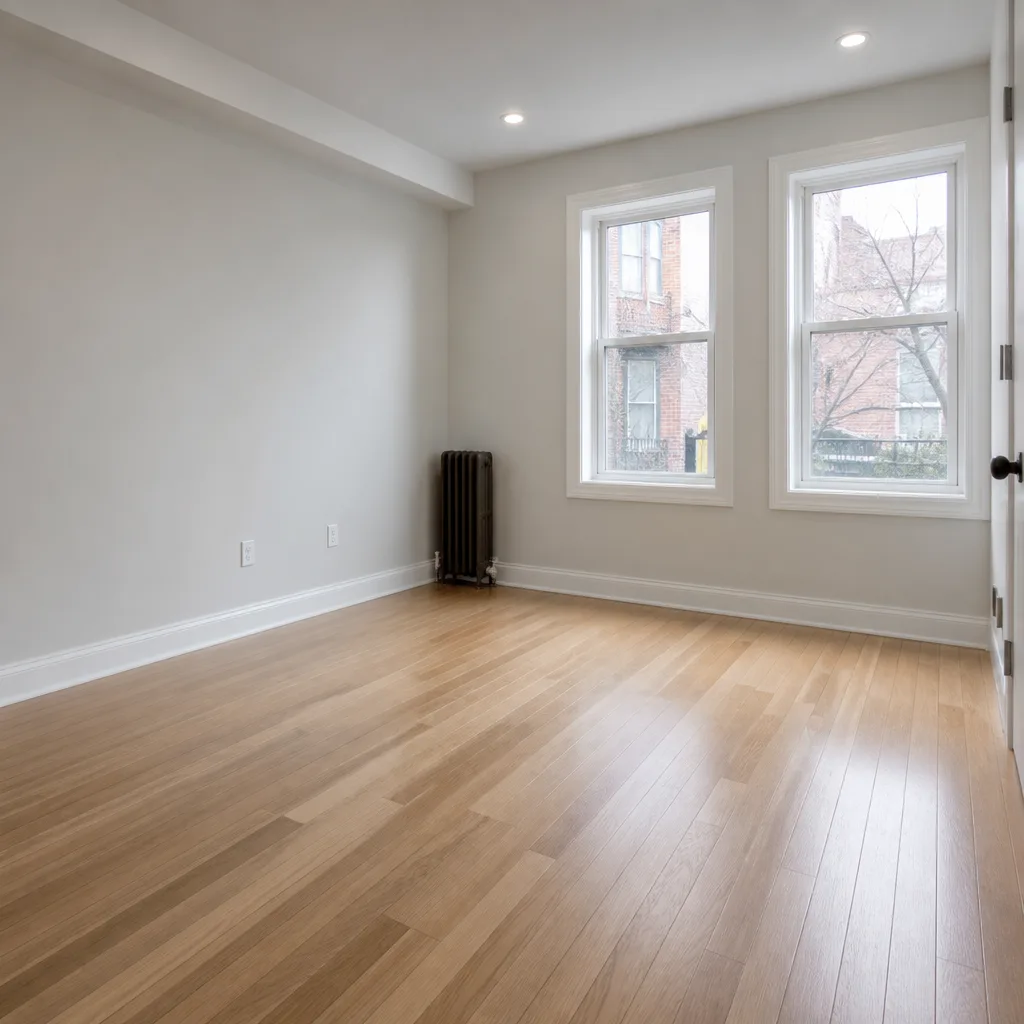 After
After24/7 Emergency Water Damage Restoration in Forest Hills
Water damage restoration in Forest Hills, NY typically costs $2,800-$7,500 for a standard residential loss, with emergency water extraction starting at $1,200-$2,400 and structural drying running $180-$340 per day. Crews can usually be on site within 45 minutes of your call. Call (862) 281-7710 now; we answer live 24 hours a day, 7 days a week, and a real person will dispatch a team to your Forest Hills property without putting you through a voicemail tree.
The first hour determines whether a water loss stays a drying job or becomes a rebuild. In Forest Hills, that hour is even more compressed. The pre-war co-op buildings that line Queens Boulevard and Yellowstone Boulevard have horsehair plaster walls that hold moisture like a sponge, and their cast iron supply lines can leak silently for days before anyone notices. By the time water shows on a ceiling, the cavity above it is often saturated. Our crews carry thermal imaging and pin-type moisture meters on every truck so we can document exactly how far the water has traveled before we extract a single gallon. That documentation starts your insurance file correctly from minute one.
Understanding Water Damage Restoration Severity in Forest Hills Properties
Water damage falls into three categories under IICRC S500 standards, and getting the category wrong in Forest Hills can cost a homeowner their claim. Category 1 is clean water from a broken supply line. Category 2 is gray water with chemical or biological contamination, like a dishwasher discharge. Category 3 is black water: sewage, ground water, or any water that has passed through a contaminated environment.
Here’s what generic restoration pages won’t tell you about Forest Hills: Queens’ aging combined sewer system frequently backs up into basements and ground-floor units during intense summer storms. The water flooding your rec room looks like rainwater. It is not. It is Category 3 black water mixed with raw sewage, and it requires full PPE, contained disposal, and documentation that satisfies both your insurer and the NYC Department of Environmental Protection. We classify it correctly from the first pump. We have seen competitors treat these backups as Category 1, skip the containment, and leave the homeowner with a denied claim and a health hazard.
Moisture mapping with thermal imaging lets us trace water migration through Forest Hills’s dense plaster construction. Psychrometric data, vapor pressure differential, and specific humidity readings guide our drying strategy. Tertiary drying, the final phase where we drop humidity to pre-loss equilibrium, takes longer in these buildings because plaster releases moisture more slowly than modern drywall. We don’t guess when drying is complete. We log daily moisture readings until the numbers match.
Why Forest Hills Property Owners Choose DryMark Restoration Astoria
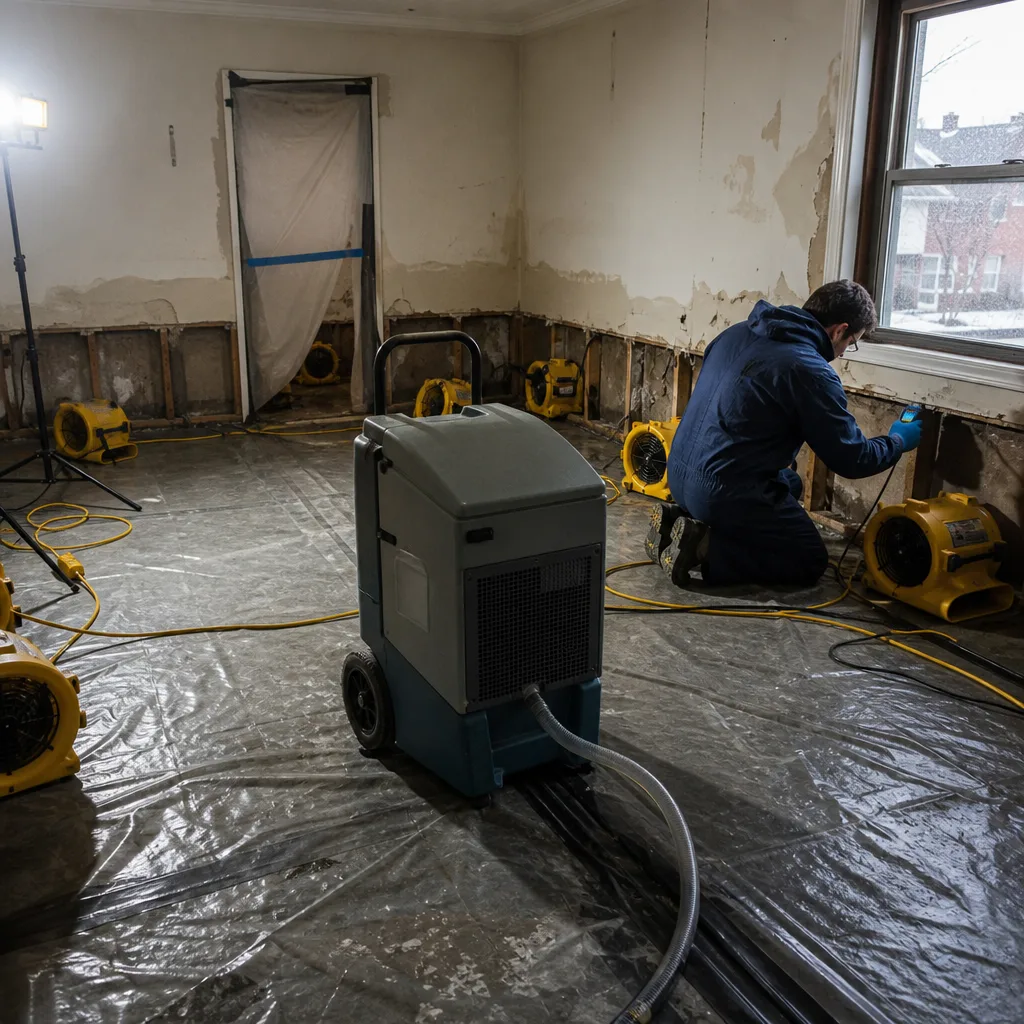
- 45-minute response commitment to Forest Hills, with crews staged for the Queens Boulevard corridor and the Gardens.
- 24/7 live answer - a real person, never an automated system, picks up every call to our emergency line.
- IICRC-certified crews holding WRT (Water Damage Restoration Technician), FSRT (Fire & Smoke Restoration Technician), and AMRT (Applied Microbial Remediation Technician) credentials.
- Free visual inspection at your Forest Hills property, with moisture readings and a documented assessment.
- Direct insurance billing and adjuster coordination, with photo-documented estimates in Xactimate format.
- One team from extraction to reconstruction - no handoffs to subcontractors who weren’t on the loss from day one.
BeforeAfterOur Water Damage Restoration Process
1. Inspection & Assessment
We arrive with thermal imaging cameras, pin-type and non-invasive moisture meters, and hygrometers. In Forest Hills co-ops, we immediately identify whether the building corporation controls wall-cavity access and begin coordinating with the managing agent. Every reading is logged with a time-stamped photo.
2. Water Extraction & Stabilization
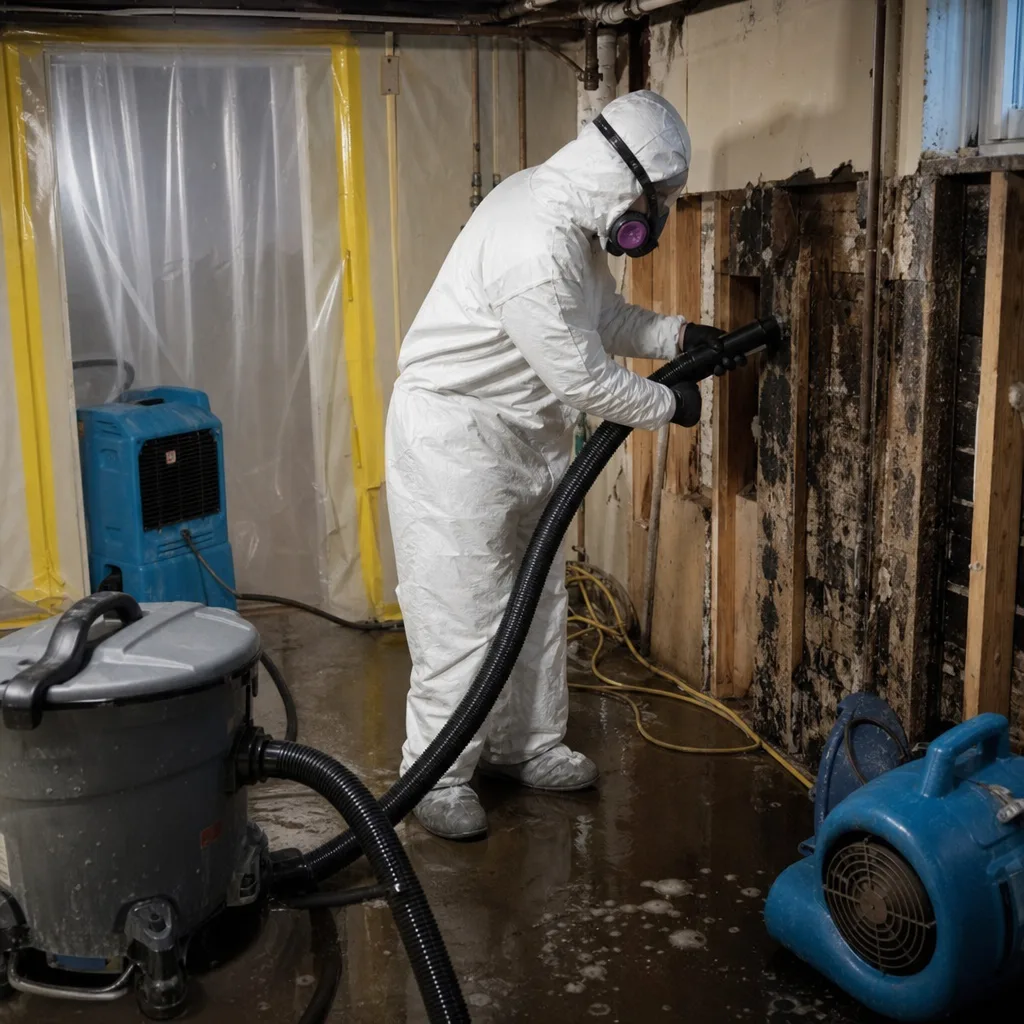
Truck-mounted extraction units and portable flood pumper systems remove standing water. For Category 3 losses from sewer backup, we establish containment zones and full PPE protocols before anyone enters the space. We document the water classification with photos for your insurer from the first hour.
3. Structural Drying & Dehumidification
We deploy low-grain refrigerant dehumidifiers from Dri-Eaz and Phoenix, axial air movers from XPOWER, and specialized drying systems for plaster assemblies. In Forest Hills’s pre-war buildings, we extend drying cycles and monitor daily with calibrated moisture meters until readings return to pre-loss baselines.
4. Cleaning & Sanitization
Antimicrobial treatment applied to all affected surfaces, with HEPA air scrubbers running during application. For Category 3 losses, we follow IICRC S500 protocols for sewage-impacted materials, including controlled demolition of non-salvageable porous items with full disposal documentation.
5. Co-op Board Documentation & Authorization
Unique to Forest Hills: we prepare the written scope, photo record, and moisture logs that co-op boards and managing agents require before approving wall-cavity access or reconstruction. We have worked with enough Queens Boulevard buildings to know what the board needs to see, and we deliver it in their format to prevent the 24-72 hour delays that let mold colonize behind closed walls.
6. Repairs & Restoration
Once authorization is granted and drying is verified complete, we restore walls, flooring, and finishes to pre-loss condition. In Forest Hills Gardens, we source historically appropriate materials that meet Forest Hills Gardens Corporation architectural review requirements. No vinyl trim shortcuts. No modern siding substitutions. The work passes inspection.
Need Emergency Water Damage Restoration in Forest Hills Now?
Crews minutes away, answering live 24 hours a day. The sooner we start, the less it costs.
Working With Your Insurance Company
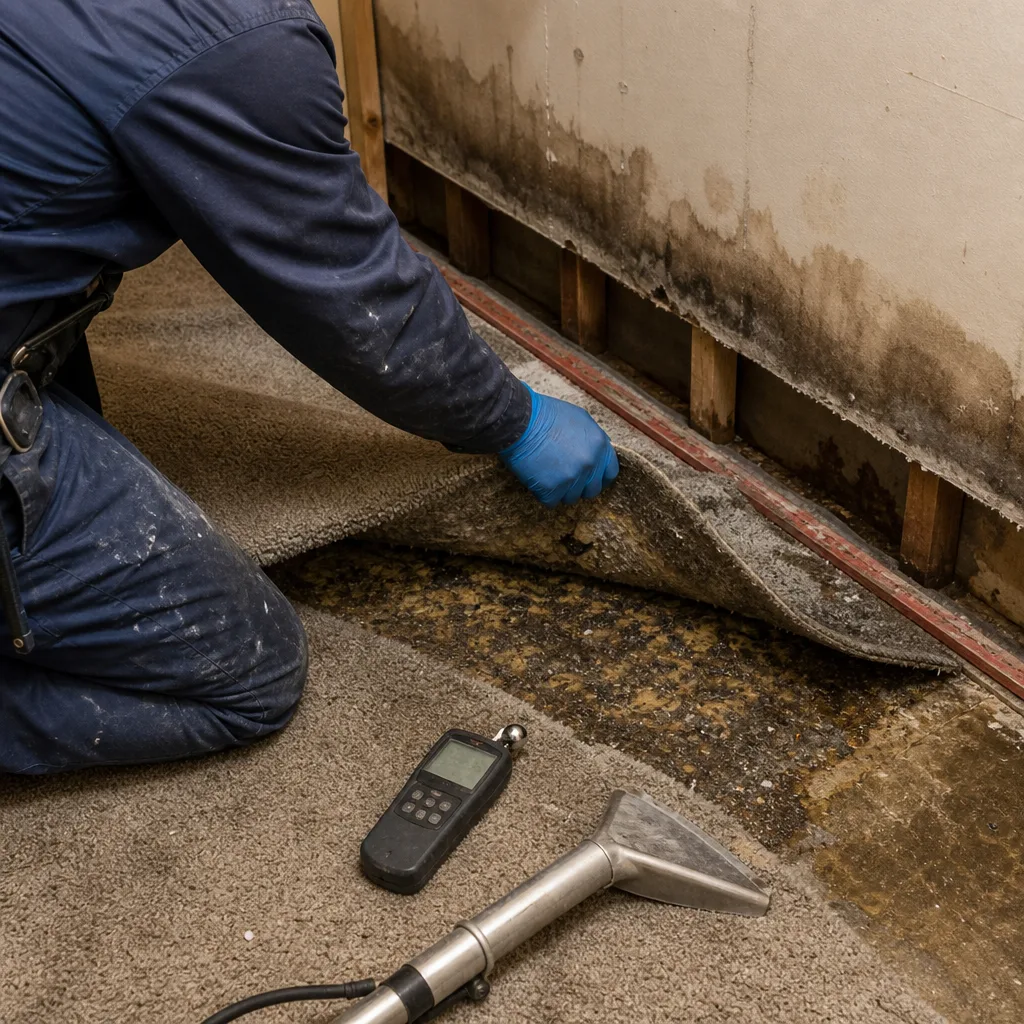
We built our documentation protocols around what adjusters actually need to pay a claim without fight or delay. Every Forest Hills job starts with a photo record, continues with daily moisture logs, and ends with a complete file: damage photos room by room, psychrometric readings, equipment placement diagrams, material classifications, and a line-item scope in industry-standard format.
We speak directly with your adjuster. We don’t hand you a bill and wish you luck. If your carrier disputes a line item, we have the documentation to defend it. If you have a competitor’s estimate, we provide a free second opinion and show you what they missed.
What We Provide Your Insurer
- Thorough documentation of the loss
- Photos of all damage, room by room
- Moisture readings and drying logs
- A detailed, line-item scope of work
- Direct coordination with your carrier
Built for Forest Hills’s Loss Calendar
January deep freezes split cast iron supply lines in pre-war buildings that were never designed for modern pressure. We see burst pipe calls spike when temperatures drop below 15°F for more than six hours. The pipe doesn’t always burst where you see water; it splits in a wall cavity and drains for days before staining appears.
Spring thaw brings basement seepage through century-old foundations, especially in the lower-lying blocks near the Long Island Rail Road embankment. Summer thunderstorms overwhelm the combined sewer system, and the backup hits ground-floor units and basements hardest. October through April nor’easters drive wind-driven rain through aging window casements and roof penetrations. Every season has its signature loss in Forest Hills, and our crews know the building types that fail in each one.
Water Damage Restoration Across Forest Hills’s Neighborhoods
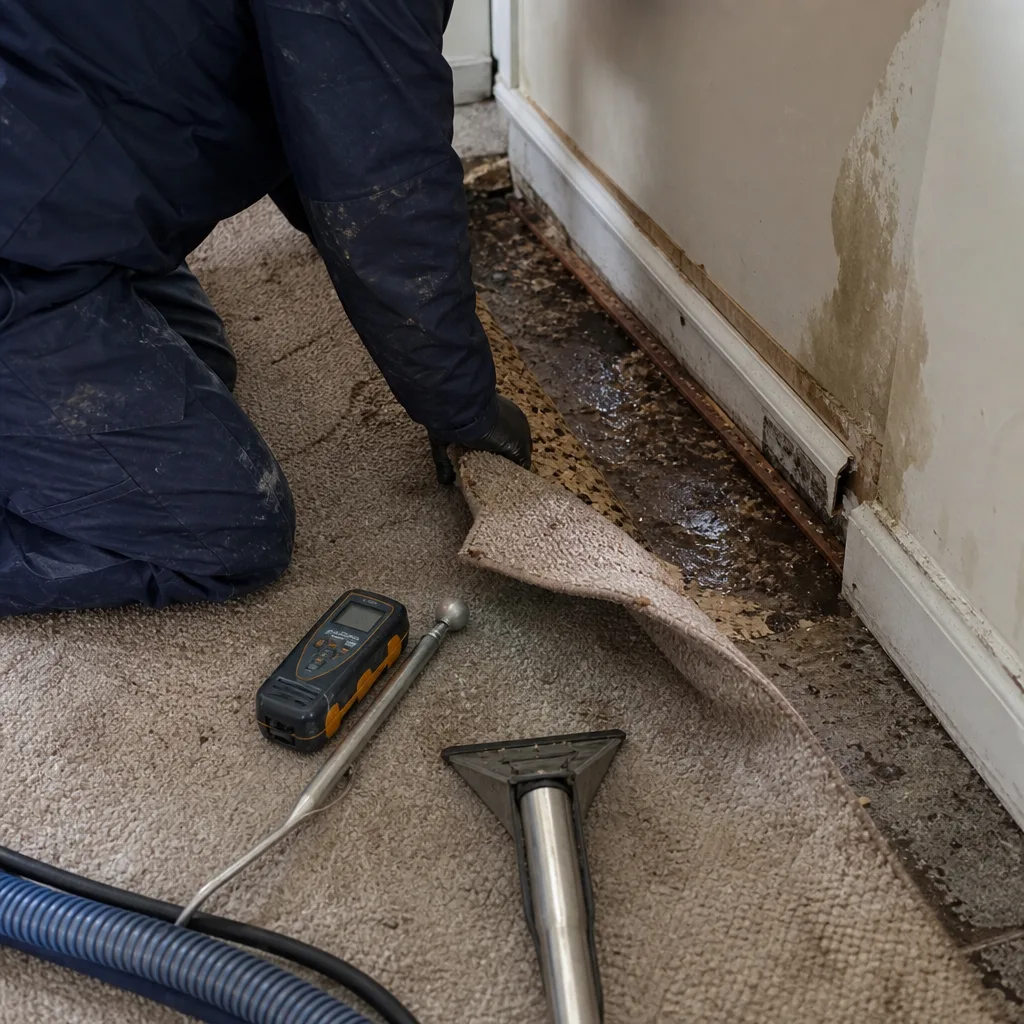
Our Water Damage Restoration team serves Forest Hills block by block, because the buildings change and the response has to change with them.
Queens Boulevard corridor: The pre-war co-op buildings here, many 12-16 stories, present our most complex authorization environment. The building corporation controls wall access. We coordinate with managing agents at firms like Tudor Realty and FirstService Residential, document everything for board review, and never open a cavity without written approval. The alternative is a stop-work order and potential liability exposure for the unit owner.
Forest Hills Gardens: The 1909-era Tudor Revival homes, designed by Grosvenor Atterbury, are governed by the Forest Hills Gardens Corporation. After a major water loss, exterior repairs must use historically appropriate materials: no contemporary vinyl trim, no modern siding products. We source matching clapboard, half-timbering, and appropriate roofing materials, and we document the match for Corporation review. Standard restoration shortcuts are non-starters here.
Yellowstone Boulevard and side streets: A mix of 1920s-1950s brick row houses and mid-century garden apartments. The row houses share party walls, so water migration often affects two properties. We map the full extent before demolition, document both units, and coordinate with adjoining owners when necessary.
Austin Street commercial strip: Ground-floor retail with residential above. Water losses here trigger multiple policies: commercial for the retail space, HO-6 for the residential unit, and often a master policy for the building shell. We document which materials belong to which policy from hour one, so no coverage gap delays the work.
Specialized Water Damage Restoration Services We Offer in Forest Hills
Emergency Water Extraction
Standing water in a Forest Hills basement or ground-floor unit demands immediate extraction, but the water source determines the protocol. A clean supply-line break gets truck-mounted extraction and standard drying. A sewer backup gets containment, PPE, and classified disposal. We determine which in the first five minutes, not after the water is gone.
Structural Drying & Dehumidification
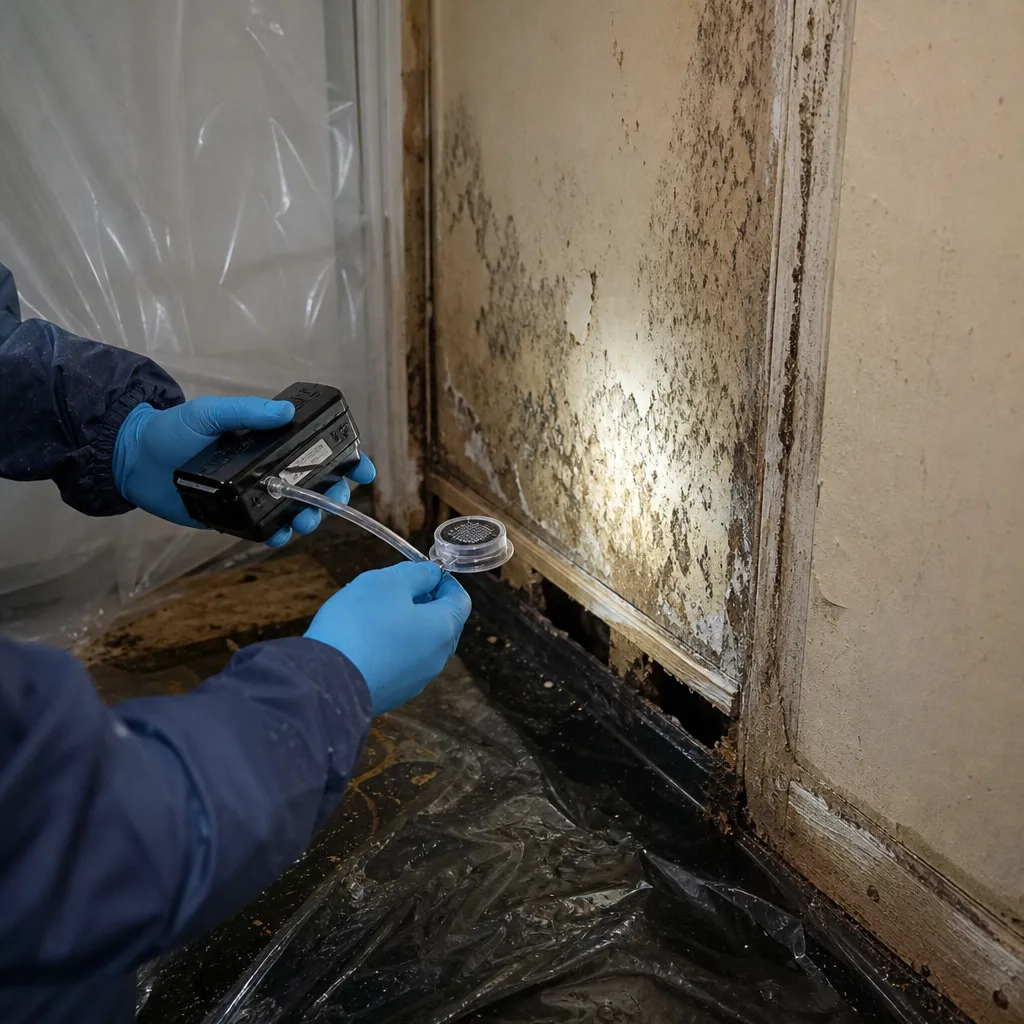
Pre-war horsehair plaster holds moisture at double the rate of modern drywall. Our drying protocols for Forest Hills buildings extend the standard cycle by 30-50% and require daily moisture readings at multiple depths. We use Dri-Eaz and Phoenix dehumidifiers sized to the plaster load, not the square footage alone. Tertiary drying, where we reduce vapor pressure to pre-loss equilibrium, is where most competitors declare victory too early and leave hidden moisture behind.
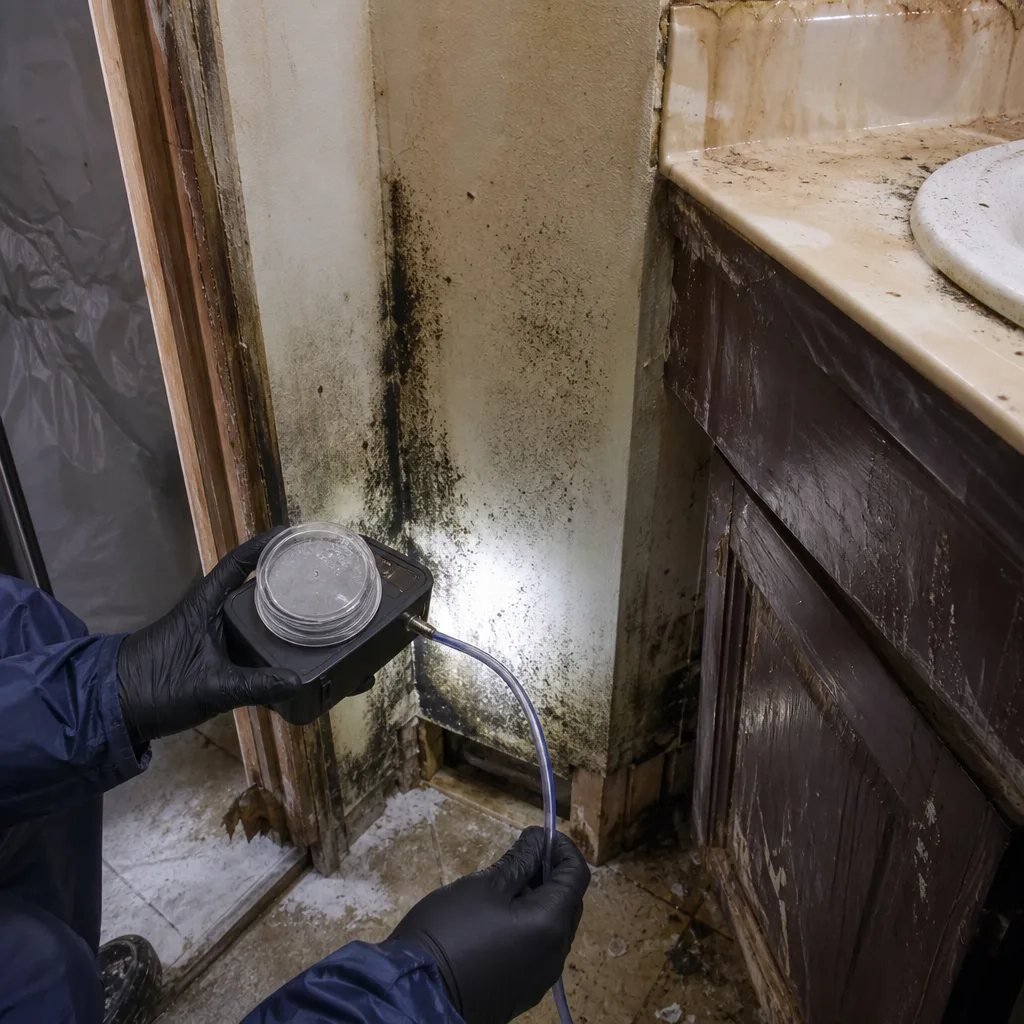
Flood Cleanup
Forest Hills flood calls spike during summer thunderstorms when the combined sewer system backs up. We treat every basement flood as Category 3 until proven otherwise, with full PPE, antimicrobial treatment, and documented disposal. The insurance documentation starts when we arrive, not when the adjuster calls back.
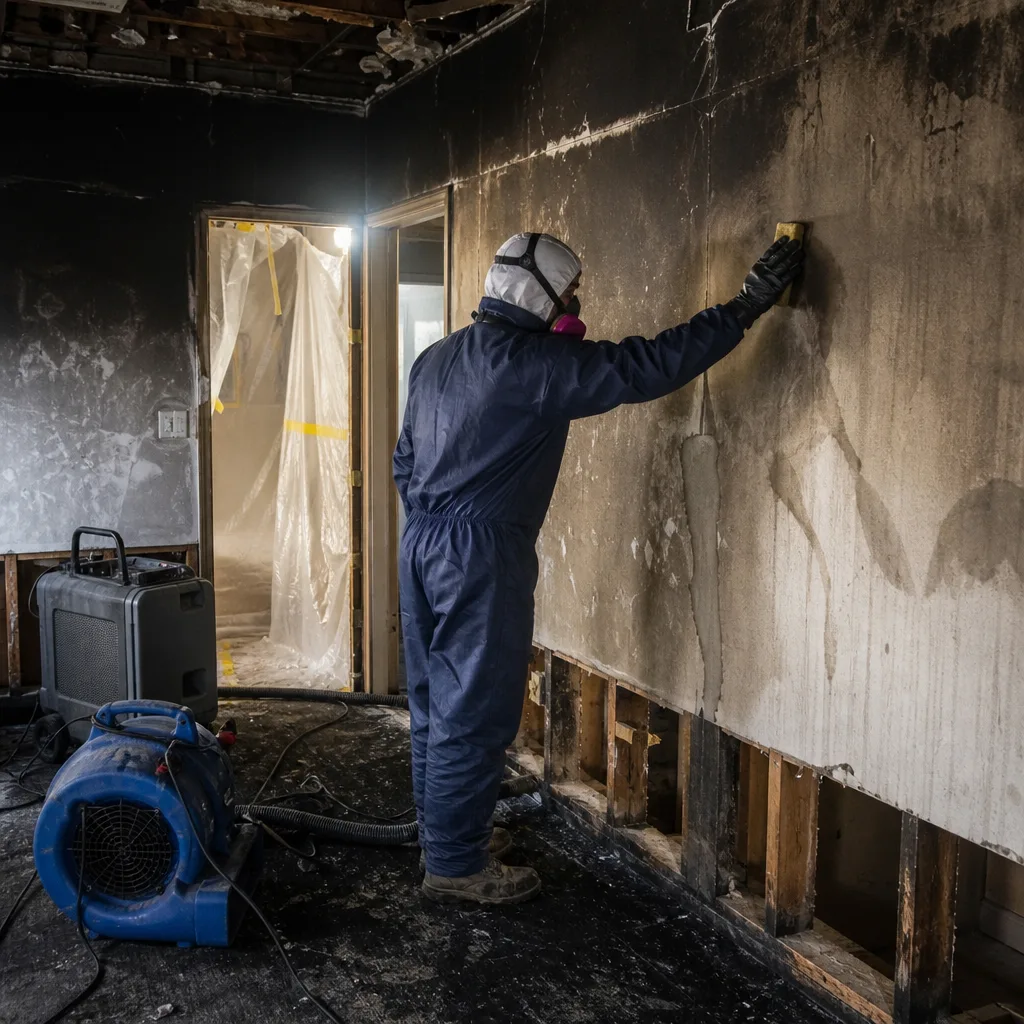
Burst Pipe Restoration
Cast iron supply lines in Forest Hills’s pre-war buildings corrode from the inside, thinning until they split under pressure. The failure point is rarely visible; we use thermal imaging to trace the full migration path, document the extent for your insurer, and restore walls with matching plaster finish once drying is verified complete.
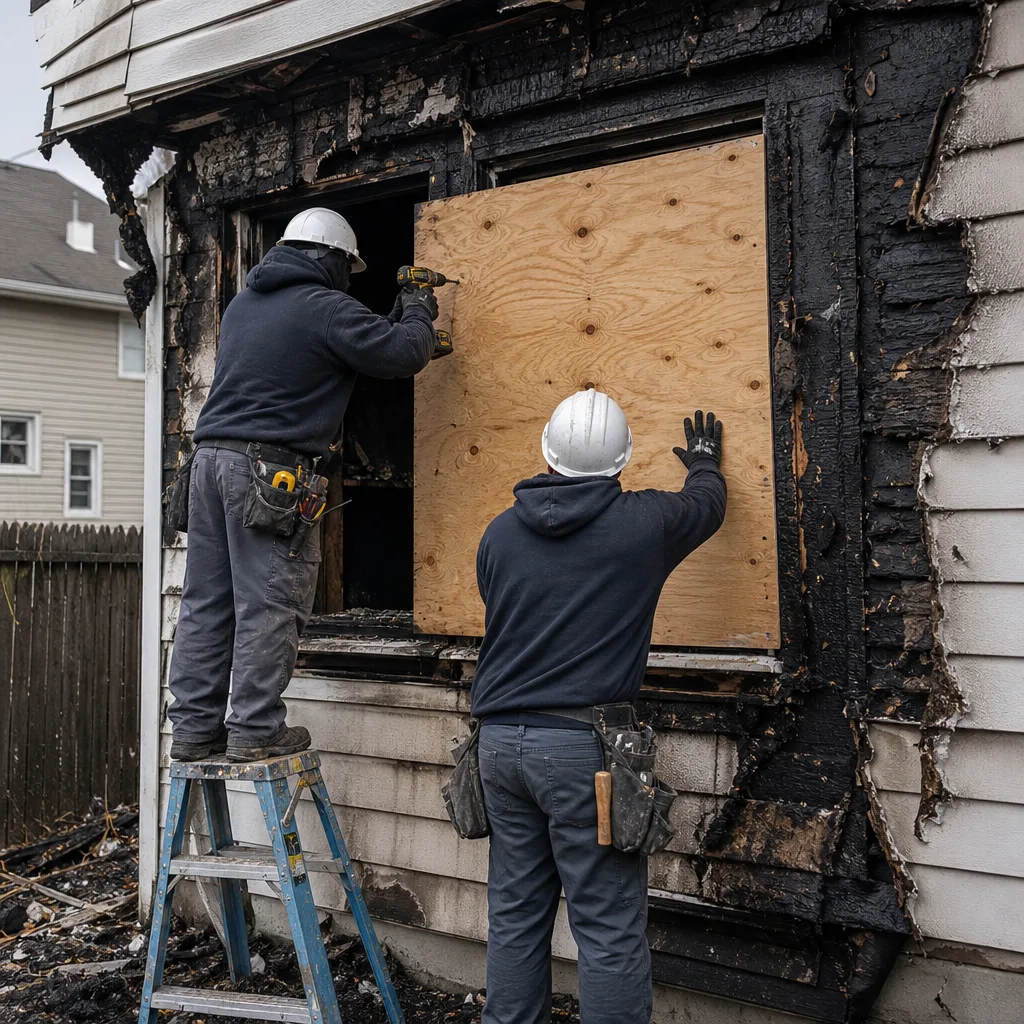
Basement Water Removal
Basements in Forest Hills range from finished rec rooms in Forest Hills Gardens to utility cellars in Queens Boulevard co-ops. Each requires different extraction equipment, different drying configurations, and different documentation for the building corporation or insurer. We assess before we pump, not after.
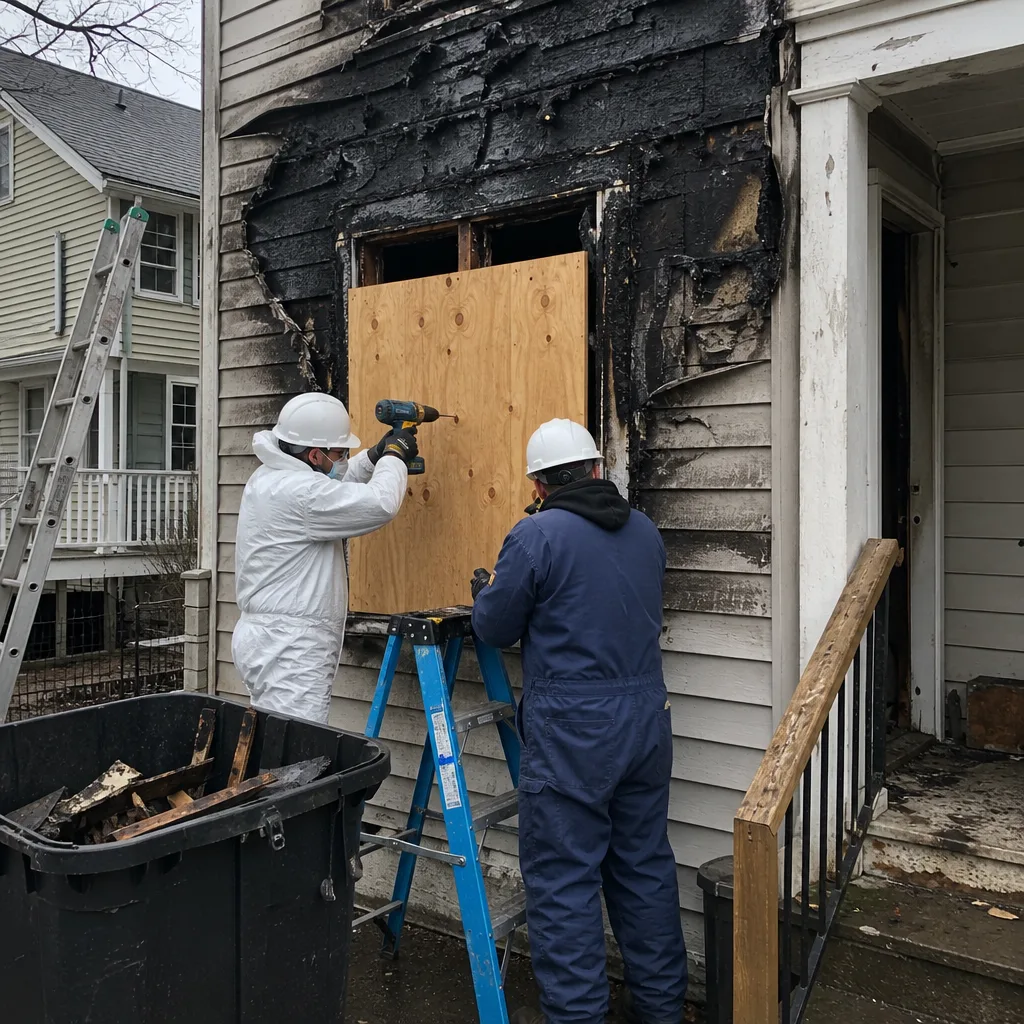
What happens when you call
- 1
A real person answersNo phone trees - you reach a local pro.
- 2
You get an upfront price rangeHonest numbers before anyone is dispatched.
- 3
A background-checked tech heads outLicensed & insured, dispatched right away.
- 4
You approve before work beginsNothing starts until you say go.
Water Damage Restoration Costs in Forest Hills, NY
These are the ranges we see in the Forest Hills market for 2024-2025, based on actual scoped jobs:
| Service | Typical Range |
|---|---|
| Emergency water extraction (up to 1,000 sq ft) | $1,200 - $2,400 |
| Structural drying & dehumidification (per day) | $180 - $340 |
| Category 3 sewage cleanup with disposal | $4,500 - $8,500 |
| Full water damage restoration (drywall/plaster, flooring, paint) | $2,800 - $7,500 |
| Co-op board documentation & authorization support | Included in scope |
What moves the price: water category (Category 3 costs 2-3x Category 1), affected square footage, whether plaster or drywall is involved, and whether the co-op board requires additional documentation or material matching. Insurance typically covers sudden and accidental water damage from supply-line breaks and weather-related flooding, but may exclude long-term leaks or sewer backup without specific rider coverage. We review your policy with you and document the loss to maximize covered recovery.
Every job starts with a free visual inspection and a written price before work begins. Haven Standard, Clause 1. No exceptions.
We Also Serve Cities Near Forest Hills
Our crews respond throughout central and northern Queens from our New York City office. We also provide Water Damage Restoration in Forest Hills and the surrounding communities of Elmhurst, Jackson Heights, Maspeth, and Flushing with the same 45-minute commitment and live-answer dispatch.
Serving Forest Hills, NY - Our Local Coverage Area
We’re based in the Forest Hills area and know this community well. Use the map below to see our service coverage - if you’re nearby, we can almost certainly help.
Forest Hills Water Damage Restoration Questions, Answered
Why does a water loss in a Forest Hills co-op take longer to start remediation?
The building corporation, not the unit owner, legally controls access to wall cavities and structural elements in Queens Boulevard co-ops. We cannot open a wet wall or begin mold remediation until the co-op board or managing agent grants written authorization, a delay that typically runs 24-72 hours while paperwork circulates. We use that waiting period to extract standing water, set containment, and document moisture readings so we can move immediately once authorization clears. Call (862) 281-7710 and we’ll coordinate with your managing agent from the first call.
Is a storm backup in a Forest Hills basement really Category 3 water?
Yes. Forest Hills sits on Queens’ aging combined sewer system, where storm water and raw sewage share pipes. During intense summer storms, the system backs up into basements and ground-floor units, and that water is legally and medically classified as Category 3 black water. It requires full PPE, contained disposal, antimicrobial treatment, and documentation that satisfies both your insurer and environmental regulators. Treating it as clean rainwater skips required protocols and risks claim denial. Call (862) 281-7710 for immediate Category 3 response.
Why does horsehair plaster in Forest Hills take longer to dry than drywall?
Horsehair plaster, standard in Forest Hills’s 1920s-1940s buildings, is denser and more hygroscopic than modern drywall, meaning it absorbs more moisture and releases it more slowly. Standard suburban drying protocols, designed for 1/2″ drywall on wood studs, often declare completion before plaster has reached pre-loss moisture content. We extend drying cycles by 30-50% for plaster assemblies, take readings at multiple depths, and log daily psychrometric data until vapor pressure differential returns to baseline. Call (862) 281-7710 for plaster-specific drying protocols.
How do you handle a burst pipe in a pre-war building with cast iron supply lines?
Cast iron corrodes internally, so the visible pipe often looks intact while the wall behind it is saturated. We use thermal imaging to trace the full water migration path, document the extent with time-stamped photos for your insurer, and coordinate with the co-op board or building manager before opening any cavity. Once drying is verified complete, we restore with matching plaster finish, not a drywall patch that the board will reject. Call (862) 281-7710 for cast-iron-specific assessment.
What documentation do you provide after a Forest Hills water damage job?
You receive a complete file: initial damage photos with moisture readings, daily drying logs with psychrometric data, equipment placement diagrams, a line-item scope of work in industry-standard format, final clearance readings, and the signed 365-Day Done Right Promise under The Haven Standard. For co-op jobs, we also provide the board-specific documentation the managing agent requires for wall-closure approval. This is standard on every job, never an upsell. Call (862) 281-7710 to request a sample documentation package.
How fast can someone actually get to my Forest Hills property?
We commit to 45 minutes from call to arrival for Forest Hills addresses, with crews staged for the Queens Boulevard corridor and Forest Hills Gardens. A live person answers every call, 24 hours a day, and dispatches immediately without voicemail trees or next-business-day callbacks. The first hour determines whether a loss stays a drying job or becomes a rebuild. Call (862) 281-7710 now.
Will insurance cover my Forest Hills water damage restoration?
Sudden and accidental water damage from supply-line breaks, appliance failures, and weather-related flooding is typically covered under standard HO-3 and HO-6 policies. Sewer backup requires a specific rider that many Forest Hills homeowners do not realize they lack until after the loss. Long-term leaks and maintenance issues are generally excluded. We review your policy with you, document the loss to establish sudden-accident causation, and coordinate directly with your adjuster. Call (862) 281-7710 for policy review and documentation support.
Can we stay in our Forest Hills home during water damage restoration?
For Category 1 clean-water losses affecting a limited area, occupants can usually remain with containment barriers and air scrubbers running. Category 2 and 3 losses, or any loss involving sewage, extensive demolition, or HVAC contamination, typically require temporary relocation for health and safety. We assess occupancy safety at inspection and document our recommendation for your insurer, which often covers reasonable additional living expenses. Call (862) 281-7710 to discuss your specific situation.
Every water loss in Forest Hills carries a layer that generic restoration companies miss: co-op board authorization, Category 3 sewer classification, plaster-specific drying, and historically appropriate materials in the Gardens. We have documented thousands of these losses since 2011. We know the buildings, the boards, and the documentation that gets claims paid.
Written by Alicia Brennan, Owner at DryMark Restoration Astoria, serving Forest Hills since 2011.