
Free visual inspection and a written scope of work before any mitigation begins - photos, moisture readings, and drying logs go in your claim file
The scope we write is the scope we bill. Anything new gets shown to you, in writing, before we touch it.
Storm response
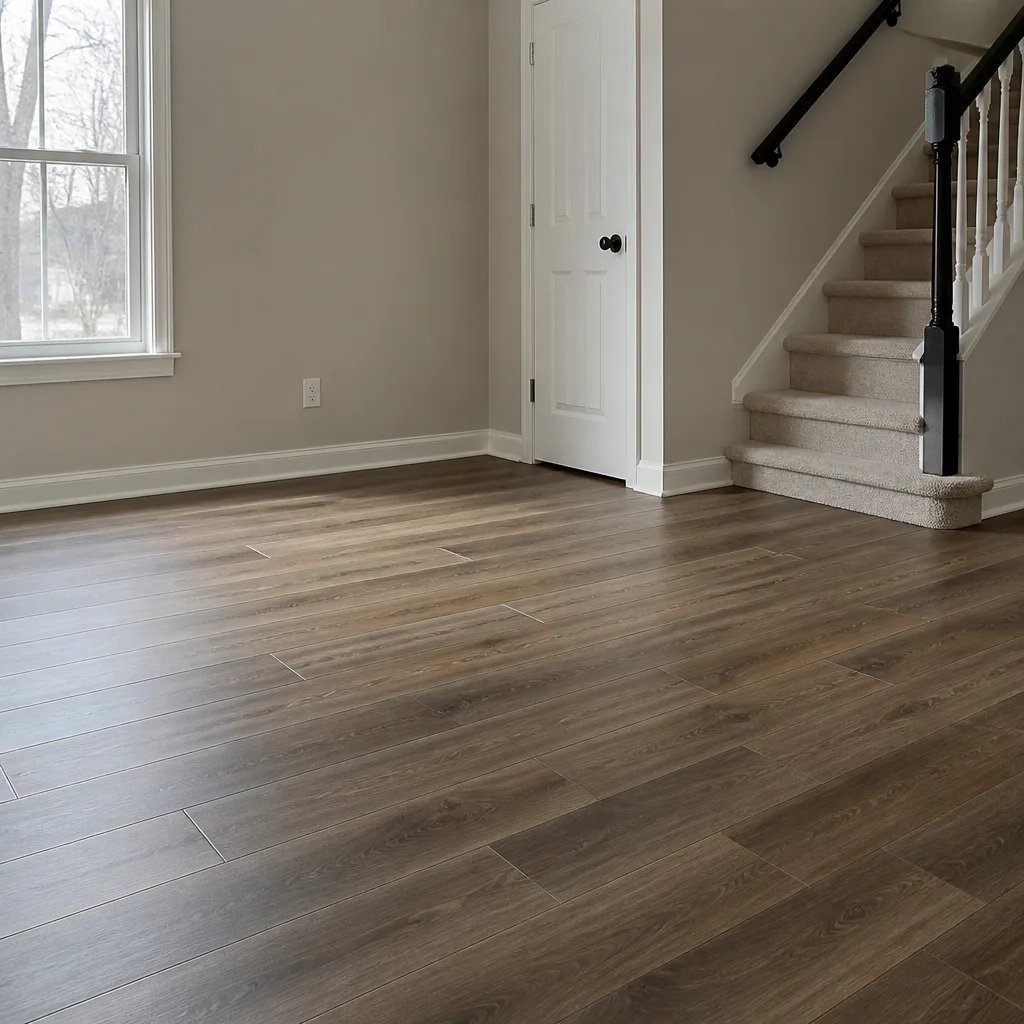
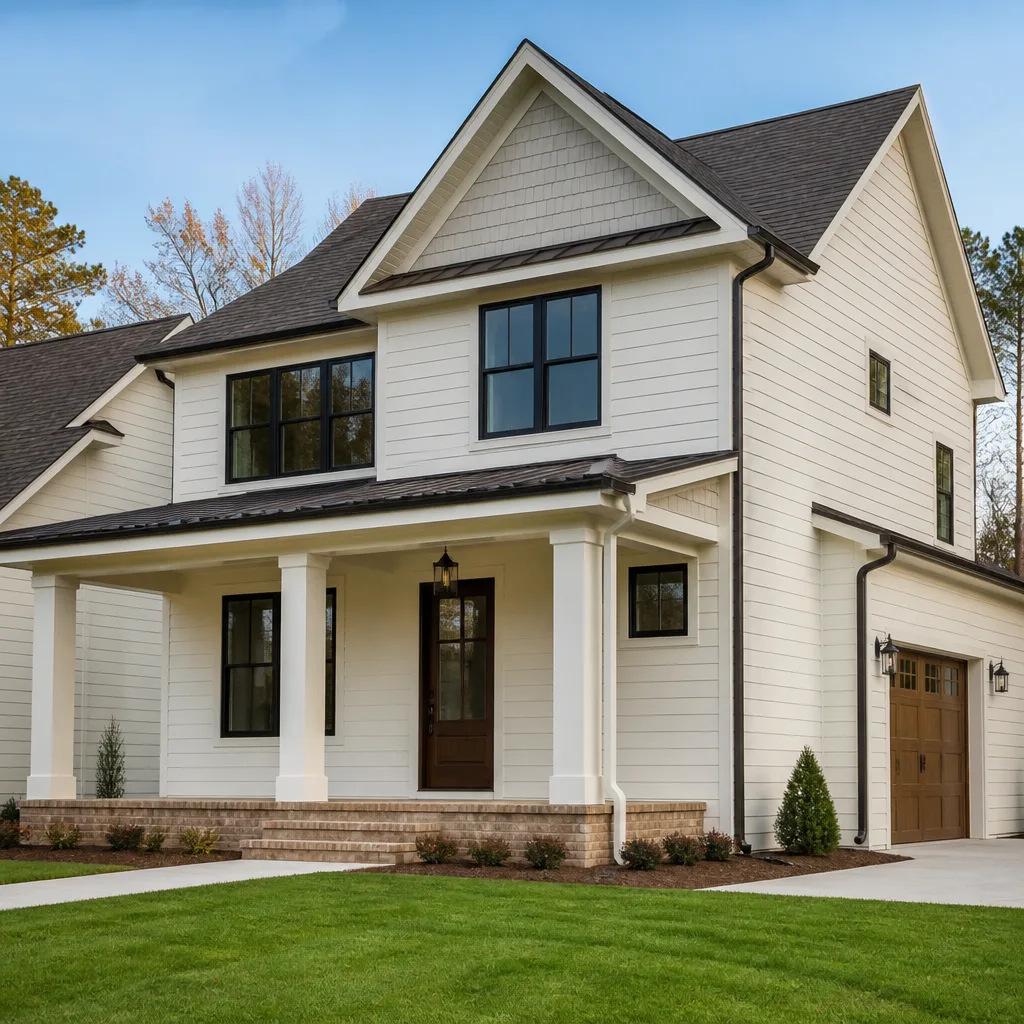
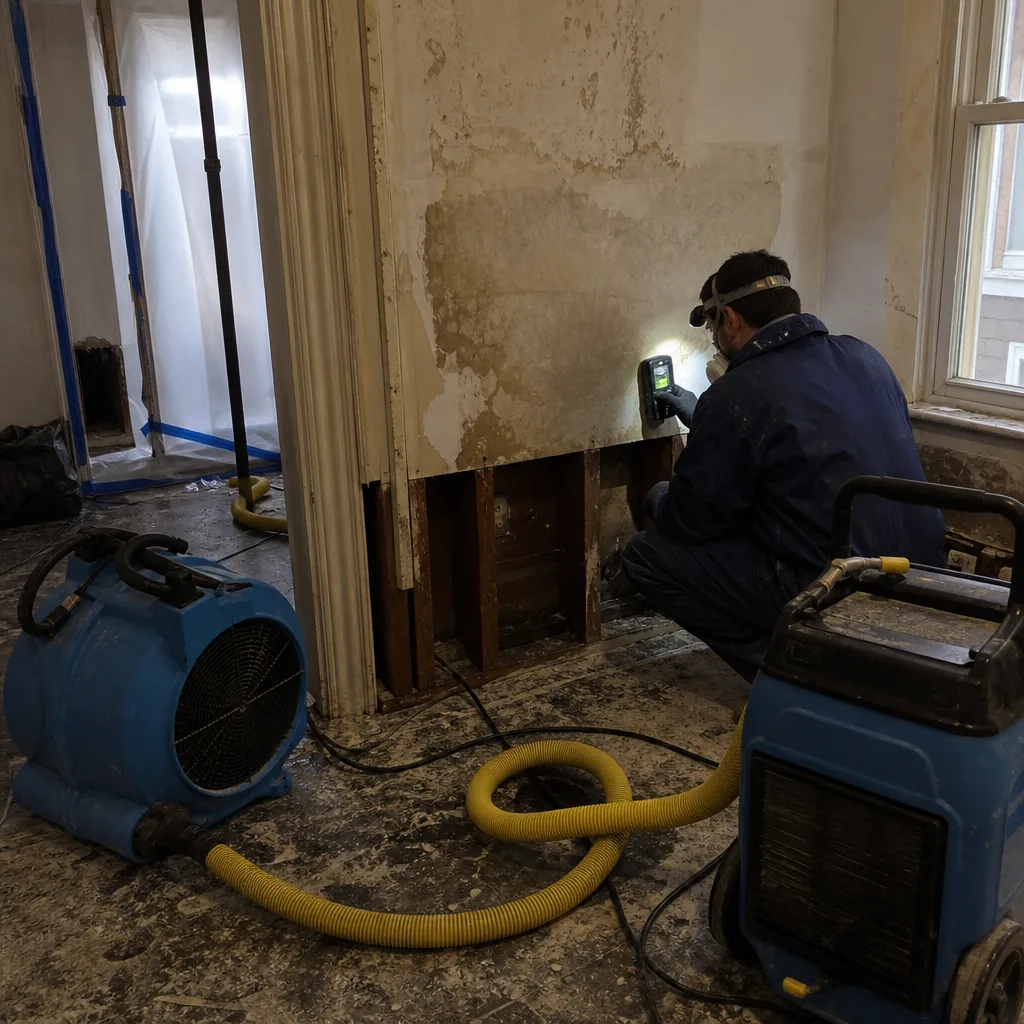 Before
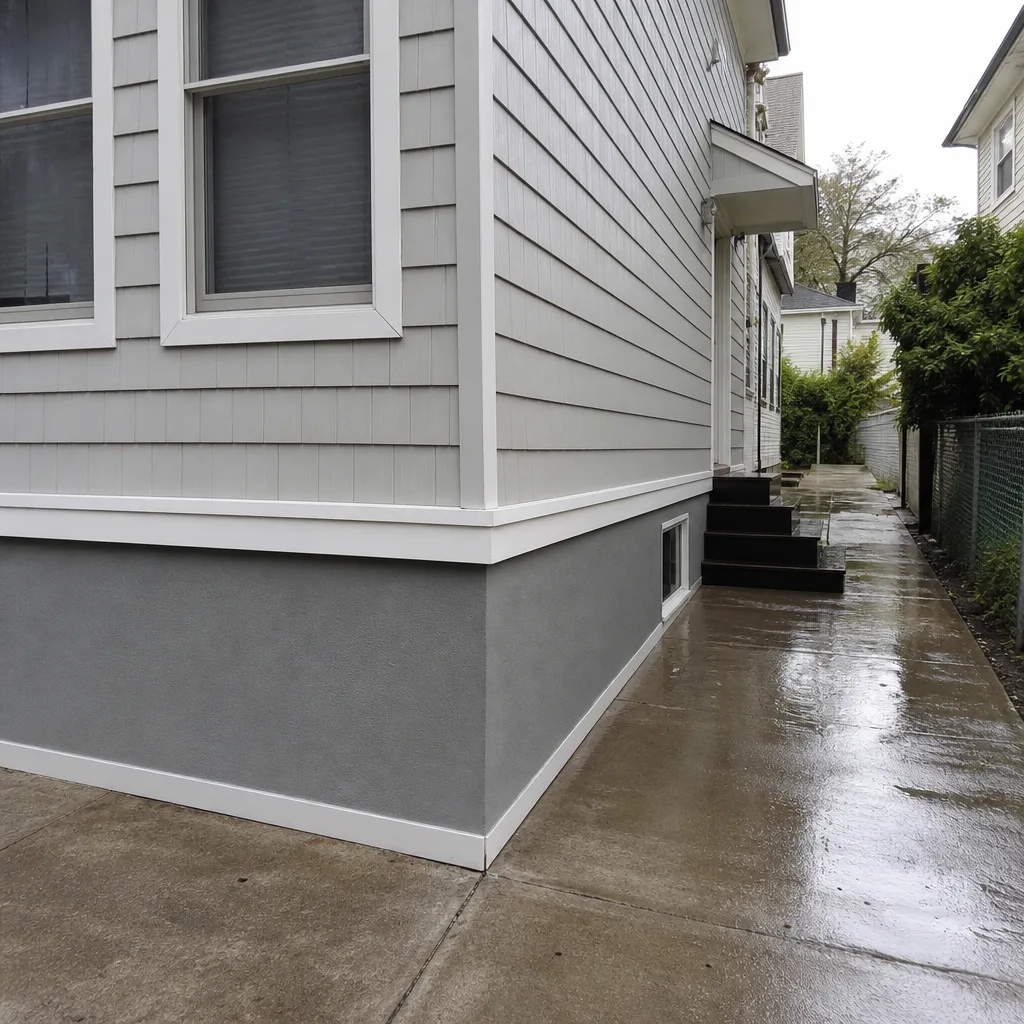 After
After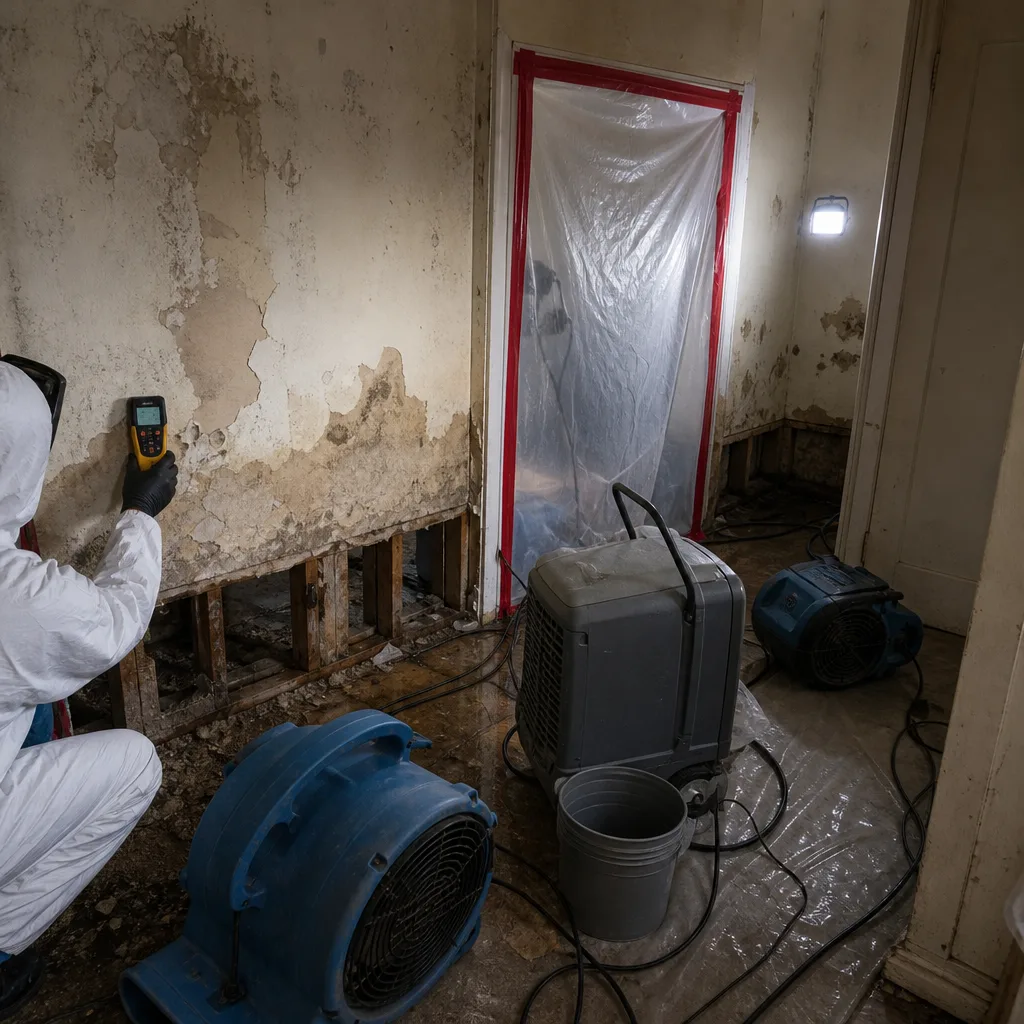 Before
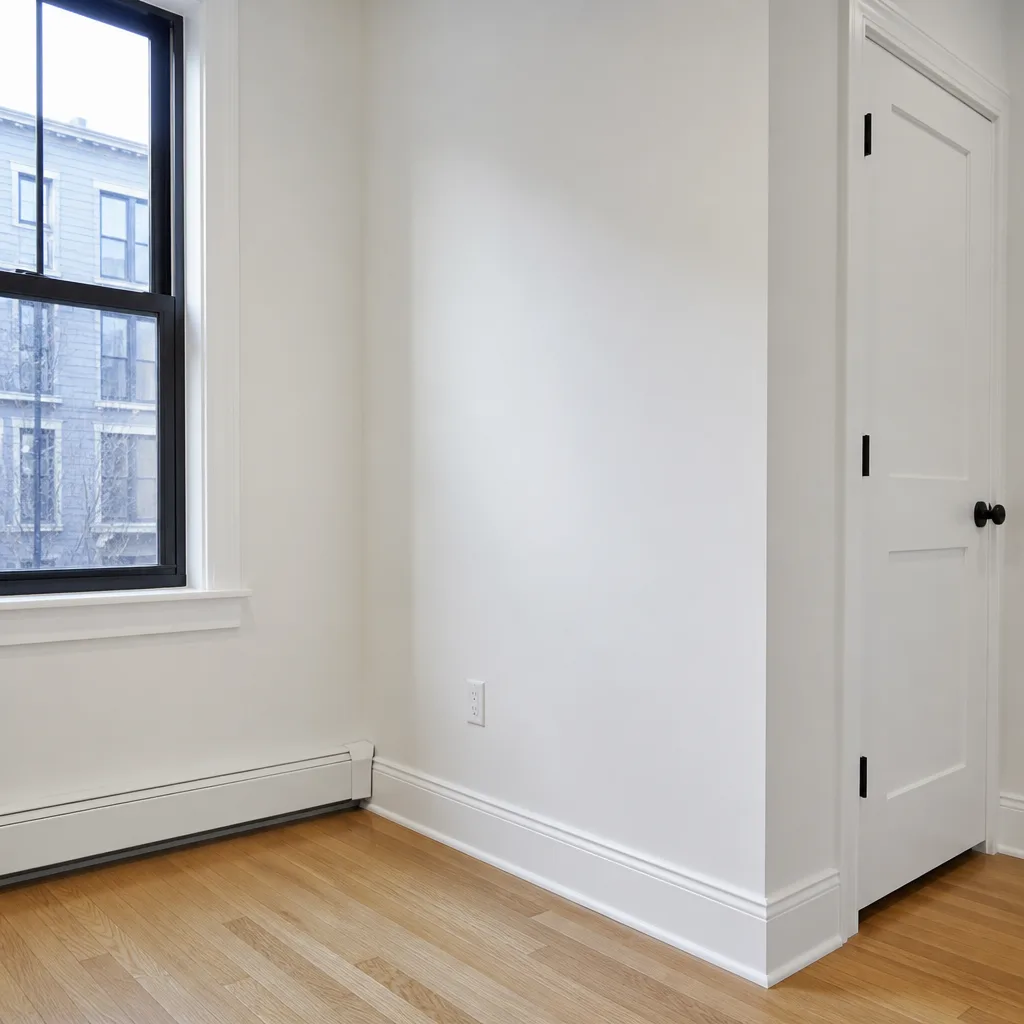 After
After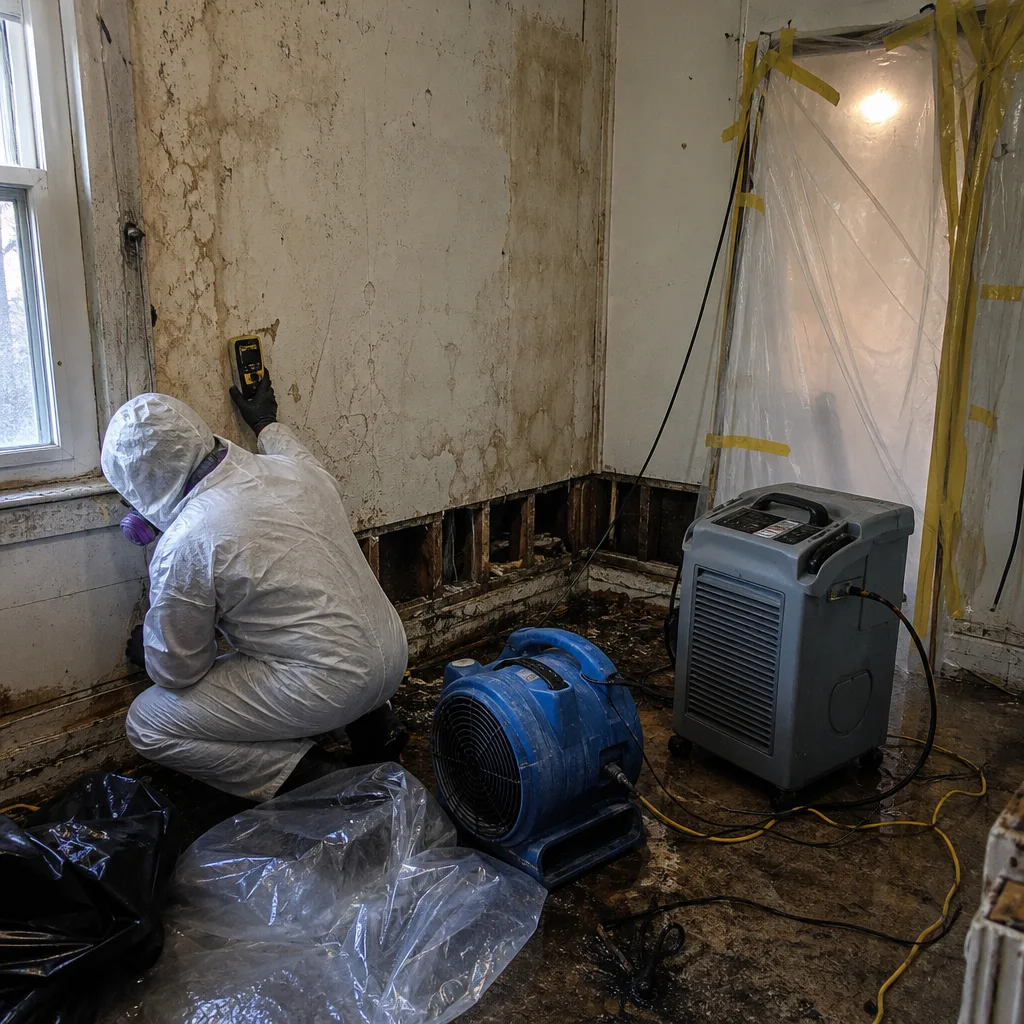 Before
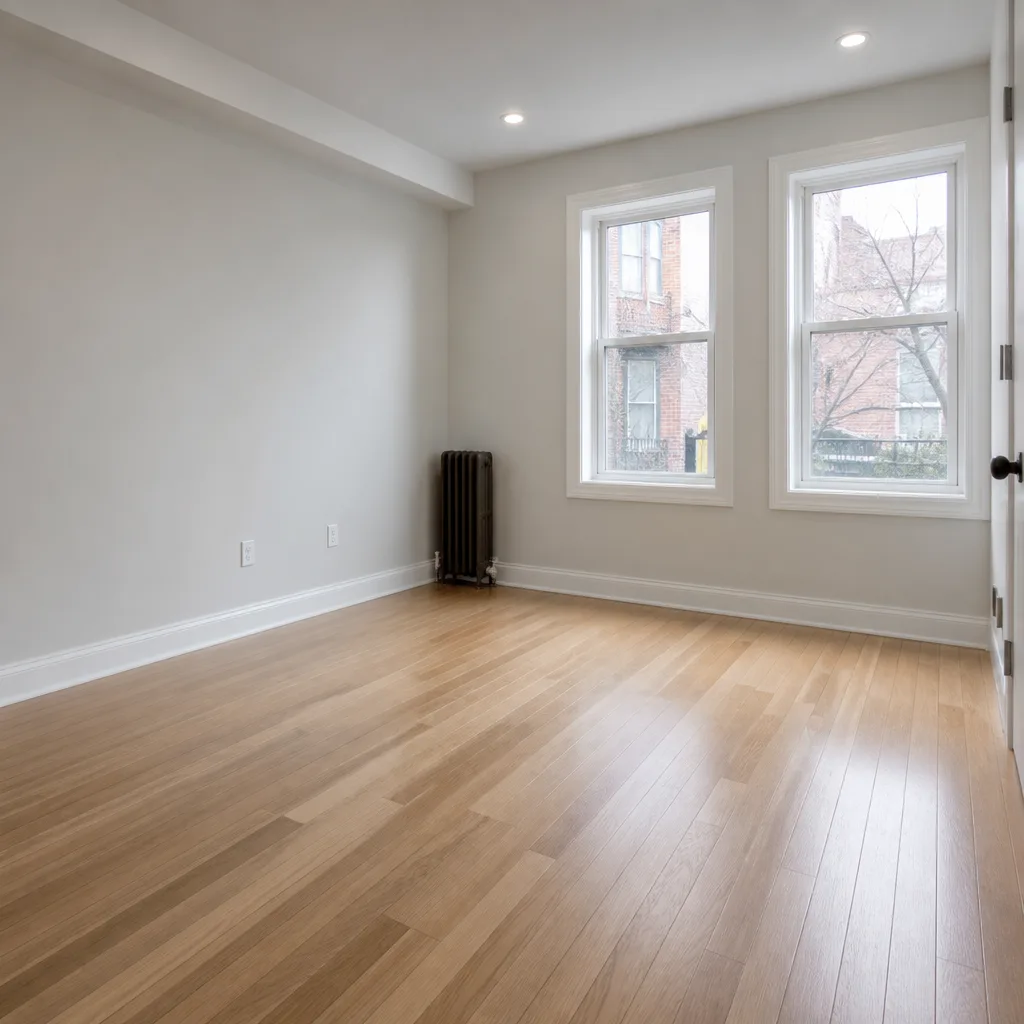 After
After24/7 Emergency Mold Remediation in Upper West Side
Mold remediation in Upper West Side pre-war co-ops and condos typically costs $2,800-$8,500 depending on whether the job requires stripping horsehair plaster back to the lath, and crews can usually begin containment within 45 minutes of your call. The first 24 hours after water intrusion are critical in these buildings - once moisture penetrates plaster-on-lath walls, mold can establish in the cavity within 48 to 72 hours, long before any surface stain appears. Call (862) 281-7710 now and a live person will answer, dispatch a crew to your Upper West Side building, and start with a free visual inspection. We document every moisture reading from hour one because that’s what turns your restoration invoice into a claim your insurer pays without argument.
Understanding Mold Remediation Severity in Upper West Side Properties
Mold losses in Upper West Side buildings fall into three practical categories based on what got wet and how long it stayed that way. Category 1 - a fresh supply-line leak caught within hours - may only need targeted drying of parquet borders and localized air scrubbing. Category 2 - gray water from a failed steam riser or backed-up cast iron drain - demands full containment, negative air pressure, and antimicrobial treatment because the water carried nutrients that accelerate mold colonization. Category 3 - sewage intrusion or prolonged saturation in a basement utility room - requires full PPE protocols, HEPA filtration, and often the stripping of all porous materials.
The building materials themselves dictate severity more than the water source. Horsehair plaster on wood lath behaves nothing like modern drywall. It wicks moisture vertically and horizontally through hairline cracks, and the lath behind it can hold saturation for weeks while reading dry on the surface. We’ve mapped moisture at 28% wood moisture content behind plaster that felt dry to the touch. Steam-heat systems compound this: a single radiator supply-line leak in a 1920s co-op can create a vapor pressure differential that drives moisture into three stacked units through the same chase. Our crews run thermal imaging and pinless moisture meters on every Upper West Side job to find what the surface hides.
Containment means sealed polyethylene barriers, negative air machines maintaining -0.02 inches of water column, and air scrubbers cycling six air changes per hour. Air quality restoration follows - HEPA filtration, then clearance testing with spore trap samples compared to outdoor baseline counts. We don’t call a job complete until the lab confirms it.
Why Upper West Side Property Owners Choose DryMark Restoration Astoria
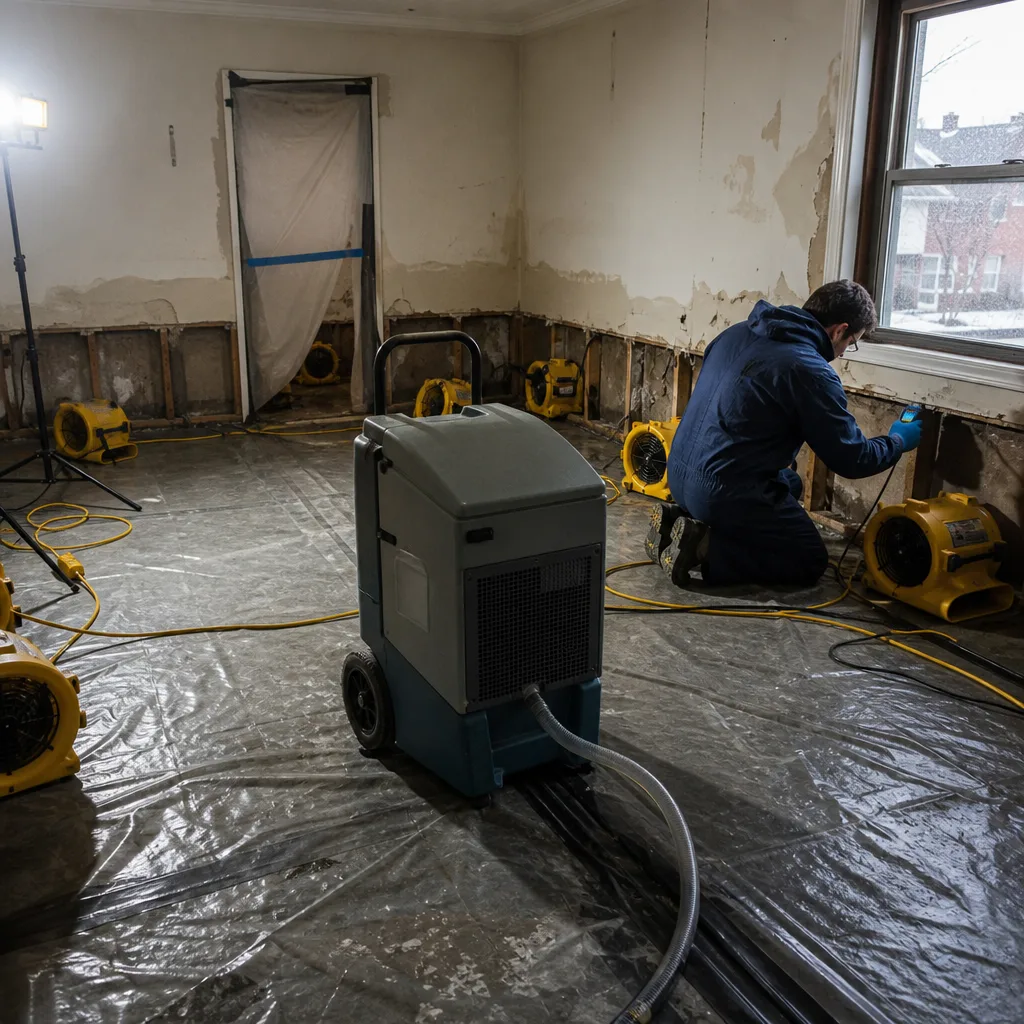
- 45-minute response commitment to Upper West Side from our New York City office - not an estimate, a commitment.
- 24/7 live answer: a real person picks up every call, never an automated system or next-business-day callback while water keeps moving.
- IICRC-certified crews holding WRT (Water Damage Restoration Technician) and AMRT (Applied Microbial Remediation Technician) certifications, with license numbers documented on every job file.
- Free visual inspection before any work is discussed - no charge to assess, no pressure to commit.
- Direct insurance billing and adjuster coordination - we handle the documentation burden, not you.
- One team from containment through reconstruction - no handoffs between subcontractors that lose track of what the plaster profile looked like originally.
BeforeAfterOur Mold Remediation Process
1. Inspection & Assessment
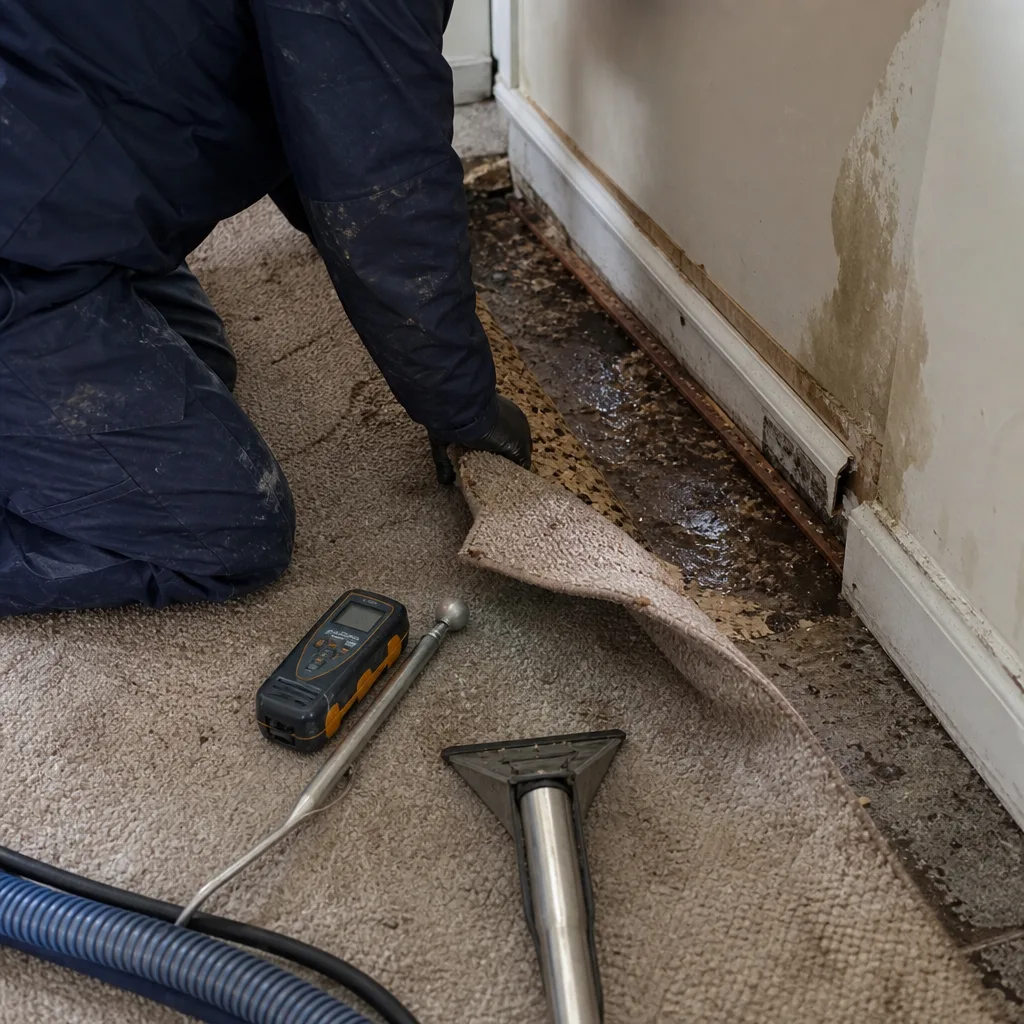
We arrive with thermal imaging cameras, pin and pinless moisture meters, and hygrometers to map the full extent of water migration through your plaster walls and parquet floors. Every reading is photographed and logged. On Upper West Side pre-war jobs, we specifically inspect for vertical tracking in steam riser chases and parapet leaks that show two floors below the roof.
2. Containment & Stabilization
Polyethylene barriers seal the affected area. Negative air machines maintain pressure differential so no spores migrate to adjacent rooms. HEPA air scrubbers run continuously from setup through final clearance. In co-op buildings, we coordinate with your managing agent on hallway access and egress so containment doesn’t violate building rules.
3. Drying & Dehumidification
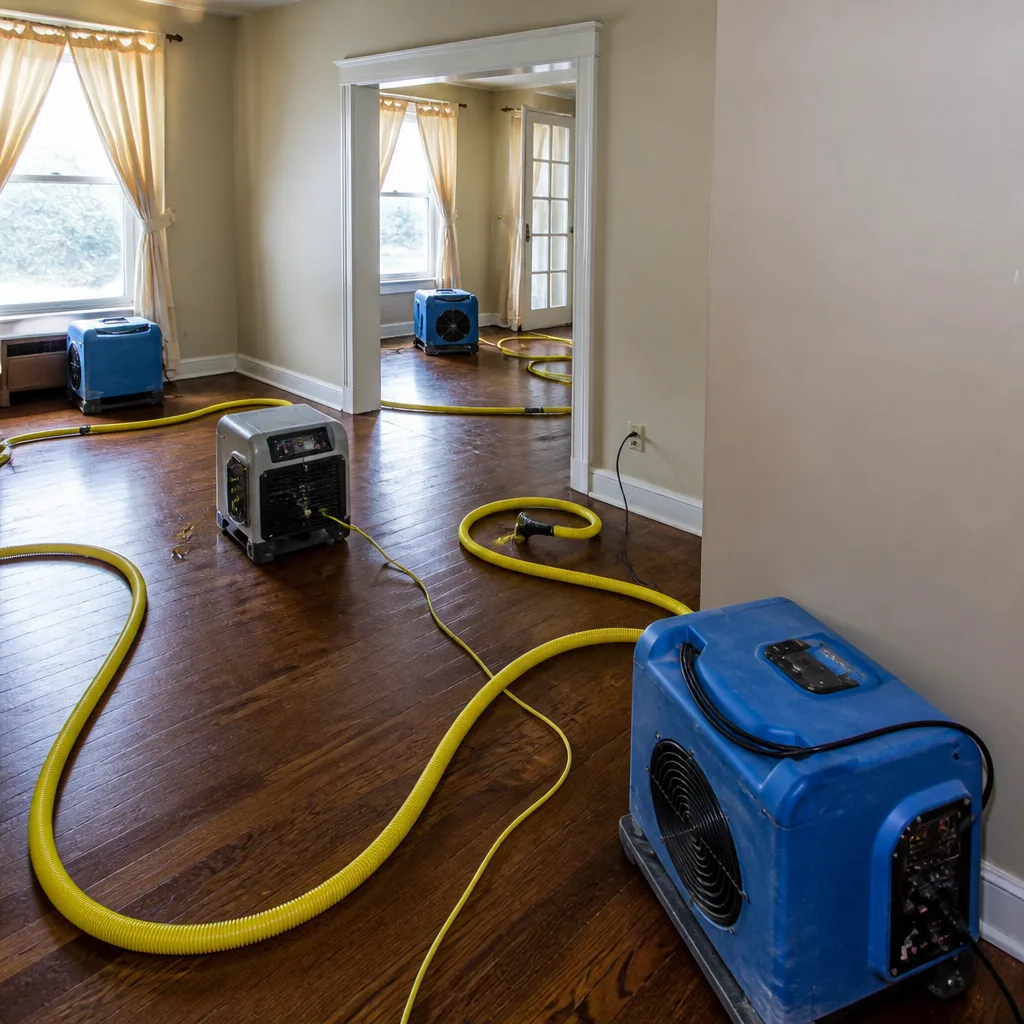
We deploy Dri-Eaz and Phoenix LGR dehumidifiers sized to the cubic footage of the contained space, plus axial and centrifugal air movers positioned to create laminar airflow across wet surfaces. For plaster-on-lath, we often need to strip back to the lath to allow cavity drying - a step drywall contractors skip, which is why mold returns. Daily moisture logs track progress to IICRC standards.
4. Cleaning & Sanitization
HEPA vacuuming of all surfaces, followed by antimicrobial application appropriate to the material - botanical-based solutions for occupied spaces, stronger formulations for sealed containment zones. We clean not just what you can see but the cavity behind the lath, the subfloor below the parquet, and the inside face of base moldings where spores settle.
5. Air Quality Restoration & Clearance Testing
Air scrubbers continue running after visible remediation is complete. We collect spore trap samples for laboratory analysis, comparing indoor counts to an outdoor baseline sample taken the same day. Clearance documentation includes the lab report, our drying logs, and photo record - the complete file your insurer and co-op board need.
6. Repairs & Restoration
For Upper West Side historic district properties, we match original plaster profiles, trim dimensions, and finish materials to LPC standards. Our written scope specifies every material by trade name and dimension. Haven Standard, Clause 1: the price is fixed before work begins. No additions once the crew is inside.
Need Emergency Mold Remediation in Upper West Side Now?
Crews minutes away, answering live 24 hours a day. The sooner we start, the less it costs.
Working With Your Insurance Company
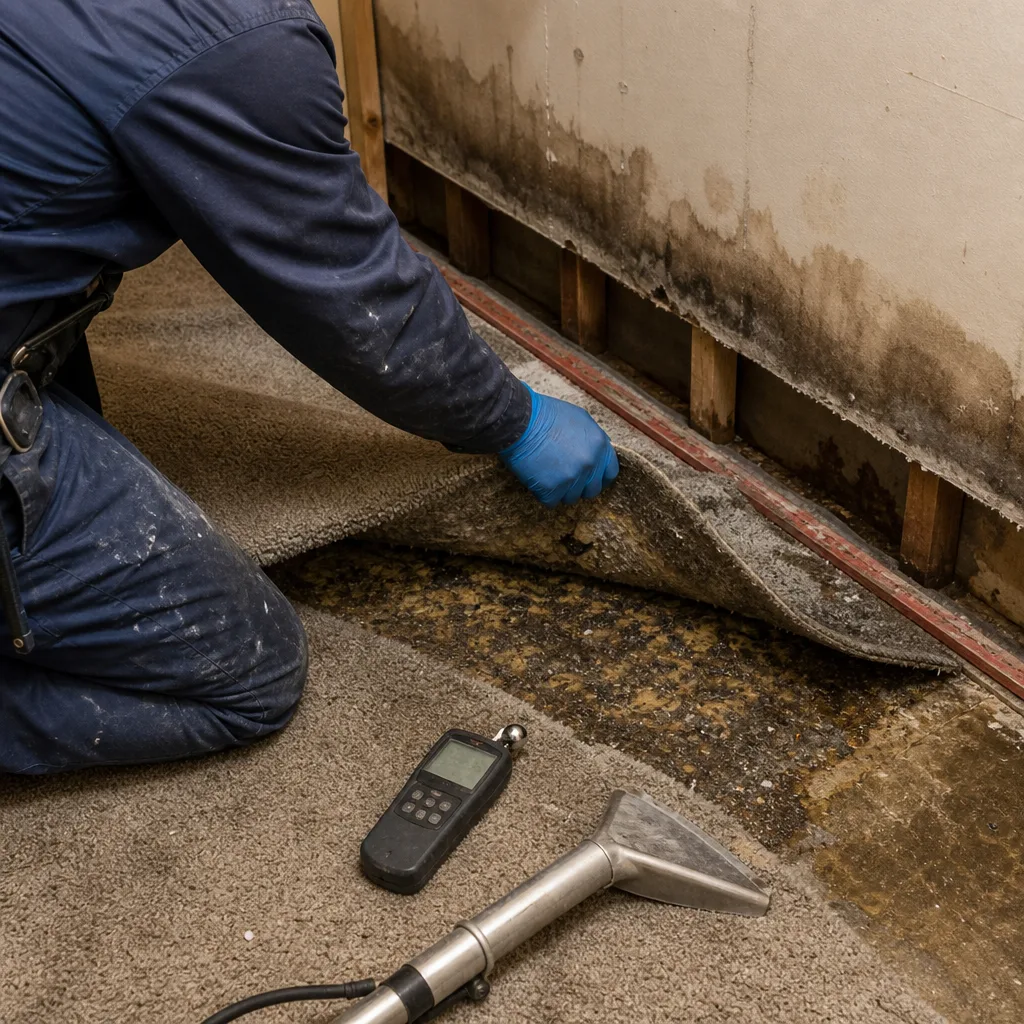
Insurance claims for mold in Upper West Side co-ops fail for one reason more than any other: incomplete documentation. Adjusters deny what they can’t verify. From the first hour on your job, we build a file that anticipates their questions. Every photo is geotagged and time-stamped. Every moisture reading gets a location label. Our estimates follow industry-standard Xactimate pricing for the NY metro market, line-itemed so the adjuster sees exactly what each phase costs and why.
We speak directly with your carrier. Not “we’ll give you a form to submit” - we conference with adjusters, answer their technical questions about vapor pressure differentials and tertiary drying phases, and negotiate scope on your behalf. The documentation gap that costs homeowners their claims is exactly why Alicia Brennan founded this company in 2011 after years as a claims adjuster watching good claims get denied for bad paperwork.
What We Provide Your Insurer
- Thorough documentation of the loss
- Photos of all damage, room by room
- Moisture readings and drying logs
- A detailed, line-item scope of work
- Direct coordination with your carrier
Built for Upper West Side’s Loss Calendar
January’s deep freezes split aging cast iron radiator supply lines, especially in buildings where valves haven’t been exercised since the Reagan administration. The first cold snap reliably generates calls from West End Avenue to Riverside Drive. Spring thaw brings another pattern: freeze-damaged parapet flashings on low-slope roofs begin leaking as snowmelt pools, sending water into top-floor units and penthouse terraces. Summer humidity in Manhattan’s heat island effect keeps baseline moisture high - any unresolved leak becomes a mold accelerator. Then October arrives, building engineers fire up the steam system for the first time, and pipe-joint failures spike through Thanksgiving. We’ve tracked this cycle for 12,000+ jobs since 2011. We know which buildings on Central Park West had their risers replaced in the 1980s and which still run original 1920s pipe. That knowledge changes how we scope your job.
Mold Remediation Across Upper West Side’s Neighborhoods
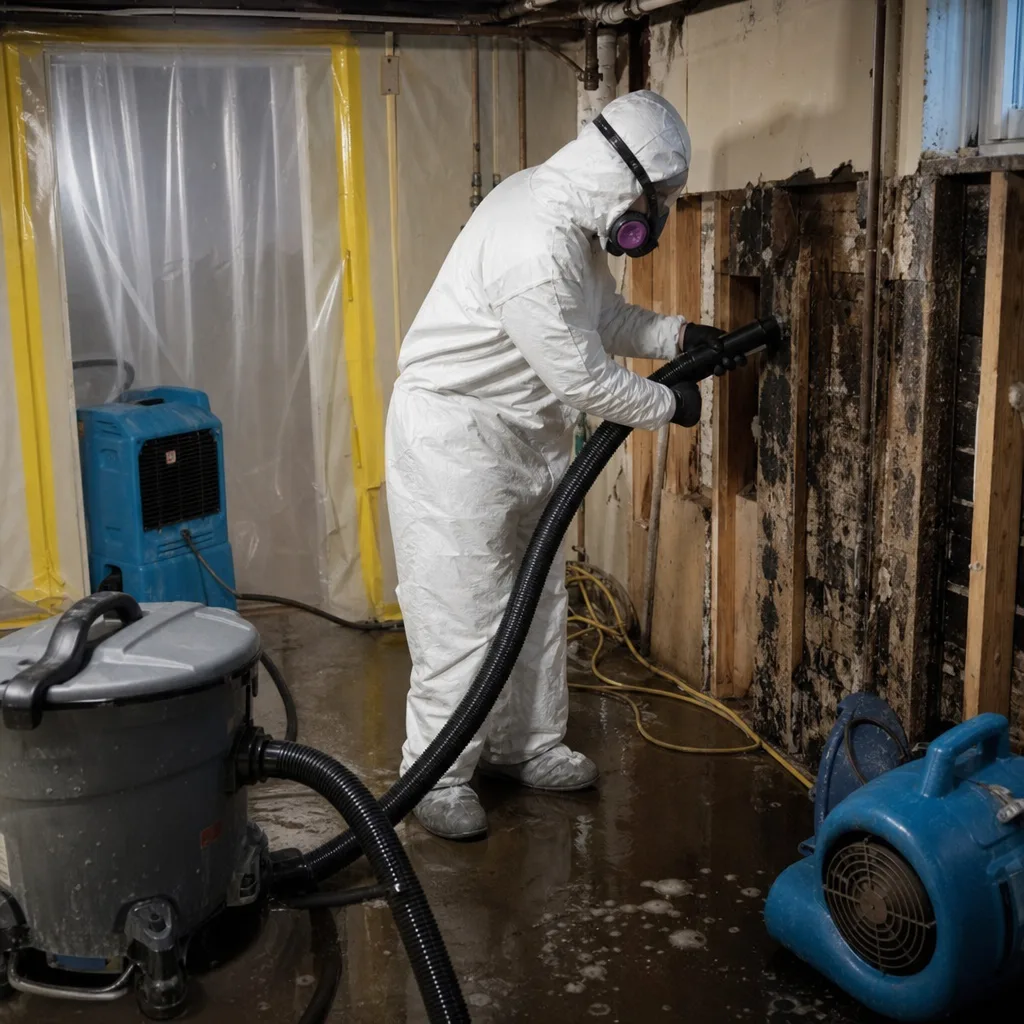
West End Avenue from 72nd to 96th Street is lined with 15-20 story pre-war co-ops, many in the West End-Collegiate historic district. Mold jobs here almost always involve managing agent coordination and board sign-off before demolition begins. We’ve worked with boards that require three bids, and others that accept our single written scope if it includes LPC-compliant material specifications. The field vignette on this page happened here - a steam riser joint failure that tracked through three floors of horsehair plaster.
Riverside Drive properties face a different risk profile. Proximity to the Hudson means higher wind-driven rain exposure, and the limestone facades on many 1905-1930 buildings develop mortar joint failures that allow bulk water penetration during nor’easters. Top-floor units under copper or membrane roofs see the most mold calls, often starting as a “musty smell” complaint that traces to saturated plaster behind intact-looking ceiling paint.
Central Park West buildings, many designed by the same firms that built the Dakota and the San Remo, have thicker masonry walls but equally complex steam and plumbing systems. Some have been through full pipe replacement; others haven’t. We check the building’s alteration history before scoping because it changes whether we’re cutting into original 1890s lath or 1990s replacement drywall.
The side streets between Amsterdam and Columbus - 70s through 90s - mix smaller pre-war elevator buildings with post-war white-brick structures. Mold patterns here split by era: the pre-wars need the full plaster-stripping protocol, while the 1960s buildings often have gypsum drywall that responds to standard remediation. We don’t assume. We map and test.
Specialized Mold Remediation Services We Offer in Upper West Side
Mold Inspection & Testing
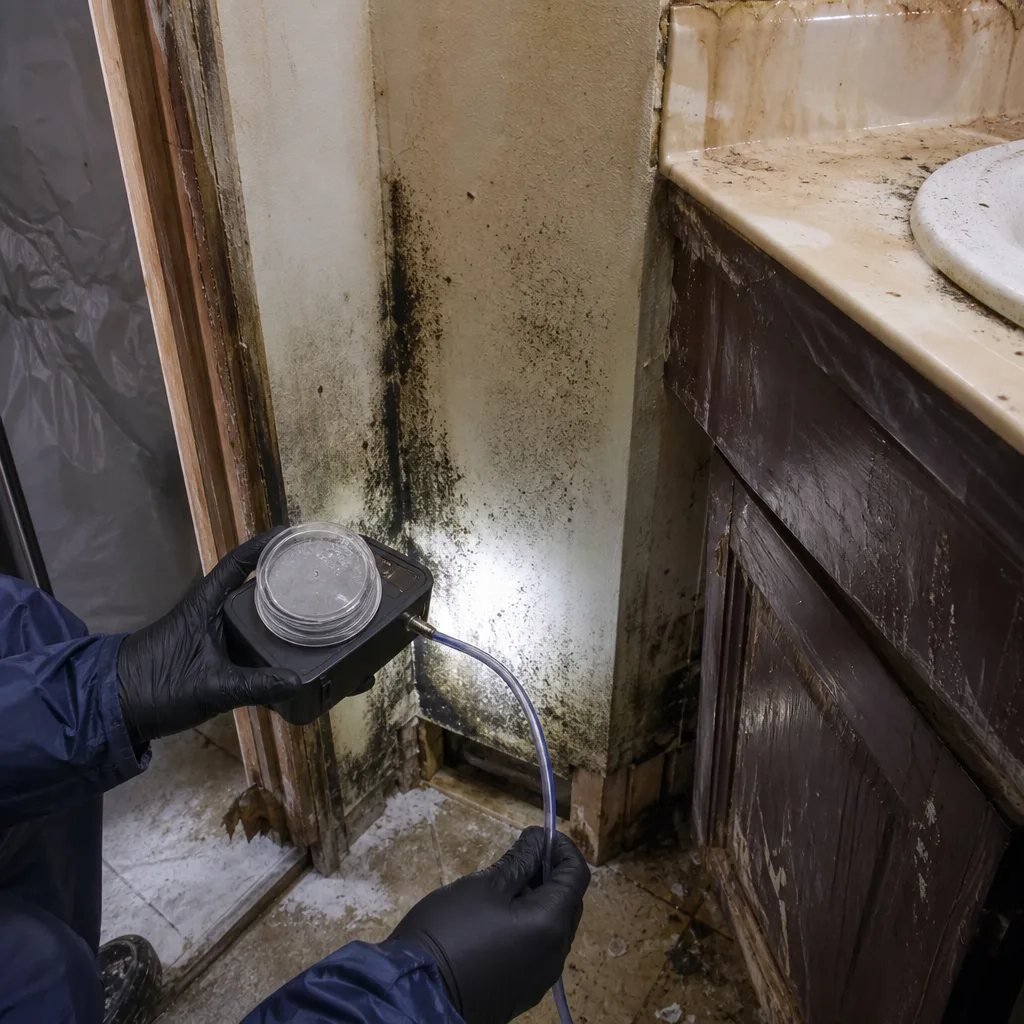
Our inspections start with moisture mapping, not guesswork. In Upper West Side pre-war units, we specifically test for hidden saturation in plaster chases and behind steam riser enclosures. Air sampling and surface swabs go to independent labs. You get the lab report, our interpretation, and a written scope - not a sales pitch.
Mold Removal
Removal in these buildings means controlled demolition of affected plaster, HEPA-contained debris removal, and antimicrobial treatment of remaining structural materials. We don’t paint over mold. We don’t “encapsulate” active growth and call it solved. The lath stays; the mold goes.
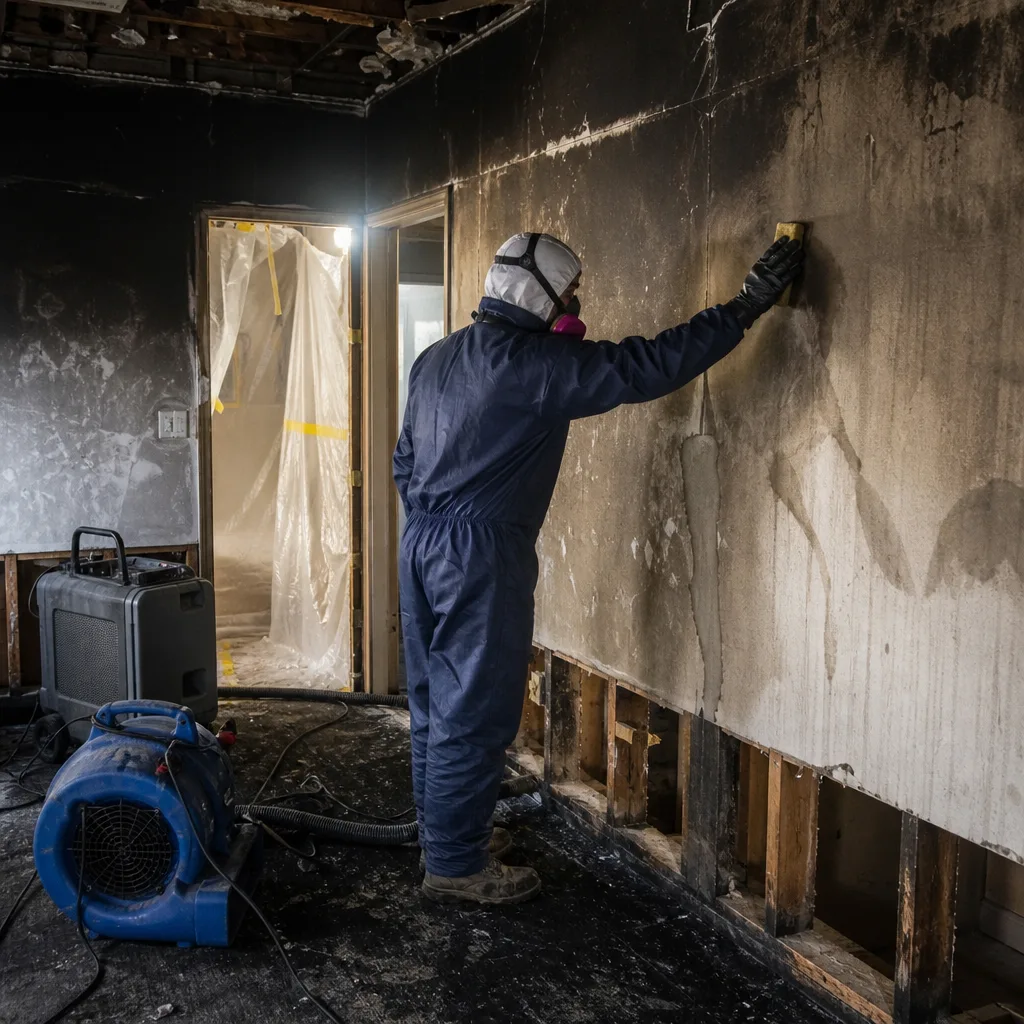
Black Mold Remediation
Stachybotrys and other toxigenic species require full containment with negative air, PPE for technicians, and specialized disposal. We follow IICRC S520 standards for microbial remediation. In occupied co-op units, we coordinate with building management on temporary relocation if containment can’t maintain safe air quality in adjacent rooms.
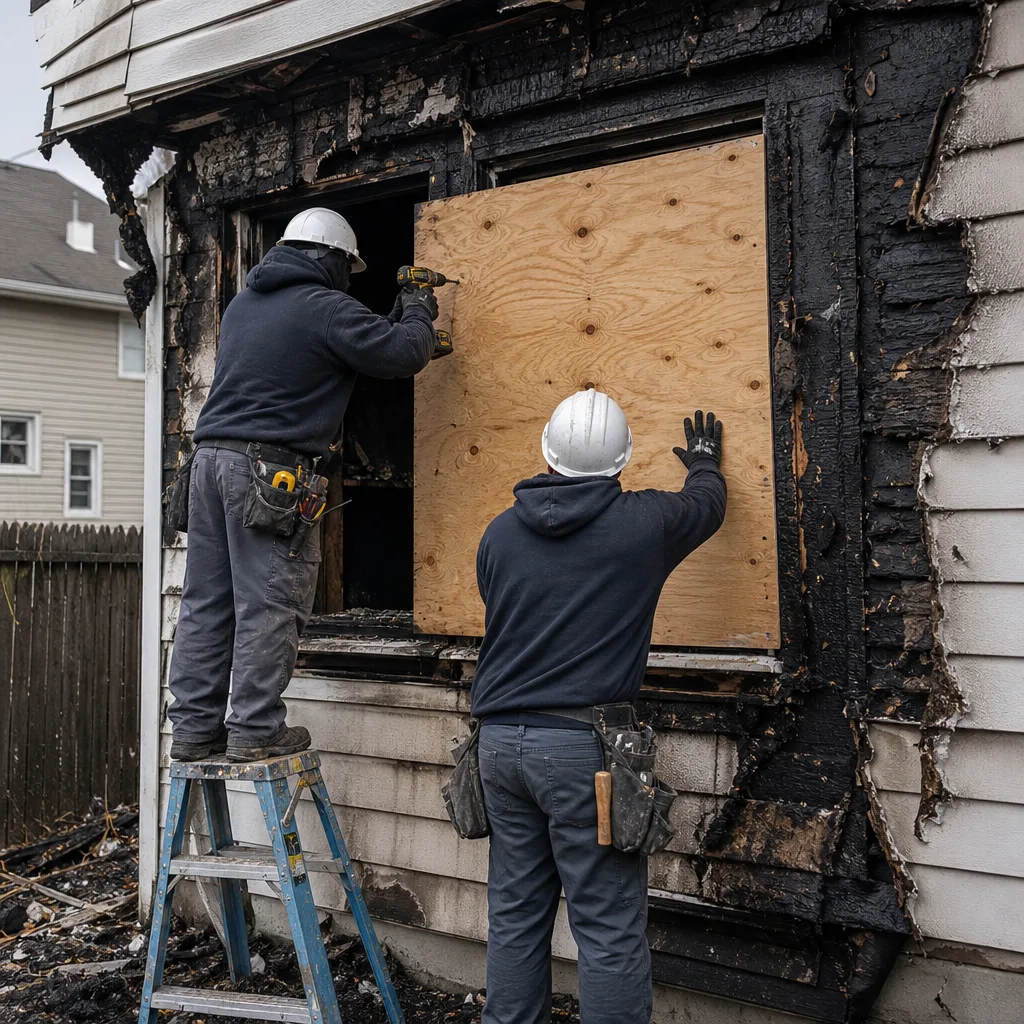
Air Quality Restoration
After remediation, we restore breathable air through continued HEPA filtration, duct cleaning where the HVAC system was affected, and spore trap clearance testing. The lab report becomes part of your documentation package for insurance and resale disclosure.
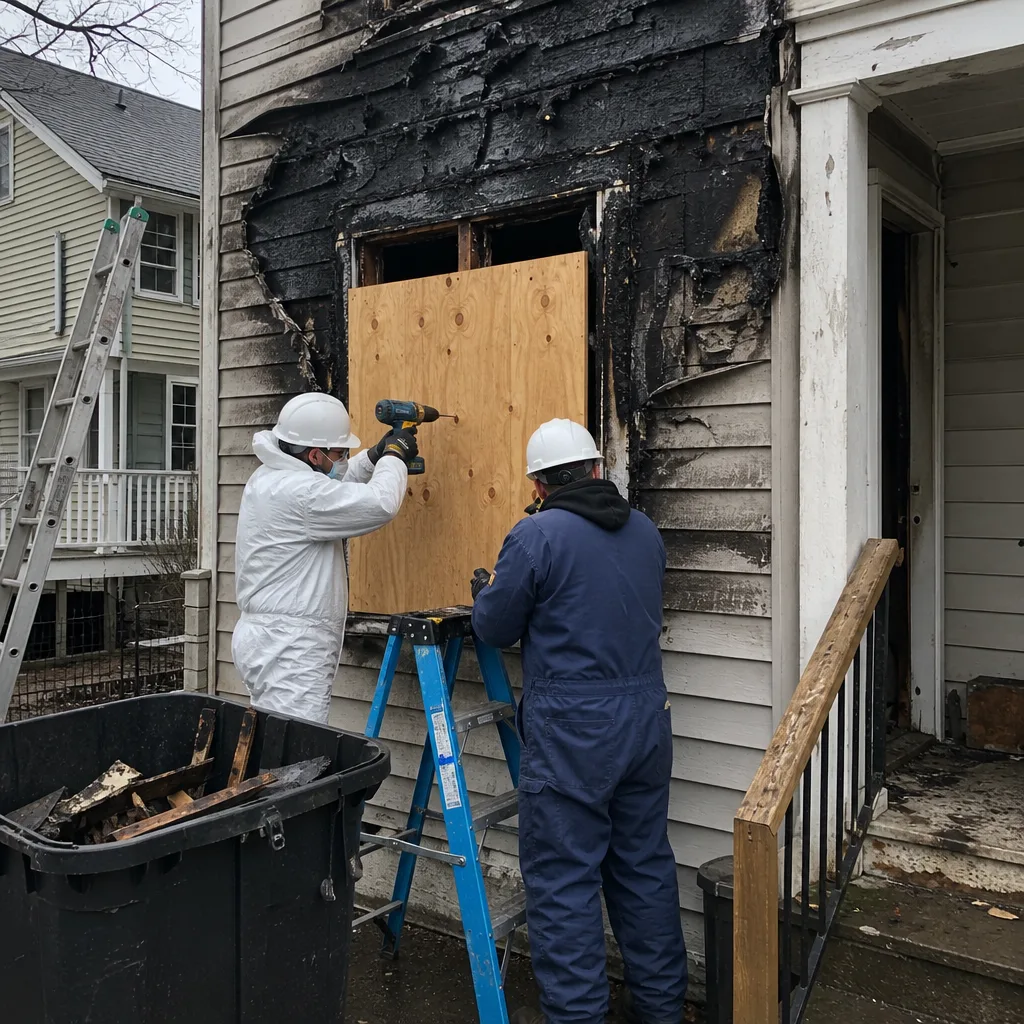
Crawl Space Treatment
Few Upper West Side buildings have true crawl spaces, but basement utility rooms and sub-cellar areas serve the same function. We treat these for mold using the same containment and drying protocols, with added attention to dehumidification because these spaces often lack ventilation.
Moisture & Humidity Control
The real solution to mold is removing its water source. We identify and document the leak origin - failed flashing, pipe joint, condensate line - and specify the repair in our written scope. For chronic humidity issues, we specify permanent dehumidification solutions sized to the space.
What happens when you call
- 1
A real person answersNo phone trees - you reach a local pro.
- 2
You get an upfront price rangeHonest numbers before anyone is dispatched.
- 3
A background-checked tech heads outLicensed & insured, dispatched right away.
- 4
You approve before work beginsNothing starts until you say go.
Mold Remediation Costs in Upper West Side, NY
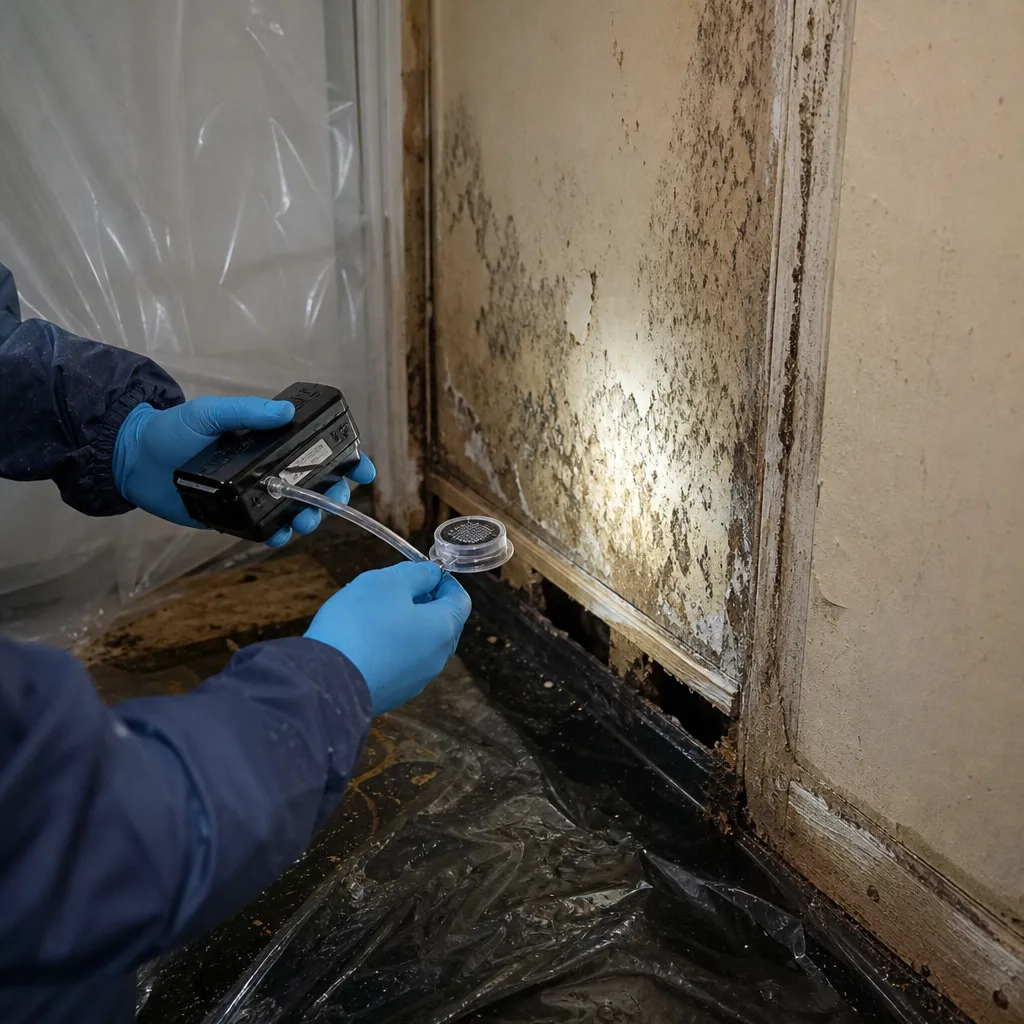
Mold inspection and testing in Upper West Side runs $450-$850 for a standard pre-war apartment, including lab analysis of two air samples and one surface swab. Containment and remediation of a localized area - one room, plaster stripped to lath, no rebuild - typically runs $2,800-$4,500. Multi-room jobs with full plaster demolition, air quality restoration, and LPC-compliant rebuild can reach $7,500-$12,000. The price driver isn’t the mold itself; it’s the labor to access it without destroying original materials that must be preserved.
Insurance coverage for mold varies by policy and cause of loss. Sudden and accidental water damage - the steam pipe that burst, the roof that failed in a storm - is typically covered. Long-term maintenance issues - the slow leak you ignored for two years - often aren’t. We document the cause of loss in our first-hour photos to support your claim. Our Free Second Opinion on any competitor’s written estimate means you can verify whether another scope is complete or cutting corners on cavity drying.
Every job gets a written price before work starts, Haven Standard, Clause 1. No exceptions. Call (862) 281-7710 for your free inspection and firm scope.
We Also Serve Cities Near Upper West Side
Our New York City office dispatches crews throughout the metro area. We regularly handle mold remediation in Upper West Side alongside neighboring communities: Astoria, where pre-war brick apartment buildings face similar plaster-and-lath challenges; Upper East Side, with its own concentration of historic co-op towers; Long Island City, where newer construction brings different mold patterns in glass-and-steel buildings; and Jackson Heights, where garden apartment complexes and pre-war stock mix. Each area gets the same documentation-first protocol, adapted to its actual building stock.
Serving Upper West Side, NY - Our Local Coverage Area
We’re based in the Upper West Side area and know this community well. Use the map below to see our service coverage - if you’re nearby, we can almost certainly help.
Upper West Side Mold Remediation Questions, Answered
How fast can mold start growing after a steam radiator or pipe leak in my Upper West Side co-op?
Mold can establish viable colonies within 48 to 72 hours of water intrusion in horsehair plaster walls, though you may not see surface evidence for two weeks or more. The plaster wicks moisture into the lath cavity where it’s invisible but ideal for growth. That’s why we recommend emergency drying within 24 hours of any leak, and why our crews carry moisture meters on every Upper West Side call. Call (862) 281-7710 for immediate dispatch.
Do I need co-op board approval before you can remediate mold in my pre-war apartment?
In most Upper West Side co-ops, yes - alteration agreements and managing agent sign-off are required before any wall demolition or material replacement begins. Starting without approval can void your contractor’s access and force a costly redo. We build board coordination into every scope and provide the written documentation, material specifications, and insurance certificates boards require. Haven Standard, Clause 1: the price includes this coordination time because skipping it isn’t an option.
Can you dry out my parquet floors and plaster walls instead of ripping everything out?
Sometimes, but only if moisture mapping confirms the cavity behind the plaster is dry. Parquet floors can often be dried in place with directed airflow and dehumidification if we catch the loss within 48 hours. Plaster is less forgiving - once horsehair plaster has wicked moisture beyond the surface layer, selective drying rarely reaches the lath cavity, and partial patching traps moisture that feeds hidden mold. We document exactly what’s salvageable and what isn’t before any demolition begins. Call for a free moisture assessment.
What’s different about mold remediation in an Upper West Side pre-war building versus a newer condo?
Three things: the materials, the governance, and the documentation. Horsehair plaster on wood lath can’t be cut and patched like drywall - saturated sections must strip to the lath. Co-op boards and managing agents must approve scopes before work starts. And LPC historic district rules may govern material matching on any visible restoration. Newer condos have gypsum drywall, no board approval for interior work, and no landmark oversight. The remediation protocol is entirely different. Our Mold Remediation team is specifically trained for pre-war construction.
How do you prevent mold from coming back after a steam pipe leak on the Upper West Side?
We fix the water source, dry the cavity completely, and document both with moisture logs and photos. For steam systems, we coordinate with your building’s superintendent to verify pipe repair and test pressure before we close walls. We also specify any needed insulation upgrades or vapor barrier improvements in our written scope. The 365-Day Done Right Promise under The Haven Standard means if mold returns from the same loss, we return at no charge. Call (862) 281-7710 to discuss your specific building’s risks.
Will my insurance cover mold remediation in my Upper West Side co-op?
It depends on the cause of loss and your specific policy. Sudden, accidental water damage - a burst pipe, failed roof flashing in a storm - is typically covered. Long-term maintenance issues or gradual leaks usually aren’t. Our documentation from the first hour establishes the cause and timeline to support your claim. We provide line-item scopes in Xactimate format that adjusters recognize, and we coordinate directly with your carrier. Bring any competitor’s estimate for our Free Second Opinion.
How long does mold remediation take in a typical Upper West Side apartment?
Containment through clearance testing typically runs 3 to 7 days for a localized loss in a one-bedroom pre-war unit. Multi-room jobs with full plaster stripping and rebuild may extend to 10-14 days, plus any board approval delays. We don’t rush drying - we log daily moisture readings and won’t call clearance until the lab confirms safe spore counts. The written schedule is part of your scope, Haven Standard, Clause 1.
Can we stay in the apartment during mold remediation?
For small, contained areas with negative air isolation, often yes. For multi-room jobs, toxigenic species, or when the HVAC system is affected, we may recommend temporary relocation for safety and to maintain containment integrity. We coordinate with your building management on access and schedule constraints. Your health and the effectiveness of the remediation take priority over convenience - we’ll tell you honestly which situation applies.
Written by Alicia Brennan, Owner at Back to Dry Restoration, serving Upper West Side since 2011 under The Haven Standard.
Mold Remediation in Nearby Areas