
Free visual inspection and a written scope of work before any mitigation begins - photos, moisture readings, and drying logs go in your claim file
The scope we write is the scope we bill. Anything new gets shown to you, in writing, before we touch it.
Storm response
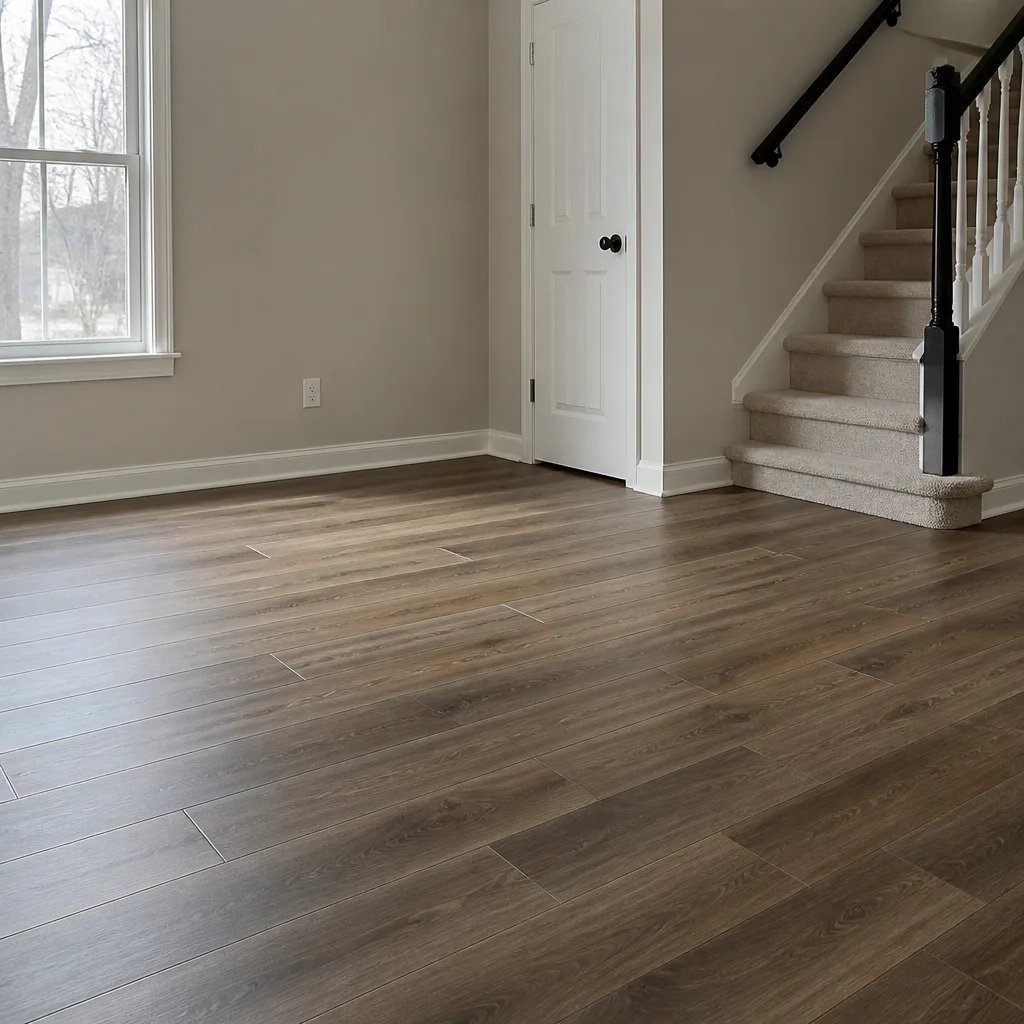
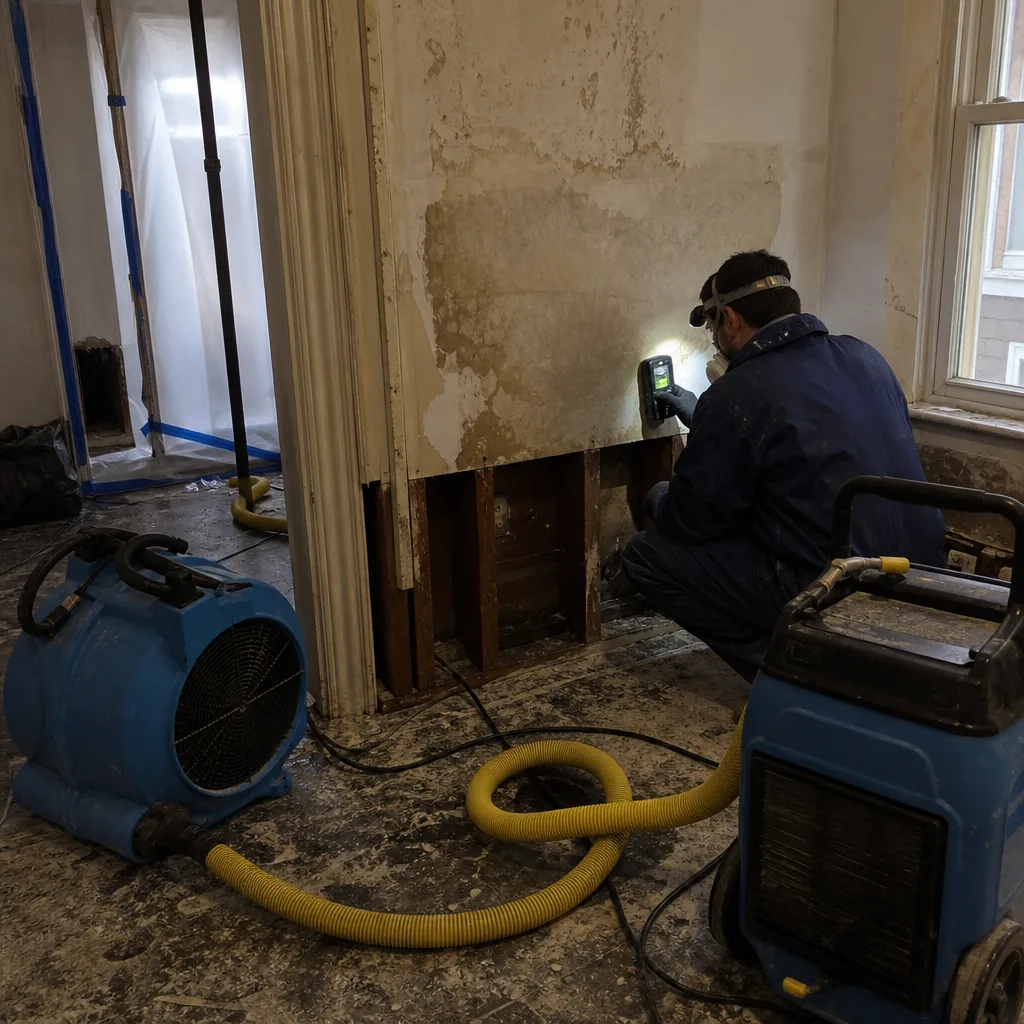 Before
 After
After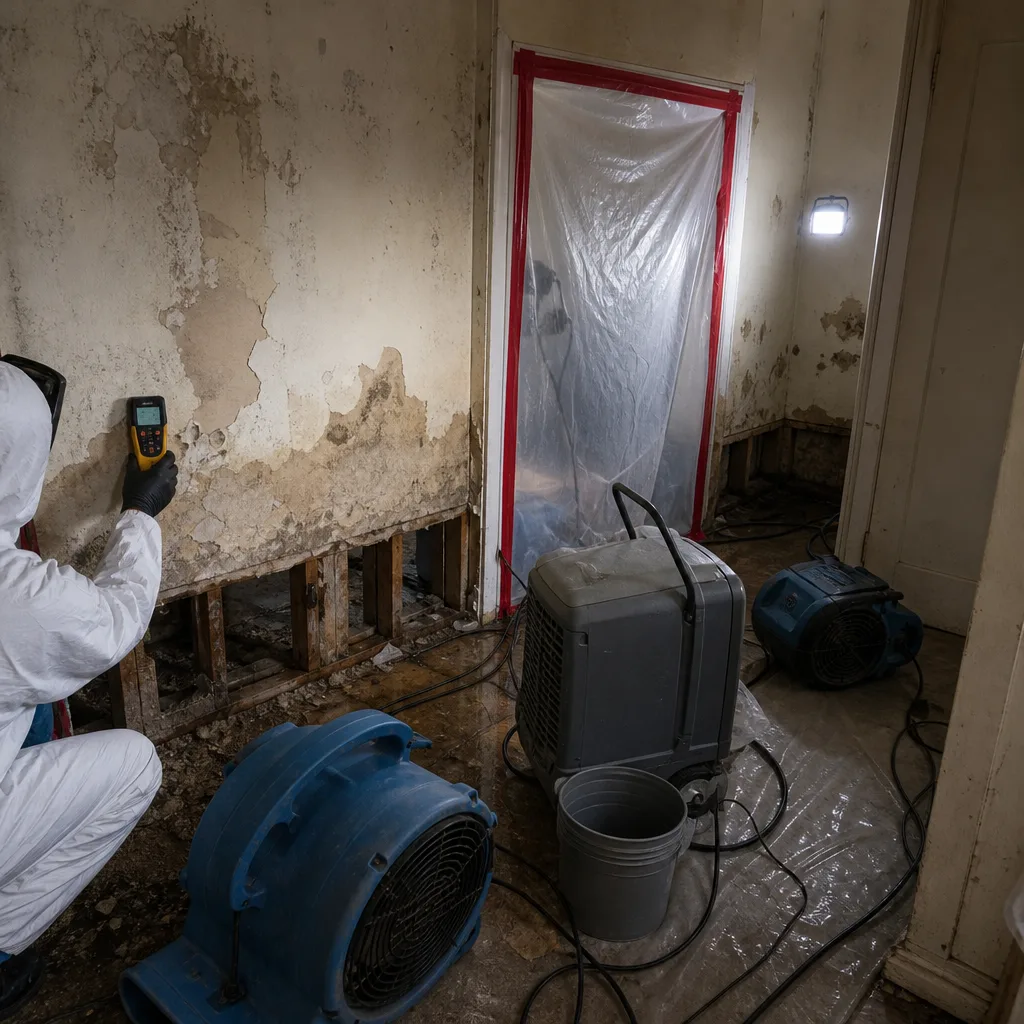 Before
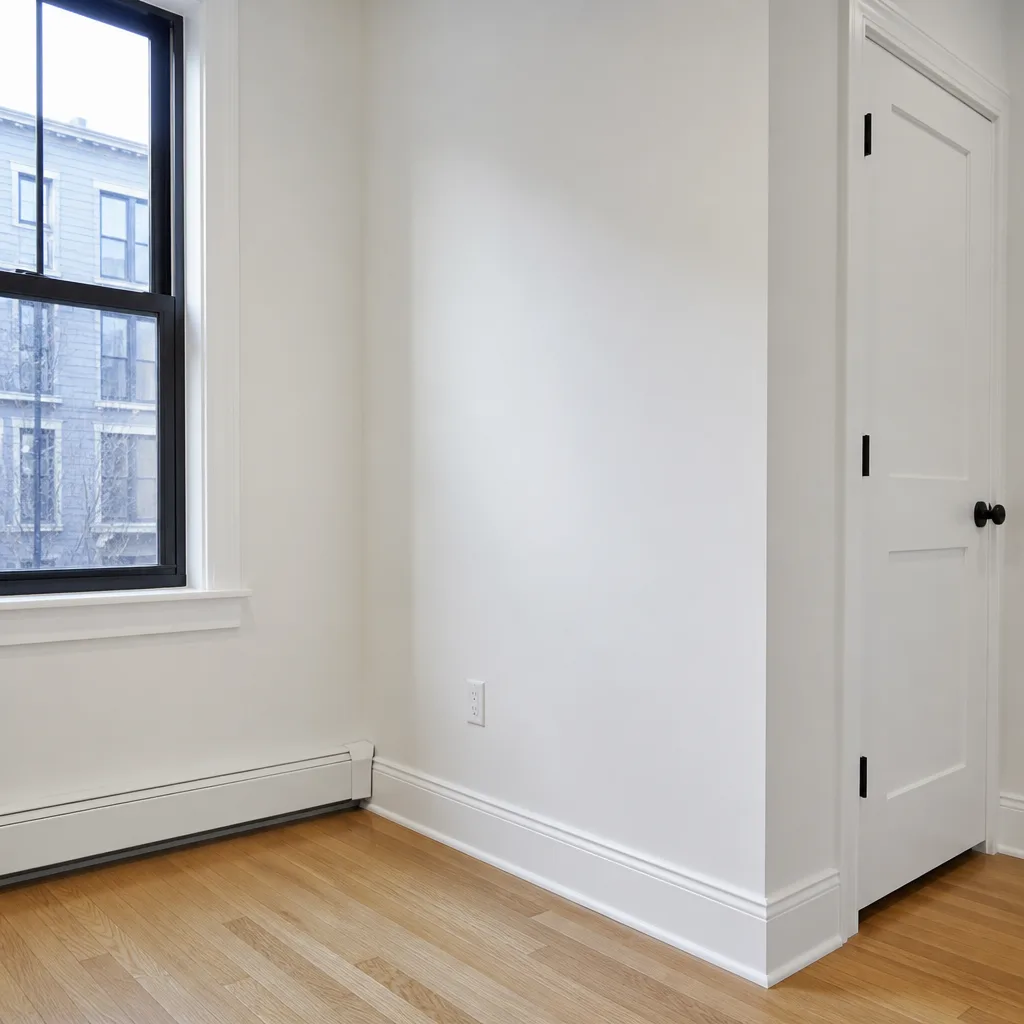 After
After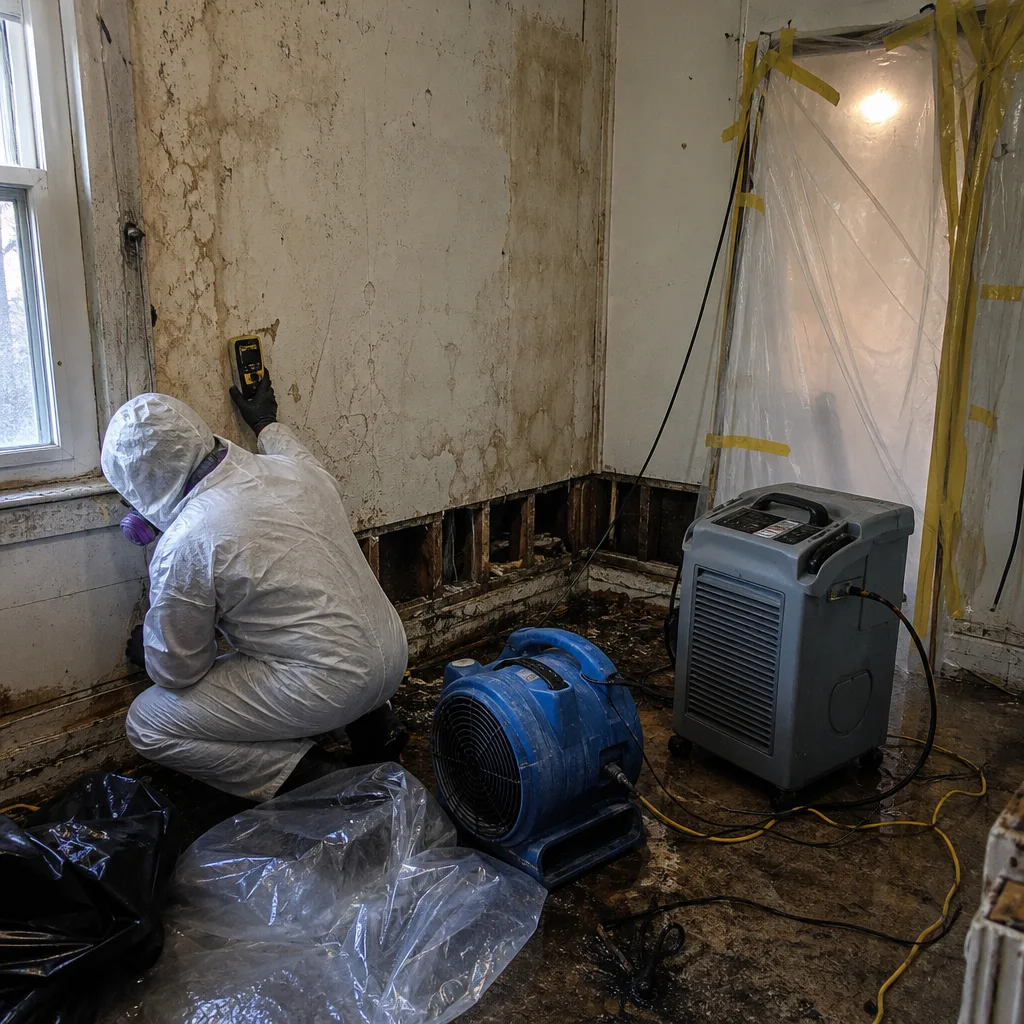 Before
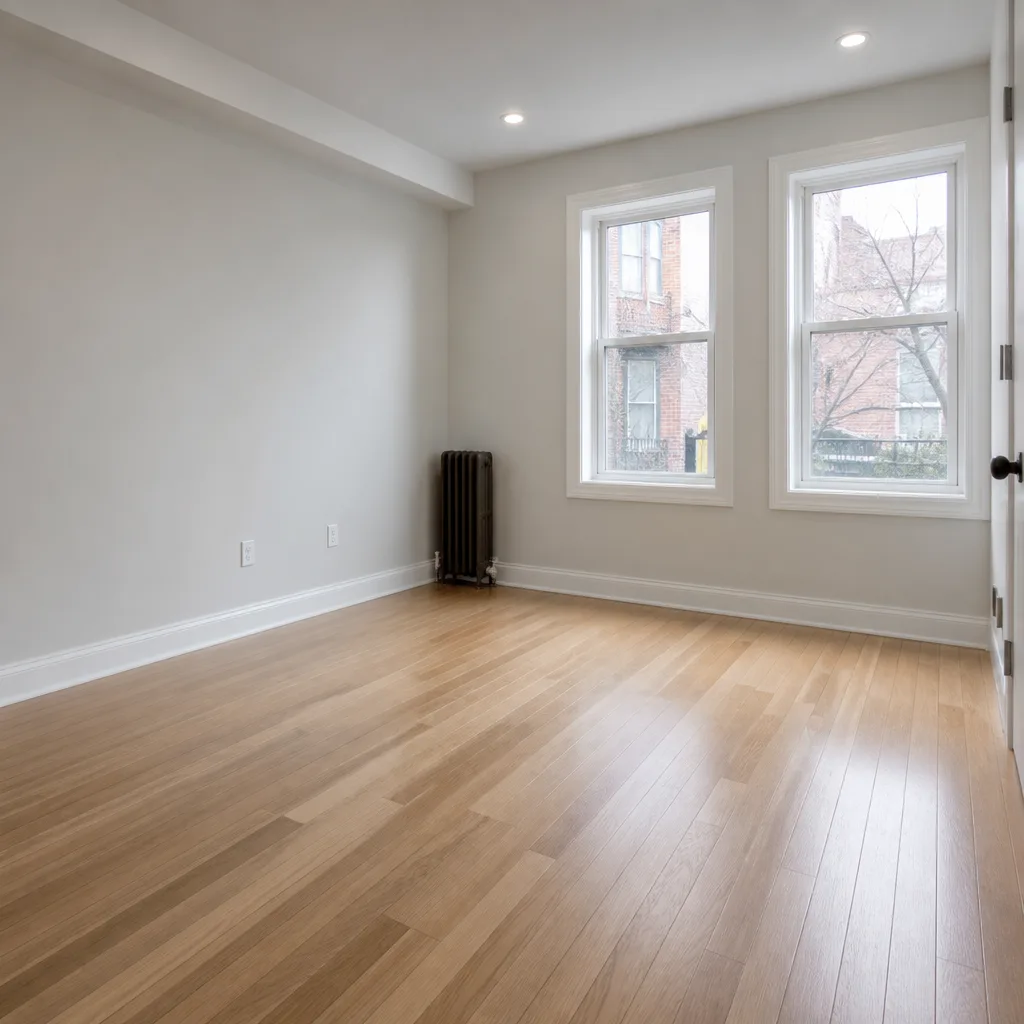 After
After24/7 Emergency Water Damage Restoration in Upper West Side
Water damage in an Upper West Side pre-war apartment can spread through 8 to 12 stacked units in under an hour. We also offer Fire & Smoke Damage Restoration in Upper West Side properties. Call (862) 281-7710 now and you’ll reach a live person, not a voicemail tree. Our crews are dispatched from our New York City office and typically arrive in the Upper West Side within 45 minutes of your call.
We offer a free visual inspection and a written price before any work starts - Haven Standard, Clause 1. The first hour determines whether you’re looking at extraction and drying, or a full gut of plaster walls, parquet floors, and original millwork. Water moves fast through century-old cast iron drain lines and the cavities between floors in these buildings. Standing water wicks into horsehair plaster within minutes, and once that material saturates, it cannot be dried in place.
Our Water Damage Restoration team handles everything from burst pipe emergencies to full-building flood response. We document every loss from the first photo to the final moisture reading, producing the drying logs and written scopes that turn restoration invoices into payable insurance claims.
Understanding Water Damage Restoration Severity in Upper West Side Properties
Water damage in the Upper West Side falls into three categories under IICRC standards, and the building stock here pushes most losses toward the complex end of the scale. Category 1 water - clean supply-line breaks - degrades to Category 2 within 24 to 48 hours once it contacts plaster dust, aging pipe sediment, or the organic material in horsehair plaster. Category 3 water, or black water, includes sewage backups and flooding from the Hudson River during storm surge events.
Moisture mapping with thermal imaging and pinless moisture meters is essential in UWS buildings because water travels horizontally through multi-wythe brick walls and vertically via pipe chases and electrical conduits. A burst pipe on the 8th floor of a West End Avenue co-op can show no visible signs on the 6th floor while saturating the cavity between. Structural drying requires calculating vapor pressure differential - the force that drives moisture from wet materials into the air - then maintaining that differential with dehumidifiers and air movers until the drying goal is met.
The pre-war housing stock on the Upper West Side compounds every technical challenge. Plaster-on-lath walls hold 3 to 5 times more moisture than drywall and release it far more slowly. Parquet hardwood floors, common in 1920s and 1930s buildings, cup and buckle within days of saturation and require specialty drying or replacement. Steam-heat piping runs through wall cavities and can re-wet materials during the heating season if not isolated.
Why Upper West Side Property Owners Choose DryMark Restoration Astoria
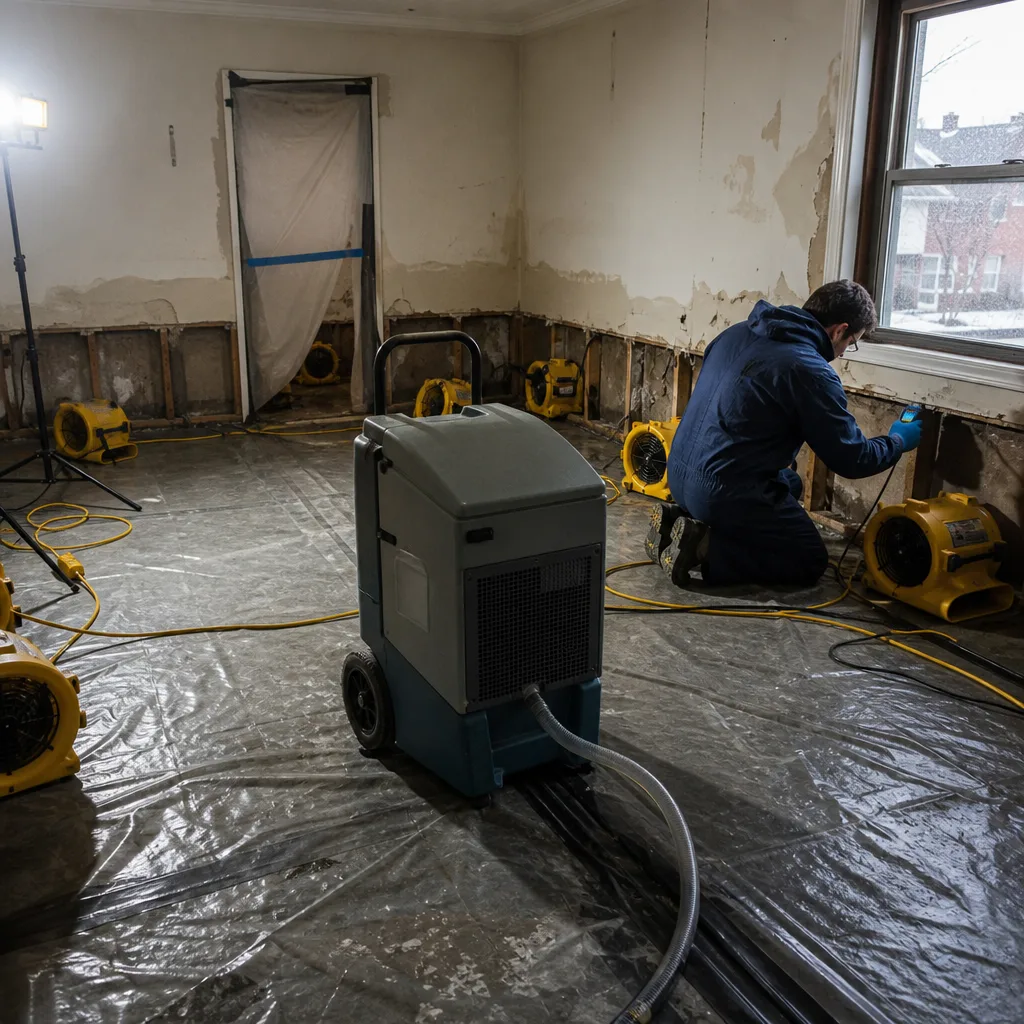
- 45-minute response commitment to the Upper West Side - our crews are staged and ready, not driving in from another county.
- 24/7 live answer: a real person picks up every call, every hour, with no automated system or next-business-day callback while water is still moving.
- IICRC-certified crews holding WRT (Water Damage Restoration Technician) and ASD (Applied Structural Drying) credentials, with licenses verified before they arrive at your door.
- Free visual inspection with a written price before any work begins - Haven Standard, Clause 1, no exceptions.
- Direct insurance billing and adjuster coordination - we produce the documentation that gets claims paid, not questioned.
- One team from extraction to reconstruction - no handoffs to subcontractors you’ve never met.
BeforeAfterOur Water Damage Restoration Process
1. Inspection & Assessment
We arrive with thermal imaging cameras, pin and pinless moisture meters, and hygrometers to map the full extent of water migration. In Upper West Side pre-war buildings, this means checking above and below the visible loss, testing plaster density at multiple depths, and identifying whether the lath behind is wet. You receive a written scope and price before we start - Haven Standard, Clause 1.
2. Water Extraction & Stabilization
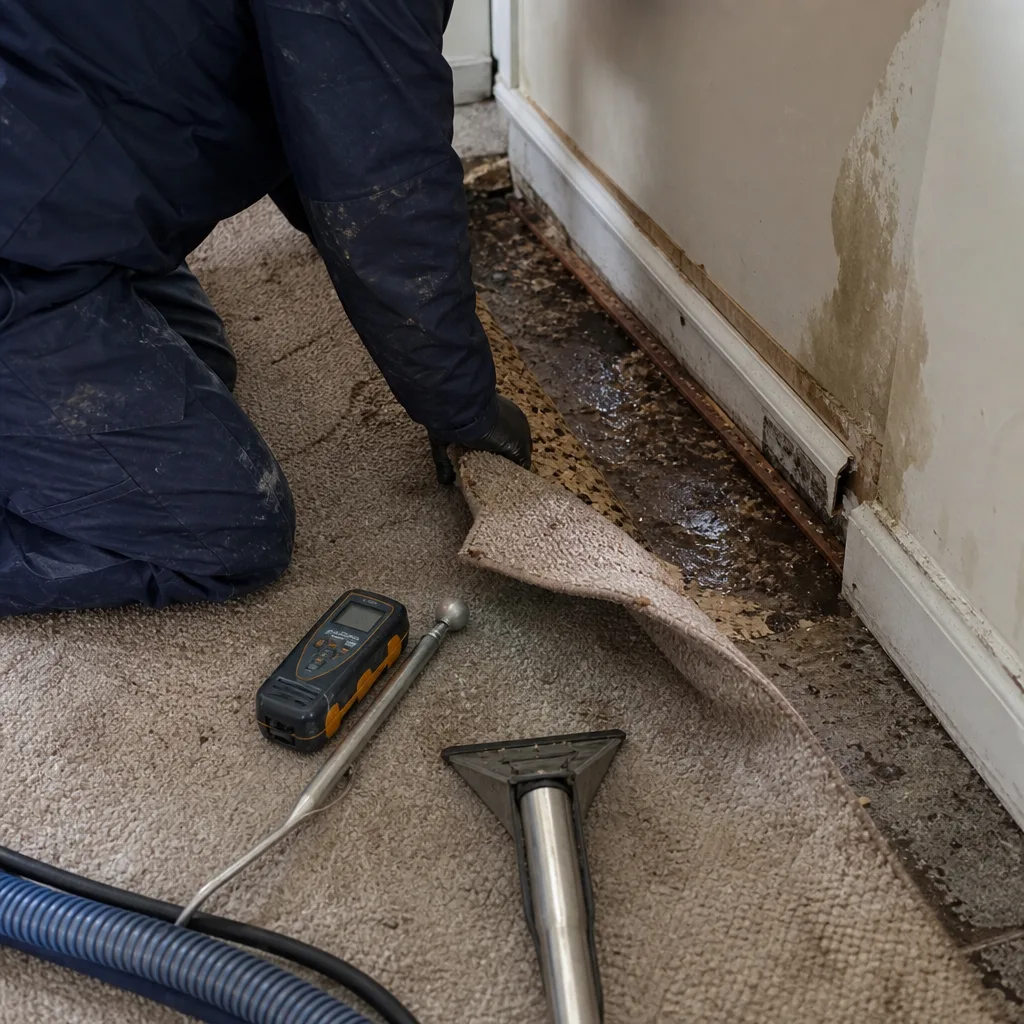
Standing water is removed with truck-mounted extraction systems and portable units for elevator-restricted buildings. We deploy weighted extraction tools on saturated carpet and use specialized squeegees on hard surfaces. The goal is to remove as much liquid water as possible before drying begins, because every gallon extracted is a gallon that doesn’t need to be evaporated and dehumidified.
3. Structural Drying & Dehumidification
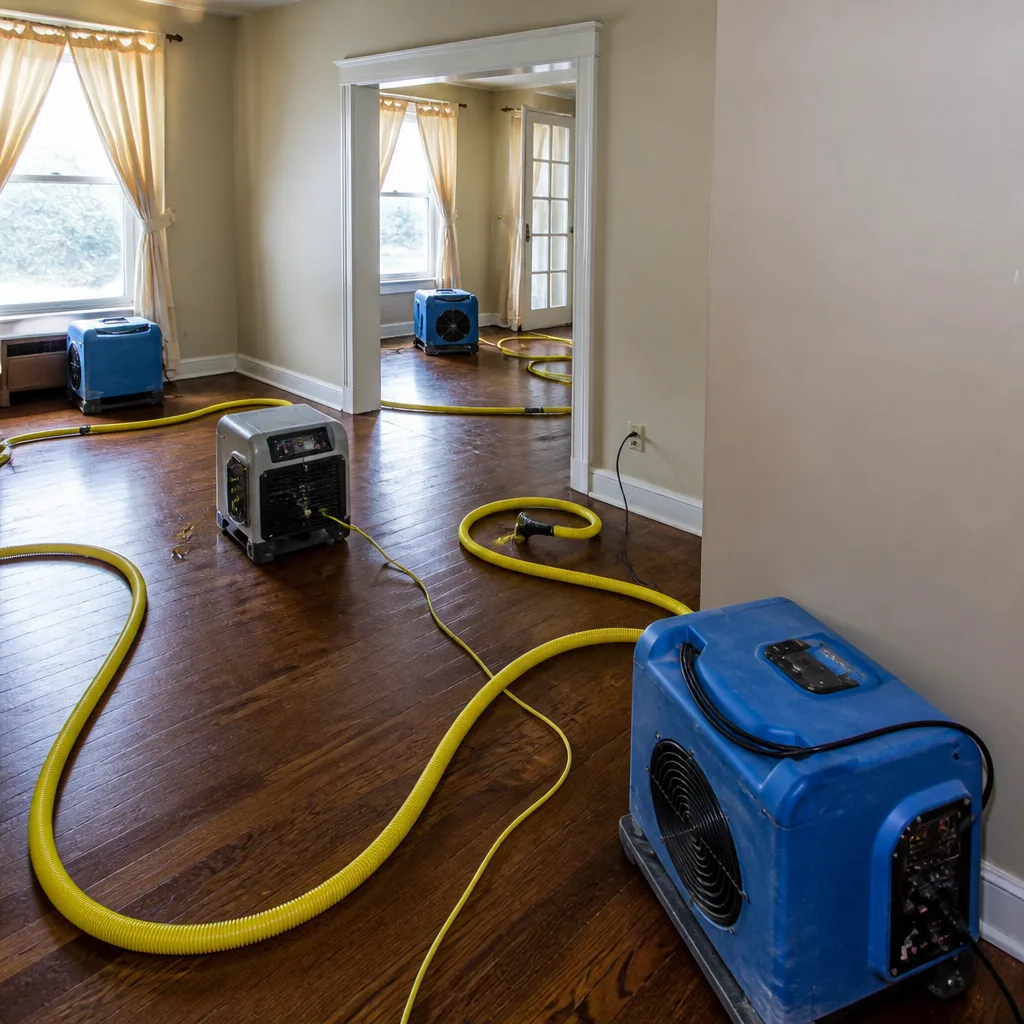
We calculate the specific psychrometric conditions needed for your building and install Dri-Eaz and Phoenix dehumidifiers with B-Air and XPOWER air movers in a balanced drying system. In UWS buildings with steam heat, we coordinate with building management to prevent re-wetting during the heating season. Daily moisture logs track progress to the drying standard.
4. Cleaning & Sanitization
Antimicrobial treatment is applied to all affected surfaces, with EPA-registered products selected for compatibility with historic materials. HEPA air scrubbers run during this phase to capture airborne particles. We document every treated area with photos for the insurance file and co-op board records.
5. Specialty Restoration for Pre-War Materials
Horsehair plaster walls that cannot be dried in place are stripped to the lath under controlled conditions, with debris contained and removed through service elevators. Parquet floors are evaluated for specialty drying versus replacement with matching material. In LPC-designated historic districts, we coordinate with approved contractors for material-matching restoration.
6. Repairs & Final Documentation
Reconstruction follows the written scope exactly - no additions once work is underway. Final moisture readings confirm the drying standard is met. You receive a complete photo record, drying log, and the 365-Day Done Right Promise under The Haven Standard. If it’s not done right, we make it right.
Need Emergency Water Damage Restoration in Upper West Side Now?
Crews minutes away, answering live 24 hours a day. The sooner we start, the less it costs.
Working With Your Insurance Company
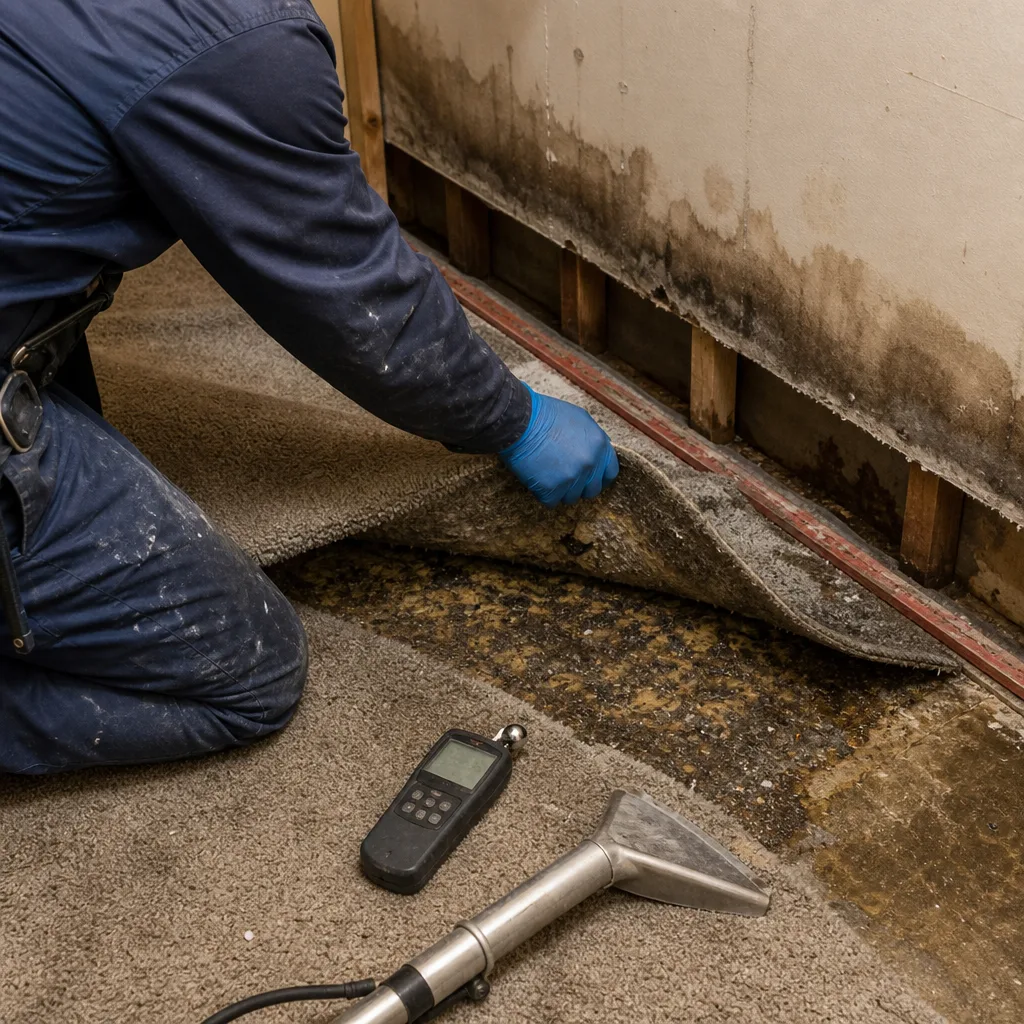
Insurance claims for water damage in Upper West Side co-op buildings are unusually complex because multiple units, the building’s master policy, and individual HO-6 policies may all be involved. We begin documentation the moment we arrive - photos of the loss area, moisture readings at multiple points, and a narrative of the water source and migration path. This evidence becomes the foundation of the estimate we prepare to Xactimate standards, the industry format adjusters expect.
We communicate directly with your adjuster, not through you as a relay. Our daily drying logs, photo records, and written scope updates give the carrier what they need to approve payment without delays. In multi-party losses, we coordinate with building managing agents to ensure the master policy and individual policies are both addressed.
What We Provide Your Insurer
- Thorough documentation of the loss
- Photos of all damage, room by room
- Moisture readings and drying logs
- A detailed, line-item scope of work
- Direct coordination with your carrier
Built for Upper West Side’s Loss Calendar
January deep freezes burst aging supply lines in buildings where pipes run along exterior walls. The cold snaps that hit the Upper West Side when polar air drops into the Hudson Valley are hard on century-old cast iron and copper that has work-hardened over decades. We see the highest volume of burst pipe calls in the first two weeks of January.
Spring thaw brings basement seepage in lower-level units of buildings with aging foundation waterproofing. Summer thunderstorms can overwhelm roof drains on flat and low-slope roofs common from the 70s to the 90s, sending water through ceiling assemblies. But the most predictable seasonal spike is October, when building-wide steam heating systems start up and pipe-joint failures and radiator supply-line leaks generate a wave of restoration calls across the Upper West Side. The thermal shock of hot steam hitting cold metal after six months of dormancy finds every weak joint.
Water Damage Restoration Across Upper West Side’s Neighborhoods
Riverside Drive and West End Avenue are lined with the grandest pre-war co-ops, many in the Riverside Drive-West End Historic District. Losses here routinely involve multiple floors and require LPC approval for any exterior or significant interior restoration. The building managing agents on these corridors know us because we’ve handled the documentation requirements before.
Central Park West has its own historic district designation and a similar building stock, with the added complexity of some of the highest-value interiors in the neighborhood. Amsterdam Avenue and Columbus Avenue corridors mix pre-war buildings with post-war construction, but the pre-war inventory still dominates. A burst pipe in a 1920s building on Columbus requires a different approach than the same loss in a 1960s white brick tower.
The blocks west of Broadway, toward West 96th Street, include more varied housing stock but still significant pre-war density. Response routes from our New York City office put us on any of these corridors quickly. We know which buildings have service elevators that accommodate our equipment, which managing agents require certificate of insurance addenda, and which co-op boards mandate pre-approval for any wall penetration.
Specialized Water Damage Restoration Services We Offer in Upper West Side
Emergency Water Extraction
Standing water in a pre-war Upper West Side apartment is an emergency because of what it reaches - plaster, parquet, millwork - not just because of the water itself. We extract with truck-mounted and portable systems, including units that fit service elevators in buildings without freight access. Typical emergency extraction in the Upper West Side runs $450-$1,200 depending on affected square footage and water depth.
Structural Drying & Dehumidification
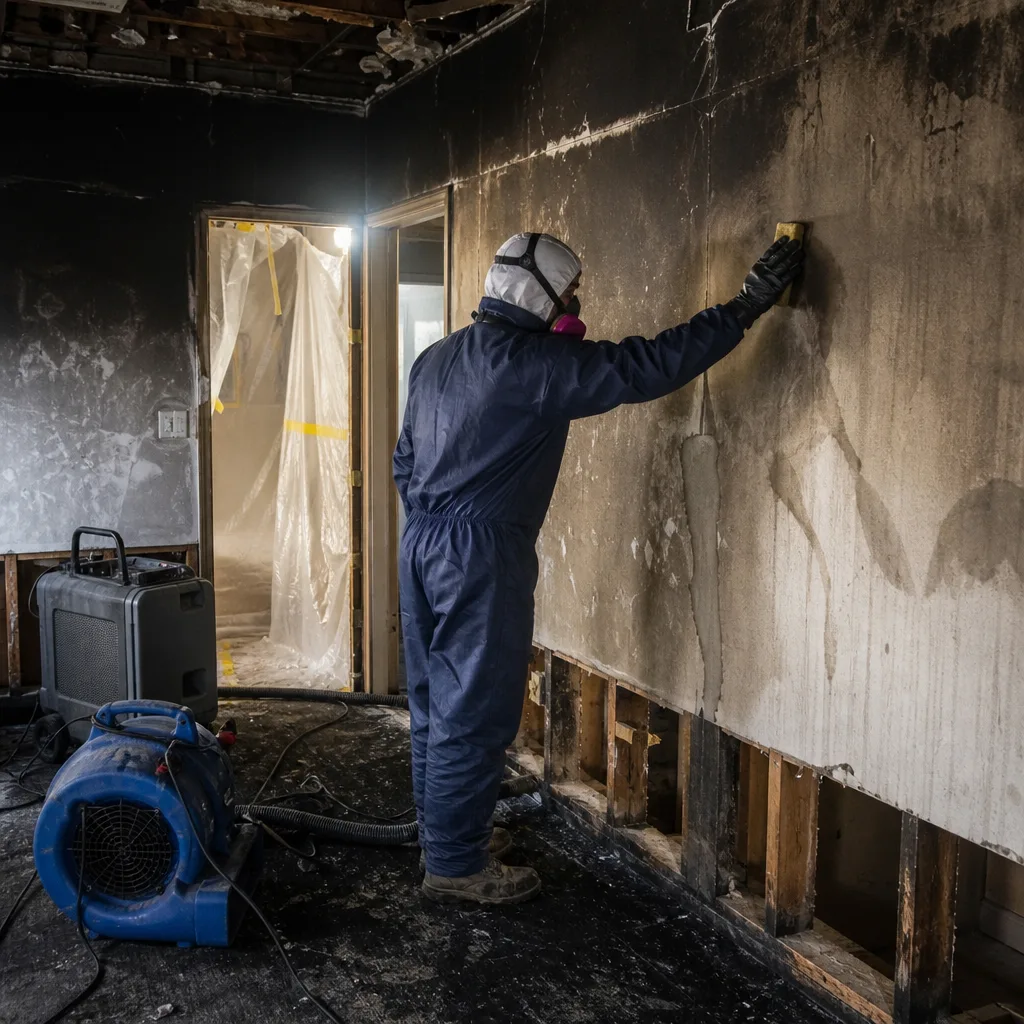
Drying a plaster-on-lath wall cavity requires maintaining precise vapor pressure differential over days or weeks, not hours. We deploy Dri-Eaz and Phoenix LGR dehumidifiers with air movers positioned for airflow through wall cavities, using Injectidry systems where direct cavity drying is possible. Structural drying for a typical UWS one-bedroom with plaster walls runs $1,800-$4,500 for the drying phase alone.
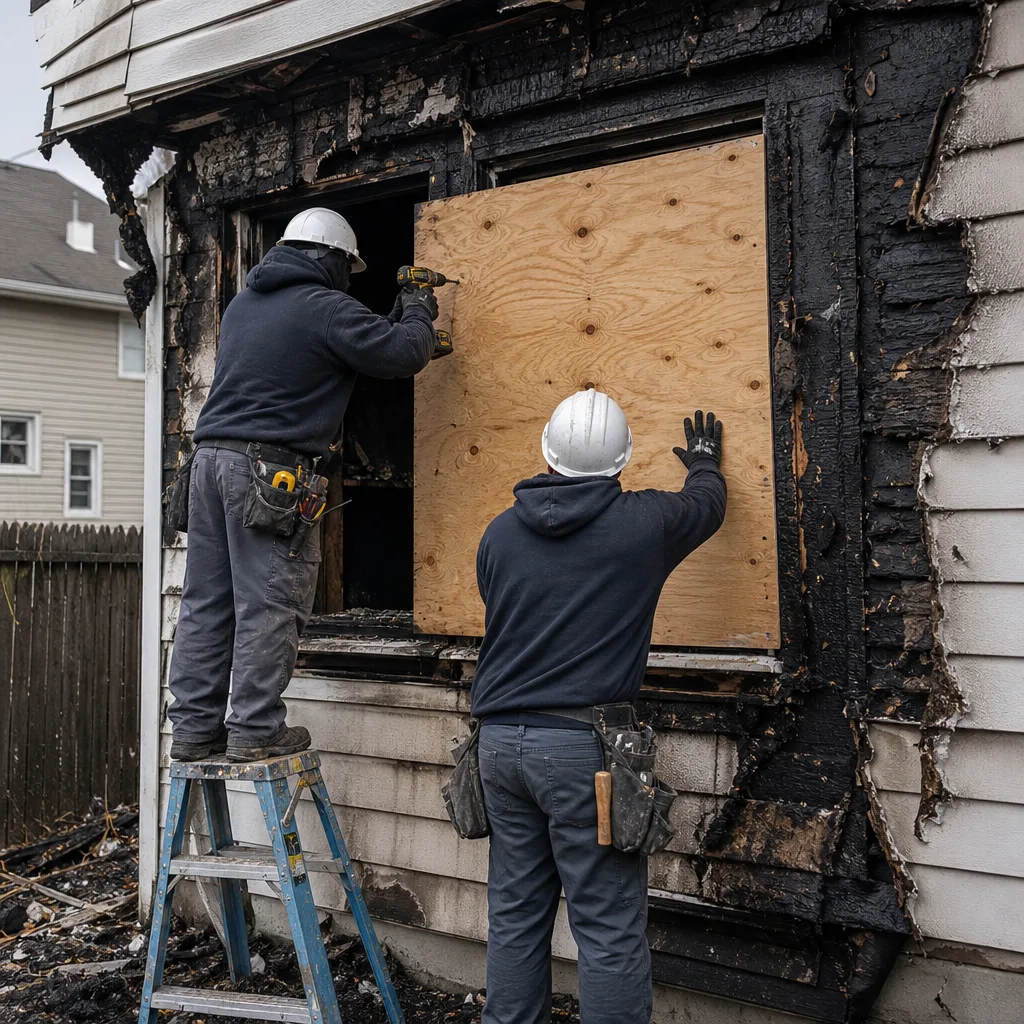
Flood Cleanup
Whether from Hudson River storm surge, roof drain overflow, or a failed building system, flood cleanup in the Upper West Side requires Category 3 protocols - full personal protective equipment, antimicrobial treatment, and often removal of porous materials. We coordinate with building management on debris removal through service entrances and disposal documentation.
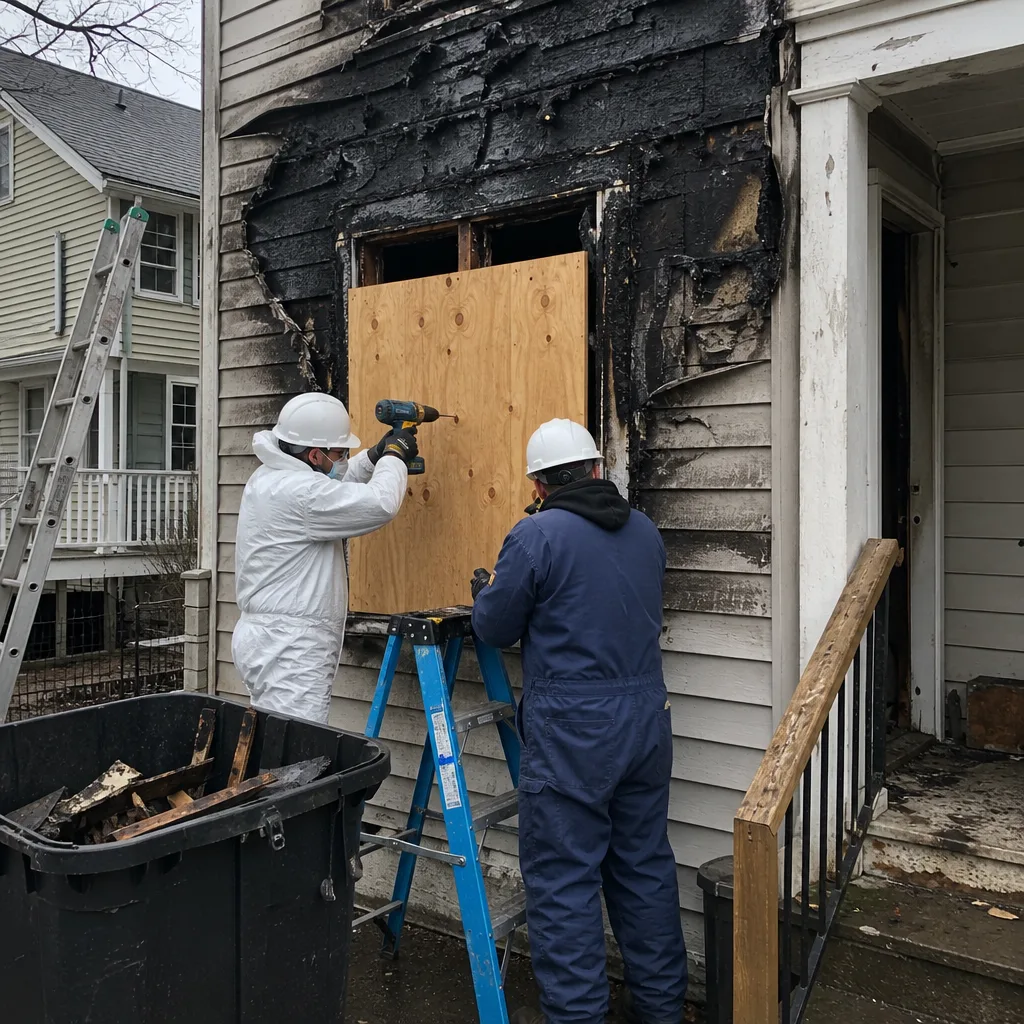
Burst Pipe Restoration
The October steam startup and January deep freezes are the peak seasons for burst pipe calls on the Upper West Side. A single failed steam pipe joint can send pressurized hot water through multiple floors before the building’s master valve is located. We extract, dry, and document for the multi-party claim that follows, with moisture mapping to prove which units were affected and when.
Basement Water Removal
Lower-level units and building utility rooms in UWS buildings face seepage through aging foundation walls and hydrostatic pressure during heavy rain. We pump, extract, and dry these spaces with equipment sized for the often-limited ventilation in below-grade areas.
Ceiling & Roof Leak Water Damage
Flat and low-slope roof failures send water through ceiling assemblies into top-floor units and penthouses. We trace the water path through multiple layers, document the roof condition for the building’s claim, and dry or replace the affected ceiling assembly.
What happens when you call
- 1
A real person answersNo phone trees - you reach a local pro.
- 2
You get an upfront price rangeHonest numbers before anyone is dispatched.
- 3
A background-checked tech heads outLicensed & insured, dispatched right away.
- 4
You approve before work beginsNothing starts until you say go.
Water Damage Restoration Costs in Upper West Side, NY
Water damage restoration in the Upper West Side costs more than in outer borough post-war construction because of the materials involved and the labor required to restore them properly. Here are the ranges we see in this market:
| Service | Typical Range in Upper West Side |
|---|---|
| Emergency water extraction | $450 - $1,200 |
| Structural drying (per room/area) | $1,800 - $4,500 |
| Plaster wall stripping to lath (per room) | $2,500 - $6,000 |
| Parquet floor drying or replacement | $3,000 - $8,500 |
| Full-service restoration (typical co-op unit) | $8,000 - $35,000+ |
What moves the price: the water category (clean vs. contaminated), the number of affected rooms, whether plaster must be stripped to lath, whether the co-op board requires LPC-approved contractors for restoration, and whether multiple units are involved. Insurance typically covers sudden and accidental water damage from burst pipes or appliance failures; gradual leaks and maintenance issues are usually excluded. We provide a free visual inspection and written scope so you know exactly what’s covered and what isn’t before work starts. Call (862) 281-7710.
We Also Serve Cities Near Upper West Side
Our crews respond throughout the immediate area, including Upper West Side neighbors in Astoria, Upper East Side, Long Island City, and Jackson Heights. Each market has its own building stock and loss patterns, and we adjust our approach accordingly.
Serving Upper West Side, NY - Our Local Coverage Area
We’re based in the Upper West Side area and know this community well. Use the map below to see our service coverage - if you’re nearby, we can almost certainly help.
Upper West Side Water Damage Restoration Questions, Answered
What should I do first if a pipe bursts in my Upper West Side pre-war apartment?
Shut off the water to your unit if you can locate the valve, then call (862) 281-7710 immediately. Do not attempt to access the building’s master shutoff yourself - that’s building staff’s role, and in most UWS co-ops, residents are prohibited from operating common-system valves. While waiting for our crew, move valuables and electronics from the wet area, but do not cut into walls or disturb horsehair plaster; the debris contains silica and old adhesives that require controlled removal. We’ll arrive within 45 minutes, extract standing water, and give you a written price before any work begins.
Can you restore original parquet floors after water damage, or do they need to be replaced?
It depends on how long the water sat and the parquet’s construction. We can often save 1920s and 1930s mosaic parquet with specialty drying systems that extract moisture slowly enough to prevent buckling, but once the adhesive fails or individual pieces begin to delaminate, replacement with matching material is the only option. We document the pre-loss condition with photos and moisture readings, then give you a written scope for either drying or replacement. Call (862) 281-7710 for a free inspection.
Why does water damage in Upper West Side buildings sometimes require stripping entire walls?
Horsehair plaster cannot be selectively cut and patched like drywall. Once saturated, the plaster loses adhesion to the lath and becomes a mold risk if left in place. Drying the cavity requires stripping back to the lath so air can reach the void space - a labor- and debris-intensive process that routinely doubles the restoration scope compared to a similar loss in a post-war building. Most UWS co-op boards require this approach anyway, as partial repairs are rejected at inspection. We coordinate the scope with your building managing agent before work starts.
How does the co-op board approval process affect water damage restoration timelines?
Most Upper West Side co-ops require board approval before any wall penetration, material removal, or contractor entry into common areas. This typically adds 24 to 72 hours to the start of work, though emergency extraction and stabilization can proceed immediately under most proprietary leases. We prepare the documentation package - scope, insurance estimate, contractor certificates, and timeline - that boards expect, and we have worked with many UWS managing agents before. The key is starting that paperwork the same day we inspect, not after the drying plan is set.
What makes water damage restoration different in Upper West Side historic districts?
Buildings in the Riverside Drive-West End and West End-Collegiate historic districts face LPC review for any work visible from the street or affecting designated interior features. Repointing brick, restoring original millwork, or replacing windows after water damage may require LPC approval of materials and methods, adding weeks to the timeline. This is not the case in neighboring areas without those designations. We coordinate with LPC-approved contractors when this applies, and we document the pre-loss condition to support any required application. Call (862) 281-7710 to discuss your specific building.
How fast can you actually get to the Upper West Side?
Our typical response to the Upper West Side is 45 minutes from your call. We dispatch from our New York City office, not from another borough or county. A live person answers every call, 24 hours a day, and crews carry the equipment for immediate extraction and stabilization. The first hour is when water damage is still containable; after that, it has usually reached the cavity spaces and neighboring units.
Will my insurance cover water damage restoration in a co-op?
Your HO-6 policy typically covers damage to your unit’s interior from sudden and accidental water losses - burst pipes, appliance failures, etc. - but not the building’s common elements or gradual leaks. The building’s master policy covers common areas and the building shell. In multi-unit losses, multiple policies may respond, and the allocation can become disputed. We document the source, path, and timing of the water to support your claim, and we bill your carrier directly. Bring any competitor’s written estimate and we’ll provide a free second opinion.
How long does structural drying take in a pre-war Upper West Side apartment?
Three to seven days for standard drywall-and-carpet construction, but seven to fourteen days is common for plaster-on-lath walls because plaster holds and releases moisture slowly. The drying timeline depends on the vapor pressure differential we can maintain, the ventilation available, and whether the building’s steam heat system is active during the drying period. We take daily moisture readings and provide you with the drying log so you can see progress in real numbers, not guesswork.
We were called to a Riverside Drive co-op where a burst steam pipe during the October startup sent water through three floors, saturating horsehair plaster and parquet floors. Our tech performed water extraction, set up structural drying with Dri-Eaz dehumidifiers and air movers, and completed moisture mapping to document pre-loss conditions for the co-op board. After antimicrobial treatment, we coordinated with an LPC-approved plasterer to restore the walls to their original profile.
Written by Alicia Brennan, Owner at DryMark Restoration Astoria, serving Upper West Side since 2011.