
Last updated September 23, 2026
Free visual inspection and a written scope of work before any mitigation begins - photos, moisture readings, and drying logs go in your claim file
The scope we write is the scope we bill. Anything new gets shown to you, in writing, before we touch it.
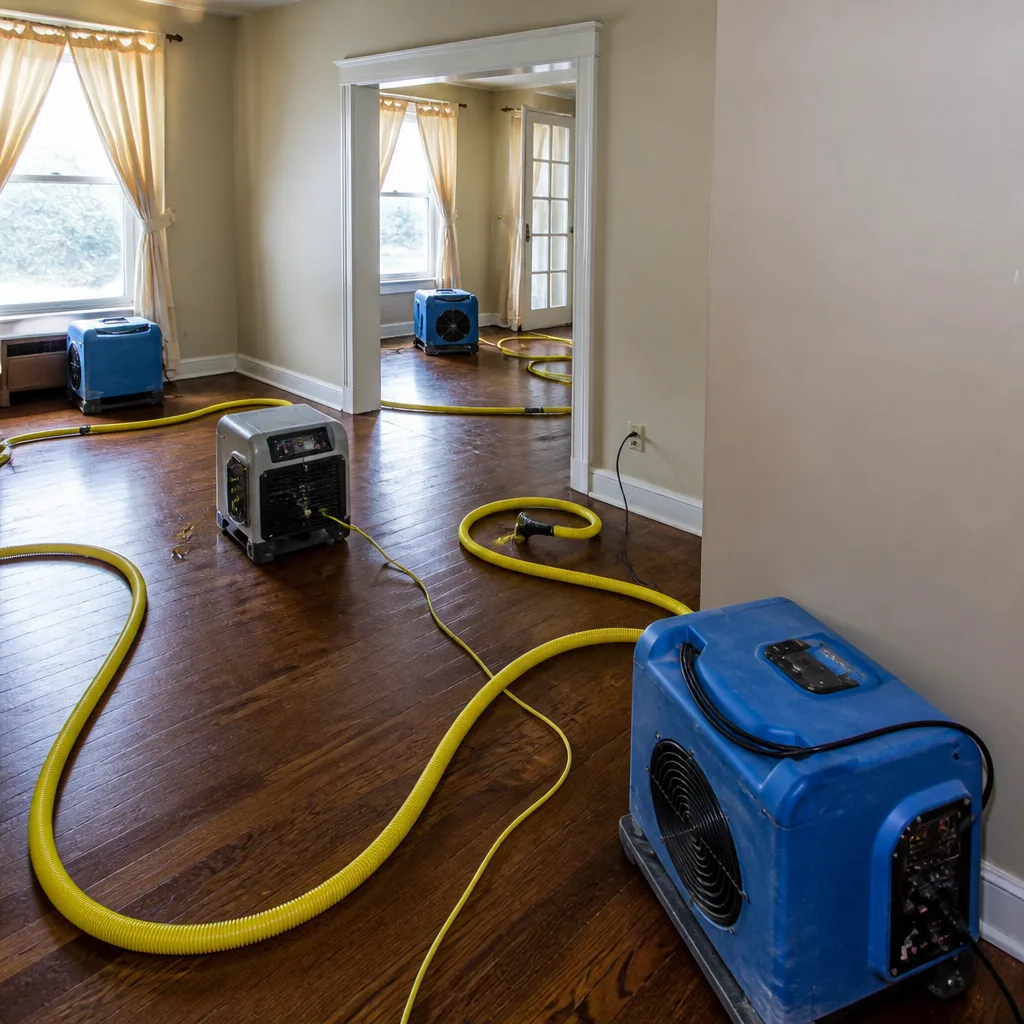
Storm response
 Before
 After
After Before
 After
After Before
 After
AfterDamage Restoration Cost Breakdown: The Astoria Homeowner’s Reference for 2026
The single most common reason Astoria homeowners receive a partial insurance payout is not that the insurer underpaid. It is that the contractor’s invoice omitted line items the policy would have covered. General contractor overhead and profit, asbestos testing for pre-1978 construction, contents manipulation, temporary power - these are not bonuses. They are standard Xactimate line items that insurers pay routinely, but only when a contractor invoices them explicitly. In this guide, we will walk through a real 2026 Xactimate price schedule for an 800-square-foot Category 2 water loss in a garden apartment near 30th Avenue, show you which line items disappear from competitor invoices, and teach you to read an estimate the way a Queens County adjuster does. For Damage Restoration Warning Signs: A Astoria Homeowner’s Reference Guide, see our companion post.
Quick Answer
Water damage restoration in Astoria typically runs $4,200-$8,900 for an 800-square-foot Category 2 loss in a garden apartment, with reconstruction adding $3,100-$6,400 more. Queens County labor rates, Jamaica transfer station disposal fees, and NYC permit requirements push these figures 18-25% above national Xactimate averages. The difference between a full payout and a partial one usually comes down to whether the contractor’s invoice includes general contractor overhead and profit, asbestos testing, and proper depreciation schedules.
Table of Contents
- How Xactimate Pricing Works for Astoria Properties
- Line-by-Line Cost Breakdown: 800 Sq Ft Category 2 Water Damage
- The Four Line Items Most Often Omitted from Contractor Invoices
- Why Astoria Costs Run 18-25% Above National Average
- RCV vs. ACV: How Adjusters Calculate Your Actual Payout
- What Makes a Written Scope Airtight (and What Makes It Disputable)
- Mitigation vs. Reconstruction: Two Different Pricing Structures
- The Documentation That Turns Invoices into Paid Claims
BeforeAfterHow Xactimate Pricing Works for Astoria Properties
Xactimate is the pricing engine that drives most property insurance claims in the United States. Insurance carriers, independent adjusters, and restoration contractors all pull from the same database, but they do not always pull the same version, and they rarely apply the same modifiers. Understanding this is the foundation of every other section in this guide.
The Xactimate price list for New York City is updated quarterly and reflects localized costs for labor, materials, and equipment rental. For Queens County specifically, the database incorporates:
- Labor rates from the NYC Building Trades Council prevailing wage schedules
- Material costs from regional suppliers serving the five boroughs
- Equipment rental rates from vendors with Queens delivery zones
- Disposal fees based on transfer station pricing at the Jamaica facility
- Permit and inspection fees required by the NYC Department of Buildings
Here is what most homeowners miss: Xactimate produces a “base estimate” that assumes standard conditions. Every real job in Astoria deviates from standard conditions. A garden apartment on 28th Street between 31st and Broadway has different access constraints than a sixth-floor walk-up on Ditmars Boulevard. The estimate must be adjusted for these conditions, and each adjustment has a line item with a dollar value.
The critical skill is not reading the bottom line. It is tracing whether each line item that should be there actually appears, and whether the quantity and unit price match the conditions of your property.
At DryMark Restoration Astoria, we deliver the full Xactimate estimate to every homeowner before work begins, with each line item explained in plain language. Haven Standard, Clause 1: written price before work starts. No exceptions.
Line-by-Line Cost Breakdown: 800 Sq Ft Category 2 Water Damage
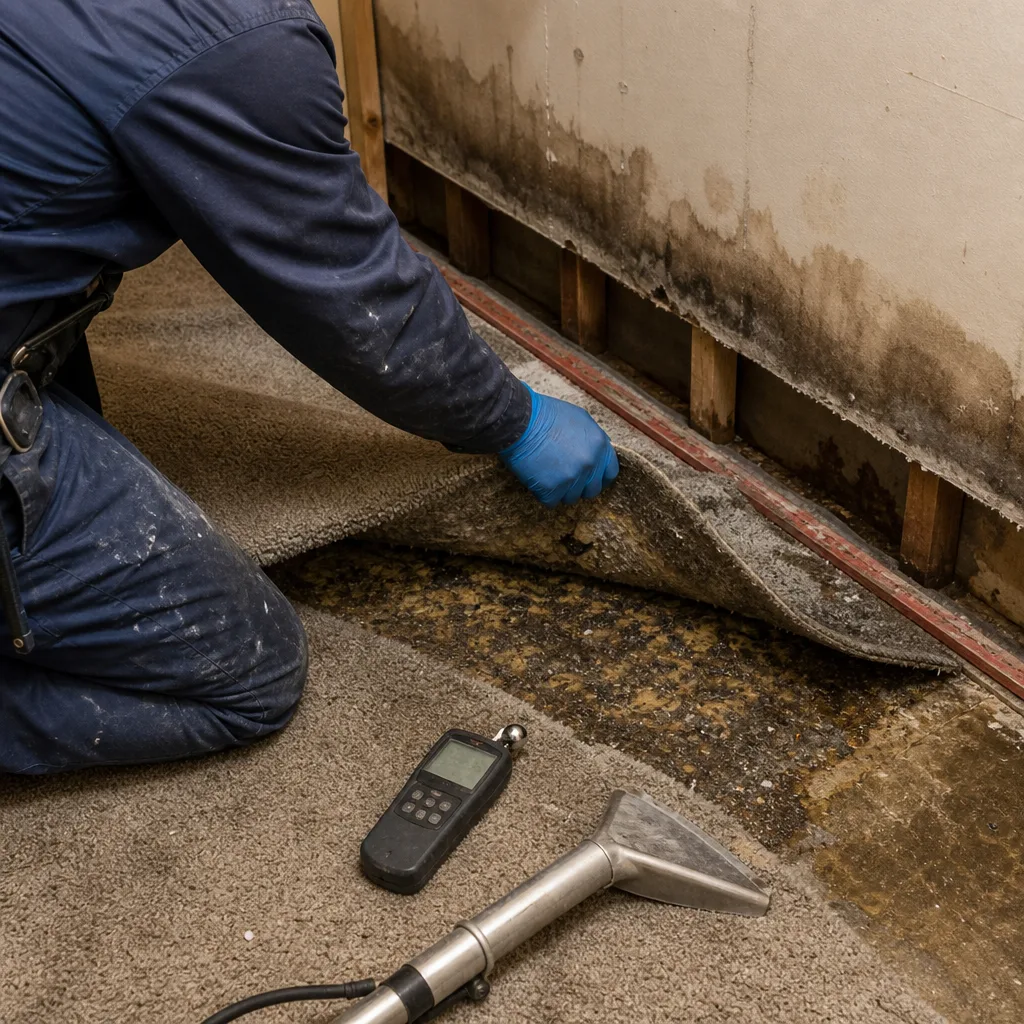
Let us walk through a representative scenario we see regularly in Astoria: a garden apartment with 800 square feet of affected area, Category 2 water (gray water, typically from a washing machine or dishwasher supply line), with damage to vinyl plank flooring, lower drywall, and base trim in a living area and adjacent bedroom. The water has been standing for 24-36 hours. No structural damage to framing. No visible mold.
This is a mitigation-only estimate. Reconstruction is priced separately, which we will cover in the next section.
| Line Item | Quantity | Unit | Unit Price | Extended |
|---|---|---|---|---|
| Water extraction, truck-mounted | 800 | sq ft | $1.85 | $1,480 |
| Dehumidifier, LGR (Dri-Eaz/Phoenix class) | 3 | day | $48.50 | $436.50 |
| Air mover, axial (XPOWER/B-Air class) | 6 | day | $22.00 | $396.00 |
| Negative air scrubber, HEPA | 1 | day | $38.00 | $114.00 |
| Moisture monitoring, daily readings | 5 | visit | $95.00 | $475.00 |
| Psychrometric data logging | 5 | day | $18.00 | $90.00 |
| Removal, vinyl plank flooring | 800 | sq ft | $1.65 | $1,320.00 |
| Removal, drywall (lower 2 feet) | 64 | lin ft | $3.20 | $204.80 |
| Removal, base trim | 64 | lin ft | $1.85 | $118.40 |
| Disposal, construction debris | 2.5 | ton | $185.00 | $462.50 |
| Antimicrobial application, Category 2 | 800 | sq ft | $0.95 | $760.00 |
| Contents manipulation, on-site | 4 | hour | $68.00 | $272.00 |
| Temporary power, generator rental | 3 | day | $85.00 | $255.00 |
| General contractor overhead and profit | 10% | of above | - | $638.42 |
| Mitigation Subtotal | - | - | - | $7,022.62 |
The range we quoted at the top of this guide, $4,200-$8,900, accounts for variation in several factors: how many air movers and dehumidifiers the psychrometric calculation requires (a tighter building envelope in a newer construction near Astoria Park may need less equipment than a 1920s brick building with original windows), whether the water reached the wall cavity (requiring injection drying with an Injectidry system), and whether asbestos testing is triggered.
Notice what is not in this table: no “emergency service fee,” no “after-hours surcharge,” no vague “miscellaneous” line. Each charge maps to a specific task, a specific quantity, and a specific unit price drawn from the Xactimate database.
The Four Line Items Most Often Omitted from Contractor Invoices
In our experience reviewing competitor estimates for Astoria homeowners who request our Free Second Opinion on Any Written Estimate, these four line items disappear most frequently. Their absence does not lower your cost. It lowers your insurance payout.
1. General Contractor Overhead and Profit (O&P)
Xactimate applies a 10% overhead and 10% profit markup to trades that require general contractor supervision. Many restoration companies bill themselves as “restoration contractors” and omit O&P, or they apply it only to reconstruction and not to mitigation. This is incorrect. If a general contractor is coordinating multiple trades, obtaining permits, and supervising the job, O&P applies to the full project. Insurers pay it when it is invoiced. They do not add it retroactively.
2. Asbestos Testing for Pre-1978 Materials
Astoria’s housing stock is predominantly pre-1978. Federal law requires asbestos testing before disturbing materials in these buildings. The test costs $350-$650 depending on the number of samples. Many contractors skip the test and hope for the best, or they bill it as a separate “environmental fee” without specifying what it covers. An adjuster will deny an unspecified environmental fee. They will pay a line item that reads “Asbestos bulk sampling, 3 samples, NYSDOL ELAP-certified lab” with the lab report attached.
3. Contents Manipulation
Furniture must be moved to access flooring. Clothing must be bagged and inventoried. Electronics must be relocated to a dry area. Xactimate pays $55-$75 per hour for contents manipulation with a two-hour minimum. Contractors who do not document this work in their initial scope cannot add it later without triggering a supplement review that delays payment by weeks.
4. Temporary Power
When electrical panels are affected by water, or when the utility disconnects power for safety, restoration equipment still needs electricity. Generator rental, fuel delivery, and electrical distribution are all line-itemed in Xactimate. We see this omitted most often in basement and garden apartment floods in Astoria, where Con Edison may red-tag the electrical service and the contractor assumes the homeowner will “figure out” power.
At DryMark Restoration Astoria, every estimate includes these items explicitly when conditions warrant them. We have seen too many Astoria homeowners absorb these costs out of pocket because a competitor’s invoice structure made them invisible to the adjuster.
Why Astoria Costs Run 18-25% Above National Average
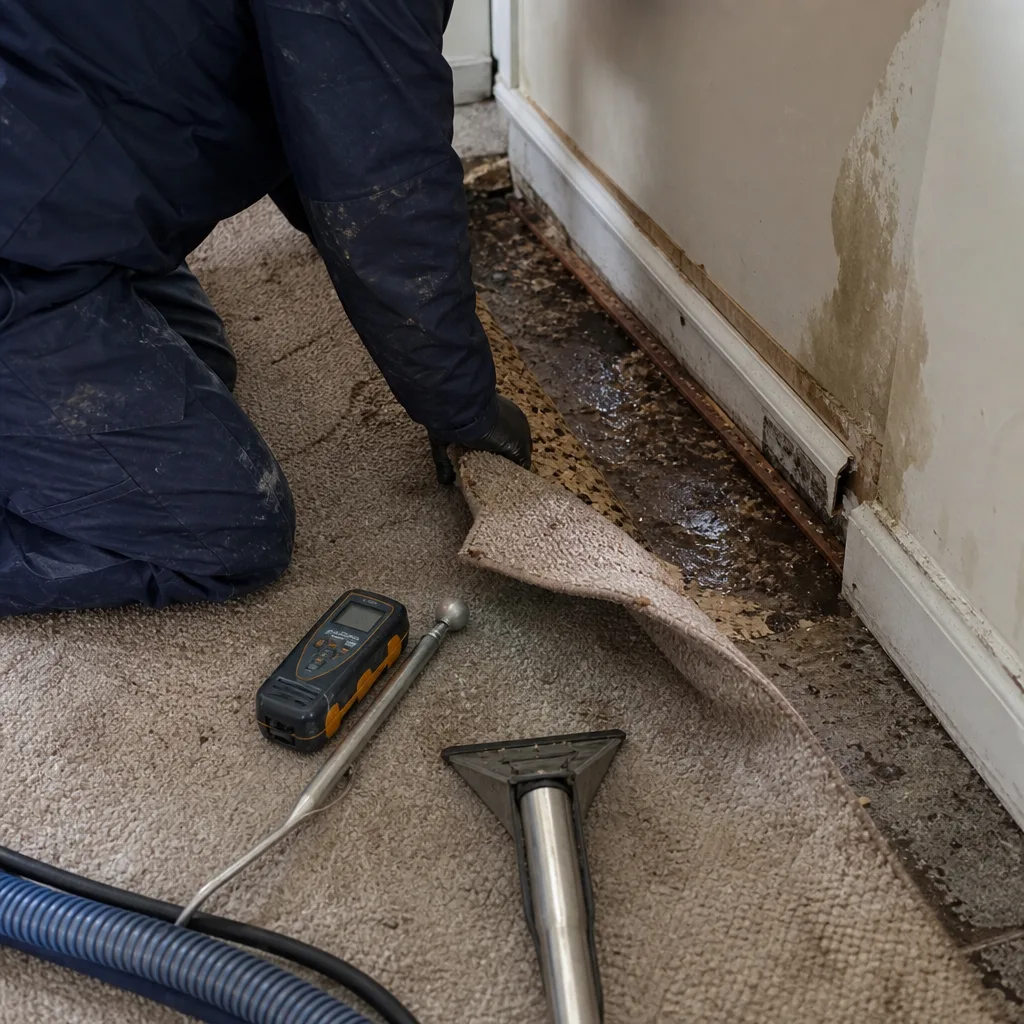
National averages for water damage restoration circulate widely online, and they are misleading for Queens County homeowners. Three factors specific to our market produce consistent upward pressure on Xactimate pricing.
Queens County Labor Rates
NYC prevailing wage requirements and the high cost of living in western Queens push skilled labor rates well above national medians. A water damage technician in Astoria earns a different wage than the same technician in Jacksonville or Phoenix. Xactimate’s NYC price list reflects this, but online “national average” figures do not.
Jamaica Transfer Station Disposal Costs
Construction debris from Astoria properties travels to the Jamaica transfer station or private facilities in Long Island City. Disposal fees in Queens run $185-$220 per ton for mixed construction debris, compared to a national average closer to $125-$150. Wet debris from water damage weighs more than dry debris, so the tonnage calculation matters. A contractor using national average disposal assumptions will understate this line item by 30-40%.
NYC Permit and Inspection Requirements
Any reconstruction involving electrical, plumbing, or structural work requires permits from the NYC Department of Buildings. The filing fee for a Type 2 alteration starts at $300, with additional fees for plumbing and electrical work. Expedited processing, often necessary when a property is uninhabitable, adds cost. Post-work inspections must be scheduled and passed before final sign-off. These are not optional steps, and they are not included in “mitigation-only” pricing from out-of-market sources.
For homeowners filing insurance claims, the key is documentation. Your contractor must note on the invoice that labor rates reflect the NYC Xactimate price list, that disposal was calculated at Queens transfer station rates, and that permits were filed with the NYC DOB. Without this specificity, an adjuster working from a desk in Dallas will apply national average depreciation and reduce your payout accordingly.
RCV vs. ACV: How Adjusters Calculate Your Actual Payout
Your insurance policy pays either Replacement Cost Value (RCV) or Actual Cash Value (ACV). The difference determines whether you receive enough to rebuild, or enough to buy used equivalents on Facebook Marketplace.
RCV pays the full cost to replace damaged materials with new materials of like kind and quality, minus your deductible. You typically receive an initial ACV payment, then recover the depreciation holdback once you prove you completed the repairs.
ACV pays RCV minus depreciation. Depreciation is calculated from age and condition, using schedules that vary by material.
In 2026, standard adjuster depreciation schedules for Astoria properties look approximately like this:
| Material | Expected Life | Annual Depreciation | Example: 10-Year-Old Installation |
|---|---|---|---|
| Carpet, residential | 10 years | 10% | Fully depreciated; ACV near zero |
| Luxury vinyl plank | 15-20 years | 5-6.7% | 50-67% depreciated |
| Hardwood, solid | 25-30 years | 3.3-4% | 33-40% depreciated |
| Drywall, painted | 30+ years | 3% | 30% depreciated |
| Kitchen cabinetry, stock | 20 years | 5% | 50% depreciated |
| Kitchen cabinetry, custom | 30+ years | 3% | 30% depreciated |
The depreciation schedule matters enormously for Astoria’s housing stock. A 1920s apartment with original hardwood floors may have flooring that is technically 80+ years old, but if it has been refinished periodically, a skilled estimator can argue for reduced depreciation based on condition. Conversely, a 2015 renovation with builder-grade carpet in a rental unit near Steinway Street may be fully depreciated after ten years.
Your contractor’s estimate must specify the material, its age, its condition, and the basis for any depreciation challenge. A line item that reads “Remove and replace flooring” with no further detail invites the adjuster to apply maximum depreciation. A line item that reads “Remove and replace 3/4-inch select red oak flooring, installed 2015, refinished 2022, documented condition: good” supports an argument for minimal depreciation.
This is why water damage restoration in Astoria requires more than equipment. It requires documentation discipline that matches the adjuster’s review process.
What Makes a Written Scope Airtight (and What Makes It Disputable)
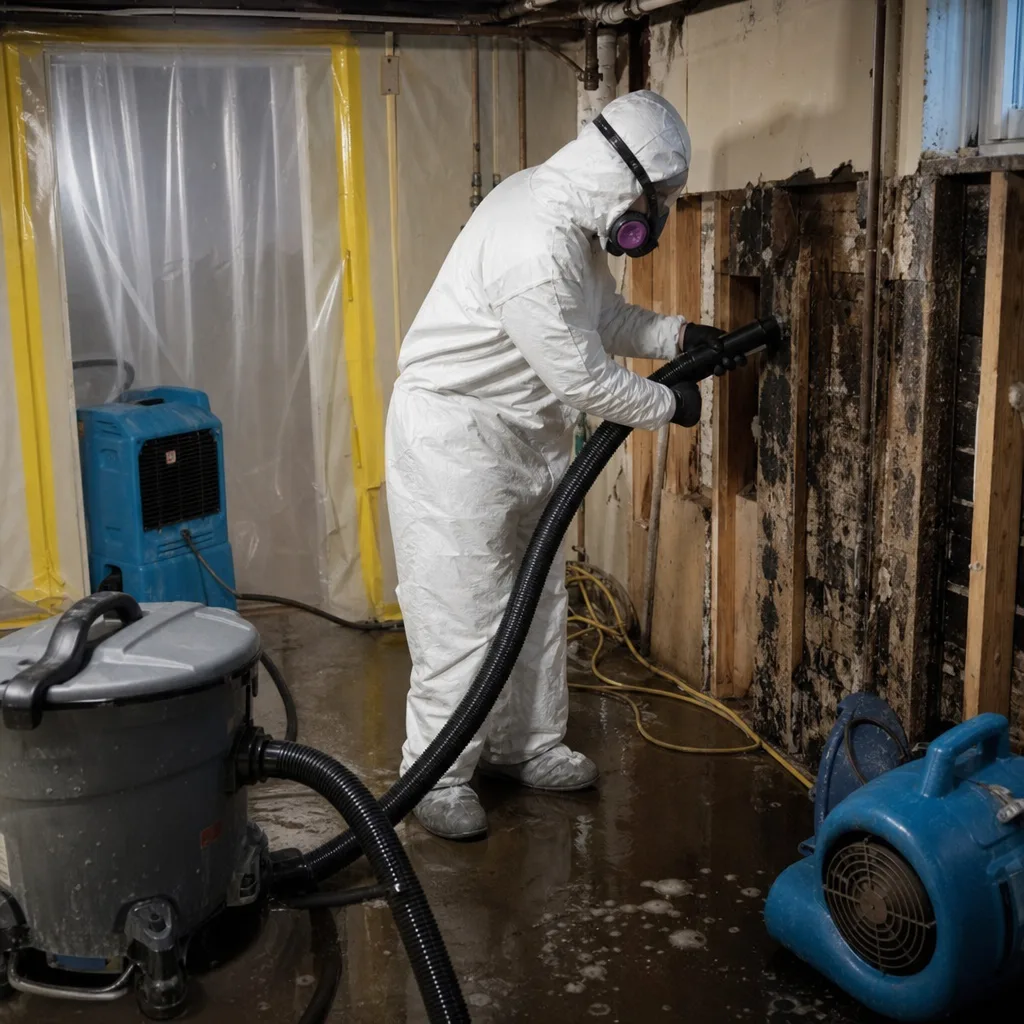
An invoice is a request for payment. A scope of work is a contract that defines what was done, why it was necessary, and how it was priced. Insurance adjusters deny payments on invoices. They pay scopes that match their review criteria.
Here are the elements that distinguish an airtight scope from a disputable one:
- Property identification with specificity. Not “residence.” Rather: “Garden apartment, 28-XX 31st Street, Astoria, NY 11102, Block XXXX, Lot XX, insured property.”
- Date and time of loss, with source identification. “Water loss originating from failed washing machine supply line, first floor, northeast corner, discovered 06/15/2026 at approximately 08:30.”
- Category and class of water damage. “Category 2 (gray water), Class 2 (significant absorption, evaporation load affects entire room plus wet materials up to 24 inches).” These classifications determine equipment calculations and antimicrobial requirements.
- Moisture readings by location and material. “Living room, north wall, drywall: 28% moisture content (MC) at 6 inches above base trim, 18% MC at 24 inches, baseline 10%. Subfloor: 22% MC, baseline 12%.” These readings justify the extent of removal and the duration of drying.
- Equipment calculations with psychrometric basis. “Dehumidifier capacity calculated at 40 pints per day per 500 square feet, adjusted for Class 2 evaporation load. Three LGR dehumidifiers deployed: Dri-Eaz Revolution LGR, Phoenix 200 MAX, Phoenix 200 HT.” Brand and model documentation matters when adjusters question whether equipment was appropriately sized.
- Photograph references keyed to scope sections. “See Photo Log Item 1-1 through 1-8: pre-mitigation conditions. Items 2-1 through 2-12: equipment placement and moisture readings. Items 3-1 through 3-6: post-mitigation verification.” Every photo must be dated, time-stamped, and correlated to a scope section.
- Line-item pricing with Xactimate reference numbers. Each line item should include the Xactimate code (WTR for water, DRY for drying, etc.) so the adjuster can verify the unit price against the current price list.
- Signature blocks with dates. Homeowner signature acknowledging receipt of the scope and agreement to proceed. Technician signature attesting to accuracy. Date of signature.
A disputable scope lacks any of these elements. We have reviewed competitor scopes for Astoria homeowners that omit moisture readings entirely, that describe equipment only as “dehumidifiers” without quantity or capacity, and that contain no photograph references. These scopes invite denial, delay, and the headache of supplemental claims that drag on for months.
Haven Standard, Clause 1 requires our written scope before any work starts. The scope includes every element above, delivered as a signed document, not an email attachment.
Mitigation vs. Reconstruction: Two Different Pricing Structures
Mitigation is emergency work: stop the damage, remove the water, dry the structure, prevent mold. Reconstruction is rebuilding: replace drywall, install flooring, repaint, restore the property to pre-loss condition. These are priced differently, scheduled differently, and require different documentation.
Mitigation pricing is time-and-materials based, driven by equipment days and labor hours. Speed matters. The longer water sits, the more extensive the damage becomes. For this reason, mitigation estimates are typically approved verbally by the insurer for immediate commencement, with detailed invoicing submitted after completion. This is standard industry practice, but it places enormous trust in the contractor’s documentation. A contractor who inflates equipment days or extends drying unnecessarily can double a legitimate bill.
The protection against this is the daily drying log. Every 24 hours, the technician records:
- Temperature and relative humidity in each affected room
- Specific humidity calculations (grains per pound)
- Vapor pressure differential between affected and unaffected areas
- Moisture content readings at the same locations as the initial assessment
- Equipment adjustments (additions, removals, repositioning)
- Technician signature and time stamp
When drying goals are achieved - typically defined as moisture content within 2-4% of baseline readings across all materials - equipment is removed and mitigation ends. Without daily logs, a contractor can claim “we needed seven days” when three would have sufficed. With daily logs, the timeline is verifiable.
Reconstruction pricing is scope-based, not time-based. It resembles a remodeling contract more than an emergency service. Every material is specified by manufacturer and model. Every trade is identified. The schedule is agreed in advance. Payment terms are tied to inspection milestones, not calendar days.
For Astoria properties, reconstruction carries additional complexity. Pre-war buildings may require plaster repair rather than drywall replacement, matching techniques that few tradespeople still practice. Co-op and condo buildings often have alteration agreements that specify approved contractors, work hours, and insurance requirements. The NYC DOB may require architectural drawings for any structural modification.
At Fire & Smoke Damage Restoration in Astoria and across all our services, we separate mitigation and reconstruction into distinct contracts with distinct pricing structures. The homeowner approves each separately. No scope creep from one phase to the next.
The Documentation That Turns Invoices into Paid Claims
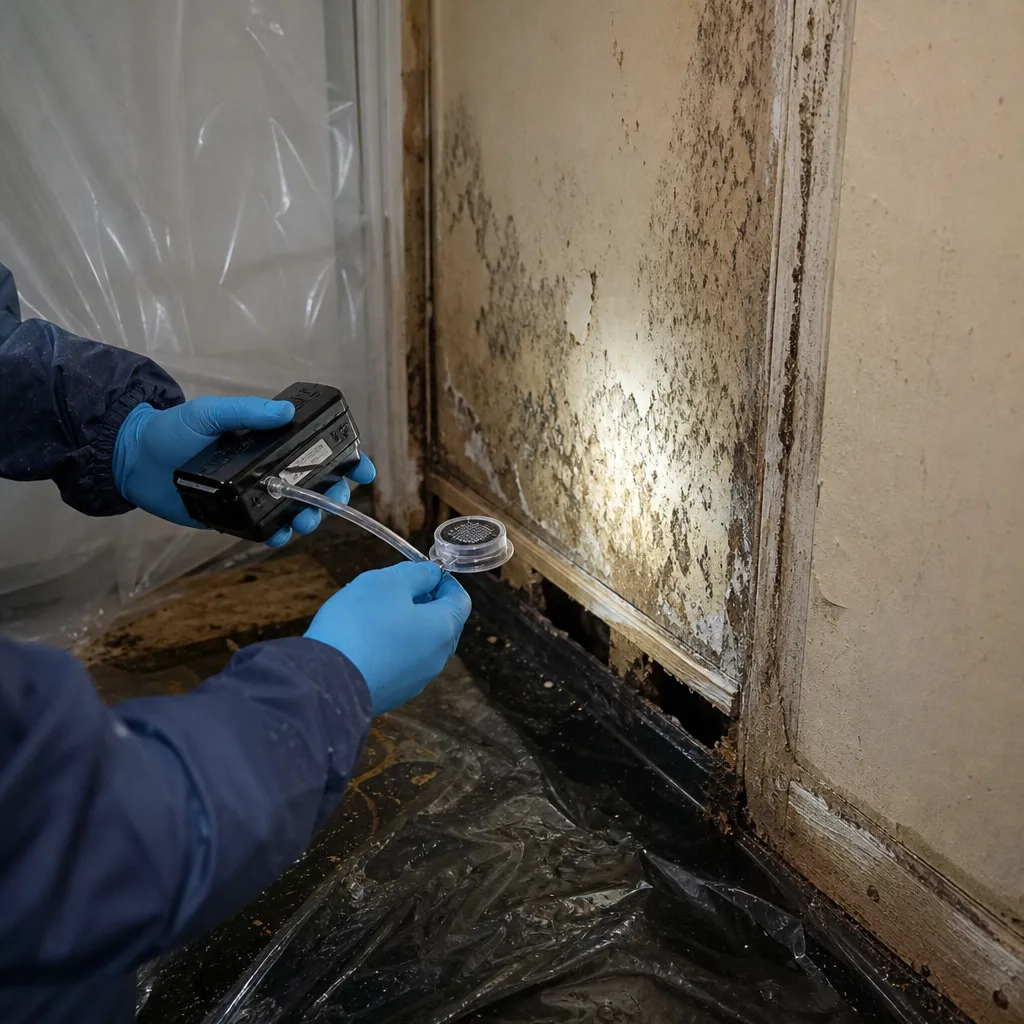
The gap between what a contractor invoices and what an insurer pays is rarely about the work itself. It is about whether the documentation proves the work was necessary, properly executed, and fairly priced.
At Back to Dry Restoration, our documentation protocol was built by a former claims adjuster who spent years denying claims for documentation failures. Every job produces four deliverables:
- The written scope of work, signed before work begins, with every line item explained.
- The photo record, dated and time-stamped, with every image keyed to a scope section. Not “before and after” snapshots. A sequential visual record of conditions, measurements, equipment placement, and verification.
- The daily drying log, with psychrometric data, moisture readings, and equipment adjustments, signed by the technician on duty.
- The final invoice, structured to match the scope exactly, with no additions, no deletions, and no unexplained variances.
This protocol is not extra. It is standard on every job, included in our pricing, never sold as an upsell. We have processed over 12,000 homes since 2011, every one with this documentation package, and our collection rate from insurers exceeds industry benchmarks because adjusters recognize the format. Explore more guides & resources on navigating insurance claims and restoration. It is the format they would have created themselves.
For Astoria homeowners, this matters because Queens County claims are often assigned to adjusters who work remotely, who have never walked a garden apartment, and who rely entirely on documentation to evaluate the loss. A well-documented claim from Astoria pays faster and more fully than a poorly documented claim from anywhere.
Our equipment - Dri-Eaz Revolution LGR dehumidifiers, Phoenix 200 MAX and HT systems, XPOWER and B-Air air movers, Injectidry cavity drying systems - is selected for performance and for documentation compatibility. Each unit logs runtime hours, and we record serial numbers on every job report. This level of specificity is unusual in residential restoration. It is standard under The Haven Standard.
Common Mistakes to Avoid
- Accepting a verbal estimate for mitigation work. Without a written scope, you have no basis to challenge equipment overruns or disputed line items. Haven Standard, Clause 1 exists to prevent exactly this.
- Assuming your insurance adjuster will catch missing line items. Adjusters review what is submitted. They do not reconstruct what should have been submitted. A missing O&P line item is a missing payment.
- Neglecting to verify asbestos testing was performed and documented. In pre-1978 Astoria buildings, this is not optional. An undocumented test exposes you to liability and your insurer to a denial basis.
- Signing a blanket authorization that combines mitigation and reconstruction. These are separate phases with separate pricing structures. Combining them invites scope creep and removes your ability to evaluate reconstruction costs independently.
- Failing to request the daily drying log before final payment. The log proves the timeline. Without it, you cannot verify whether equipment days were justified.
- Using national average cost figures from online calculators. These ignore Queens County labor rates, Jamaica transfer station disposal costs, and NYC permit requirements. They will mislead you by 20% or more.
When to Call a Professional
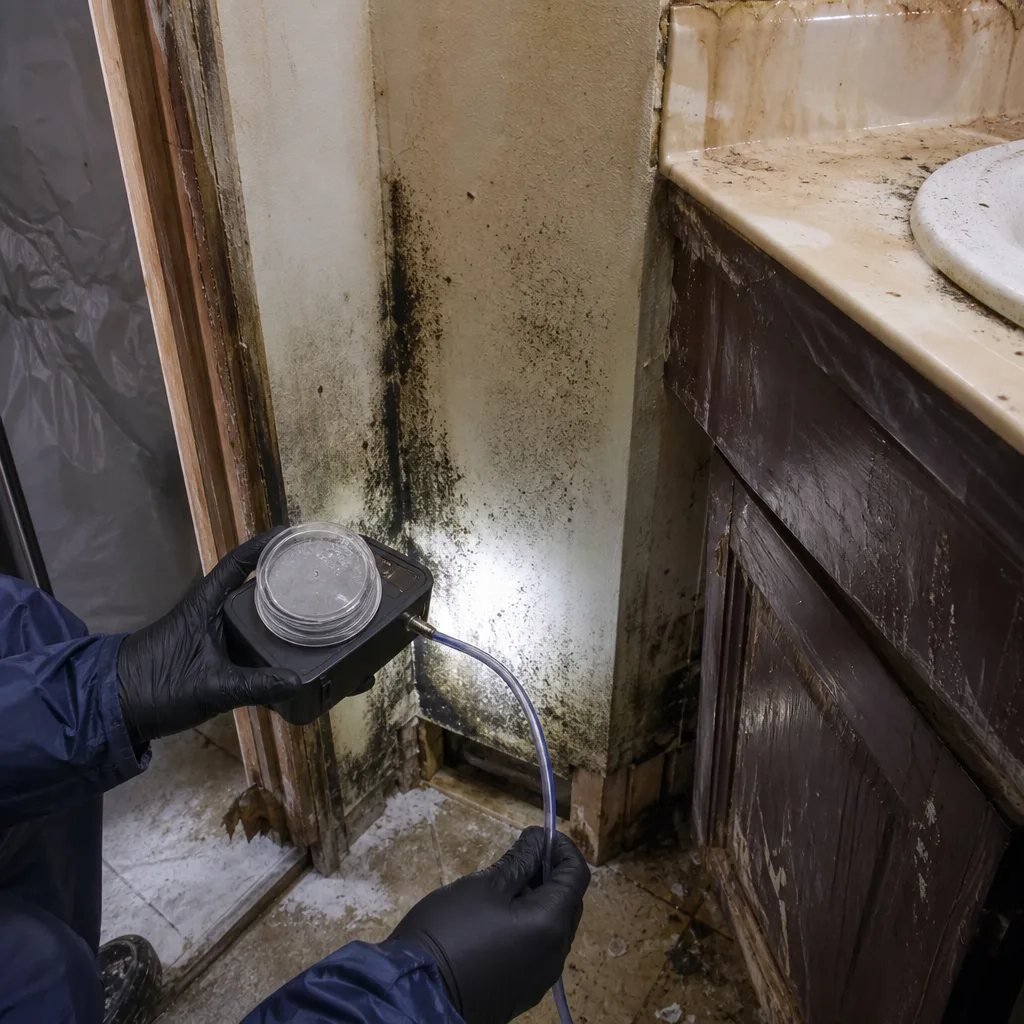
Call a professional when water has affected more than a single small area you can dry with household fans, when you smell must or see discoloration that suggests mold, when fire or smoke damage has affected multiple rooms, or when sewage or biohazard contamination is present. These situations require equipment, training, and documentation that homeowners cannot replicate.
Call immediately when your electrical service has been affected, when structural elements show sagging or cracking, or when your insurance carrier has assigned an adjuster and you need a scope that will withstand professional review.
DryMark Restoration Astoria offers free estimates in Astoria. Our live phone coverage is available 24 hours a day, 7 days a week with no voicemail on emergency lines. Every estimate includes a written price before work begins, documented to IICRC, RIA, and IFA standards. Call (862) 281-7710.
Frequently Asked Questions
For an 800-square-foot garden apartment with Category 2 water damage, mitigation typically runs $4,200-$7,000 and reconstruction adds $3,100-$6,400, with Queens County labor and disposal rates pushing totals 18-25% above national averages. Call (862) 281-7710 for a written estimate specific to your property - estimates are free.
Your insurance will cover what your policy covers, properly documented. The most common reason for partial payment is not insurer underpayment but contractor documentation that omits payable line items like general contractor O&P, asbestos testing, and contents manipulation. A complete, line-itemed Xactimate estimate with photo documentation produces full payment far more reliably than an incomplete invoice.
For active water damage, same-day response is standard for mitigation companies with Queens-based crews. Reconstruction is scheduled, not dispatched, and requires scope approval and permit filing before work begins. Speed language applies to mitigation only. At DryMark Restoration Astoria, live phone coverage is available 24 hours a day, 7 days a week with no voicemail on emergency lines.
Category 1 clean water in a small area, caught within hours, can sometimes be handled by a homeowner with adequate extraction and drying equipment. Category 2 or 3 water, any water that has stood more than 24 hours, or water that has reached wall cavities or subflooring requires professional mitigation. The risk is not just visible damage but concealed moisture that produces mold, structural decay, and eventually a denied insurance claim for “failure to mitigate.”
You retain responsibility for your claim, but a qualified contractor should handle adjuster communication as part of standard service. This includes attending the adjuster’s inspection, providing documentation on request, and preparing supplemental claims when the initial scope is insufficient. At DryMark Restoration Astoria, we coordinate directly with adjusters and provide the documentation package that supports prompt payment. We do not ask homeowners to negotiate line items they do not understand.
If our work is not done right, we make it right - a written guarantee under The Haven Standard, not a verbal assurance. The promise applies to all work performed and is documented with a signed warranty delivered at project completion. In 12,000+ homes since 2011, we have honored this commitment without exception.
The Bottom Line
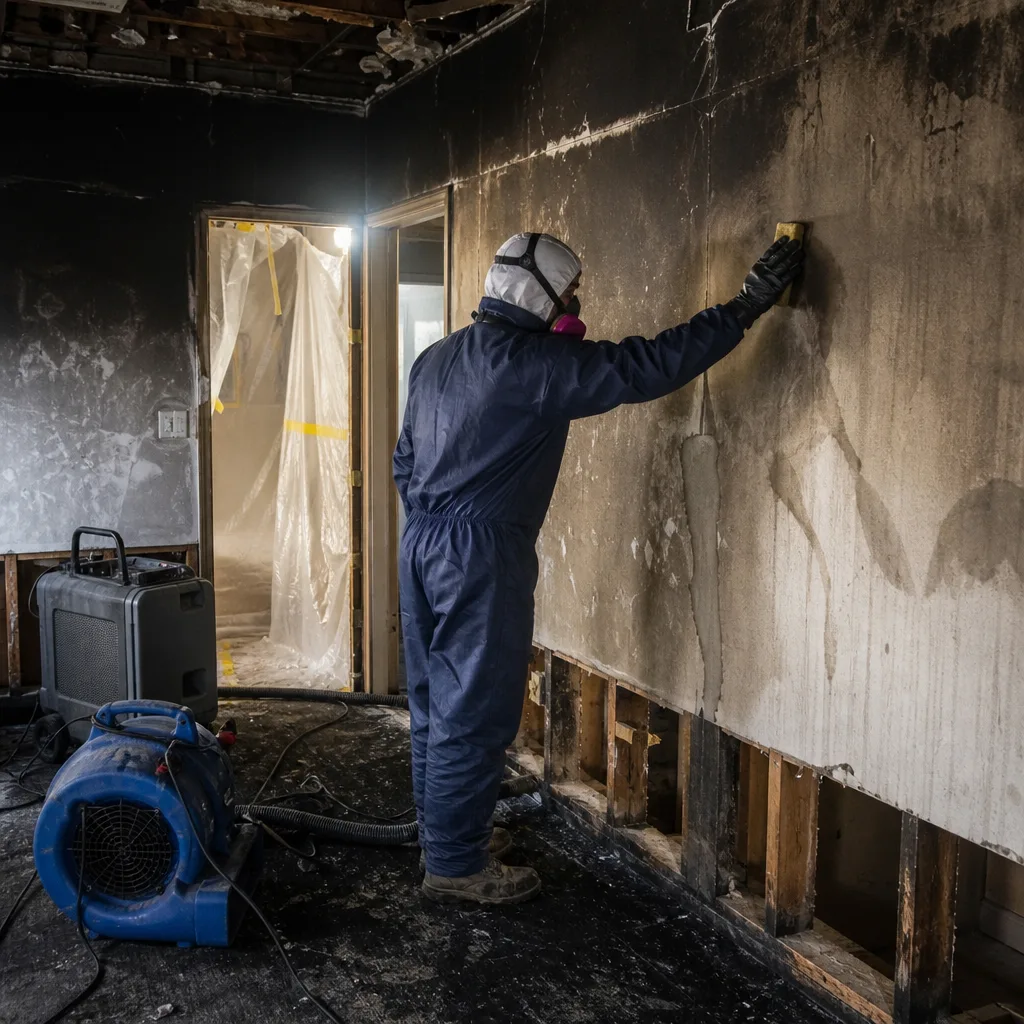
Restoration pricing in Astoria is not a mystery. It is an assembly of line items governed by Xactimate, adjusted for Queens County conditions, and payable to the extent that documentation proves each item necessary and properly executed. The homeowner who understands this assembly can read an estimate with the same critical eye as an adjuster, catching omissions before they become out-of-pocket costs. The contractor who documents thoroughly turns invoices into paid claims without the back-and-forth that delays rebuilding by months. At Mold Remediation in Astoria and across every service we provide, this documentation-first approach is The Haven Standard, not an upgrade.
Written by Alicia Brennan, Owner at DryMark Restoration Astoria, serving Astoria since 2011.