
Last updated September 23, 2026
Free visual inspection and a written scope of work before any mitigation begins - photos, moisture readings, and drying logs go in your claim file
The scope we write is the scope we bill. Anything new gets shown to you, in writing, before we touch it.
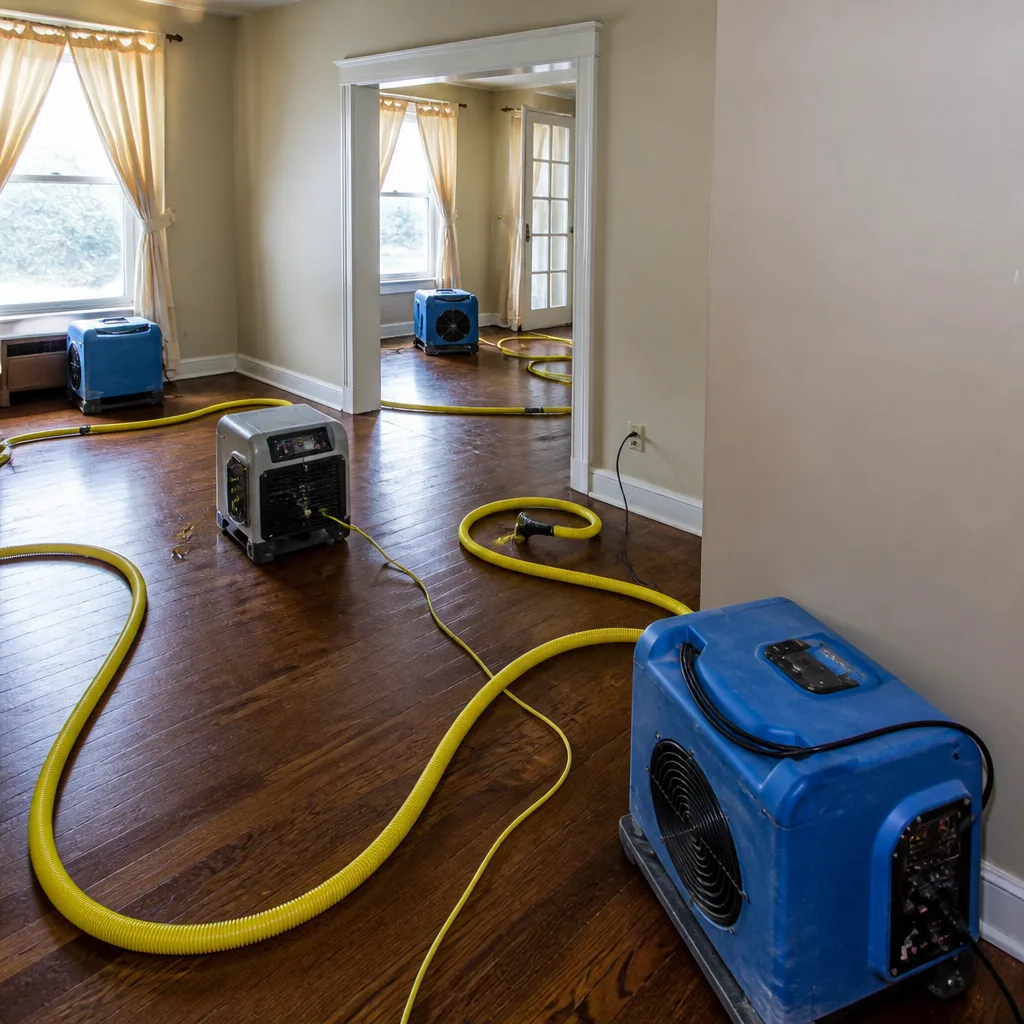
Storm response
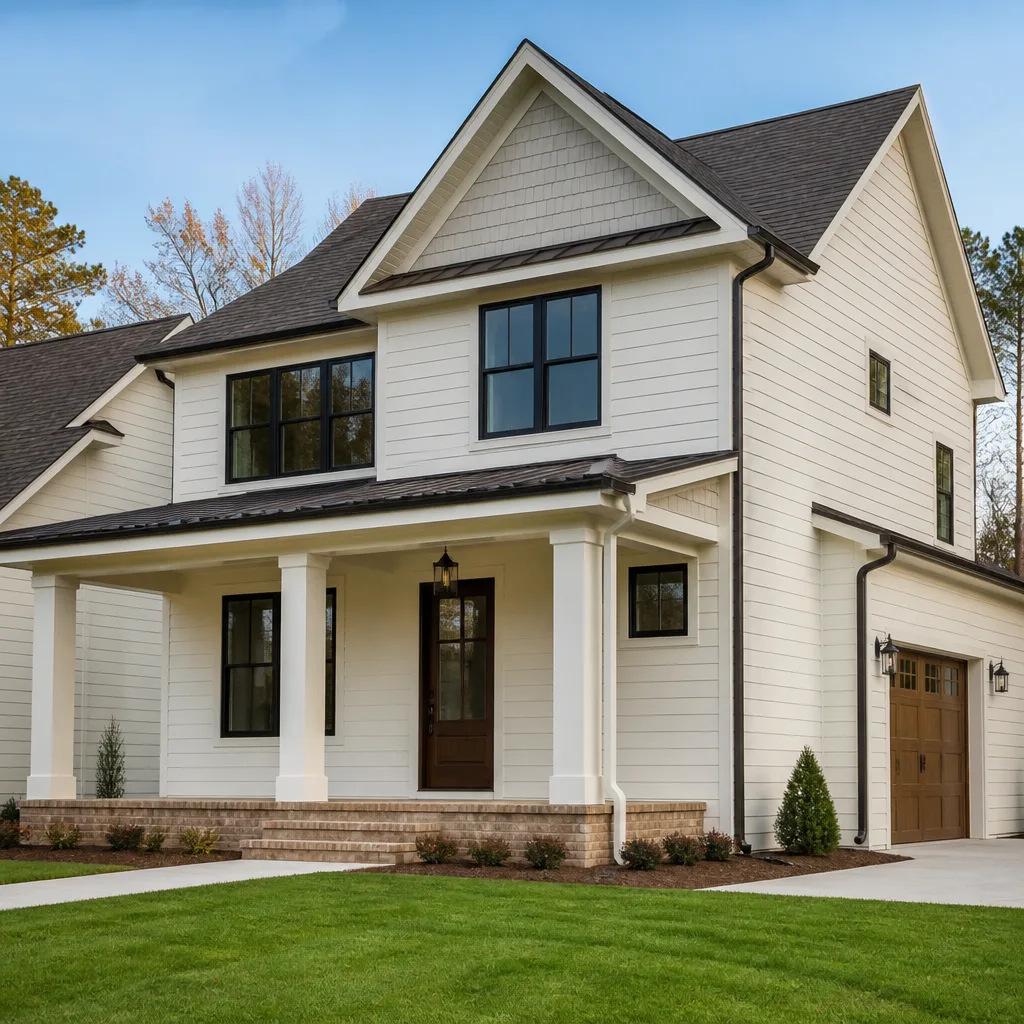
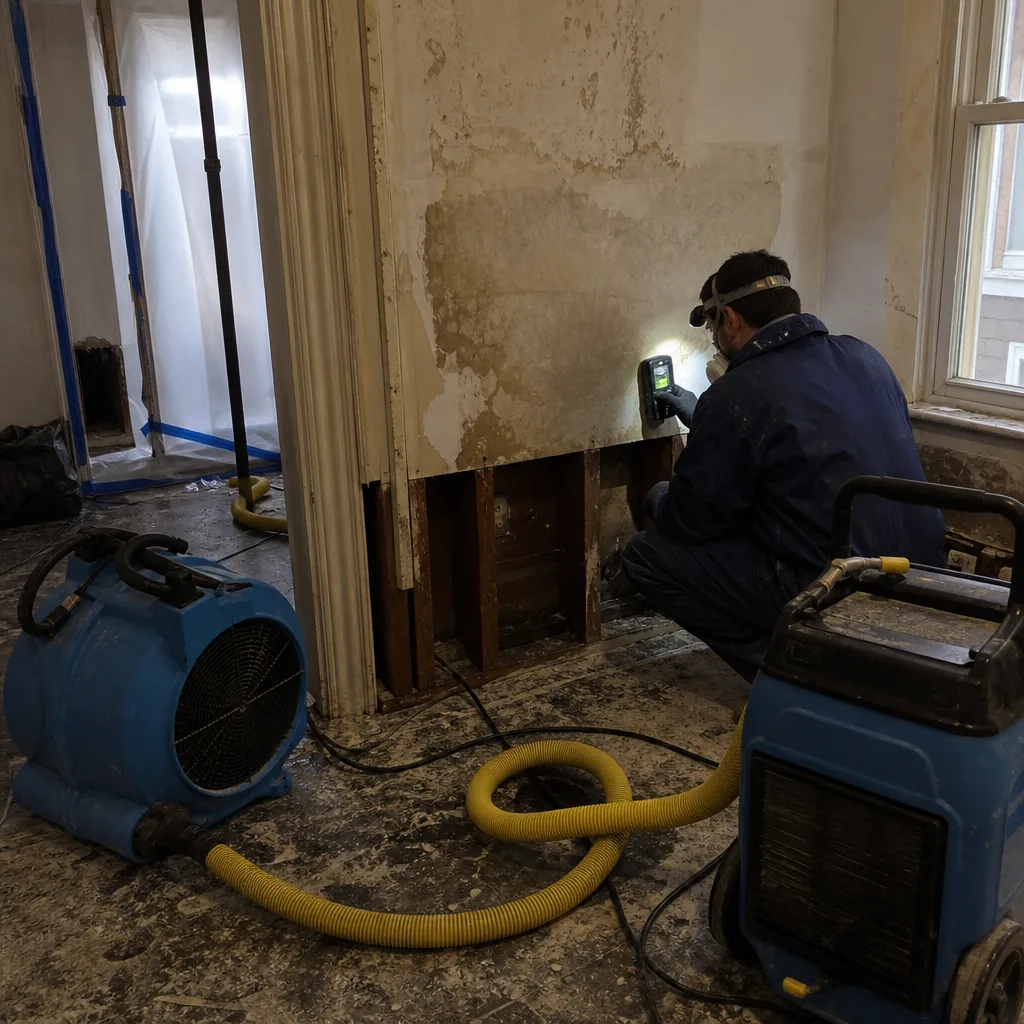 Before
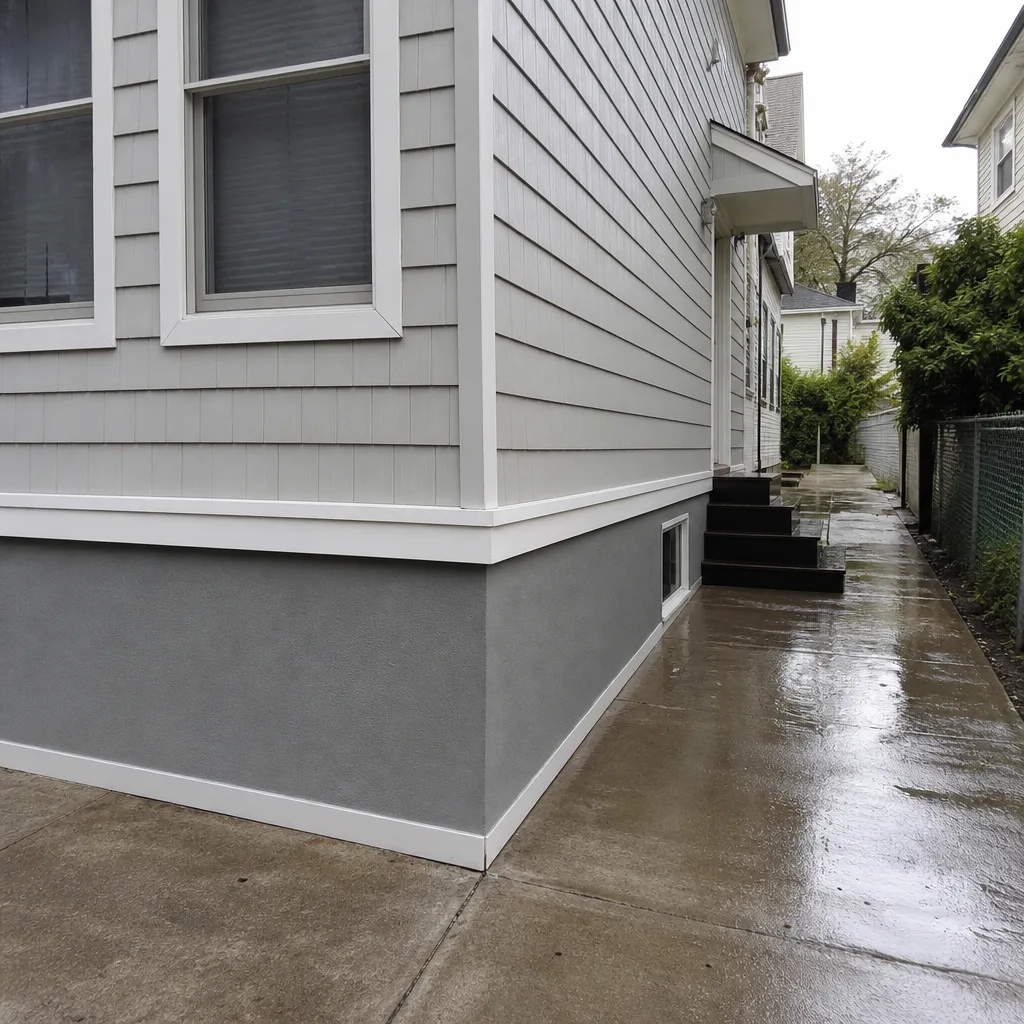 After
After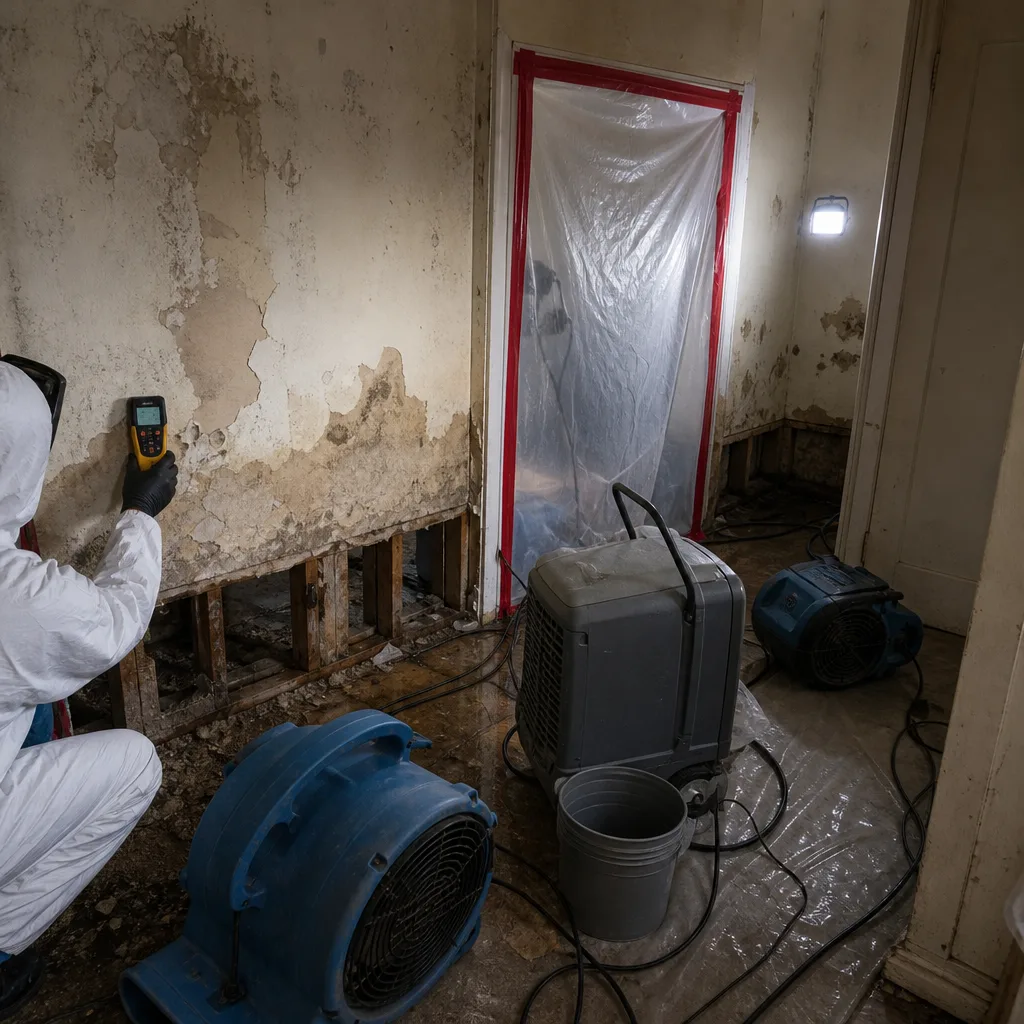 Before
 After
After Before
 After
AfterDamage Restoration Warning Signs: A Astoria Homeowner’s Reference Guide
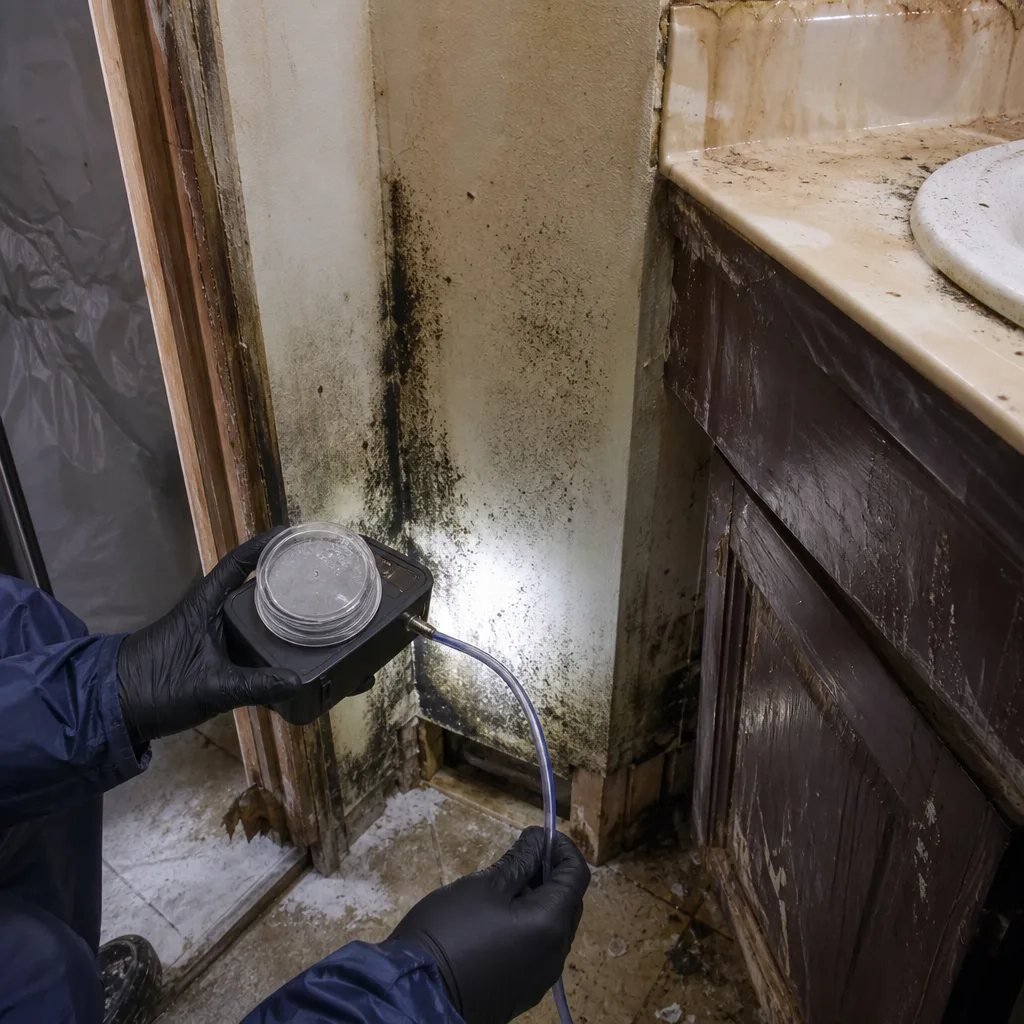
By the time you smell mildew in your Astoria basement, the mold spore count is already high enough to register on professional air sampling. Three weeks earlier, that same wall framing might have shown a moisture content of 18% on a pin meter - a reading any homeowner can take, at a remediation cost that would have been roughly one-third of what you’re facing now. Most warning sign guides repeat the same lagging indicators: stains, odors, visible growth. This guide teaches you to read the measurable precursors that appear weeks before damage becomes visible, with specific attention to the building stock, climate patterns, and flood zone conditions that shape risk in Astoria homes. For more context on whether to tackle issues yourself or call a pro, see our DIY vs Professional Damage Restoration: The Astoria Homeowner’s Decision Guide.
Quick Answer
The earliest damage restoration warning signs are measurable, not visible: relative humidity above 60% in basements or crawl spaces, moisture content readings above 16% in wood framing, and temperature differentials of more than 5°F between exterior walls and ambient air. These precursors precede visible mold, staining, or structural damage by 2-8 weeks. Astoria homeowners in FEMA flood zone AE properties - including much of the waterfront and low-lying blocks near Hallets Cove - should monitor these indicators more frequently, as tidal surge and groundwater pressure create moisture conditions distinct from standard inland patterns.
Table of Contents
- The Measurable Precursors Most Homeowners Miss
- Astoria-Specific Structural Warning Signs
- Active Intrusion vs. Historic Staining: The Two-Visit Method
- The Documentation Protocol That Protects Your Claim
- FEMA Flood Zone Indicators: What Changes in Astoria AE Properties
- Room-by-Room Warning Sign Checklist
- Common Mistakes to Avoid
- When to Call a Professional
- Frequently Asked Questions
BeforeAfterThe Measurable Precursors Most Homeowners Miss
Visible mold, water stains, and buckled flooring are endpoints. The damage has already occurred. The precursors that matter are numbers you can collect with tools costing under $50.
Relative humidity thresholds by zone: Basements and crawl spaces in Astoria’s pre-war housing stock should maintain relative humidity below 55% year-round. Above 60%, mold spores that exist in all ambient air begin colonizing organic surfaces within 48-72 hours. Above 70%, colonization accelerates to the point where professional remediation becomes likely within two weeks. Main living areas should stay below 50%. Bathrooms, even with exhaust fans running, should not exceed 65% for more than 30 minutes after shower use.
We see these numbers violated routinely in Astoria’s attached row houses, where shared walls limit airflow and vintage HVAC systems were not designed for modern moisture loads. A $15 hygrometer placed in the basement and checked weekly catches what your nose will not.
Moisture content in materials: Wood framing, subflooring, and structural sheathing should read below 15% on a pin-type moisture meter. Between 16% and 20%, fungal growth becomes probable. Above 20%, it is nearly certain. For context, kiln-dried lumber ships at 6-8%. A reading of 18% in your Astoria basement joists means water is present in quantities that will support mold, rot, or insect activity.
Different materials carry different thresholds. Drywall paper facing becomes vulnerable at 1% moisture content by weight - lower than most homeowners expect. Concrete reads differently; surface moisture on a slab does not necessarily indicate a problem, but a reading above 4% moisture vapor emission rate (measured with a calcium chloride test) means flooring adhesives will fail and mold can colonize any organic overlay.
Temperature differentials: An exterior wall that is more than 5°F colder than ambient air indicates insufficient insulation, air leakage, or thermal bridging. That cold surface becomes a condensation point when warm, moist interior air contacts it. In Astoria’s heating season, we regularly find condensation on north-facing bedroom walls where the exterior sheathing temperature drops below the dew point of interior air at 68°F and 45% relative humidity. The wall looks dry at 10 AM. By 6 AM, it has been wet for hours.
Vapor pressure differential: This is the engine that drives moisture through materials. Warm, moist air has higher vapor pressure than cool, dry air. The greater the difference, the faster moisture moves through apparently solid surfaces. In summer, when Astoria’s exterior air holds 70%+ relative humidity and your air-conditioned interior is at 45%, vapor pressure drives moisture inward through brick, sheathing, and even apparently intact paint films. Understanding this explains why damage appears on interior surfaces that have no visible leaks.
Astoria-Specific Structural Warning Signs
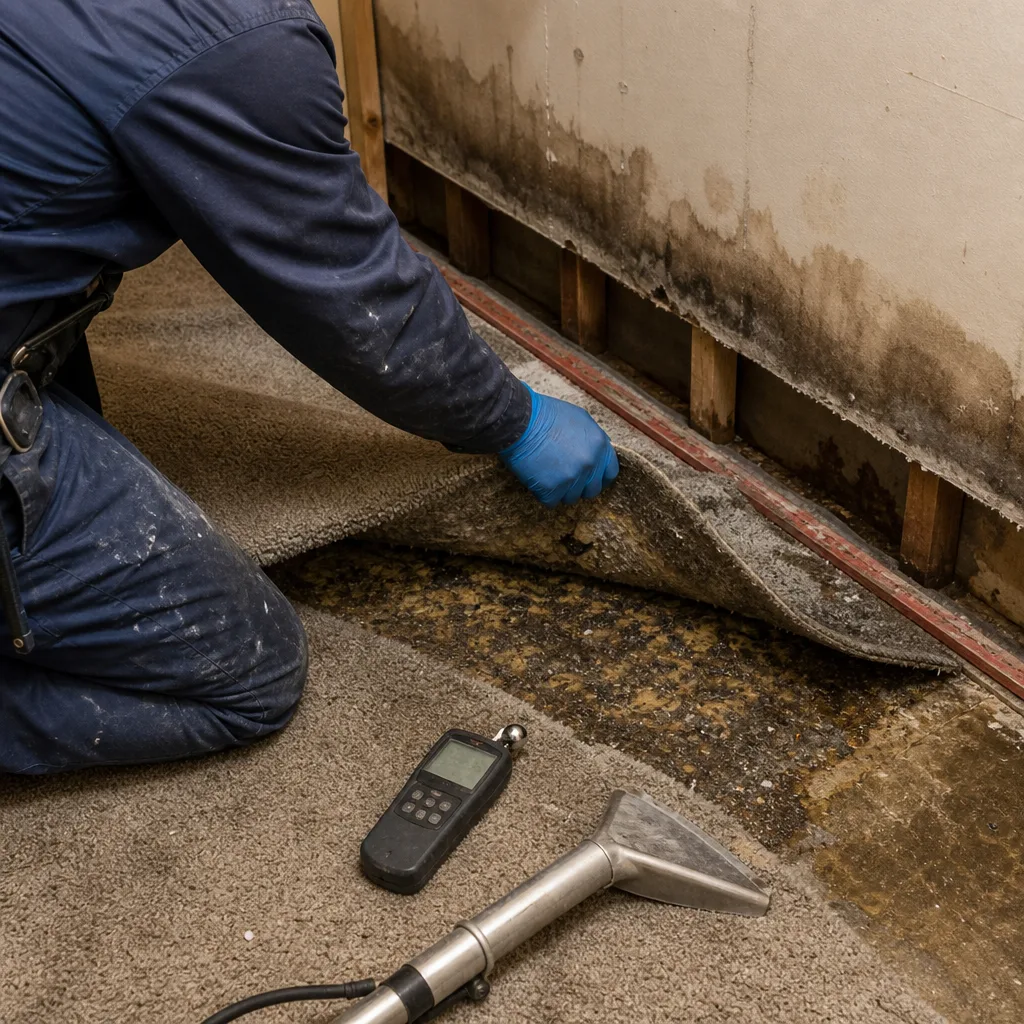
Astoria’s building stock presents patterns we do not see in newer suburban construction. Knowing these local signatures helps distinguish normal aging from active damage.
Efflorescence on brick facades: The Ditmars-Steinway neighborhood and blocks near 30th Avenue contain extensive pre-war brick construction with lime mortar. White, powdery efflorescence - salt deposits left by evaporating water - indicates moisture is moving through the masonry. In winter, freeze-thaw cycles expand these deposits and begin spalling the brick face. Light efflorescence near grade is common and may not require action. Efflorescence extending above the first floor, or appearing on interior plaster, signals a compromised water table, failed through-wall flashing, or gutter discharge against the foundation. We documented a 2023 case on 23rd Avenue where efflorescence at the second-floor level traced to a single missing chimney cricket, allowing years of concentrated runoff into the wall cavity.
Paint behavior on north-facing walls: North-facing exterior walls in Astoria receive minimal direct sun and dry slowly. Alligator cracking (interconnected polygonal cracks), peeling in sheets rather than flakes, and paint that feels rubbery or soft indicate moisture behind the film. These differ from age-related chalking, which produces a powdery residue when rubbed. If you can press a thumbnail into painted wood and leave an impression, the substrate is wet. In Astoria’s attached housing, this condition often appears on the rear wall first, where setbacks create persistent shade and where downspouts from upper roofs concentrate discharge.
Crawl space joist conditions:
Pre-war attached housing in Astoria frequently includes shallow crawl spaces with dirt floors and minimal ventilation. Joist ends embedded in perimeter masonry are especially vulnerable. Probe the wood with a screwdriver; sound wood resists penetration. Soft, fibrous wood that accepts the blade easily indicates active decay. A musty smell in a crawl space is not normal - it means mold is growing and releasing microbial volatile organic compounds (MVOCs) at detectable concentrations.
We find powderpost beetle frass (fine, talc-like sawdust) in Astoria crawl spaces where moisture has remained above 20% for extended periods. The beetles do not attack dry wood. Their presence is a moisture indicator, not merely a pest problem.
Foundation patterns: Astoria’s variable fill - ash, cinder, soil, construction debris - creates uneven settlement and foundation stress. Stair-step cracks in brick, wider at the top than bottom, indicate differential settlement often accelerated by water infiltration. Horizontal cracks in poured concrete or block walls signal lateral pressure from saturated soil. Both conditions worsen when gutters fail or grade slopes toward the foundation, which we see frequently on narrow Astoria lots where downspout extensions are removed for sidewalk passage and never replaced.
Active Intrusion vs. Historic Staining: The Two-Visit Method
Not every stain means active damage. Distinguishing current from past problems prevents unnecessary work and identifies what truly requires intervention.
Step 1: Initial documentation
- Photograph the stain with a ruler or coin for scale, in ambient light without flash.
- Record the exact location: wall, height from floor, distance from nearest window or door, relation to plumbing fixtures above.
- Take a pin meter reading of the stained material and of apparently dry material 12 inches away.
- Note ambient temperature and relative humidity.
- Mark the stain perimeter lightly with pencil if the surface allows.
Step 2: Controlled test
- Place a 12-inch square of aluminum foil taped at all edges over the stain, or cover with plastic sheeting sealed with painter’s tape.
- Leave in place 24-48 hours under normal occupancy conditions.
- Remove and immediately inspect: moisture on the underside of the foil or plastic indicates active vapor transmission. Dry underside suggests historic staining.
Step 3: Second visit comparison
- Return 48-72 hours after Step 1.
- Retake moisture readings at the same points.
- Compare to initial readings: an increase of 2% or more indicates active moisture introduction. Stable or decreased readings suggest the source has been resolved or was temporary.
- Photograph again, including the pencil marks if used. Expansion beyond the marks confirms active spread.
This method works for ceiling stains below bathrooms, wall stains near windows, and floor discoloration in basements. It does not work for intermittent leaks (wind-driven rain, ice dams) where conditions between visits may differ from when the leak is active. In Astoria’s coastal climate, we recommend conducting the test during a period of forecast precipitation if the suspected source is exterior.
A reading of 14% on stained drywall with 11% on adjacent dry wall, stable across two visits, typically means the leak has been repaired and the material is drying. A reading of 19% increasing to 22% means water is still entering, and the source must be found before remediation begins. Starting remediation on actively wet materials wastes money and violates IICRC drying standards.
The Documentation Protocol That Protects Your Claim
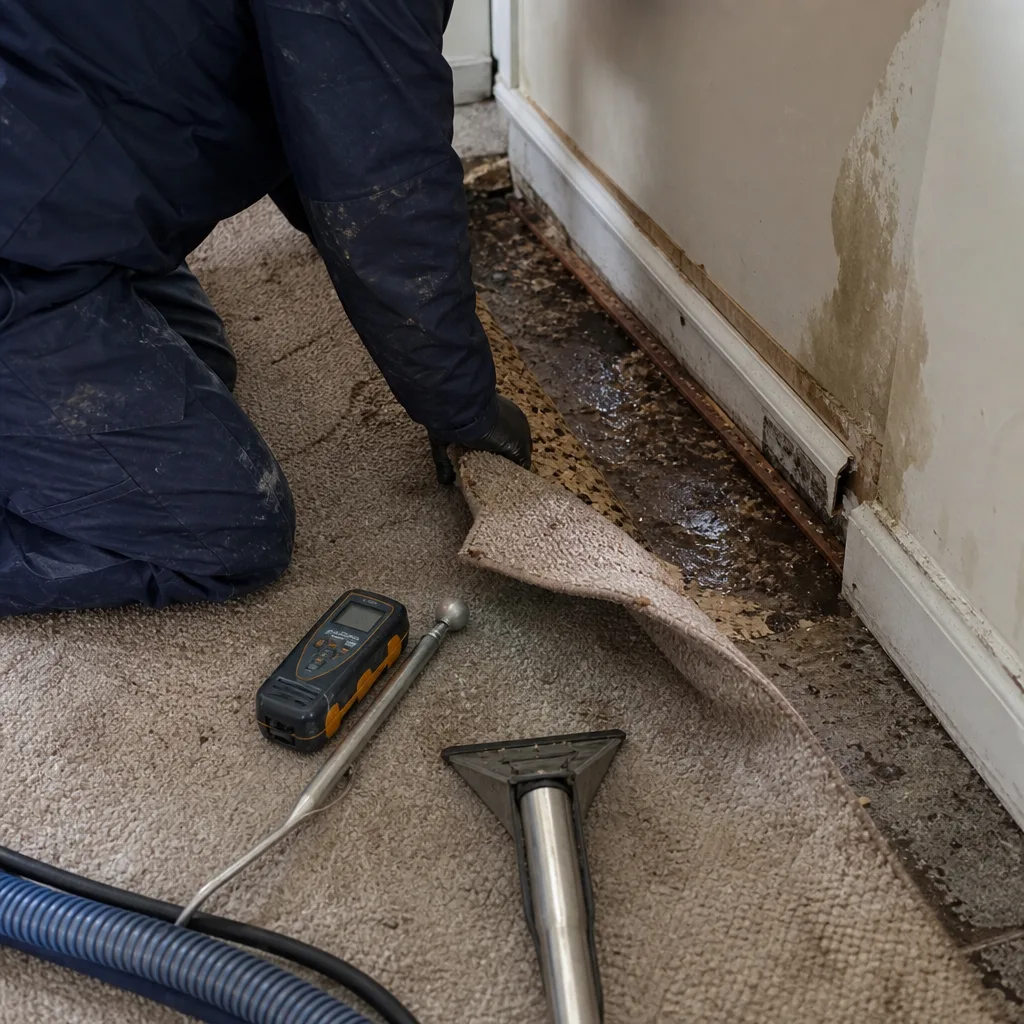
When you find a warning sign, how you record it matters as much as what you find. Insurance adjusters and restoration contractors work from documentation. Poor records create coverage disputes and scope disagreements.
The minimum record for any warning sign:
- Date and time: Not approximate - exact. Moisture conditions change hourly with occupancy and weather.
- Location: Room, wall orientation, height from floor, relation to fixed features. “North basement wall, 18 inches from east corner, 4 feet above slab” - not “basement wall.”
- Photograph: Wide shot showing context, close-up with scale reference, and close-up of any meter or instrument reading. Include EXIF data or note camera time.
- Moisture reading: Instrument type, probe depth if adjustable, reading, and material tested. “Delmhorst BD-2100, 3/4-inch pins, 18.2%, fir joist” - not “18% wet.”
- Environmental conditions: Temperature and relative humidity at time of reading, recent weather, HVAC status.
- Written description: What you observe in plain language, without interpretation. “Brown stain, irregular edges, 8 inches by 4 inches, no active dripping, no odor” - not “old water damage.”
This record serves two purposes. For your contractor, it establishes baseline conditions and helps distinguish active from historic problems. For your insurance claim, it creates a contemporaneous record that predates any professional assessment, protecting against disputes about when damage began and whether it constitutes a sudden event versus long-term maintenance neglect.
At DryMark Restoration Astoria home, we provide this documentation as standard on every visit - dated photos, moisture logs, and written scope - because we’ve seen what happens when it is missing. Alicia Brennan founded this company in 2011 after years as a claims adjuster watching homeowners lose coverage over documentation gaps they did not know existed. The Haven Standard requires it on every job.
Store your records in cloud storage with automatic backup. Physical files in a damaged home may be destroyed by the very event you are documenting.
FEMA Flood Zone Indicators: What Changes in Astoria AE Properties
Much of Astoria’s waterfront and low-lying interior sits in FEMA flood zone AE, with base flood elevations ranging from 8 to 13 feet. Properties in this zone experience moisture patterns distinct from standard inland indicators, and standard warning sign thresholds do not fully apply.
Hydrostatic pressure signs: Groundwater in AE zones rises with tidal cycles and storm surge. Basements that appear dry in normal conditions may show water at the slab perimeter or through floor cracks during spring tides or nor’easters. The warning sign is not standing water - it is a ring of efflorescence or deteriorating paint at the base of foundation walls, indicating regular wet-dry cycling. We see this in Astoria’s zone AE properties near the East River, where the water table fluctuates 2-3 feet with tidal cycles even without storm conditions.
Sump pump dependency: A sump pump that runs more than 15 minutes per hour during dry weather indicates a high water table or perimeter drainage failure. In AE zones, this is not abnormal - but the frequency and duration matter. A pump that begins running continuously, or that cannot keep up during moderate rain, signals reduced capacity from sediment clogging, check valve failure, or undersizing for current conditions. Install a battery backup and alarm, and log run times weekly. A sudden increase precedes basement flooding by days or hours.
Backflow prevention: Properties in AE zones with combined sewer systems face surcharge during heavy rain. Warning signs include water backing through floor drains, gurgling in lowest fixtures, and slow drainage that correlates with rainfall rather than household use. These indicate the public system is at capacity and your property is at risk of sewage intrusion. The indicator to watch is not the backup itself - it is any change in drainage behavior during rain events, which suggests partial blockage or reduced system capacity.
Elevation certificate relevance: If your Astoria property has a FEMA elevation certificate, compare your lowest floor elevation to the base flood elevation. The difference determines your relative risk and should inform how aggressively you monitor warning signs. Properties with less than 2 feet of freeboard require more frequent inspection and lower action thresholds.
Post-Sandy legacy conditions: Many Astoria properties flooded during Hurricane Sandy in 2012. Subsurface moisture from that event may persist in enclosed cavities years later, especially where remediation was incomplete or where materials were dried in place rather than removed. We find elevated moisture in sill plates and band joists in Sandy-affected properties where no visible damage remains. These homeowners need ongoing monitoring, not a one-time clearance.
Room-by-Room Warning Sign Checklist
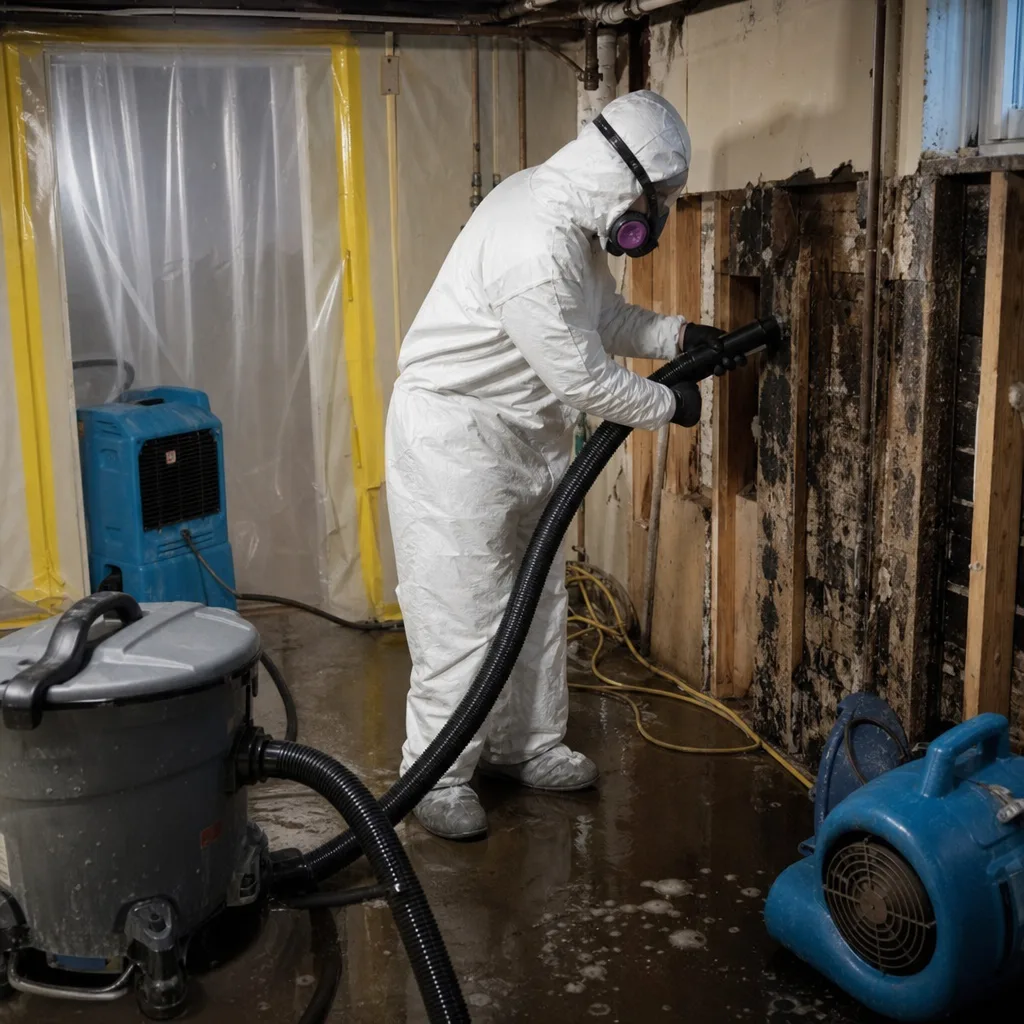
Each space in an Astoria home presents distinct risk patterns based on construction type, usage, and exposure.
Basement
- Relative humidity consistently above 55% - action threshold; above 60% - urgent
- Any visible efflorescence on walls or slab
- Musty odor, even faint, on entry after the space has been closed
- Joist moisture content above 15% at any point
- Sump pump running more than 15 minutes per hour in dry weather
- Floor drain with standing water or sewer gas odor
- Insulation that appears compressed, stained, or detached from rim joists
Kitchen
- Discoloration or swelling at sink cabinet base, especially at plumbing penetrations
- Dishwasher drain hose with visible moisture, kinking, or improper high-loop installation
- Refrigerator icemaker supply line with corrosion, braiding wear, or tension at connection
- Grout at backsplash with darkening or softening, indicating moisture behind tile
- Range hood ducting with condensation or grease accumulation that obstructs airflow
Bathroom
- Caulk at tub/shower surround with gaps, mold staining, or detachment from either surface
- Toilet base with rocking, staining, or caulk that hides rather than seals (caulk around a leaking toilet flange traps water and accelerates subfloor damage)
- Fan duct terminating in attic rather than exterior - common in Astoria’s older housing stock and a major moisture source
- Wall paint with bubbling or peeling within 3 feet of shower enclosure
- Floor tile with hollow sound when tapped, indicating lost adhesive bond from moisture
Attic
- North-facing roof sheathing with dark staining or frost in winter
- Nail shanks protruding through sheathing with rust staining - indicates chronic condensation
- Insulation with compression patterns matching roof rafter spacing, indicating airflow from soffit to ridge is blocked
- Any daylight visible through roof penetrations, or stained decking around chimneys, vents, or skylights
- Presence of mold on sheathing - in Astoria’s climate, this often indicates bathroom or kitchen exhaust terminating in attic space
Exterior
- Gutters with overflow during rain, especially at corners and downspout inlets
- Downspout discharge less than 6 feet from foundation or onto impervious surfaces
- Window sills with peeling paint, soft wood, or interior staining directly below
- Brick or stucco with hairline cracks that have darkened or widened, indicating water movement
- Grade sloping toward foundation on any side - common on Astoria’s narrow lots where neighbors’ improvements alter drainage
Common Mistakes to Avoid
- Waiting for visible mold before acting. Mold becomes visible at roughly 1 square foot of growth, which represents weeks or months of colonization. By then, remediation costs have multiplied and insurance coverage may be disputed as long-term maintenance neglect.
- Using bleach on mold. Bleach does not penetrate porous materials and can add moisture that worsens the problem. It also destroys the pigment without killing the mycelium, creating false confidence while growth continues.
- Ignoring seasonal patterns. Astoria’s spring and fall create temperature differentials that drive condensation. A warning sign that appears in October and resolves in May is not “fixed” - it is seasonal, and will return with conditions.
- Trusting touch alone. Dry to the touch does not mean dry. A surface can feel dry at 20% moisture content, well above the threshold for fungal growth. Meters measure what hands cannot detect.
- Documenting only the obvious damage. Insurance adjusters need to see the full extent. Photographing only the worst area creates a record that understates the loss and invites partial denial.
- Assuming new construction is immune. Astoria’s recent condo developments have experienced envelope failures, improper flashing, and HVAC commissioning errors that create moisture problems within the first two years. Age is not the sole risk factor.
- Delaying while seeking multiple estimates for emergency conditions. Active water intrusion causes compounded damage hourly. For mitigation work, speed matters more than price comparison. At DryMark Restoration Astoria, we provide a Water Damage Restoration in Astoria assessment with written scope so you understand what is needed before work begins, not after damage has spread.
When to Call a Professional
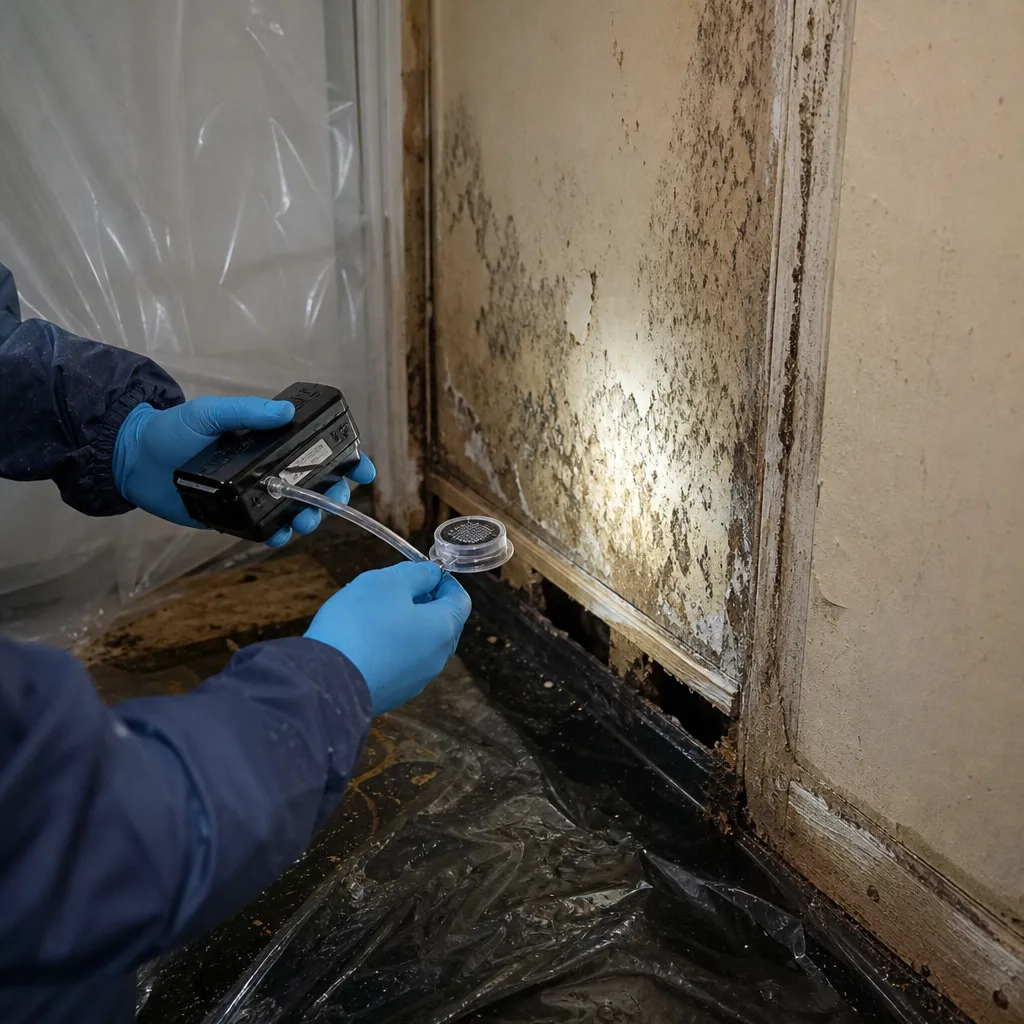
Call for assessment when: moisture readings exceed thresholds outlined above and increase on repeat measurement; you detect musty odor in any enclosed space; staining expands between documented observations; your sump pump fails or cannot keep pace; or you are in FEMA zone AE and observe any change in basement moisture patterns during tidal or storm events. Do not wait for visible mold, structural distortion, or insurance company direction - documentation created after damage is established carries less weight than records made at first discovery.
DryMark Restoration Astoria offers free estimates in Astoria - call (862) 281-7710. Every assessment includes moisture readings, dated photography, and a written scope before any work begins, under Haven Standard, Clause 1. We also provide free second opinions on any competitor’s written estimate.
Frequently Asked Questions
Reputable restoration companies in Astoria typically provide initial moisture assessment and written scope at no charge for homeowners, with the understanding that you are evaluating whether to proceed with service. At DryMark Restoration Astoria, estimates are always free and include pin meter readings, thermal imaging where indicated, and a documented photo record. Call (862) 281-7710 to schedule - estimates are free and carry no obligation.
Self-discovered warning signs do not exclude coverage. The key factor is whether the damage resulted from a sudden, accidental event versus long-term maintenance neglect. Your documentation - dated photos, moisture readings, written descriptions - establishes when the problem began and whether you acted promptly. Insurance disputes arise from gaps in this record, not from the fact that you found the problem yourself. We coordinate directly with adjusters and provide the daily drying logs, photo documentation, and written scopes that support payable claims.
Live phone coverage is available 24 hours a day, 7 days a week with no voicemail on emergency lines. For active water intrusion, storm damage, or sewage backup, same-day dispatch is standard. Reconstruction and non-emergency remediation are scheduled after written scope and pricing, typically within 48-72 hours. Call (862) 281-7710 at any hour - a live person answers.
Surface cleaning addresses only what you can see. Mold colonizes porous materials - drywall paper, wood, insulation - where growth continues unseen. Disturbing visible growth without containment releases spores and can worsen air quality. Professional remediation includes containment, negative air pressure, HEPA filtration, and post-remediation verification sampling. For areas exceeding 10 square feet, or for any growth in HVAC systems, professional service is recommended per EPA and IICRC guidance. Mold Remediation in Astoria should include written scope, containment protocol, and clearance documentation.
Astoria’s combination of pre-war attached housing, high water table in FEMA AE zones, coastal exposure to tidal surge, and mixed fill foundations creates moisture patterns distinct from Manhattan high-rises or Staten Island’s detached suburban stock. Shared walls limit drying airflow. Lime mortar and brick construction behave differently from frame or concrete structures. Tidal groundwater fluctuation affects basements even without rainfall. These factors mean warning sign thresholds and monitoring protocols developed for other markets need adjustment for Astoria conditions. Our Seasonal Damage Restoration Care for Astoria: Year-Round Homeowner’s Guide outlines how to adapt your monitoring through the year.
A fair estimate is written, itemized, and delivered before work begins. It specifies equipment by type and quantity, labor hours, material classifications, and disposal fees. It references industry standards (IICRC S500 for water damage, S520 for mold) and includes a change-order protocol. Vague estimates with lump sums, verbal-only pricing, or pressure to authorize immediately should be questioned. At DryMark Restoration Astoria, we provide a Free Second Opinion on any competitor’s written estimate - bring it to us and we will review at no charge, under The Haven Standard.
The Bottom Line
Damage restoration warning signs that matter are measurable weeks before they become visible. Relative humidity above 55% in basements, moisture content above 16% in wood, temperature differentials exceeding 5°F on exterior walls - these are the indicators that precede the stains, odors, and mold growth that drive emergency calls. In Astoria’s pre-war housing stock, FEMA AE flood zones, and coastal climate, these thresholds deserve particular attention, with monitoring protocols adjusted for local conditions. Document what you find when you find it. Act on increasing readings before visible damage appears. And when you need professional assessment, demand the documentation that protects your property and your claim: written scope before work, photo record on every visit, and a guarantee with an address. Explore more guides & resources on protecting your Astoria home.
Written by Alicia Brennan, Owner at DryMark Restoration Astoria, serving Astoria since 2011.