
Last updated September 23, 2026
Free visual inspection and a written scope of work before any mitigation begins - photos, moisture readings, and drying logs go in your claim file
The scope we write is the scope we bill. Anything new gets shown to you, in writing, before we touch it.
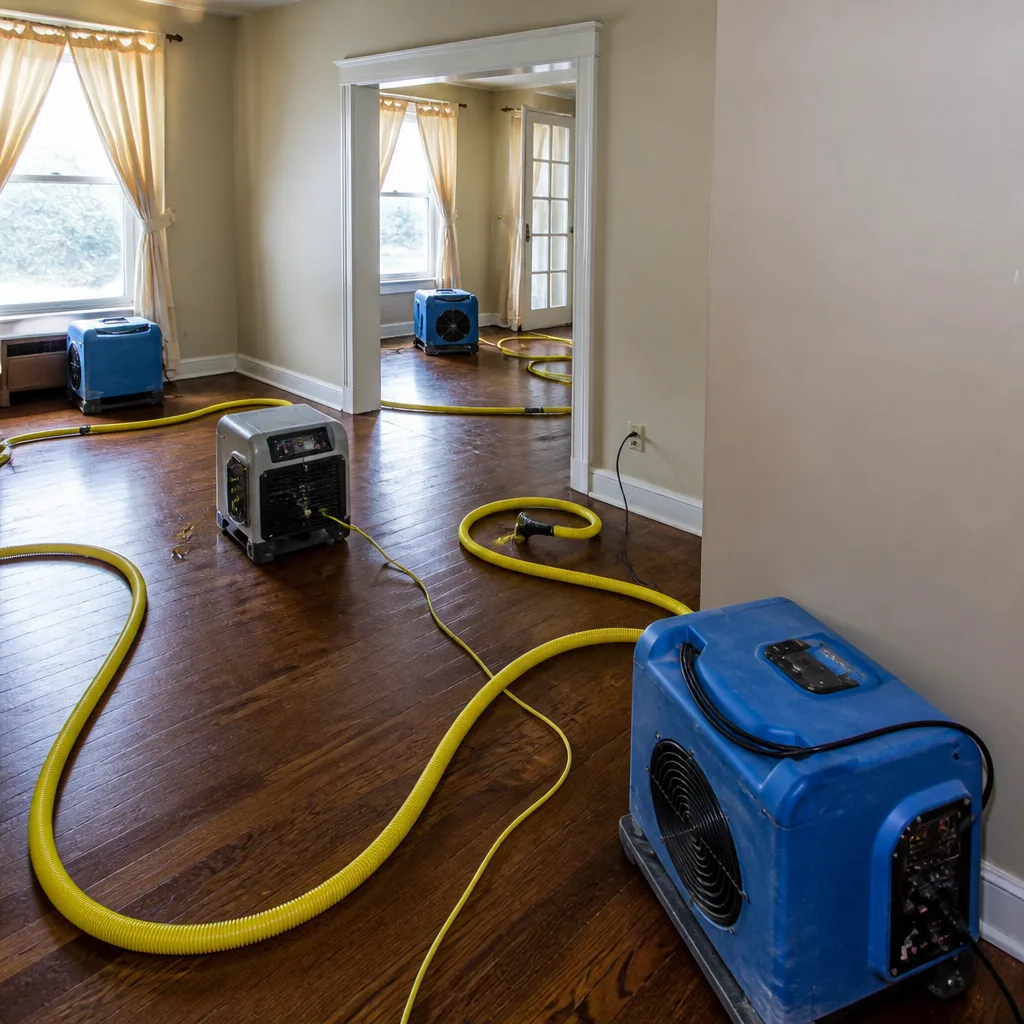
Storm response
 Before
 After
After Before
 After
After Before
 After
AfterDamage Restoration Permits, Codes & Inspections in NY: What You Need to Know
An Astoria homeowner received $85,000 from their insurer after a kitchen fire in 2019. The contractor rebuilt the bearing wall, replaced the subfloor, and passed a visual walk-through with the adjuster. Two years later, during a refinance, a title search revealed an open DOB violation: structural work without an alteration permit. The permit would have cost $340. The violation took eleven weeks to resolve, the rate lock expired, and the homeowner paid $4,200 in extended-lock and legal fees. In this guide, we’ll show you exactly which restoration jobs trigger permits in New York City, how to verify your contractor’s paperwork before work starts, and why skipping the permit step can void your next insurance claim.
Quick Answer
Most water, fire, and mold restoration work in New York City requires a Department of Buildings permit when the cost exceeds 50% of the building’s assessed value or when structural members are altered. Emergency stabilization can proceed under a DOB emergency declaration, but permanent repairs must be permitted and inspected. Unpermitted work creates open violations that cloud title, trigger policy exclusions, and can force FEMA flood-zone properties to meet current code retroactively.
Table of Contents
- When Is a Permit Required for Restoration Work in NYC?
- Emergency Declaration vs. Standard Alteration Permit
- FEMA Substantial Improvement Rules for Astoria Flood Zones
- How Unpermitted Work Creates Insurance Coverage Gaps
- How to Verify Permits and Contractor Licenses in DOB NOW
- The NYC Inspection Process: What to Expect
- Common Mistakes to Avoid
- When to Call a Professional
- Frequently Asked Questions
- The Bottom Line
BeforeAfterWhen Is a Permit Required for Restoration Work in NYC?
New York City Building Code Section 28-101.1 defines “alteration” as any construction that changes the use, egress, or occupancy of a structure, or that affects a structural member. For restoration work, the practical trigger is twofold: the cost of repairs relative to building value, and whether structural elements are involved.
The 50% threshold is the one that surprises most Astoria homeowners. Under NYC code, when the cost of restoration work exceeds 50% of the building’s assessed value - not market value, but the DOF assessment - the job is classified as an alteration requiring a full permit. For a typical Astoria two-family frame house assessed at $680,000, that means repairs above $340,000 trigger alteration status. But there’s a second, more common trigger: any work on load-bearing walls, columns, beams, floor joists, or roof rafters requires a permit regardless of cost.
Here’s where restoration work in Astoria gets complicated. Many fire damage restoration jobs involve structural members that don’t appear structural to an untrained eye. A charred floor joist in a basement utility room. A smoke-damaged king stud in a partition wall that happens to carry a point load from the roof. A water-damaged sill plate in a 1920s Astoria duplex where the bearing path isn’t obvious from the finished surface. We’ve seen contractors open walls, find damage to these elements, and proceed with replacement without pulling a permit because “it was just a repair.”
The NYC Department of Buildings does not recognize “just a repair” as a permit exemption when structural members are involved. Neither does the Fire Department for post-fire reconstruction. The permit types you’re most likely to encounter are:
- Alteration Type 1 (Alt-1): Required for changes in use, egress, or occupancy. Rare in pure restoration but triggered if a fire-damaged basement apartment is rebuilt with a modified layout.
- Alteration Type 2 (Alt-2): The most common restoration permit. For alterations that do not change use or occupancy - replacing fire-damaged framing, rebuilding a flood-compromised subfloor, remediating mold behind walls that requires opening and closing structural cavities.
- Alteration Type 3 (Alt-3): For one-type work on a single structural element - replacing a single beam, repairing a section of damaged foundation wall. Limited in scope but still requires DOB review.
- Plumbing Work Permit: Required for any replacement of water-damaged plumbing stacks, sewer lines, or gas piping. Often pulled alongside an Alt-2 for water damage restoration jobs in Astoria’s older housing stock.
- Electrical Work Permit: Required for replacement of fire or water-damaged service panels, feeders, or branch circuits. A separate permit from the Alt-2, often requiring a licensed master electrician.
The cost threshold is assessed against the DOF building valuation, which you can find on your property tax bill or in the DOB NOW portal. For condos and co-ops, the assessment is pro-rata by unit. We’ve reviewed jobs in Astoria where a $180,000 water damage restoration on a $1.2 million assessed townhouse stayed below the 50% line and proceeded with only trade permits, while a $290,000 fire restoration on a $520,000 assessed property crossed into Alt-1 territory because the damage required reconfiguring a stair egress.
One Astoria-specific factor: the neighborhood’s pre-war housing stock, particularly the frame and stucco buildings north of 30th Avenue, often conceals balloon framing and irregular bearing paths that aren’t visible until demolition begins. A contractor who bids based on surface damage and discovers structural involvement mid-job has two choices: stop work and pull a permit, or proceed unpermitted. The second choice is more common than the DOB would like to admit.
Emergency Declaration vs. Standard Alteration Permit
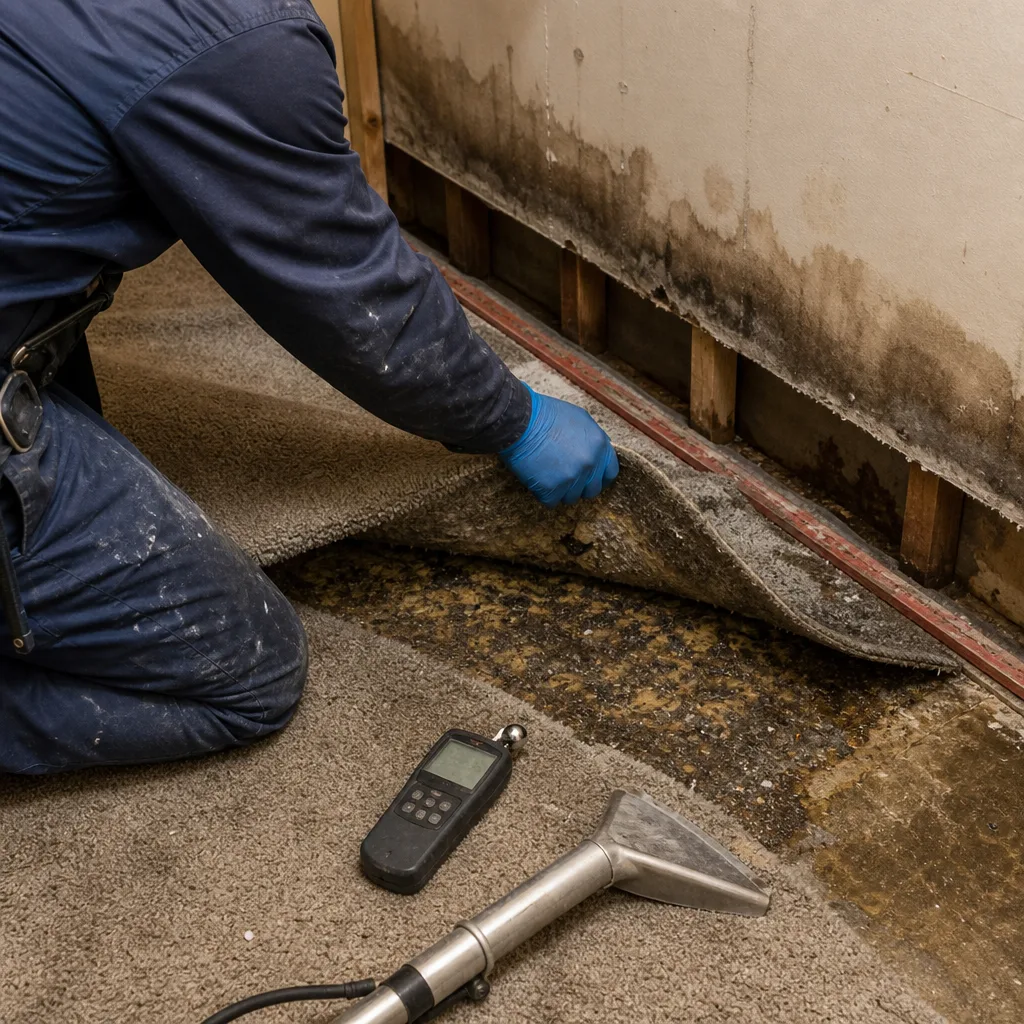
When a pipe bursts at 2:00 AM or a fire department douses your building with 10,000 gallons of water, you don’t wait for a permit to stop the damage. NYC recognizes this through the DOB emergency declaration process, but the emergency provisions are narrower than most contractors admit.
A DOB emergency declaration - filed through the Emergency Work Notification system - authorizes immediate stabilization work only. This includes: water extraction, board-up of compromised openings, temporary shoring of structural elements, and emergency electrical or plumbing disconnects to prevent hazard. It does not authorize permanent repairs. The declaration must be filed within two business days of commencing work, and the emergency work must be documented with photos, a written scope, and a licensed professional’s certification of the hazardous condition.
Here’s the critical distinction that Astoria homeowners miss. Emergency stabilization under a declaration is temporary by definition. If your contractor replaces a water-damaged subfloor, installs new drywall, and paints the room under the emergency declaration, that work is unpermitted. The declaration covers the pump-out and the dehumidifiers. It does not cover the rebuild.
We’ve reviewed competitor estimates in Astoria where the entire job - mitigation through reconstruction - was billed under a single “emergency response” line item with no permit referenced. When we pull the DOB record, there’s no Alt-2, no inspection sign-off, and no Certificate of Occupancy or Letter of Completion. The homeowner has a finished basement and a potential violation waiting to surface.
The proper sequence for a typical water damage restoration in Astoria is:
- Emergency declaration filed within 48 hours of work commencement, documenting the immediate hazard (standing water, compromised electrical, structural instability).
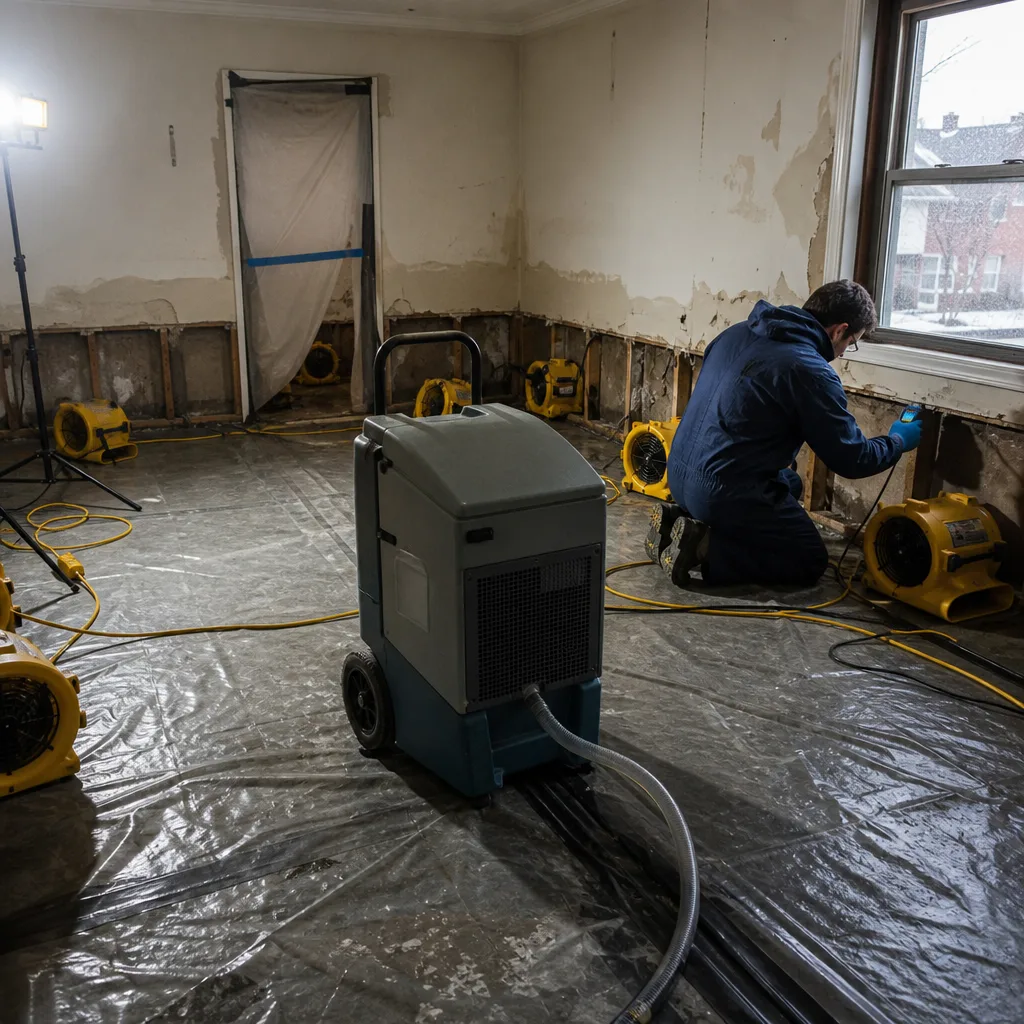
- Emergency work performed - extraction, containment, drying with documented psychrometric data (moisture readings, relative humidity, vapor pressure differential - the force that drives moisture from wet materials into dry air, measured in inches of mercury).
- Alt-2 permit application submitted once the full scope of repair is known, typically after structural assessment and mold evaluation.
- Permit issued, work performed under inspection - rebuild, finishing, final sign-off.
- Letter of Completion or Certificate of Occupancy issued - required for refinance, sale, or insurance renewal in many cases.
The gap between step 2 and step 3 is where most problems arise. Contractors who specialize in speed - “we’ll have you back in your house in ten days” - often skip to rebuilding under the emergency declaration without ever converting to a standard permit. The work looks identical. The documentation does not.
For fire damage, the sequence is more complex because FDNY and DOB both have jurisdiction. The Fire Department issues a vacate order if the building is unsafe to occupy. DOB issues a full vacate or partial vacate depending on structural assessment. Neither order is lifted until repairs are permitted, inspected, and signed off. A contractor who begins rebuild before FDNY clearance is working illegally, and the homeowner’s insurer may deny subsequent claim payments for work performed in violation of a vacate order.
FEMA Substantial Improvement Rules for Astoria Flood Zones
Astoria sits at the confluence of two flood risk profiles. Properties east of 21st Street and south of Astoria Boulevard largely fall into FEMA Flood Zone X, where flood insurance is optional and base flood elevation requirements don’t apply. Properties west of 21st Street, particularly those near the East River waterfront, Hallets Cove, and the northern edge of Luyster Creek, fall into Zone AE - the high-risk zone where federally backed mortgages require flood insurance and where FEMA’s Substantial Improvement rule can reshape an entire restoration project.
The Substantial Improvement rule states that when the cost of repairs to a structure in a Special Flood Hazard Area (Zone AE) equals or exceeds 50% of the structure’s market value, the entire structure must be brought into compliance with current floodplain management standards. Not the damaged portion. The entire structure.
For an Astoria waterfront property with a ground-floor apartment and a market value of $920,000, that means repairs above $460,000 can trigger a requirement to elevate the lowest floor to the current base flood elevation, install flood-resistant materials below the BFE, and meet current NFIP venting requirements. The ground floor that flooded in a storm surge may need to be converted to non-habitable use, or the building elevated - at a cost that can exceed the original restoration budget by multiples.
This is not a theoretical concern. After Hurricane Ida’s remnants flooded basement apartments across western Queens in 2021, several Astoria properties faced Substantial Improvement determinations when the combination of prior FEMA claims and current restoration costs pushed cumulative improvement expenditures over the 50% threshold. The “50%” is calculated over the structure’s entire history, not per-event. A property that received $200,000 in flood repairs after Sandy and now needs $300,000 after Ida is at risk of triggering the rule even though no single event exceeded half the value.
The practical implications for Astoria homeowners:
- Zone AE properties need a pre-restoration market valuation from a licensed appraiser, not a Zestimate or tax assessment, to establish the 50% baseline.
- Documentation of all prior flood claims and repairs must be compiled before work begins, because FEMA counts cumulative improvements toward the threshold.
- Contractor estimates must separate “substantially damaged” elements (requiring replacement) from “substantially improved” elements (upgrades beyond pre-damage condition), because only the replacement cost counts toward the threshold.
- ICC coverage - Increased Cost of Compliance - may provide up to $30,000 toward elevation or floodproofing if the Substantial Improvement rule is triggered, but only if the property had flood insurance at the time of loss and the claim is properly documented.
We’ve worked with Astoria homeowners whose contractors bid reconstruction without knowing the flood zone status, discovered the Substantial Improvement issue mid-project, and faced a choice: proceed illegally, abandon the job, or absorb a six-figure cost increase. None of these are acceptable outcomes. The flood zone determination, the market valuation, and the cumulative improvement calculation should be completed before any work begins - and documented in writing, with the numbers, before the first dehumidifier runs.
How Unpermitted Work Creates Insurance Coverage Gaps
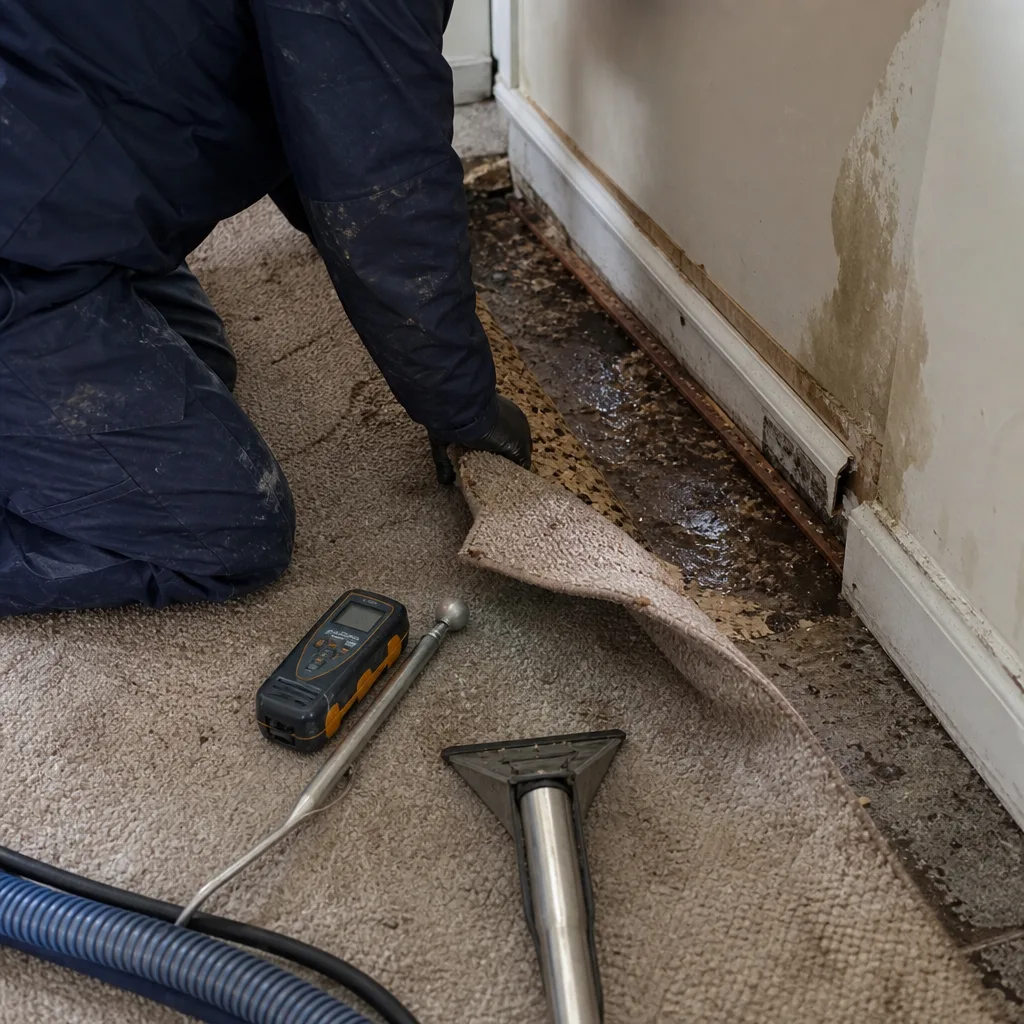
Homeowners insurance policies contain provisions that most policyholders never read until they’re invoked against them. Two of these provisions - the vacancy and unoccupancy clause, and the concealment or fraud clause - interact with unpermitted restoration work in ways that can void coverage for future losses.
The vacancy and unoccupancy clause (ISO Form HO 00 03, Section D) typically states that coverage is suspended if the dwelling is vacant or unoccupied for more than 60 consecutive days, with “vacant” defined as absence of personal property and “unoccupied” defined as absence of residents. During restoration, a home is often both. The standard policy response is to purchase a dwelling under renovation endorsement or a builder’s risk policy. But insurers increasingly require proof that renovation work is properly permitted as a condition of these endorsements.
An Astoria homeowner with unpermitted fire restoration who later suffers a water loss may find their insurer denying the water claim on the basis that the dwelling was unoccupied during unpermitted renovation, voiding the renovation endorsement, and reverting to the base policy’s vacancy exclusion. The unpermitted status of the prior work becomes the hook for denying the current claim.
The concealment or fraud clause is broader and more dangerous. ISO Form HO 00 03 states that the insurer may void the entire policy if the insured has “intentionally concealed or misrepresented any material fact or circumstance relating to this insurance.” A material fact includes the condition of the property at the time of application or renewal. When a homeowner renews their policy after unpermitted restoration - or fails to disclose ongoing unpermitted work on a new application - the insurer can argue concealment if a later loss reveals the unpermitted condition.
We’ve seen this play out in Astoria in two specific scenarios:
First, the hidden defect scenario. Unpermitted structural repair after water damage leaves a bearing wall inadequately connected to the sill plate. Two years later, a minor settlement crack appears. The homeowner files a claim for “sudden and accidental” damage. The insurer’s engineer discovers the unpermitted repair, attributes the crack to faulty workmanship, and invokes the workmanship exclusion. The claim is denied, and the policyholder is now in a coverage dispute with both the original contractor (if still in business) and their current insurer.
Second, the resale disclosure scenario. An Astoria homeowner sells a property with unpermitted restoration, either unknowingly or because the violation never appeared in their title search. The buyer’s insurer, performing due diligence, pulls DOB records and discovers the open violation. The buyer’s policy is issued with a restoration-work exclusion. Six months later, a covered loss occurs in the same area. The exclusion applies. The buyer sues the seller for failure to disclose. The seller’s errors and omissions coverage - if they had any - may not apply because the unpermitted work predated the policy or was excluded as a known defect.
The documentation that prevents these gaps is the same documentation that makes restoration claims payable: the permit record in DOB NOW, the inspection sign-off, the Letter of Completion, and the written scope with photos that establish pre-loss condition, damage extent, and repair methodology. At DryMark Restoration Astoria, we provide these documents as standard deliverables on every job, not as upsells. The Haven Standard, Clause 1 requires a written price before work begins; our documentation protocol requires a written record when the crew leaves.
How to Verify Permits and Contractor Licenses in DOB NOW
Before you sign a restoration contract or allow work to begin, you can verify three critical facts through the NYC DOB NOW portal: whether your property has open violations, whether your contractor holds a valid Home Improvement Contractor license, and whether the proposed work has an active permit application.
The process takes approximately ten minutes and requires no account registration for basic searches. Here’s the step-by-step:
- Navigate to dob.nyc.gov and select “DOB NOW” from the top navigation. Choose the public portal, not the licensed professional login.
- Search your property by address or BBL (Borough-Block-Lot). For Astoria properties, the borough is Queens (borough code 4). The BBL appears on your property tax bill and is the most reliable search term.
- Review the “Violations” tab. Open violations appear with a status of “Open” or “Active.” Note any ECB (Environmental Control Board) violations for illegal construction work, which indicate prior unpermitted work on the property. These must be resolved before new permits can be issued in some cases.
- Search your contractor in the “Licensees” tab. Enter the business name or the individual’s name as it appears on their business card. A valid Home Improvement Contractor (HIC) license shows an expiration date and a license number. Verify that the expiration date is in the future.
- Cross-check the license number against the permit application. In the “Jobs” tab, search by your property address for any active or recent applications. The “Applicant of Record” and “Filing Representative” fields show who filed the permit. The “Contractor” field shows the licensed contractor of record. These should match the person or company you’re paying.
- Review the permit status. “Approved” means the permit is active and work can proceed under inspection. “Pending” means DOB review is incomplete. “Permit Issued” is the status you want to see before permanent work begins. “Signed Off” or “Completed” appears after final inspection.
Common red flags in Astoria:
- The contractor provides a “permit” that is actually an ECB violation dismissal receipt - proof of a past problem, not authorization for current work.
- The HIC license is expired or belongs to a different business name than the one on the contract. Some contractors operate under multiple DBA names with a single license; this is legal but must be disclosed.
- The permit application lists a different contractor than the one performing the work. This often indicates the actual contractor is unlicensed and “borrowing” another company’s permit, a practice DOB actively investigates.
- No permit application exists for work the contractor claims is “in progress.” Emergency declarations appear in DOB NOW within two business days of filing. If there’s no record after a week, the declaration was never filed.
We’ve advised Astoria homeowners to walk away from contracts where the contractor discouraged permit verification, claimed DOB NOW was “down,” or suggested the permit would be “filed later.” A contractor who is properly licensed and properly permitted has no reason to resist verification. The ten minutes you spend in DOB NOW can prevent the eleven-week violation resolution that cost our opening example $4,200.
The NYC Inspection Process: What to Expect
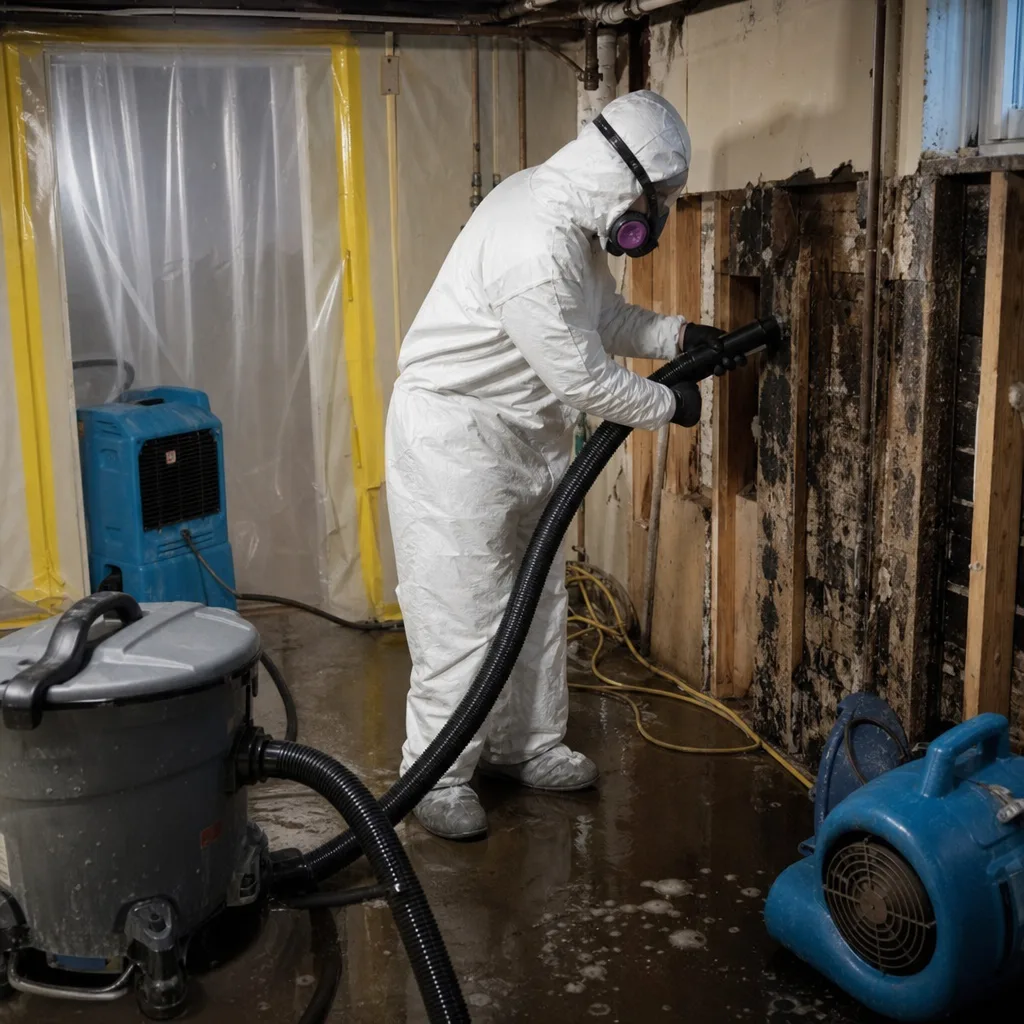
Once a permit is issued, the inspection sequence depends on the permit type and the work scope. For a typical Alt-2 restoration in Astoria, the inspections you’re most likely to encounter are:
Foundation and Subfloor Inspection: Required when water or fire damage has compromised the structural base of the building. The inspector verifies that replaced sill plates, rim joists, and subflooring meet current code for material grade, fastening schedule, and moisture content. For Astoria’s flood-prone properties, this inspection also verifies flood-resistant material use below the design flood elevation.
Framing Inspection: Required for replacement of load-bearing walls, floor joists, roof rafters, or columns. The inspector checks member sizes against engineered drawings, connection hardware, and fire-blocking in concealed spaces. In balloon-framed Astoria houses, this inspection is critical because the original framing may not meet current span tables, and the replacement must either match the original with equivalent materials or be engineered for current loads.
Plumbing Inspection: Required for replacement of damaged water supply, drainage, or gas piping. The inspector performs a pressure test on water lines and a gas leak detection test on fuel gas lines. For mold remediation jobs where plumbing leaks were the moisture source, this inspection verifies that the source has been permanently repaired, not just patched.
Electrical Inspection: Required for replacement of service panels, feeders, or branch circuits damaged by water or fire. The inspector verifies grounding, arc-fault and ground-fault protection per current NEC adoption, and proper labeling. In Astoria’s older housing stock with knob-and-tube remnants, this inspection often reveals previously unpermitted electrical work that must be brought to current code.
Final Inspection: The comprehensive review that triggers the Letter of Completion or Certificate of Occupancy. The inspector verifies that all prior inspections passed, that the work matches the approved plans, and that no hazards remain. For restoration work, this is the inspection that clears the property for reoccupancy and removes any FDNY or DOB vacate orders.
The timeline for these inspections varies by DOB district workload. In Queens Community District 1, which covers Astoria, Long Island City, and Woodside, framing and final inspections are typically available within 5-10 business days of request. Foundation and plumbing inspections may take longer if specialized inspectors are required. Emergency inspections for life-safety hazards can be requested for next-day availability.
What the inspection process means for your restoration timeline: a properly permitted job takes longer than an unpermitted one. The permit application itself requires 2-4 weeks for DOB review. Inspections add days between construction phases. A contractor who promises to “have you back in a week” for a job requiring structural repair is either unpermitted or uninformed. At DryMark Restoration Astoria, we build permit timelines into our project schedules and communicate them in writing before work begins - Haven Standard, Clause 1. The written price includes the time required to do the job legally, not just the time required to make it look finished.
Common Mistakes to Avoid
- Assuming emergency work doesn’t need permits. Emergency stabilization doesn’t, but permanent repair does. The contractor who rebuilds under the emergency declaration is creating a violation.
- Trusting a contractor’s verbal permit status. We’ve reviewed Astoria jobs where the contractor claimed a permit was “in progress” for six months. DOB NOW shows the truth in ten minutes.
- Ignoring flood zone status before starting water damage restoration. The FEMA Substantial Improvement calculation uses cumulative improvements. Prior claims you forgot about can trigger current compliance requirements.
- Accepting “we’ll pull the permit later” as a plan. Work performed before permit issuance is illegal construction, not delayed permitting. The later permit, if ever pulled, won’t cover work already completed.
- Failing to verify that the permit contractor matches the working contractor. Permit lending is common in Queens restoration. If the company on the permit isn’t the company in your house, neither may honor the warranty.
- Not requesting the Letter of Completion before final payment. This document is your proof that the work passed inspection. Without it, you have no defense against a future violation claim.
- Disclosing unpermitted work on insurance applications without understanding the consequences. Honesty is required, but the timing and framing matter. Consult a public adjuster or attorney before admitting to unpermitted restoration on a claim form.
When to Call a Professional
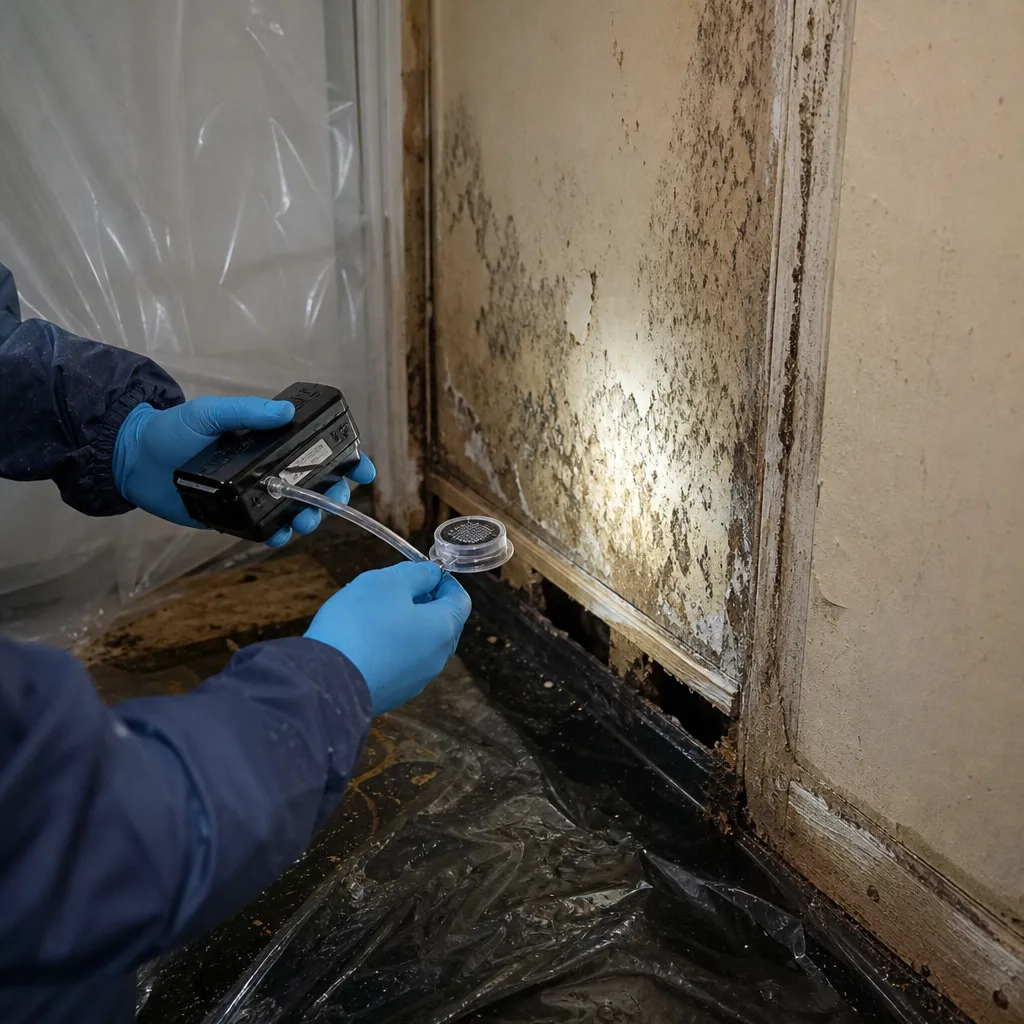
Call a licensed restoration contractor before you file your insurance claim, not after. The documentation created in the first 48 hours - moisture readings, photo records, written scopes - determines whether your claim is paid without dispute. If your property has open DOB violations, is in Flood Zone AE, or has suffered damage to structural members, the permit and inspection requirements are not optional extras. They’re the framework within which your restoration must operate to protect your title, your coverage, and your resale value.
DryMark Restoration Astoria offers free estimates in Astoria - call (862) 281-7710. We provide a written price before work begins on every job, document every visit with a photo record, and verify permit status in DOB NOW before any structural work starts. Our estimates include permit timelines and inspection sequences so you know the full schedule before you commit. The Haven Standard, Clause 1: no surprises, no scope creep, no work without a written agreement.
Frequently Asked Questions
DOB permit fees are calculated as a percentage of the estimated job cost, typically 1.5% to 2.5% for Alt-2 alterations, with minimums around $100 and no upper cap for very large jobs. For a typical Astoria water damage restoration costing $45,000, expect permit fees of $675 to $1,125, plus filing fees and professional certification costs if an architect or engineer is required. Call (862) 281-7710 for an exact quote on your specific job - estimates are free.
Yes, if the permit is properly pulled and the work is documented. Most standard homeowners policies cover “necessary repairs” to restore the property to pre-loss condition, and permit fees are part of necessary repair costs. However, insurers increasingly require proof of permit compliance before releasing final payment, particularly for structural work. Unpermitted work may be excluded under workmanship or ordinance-and-law provisions.
Alt-2 permit applications in Queens typically require 2-4 weeks for DOB plan review, assuming no objections or professional certification requirements. Jobs requiring structural engineering drawings add 1-3 weeks for preparation and review. Emergency declarations are processed within 2 business days but authorize only temporary stabilization. Schedule the permit timeline into your restoration plan from day one.
Mold remediation itself does not require a DOB building permit if it involves only surface cleaning and containment. However, if remediation requires opening walls, removing plaster, or replacing structural elements damaged by mold, the repair work requires an Alt-2 permit. Mold remediation in Astoria often reveals hidden structural damage in pre-war buildings, triggering permit requirements that weren’t apparent at the estimate stage.
Unpermitted work creates an open violation that clouds title and must be disclosed to buyers. In Astoria’s active real estate market, title companies routinely search DOB NOW, and open violations appear in standard title reports. Buyers may demand permit retroactivity, price reductions, or contract cancellation. Sellers who fail to disclose known unpermitted work face potential fraud claims.
Homeowners can pull permits as owner-builders, but this makes you legally responsible for code compliance and worker safety, and it voids many contractor warranties. Licensed contractors must pull permits in their own name for the work they perform. If your contractor asks you to pull the permit, they’re likely unlicensed or avoiding liability. Verify their HIC license in DOB NOW before proceeding.
The Bottom Line
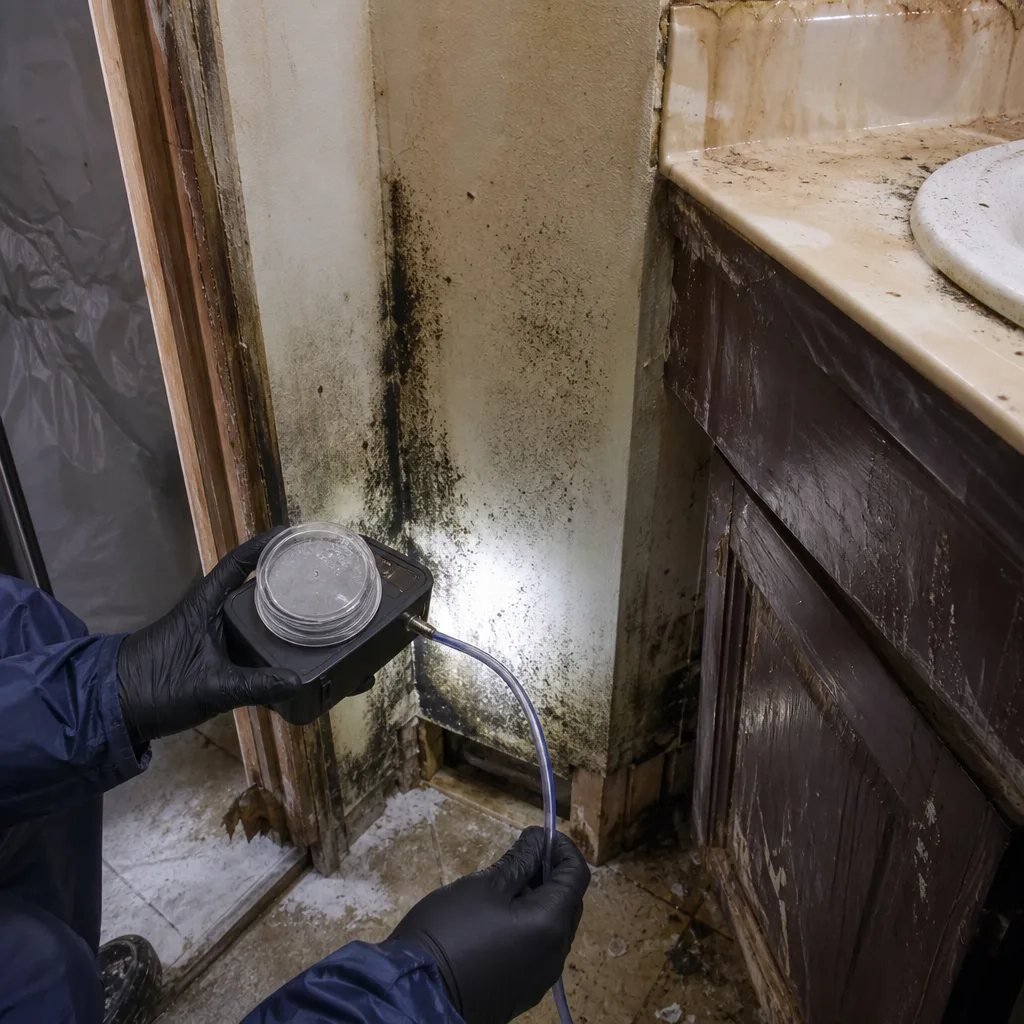
New York City’s permit and inspection requirements for restoration work are not bureaucratic obstacles. They’re the documentation framework that transforms a restoration invoice into a payable insurance claim and a clear property title. The Astoria homeowner who paid $4,200 in extended-lock fees for a $340 permit made a rational choice based on incomplete information. This guide exists to prevent that choice. Verify permits in DOB NOW before work begins. Demand a written scope that includes permit timelines. Insist on a Letter of Completion before final payment. And work with a contractor who documents every step, because the record you build today defends the value you recover tomorrow.
Written by Alicia Brennan, Owner at DryMark Restoration Astoria, serving Astoria since 2011.