
Last updated September 23, 2026
Free visual inspection and a written scope of work before any mitigation begins - photos, moisture readings, and drying logs go in your claim file
The scope we write is the scope we bill. Anything new gets shown to you, in writing, before we touch it.
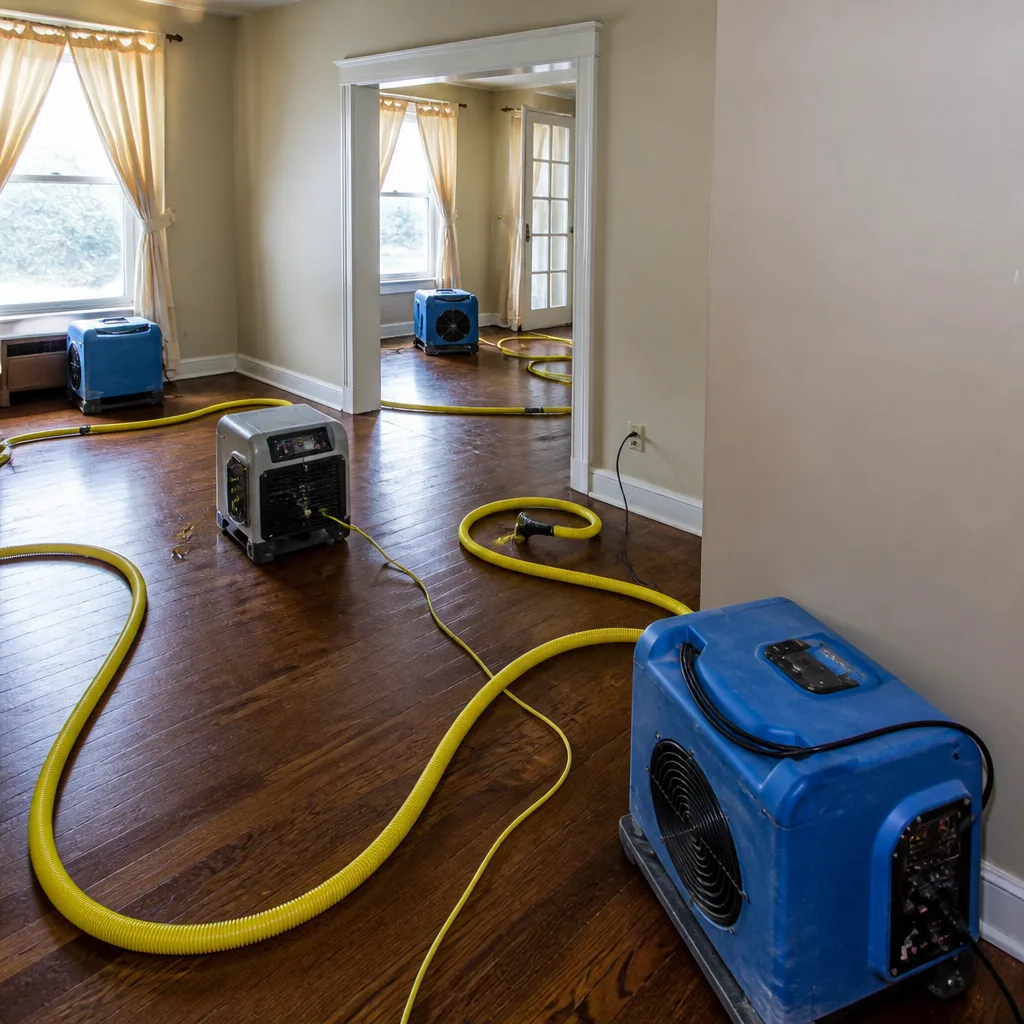
Storm response
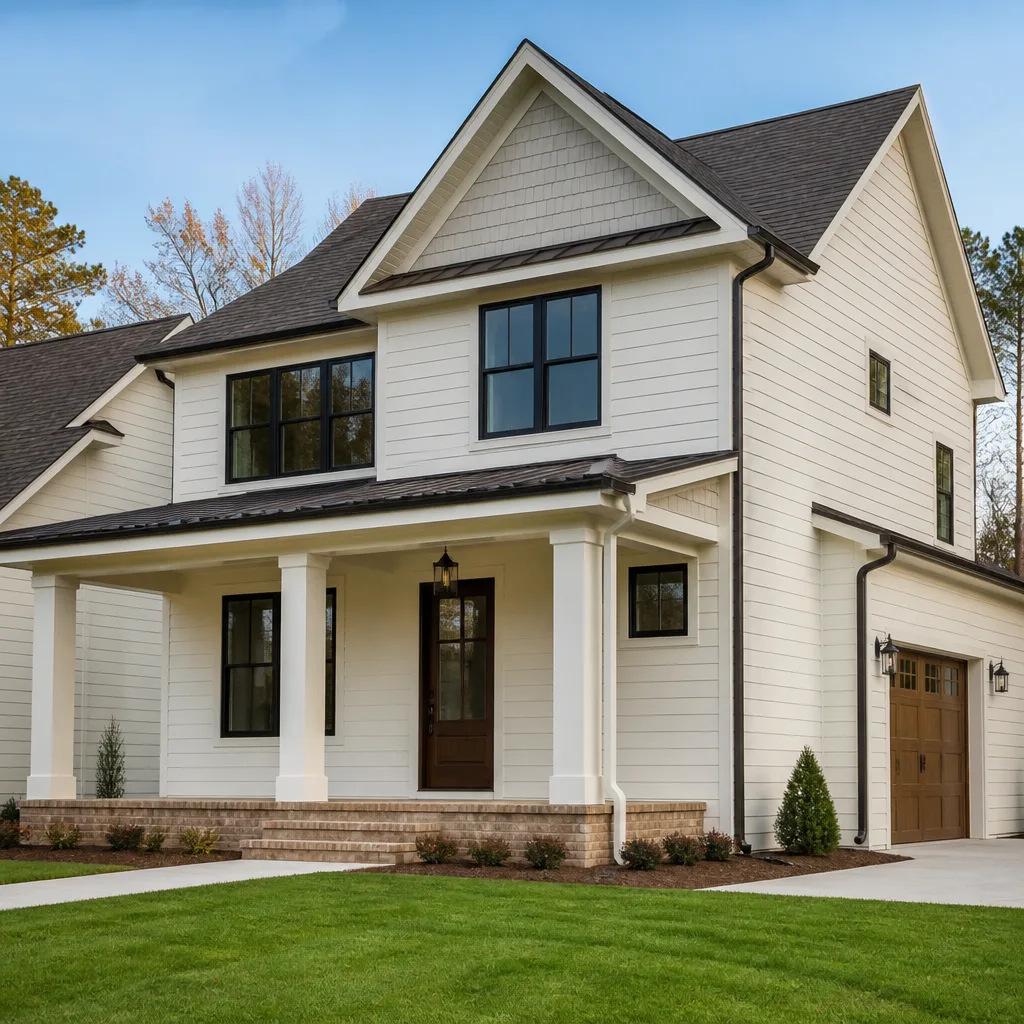
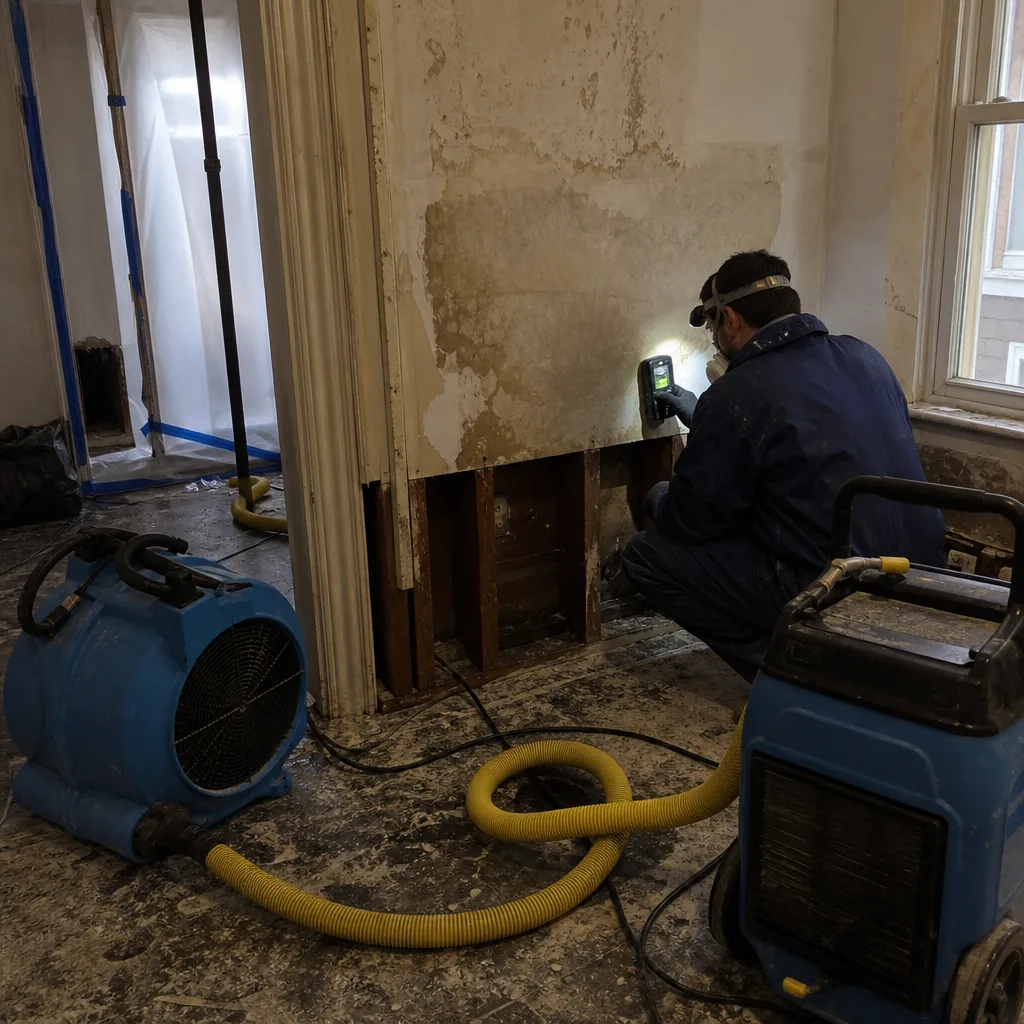 Before
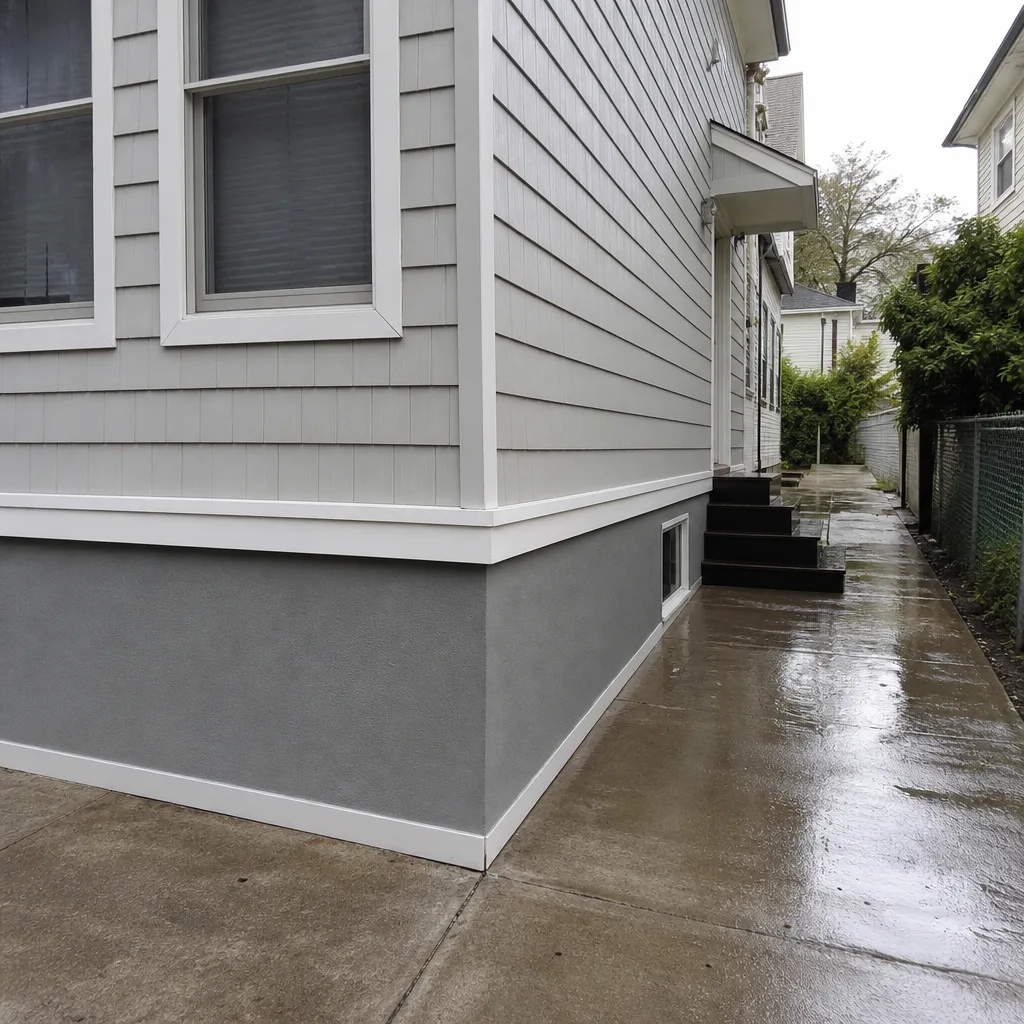 After
After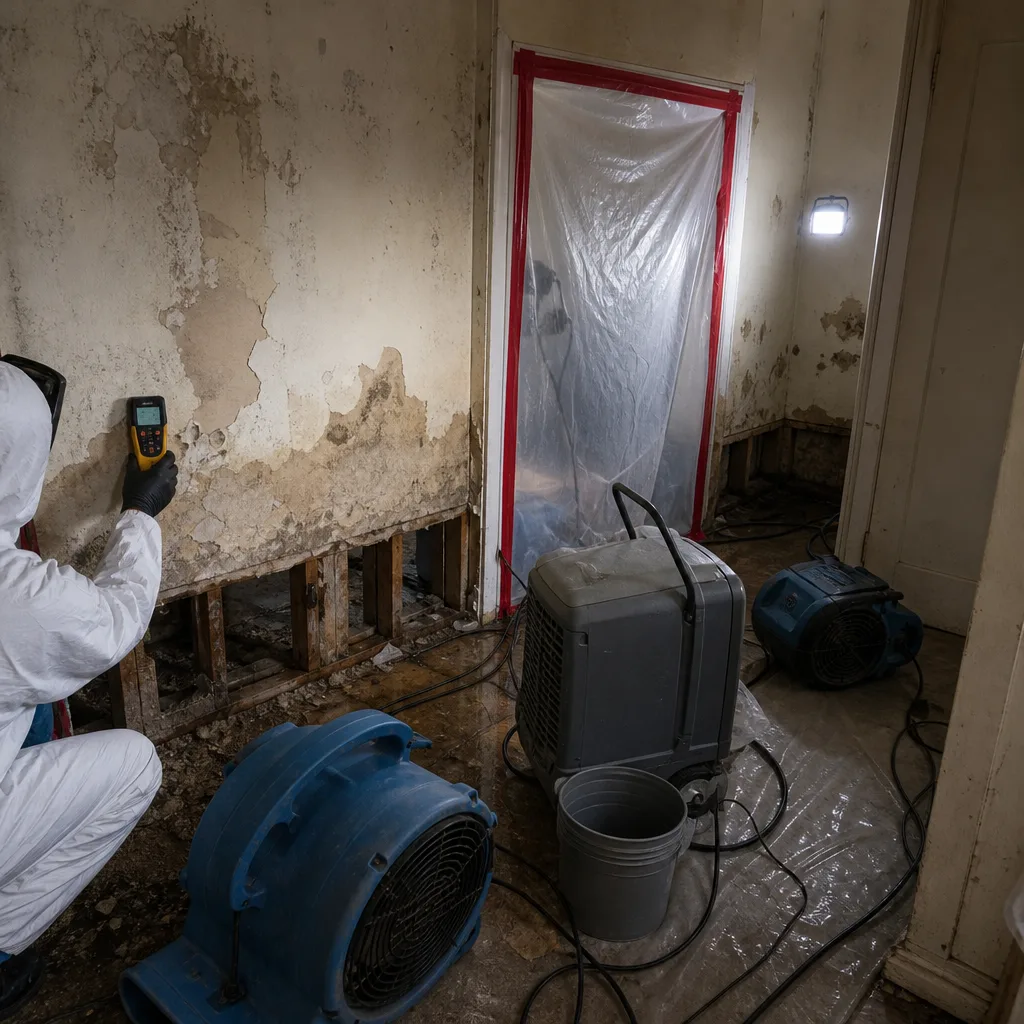 Before
 After
After Before
 After
AfterSeasonal Damage Restoration Care for Astoria: Year-Round Homeowner’s Guide
The most expensive restoration job in Astoria’s 11102 zip code last year was a February pipe burst that had been slowly weeping behind a kitchen cabinet since November. A moisture reading on that cabinet in October would have shown 19% wood moisture content, well above the 16% threshold where mold colonization begins, and the dry-out would have cost under $200. Instead, the homeowner discovered it when cabinets delaminated and black mold had spread into the wall cavity, turning a contained drying job into a $34,000 remediation, reconstruction, and temporary relocation. Astoria’s four-season damage calendar is not random. Freeze-thaw failures peak in February. Combined sewer overflows surge in March. AC condensate pan failures spike in August. Wind-driven rain intrusion climbs in November. Our complete guide to damage restoration in Astoria maps each threat to a specific inspection you can perform, with pass-fail thresholds, so you document reasonable care before your insurer ever asks.
Quick Answer
Seasonal damage restoration care in Astoria means performing targeted home inspections-detailed in our Water Damage Restoration Maintenance Checklist for Astoria Homeowners-at six predictable pressure points each year: pre-freeze plumbing in October, foundation drainage in March, HVAC condensate in May and August, roof envelope before November storms, and moisture mapping during summer humidity peaks. Homeowners who keep dated records of these inspections, with photos and moisture readings, establish “reasonable care” under standard HO-3 policy language and catch gradual damage before it becomes a denied claim.
Table of Contents
- Astoria’s Four-Season Damage Calendar: What Breaks When
- October Inspection Checklist: Before the First Freeze
- March Foundation Moisture: Snowmelt and Sewer Surge
- Summer Condensation and Astoria’s Urban Heat Island
- November Roof Envelope: Wind-Driven Rain Before Winter
- Moisture Readings and Pass-Fail Thresholds by Season
- Insurance Coverage Gaps: What’s Excluded and When
- Documenting Reasonable Care: A Seasonal Record That Protects Your Claim
BeforeAfterAstoria’s Four-Season Damage Calendar: What Breaks When
Astoria sits on the northwestern edge of Queens, bordered by the East River and Newtown Creek, with a housing stock dominated by pre-war brick row houses, 1960s-era six-story apartment buildings, and converted industrial lofts. Each building type faces a predictable seasonal threat sequence driven by local climate patterns.
January through March: Freeze-thaw and combined sewer overflow. Astoria’s average first freeze arrives by mid-November, but the critical window is late January through February when sustained cold meets older plumbing. Galvanized supply lines in pre-war buildings, common from 30th Avenue to Ditmars Boulevard, experience split failures at corroded sections when ice expansion meets reduced wall thickness. Simultaneously, Newtown Creek’s combined sewer system, which handles both stormwater and sanitary flow, backs up during March snowmelt events. Properties below grade on streets like 21st Street and Vernon Boulevard see sump pump failures and sewer line intrusion.
April through June: HVAC transition and hidden winter damage reveal. As heating systems shut down and cooling starts, condensation patterns shift. Winter ice dam moisture, trapped in soffits and exterior wall cavities since February, becomes visible as staining when temperatures rise. We document this regularly in Astoria’s wood-frame conversions near Astoria Park, where inadequate attic ventilation meets 1920s balloon framing.
July through September: Humidity peaks and AC system failures. August brings the highest dew point readings of the year. Window-mounted units in Astoria’s rental stock, particularly in buildings along Steinway Street, produce condensate at rates that overwhelm rusted drain pans. The urban heat island effect, intensified by Astoria’s dense brick and asphalt surfaces, keeps nighttime temperatures 5-8°F higher than surrounding Queens neighborhoods, preventing walls from cooling and drying.
October through December: Wind-driven rain and pre-freeze vulnerability. November nor’easters drive rain horizontally into aging mortar joints and failed window flashing. October is the last reliable inspection window before freeze risk returns.
October Inspection Checklist: Before the First Freeze
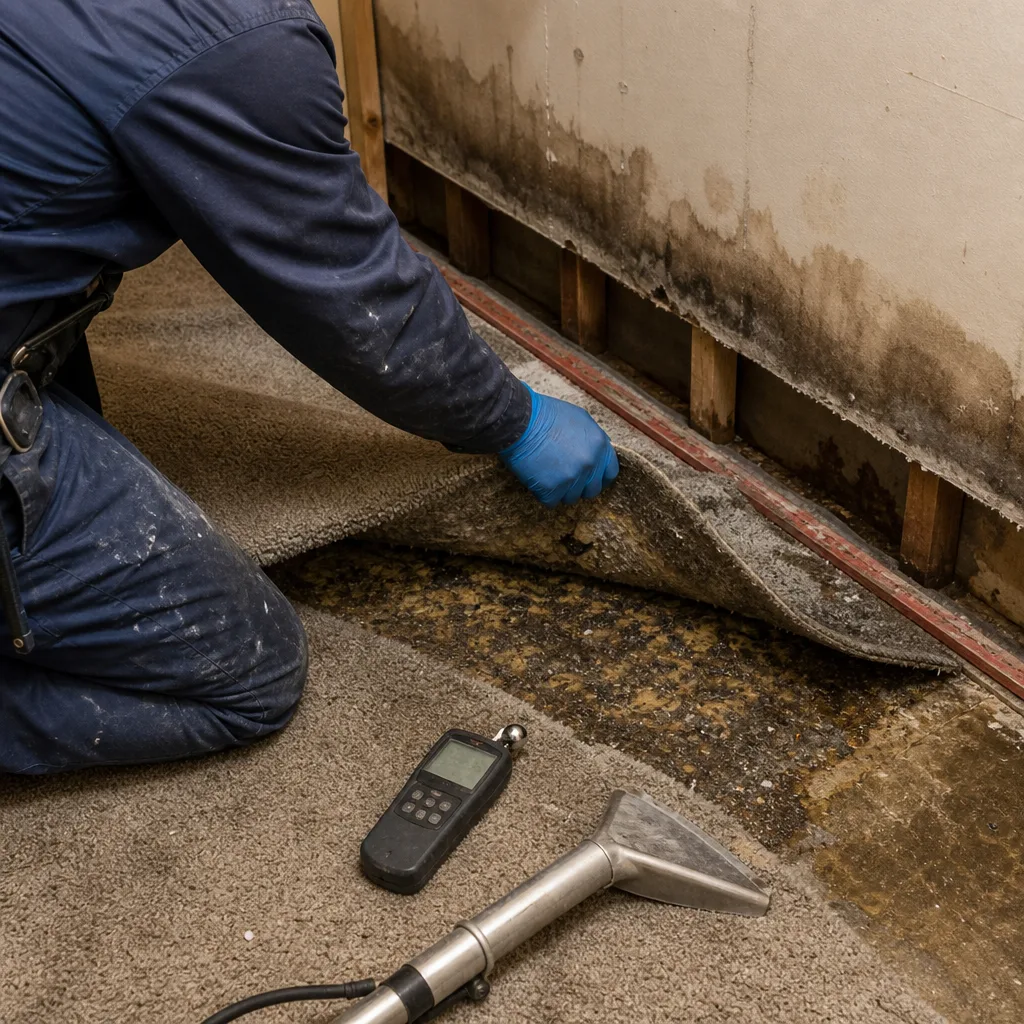
October in Astoria is the highest-leverage inspection month. Every action you take now prevents the February emergency call. We structure this as a room-by-room protocol with specific tools and thresholds.
Tools needed: pin-type moisture meter (we recommend the Delmhorst BD-2100 or equivalent), flashlight, inspection mirror, smartphone for dated photos.
- Under every sink: test the cabinet base and wall behind. Place moisture pins through the cabinet base into the subfloor. Reading above 16% requires investigation. Check the supply line compression fittings with your mirror; white mineral staining indicates slow weeping that will freeze-expand by January. Photo the meter display with date stamp.
- Exposed plumbing in unconditioned spaces: measure pipe surface temperature. Pipes running through Astoria’s common unheated basement storage areas, particularly in buildings north of 30th Avenue with original 1920s foundations, should be wrapped if surface temperature falls below 40°F during a 50°F outdoor day. This predicts freeze risk at 20°F outdoor temperature.
- Attic or top-floor ceiling: inspect for active leaks and measure sheathing moisture. Roof decking above 18% moisture content will not dry before winter. In Astoria’s flat-roofed apartment buildings, check membrane seams and drain strainers for leaf accumulation from October shedding.
- Foundation perimeter: verify grade slopes away from walls. March snowmelt follows October’s drainage pattern. Any depression within 6 feet of the foundation will become a water collection point. Document with photos showing slope direction.
- Window and door weatherstripping: check compression and seal continuity. Failed weatherstripping in Astoria’s steel casement windows, common in 1940s-era buildings near Broadway, allows wind-driven rain intrusion in November and air leakage that accelerates pipe freezing in January.
Complete this checklist by October 31. Store photos in a dated folder. This single act establishes your first seasonal documentation of reasonable care.
March Foundation Moisture: Snowmelt and Sewer Surge
March is Astoria’s most underappreciated damage month. The visible threat, snowmelt, is dwarfed by the invisible one: combined sewer system hydraulic overload.
Snowmelt ground saturation. Astoria’s soil profile, clay-heavy in areas near Newtown Creek, retains meltwater rather than percolating it. Foundation walls experience hydrostatic pressure peaks 48-72 hours after air temperatures rise above freezing. The critical inspection point is the basement or cellar, particularly in buildings with original fieldstone or unreinforced concrete walls common south of Astoria Boulevard.
Measure wall moisture at 12 inches above the slab and at the base of any visible cracks. Readings above 20% on concrete or 18% on mortar joints indicate active water transmission. Efflorescence, the white powdery deposit on masonry surfaces, is not merely cosmetic; it documents repeated wet-dry cycles that degrade mortar and create pathways for bulk water entry.
Combined sewer backup risk. New York City’s combined sewer system, which serves most of Astoria, overflows during approximately 70 rainfall events per year, per NYC DEP data. March combines snowmelt volume with rain-on-snow intensity. Properties with basement-level fixtures, particularly in the low-lying blocks between 21st Street and the creek, face the highest risk.
Install a backwater valve if your building lacks one; it is the only protection against sewer line surcharge. Test sump pump operation by pouring 5 gallons into the pit. The pump should activate within 10 seconds and clear the water in under 30 seconds. If it struggles, the intake screen is likely clogged with sediment from winter road salt and debris.
Document pump test results with video. Insurers increasingly deny sump pump overflow claims where the homeowner cannot demonstrate maintenance.
Summer Condensation and Astoria’s Urban Heat Island
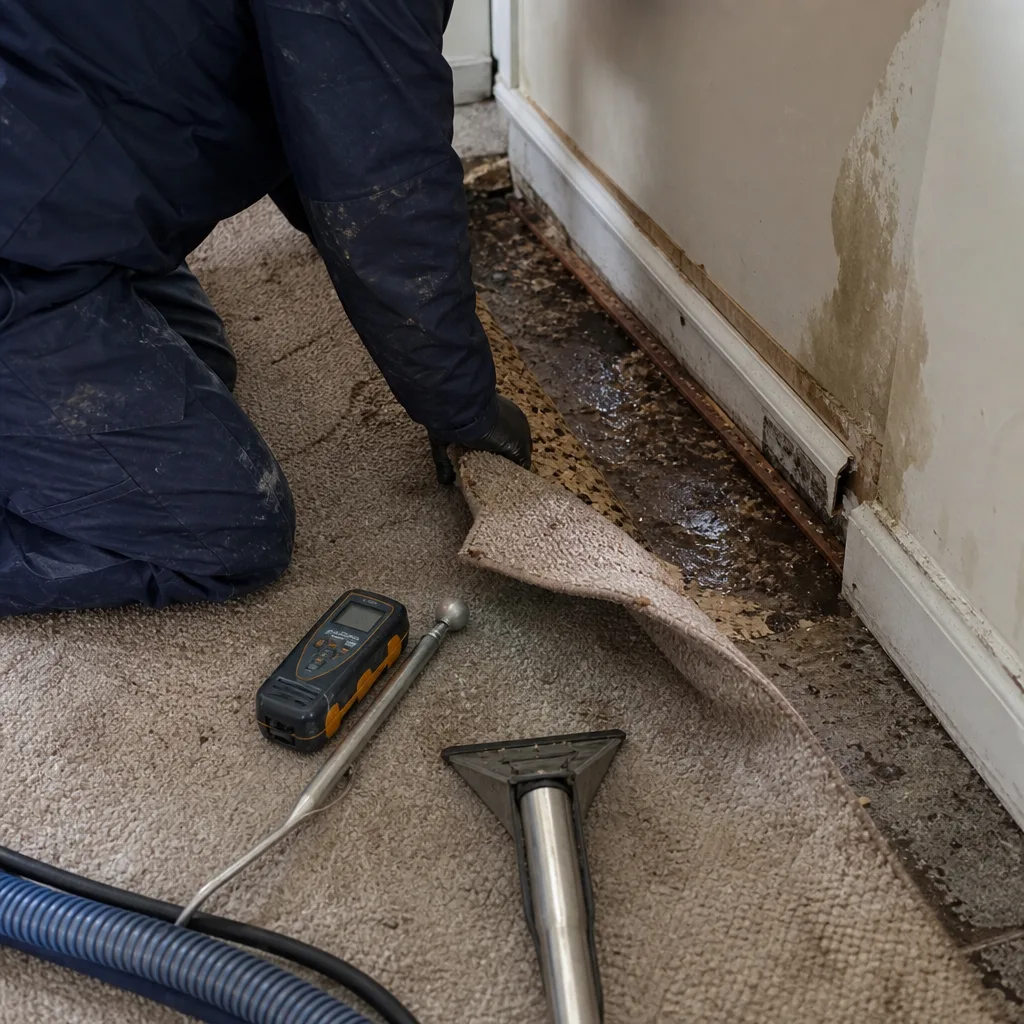
Astoria’s dense brick construction, narrow street grid, and limited tree canopy create a pronounced urban heat island effect. Summer nights rarely drop below 75°F in July and August, compared to 68-70°F in eastern Queens. This has a direct, measurable impact on building envelope performance.
The mechanism: vapor pressure differential. Warm outdoor air holds more moisture than cool indoor air. When humid outdoor air contacts a surface cooled by air conditioning, the air temperature at that surface drops below its dew point, and liquid water condenses. In Astoria’s pre-war buildings with uninsulated brick walls, the interior surface of exterior walls can run 10-15°F below room air temperature during peak cooling loads.
The interior sign that predicts this problem: cold spots that feel damp to touch, even when no visible water is present. These typically appear on north-facing walls in upper floors, where wind exposure accelerates heat loss through the masonry. A moisture meter reading on the plaster or drywall surface will show 14-16%, below mold threshold but indicating active condensation at the wall interior.
AC condensate failures. Window units in Astoria’s rental market produce condensate at 1-3 gallons per day during humid periods. Failed drain pans, rusted through after multiple seasons, dump this water directly into the wall below. We see this pattern repeatedly in buildings along Steinway Street and 31st Avenue with high tenant turnover and minimal unit maintenance.
The inspection: remove the front grille and check the pan for rust holes, proper slope toward the drain, and drain line continuity. The pan should pitch at least 1/4 inch per foot toward the outlet. Any standing water in the pan indicates a blockage or improper installation.
For central systems, the evaporator coil condensate line should flow freely into a floor drain or pump. August is peak failure month because algae and biofilm, growing all summer, finally occlude the line. A wet-dry vacuum on the line outlet for 30 seconds will clear most blockages. Document the cleaning with a dated photo of flowing discharge.
November Roof Envelope: Wind-Driven Rain Before Winter
November nor’easters in Astoria produce sustained winds of 30-40 mph with gusts to 60, driving rain at angles that test every roof penetration. The damage we document most often is not shingle loss, it is water entry at points that were sealed in calm weather but fail under wind pressure.
Inspection protocol for flat roofs, Astoria’s dominant type:
- Membrane seams: Check for lifting, bubbling, or separation at field seams and perimeter flashing. Wind uplift pressure concentrates at these transitions. Any seam that moves under hand pressure requires professional repair before the first storm.
- Drainage elements: Strainers must be clear of leaves and debris from October shedding. Standing water deeper than 1/4 inch 48 hours after rain indicates blocked drains or inadequate slope. In winter, this becomes ice load.
- Penetrations: Vent stacks, HVAC curbs, and satellite mounts are the most common leak points. The rubber boot seals around plumbing vents degrade in 5-7 years of UV exposure. Check for cracking or separation from the pipe.
- Parapet walls and coping caps: In Astoria’s commercial and mixed-use buildings, loose coping stones allow wind-driven rain directly into the wall cavity. Mortar joints below the coping should be sound; repointing costs $8-15 per linear foot, versus thousands in interior damage.
For pitched roofs in Astoria’s detached house stock, particularly in the Ditmars-Steinway area, check valley flashing and step flashing at dormers. These are the first points to leak in wind-driven conditions. A moisture reading on the attic sheathing below these areas, taken in October before the season, provides your baseline.
Document every inspection with dated photos showing the condition of each element. After any November storm, perform a targeted interior check of ceilings below roof penetrations. New staining, even if dry to touch, documents a breach that will expand with freeze-thaw cycles.
Moisture Readings and Pass-Fail Thresholds by Season
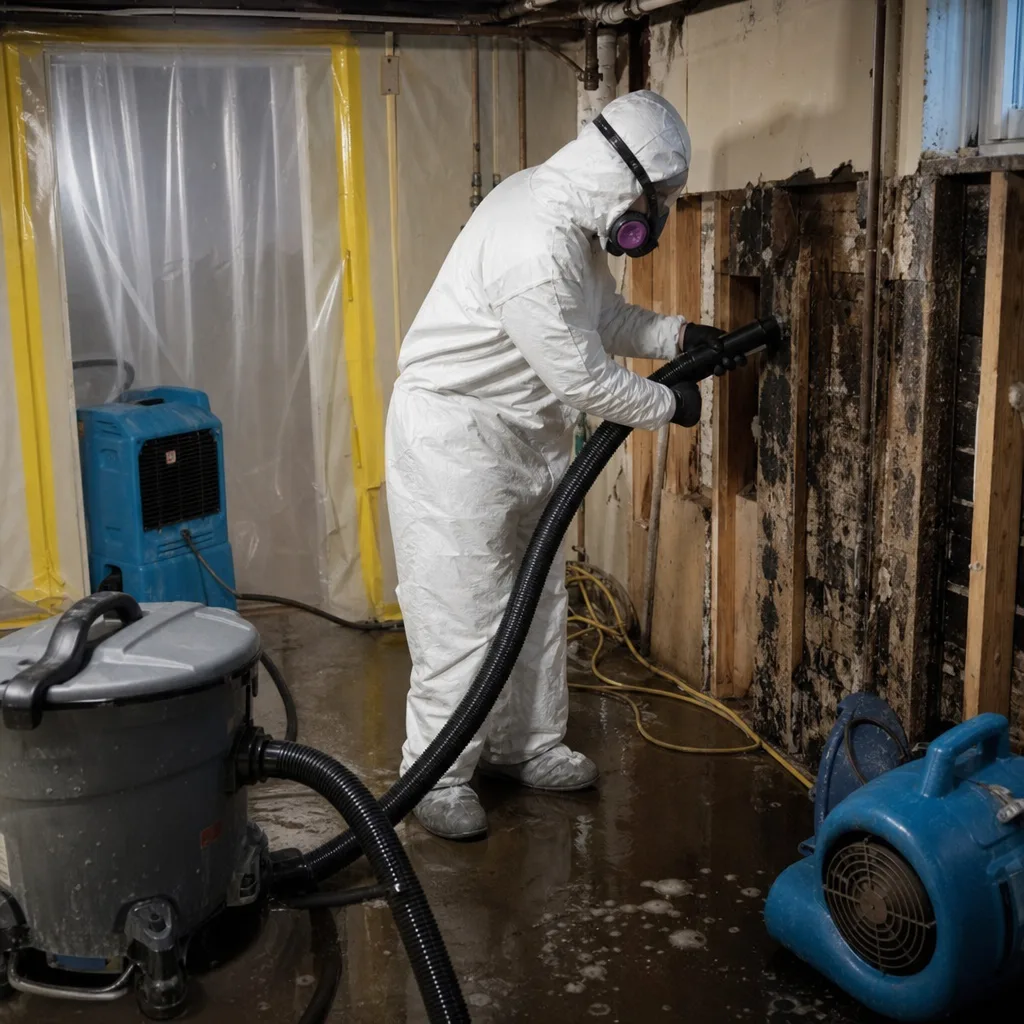
Moisture meters are inexpensive and definitive. The readings below, taken with a pin-type meter calibrated for the material being tested, tell you whether to monitor, investigate, or act immediately.
| Location | Material | Pass (monitor) | Caution (investigate) | Fail (act within 48 hours) | Season to test |
|---|---|---|---|---|---|
| Under-sink cabinet base | Plywood/OSB | Below 14% | 14-16% | Above 16% | October, February |
| Exterior wall interior surface | Plaster/drywall | Below 12% | 12-14% | Above 14% | August, November |
| Basement foundation wall | Concrete | Below 15% | 15-20% | Above 20% | March, October |
| Basement foundation wall | Mortar joint | Below 14% | 14-18% | Above 18% | March, October |
| Attic roof sheathing | Plywood/OSB | Below 15% | 15-18% | Above 18% | October, April |
| Window sill/interior trim | Solid wood | Below 14% | 14-16% | Above 16% | November, March |
| Subfloor around toilet/flange | Plywood/OSB | Below 14% | 14-16% | Above 16% | Quarterly |
These thresholds align with IICRC S500 standards for water damage restoration and represent the moisture content at which microbial growth becomes probable, or structural degradation accelerates. A reading in the “caution” range requires repeat measurement in 7 days; if stable or rising, the source must be identified.
In our work across Astoria, we use Dri-Eaz and Phoenix moisture detection systems that produce psychrometric data, vapor pressure differential readings, and documented drying logs. Homeowners performing their own inspections should record meter model, calibration date, material setting, and exact location for each reading. This documentation transforms a moisture meter from a diagnostic tool into claim evidence.
Insurance Coverage Gaps: What’s Excluded and When
Standard ISO HO-3 policies, the most common homeowner form in Astoria, contain specific exclusions that trap the unprepared. Understanding these before damage occurs-along with our Damage Restoration Cost Breakdown: The Astoria Homeowner’s Reference for 2026-shapes both your maintenance priorities and your documentation strategy.
Explicitly excluded: gradual damage from maintenance failures. This is the largest category of denied claims. Examples we encounter:
- Pipe corrosion that leaked over months, evidenced by layered mineral staining or wood rot progression.
- Roof leaks that produced sequential ceiling stains, indicating multiple wetting events rather than a single storm breach.
- Foundation seepage that occurred repeatedly in the same location, documented by layered efflorescence.
The policy language typically requires “sudden and accidental” discharge. Gradual damage is excluded regardless of whether the proximate cause, a storm or freeze event, would otherwise be covered.
Explicitly excluded: sewer backup without endorsement. Standard HO-3 excludes water that backs up through sewers or drains. A sewer backup endorsement, typically $50-150 annually, is required for coverage. In Astoria’s combined sewer areas, this endorsement is essential.
Explicitly excluded: sump pump failure without endorsement. Similar to sewer backup, this requires a separate Equipment Breakdown or Water Backup endorsement. The failure must be documented as mechanical, not maintenance-related.
Covered: sudden pipe burst from freezing, if reasonable care was exercised. The critical qualifier: insurers investigate whether heat was maintained, pipes were insulated in vulnerable areas, and the homeowner was not away for an extended period without precautions. A dated October inspection record showing pipe insulation and heating system function directly supports this coverage determination.
Covered: wind-driven rain entering through a storm-created opening. The opening must be documented as storm-caused, not pre-existing deterioration. November roof inspections with dated photos establish the pre-storm condition of flashing and seals.
The actionable insight: your seasonal inspection record is not merely maintenance. It is evidence that distinguishes covered sudden damage from excluded gradual damage. A homeowner who can produce dated moisture readings, inspection photos, and maintenance receipts has measurably better claim outcomes than one who cannot.
Documenting Reasonable Care: A Seasonal Record That Protects Your Claim
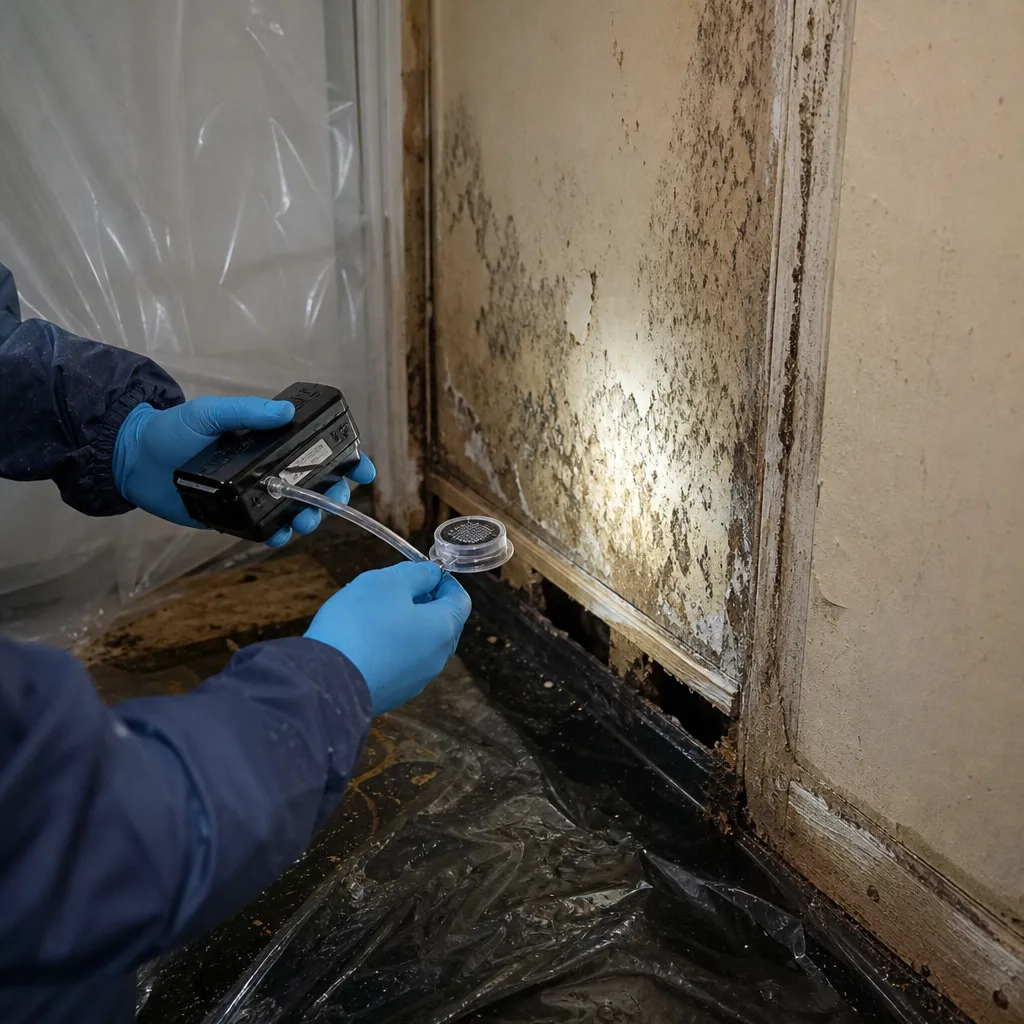
“Reasonable care” is not defined in most policies, but it is the standard insurers apply when evaluating whether gradual damage exclusions apply. A documented seasonal inspection protocol provides the evidence to meet this standard.
The record structure we recommend:
- Dated inspection log. For each seasonal inspection, create a dated document listing each inspected element, the test performed, the result, and any action taken. Digital or physical; consistency matters more than format.
- Photo documentation with metadata. Smartphone photos automatically capture date, time, and often GPS location. Ensure location services are enabled. Photos should show the inspected element, the testing tool in use, and the reading or condition.
- Maintenance receipts and contractor reports. Any professional service, from gutter cleaning to plumbing repair, produces a receipt. File these by date and property area.
- Moisture reading spreadsheet. Track readings by location over time. A rising trend, even within the “pass” range, predicts future failure. This data is invaluable in demonstrating proactive care.
- Weather event correlation. When damage occurs, note the specific weather event and its timing. Cross-reference with your pre-event inspection record to show the condition immediately before.
Store this record in cloud backup and physical copy. Insurers may request documentation months after the event, and local device failures are common in water damage scenarios.
In our experience with Water Damage Restoration in Astoria, homeowners with documented seasonal inspection records experience faster claim approval, fewer coverage disputes, and better settlement outcomes. The documentation burden shifts from the homeowner proving they acted reasonably to the insurer proving they did not.
Common Mistakes to Avoid
- Waiting for visible water before acting. By the time water is visible, the damage path is established. Astoria’s February pipe bursts often weep for weeks inside walls before appearing on surfaces. Moisture meters catch what eyes miss.
- Assuming new construction is exempt. Post-2000 buildings in Astoria’s Hallets Point and Astoria Cove developments have experienced rapid envelope failures due to EIFS cladding deficiencies and improper window integration. Age is not the sole predictor.
- Neglecting the backwater valve. Combined sewer backup is excluded without endorsement, and the backwater valve is the only physical protection. Annual cleaning is required; a stuck valve is as useless as no valve.
- Using the wrong moisture meter setting. Pin-type meters require material-specific calibration. A reading taken on the “wood” setting over drywall is meaningless. Check your manual and document the setting used.
- Failing to photograph the pre-storm condition. After damage, insurers send adjusters who must distinguish storm-caused from pre-existing conditions. Without November roof photos, you cannot prove the flashing was intact before the wind event.
- Ignoring the urban heat island effect. Astoria’s summer nights stay hot. Walls don’t dry. Condensation persists. Standard advice written for suburban climates underestimates Astoria’s moisture retention.
- Discarding maintenance records after the work is done. The value of a 2019 gutter cleaning receipt emerges in 2024 when an insurer questions whether roof drainage was maintained. Keep everything, organized by year.
When to Call a Professional
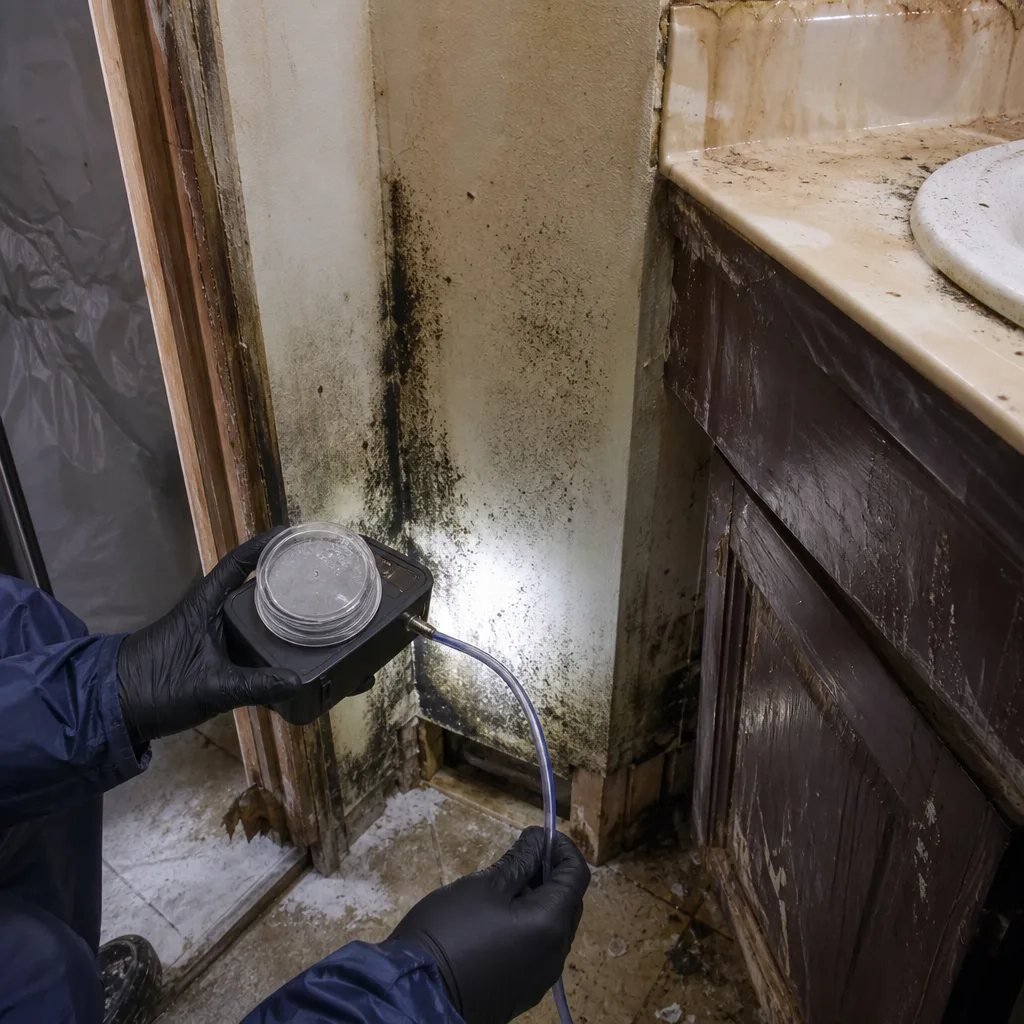
Some conditions exceed homeowner inspection and remediation capacity; for ongoing education, see our more guides & resources. Call for professional assessment when: moisture readings exceed fail thresholds and the source is not immediately identifiable; mold growth is visible on any surface larger than 10 square feet; sewage or Category 3 water is present; structural materials show deformation, sagging, or collapse; or you need documentation for an insurance claim and require third-party verification of conditions.
DryMark Restoration Astoria offers free estimates in Astoria. Our assessments include written moisture readings, photo documentation, and a written scope of work with pricing before any work begins, per Haven Standard, Clause 1. Call (862) 281-7710 to schedule.
Frequently Asked Questions
Professional moisture mapping and seasonal inspection in Astoria typically ranges from $150 to $400 for a single-family home or apartment, depending on square footage and the number of moisture probe locations. This includes written readings, thermal imaging where indicated, and a dated report suitable for insurance documentation. DryMark Restoration Astoria provides this service with a written price before arrival and a photo record of all findings. Call (862) 281-7710 for exact pricing on your property.
Coverage depends on whether you took reasonable precautions. Standard HO-3 policies require that heat be maintained or that the water system be drained if the home is unoccupied during heating season. A dated pre-departure inspection showing thermostat setting, pipe insulation condition, and any neighbor check arrangement supports your position. Without this documentation, insurers frequently deny claims based on vacancy or neglect exclusions. Create this record before you leave.
For active water damage, DryMark Restoration Astoria answers live 24 hours a day, 7 days a week with no voicemail routing, and dispatches background-checked, uniformed technicians with documented license verification. Response time depends on call volume and weather conditions, but emergency dispatch is prioritized for Category 2 and 3 water, fire damage with active suppression water, and sewage backup. For non-emergency assessments, scheduling typically occurs within 24-48 hours. Call (862) 281-7710 for current availability.
Visible mold on a hard, non-porous surface smaller than 10 square feet can sometimes be addressed with appropriate cleaning and moisture source elimination. However, mold in Astoria’s common plaster-and-lath walls, inside HVAC systems, or resulting from Category 3 water requires professional remediation under IICRC S520 standards. The critical factor is whether the growth is surface-only or has colonized porous materials and produced airborne spore loads. Professional assessment with air sampling and moisture mapping determines the appropriate scope. We provide free second opinions on competitor remediation scopes.
At DryMark Restoration Astoria, we coordinate directly with your adjuster, providing the documented photo record, daily drying logs, and written scope that adjusters need to approve payment. Our documentation is structured to IICRC, RIA, and IFA standards, producing the evidence base that turns restoration invoices into payable claims. You remain the policyholder and must authorize all work, but the administrative burden of documentation and negotiation falls to us. This is the documentation-first approach we have applied to over 12,000 homes since 2011.
The 365-Day Done Right Promise is a written guarantee under The Haven Standard, not a verbal assurance. If any aspect of our work is not done right, we return to make it right within one year, at no additional cost. This applies to drying, remediation, and reconstruction work. The guarantee is signed and delivered with every job, with specific clauses addressing scope, pricing, and documentation standards. It exists because our founder, a former claims adjuster, built the company around the documentation gap that costs homeowners their claims.
The Bottom Line
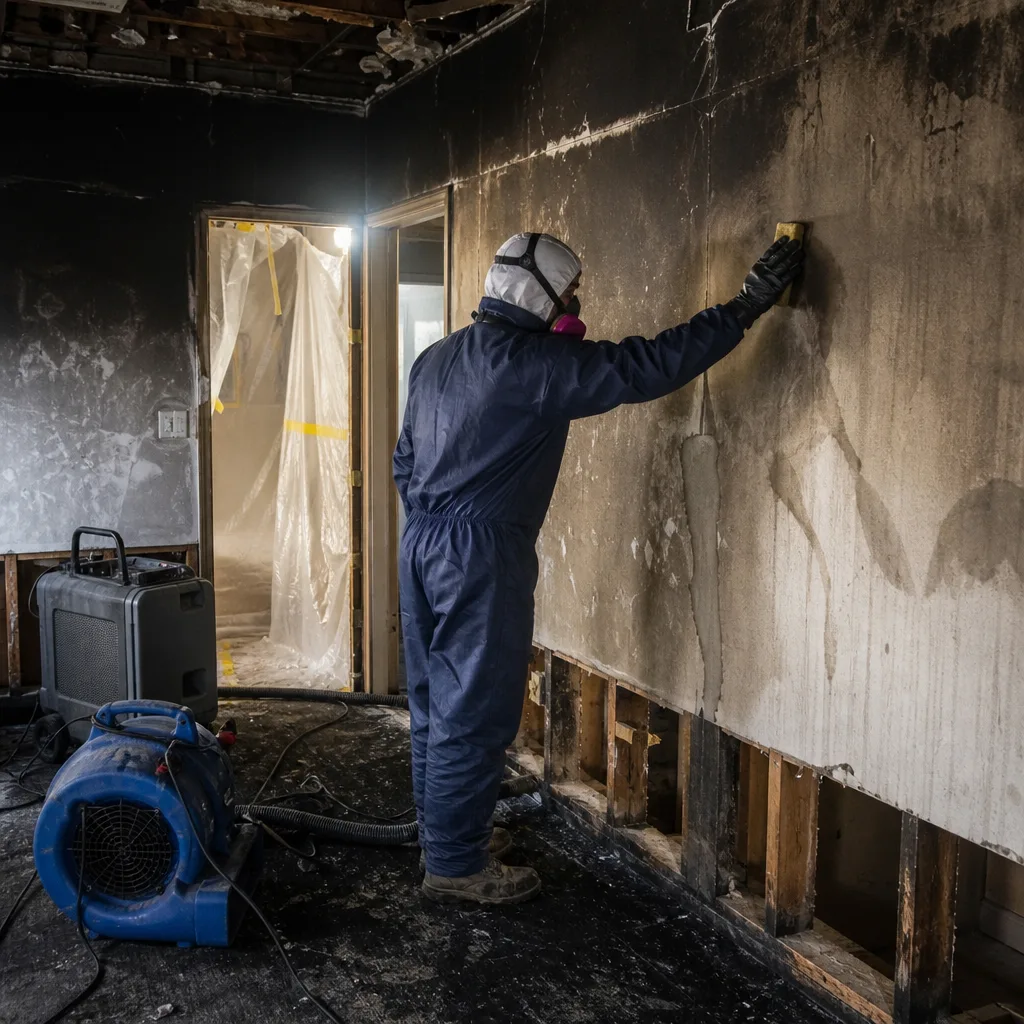
Astoria’s seasonal damage threats follow a predictable calendar, and each threat has a corresponding inspection with measurable pass-fail criteria. The homeowner who performs these inspections, records the results with dated photos and moisture readings, and maintains this documentation over time establishes reasonable care under standard insurance policy language. This documentation transforms potential claim disputes into straightforward approvals, and catches gradual damage before it becomes catastrophic failure. The investment is time and attention; the return is measured in prevented damage, faster claim resolution, and the confidence that your property’s condition is known, not assumed.
Written by Alicia Brennan, Owner at DryMark Restoration Astoria, serving Astoria since 2011.