
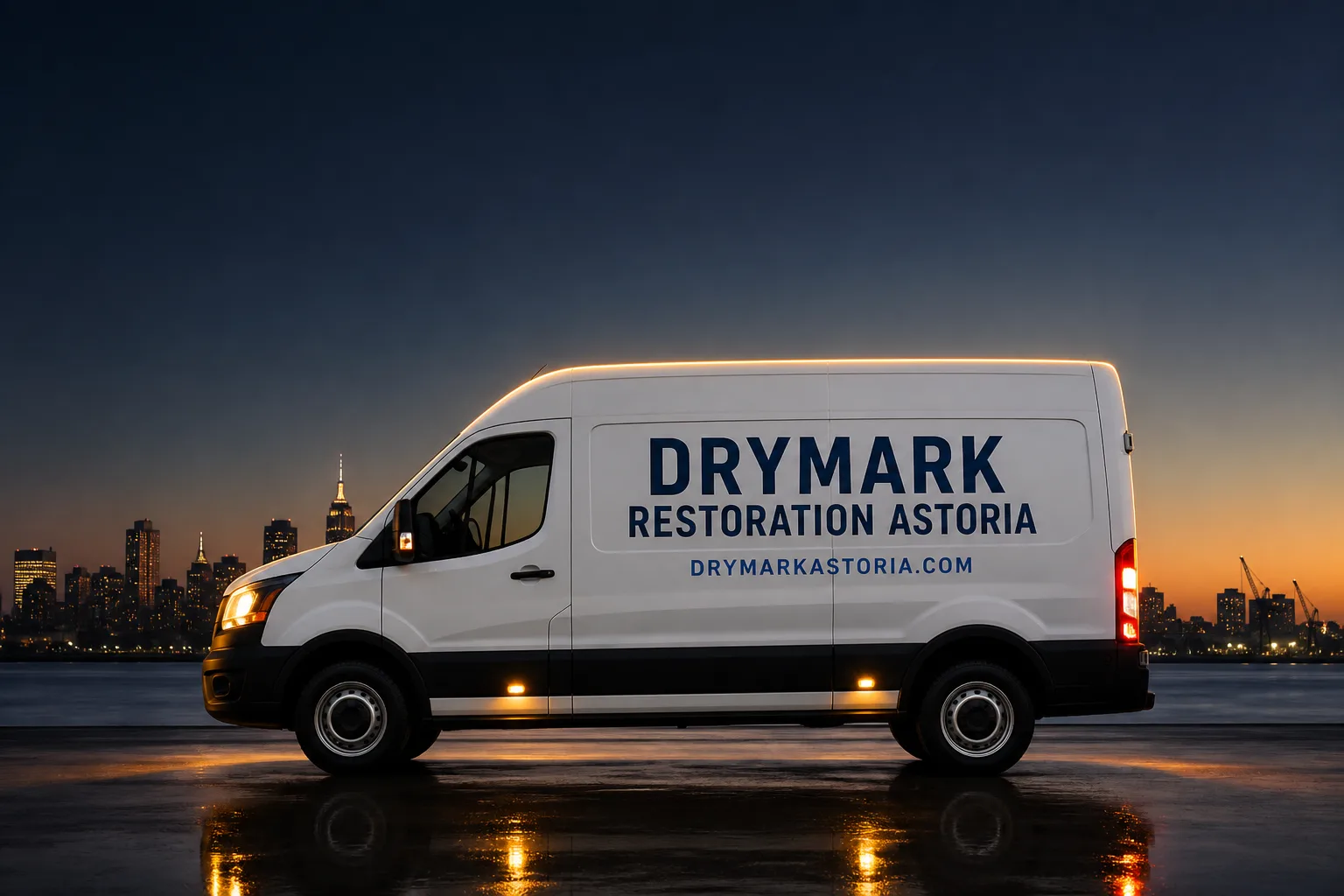
Free visual inspection and a written scope of work before any mitigation begins - photos, moisture readings, and drying logs go in your claim file
The scope we write is the scope we bill. Anything new gets shown to you, in writing, before we touch it.
Storm response
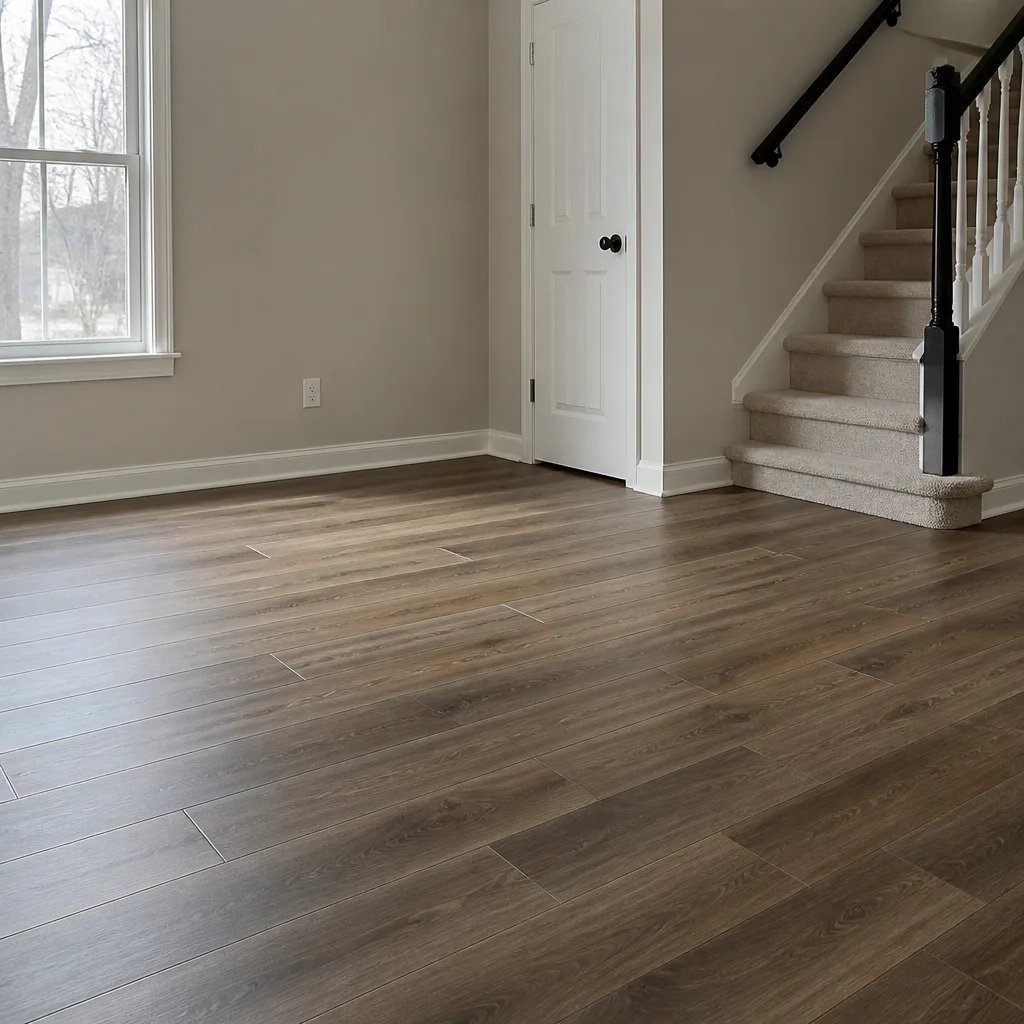
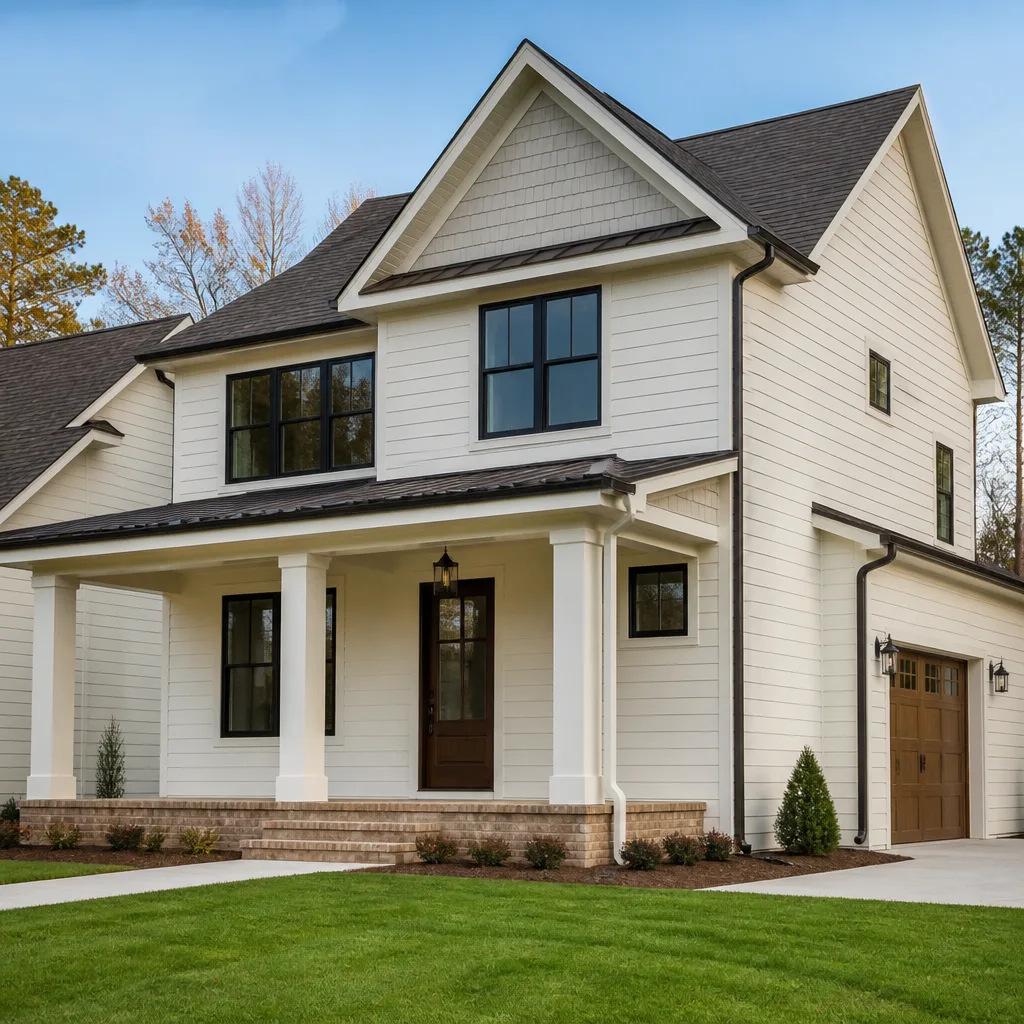
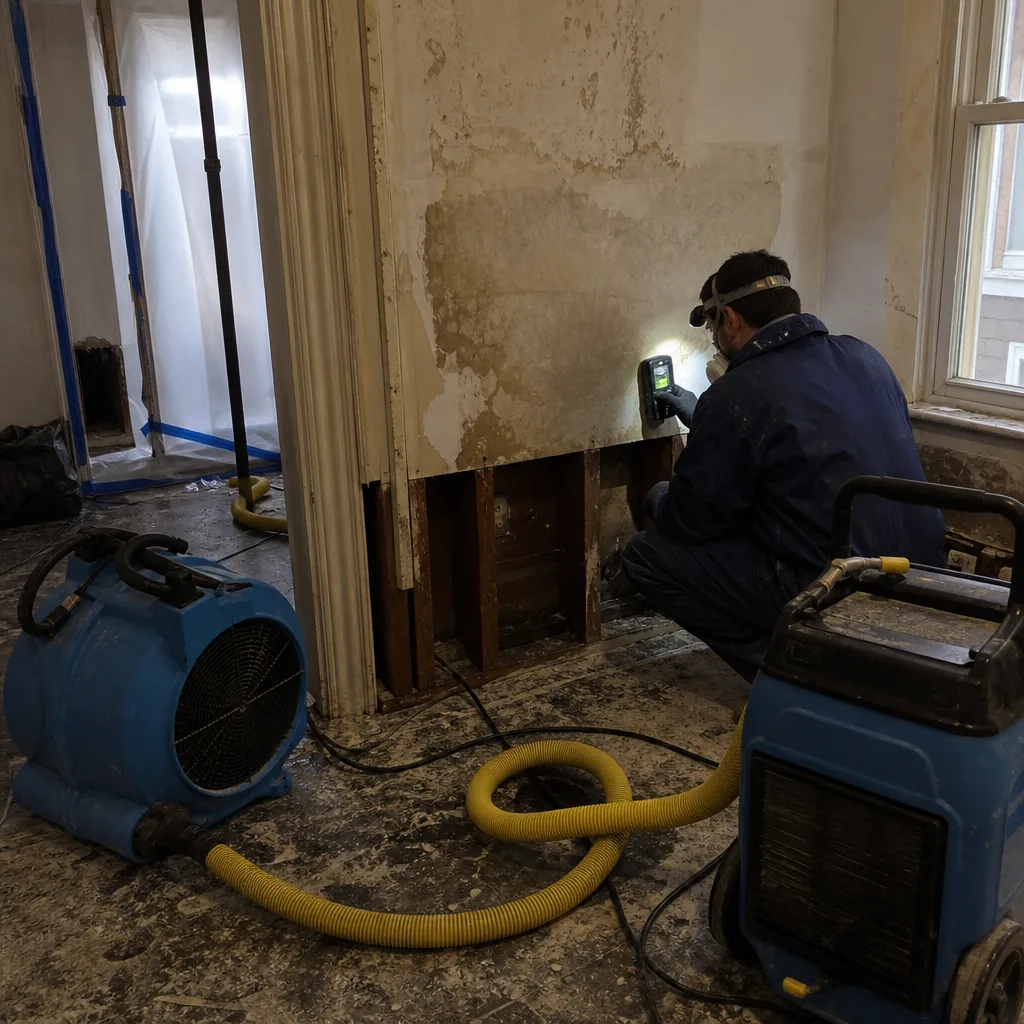 Before
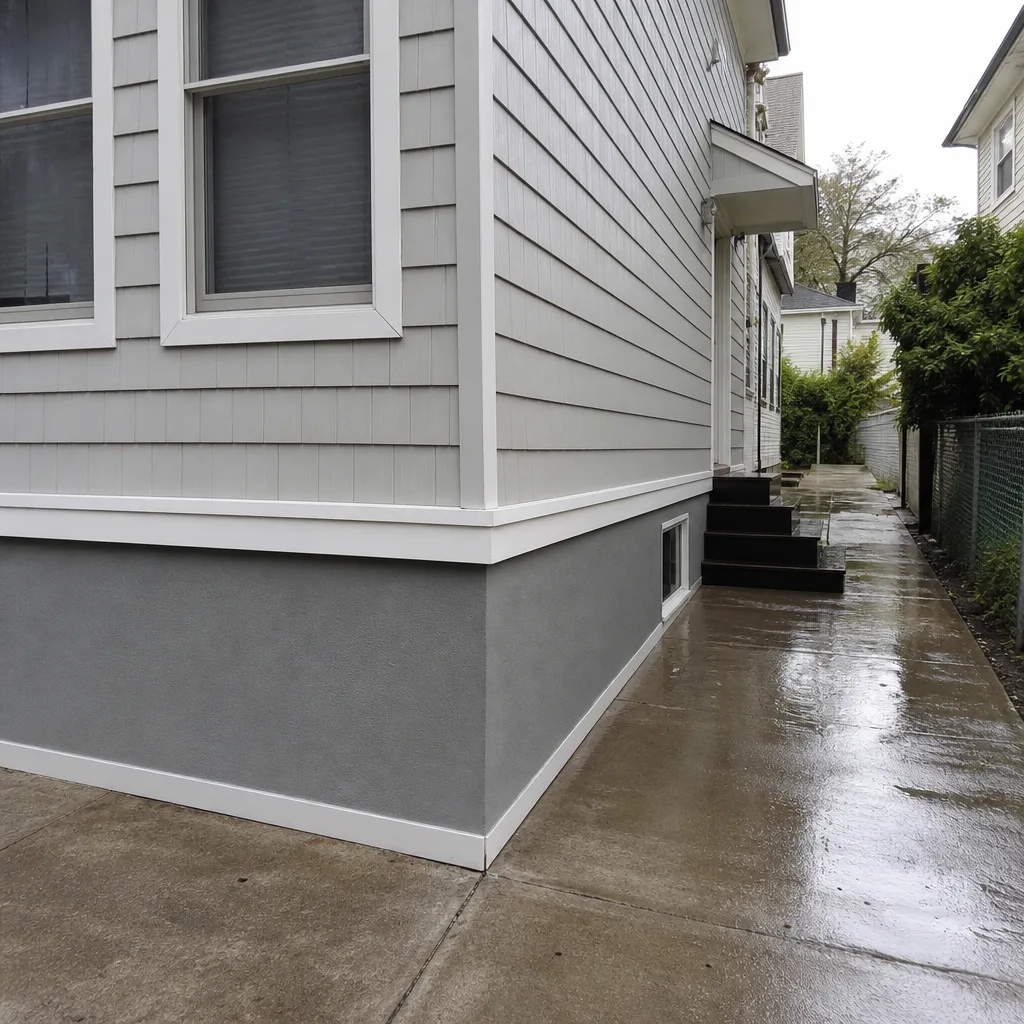 After
After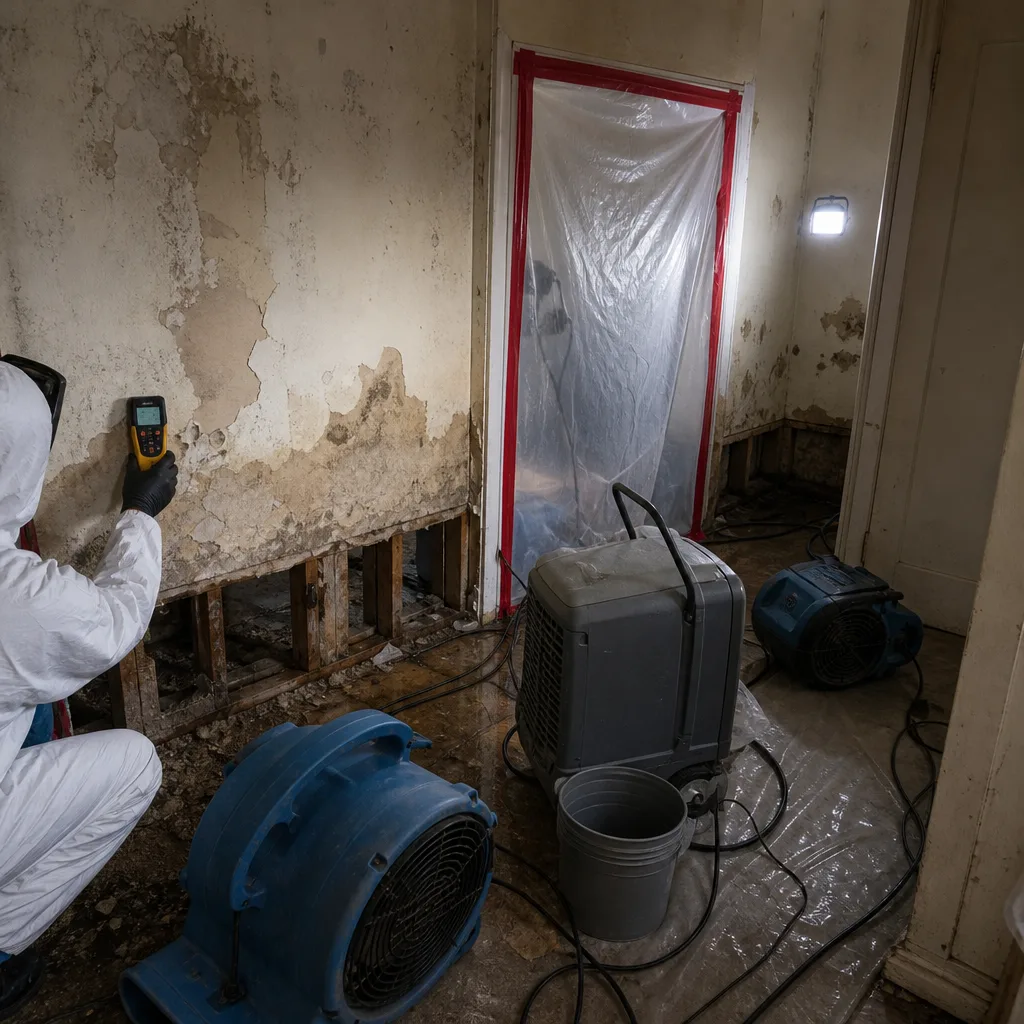 Before
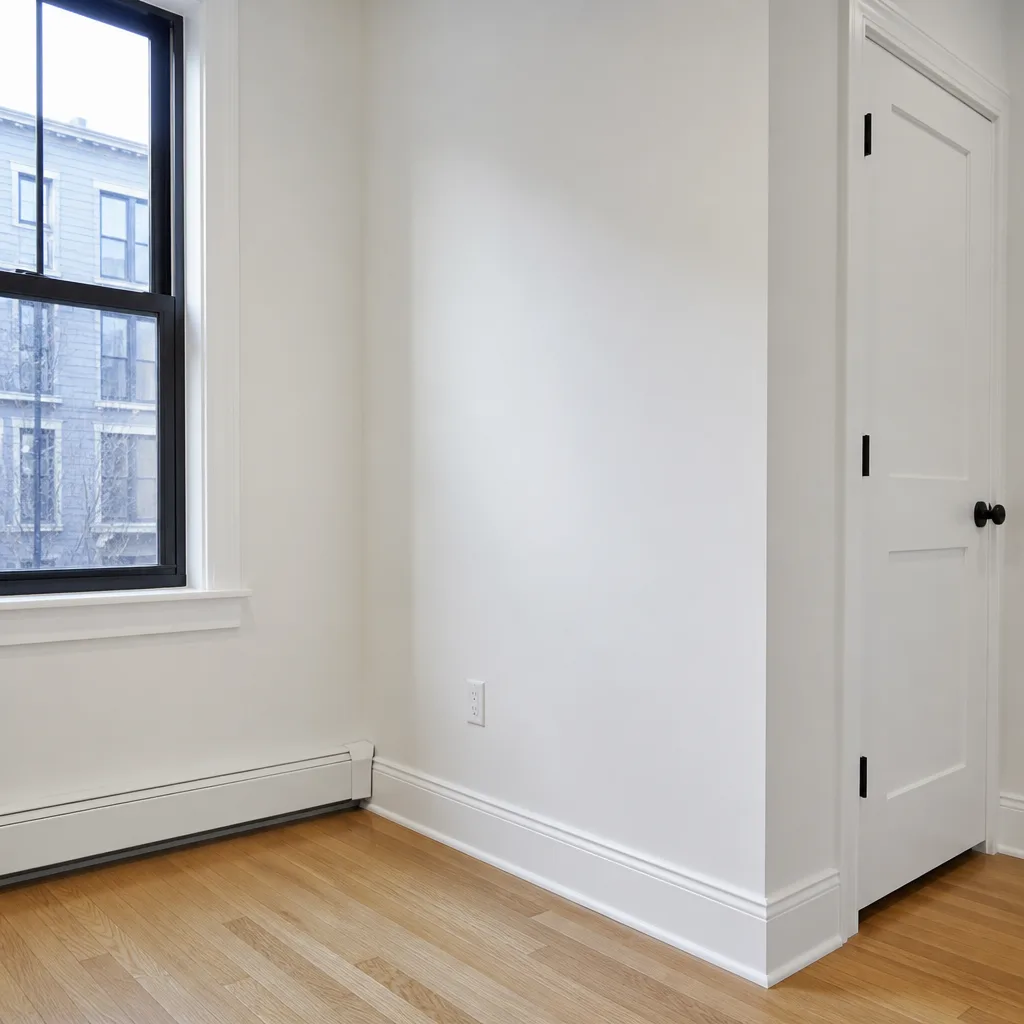 After
After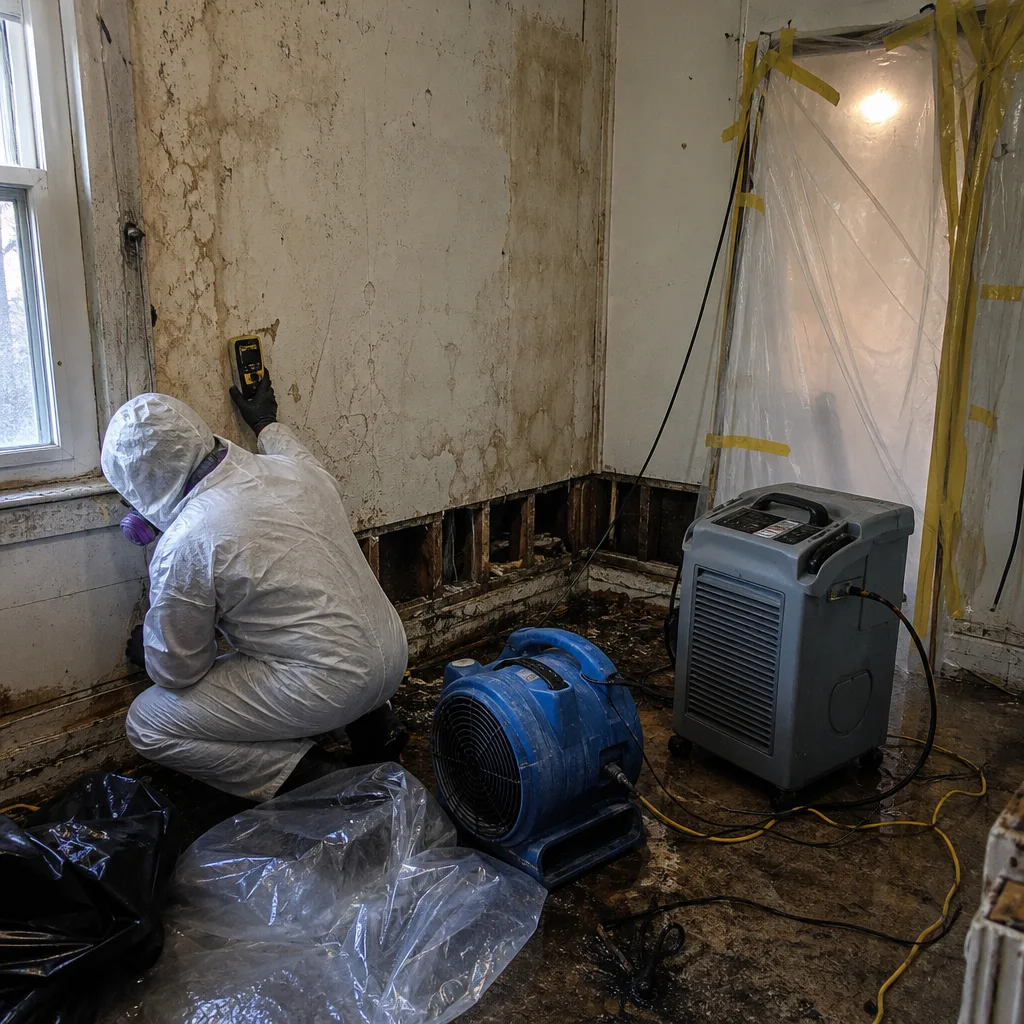 Before
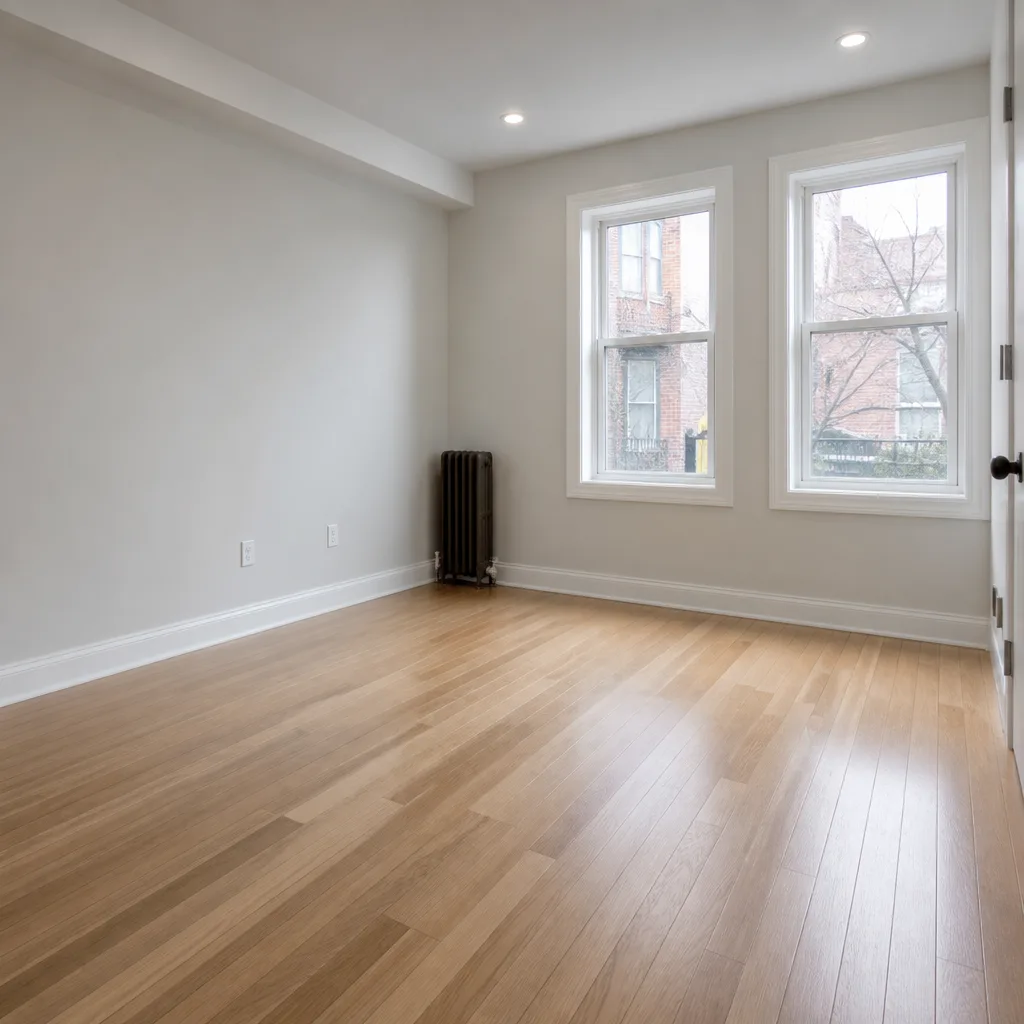 After
After24/7 Emergency Water Damage Restoration in Greenpoint
Water damage restoration in Greenpoint typically costs between $2,800 and $7,500 for a standard residential mitigation, with basement floods in older tenements often landing at the higher end due to extended structural drying needs. Most emergency calls in the 11222 zip code receive a crew within 45 minutes, and our phones are answered live at (862) 281-7710 - no voicemail, no callback queues, just a person who can dispatch immediately. The first hour determines whether water wicks into plaster lath, migrates through party walls into neighboring units, or stays contained to the original loss area. In Greenpoint’s dense rowhouses, that hour is especially critical: aging masonry sucks water slowly but holds it for weeks, and what looks like a small kitchen leak can saturate an entire shared wall before visible staining appears on the other side.
Understanding Water Damage Restoration Severity in Greenpoint Properties
Water damage falls into three categories that dictate both safety protocol and equipment selection. Category 1 is clean water from a broken supply line or overflowing sink. Category 2 carries significant contamination - think dishwasher discharge or rainwater backing up through Greenpoint’s aging combined sewer system. Category 3 is grossly contaminated: sewage, rising groundwater, or floodwater from Newtown Creek.
Greenpoint’s building stock skews heavily toward late-19th and early-20th century brick rowhouses and 4-6-story tenements, many now subdivided into basement apartments. These structures complicate every severity classification. Original cast-iron and galvanized plumbing, installed when Grover Cleveland was president, fails catastrophically rather than gradually. Flat or minimally-pitched roofs pond water until they find a penetration point. Dense masonry walls - solid brick, no cavity, often 12 to 16 inches thick - trap moisture behind plaster and lathe, creating a vapor pressure differential that resists standard drying approaches. We see this on moisture maps regularly: the drywall reads dry, but the masonry behind it still holds enough water to support mold colonization in 72 hours. That gap between surface dryness and structural dryness is why our crews log psychrometric data daily, not just at setup and takedown.
Why Greenpoint Property Owners Choose DryMark Restoration Astoria
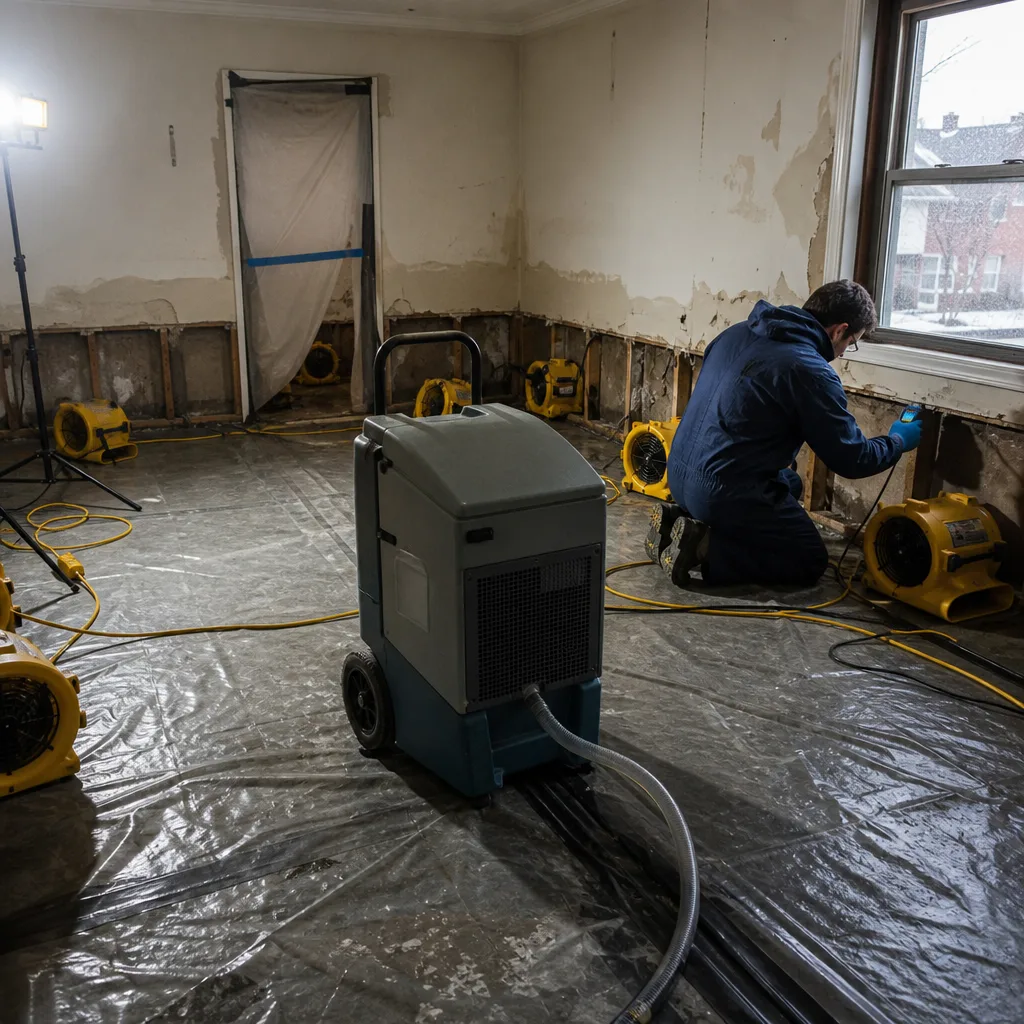
- 45-minute response commitment to Greenpoint from our New York City dispatch office - crews carry extractors, air movers, and dehumidifiers pre-loaded, not fetched from a warehouse after the call.
- 24/7 live answer - a real person picks up every call, never an automated system or voicemail tree, because water doesn’t observe business hours and neither do we.
- IICRC-certified crews holding WRT (Water Damage Restoration Technician), FSRT (Fire & Smoke Restoration Technician), and AMRT (Applied Microbial Remediation Technician) certifications - the industry codes that insurers recognize and that govern our documentation standards.
- Free visual inspection with moisture mapping and thermal imaging before any work begins or any price is quoted.
- Direct insurance billing with photo-documented estimates formatted to carrier specifications, plus direct adjuster coordination on every claim.
- One team from extraction to reconstruction - the same crew that pumps your basement handles the drying, the cleaning, and the rebuild, so nothing gets lost in handoffs.
BeforeAfterOur Water Damage Restoration Process
1. Inspection & Assessment
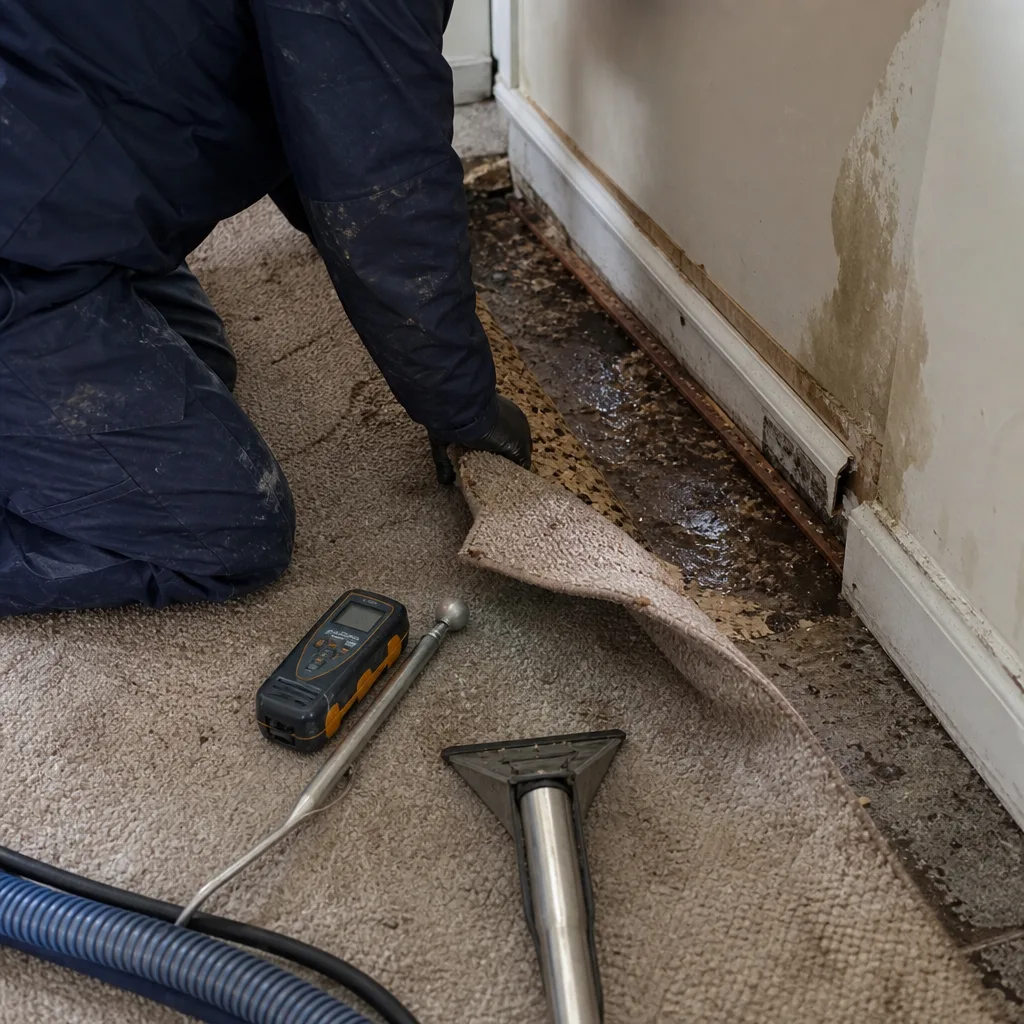
We arrive with thermal imaging cameras, penetrating and non-penetrating moisture meters, and hygrometers to map the full extent of water migration. In Greenpoint tenements, we pay particular attention to party walls and floor joist bays where water travels horizontally through old mortar joints. Every reading is logged to the drying record.
2. Extraction & Stabilization
Truck-mounted extractors remove standing water at rates up to 25 gallons per minute. For basement apartments with limited access, we deploy portable extraction units from Dri-Eaz and Phoenix. East of Manhattan Avenue, we screen all groundwater for petroleum contamination before extraction begins - a protocol born from Greenpoint’s unique environmental history.
3. Drying & Dehumidification
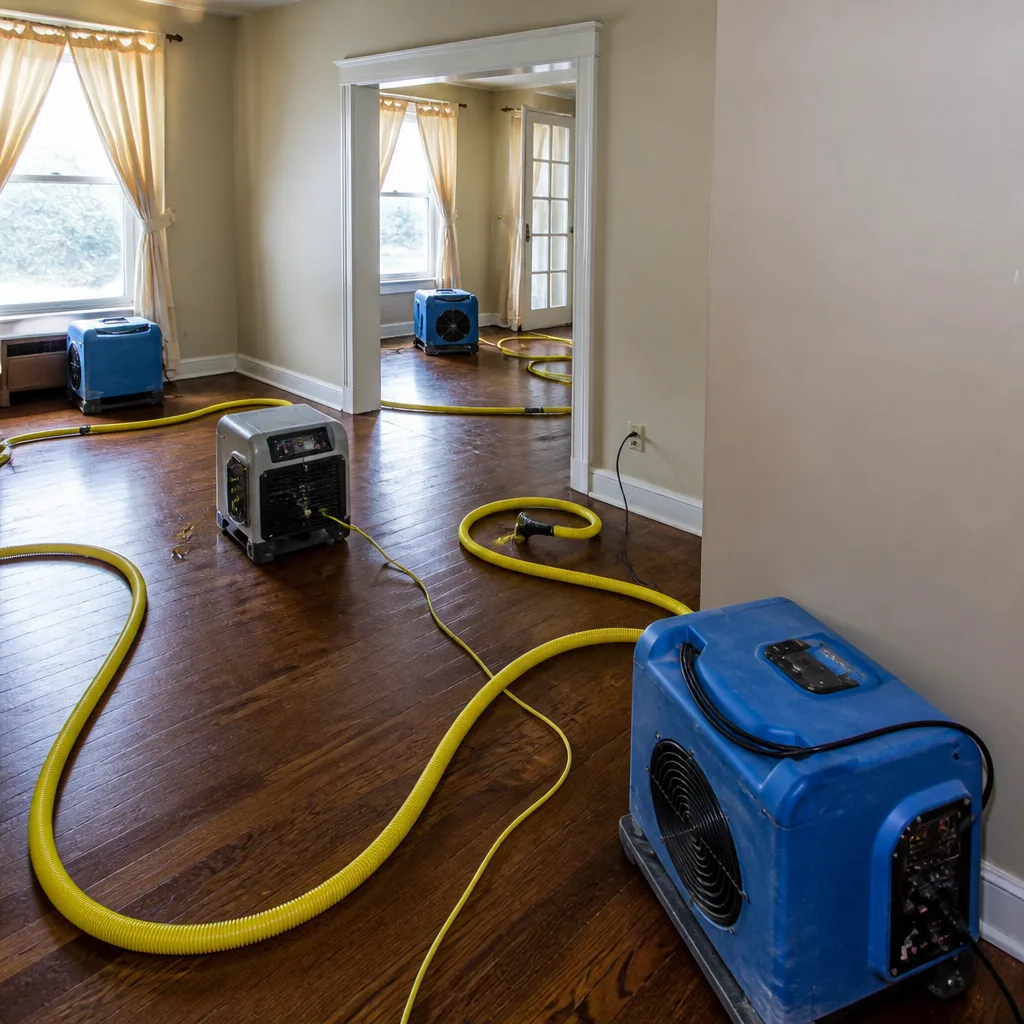
We calculate the exact cubic footage and vapor pressure differential to size equipment: LGR dehumidifiers from Dri-Eaz and Phoenix, axial and centrifugal air movers from XPOWER and B-Air, and Injectidry systems for wall cavity drying. Greenpoint’s dense masonry often requires 30-50% longer dwell times than modern frame construction.
4. Cleaning & Sanitization
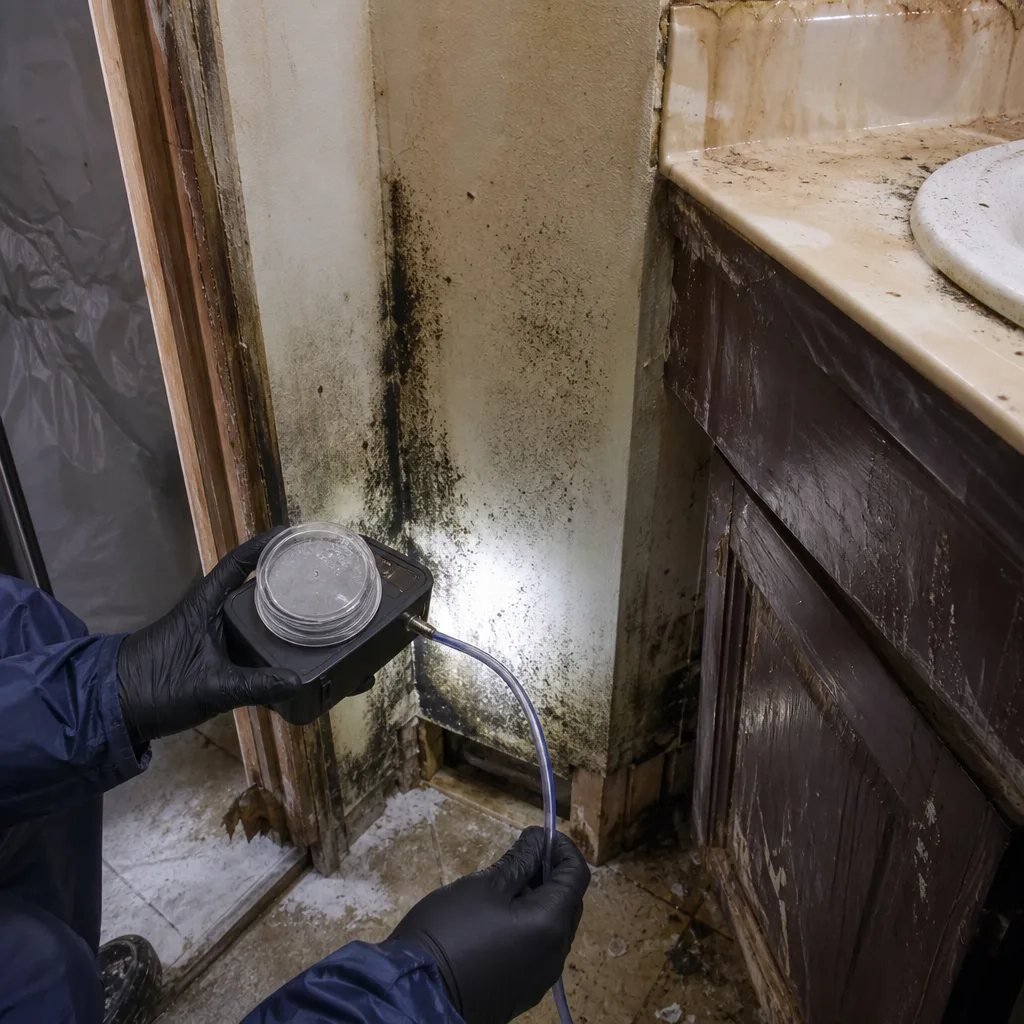
Category 2 and 3 losses receive antimicrobial treatment with EPA-registered products, followed by HEPA air scrubbing to capture airborne particulates. Basement apartments in Greenpoint’s older buildings - where sewer backup is common - almost always require this step even when initial water appears clear.
5. Petroleum Contamination Screening
Where groundwater intrusion occurs near Newtown Creek, we test for hydrocarbon sheen or odor before finalizing the drying plan. If petroleum is present, we coordinate with environmental assessors and document the finding for your insurer. This specialty protocol is essentially unique to Greenpoint among NYC neighborhoods.
6. Repairs & Restoration
Our reconstruction crew replaces drywall, plaster, flooring, and trim to match existing finishes. Every repair is scoped in writing with a fixed price before work begins - Haven Standard, Clause 1 - and backed by our 365-Day Done Right Promise.
Need Emergency Water Damage Restoration in Greenpoint Now?
Crews minutes away, answering live 24 hours a day. The sooner we start, the less it costs.
Working With Your Insurance Company
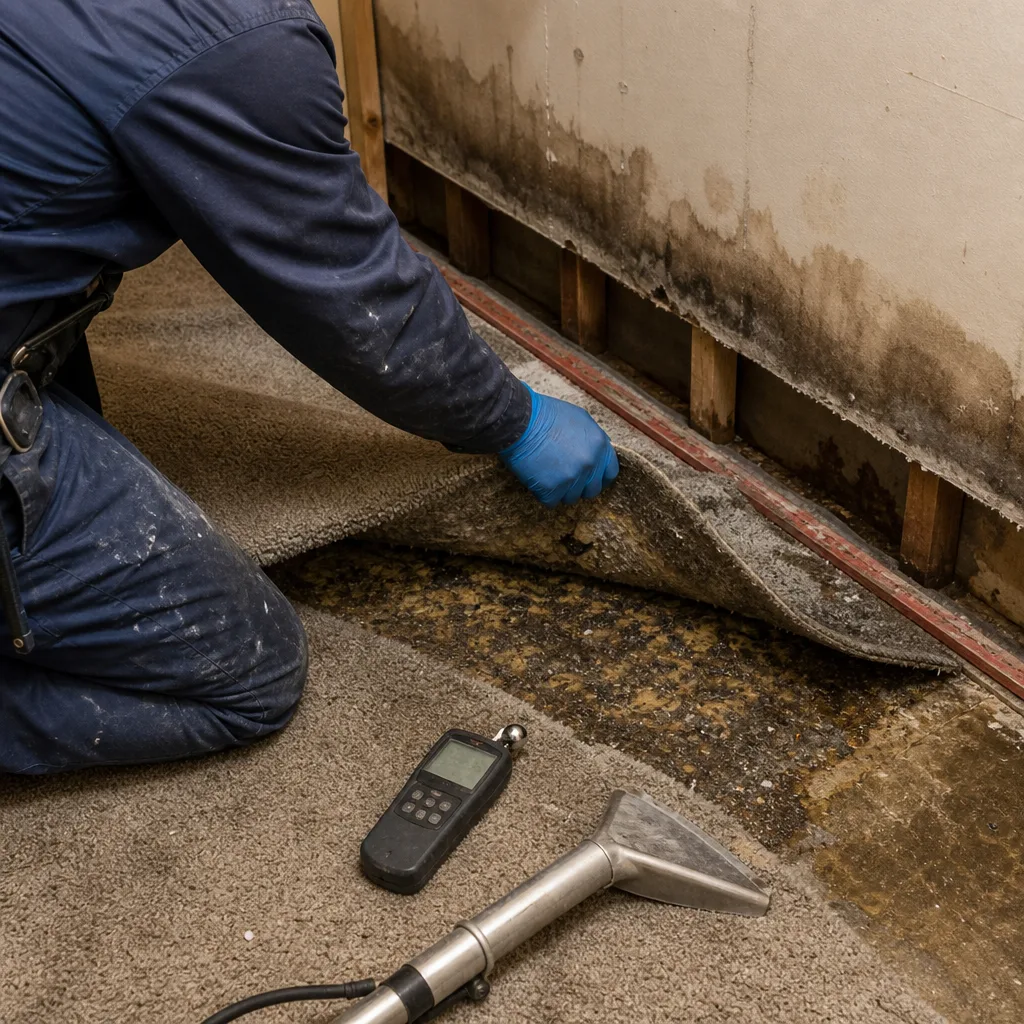
Documentation is where claims get paid or denied. From the first hour on site, we build a file that an adjuster can read without calling back: dated photos of every affected room, moisture readings with equipment serial numbers, daily drying logs showing grain-per-pound reduction, and a line-item scope written to Xactimate standards. Our Water Damage Restoration team has handled claims with every major carrier writing policies in Brooklyn, and we know what documentation each requires for water loss versus flood loss versus sewer backup endorsement.
We bill directly when your policy allows it, and we coordinate with your adjuster on scope approvals so you’re not translating between tradespeople and insurance jargon. The photo record we deliver is included as standard - never an upsell - because a restoration invoice without photographic evidence is a negotiation, not a payment.
What We Provide Your Insurer
- Thorough documentation of the loss
- Photos of all damage, room by room
- Moisture readings and drying logs
- A detailed, line-item scope of work
- Direct coordination with your carrier
Built for Greenpoint’s Loss Calendar
January’s deep freezes split supply lines in uninsulated crawl spaces and exterior walls - common in rowhouses with original plumbing routed through unheated areas. March and April bring thaw cycles that overwhelm aging storm drains and push groundwater through foundation cracks. Summer thunderstorms hit fast and hard; Greenpoint’s near-sea-level grade means water sheets across streets and finds basement windows before sewers can carry it away. September through November is nor’easter season, when wind-driven rain exploits the flat roofs and failed flashing that we see constantly on pre-war buildings.
The most predictable call we get? Heavy rain backing up through combined sewer lines into basement apartments. Greenpoint’s infrastructure was built for a smaller population and less impervious surface. When rain exceeds the system’s capacity, it exits where it can - often through floor drains and toilet bowls in garden-level units. That water is Category 2 at minimum, sometimes Category 3, regardless of how clear it looks. Crews who assume clean water and skip antimicrobial treatment are creating a mold problem that will surface in 30 days.
Water Damage Restoration Across Greenpoint’s Neighborhoods
North Greenpoint, along the East River west of Manhattan Avenue, holds converted industrial lofts and newer condo developments with modern construction. Water losses here tend to be roof leaks and HVAC condensate failures - straightforward drying, shorter timelines. The real complexity sits east of Manhattan Avenue, toward Newtown Creek, where the residential blocks off Clay Street, Dupont Street, and Greenpoint Avenue contain the neighborhood’s oldest tenement stock and its highest concentration of basement apartments.
On a basement flood call off Clay Street near the Newtown Creek corridor, our crew pulled standing water that carried a distinct hydrocarbon sheen and odor - we immediately stopped water extraction, contained the affected area, and called an environmental assessor before resuming mitigation. After clearance, we ran structural drying with Dri-Eaz dehumidification and air movers through the brick masonry, logging daily moisture readings to confirm slow-drying tenement walls returned to pre-loss condition.
Franklin Street and the commercial corridor see mixed-use buildings with restaurant and retail tenants on ground floors. Water losses here often involve grease trap backups, sprinkler line breaks, or neighboring unit overflows - each with distinct contamination profiles and insurance implications. We document the source building and unit number carefully; in mixed-use properties, liability can be shared across multiple policies.
McCarren Park and the blocks immediately surrounding it have seen more renovation activity, but the underlying infrastructure remains old. We find original lead and galvanized service lines still active, and when they fail, the flooding volume is substantial - these are full-pressure mains, not trickle leaks.
Specialized Water Damage Restoration Services We Offer in Greenpoint
Emergency Water Extraction
Standing water doesn’t wait. Our truck-mounted and portable extraction systems remove water from basements, crawl spaces, and occupied units with minimal disruption to tenants. In Greenpoint’s tight rowhouse configurations, we often deploy portable units through rear yard access - another reason response speed matters.
Structural Drying & Dehumidification
Dense masonry demands a different drying strategy than wood frame. We calculate vapor pressure differentials and deploy LGR dehumidifiers sized to the actual moisture load, not the square footage. Tenement walls in Greenpoint routinely require 7-14 days of controlled drying versus 3-5 days in modern construction.
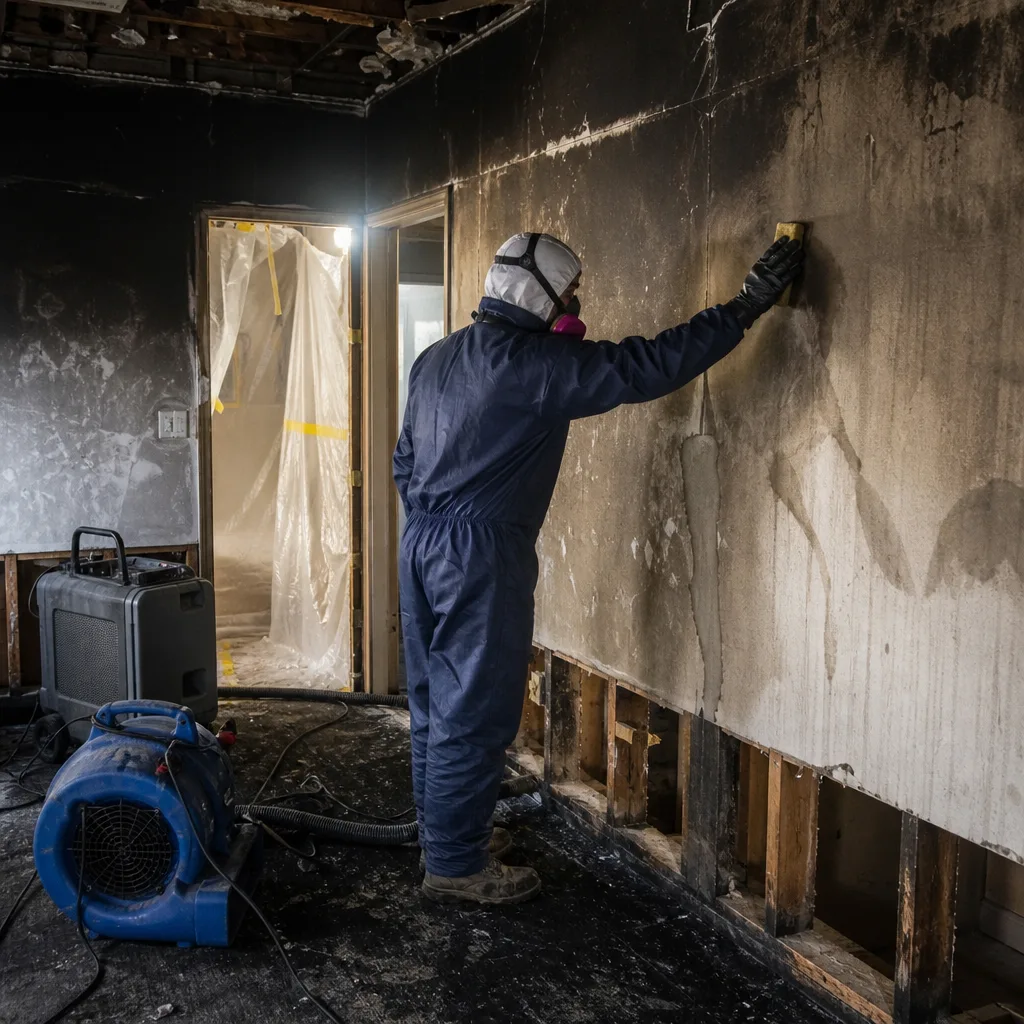
Flood Cleanup
FEMA flood zone designations cover significant portions of Greenpoint’s waterfront. Flood losses carry specific coverage requirements and contamination protocols. We document floodwater source, elevation data, and coordinate with NFIP adjusters when policies are in force.
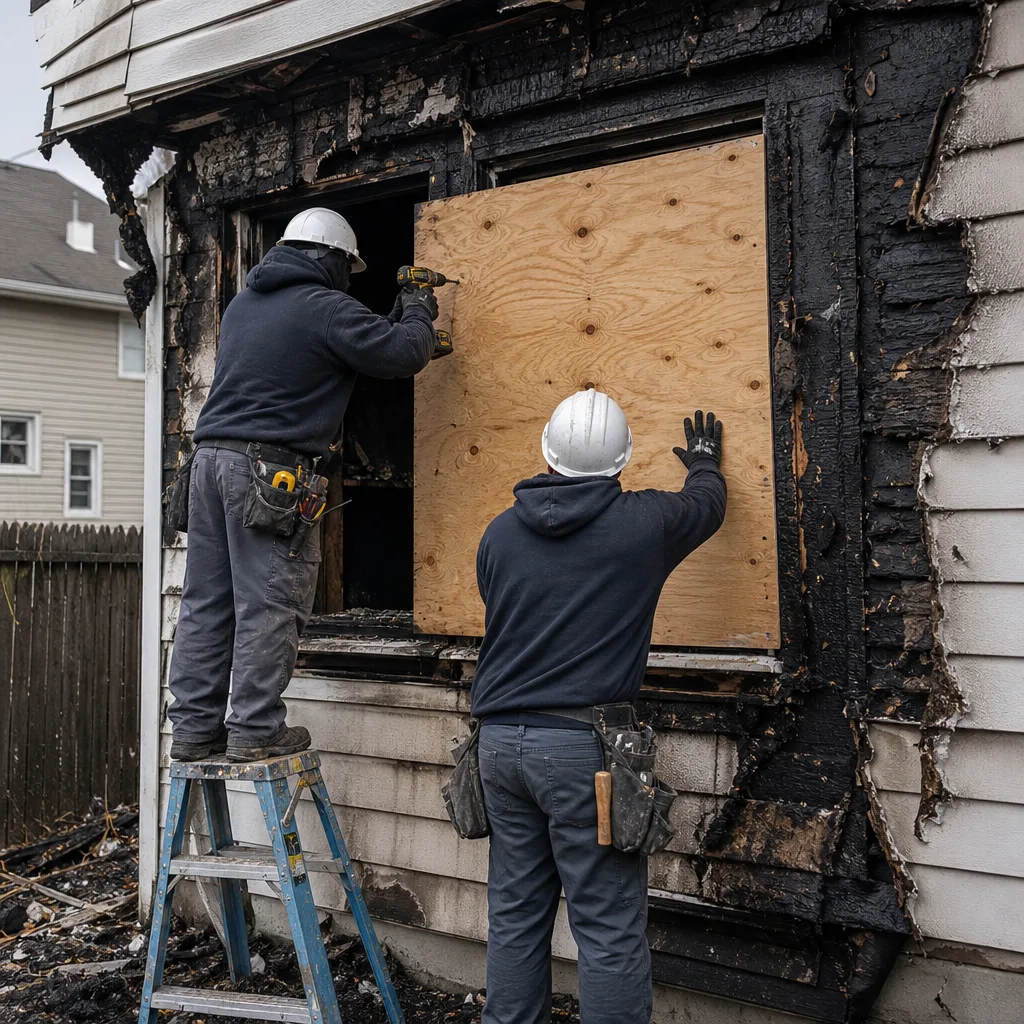
Burst Pipe Restoration
Original cast-iron and galvanized supply lines fail without warning, often at threaded joints weakened by decades of galvanic corrosion. We extract, dry, and document the full migration path - including concealed damage in wall cavities and ceiling soffits that burst pipes frequently create.
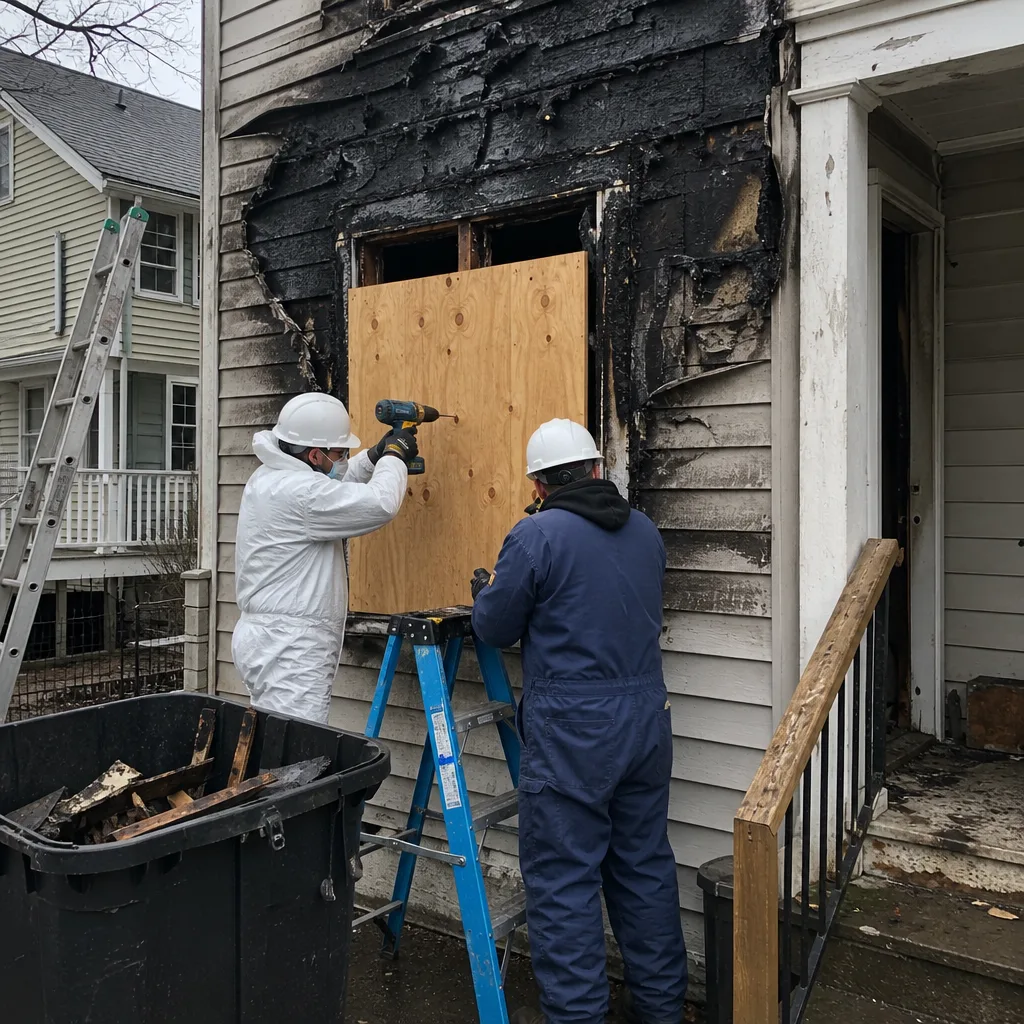
Basement Water Removal
Greenpoint’s basement apartments are particularly vulnerable to sewer backup and groundwater intrusion. We pump, sanitize, and dry these spaces with full PPE and Category 2/3 protocols. East of Manhattan Avenue, all basement groundwater is screened for petroleum contamination before discharge.
What happens when you call
- 1
A real person answersNo phone trees - you reach a local pro.
- 2
You get an upfront price rangeHonest numbers before anyone is dispatched.
- 3
A background-checked tech heads outLicensed & insured, dispatched right away.
- 4
You approve before work beginsNothing starts until you say go.
Water Damage Restoration Costs in Greenpoint, NY
Our written prices, delivered before any work starts, reflect actual Greenpoint market conditions:
| Service | Typical Range in Greenpoint |
|---|---|
| Emergency water extraction (up to 1,000 sq ft) | $1,200 - $2,400 |
| Structural drying & dehumidification (3-5 day standard) | $1,800 - $3,600 |
| Extended drying - dense masonry tenements | $2,800 - $5,200 |
| Category 2/3 cleanup with antimicrobial treatment | $3,500 - $6,800 |
| Full basement restoration (drywall, flooring, trim) | $4,500 - $12,000 |
What moves the price: contamination category, affected square footage, material type (plaster and lathe costs more to restore than drywall), and whether petroleum screening or environmental assessment is required. Insurance typically covers sudden and accidental water damage, including extraction, drying, and restoration - though sewer backup requires a specific endorsement on many policies. We review your coverage with you before work begins and provide a Free Second Opinion on any competitor’s written estimate. Call (862) 281-7710 for an exact scope - inspections are free.
We Also Serve Cities Near Greenpoint
Our crews respond from the New York City office to Water Damage Restoration in Greenpoint and surrounding neighborhoods: Astoria across the Pulaski Bridge, Upper East Side via the Queens Midtown Tunnel, Long Island City along the waterfront corridor, and Jackson Heights through the Brooklyn-Queens Expressway corridor. Same documentation standards, same live-answer dispatch, same written-price guarantee apply to every call.
Serving Greenpoint, NY - Our Local Coverage Area
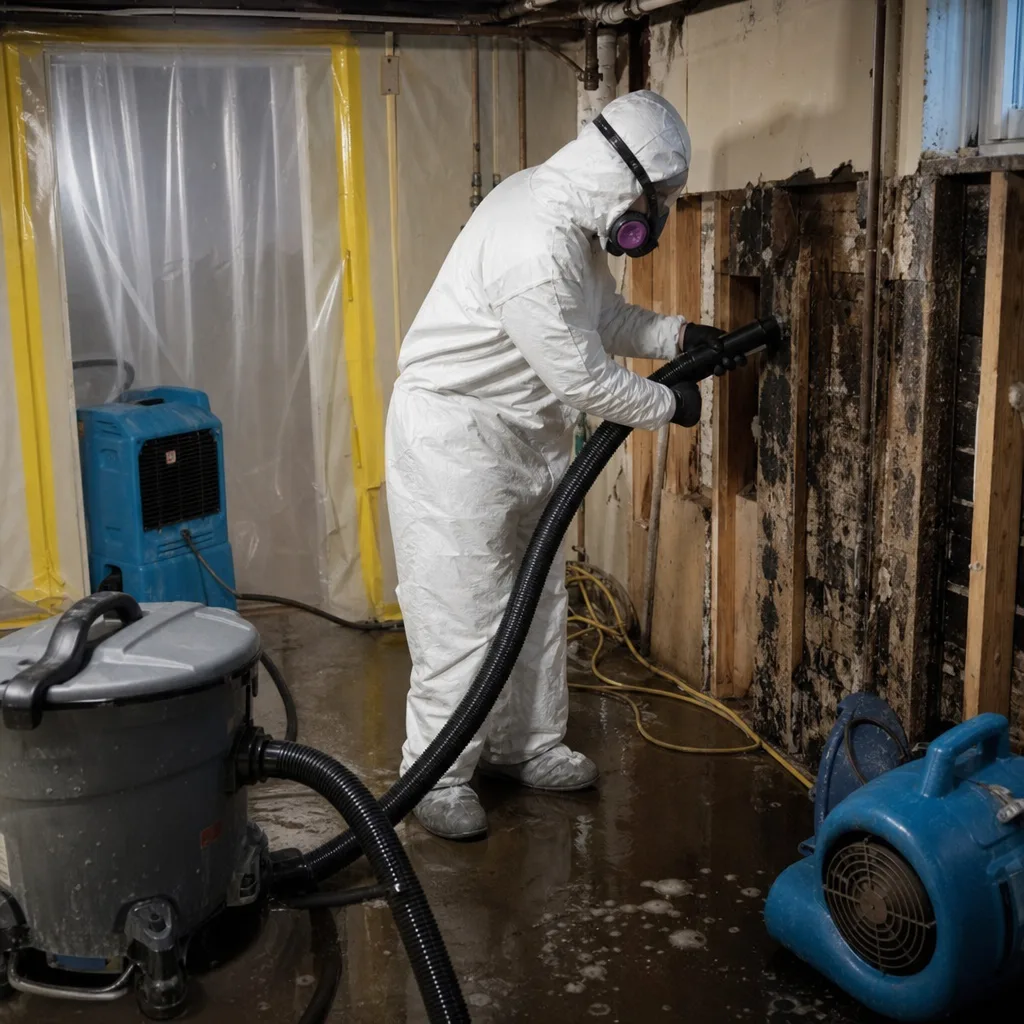
We’re based in the Greenpoint area and know this community well. Use the map below to see our service coverage - if you’re nearby, we can almost certainly help.
Greenpoint Water Damage Restoration Questions, Answered
Why does our crew sometimes stop water extraction in a Greenpoint basement?
We halt extraction when groundwater shows a hydrocarbon sheen or petroleum odor, which occurs occasionally east of Manhattan Avenue near Newtown Creek due to the neighborhood’s legacy underground oil plume. Federal and state law requires environmental assessment before standard water damage protocols can resume. We contain the area, document the finding with photos, and coordinate the assessor - protecting you from liability and ensuring your insurance claim remains valid. Call (862) 281-7710 if you suspect petroleum contamination in your basement flood.
How long does structural drying take in a Greenpoint tenement compared to a modern building?
Greenpoint’s 19th-century brick rowhouses and masonry tenements typically require 7-14 days of controlled drying versus 3-5 days in modern frame construction. The dense solid-brick walls - often 12 to 16 inches thick with no air cavity - trap moisture behind plaster and lathe, creating a vapor pressure differential that resists standard dehumidification. We size equipment to the actual moisture load and log daily psychrometric data until readings confirm the structure has returned to pre-loss equilibrium. Call (862) 281-7710 for a moisture assessment and timeline specific to your building.
Is basement flooding in Greenpoint usually Category 1 or Category 2/3 water?
Basement flooding in Greenpoint is most often Category 2 or 3, not Category 1 clean water. The neighborhood’s aging combined sewer system routinely backs up during heavy rain, delivering water that carries bacteria, chemicals, and street runoff. Even water that appears clear should be treated as contaminated when it enters through floor drains or sewer connections. We test and classify every loss before selecting cleanup protocols. Call (862) 281-7710 - we’ll assess the source and document the category for your insurer.
Do we need antimicrobial treatment in Greenpoint basement apartments even when the water looks clear?
Yes. Water entering through Greenpoint’s combined sewer system or foundation drains is almost always Category 2 or 3 regardless of visual clarity. We apply EPA-registered antimicrobial treatment and HEPA air scrubbing as standard protocol for basement losses in this neighborhood. Skipping this step to save cost leaves organic material in wall cavities that supports mold colonization within 72 hours - a secondary loss that insurers often dispute. Call (862) 281-7710 for a scope that includes proper sanitization.
What should a Greenpoint homeowner do if their basement floods and they smell oil or see a sheen?
Stop all water removal immediately, evacuate the area, and call us at (862) 281-7710. Do not attempt DIY extraction - disturbing petroleum-contaminated water can spread contamination and create liability exposure. We contain the affected zone, photograph the sheen, and coordinate a certified environmental assessor. Only after written clearance do we resume standard water damage mitigation. This protocol protects your health, your property value, and your insurance coverage.
Will my insurance cover water damage restoration in Greenpoint?
Most sudden and accidental water damage is covered under standard homeowners policies, including extraction, structural drying, and restoration. Sewer backup requires a specific endorsement on many policies - we review your declarations page to confirm coverage before work begins. Flood damage from rising water requires a separate NFIP policy. We provide Xactimate-formatted estimates, photo documentation, and direct adjuster coordination to streamline your claim. Call (862) 281-7710 - we’ll verify your coverage during the free inspection.
How fast can a crew actually get to my Greenpoint property?
Our commitment is 45 minutes from dispatch to arrival in the 11222 zip code. Calls are answered live 24 hours a day by a person who can immediately assign the nearest crew. Pre-loaded trucks carry extraction, drying, and documentation equipment - no warehouse stops, no callback delays. In water damage, the first hour controls whether moisture migrates into structural assemblies or stays contained. Call (862) 281-7710 - we’re answering now.
Can my family stay in the home during water damage restoration?
Occupancy depends on contamination category, affected areas, and equipment noise. Category 1 losses contained to non-sleeping areas often allow residents to remain. Category 2 and 3 losses, or drying operations in bedrooms with multiple air movers and dehumidifiers, typically require temporary relocation for health and sleep quality. We discuss this during the initial assessment and document any displacement for potential additional living expense coverage. Call (862) 281-7710 - we’ll evaluate your specific situation.
Water damage in Greenpoint carries complexities you won’t find in standard restoration guides: the petroleum screening requirement east of Manhattan Avenue, the extended drying timelines of dense masonry construction, and the predictable sewer backup patterns that mislead crews into treating contaminated water as clean. Our documentation-first approach - written price before work, photo record on every visit, daily moisture logs - exists precisely because these complexities create disputes that sloppy documentation cannot resolve.
Call (862) 281-7710 now. A live person will answer, ask the right questions, and dispatch a crew with the equipment and protocols this neighborhood demands. Estimates are free. The Haven Standard, Clause 1, applies to every job: your written price before anyone starts work.
Written by Alicia Brennan, Owner at Back to Dry Restoration, serving Greenpoint since 2011.
Water Damage Restoration in Nearby Areas