
Free visual inspection and a written scope of work before any mitigation begins - photos, moisture readings, and drying logs go in your claim file
The scope we write is the scope we bill. Anything new gets shown to you, in writing, before we touch it.
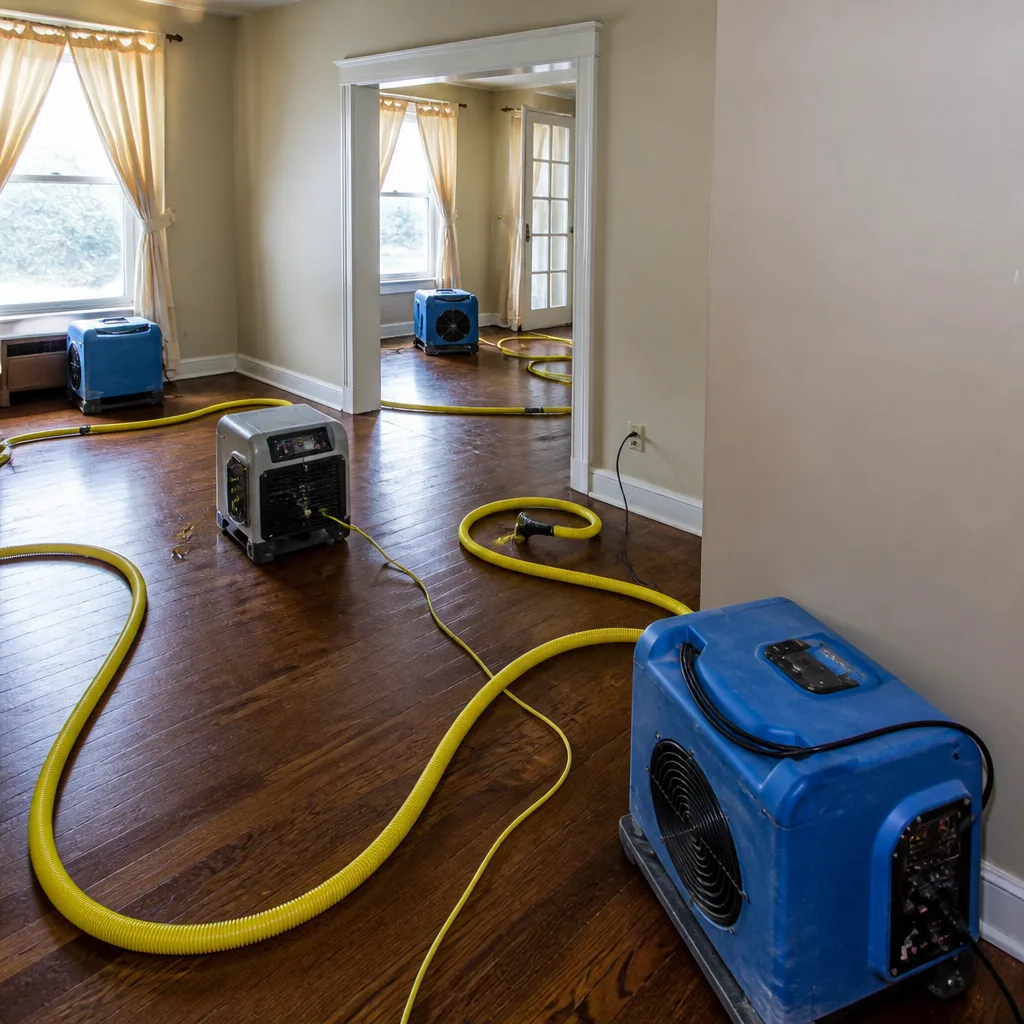
Storm response
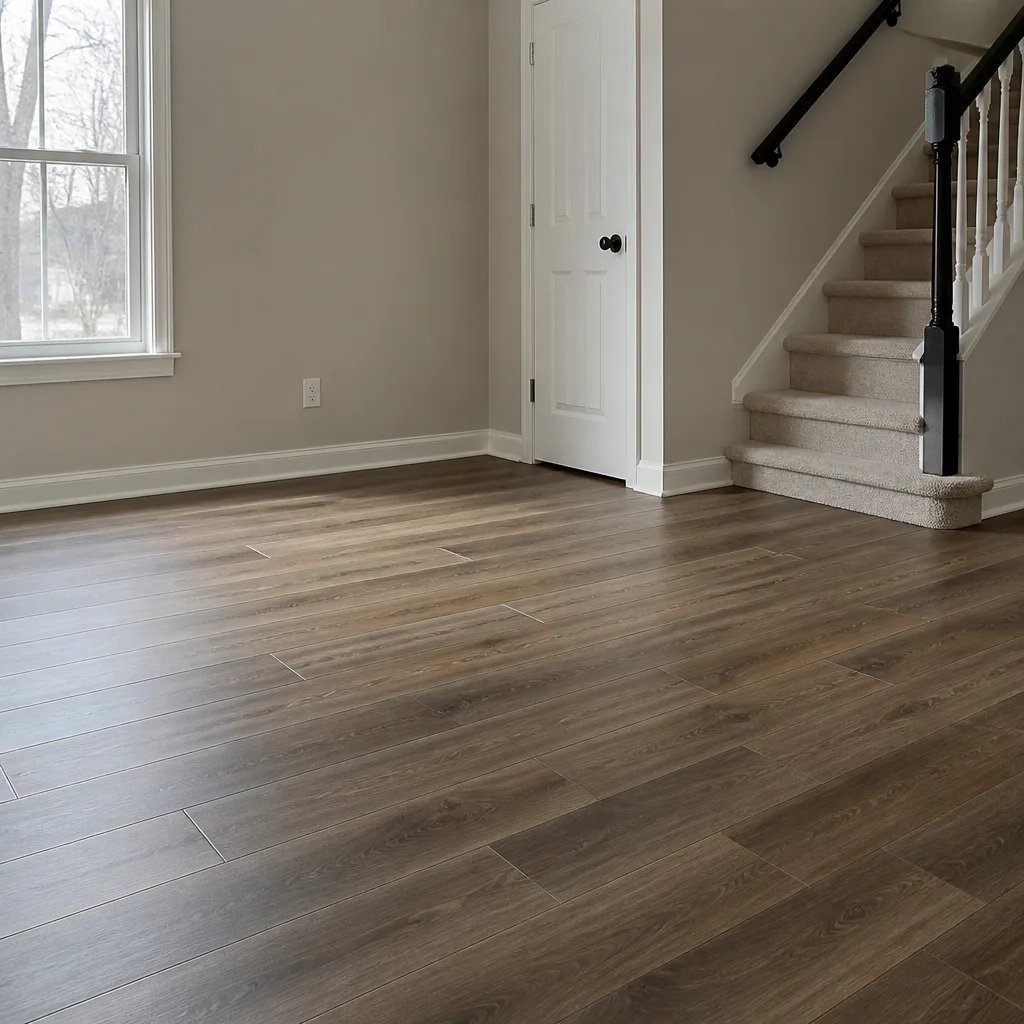
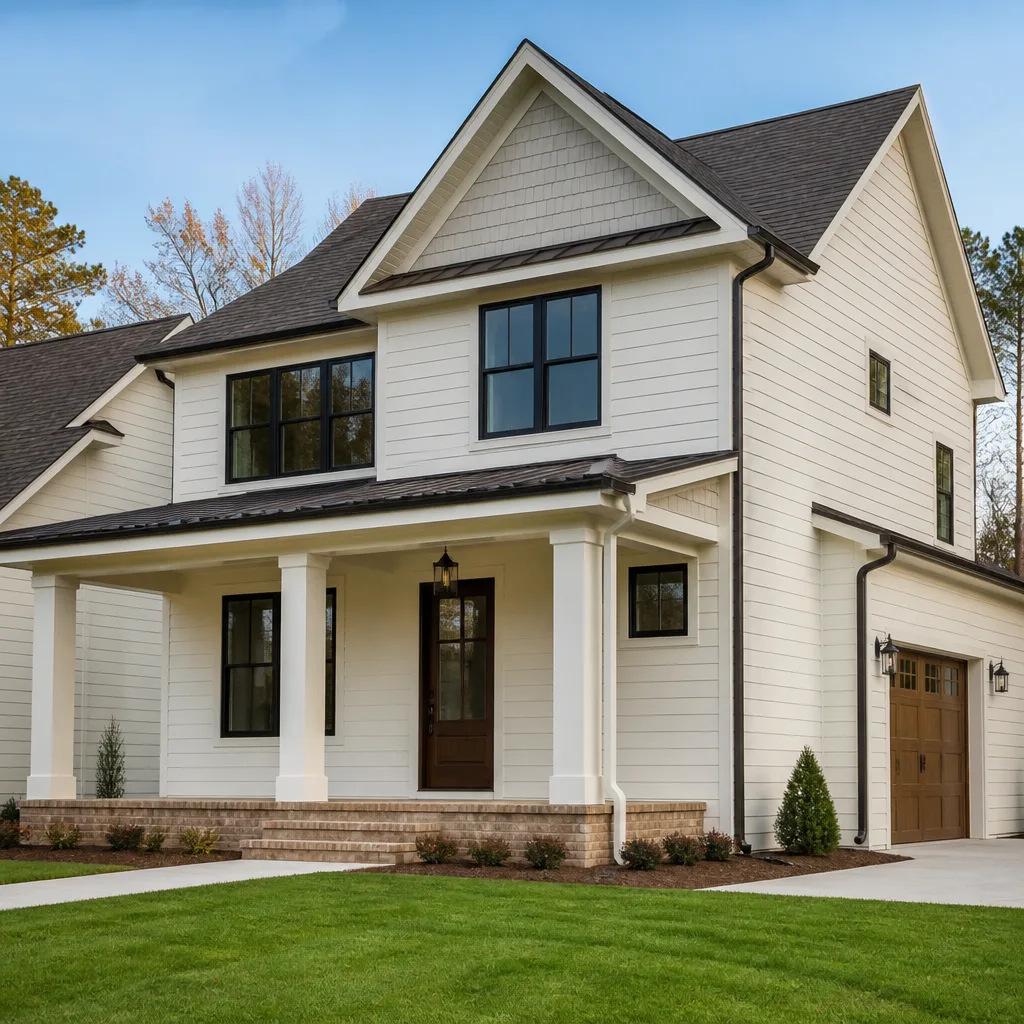
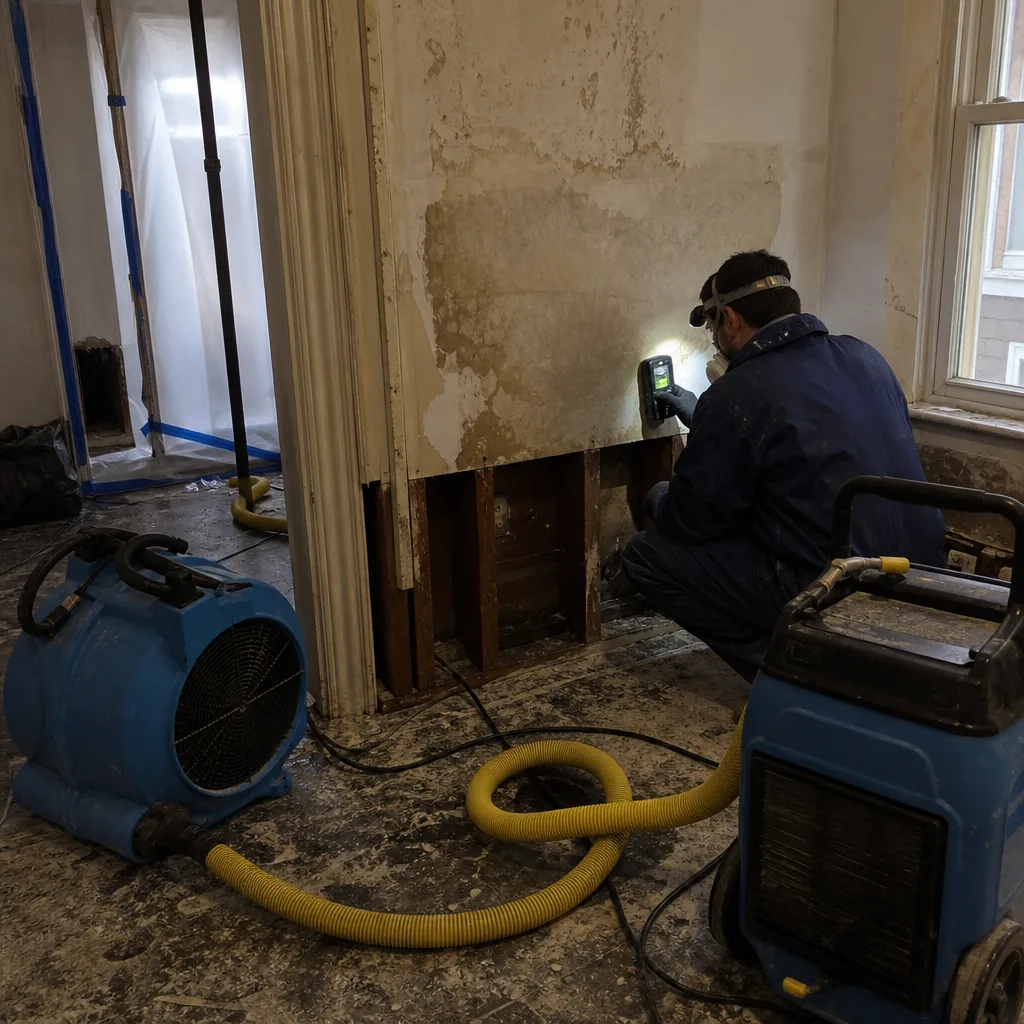 Before
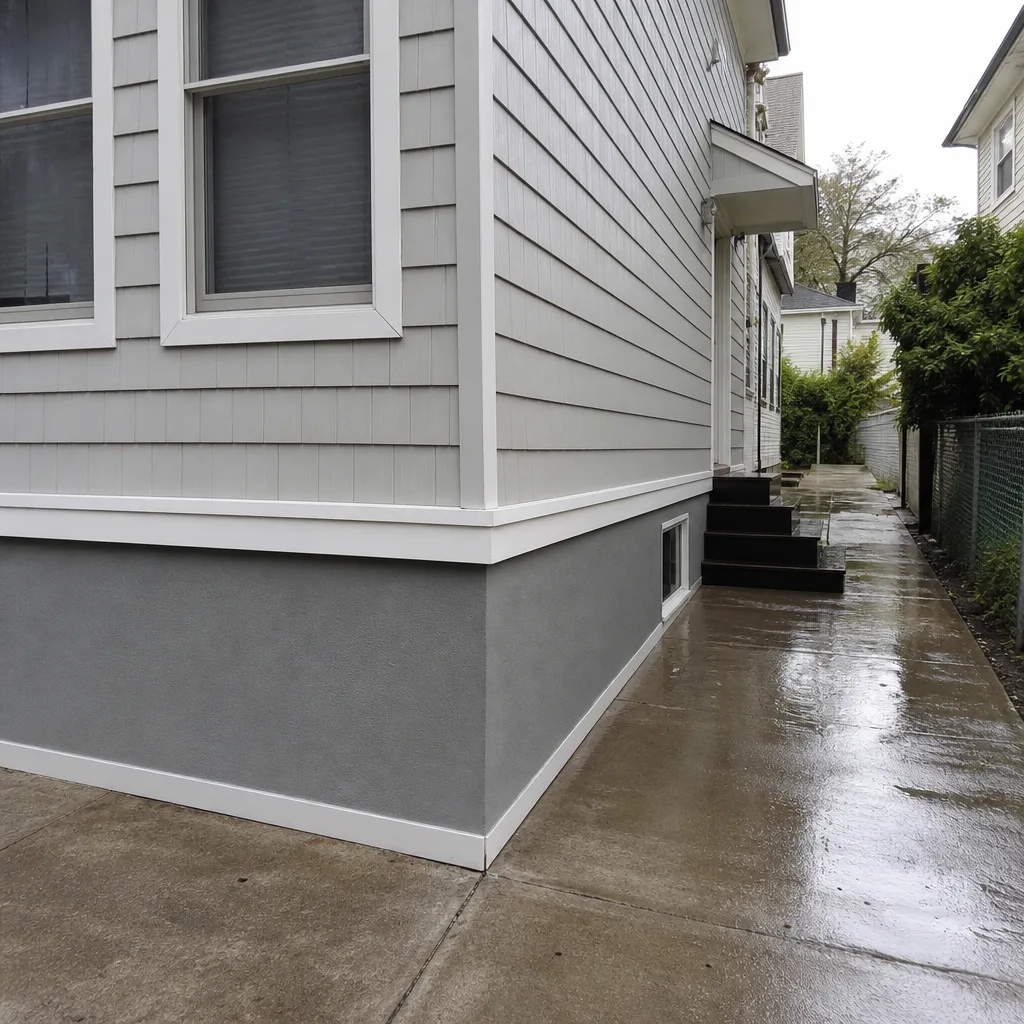 After
After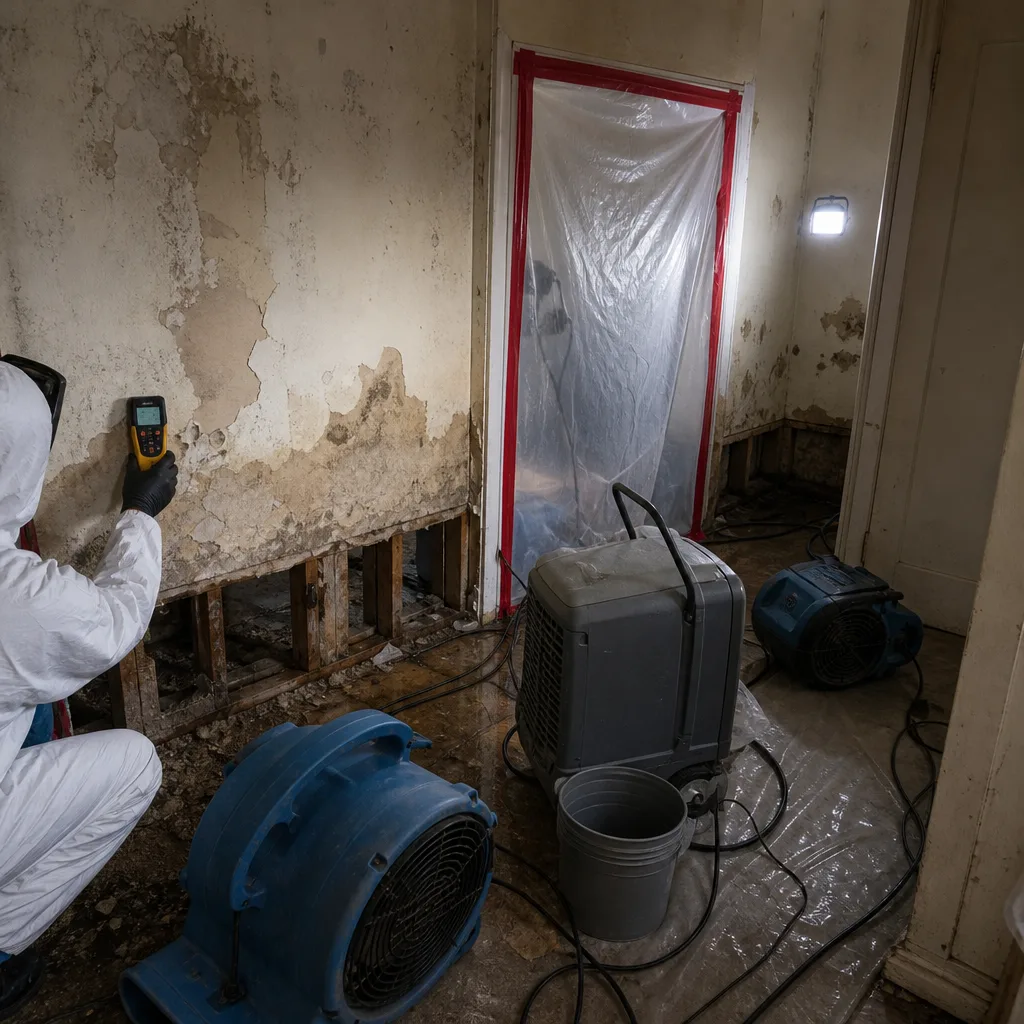 Before
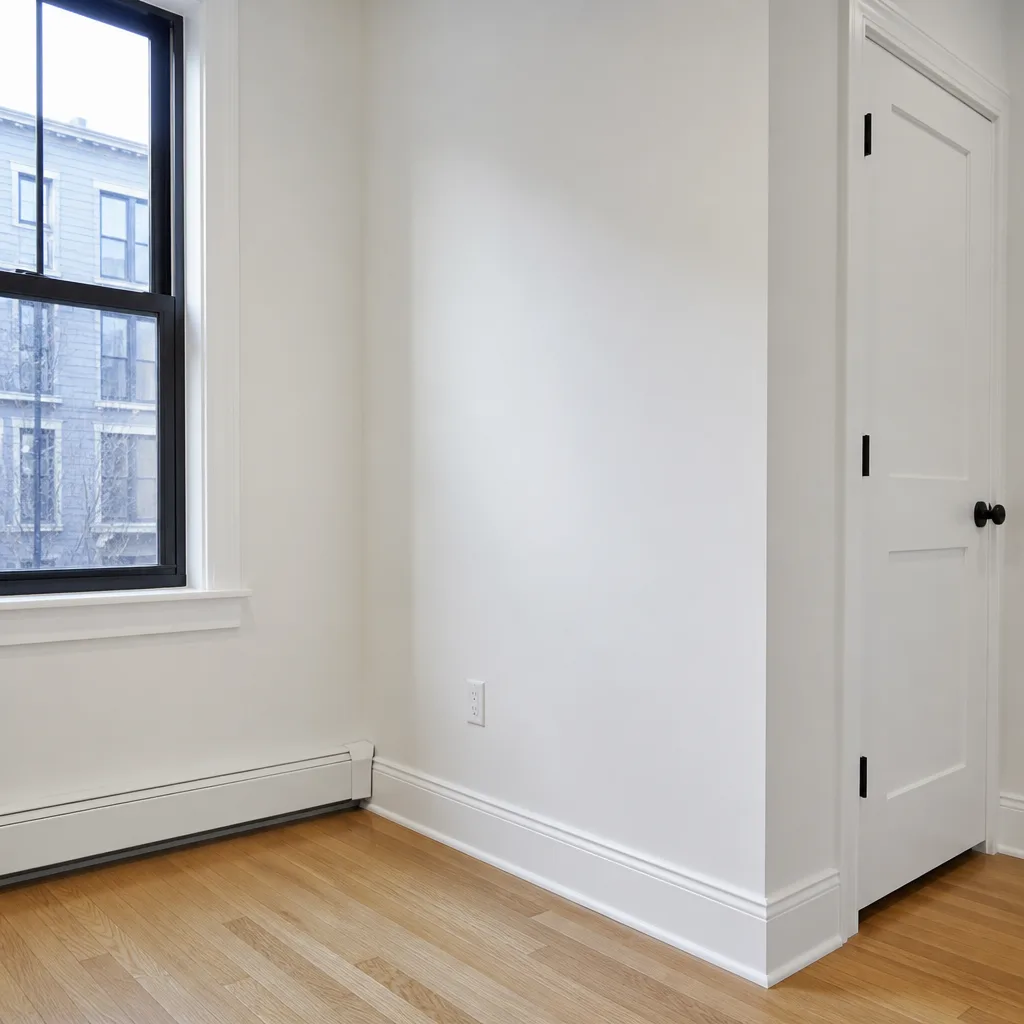 After
After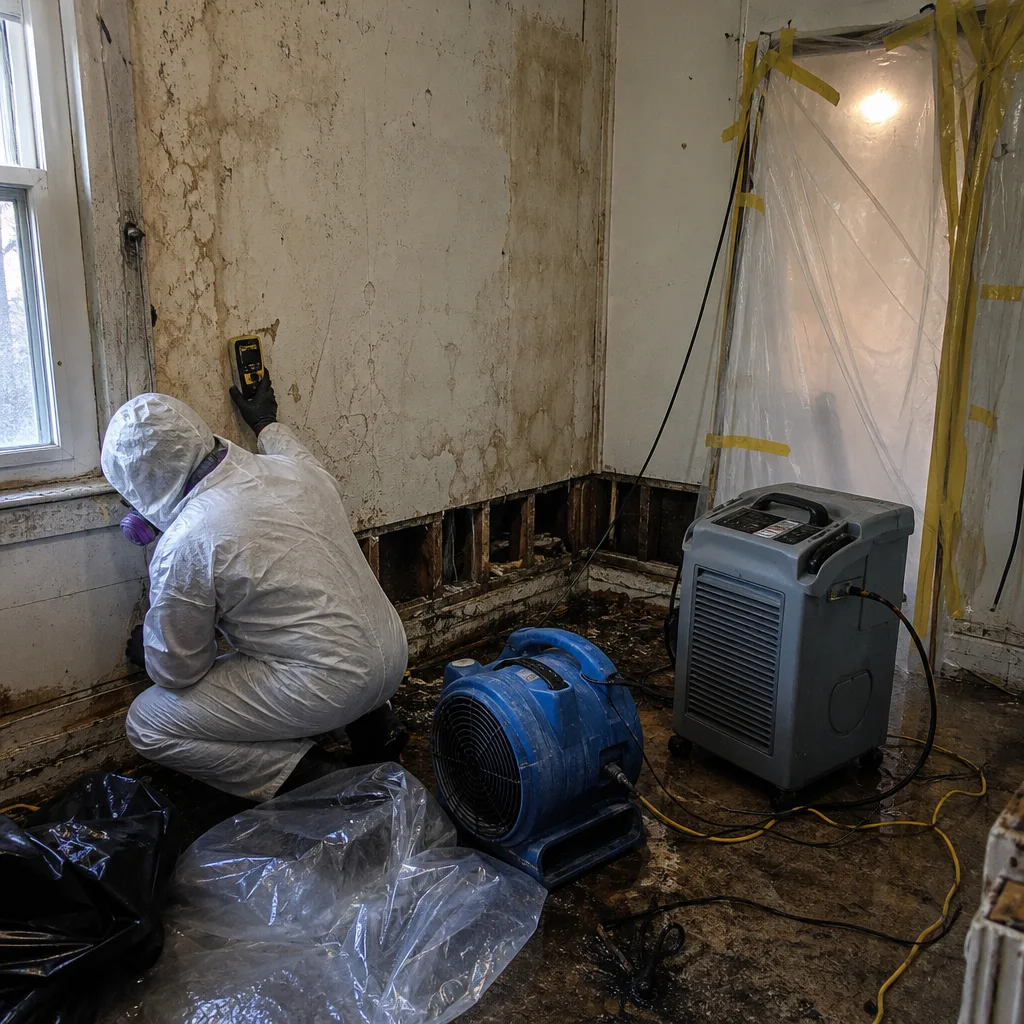 Before
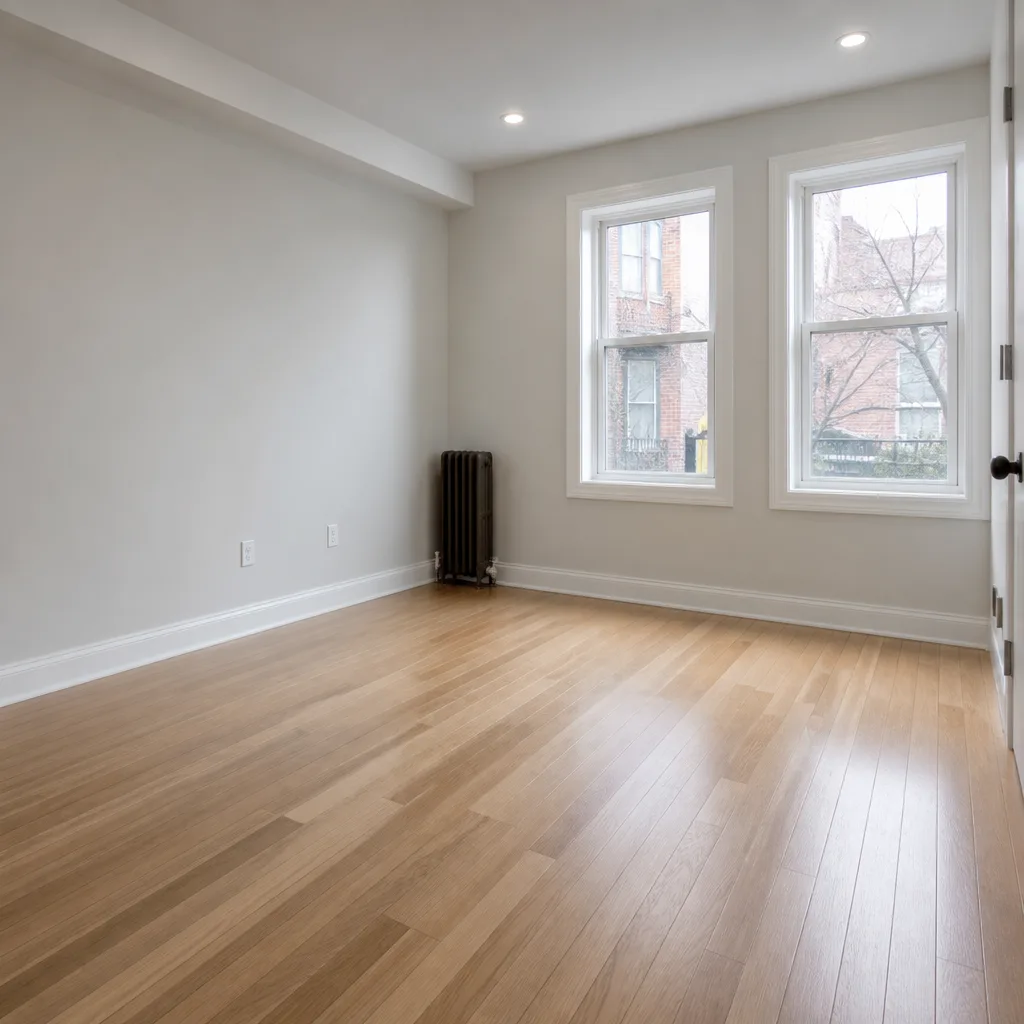 After
After24/7 Emergency Fire & Smoke Damage Restoration in Greenpoint
Fire and smoke damage restoration in Greenpoint typically runs $4,200-$18,500 depending on affected square footage, with emergency board-up and tarping available same-day and most stabilization work begun within hours. Crews dispatched from our New York City office serve Greenpoint directly, and a live person answers every call at (862) 281-7710 - no voicemail, no callback queues. The first hour after a fire determines whether smoke residues set permanently into plaster and whether water from firefighting triggers secondary mold growth in basement apartments. We arrive with a written inspection protocol, document everything photographically from the threshold, and give you a firm price before any equipment runs - Haven Standard, Clause 1.
Understanding Fire & Smoke Damage Restoration Severity in Greenpoint Properties
Fire damage in Greenpoint follows a severity scale tied directly to building age and construction type. Most structures here are late-19th and early-20th century brick rowhouses and 4-6-story tenements with dense masonry walls, original plaster, and minimal vapor barriers. These materials behave differently than modern drywall and steel framing.
Class 1 fire damage affects a single room with light smoke residue, typically manageable with dry-cleaning sponges, HEPA vacuuming, and targeted odor treatment. Class 2 extends to multiple rooms with wet smoke from slow-burning synthetic materials, requiring alkaline cleaners and often media blasting for soot removal. Class 3 involves heavy charring, structural compromise, and significant water intrusion from suppression - the scenario we see most in Greenpoint’s subdivided basements, where firefighting water meets the neighborhood’s chronic groundwater issues.
Smoke migration patterns here are unpredictable. Legacy plumbing chases, unsealed party walls between rowhouses, and balloon framing in pre-1900 structures let smoke travel vertically and horizontally past apparent containment lines. Tertiary smoke damage - odor and residue that traveled through HVAC or void spaces - often appears days later in basement apartments two floors below the fire origin. Our crews map migration with thermal imaging and document every affected cavity before declaring a zone clear.
Why Greenpoint Property Owners Choose DryMark Restoration Astoria
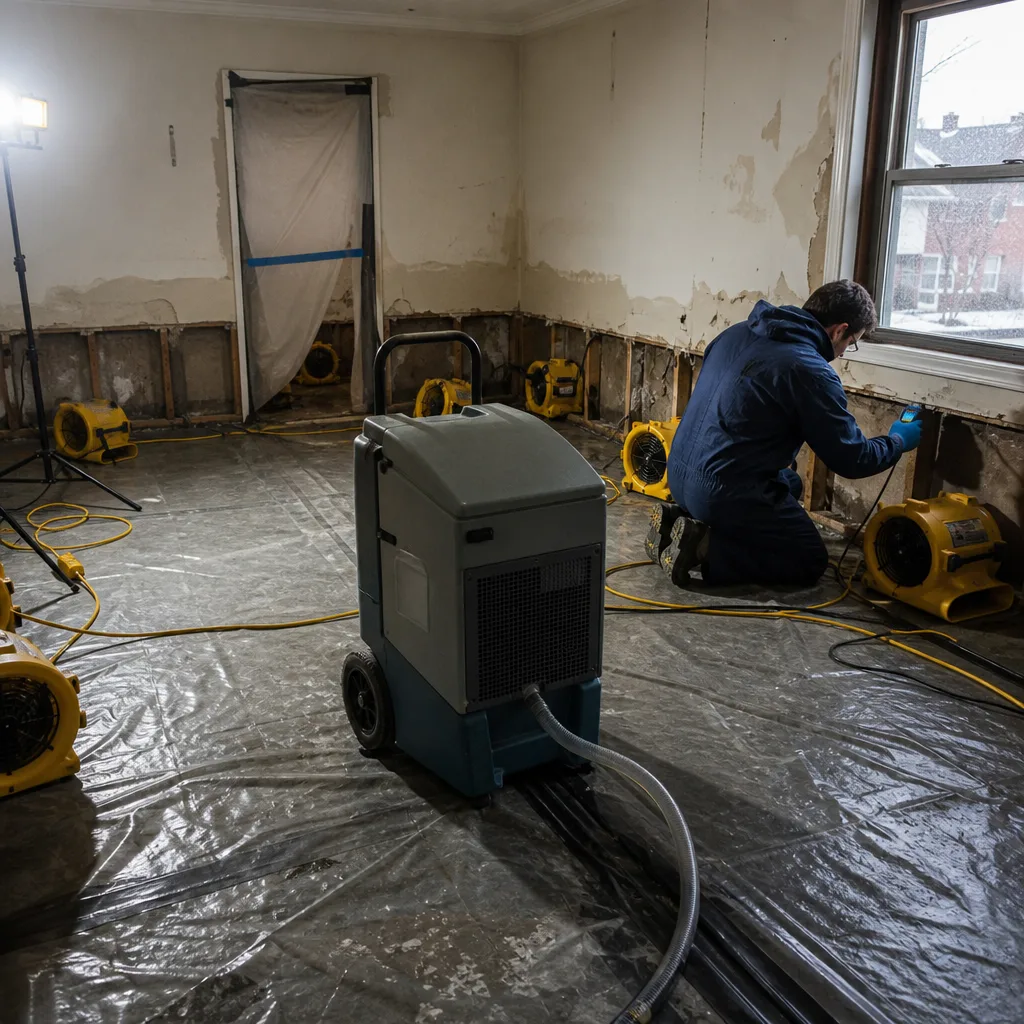
- 45-minute response commitment to Greenpoint from dispatch, with crews staged to reach Manhattan Avenue, Greenpoint Avenue, and the waterfront corridors without bridge delays.
- 24/7 live answer - a real person, never an automated system or voicemail tree, every hour of every day, because fire damage doesn’t wait for business hours.
- IICRC-certified crews holding FSRT (Fire and Smoke Restoration Technician) and WRT (Water Damage Restoration Technician) certifications, with AMRT (Applied Microbial Remediation Technician) credentials for the mold that follows water damage.
- Free visual inspection with a written scope and firm price delivered before any work begins - Haven Standard, Clause 1, no exceptions.
- Direct insurance billing with photo-documented estimates, daily drying logs, and adjuster coordination handled by our in-house claims team.
- One team from board-up to rebuild - no handoffs between mitigation and reconstruction contractors, no gaps in documentation, no disputed invoices.
BeforeAfterOur Fire & Smoke Damage Restoration Process
1. Inspection & Assessment
We walk the property with thermal imaging cameras, moisture meters, and combustion residue testing kits to map every affected surface, including hidden voids where smoke traveled. In Greenpoint’s masonry buildings, we pay particular attention to plaster delamination and mortar joint integrity. Every finding is photographed and logged before any equipment enters.
2. Emergency Board-Up & Tarping
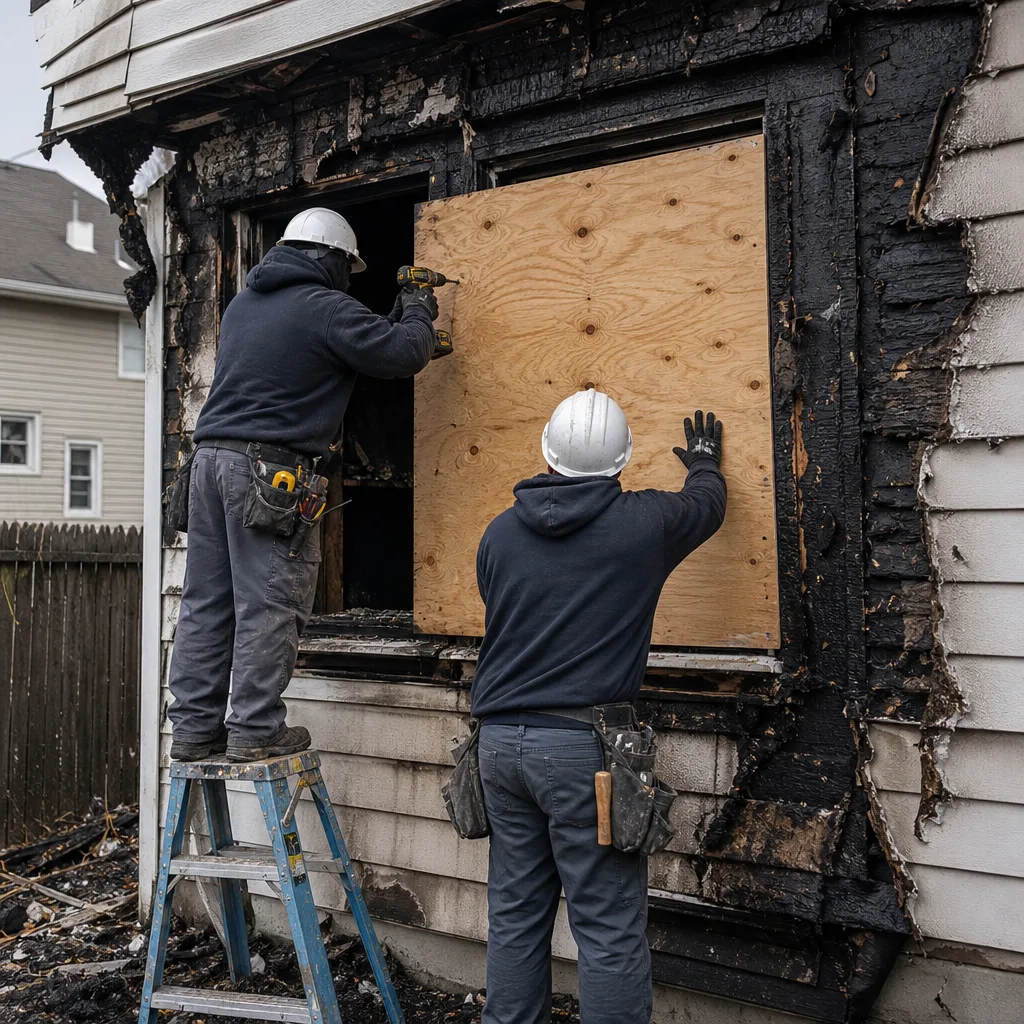
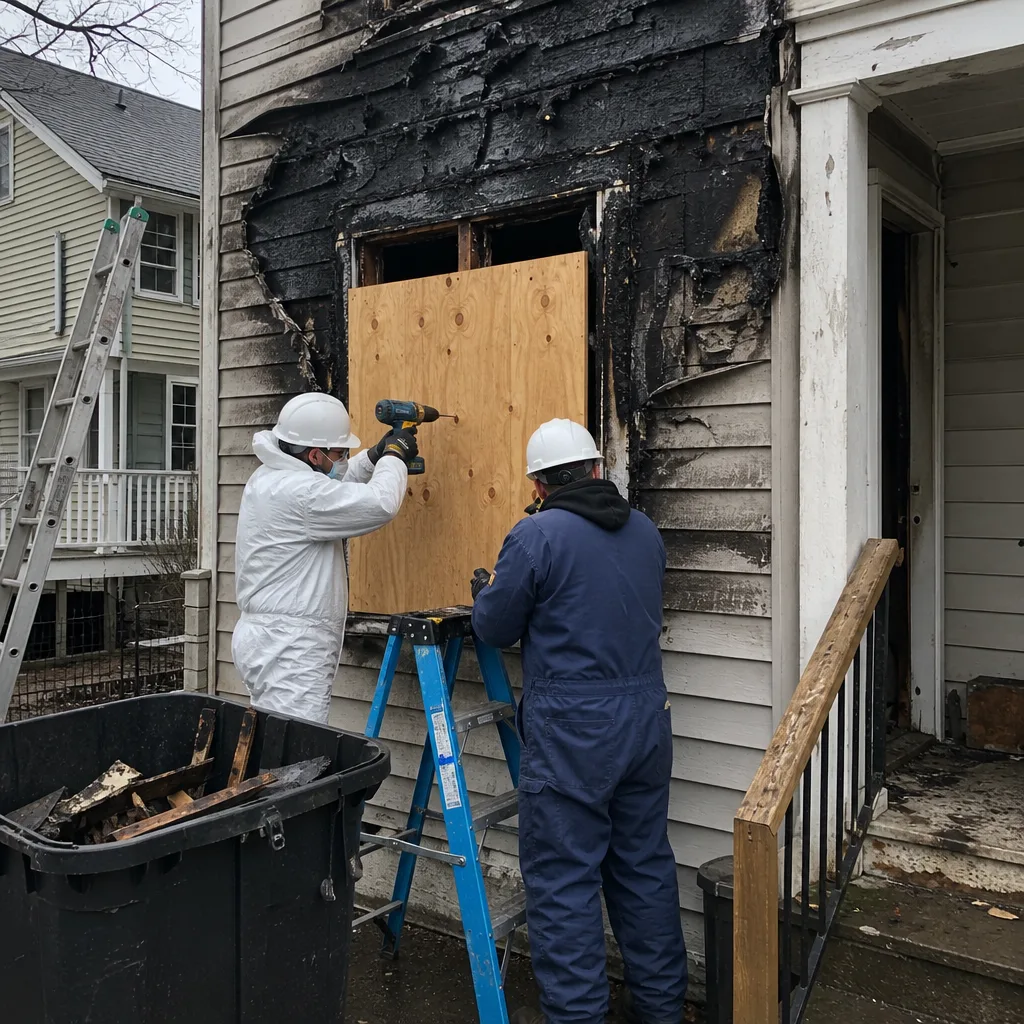
Broken windows, compromised roofs, and damaged entry points are secured with plywood and weather-rated tarps to prevent secondary water intrusion and unauthorized access. On Greenpoint’s flat-roofed tenements, we inspect roof membrane integrity at parapet walls where fire often breaches - a common failure point in pre-war construction.
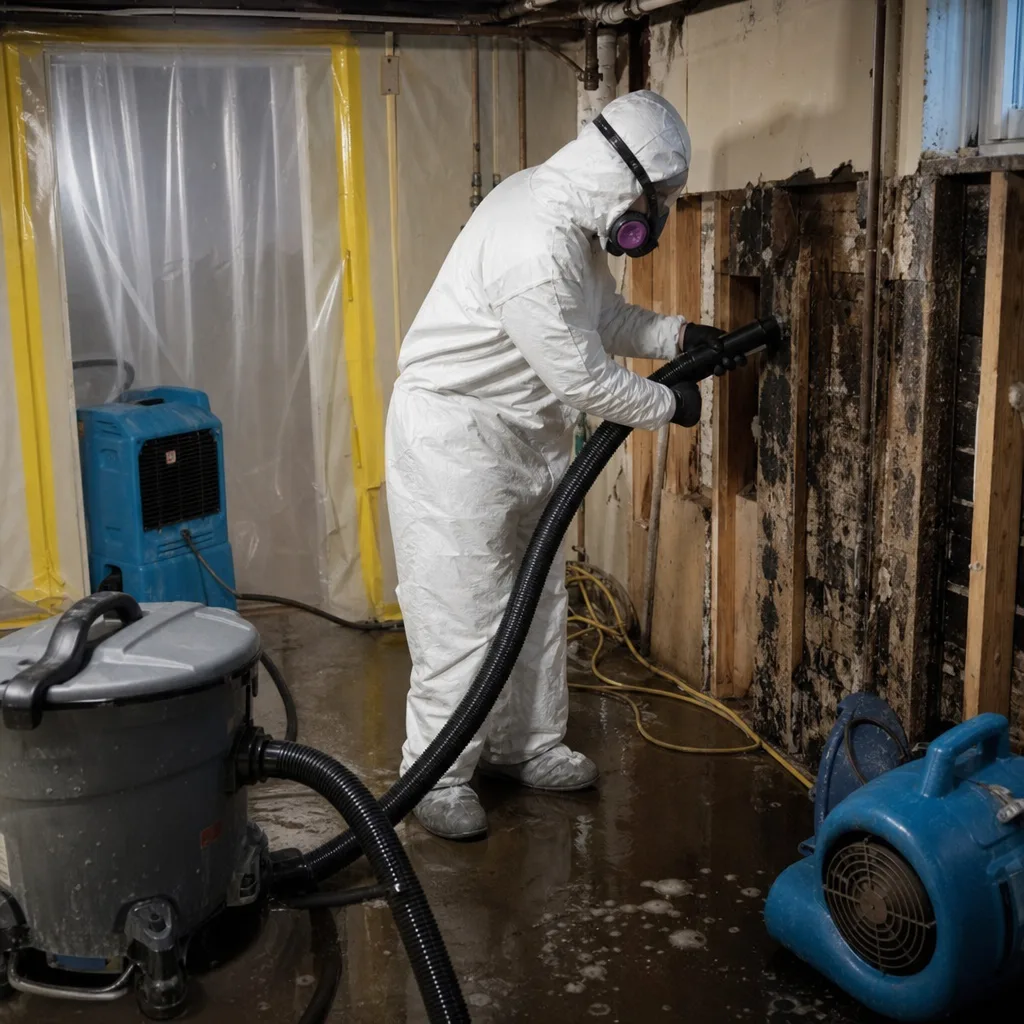
3. Water Extraction & Environmental Screening
Firefighting water is extracted using truck-mounted or portable systems, but in Greenpoint east of Manhattan Avenue, we first screen for petroleum contamination from the historic Newtown Creek plume. If hydrocarbon sheen or odor is present, extraction halts pending environmental assessor clearance - a protocol essentially unique to this neighborhood.
4. Structural Drying & Dehumidification
Dense brick and plaster walls in Greenpoint’s legacy housing require extended drying cycles compared to modern construction. We deploy LGR dehumidifiers from Dri-Eaz and Phoenix, coupled with axial air movers from XPOWER, running psychrometric calculations to track vapor pressure differential - the measurable force that drives moisture out of masonry. Drying logs are updated daily.
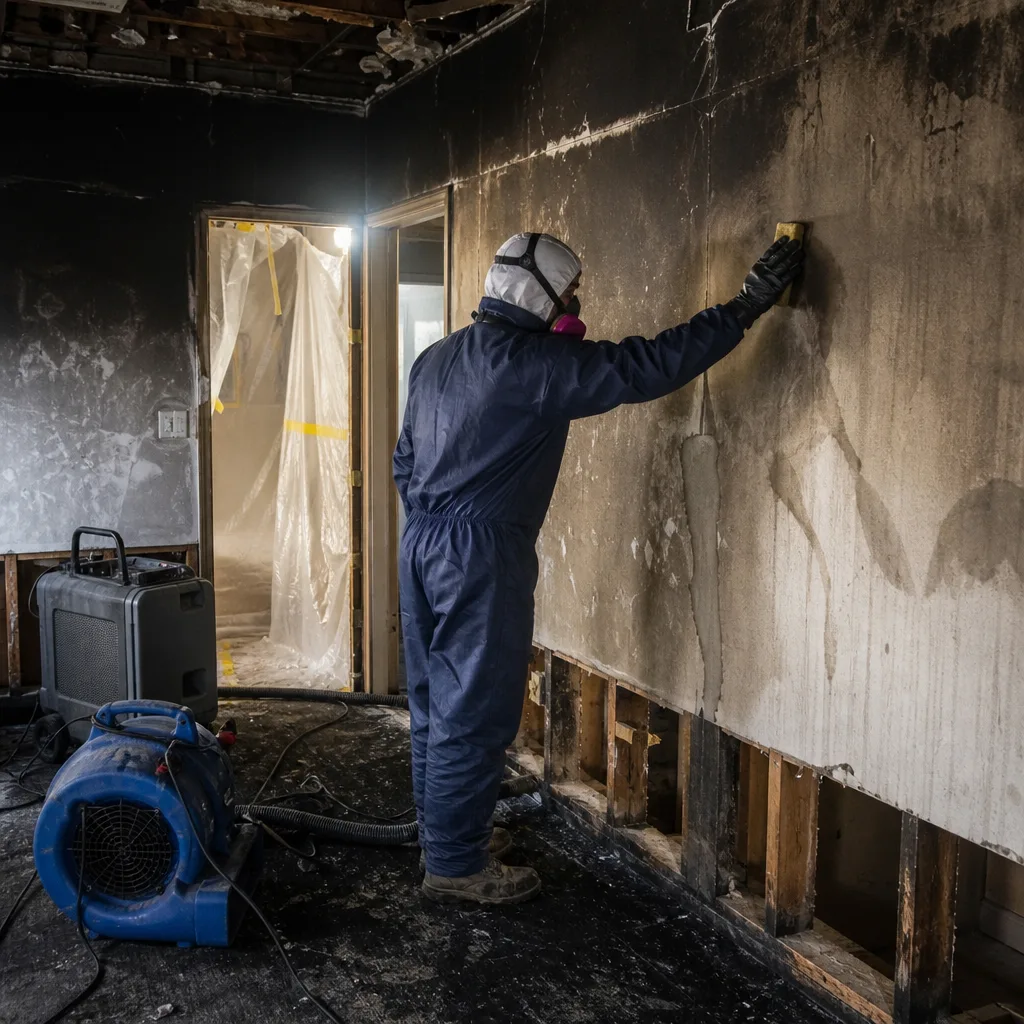
5. Smoke, Soot & Odor Treatment
Dry smoke residues respond to dry-cleaning sponges and HEPA vacuuming; wet smoke from slow-burning plastics requires alkaline cleaners and sometimes soda or dry-ice blasting. For odor penetration in Greenpoint’s thick plaster walls, we use hydroxyl generators that break odor molecules without the ozone restrictions that limit occupied-space treatment. Antimicrobial application follows where water damage preceded.
6. Repairs & Restoration
Charred structural members are sistered or replaced per code; damaged plaster is repaired or replaced with compatible materials; original trim and molding are replicated where salvage isn’t possible. Our reconstruction team works from the same photo record and scope as mitigation, so nothing gets rebuilt over hidden damage.
Need Emergency Fire & Smoke Damage Restoration in Greenpoint Now?
Crews minutes away, answering live 24 hours a day. The sooner we start, the less it costs.
Working With Your Insurance Company
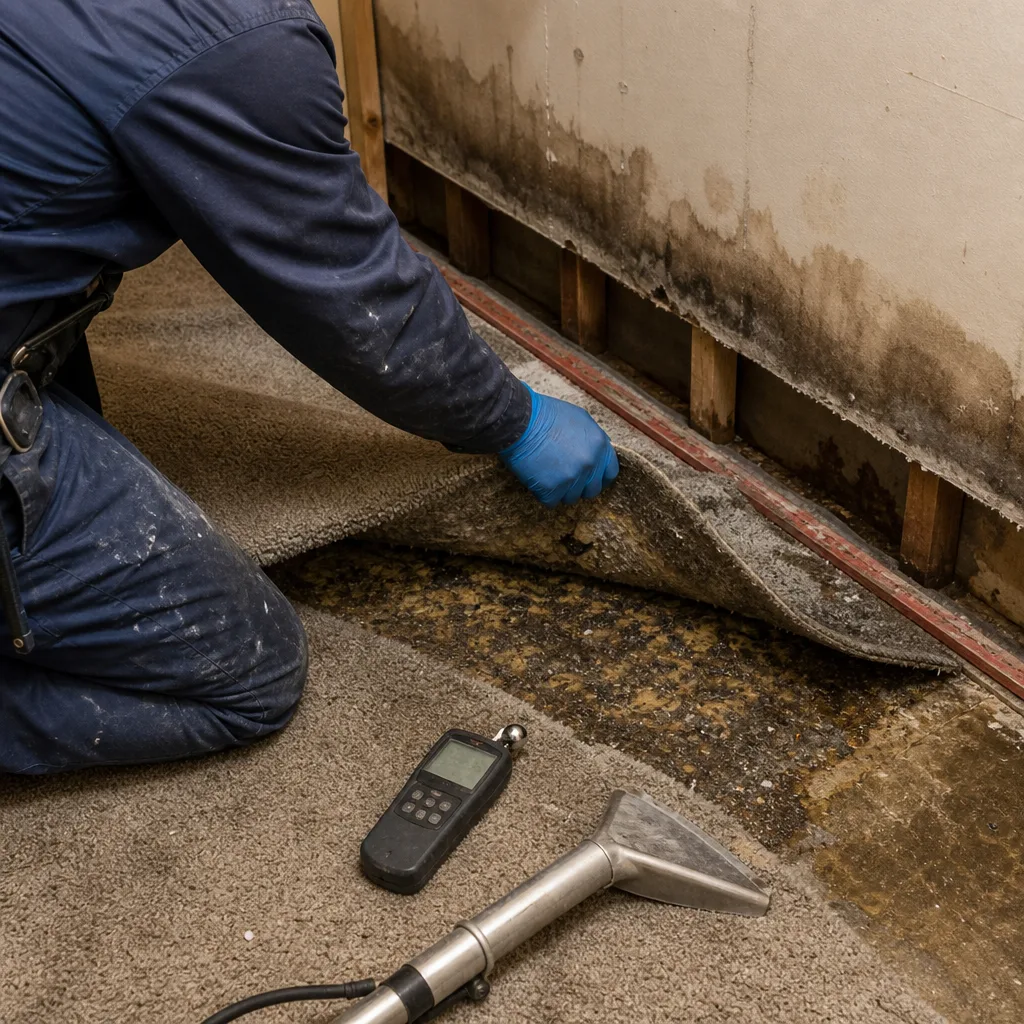
Fire claims are documentation battles. Adjusters need evidence that damage was real, that mitigation was necessary, and that every line item on the invoice corresponds to work that actually happened. We start building that file from the moment we arrive.
Our estimates follow Xactimate or Symbility pricing standards - the same platforms your adjuster uses - which reduces back-and-forth and speeds approval. We photograph every room before touching anything, then again during each phase of work, then finally at completion. Daily moisture readings and drying logs show that dehumidification ran long enough to actually dry the structure, not just bill for equipment days. Direct adjuster communication means your claim handler talks to our documentation team, not to you, during the negotiation.
The result: restoration invoices that get paid without disputes, and homeowners who don’t get stuck between a contractor’s bill and an insurer’s denial.
What We Provide Your Insurer
- Thorough documentation of the loss
- Photos of all damage, room by room
- Moisture readings and drying logs
- A detailed, line-item scope of work
- Direct coordination with your carrier
Built for Greenpoint’s Loss Calendar
Greenpoint’s fire and smoke damage patterns track the neighborhood’s housing stock, climate exposure, and infrastructure age through the year.
January through March brings the deepest risk from heating system failures in legacy buildings. Original or poorly maintained boilers in 1890s tenements, space heaters in basement apartments with outdated wiring, and chimney flue deterioration in rowhouses converted to multiple dwellings - all peak when temperatures drop. The 2022-2023 heating season saw multiple structure fires on Leonard Street and Nassau Avenue traced to portable heater misuse in uninsulated basement units.
April and May’s warming brings reopening of buildings shuttered for winter, when owners discover freeze-thaw damage to sprinkler systems or discover that a slow chimney leak has compromised firestops between units. Summer thunderstorms stress electrical infrastructure; July 2023 saw a lightning strike fire on Kent Street that traveled through shared roof framing across three attached rowhouses before suppression.
September through November is peak kitchen fire season, with increased cooking activity in buildings where original ventilation is inadequate and where tenants have added window AC units that block egress. December returns to heating-system load, compounded by holiday lighting on aging circuits.
Year-round, the underlying factor is building age. Greenpoint’s housing stock averages 90-120 years, with electrical, heating, and structural systems that predate modern fire codes. Restoration here requires tradespeople who understand legacy construction, not just modern remediation protocols.
Fire & Smoke Damage Restoration Across Greenpoint’s Neighborhoods
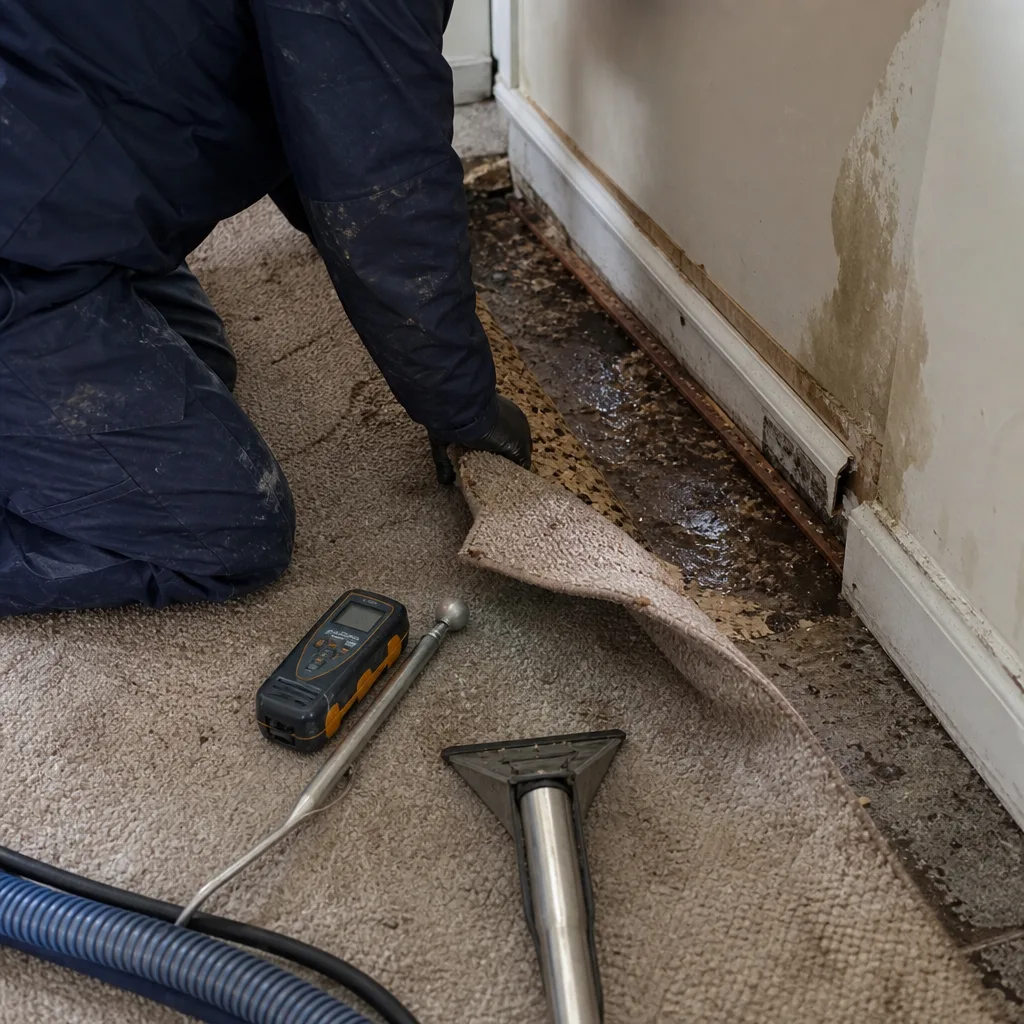
Our Fire & Smoke Damage Restoration team responds across Greenpoint’s distinct corridors, each with its own building types and typical loss patterns.
East of Manhattan Avenue toward Newtown Creek - the industrial legacy zone. Buildings here include converted manufacturing lofts, warehouse structures, and the densest concentration of basement apartments in the neighborhood. Fire risk runs high from aging electrical in commercial-to-residential conversions, and the petroleum plume underlies much of this area. Any basement water extraction requires environmental screening. We’ve responded to multiple fires in former rope factory buildings on West Street where timber framing and open floor plates allowed rapid vertical spread.
Greenpoint Avenue corridor - the commercial spine with mixed-use buildings. Retail on ground floors, residential above, often in structures with single stairwells and original wooden floor joists. Kitchen fires in upstairs apartments routinely damage downstairs businesses, requiring coordinated mitigation across multiple policies. The street’s 24-hour food service economy means fires at 3 AM are common.
North Greenpoint toward McCarren Park - more residential, with intact rowhouse blocks and some of the neighborhood’s best-preserved 1880s brick construction. Fires here tend to be smaller but more damaging to original detail: parquet floors, plaster medallions, marble mantels. Owners in this area specifically request restoration that preserves character-defining features, which we document and replicate using traditional materials.
The waterfront west of Franklin Street - newer construction and conversions, but with a critical vulnerability: buildings erected on former industrial sites with unknown fill and compromised groundwater. Fire suppression water doesn’t drain predictably here, and we’ve encountered petroleum contamination in unexpected locations, not just the known plume zone.
Specialized Fire & Smoke Damage Restoration Services We Offer in Greenpoint
Fire Damage Cleanup
Structural debris removal, charred material extraction, and hazardous waste disposal following NYC DEP protocols. In Greenpoint’s masonry buildings, we test mortar and brick integrity before declaring walls salvageable; spalling from rapid heating often hides behind superficially intact surfaces.
Smoke & Soot Removal
Dry, wet, and protein residue cleaning matched to fuel source and surface type. Greenpoint’s legacy plaster requires pH-neutral cleaners to prevent etching; painted drywall in newer renovations tolerates more aggressive treatment. We identify residue type through field testing, not guesswork.
Odor Removal & Deodorization
Hydroxyl generators, thermal fogging, and vapor-phase odor counteractants deployed based on odor penetration depth. Dense masonry in Greenpoint rowhouses often requires 3-5 days of hydroxyl treatment where modern construction needs 24-48 hours - a timeline we build into every scope.
Contents Cleaning & Pack-Out
Inventory, photograph, clean, and store salvageable personal property offsite while structural work proceeds. In Greenpoint’s subdivided tenements, space constraints make on-site cleaning impractical; our pack-out service moves contents to our Astoria facility for ultrasonic, ozone, or specialized textile treatment.
Emergency Board-Up & Tarping
Immediate structural securing after fire department release. On Greenpoint’s flat roofs, we inspect parapet coping and flashing before tarping - wind uplift on compromised parapets is a common secondary damage source in this neighborhood’s architecture.
Structural Fire Repair
Engineered repair or replacement of load-bearing elements, fire-rated assembly restoration, and code-compliance upgrades. We sister rather than replace original joists where possible, preserving ceiling heights and plaster keys that define Greenpoint’s interior character.
What happens when you call
- 1
A real person answersNo phone trees - you reach a local pro.
- 2
You get an upfront price rangeHonest numbers before anyone is dispatched.
- 3
A background-checked tech heads outLicensed & insured, dispatched right away.
- 4
You approve before work beginsNothing starts until you say go.
Fire & Smoke Damage Restoration Costs in Greenpoint, NY
Actual pricing for Greenpoint’s market, based on 2024-2025 job data:
| Service | Typical Range |
|---|---|
| Emergency board-up & tarping (single-family rowhouse) | $1,800-$3,400 |
| Smoke & soot cleanup (1-2 rooms, light residue) | $2,400-$4,800 |
| Smoke & soot cleanup (whole-house, heavy residue) | $7,500-$14,000 |
| Odor removal & deodorization (masonry structure) | $1,200-$3,600 |
| Contents pack-out & cleaning (typical 2-bedroom apartment) | $2,800-$6,200 |
| Structural fire repair (partial rebuild, per room) | $8,500-$22,000 |
| Full reconstruction (heavy fire + water damage) | $45,000-$125,000+ |
What moves the price: square footage affected, residue type (dry smoke cleans faster than wet), structural involvement, petroleum contamination requiring environmental assessment, and whether original materials must be replicated. Insurance typically covers direct fire and smoke damage plus necessary water damage from suppression; gradual deterioration uncovered during work is usually excluded. We provide a written scope and firm price before any work begins - Haven Standard, Clause 1 - and offer a Free Second Opinion on any competitor’s written estimate.
Call (862) 281-7710 for a free inspection and exact quote for your property.
We Also Serve Cities Near Greenpoint
Our crews respond throughout northwest Brooklyn and western Queens, including Greenpoint neighbors: Astoria across the Newtown Creek bridges, the Upper East Side via the Queensboro Bridge corridor, Long Island City for waterfront-adjacent properties with similar industrial legacy issues, and Jackson Heights for the pre-war apartment stock that shares Greenpoint’s aging infrastructure challenges. Dispatch and scheduling are coordinated from our New York City office; crews serve each area locally with neighborhood-specific protocols.
Serving Greenpoint, NY - Our Local Coverage Area
We’re based in the Greenpoint area and know this community well. Use the map below to see our service coverage - if you’re nearby, we can almost certainly help.
Greenpoint Fire & Smoke Damage Restoration Questions, Answered
Our Greenpoint basement flooded with firefighting water and it smells like oil-why did your crew stop pumping?
We halted extraction because petroleum-contaminated groundwater requires environmental assessor clearance before standard remediation can legally continue. Greenpoint sits atop an estimated 17-30 million gallon petroleum plume from historic Newtown Creek refinery operations, and pumping sheen-laden water without proper screening violates DEC protocols and creates liability for the property owner. We called in a certified assessor, obtained clearance, then resumed with appropriate disposal documentation. If you suspect petroleum contamination in your basement water, call (862) 281-7710 and we’ll coordinate the full protocol.
How does Greenpoint’s old brick and plaster affect fire smoke cleanup?
Dense masonry absorbs smoke odor and moisture far more than modern drywall, extending both cleaning and drying timelines. Original lime plaster has a porous, irregular surface that traps soot particles deep in the material, requiring media blasting or repeated application of cleaning agents rather than simple wipe-down. Brick walls wick moisture horizontally through mortar joints, so water from firefighting spreads wider than visible staining suggests. Our scopes for Greenpoint masonry buildings always include extended dehumidification and hydroxyl generator dwell time - typically 3-5 days versus 24-48 hours for frame construction.
Can you board up and tarp a fire-damaged rowhouse near Newtown Creek the same day?
Yes. Emergency board-up and tarping is available same-day throughout Greenpoint, including the Newtown Creek corridor, with crews typically arriving within 45 minutes of dispatch. We carry plywood, weather-rated tarps, and temporary security hardware sized for rowhouse dimensions - standard 16-foot and 20-foot lumber for window spans, parapet-height ladders for roof access. After a kitchen fire in a late-1800s brick tenement off Greenpoint Avenue, our crew boarded the windows and tarped the roof, then began moisture mapping the basement, where we found standing water with an oily film. We halted extraction immediately, called an environmental assessor, and once cleared, set up containment and ran dehumidification and air movers on the charred masonry walls. Because dense plaster and brick trap smoke odor, we used hydroxyl generators and antimicrobial treatment, logging moisture readings for three extra days until the structural drying passed. For immediate board-up near Newtown Creek, call (862) 281-7710.
Do you handle contents pack-out and cleaning for smoke-damaged tenement apartments?
Yes. Pack-out is standard for Greenpoint tenement apartments where space constraints prevent on-site cleaning. We inventory, photograph, and transport salvageable contents to our Astoria facility for ultrasonic cleaning of hard goods, ozone or hydroxyl treatment of porous items, and specialized textile restoration. Non-salvageable items are documented for insurance with replacement cost research. The pack-out scope is included in your written estimate before work begins - Haven Standard, Clause 1. For tenement apartments with limited egress, we coordinate building access and freight elevator scheduling to minimize disruption.
What does fire damage restoration involve in a Greenpoint building with original details?
Restoration prioritizes salvage of character-defining elements: plaster crown moldings, parquet floors, marble mantels, and original woodwork. We test plaster adhesion before declaring it salvageable; delaminated sections are removed and replicated using traditional lime plaster mixes matched to the original aggregate. Charred floorboards are selectively replaced with species-matched lumber, not wholesale removal. Our reconstruction team includes finish carpenters who replicate original profiles from surviving examples. Every decision is documented photographically and approved in writing before execution, with no scope additions once work begins.
How fast can someone actually get to my Greenpoint property after a fire?
Crews are dispatched within minutes of your call and typically arrive in Greenpoint within 45 minutes, depending on bridge traffic from our staging points. We maintain 24/7 live answer - a real person, never voicemail - so there’s no delay in relaying your address and damage description. The first crew carries board-up materials, moisture detection equipment, and initial cleaning supplies; specialized equipment follows once assessment is complete. For immediate dispatch, call (862) 281-7710.
Will insurance cover full fire and smoke restoration, or just cleanup?
Standard homeowner and commercial policies typically cover direct fire damage, smoke damage, and water damage from firefighting suppression as a covered peril. Coverage usually extends to structural repair, contents cleaning or replacement, and necessary debris removal. What insurers dispute: gradual deterioration discovered during work (pre-existing conditions), code-upgrade requirements beyond policy limits, and additional living expenses that exceed stated caps. Our documentation - room-by-room photos, moisture logs, line-item scopes - is built specifically to answer adjuster questions before they’re asked. We coordinate directly with your carrier and provide the evidence file that supports full coverage. Call (862) 281-7710 and we’ll review your policy implications during the free inspection.
How long does complete fire and smoke restoration take in a typical Greenpoint rowhouse?
Light smoke damage with no structural involvement: 5-10 days. Moderate damage with water extraction and structural drying: 3-5 weeks. Heavy fire with structural repair and reconstruction: 2-4 months. Greenpoint’s masonry construction adds time at every phase: extended drying for dense walls, longer odor treatment for porous plaster, and custom material replication for original details. We provide a phase-by-phase timeline in your written scope, updated weekly as work progresses. The 365-Day Done Right Promise covers every job - if anything isn’t right, we make it right. For a timeline specific to your property, call (862) 281-7710.
Fire damage in Greenpoint demands restoration crews who understand the neighborhood’s specific hazards - petroleum-contaminated groundwater, legacy masonry construction, and subdivided housing with complex smoke migration patterns. Our documentation-first approach, built on The Haven Standard since 2011, gives insurers the evidence they need and homeowners the transparency they deserve. Every job starts with a written price, proceeds with photo-documented daily logs, and ends with a signed 365-Day Done Right Promise.
Call (862) 281-7710 now for 24/7 emergency response or to schedule your free inspection.
Written by Alicia Brennan, Owner at DryMark Restoration Astoria, serving Greenpoint since 2011 under The Haven Standard.
Fire & Smoke Damage Restoration in Nearby Areas