Free visual inspection and a written scope of work before any mitigation begins - photos, moisture readings, and drying logs go in your claim file
The scope we write is the scope we bill. Anything new gets shown to you, in writing, before we touch it.
Storm response
 Before
 After
After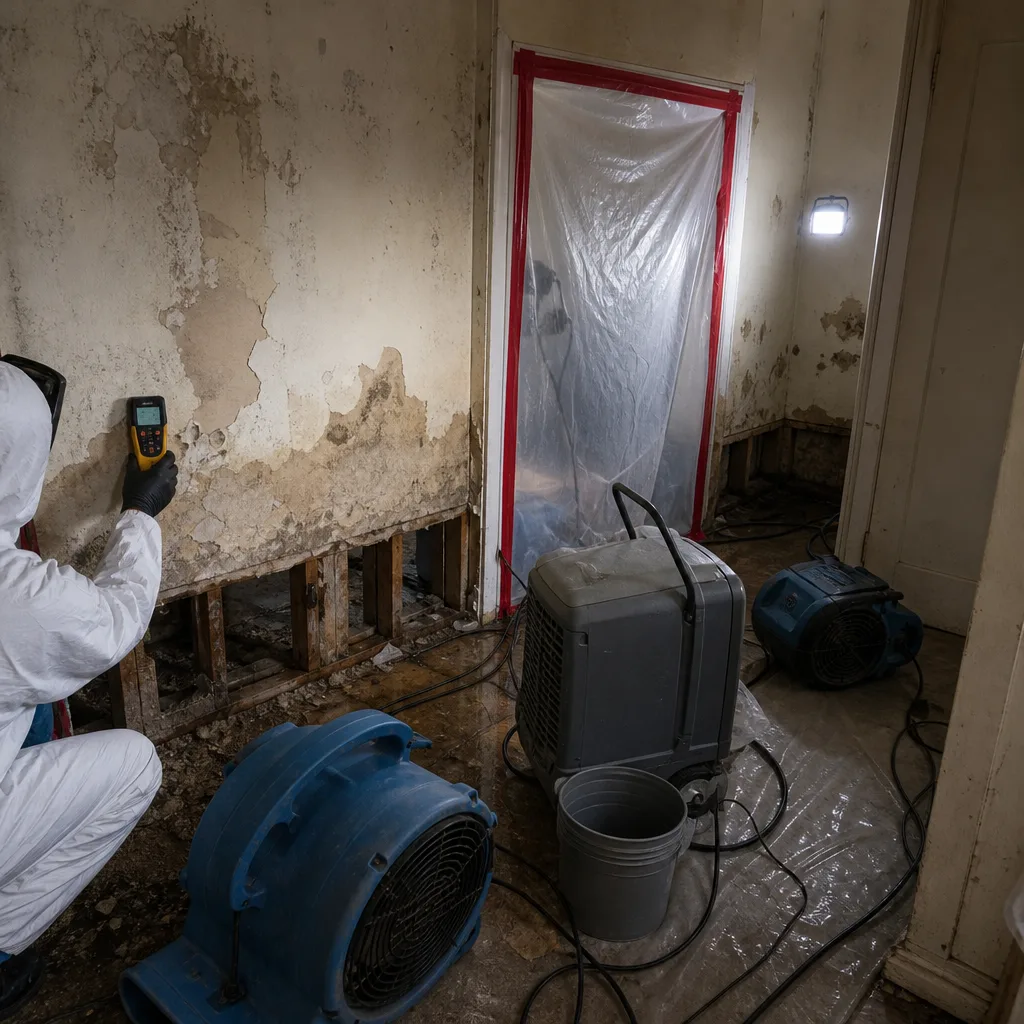 Before
 After
After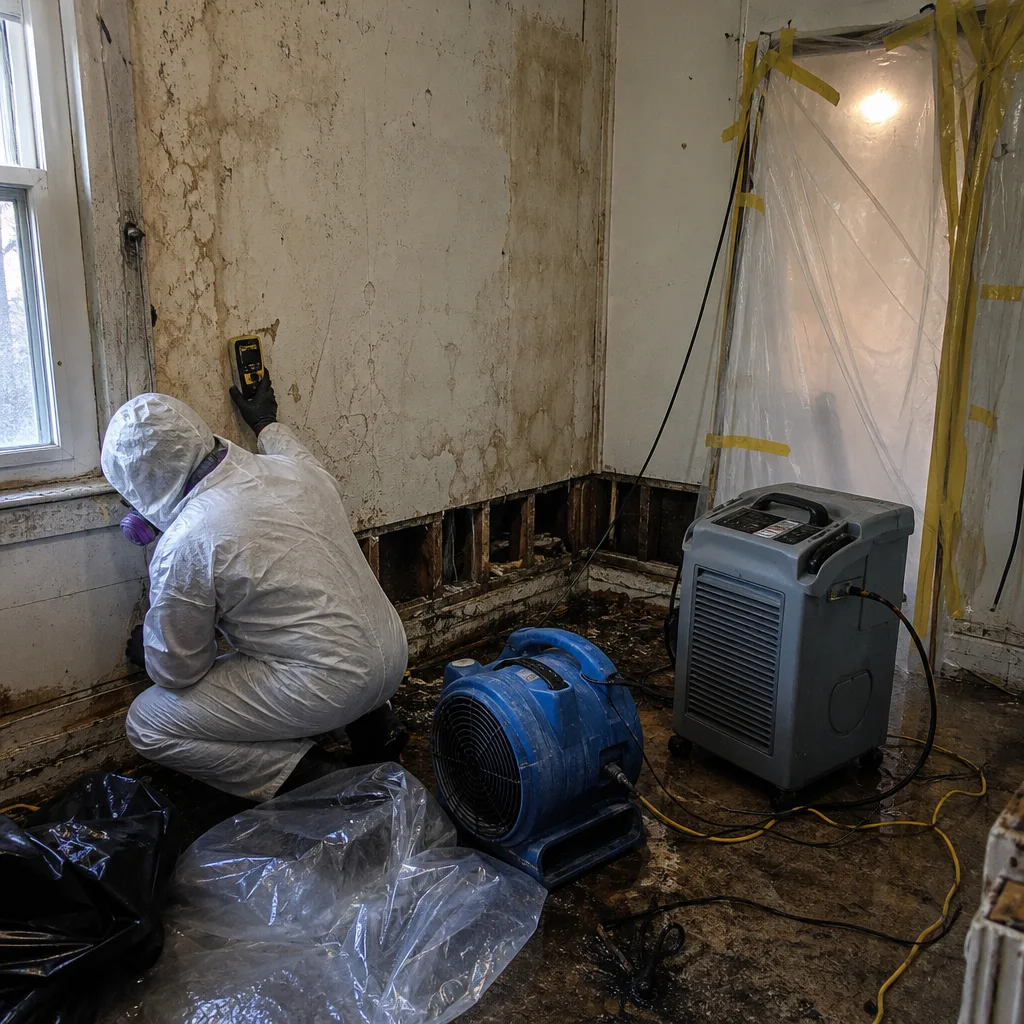 Before
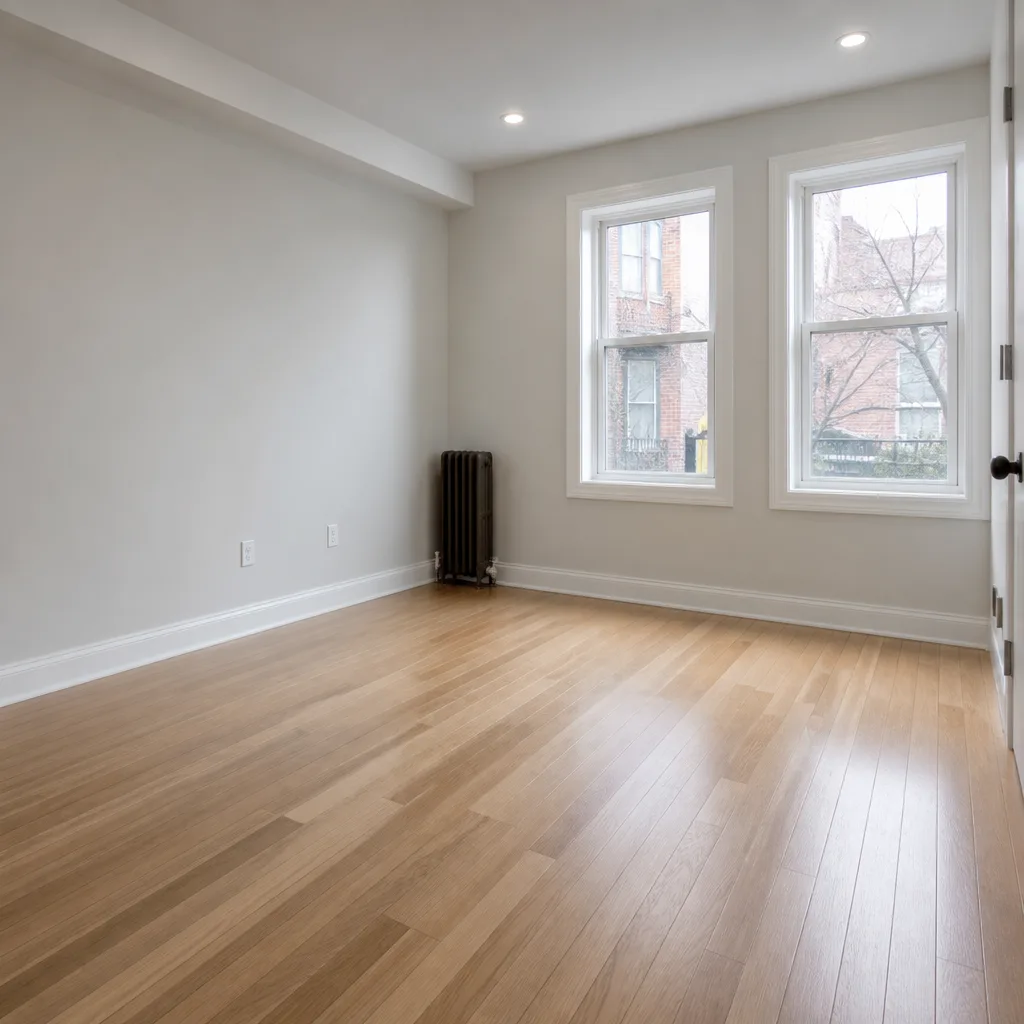 After
After24/7 Emergency Fire & Smoke Damage Restoration in Upper West Side
Fire and smoke damage in Upper West Side pre-war buildings spreads fast through shared walls, dumbwaiter shafts, and original plaster-on-lath construction. Crews from DryMark Restoration Astoria answer live at (862) 281-7710, 24 hours a day, with no voicemail trees, and we typically arrive within 45 minutes anywhere from Riverside Drive to Central Park West. The first hour determines whether smoke odor becomes a permanent problem or a solved one. Soot begins etching glass and corroding metal within minutes of cooling, and in buildings with horsehair plaster, acidic residues penetrate deep enough that surface cleaning won’t touch them. We start with a free visual inspection, document everything with photos, and deliver a written price before any work begins. Haven Standard, Clause 1.
Understanding Fire & Smoke Damage Restoration Severity in Upper West Side Properties
Fire damage in Upper West Side buildings isn’t one condition. It’s three distinct problems that overlap: thermal damage from flames, smoke migration through hidden pathways, and the chemical residue that smoke leaves behind. In pre-war co-op towers along West End Avenue and Broadway, we classify smoke residue by type because each demands a different cleaning chemistry. Dry smoke from fast-burning paper and wood produces powdery, non-smearing soot that HEPA vacuuming removes. Wet smoke from slow-burning plastics and synthetics leaves sticky, smeary residue that requires solvent-based cleaning agents. Protein fires from kitchen grease nearly invisibly coat surfaces with a pungent film that standard cleaners won’t touch.
Smoke migration follows pressure differentials and existing air pathways. In UWS buildings, that means dumbwaiter shafts, plumbing chases, and the gaps around century-old radiator pipes become express routes for smoke into neighboring units three floors away. Plaster-on-lath walls, unlike modern drywall, create continuous void spaces where smoke can linger for months. We map migration paths with thermal imaging and borescope cameras, then seal affected cavities before cleaning begins. Tertiary smoke damage, the odor that reactivates in humid weather, is what property managers call us about six months after a “completed” restoration. We prevent it by treating every affected surface with antimicrobial sealants designed for porous plaster, not just the visible soot.
Why Upper West Side Property Owners Choose DryMark Restoration Astoria
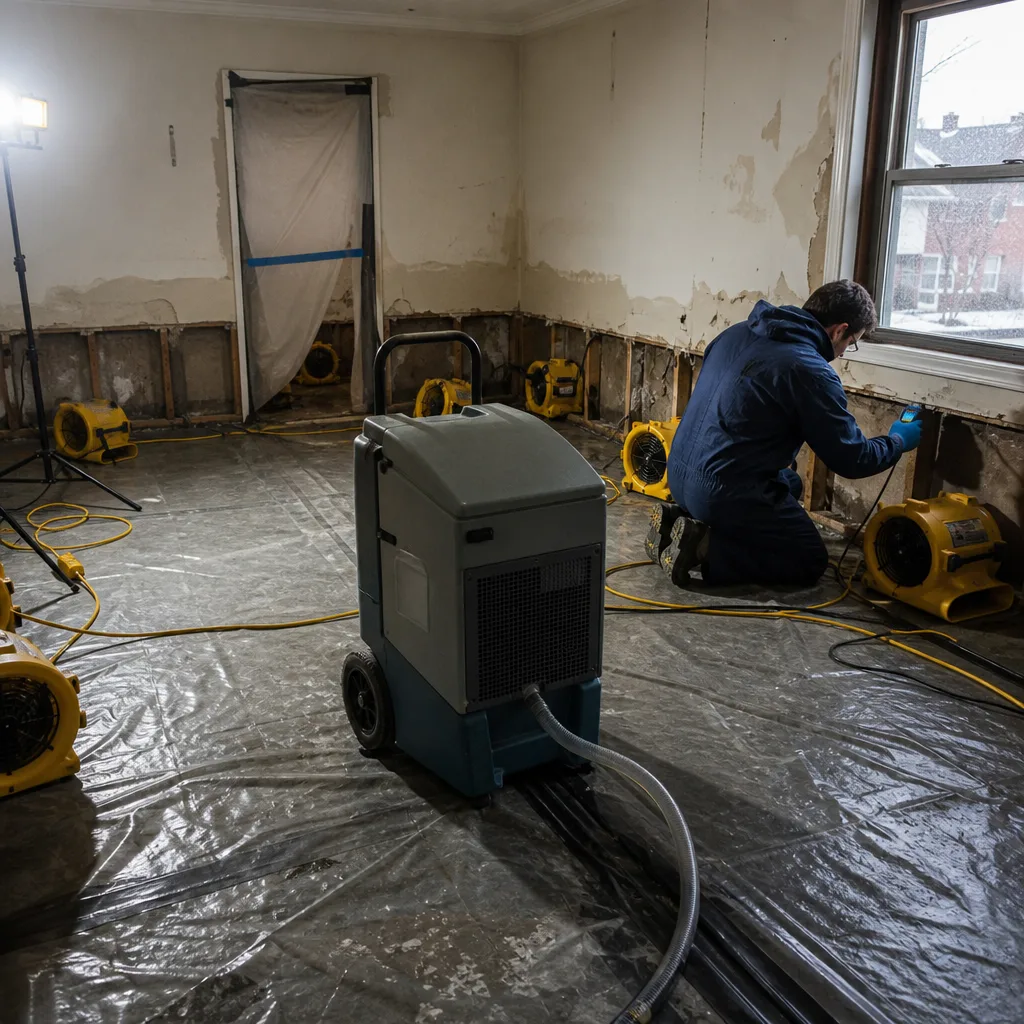
- 45-minute response commitment to any Upper West Side address, from Lincoln Center to Morningside Heights, because smoke damage compounds with every minute it sits.
- 24/7 live answer by a real person who can dispatch crews immediately; no automated menus, no “leave a message and we’ll call back tomorrow.”
- IICRC-certified crews holding FSRT (Fire & Smoke Restoration Technician) and WRT (Water Damage Restoration Technician) certifications, trained specifically on pre-war building systems.
- Free visual inspection with a written scope and price delivered before any equipment moves through your lobby.
- Direct insurance billing with photo-documented estimates that adjusters recognize and approve without back-and-forth.
- One team from emergency response through structural repair, so no handoff gaps between the crew that boards up and the crew that rebuilds your kitchen.
BeforeAfterOur Fire & Smoke Damage Restoration Process
1. Inspection & Assessment
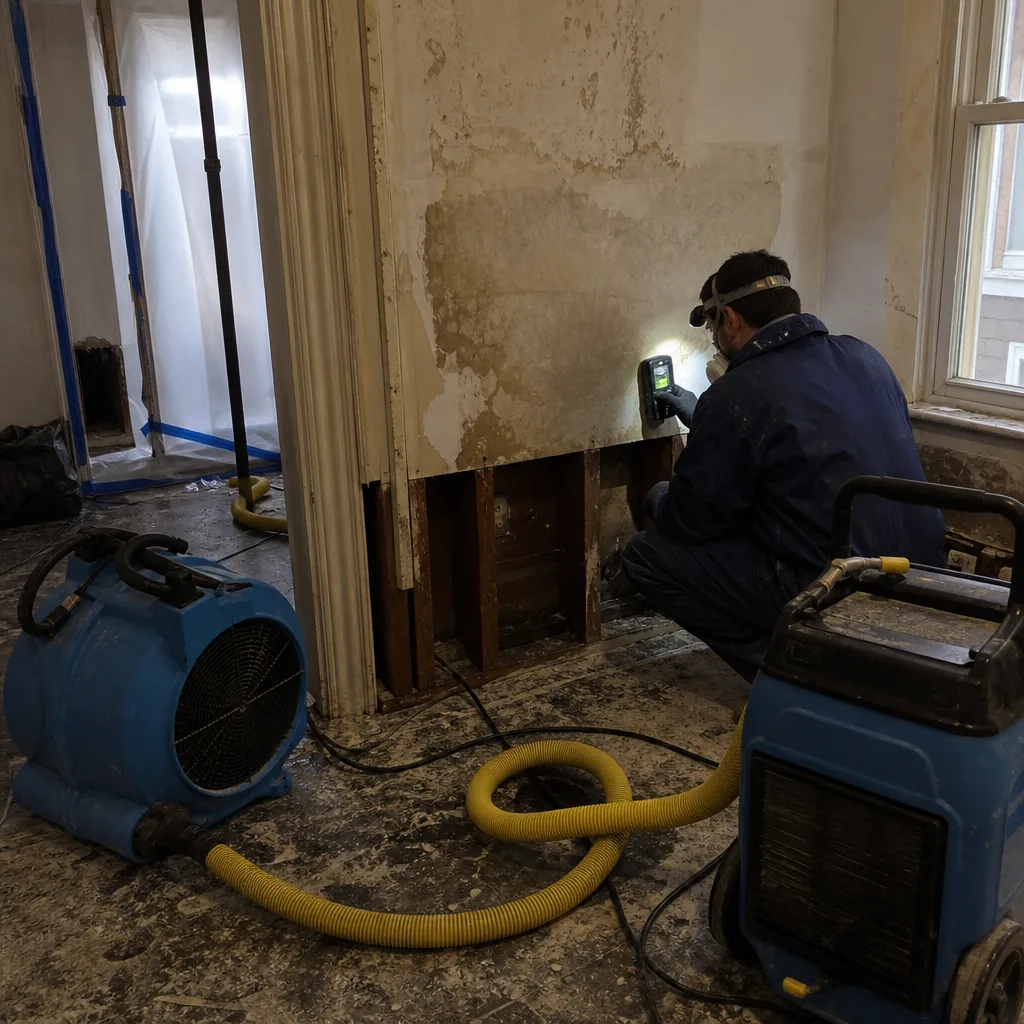
We arrive with thermal imaging cameras, moisture meters, and borescopes to trace smoke migration through plaster-on-lath walls and shared building shafts. Every affected room is photographed, every residue type identified, and a written scope with line-item pricing is delivered before work starts. Haven Standard, Clause 1.
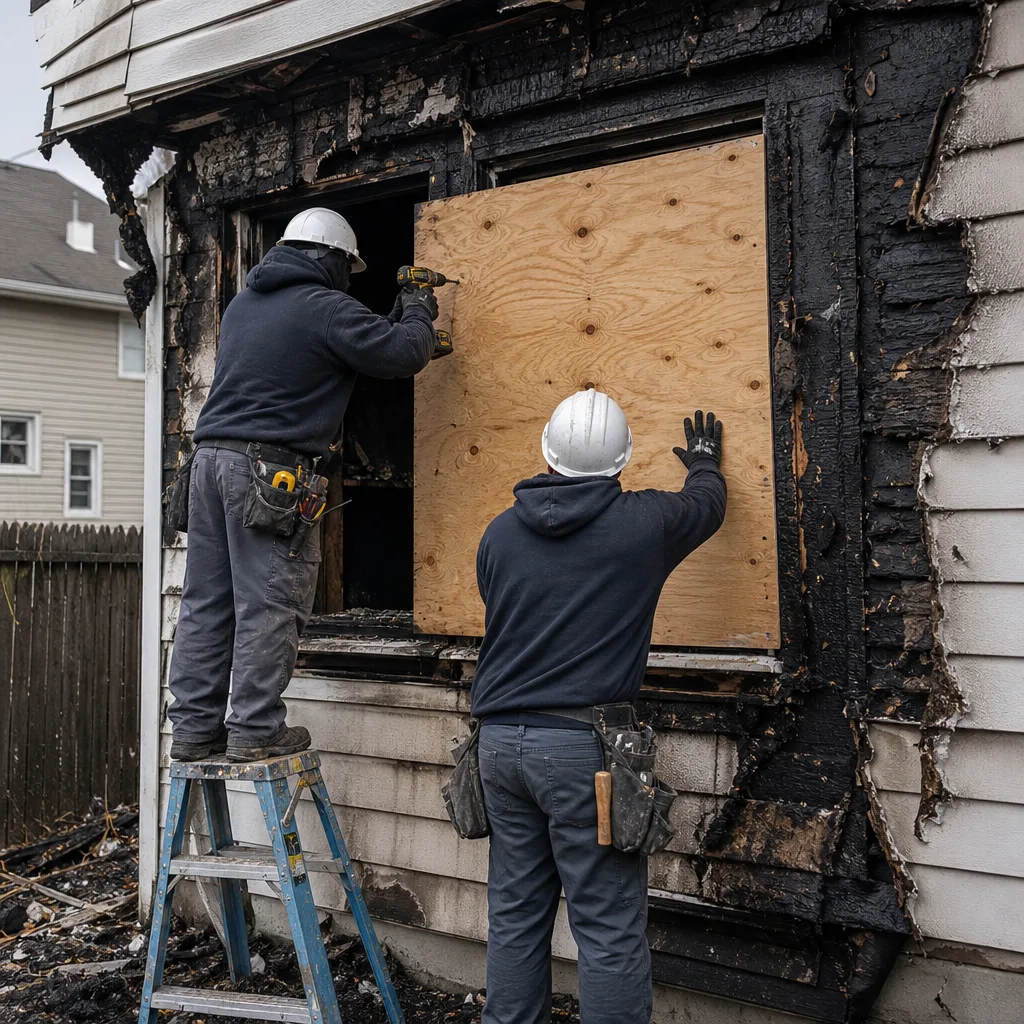
2. Emergency Board-Up & Tarping
Broken windows and compromised roofs are secured immediately to prevent weather intrusion and secondary damage. In Upper West Side co-ops, we coordinate with building staff to use designated service entrances and avoid triggering lobby security systems.
3. Smoke & Soot Removal
Dry, wet, and protein residues are treated with chemistry matched to each surface: HEPA vacuuming for powdery soot, solvent cleaning for sticky synthetics, alkaline cleaners for protein films. We use Dri-Eaz HEPA air scrubbers to capture airborne particles during the process.
4. Odor Removal & Deodorization
Surface cleaning removes visible residue; odor removal requires reaching what you can’t see. We deploy thermal fogging, ozone treatment, and hydroxyl generators depending on the material and occupancy status, with vapor pressure differential monitoring to confirm odor source elimination.
5. Contents Cleaning & Pack-Out
Smoke-damaged belongings are inventoried, photographed, and packed out for specialized cleaning at our facility. Books, textiles, and electronics receive targeted treatment; ozone chambers eliminate smoke odor from porous materials that in-place cleaning can’t reach.
6. Structural Fire Repair & Restoration
Final repairs are scoped to match original materials in LPC landmark districts, with co-op board approval secured before work begins. We rebuild with the same plaster, millwork, and parquet specifications that existed pre-loss, documented to IICRC standards.
Need Emergency Fire & Smoke Damage Restoration in Upper West Side Now?
Crews minutes away, answering live 24 hours a day. The sooner we start, the less it costs.
Working With Your Insurance Company
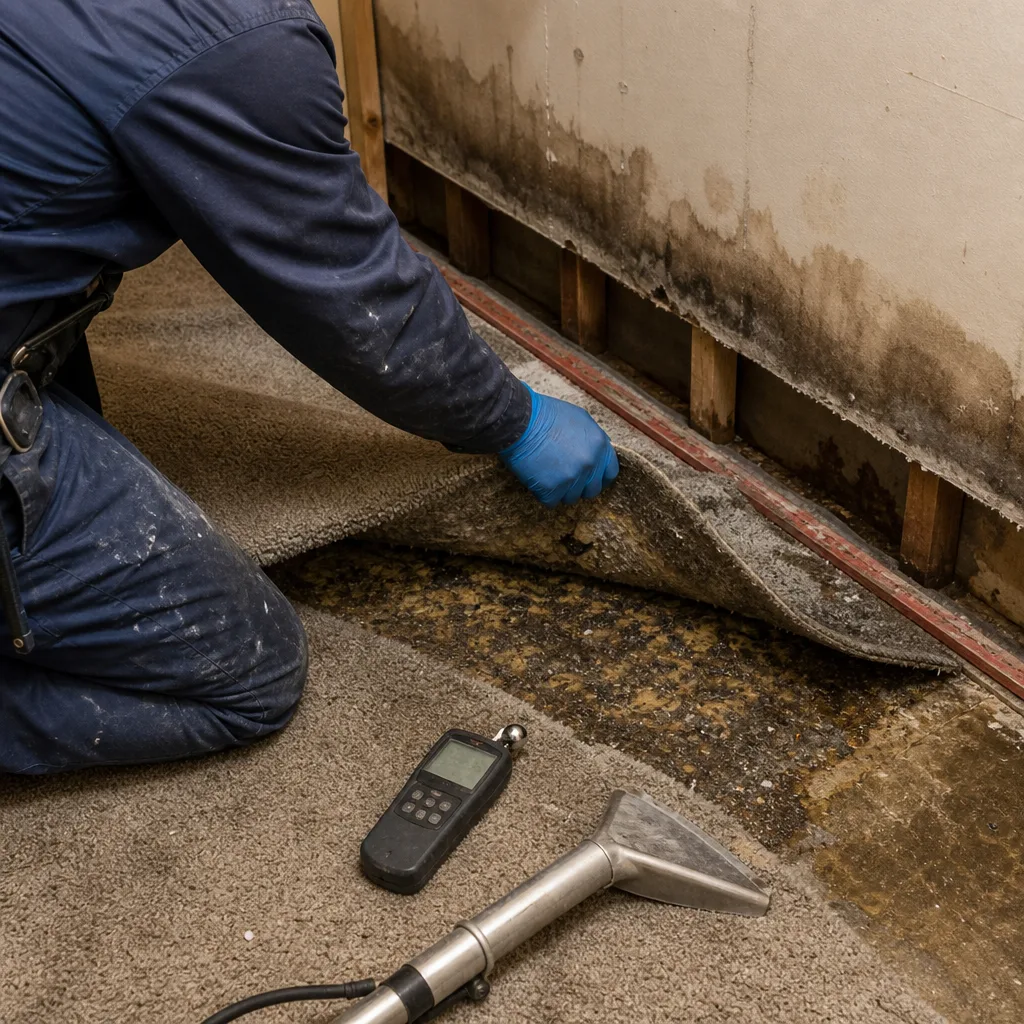
Fire claims in Upper West Side co-ops involve multiple parties: the unit owner’s policy, the building’s master policy, and often the policies of neighboring units affected by smoke migration. We document from the first hour to keep all three straight. Our estimates follow Xactimate and Symbility formats that adjusters process without revision requests. We photograph every room before touching anything, log moisture readings on plaster and lath to prove drying was necessary, and provide drying logs that show psychrometric data in plain terms: temperature, relative humidity, and vapor pressure differential at each visit.
Direct adjuster coordination is standard, not an upsell. We conference call with your carrier, submit documentation through their preferred portals, and flag coverage questions before they become disputes. The photo record, the written scope, and the signed warranty are your evidence if questions arise later.
What We Provide Your Insurer
- Thorough documentation of the loss
- Photos of all damage, room by room
- Moisture readings and drying logs
- A detailed, line-item scope of work
- Direct coordination with your carrier
Built for Upper West Side’s Loss Calendar
January deep freezes in Manhattan stress aging steam heating systems across the Upper West Side, and the annual October startup of building-wide boilers creates a predictable spike in radiator supply-line failures and small electrical fires from overloaded space heaters. Spring brings renovation season, and with it, contractor-caused fires in buildings where LPC landmark rules require permits for any exterior work. Summer’s air conditioning load strains pre-war electrical systems never designed for modern amperage demands.
The real pattern we watch: kitchen fires in buildings with original dumbwaiters. A grease fire on the 8th floor sends smoke through a shaft originally built to move coal, and suddenly three units on different floors need simultaneous restoration. Each requires co-op board notification, each triggers a separate insurance claim, and none can start until the building’s managing agent approves access. We maintain relationships with the major management companies on Central Park West and West End Avenue precisely because this coordination can’t wait for business hours.
Fire & Smoke Damage Restoration Across Upper West Side’s Neighborhoods
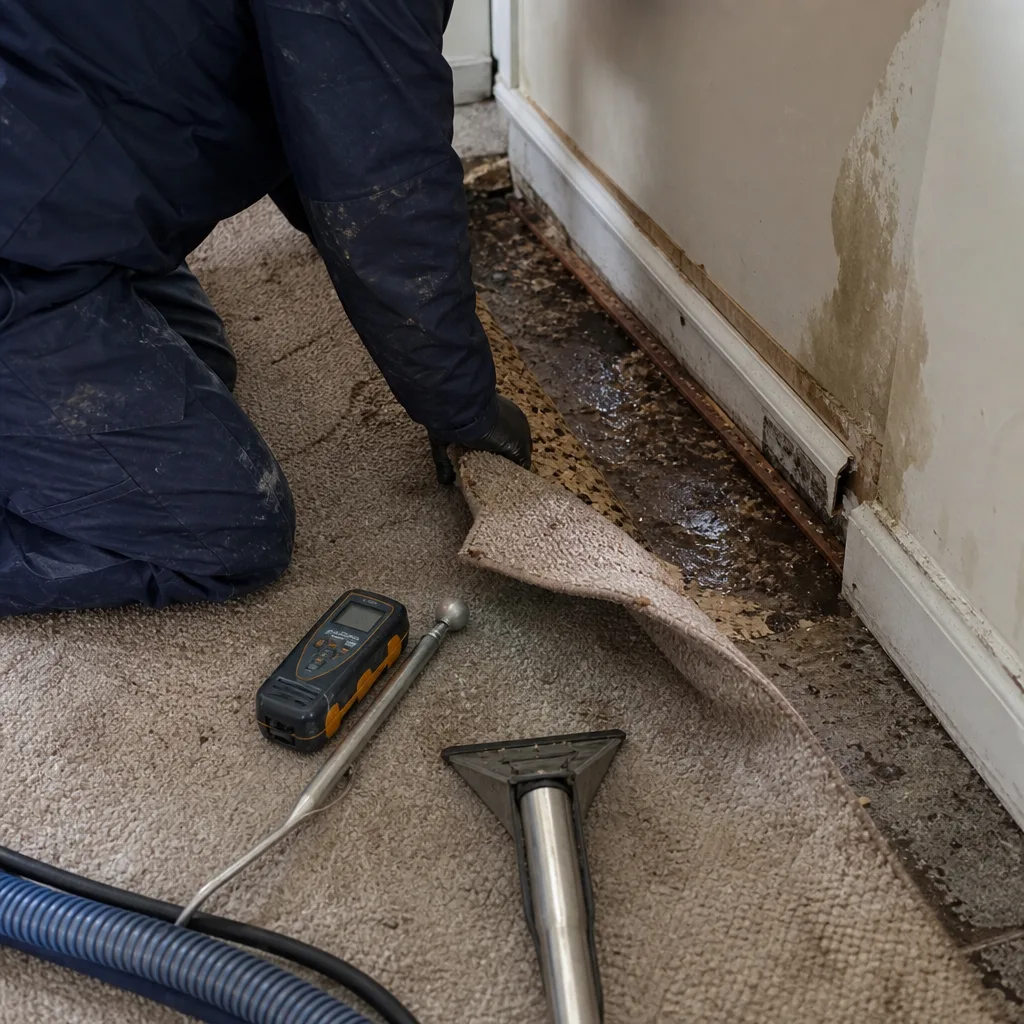
On Riverside Drive, the LPC-designated historic district means any exterior repair after fire damage requires Landmarks Preservation Commission approval for matching brick, limestone, and terracotta. Interior plaster cornices and ornamental millwork must be restored with materials and methods documented to LPC standards, adding two to six weeks to project timelines before a single tool enters the apartment.
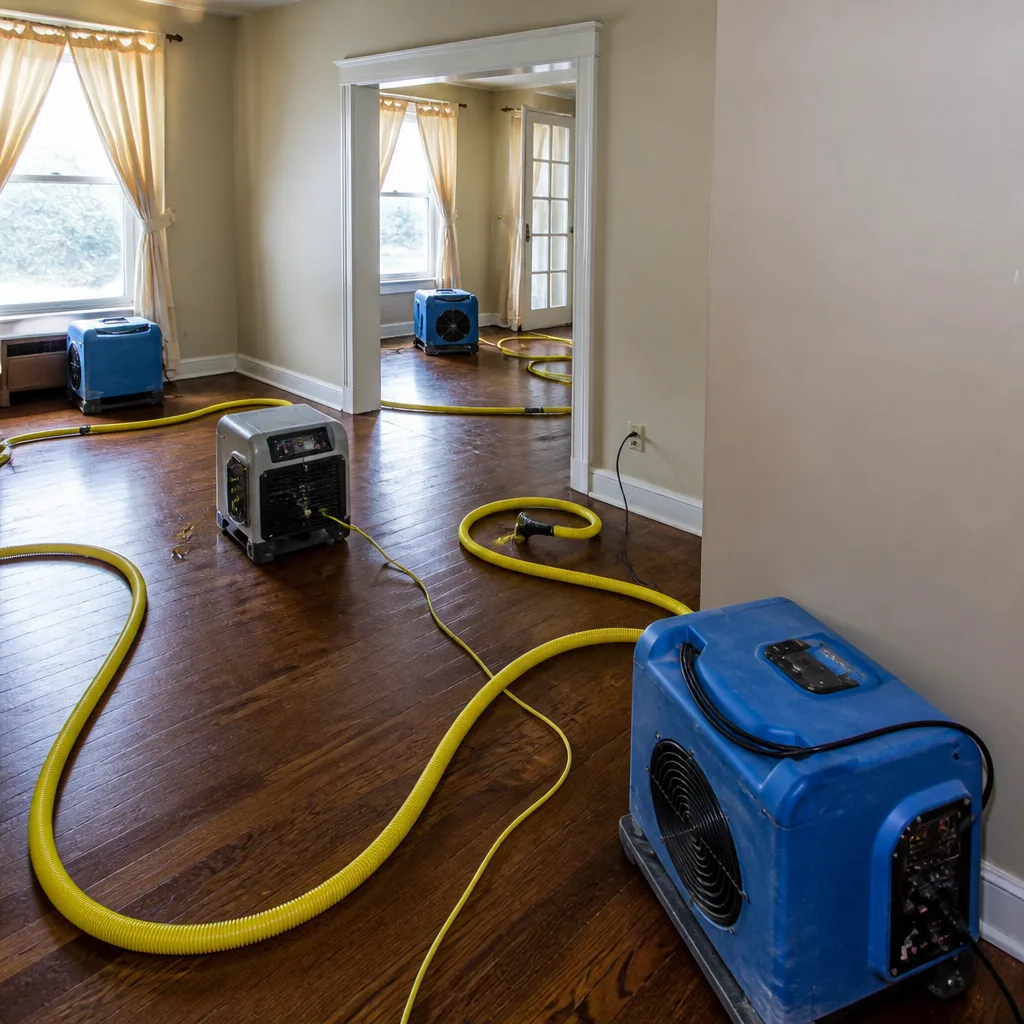
West End Avenue co-ops, many built between 1900 and 1930, present the access puzzle that defines our Upper West Side operations. Rolling-code lobby remotes, narrow service elevators with FDNY recall systems, and alley-load entrances too small for standard equipment trucks. We pre-register our crews with building management, use compact Phoenix and XPOWER units that fit through 30-inch doorways, and maintain manual hoist equipment for the buildings where even service elevators can’t accommodate a standard dehumidifier.
Broadway corridor buildings, especially the mixed-use structures with commercial kitchens at street level, see a different fire profile: grease fires that send protein residue upward through vertical chases, affecting residential units above with nearly invisible but intensely pungent smoke damage. The cleaning protocol here emphasizes vapor-phase odor removal, not just surface treatment.
Morningside Heights and the Cathedral Parkway area include more institutional and university-affiliated housing with their own facilities management and stricter contractor vetting. We maintain pre-qualification paperwork with Columbia University and Barnard College facilities departments to avoid the two-week onboarding delay that can turn a small fire into a major reconstruction.
Specialized Fire & Smoke Damage Restoration Services We Offer in Upper West Side
Fire Damage Cleanup
Thermal damage to structure and contents, from charred kitchen cabinetry to compromised electrical runs in plaster walls. In UWS pre-war buildings, we assess whether horsehair plaster can be stabilized or must be stripped to lath, a decision that doubles the scope but prevents mold and odor recurrence.
Smoke & Soot Removal
The service this page exists to explain. We identify residue type, map migration paths, and apply chemistry matched to each surface. In co-op buildings, we contain work areas with HEPA filtration to prevent cross-contamination into common hallways and neighboring units.
Odor Removal & Deodorization
Smoke odor that persists after visible cleaning indicates tertiary contamination in porous materials. We deploy thermal fogging for void spaces, ozone treatment for unoccupied areas and packed-out contents, and hydroxyl generators for occupied spaces where ozone isn’t safe. Vapor pressure differential monitoring confirms we’ve reached the source, not just masked it.
Contents Cleaning & Pack-Out
Books, artwork, textiles, and electronics damaged by smoke receive specialized off-site treatment. We inventory every item with photo documentation, clean at our facility, and return with zero smoke odor. For Upper West Side residents with significant collections, this service alone can preserve tens of thousands in uninsured value.
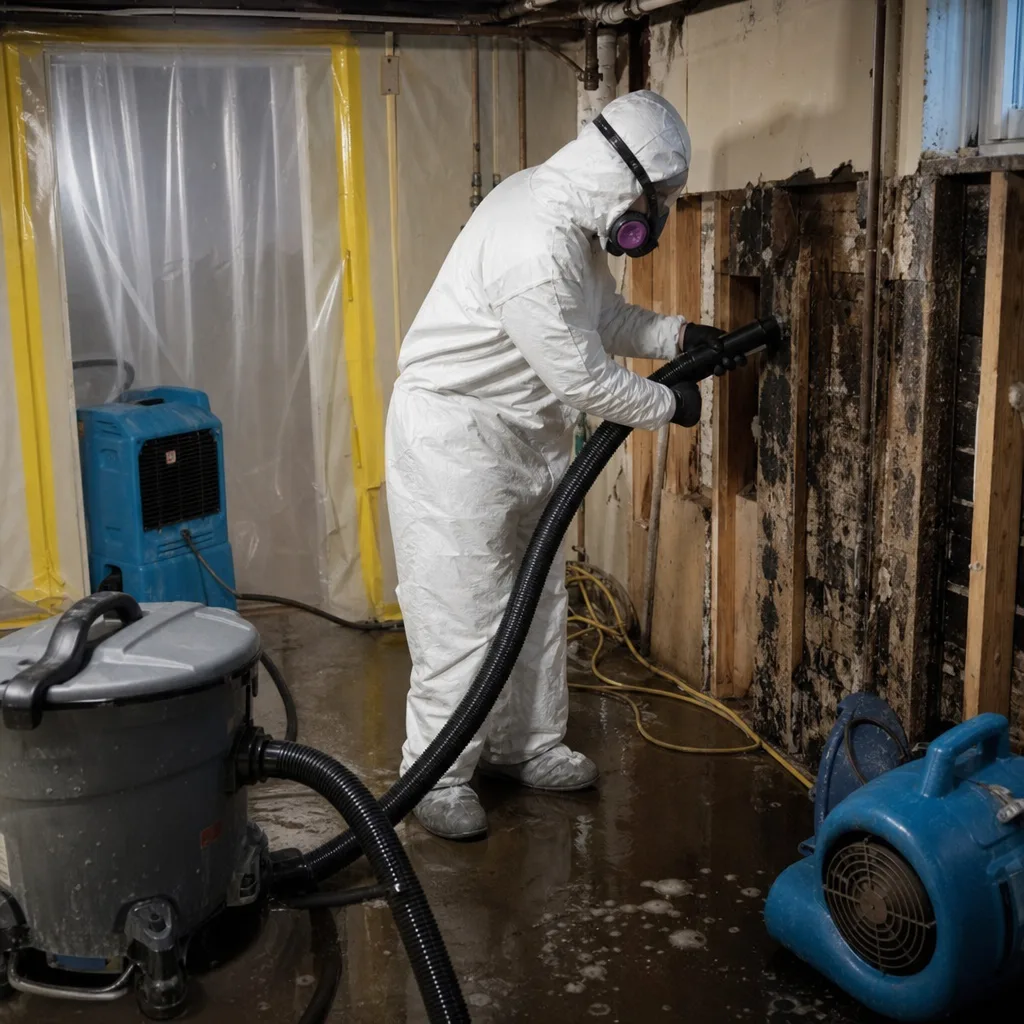
Emergency Board-Up & Tarping
Immediate weather protection and security for fire-damaged openings. We coordinate with building staff for after-hours access and use materials that meet co-op aesthetic requirements, not plywood and tarps that trigger board complaints.
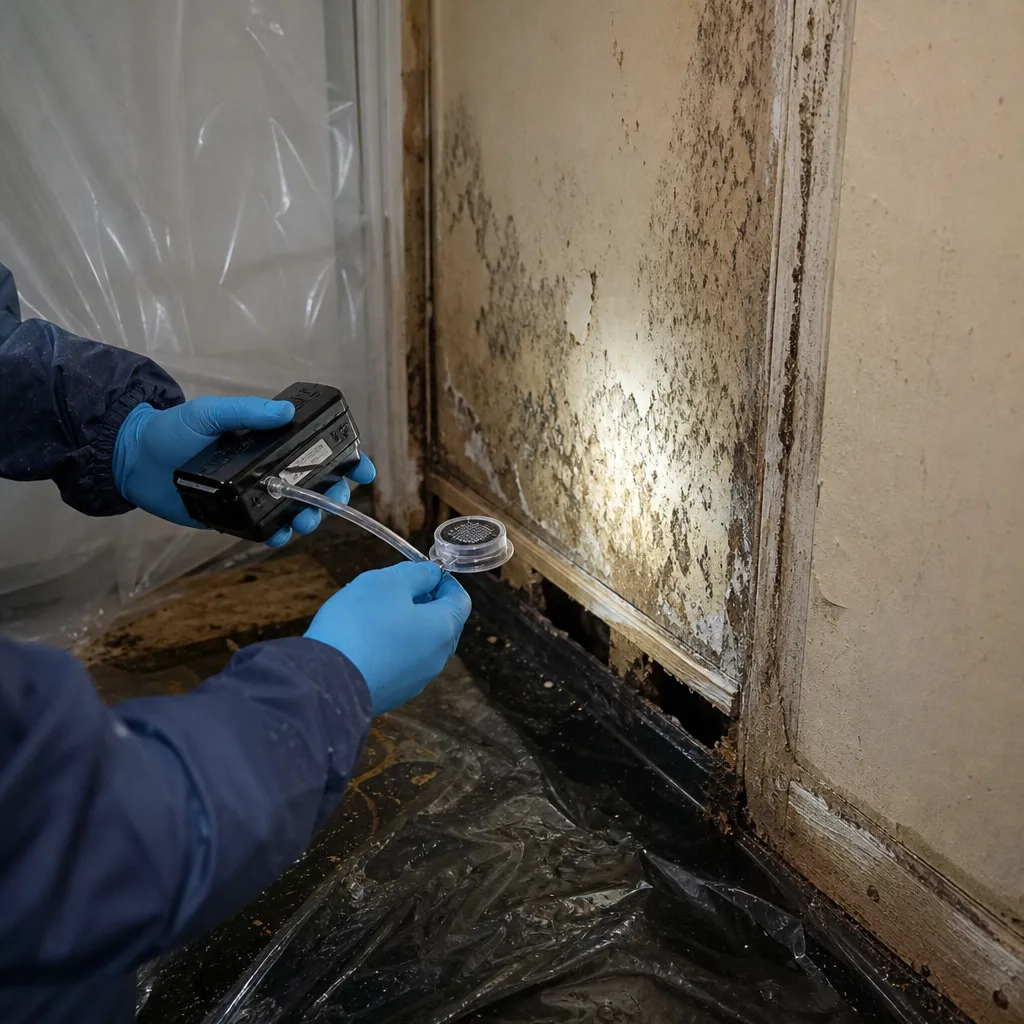
Structural Fire Repair
Rebuilding to pre-loss condition with materials that match original specifications. In LPC districts, we prepare documentation for commission approval and work only with subcontractors who understand landmark compliance. This is where our Fire & Smoke Damage Restoration team differs from contractors who treat every building like new construction.
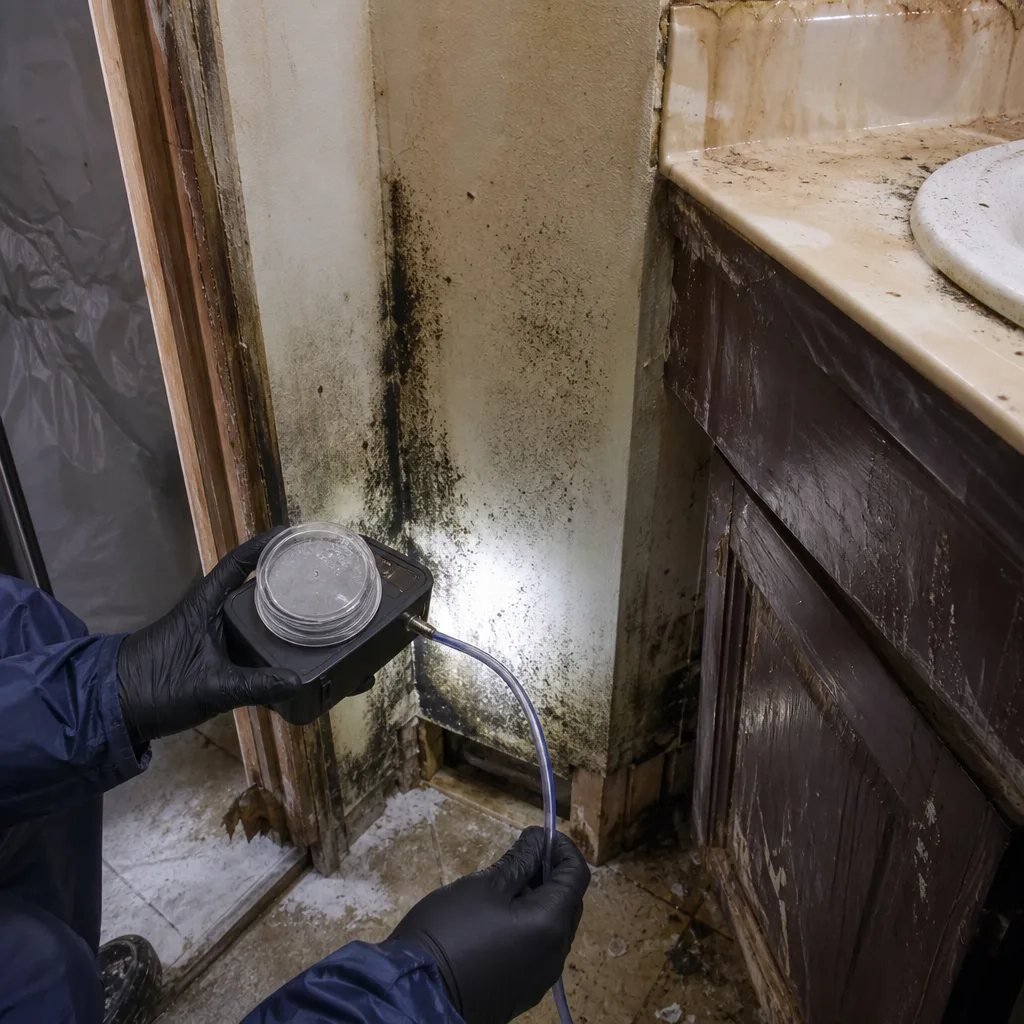
What happens when you call
- 1
A real person answersNo phone trees - you reach a local pro.
- 2
You get an upfront price rangeHonest numbers before anyone is dispatched.
- 3
A background-checked tech heads outLicensed & insured, dispatched right away.
- 4
You approve before work beginsNothing starts until you say go.
Fire & Smoke Damage Restoration Costs in Upper West Side, NY
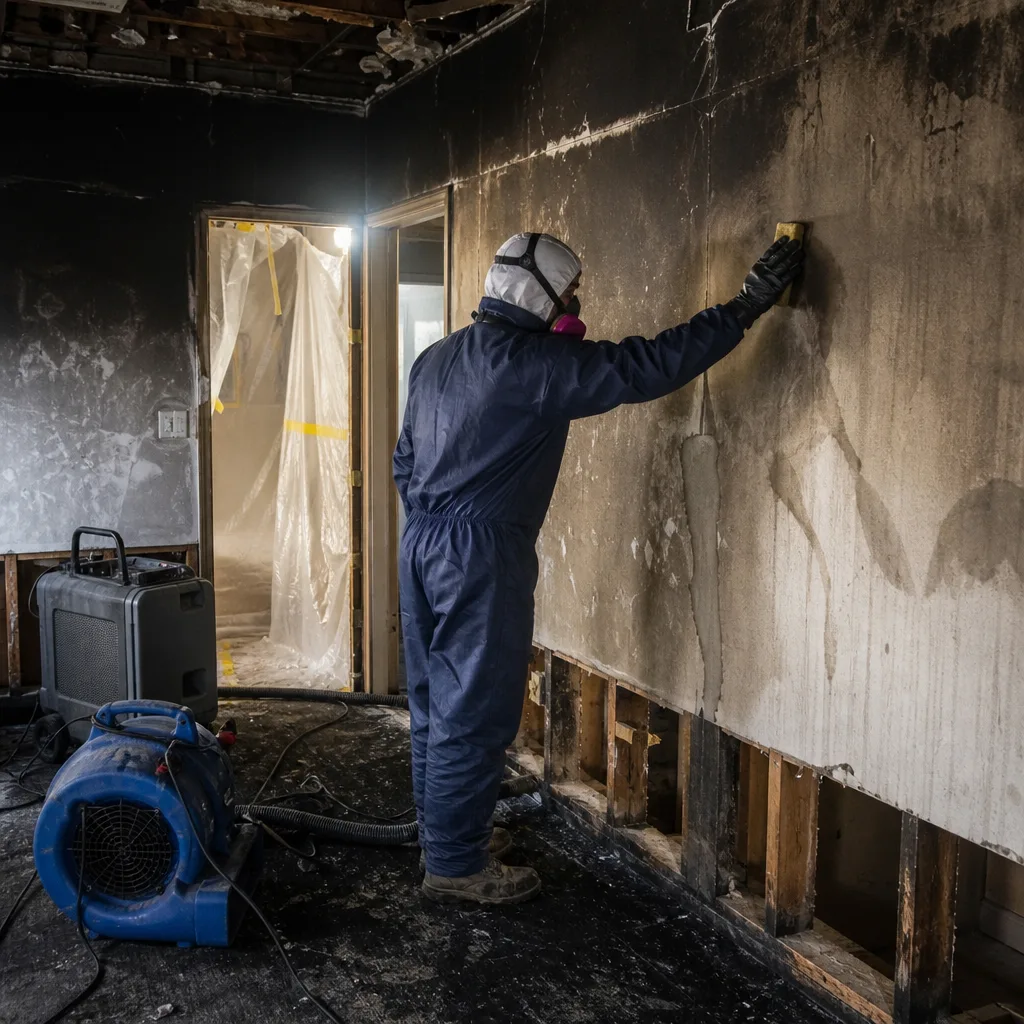
Fire and smoke restoration in Upper West Side runs higher than outer-borough averages because of building access constraints, co-op board approval delays, and the specialized skills required for plaster-on-lath and LPC-compliant repair. Here’s what we typically see:
| Service | Typical Range in Upper West Side |
|---|---|
| Emergency board-up and initial inspection | $800-$2,200 |
| Smoke and soot removal, single room | $1,800-$4,500 |
| Odor removal and deodorization, apartment-wide | $2,500-$6,000 |
| Contents pack-out and cleaning | $1,500-$5,500 depending on volume |
| Structural fire repair, kitchen or similar | $8,000-$25,000+ |
| Full apartment restoration with LPC compliance | $35,000-$85,000+ |
What moves the price: the residue type (protein fires require more labor than dry smoke), the number of rooms affected by migration, whether plaster must be stripped to lath, and whether LPC or co-op board approval adds timeline costs. Most fire damage is insurance-covered; your out-of-pocket typically runs to your deductible plus any upgrade selections. We deliver a written price before work starts, every time, with no scope-creep additions once our crew is inside. Haven Standard, Clause 1. Call (862) 281-7710 for a free inspection and exact quote.
We Also Serve Cities Near Upper West Side
Our crews dispatched from the New York City office respond throughout Manhattan and western Queens, including Upper West Side and neighboring Astoria, Upper East Side, Long Island City, and Jackson Heights. Same documentation standards, same written-price guarantee, same live-answer dispatch.
Serving Upper West Side, NY - Our Local Coverage Area
We’re based in the Upper West Side area and know this community well. Use the map below to see our service coverage - if you’re nearby, we can almost certainly help.
Upper West Side Fire & Smoke Damage Restoration Questions, Answered
How does the Upper West Side’s pre-war construction affect fire and smoke damage restoration timelines?
Pre-war construction adds two to six weeks to most fire restoration projects in the Upper West Side. Horsehair plaster walls cannot be patched like drywall; saturated or smoke-damaged sections must be stripped to the lath, dried, and rebuilt. Co-op boards require sign-off before work begins in most buildings, and LPC landmark districts like Riverside Drive-West End require commission approval for any material change to interior millwork or exterior elements. We build this timeline into our initial scope so you’re not surprised by delays that other contractors don’t mention. Call (862) 281-7710 and we’ll walk through your building’s specific requirements.
Can you handle smoke odor removal in a co-op building with strict board rules and narrow service elevators?
Yes. We pre-register equipment and personnel with building management, use compact Dri-Eaz and Phoenix units that fit through 30-inch doorways, and maintain manual hoists for buildings where service elevators can’t accommodate standard dehumidifiers. Our containment protocols use HEPA filtration that meets co-op hallway air quality requirements, and we schedule odor removal during hours that minimize resident disruption. The field vignette: we were called to a 1920s co-op on West End Avenue after a kitchen fire sent smoke through the building’s original dumbwaiter shaft and into three neighboring units. Our techs used Injectidry mats on the parquet floors, set up containment with XPOWER air movers, and logged moisture readings every two hours to prove the plaster-on-lath dried without cracking. After the co-op board approved the scope, we packed out a resident’s book collection for ozone treatment and returned it with zero smoke odor.
What is the biggest mistake property managers make after a fire in a UWS pre-war building?
The biggest mistake is authorizing painting over smoke-damaged plaster without antimicrobial treatment and proper drying. Smoke residue in original plaster-on-lath walls is often painted over without proper antimicrobial treatment, leading to persistent odor and hidden soot bleeding through new paint within weeks. The second biggest mistake: starting restoration work before LPC or co-op board sign-off, resulting in stop-work orders and delayed structural fire repair. We see both regularly on jobs we take over from other contractors. Our process includes board liaison services and documentation packages designed for co-op and LPC review.
Do you use antimicrobial treatment on smoke-damaged surfaces in Upper West Side apartments?
Yes. We apply antimicrobial sealants specifically formulated for porous plaster and lath, not just the surface cleaners used on drywall. This prevents mold colonization in void spaces where smoke has deposited organic residue, and it blocks odor reactivation when humidity rises in summer. The treatment is documented with photos and product specifications for your insurance file and co-op board records. Call (862) 281-7710 to discuss the specific products we use for your building’s materials.
How do you prevent cross-contamination when a fire in one unit sends smoke through a shared shaft?
We establish containment barriers with negative air pressure at the source, seal all penetrations in affected units with temporary smoke seals, and use HEPA air scrubbers in both the fire unit and adjacent spaces. Thermal imaging identifies migration paths through dumbwaiter shafts, plumbing chases, and radiator pipe gaps that standard visual inspection misses. Each affected unit gets its own documentation package and separate scope, even when the same insurance carrier covers multiple claims. This prevents the coverage disputes that arise when one contractor blurs the boundaries between units.
How fast can you actually get to Upper West Side?
We commit to 45 minutes from call to arrival anywhere in Upper West Side, including Lincoln Center, Morningside Heights, and the full Riverside Drive corridor. Our dispatch is coordinated from the New York City office, and crews are staged for Manhattan response. Live answer 24/7 means no delay for “business hours.” The sooner we start, the less smoke residue etches permanent damage into glass, metal, and plaster. Call (862) 281-7710 now.
Will insurance cover fire and smoke damage restoration?
Most fire and smoke damage is covered by standard homeowner and co-op policies, minus your deductible. The complications in Upper West Side arise from multi-unit smoke migration: your policy, the building’s master policy, and neighbors’ policies may all be involved. We document every unit separately, identify which policy should cover which damage, and coordinate directly with all adjusters. Our estimates use Xactimate format that carriers process without revision. Photo documentation, drying logs, and written scopes are standard deliverables, never upsells. Call (862) 281-7710 and we’ll review your coverage situation at no charge.
How long does fire and smoke damage restoration take in a typical Upper West Side co-op?
Single-room smoke damage with no board complications: 5 to 10 business days. Multi-unit migration in a pre-war co-op with LPC requirements: 6 to 14 weeks. The variable is almost never the cleaning work itself; it’s the approval timeline for plaster stripping, material matching, and contractor access. We build realistic timelines into our initial scope and update weekly with documented progress. The 365-Day Done Right Promise covers any odor recurrence or material failure after completion. Call (862) 281-7710 for a timeline estimate specific to your building.
Every job we take in Upper West Side starts with a written price, ends with a documented record, and is backed by the 365-Day Done Right Promise under The Haven Standard. That’s been our practice since 2011. No exceptions.
Written by Alicia Brennan, Owner at DryMark Restoration Astoria, serving Upper West Side since 2011.
Fire & Smoke Damage Restoration in Nearby Areas