
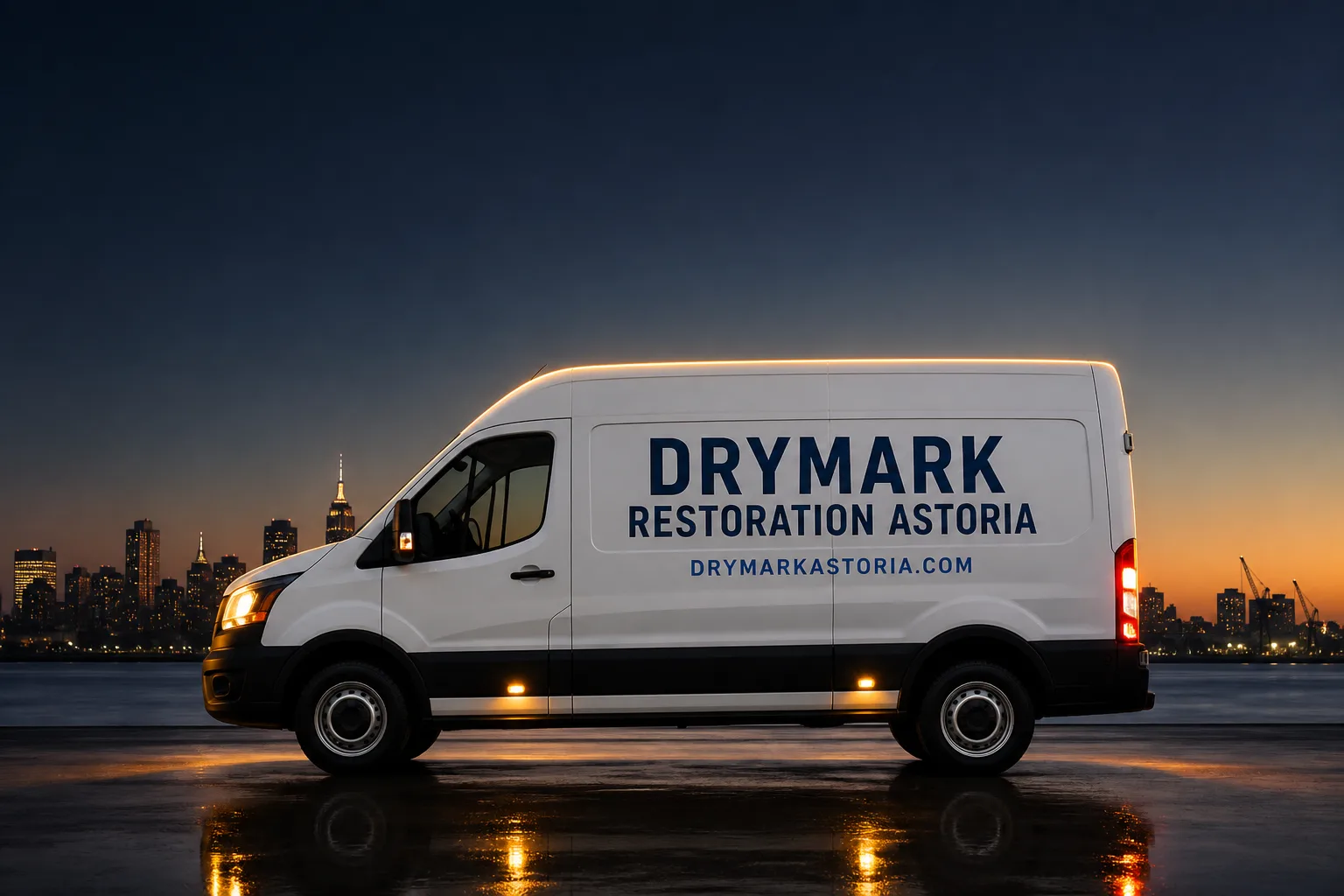
Free visual inspection and a written scope of work before any mitigation begins - photos, moisture readings, and drying logs go in your claim file
The scope we write is the scope we bill. Anything new gets shown to you, in writing, before we touch it.
Storm response
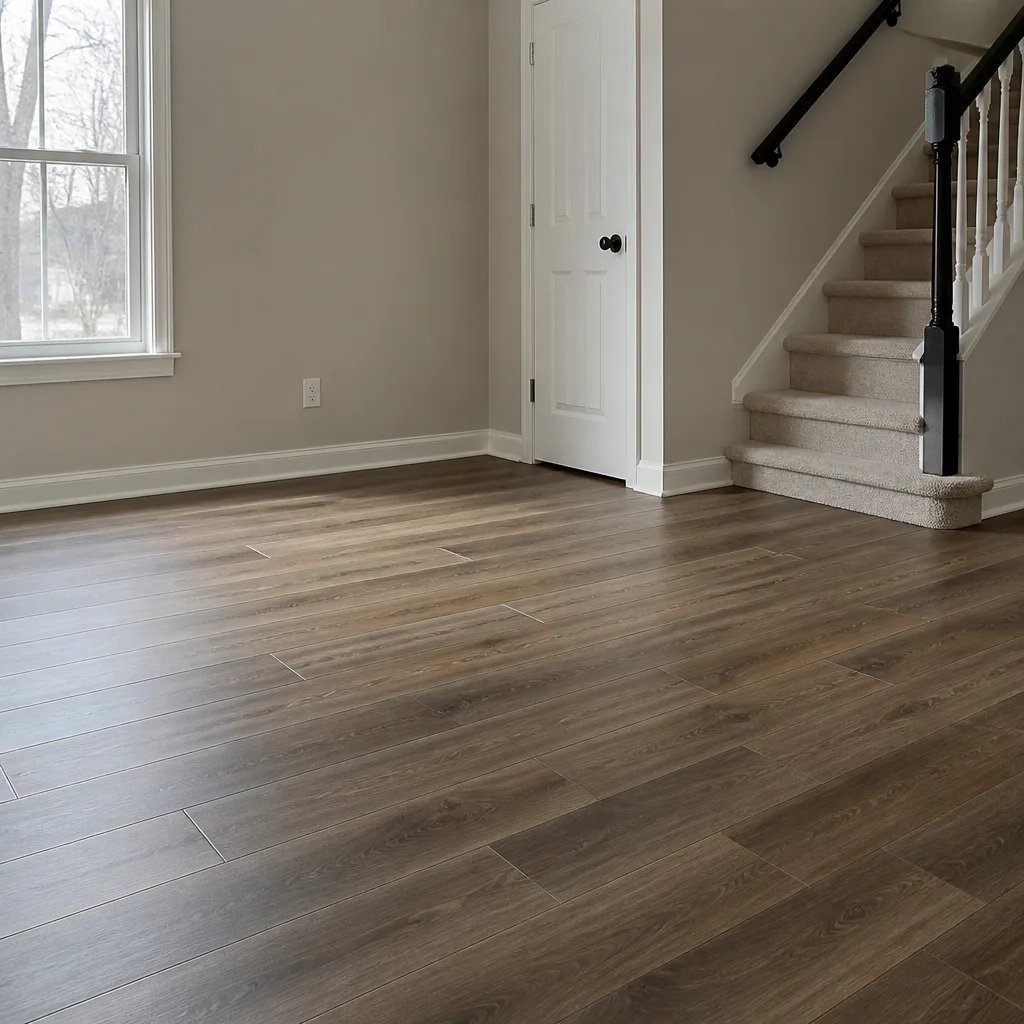
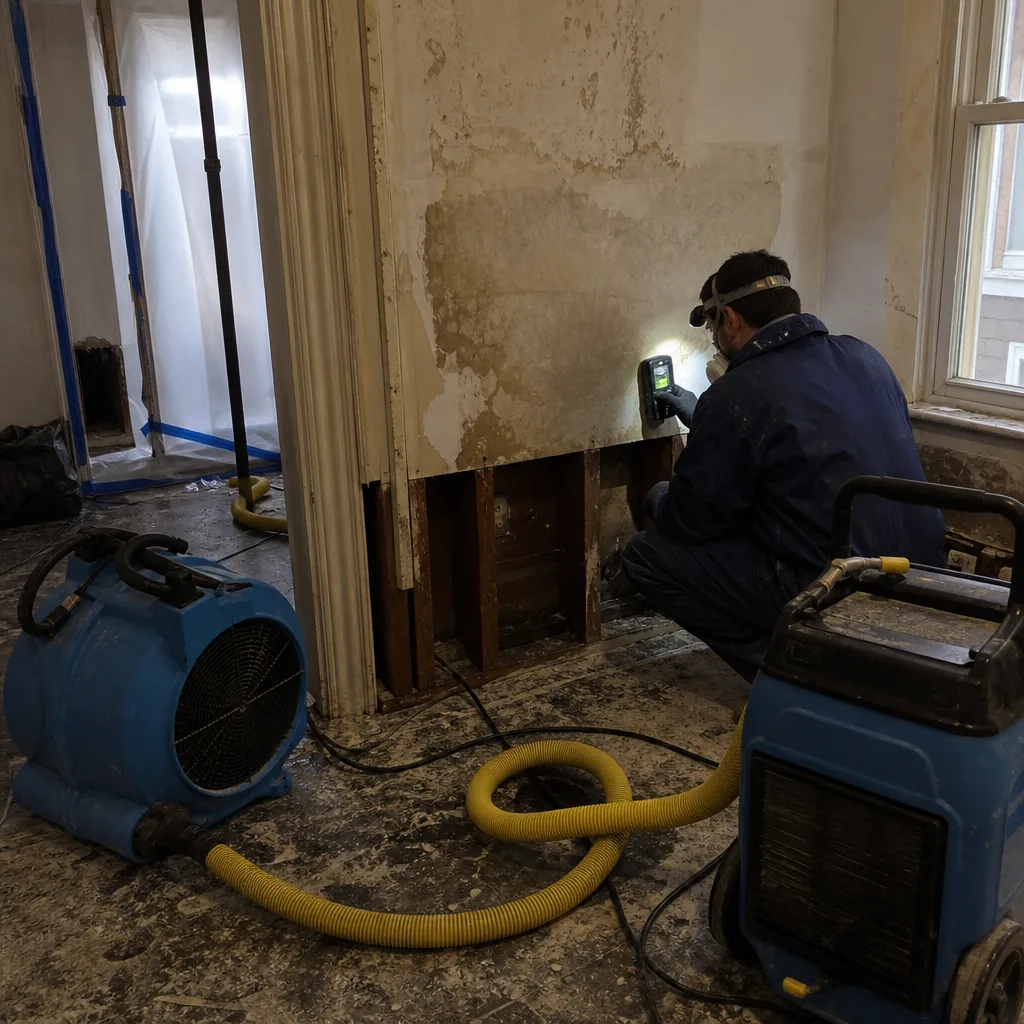 Before
 After
After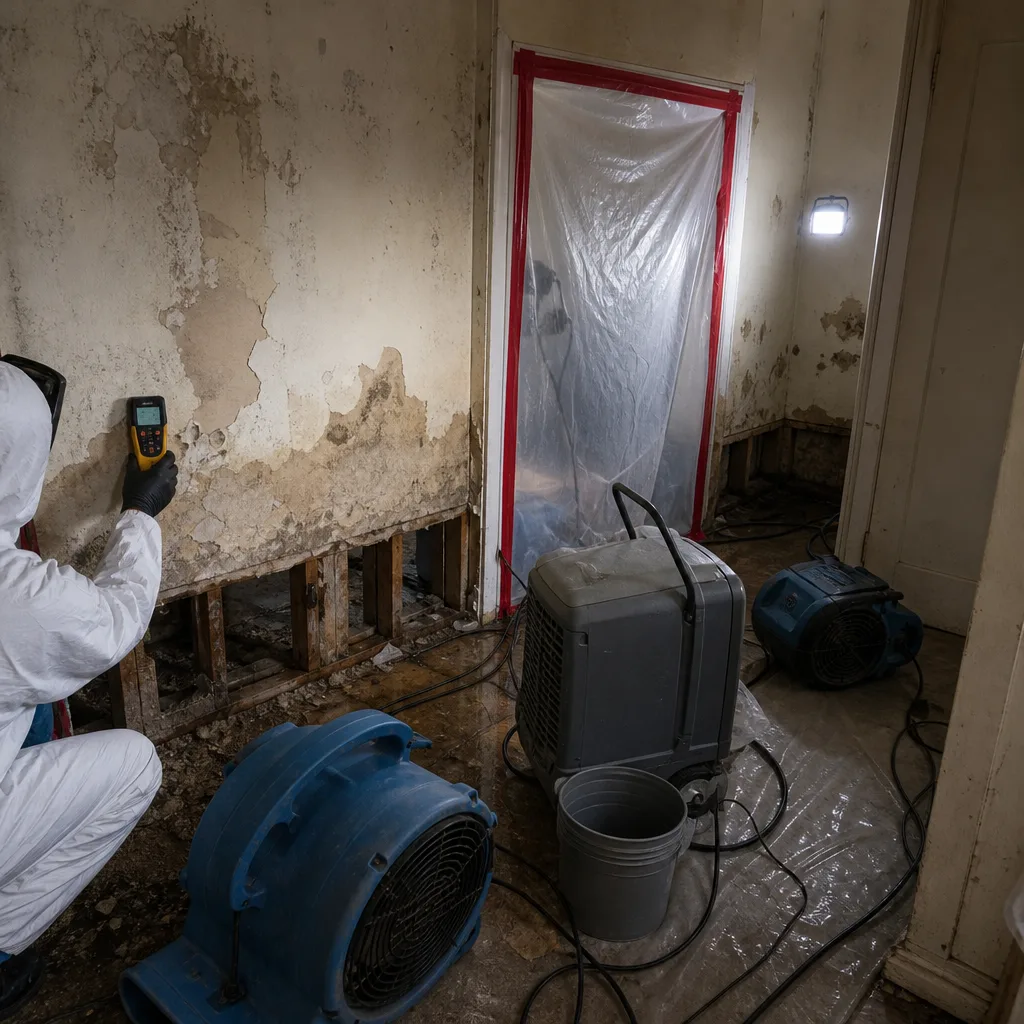 Before
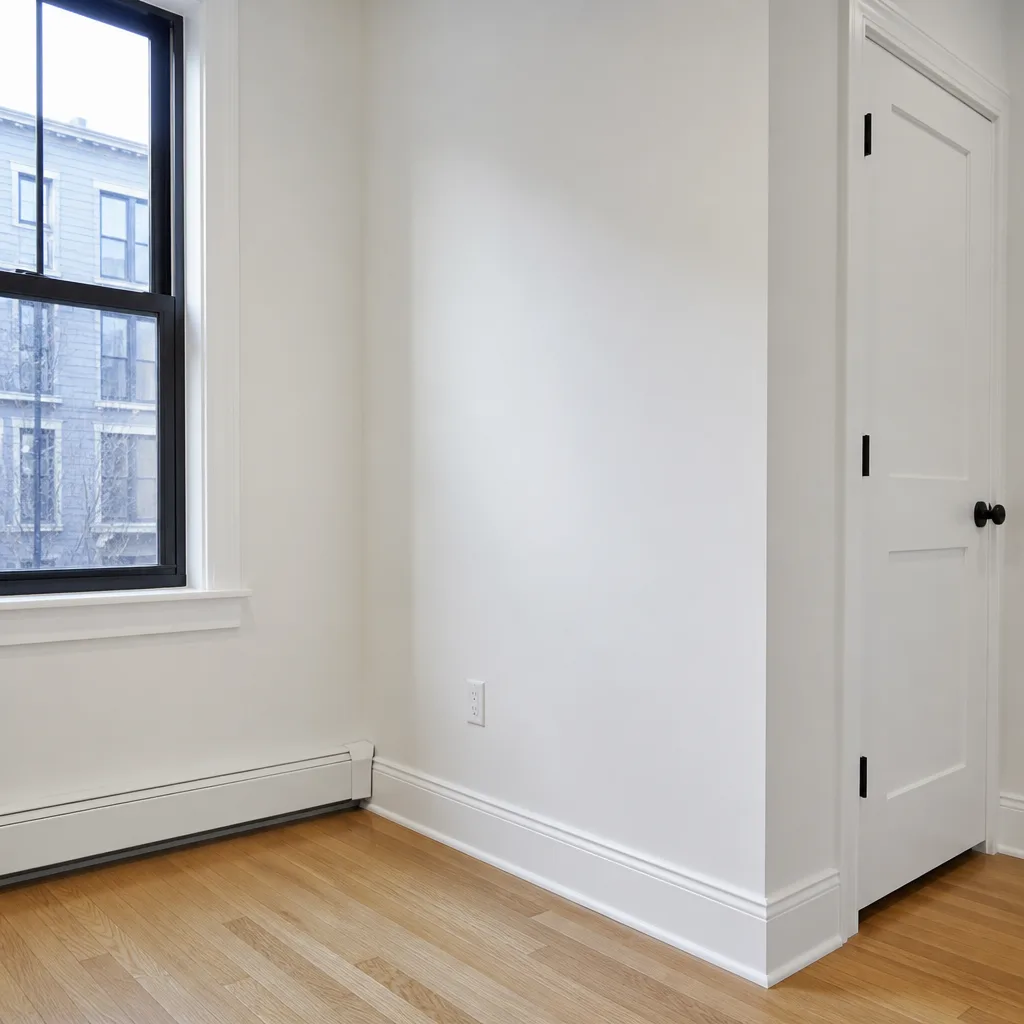 After
After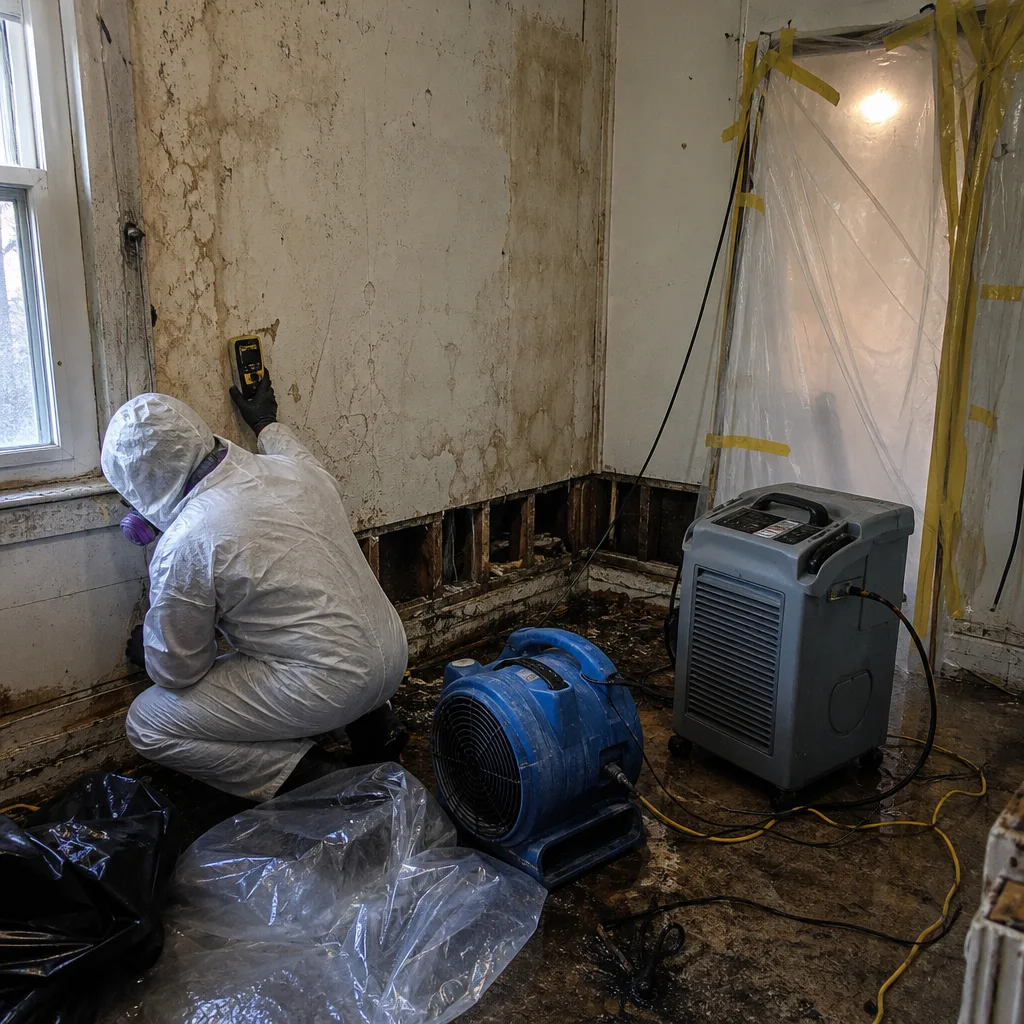 Before
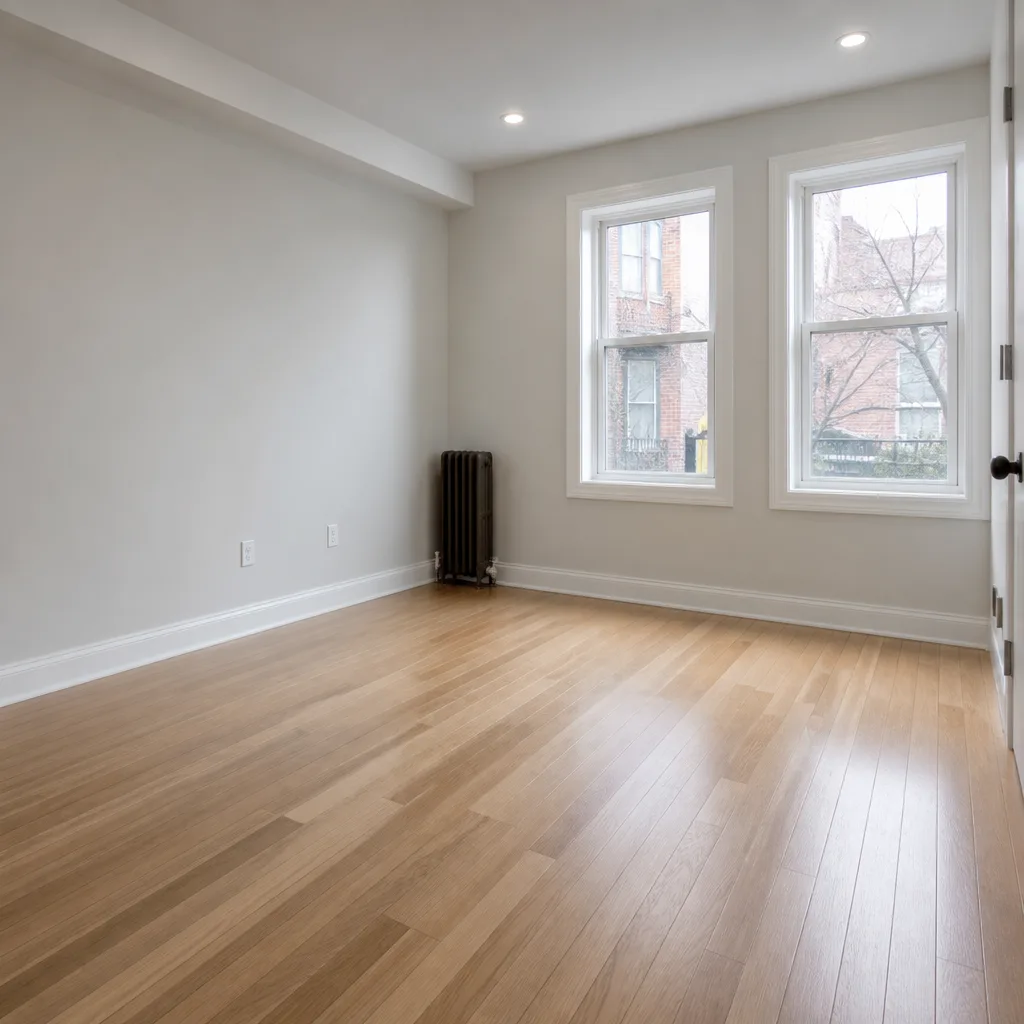 After
After24/7 Emergency Water Damage Restoration in Upper East Side
Water damage in an Upper East Side pre-war building moves fast. Call (862) 281-7710 and a live person answers, 24 hours a day, no voicemail trees. Our crews dispatch from our New York City office and are typically on-site in Carnegie Hill, Lenox Hill, or along Fifth Avenue within 45 minutes of your call. We perform a free visual inspection, document moisture readings with thermal imaging, and give you a written price before any equipment runs - Haven Standard, Clause 1. The first hour determines whether water stays in the top layer of your herringbone parquet or migrates through the subfloor into the unit below. Steam radiator failures, burst cast-iron risers, and wind-driven rain through aging masonry facades are the three most common loss types we see in UES co-ops. Each minute of delay increases the affected square footage and the likelihood your co-op board will require a full gut rather than a targeted dry-down.
Understanding Water Damage Restoration Severity in Upper East Side Properties
Water damage in the Upper East Side falls into three categories under IICRC WRT standards, and the building stock here makes each one more complex than in a typical suburban home. Category 1 is clean water from a broken supply line or overflowing tub. In a Park Avenue co-op with original 1920s cast-iron plumbing, even Category 1 water becomes Category 2 within 24 to 48 hours as it picks up contaminants from aging pipe scale and horsehair plaster. Category 2, or gray water, carries chemical or biological loads - think a failed washing machine hose in a basement utility room or a dishwasher drain backup in a Yorkville kitchen. Category 3 is black water: sewage, ground flooding, or any water that has passed through the soil or waste system.
Moisture mapping with thermal imaging and penetrating hygrometers is non-negotiable in stacked co-op construction. A moisture reading of 16% on a plaster ceiling might read dry to the touch but still harbor enough vapor pressure differential to support mold growth behind ornamental crown molding. Structural drying here requires psychrometric data - temperature, relative humidity, and specific humidity readings taken daily - to calculate exactly how much moisture the air can hold and how fast we can safely pull it from horsehair plaster without causing it to delaminate from the lath. Tertiary drying, the final phase where we target bound water in dense materials, often takes longer in UES buildings than in modern drywall construction because plaster and parquet hold moisture differently than gypsum board and engineered flooring.
Why Upper East Side Property Owners Choose DryMark Restoration Astoria
- 45-minute response commitment to any Upper East Side address, with crews already staged for Fifth Avenue, Park Avenue, and Madison Avenue corridors.
- 24/7 live answer by a real person - never an automated system, never a callback queue while water is still moving through your building.
- IICRC-certified crews holding WRT (Water Damage Restoration Technician), FSRT (Fire & Smoke Restoration Technician), and AMRT (Applied Microbial Remediation Technician) certifications.
- Free visual inspection with documented moisture readings and thermal imaging before any work is authorized.
- Direct insurance billing and adjuster coordination - we speak the language of claims because our founder, Alicia Brennan, built this company after years of watching homeowners lose coverage over documentation gaps.
- One team from extraction to reconstruction - no handoffs between mitigation and rebuild contractors, no finger-pointing when the finish doesn’t match the original herringbone.
BeforeAfterOur Water Damage Restoration Process
1. Inspection & Assessment
We arrive with thermal imaging cameras, penetrating and non-penetrating moisture meters, and hygrometers. In Upper East Side co-ops, we map the full vertical stack - not just the unit with visible damage - because cast-iron riser failures commonly migrate through 8 to 12 floors before discovery. Every reading is logged with time, location, and equipment serial number.
2. Extraction & Stabilization
Standing water comes out first with truck-mounted extraction systems and portable units for elevator buildings with limited hose run access. We set containment barriers with 6-mil poly and negative air pressure where Category 2 or 3 water has crossed unit boundaries, protecting common hallways and neighboring residences from cross-contamination.
3. Structural Drying & Dehumidification
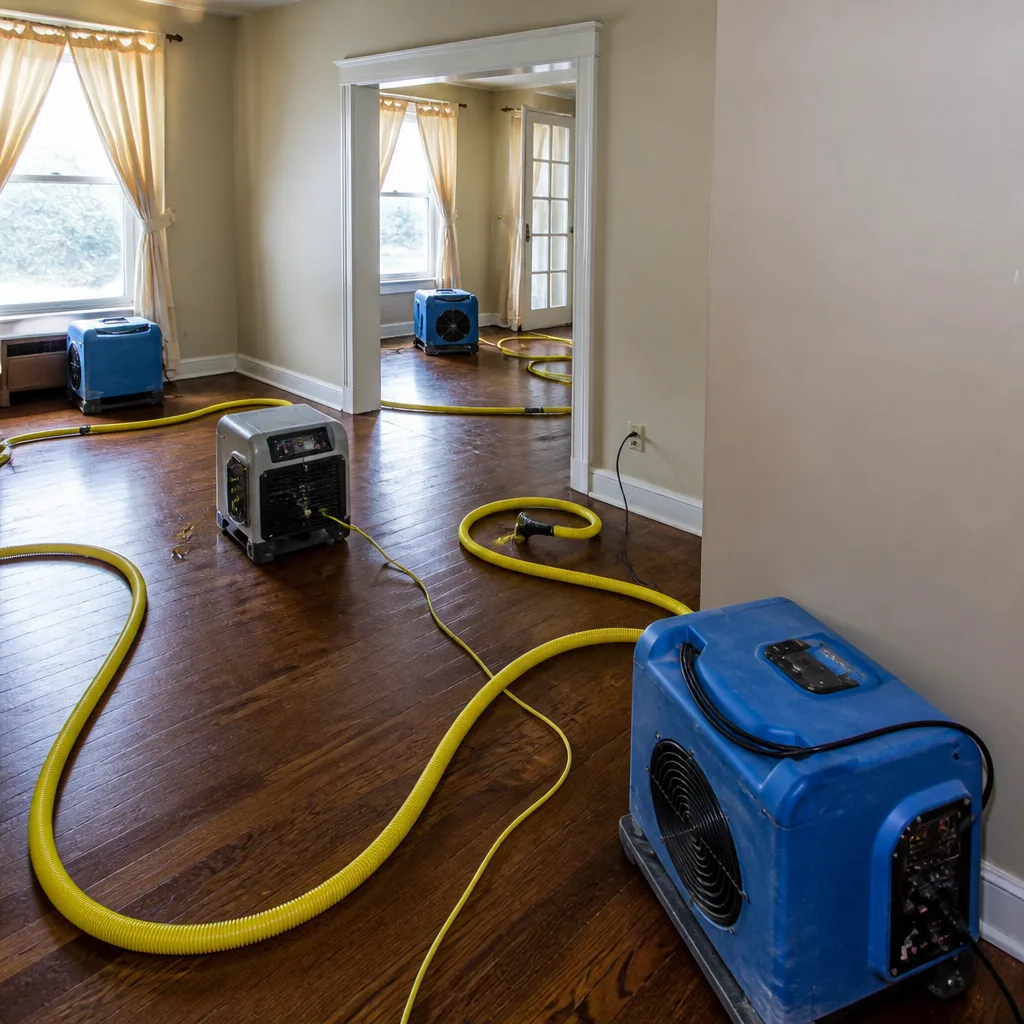
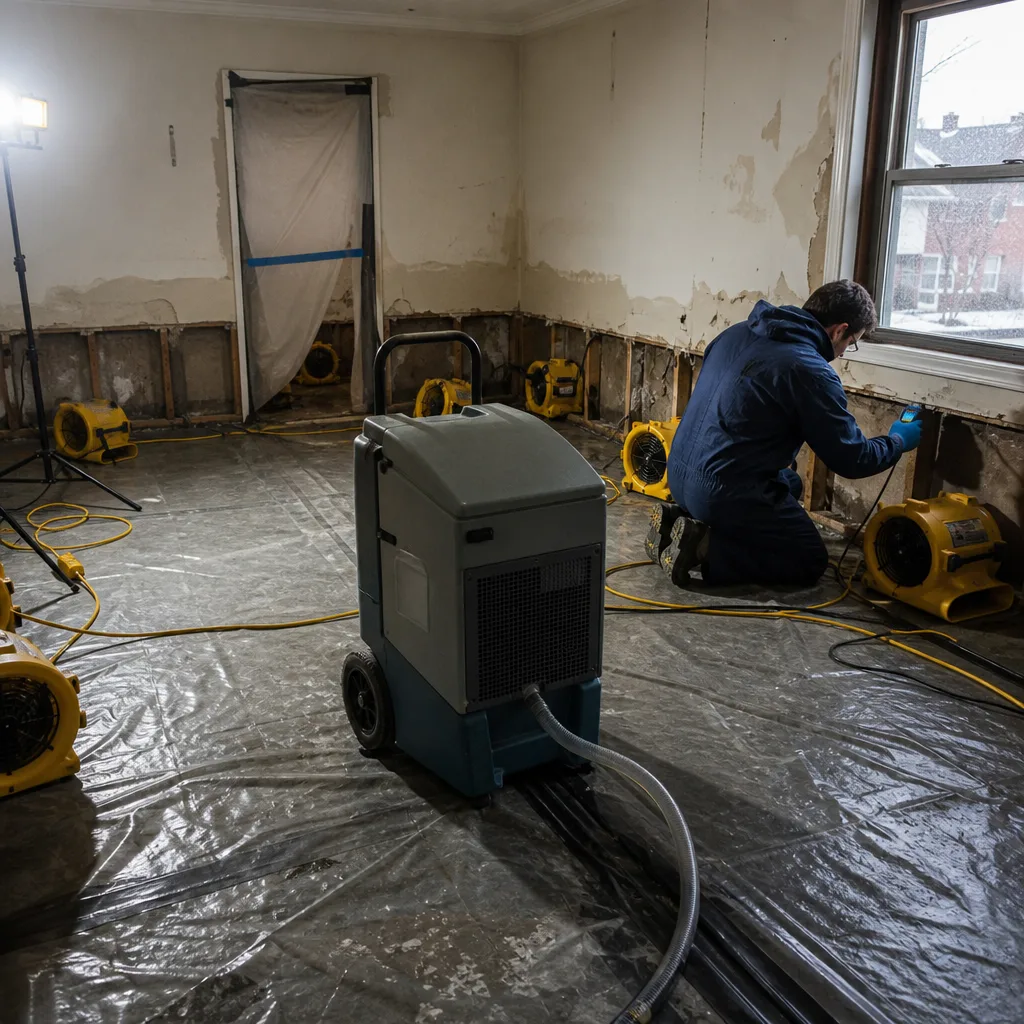
We deploy Dri-Eaz and Phoenix LGR dehumidifiers with XPOWER air movers positioned for laminar airflow across wet surfaces. In pre-war UES buildings, we calculate vapor pressure differential daily to dry horsehair plaster and parquet floors without forcing removal - aggressive drying causes plaster to delaminate and parquet to cup irreversibly.
4. Cleaning & Sanitization
Category 2 and 3 losses receive antimicrobial treatment with EPA-registered solutions, applied with care to avoid staining original plaster or damaging historic finishes. HEPA air scrubbers run continuously during this phase to capture airborne particulates in tightly enclosed co-op rooms with limited ventilation.
5. Co-op Documentation & Board Coordination
We deliver moisture logs, photo documentation, and a line-item scope of work formatted for your managing agent and co-op board review. Because UES buildings maintain pre-approved vendor lists and proprietary lease structures, we reconcile our work order with the building’s house rules before any reconstruction begins - preventing the invalidation that leaves shareholders personally liable.
6. Repairs & Restoration
Our finish carpenters match original millwork, plaster moldings, and parquet patterns rather than substituting modern equivalents. We provide a written 365-Day Done Right Promise under The Haven Standard, backed by Alicia Brennan’s signature on every job - not a verbal assurance, a documented warranty.
Need Emergency Water Damage Restoration in Upper East Side Now?
Crews minutes away, answering live 24 hours a day. The sooner we start, the less it costs.
Working With Your Insurance Company
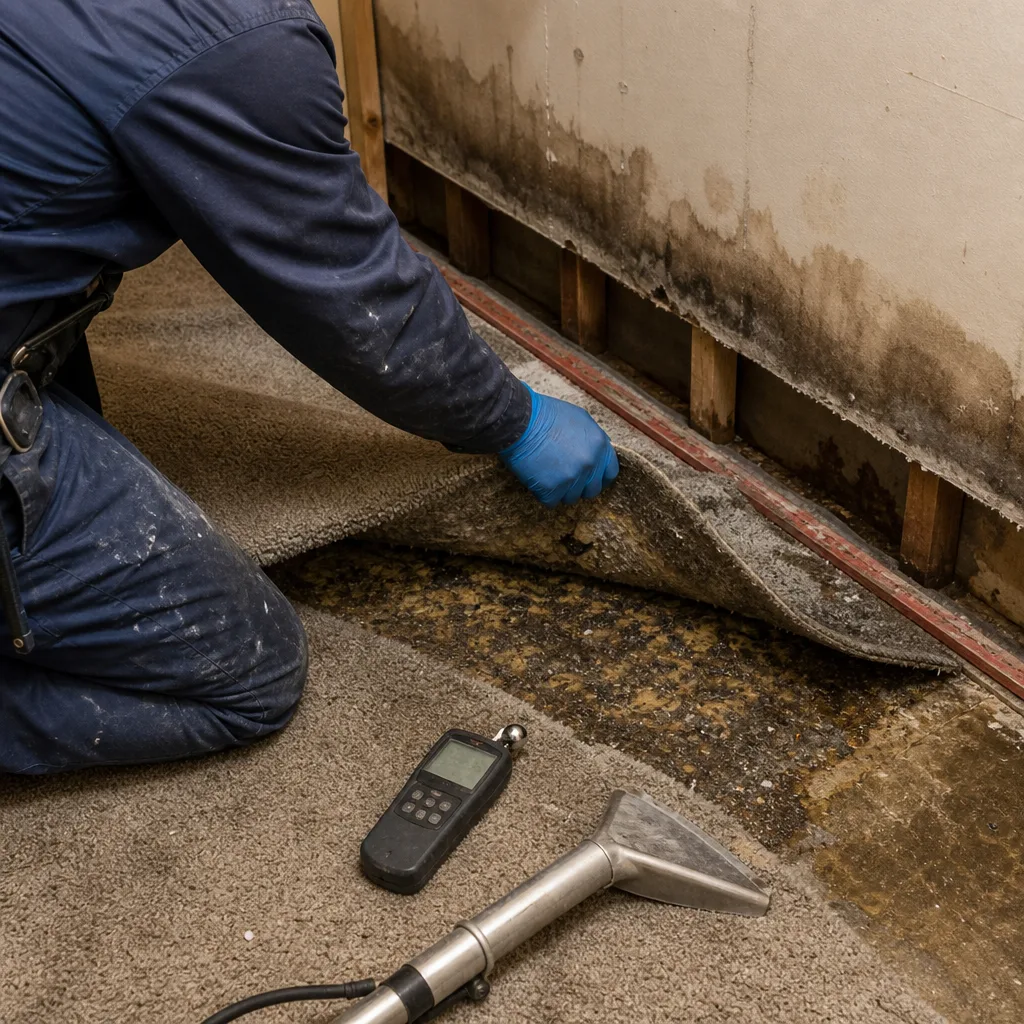
Documentation from the first hour is what turns a restoration invoice into a claim an insurer pays without a fight. Our founder built Back to Dry Restoration around this principle in 2011 after watching too many homeowners absorb costs that proper documentation would have covered. When we arrive at your Upper East Side co-op, we begin photographing pre-loss condition immediately, before a single hose runs. Every moisture reading is time-stamped and geo-tagged. Every drying log shows daily psychrometric data. We write industry-standard estimates using Xactimate or Symbility pricing databases, and we communicate directly with your adjuster rather than handing you a bill to explain alone.
The co-op corporation’s insurance and your individual HO-6 policy often overlap in complex ways when in-wall risers fail. Our documentation package is designed to clarify this boundary: what damage the corporation’s carrier should cover versus what falls to your personal policy. We’ve handled enough UES co-op losses to know which managing agents require which forms, and we deliver them without being asked twice.
What We Provide Your Insurer
- Thorough documentation of the loss
- Photos of all damage, room by room
- Moisture readings and drying logs
- A detailed, line-item scope of work
- Direct coordination with your carrier
Built for Upper East Side’s Loss Calendar
January deep freezes are the single busiest week for our Water Damage Restoration team in Upper East Side. When temperatures drop below 15°F for consecutive nights, the aging cast-iron risers and radiator supply connections in pre-war buildings contract and crack under thermal stress. Steam heating systems, still standard in most UES co-ops, push pressurized water through these failures silently - often saturating multiple stacked units before anyone notices the discoloration on a ceiling.
Spring thaw brings a different pattern: wind-driven rain finds its way through deteriorated masonry at cornices and window lintels, especially along Fifth and Park Avenues where facade maintenance cycles lag behind need. Summer thunderstorms can overwhelm flat-roof drainage on older buildings, sending water through ceiling penetrations. And every nor’easter tests the flashing and parapet walls that separate UES buildings from the sky. The freeze-thaw cycle is particularly hard on limestone and brick construction common here; water that enters in October may not show interior damage until February’s cold snap forces it through the wall cavity.
Water Damage Restoration Across Upper East Side’s Neighborhoods
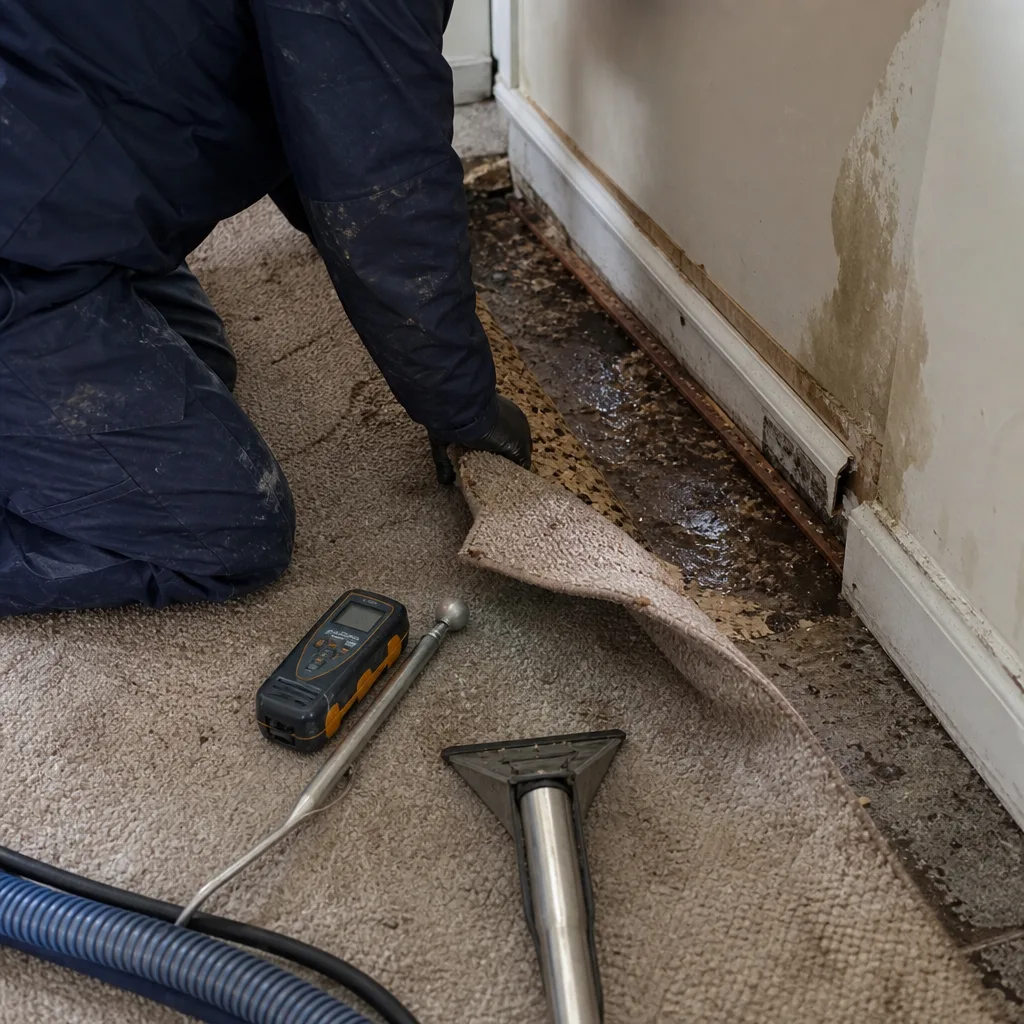
Carnegie Hill, between 86th and 96th Streets east of Fifth Avenue, is dense with 1920s luxury co-ops and a growing cluster of 19th-century brownstones. The co-ops here have some of the most restrictive pre-approved vendor lists in the city; we’ve maintained active relationships with managing agents on Madison and Lexington for years because a cold-call restoration company simply won’t get past the lobby desk. Brownstones in this zone face different risks: no building superintendent on-site, original terra-cotta sewer lines prone to root intrusion, and garden-level units vulnerable to basement seepage during heavy rain.
Lenox Hill, from 60th to 77th Streets, mixes post-war high-rises with surviving pre-war stock. The newer buildings have better pipe infrastructure but more complex HVAC systems with chilled-water lines that can fail catastrophically. Yorkville, east of Third Avenue, has seen significant new construction alongside its remaining 1920s walk-ups and tenement conversions. The infrastructure age gap here means we assess every building individually rather than assuming pre-war conditions.
Along Fifth Avenue’s museum mile corridor, the buildings are older and the finish expectations higher. A water loss in one of these full-floor co-ops can involve custom millwork, imported stone, and art collections that require specialized pack-out and climate-controlled storage. Our response to this corridor always includes a secondary assessment for contents mitigation, not just structural drying.
Specialized Water Damage Restoration Services We Offer in Upper East Side
Emergency Water Extraction
Standing water in a UES co-op damages more than flooring; it threatens the electrical systems, elevator machinery, and common-area finishes that the corporation maintains. Our truck-mounted extraction units handle large losses, while portable units navigate service elevators with restricted capacity. We extract first, document second, and never let water sit while paperwork waits.
Structural Drying & Dehumidification
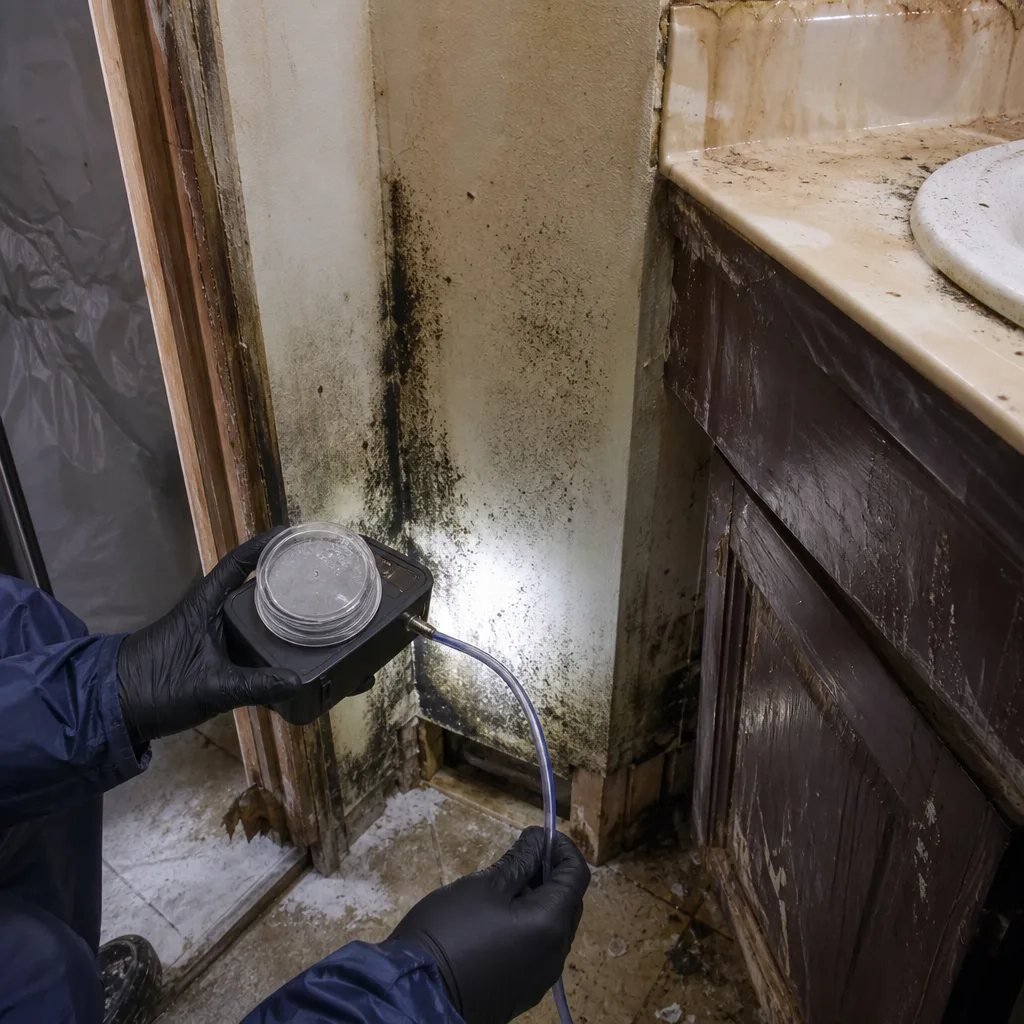
This is where pre-war construction demands real expertise. Horsehair plaster dries from the inside out; force it too fast with high-temperature equipment and it separates from the wood lath behind it. Herringbone parquet cups if the moisture gradient between top and bottom surfaces exceeds safe limits. We use low-grain refrigerant dehumidifiers and calculated air mover placement to create vapor pressure differential that pulls moisture steadily, not aggressively. Daily drying logs track every reading so your board and your insurer can verify the process.
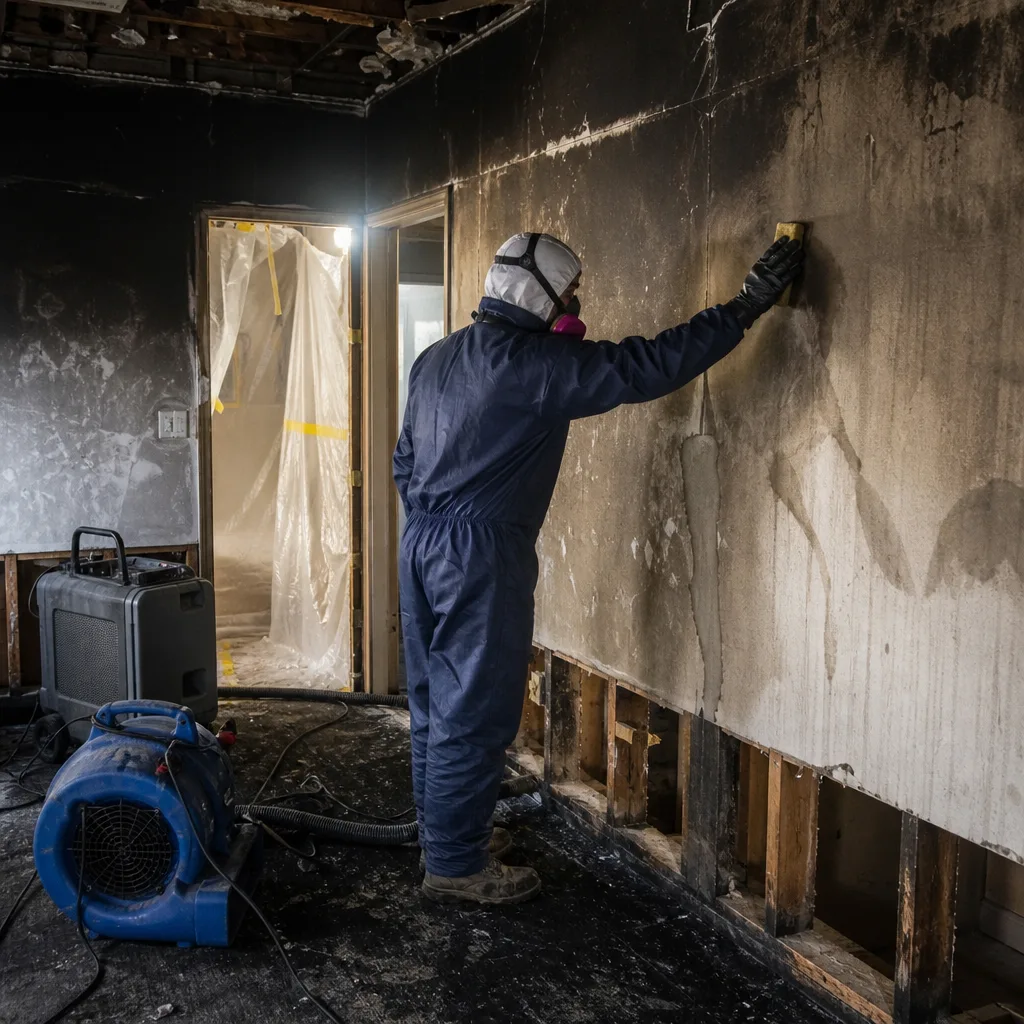
Flood Cleanup
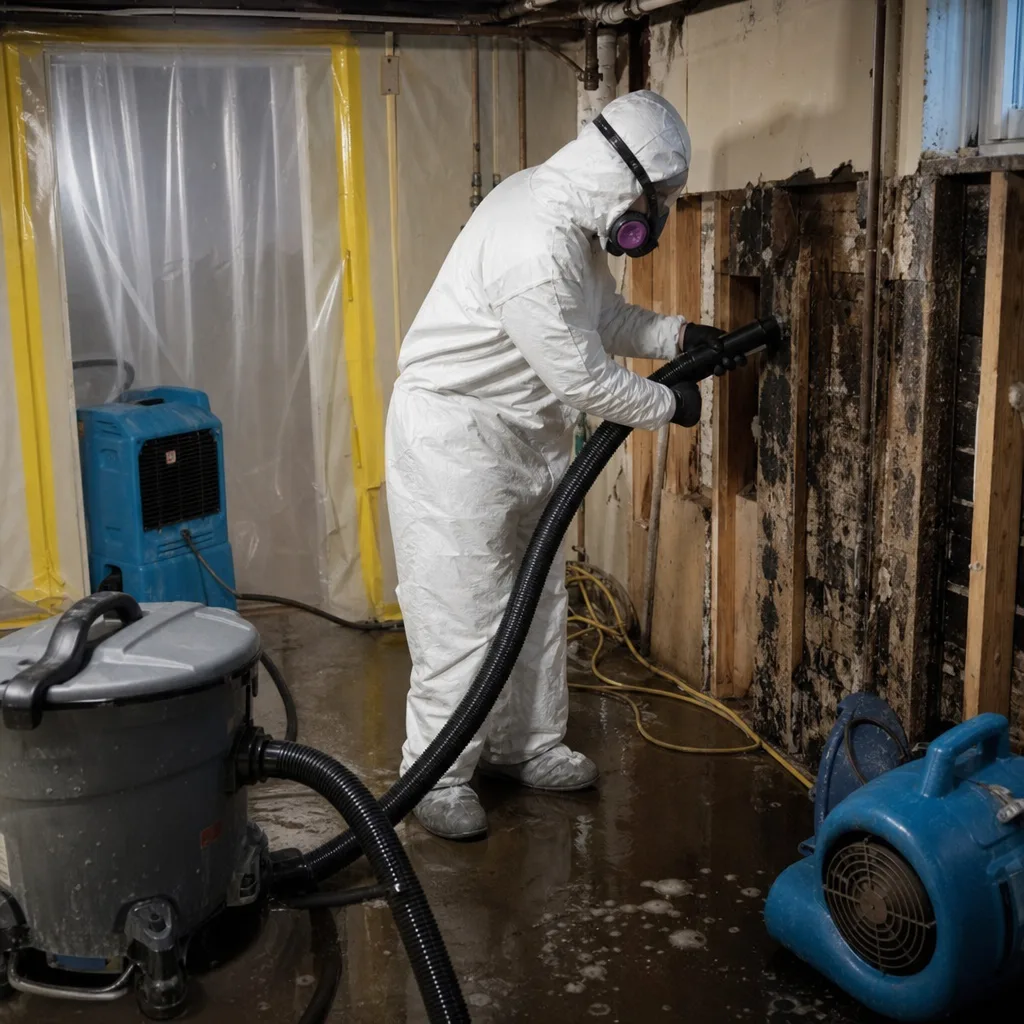
Ground-floor and basement flooding in Upper East Side rowhouses, especially near the East River, carries Category 3 contamination from combined sewer overflow. We treat these losses as hazmat situations: full PPE, negative air containment, and antimicrobial application before any drying begins. Documentation for these claims is particularly critical because city liability and private insurance often dispute responsibility.
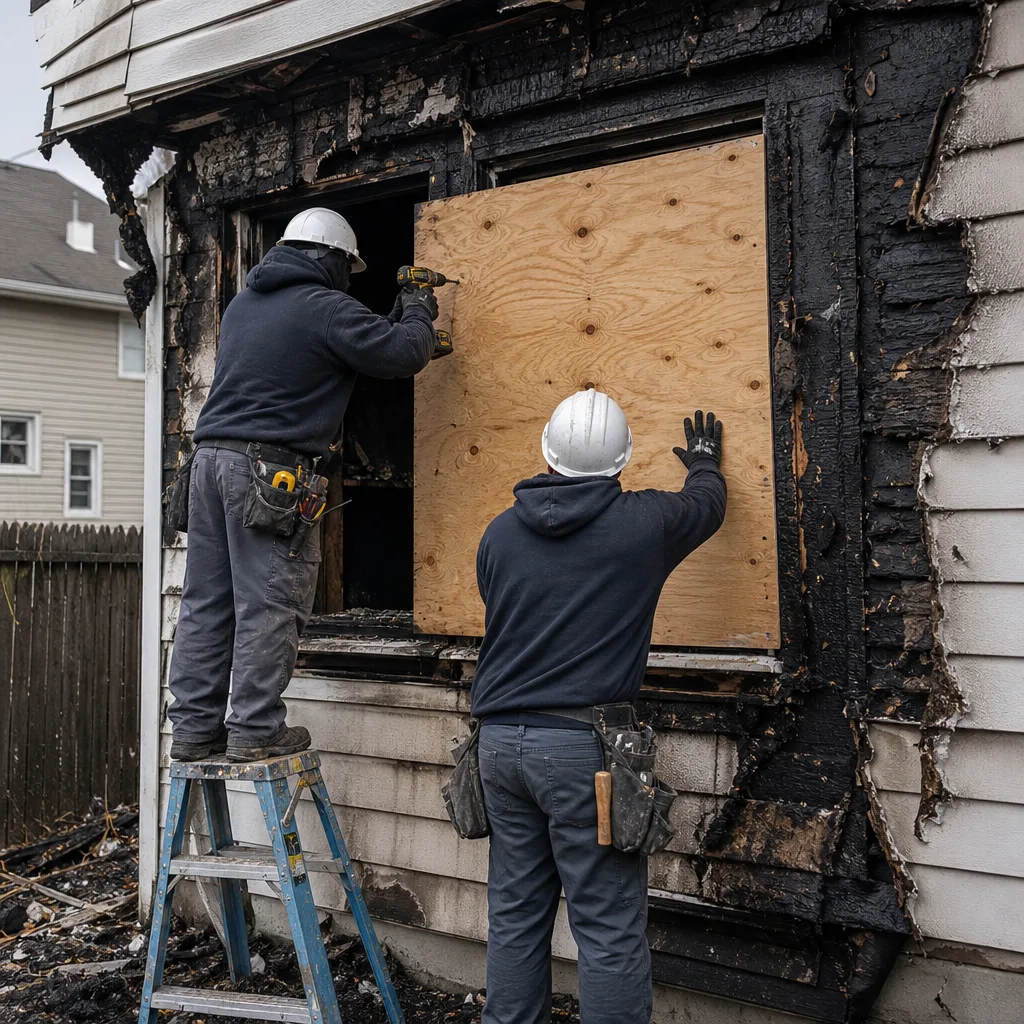
Burst Pipe Restoration
In Upper East Side co-ops, a burst pipe is rarely just your problem. The corporation owns the riser; you own the finish. Determining the scope boundary requires reading the proprietary lease, not guessing. We document where the pipe failure originated, trace the water migration path through all affected units, and write separate scopes for corporation and shareholder coverage. Our pre-loss relationships with UES managing agents mean this reconciliation happens in hours, not weeks.
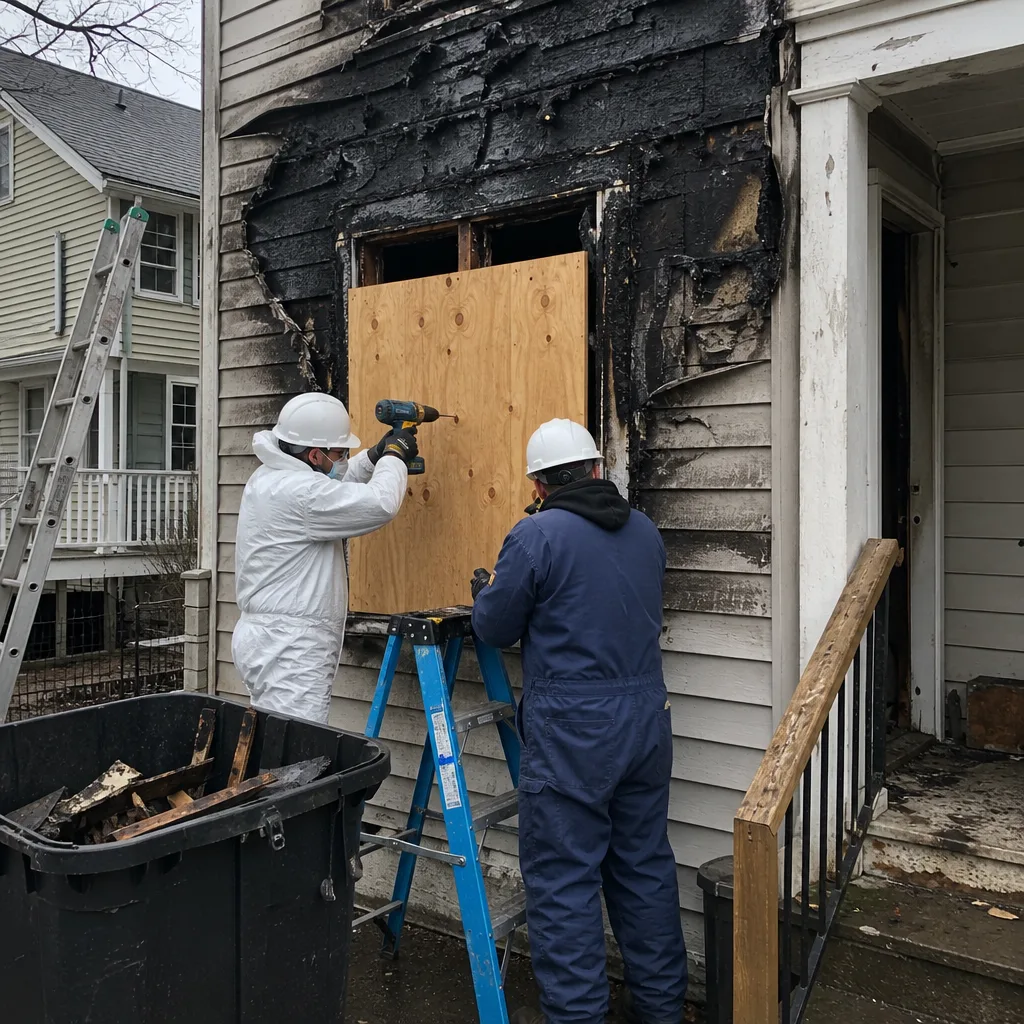
Basement Water Removal
Basement spaces in UES brownstones and converted tenements face chronic seepage through century-old foundations. We install temporary sump systems during active mitigation, then specify permanent solutions as part of reconstruction. Every basement job includes radon and soil-gas assessment because disturbed concrete can shift these dynamics.
Ceiling & Roof Leak Water Damage
Pre-war plaster ceilings are structural elements, not decorative surfaces. A saturated ceiling can weigh hundreds of pounds and collapse without warning. We probe for delamination, shore where necessary, and dry in place when the plaster is still bonded to lath. Replacement requires a plaster specialist, not a drywall crew; our reconstruction team includes tradespeople who can match 1920s crown profiles by hand.
What happens when you call
- 1
A real person answersNo phone trees - you reach a local pro.
- 2
You get an upfront price rangeHonest numbers before anyone is dispatched.
- 3
A background-checked tech heads outLicensed & insured, dispatched right away.
- 4
You approve before work beginsNothing starts until you say go.
Water Damage Restoration Costs in Upper East Side, NY
Emergency water extraction and initial stabilization in Upper East Side typically runs $1,200 to $3,500 depending on affected square footage and water category. Structural drying with monitored dehumidification and air movers averages $95 to $185 per day per room, with most UES co-op units requiring 3 to 7 days of active drying. Category 3 losses with full antimicrobial treatment and contents pack-out start around $4,500 and scale with contamination spread.
What moves the price: the vertical extent of water migration in stacked construction, the presence of asbestos or lead requiring abatement before demolition, and the finish quality required for board approval. Insurance typically covers sudden and accidental water damage from pipe failures; gradual seepage or maintenance-related losses often fall outside coverage. We provide a written price before work begins, every time - Haven Standard, Clause 1 - and offer a Free Second Opinion on any competitor’s written estimate. Call (862) 281-7710 for your exact scope.
We Also Serve Cities Near Upper East Side
Our crews respond daily from our New York City office to Water Damage Restoration in Upper East Side and surrounding neighborhoods. We also serve Astoria, Long Island City, Jackson Heights, and East Harlem with the same 45-minute response commitment, live phone coverage, and documentation standards.
Serving Upper East Side, NY - Our Local Coverage Area
We’re based in the Upper East Side area and know this community well. Use the map below to see our service coverage - if you’re nearby, we can almost certainly help.
Upper East Side Water Damage Restoration Questions, Answered
A steam radiator supply line failed in our Park Avenue co-op and water went through three floors - who is responsible for remediation?
The co-op corporation typically owns and maintains in-wall risers and supply lines, while shareholders own their unit finishes and fixtures. Your proprietary lease defines the exact boundary, and most UES co-ops place riser repair cost on the corporation while unit interior damage falls to the shareholder’s HO-6 policy. We read the lease before writing the scope, document the failure origin with photos, and produce separate line-item estimates for corporation and individual coverage. Call (862) 281-7710 and we’ll reconcile this with your managing agent before equipment enters the building.
Can you dry horsehair plaster walls and herringbone parquet floors without ripping them out?
Often yes, if we catch the loss within 24 to 48 hours and control the drying rate precisely. Horsehair plaster delaminates when dried too aggressively; herringbone parquet cups when the moisture gradient between surfaces exceeds safe limits. We use low-grain refrigerant dehumidifiers and calculated air mover placement to create gentle vapor pressure differential, with daily moisture readings to verify progress. In a Carnegie Hill co-op off Madison Avenue, we recently dried four stacked units after a radiator failure without removing a single plaster ceiling or parquet floor - documented with drying logs that satisfied both the board and the insurer. Call (862) 281-7710 for an assessment of your specific materials.
What is the difference between Category 1, 2, and 3 water in a UES pre-war building?
Category 1 is clean water from a broken supply line or tub overflow. In UES pre-war buildings with original cast-iron plumbing, Category 1 becomes Category 2 within 24 to 48 hours as it absorbs pipe scale, plaster lime, and aging construction materials. Category 2, gray water, carries chemical or biological contamination from sources like dishwasher drains or washing machine hoses. Category 3 is black water: sewage backup, ground flooding, or any water that has passed through waste systems or soil. Category determines antimicrobial protocol, containment requirements, and whether materials can be restored or must be removed. Call (862) 281-7710 and we’ll classify your loss on arrival.
Do you work with our co-op board’s pre-approved vendor list and managing agent?
We maintain active pre-loss relationships with managing agents and boards throughout Carnegie Hill, Lenox Hill, and the Fifth Avenue corridor. Many UES buildings require vendor approval before work begins; we submit our IICRC certifications, insurance certificates, and sample documentation packages proactively. Our scope of work is formatted specifically for co-op board review, with moisture logs and photo records that satisfy even the most stringent alteration agreements. If your building has a pre-approved list, call (862) 281-7710 and we’ll coordinate directly with your managing agent to expedite approval.
How fast can you get to a water emergency in Carnegie Hill or along Fifth Avenue?
Our 45-minute response commitment covers all Upper East Side addresses, including Carnegie Hill, Lenox Hill, Yorkville, and the full Fifth Avenue corridor. Crews dispatch from our New York City office with equipment staged for elevator building access. Live phone coverage means no voicemail delay - a real person answers, confirms your address, and routes the nearest team immediately. Call (862) 281-7710 now.
Will insurance cover water damage restoration in my Upper East Side co-op?
Sudden and accidental water damage from pipe failures, appliance ruptures, or weather intrusion is typically covered by your HO-6 policy or the co-op corporation’s master policy, depending on where the failure originated. Gradual seepage, maintenance neglect, or flood from outside ground sources often falls outside standard coverage. Our documentation package - photo records, moisture logs, drying logs, and line-item scope - is designed specifically to support claim approval. We coordinate directly with adjusters and can review your policy language with you. Call (862) 281-7710 for a free inspection and coverage assessment.
How long does structural drying take in a pre-war Upper East Side building?
Most UES co-op units require 3 to 7 days of active drying, with pre-war materials often running toward the longer end. Horsehair plaster holds bound water longer than modern drywall; parquet floors need gradual moisture reduction to prevent permanent cupping. We measure daily with penetrating hygrometers and thermal imaging, and we don’t declare a space dry until moisture readings match established dry standards for each material class. Tertiary drying of dense materials may extend the timeline, but it prevents the callbacks and hidden mold that rushed jobs create. Call (862) 281-7710 for a timeline based on your specific loss.
Can we stay in our home during water damage restoration?
For Category 1 losses confined to a single room, often yes. For Category 2 or 3 losses, or any water migration affecting multiple rooms or floors, temporary relocation is usually necessary - especially in UES co-ops where common hallway access must be maintained for other residents and containment barriers restrict livable space. We coordinate with your insurer on additional living expense coverage when policy provisions apply. Our documentation supports these claims with precise timelines and scope boundaries. Call (862) 281-7710 to discuss your situation.
Written by Alicia Brennan, Owner at Back to Dry Restoration, serving Upper East Side since 2011.
Water Damage Restoration in Nearby Areas