
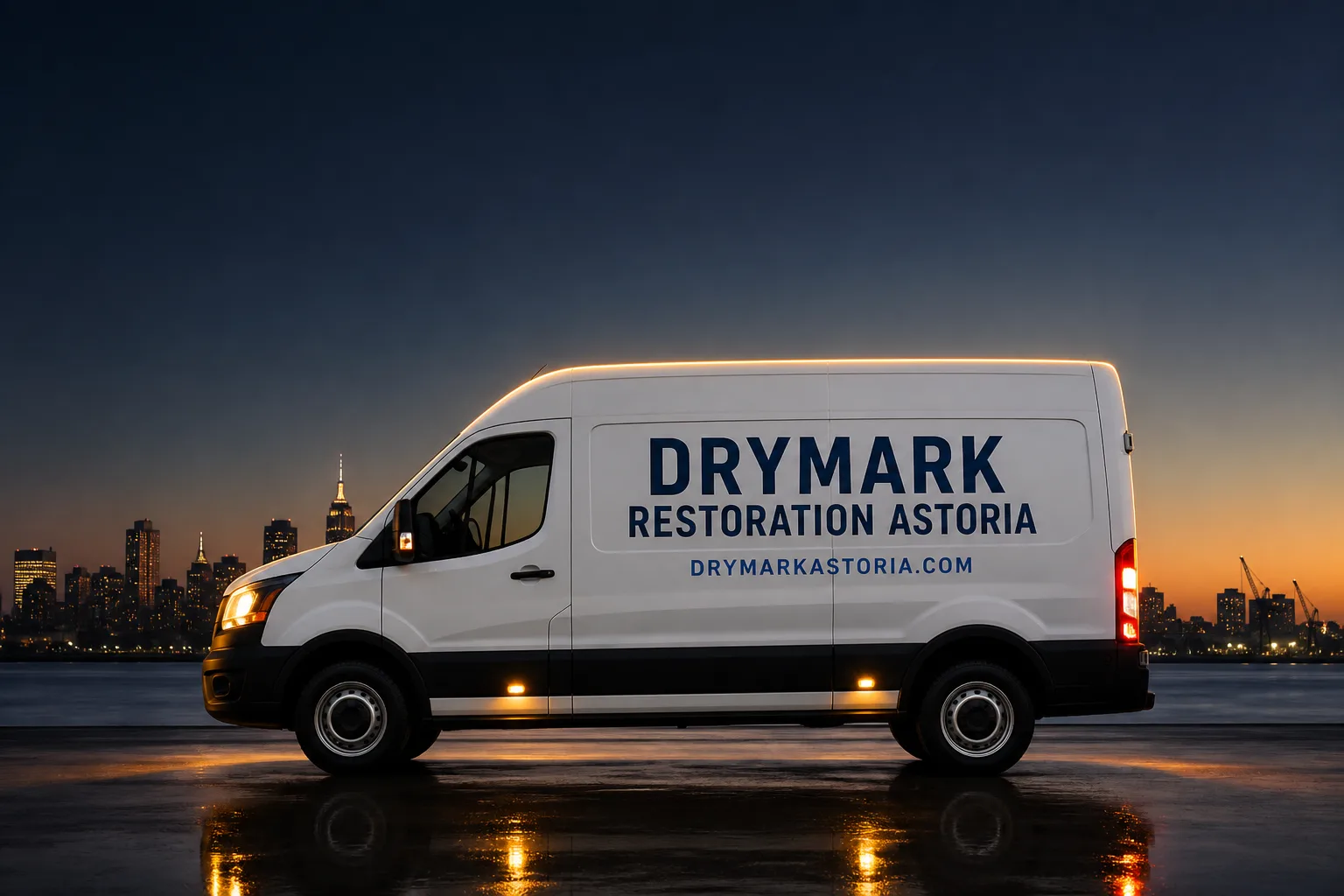
Free visual inspection and a written scope of work before any mitigation begins - photos, moisture readings, and drying logs go in your claim file
The scope we write is the scope we bill. Anything new gets shown to you, in writing, before we touch it.
Storm response
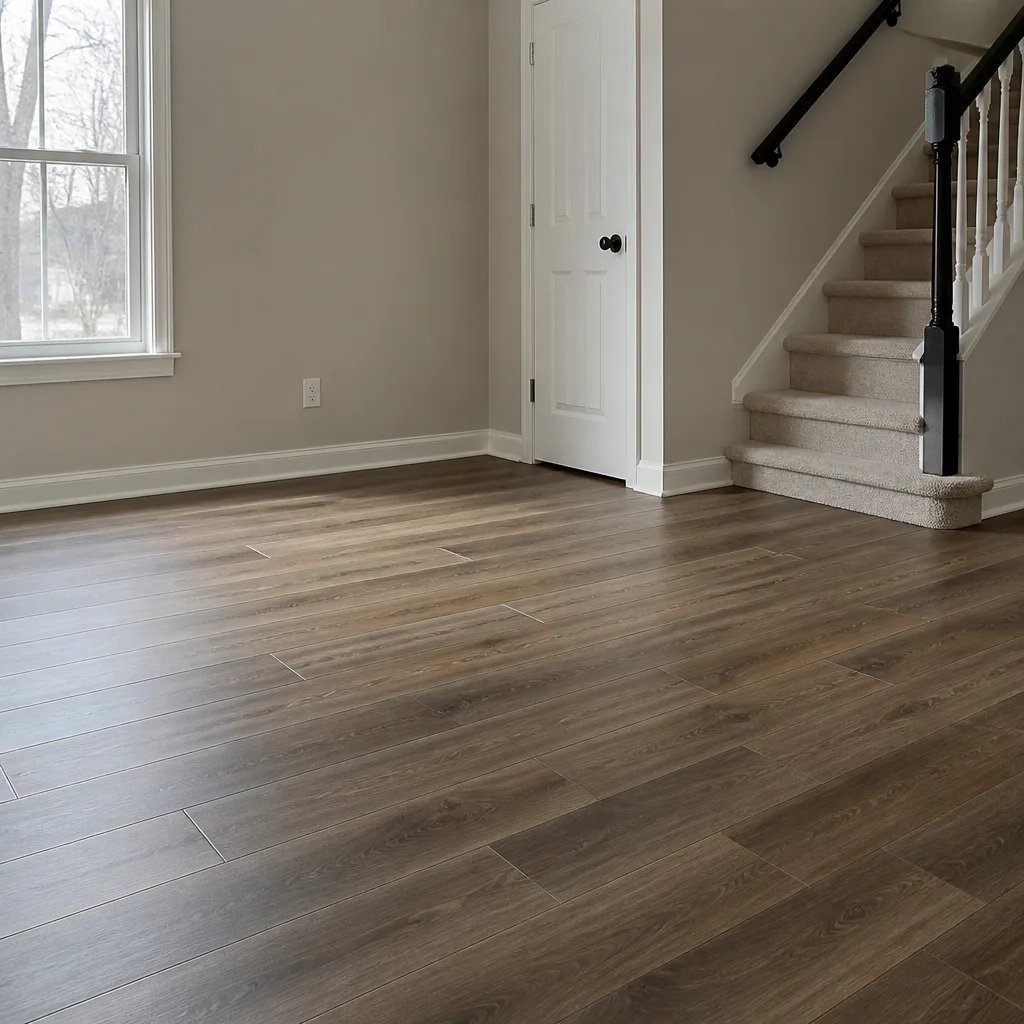
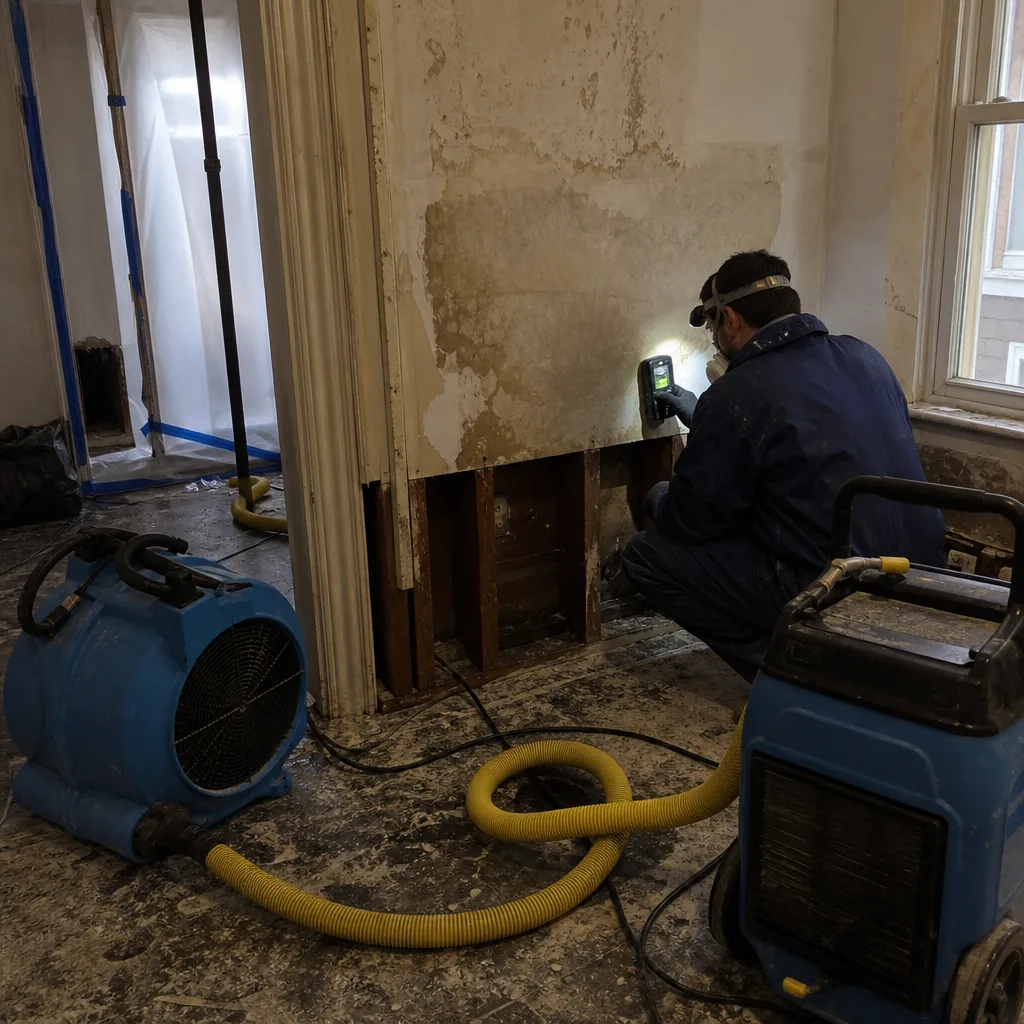 Before
 After
After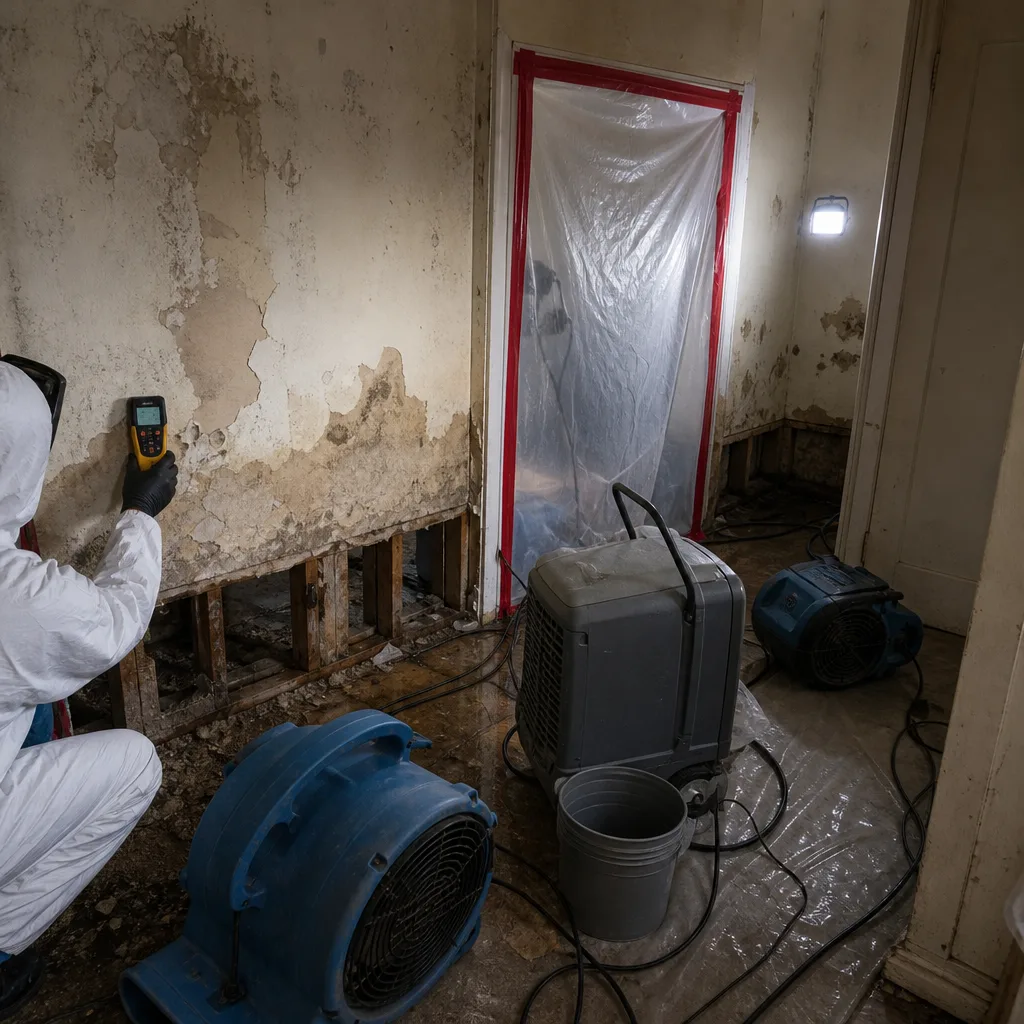 Before
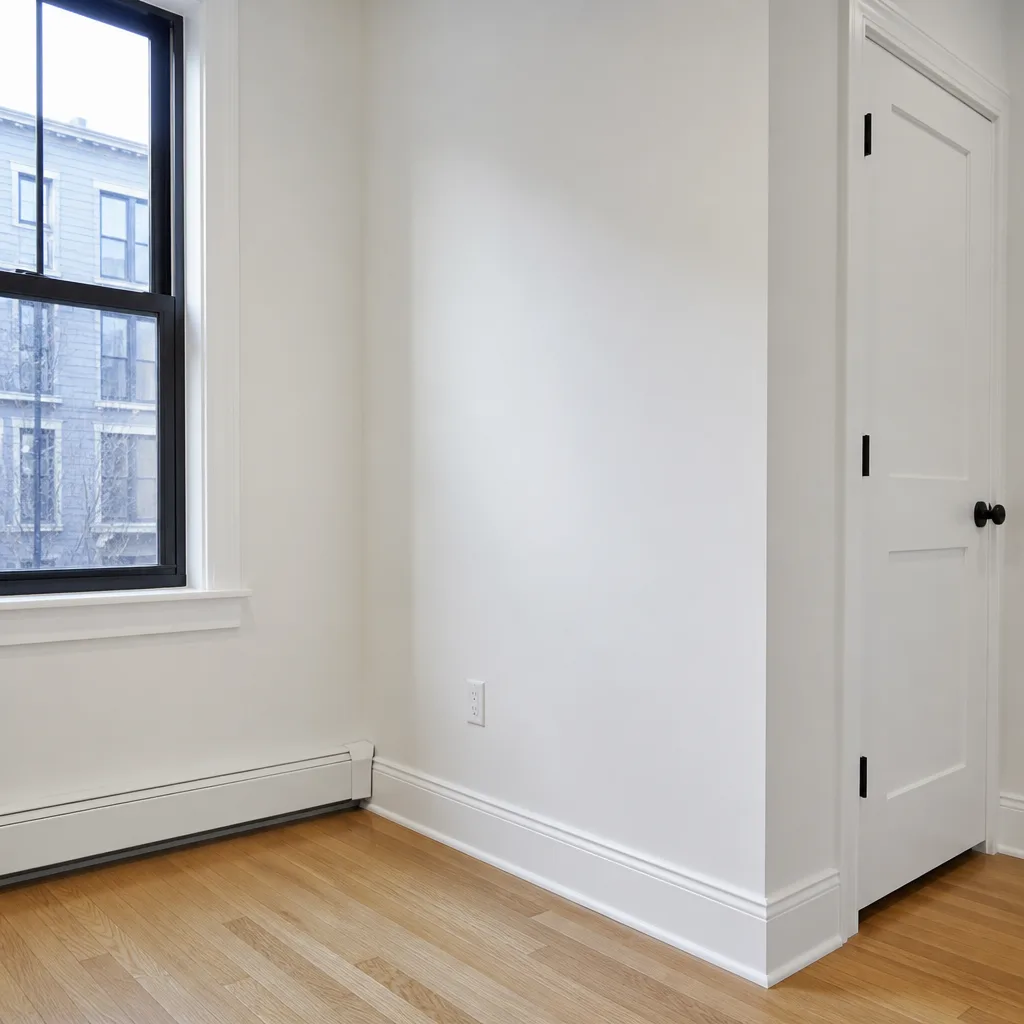 After
After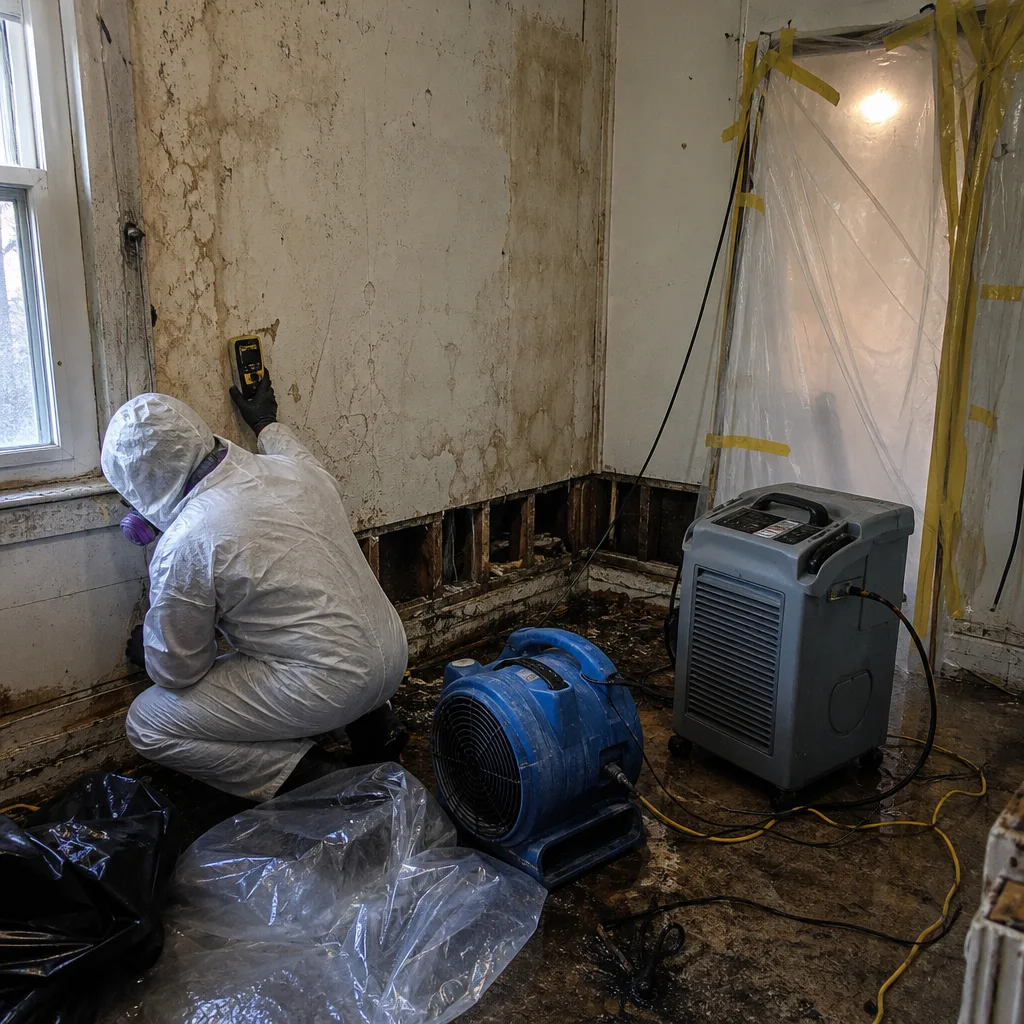 Before
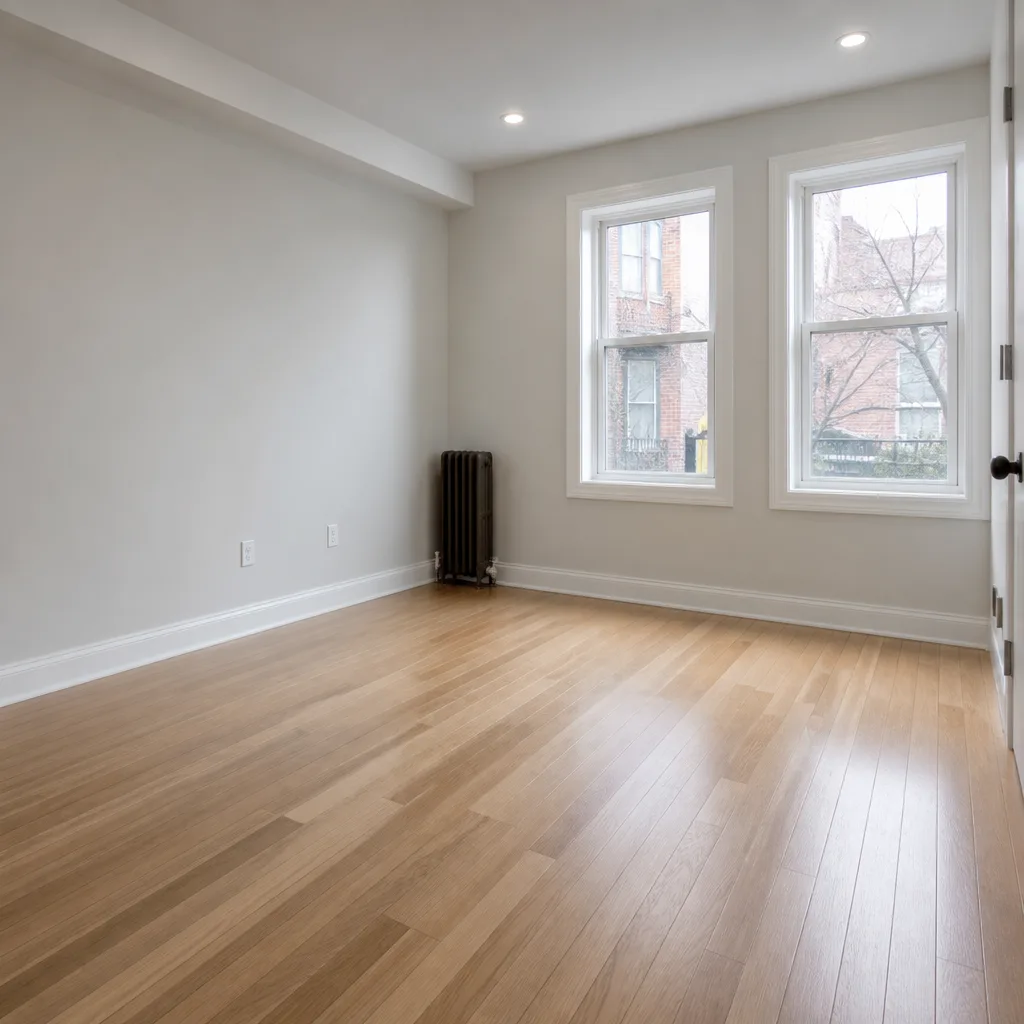 After
After24/7 Emergency Water Damage Restoration in Morningside Heights
Water damage restoration in Morningside Heights typically costs $2,800-$7,500 for a standard multi-unit cascade loss, and our crews are on-site within 45 minutes of your call. Call (862) 281-7710 now - a live person answers, 24 hours a day, 7 days a week, no voicemail trees. Every minute water sits in a pre-war masonry building, it travels through original plaster-and-lath, cast-iron stacks, and asbestos-containing floor substrates. We dispatch from our New York City office with extraction equipment, moisture meters, and thermal imaging ready to document the full vertical spread before it hits more units.
Our first visit includes a free visual inspection and a written scope before any work begins. Haven Standard, Clause 1. We don’t start pumps until you see the price in writing.
Understanding Water Damage Restoration Severity in Morningside Heights Properties
Water damage in Morningside Heights follows a different severity scale than single-family homes. Category 1 clean water from a burst supply line becomes Category 2 or 3 within 24-48 hours when it saturates original plaster-and-lath, picks up asbestos fibers from aging pipe insulation, or mixes with sewage from a combined-lateral basement backup. Moisture mapping with thermal imaging and pinless meters is non-negotiable here - plaster conceals elevated readings for weeks while mold colonizes the cavity.
Psychrometric data drives our drying strategy: vapor pressure differential tells us how aggressively to pull moisture from dense masonry walls versus lightweight drywall retrofits. Tertiary drying targets the bound water trapped in lath and structural timber that primary air movers can’t reach. Most Morningside Heights buildings need Injectidry systems or targeted heat drying to achieve equilibrium moisture content below 16% in wood framing. We document every reading to IICRC S500 standards, producing daily drying logs that your adjuster can trace line by line.
Why Morningside Heights Property Owners Choose DryMark Restoration Astoria
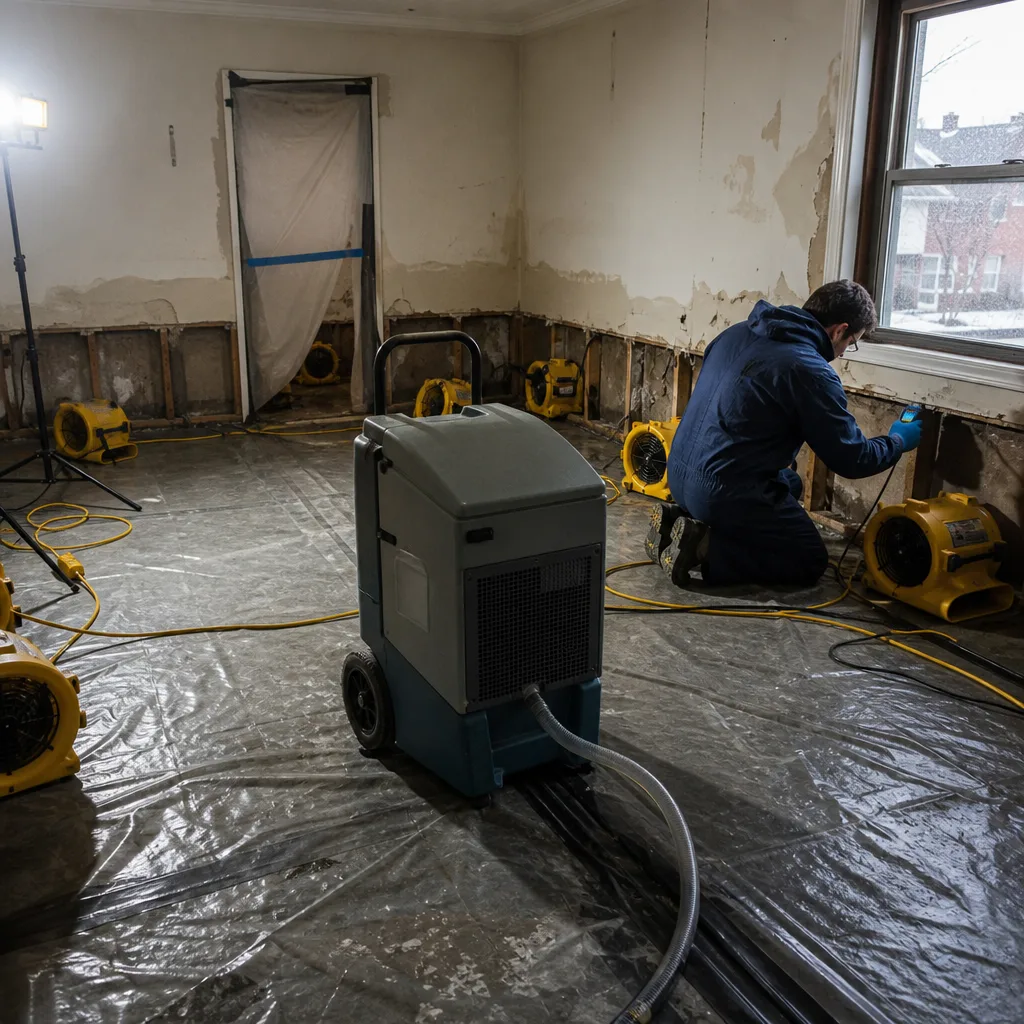
- 45-minute response commitment to Morningside Heights - our crews know the Broadway corridor, Amsterdam Avenue, and the 116th Street crossing patterns.
- 24/7 live answer: a real person, never an automated system, picks up every call to (862) 281-7710.
- IICRC-certified crews holding WRT (Water Damage Restoration Technician) and AMRT (Applied Microbial Remediation Technician) credentials, documented before they enter your building.
- Free visual inspection with moisture readings and photo documentation on every visit.
- Direct insurance billing - we coordinate with your carrier and submit line-item scopes with drying logs attached.
- One team from extraction to reconstruction: no handoffs between mitigation and rebuild contractors that lose continuity on multi-unit Morningside Heights jobs.
BeforeAfterOur Water Damage Restoration Process
1. Inspection & Assessment
We arrive with thermal imaging cameras, Tramex moisture meters, and hygrometers to map the full vertical and horizontal spread. In Morningside Heights pre-war buildings, this means checking 8-15 stacked units for concealed moisture in plaster cavities, not just the visibly wet ceiling. Every reading is logged with a timestamp and photo.
2. Extraction & Stabilization
Truck-mounted extraction units and portable flood pumper systems remove standing water from hardwood, tile, and carpeted surfaces. For Morningside Heights basements with combined-sewer backups, we deploy submersible pumps with backflow prevention and establish containment before any Category 3 water contacts porous materials.
3. Drying & Dehumidification
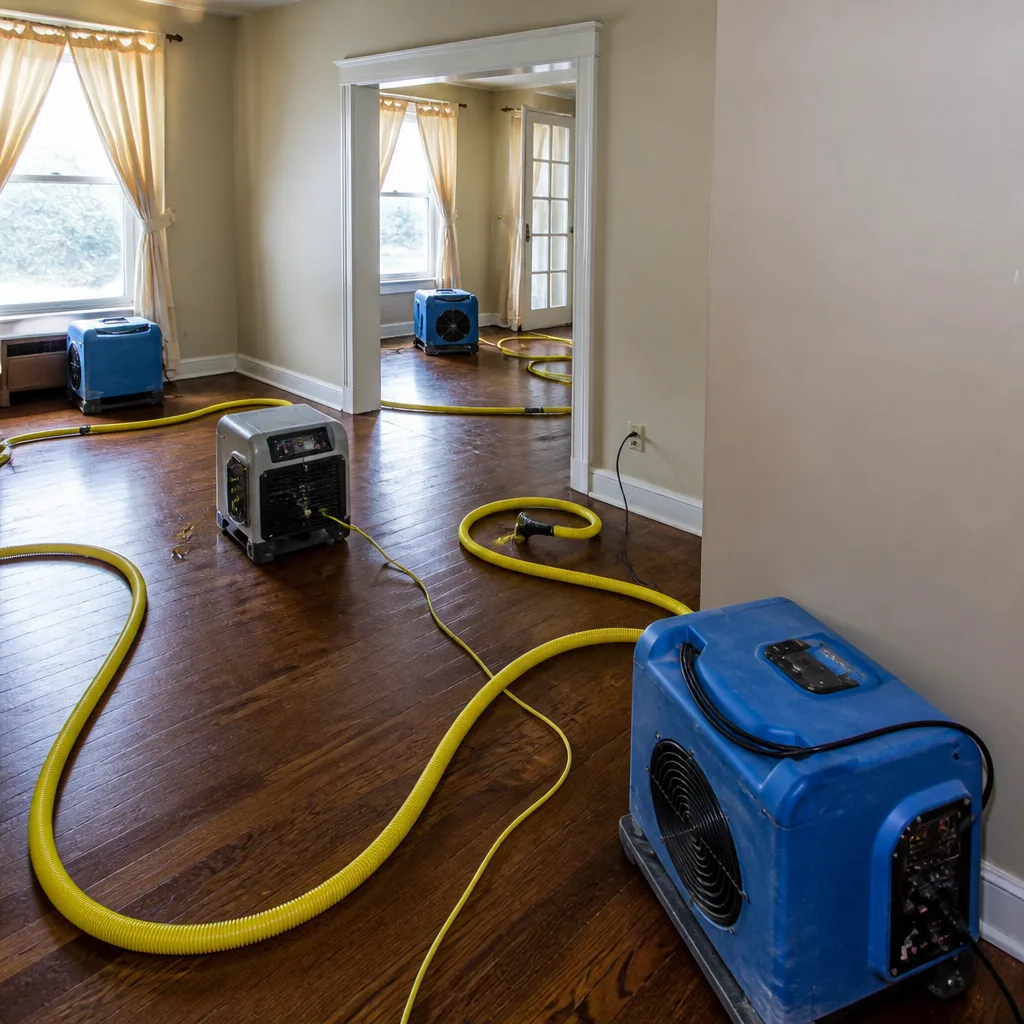
We deploy Dri-Eaz and Phoenix LGR dehumidifiers alongside XPOWER and B-Air axial air movers positioned for optimal airflow across wet surfaces. In plaster-and-lath construction, drying takes 3-5 days versus 2-3 for standard drywall; we adjust the psychrometric plan daily and log vapor pressure differential until materials reach dry standard.
4. Cleaning & Sanitization
HEPA air scrubbers run continuously during drying to capture airborne mold spores and asbestos fibers disturbed by the water loss. Antimicrobial treatment follows IICRC S520 guidelines for Category 2 and 3 water, with documentation of product, concentration, and application area for your insurer.
5. Asbestos & Hazardous Material Coordination
Morningside Heights pre-war buildings routinely contain asbestos in floor tile, pipe insulation, and joint compound. Before any demolition, we coordinate certified abatement contractors and file NYCDEP notifications. Our scope includes air clearance sampling and chain-of-custody documentation - not optional add-ons.
6. Repairs & Restoration
We rebuild to pre-loss condition with matching materials: plaster repair, hardwood refinishing, tile replacement, and paint. For Columbia-controlled buildings, our final walkthrough includes Facilities Management sign-off and photo record delivery to each affected tenant’s insurance carrier.
Need Emergency Water Damage Restoration in Morningside Heights Now?
Crews minutes away, answering live 24 hours a day. The sooner we start, the less it costs.
Working With Your Insurance Company
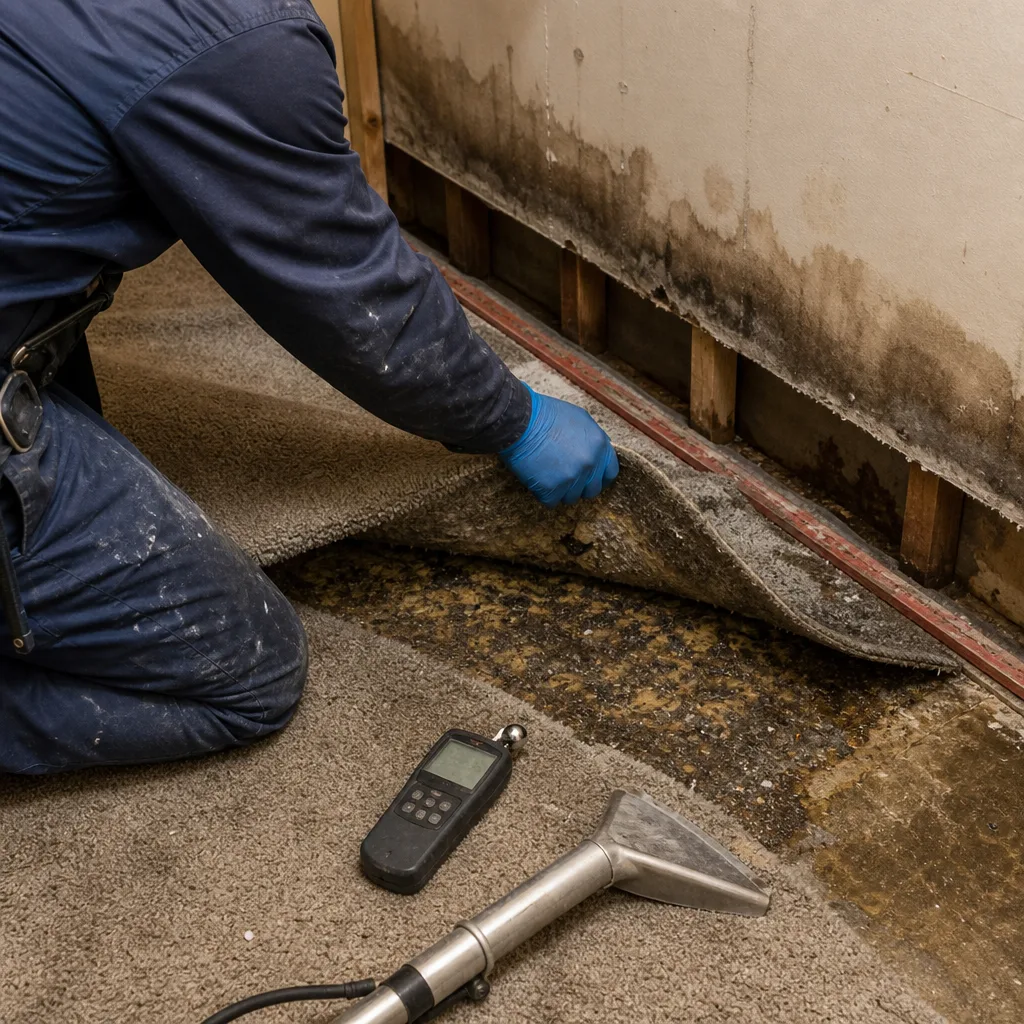
We document from the first hour because we’ve seen what incomplete records cost a homeowner. Our estimates follow Xactimate pricing with industry-standard line items, not rounded guesses. Your adjuster receives the same photo record, moisture log, and written scope that you do - no selective editing, no missing pages.
Direct adjuster communication is standard on every Morningside Heights job. We answer their questions, provide supplemental documentation when hidden damage extends the scope, and handle the back-and-forth so you don’t have to translate drying science into claim language. Alicia Brennan built this company in 2011 after watching documentation gaps deny legitimate claims. That origin is why we still operate this way.
What We Provide Your Insurer
- Thorough documentation of the loss
- Photos of all damage, room by room
- Moisture readings and drying logs
- A detailed, line-item scope of work
- Direct coordination with your carrier
Built for Morningside Heights’s Loss Calendar
January deep freezes split aging galvanized supply lines in 1920s buildings - the most predictable surge on our calendar. Spring thaw brings basement seepage through century-old foundation walls on Morningside Drive and Riverside Drive buildings. Summer convective storms overwhelm flat-roof internal drains; pooled water finds membrane breaches and wicks down through multiple floors before anyone notices a stain. Nor’easters in October through April compound the problem with wind-driven rain and blocked scupper drains.
The combined sewer laterals under these buildings are a recurring source of Category 3 basement backups during intense rainfall. We’ve responded to sewage losses on West 120th Street, Manhattan Avenue, and along the Morningside Park edge where elevation drops toward Harlem. Each requires immediate containment, extraction, and antimicrobial treatment - plus NYCDEP notification if the backup involved a public sewer overflow.
Water Damage Restoration Across Morningside Heights’s Neighborhoods
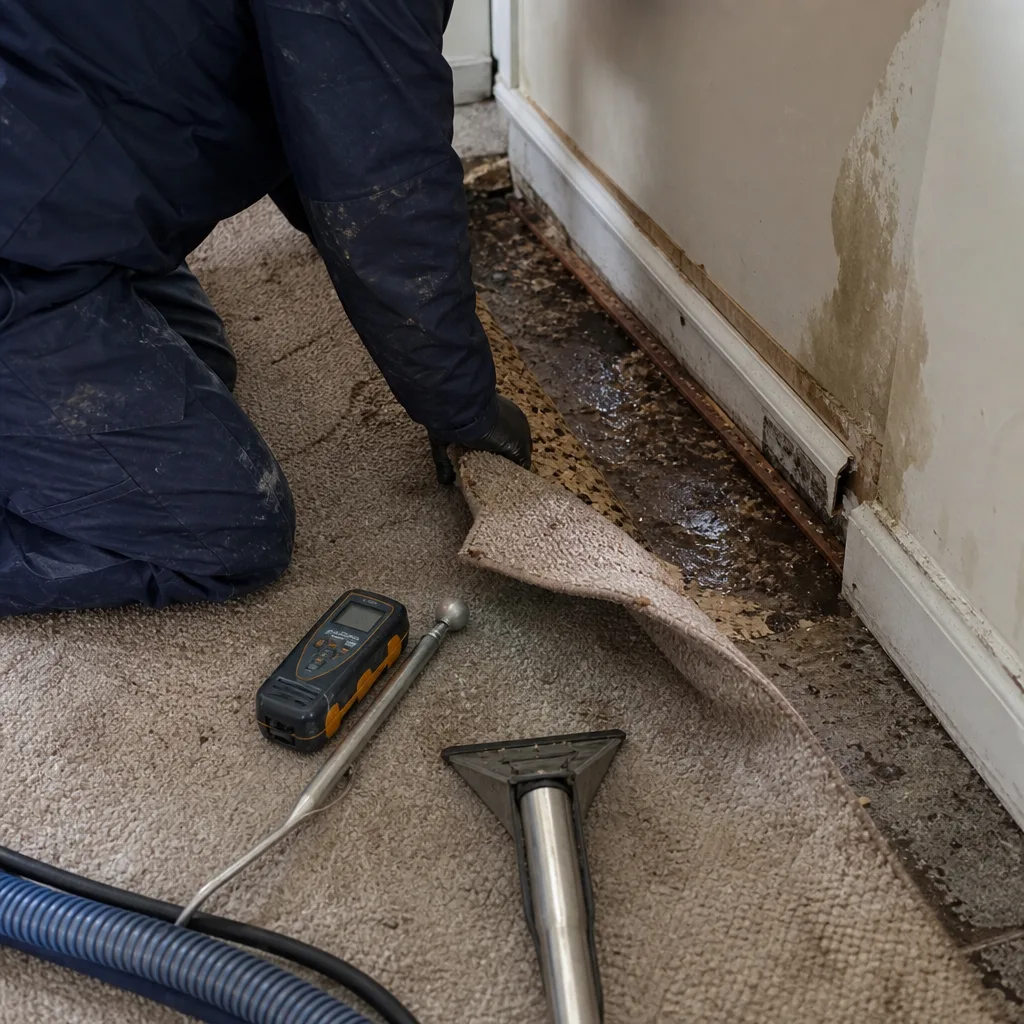
West 116th Street between Broadway and Amsterdam is the commercial spine - retail basements with mixed-use occupancy above, where a failed water heater in a ground-floor restaurant floods residential units overnight. We coordinate with building supers who hold master keys and know which shutoff valves still function after ninety years.
The Riverside Drive corridor faces the park and Hudson River, with larger pre-war buildings and more frequent roof-drain failures during nor’easters. Wind exposure is higher here. We’ve extracted water from top-floor units where drain scuppers iced over, then traced moisture down through six floors of plaster-and-lath.
East of Amsterdam toward Morningside Park, the building stock shifts to smaller masonry structures and some rowhouse infill. Access is tighter. Alley-load deliveries and narrow stairwells mean we spec portable equipment rather than truck-mounted units, and we coordinate parking with NYPD permits when needed.
The Columbia University-controlled blocks around Broadway and 116th Street operate under their own timeline. Vendor credentialing, purchase orders, and Facilities Management scope review add 24-72 hours to job authorization. We build that into our response plan rather than pretending it doesn’t exist.
Specialized Water Damage Restoration Services We Offer in Morningside Heights
Emergency Water Extraction
Standing water in a Morningside Heights pre-war building doesn’t stay put. It migrates through cast-iron stack chases, electrical conduit paths, and the gaps between original plaster and masonry walls. Our extraction teams remove visible water within hours, then deploy moisture mapping to find what escaped downward. A typical extraction call in Morningside Heights runs $1,400-$3,200 for the initial visit, with drying equipment and monitoring added per day.
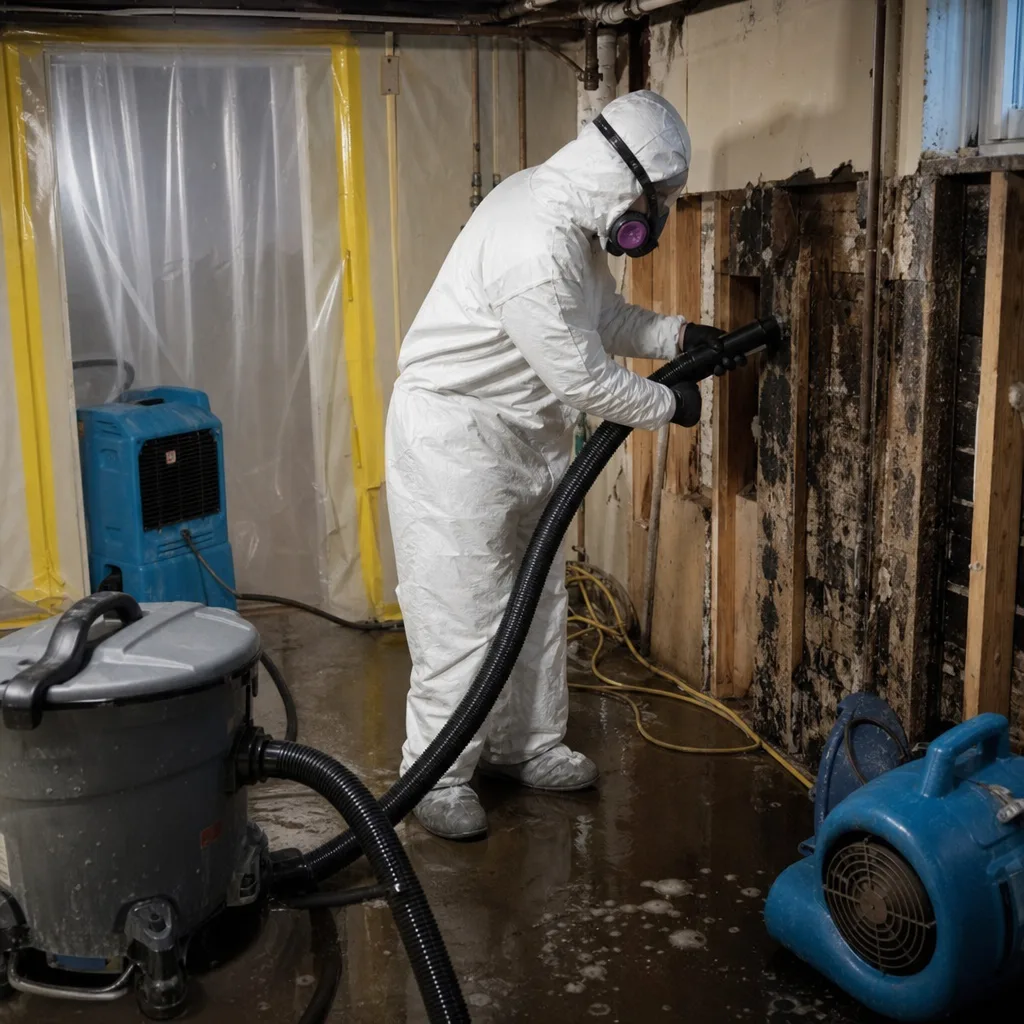
Structural Drying & Dehumidification
Plaster-and-lath construction in 1900-1940 masonry buildings holds moisture differently than modern drywall. Standard residential drying assumptions fail here. We run LGR dehumidifiers at 65-75 grains per pound, with air movers positioned to create laminar airflow across wet plaster surfaces rather than turbulent circulation that drives moisture deeper. Daily psychrometric logs track specific humidity, temperature, and vapor pressure until materials certify dry.
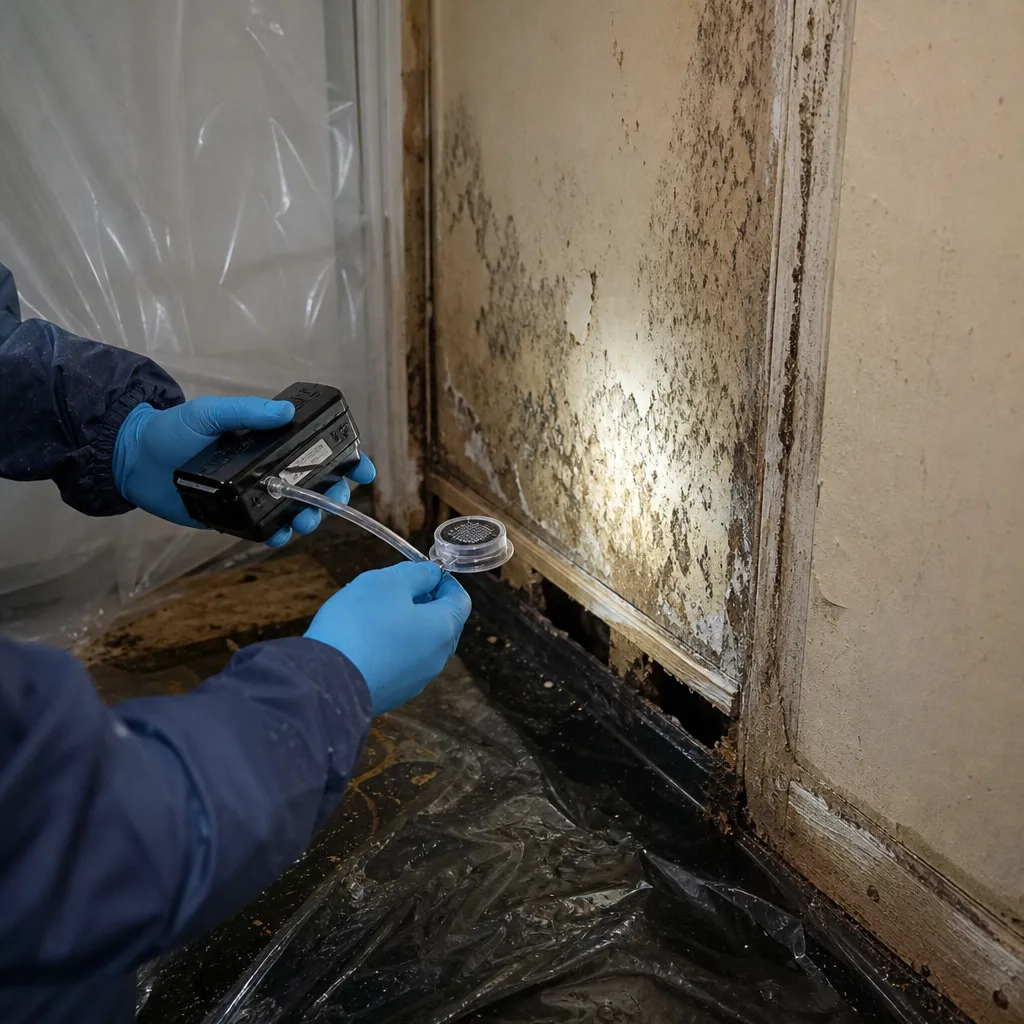
Flood Cleanup
Street-level flooding is less common in Morningside Heights than in low-lying Manhattan neighborhoods, but basement backups from combined sewers are not. Category 3 flood cleanup requires full PPE, antimicrobial treatment, and porous material removal per IICRC S500. We document contamination extent with photos before any demo begins, because your insurer will ask.
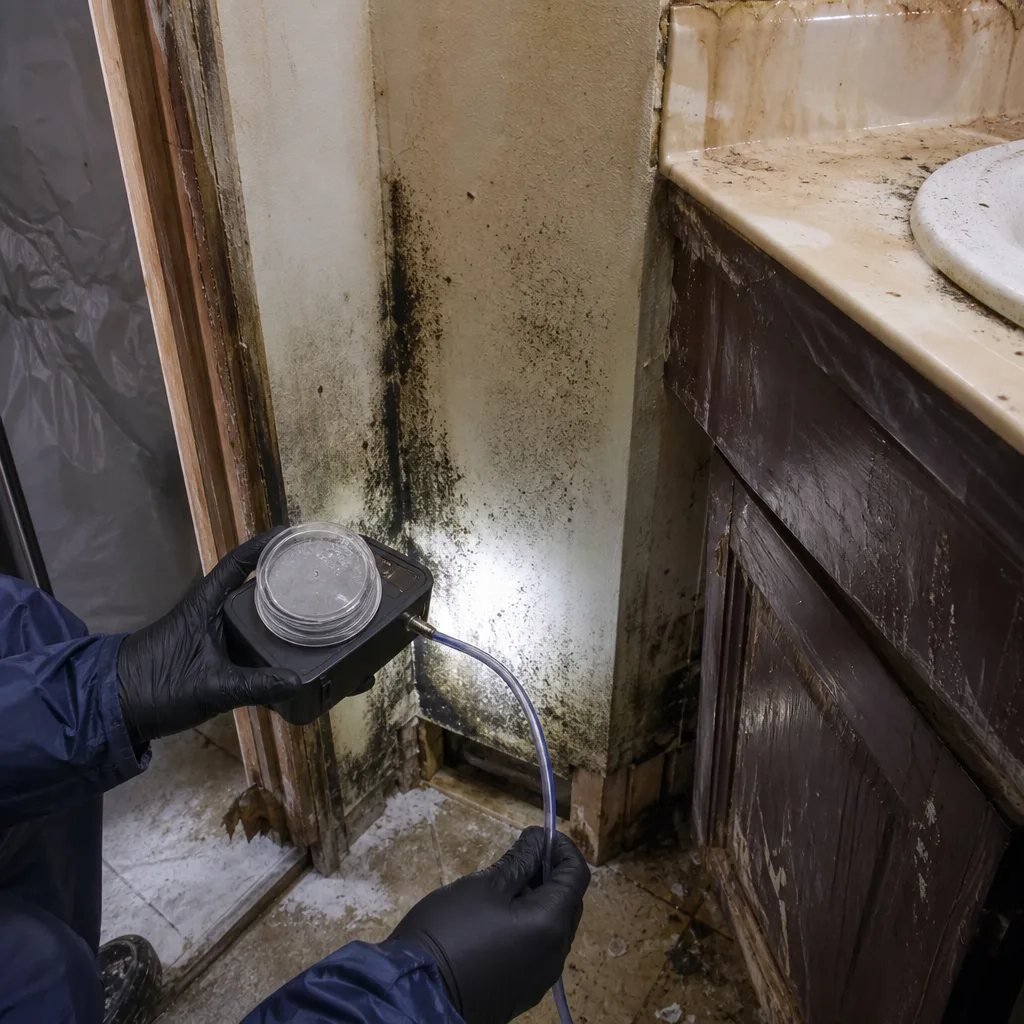
Burst Pipe Restoration
Original galvanized and early copper supply lines in Morningside Heights buildings fail at threaded joints, valve boxes, and where decades of water hammer stress have work-hardened the metal. A burst on the 14th floor of a West 116th Street building routinely produces a multi-unit cascade. We extract, map, and dry all affected floors - not just the unit where the pipe split.
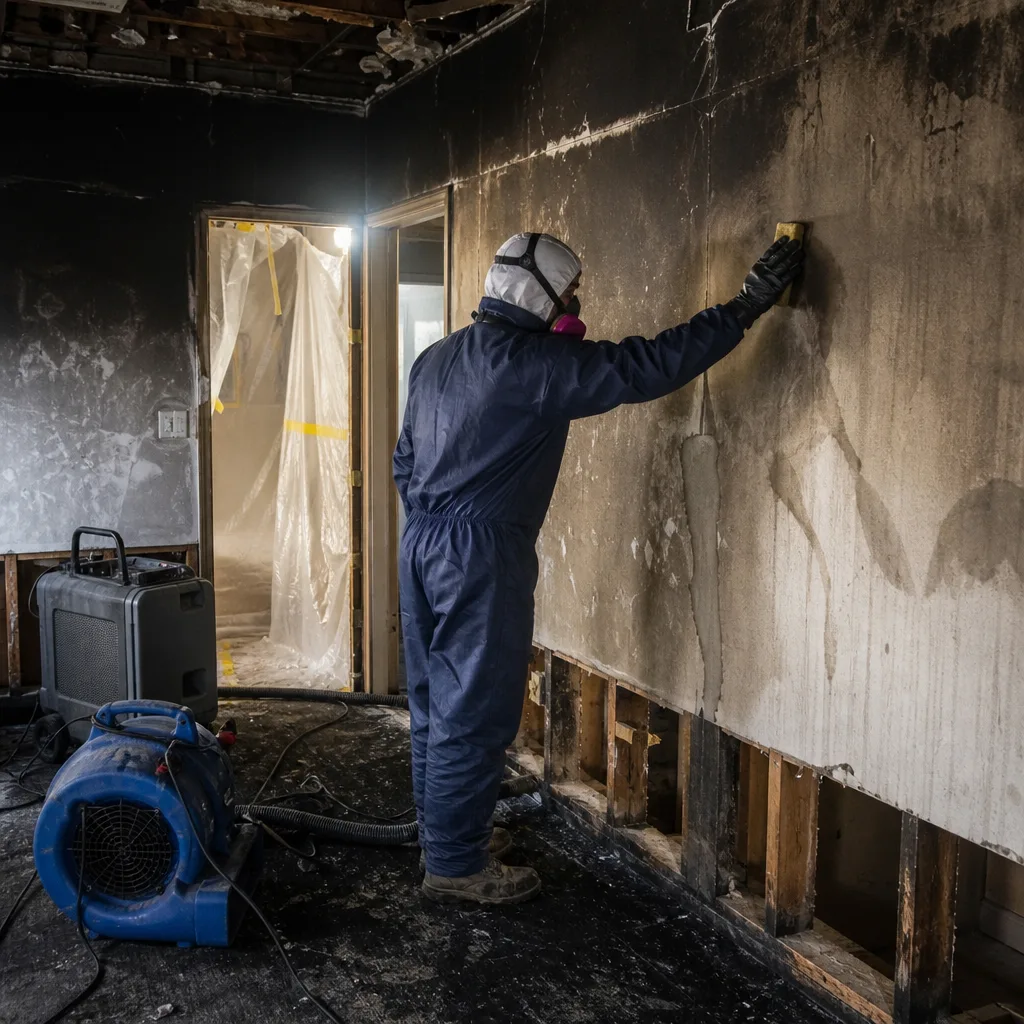
Basement Water Removal
Morningside Heights basements house boilers, electrical panels, and storage for multiple units. Combined-sewer backups during heavy rain introduce Category 3 contamination that requires full PPE and antimicrobial treatment. We pump, extract, and establish drying with sealed dehumidifiers and HEPA-negative air pressure to protect occupied floors above.
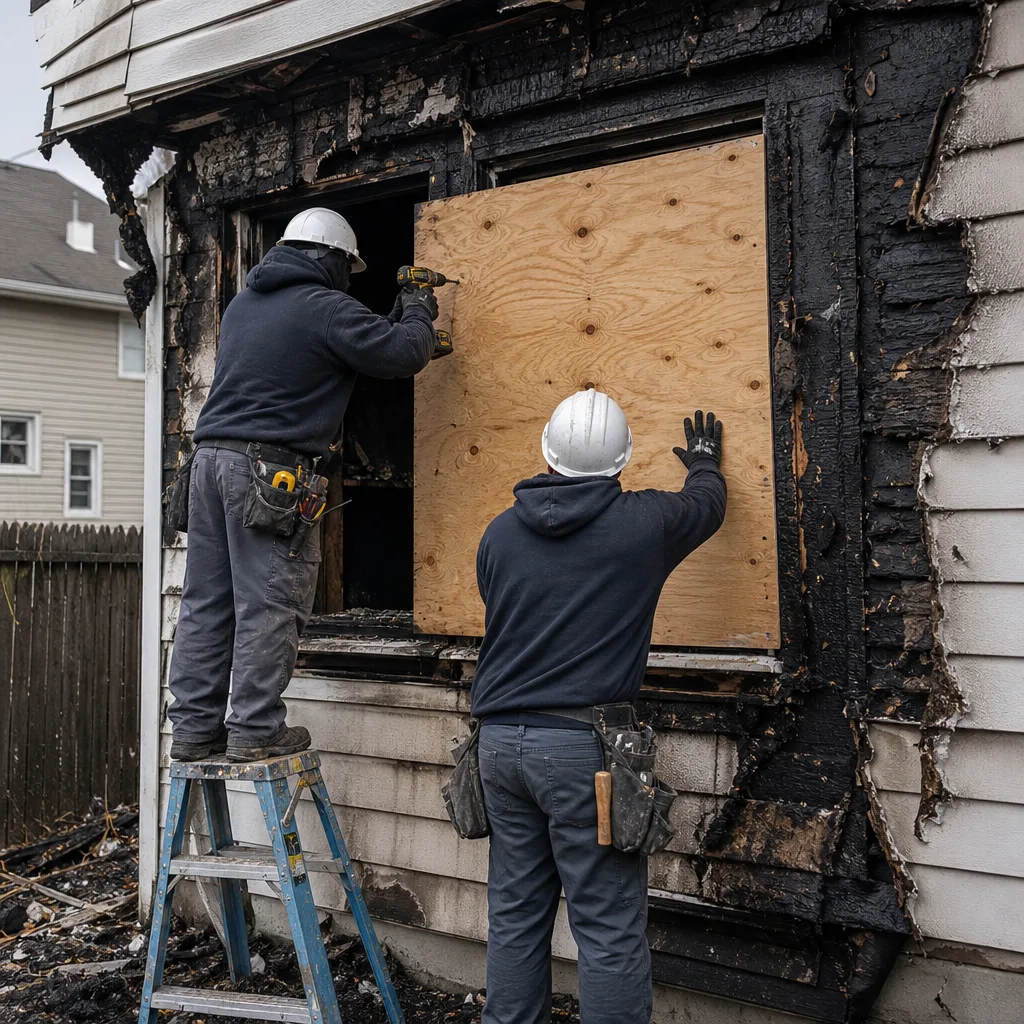
Ceiling & Roof Leak Water Damage
Flat-roof buildings with internal drains are the dominant failure mode in Morningside Heights. A blocked drain during a summer thunderstorm pools water until it finds any membrane breach, then wicks through original plaster-and-lath ceilings for days before visible staining appears. We trace the full horizontal spread with thermal imaging, because the wet ceiling tile you see is rarely the full extent.
What happens when you call
- 1
A real person answersNo phone trees - you reach a local pro.
- 2
You get an upfront price rangeHonest numbers before anyone is dispatched.
- 3
A background-checked tech heads outLicensed & insured, dispatched right away.
- 4
You approve before work beginsNothing starts until you say go.
Water Damage Restoration Costs in Morningside Heights, NY
| Service | Typical Range in Morningside Heights |
|---|---|
| Emergency water extraction (initial visit) | $1,400 - $3,200 |
| Structural drying & dehumidification (per day, equipment + monitoring) | $380 - $650 |
| Category 1 clean water loss, single unit, full dry-to-rebuild | $4,500 - $8,500 |
| Multi-unit cascade loss, 4-8 units, plaster-and-lath | $12,000 - $28,000 |
| Category 3 sewage backup, basement, full remediation | $7,500 - $15,000 |
| Asbestos abatement coordination (when required) | $2,800 - $6,500 additional |
What moves the price: number of affected units, water category, asbestos findings, and whether Columbia Facilities Management approval delays the start date. Insurance typically covers sudden and accidental water damage; gradual leaks and maintenance issues are often excluded. We provide a written price before work starts on every job, and a Free Second Opinion on any competitor’s written estimate. Call (862) 281-7710 for an exact quote - estimates are free.
We Also Serve Cities Near Morningside Heights
Our crews respond from the New York City office to Morningside Heights and surrounding neighborhoods including Astoria, Upper East Side, Long Island City, and Jackson Heights. Building stock and loss patterns vary by area - Astoria’s newer construction faces different failure modes than Morningside Heights’s pre-war towers - and we adjust our equipment spec and drying protocols accordingly.
Serving Morningside Heights, NY - Our Local Coverage Area
We’re based in the Morningside Heights area and know this community well. Use the map below to see our service coverage - if you’re nearby, we can almost certainly help.
Morningside Heights Water Damage Restoration Questions, Answered
A pipe burst in an upper-floor unit of my Morningside Heights pre-war building and water is showing two floors down - why does the crew want into my apartment?
Because original plaster-and-lath ceilings absorb and conceal moisture for weeks before visible damage appears, and water travels through cast-iron stack chases and electrical conduit paths that don’t respect floor boundaries. On a 12th-floor unit off West 116th Street near Broadway, a failed supply line flooded three apartments below through original plaster-and-lath ceilings before the super smelled it - we ran water extraction on all four floors, set moisture mapping grid points in every room, and kept air movers and dehumidification running for five days against category 1 water that was already reading elevated moisture readings two floors down. Because the building is Columbia-controlled faculty housing, our scope of work had to be signed off through Facilities Management before we could begin containment and antimicrobial treatment, and we documented pre-loss condition photos in each unit for the separate tenant insurance carriers. Call (862) 281-7710 if you’re in a stacked building and need us to check your unit.
How fast does mold matter after a leak in an older Morningside Heights apartment?
Mold colonization begins in 24-48 hours on wet organic material, and original plaster-and-lath provides both substrate and concealed cavities where it grows undisturbed. In Morningside Heights’s humid summer months, we’ve documented active mold growth behind intact ceiling surfaces within 36 hours of a roof leak. The plaster itself is not mold food, but the accumulated dust, paint layers, and lath timber are. We treat any water loss in pre-war construction as a potential microbial remediation job until moisture readings prove otherwise. Call (862) 281-7710 for same-day assessment - waiting for visible mold means the scope has already expanded.
Do you handle water from a roof-drain backup on a flat-roof Morningside Heights building?
Yes - it’s one of the most common calls we get in Morningside Heights during nor’easters and summer convective storms. Flat-roof buildings with internal drains are highly vulnerable to blockages; pooled water finds any membrane breach and wicks down through multiple floors of original plaster before it’s noticed. We trace the full horizontal and vertical spread with thermal imaging, establish drying on all affected floors, and document pre-loss condition for the building’s insurer and individual tenant carriers. The job typically runs $6,500-$14,000 depending on floors affected and whether asbestos abatement is triggered. Call (862) 281-7710 for a free inspection after any roof leak.
What water category is a basement backup in Morningside Heights, and does it change the work?
Category 3 - grossly contaminated water containing pathogenic agents from sewage or combined sewer overflow. Morningside Heights’s aging combined sewer laterals under pre-war buildings cause this during heavy-rain events, particularly on streets sloping toward Morningside Park and Harlem. Category 3 changes everything: full PPE for our crews, porous material removal (carpet, pad, baseboard, lower drywall), antimicrobial treatment per IICRC S500, and HEPA air scrubbing during the work. We also file NYCDEP notification if public sewer involvement is suspected. The work costs $7,500-$15,000 versus $4,500-$8,500 for Category 1. Call (862) 281-7710 - don’t enter a sewage backup without professional assessment.
My building is Columbia faculty housing - how does that affect a water damage restoration job?
Columbia University controls a substantial portion of Morningside Heights residential stock, and restoration work moves through Columbia Facilities Management rather than a typical co-op board or private landlord. This means vendor credentialing, purchase orders, and scope sign-off processes that add 24-72 hours to job authorization. We maintain active vendor status with Columbia and build their approval timeline into our response plan. The drying science doesn’t change, but the paperwork chain does - and starting demo or equipment placement before Facilities Management sign-off can halt the job mid-stream. We coordinate directly with their office and provide the documentation they require as a standard deliverable, not an afterthought. Call (862) 281-7710 and we’ll verify your building’s status before dispatch.
Will my insurance cover water damage restoration in Morningside Heights?
Sudden and accidental water damage from burst pipes, appliance failures, or roof leaks is typically covered under standard HO-3 and HO-5 policies, minus your deductible. Gradual leaks, maintenance issues, and flood from outside rising water require separate flood insurance. In Morningside Heights’s multi-unit buildings, the master policy may cover common areas and structural elements while your HO-6 covers interior finishes and personal property - the split varies by building. We document everything from hour one, produce line-item Xactimate estimates, and coordinate directly with your adjuster to minimize coverage disputes. Call (862) 281-7710 and we’ll review your situation before any work begins.
How long does structural drying take in a Morningside Heights pre-war building?
3-7 days for most plaster-and-lath construction, versus 2-3 days for standard drywall. Original plaster is dense, hygroscopic, and bonded to lath that traps moisture in the cavity. We set daily moisture mapping points and adjust equipment based on psychrometric data - vapor pressure differential tells us when bound water in the lath timber has released, not just when the plaster surface reads dry. Rushing this phase leaves hidden moisture that causes mold, odor, and structural damage months later. Our daily drying logs prove completion to your insurer. Call (862) 281-7710 for timeline specifics on your building.
Can we stay in our apartment during water damage restoration?
Sometimes, for Category 1 losses limited to one room with no asbestos disturbance. For multi-unit cascades, Category 2 or 3 contamination, or any job requiring demolition of asbestos-containing materials, temporary relocation is necessary. The noise from LGR dehumidifiers and air movers is also significant - 65-75 decibels, comparable to a vacuum cleaner running continuously. We tell you honestly during the free inspection whether your unit will be habitable during drying, and we document that determination for your insurer if relocation coverage applies. Call (862) 281-7710 and we’ll assess your specific situation.
Water damage in Morningside Heights doesn’t behave like water damage anywhere else. The pre-war masonry construction, the multi-unit cascade dynamic, and the Columbia Facilities Management approval chain for a large share of residential stock all demand a restoration contractor who has worked here before - not a franchise template that treats every job like a suburban single-family home. Our Water Damage Restoration team has handled losses on West 116th Street, along Riverside Drive, and throughout the Columbia-controlled building stock since 2011. Every job starts with a written price, ends with a documented photo record, and carries the 365-Day Done Right Promise under The Haven Standard.
Call (862) 281-7710 now. A live person answers, 24 hours a day. We’ll dispatch a crew, run moisture mapping, and deliver your written scope before any equipment starts running.
Written by Alicia Brennan, Owner at DryMark Restoration Astoria, serving Morningside Heights since 2011.
Water Damage Restoration in Nearby Areas