
Free visual inspection and a written scope of work before any mitigation begins - photos, moisture readings, and drying logs go in your claim file
The scope we write is the scope we bill. Anything new gets shown to you, in writing, before we touch it.
Storm response
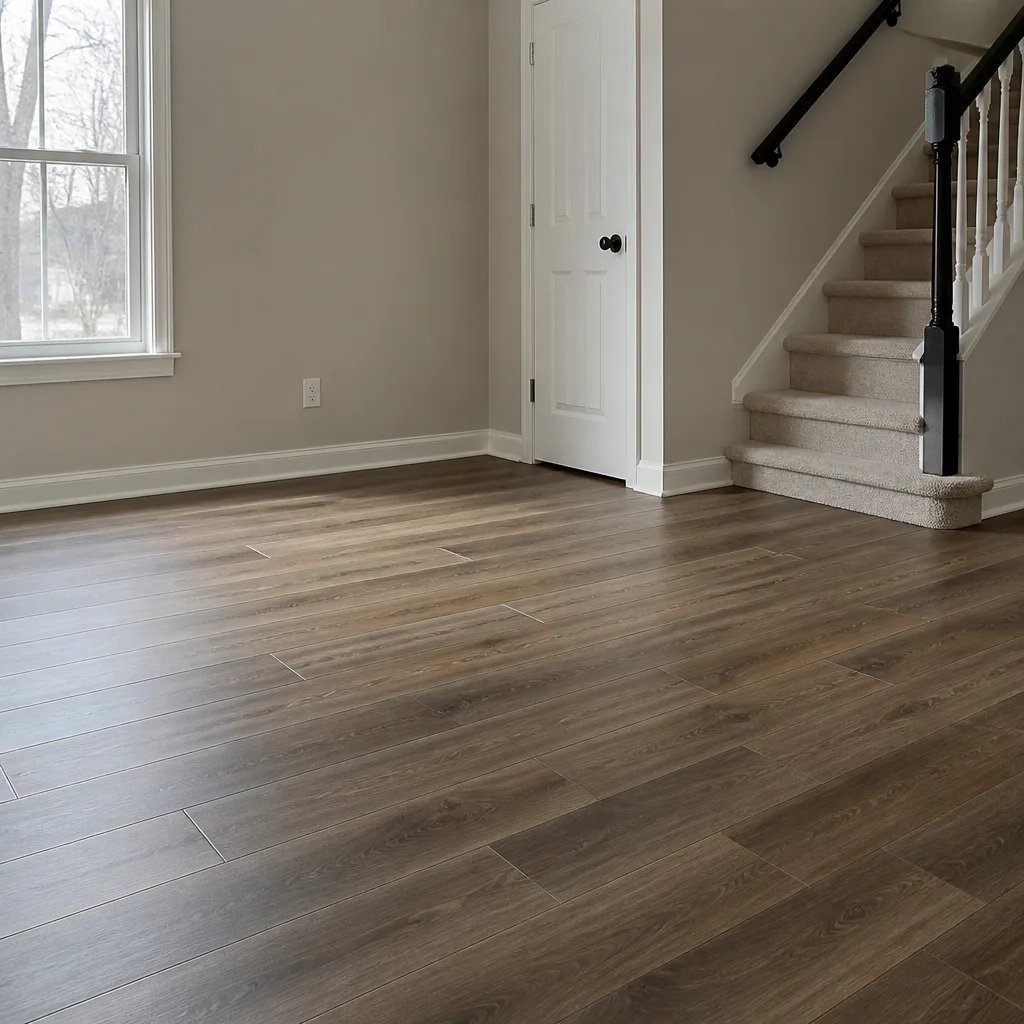
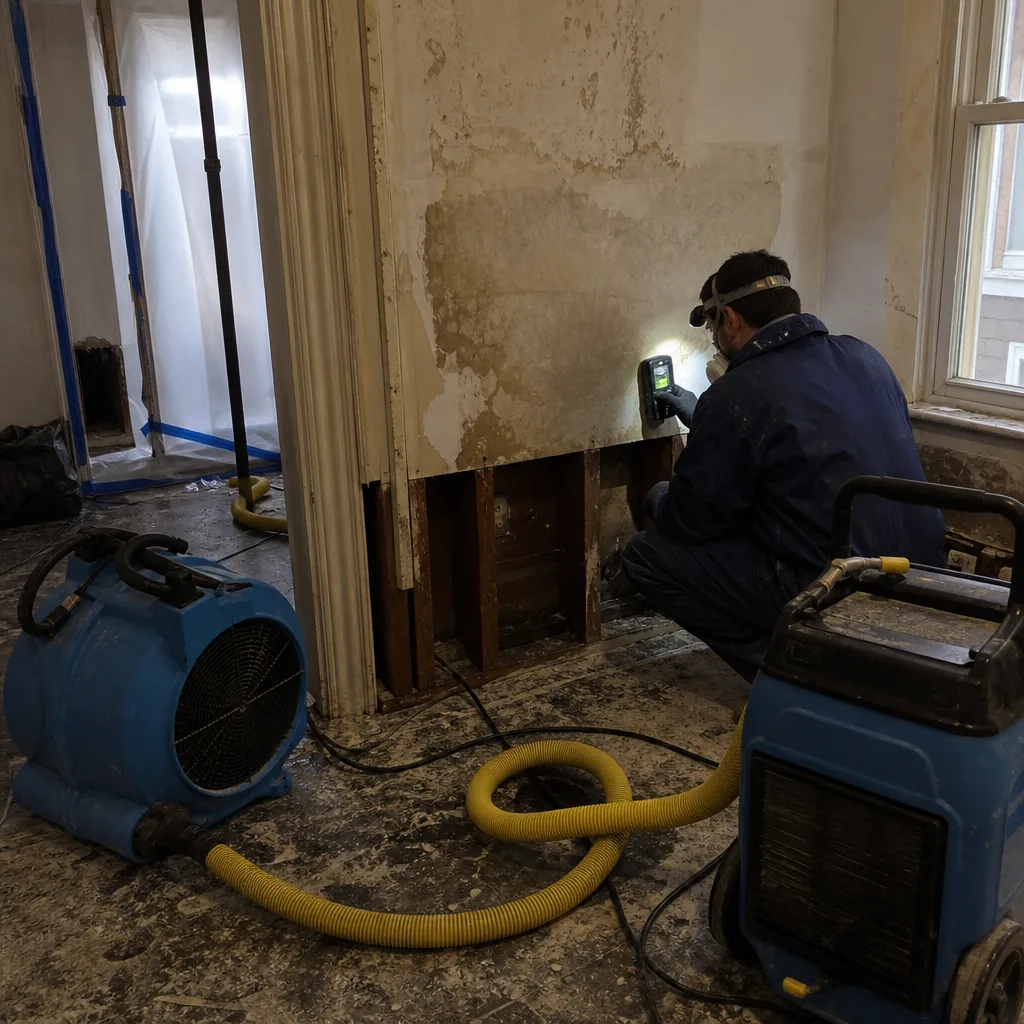 Before
 After
After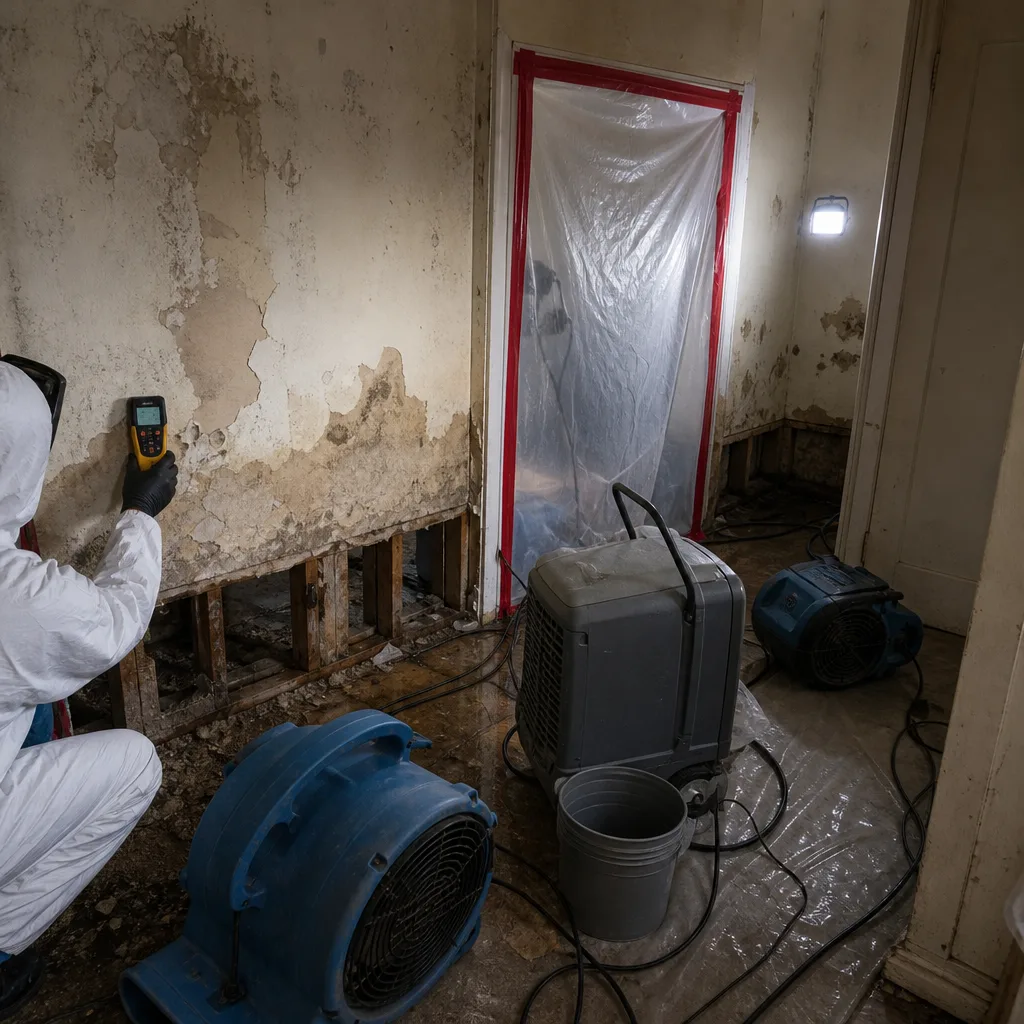 Before
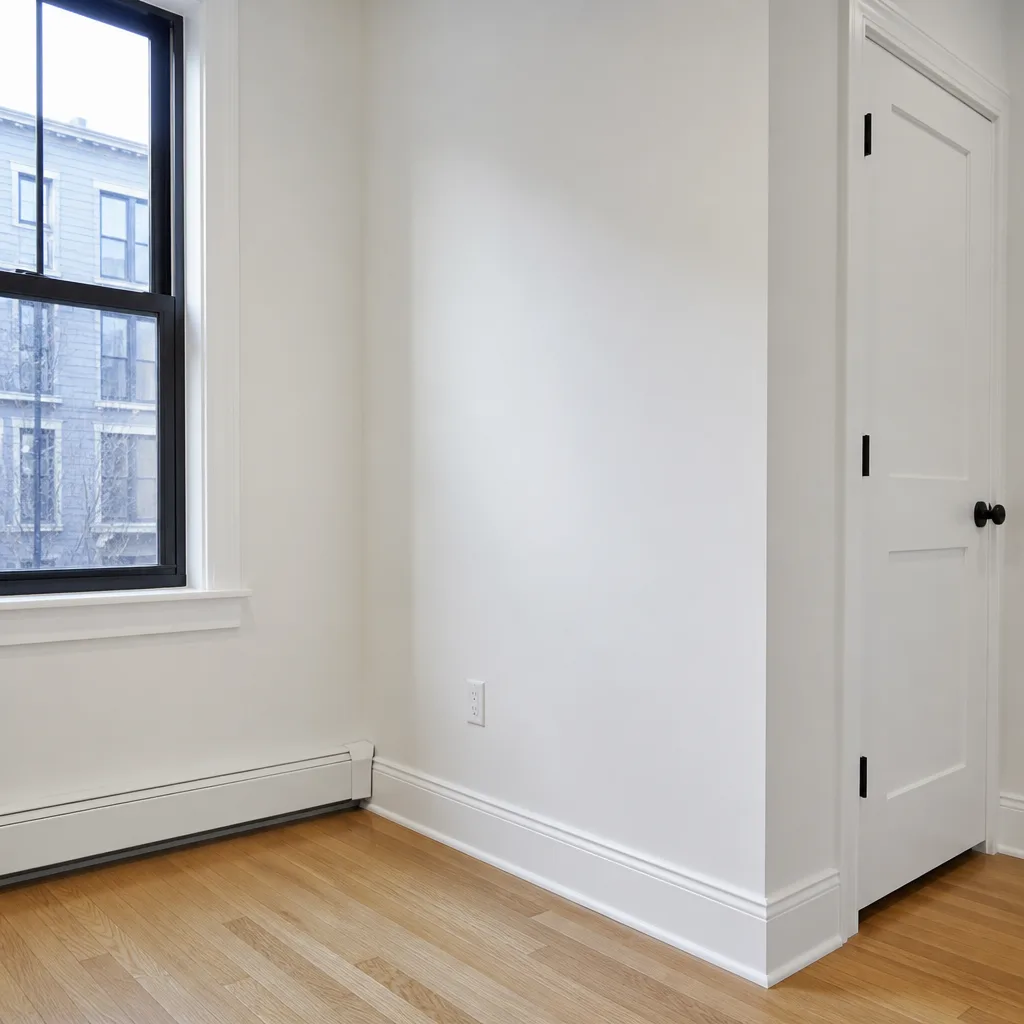 After
After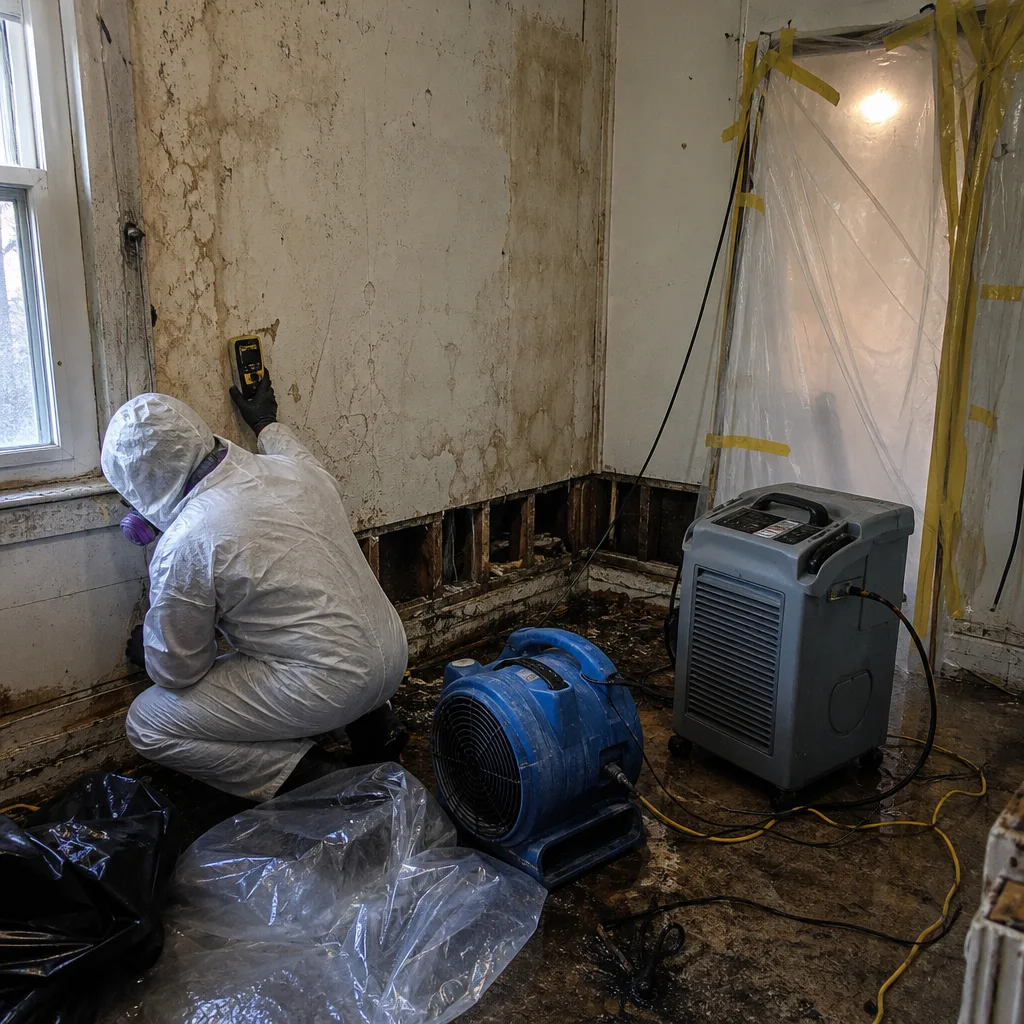 Before
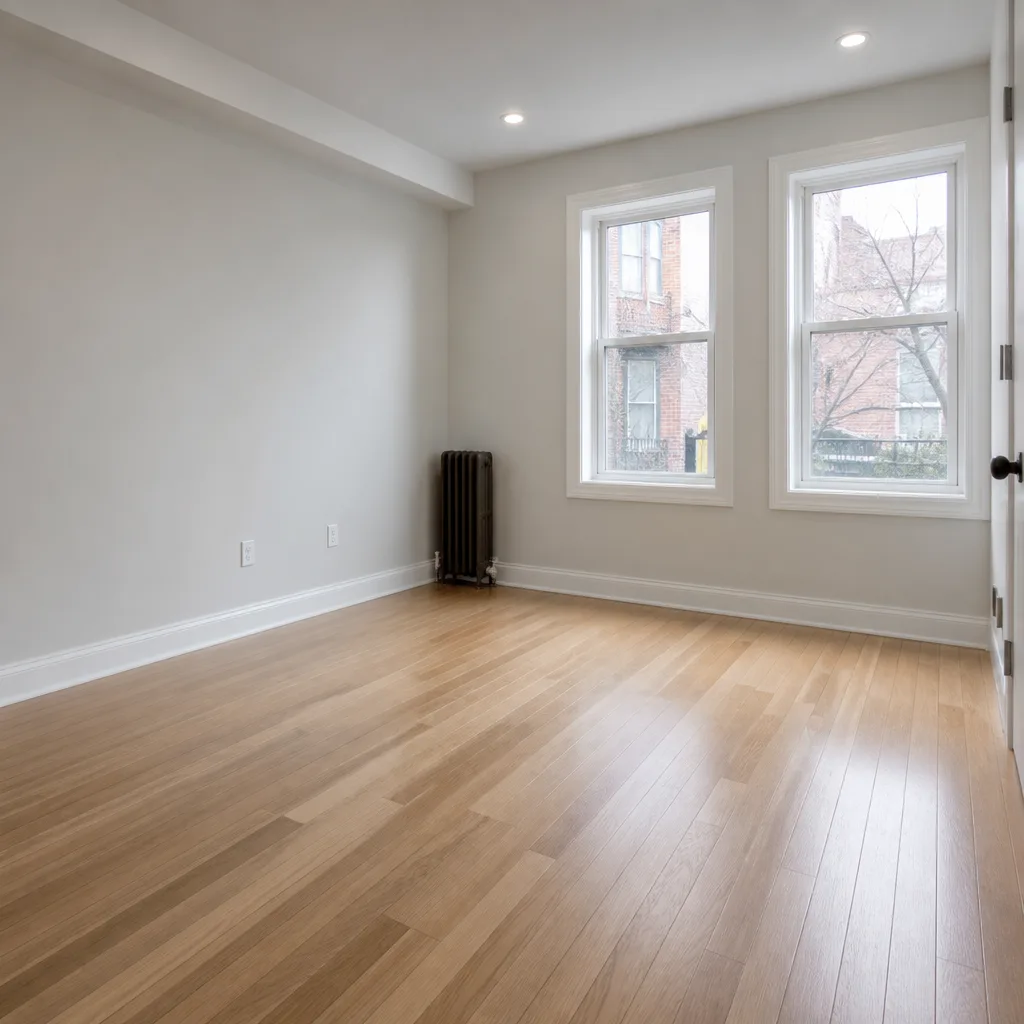 After
After24/7 Emergency Fire & Smoke Damage Restoration in Upper East Side
Fire and smoke damage restoration in Upper East Side typically costs $3,200-$8,500 for moderate residential losses, with emergency board-up starting at $450 and full structural fire repair reaching $15,000+ in pre-war co-ops with custom finishes. Our crews answer live at (862) 281-7710 twenty-four hours a day, seven days a week, and we dispatch to Upper East Side addresses from our New York City office without voicemail delays. The first hour after a fire determines whether smoke residue etches marble lobby floors, whether water from suppression systems saturates horsehair plaster beyond recovery, and whether odor absorption in original millwork becomes a permanent problem. We provide a free visual inspection, deliver a written price before any work starts under Haven Standard, Clause 1, and document every step with photos your insurer and co-op board will accept.
Understanding Fire & Smoke Damage Restoration Severity in Upper East Side Properties
Fire damage in Upper East Side buildings falls into three severity bands that dictate equipment, timeline, and cost. Class 1 losses involve light smoke residue limited to a single room with minimal water from suppression, common in kitchen fires contained by range hoods. Class 2 spreads smoke through multiple rooms via HVAC risers or open doorways, with moderate water intrusion from sprinkler activation, requiring full contents pack-out and targeted odor treatment. Class 3 encompasses heavy structural involvement, collapsed plaster, and significant water saturation through multiple floors, typical when aging electrical systems fail in pre-war buildings with original knob-and-tube remnants.
Smoke migration behaves differently in Upper East Side’s pre-war stock than in modern construction. The horsehair plaster walls common along Fifth and Park Avenues are hygroscopic, they absorb moisture and odor compounds deeply, and their irregular surfaces trap soot particles that standard wet-cleaning cannot reach. Steam radiator systems create convective currents that drive smoke through vertical chases, while the limestone and brick construction of Carnegie Hill rowhouses provides thermal mass that extends cooling times and complicates moisture mapping. Our crews use thermal imaging to locate hidden smoke deposition behind intact plaster, then apply psychrometric data, temperature, relative humidity, and vapor pressure differential, to calculate precise drying requirements for each affected assembly.
Why Upper East Side Property Owners Choose DryMark Restoration Astoria
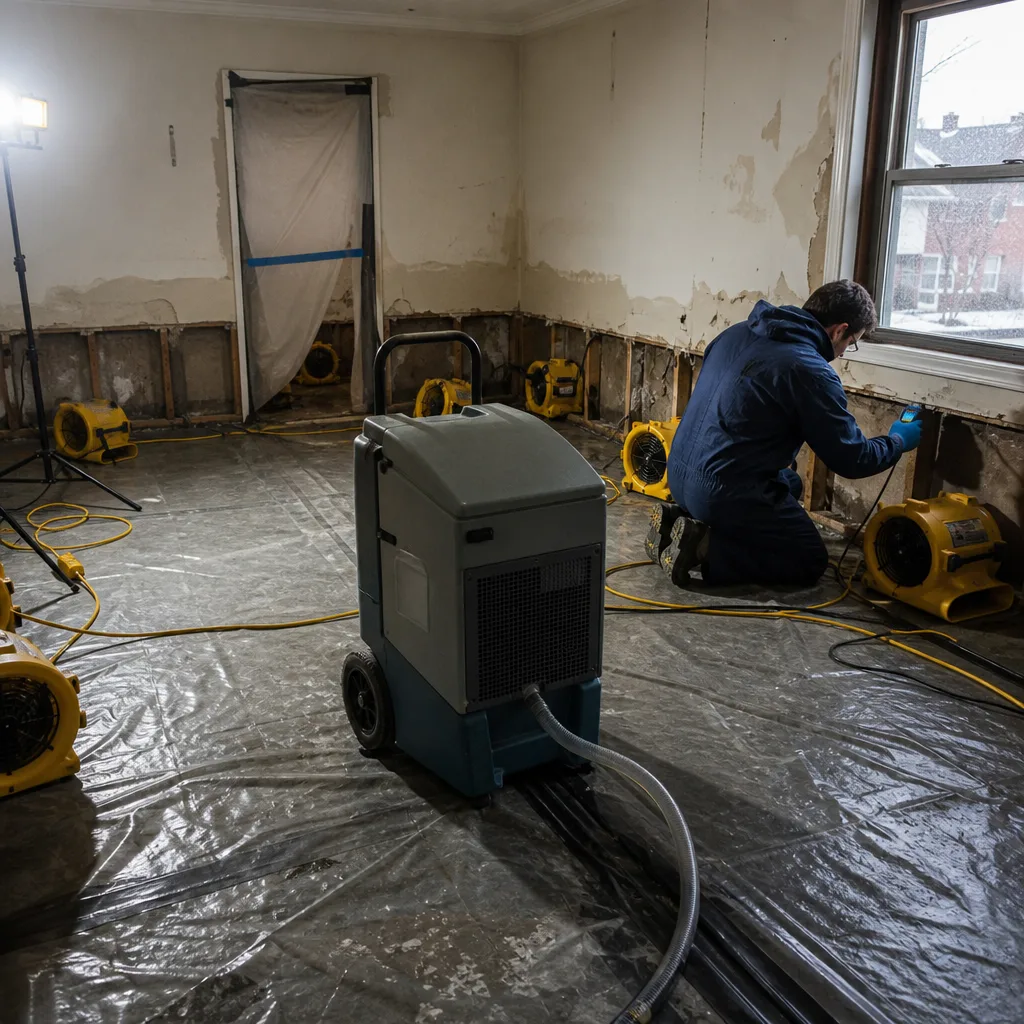
- We commit to a 45-minute response window for Upper East Side emergency calls, because smoke residue begins etching unsealed stone within the first hour and water from suppression systems migrates through plaster at measurable inches per minute.
- A live person answers every call, 24 hours a day, 7 days a week, no automated attendant, no callback queue, because fire damage does not observe business hours and co-op boards require immediate notification for any emergency work.
- Our crews carry IICRC-FSRT certification, Fire and Smoke Restoration Technician, with additional WRT, Water Damage Restoration Technician, credentials for the suppression-water component that accompanies nearly every Upper East Side fire loss.
- We provide a free visual inspection with no obligation, documenting conditions with photos before we leave, so you have evidence for your insurer and managing agent regardless of whether you hire us.
- Direct insurance billing is standard, we coordinate with adjusters, submit line-item scopes, and handle documentation so your claim proceeds without the delays that improper paperwork creates.
- One team manages your job from emergency board-up through structural fire repair, eliminating the handoff gaps where documentation gets lost and scopes get disputed.
BeforeAfterOur Fire & Smoke Damage Restoration Process
1. Inspection & Assessment
We arrive with thermal imaging cameras, moisture meters, and hygrometers to map smoke deposition and water intrusion behind visible surfaces. In Upper East Side co-ops, this assessment separates building-system damage from shareholder interior damage per the proprietary lease, producing two distinct scopes for managing agent approval.
2. Emergency Board-Up & Stabilization
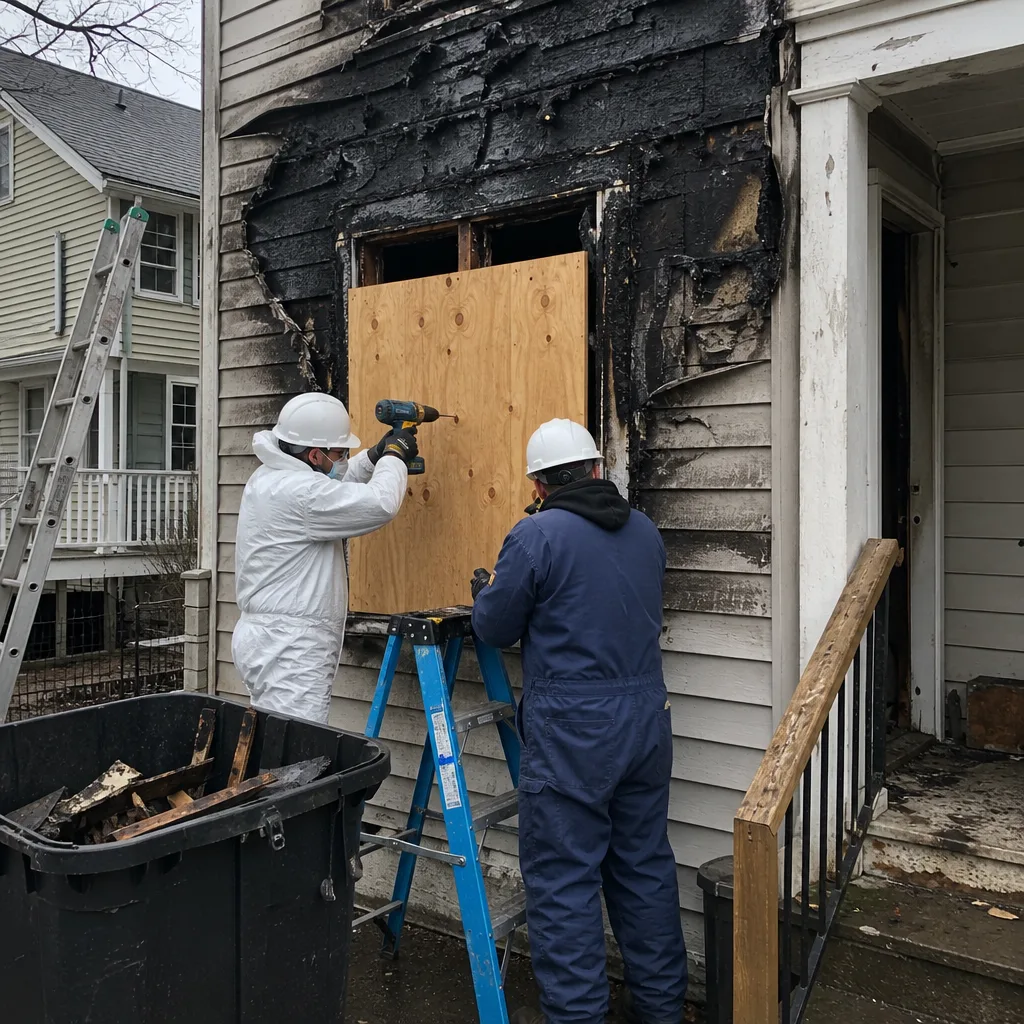
Broken windows, compromised doors, and damaged roofing get secured with fire-rated board-up materials and weatherproof tarping. We photograph every pre-existing condition before touching anything, creating the documentation baseline that co-op boards and insurers require.
3. Water Extraction & Structural Drying
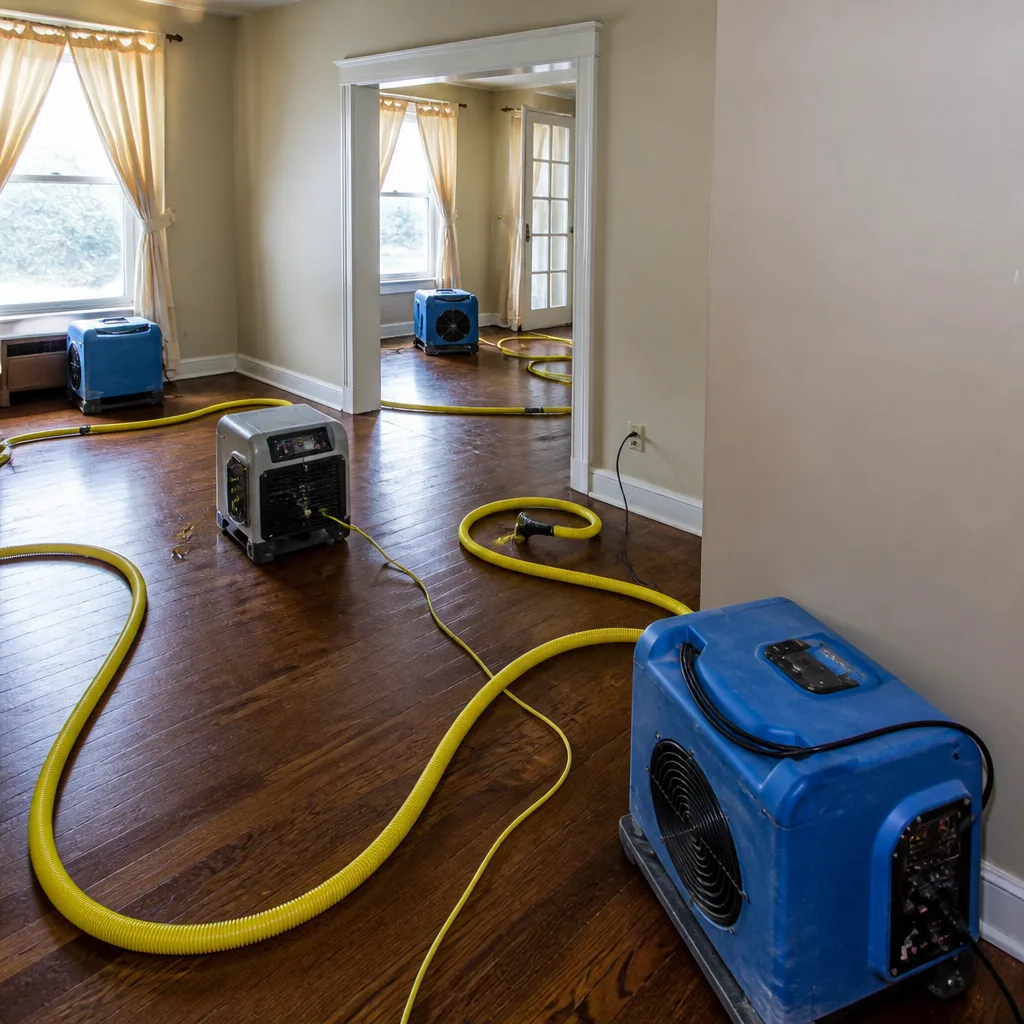
Suppression water gets extracted with truck-mounted systems, then we deploy Dri-Eaz and Phoenix dehumidifiers with axial air movers to establish controlled drying. Injectidry systems dry horsehair plaster from the inside out, preserving original finishes that replacement would destroy.
4. Smoke & Soot Cleaning
Soot type determines chemistry: dry smoke gets vacuumed with HEPA filtration, wet smoke requires solvent-based cleaning, protein fires need enzyme treatment. We match cleaning agents to each substrate, limestone, parquet, horsehair plaster, custom millwork, testing in concealed areas first.
5. Odor Removal & Deodorization
Thermal fogging and ozone treatment reach odor compounds absorbed deep into porous materials. For Upper East Side’s pre-war interiors, we often combine hydroxyl generators, which are safe for occupied spaces, with targeted sealants on irreplaceable woodwork, documenting odor reduction with calibrated sensors.
6. Structural Fire Repair & Contents Return
Final repairs match original profiles and materials, not modern equivalents. We coordinate with co-op pre-approved finish carpenters when required, deliver a photo record of completed work, and return cleaned contents with itemized condition documentation.
Need Emergency Fire & Smoke Damage Restoration in Upper East Side Now?
Crews minutes away, answering live 24 hours a day. The sooner we start, the less it costs.
Working With Your Insurance Company
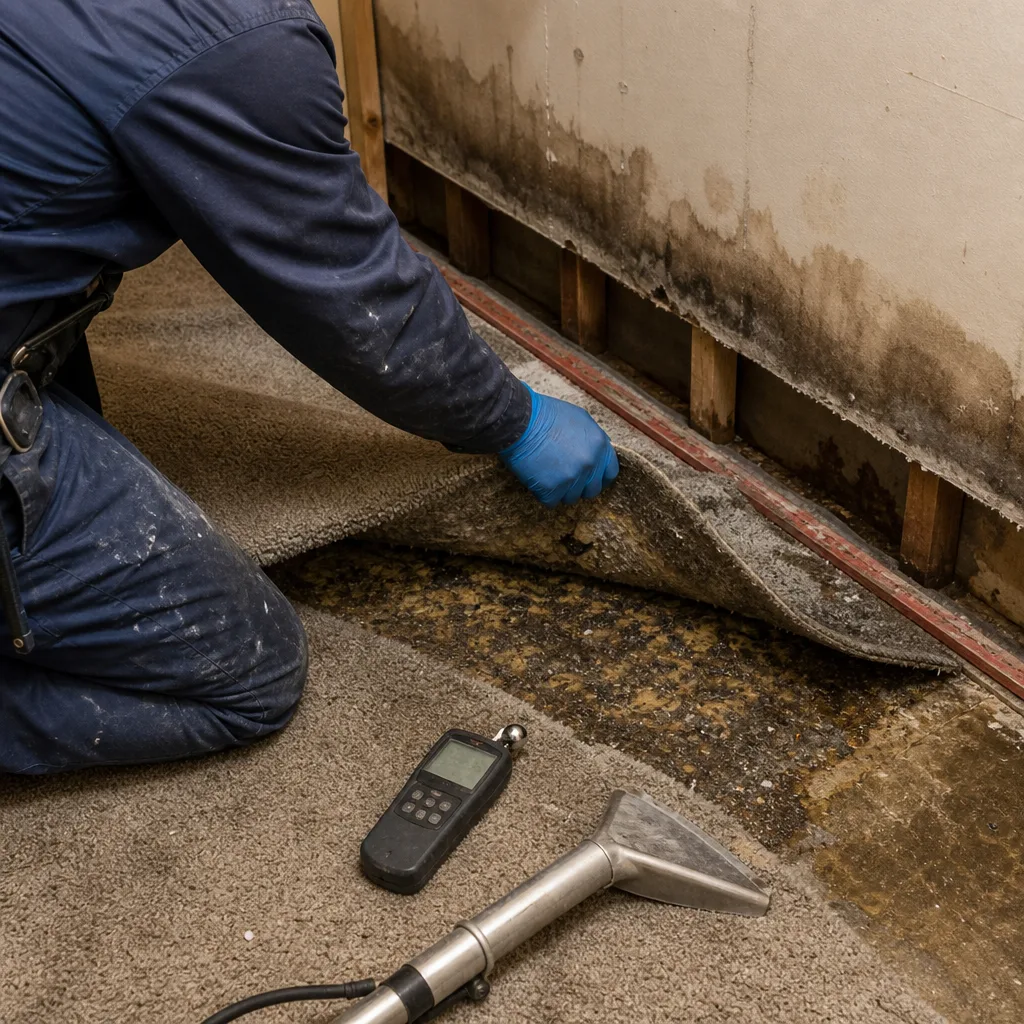
Fire claims fail when documentation gaps let adjusters dispute the scope. We close those gaps from arrival. Our technician photographs every room before touching anything, records moisture readings at each structural point, and maintains daily drying logs that satisfy IICRC, RIA, and IFA documentation standards. The written scope we deliver before work starts, Haven Standard, Clause 1, uses industry-standard line-item pricing that your adjuster can verify without back-and-forth. We speak directly with carriers, submit supplemental documentation when hidden damage emerges, and provide the photo record that proves pre-loss condition if valuation disputes arise. For Upper East Side co-op owners, we also separate building-system claims handled by the co-op corporation from interior finish claims under your HO-6 policy, producing the dual documentation that proprietary leases demand.
What We Provide Your Insurer
- Thorough documentation of the loss
- Photos of all damage, room by room
- Moisture readings and drying logs
- A detailed, line-item scope of work
- Direct coordination with your carrier
Built for Upper East Side’s Loss Calendar
January’s deep freezes strain the steam heating systems that remain standard in pre-war Upper East Side buildings. Failed expansion joints and cracked radiator supply lines cause water damage that compounds when a small fire triggers suppression systems in already-compromised units. Spring thaw brings wind-driven rain through deteriorating masonry at cornices and window lintels, saturating walls that later electrical failures can ignite. Summer thunderstorm flash flooding affects basement-level mechanical rooms in Carnegie Hill rowhouses, creating the moisture conditions that accelerate electrical corrosion. October through December sees peak heating demand and peak fire risk, as aging wiring in original conduit handles loads it was never designed for, and holiday cooking increases kitchen fire frequency. Each season produces distinct damage signatures in Upper East Side’s building stock, and our crews recognize the patterns that generic restoration teams miss.
Fire & Smoke Damage Restoration Across Upper East Side’s Neighborhoods
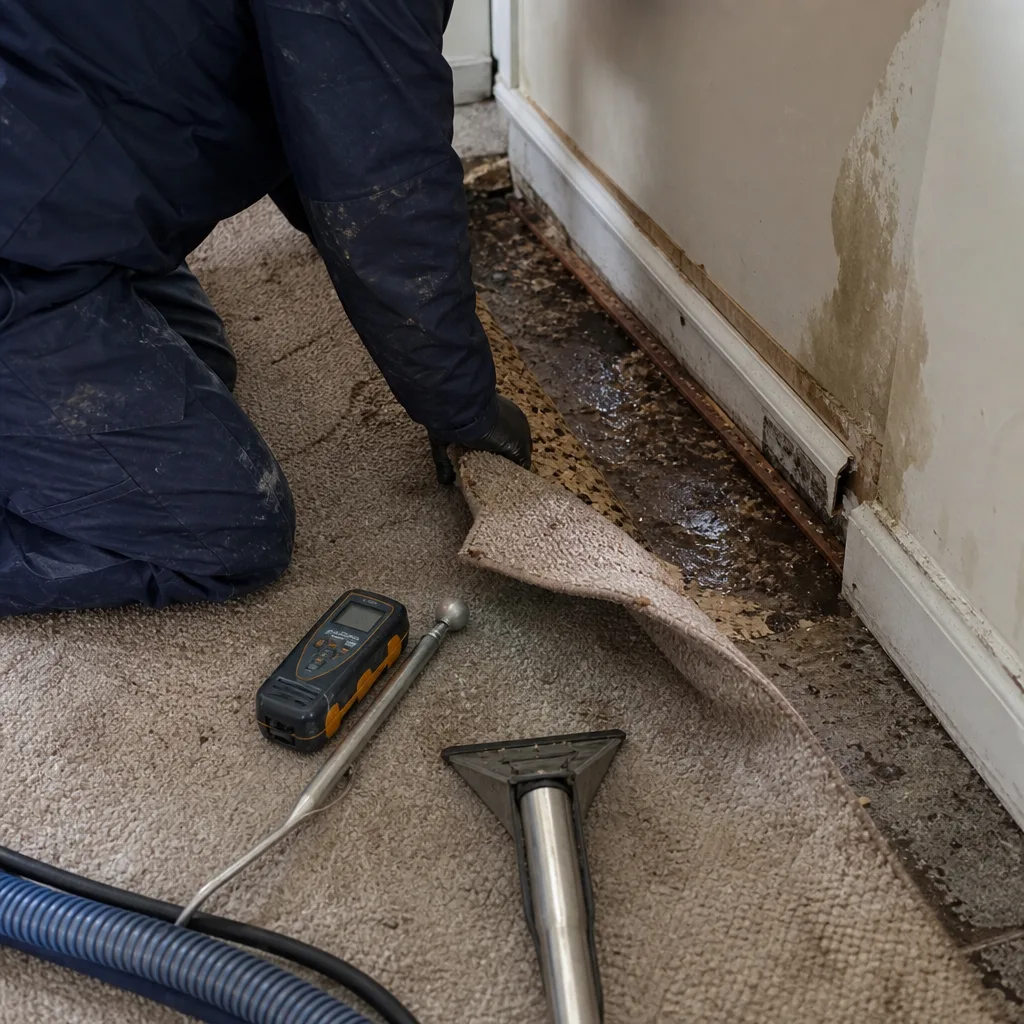
Lenox Hill, from the 60s to the low 70s east of Park Avenue, packs high-rise co-ops with uniformed doormen and strict contractor access protocols. A fire here means coordinating with building staff before our trucks reach the curb, and our pre-established relationships with managing agents on Lexington and Third Avenue properties cut response delays that otherwise cost hours. Carnegie Hill, in the 90s near the Guggenheim and Cooper Hewitt, mixes landmark-protected limestone rowhouses with mid-century buildings, each requiring different approaches to plaster repair and finish matching. Yorkville, east of Third Avenue, contains more post-war construction but still hosts significant pre-war stock with the same horsehair plaster and steam heat systems, plus newer buildings where synthetic materials produce toxic smoke residues requiring specialized PPE and cleaning protocols. The Fifth and Madison corridor, from the 50s through the 80s, represents the densest concentration of ultra-luxury co-ops in the city, where a single fire can affect units valued collectively in the eight figures and where board approval processes for any interior work are exacting. We know which buildings require certificate of insurance addenda, which managing agents need same-day written scopes, and which doormen will hold freight elevators for emergency equipment.
Specialized Fire & Smoke Damage Restoration Services We Offer in Upper East Side
Fire Damage Cleanup
We remove debris, damaged materials, and contaminated finishes with contained work zones that prevent cross-contamination to unaffected units, critical in Upper East Side buildings where shared HVAC risers can spread particulates floor-to-floor. Every removal gets photo-documented for the proprietary lease record.
Smoke & Soot Removal
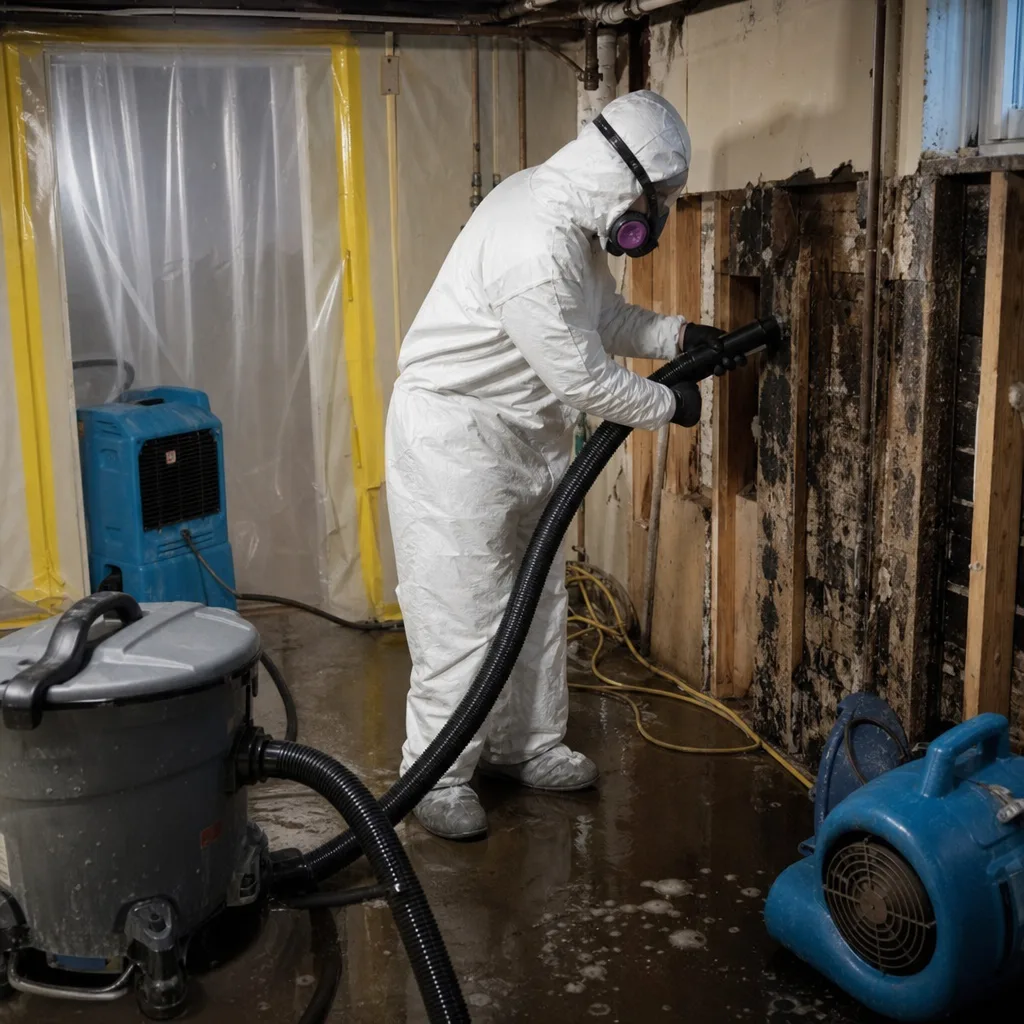
Different fuels produce different soot: synthetic materials create oily, acidic residues that etch stone and metal within hours; natural materials leave dry, powdery deposits. We identify soot type before selecting cleaning chemistry, then test on hidden surfaces before treating visible areas. For Upper East Side’s pre-war interiors, this precision prevents the finish damage that replacement would cost tens of thousands to replicate.
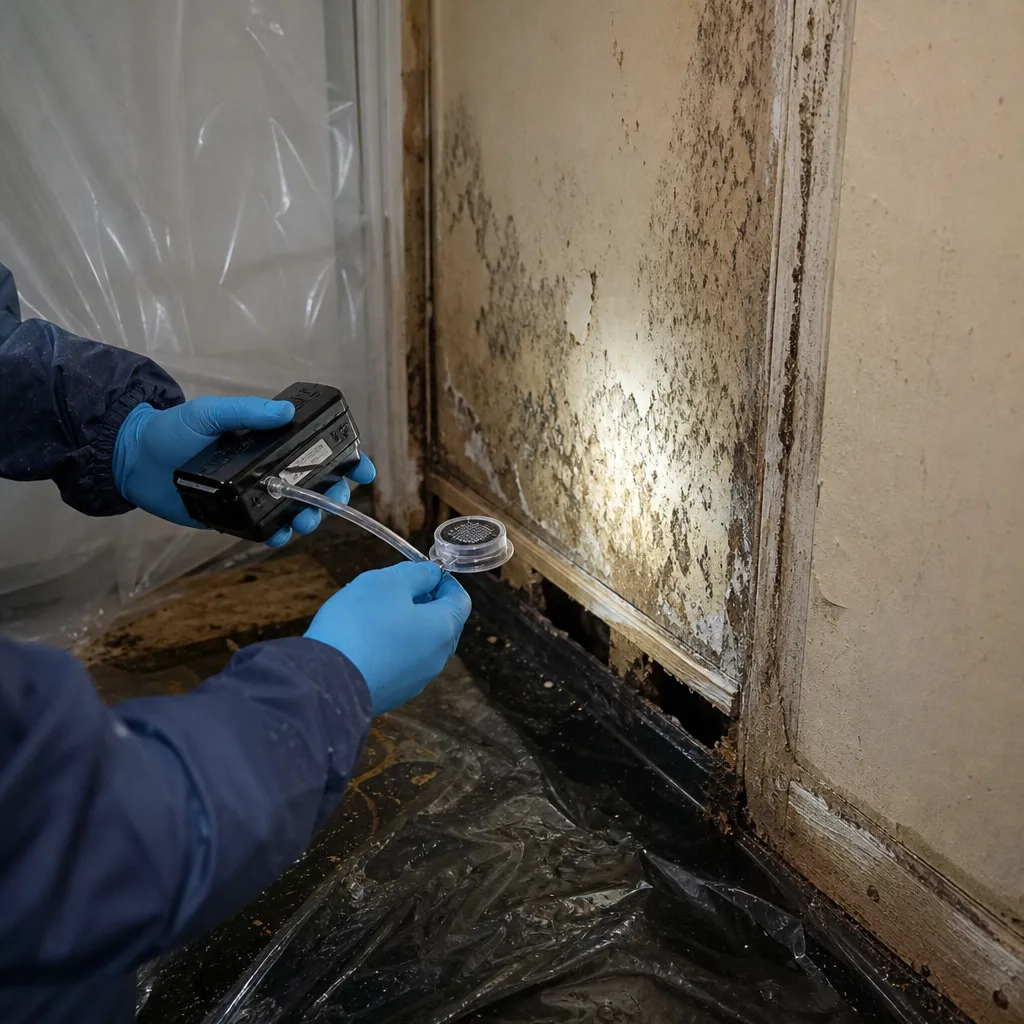
Odor Removal & Deodorization
Horsehair plaster and original wood millwork absorb odor compounds at depths that surface cleaning cannot reach. We combine thermal fogging for void spaces, hydroxyl generators for occupied areas, and penetrating sealants for irreplaceable substrates, measuring progress with calibrated olfactometry rather than guessing. This is where standard crews fail in Upper East Side buildings, and where our documentation proves the work was done to completion.
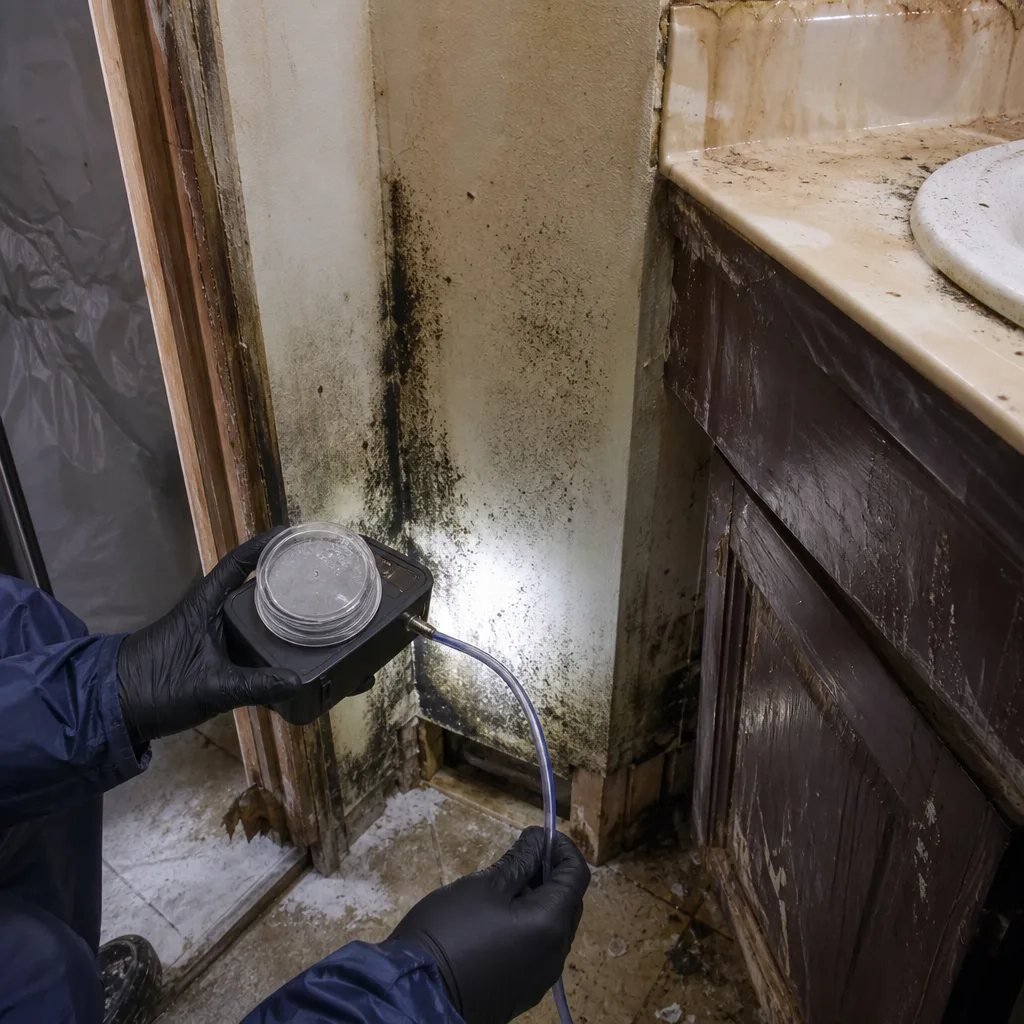
Contents Cleaning & Pack-Out
Custom furnishings, art collections, and built-in cabinetry receive inventory, photographic condition documentation, and transport to our secure cleaning facility. Items return with individual condition reports, and high-value pieces get specialist referral when appropriate. In co-op buildings where elevator access is time-restricted, we coordinate with building staff to protect both contents and common areas.
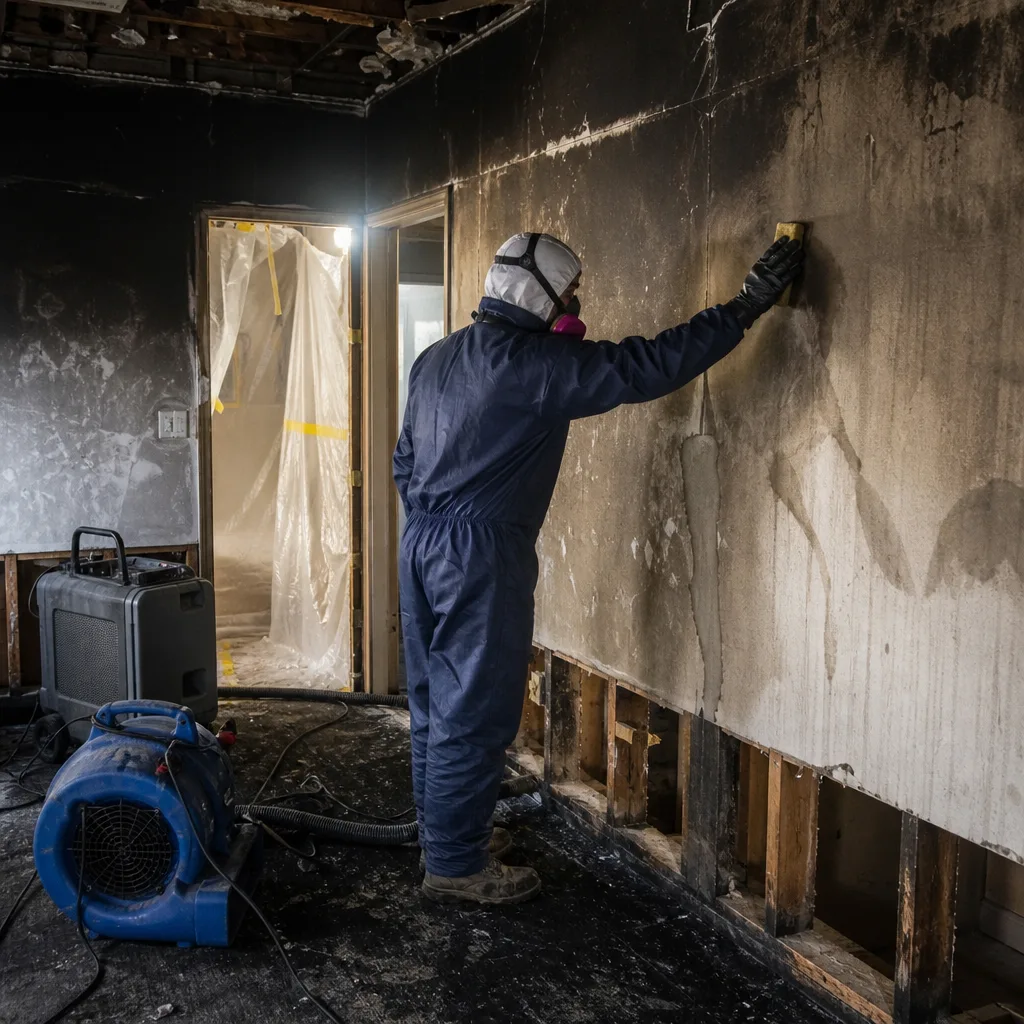
Emergency Board-Up & Tarping
Broken windows and compromised roofing get secured with materials that match building aesthetic requirements where possible, and always with fire-rated assemblies where code applies. We photograph every pre-existing condition and deliver the documentation to managing agents within hours, satisfying the notification requirements that Upper East Side co-op boards enforce.
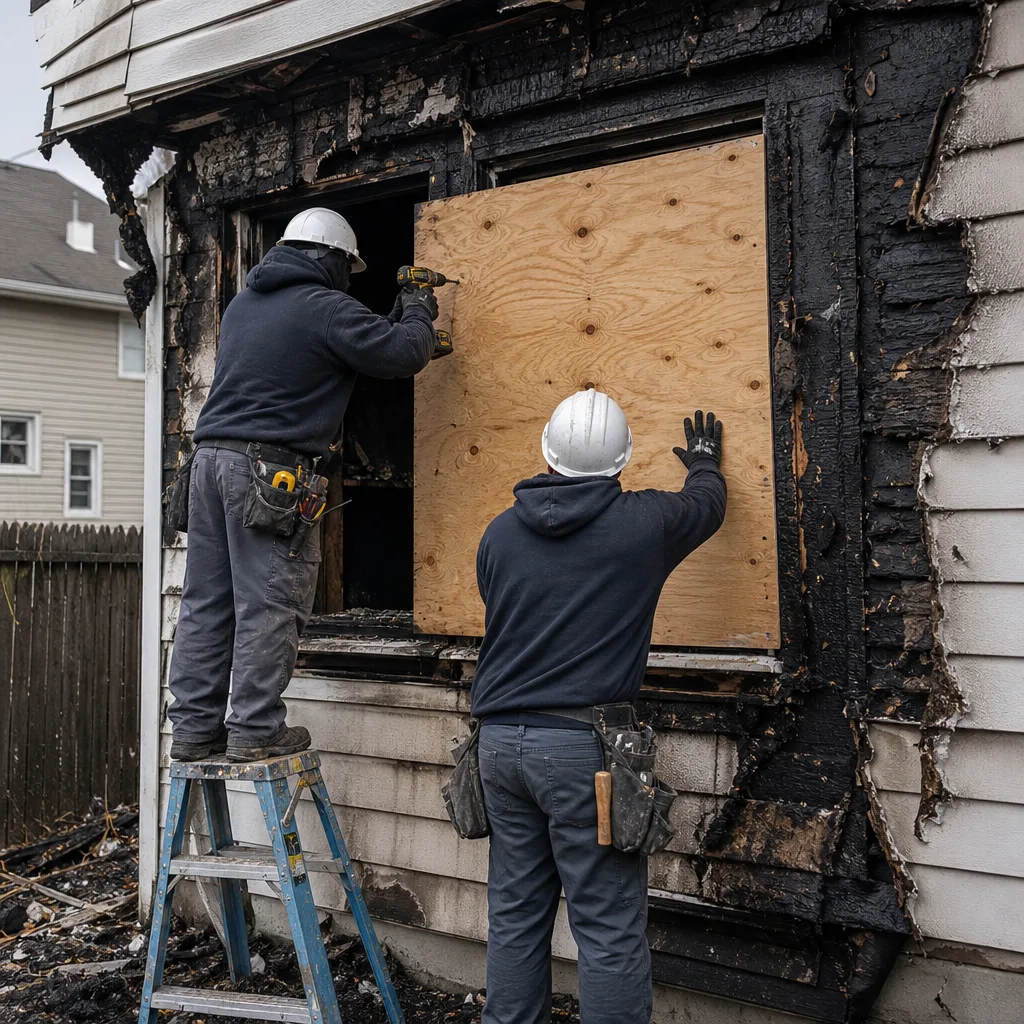
Structural Fire Repair
Final reconstruction matches original materials and profiles, not modern substitutes. We source matching plaster crown moldings, replicate herringbone parquet patterns, and coordinate with pre-approved finish carpenters when co-op rules require. The result passes board inspection and preserves the architectural integrity that defines Upper East Side value.
What happens when you call
- 1
A real person answersNo phone trees - you reach a local pro.
- 2
You get an upfront price rangeHonest numbers before anyone is dispatched.
- 3
A background-checked tech heads outLicensed & insured, dispatched right away.
- 4
You approve before work beginsNothing starts until you say go.
Fire & Smoke Damage Restoration Costs in Upper East Side, NY
Emergency board-up and tarping in Upper East Side runs $450-$1,200 depending on access complexity and building height. Smoke and soot removal for a single affected room typically costs $1,800-$3,400. Full structural fire repair in pre-war co-ops with custom finishes ranges $8,500-$22,000, with Carnegie Hill limestone rowhouses and Fifth Avenue classic six apartments at the higher end due to material matching requirements. Odor removal and deodorization adds $1,200-$2,800 when thermal fogging and hydroxyl treatment are required for deep absorption in horsehair plaster. Contents pack-out and cleaning runs $800-$2,400 depending on volume and specialty items.
What moves the price: square footage affected, soot type and penetration depth, water volume from suppression systems, accessibility constraints in buildings with freight elevator restrictions, and the material specificity required for pre-war finish matching. Insurance typically covers direct fire and smoke damage plus water from suppression systems; gradual deterioration that preceded the fire may be excluded. We deliver a written price before work starts, Haven Standard, Clause 1, and provide a free second opinion on any competitor’s written estimate.
We Also Serve Cities Near Upper East Side
Our crews respond from the New York City office to Upper East Side and surrounding neighborhoods including Astoria, Long Island City, Jackson Heights, and East Harlem. Each area carries distinct building stock and loss patterns, and we adjust our documentation and scope approaches accordingly.
Serving Upper East Side, NY - Our Local Coverage Area
We’re based in the Upper East Side area and know this community well. Use the map below to see our service coverage - if you’re nearby, we can almost certainly help.
Upper East Side Fire & Smoke Damage Restoration Questions, Answered
How does a fire in an Upper East Side pre-war co-op get scoped when the building owns the pipes and the shareholder owns the interior?
Every scope gets split into two documents: one for building-system damage that the co-op corporation’s master policy covers, and one for interior finish damage under the shareholder’s HO-6 policy.
We read the proprietary lease to determine the exact demarcation, which varies by building. Some leases assign in-wall electrical to the corporation; others stop at the junction box. Our written scope identifies each affected element by location and material, so the managing agent can approve the building portion independently and the shareholder can submit the interior portion to their carrier. Without this separation, work stalls while parties dispute responsibility. Call (862) 281-7710 and we’ll review your lease’s damage provisions during the free inspection.
Can smoke odor really be removed from horsehair plaster and original millwork without replacing them?
Yes, in most cases, through a combination of deep cleaning, controlled thermal fogging, and penetrating sealants that lock remaining odor compounds below the surface.
Horsehair plaster is porous but stable; its irregular surface traps soot particles that HEPA vacuuming and solvent cleaning can reach when access holes are strategically placed. Original millwork responds to enzyme treatments followed by hydroxyl generator exposure over 48-72 hours. We document odor reduction with calibrated sensors, not subjective smell tests, so boards and insurers have objective proof of completion. Replacement is reserved for structurally compromised or severely charred material. For a specific assessment of your plaster and wood condition, call (862) 281-7710 for a free inspection.
What should we do first if a fire sprinkler or extinguisher discharge floods our co-op after a small fire?
Stop the water source if safely possible, then call us immediately at (862) 281-7710 while notifying your building superintendent or managing agent per your co-op’s emergency protocol.
Do not begin cleanup yourself: suppression water is Category 2 or 3 depending on system condition, and improper handling creates documentation gaps that insurers exploit. We extract water, map moisture migration through shared walls and floors, and begin drying before plaster saturation reaches irreversible levels. Our first visit includes photo documentation of all affected areas for the proprietary lease record and your insurance claim. The sooner we start, the more original material we can preserve.
How do you protect our custom finishes and contents during a smoke damage restoration?
We establish containment barriers with negative air pressure before touching anything, preventing cross-contamination to unaffected rooms and protecting common hallways that co-op rules require us to keep passable.
Contents receive room-by-room inventory with photo condition documentation, then pack-out to our secure facility for specialized cleaning. Custom finishes get tested in concealed areas before any cleaning agent touches visible surfaces. For irreplaceable elements, we consult with your preferred finish specialist or coordinate with board-approved contractors. The photo record we produce documents pre-existing condition, protecting you from disputes about whether damage predated the fire. Call (862) 281-7710 to discuss protection protocols for your specific finishes.
Will the restoration work need to be approved by our co-op board, and how does that affect timing?
Yes, nearly all Upper East Side co-ops require board or managing agent approval for any contractor entry, emergency work scope, and final completion sign-off.
We accelerate this process by delivering same-day written scopes with photo documentation in the format managing agents expect, and by maintaining pre-established relationships with many Upper East Side building management companies. Emergency board-up typically gets approved by phone or email within hours; full restoration scopes may require board meeting review, which we accommodate by scheduling work in phases that address immediate stabilization first. Our documentation package includes certificate of insurance, license verification, and material safety data sheets that boards routinely request. For buildings with which we have no prior relationship, we contact the managing agent before our crew arrives to introduce our documentation standards and expedite access.
How quickly can your crew actually get to an Upper East Side address?
We commit to a 45-minute response window for Upper East Side emergency calls, and our New York City office dispatches crews without the interstate delays that outer-borough companies face.
Actual arrival depends on traffic conditions on the FDR Drive, Park Avenue, or cross-street routes, but we confirm estimated arrival when you call and update if conditions change. For buildings with freight elevator restrictions or doorman notification requirements, we coordinate access en route so no time is lost at the curb. Live dispatch at (862) 281-7710 tracks crew location and gives you real-time updates.
Is fire and smoke damage restoration in Upper East Side more expensive than in other NYC neighborhoods?
Yes, typically 15-30% above borough averages due to material specificity, access constraints, and documentation requirements.
Pre-war finish matching costs more than standard drywall replacement. Co-op access rules extend labor hours. And the dual-scope documentation we provide for proprietary lease compliance adds preparation time that generic crews skip. However, these costs are largely insurance-covered when documentation is proper, and our written price before work starts prevents the scope-creep additions that make cheap initial bids expensive later. We also provide a free second opinion on any competitor’s written estimate. Call (862) 281-7710 to compare.
What certifications do your fire and smoke restoration technicians carry?
Our lead technicians hold IICRC-FSRT, Fire and Smoke Restoration Technician, certification with additional WRT, Water Damage Restoration Technician, credentials for the suppression-water component universal in fire losses.
All technicians are background-checked, uniformed, and licensed, with license numbers provided on request. Work is documented to IICRC, RIA, and IFA standards, producing the daily logs and photo records that insurers and co-op boards require. Equipment includes professional-grade systems from Dri-Eaz, Phoenix, and Injectidry, maintained to manufacturer specifications. We do not deploy uncertified labor on fire losses, the documentation gaps they create cost more than proper certification ever could. For verification of current credentials, call (862) 281-7710.
Fire and smoke damage in Upper East Side’s pre-war buildings demands more than standard restoration. It requires understanding how co-op governance shapes every scope, how horsehair plaster and original millwork respond to specialized treatment, and how documentation must satisfy both insurers and managing agents before work begins. Our Fire & Smoke Damage Restoration team has handled these losses since 2011, building the processes that turn complex claims into completed restorations with board approval intact.
Call (862) 281-7710 now for a free visual inspection and written price before any work starts. We answer live twenty-four hours a day, seven days a week.
Written by Alicia Brennan, Owner at DryMark Restoration Astoria, serving Upper East Side since 2011 under The Haven Standard.
Fire & Smoke Damage Restoration in Nearby Areas