
Last updated September 23, 2026
Free visual inspection and a written scope of work before any mitigation begins - photos, moisture readings, and drying logs go in your claim file
The scope we write is the scope we bill. Anything new gets shown to you, in writing, before we touch it.
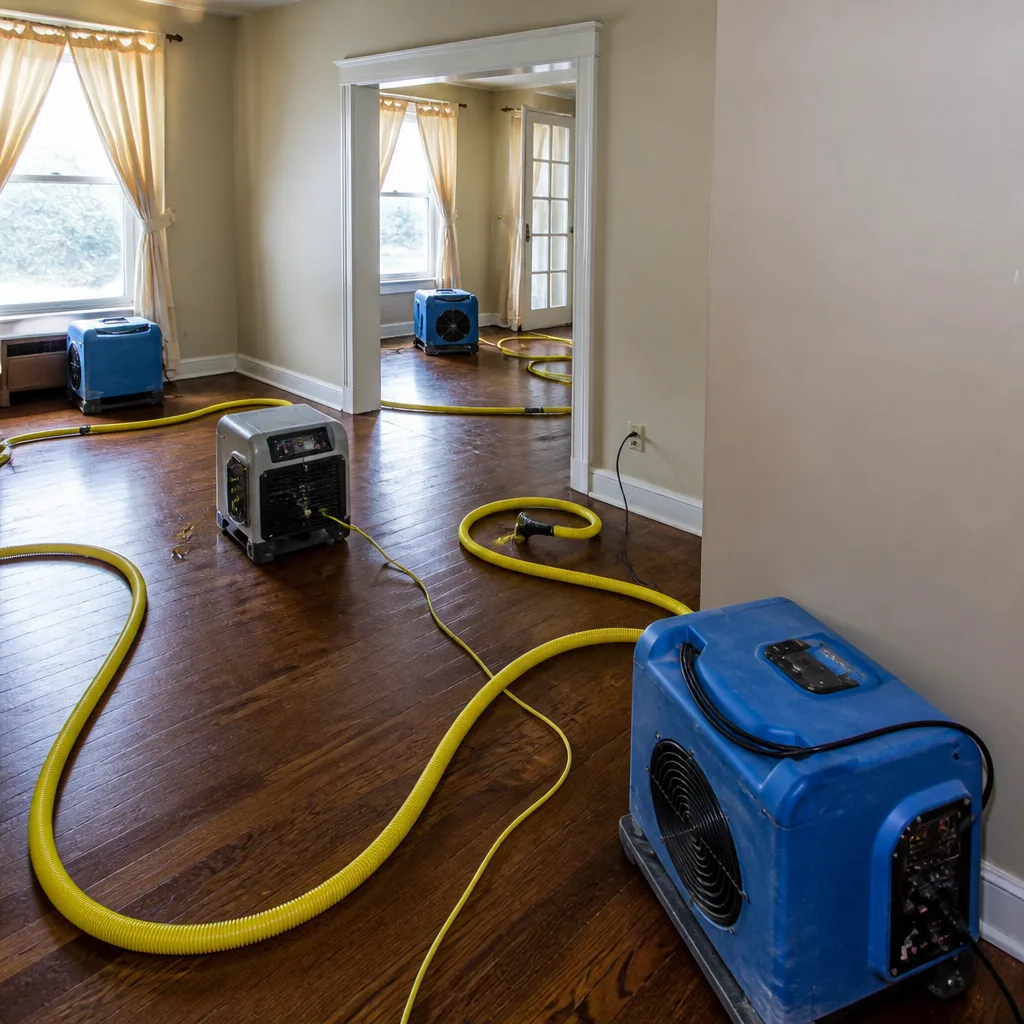
Storm response
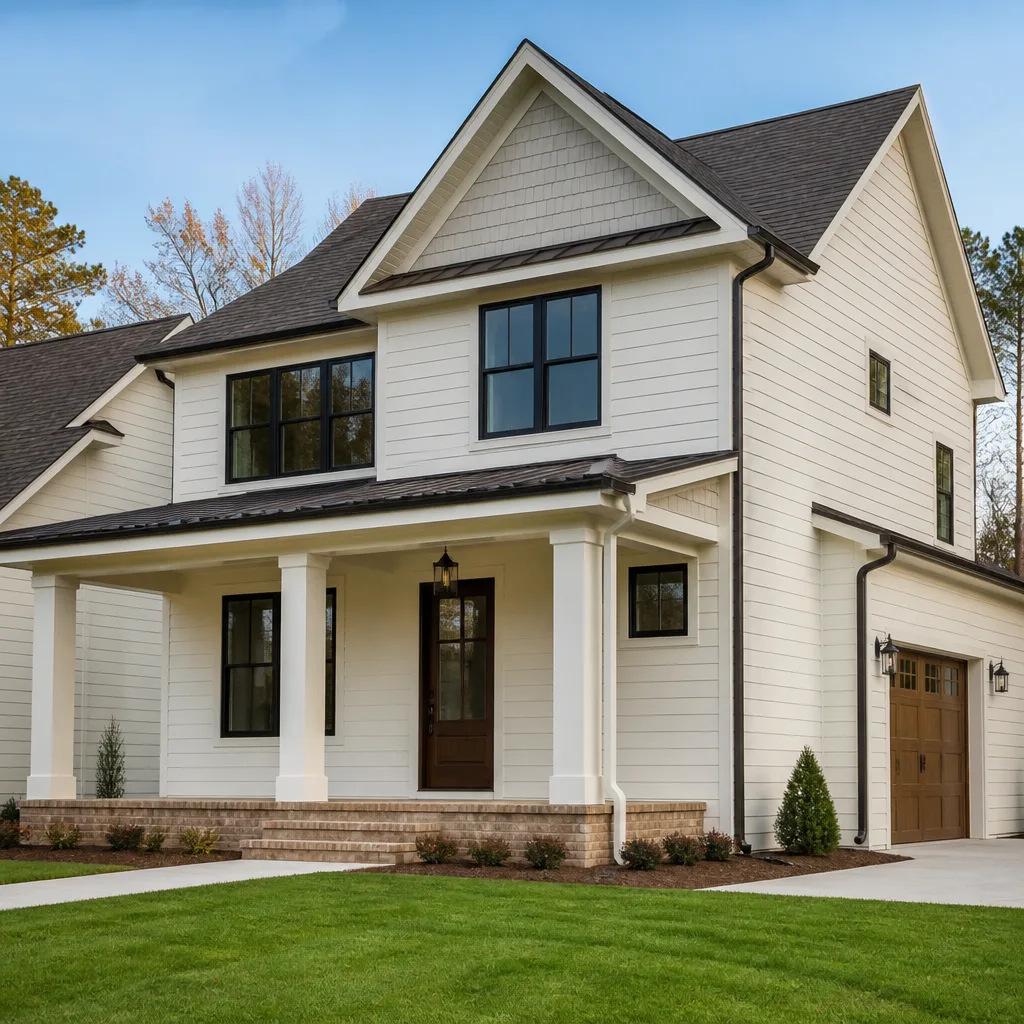
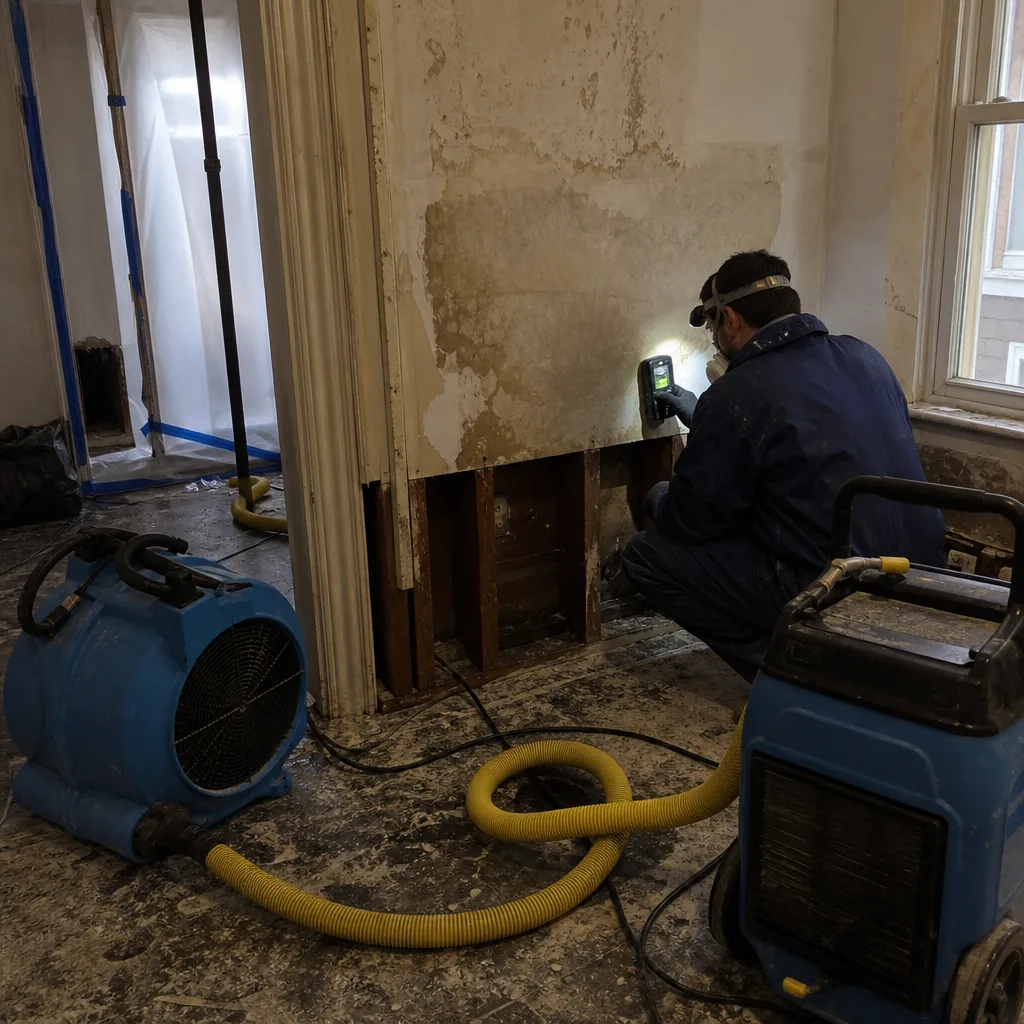 Before
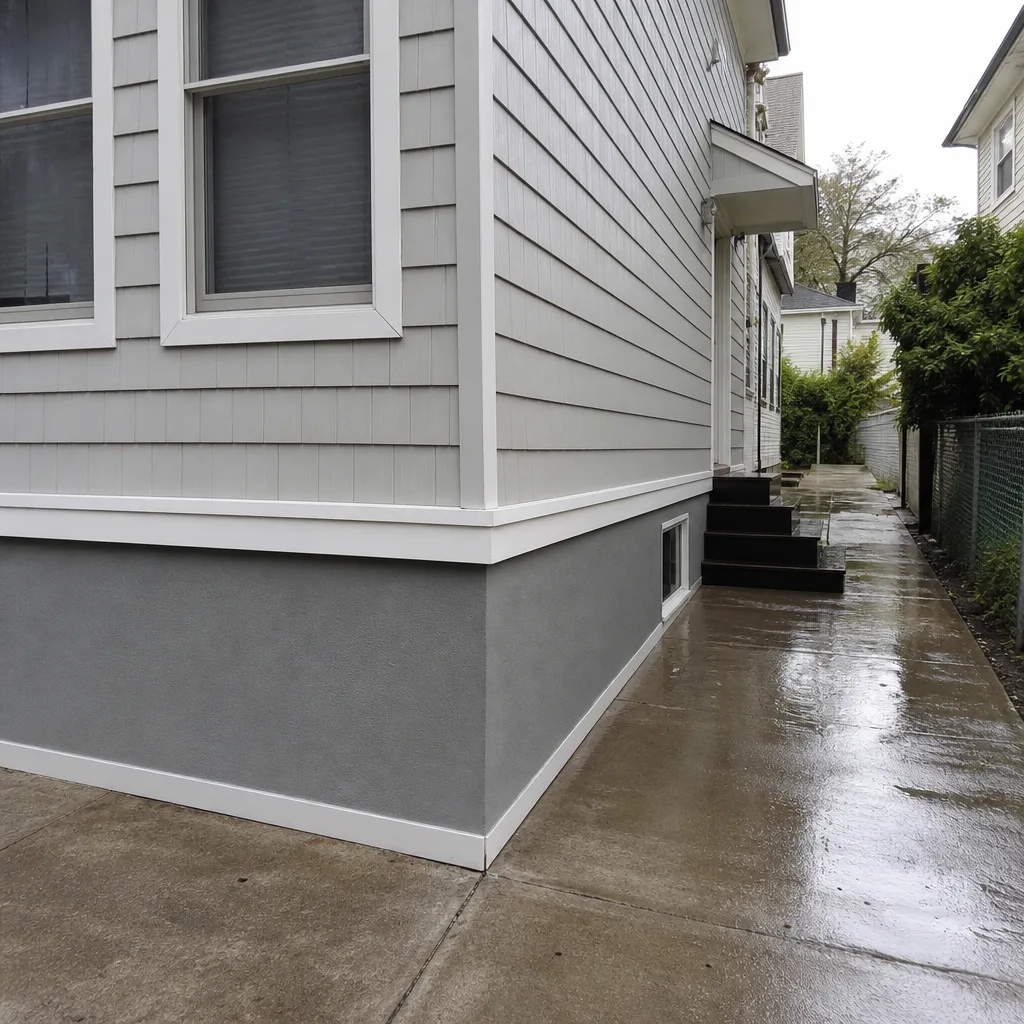 After
After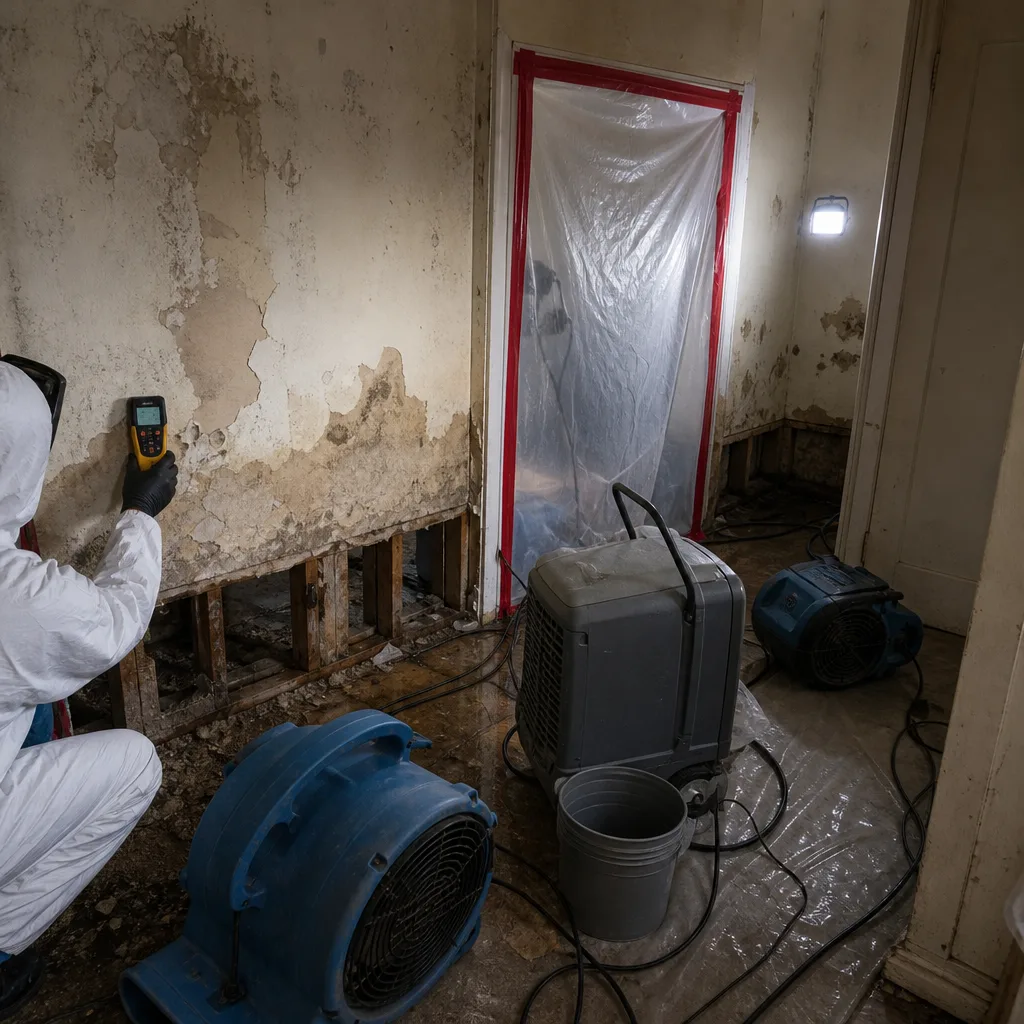 Before
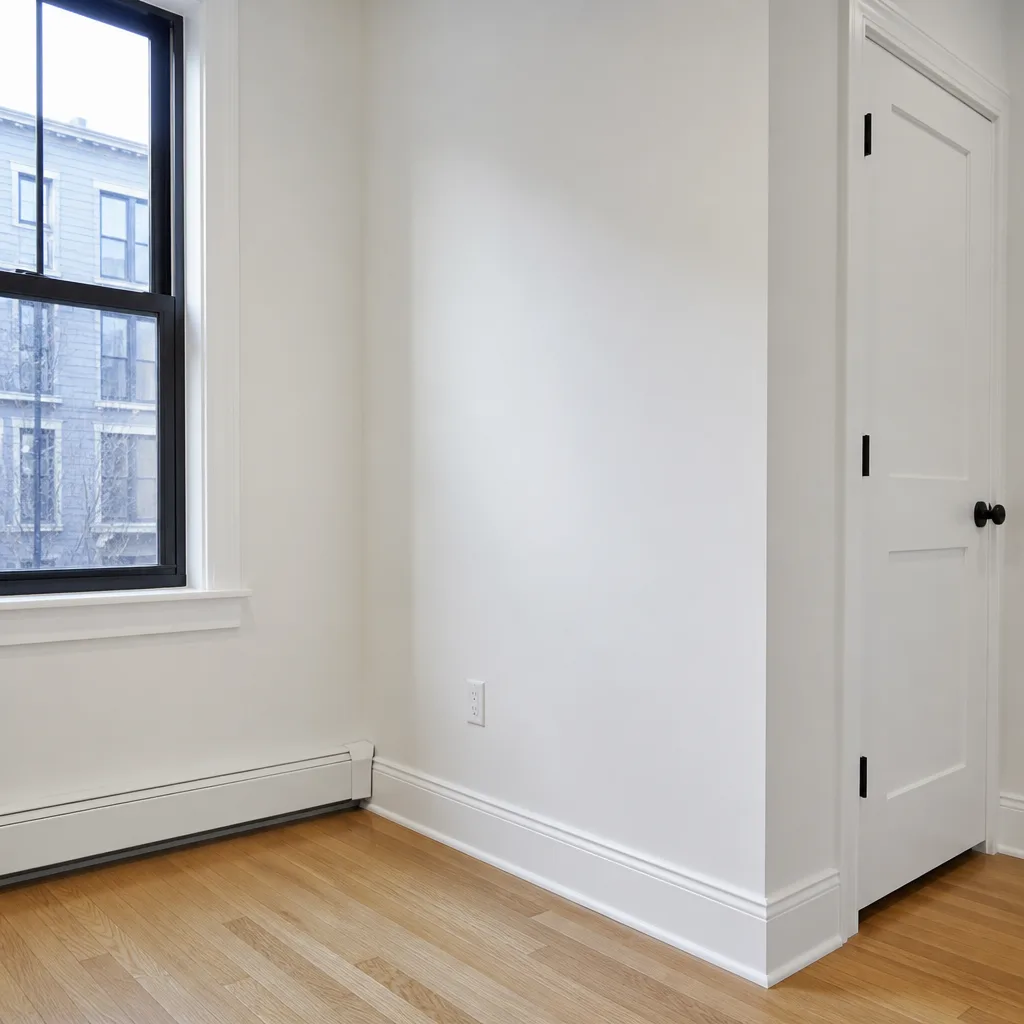 After
After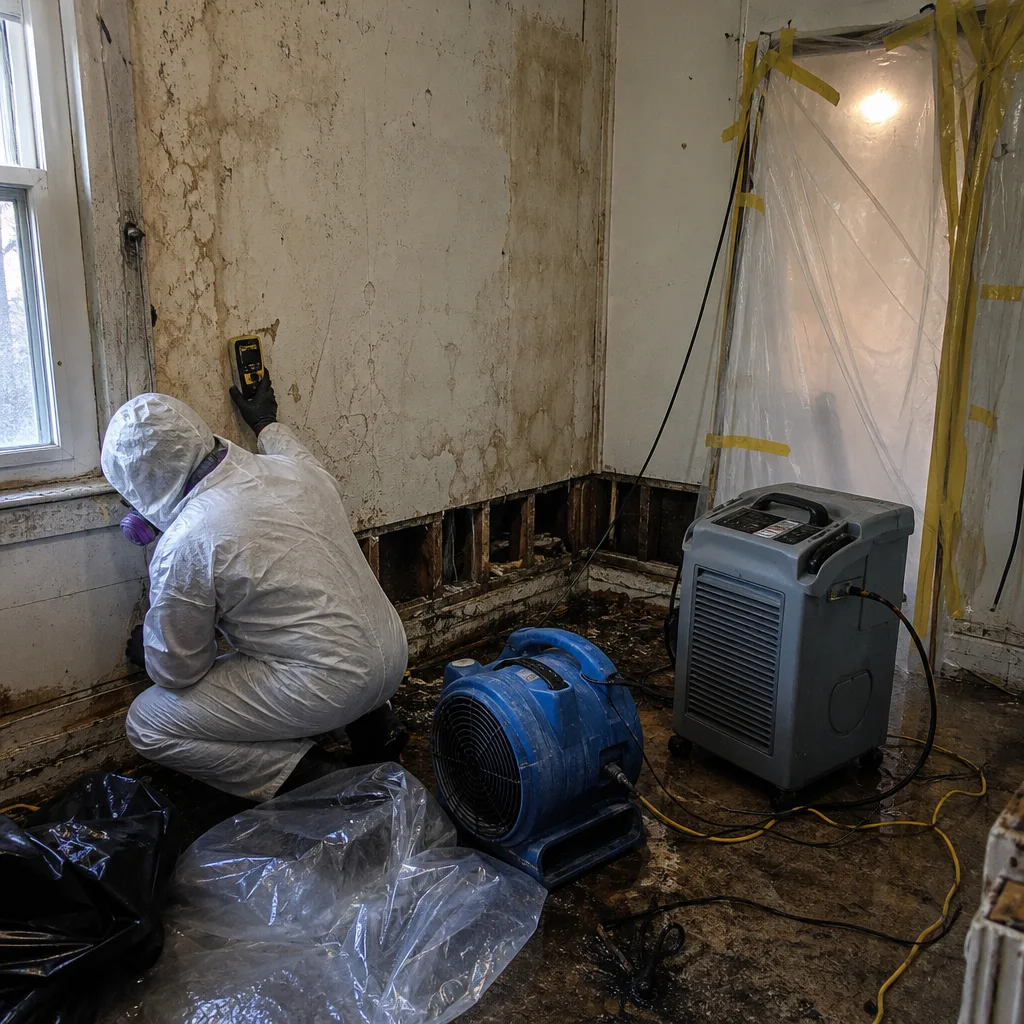 Before
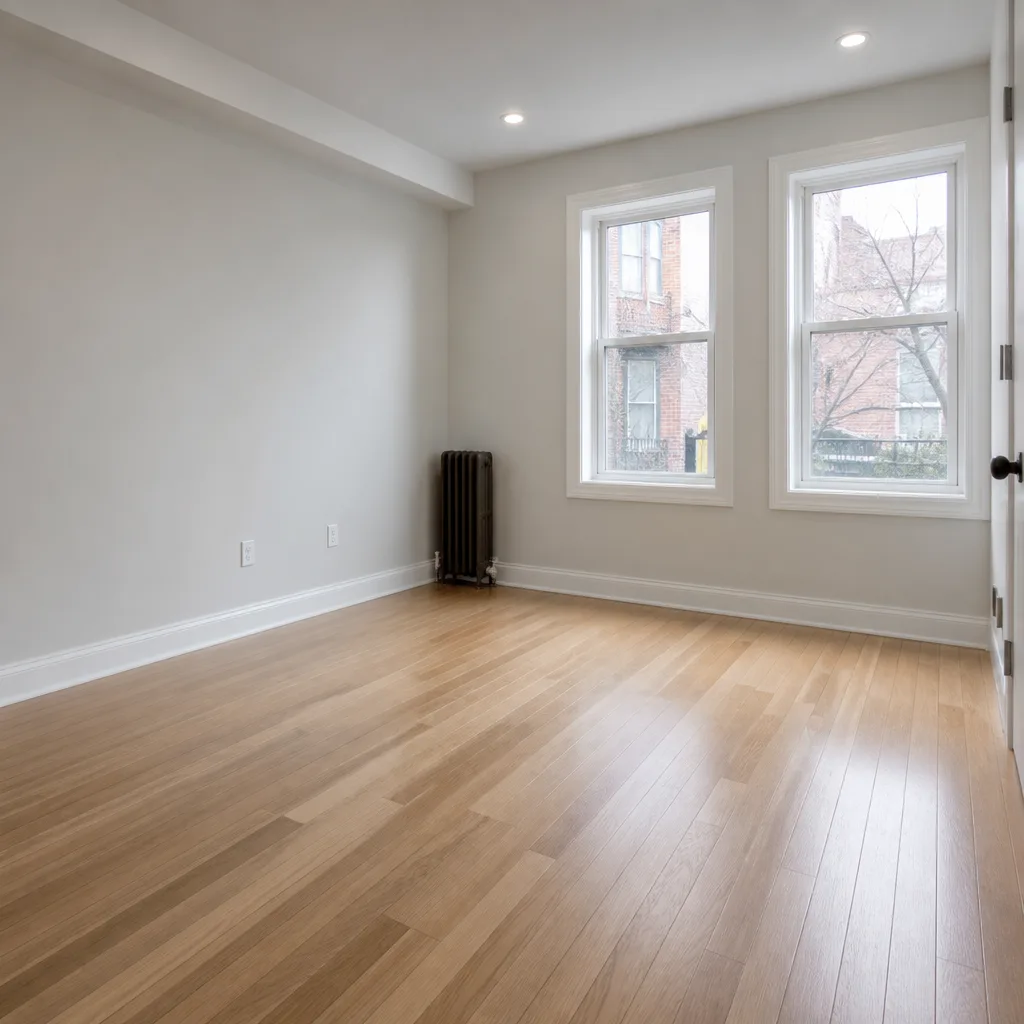 After
AfterHow to Hire a Damage Restoration Contractor in Astoria: A Step-by-Step Guide
Most Astoria homeowners choose their restoration contractor at 11 PM with two inches of water spreading across their kitchen floor. That timing is not an accident for the industry. Several large restoration franchises operating in Queens maintain approved-vendor relationships with specific insurers, meaning the contractor who answers your emergency call may be contractually incentivized to scope your loss at a number the insurer finds acceptable, not the number that fully restores your property. This Complete Guide to Damage Restoration in Astoria gives you the vetting criteria to use before that moment arrives. You’ll learn the three documents that separate a contractor who documents for your claim from one who documents for theirs, how to verify certifications in thirty seconds, and what to do in the first hour of a water event that preserves your right to hire whoever you choose.
Quick Answer
Hiring a damage restoration contractor in Astoria means finding a company that provides a written line-item estimate before work starts, carries insurance naming you as additional insured, and produces daily drying logs with material-specific moisture readings. Verify IICRC S500 certification through the IICRC online directory (thirty seconds), request a sample drying log from a previous job, and never sign an authorization form containing assignment of benefits language. The contractor you want treats documentation as the product, not an afterthought.
Table of Contents
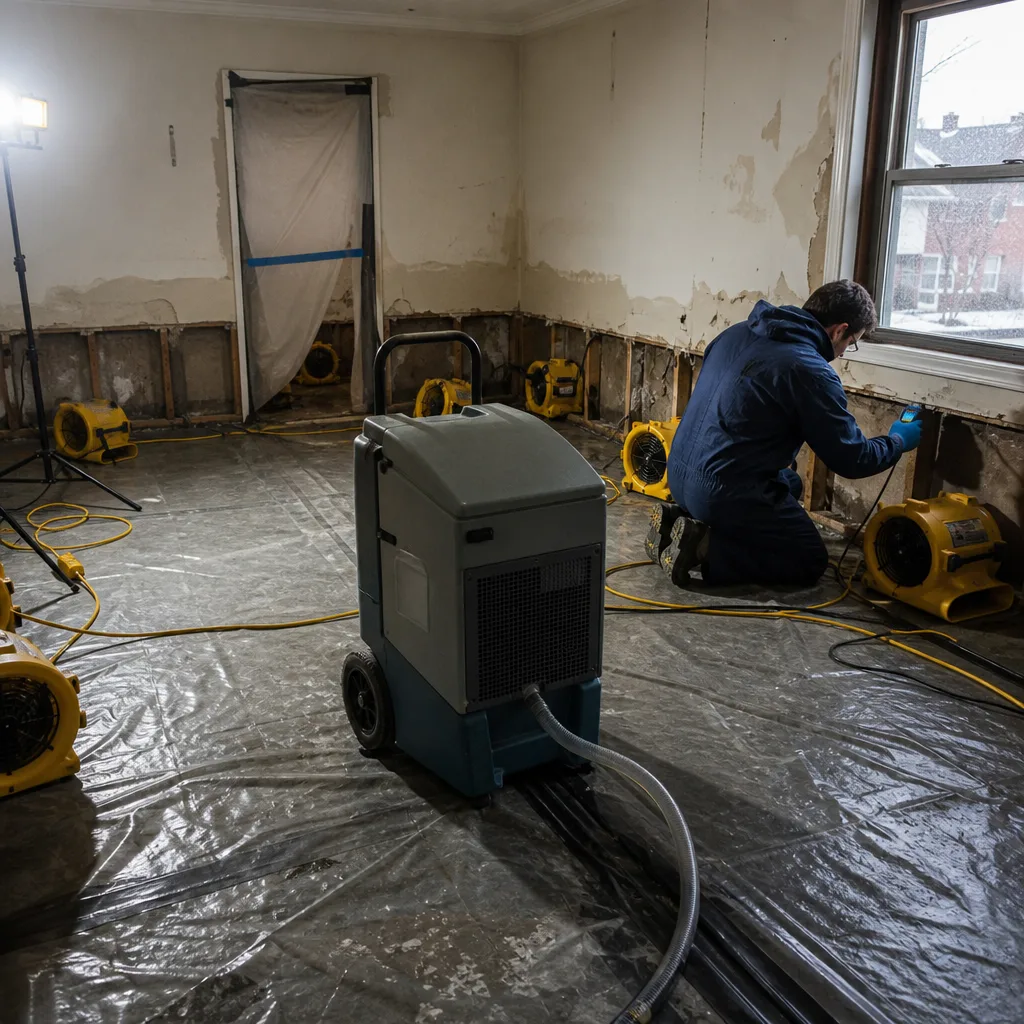
- What to Do in the First 60 Minutes of a Water Event
- The Three Documents to Request Before Signing Anything
- How to Verify IICRC and Industry Certifications in 30 Seconds
- How to Read a Moisture Reading Printout
- Red Flags in Contractor Communication and Contracts
- Astoria-Specific Considerations: Climate, Codes, and Building Stock
- What Restoration Costs in Astoria and How to Read an Estimate
- Common Mistakes to Avoid
- When to Call a Professional
- Frequently Asked Questions
- The Bottom Line
BeforeAfterWhat to Do in the First 60 Minutes of a Water Event
The actions you take in the first hour determine whether you retain the ability to hire the contractor of your choice, or whether you become locked into an emergency dispatch relationship before you’ve had time to evaluate your options.
Water moves fast in Astoria’s older housing stock. The pre-war brick and frame buildings that define neighborhoods like Ditmars Steinway and Old Astoria have plaster-and-lath walls, hardwood floors installed directly on sleepers, and limited vapor barriers. Water follows the path of least resistance: down through floor joist bays, along party walls shared with adjacent buildings, and into the basements that serve as utility and storage space for many Astoria homes. Every minute of delay expands the affected square footage and the category of water damage, which directly impacts what your insurance policy will cover-see our Water Damage Restoration Maintenance Checklist for Astoria Homeowners for proactive steps.
Here is what to do, in order:
- Stop the source if you can do so safely. Shut off the main water valve, typically located in the basement or a utility closet. If the source is a backed-up sewer line, do not attempt to clear it yourself. Category 3 water carries pathogens; exposure without proper PPE creates health liability that can complicate your claim.
- Document everything with photos and video before moving anything. Capture standing water levels, affected materials, and the source. Insurance adjusters begin with the photos you took; if you clean up before documenting, you are asking the adjuster to trust your description rather than your evidence.
- Call your insurance company’s claims line and request a claim number. You are not required to use their preferred vendor list. In New York, you have the right to choose your own contractor. Request that the adjuster’s contact information be added to your claim file.
- Contact one or two restoration contractors for written estimates. Explain that you are gathering written scopes before authorizing work. Any contractor who pressures you to sign immediately is telling you something about their business model.
- Move sensitive valuables to a dry area if safe to do so. Do not enter standing water if electrical outlets or equipment are submerged. If you are unsure, wait for professional assessment.
The critical distinction: emergency mitigation (water extraction, stabilization, drying) is different from reconstruction (drywall replacement, flooring, painting). A contractor who performs both may bundle these phases in a single authorization form. Do not sign. Request separate written scopes for mitigation and reconstruction, each with line-item pricing. This separation preserves your ability to compare reconstruction bids and prevents a contractor from holding your property hostage with a single bundled authorization.
The Three Documents to Request Before Signing Anything
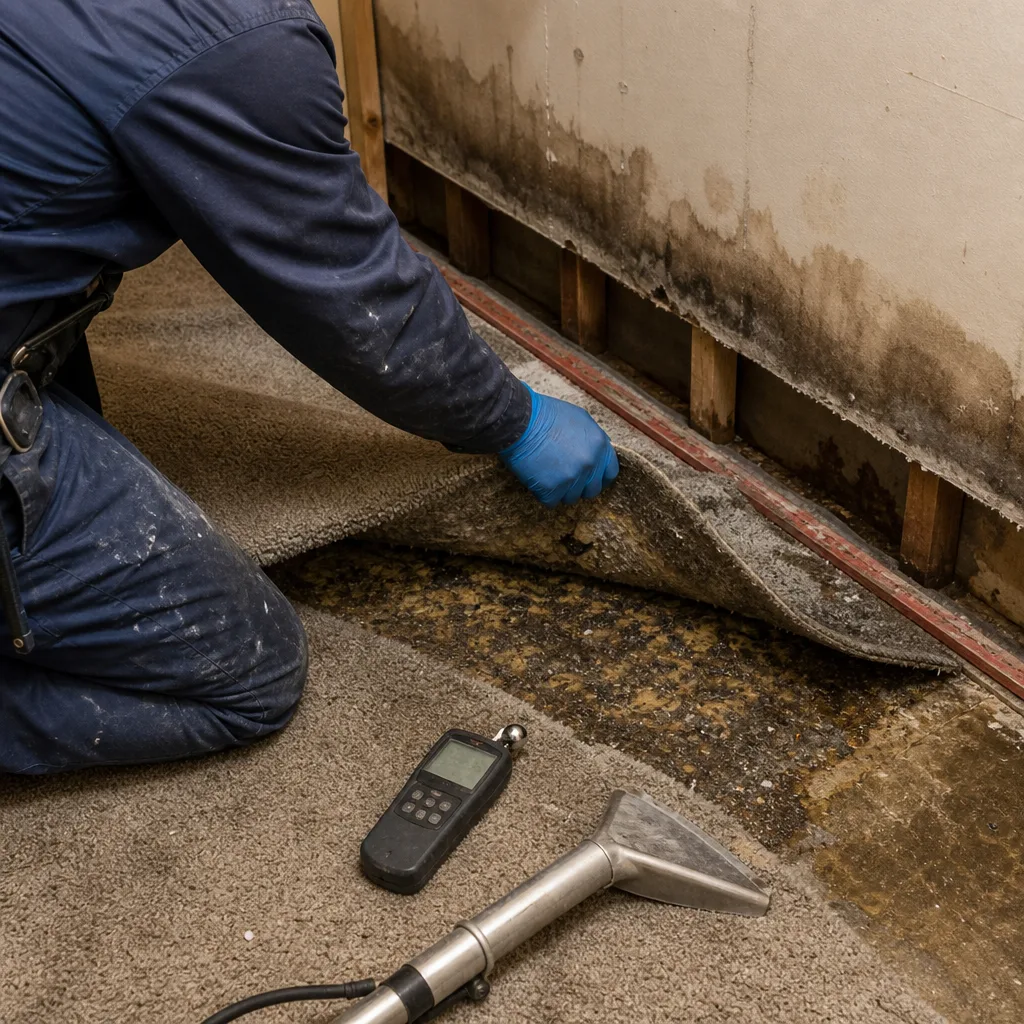
Every restoration contractor in Astoria will ask you to sign an authorization form. Before you do, request three specific documents. The contractor’s response to this request tells you everything about whose interests they serve.
Document 1: Written Line-Item Estimate
The estimate must list each discrete task with its associated cost: water extraction by square foot, dehumidifier rental per day, moisture monitoring visits, removal and disposal of affected materials by type. Not a single number. Not a range. Line items.
At DryMark Restoration Astoria home, we deliver this as Haven Standard, Clause 1: a written price before any work starts, every time, with no exceptions. The clause exists because we have seen what happens when homeowners sign open-ended authorizations. A $2,400 emergency dispatch becomes a $14,000 invoice with no itemization, and the homeowner is left negotiating with an adjuster who has no basis to approve individual charges.
Request the estimate in writing, with a signature line for both parties. Verbal pricing is not pricing. It is a promise with no address.
Document 2: Certificate of Insurance Naming You as Additional Insured
General liability insurance protects the contractor. A certificate naming you as additional insured protects you. If a technician is injured on your property, or if drying equipment causes a fire, you want your name on that certificate.
Request the certificate directly from the contractor’s insurance broker, not from the contractor. This takes one email and prevents the common practice of presenting expired or fraudulent certificates. The certificate should show:
- General liability coverage of at least $1,000,000 per occurrence
- Workers’ compensation coverage (mandatory in New York for companies with employees)
- Your name and property address listed as additional insured
- A policy effective date that covers your project period
Document 3: Sample Daily Drying Log from a Previous Job
This is the document that separates contractors who understand insurance from those who hope the adjuster will not ask. A proper drying log records:
- Date and time of each visit
- Technician name and certification number
- Equipment deployed by serial number (Dri-Eaz, Phoenix, or equivalent)
- Moisture content readings for each affected material, by room
- Psychrometric data: temperature, relative humidity, and specific humidity
- Adjustments made to equipment and the reason for each adjustment
- Target moisture content and actual readings at completion
Ask for a sample with identifying information redacted. A contractor who cannot produce this document is not producing the evidence your insurer needs to pay your claim without dispute. At DryMark Restoration Astoria, every job includes a documented photo record on every visit and daily moisture logs that meet IICRC, RIA, and IFA standards. These logs are your evidence in a coverage dispute, not the contractor’s marketing material.
How to Verify IICRC and Industry Certifications in 30 Seconds
IICRC S500 is the standard reference guide for professional water damage restoration. Adjusters reference it by name in dispute letters. Attorneys cite it in coverage litigation. It is not a membership badge; it is a technical standard that defines what constitutes proper drying, how to classify water damage, and what documentation satisfies professional practice.
Here is how to verify a technician’s IICRC certification:
- Ask the contractor for the technician’s full name and IICRC certification number.
- Visit iicrc.org and navigate to the “Verify Certification” tool.
- Enter the certification number. The system returns the technician’s name, certification type (WRT for Water Damage Restoration Technician, ASD for Applied Structural Drying, etc.), and expiration date.
The entire process takes less than thirty seconds. A contractor who hesitates to provide certification numbers is telling you something. In our experience at DryMark Restoration Astoria, technicians who have invested in IICRC WRT, ASD, and AMRT (Applied Microbial Remediation Technician) certifications maintain them because they understand that proper documentation starts with proper training.
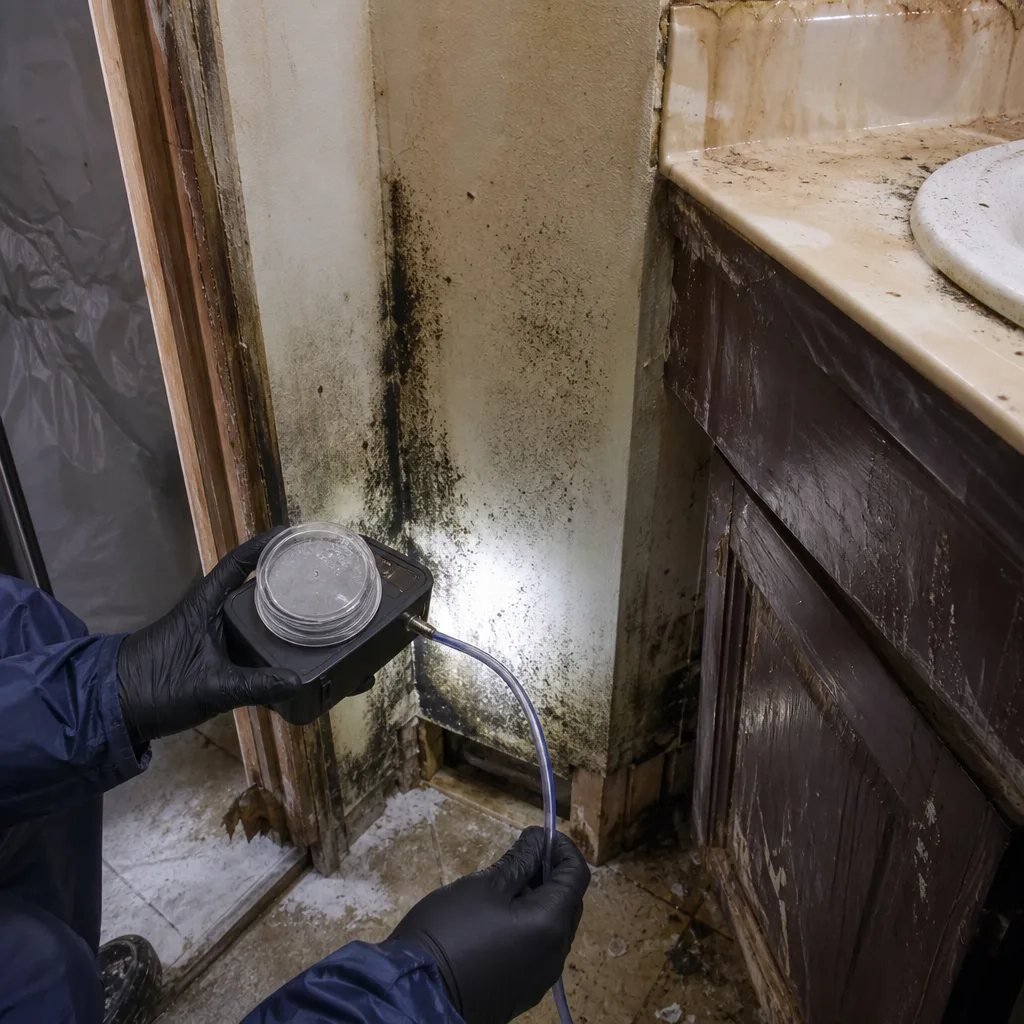
Also relevant: RIA (Restoration Industry Association) certification indicates participation in a professional community with continuing education requirements. IFA (Indoor Air Quality Association) certification matters specifically for mold remediation, which requires different documentation protocols than water damage. Not every job requires every certification, but the contractor should be able to match the certification to the work and explain why.
How to Read a Moisture Reading Printout
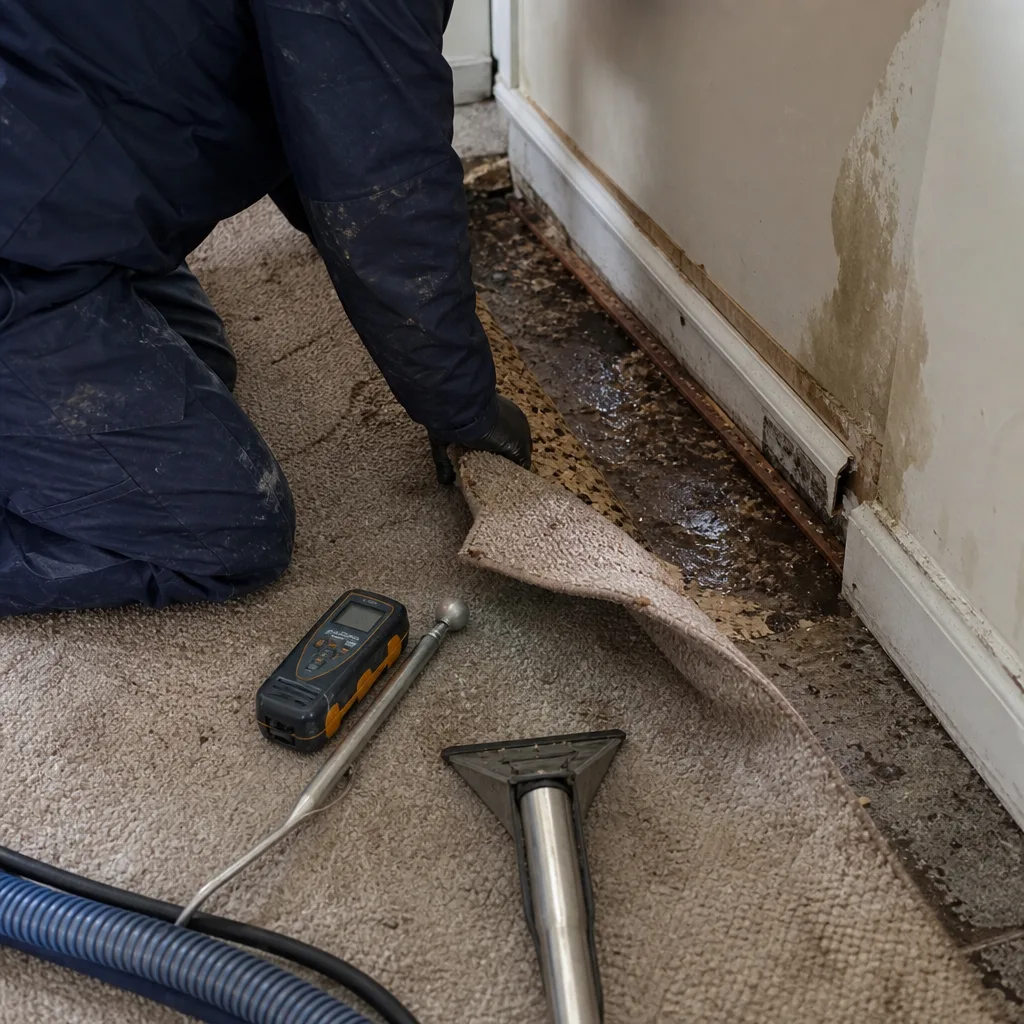
Moisture readings are the currency of water damage claims. A contractor who shows you a printout of numbers without explaining what they mean is asking for your trust without earning it. Here is what to look for.
Material moisture content vs. ambient readings. The critical distinction. Material moisture content measures the actual water held in wood, drywall, or concrete, expressed as a percentage of the material’s dry weight. Ambient readings measure temperature and relative humidity in the air. Both matter, but material moisture content determines when a structure is actually dry, not just when the air feels dry.
A proper printout shows:
- Baseline readings from unaffected areas of the same material type. Dry oak flooring in Astoria typically measures 6-10% moisture content. Your contractor should establish this baseline before drying begins.
- Daily readings from each affected room, mapped to a floor plan or room identifier.
- Target moisture content for each material, based on established drying standards.
- Equipment adjustments correlated to reading changes. If dehumidifier capacity increased on day three, the log should show why: readings plateaued, vapor pressure differential declined, or secondary damage risk emerged.
Psychrometric data is the study of air and moisture relationships. Your contractor should record temperature, relative humidity, and specific humidity at each visit, then explain in plain language whether the drying environment is improving. A room at 72°F and 60% relative humidity is not drying effectively, regardless of how many air movers are running. The contractor should adjust equipment or building envelope conditions based on this data.
Vapor pressure differential is the force that drives moisture from wet materials into the air. When the differential is too low, drying stalls. This is common in Astoria basements during humid summer months, when outside air holds nearly as much moisture as the affected materials. A contractor who does not measure and report this differential is not managing the drying process; they are hoping for evaporation.
Request that your contractor walk you through the first day’s readings on site. If they cannot explain what the numbers mean and what they indicate about your specific drying project, you are not receiving professional service. You are receiving equipment rental with a clipboard.
Red Flags in Contractor Communication and Contracts
Certain phrases and contract structures appear repeatedly in disputes we have reviewed. Learn to recognize them.
Verbal-Only Pricing
Any estimate delivered by voice, text message, or email without line-item detail is not an estimate. It is a placeholder. Haven Standard, Clause 1 exists precisely to end this practice. A written price before work starts protects both parties: you know what you are authorizing, and the contractor knows what they are committing to deliver.
“We’ll Handle the Insurance Company”
This phrase signals a contractor who plans to negotiate your claim on your behalf, often without your direct involvement. In New York, public adjusting requires a separate license. A restoration contractor who offers to “handle” your insurer may be functioning as an unlicensed public adjuster, or worse, may have a direct billing arrangement that aligns their financial interest with the insurer’s, not yours.
The proper role of a restoration contractor is to document your loss thoroughly and present that documentation to your insurer. You retain control of the claim. The contractor works for you, not the insurance company.
Assignment of Benefits Clauses
Some authorization forms include language that transfers your insurance claim rights to the contractor. This is called assignment of benefits (AOB). Once signed, the contractor can negotiate directly with your insurer, sue your insurer in your name, and settle your claim without your consent. New York has no blanket prohibition on AOB in restoration contracts, but the practice is heavily restricted in many states for good reason.
Read every authorization form before signing. If you see language transferring “all rights, benefits, and causes of action” under your insurance policy, cross it out or refuse to sign. A legitimate contractor does not need your claim rights to perform restoration work.
Pressure to Sign Before Adjuster Arrival
Emergency mitigation is time-sensitive. It is not so time-sensitive that you cannot read a document. A contractor who tells you that waiting two hours for your adjuster will “ruin your house” is using fear to secure an open-ended authorization. In Astoria’s building stock, two hours of additional water exposure does not transform a Category 1 loss into a Category 3 loss. Proper documentation does transform a disputed claim into a paid claim.
No License Number on Documentation
New York City requires home improvement contractors to be licensed by the Department of Consumer Affairs. The license number must appear on all contracts and advertising. A contractor who omits this number, or who provides a number that does not verify in the DCA license check system, is operating illegally. Your insurance claim can be denied for work performed by unlicensed contractors.
Astoria-Specific Considerations: Climate, Codes, and Building Stock
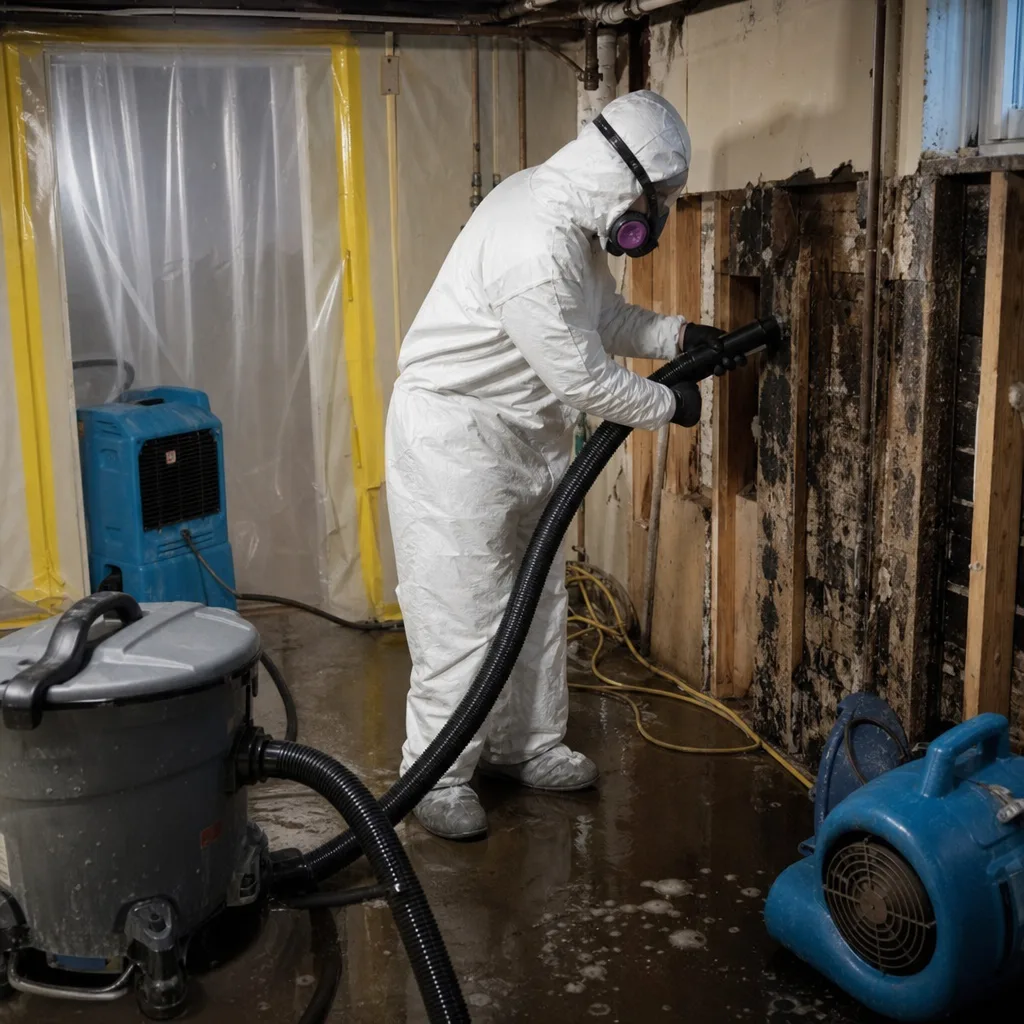
Astoria’s restoration challenges are not generic. They are specific to this neighborhood’s climate, building age, and regulatory environment, as detailed in our Seasonal Damage Restoration Care for Astoria: Year-Round Homeowner’s Guide.
Building stock and water pathways. The dominant housing in Astoria dates from the 1920s through 1950s: brick row houses, frame detached homes, and early apartment buildings with limited fireproofing between units. Party walls between attached buildings lack modern vapor barriers. When water enters one unit, it frequently travels laterally through shared structural elements before appearing in adjacent properties. A contractor who scopes only the visible damage in your unit is missing the full loss.
In the Ditmars Steinway area, we regularly see spring failures in older galvanized supply lines that have reached end of service life. These pipes fail catastrophically, not gradually, releasing full water pressure into wall cavities. The damage pattern is distinctive: water travels down through multiple floors before accumulating in basement utility areas. Proper scoping requires thermal imaging to trace the full pathway, not just visual inspection of the point of origin.
Climate and drying conditions. Astoria’s climate presents two distinct drying challenges. Summer months bring high ambient humidity, often 70-80% relative humidity, which reduces vapor pressure differential and slows evaporation from wet materials. Winter months bring heating systems that over-dry interior air, creating secondary damage risks: hardwood flooring that shrinks and gaps, plaster that releases keys and cracks. Proper drying requires active management of both conditions, not simply running equipment until readings look acceptable.
Permit and code requirements. The New York City Department of Buildings requires permits for structural repairs, electrical work, and plumbing replacement in most restoration scenarios. Astoria falls within Queens Community District 1, and DOB enforcement has increased significantly since 2019. A contractor who performs reconstruction without required permits exposes you to stop-work orders, fines, and insurance coverage disputes. Request permit application numbers for any reconstruction work and verify them in the DOB BIS system.
Insurance market specifics. Astoria’s proximity to the East River and Newton Creek places portions of the neighborhood in FEMA flood zones. Flood damage from rising water is excluded from standard homeowners policies and requires separate flood insurance through the NFIP or private market. A contractor who treats all water damage as a standard claim without determining the source may be setting you up for a coverage denial. Documentation of the water source, with photos and witness statements, is essential in flood-prone areas.
What Restoration Costs in Astoria and How to Read an Estimate
Restoration pricing in Astoria reflects New York City labor rates, equipment mobilization costs, and the complexity of working in older buildings with limited access. The following ranges represent typical market rates for professional work documented to IICRC standards. Your specific loss may vary based on square footage, contamination category, and material type.
| Service | Typical Range | What Drives Cost |
|---|---|---|
| Emergency water extraction | $350 - $750 | Standing water volume, pump requirements, basement access |
| Structural drying (per day, equipment) | $85 - $175 | Dehumidifier capacity, air mover count, specialty drying (Injectidry hardwood systems) |
| Moisture monitoring visits | $125 - $250 | Visit frequency, readings count, report detail level |
| Category 3 (sewage) cleanup | $7 - $15 per sq ft | Contamination extent, PPE requirements, disposal regulations |
| Mold remediation, contained area | $15 - $30 per sq ft | Containment complexity, HVAC isolation, post-remediation verification |
| Fire/smoke damage, light to moderate | $4,500 - $12,000 | Soot type (protein vs. synthetic), odor penetration, content cleaning needs |
| Reconstruction, drywall replacement | $3 - $6 per sq ft | Finish level, plaster vs. drywall, permit requirements |
These ranges are specific to the Astoria market, where parking restrictions on narrow streets like 30th Avenue and Steinway Street increase crew mobilization time, and where many buildings lack freight elevators for equipment access. A contractor who quotes national averages without adjusting for local conditions is not pricing your job accurately.
How to read the estimate you receive:
- Each phase should be separately priced. Mitigation, contents cleaning, storage, and reconstruction are distinct services with distinct timelines. Bundling them obscures comparison.
- Equipment should be listed by type and daily rate. “Drying equipment: $2,400” is not an item. “Dri-Eaz Revolution LGR dehumidifier, 3 units @ $125/day” is an item.
- Labor should specify technician certification level. IICRC-certified technicians command higher rates than uncertified labor because they produce documentation that satisfies adjusters. The cost difference pays for itself in claim approval speed.
- Contingency allowances should be capped and defined. A 10% contingency for unforeseen conditions is standard. A 30% contingency with no trigger conditions is a blank check.
At DryMark Restoration Astoria, we provide written estimates that meet Haven Standard, Clause 1: line-item pricing, no scope creep, signed by both parties before work begins. We also offer a Free Second Opinion on any competitor’s written estimate, and you can explore more guides & resources on our blog. Bring us another contractor’s scope and we will review it for completeness, accuracy, and alignment with IICRC standards, at no charge.
Common Mistakes to Avoid
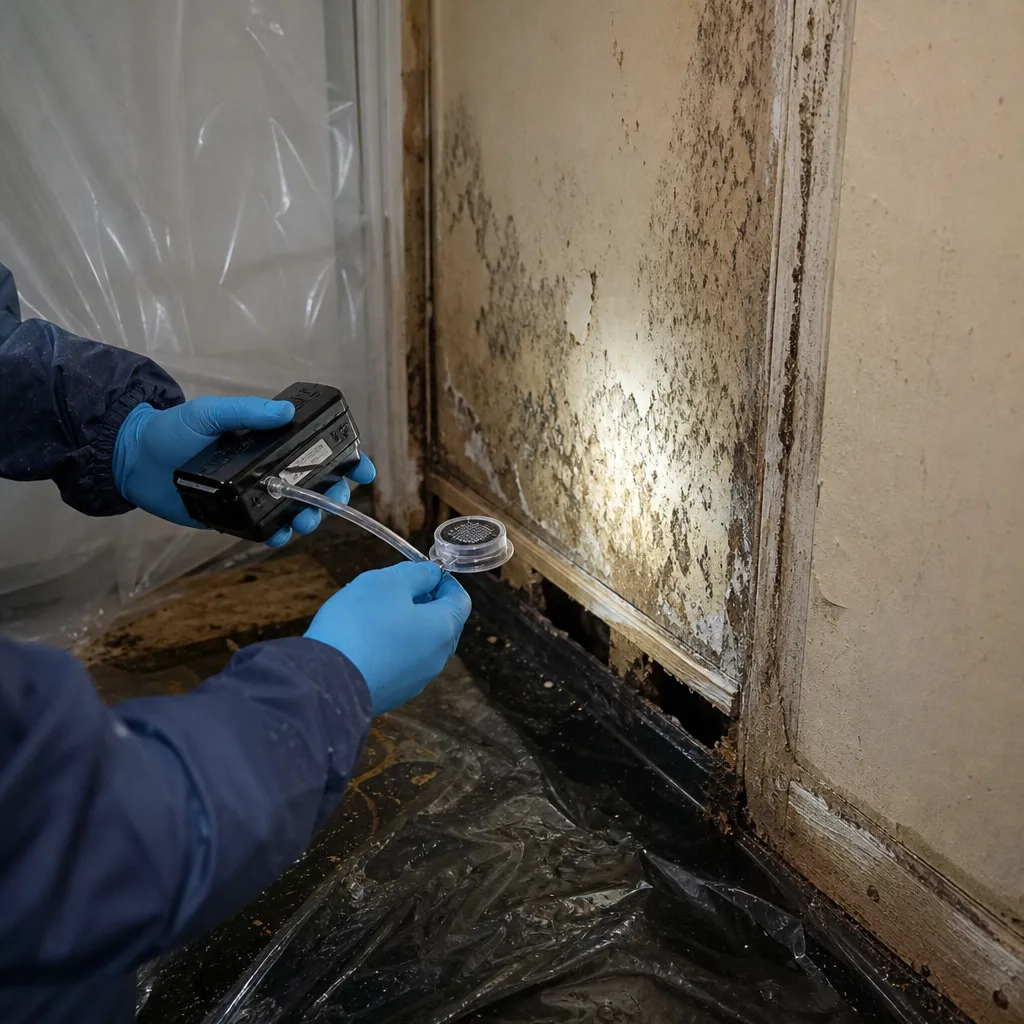
- Signing an authorization form without reading the entire document. Assignment of benefits clauses, open-ended pricing, and mandatory arbitration provisions are often buried in the final paragraphs. Read every word.
- Accepting verbal promises about insurance coverage. Only your insurer’s adjuster can confirm coverage. A contractor who guarantees your claim will be paid is making a promise they cannot keep.
- Waiting for the adjuster before stopping active water damage. You have a duty to mitigate further loss under most policies. Document the damage, then begin emergency mitigation. The documentation preserves your claim; the mitigation preserves your property.
- Hiring based on response speed alone. The contractor who arrives fastest is often the contractor with the most aggressive dispatch marketing, not the most thorough documentation. Fifteen minutes of additional vetting can save weeks of claim disputes.
- Neglecting to verify that equipment is actually running. We have inspected jobs where “drying” consisted of equipment delivered but never powered on. Request daily photo confirmation of operating equipment with visible control panel readings.
- Failing to request a final moisture verification report. Your contractor should provide a signed statement that all affected materials have returned to within acceptable moisture content ranges, with supporting readings. This document closes the mitigation phase and triggers reconstruction authorization.
When to Call a Professional
Call a professional restoration contractor when water has affected finished materials (drywall, hardwood, carpet pad), when the water source is Category 2 or 3 (dishwasher drain line, washing machine overflow, sewage backup, or any flooding from outside), when mold is visible or suspected, or when fire or smoke has affected multiple rooms. These scenarios require documentation, specialized equipment, and containment protocols that exceed homeowner capability.
For water damage that is limited to a small area of unfinished basement with no contamination, and where you can identify and stop the source, limited self-mitigation may be appropriate. Stop at the point where materials need removal or where you cannot verify dryness with a moisture meter.
Water Damage Restoration in Astoria requires specific expertise in older building systems and insurance documentation. DryMark Restoration Astoria offers free estimates in Astoria. Call (862) 281-7710 to schedule a written scope with line-item pricing, or bring a competitor’s estimate for our Free Second Opinion review.
Frequently Asked Questions
Request the technician’s IICRC certification number and verify it at iicrc.org, which takes thirty seconds. The directory shows the certification type, issue date, and expiration. If a contractor cannot provide a number, or if the number does not verify, they are not IICRC-certified regardless of what their website claims.
No. In New York, you have the legal right to choose your own contractor. Insurers maintain preferred vendor lists for their own administrative convenience, not for your benefit. Some preferred vendors operate under direct billing arrangements that may limit your control over the scope of work. You are not required to accept these limitations.
Emergency response times in Astoria typically range from 45 minutes to two hours, depending on time of day, traffic on the Grand Central Parkway or Brooklyn-Queens Expressway, and crew availability. Be specific about what you need: water extraction requires different equipment than structural assessment. At DryMark Restoration Astoria, a live person answers every call, 24 hours a day, 7 days a week, and we dispatch based on the actual equipment and certification required for your loss type, not simply whoever is closest.
Visible mold on a small area of hard surface may be cleanable with proper PPE and EPA-registered disinfectant. Hidden mold in wall cavities, HVAC systems, or under flooring requires professional remediation with containment, negative air pressure, and post-remediation verification. The critical factor is not what you can see but what the moisture history indicates: if materials were wet for more than 48 hours, mold growth likely extends beyond visible areas. Mold Remediation in Astoria should include moisture mapping to determine the full extent before any cleaning begins.
Request that your contractor provide line-item justification for each disputed charge, referencing IICRC S500 standards and local labor rates. The adjuster’s estimate may be based on generic pricing software that does not account for Astoria’s specific conditions. A documented drying log, material moisture readings, and permit requirements often support higher but justified pricing. If the dispute persists, New York policyholders have the right to appraisal under most policies. DryMark Restoration Astoria provides the documentation package that supports these negotiations.
Actual dryness is measured by material moisture content, not appearance or smell. Your contractor should establish baseline readings from unaffected areas, set target moisture content for each material type, and document daily readings until targets are achieved. For example, oak flooring in Astoria should return to 6-10% moisture content; drywall to below 1% above baseline. Request the final verification report with all readings before authorizing reconstruction. Without this documentation, you have no evidence that drying was completed properly.
You do. Your contractor documents the loss and presents that documentation, but you retain control of all communications and decisions. Be present for the adjuster’s inspection, request copies of all photos the adjuster takes, and ensure your contractor’s scope of work is submitted in writing before the adjuster leaves. A contractor who insists on handling all adjuster communication without your involvement is not simplifying the process; they are removing your oversight. At DryMark Restoration Astoria, we coordinate documentation and scheduling with adjusters, but every scope and every pricing decision is approved by you in writing first.
The Bottom Line
Hiring a damage restoration contractor in Astoria is a documentation decision, not a speed decision. The contractor who arrives fastest is rarely the contractor who produces the drying logs, photo records, and written scopes that turn restoration invoices into paid insurance claims. Before you need emergency service, identify the three documents you will request: a written line-item estimate, a certificate of insurance naming you as additional insured, and a sample daily drying log. Verify IICRC certification in thirty seconds. Read every authorization form for assignment of benefits language. And in the first hour of any water event, document before you mitigate, preserve your right to choose your contractor, and separate emergency mitigation from reconstruction authorization.
The contractors who serve your interests are the ones who treat evidence as their product. Everything else is a promise without an address.
Written by Alicia Brennan, Owner at DryMark Restoration Astoria, serving Astoria since 2011.