Free visual inspection and a written scope of work before any mitigation begins - photos, moisture readings, and drying logs go in your claim file
The scope we write is the scope we bill. Anything new gets shown to you, in writing, before we touch it.
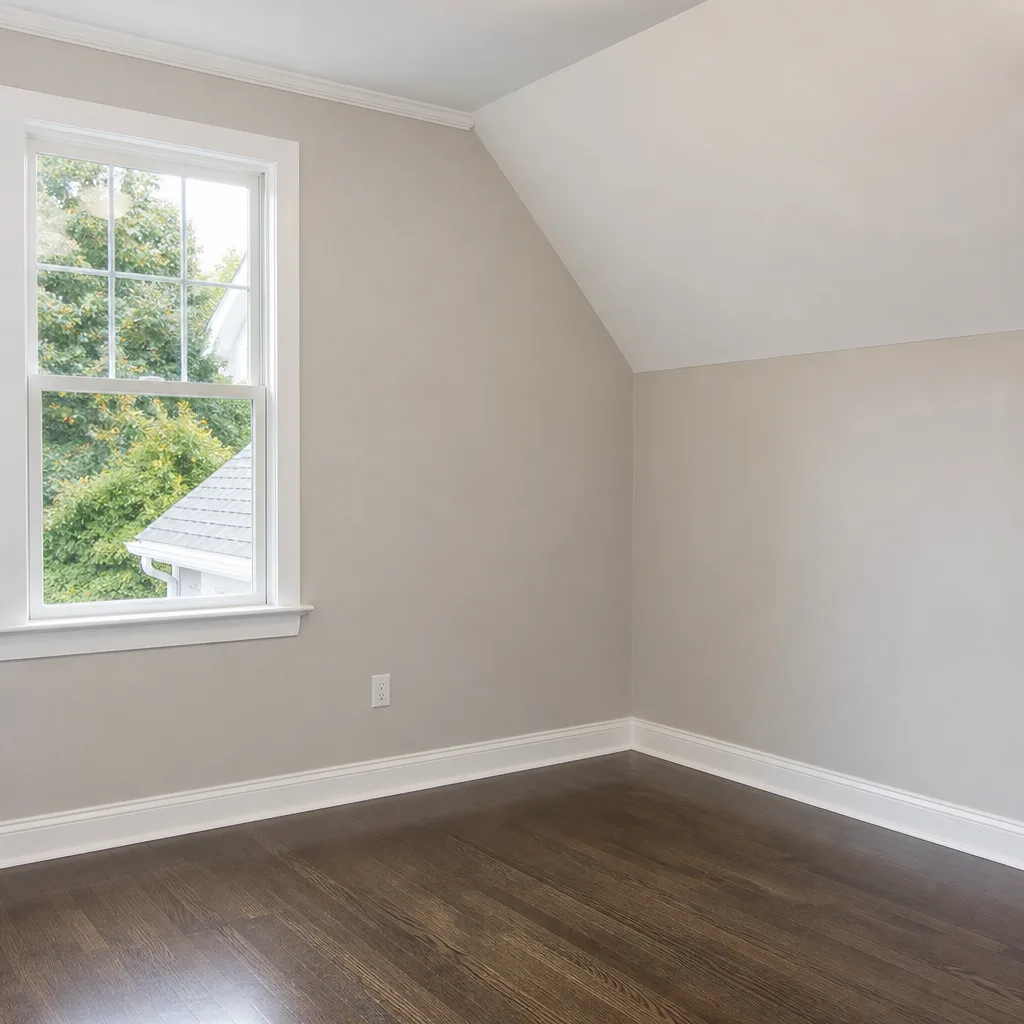
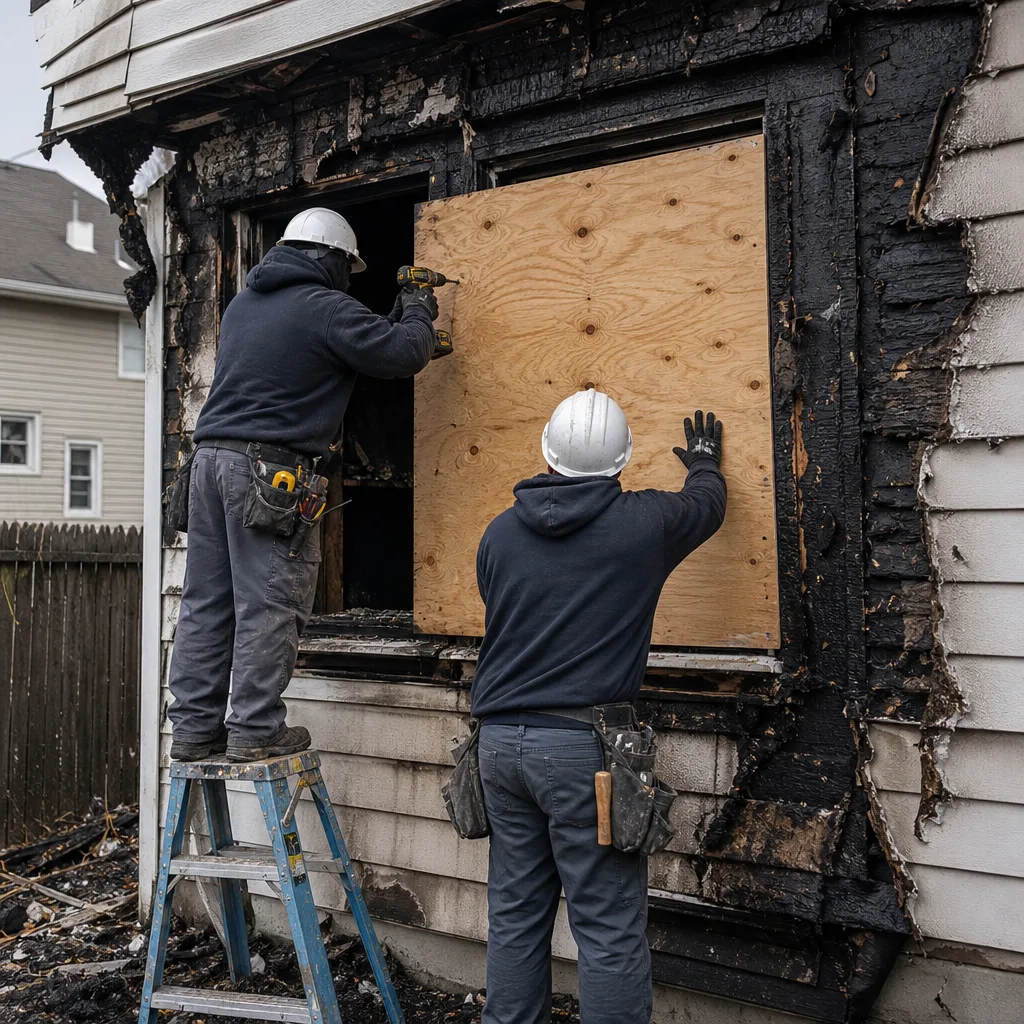
Storm response
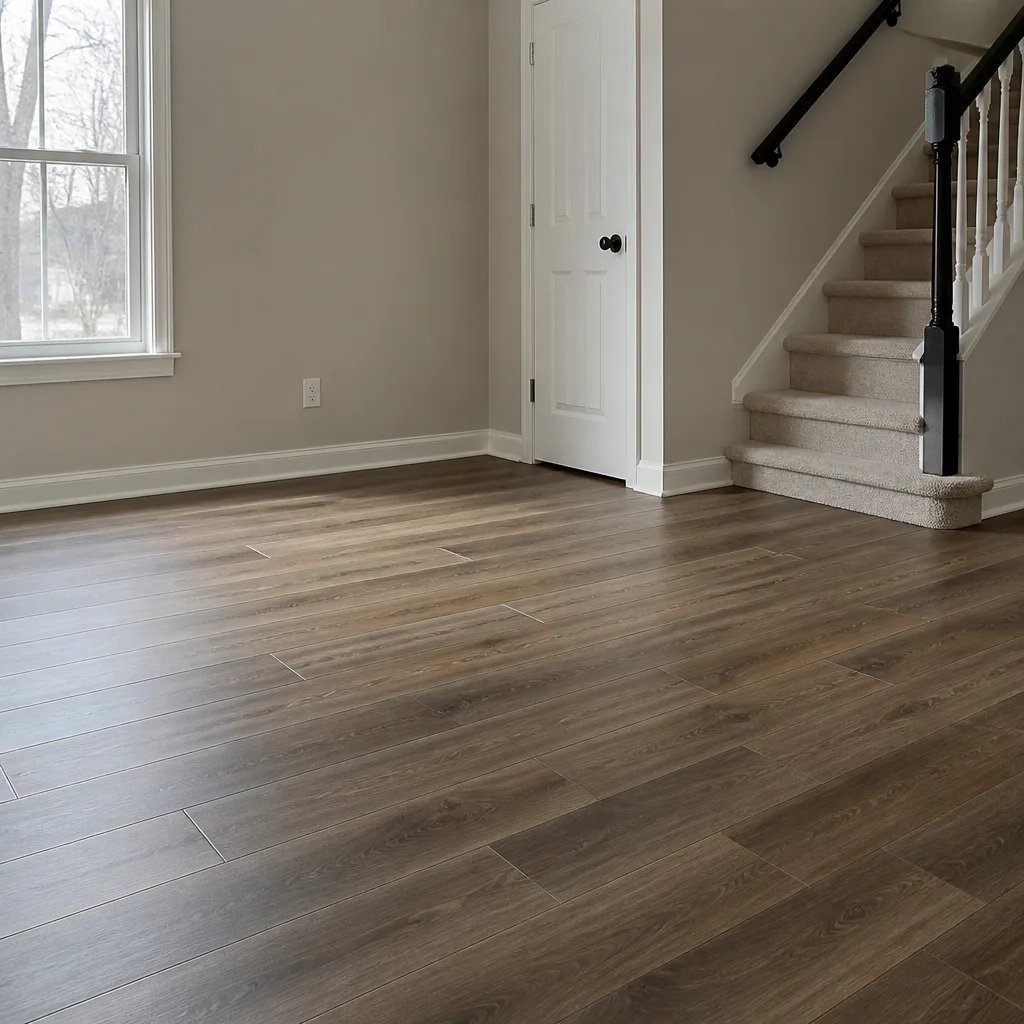
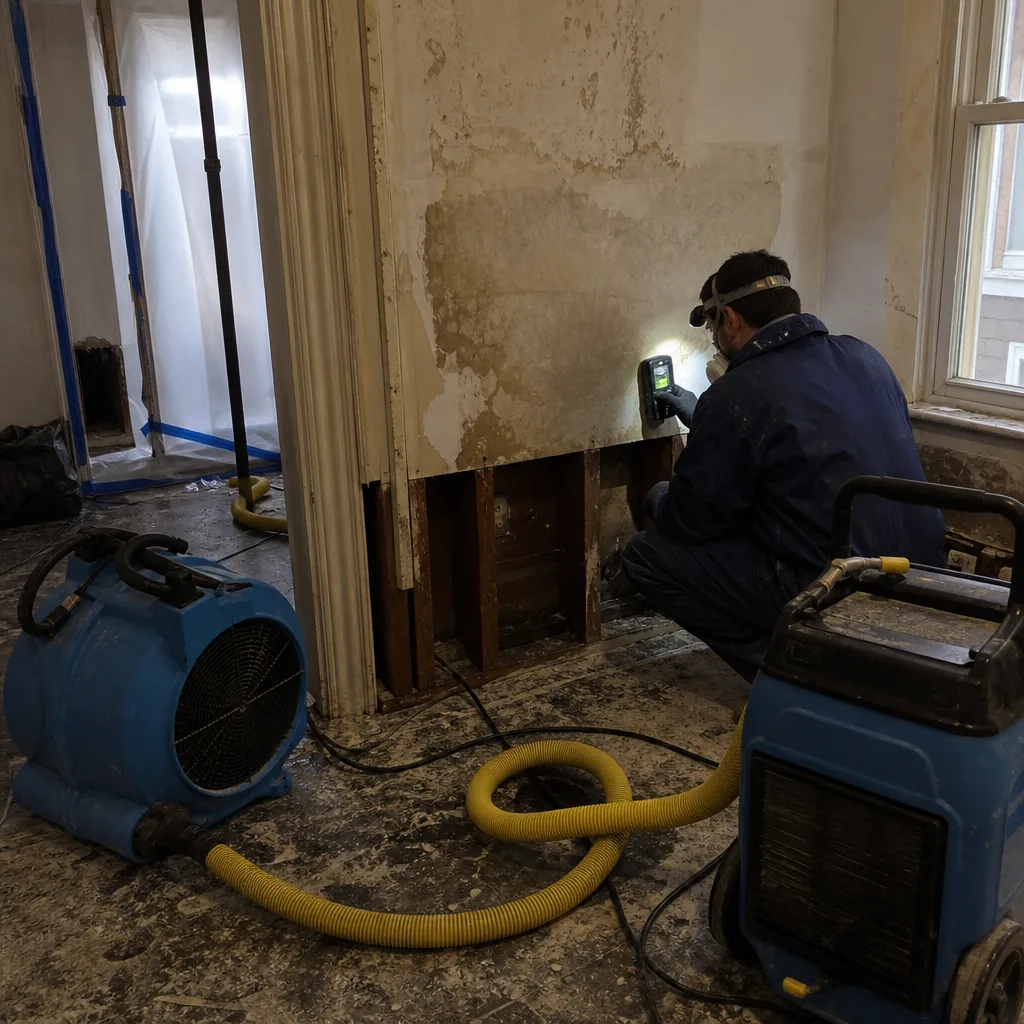 Before
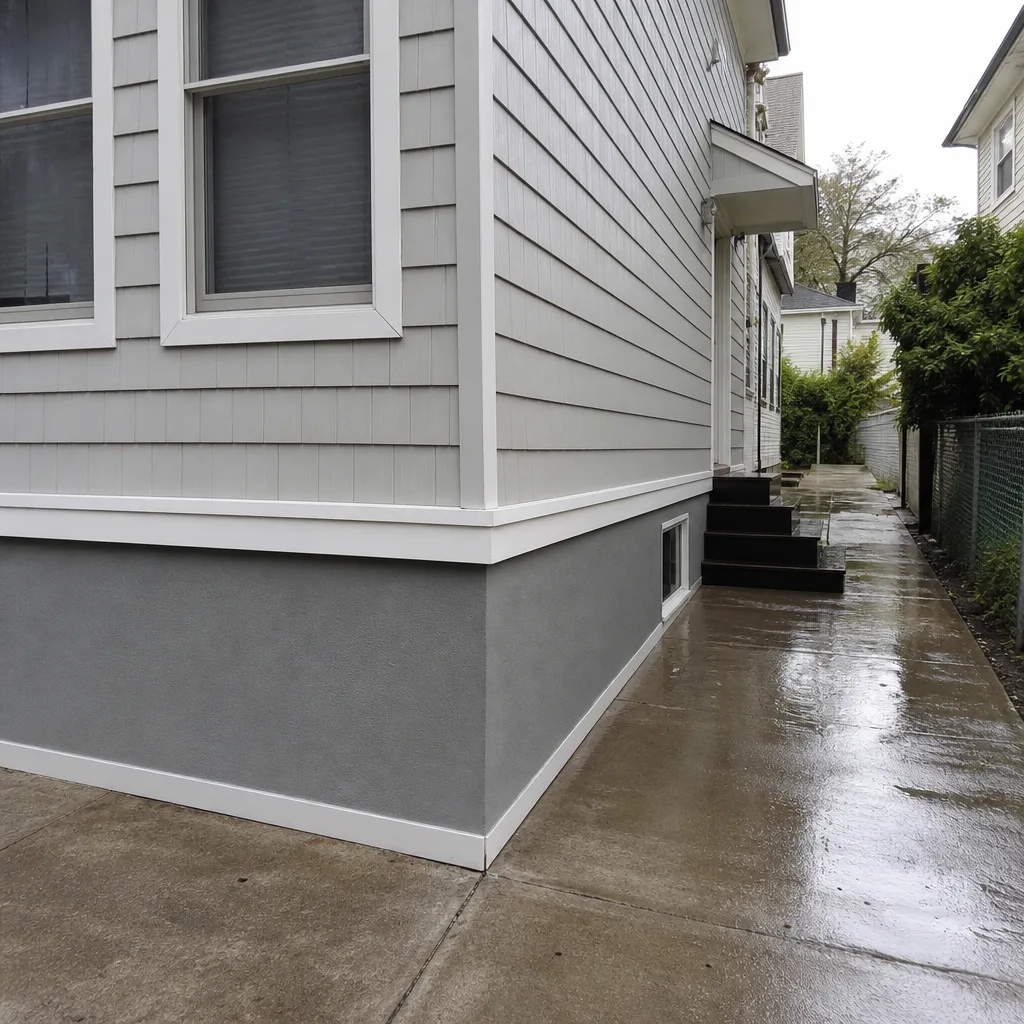 After
After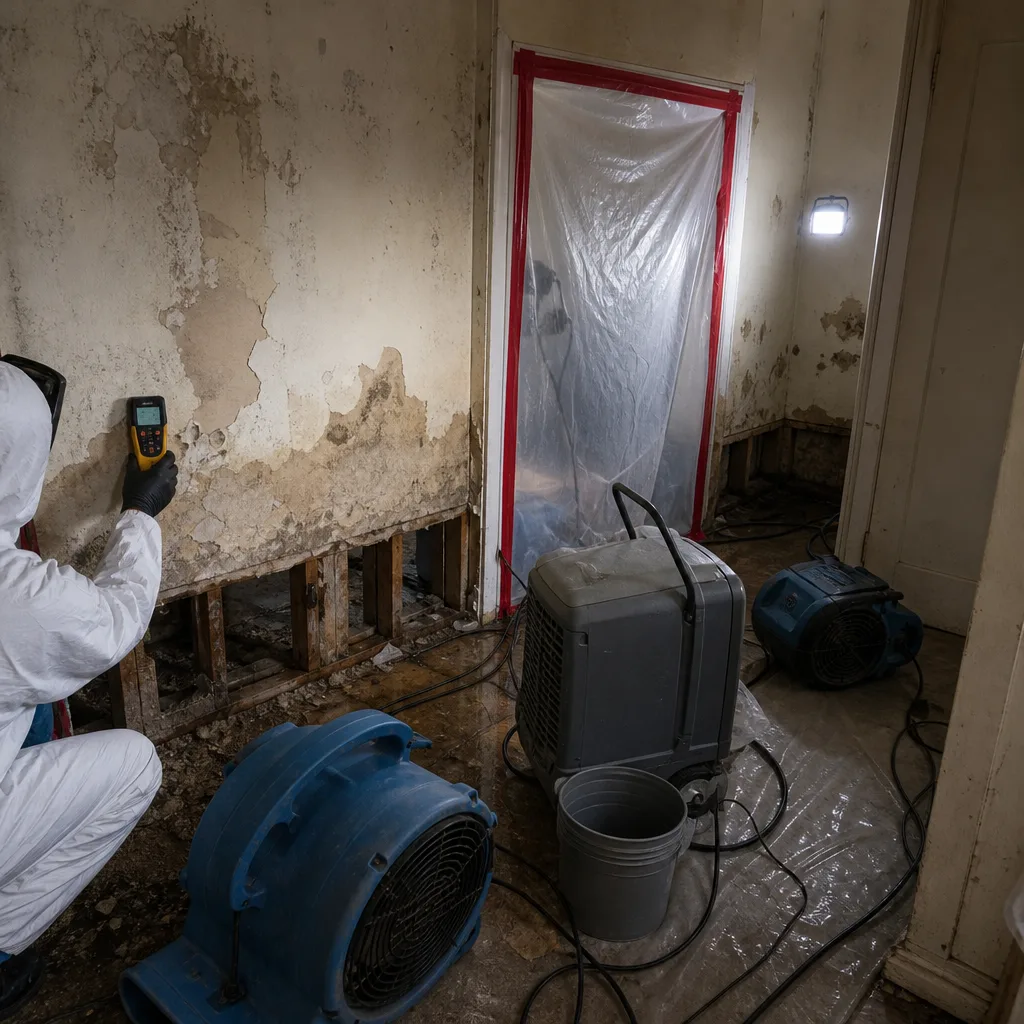 Before
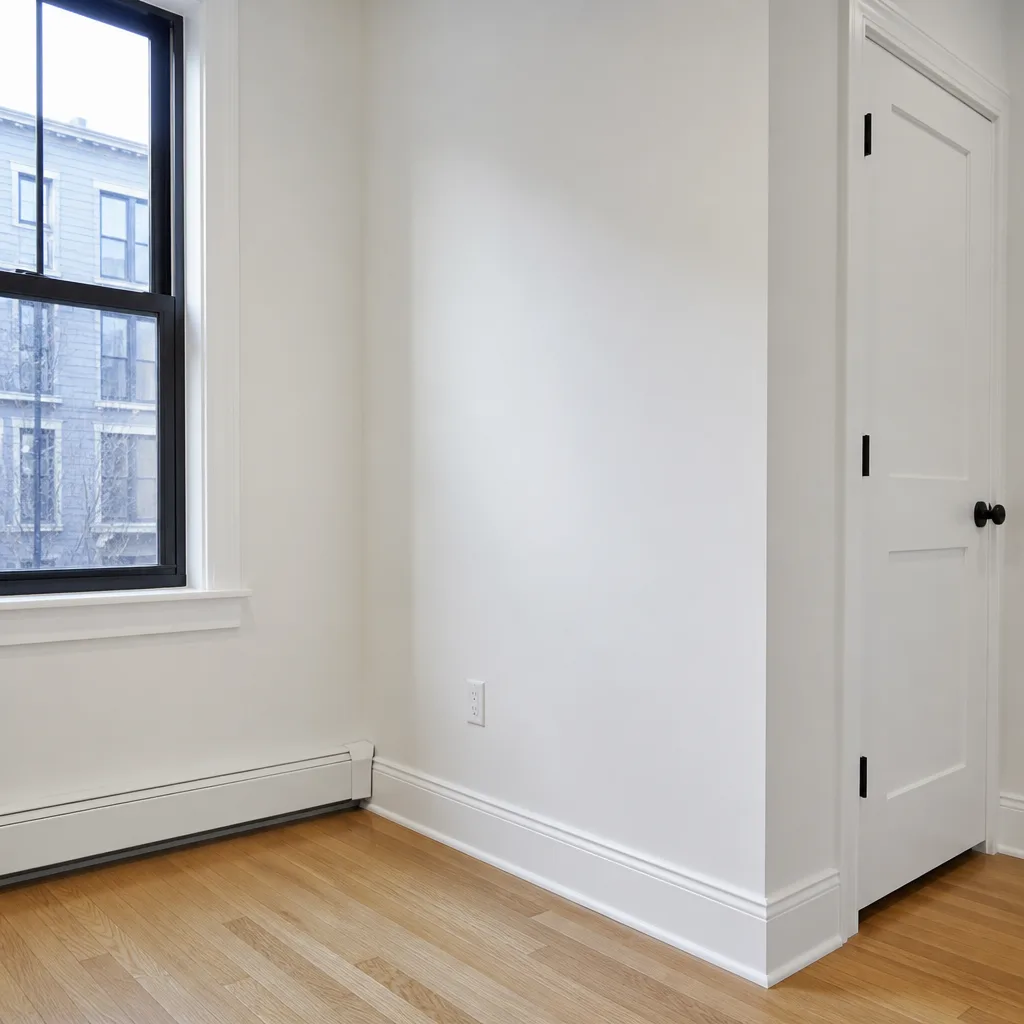 After
After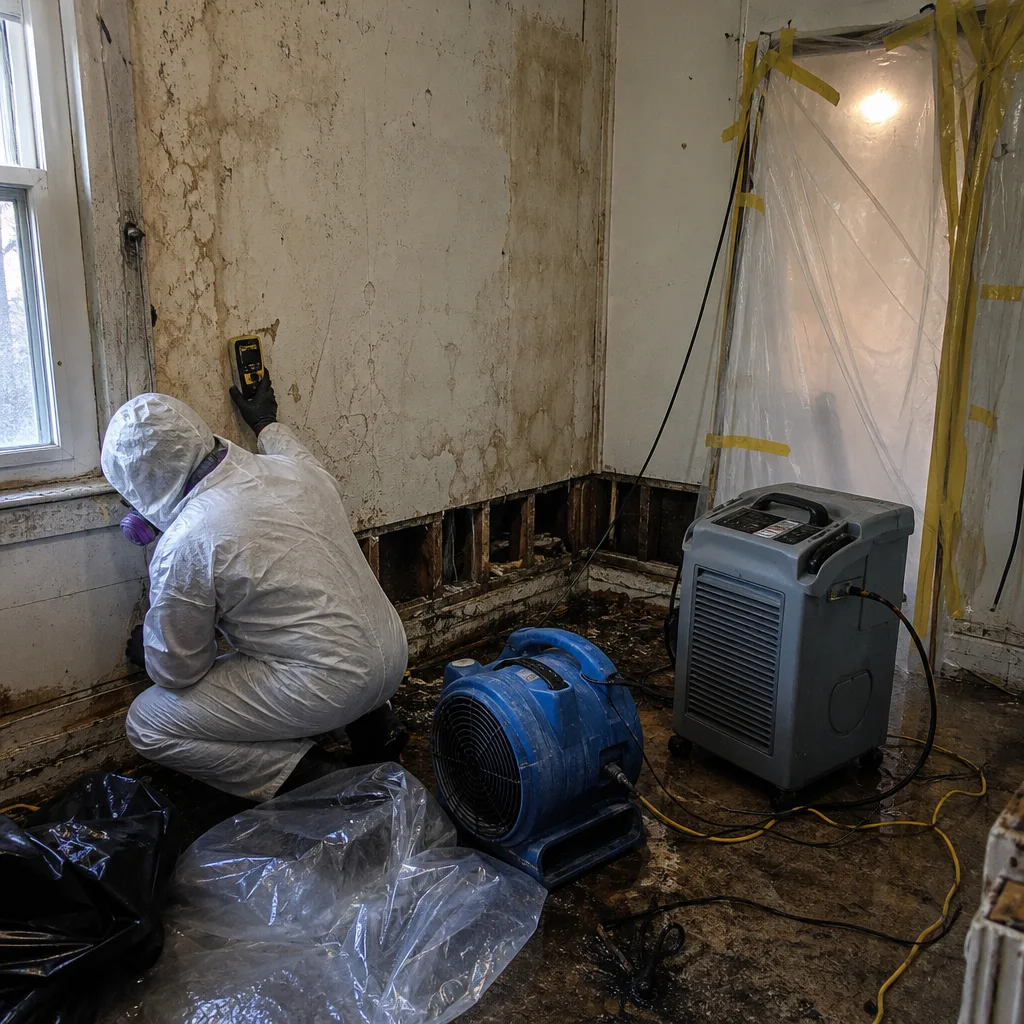 Before
 After
After24/7 Emergency Water Damage Restoration in Union City
Water damage in a Union City tenement doesn’t stay put. A single burst pipe on the second floor of a 1920s brick building can send water through four, five, six floors before anyone below realizes what’s happening. That’s why DryMark Restoration Astoria answers live at (862) 281-7710, 24 hours a day, with crews dispatched to Union City within 45 minutes of your call. No voicemail trees. No “we’ll call you back tomorrow” while water keeps moving through plaster and lath.
We start every Union City emergency with a free visual inspection, moisture mapping, and a written scope before any equipment runs. The first hour determines whether a loss stays in the hundreds or climbs into the tens of thousands. Water follows gravity and capillary action through old masonry, shared walls, and the gaps between subdivided units. Waiting gives it time to find every path.
Understanding Water Damage Restoration Severity in Union City Properties
Water damage in Union City is classified by contamination level and structural risk, not by how wet the carpet looks. Category 1 water is clean supply-line water, still safe for limited contact. Category 2 carries chemical or biological loads, typical when a dishwasher or washing machine line fails. Category 3 is grossly contaminated, sewage or floodwater from the Hudson, requiring full removal and antimicrobial treatment. In Union City’s pre-WWII tenements, a Category 1 supply-line burst often becomes Category 2 or 3 by the time it reaches lower floors, picking up debris from aging plaster, corroded pipe scale, and whatever’s accumulated in century-old wall cavities.
Moisture mapping with thermal imaging and calibrated hygrometers tells us what the eye cannot: how far water has migrated through shared masonry, whether ceiling lath is saturated above the visible stain, and if vapor pressure differential is driving moisture into adjacent units. Structural drying uses psychrometric data, the relationship between temperature, humidity, and air movement, to establish a drying environment that removes bound water from wood framing and concrete without warping or secondary damage. Tertiary drying targets materials that have absorbed moisture beyond their surface, the stage where most DIY attempts fail and mold takes hold.
Union City’s housing stock makes every job more complex. Galvanized and cast-iron plumbing, common in buildings constructed 1900-1945, corrodes from the interior, creating pinhole failures that spray pressurized water inside walls for hours before detection. Flat built-up roofing, decades past its service life, lets slow leaks saturate insulation and decking before a ceiling stain appears. Pre-1980 construction means asbestos-containing floor tiles, pipe insulation, and joint compound are routine abatement considerations. We test before we disturb, because skipping that step turns a three-day dry into a three-week delay.
Why Union City Property Owners Choose DryMark Restoration Astoria
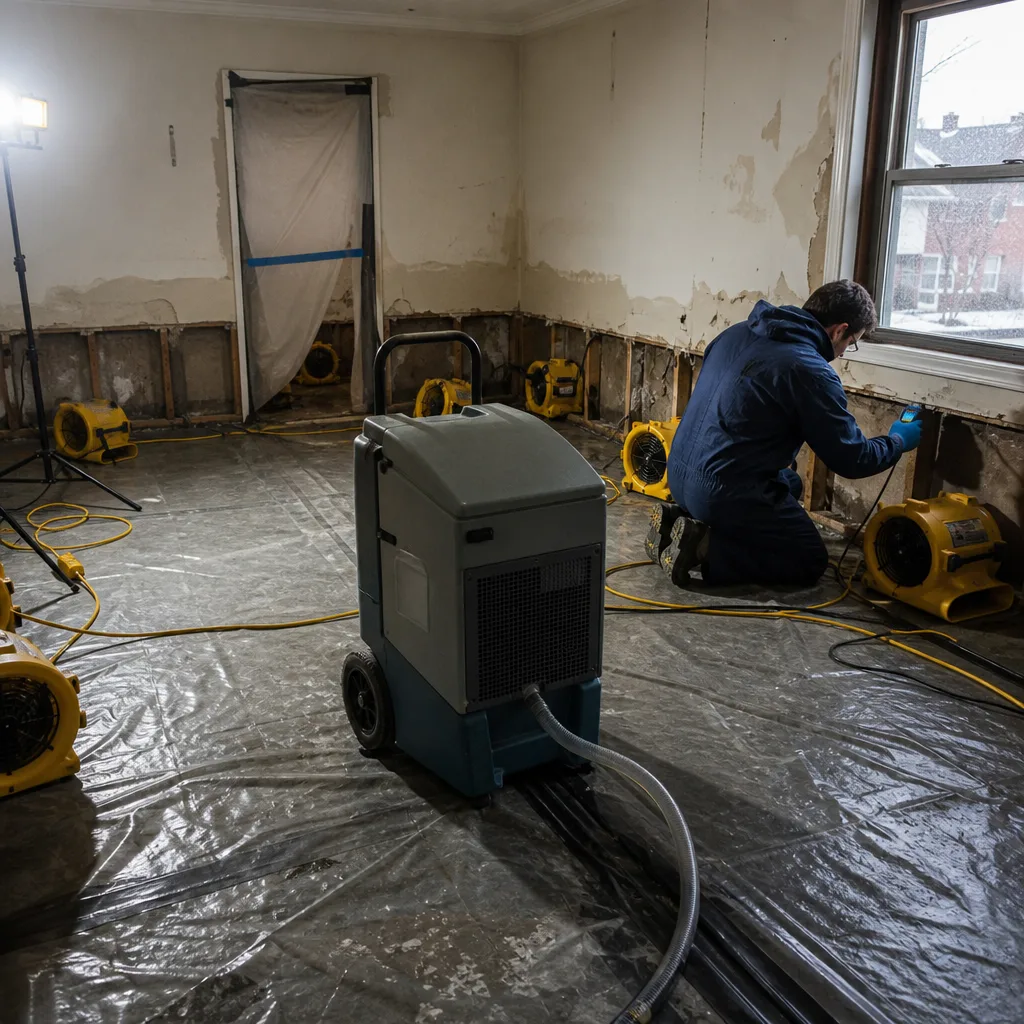
- 45-minute response commitment to Union City properties, because water doesn’t wait for business hours.
- 24/7 live answer by a real person, never an automated system, never a callback queue while your ceiling sags.
- IICRC-certified crews holding WRT (Water Damage Restoration Technician) and AMRT (Applied Microbial Remediation Technician) credentials, with license numbers documented on every job.
- Free visual inspection and written scope before any work begins, Haven Standard, Clause 1.
- Direct insurance billing and adjuster coordination, with photo-documented drying logs that turn restoration invoices into payable claims.
- One team from extraction through reconstruction, no handoffs to unknown subcontractors.
BeforeAfterOur Water Damage Restoration Process
1. Inspection & Assessment
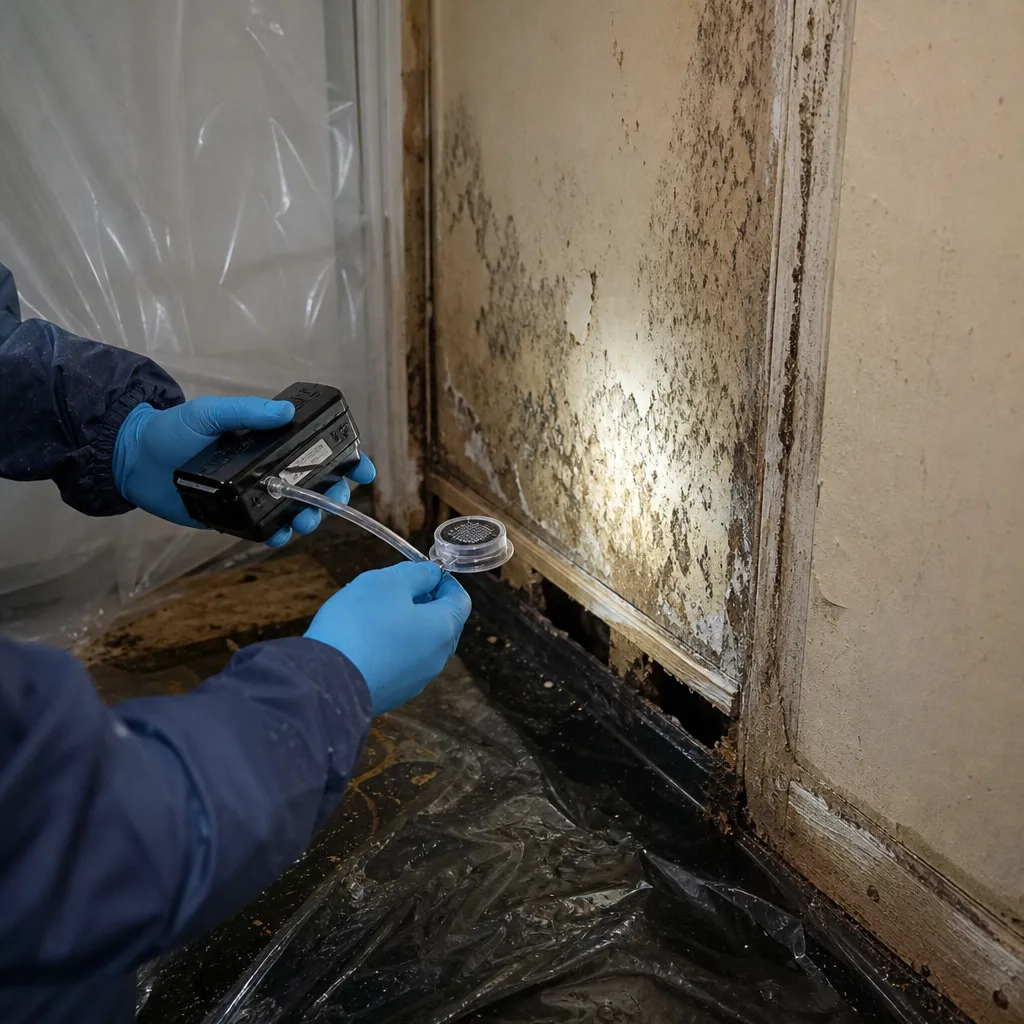
We arrive with thermal imaging cameras, penetrating and non-penetrating moisture meters, and hygrometers to map the full extent of migration. In Union City tenements, this means checking vertically through the stack, not just the unit with the visible damage. We document everything with photos before a single panel is touched.
2. Water Extraction & Stabilization
Truck-mounted extraction systems remove standing water from floors, carpets, and pad. For Category 2 and 3 losses, we remove contaminated materials immediately. We set up containment to prevent cross-contamination into unaffected units, critical in buildings with shared HVAC and hallways.
3. Structural Drying & Dehumidification
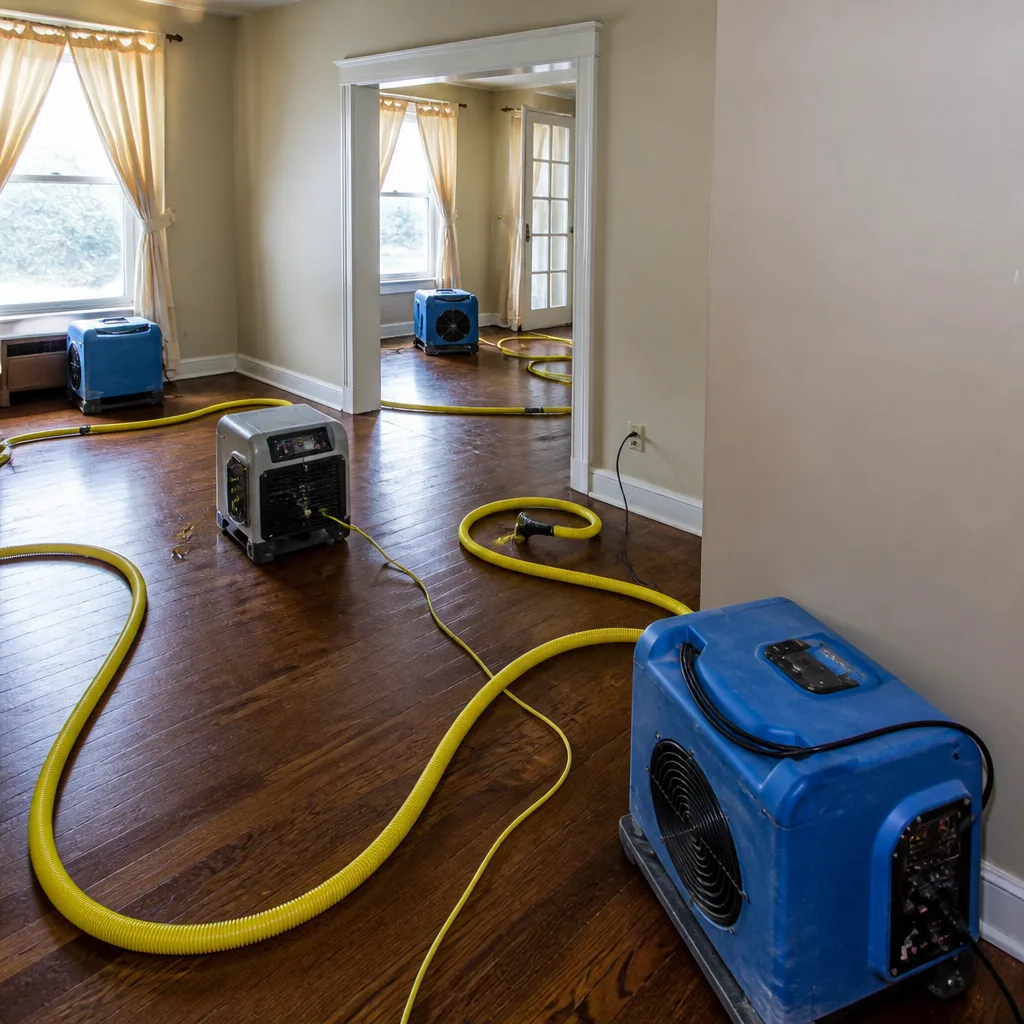
We deploy Dri-Eaz and Phoenix LGR dehumidifiers, XPOWER and B-Air air movers, and Injectidry systems for wall and ceiling cavities. Equipment counts are calculated by cubic footage and class of loss, documented daily with moisture readings. In Union City’s dense buildings, we coordinate power draw with building management to avoid overloading aging electrical service.
4. Cleaning & Sanitization
Antimicrobial treatment of all affected surfaces, HEPA air scrubbing to capture airborne particles, and detailed cleaning of salvageable contents. For Category 3 losses, we follow IICRC S500 standards for sewage and floodwater decontamination.
5. Asbestos & Lead Assessment
Pre-1980 Union City buildings require testing before demolition or aggressive drying disturbs suspect materials. We coordinate certified abatement contractors when needed, documenting clearance for your insurer. Skipping this step is not an option, and we build the timeline into your scope from day one.
6. Repairs & Restoration
Once moisture content readings confirm the structure is dry to IICRC standards, we rebuild: drywall, flooring, trim, paint. The same crew that extracted the water completes the reconstruction, with the same photo documentation and a written price before any rebuild work begins.
Need Emergency Water Damage Restoration in Union City Now?
Crews minutes away, answering live 24 hours a day. The sooner we start, the less it costs.
Working With Your Insurance Company
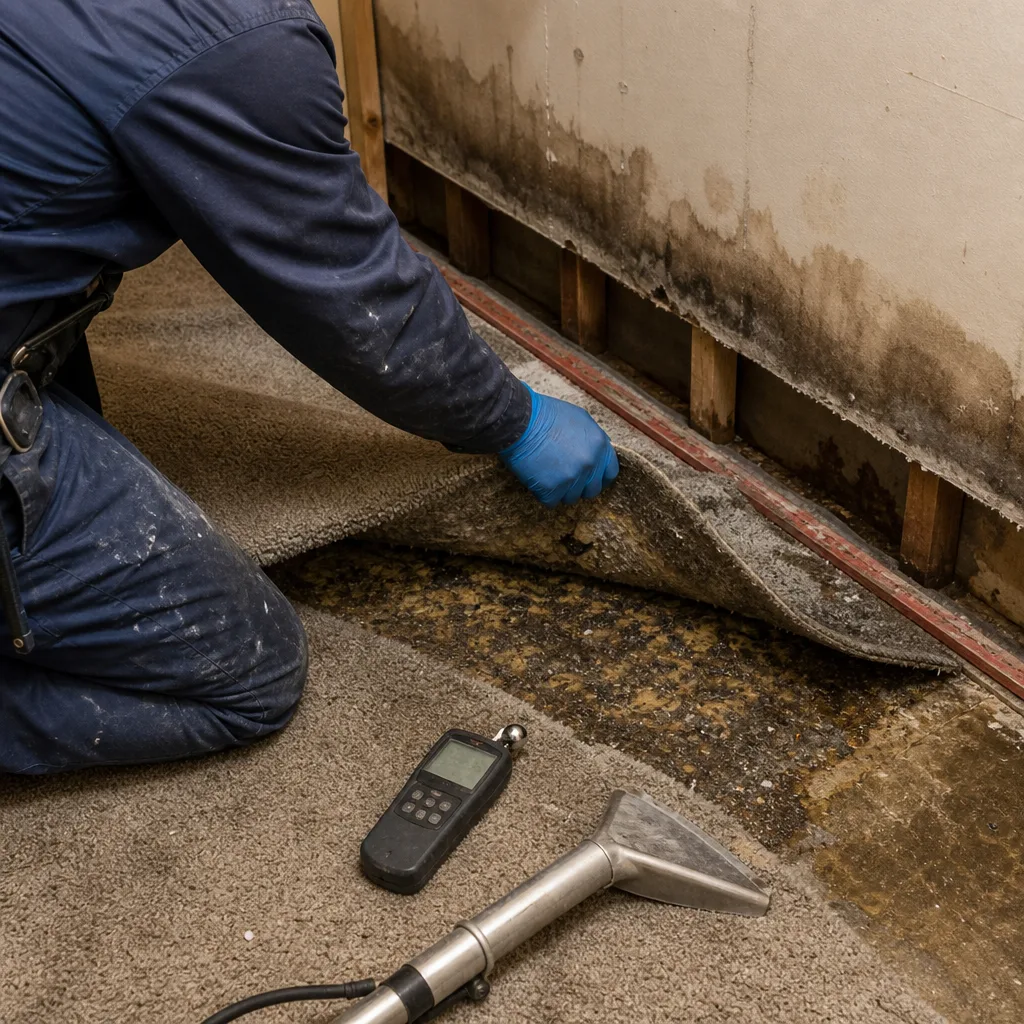
Insurance claims fail on documentation gaps. We close those gaps from the first hour. Every Union City job includes room-by-room photos, moisture readings with equipment serial numbers, daily drying logs with psychrometric data, and a line-item scope written to Xactimate standards. Your adjuster receives the same file we give you, no selective editing, no missing days.
We bill carriers directly when policyholders authorize it, and we coordinate adjuster site visits to align scope before work progresses. The photo record on every visit is standard, never an upsell. If your carrier disputes a line item, we have the documentation to defend it. That’s the difference between a paid claim and a partial denial.
What We Provide Your Insurer
- Thorough documentation of the loss
- Photos of all damage, room by room
- Moisture readings and drying logs
- A detailed, line-item scope of work
- Direct coordination with your carrier
Built for Union City’s Loss Calendar
Union City’s position atop the Palisades escarpment shapes its damage patterns in ways that confuse newcomers. The elevation, 20-100 feet above the Hudson floodplain, spared the city from Superstorm Sandy’s storm surge that inundated Hoboken and Jersey City. But that same exposure leaves aging flat roofs and masonry facades directly in the path of nor’easter winds and freeze-thaw cycles.
January and February bring the deepest freeze risk. Cast-iron and galvanized supply lines in exterior walls, common in pre-1945 construction, split when temperatures drop below 20°F for extended periods. The January 2014 polar vortex event produced hundreds of burst-pipe claims across Union City’s tenement stock. Spring thaw brings basement seepage through century-old foundations, compounded by the city’s combined sewer system that backs up during heavy rain. Summer thunderstorms deliver flash volumes that overwhelm flat roof drains clogged with decades of debris. And every nor’easter tests the remaining service life of built-up roofing that should have been replaced years ago.
Our crews know which buildings on Bergenline Avenue and the numbered cross streets have the worst roof-drain histories, which blocks lose power first in storms, and where to stage equipment when street parking is the only access. That local knowledge saves hours on every job.
Water Damage Restoration Across Union City’s Neighborhoods
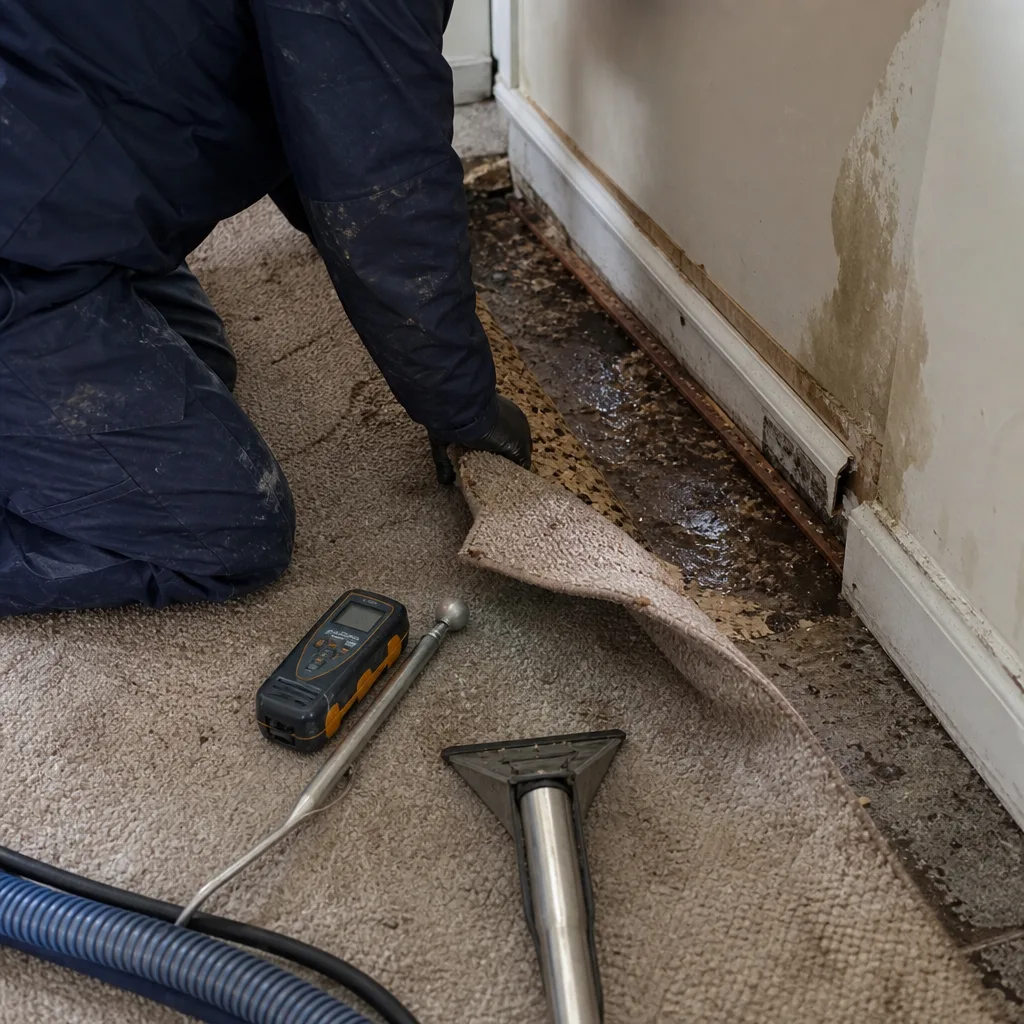
Union City’s 1.3 square miles contain distinct corridors, each with its own water-damage profile.
Bergenline Avenue is the commercial spine, with mixed-use buildings where ground-floor businesses and upper-floor residences share walls, plumbing, and roof systems. A failed water heater in a restaurant basement can flood the apartments above, creating multi-party losses with separate business and homeowner policies. We coordinate both adjusters simultaneously.
The numbered cross streets, from 15th to 49th, hold the densest concentration of pre-war tenements. Many buildings have been subdivided into more units than originally designed, with added bathrooms and kitchens tapping into aging supply lines never sized for the load. We find more burst-pipe failures per capita here than anywhere else in our service area.
West Hoboken and the Heights sections, closer to the cliff edge, catch the strongest winds off the Hudson. Roof leaks are the dominant loss type, with wind-driven rain finding every gap in flashing and parapet coping. The views are spectacular. The water intrusion, when the roofing fails, is equally spectacular.
Downtown Union City, near the former Erie Railroad corridor, has seen more renovation and conversion, but the underlying infrastructure remains 1920s-era. New owners discover this when their first winter produces a frozen line in a wall they assumed was modern. We map the full system, not just the visible renovation.
Specialized Water Damage Restoration Services We Offer in Union City
Emergency Water Extraction
Standing water in a Union City tenement basement or ground-floor commercial space demands immediate removal before wicking into plaster and structural lumber. Our truck-mounted extraction systems handle thousands of gallons, and we deploy submersible pumps where power is available. In buildings with no alley access, we run discharge hoses to street-level drains, coordinated with city requirements.
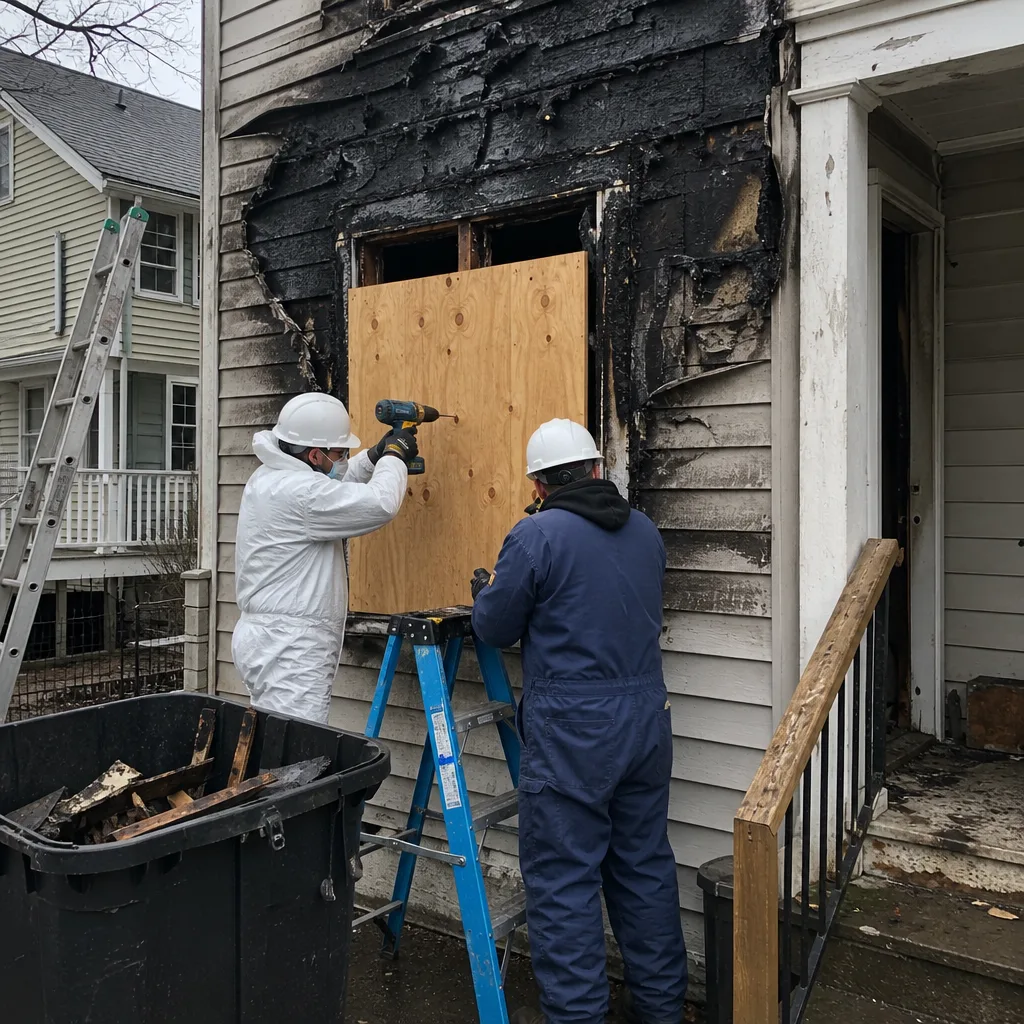
Structural Drying & Dehumidification
Union City’s masonry construction holds moisture differently than modern wood-frame buildings. Brick and plaster dry slowly; without proper vapor pressure management, they trap moisture that feeds mold for months. We calculate equipment loads by building material, not just square footage, and document daily moisture-content readings until materials return to established dry standards.
Flood Cleanup
While Union City avoided Sandy’s surge, flash flooding from overwhelmed drainage and combined sewer backups still produces Category 3 losses. Full removal of contaminated materials, antimicrobial treatment, and air-quality testing before re-occupancy are non-negotiable steps.
Burst Pipe Restoration
The most common call we get in Union City winters. Cast-iron and galvanized lines fail without warning, often in walls or ceilings where the leak runs for hours. We extract, dry, and document the full vertical cascade, not just the unit where the pipe broke. Our Water Damage Restoration team has handled burst-pipe losses in buildings from Bergenline Avenue to the Heights.
Basement Water Removal
Below-grade spaces in Union City’s older buildings face hydrostatic pressure through porous foundations and sewer backup during heavy rain. We pump, extract, and install temporary drying systems that account for limited ventilation and the mold risk that follows within 48 hours.
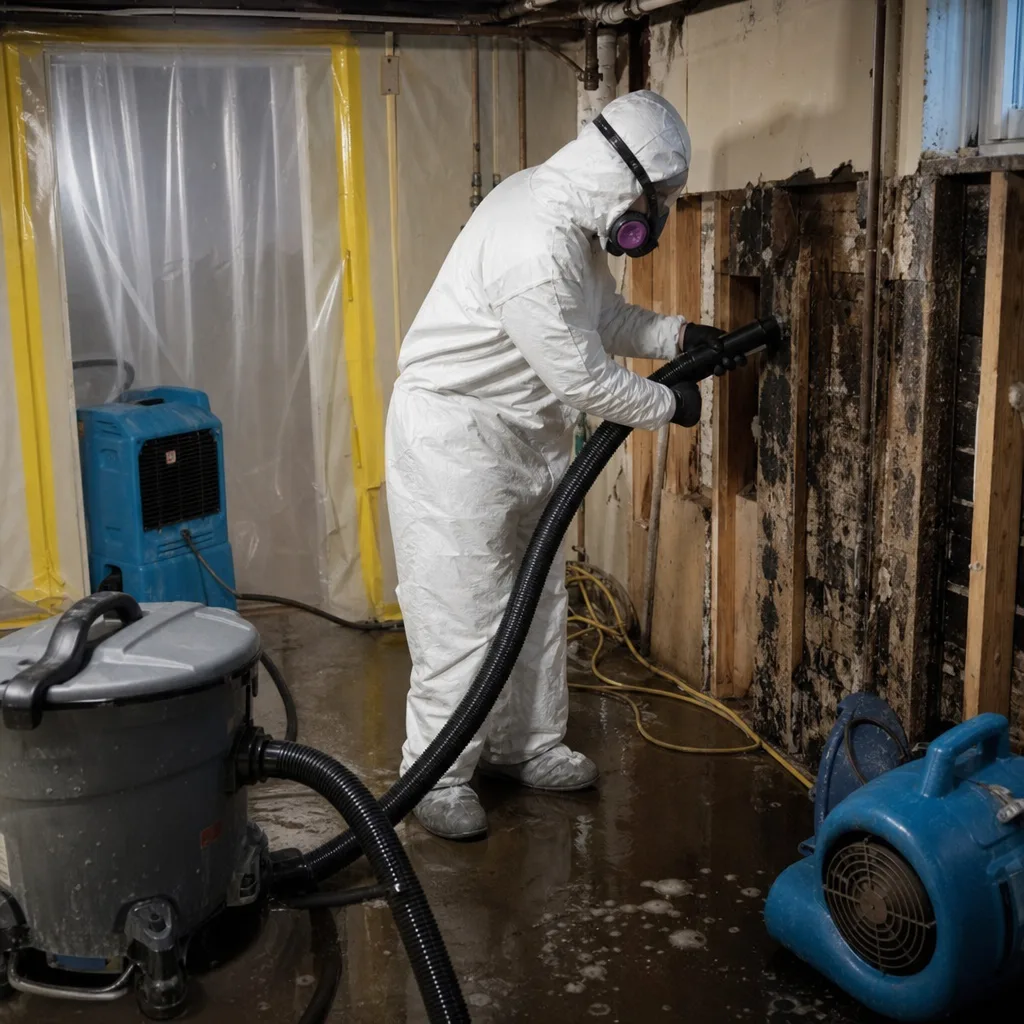
Ceiling & Roof Leak Water Damage
Flat built-up roofing, past its service life on many Union City buildings, produces slow leaks that saturate insulation and decking before visible staining appears. We trace the full path, remove compromised materials, and dry the structure before mold establishes in the cavity.
What happens when you call
- 1
A real person answersNo phone trees - you reach a local pro.
- 2
You get an upfront price rangeHonest numbers before anyone is dispatched.
- 3
A background-checked tech heads outLicensed & insured, dispatched right away.
- 4
You approve before work beginsNothing starts until you say go.
Water Damage Restoration Costs in Union City, NJ
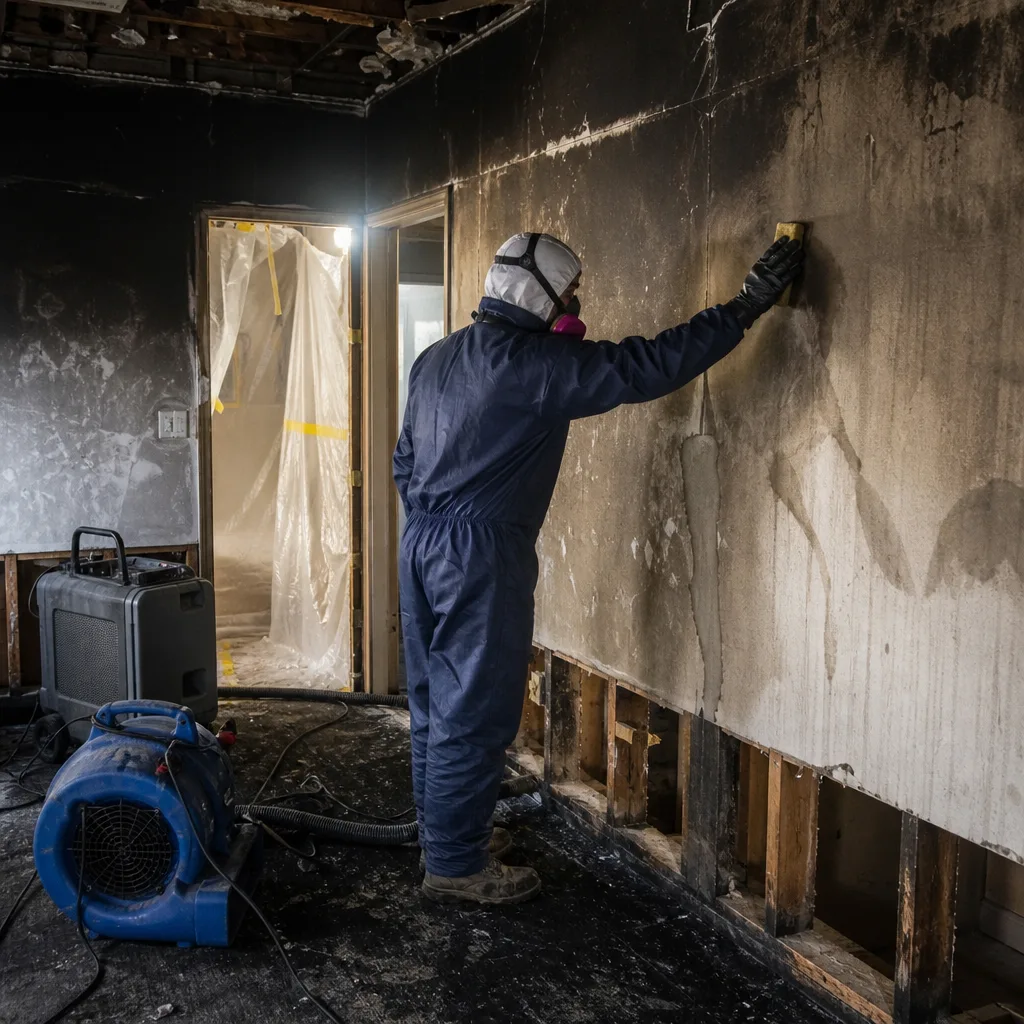
Union City’s market runs higher than suburban New Jersey for equivalent square footage, because density and access multiply the labor hours on every job. Here’s what we typically see:
| Service | Typical Range in Union City |
|---|---|
| Emergency water extraction (single unit) | $450-$950 |
| Structural drying & dehumidification (3-5 days) | $1,800-$4,200 |
| Full burst-pipe restoration (single floor, no rebuild) | $3,500-$8,500 |
| Multi-unit vertical cascade (4-6 floors) | $12,000-$35,000+ |
| Asbestos abatement add-on (pre-1980 buildings) | $2,000-$7,500 |
| Contents pack-out and storage | $800-$2,500 per unit |
What moves the price: number of affected units, contamination category, whether asbestos testing and abatement are required, and the logistics of staging in a building with no alley access. Insurance typically covers sudden and accidental water damage from supply-line failures; slow leaks and maintenance issues are often excluded. We review your policy with you and document the cause to support your claim. Every job gets a written price before work begins, Haven Standard, Clause 1, with no scope-creep additions once our crew is inside.
We Also Serve Cities Near Union City
DryMark Restoration Astoria dispatches crews throughout the immediate metro area. We regularly handle water damage restoration in Union City and neighboring Hoboken, where the flood-risk profile differs dramatically, post-Sandy infrastructure investments have changed drainage patterns, and the building stock mixes newer high-rises with the same pre-war tenements found across the river. The documentation standards and response protocols are identical; the local knowledge adjusts to each city’s conditions.
Serving Union City, NJ - Our Local Coverage Area
We’re based in the Union City area and know this community well. Use the map below to see our service coverage - if you’re nearby, we can almost certainly help.
Union City Water Damage Restoration Questions, Answered
Our Union City tenement has a burst pipe on the second floor - will the apartments below be damaged too?
Almost certainly yes, and the damage below is often worse than the source unit. Water follows gravity through shared walls, ceiling cavities, and the gaps around old plumbing chases. In Union City’s 4-6 story tenements, we’ve seen single burst pipes affect every floor beneath. We moisture-map the full vertical stack on every job, not just the unit with the visible leak. Call (862) 281-7710 for immediate assessment.
How quickly does mold start in a Union City apartment after a roof leak?
Mold colonization begins in 24-48 hours on organic materials at moisture content above 16%. Union City’s older buildings have plaster and lath, not drywall, which slows visible growth slightly but provides excellent hidden substrate in wall cavities. The real risk is the slow leak that saturates insulation for weeks before staining appears. We find and dry the full path, not just the visible damage.
Can you reach a unit in a Union City building with no alley access and only street parking?
Yes, and we do it regularly. Bergenline Avenue and the numbered cross streets have no alleys and extremely limited legal parking. Our crews arrive knowing they’ll spend time staging dumpsters, dehumidifiers, and air movers in available spaces, sometimes shuttling equipment from a remote staging point. We build this logistics reality into our response time and scope, not as a surprise add-on. It’s standard operating procedure for Union City.
If a Union City building is pre-1980, do you need to test for asbestos before water-damage work?
Yes, before any demolition or aggressive drying that disturbs suspect materials. Pre-1980 buildings in Union City routinely contain asbestos floor tiles, pipe insulation, and joint compound. Disturbing these without testing creates a health hazard and exposes property owners to liability. We coordinate certified testing and, if needed, abatement, with documentation for your insurer. The cost is typically recoverable under standard property policies.
What determines whether Category 1 water can be dried in place or has to be removed in a Union City tenement?
Three factors: contamination level at time of discovery (Category 1 can degrade to Category 2 within hours in old buildings), material porosity and saturation depth, and whether the water has reached inaccessible cavities. In Union City’s tenements, carpet and pad in a ground-floor unit often must be removed because wicking has saturated both, and the concrete slab below holds moisture that surface drying cannot reach. We test and document, then recommend based on data, not guesswork.
Will my insurance cover water damage restoration in Union City?
Sudden and accidental damage from supply-line failures is typically covered under standard HO-3 and commercial property policies. Slow leaks, maintenance issues, and flood damage from external sources usually are not. We document the cause of loss from our first inspection, photograph the failed component, and write our scope to support coverage. Direct adjuster coordination is standard on every job. Call (862) 281-7710 and we’ll review your situation.
How long does structural drying take in a Union City tenement?
Three to seven days for most residential losses, longer for deep saturation in masonry and plaster. Union City’s dense construction holds moisture in ways that modern materials do not. We don’t guess at completion; we measure daily moisture content in affected materials and compare to dry standards established for each material type. The drying log shows your adjuster exactly when the structure was ready for rebuild.
Can we stay in our Union City apartment during water damage restoration?
Sometimes, for limited Category 1 losses in undamaged rooms. For Category 2 or 3 contamination, multi-unit cascades, or when equipment noise and dehumidifier heat make living conditions untenable, we coordinate temporary relocation and document those costs for potential insurance reimbursement. Safety and habitability drive the decision, not convenience.
On a job along Bergenline Avenue in Union City, our crew was dispatched after a second-floor cast-iron supply line failed in a 1920s brick tenement, sending water down through four stacked floors of apartments. Because the building had no alley access, we staged dumpsters and dehumidifiers in limited legal parking on Bergenline and the cross streets, then did moisture mapping across all four units and set Phoenix dehumidifiers and XPOWER air movers with containment and antimicrobial treatment to dry the structure. The pack-out for tenants in each affected unit and the drying logs we kept gave every carrier a clear scope of work to reimburse against.
Union City’s density and building age create water-damage scenarios that don’t exist in newer, less crowded cities. A crew that understands the vertical cascade, the asbestos risk, and the Bergenline Avenue logistics problem will save you weeks and thousands of dollars. One that doesn’t will miss half the damage and leave you fighting your insurer alone.
Call (862) 281-7710 now. We answer live, dispatch within 45 minutes, and deliver a written price before any work begins. Estimates are free. Documentation is standard. And every job is backed by our 365-Day Done Right Promise under The Haven Standard.
Written by Alicia Brennan, Owner at DryMark Restoration Astoria, serving Union City since 2011.
Water Damage Restoration in Nearby Areas