
Free visual inspection and a written scope of work before any mitigation begins - photos, moisture readings, and drying logs go in your claim file
The scope we write is the scope we bill. Anything new gets shown to you, in writing, before we touch it.
Storm response
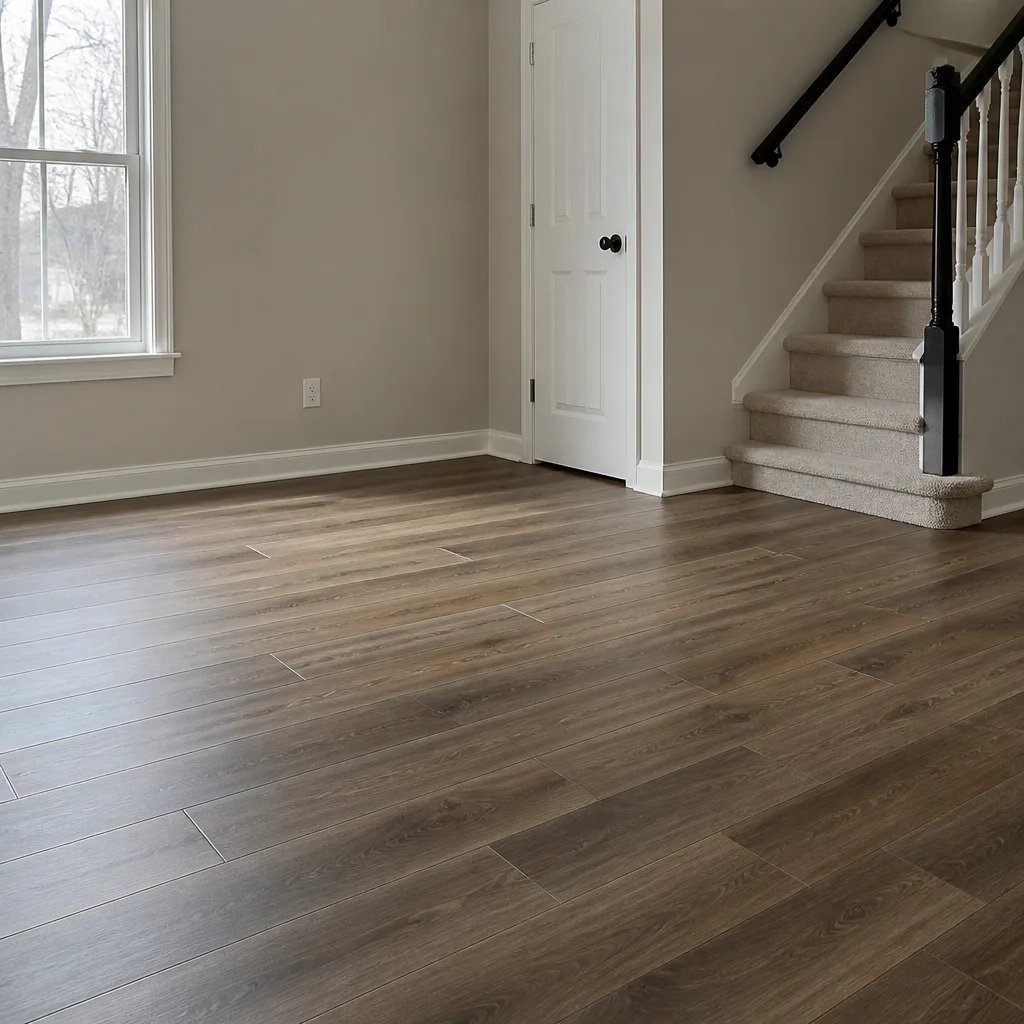
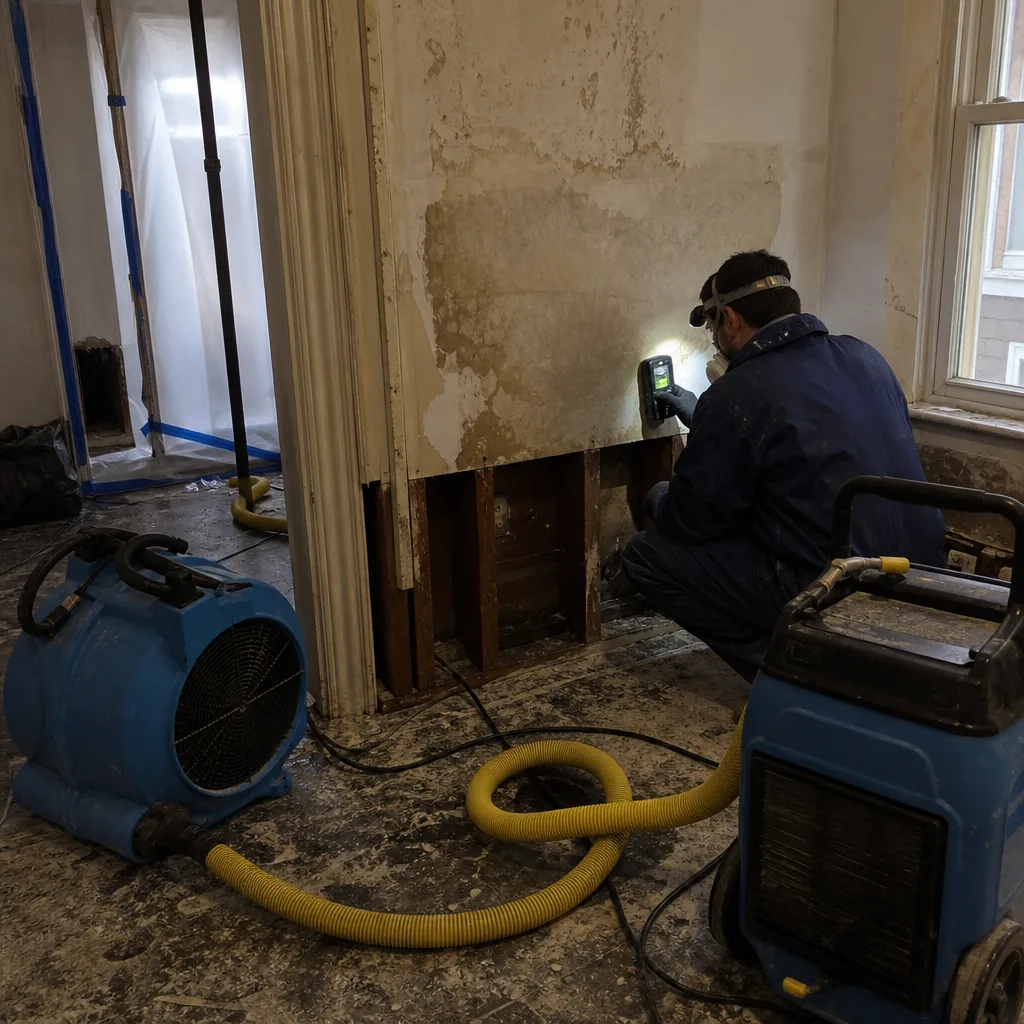 Before
 After
After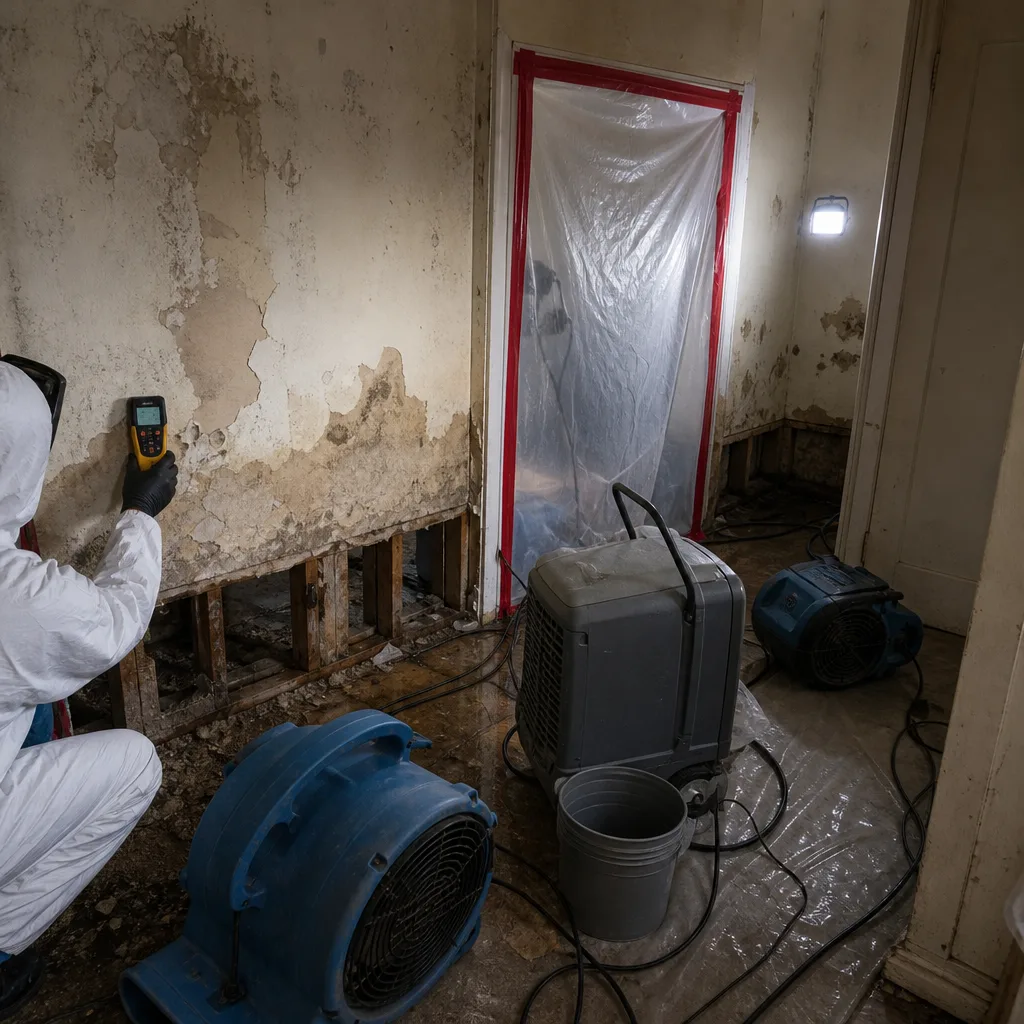 Before
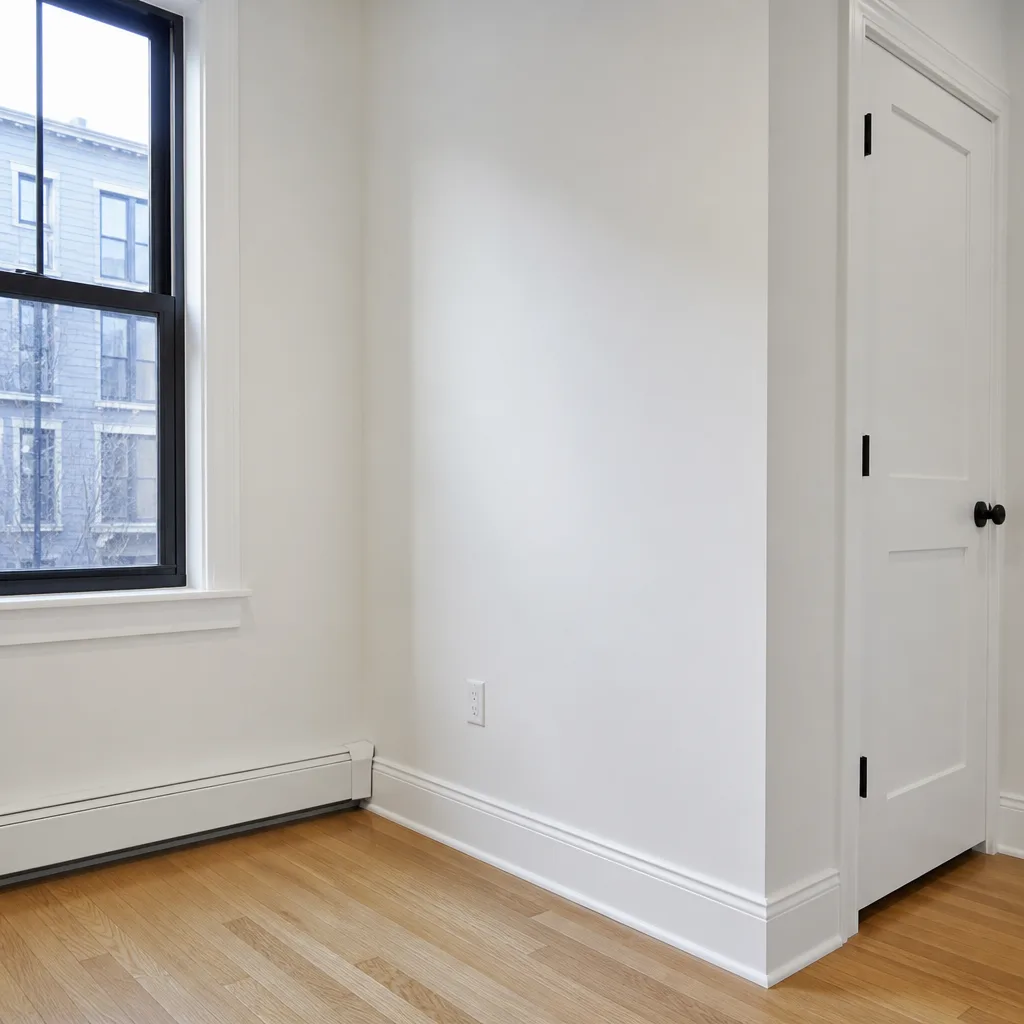 After
After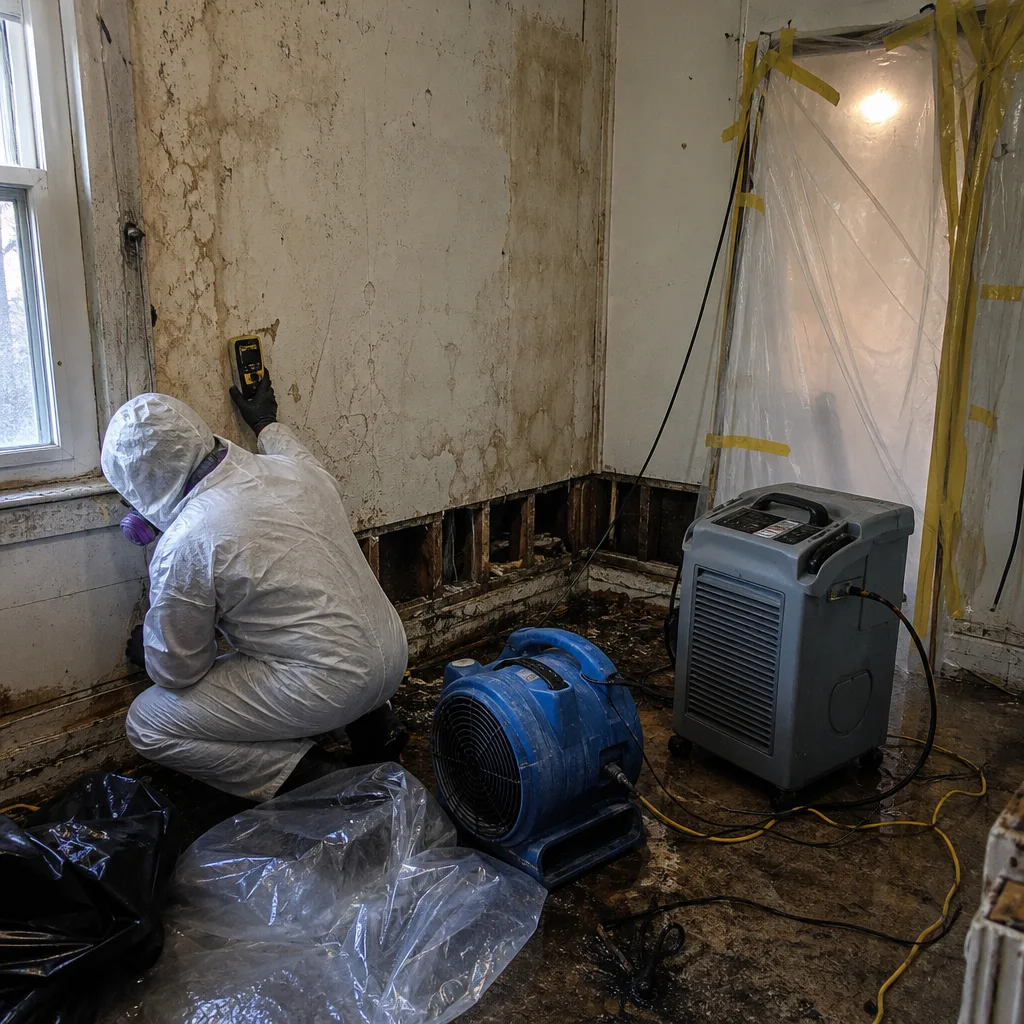 Before
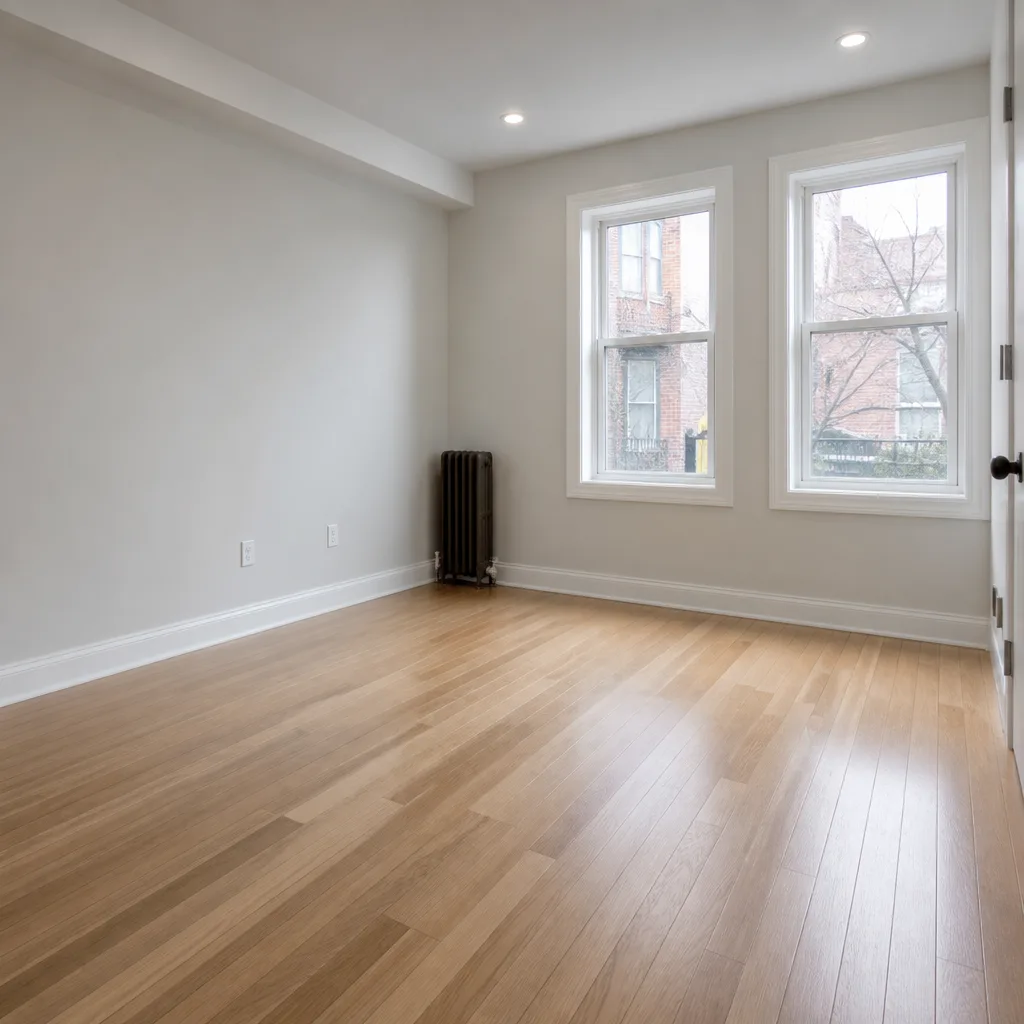 After
After24/7 Emergency Water Damage Restoration in Hoboken
Water damage restoration in Hoboken typically costs $2,800-$8,500 for a standard residential loss, with emergency extraction starting at $450-$900 and full structural drying running $1,800-$4,200 depending on square footage and contamination level. Most Hoboken properties require 3-5 days of active drying, and crews can be on-site within 45 minutes of your call. Call (862) 281-7710 now - a live person answers, 24 hours a day, every day, with no voicemail trees while water is still moving through your floors.
The first hour determines whether you’re looking at extraction and drying or a full gut renovation. In Hoboken’s bowl-shaped topography, water has nowhere to drain naturally. It sits. It wicks upward through horsehair plaster and shared party walls. It finds the path of least resistance, which is usually into your neighbor’s unit through a century-old brick wall. Our Water Damage Restoration team dispatches from our New York City office with equipment staged for immediate Hoboken response.
Understanding Water Damage Restoration Severity in Hoboken Properties
Water damage is classified by contamination level, not just volume. Category 1 is clean water from a supply line - a burst copper pipe on a January freeze night. Category 2 is gray water with chemical or biological load - dishwasher discharge, sump pump failures, the spring thaw seepage common in Hoboken garden-level units. Category 3 is black water: sewage backup from the city’s combined sewer system, Hudson River tidal surge, or groundwater flooding. Each category demands different protocols, and misclassification costs homeowners their health and their claims.
Moisture mapping with thermal imaging and thermo-hygrometers measures vapor pressure differential - the force that drives moisture from wet materials into dry air. Psychrometric data tells us how much water the air can hold at a given temperature, which determines our dehumidifier placement and drying timeline. In Hoboken’s pre-1920 rowhouses, standard pin-type moisture meters read horsehair plaster surfaces as dry while the wood lath and framing behind them remain saturated. Tertiary drying, the final phase where bound moisture releases from dense materials, often takes 40% longer in these legacy buildings than in modern drywall construction.
Severity also depends on what the water touched. Unsealed oak strip flooring in a Willow Avenue brownstone? It cups within 72 hours and may require full replacement. Concrete slab in a newer Maxwell Place condo? Extraction and rapid drying usually save it. We document the material classification on every job - it’s what your adjuster needs to approve replacement versus restoration.
Why Hoboken Property Owners Choose DryMark Restoration Astoria
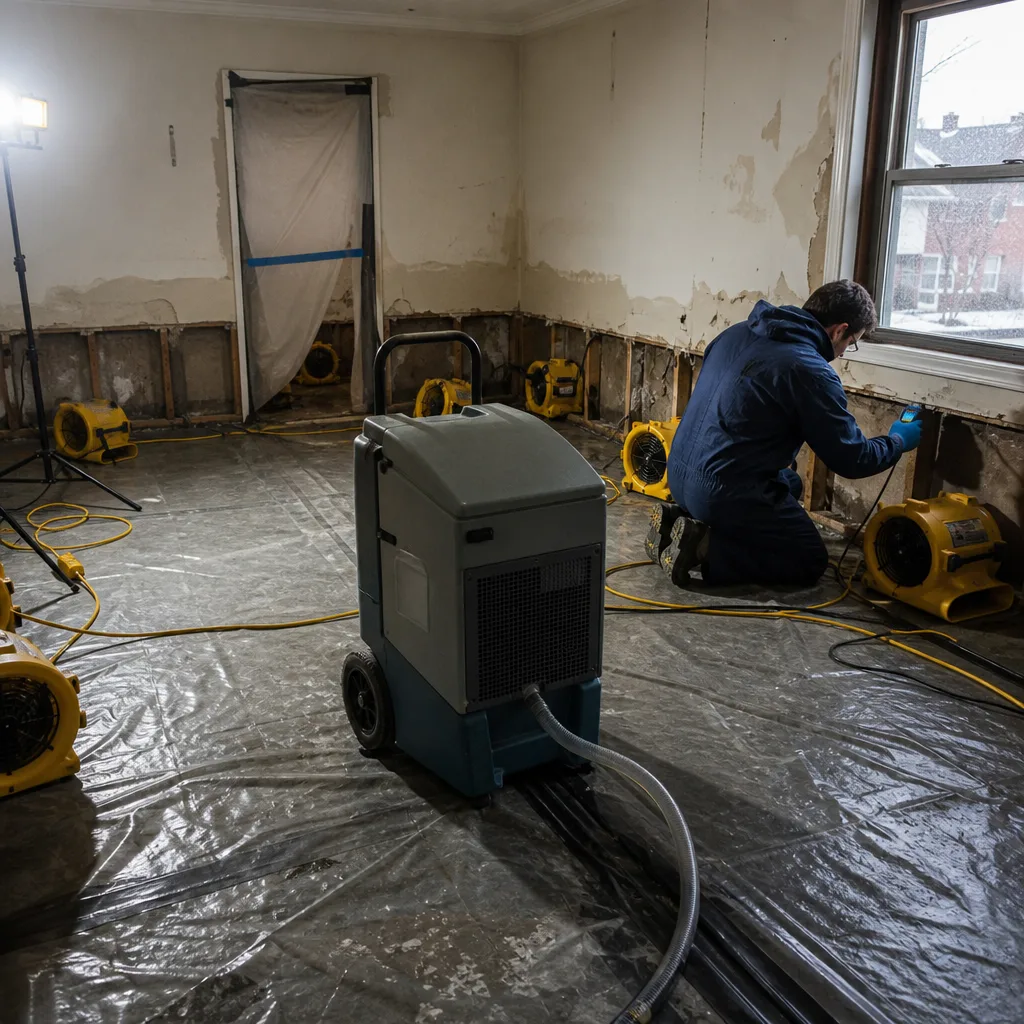
- 45-minute response commitment to any Hoboken address - our crews know the one-way grid and where to stage on Washington Street during peak hours.
- 24/7 live answer by a real person, never an automated system - no voicemail while Category 3 water is still spreading through your floors.
- IICRC-certified crews holding WRT (Water Damage Restoration Technician) and AMRT (Applied Microbial Remediation Technician) credentials, with license numbers documented on every job file.
- Free visual inspection and written scope before any work begins - Haven Standard, Clause 1.
- Direct insurance billing with photo-documented drying logs that turn restoration invoices into payable claims.
- One team from extraction through reconstruction - no handoffs between contractors, no gaps in documentation.
BeforeAfterOur Water Damage Restoration Process
1. Inspection & Assessment
We arrive with thermal imaging cameras, pin and pinless moisture meters, and borescopes for wall cavity inspection. In Hoboken rowhouses, we assume horsehair plaster will read dry on the surface and plan demo accordingly. You receive a written scope and firm price before any equipment runs - Haven Standard, Clause 1.
2. Water Extraction & Stabilization
Truck-mounted extraction units remove standing water at 25+ gallons per minute. For below-grade units with limited access, we deploy portable flood pumper systems and submersible pumps. We identify and stop the source - whether it’s a burst supply line, sewer backup, or tidal infiltration through foundation walls.
3. Structural Drying & Dehumidification
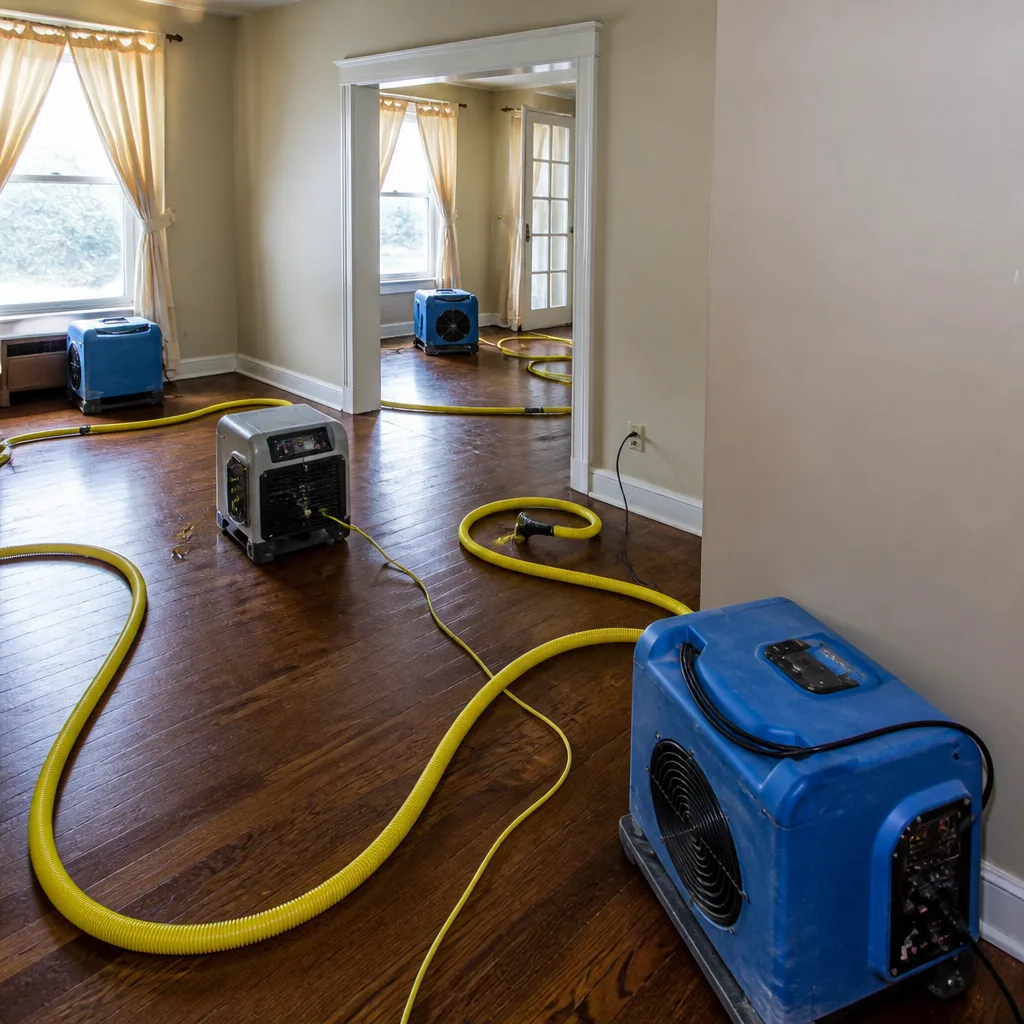
We deploy Dri-Eaz and Phoenix LGR dehumidifiers sized to the psychrometric load, with axial and centrifugal air movers creating controlled airflow patterns. Injectidry systems dry wall cavities and hardwood flooring from the inside out. Daily moisture logs track progress to IICRC and RIA standards.
4. Cleaning & Sanitization
Category 2 and 3 losses receive antimicrobial treatment with EPA-registered products, followed by HEPA air scrubbing to capture airborne particulates. We document application rates and dwell times for your insurer. Odor neutralization targets the metabolic byproducts of bacterial and fungal growth, not just masking agents.
5. Moisture Mapping & Hidden Damage Protocol
Here’s where Hoboken’s building stock changes everything. We demo suspect plaster sections to inspect lath and framing, because pin meters cannot be trusted on horsehair plaster. We trace moisture migration through shared party walls and document extension into neighboring units - critical for multi-party insurance coordination.
6. Repairs & Restoration
Our reconstruction team replaces compromised lath and plaster with modern moisture-resistant assemblies where code allows, or restores original materials in landmark-designated properties. Final walkthrough includes a signed 365-Day Done Right Promise under The Haven Standard, covering both workmanship and documentation accuracy.
Need Emergency Water Damage Restoration in Hoboken Now?
Crews minutes away, answering live 24 hours a day. The sooner we start, the less it costs.
Working With Your Insurance Company
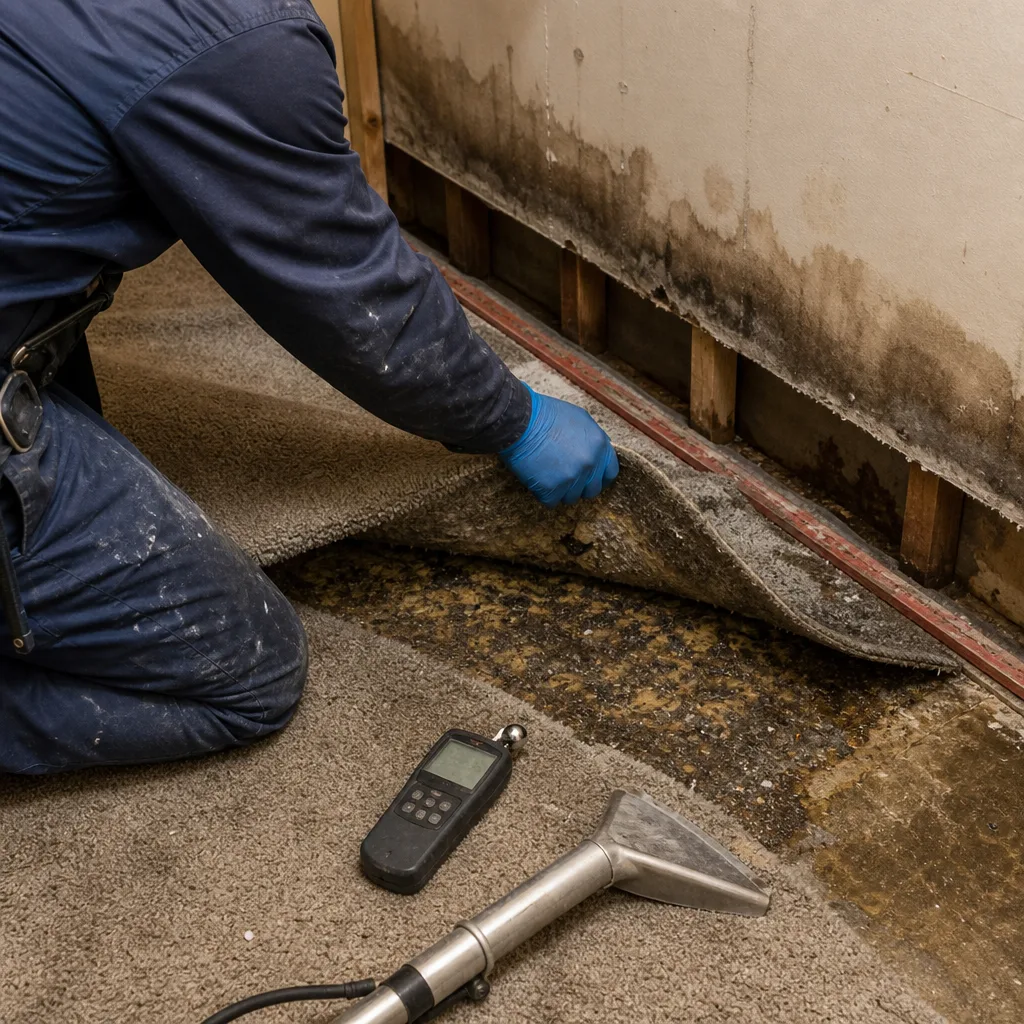
We built our documentation protocol around what adjusters actually need to pay a claim without escalation. Every job starts with photo documentation in the first hour - before extraction, while the full extent of damage is visible. Our estimates follow industry-standard Xactimate pricing with line-item detail, not lump-sum guesses that trigger review delays. We speak directly with your adjuster, provide supplemental documentation when scope expands (as it almost always does in Hoboken’s hidden-damage environments), and coordinate payment so you’re not floating restoration costs on your credit card.
The photo record, drying logs, and written scope are standard deliverables on every job - never upsells. Alicia Brennan founded this company in 2011 after years as a claims adjuster watching homeowners lose legitimate claims to sloppy contractor documentation. That origin is why we treat paperwork with the same urgency as extraction.
What We Provide Your Insurer
- Thorough documentation of the loss
- Photos of all damage, room by room
- Moisture readings and drying logs
- A detailed, line-item scope of work
- Direct coordination with your carrier
Built for Hoboken’s Loss Calendar
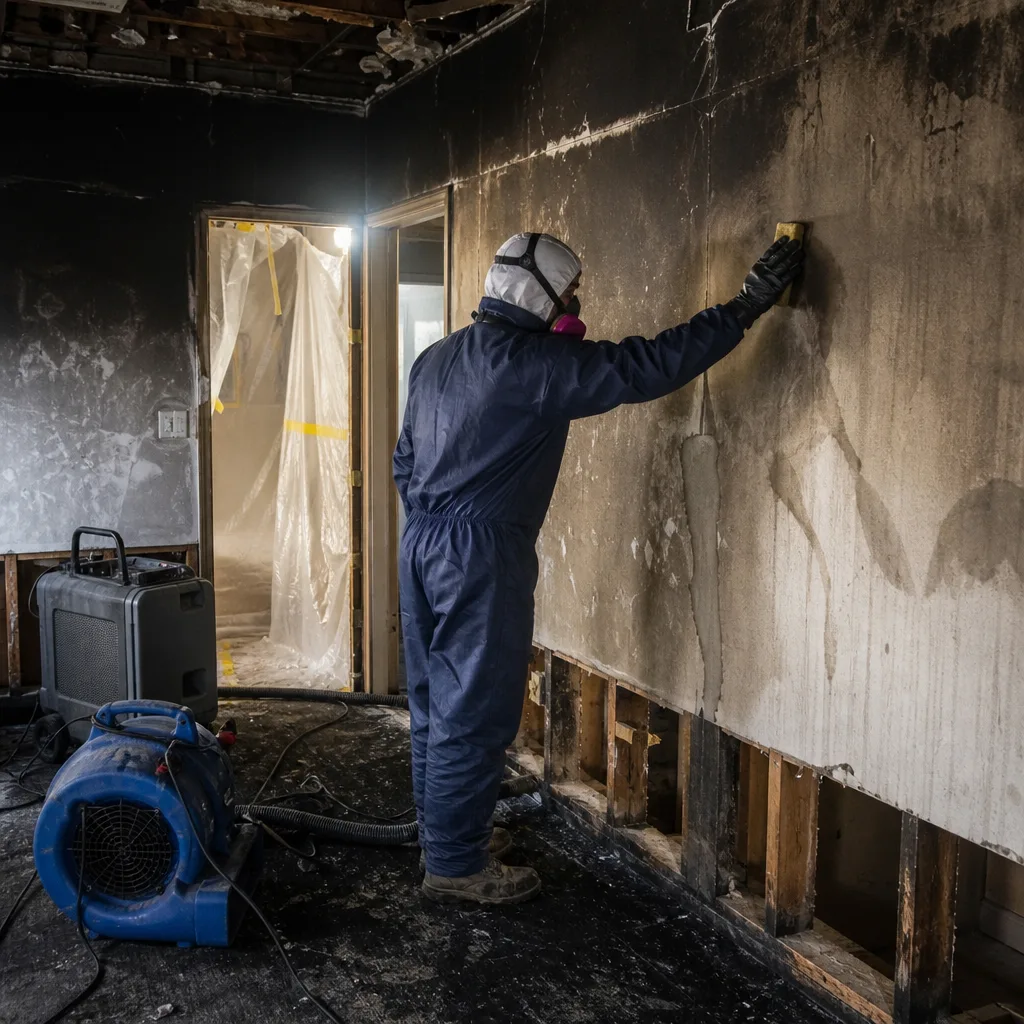
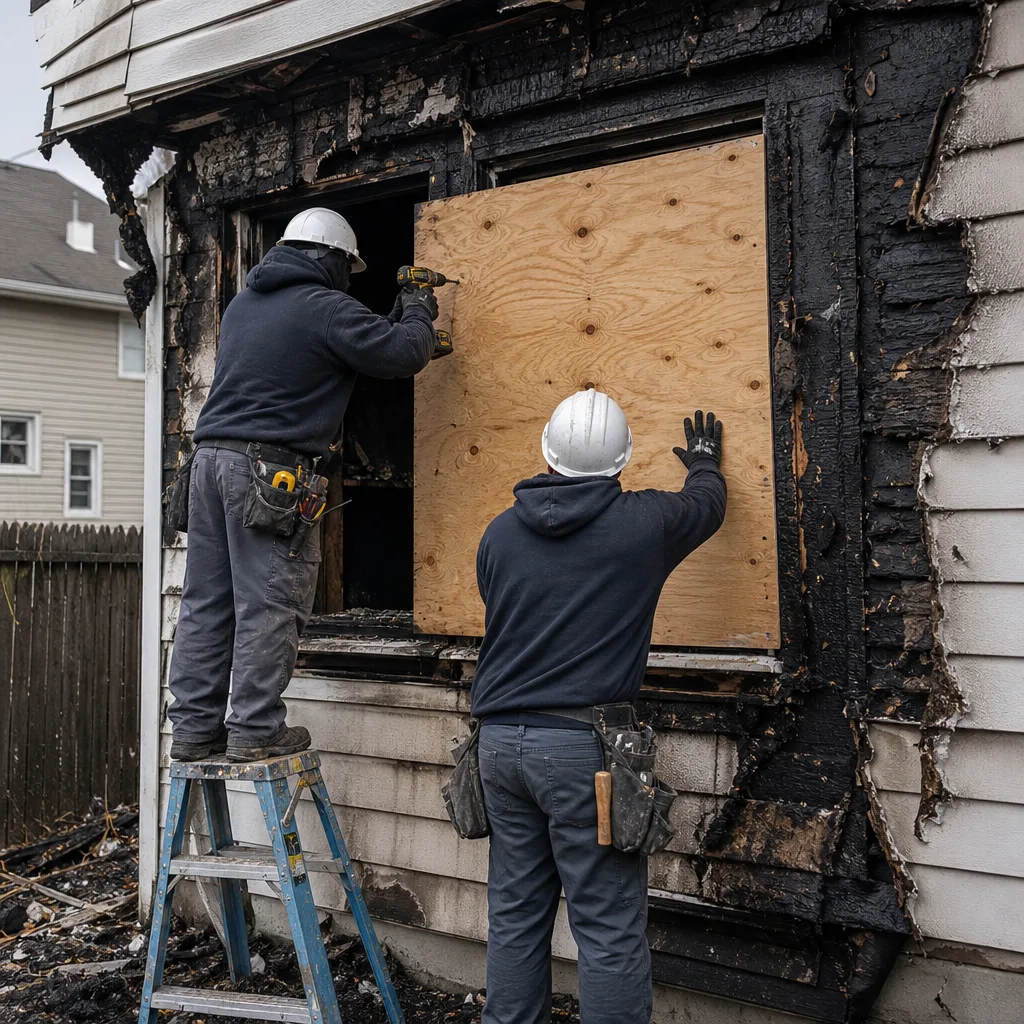
January brings deep freezes that burst copper supply lines in uninsulated party walls - the kind of leak that floods three units simultaneously before anyone notices. February through March, freeze-thaw cycles open foundation cracks that were sealed in autumn. April and May deliver the real trouble: spring rains overwhelm Hoboken’s combined sewer system, producing Category 3 backups in garden-level units along Willow Avenue and Clinton Street with disturbing regularity. If fire or smoke damage has also affected your property, our Fire & Smoke Damage Restoration - Hoboken team can coordinate a unified response.
Summer thunderstorms hit fast and hard. The Hoboken Bowl has no gradient to shed water, so streets flood within minutes, and water enters through every available opening - window wells, bulkhead doors, foundation seams. September through November is nor’easter season, when tidal surge from the Hudson River stacks on top of rainfall, producing the compound flooding that defined Hurricane Sandy. December returns to freeze risk, particularly in vacant or minimally heated units where pipes sit at ambient temperature.
We maintain 24/7 live dispatch because water doesn’t follow business hours, and in Hoboken’s dense housing, one delayed response often means four affected properties instead of one.
Water Damage Restoration Across Hoboken’s Neighborhoods
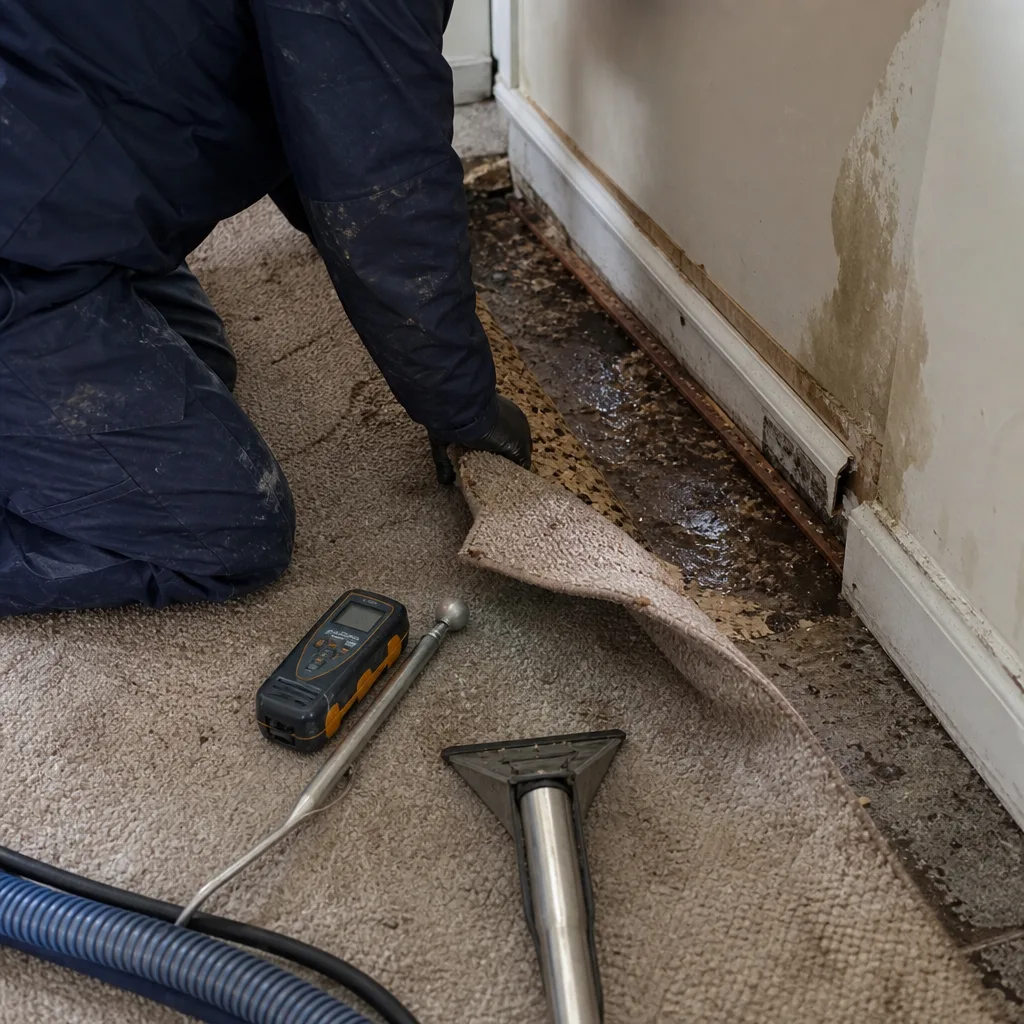
The waterfront corridor from Sinatra Drive to Pier A sees tidal surge losses - not just during named storms, but during routine king tides that overtop bulkheads and infiltrate parking garages and ground-floor amenities. Our crews carry salinity test kits because Hudson River water carries chlorides that corrode steel and require different cleaning protocols than fresh water.
Uptown Hoboken, from 14th Street to the city line, mixes pre-war brick rowhouses with newer mid-rise construction. The rowhouses present the horsehair-plaster challenge; the condos often have flat-roof membrane failures that send water cascading through multiple floors via utility chases. We inspect the roof first on any upper-floor water call in this zone.
The central grid between Washington Street and Willow Avenue is the densest concentration of legacy housing. Parking is impossible, so our trucks stage at designated commercial zones while crews haul equipment on dollies. We’ve learned which buildings have basement access only through sidewalk hatches, which have been sealed by subsequent renovations, and which require coordination with building management for key access.
The southwest quadrant, including the Housing Authority and adjacent blocks, sees the highest frequency of combined sewer backups. These are Category 3 losses every time - no exceptions - requiring full antimicrobial protocol and often extensive removal of porous materials. We coordinate with HHA maintenance on scope and access, and we document everything for both resident and authority insurance.
Specialized Water Damage Restoration Services We Offer in Hoboken
Emergency Water Extraction
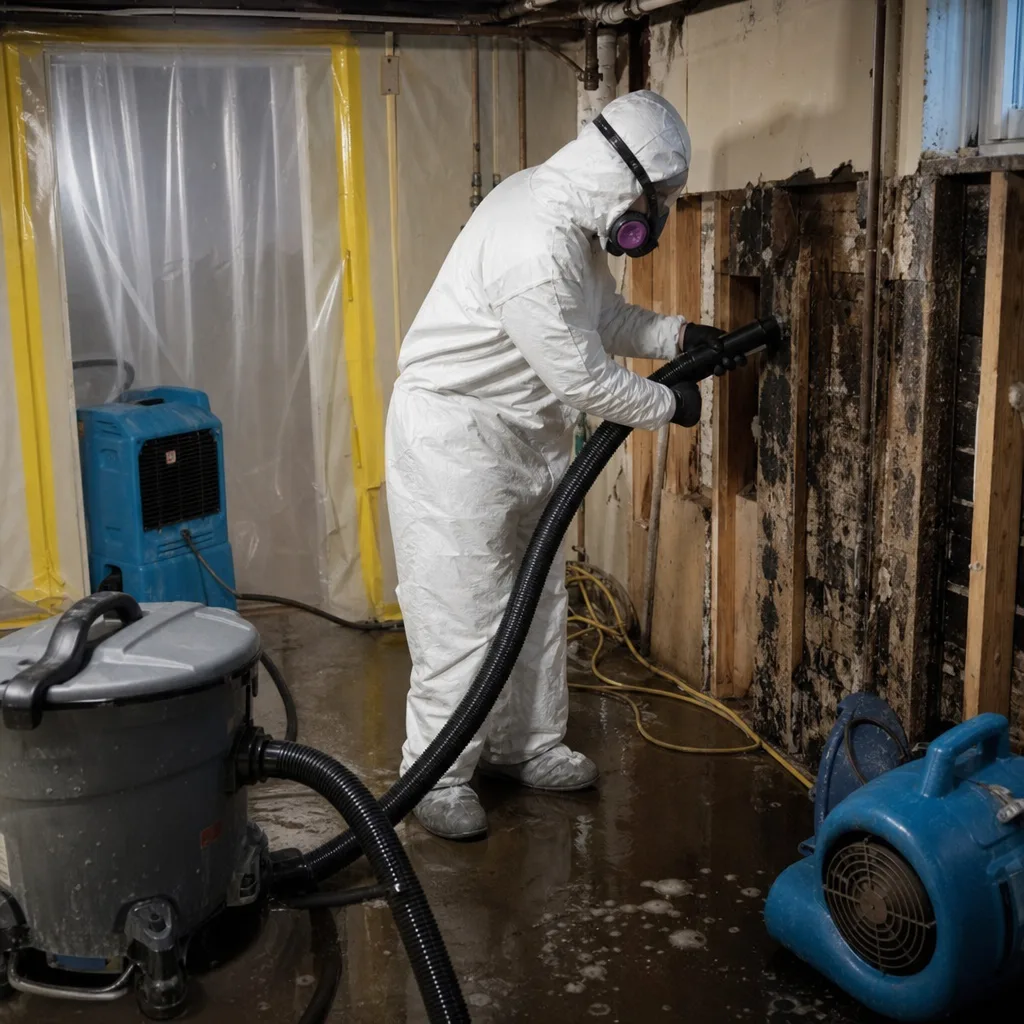
Standing water in a Hoboken basement or garden-level unit doesn’t wait for business hours. Our truck-mounted and portable extraction systems remove water from finished and unfinished spaces, including the tight mechanical rooms common in converted brownstones. We extract first, assess second - because every minute of standing water extends the damage footprint through wicking and capillary action.
Structural Drying & Dehumidification
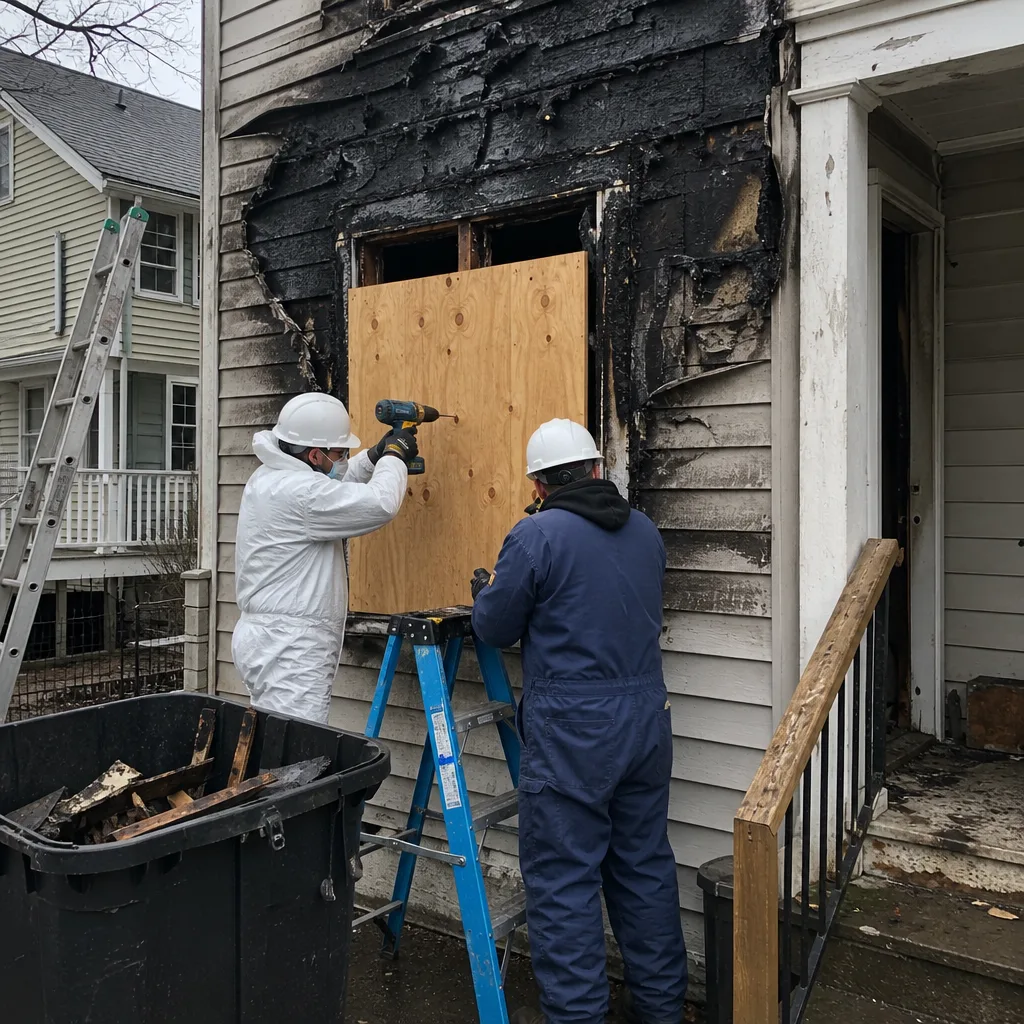
Dri-Eaz Revolution LGR dehumidifiers and Phoenix 200 HT units establish the vapor pressure differential needed to pull moisture from dense, century-old materials. In Hoboken’s rowhouses, we position air movers to create airflow across wall cavities opened for inspection, not just across room surfaces. Drying logs are updated daily and provided to your insurer as standard - never an extra charge.
Flood Cleanup
Hoboken’s bowl geography and combined sewer system produce flooding distinct from typical storm damage. We treat all floodwater as Category 3 until proven otherwise, with full PPE, containment, and antimicrobial application. Our flood protocol includes documentation of the infiltration pathway - foundation seepage, sewer backup, or overland flow - because your insurer needs this classification to process coverage correctly.
Burst Pipe Restoration
January freezes split copper and galvanized supply lines in exterior walls and unheated crawl spaces. We extract, dry, and document the line-of-sight damage, then trace moisture migration through shared framing and party walls. In Hoboken’s attached housing, a single burst pipe often produces losses in adjacent units that aren’t discovered until mold appears - we inspect neighboring properties when access is available.
Basement Water Removal
Below-grade units in Hoboken face compound risk: hydrostatic pressure from the high water table, sewer backup during moderate rainfall, and tidal infiltration during surge events. We pump, extract, and establish drying protocols that account for continuous moisture loading from the surrounding soil. Sump pump installation and battery backup recommendations are included in our scope when the source is groundwater.
What happens when you call
- 1
A real person answersNo phone trees - you reach a local pro.
- 2
You get an upfront price rangeHonest numbers before anyone is dispatched.
- 3
A background-checked tech heads outLicensed & insured, dispatched right away.
- 4
You approve before work beginsNothing starts until you say go.
Water Damage Restoration Costs in Hoboken, NJ
Emergency water extraction in Hoboken runs $450-$900 for a typical residential loss, with after-hours and holiday rates at the upper end. Structural drying and dehumidification for a 1,000-square-foot affected area costs $1,800-$4,200 over 3-5 days. Full Category 3 flood cleanup with removal of contaminated materials, antimicrobial treatment, and reconstruction starts around $5,500 and can reach $15,000+ for gutted garden-level units with finished interiors.
What moves the price: contamination level (Category 1 vs. 3), affected square footage, whether demolition reveals hidden damage in lath and framing, and whether the loss extends into neighboring units through party walls. Insurance typically covers sudden and accidental water damage from supply lines and weather events; gradual seepage and maintenance-related failures often fall under exclusions. We provide a free visual inspection and written scope before any work begins - Haven Standard, Clause 1 - so you know exactly what you’re paying and what your insurer will likely cover.
Bring a competitor’s written estimate and we’ll review it at no charge. Our Free Second Opinion exists because we’ve seen too many Hoboken homeowners approve scopes that missed hidden damage in horsehair plaster walls.
We Also Serve Cities Near Hoboken
Our crews respond throughout the immediate Hudson County area. We regularly coordinate losses that span municipal boundaries, particularly along shared transit corridors and waterway-adjacent developments. Water Damage Restoration in Hoboken is our core service, and we also serve Union City with the same 45-minute response commitment, live dispatch, and documented drying protocols.
Hoboken Water Damage Restoration Questions, Answered
How quickly can you get to my Hoboken property?
Our commitment is 45 minutes from call to on-site anywhere in Hoboken, 24 hours a day, 365 days a year. A live person answers every call - no voicemail, no callback queues. Dispatch is coordinated from our New York City office with crews staged for immediate Hudson County response. Call (862) 281-7710 and we’ll confirm ETA while you’re still on the line.
Will my insurance cover water damage restoration in Hoboken?
Most sudden and accidental water damage is covered under standard HO-3 and HO-5 policies: burst pipes, appliance failures, and weather-related flooding from damaged roofs or windows. Gradual damage - slow leaks, seepage, maintenance neglect - is typically excluded. Sewer backup requires a separate endorsement that many Hoboken policies include due to the city’s combined system risk. We document the cause and timeline from the first hour, produce line-item scopes in Xactimate format, and coordinate directly with your adjuster to maximize covered recovery. Call (862) 281-7710 for a free inspection and coverage review.
Do I need full restoration or just cleanup?
Cleanup removes water and surface contamination. Restoration returns the structure to pre-loss condition. In Hoboken’s pre-1920 housing, cleanup alone is almost never sufficient because horsehair plaster conceals saturated lath and framing that will grow mold within 48-72 hours. We demo first to assess true damage extent, then provide a written scope that distinguishes cleaning from removal, drying from reconstruction, and restoration from repair. Haven Standard, Clause 1: you see the full scope and price before any work begins.
How do you find hidden water damage in a Hoboken rowhouse when the plaster walls feel dry?
We don’t trust the surface. In Hoboken’s pre-1920 rowhouses, interior walls are horsehair plaster over wood lath. Standard pin-type moisture meters read the plaster face as dry even when the lath and framing behind it are saturated and actively growing mold. Our protocol is demo first, meter second - opening suspect sections to inspect the cavity directly, then using thermal imaging and borescopes to trace moisture migration paths through shared party walls. The true damage footprint almost always exceeds the initial visual assessment in these buildings.
Why does water damage in my Hoboken basement keep coming back after heavy rain?
Hoboken sits in a documented low-lying basin with virtually no natural drainage gradient, hemmed between the Hudson River and the Palisades ridge. The city’s aging combined sewer system backs up under moderate rainfall, and tidal surge stacks on top of stormwater during nor’easters. If your restoration contractor only addressed the visible water without identifying the infiltration pathway - foundation crack, failed sealant, missing sump pump, or sewer check valve - the water will return. Our scopes include source identification and mitigation recommendations, not just drying.
If a pipe bursts in my Hoboken condo, does the damage affect my neighbors?
Almost certainly. Hoboken’s building stock is overwhelmingly attached brick rowhouses and brownstones with shared party walls. Water migrates horizontally through multiple owner-of-record properties via wall cavities, floor joist bays, and utility chases. We inspect accessible adjacent units as part of our standard protocol and document cross-property damage for multi-party insurance coordination. Ignoring neighboring damage leaves liability unresolved and mold risk unaddressed.
How quickly can mold start growing after water damage in Hoboken?
In Hoboken’s humid summer climate and poorly ventilated below-grade spaces, mold colonization can begin on saturated organic materials within 24-48 hours. Horsehair plaster and wood lath provide ideal substrate. Our drying protocols target below 16% wood moisture content within 72 hours to prevent germination, with daily moisture logs proving we hit the target. If mold is already present, we shift to antimicrobial remediation under IICRC S520 standards with containment and HEPA air scrubbing.
Do you use drying logs for insurance claims in Hoboken?
Every job. Daily drying logs with psychrometric data, moisture content readings by room and material, equipment placement maps, and photographic documentation are standard deliverables - never upsells. These logs, produced to IICRC, RIA, and IFA standards, are what transform restoration invoices into claims adjusters pay without dispute. Alicia Brennan built this company in 2011 specifically to close the documentation gap that costs homeowners their claims. Call (862) 281-7710 to discuss what your specific claim requires.
Serving Hoboken, NJ - Our Local Coverage Area
We’re based in the Hoboken area and know this community well. Use the map below to see our service coverage - if you’re nearby, we can almost certainly help.
What to Do in the First 30 Minutes
Shut off the water source if it’s a supply line and you can locate the valve safely. Don’t enter standing water if electrical outlets or equipment are submerged - that’s a fatality risk, not a repair cost. Call (862) 281-7710 immediately; our live dispatcher will guide you through immediate safety steps while crews are en route. If safe, remove small valuables and documents from the affected area, but don’t move heavy furniture onto wet carpet - it drives moisture deeper and stains permanently. Take photos from multiple angles before any water recedes or materials are disturbed; your insurer needs pre-mitigation documentation, and our crews will supplement with professional documentation on arrival.
Don’t use a household vacuum on water. Don’t run fans on Category 2 or 3 losses - you’ll aerosolize contamination. Don’t assume the visible water is the full extent of damage, especially in Hoboken’s plaster-wall housing. And don’t wait for business hours; water moves faster than your schedule.
Written by Alicia Brennan, Owner at DryMark Restoration Astoria, serving Hoboken since 2011 under The Haven Standard.