
Free visual inspection and a written scope of work before any mitigation begins - photos, moisture readings, and drying logs go in your claim file
The scope we write is the scope we bill. Anything new gets shown to you, in writing, before we touch it.
Storm response
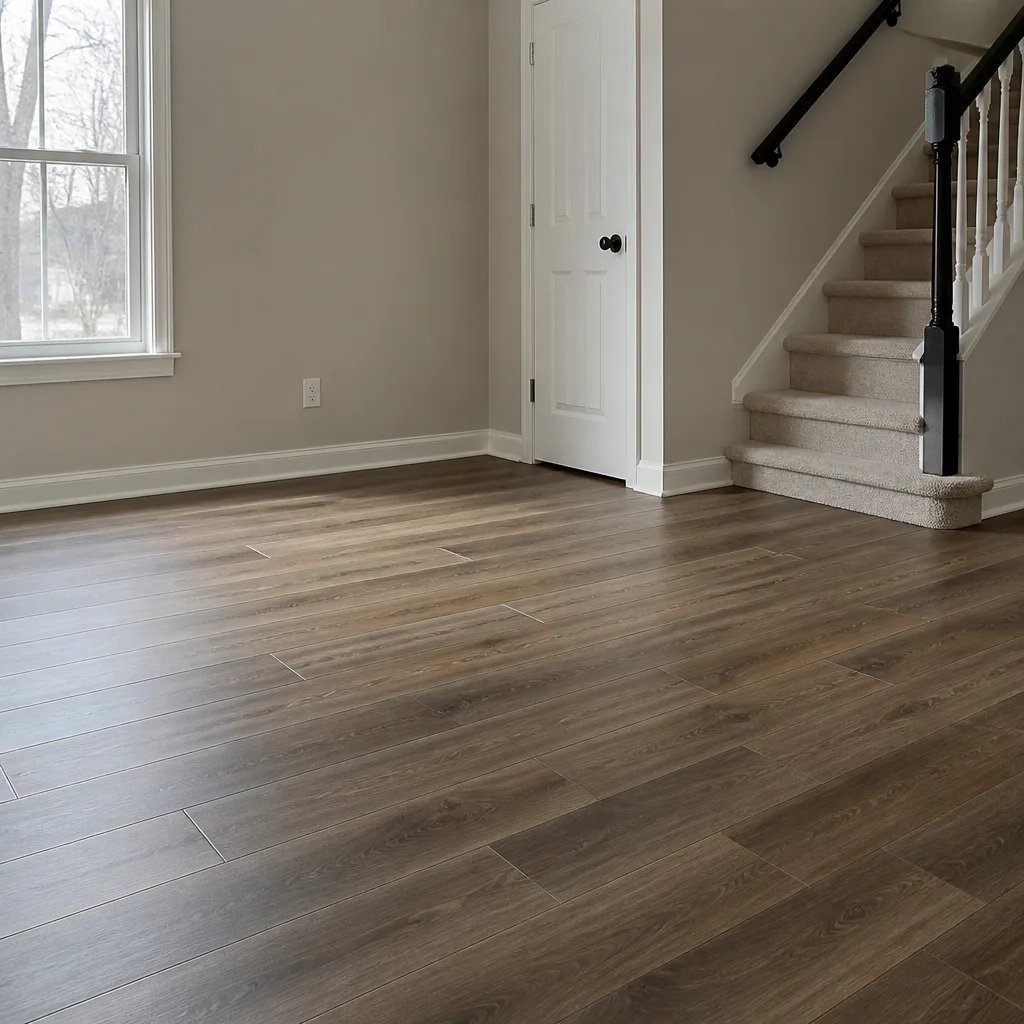
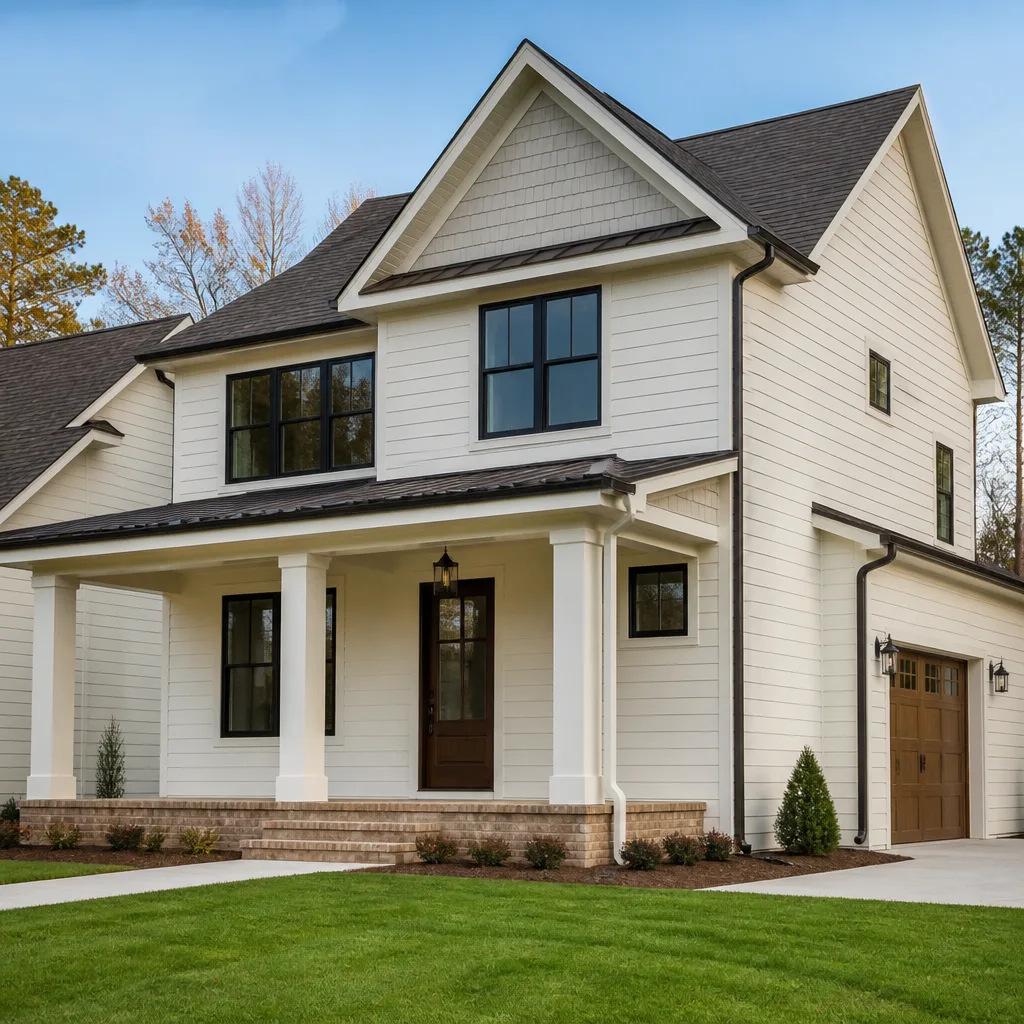
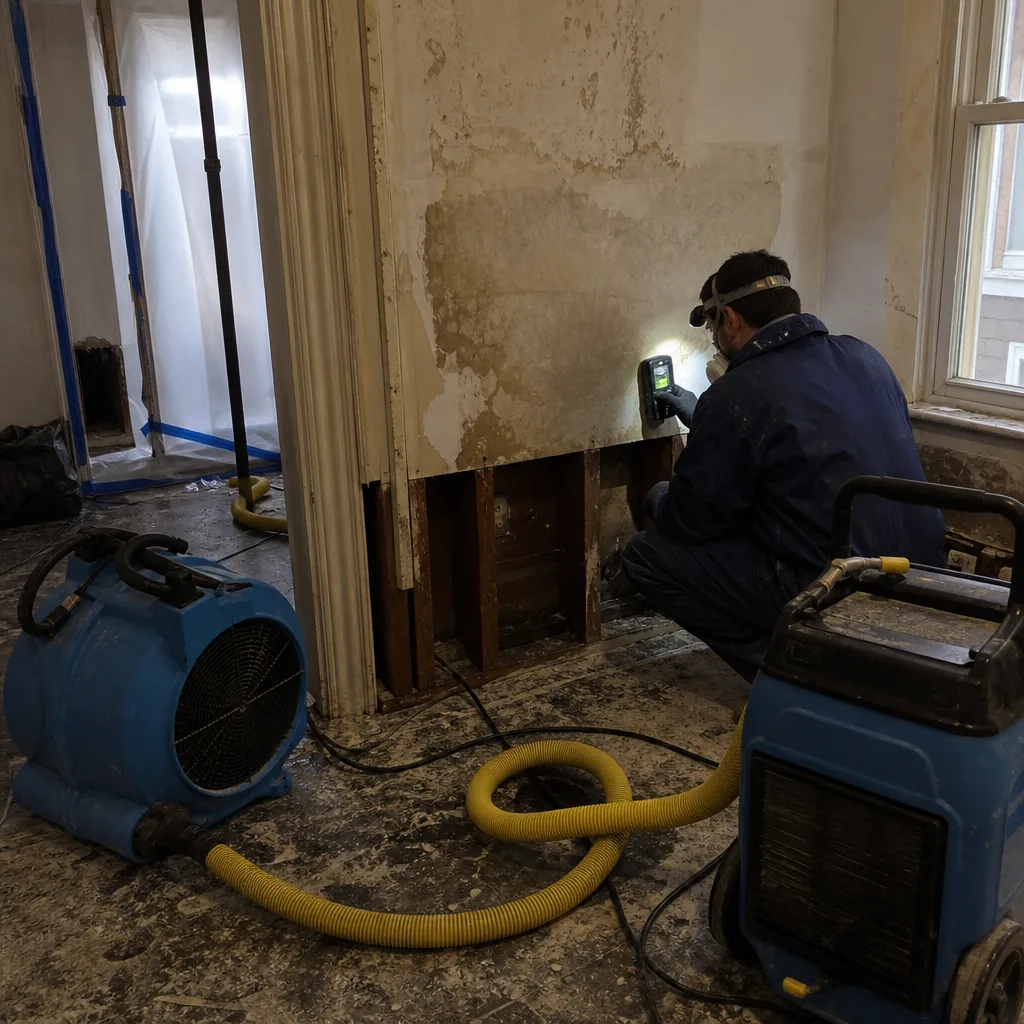 Before
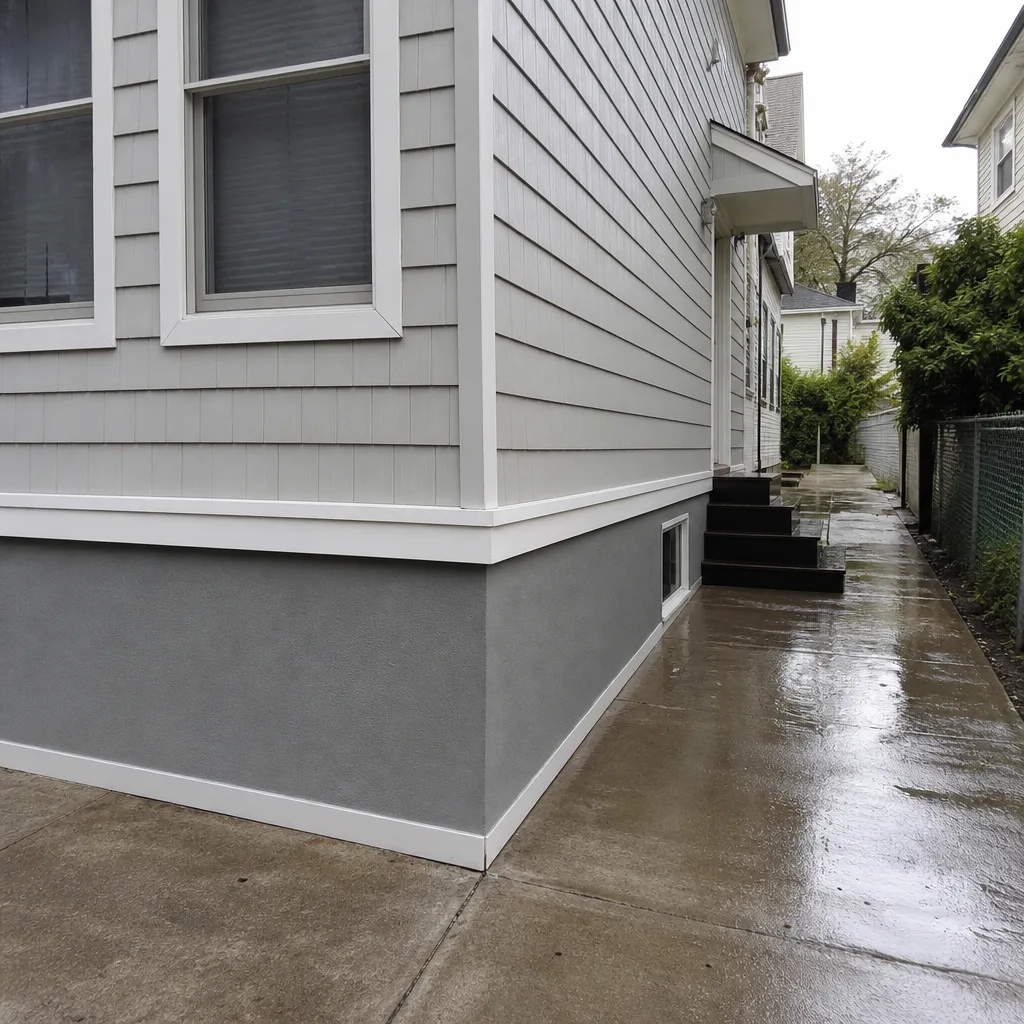 After
After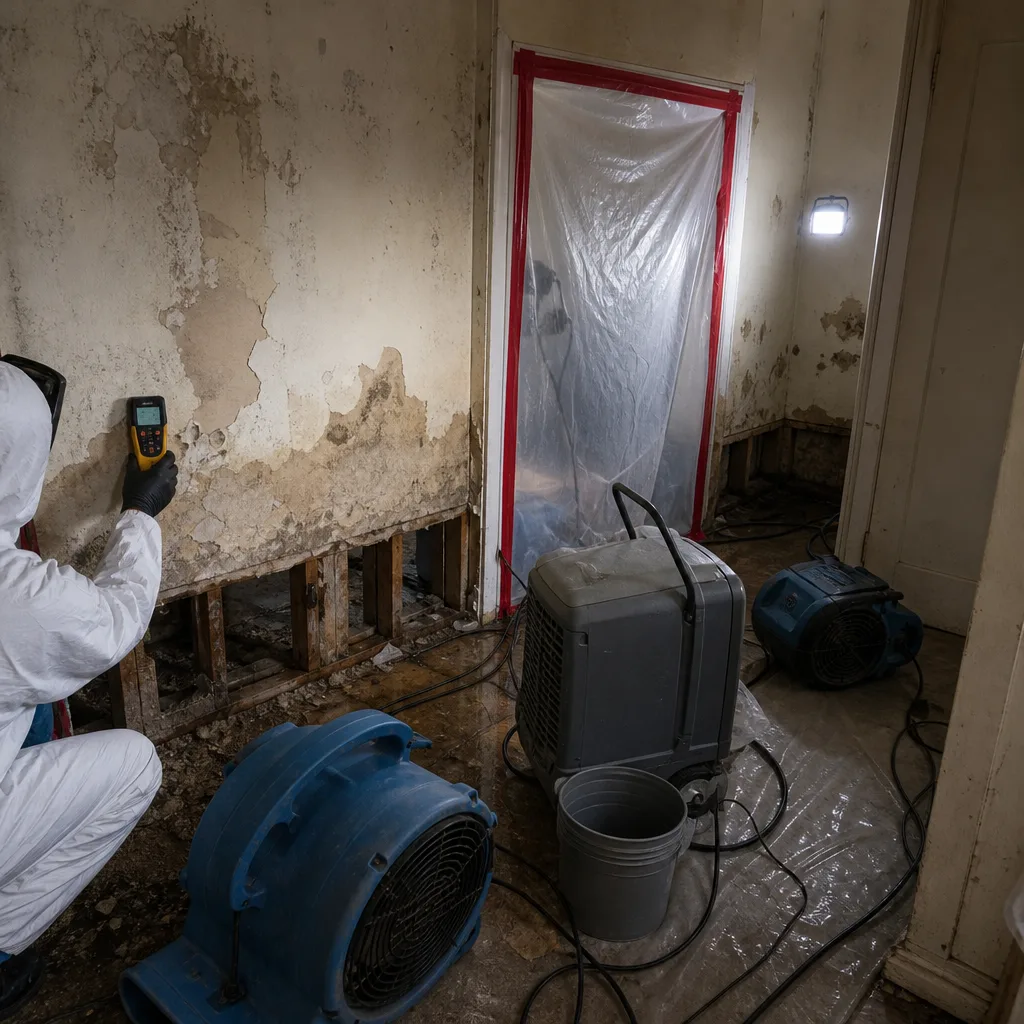 Before
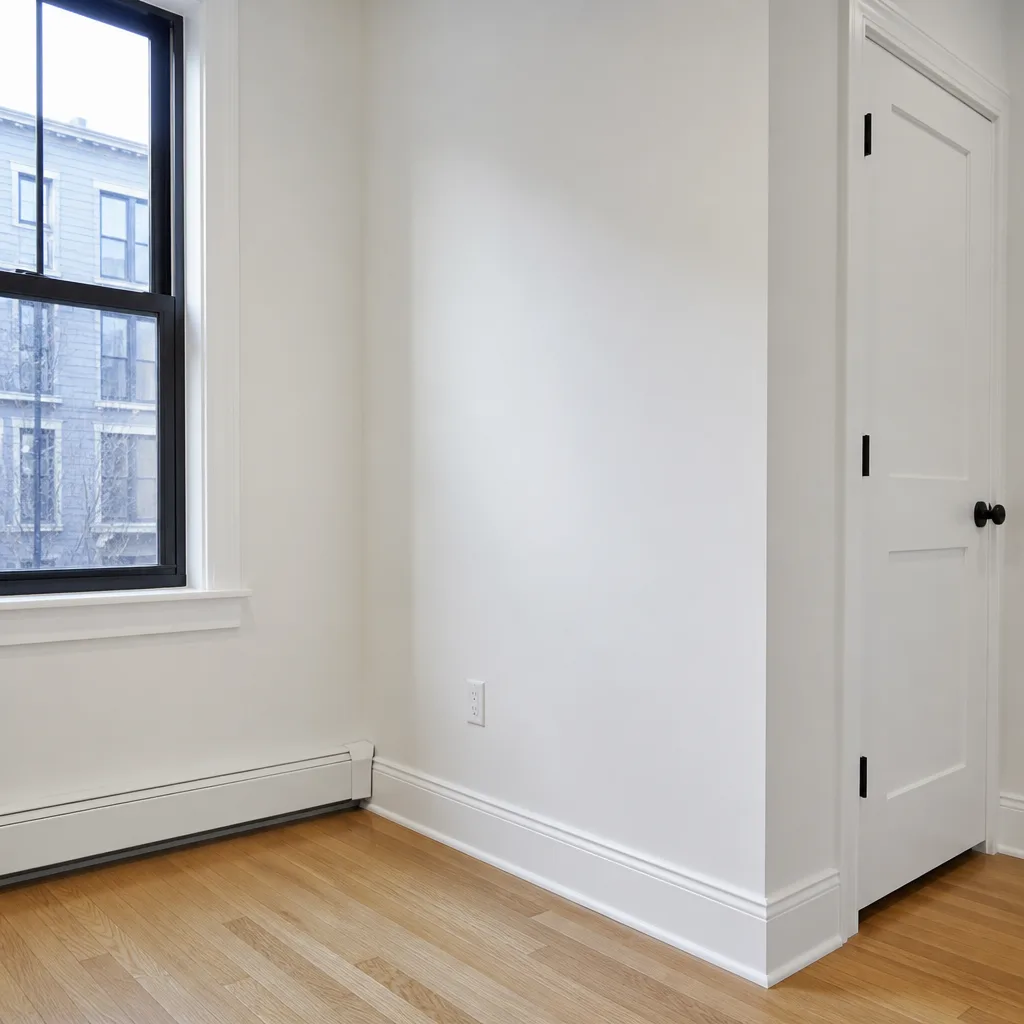 After
After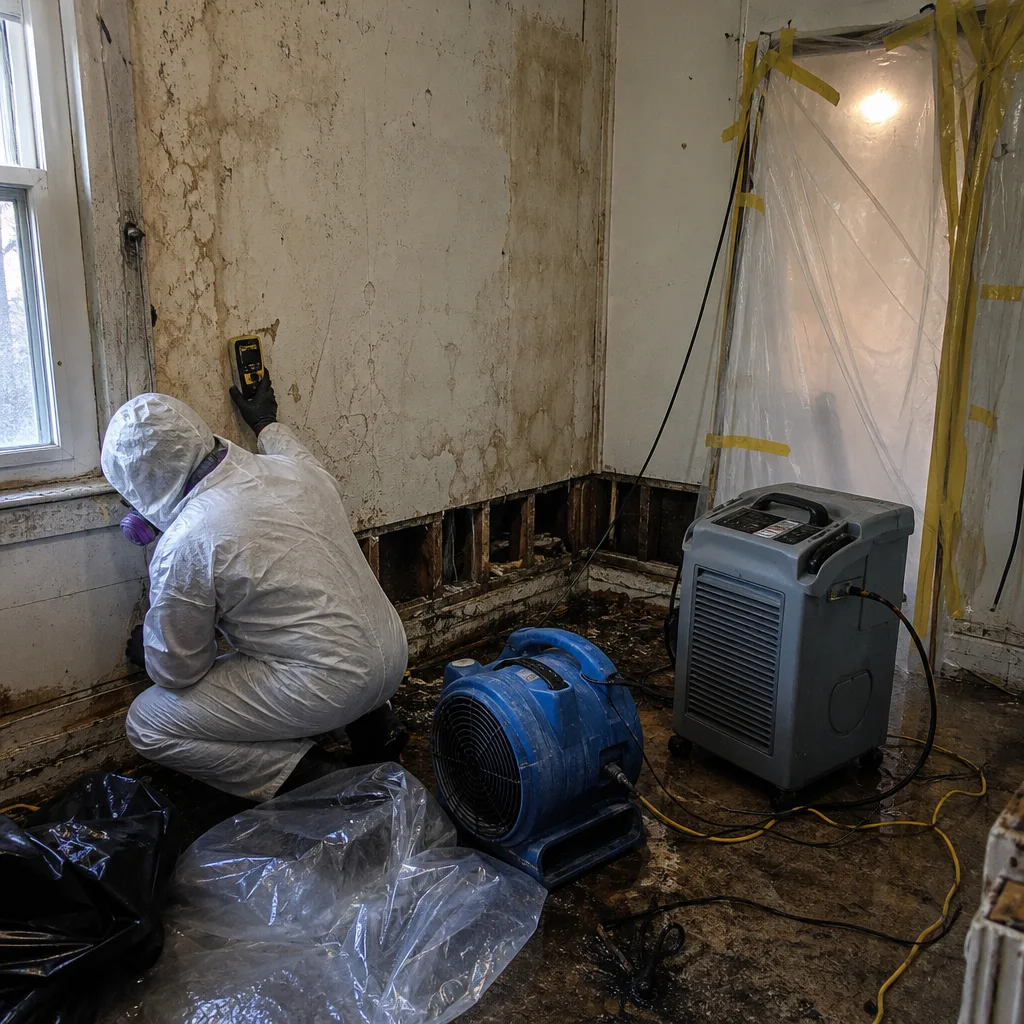 Before
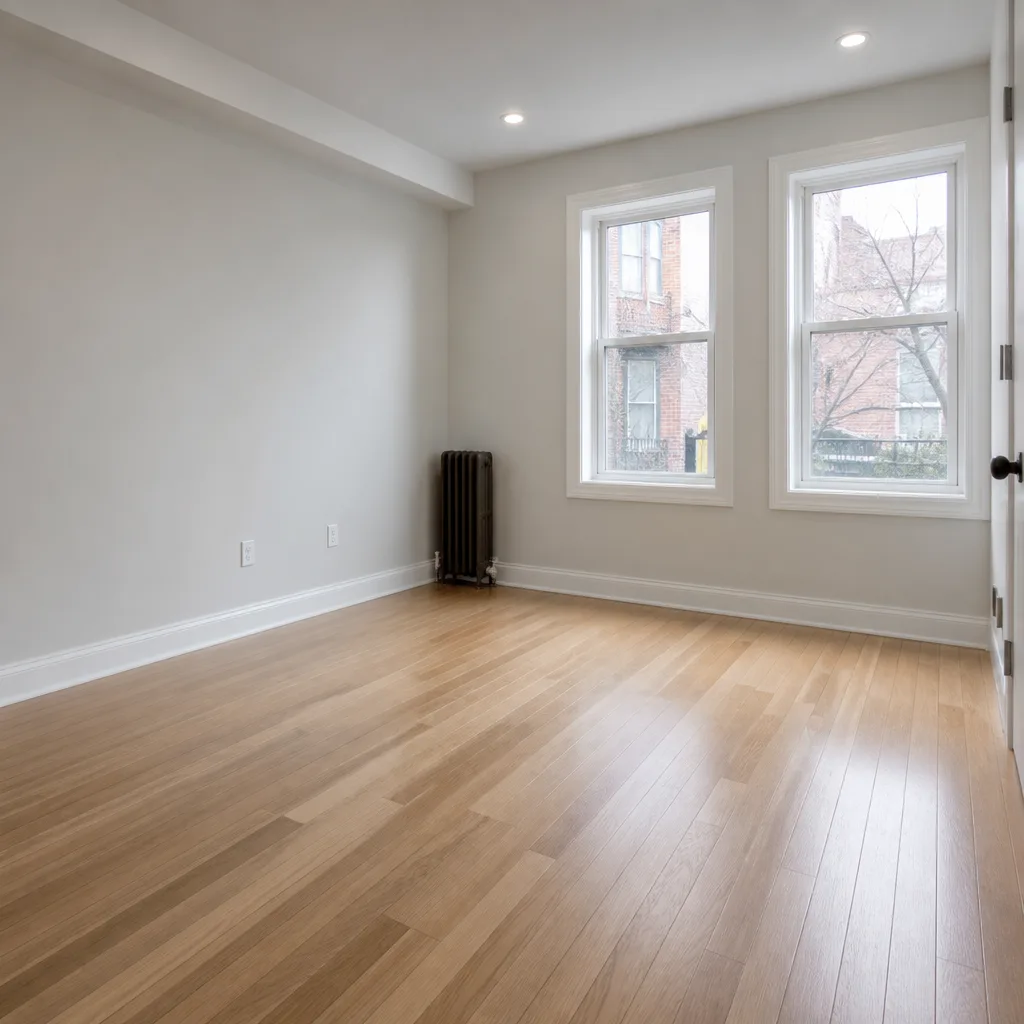 After
After24/7 Emergency Water Damage Restoration in Financial District
Water damage in the Financial District demands same-day response because saltwater and brackish intrusion corrode cast-iron plumbing and embedded steel lintels within hours, not days. Call (862) 281-7710 now and a live person answers - no voicemail, no callback queue. Our crews dispatch from our New York City office and reach Financial District properties typically within 45 minutes, carrying Dri-Eaz and Phoenix dehumidification systems, thermal imaging, and moisture mapping equipment on every truck. The first hour determines whether a loss stays contained to one unit or migrates through a dozen apartments via labyrinthine riser configurations common in converted pre-war commercial buildings. We provide a free visual inspection, document everything with photos, and deliver a written price before any work begins - Haven Standard, Clause 1.
Understanding Water Damage Restoration Severity in Financial District Properties
Water damage classification in the Financial District follows IICRC protocols but with a critical local distinction: much of this neighborhood sits on reclaimed landfill inside FEMA Special Flood Hazard Zones, so what looks like Category 1 clean water from a burst supply line can test as Category 3 when storm surge pushes brackish East River or Hudson water through bulkheads and foundation seams. Category 1 is potable water from a broken pipe. Category 2 carries contaminants and requires antimicrobial treatment. Category 3 - black water - demands full gut-and-replace because pathogens, chemicals, and salt content make restoration unsafe.
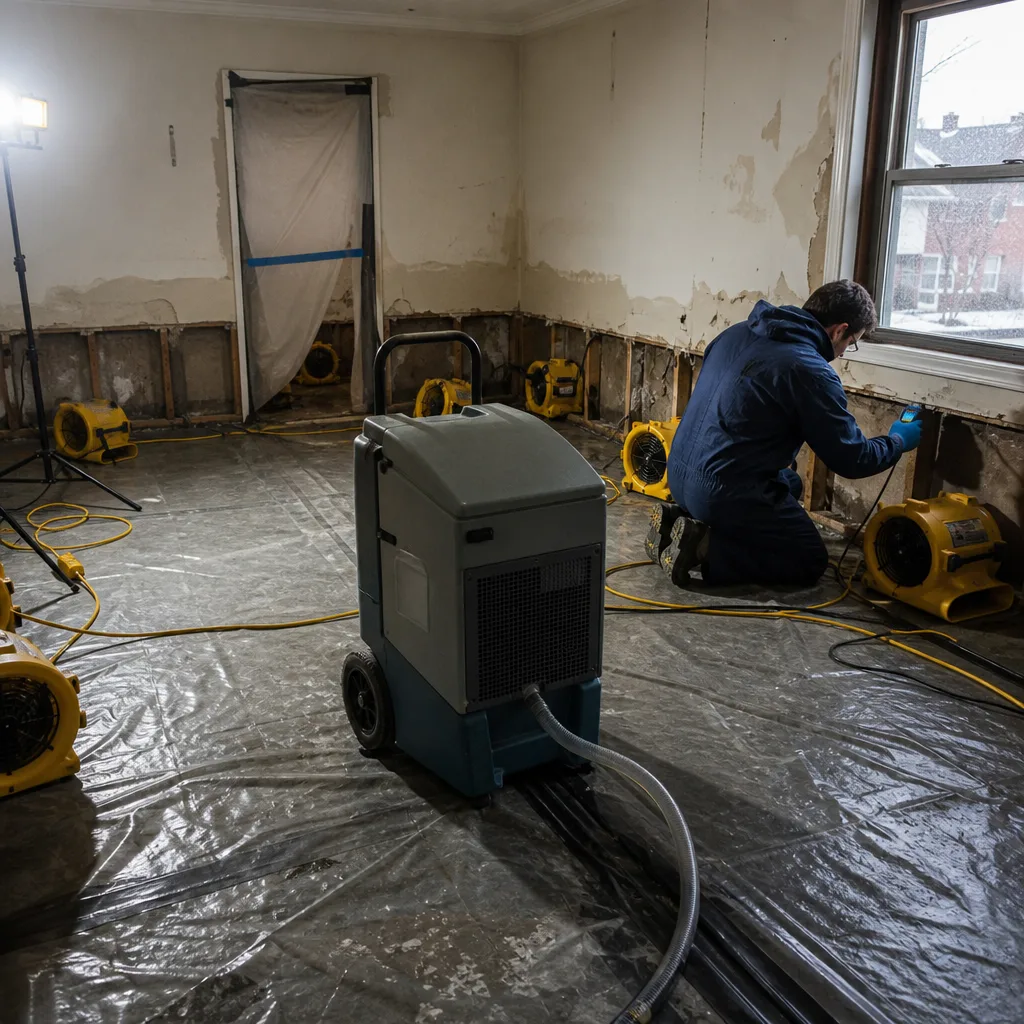
Moisture mapping with thermal imaging and hygrometers reveals hidden migration paths through thick masonry walls and terra-cotta tile partitions that dominate FiDi’s converted 19th- and early-20th-century commercial buildings. Structural drying requires calculating vapor pressure differential - the force that drives moisture from wet materials into drier air - then matching air mover placement and dehumidifier capacity to the building’s envelope. Tertiary drying, the final phase, targets bound moisture in dense substrates that release water slowly. In Financial District lofts, this phase often runs longer than in standard frame construction because 18-inch masonry walls hold moisture the way drywall cannot.
Cast-iron plumbing risers, original to these commercial conversions and now 80 to 140 years old, fail catastrophically when chloride-laden water accelerates internal corrosion. A single riser breach on an upper floor can send water through multiple residential units before reaching the street, each migration path requiring its own moisture map and drying log.
Why Financial District Property Owners Choose DryMark Restoration Astoria
- 45-minute response commitment to Financial District addresses, with crews staged from our New York City office to reach the southern tip of Manhattan without bridge or tunnel delays.
- 24/7 live answer - a real person, never an automated system or voicemail tree, because water moves at 3 AM and so do we.
- IICRC-certified crews holding WRT (Water Damage Restoration Technician) and AMRT (Applied Microbial Remediation Technician) credentials, with license numbers provided on request.
- Free visual inspection with photo documentation and moisture readings before any commitment or contract.
- Direct insurance billing and adjuster coordination - we speak the language of claims because our founder built this company after seeing how sloppy documentation kills homeowner payouts.
- One team from extraction through reconstruction - no handoffs between mitigation and rebuild contractors that delay completion and fragment accountability.
BeforeAfterOur Water Damage Restoration Process
1. Inspection & Assessment
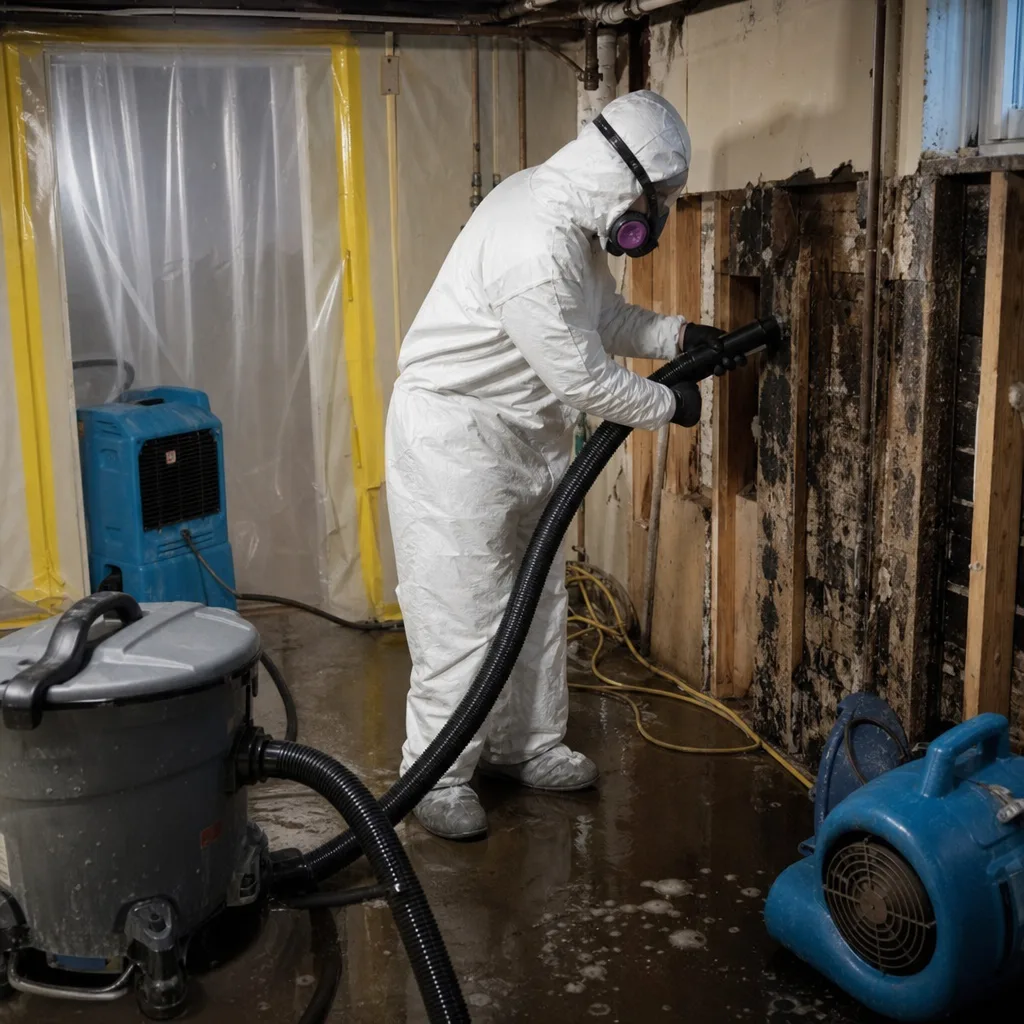
We arrive with thermal imaging cameras, penetrating and non-penetrating moisture meters, and hygrometers to map the full extent of migration. In Financial District buildings, this means checking two floors above and below the visible damage because cast-iron risers and unsealed masonry create hidden pathways. We document every reading with photos and begin your drying log before any equipment runs.
2. Water Extraction & Stabilization
Truck-mounted and portable extraction units remove standing water from floors, elevator pits, and sub-basement mechanical rooms. We deploy submersible pumps for below-grade vaults that serve entire high-rises - spaces where nor’easter surge commonly pushes brackish water through bulkhead seams.
3. Structural Drying & Dehumidification
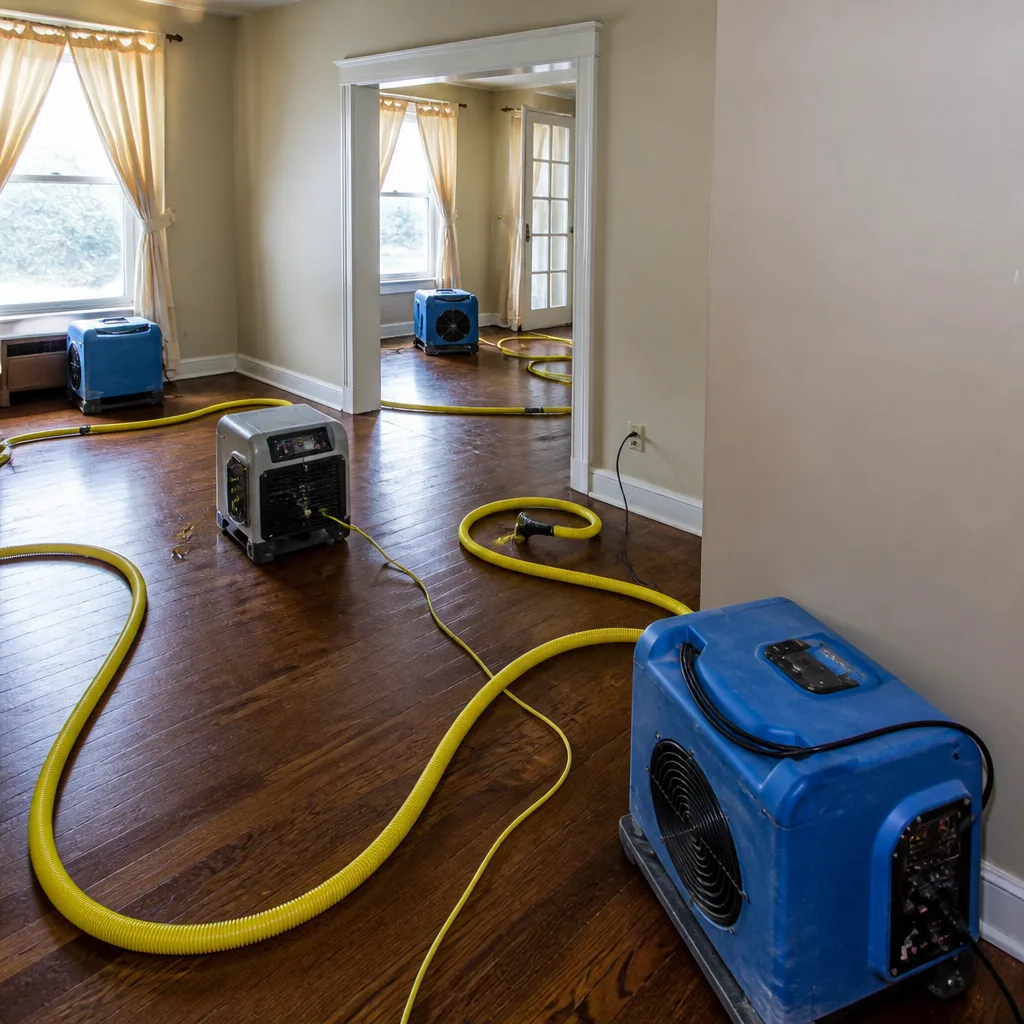
Dri-Eaz and Phoenix LGR dehumidifiers paired with axial and centrifugal air movers create controlled airflow across wet substrates. We calculate psychrometric data - temperature, relative humidity, and dew point - to maintain optimal drying conditions and record this data in your daily drying log for insurance submission.
4. Cleaning & Sanitization
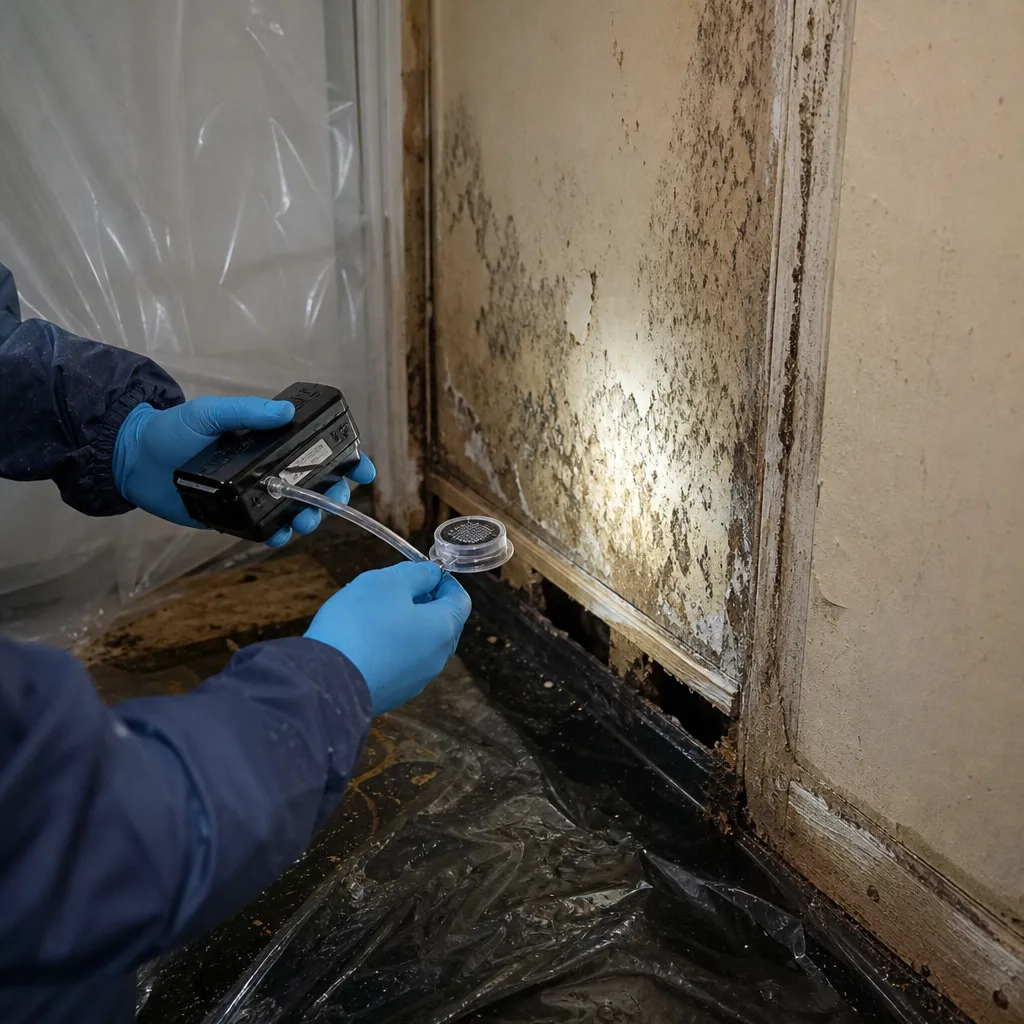
All affected surfaces receive antimicrobial treatment appropriate to water category. Category 3 saltwater or brackish intrusion requires more aggressive protocols because chloride residue continues corroding metal even after visible moisture is gone. HEPA air scrubbers run during this phase to capture airborne particulates.
5. Envelope Assessment & Specialty Treatment
Before any rebuild, we conduct full envelope assessment of original terra-cotta tile and brick-nogged partition walls that have never been waterproofed. Chloride migration into embedded steel lintels only reveals itself through comprehensive inspection - standard moisture readings miss it, and NYC DOB flood-zone inspection will catch it if we don’t. This step separates Financial District restoration from inland Manhattan work.
6. Repairs & Restoration
Our reconstruction team rebuilds to NYC Flood Zone construction rules governing materials, elevation, and flood-resistant assemblies. We coordinate directly with your adjuster to ensure the scope meets carrier requirements and pass DOB inspection before you move back in.
Need Emergency Water Damage Restoration in Financial District Now?
Crews minutes away, answering live 24 hours a day. The sooner we start, the less it costs.
Working With Your Insurance Company
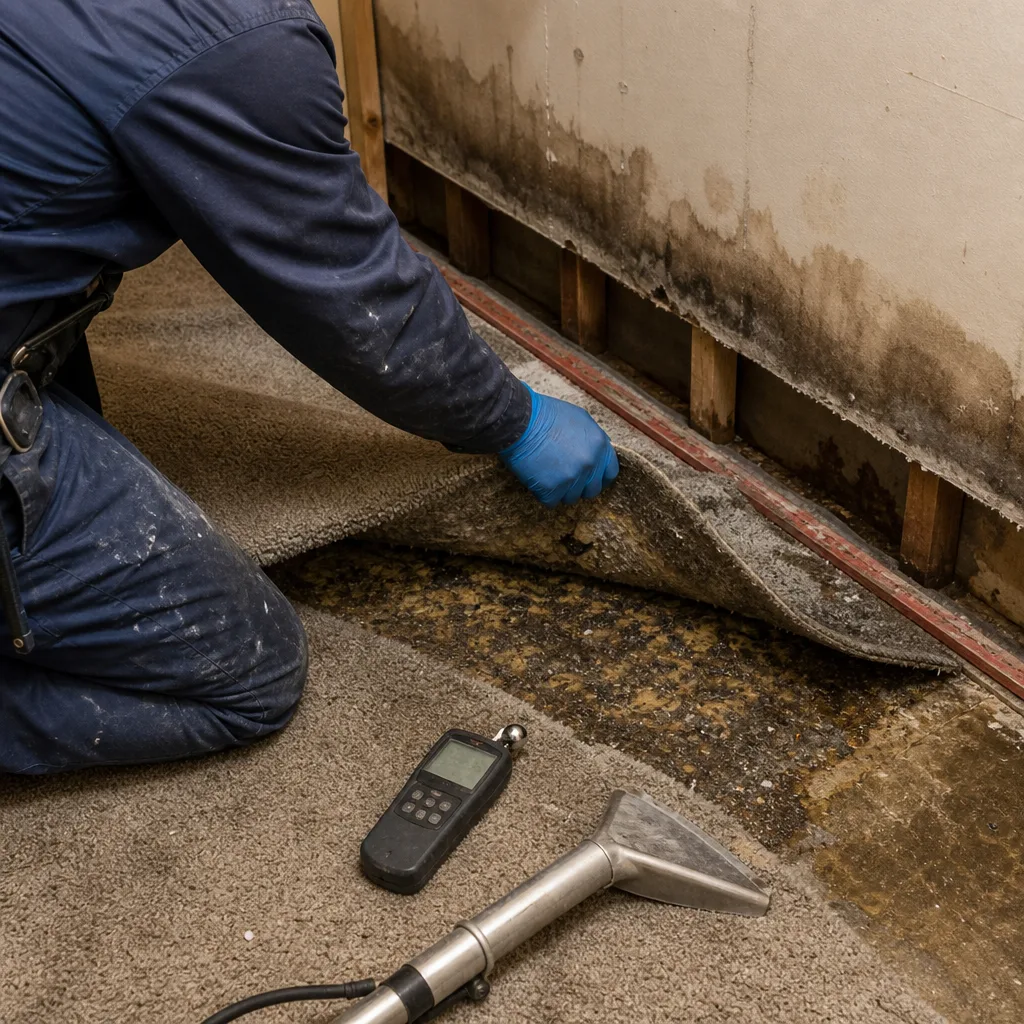
Insurance claims succeed or fail on documentation. We know this because our founder, Alicia Brennan, built Back to Dry Restoration in 2011 after years as a claims adjuster watching homeowners lose payouts to incomplete photo records and missing moisture logs. From the first hour on your Financial District property, we document every square foot of affected area, every moisture reading, every piece of equipment deployed, and every gallon of water extracted.
Our estimates follow industry-standard Xactimate pricing with line-item detail that carriers recognize and pay without dispute. We communicate directly with your adjuster, provide supplementary documentation when requested, and never ask you to chase a claim we’ve already been assigned. The photo record, drying log, and written scope become your evidence - the same documentation that turned 12,000+ home restorations since 2011 into paid claims.
What We Provide Your Insurer
- Thorough documentation of the loss
- Photos of all damage, room by room
- Moisture readings and drying logs
- A detailed, line-item scope of work
- Direct coordination with your carrier
Built for Financial District’s Loss Calendar
January deep freezes burst supply lines in buildings where 1980s residential conversions left original cast-iron risers exposed to perimeter wall temperatures. We respond to burst pipe restoration calls on Pearl Street and Water Street when single-digit overnight lows meet century-old metal. Spring thaw brings basement seepage in sub-grade mechanical rooms sitting at or below sea level - spaces that never fully dried from winter humidity.
Summer thunderstorms deliver flash flooding through street-level bulkheads and loading docks on Broad Street and Exchange Place. The real threat arrives October through April: nor’easters and tropical cyclones push storm surge up both the Hudson and East River simultaneously, inundating below-grade elevator pits, boiler rooms, and electrical vaults with brackish water that standard freshwater protocols cannot address. Even moderate coastal storms flood FiDi’s lowest elevations while nearby Tribeca stays dry. Aging building systems - original to commercial use, never designed for residential occupancy patterns - fail predictably during these events.
Water Damage Restoration Across Financial District’s Neighborhoods
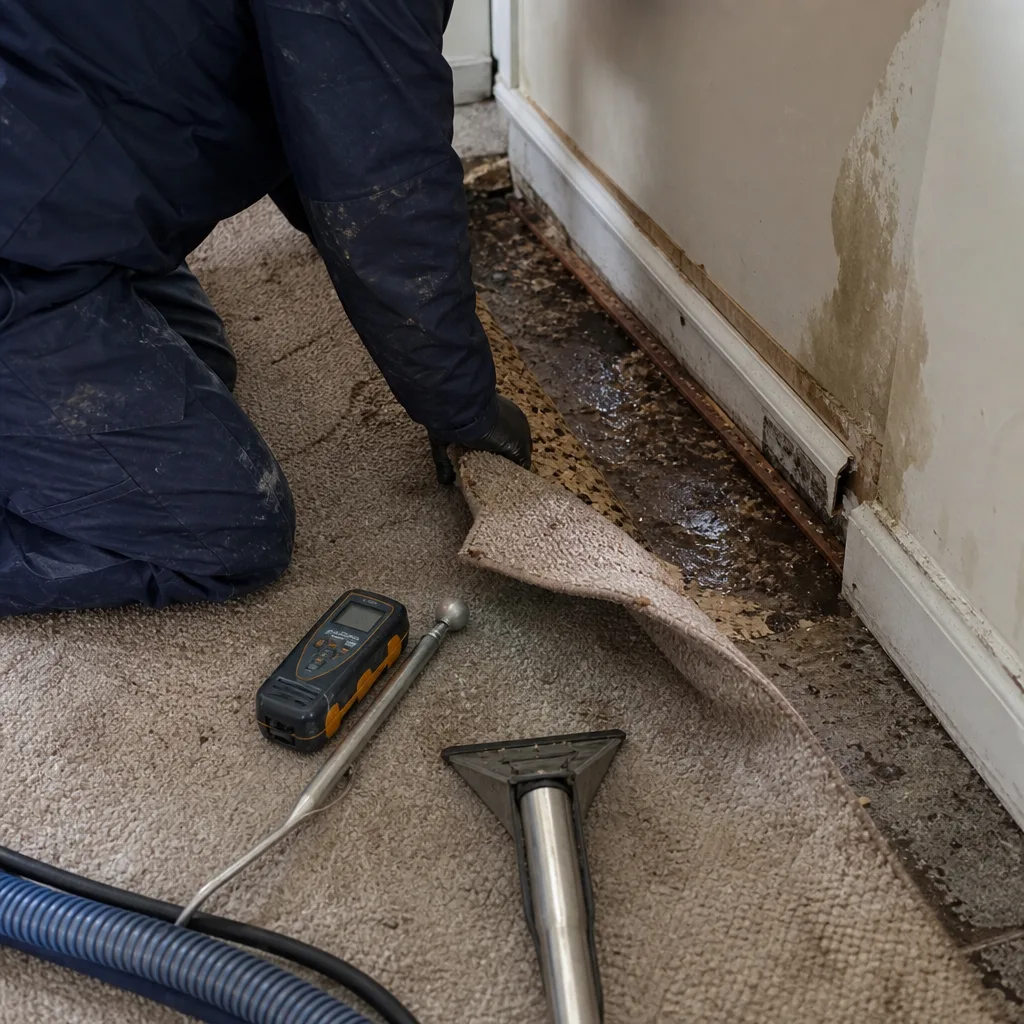
Our Water Damage Restoration in Financial District crews know the building stock block by block. On Pearl Street, converted 19th-century warehouse lofts with terra-cotta tile floors and unsealed brick-nogged partitions require full envelope assessment after any significant water loss - chloride migration into embedded steel lintels is invisible until it isn’t. We were called to a converted warehouse loft on Pearl Street where a corroded cast-iron riser let go two floors above the unit - category 2 water had migrated down through a dozen apartments before anyone saw it. While moisture mapping the terra-cotta tile in the sub-basement, our techs found chloride-driven corrosion on the embedded steel lintels that standard moisture readings missed entirely. We pulled wet drywall, set containment, ran Dri-Eaz and Phoenix dehumidification with air movers for a full structural drying log, and applied antimicrobial treatment so the envelope would pass NYC DOB flood-zone inspection before rebuild.
Water Street and Wall Street corridors present high-rise mechanical room challenges - below-grade spaces serving 30- to 50-story towers where a single sump pump failure or bulkhead breach floods infrastructure that supports hundreds of units. Response here means submersible pumps, emergency power, and coordination with building engineers before any residential drying begins. South Street Seaport’s lower elevation and direct East River exposure make it the first Financial District zone to flood during surge events, with saltwater intrusion into ground-floor retail and residential common areas. Stone Street’s narrow canyon of converted commercial buildings experiences rapid vertical migration through shared riser chases - a burst pipe on the eighth floor becomes eight separate unit losses before extraction starts.
Specialized Water Damage Restoration Services We Offer in Financial District
Emergency Water Extraction
Standing water in Financial District properties rarely stays in one place. Our truck-mounted and portable extraction units remove water from oak plank flooring in converted lofts, marble lobby surfaces on Wall Street, and sub-basement mechanical rooms on Water Street where submersible pumps handle depths no portable unit can reach. Extraction continues until moisture meters read below saturation point - the threshold where structural drying can begin effectively.
Structural Drying & Dehumidification
Pre-war masonry construction in Financial District buildings holds moisture differently than frame or concrete construction. We deploy Dri-Eaz and Phoenix LGR dehumidifiers sized to the cubic footage and air mover arrays positioned to create laminar airflow across dense substrates. Psychrometric data - the relationship between temperature, humidity, and vapor pressure - guides daily equipment adjustments and populates your drying log for insurance review.
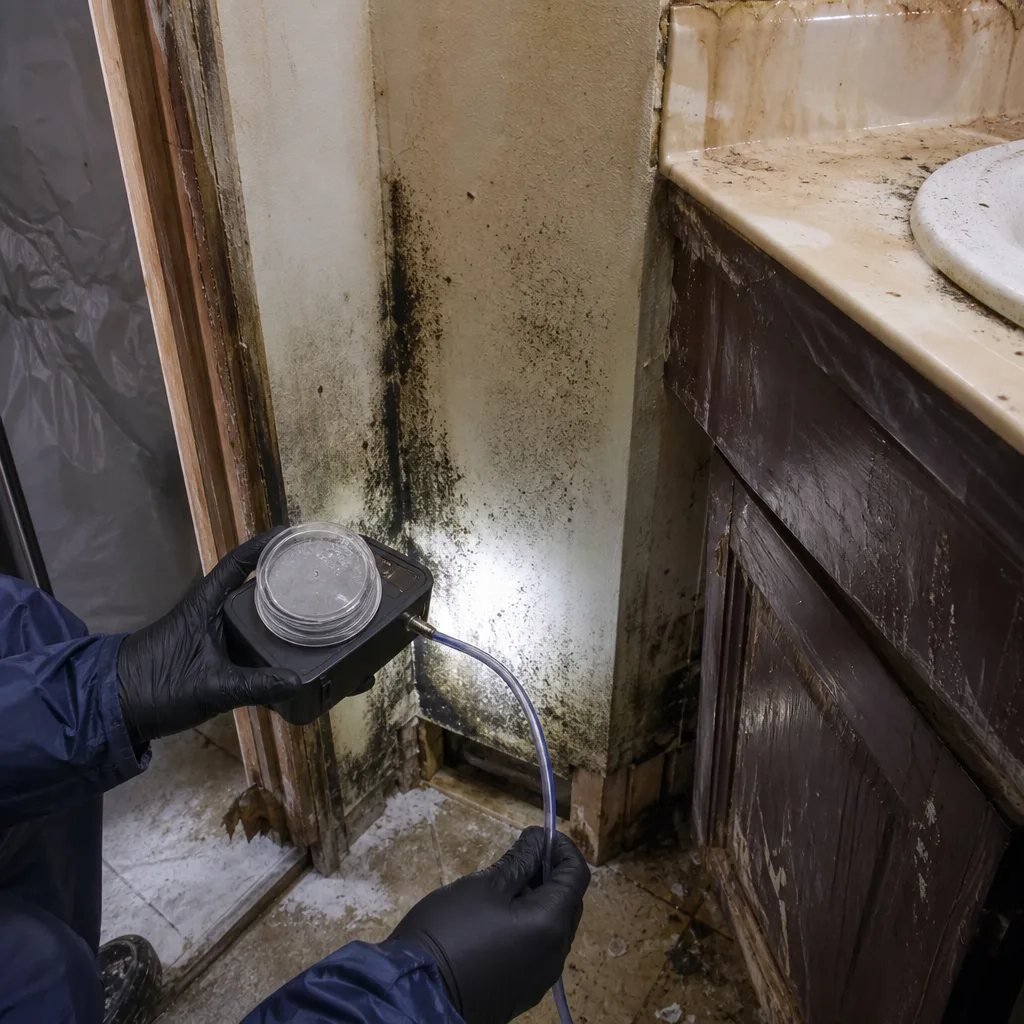
Flood Cleanup
Flood events in the Financial District are typically saltwater or brackish intrusion, not freshwater overflow. This changes everything: Category 3 classification, corrosion assessment of all metal contacts, antimicrobial treatment of all affected surfaces, and full gut-and-replace of permeable materials. NYC Flood Zone construction rules govern rebuild materials and methods, and our scopes account for DOB inspection requirements from the first visit.
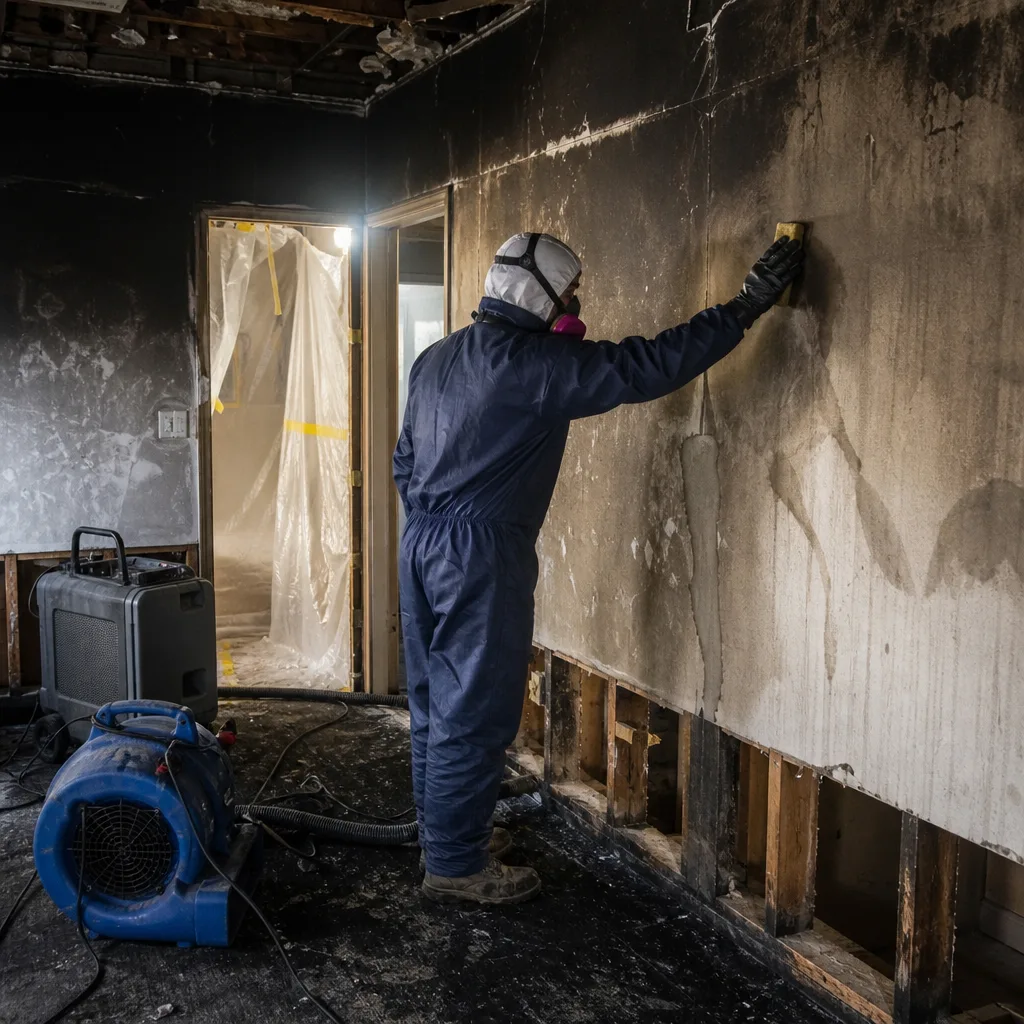
Burst Pipe Restoration
Cast-iron risers original to FiDi’s commercial buildings fail from internal corrosion accelerated by chloride exposure and age. A single riser breach sends water through multiple floors via shared chases and unsealed wall cavities. Our response includes isolation of the failed section, extraction from all affected units, moisture mapping of migration paths, and documentation for potential subrogation against building management or prior contractors.
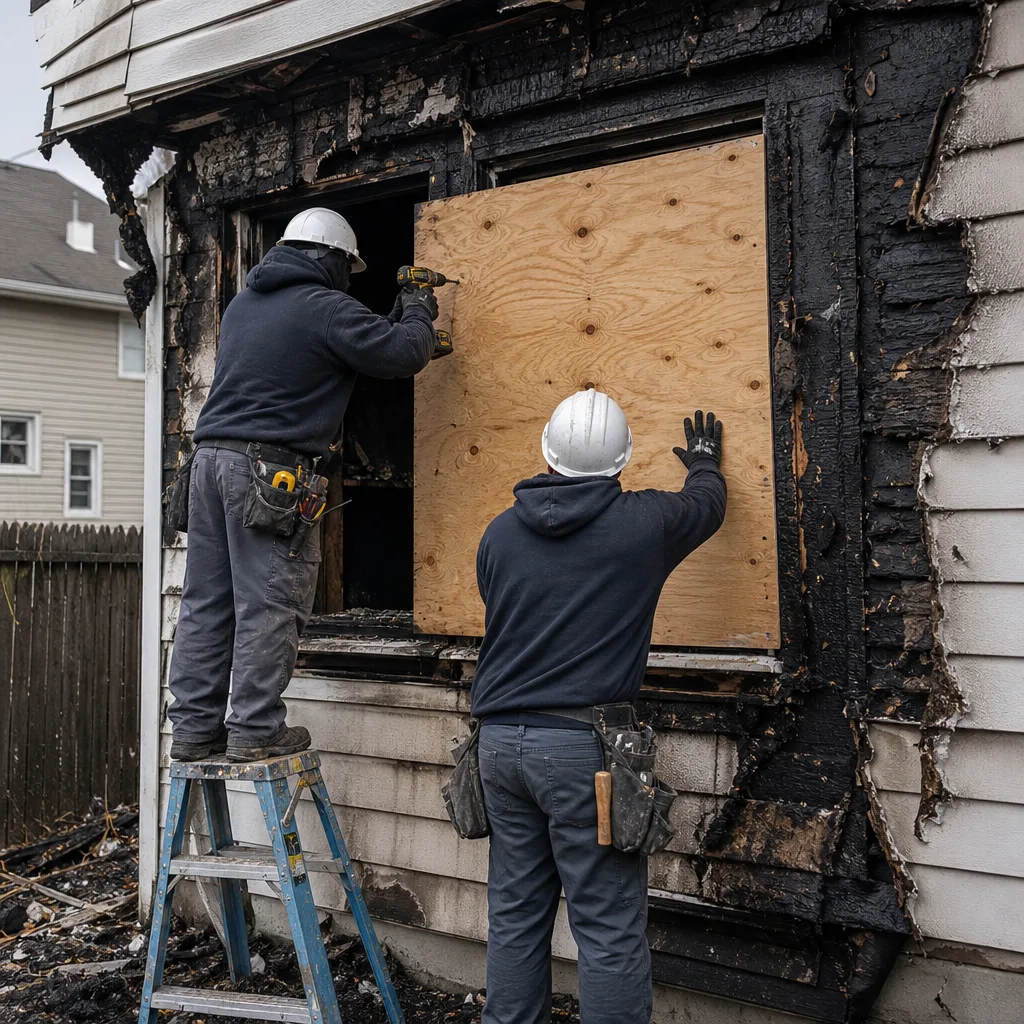
Basement Water Removal
Financial District basements and sub-basements sit at or below sea level on reclaimed landfill, making them vulnerable to groundwater intrusion, sump failure, and storm surge through bulkheads. These spaces house boilers, electrical vaults, and elevator machinery serving entire buildings. We pump to depth, assess structural and equipment damage, and coordinate with building engineers and insurance carriers on infrastructure losses that affect multiple policyholders.
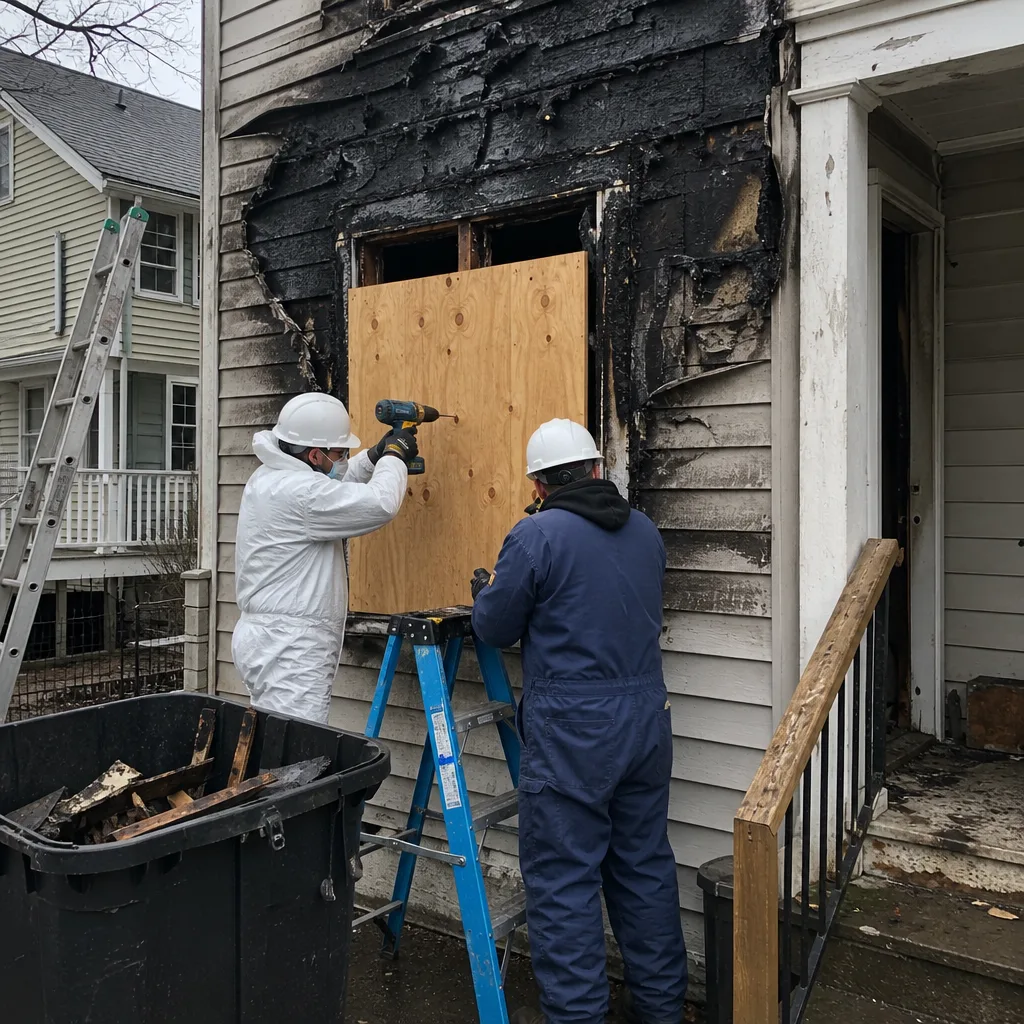
What happens when you call
- 1
A real person answersNo phone trees - you reach a local pro.
- 2
You get an upfront price rangeHonest numbers before anyone is dispatched.
- 3
A background-checked tech heads outLicensed & insured, dispatched right away.
- 4
You approve before work beginsNothing starts until you say go.
Water Damage Restoration Costs in Financial District, NY
Water damage restoration in Financial District runs higher than inland Manhattan markets because saltwater and brackish intrusion typically require full gut-and-replace rather than dry-and-restore, and because pre-war building complexity extends labor hours. A typical emergency water extraction and stabilization for a one-bedroom converted loft runs $1,800-$3,400. Structural drying and dehumidification for that same space, including daily moisture logs and equipment monitoring, adds $2,200-$4,600 for a three- to five-day drying cycle.
Category 3 flood cleanup with full gut of drywall, flooring, and permeable finishes, plus antimicrobial treatment and corrosion assessment, ranges $6,500-$14,000 for standard loft footprints. Basement water removal in below-grade mechanical spaces starts at $3,800 for pump-out and initial drying, scaling rapidly if boiler, electrical, or elevator equipment requires specialized restoration or replacement coordination. Burst pipe restoration with multi-unit migration typically falls $4,200-$9,500 depending on floors affected and riser access complexity.
Insurance covers most sudden and accidental water losses, though flood-specific coverage may require separate NFIP or private flood policies for storm surge events. Our written scope - delivered before work begins, per Haven Standard, Clause 1 - separates insurance-covered mitigation from potential out-of-pocket upgrades so you know exactly what you’re paying. Bring any competitor’s written estimate and we’ll provide a free second opinion at no charge.
We Also Serve Cities Near Financial District
Our Water Damage Restoration crews dispatched from the New York City office serve Astoria’s pre-war apartment stock and newer condo conversions, Upper East Side’s co-op and limestone townhouse water losses, Long Island City’s rapid-rise residential towers with their own flood-exposure challenges, and Jackson Heights’ garden apartment and basement flooding patterns. Each market gets the same documentation-first approach, with local building knowledge adapted to each neighborhood’s specific risks.
Serving Financial District, NY - Our Local Coverage Area
We’re based in the Financial District area and know this community well. Use the map below to see our service coverage - if you’re nearby, we can almost certainly help.
Financial District Water Damage Restoration Questions, Answered
Does it matter that Financial District floodwater is salty rather than fresh?
Yes - saltwater and brackish intrusion classify as Category 3 black water under IICRC standards, requiring full gut-and-replace of permeable materials rather than dry-and-restore.
Chloride residue continues corroding cast-iron risers, embedded steel lintels, and fasteners long after visible moisture is gone. Standard freshwater drying protocols leave this corrosion active, which is why Financial District restoration demands envelope assessment and antimicrobial treatment that inland Manhattan jobs rarely need. All rebuild work must also comply with NYC Flood Zone construction rules governing materials and elevation. Call (862) 281-7710 for a free inspection and written scope.
A pipe burst in our converted loft - why are you checking walls two floors down?
Because FiDi’s converted commercial buildings have labyrinthine riser configurations and unsealed masonry partitions that channel water vertically and horizontally in ways modern construction does not.
We’ve documented cases where a burst cast-iron riser on the eighth floor of a Pearl Street loft sent water through a dozen units before reaching the street. Moisture mapping with thermal imaging reveals migration paths invisible to visual inspection. Our written scope includes all affected areas - not just where water first appeared - so your insurance claim covers full restoration and your building passes NYC DOB inspection. Call (862) 281-7710 for a free visual inspection.
How fast do you need to start drying after a water loss here?
Within the first 24 hours, and preferably within the first 4 to 6 hours for Category 1 and 2 losses in Financial District’s dense construction.
Pre-war masonry and terra-cotta tile absorb water slowly but release it even more slowly - delay means extended drying cycles, higher equipment costs, and greater risk of secondary damage to embedded steel from chloride migration. For Category 3 saltwater intrusion, speed matters less than proper classification and gut-and-replace protocol; starting wrong is worse than starting slightly later. Our 45-minute response commitment gets assessment and extraction underway fast. Call (862) 281-7710 - we answer live 24/7.
What does structural drying actually involve on a pre-war FiDi building?
Structural drying in these buildings means calculating vapor pressure differential to force moisture from dense masonry and tile into controlled airflow, then maintaining that airflow with positioned air movers and dehumidifiers sized to cubic footage and substrate density.
We record psychrometric data - temperature, relative humidity, dew point - in daily drying logs that document progress for your insurer. Tertiary drying, the final phase targeting bound moisture in dense materials, often runs 30 to 50 percent longer than in standard frame construction because 18-inch masonry walls hold water drywall cannot. Your written scope specifies expected drying duration before equipment ever runs. Call (862) 281-7710 for assessment and timeline.
Do you handle the basement mechanical rooms and vaults that serve whole high-rises?
Yes - sub-basement boiler rooms, electrical vaults, and elevator pits are standard response locations for our Financial District crews.
These below-grade spaces sit at or below sea level on reclaimed landfill, making them vulnerable to groundwater intrusion and storm surge through bulkhead seams. We deploy submersible pumps for deep standing water, coordinate with building engineers on infrastructure isolation, and document equipment damage for carrier review when boilers, switchgear, or elevator machinery are affected. The drying log and photo record we produce supports both your building’s claim and individual unit claims tied to the same loss. Call (862) 281-7710 for emergency response.
Will insurance cover water damage restoration in a Financial District flood zone?
Standard homeowner and condo policies cover sudden and accidental water losses from burst pipes, appliance failures, and most non-flood water intrusion.
Storm surge and rising groundwater in FEMA Special Flood Hazard Zones typically require separate NFIP or private flood coverage - we review your policy declarations and coordinate with your adjuster to determine coverage boundaries before work begins. Our documentation-first approach - photo record, moisture logs, written scope - produces the evidence carriers need to pay claims without dispute. Haven Standard, Clause 1: your written price before work starts includes our best assessment of insurance-covered vs. potential out-of-pocket items. Call (862) 281-7710 for policy review and free inspection.
How long does full water damage restoration take in Financial District buildings?
Typical timelines run 5 to 10 days for extraction and structural drying of a standard loft unit, plus 2 to 6 weeks for reconstruction depending on material procurement and NYC DOB inspection scheduling.
Pre-war masonry extends drying cycles compared to frame construction. Category 3 saltwater losses add envelope assessment and gut-and-replace time that Category 1 jobs avoid. Multi-unit migration through shared risers requires sequential or coordinated access that single-unit losses do not. Your written scope specifies projected timeline before any work begins, and we update daily drying logs so you and your insurer track progress. Call (862) 281-7710 for site-specific assessment.
Can we stay in our Financial District loft during drying and restoration?
Often yes during initial extraction and drying if the loss is contained and air quality readings stay within safe parameters, but typically no during Category 3 gut-and-replace or when multiple units share affected airspace.
Our crews set containment barriers and run HEPA air scrubbers to isolate work zones, but the noise, equipment footprint, and temporary utility interruptions in dense loft spaces make occupancy impractical during active phases. We coordinate with your insurance on temporary relocation coverage when applicable, and our written scope specifies occupancy expectations before work begins. Call (862) 281-7710 to discuss your specific situation.
Written by Alicia Brennan, Owner at Back to Dry Restoration, serving Financial District since 2011 under The Haven Standard.
Water Damage Restoration in Nearby Areas