Free visual inspection and a written scope of work before any mitigation begins - photos, moisture readings, and drying logs go in your claim file
The scope we write is the scope we bill. Anything new gets shown to you, in writing, before we touch it.
Storm response
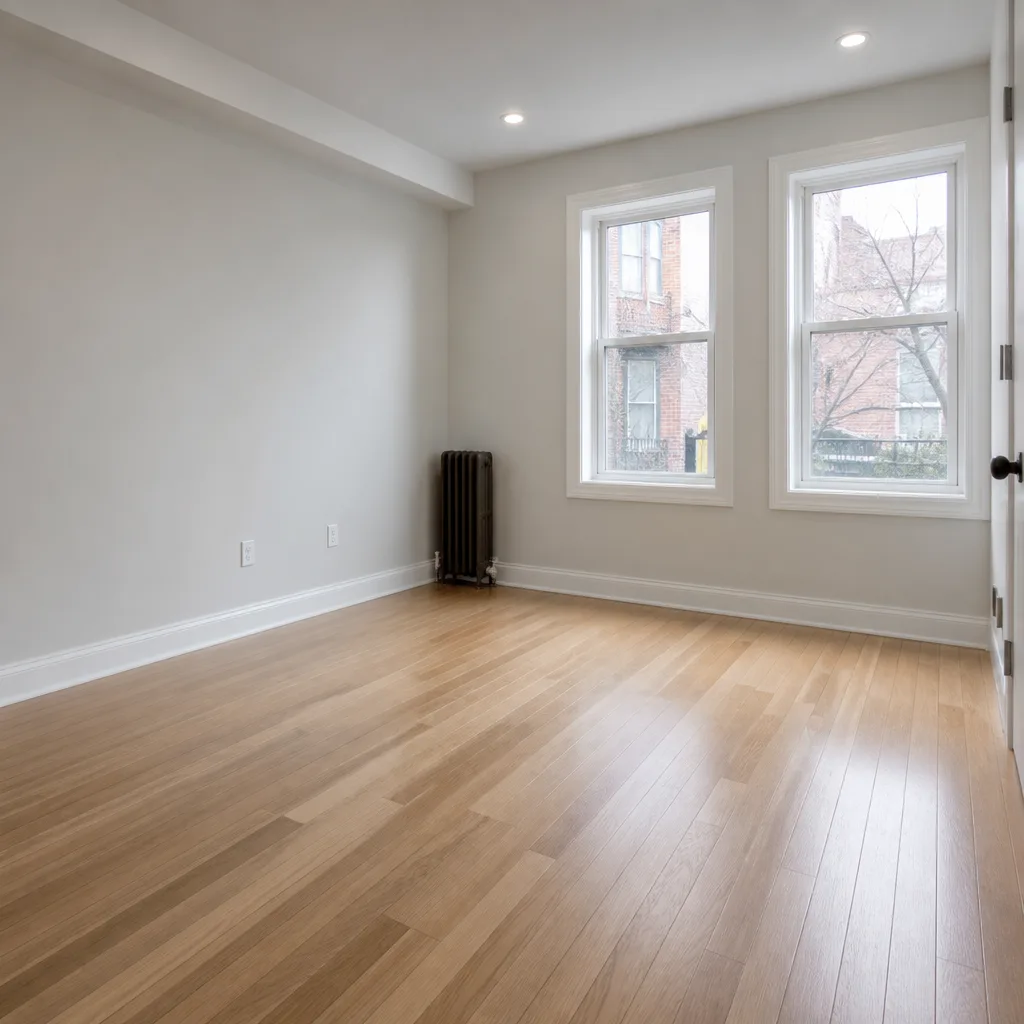
 Before
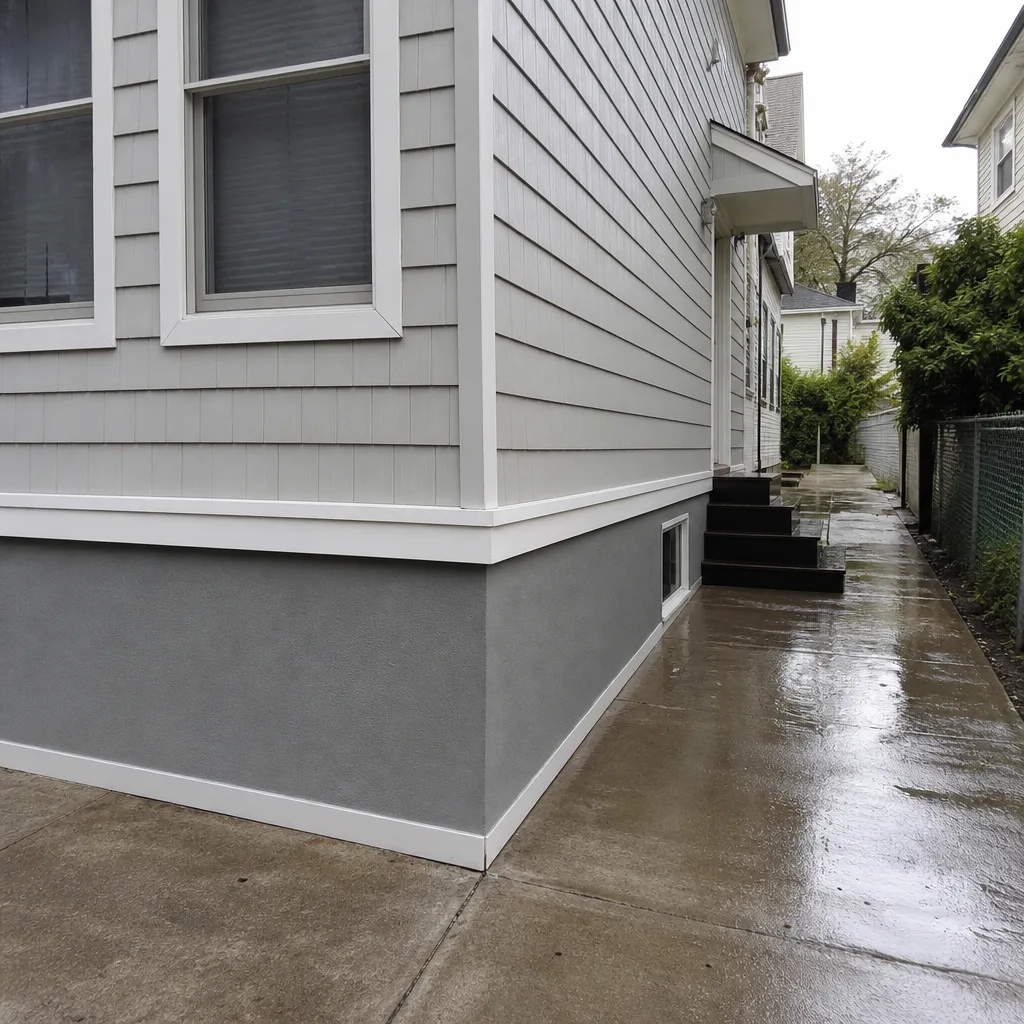 After
After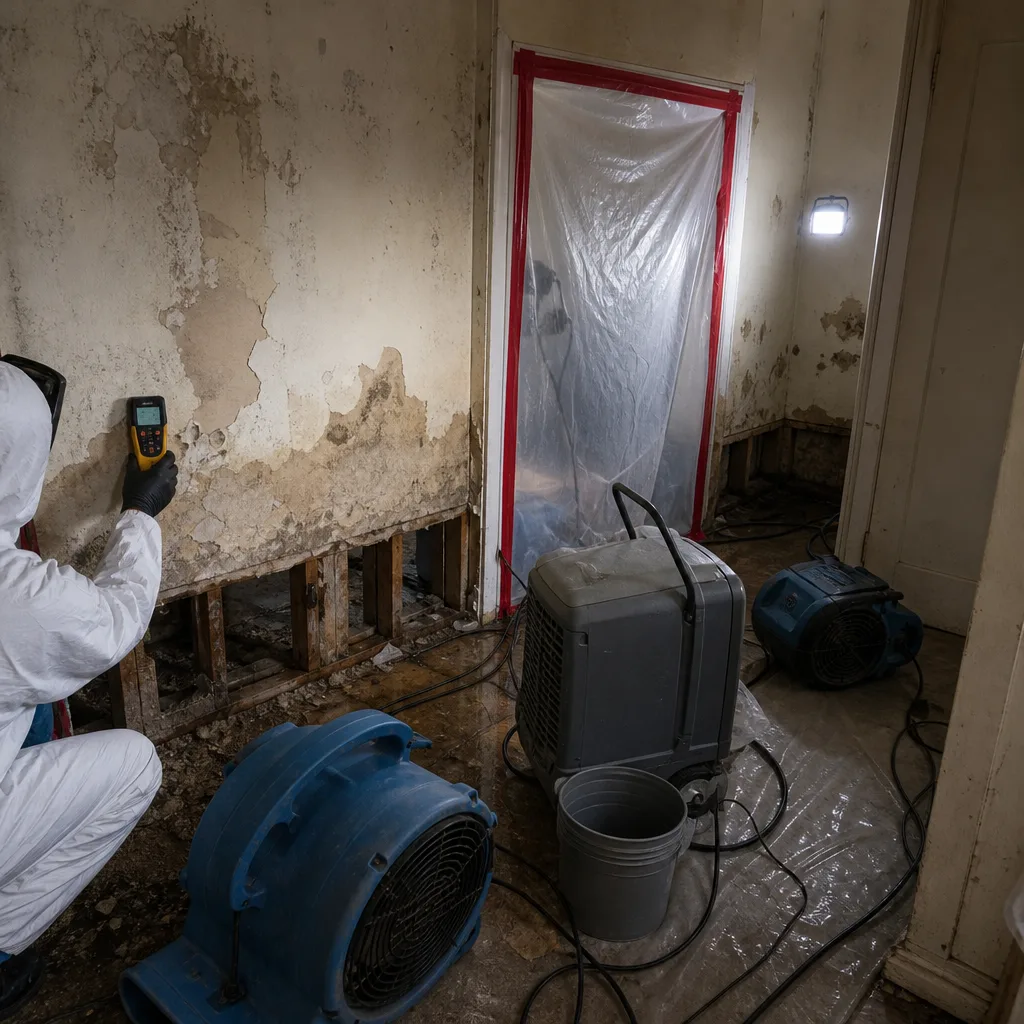 Before
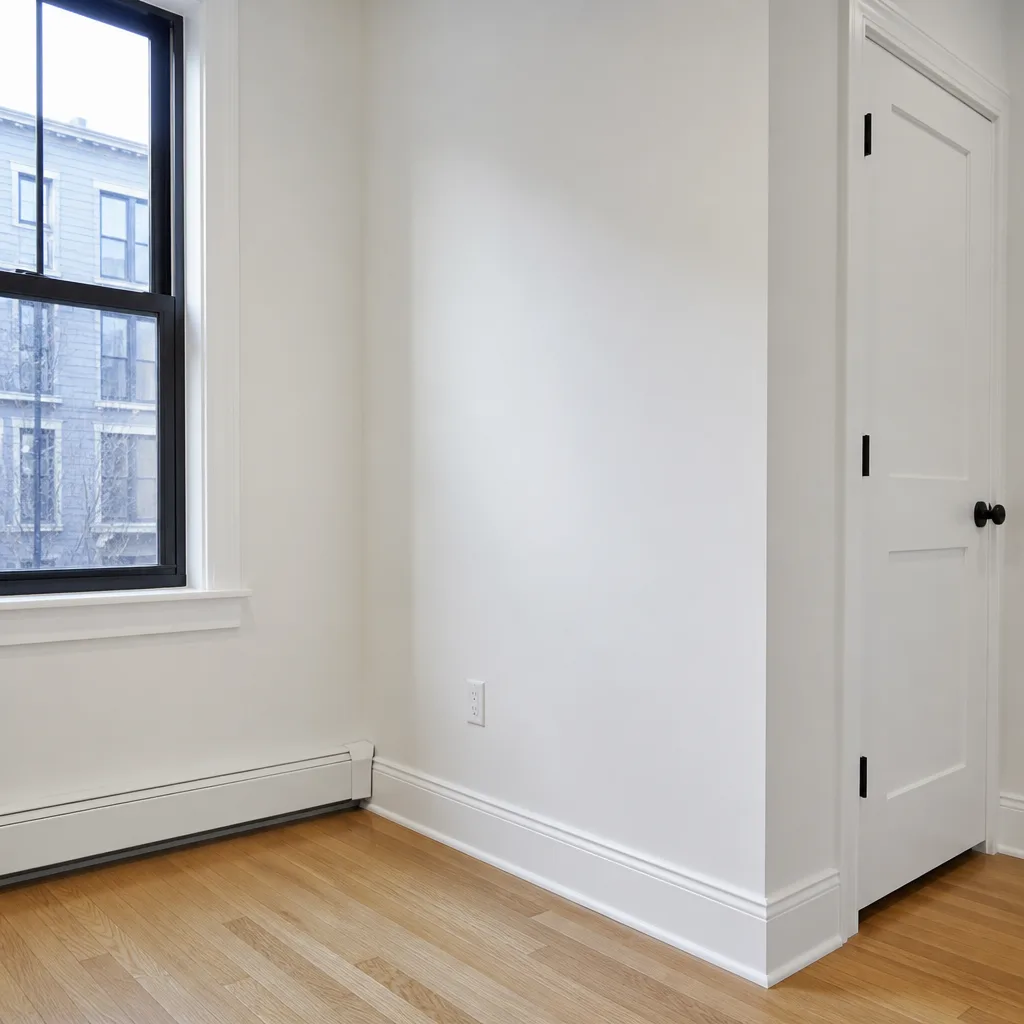 After
After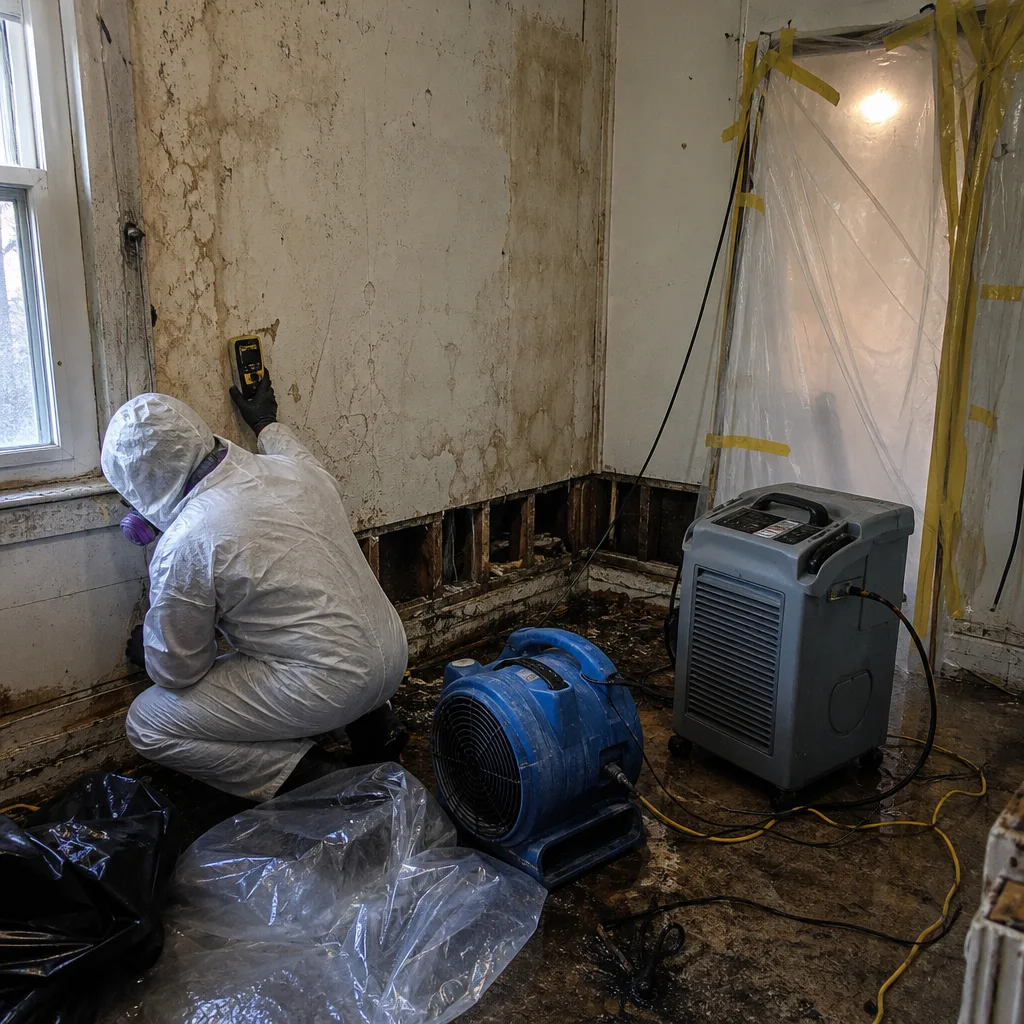 Before
 After
After24/7 Emergency Mold Remediation in Greenpoint
Mold remediation in Greenpoint typically costs $1,800-$6,500 depending on contamination extent, and our crews are dispatched within 45 minutes for active growth emergencies. Call (862) 281-7710 any hour, day or night, and a live person answers, no voicemail trees. We provide a free visual inspection on arrival, document the affected area with photos, and deliver a written price before any containment or removal begins. The first hour matters because mold colonies on wet gypsum or plaster double in coverage every 24-48 hours under Greenpoint’s humid basement conditions, and early containment limits both the remediation scope and the out-of-pocket cost.
Understanding Mold Remediation Severity in Greenpoint Properties
Mold severity in Greenpoint is graded by affected square footage, material porosity, and whether the contamination is confined to a single surface or has colonized wall cavities and HVAC systems. Category 1 mold growth, limited to 10 square feet of non-porous material like ceramic tile or sealed concrete, requires surface treatment and source correction. Category 2 extends to 10-100 square feet, often involving porous drywall, plaster, or insulation in basement apartments where Category 2-3 water backed through combined sewer lines. Category 3 exceeds 100 square feet or involves HVAC contamination, requiring full containment with negative air pressure, HEPA filtration, and possible material removal.
Greenpoint’s late-19th and early-20th century brick rowhouses and subdivided tenements complicate every severity level. Dense masonry walls trap moisture behind plaster finishes, extending the time needed for structural drying beyond what modern frame construction requires. Aging cast-iron and galvanized plumbing leaks inside wall cavities create chronic moisture sources that sustain recurrent mold growth even after surface treatment. Flat or minimally-pitched roofs on these buildings pond water seasonally, saturating top-floor ceiling assemblies and producing downward moisture migration that mimics plumbing leaks. Our crews map vapor pressure differentials across these assemblies to distinguish active leaks from seasonal condensation before scoping remediation.
Why Greenpoint Property Owners Choose DryMark Restoration Astoria
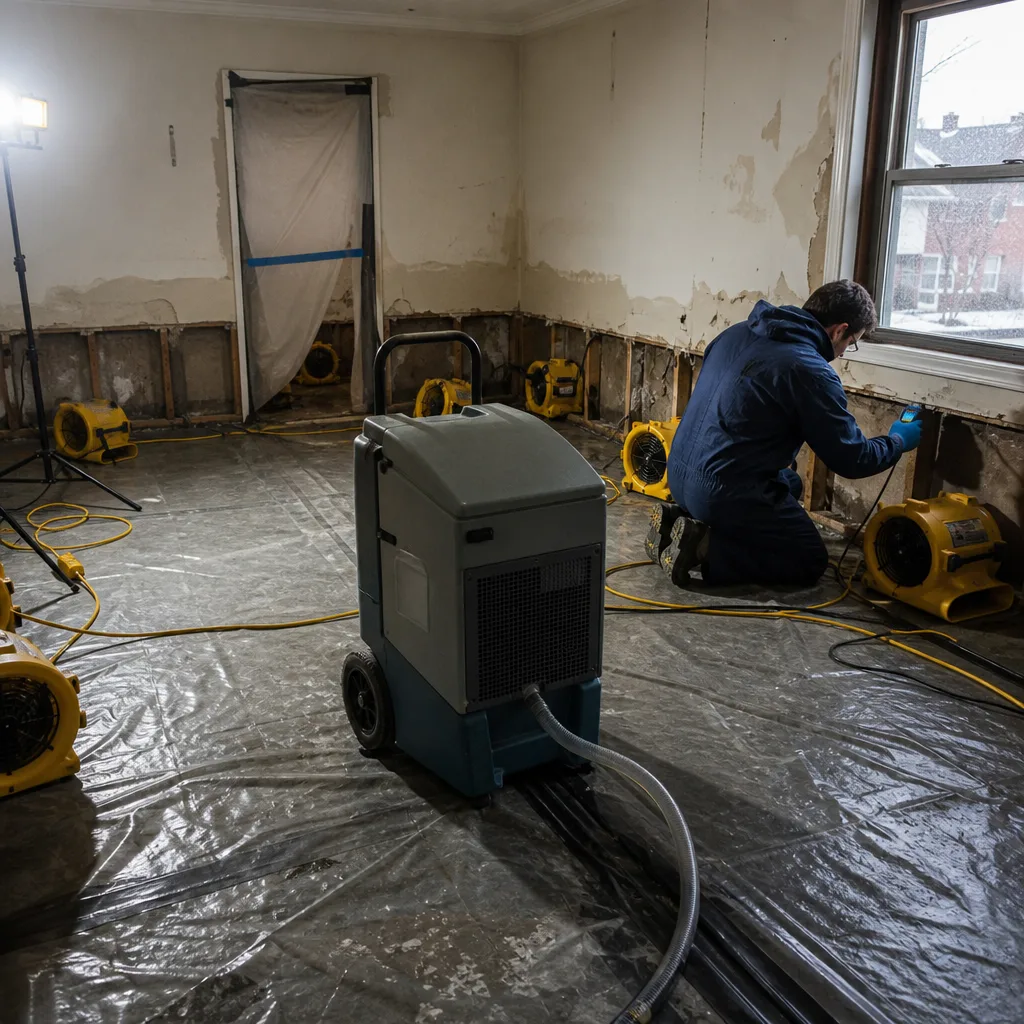
- 45-minute response commitment to Greenpoint addresses, with crews already staged in the service area.
- 24/7 live answer: a real person, never an automated system, on every call to (862) 281-7710.
- IICRC-certified crews holding WRT (Water Damage Restoration Technician), AMRT (Applied Microbial Remediation Technician), and FSRT (Fire & Smoke Restoration Technician) credentials where cross-training applies to combined losses.
- Free visual inspection with moisture mapping and photo documentation before any scope is proposed.
- Direct insurance billing with adjuster coordination, daily drying logs, and line-item estimates formatted to carrier standards.
- One team from containment through reconstruction, eliminating handoff gaps that fragment documentation and delay claims.
BeforeAfterOur Mold Remediation Process
1. Inspection & Assessment
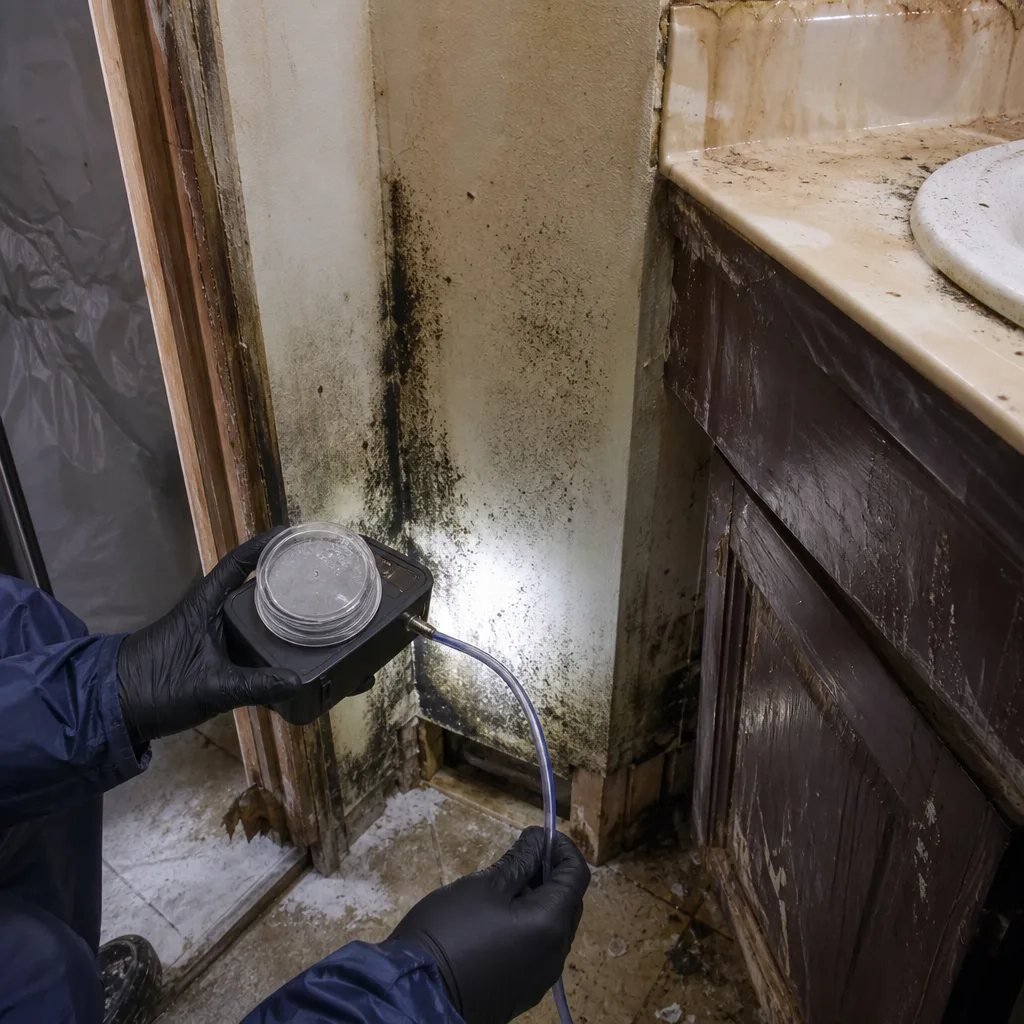
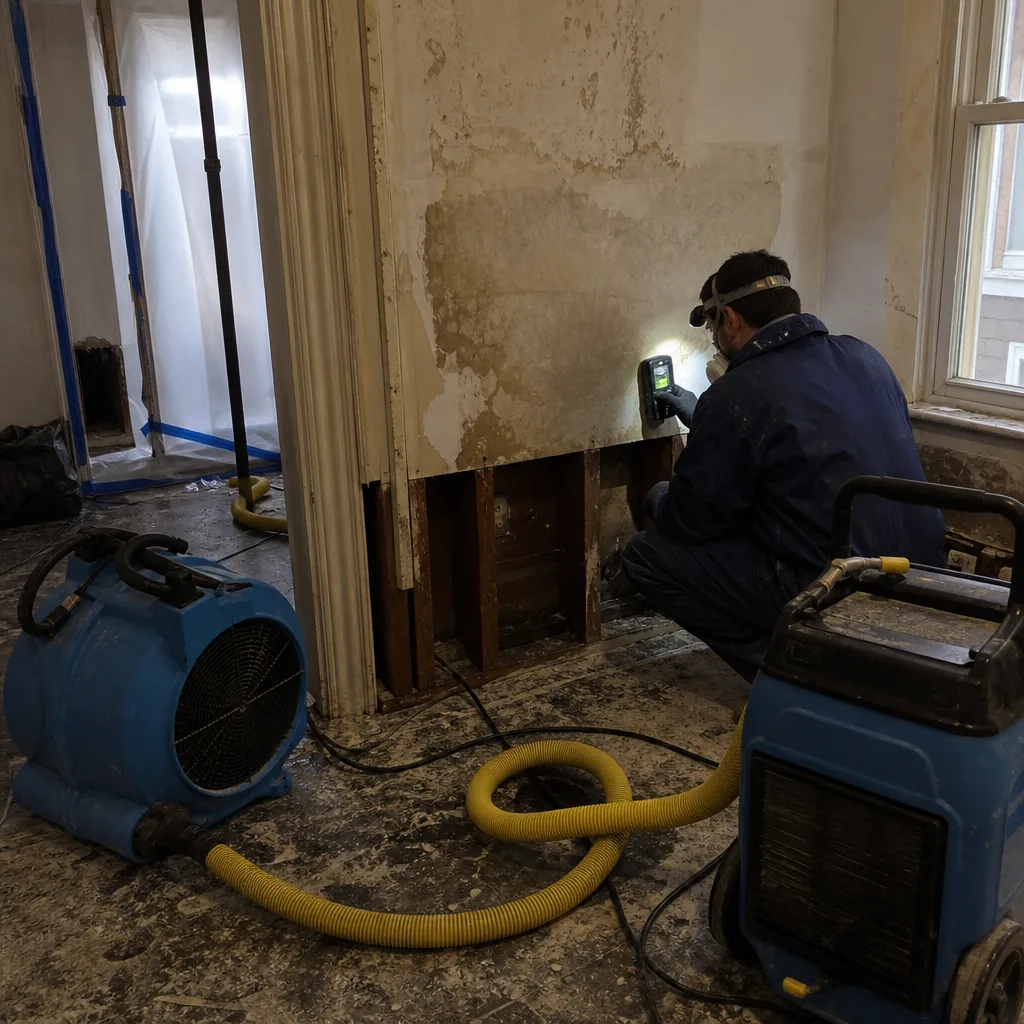
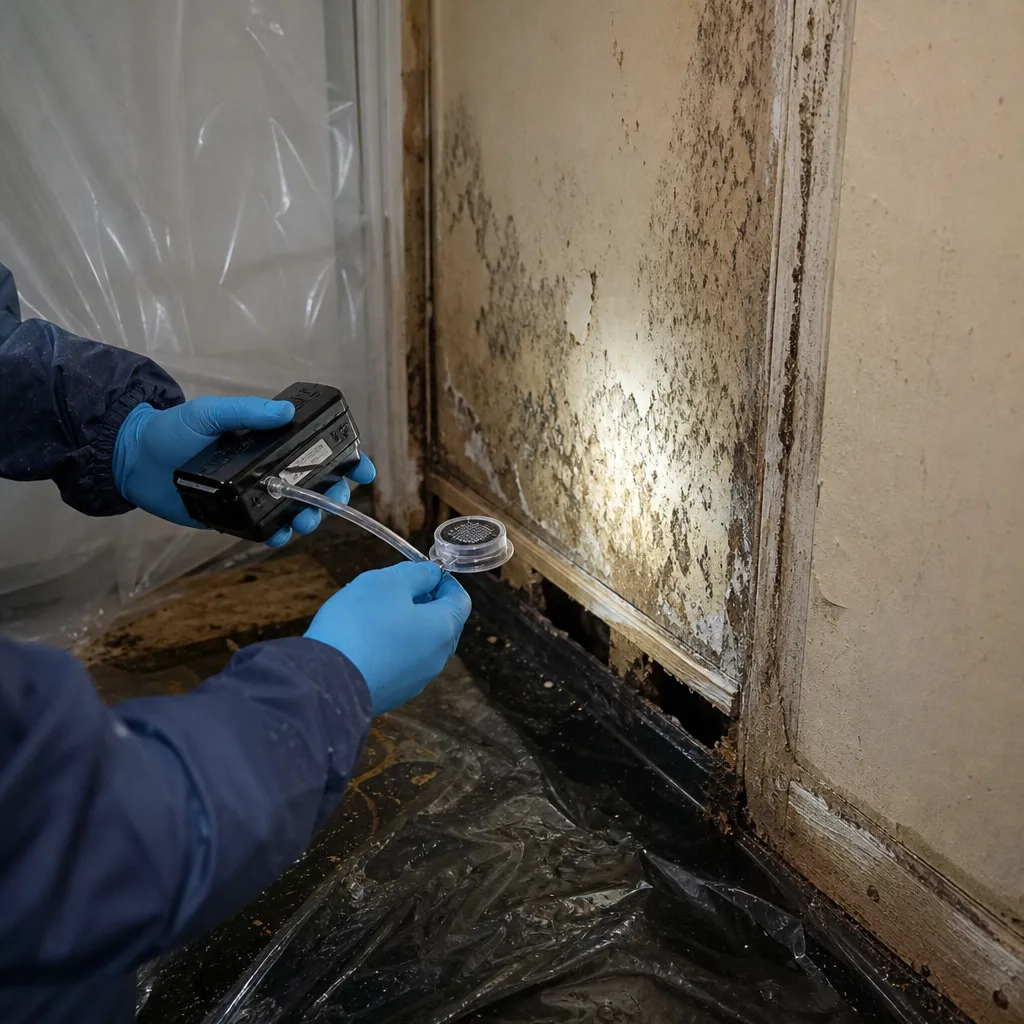
We photograph all visible growth, measure moisture content in affected materials with pin and non-invasive meters, and sample airborne spore counts where health concerns or insurance requirements demand baseline data. In Greenpoint basements east of Manhattan Avenue, we simultaneously screen for petroleum contamination in any standing groundwater before proceeding.
2. Containment & Air Filtration
We establish polyethylene containment barriers with negative air pressure using HEPA-filtered air scrubbers, preventing spore migration during removal. On subdivided tenements with multiple basement units, we seal shared wall penetrations and ceiling chases that would otherwise allow cross-contamination.
3. Source Elimination & Material Removal
Non-salvageable porous materials, drywall, insulation, and degraded plaster are removed and bagged for proper disposal. We identify and document the moisture source, whether a failed roof membrane, corroded galvanized supply, or chronic sewer backup, so the scope includes correction, not just symptom treatment.
4. Cleaning & Antimicrobial Treatment
Remaining structural materials are HEPA-vacuumed and treated with EPA-registered antimicrobial solutions appropriate to the material classification. Masonry surfaces in Greenpoint’s legacy brick construction receive extended dwell time for penetrant absorption, followed by sealant application where porosity demands it.
5. Structural Drying & Moisture Control
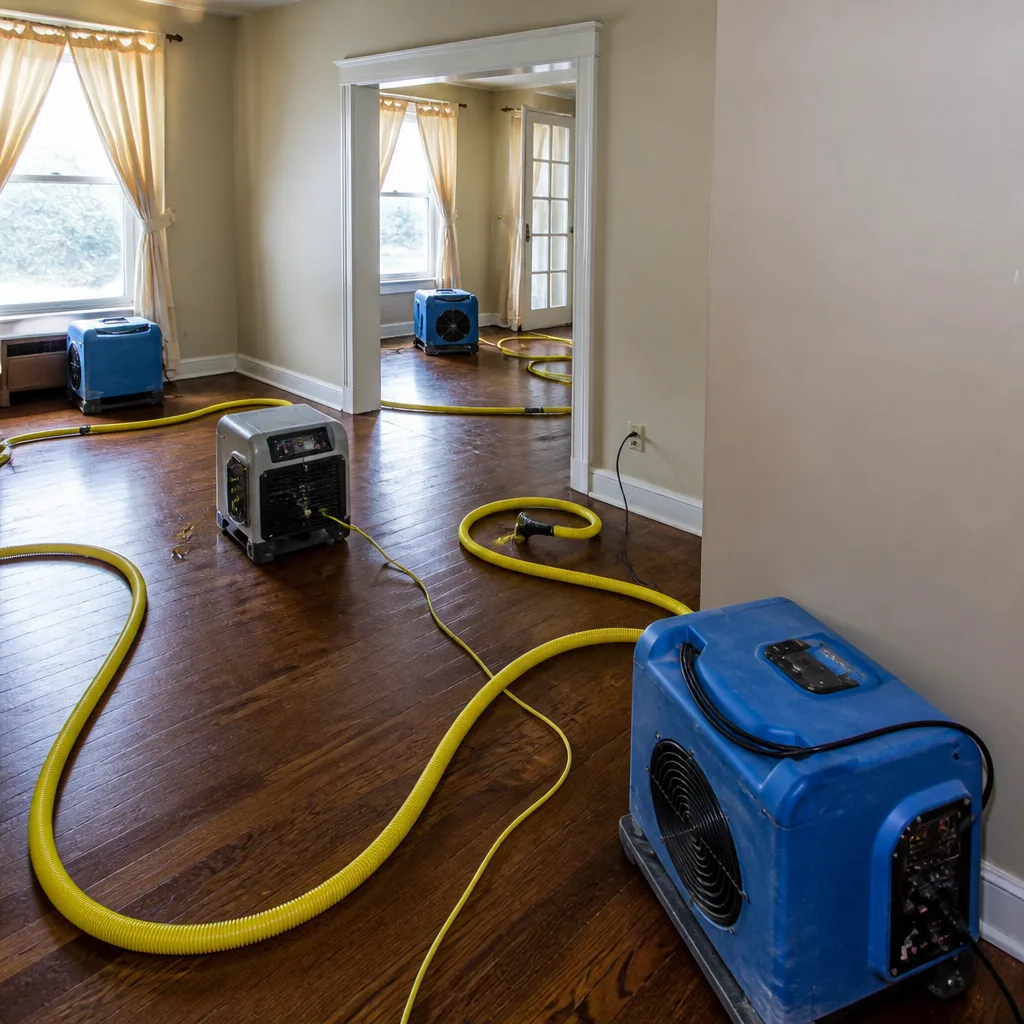
We deploy Dri-Eaz and Phoenix dehumidifiers, Injectidry cavity-drying systems, and axial air movers calculated to the cubic footage and material moisture load. Dense masonry and plaster in Greenpoint’s older buildings require extended equipment dwell, documented with daily psychrometric readings until equilibrium moisture content is achieved.
6. Clearance Testing & Restoration
Post-remediation air sampling confirms spore counts at or below outdoor baseline levels before containment is removed. We then restore affected finishes to pre-loss condition, providing a photo record of each phase and a written 365-Day Done Right Promise under The Haven Standard.
Need Emergency Mold Remediation in Greenpoint Now?
Crews minutes away, answering live 24 hours a day. The sooner we start, the less it costs.
Working With Your Insurance Company
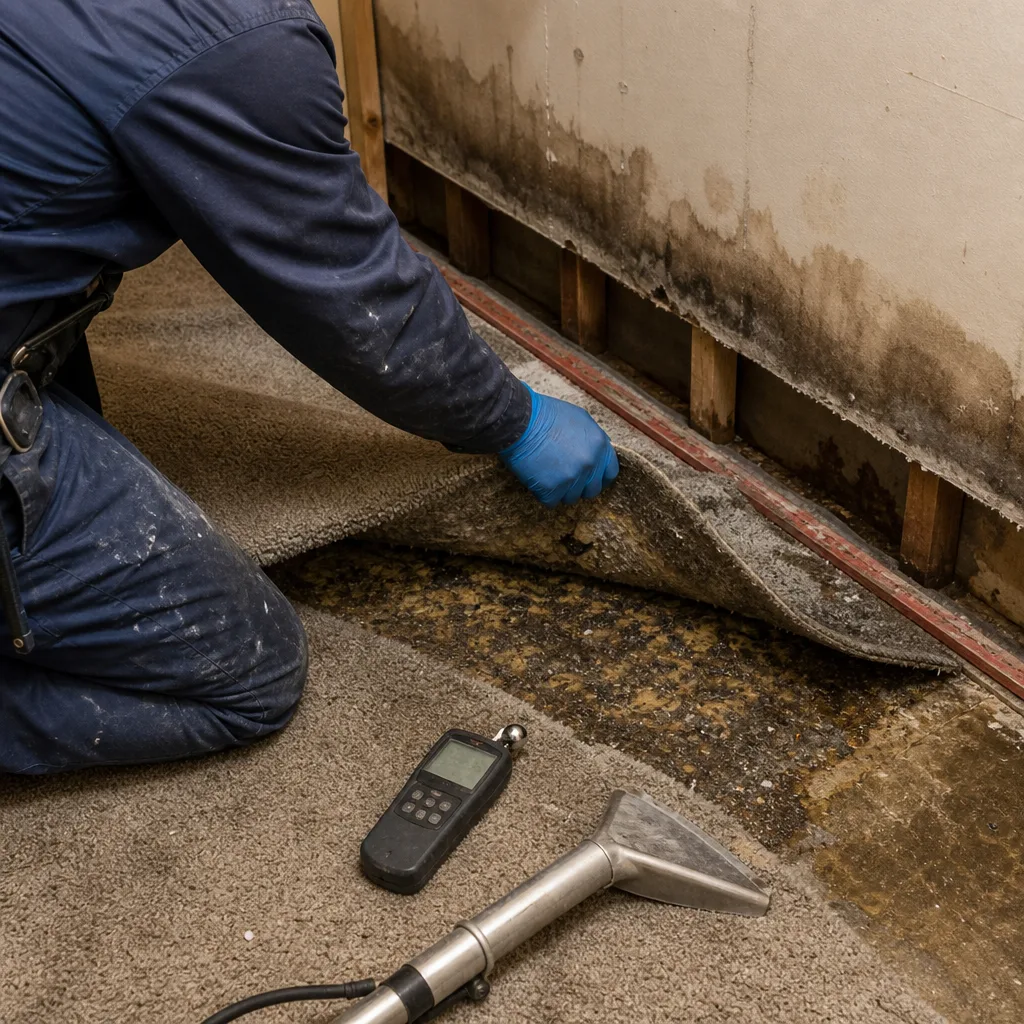
Insurance claims for mold damage succeed or fail on documentation quality from the first hour. Our crews photograph every affected surface before anything is touched, record moisture readings with instrument calibration dates, and produce daily drying logs that trace the remediation timeline. We write estimates to Xactimate or Symbility standards, depending on your carrier’s preferred platform, and communicate directly with your adjuster to resolve scope questions before they become coverage denials.
The Haven Standard requires a written price before work begins on every job, with no additions once the crew is inside your property. This documentation discipline, developed by a former claims adjuster, produces the evidence base that turns contested mold claims into paid ones.
What We Provide Your Insurer
- Thorough documentation of the loss
- Photos of all damage, room by room
- Moisture readings and drying logs
- A detailed, line-item scope of work
- Direct coordination with your carrier
Built for Greenpoint’s Loss Calendar
January deep freezes split aging galvanized supply lines in uninsulated basement ceiling chases, saturating partition walls before owners detect flow. Spring thaw raises the water table across Greenpoint’s low-lying peninsula, pushing groundwater through foundation walls and producing the humid conditions that trigger basement mold blooms by April. Summer thunderstorms overwhelm combined sewer capacity, backing Category 2-3 water into basement apartments along streets like Java Street and Kent Street, where grade sits near sea level. Hurricane season brings surge risk to waterfront blocks; Sandy’s inundation along the East River and Newtown Creek left legacy moisture problems that still resurface in poorly dried structures. Fall nor’easters drive wind-driven rain through failed flashing on flat roofs, saturating top-floor assemblies that dry slowly through dense masonry below.
Each season produces a distinct moisture signature. Our crews calibrate response protocols to the source, sewer backup demands immediate antimicrobial treatment and source control, while roof leaks require membrane assessment before interior drying begins.
Mold Remediation Across Greenpoint’s Neighborhoods
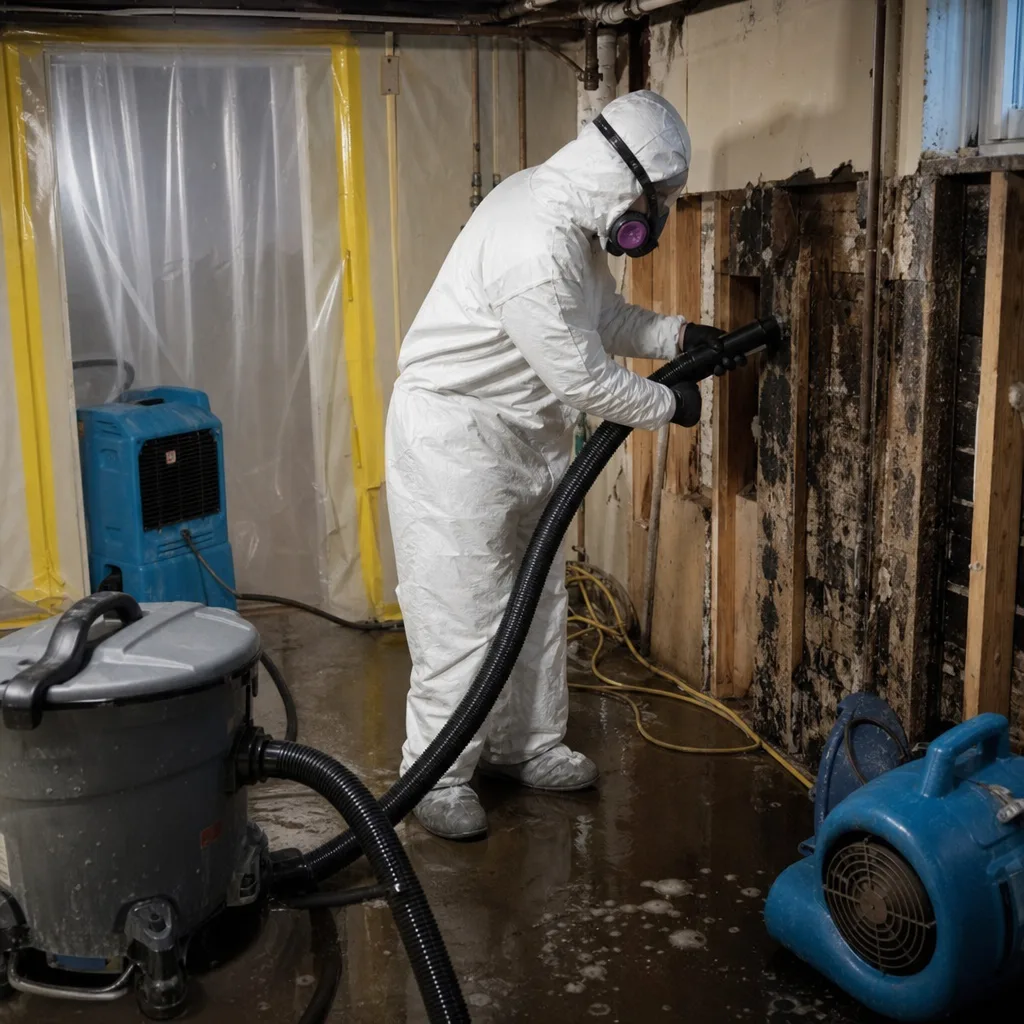
West of Manhattan Avenue, the waterfront corridor toward the East River mixes converted industrial lofts with newer residential construction. Mold calls here often trace to failed building envelope seals on retrofitted windows and inadequate vapor barriers in slab-on-grade conversions. The drying protocols differ from legacy construction: we use lower grain depression targets and shorter equipment dwell, but document more carefully because insurers scrutinize mold claims in converted commercial properties more closely.
East of Manhattan Avenue toward Newtown Creek, the petroleum plume underlies much of the subsoil. On a legacy brick rowhouse off Java Street near this corridor, our crew responded to a basement apartment after heavy rain backed up through the combined sewer and soaked the lower unit in Category 2-3 water. When we pulled baseboards for moisture mapping, the water had a faint petroleum sheen, so we halted water extraction, documented the pre-loss condition, and brought in an environmental assessor before resuming containment and structural drying. Once cleared, we ran antimicrobial treatment on the affected masonry, set Injectidry and Dri-Eaz equipment for an extended dwell, logged daily moisture readings, and confirmed air quality before closing the scope of work.
North Greenpoint toward McCarren Park sees more owner-occupied single-family and two-family rowhouses with original plaster and lath construction. Mold here typically follows chronic roof ponding or failed scupper drains, with contamination spreading slowly through ceiling cavities before visible staining appears. The McGuinness Boulevard corridor, with its higher traffic volume and slightly elevated grade, sees fewer sewer backups but more supply-line failures in buildings with original 1920s plumbing still in service.
Franklin Street and the commercial core present mixed-use buildings with restaurant and light industrial tenants below residential units. Grease-laden humidity from commercial kitchens combined with aging ventilation creates unique mold environments in shared wall assemblies, requiring coordination with both property management and health department protocols.
Specialized Mold Remediation Services We Offer in Greenpoint
Mold Inspection & Testing
We provide independent mold assessment with air and surface sampling, moisture mapping, and infrared thermal imaging to locate hidden growth behind finishes. In Greenpoint’s subdivided tenements, we inspect adjacent units when shared walls show elevated moisture, documenting cross-unit conditions that single-unit assessments miss. Testing follows IICRC and IFA protocols, with laboratory turnaround typically 48 hours.
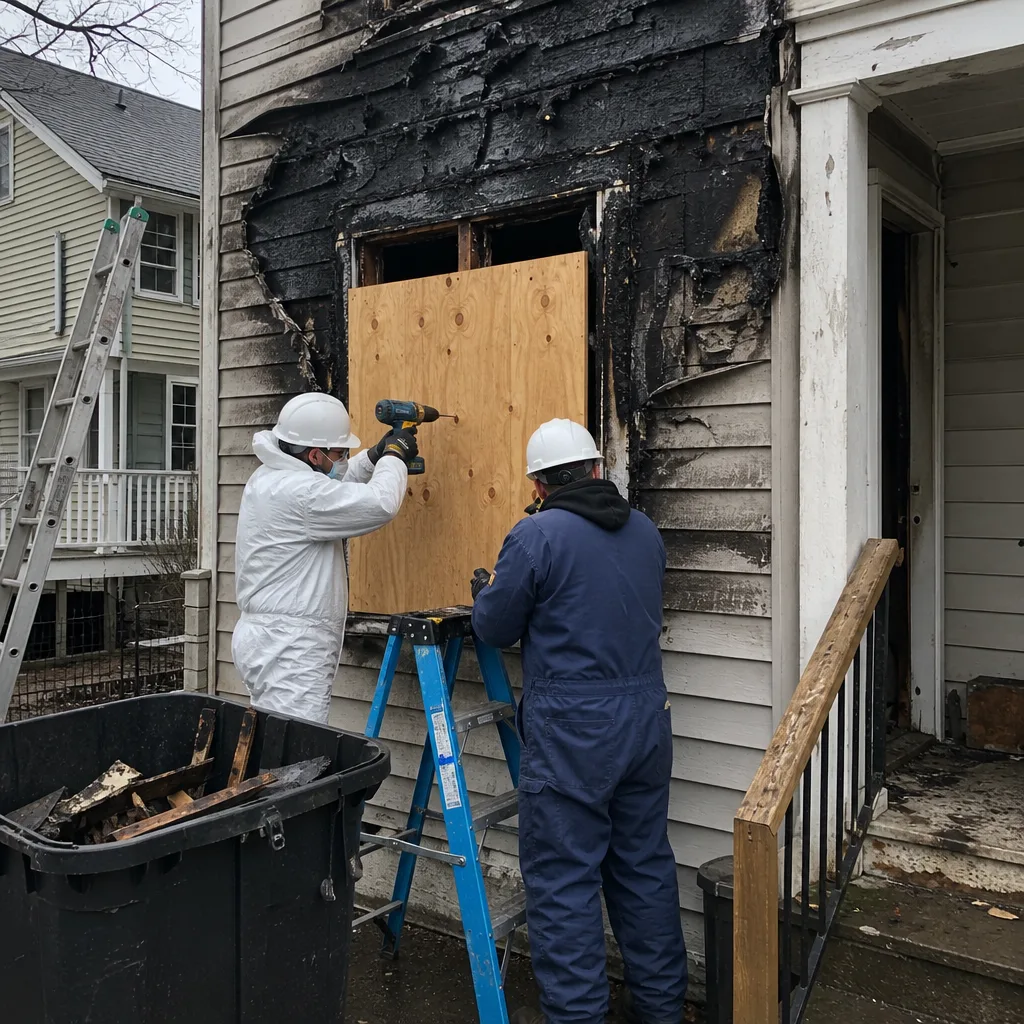
Mold Removal
Containment, removal, and disposal of contaminated materials with HEPA filtration and negative air pressure. We distinguish between surface growth on non-porous materials, treatable in place, and porous material colonization requiring removal. In Greenpoint’s basement apartments, we coordinate pack-out of tenant belongings with photo documentation for insurance inventory.
Black Mold Remediation
Stachybotrys chartarum and other toxigenic species require enhanced containment, personal protective equipment, and specialized disposal. We do not use the term “black mold” as a scare tactic; we identify the species through laboratory analysis and scope response to the actual hazard level, documenting both for insurance and for tenant disclosure requirements in rental properties.
Air Quality Restoration
Post-remediation air scrubbing, duct cleaning where HVAC contamination exists, and third-party clearance testing to confirm spore counts at or below outdoor baseline. In Greenpoint’s older buildings with original ductwork or no ductwork at all, we assess whole-building ventilation strategy, not just localized treatment.
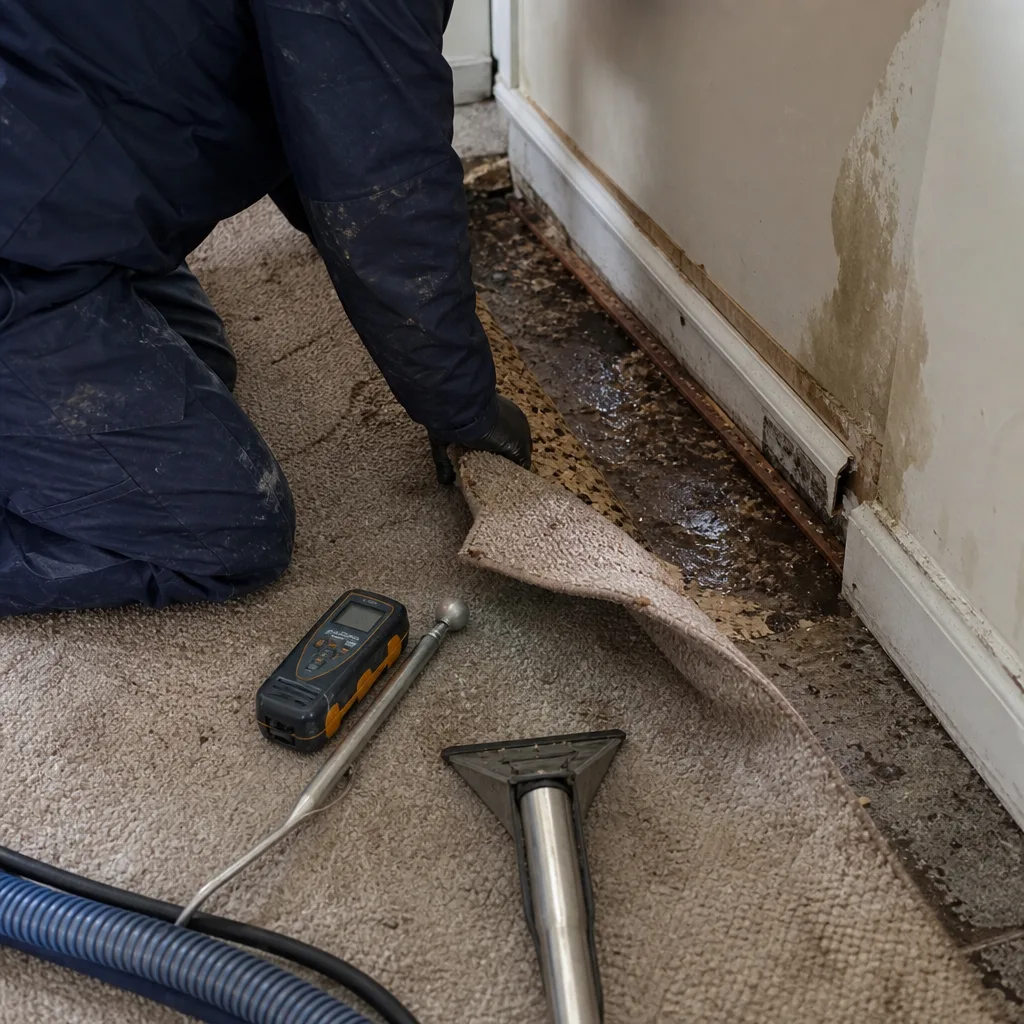
Crawl Space Treatment
Vapor barrier installation, dehumidification, and mold treatment in below-grade crawl spaces common in Greenpoint’s older rowhouse additions and rear extensions. These spaces often show the highest moisture readings in the building due to poor ventilation and direct soil contact.
Moisture & Humidity Control
Permanent humidity management through dehumidifier sizing, ventilation improvement, and building envelope repair. We address the source, not the symptom: correcting chronic roof ponding, replacing failed flashing, or recommending plumbing replacement when galvanized supply lines show recurrent pinhole failure. Without this step, mold returns regardless of remediation quality.
What happens when you call
- 1
A real person answersNo phone trees - you reach a local pro.
- 2
You get an upfront price rangeHonest numbers before anyone is dispatched.
- 3
A background-checked tech heads outLicensed & insured, dispatched right away.
- 4
You approve before work beginsNothing starts until you say go.
Mold Remediation Costs in Greenpoint, NY
A typical mold inspection with air sampling in Greenpoint runs $350-$650. Contained mold removal on a single basement wall, 10-50 square feet, ranges $1,800-$3,200. Moderate remediation involving multiple rooms, material removal, and extended drying in legacy masonry construction runs $3,500-$6,500. Extensive whole-basement or multi-unit contamination with full containment and reconstruction can exceed $8,000, though these cases are less common.
What moves the price: square footage of visible and hidden growth, material removal versus surface treatment, the need for third-party air testing, and whether petroleum contamination screening adds an environmental assessment layer unique to Greenpoint’s Newtown Creek corridor. Insurance coverage varies by policy; most standard homeowners policies exclude mold unless it results from a covered water loss, while some endorsements provide limited mold coverage. We review your policy language, document the water loss origin, and coordinate with your adjuster to maximize applicable coverage. Call (862) 281-7710 for a free visual inspection and written scope, Haven Standard, Clause 1.
We Also Serve Cities Near Greenpoint
Our crews respond from the New York City office to Greenpoint and surrounding neighborhoods including Astoria, Upper East Side, Long Island City, and Jackson Heights. Each area receives the same documentation-first protocol, written price before work begins, and 365-Day Done Right Promise.
Serving Greenpoint, NY - Our Local Coverage Area
We’re based in the Greenpoint area and know this community well. Use the map below to see our service coverage - if you’re nearby, we can almost certainly help.
Greenpoint Mold Remediation Questions, Answered
Why does mold remediation in Greenpoint sometimes involve an environmental assessor?
Because Greenpoint sits atop an estimated 17-30 million gallon petroleum plume from historic refinery operations along Newtown Creek, any basement moisture intrusion near this corridor may contain hydrocarbon contamination. When our moisture readings coincide with petroleum odor or sheen in groundwater, state and federal protocols require halting standard remediation and bringing in an environmental assessor before work continues. This screening step is effectively unique to Greenpoint among NYC neighborhoods and reshapes how we sequence every basement mold job from the first hour on site. Call (862) 281-7710 if you suspect petroleum-affected water in your basement.
How fast can mold start in a Greenpoint basement apartment after a sewer backup?
Mold colonization on wet gypsum drywall or plaster begins 24-48 hours after saturation in Greenpoint’s humid basement conditions, faster in summer when temperatures exceed 70°F. Category 2-3 sewer backups, common in low-lying blocks after heavy rain, introduce organic loading that accelerates growth. We recommend calling immediately after backup discovery, not after visible growth appears, because early extraction and antimicrobial treatment prevent the colonization that makes remediation costlier. Our crews are dispatched within 45 minutes for active water emergencies in Greenpoint.
Why do mold jobs in Greenpoint’s older brick rowhouses take longer to dry?
Dense masonry walls and plaster finishes in late-19th and early-20th century construction have much lower permeability than modern drywall and frame assemblies, slowing moisture release into the air where dehumidifiers can capture it. Standard drying timelines calibrated for modern construction often under-dry these materials, leaving residual moisture that sustains recurrent mold growth. We extend equipment dwell periods, document daily moisture readings with pin meters at multiple depths, and confirm equilibrium moisture content before removing Dri-Eaz and Phoenix equipment. The extra days prevent the callback that costs everyone.
Can you just treat mold on a Greenpoint basement wall without finding the moisture source?
No, and any contractor who offers this is selling a temporary fix. Mold requires moisture to grow; without identifying and correcting the source, whether a ponding flat roof, corroded galvanized supply, chronic sewer backup, or failed foundation sealant, the colony returns. Our scope always includes moisture-source identification and correction options, documented in writing before work begins. The Haven Standard, Clause 1, requires this transparency. Call (862) 281-7710 for a written scope that addresses the cause, not just the symptom.
What does mold remediation look like in a subdivided Greenpoint tenement with multiple basement units?
We establish containment that seals shared wall penetrations, ceiling chases, and utility corridors to prevent spore migration into adjacent units during removal. Pack-out of tenant belongings is photo-documented for insurance inventory. Air scrubbers run continuously in contained areas, and we coordinate access with property management and tenants to minimize disruption. Post-remediation clearance testing samples air in adjacent units as well as the treated space, confirming no cross-contamination occurred. The documentation package supports both the primary claim and any tenant displacement coverage.
Will my insurance cover mold remediation in Greenpoint?
Coverage depends on your policy language and the water loss origin. Most standard homeowners policies exclude mold damage unless it results from a sudden, covered water event like a burst pipe or storm intrusion; gradual leaks and maintenance-related moisture are typically excluded. Some carriers offer limited mold endorsements. We review your policy, document the loss origin with photos and moisture readings, and write our estimate to carrier standards to support coverage arguments. Direct adjuster coordination is included on every claim. Call (862) 281-7710 for a free inspection and policy review.
How long does mold remediation take in a typical Greenpoint property?
Contained single-wall treatment with surface growth only: 2-3 days including drying. Moderate remediation with material removal in legacy masonry construction: 5-8 days, with extended equipment dwell for proper structural drying. Extensive multi-room or multi-unit contamination: 10-14 days or longer, depending on reconstruction scope. We provide a written timeline with the scope before work begins, and daily moisture logs document progress. The 365-Day Done Right Promise covers any recurrence from our remediation.
What should I do in the first 30 minutes after discovering mold in my Greenpoint property?
Do not disturb visible growth, agitation releases spores into the air. Turn off HVAC systems if the contamination is near vents or returns. Note the location, approximate size, and any associated water source or odor. Photograph the area for your records. Then call (862) 281-7710 for a free visual inspection. Our crew will document the condition, measure moisture, screen for petroleum contamination if the location warrants, and deliver a written scope and price before any work begins.
Written by Alicia Brennan, Owner at DryMark Restoration Astoria, serving Greenpoint and the New York metro area since 2011.
Mold Remediation in Nearby Areas