
Free visual inspection and a written scope of work before any mitigation begins - photos, moisture readings, and drying logs go in your claim file
The scope we write is the scope we bill. Anything new gets shown to you, in writing, before we touch it.
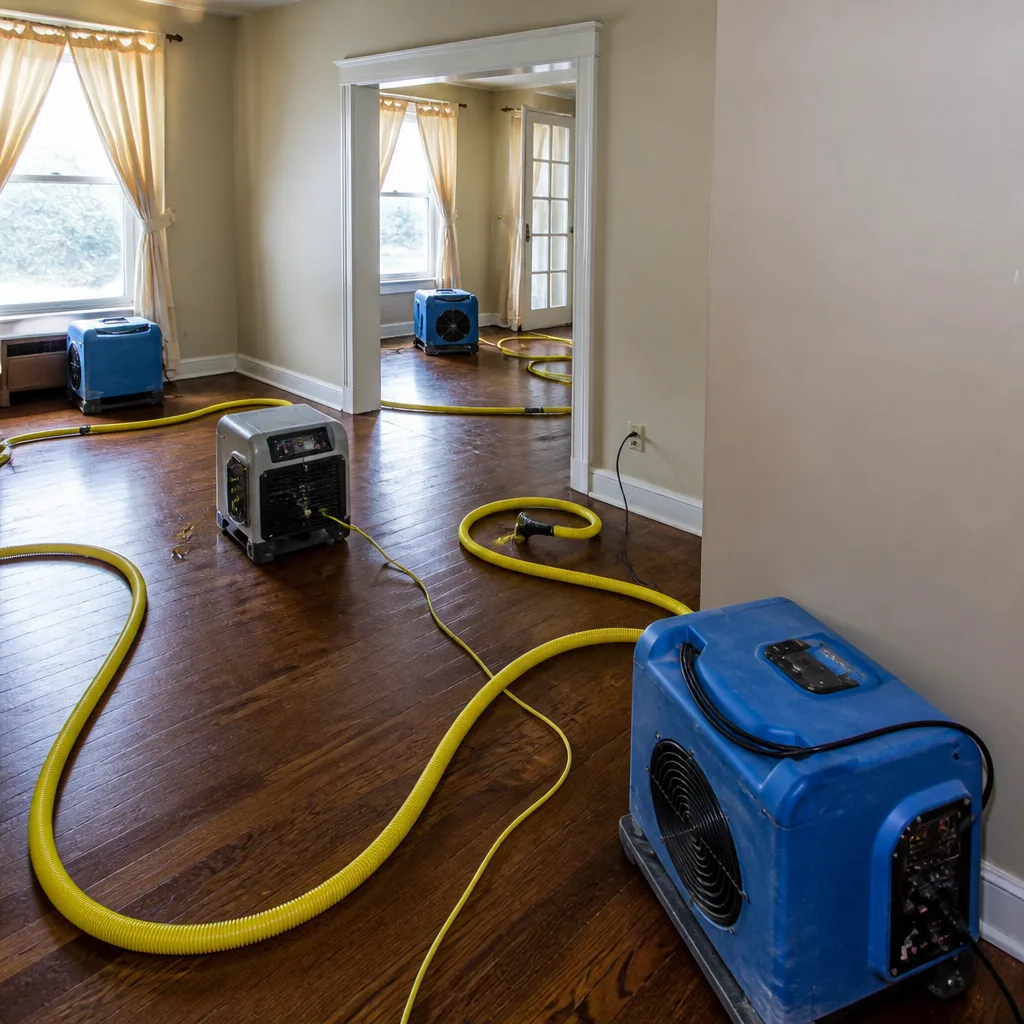
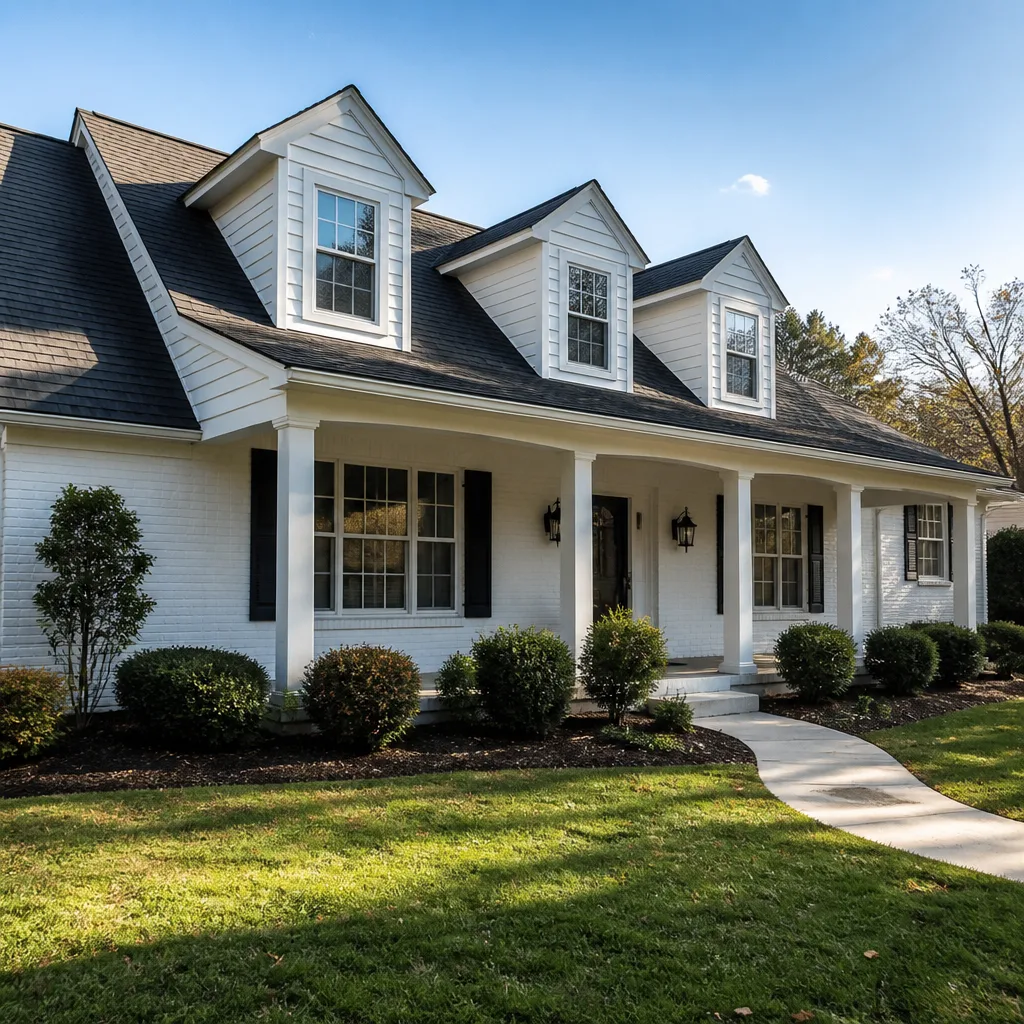
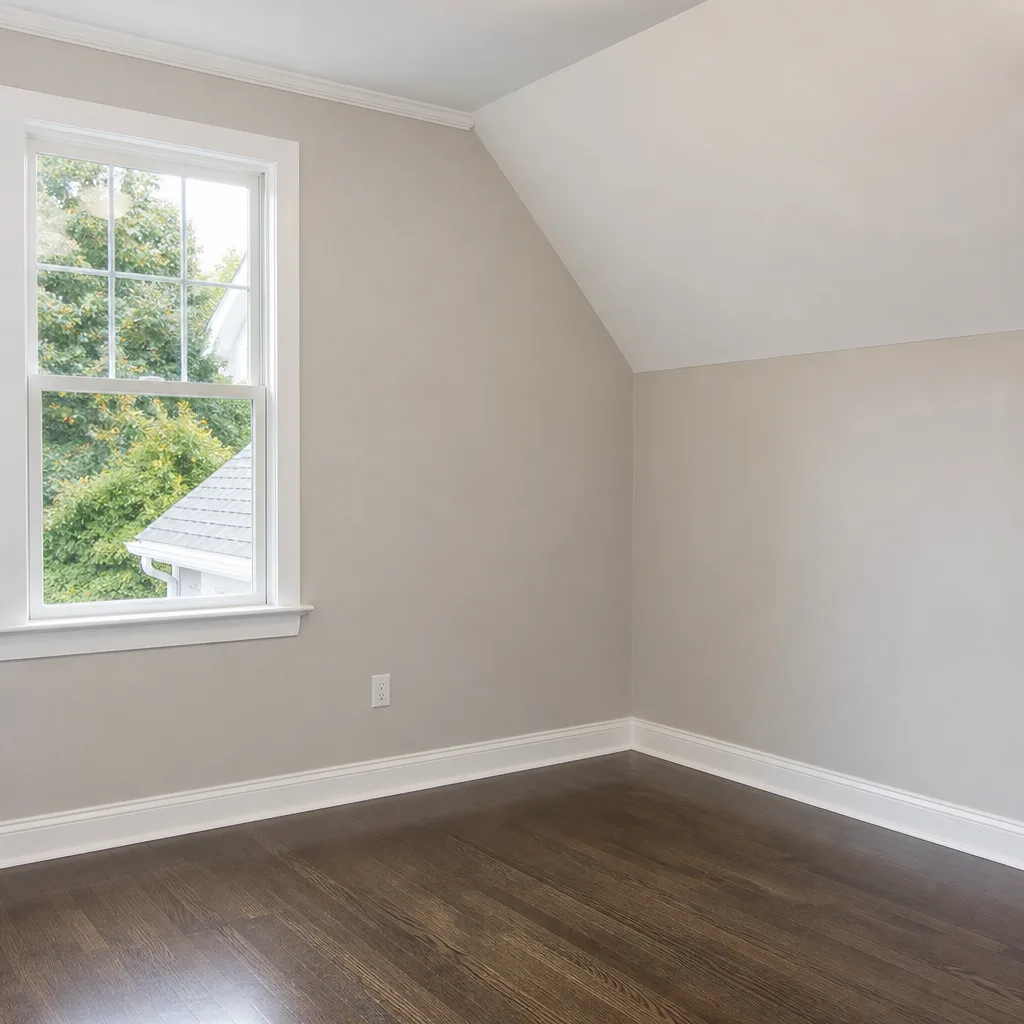
Storm response
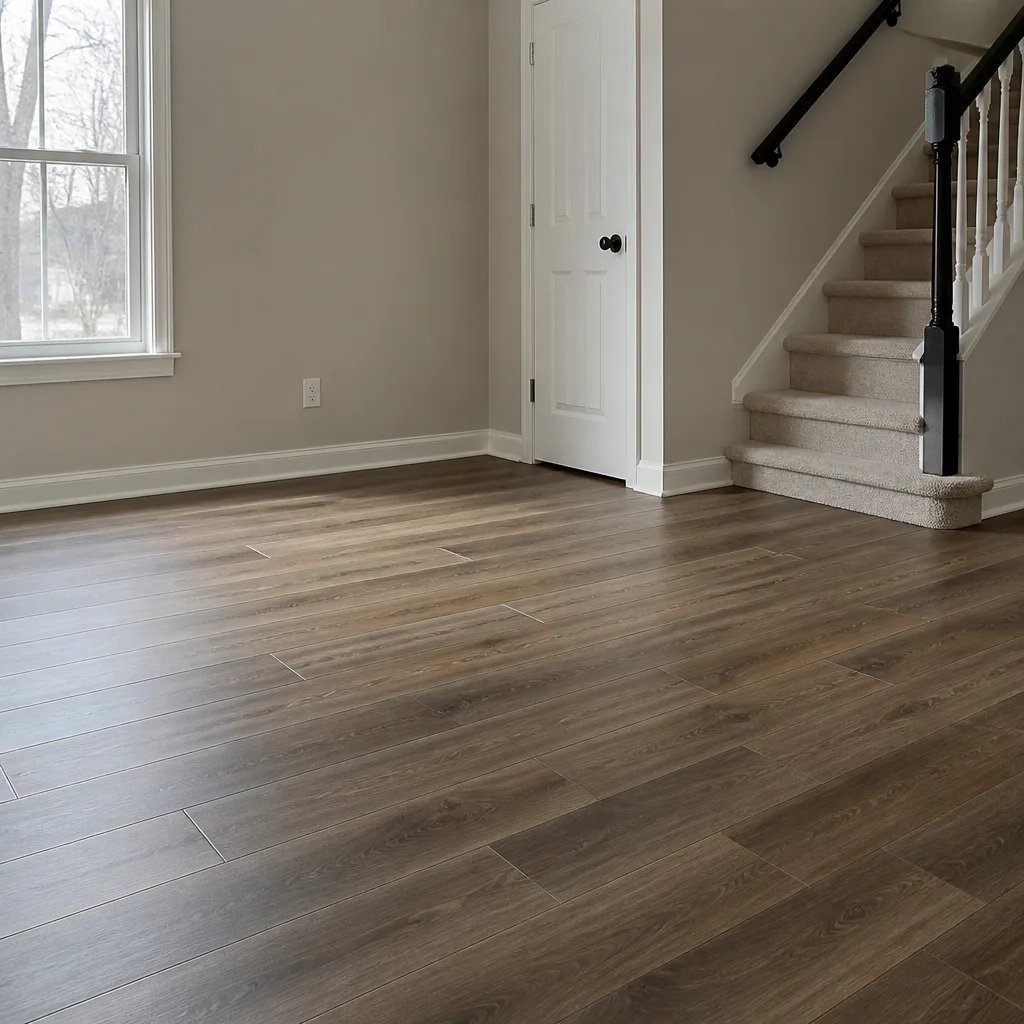
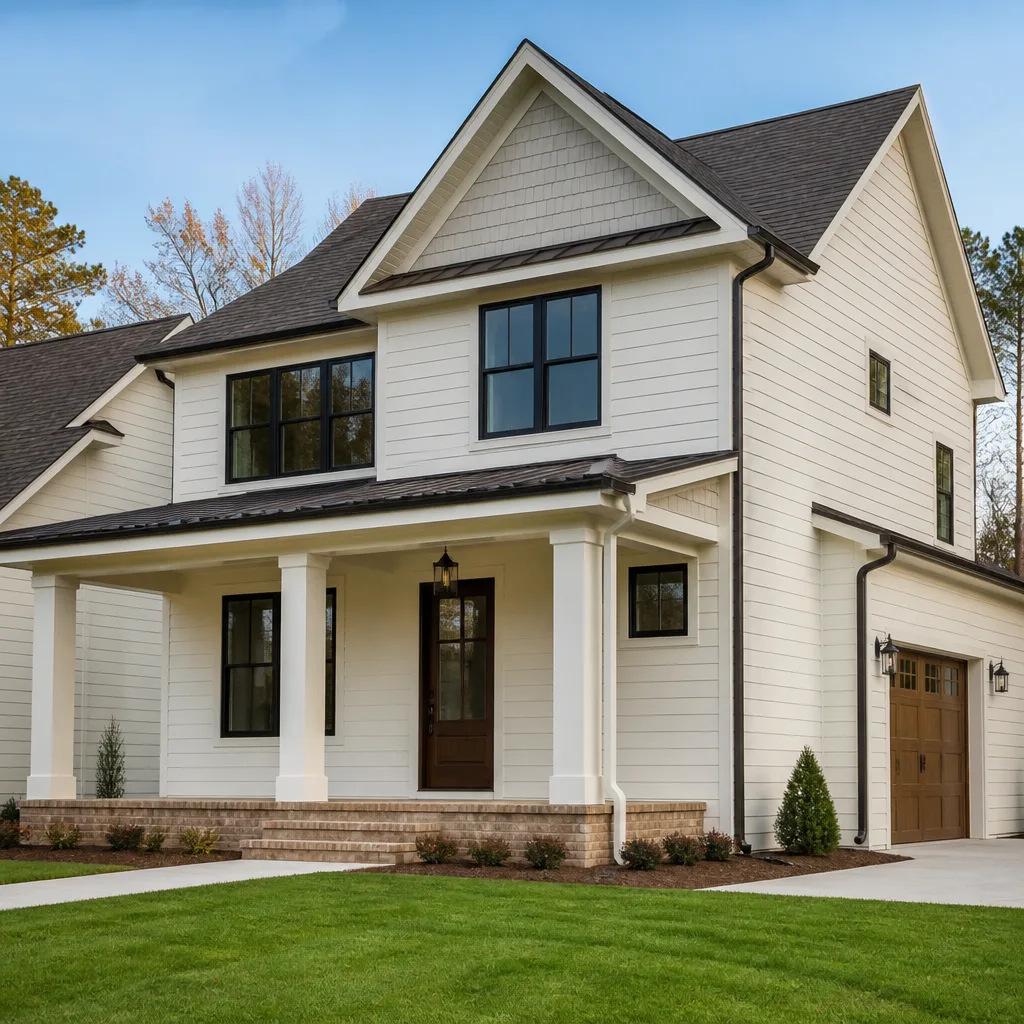
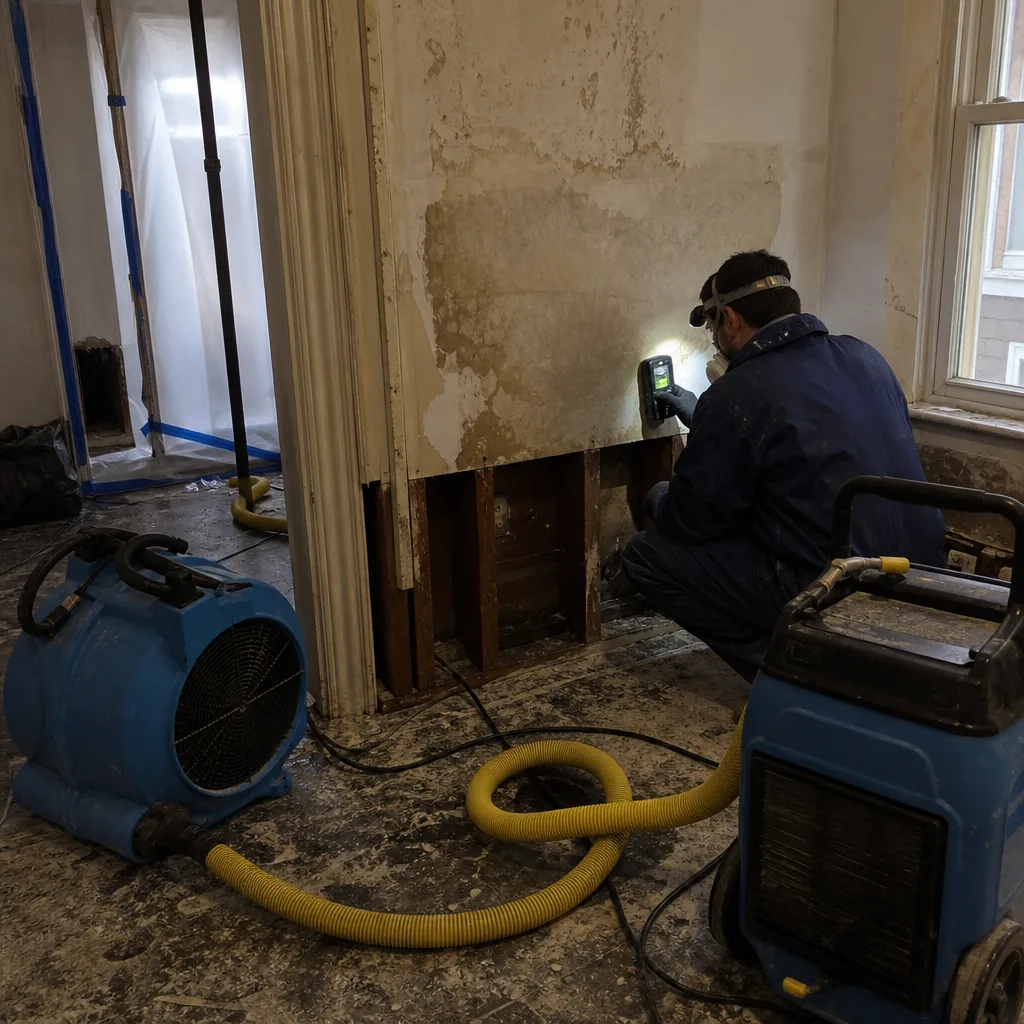 Before
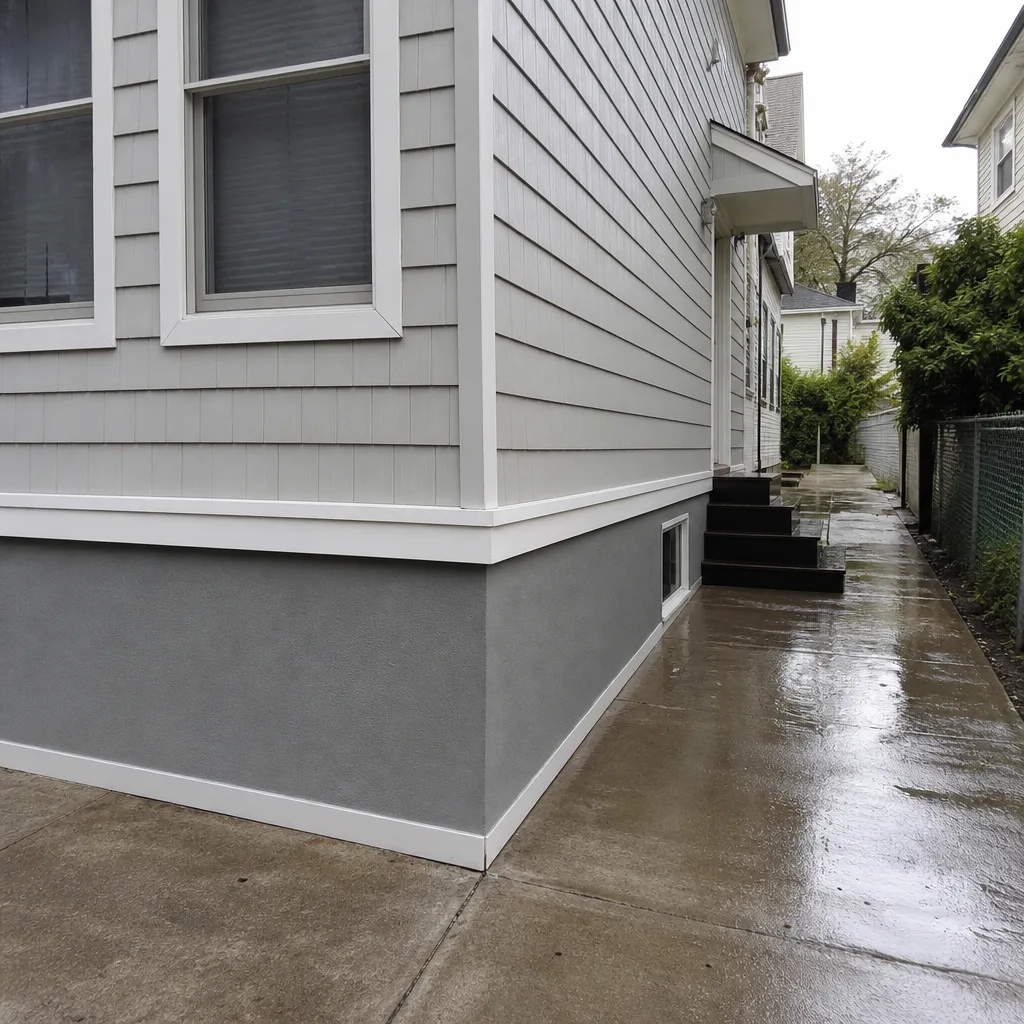 After
After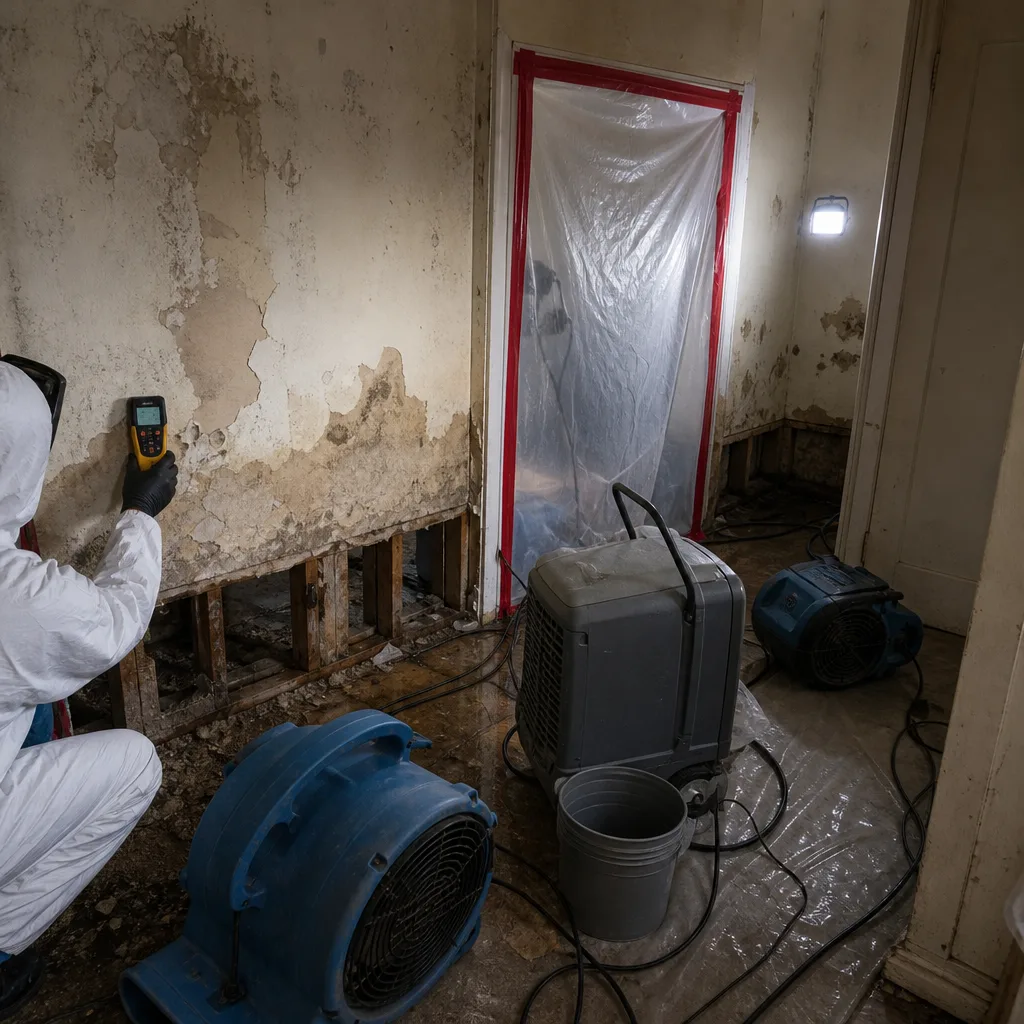 Before
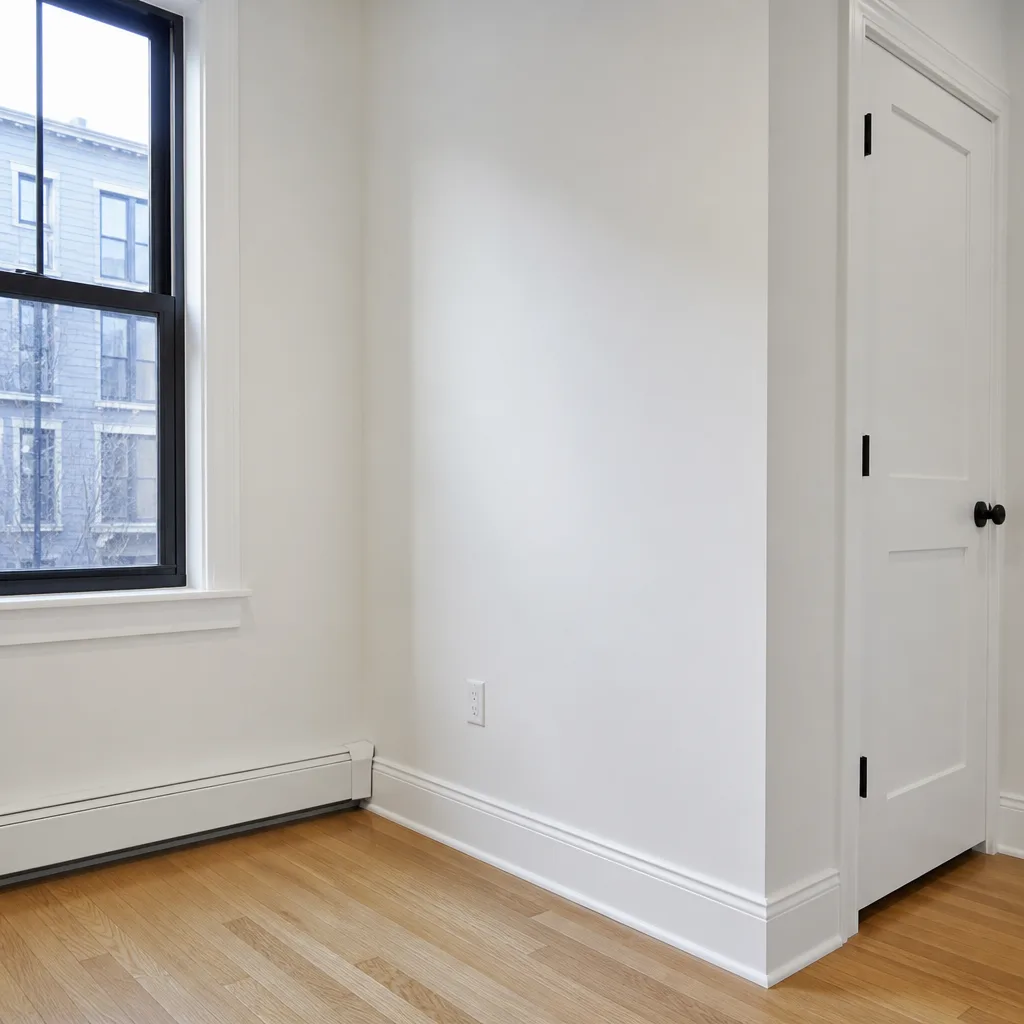 After
After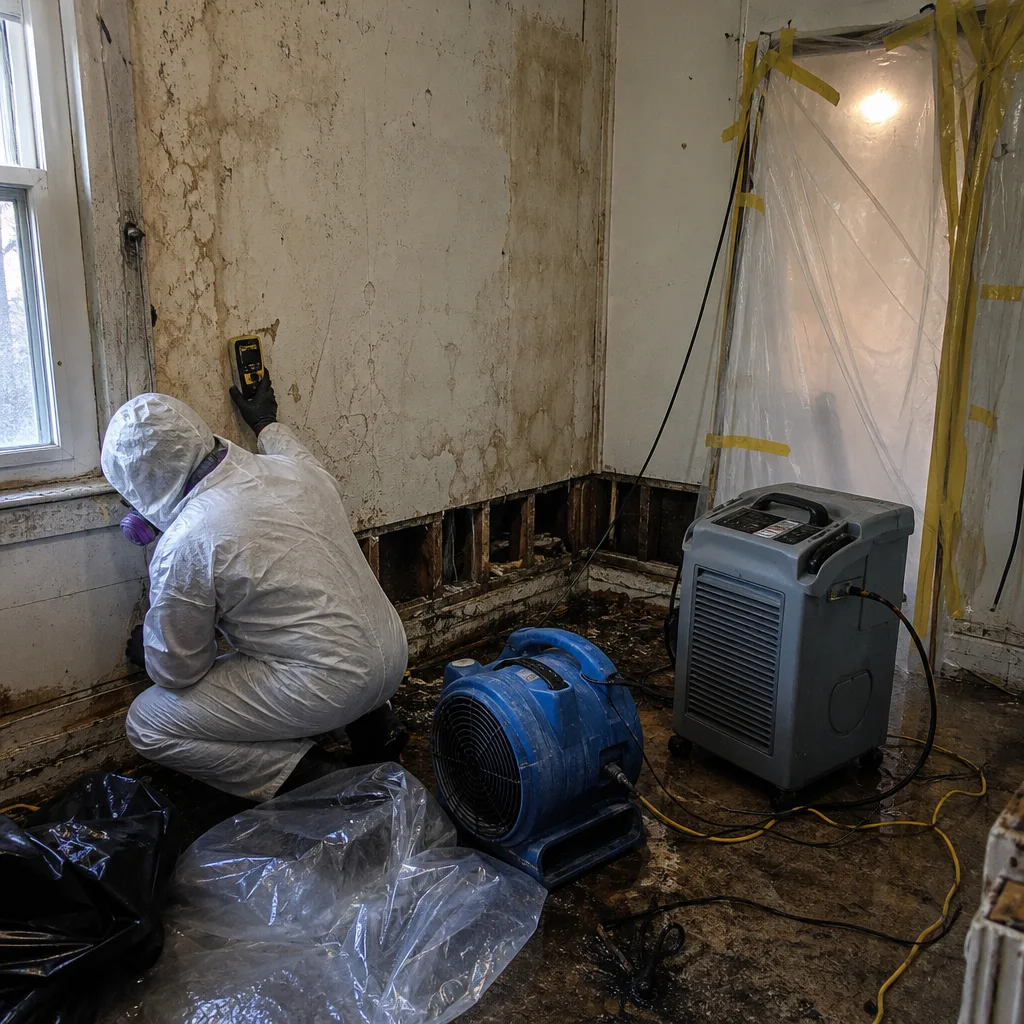 Before
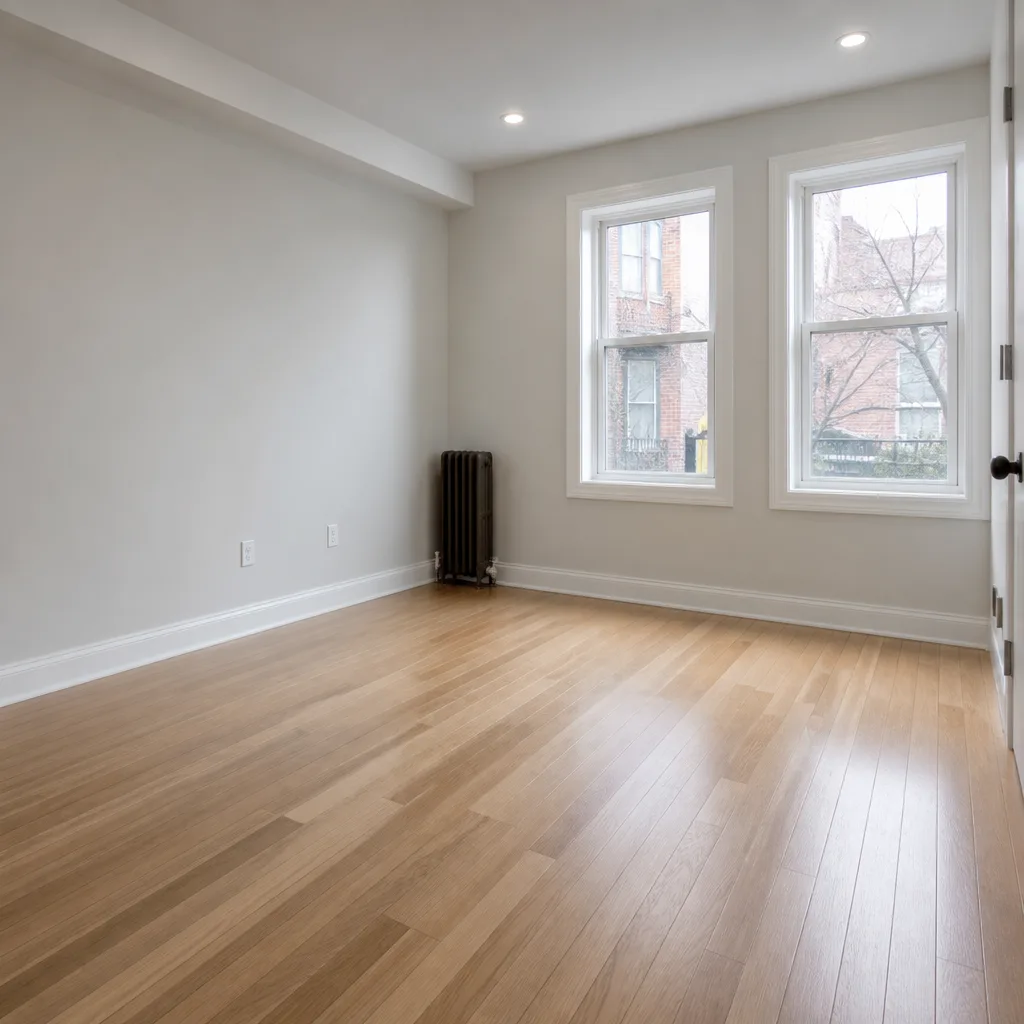 After
After24/7 Emergency Mold Remediation in Forest Hills
Mold remediation in Forest Hills typically runs $1,200-$4,500 for contained residential jobs, with full-structure treatments reaching $8,000-$15,000 in pre-war co-ops with horsehair plaster systems. We answer live at (862) 281-7710 every hour of every day - no voicemail, no callback queues. Crews dispatch from our New York City office to Forest Hills within 45 minutes of your call. The first 24 hours after water intrusion are when mold colonies establish; after 48 hours, remediation costs multiply. We provide a free visual inspection, document moisture readings with calibrated meters, and deliver a written scope before any containment goes up.
Understanding Mold Remediation Severity in Forest Hills Properties
Mold severity in Forest Hills is shaped by two forces: the borough’s aging infrastructure and its distinctive housing stock. Queens’ combined sewer system, built for a smaller population, backs into Forest Hills basements and ground-floor units during summer cloudbursts. What looks like clean water may be Category 3 black water - a distinction that changes PPE requirements, disposal protocols, and insurance documentation from the first hour.
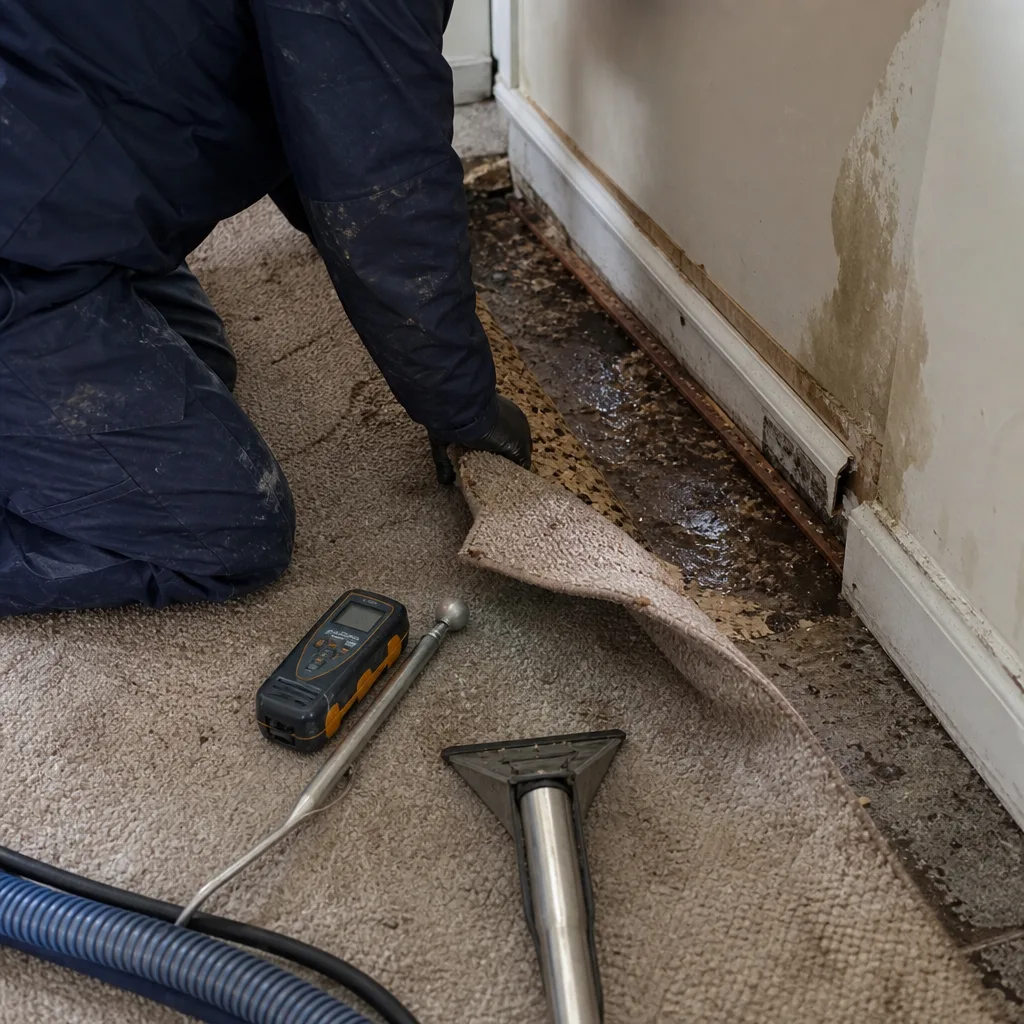
Inside the building, the real variable is wall construction. Pre-war co-ops along Queens Boulevard and Austin Street use horsehair plaster on wood lath, not modern drywall. This plaster is hygroscopic - it pulls moisture deep into the wall cavity and releases it slowly. A technician trained on suburban drywall will call a wall “dry” while the lath behind it still reads 18-20% moisture content. We use penetrating probes and thermal imaging to map the full moisture profile, then deploy Injectidry systems to create negative pressure inside cavities, forcing dry air through spaces that surface drying cannot reach.
Containment strategy also varies by building type. In Forest Hills Gardens Tudor Revival homes, we build smaller, tighter containment chambers to protect historic millwork. In co-op buildings, we coordinate with building staff to establish negative pressure that does not trigger hallway smoke detectors or affect neighboring units’ HVAC.
Why Forest Hills Property Owners Choose DryMark Restoration Astoria
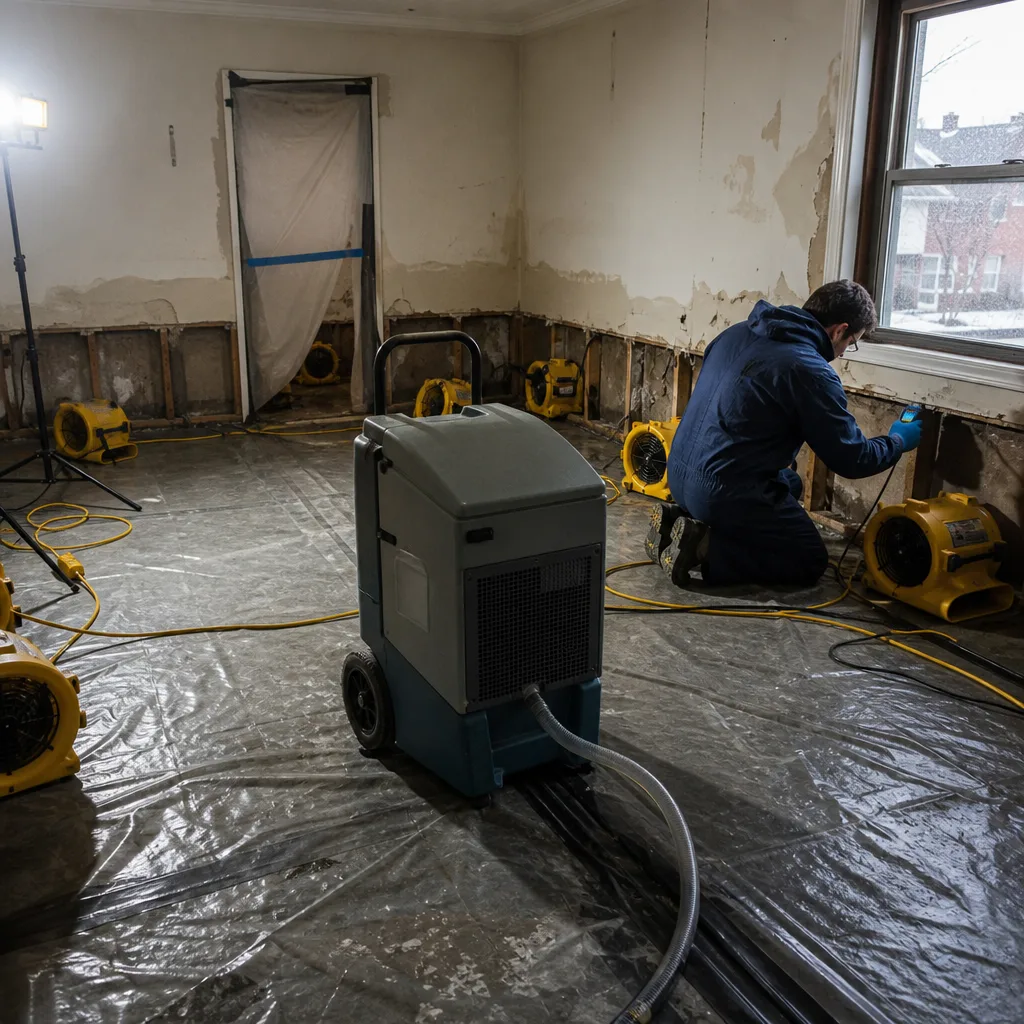
- 45-minute response commitment to Forest Hills addresses, with crews staged for Queens dispatch.
- 24/7 live answer - a real person, never an automated system or voicemail tree, on every call.
- IICRC-certified crews holding WRT (Water Damage Restoration Technician) and AMRT (Applied Microbial Remediation Technician) certifications.
- Free visual inspection with moisture mapping and photo documentation before any work is proposed.
- Direct insurance billing with adjuster coordination included as standard, not an upsell.
- One team from mold containment through reconstruction - no handoffs between trades that lose institutional knowledge about your job.
BeforeAfterOur Mold Remediation Process
1. Inspection & Assessment
We map moisture with FLIR thermal imaging, penetrating probes, and hygrometers. Air samples identify spore species and concentration. In Forest Hills co-ops, we identify whether the board or managing agent must authorize cavity access before we proceed.
2. Containment & Air Filtration
Polyethylene barriers create negative-pressure chambers. HEPA air scrubbers (99.97% efficiency at 0.3 microns) run continuously, with discharge filtered outside the containment zone. In pre-war buildings, we seal return air grilles to prevent cross-contamination.
3. Moisture Control & Structural Drying
We deploy Dri-Eaz and Phoenix LGR dehumidifiers sized to the affected cubic footage, plus axial and centrifugal air movers positioned for laminar airflow. Horsehair plaster demands extended drying cycles; we log daily moisture readings until lath readings stabilize below 16%.
4. Mold Removal & Cleaning
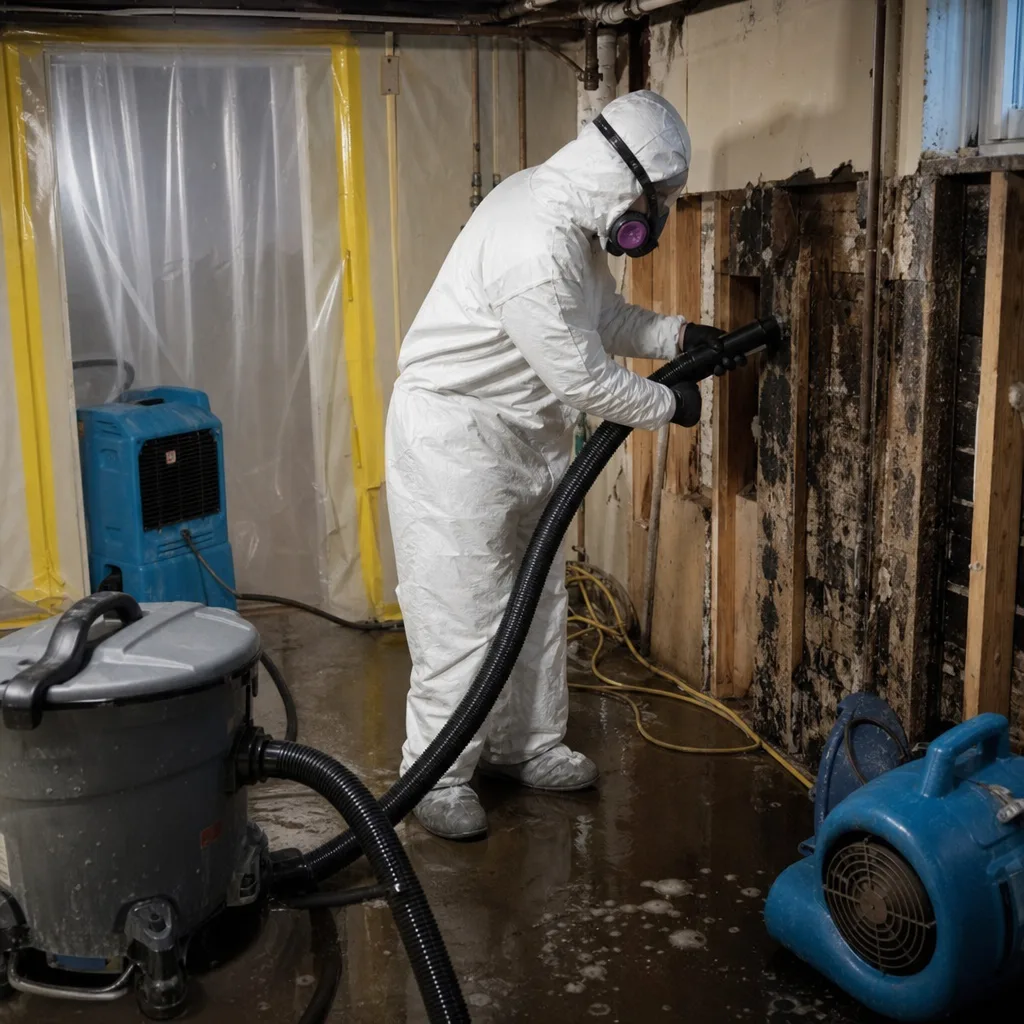
Non-salvageable porous materials are removed and documented for disposal manifests. Remaining surfaces receive HEPA vacuuming, then antimicrobial treatment following IICRC S520 standards. We photograph each stage for the adjuster’s file.
5. ARB-Compliant Repair Planning
For Forest Hills Gardens properties, we prepare material specifications using historically appropriate products - no vinyl trim, no modern siding - and submit to the Forest Hills Gardens Corporation for architectural review before exterior work begins.
6. Restoration & Clearance Testing
Repairs proceed only after post-remediation verification: visual inspection, moisture confirmation, and third-party air sampling if required. Our 365-Day Done Right Promise covers all work under The Haven Standard.
Need Emergency Mold Remediation in Forest Hills Now?
Crews minutes away, answering live 24 hours a day. The sooner we start, the less it costs.
Working With Your Insurance Company
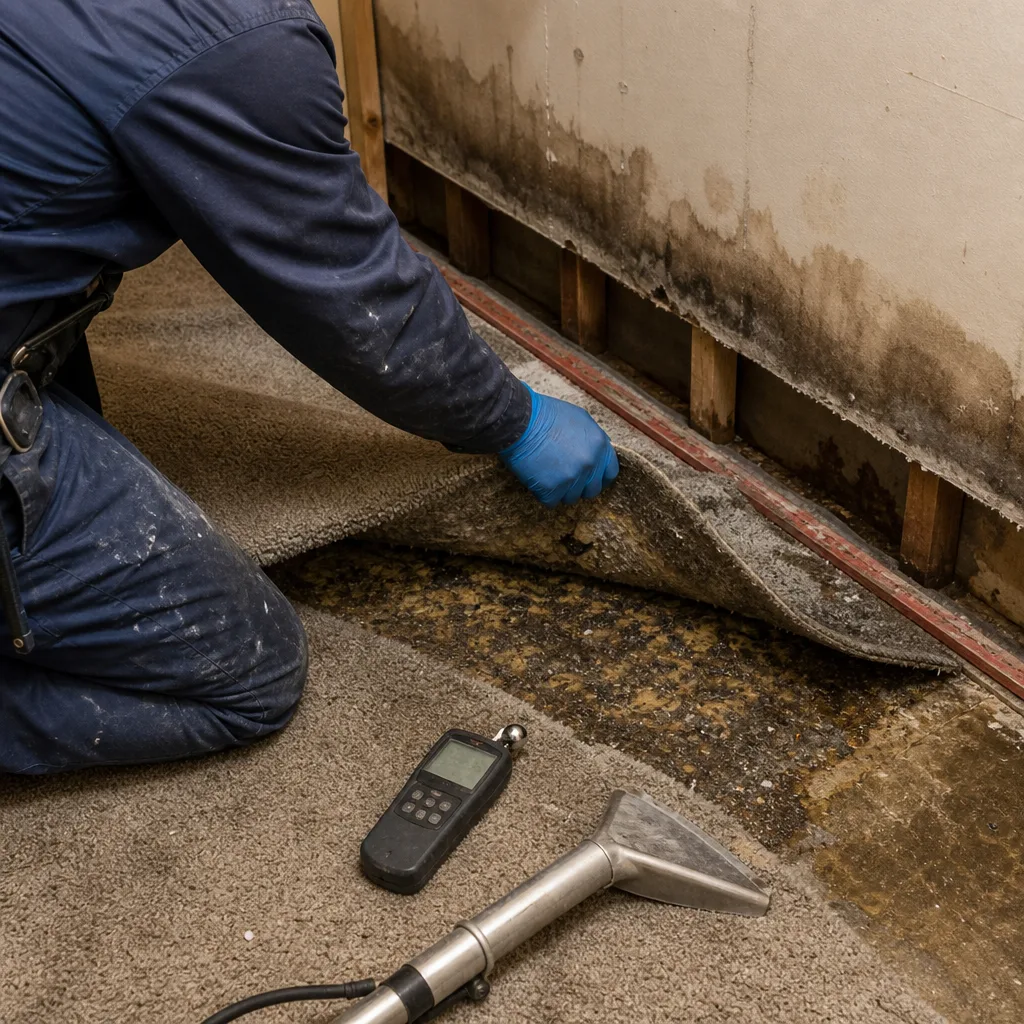
Insurance claims fail when documentation is thin. We build the file from arrival: timestamped photos of every affected room, moisture readings with equipment serial numbers, daily drying logs showing psychrometric data (temperature, relative humidity, specific humidity, vapor pressure), and a line-item scope written to Xactimate standards. Our estimates include material classifications by trade name - “Type X gypsum wallboard” rather than “drywall” - so adjusters have no basis for downgrade.
We speak directly with your adjuster, provide supplemental documentation on request, and do not accept payment from the carrier until you understand and approve the scope. If your carrier disputes coverage, our photo record and written moisture logs provide the evidence your public adjuster or attorney needs.
What We Provide Your Insurer
- Thorough documentation of the loss
- Photos of all damage, room by room
- Moisture readings and drying logs
- A detailed, line-item scope of work
- Direct coordination with your carrier
Built for Forest Hills’s Loss Calendar
January deep freezes split cast iron supply lines in pre-war buildings along Queens Boulevard and Austin Street. The thaw reveals damage days later, when mold has already colonized wall cavities. Spring brings basement seepage as groundwater rises against aging foundation walls. Summer thunderstorms overwhelm the combined sewer, pushing Category 3 water into ground-floor units near Yellowstone Boulevard.
September through November, nor’easters drive wind-driven rain through compromised flashing on Forest Hills Gardens Tudor Revival roofs. Each season produces distinct moisture patterns: winter failures are slow leaks behind plaster, summer events are sudden inundations. Our equipment inventory and response protocols adjust accordingly - more Injectidry cavity drying in winter, more large-scale extraction and decontamination in summer sewage events.
Mold Remediation Across Forest Hills’s Neighborhoods
Forest Hills is not uniform, and neither are its mold problems.
Forest Hills Gardens - the 1909-planned community of Tudor Revival homes south of the Long Island Rail Road - presents our most documentation-intensive jobs. The Forest Hills Gardens Corporation reviews every exterior repair for historical appropriateness. We were called to a 1925 Tudor Revival on Greenway South after a supply line burst, and the horsehair plaster walls held moisture for days despite our initial drying setup. Because the home is under the Forest Hills Gardens Corporation, we had to submit our exterior repair plan using historically appropriate materials and wait for ARB approval before replacing damaged trim. We used Injectidry to dry inside the plaster cavities, set up containment to prevent cross-contamination, and logged daily moisture readings to document the extended structural drying for the adjuster.
Pre-war co-ops along Queens Boulevard - the 1920s-1940s elevator buildings between 71st Avenue and Union Turnpike - require co-op board authorization before we can open wall cavities. The managing agent controls access to common plumbing chases and structural elements. We’ve seen 24-72 hour delays while paperwork circulates, during which mold advances from a localized patch to a multi-room colonization. We now prepare authorization packets proactively, with scope language pre-approved by several Forest Hills managing agents.
Austin Street corridor - mixed commercial-residential with ground-floor retail and residential above - faces a different pattern. HVAC systems serving retail tenants create pressure differentials that draw mold spores from common basements into residential units. Remediation here requires building-wide coordination, not just unit-level containment.
Side streets north of Queens Boulevard - the 1950s-1970s garden apartment complexes - use modern drywall and are more straightforward technically. But their slab-on-grade construction with limited drainage makes summer sewage backups more common, requiring full Category 3 protocols.
Specialized Mold Remediation Services We Offer in Forest Hills
Mold Inspection & Testing
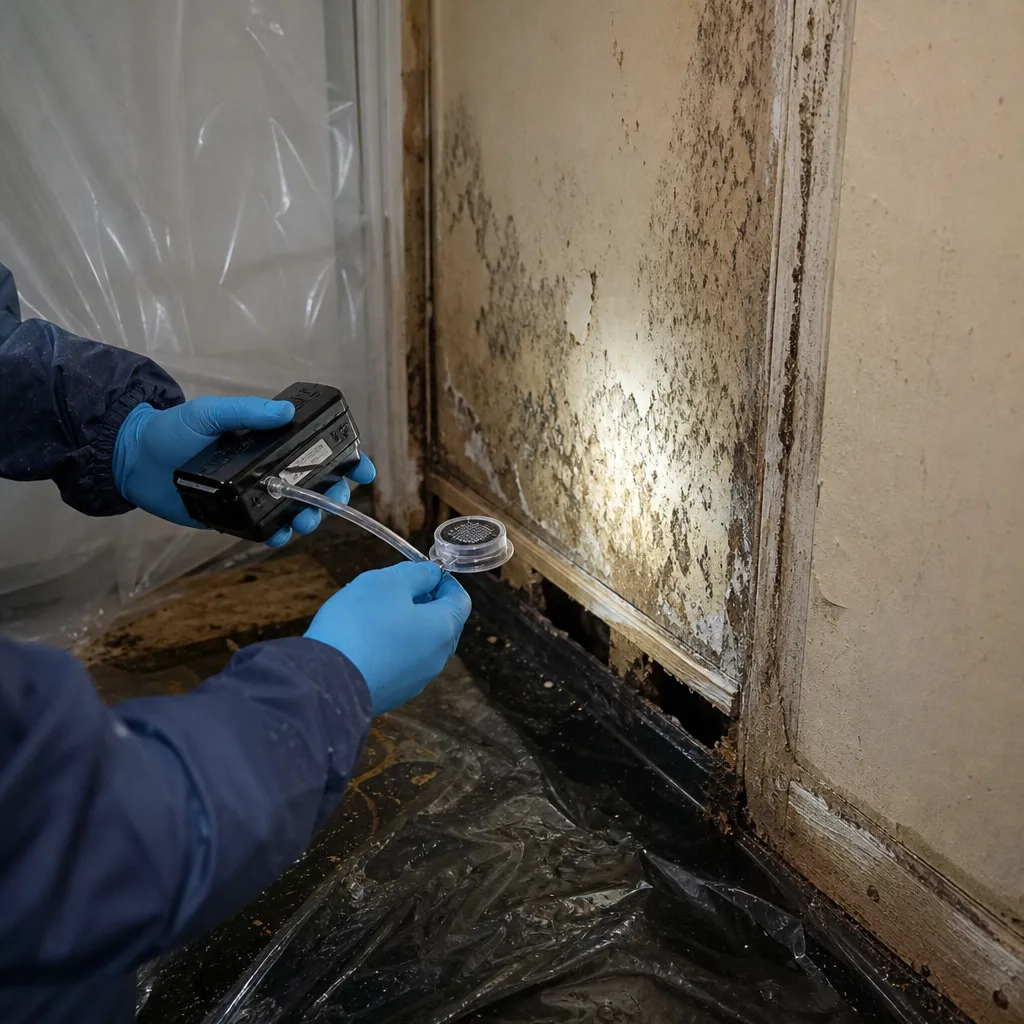
We start with air sampling and surface swabs analyzed by independent labs, identifying species and spore counts against outdoor baseline levels. In Forest Hills pre-war buildings, we also inspect common plumbing chases and elevator pits - reservoirs that single-unit inspections miss. A written lab report supports insurance claims and medical consultations.
Mold Removal
Removal follows IICRC S520: containment, negative air, HEPA filtration, then mechanical removal of non-salvageable materials. In Forest Hills co-ops, we schedule work during building-approved hours, coordinate with superintendents for water and power shutoffs, and protect common hallways with floor-to-ceiling protection.
Black Mold Remediation
Stachybotrys chartarum and other toxigenic species require enhanced PPE and strict disposal protocols. We do not disturb visible growth without containment; agitation releases spores. Our crews use powered air-purifying respirators (PAPRs) and sealed disposal for all contaminated materials.
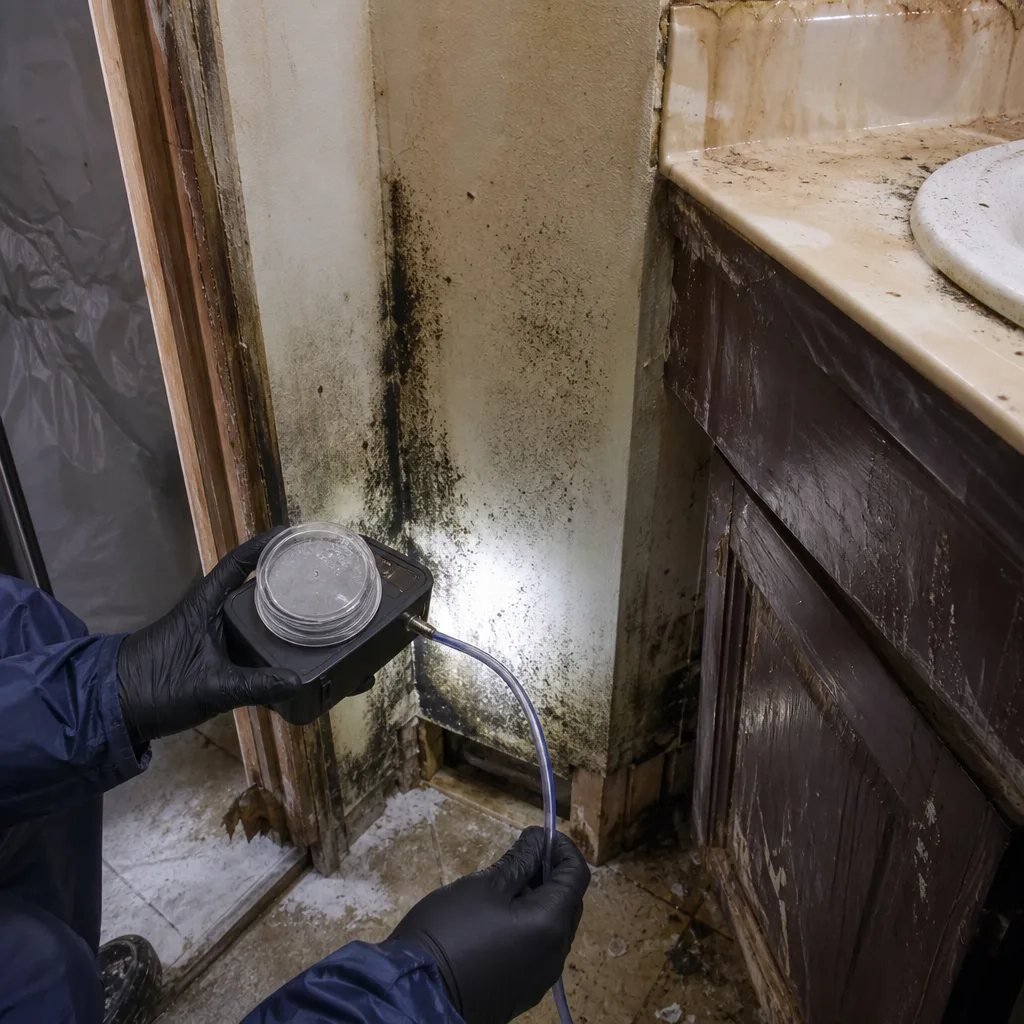
Air Quality Restoration
Post-remediation, we verify air quality with particle counters and, when needed, third-party lab clearance. In Forest Hills’s tight apartment layouts, we pay particular attention to HVAC returns and shared ventilation pathways that can recontaminate cleaned spaces.
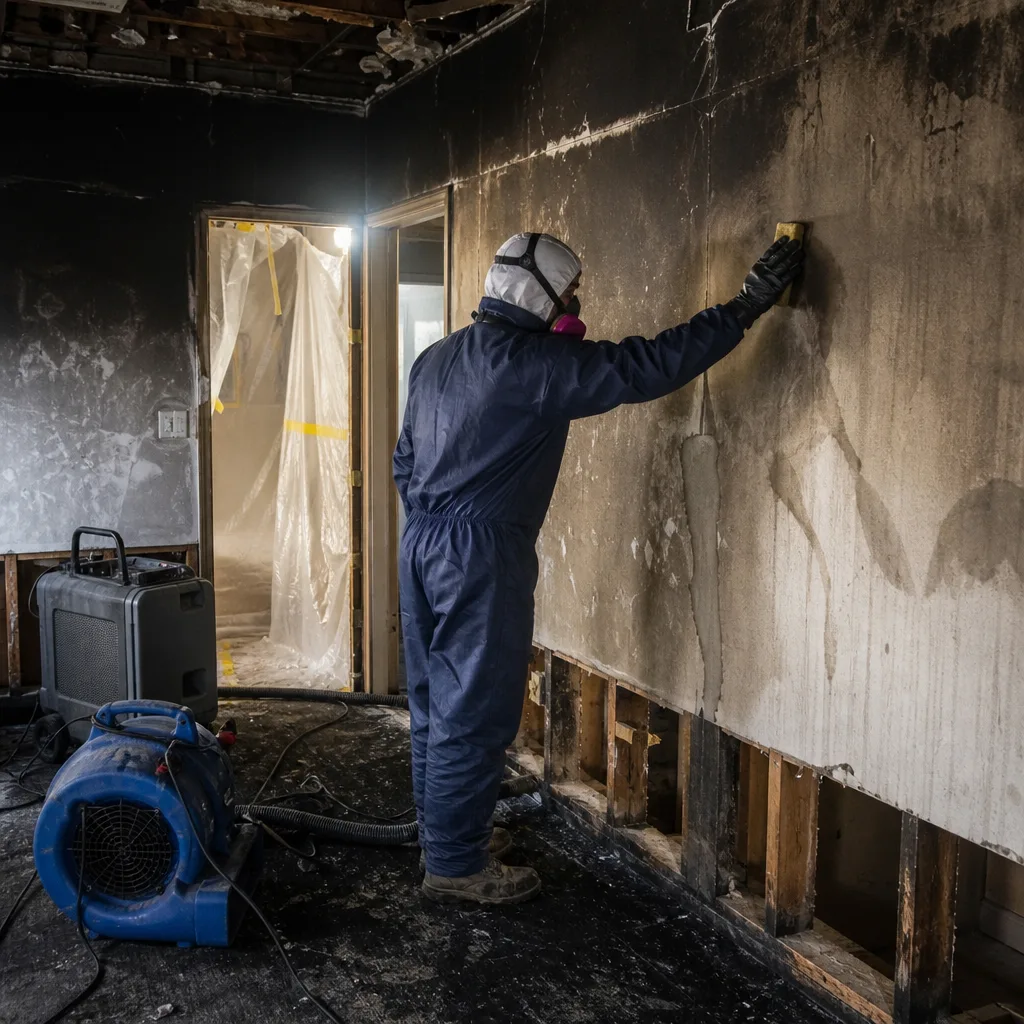
Crawl Space Treatment
Few Forest Hills properties have true crawl spaces, but the partial basements and utility vaults in pre-war buildings function similarly: damp, poorly ventilated, and prone to condensation on cast iron pipes. We install vapor barriers, dehumidification, and sealed sump systems where appropriate.
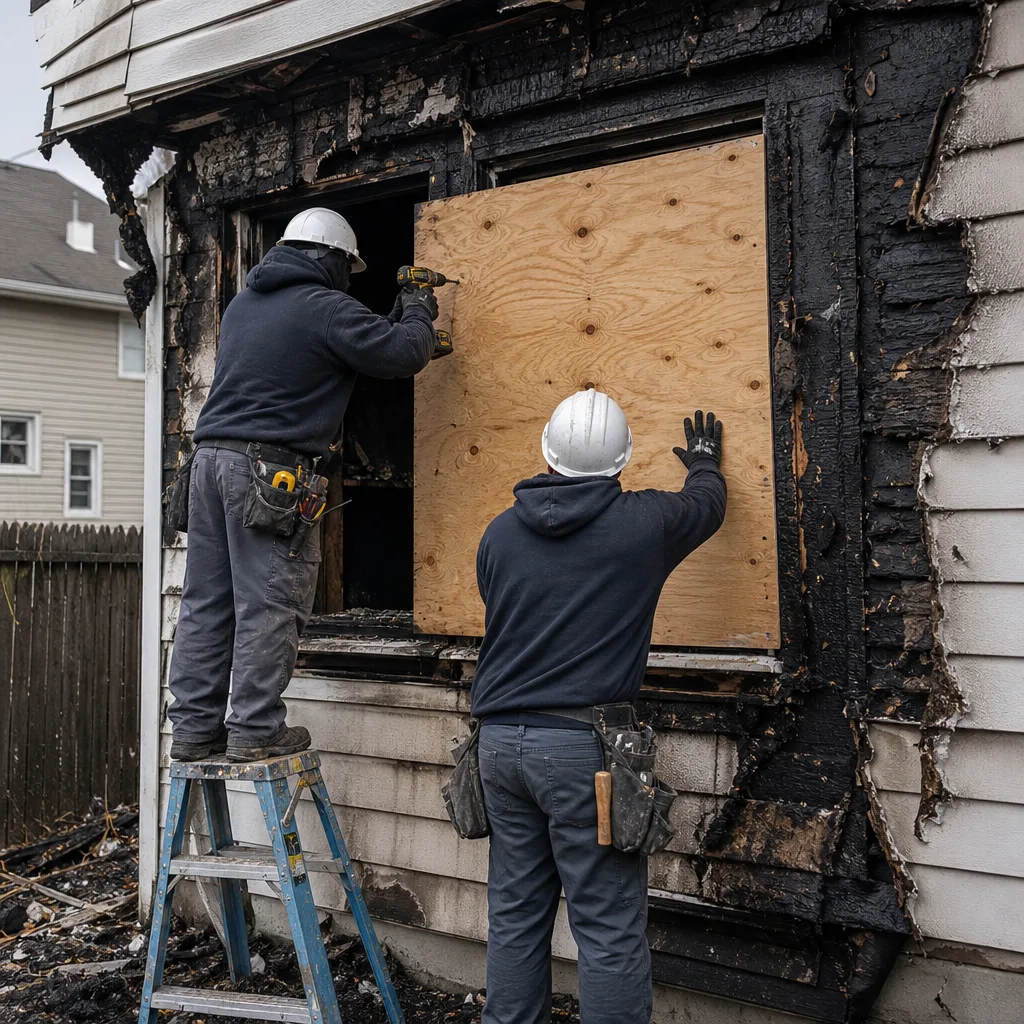
Moisture & Humidity Control
The critical step most competitors skip. We identify and eliminate the moisture source - leaking facade, failed flashing, condensation on uninsulated pipes - then install permanent humidity control. Without this, mold returns within 18 months. Our 365-Day Done Right Promise covers recurrence if our moisture control fails.
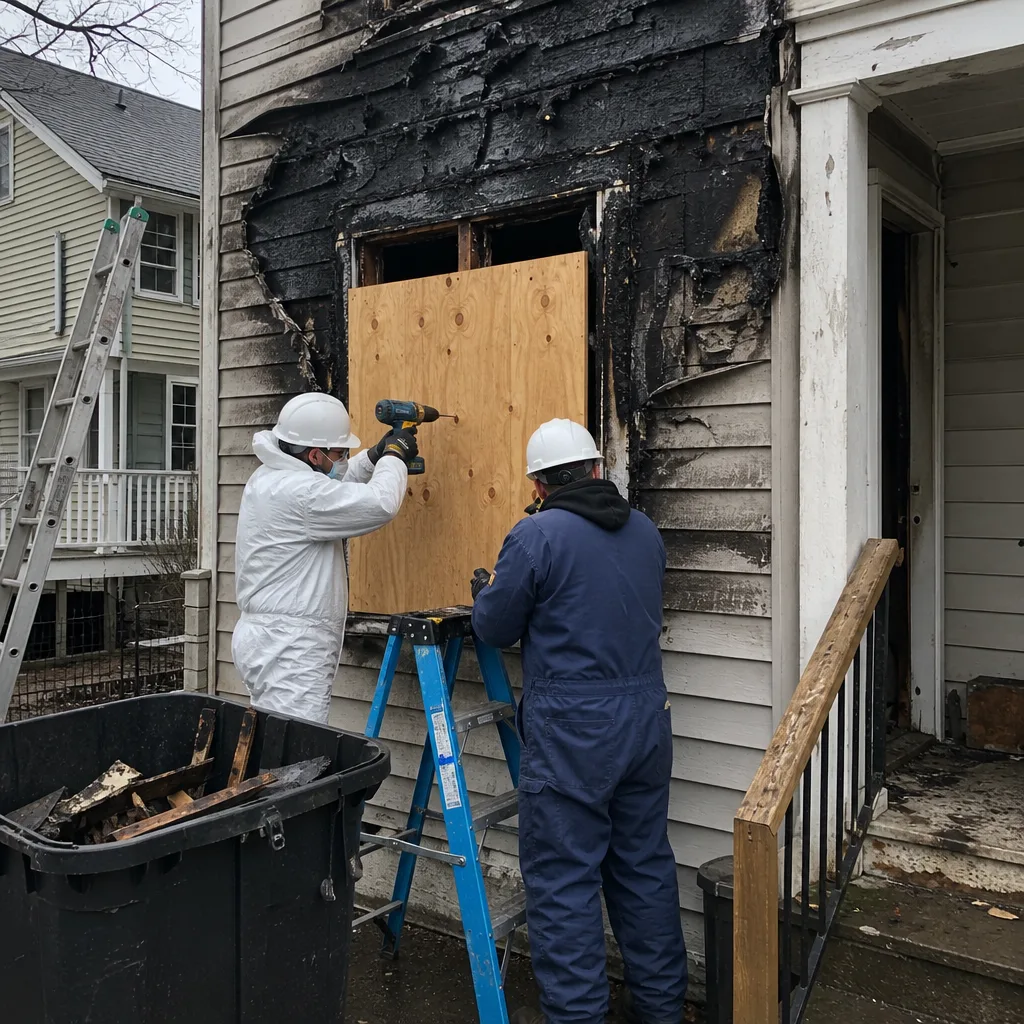
What happens when you call
- 1
A real person answersNo phone trees - you reach a local pro.
- 2
You get an upfront price rangeHonest numbers before anyone is dispatched.
- 3
A background-checked tech heads outLicensed & insured, dispatched right away.
- 4
You approve before work beginsNothing starts until you say go.
Mold Remediation Costs in Forest Hills, NY
A typical mold inspection with air sampling in Forest Hills runs $350-$650. Contained mold removal in a single room - bathroom, closet, or isolated basement area - generally costs $1,200-$2,800. Multi-room remediation in a pre-war co-op with horsehair plaster, requiring extended drying and cavity work, ranges $4,500-$8,500. Full-structure treatment with HVAC decontamination and third-party clearance testing can reach $8,000-$15,000.
What moves the price: square footage affected, material type (plaster vs. drywall), accessibility (cavities requiring Injectidry vs. surface treatment), and whether Category 3 water was involved (requiring biohazard disposal). Insurance typically covers mold resulting from a covered water loss, but not mold from long-term maintenance neglect. We review your policy language and document the sudden-event causation that carriers require. Call (862) 281-7710 for a free inspection and written scope - Haven Standard, Clause 1: written price before work begins, every time.
We Also Serve Cities Near Forest Hills
Our crews respond throughout central and western Queens, including Forest Hills and neighboring Elmhurst, Jackson Heights, Maspeth, and Flushing. Each shares similar pre-war housing stock and combined-sewer infrastructure, though building governance varies. We carry the same documentation standards and ARB-compliant repair capabilities across the entire service area.
Serving Forest Hills, NY - Our Local Coverage Area
We’re based in the Forest Hills area and know this community well. Use the map below to see our service coverage - if you’re nearby, we can almost certainly help.
Forest Hills Mold Remediation Questions, Answered
Do I need co-op board approval to start mold remediation in my Forest Hills apartment?
Yes. In pre-war co-op buildings along Queens Boulevard and surrounding streets, the building corporation legally controls access to wall cavities and structural elements.
We cannot open a wet wall or begin mold remediation until the co-op board or managing agent grants written authorization. This delay typically runs 24-72 hours, during which mold colonization advances. We prepare pre-formatted authorization packets with scope language familiar to Forest Hills managing agents, and we can begin moisture mapping and air sampling in your unit immediately while paperwork processes. Call (862) 281-7710 and we’ll coordinate directly with your building management.
How does the Forest Hills Gardens Corporation affect mold remediation after a water leak?
The Corporation requires historically appropriate materials for any exterior repair, making standard remediation shortcuts non-starters.
Vinyl trim, modern siding products, and contemporary replacement windows will be rejected. We prepare material specifications using approved products - cedar clapboard, copper flashing, traditional mortise-and-tenon trim - and submit to the architectural review board before exterior restoration begins. This adds 5-10 business days to the repair timeline, so we prioritize interior drying and containment to prevent mold advancement during the review period. Our Mold Remediation team has completed multiple ARB-compliant restorations in the Gardens.
Why does mold grow faster in Forest Hills pre-war buildings?
Horsehair plaster walls hold moisture far longer than modern drywall, providing extended conditions for mold colonization.
Where drywall might read “dry” on the surface in 48 hours, horsehair plaster can retain 18-20% moisture at the lath line for 7-10 days. Cast iron supply lines, common in 1920s-1940s construction, also sweat with temperature differentials, creating chronic moisture sources. Our technicians use penetrating probes and thermal imaging to find this hidden moisture, then deploy extended drying protocols with Injectidry cavity systems. Call (862) 281-7710 for moisture mapping that finds what surface meters miss.
What is the difference between Category 1, 2, and 3 water damage in Forest Hills?
Category 1 is clean water from a broken supply line; Category 2 is gray water with chemical or biological contamination; Category 3 is black water containing sewage or floodwater from outside the building.
In Forest Hills, summer storms frequently push Category 3 water through the combined sewer system into basements and ground-floor units. This distinction is not academic: Category 3 requires full PPE, biohazard disposal, and antimicrobial treatment of all affected porous materials. Insurance documentation must specify the category from the first hour, as carriers may dispute Category 3 claims without proper contemporaneous evidence. We photograph water source, test with calibrated meters, and record category determination in our initial report.
Can you handle mold remediation in a Forest Hills co-op without disturbing neighbors?
Yes, through contained negative-air chambers and coordinated scheduling with building management.
We seal HVAC returns in the work area to prevent spore migration, run HEPA scrubbers with discharge routed away from common hallways, and schedule noisy equipment during building-approved hours. Our crews wear uniforms and ID badges, sign in with the doorman, and protect common corridors with floor-to-ceiling polyethylene. We’ve completed remediation in occupied co-ops on Austin Street and 71st Avenue without a single neighbor complaint. Documentation of our containment protocols also satisfies co-op board insurance requirements.
How fast can you actually get to Forest Hills?
Our response commitment is 45 minutes from call to on-site arrival in the Forest Hills area.
Crews dispatch from our New York City office with equipment loaded for Queens building types. Live answer at (862) 281-7710 means no delay for voicemail callbacks. For co-op buildings, we can begin exterior moisture mapping and air quality assessment while awaiting board authorization for cavity access.
Will my insurance cover mold remediation in Forest Hills?
Insurance covers mold resulting from a sudden, accidental water loss - burst pipe, storm damage, appliance failure - but typically excludes mold from long-term maintenance neglect or chronic moisture.
We document the sudden-event causation that carriers require: timestamped photos of the water source, moisture readings showing recent intrusion patterns, and a written narrative linking the mold to the covered peril. Our direct adjuster coordination and Xactimate-standard estimates reduce back-and-forth that delays payment. If your carrier disputes coverage, our documentation supports your public adjuster or attorney. Call (862) 281-7710 for a free inspection and policy review.
How long does mold remediation take in a typical Forest Hills property?
Contained single-room remediation: 3-5 days. Multi-room pre-war co-op with horsehair plaster: 7-14 days including extended drying. Forest Hills Gardens properties: add 5-10 business days for ARB material approval before exterior repairs.
We provide a written timeline with the scope, updated daily with moisture log data. You receive photo documentation of each phase, and no phase advances without your approval. The 365-Day Done Right Promise covers any recurrence if our moisture control fails. Call (862) 281-7710 for a specific timeline based on your property.
Written by Alicia Brennan, Owner at Back to Dry Restoration, serving Forest Hills since 2011 under The Haven Standard.
Mold Remediation in Nearby Areas