
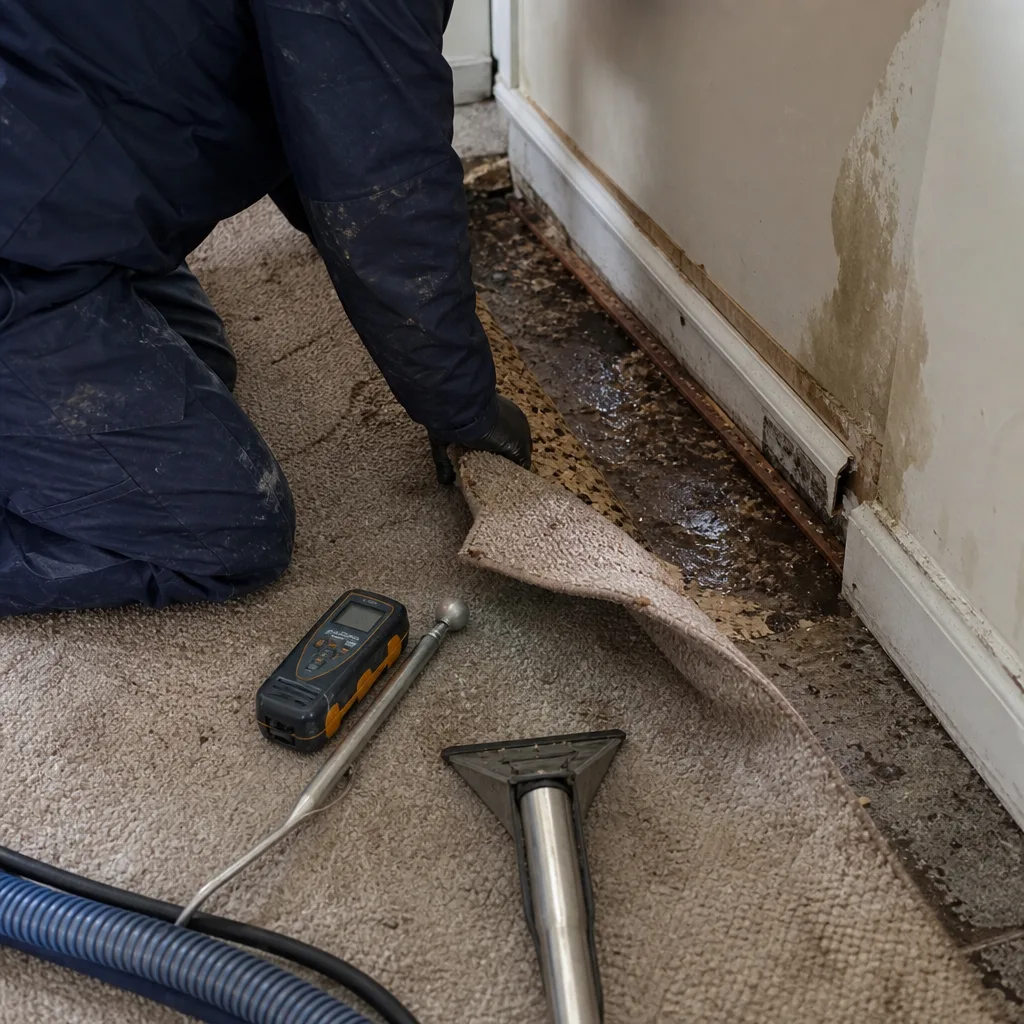
Free visual inspection and a written scope of work before any mitigation begins - photos, moisture readings, and drying logs go in your claim file
The scope we write is the scope we bill. Anything new gets shown to you, in writing, before we touch it.
Storm response
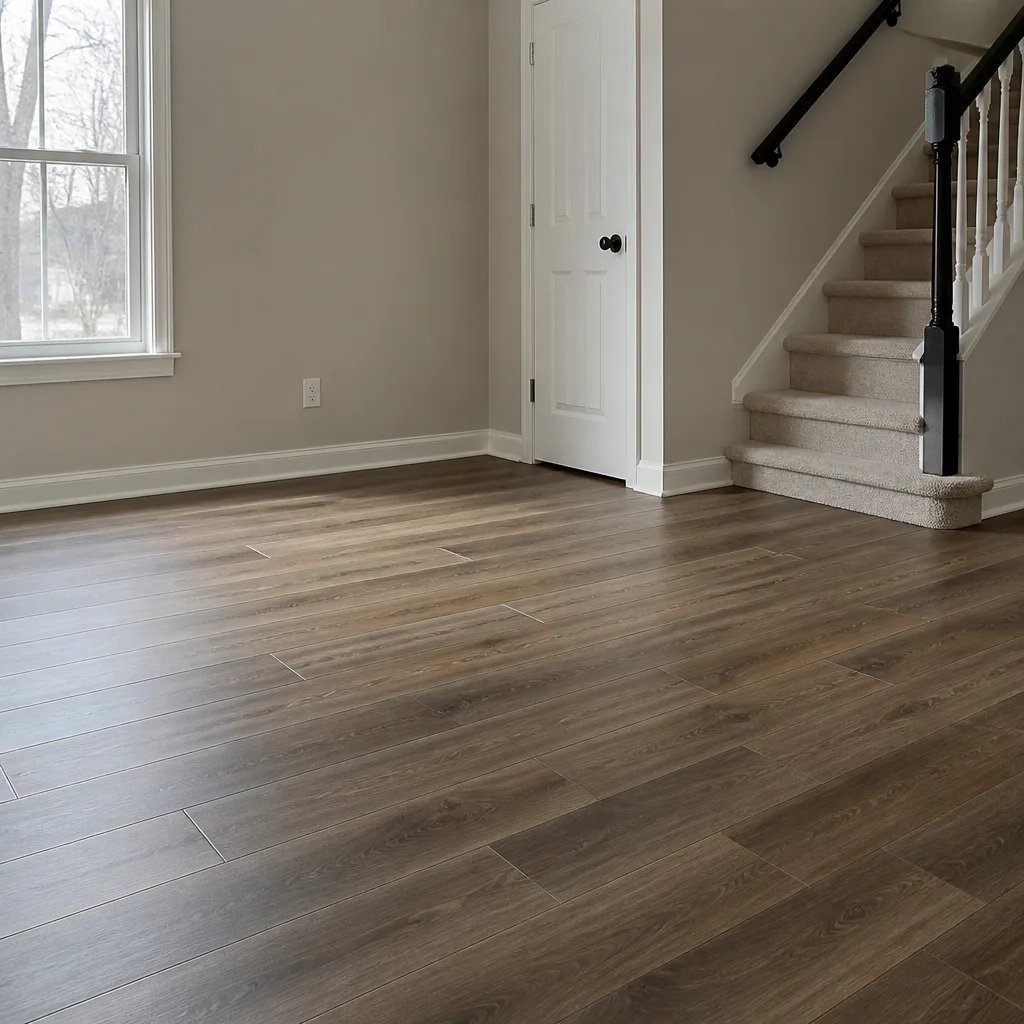
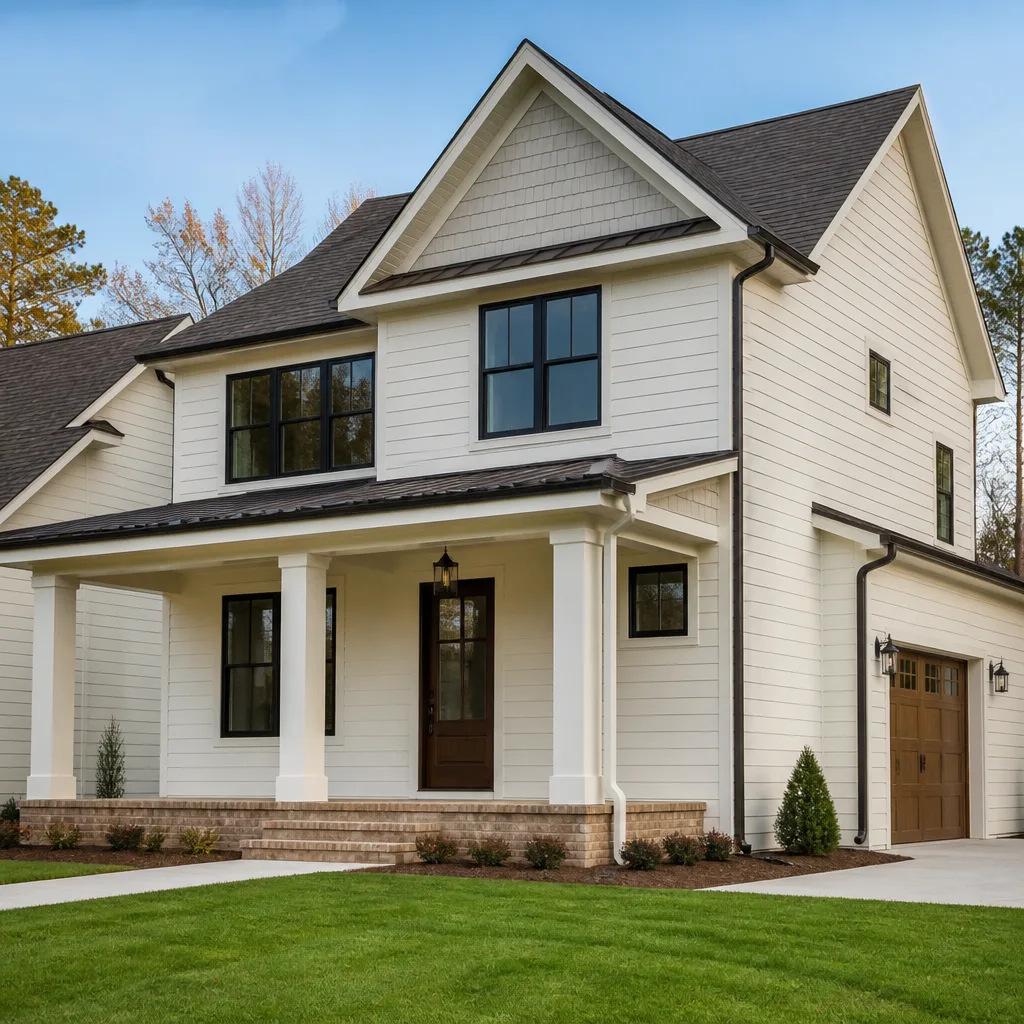
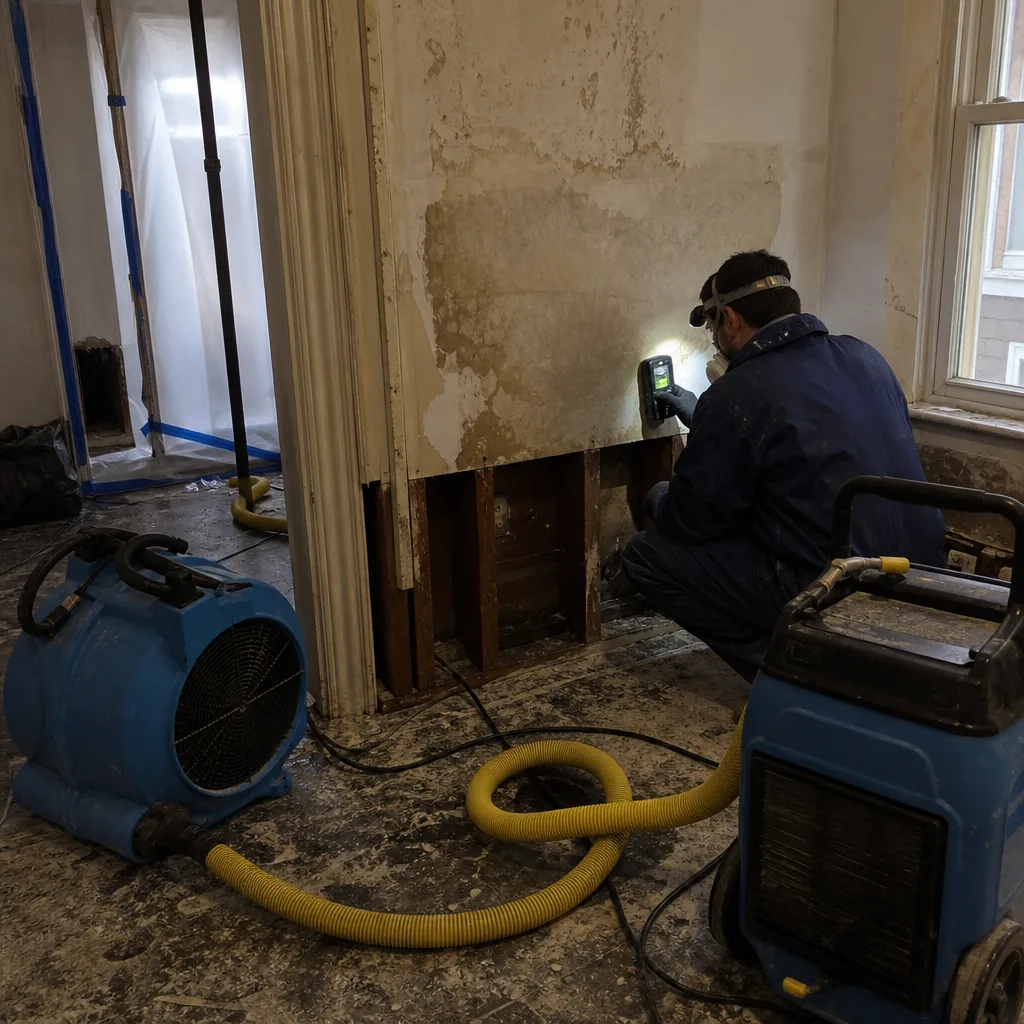 Before
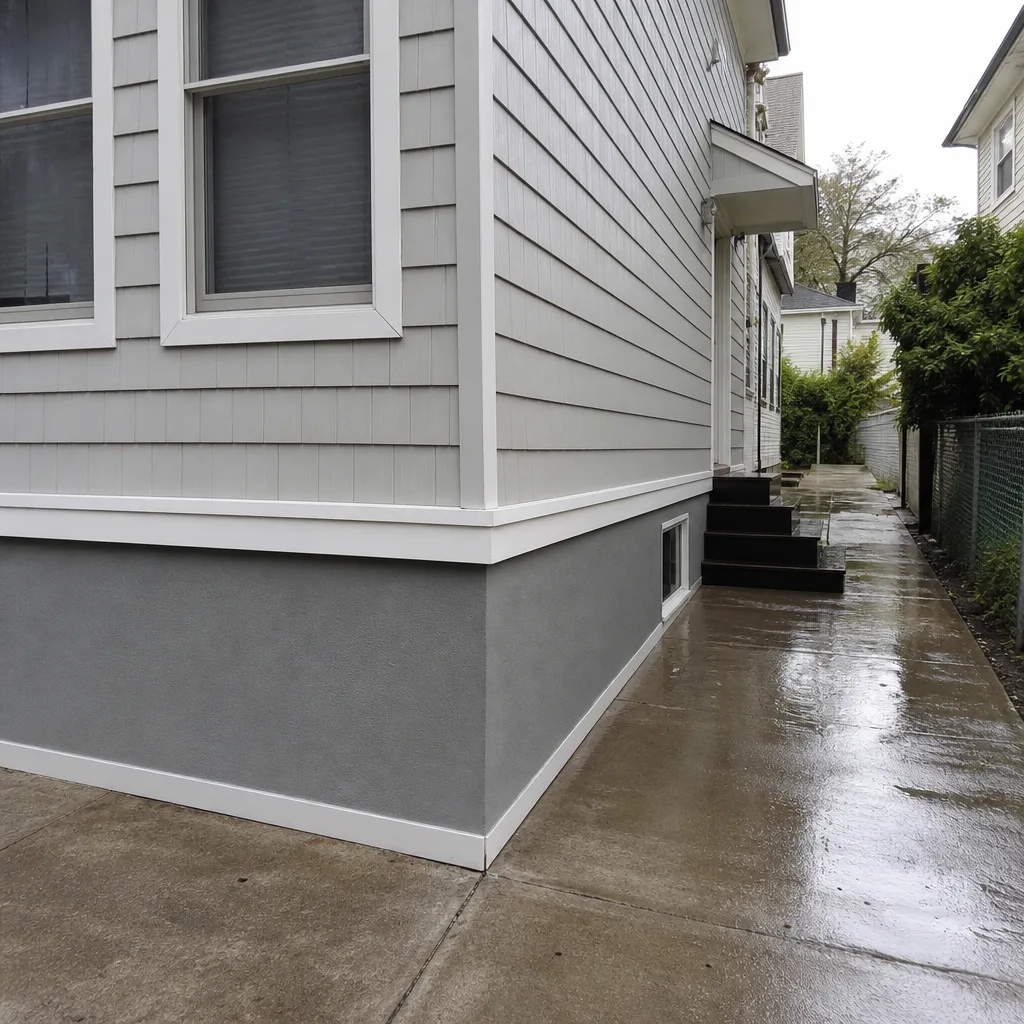 After
After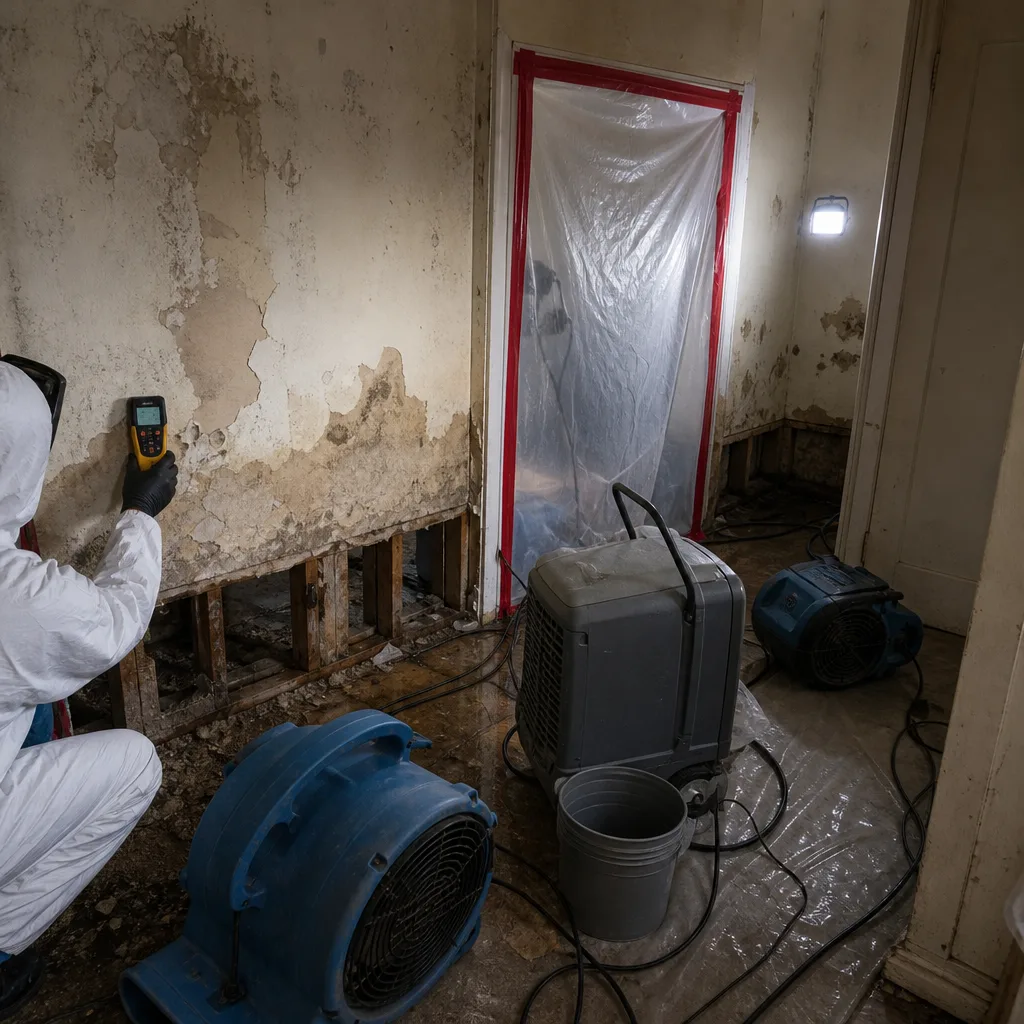 Before
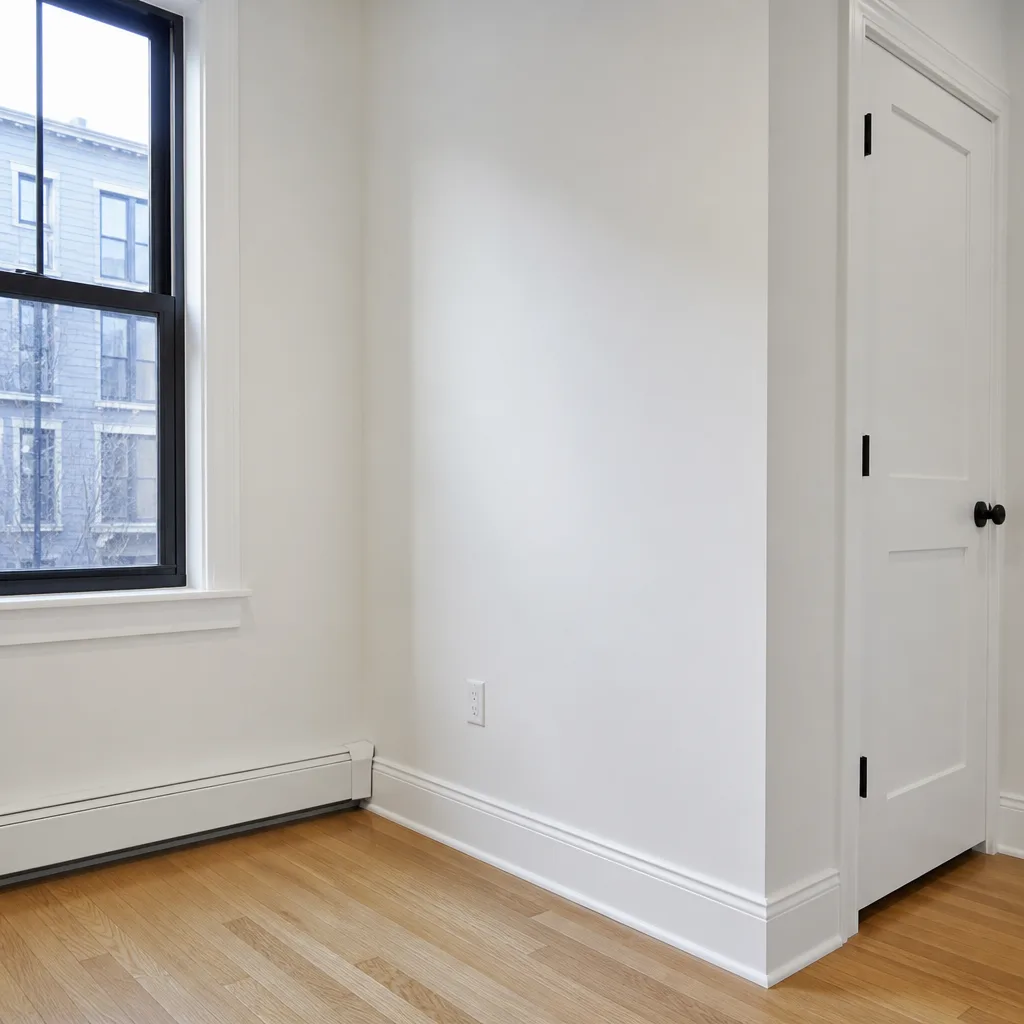 After
After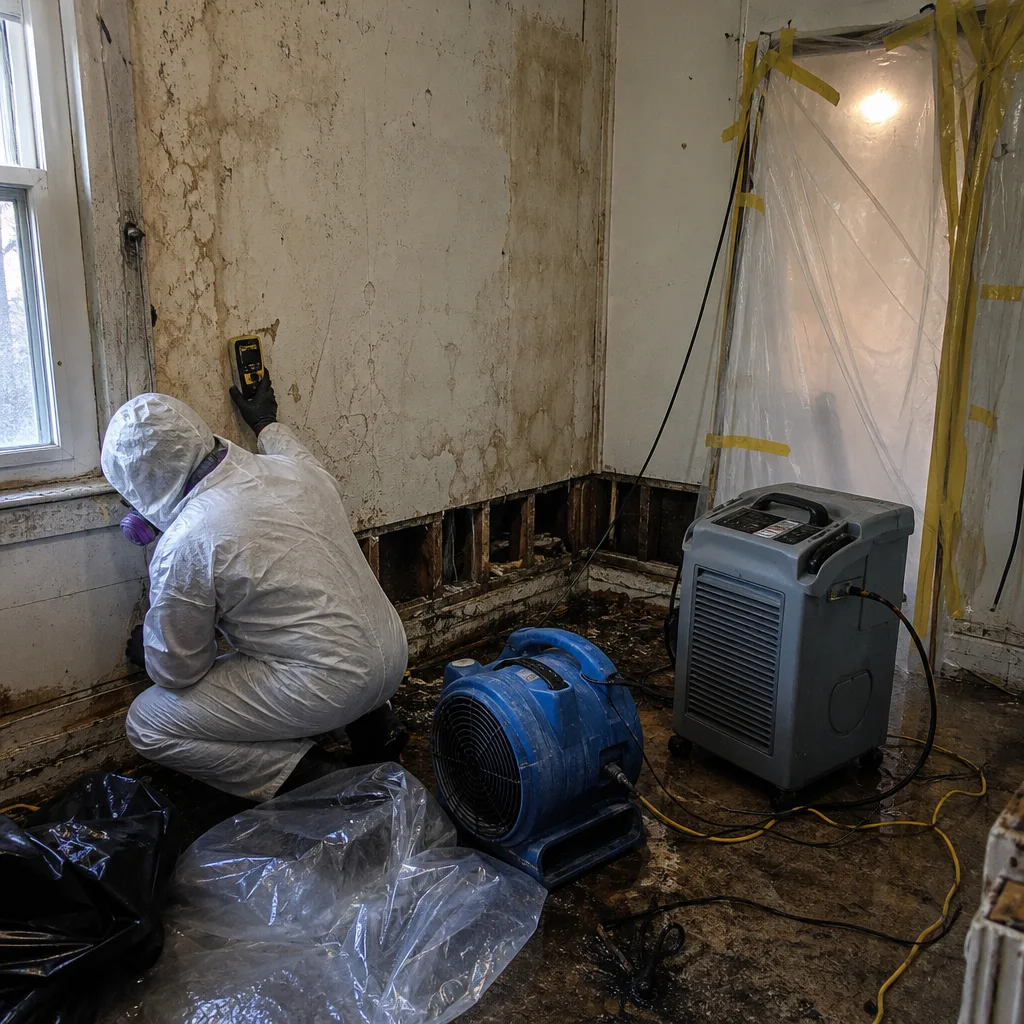 Before
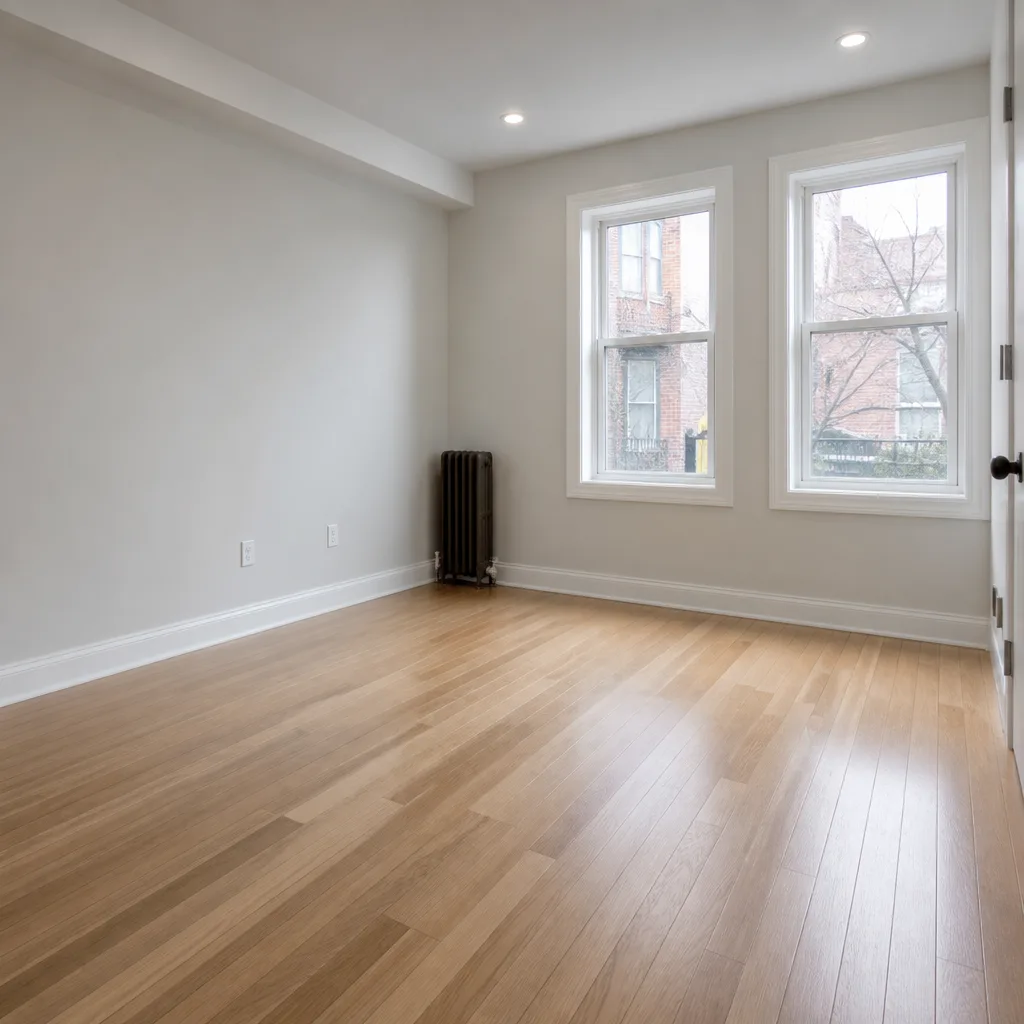 After
After24/7 Emergency Mold Remediation in East Harlem
Mold remediation in East Harlem typically runs $2,200-$6,800 for contained residential jobs, with full-structure treatments reaching $12,000-$18,000 in NYCHA mid-rises where water has migrated through multiple stacked units. Crews from our New York City office serve East Harlem locally, and we answer live at (862) 281-7710 around the clock. The first 24-48 hours after water intrusion determine whether you’re looking at surface cleaning or full demolition with antimicrobial treatment. In East Harlem’s old-law tenements, that window closes even faster because interior airshafts accelerate mold colonization across stacked apartments.
We don’t use voicemail trees. A live person picks up, logs your address, and dispatches a crew. Free visual inspection. Written price before any work starts, every time, under Haven Standard, Clause 1.
Understanding Mold Remediation Severity in East Harlem Properties
Mold severity in East Harlem follows a different logic than suburban single-family work. Our crews classify jobs by three factors: the water category that spawned the growth, the square footage of visible colonization, and whether the reservoir sits in concealed cavities, shared airshafts, or NYCHA slab construction.
Category 1 water, clean supply-line breaks, can produce light surface mold within 48-72 hours in East Harlem’s humid summer canyon effect. Category 2, gray water from appliance drains or steam-riser leaks, demands antimicrobial treatment and often partial drywall removal. Category 3, black water or water left standing beyond 72 hours, is routine in NYCHA buildings where procurement delays stretch response times to 2-4 weeks. By then, cellulose insulation and plaster lath are compromised, and we reclassify the entire affected zone.
The tenement airshaft is the hidden variable. Moisture mapping with thermal imaging and penetrating hygrometers on the airshaft-facing masonry wall, not just the visible stain, separates a one-unit job from a six-unit containment. Psychrometric data, vapor pressure differential, and tertiary drying targets, documented to IICRC S520 and RIA standards, are what turn our invoices into payable claims.
Why East Harlem Property Owners Choose DryMark Restoration Astoria
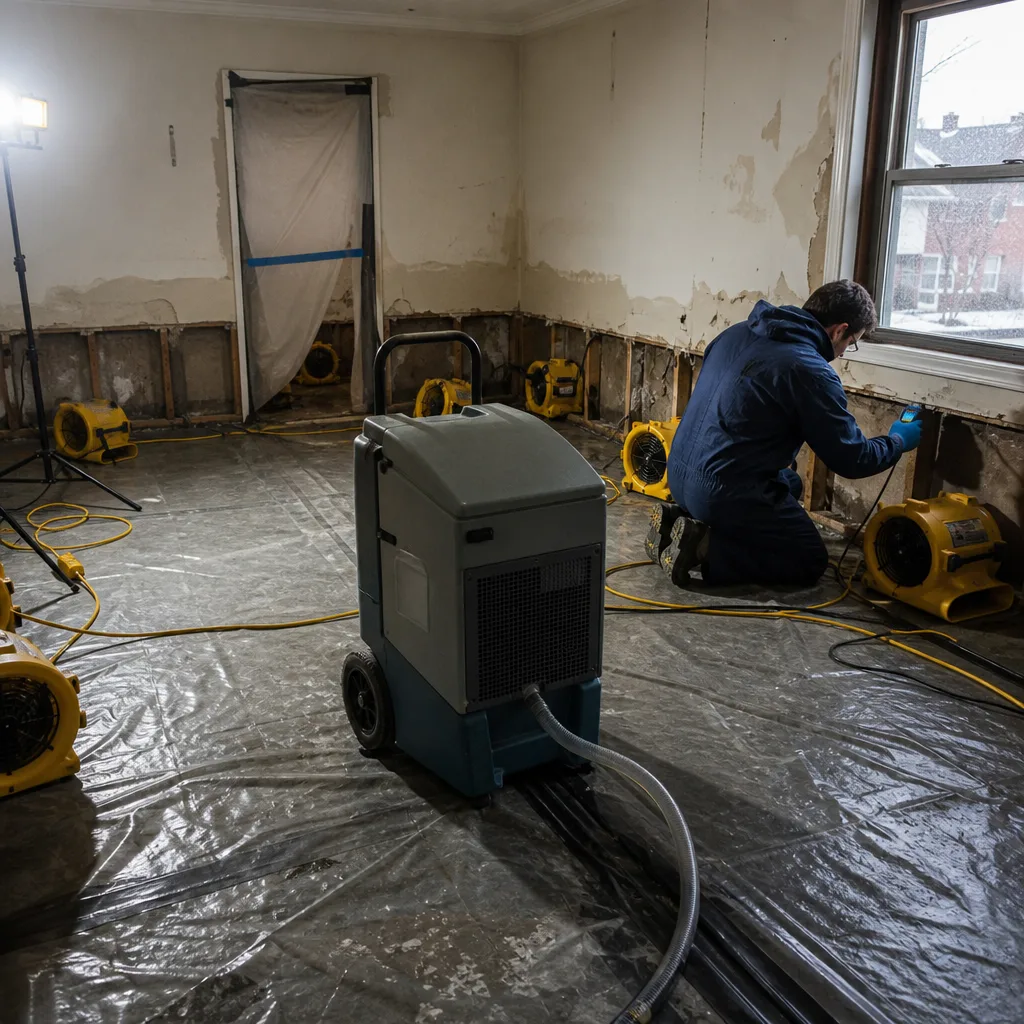
- 45-minute response commitment to East Harlem from our New York City dispatch office, with crews carrying containment, HEPA filtration, and moisture-mapping equipment on every truck.
- 24/7 live answer, a real person, never an automated system or next-business-day callback, because mold doesn’t wait for business hours and neither do we.
- IICRC-certified crews, WRT (Water Damage Restoration Technician), AMRT (Applied Microbial Remediation Technician), and FSRT (Fire & Smoke Restoration Technician) where fire and mold overlap, with license numbers documented on every job file.
- Free visual inspection and moisture assessment, with a written scope and price delivered before any containment is erected or any material disturbed.
- Direct insurance billing and adjuster coordination, with photo-documented drying logs that satisfy carrier requirements without supplemental disputes.
- One team from extraction to reconstruction, so the crew that mapped your moisture profile also oversees the rebuild, with no handoff gaps in documentation.
BeforeAfterOur Mold Remediation Process
1. Inspection & Assessment
We arrive with thermal imaging cameras, penetrating and non-penetrating moisture meters, and borescopes for airshaft cavities. In East Harlem tenements, we map the airshaft-facing masonry regardless of where the visible stain appears. The written scope, with line-item pricing, is delivered before work begins, Haven Standard, Clause 1.
2. Containment & Air Filtration
Negative-air containment with 6-mil polyethylene barriers and HEPA-scrubbed exhaust prevents cross-contamination in tight tenement layouts. For NYCHA slab towers, we coordinate containment zones with building management to maintain egress and ventilation code.
3. Moisture Source Elimination & Drying
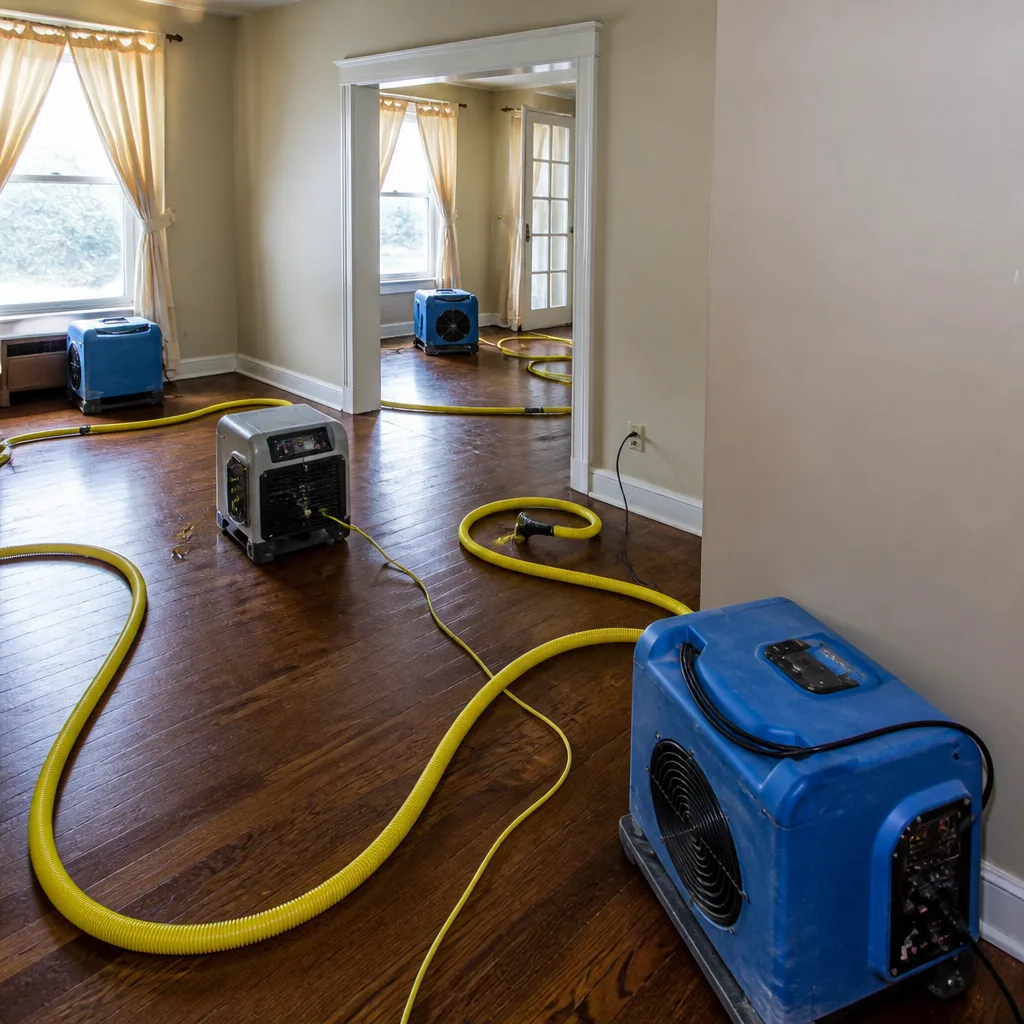
We deploy Dri-Eaz and Phoenix LGR dehumidifiers with axial and centrifugal air movers, targeting specific grains per pound and vapor pressure differential readings. Tertiary drying, the final phase where bound moisture releases from dense masonry, is documented daily on drying logs submitted to your adjuster.
4. Removal of Compromised Materials
Drywall, insulation, and plaster lath beyond salvage are removed with HEPA-contained cutting tools. In pre-war tenements with near-certain lead paint and asbestos, we coordinate abatement-certified subcontractors and document clearance before rebuild.
5. Antimicrobial Treatment & Black Mold Remediation
EPA-registered antimicrobial agents applied to remaining structural materials, followed by HEPA vacuuming and wet cleaning of all surfaces. Black mold remediation in confined East Harlem spaces requires extended dwell times and air-scrubber run periods documented to IICRC S520.
6. Clearance Testing & Restoration
Third-party or in-house air and surface sampling confirms spore counts below outdoor baseline and pre-remediation levels. Reconstruction, including drywall, insulation, and finish matching, is scoped in writing and executed by the same team that performed remediation.
Need Emergency Mold Remediation in East Harlem Now?
Crews minutes away, answering live 24 hours a day. The sooner we start, the less it costs.
Working With Your Insurance Company
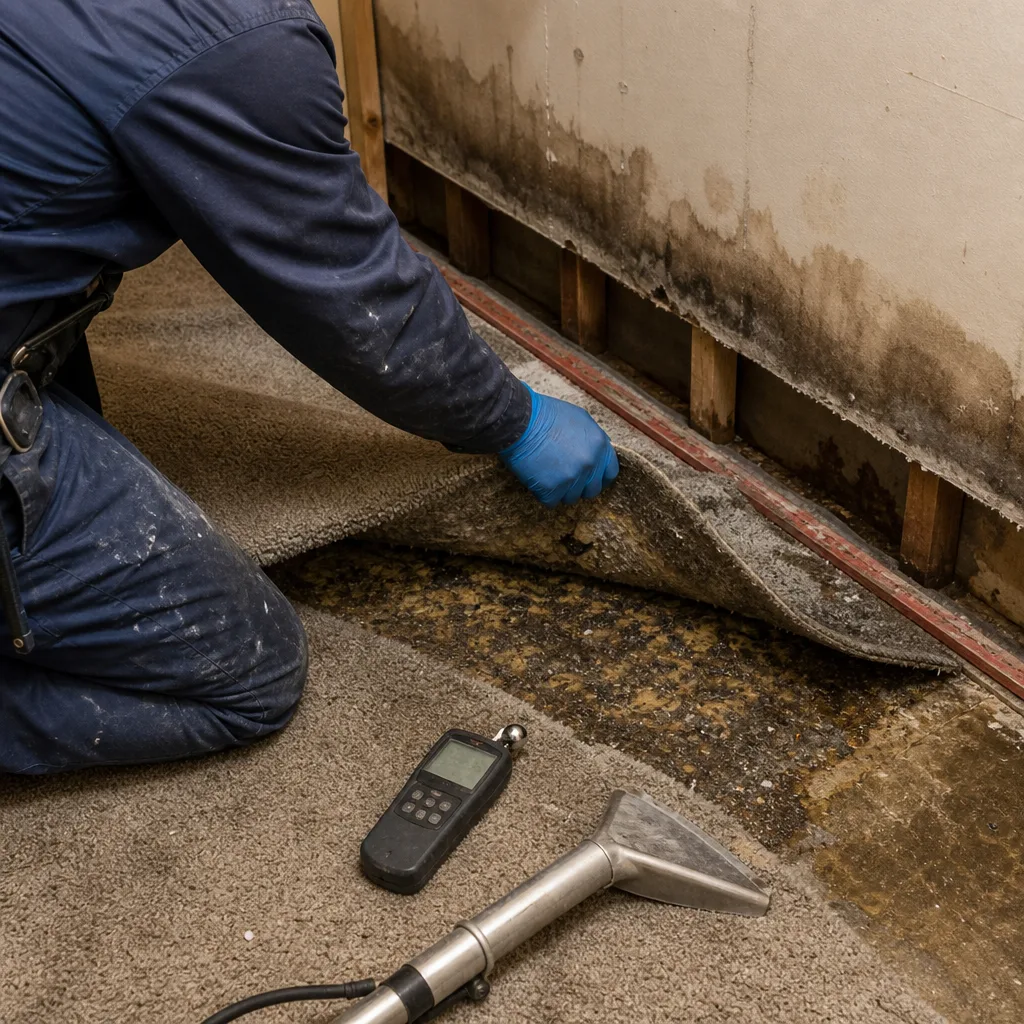
Insurance claims for mold in East Harlem fail on documentation gaps. A photo of a stain is not a claim. We provide room-by-room photo records, dated moisture readings with equipment serial numbers, daily drying logs with psychrometric data, and a line-item scope written to Xactimate or Symbility standards. Direct adjuster communication is standard, not an upsell.
NYCHA properties operate outside standard homeowner insurance, but tenants’ renters insurance and NYCHA’s own carrier still require the same documentation rigor. We have processed claims through both tracks.
What We Provide Your Insurer
- Thorough documentation of the loss
- Photos of all damage, room by room
- Moisture readings and drying logs
- A detailed, line-item scope of work
- Direct coordination with your carrier
Built for East Harlem’s Loss Calendar
January through March: freeze-thaw cycles rupture flat roof membranes on tenements along Lexington Avenue and Third Avenue corridors. Water cascades through top-floor apartments, sits undetected in airshaft cavities through February, and surfaces as mold in March when humidity rises.
April through June: spring rains overwhelm aging roof drains and parapet flashing on NYCHA campuses. Jefferson and Wagner Houses see chronic leaks in this window. Procurement backlog means independent crews often arrive after the 72-hour Category 2-to-3 threshold.
July through September: Manhattan’s urban canyon geometry traps humidity at street level. Ground-floor and cellar spaces in tenements near 116th Street and Pleasant Avenue hit dew point repeatedly. Basements and utility rooms without mechanical ventilation grow mold on concrete and block walls.
October through December: steam heating system startup stresses aging risers. Burst radiator supply lines flood stacked apartments. NYCHA approval delays stretch response times. By the time we’re cleared to work, we’re documenting Category 3 water and planning full antimicrobial treatment.
Mold Remediation Across East Harlem’s Neighborhoods
El Barrio, the historic Puerto Rican corridor centered on East 116th Street between Second and Third Avenues, is dense with old-law tenements converted to condos and co-ops in the 2000s and 2010s. These buyers, our core demographic, purchased at significant price points and now face aging infrastructure with association budgets that lag behind repair needs. Mold jobs here often involve navigating co-op board approval and documenting damage for both individual HO-6 policies and master building coverage.
The area around Jefferson Houses, between 112th and 115th Streets, presents the NYCHA track in its purest form. We’ve responded to steam-riser floods where water traveled through five stacked units before anyone called. The procurement delay is not theoretical; it’s 10-14 business days minimum. When we finally enter, we’re not remediating a fresh leak. We’re documenting weeks of saturation and planning Category 3 containment.
Lexington Houses and the corridor toward 125th Street mix tenement stock with newer affordable housing. The building-age gradient means we never assume one mold profile. A 2015 gut renovation with modern vapor barriers needs different moisture mapping than an 1890s airshaft tenement with original plaster and horsehair lath.
The blocks approaching the Harlem River, near Pleasant Avenue and East 120th Street, carry basement and cellar mold from groundwater intrusion and combined sewer overflow events. These spaces need sub-slab moisture assessment and often permanent humidity control systems, not just remediation.
Specialized Mold Remediation Services We Offer in East Harlem
Mold Inspection & Testing
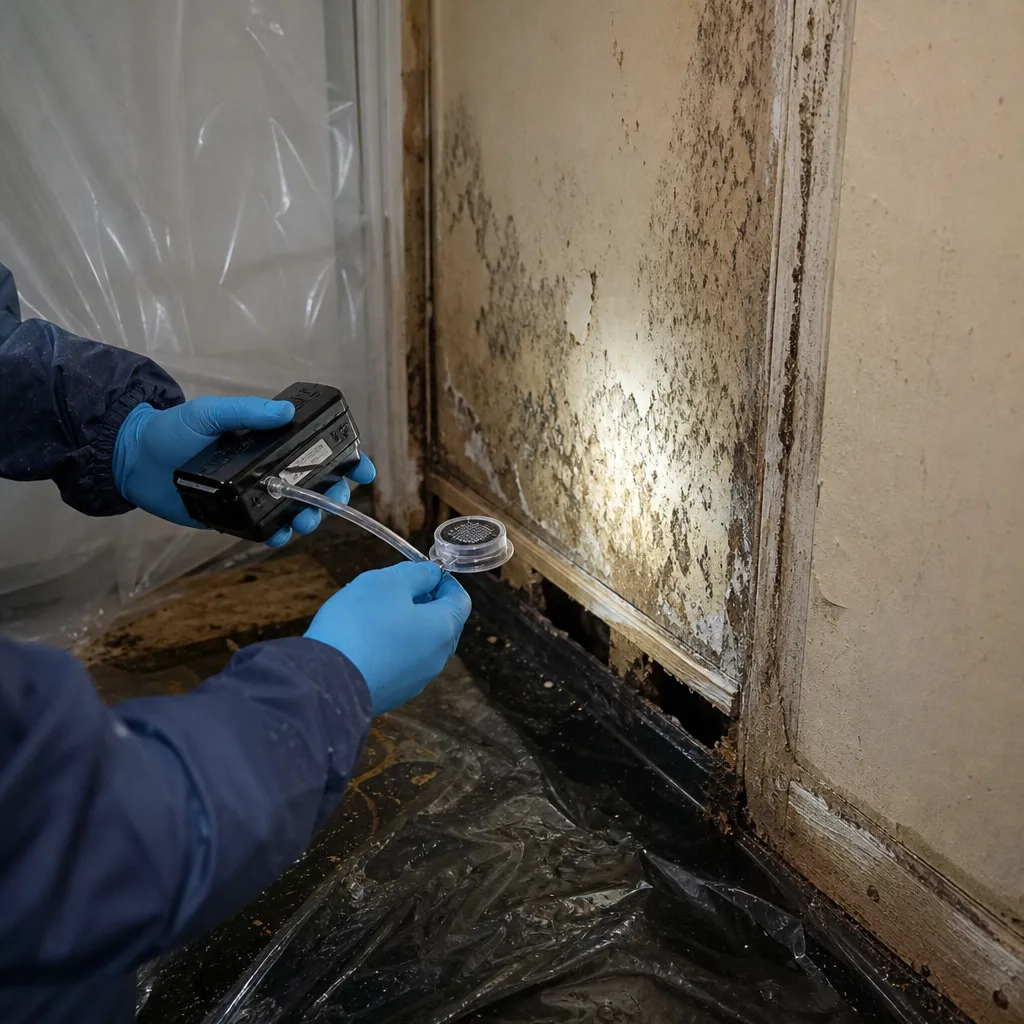
Air sampling, surface sampling, and ERMI dust analysis for sensitive occupants. In East Harlem tenements, we always sample the airshaft cavity even when the visible complaint is in a front-facing room. The reservoir hides in the masonry core.
Mold Removal
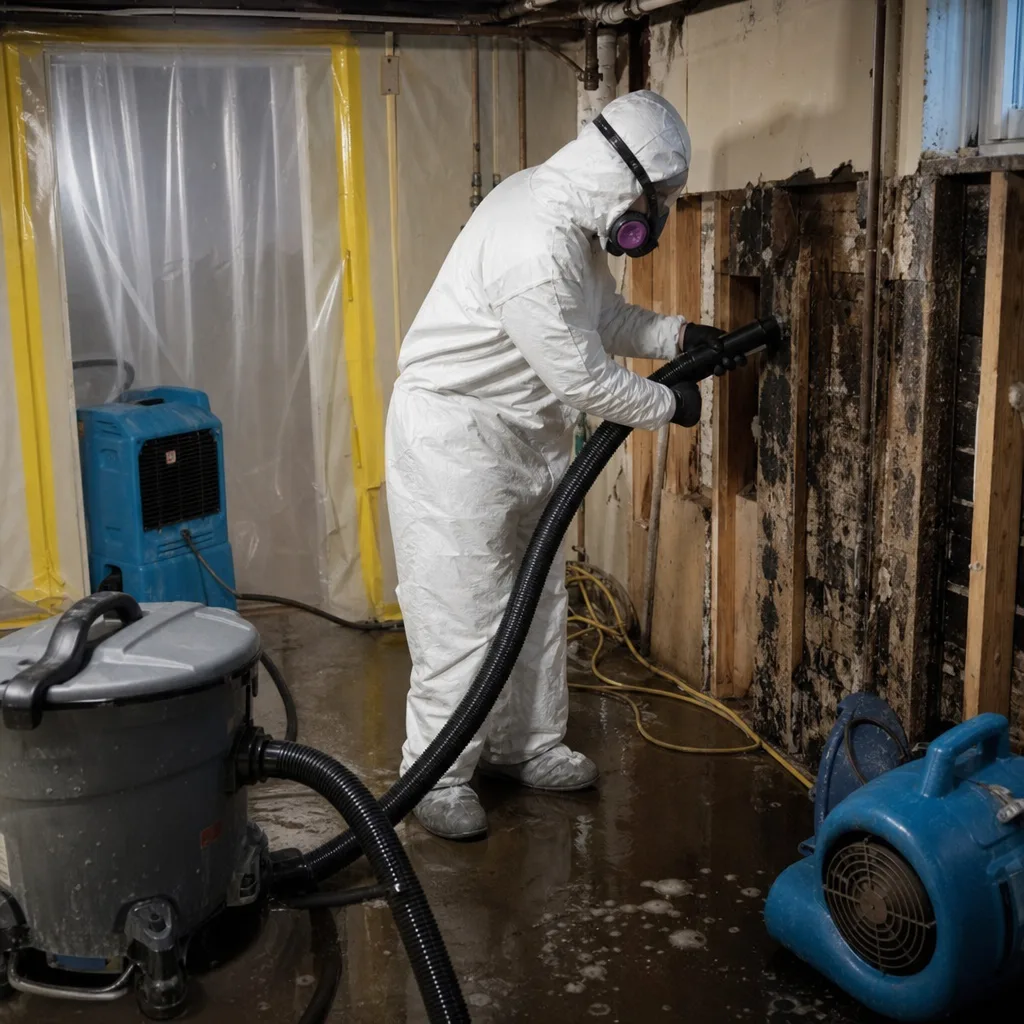
Physical removal of colonized materials with HEPA containment and negative air pressure. In tight East Harlem stairs and alley-load access points, we use compact equipment and staged decontamination chambers to avoid cross-contaminating clean units.
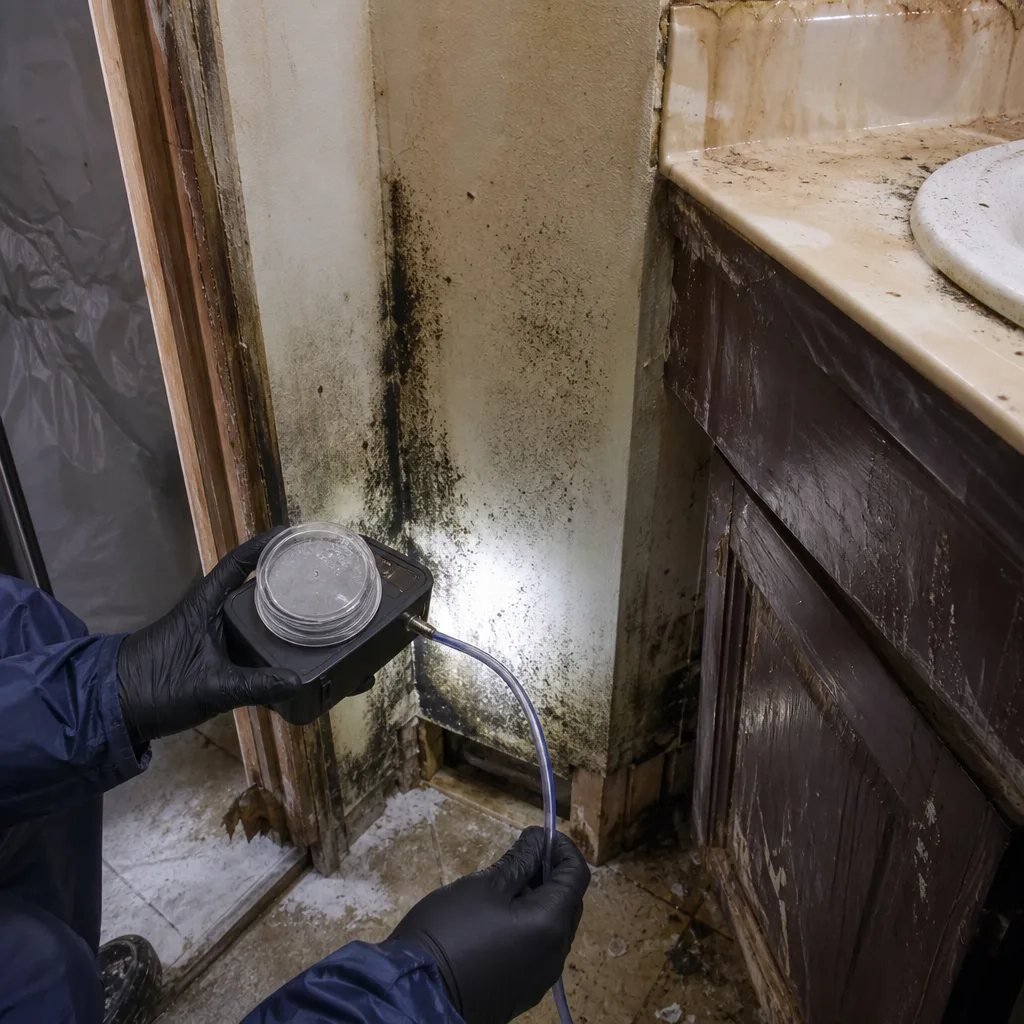
Black Mold Remediation
Stachybotrys chartarum and other toxigenic species require extended antimicrobial dwell times, aggressive air scrubbing, and post-remediation clearance testing. In East Harlem’s confined tenement apartments, we run HEPA scrubbers for 48-72 hours minimum before clearance sampling.
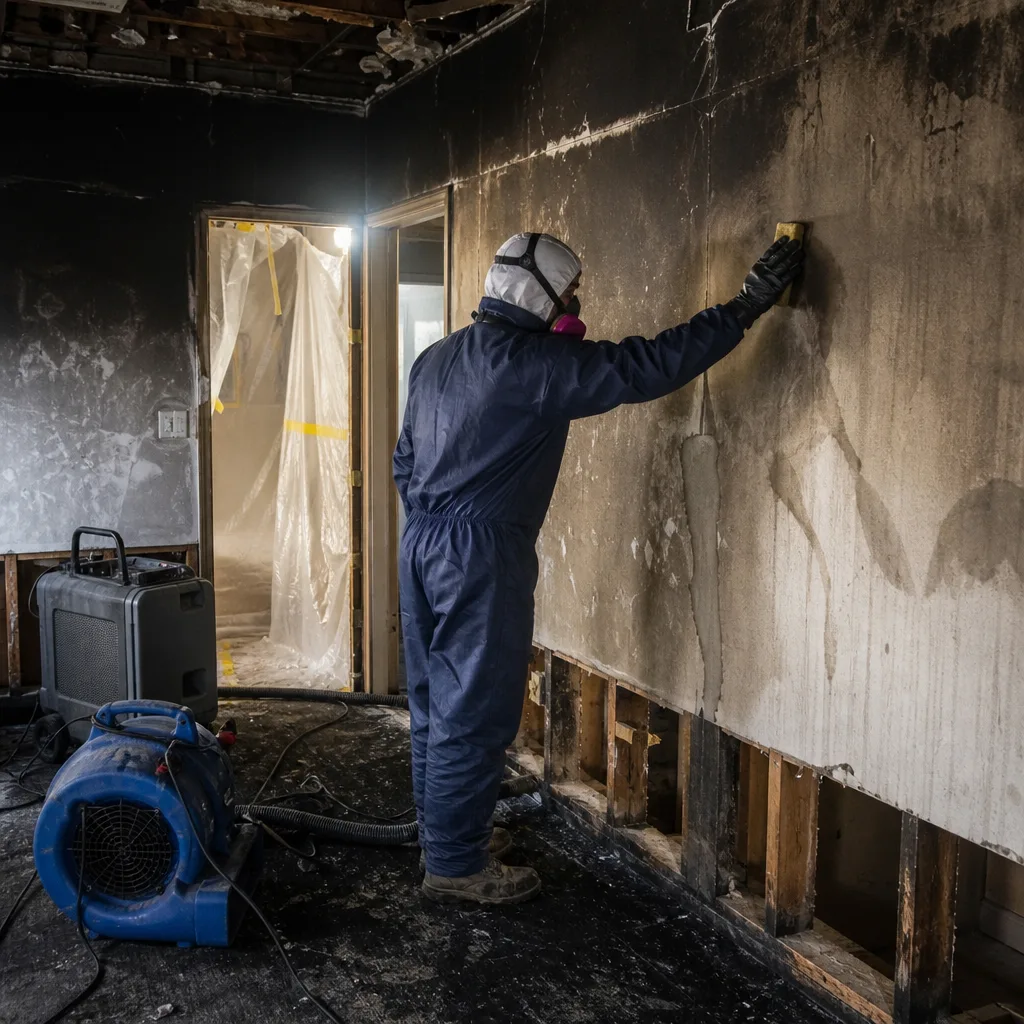
Air Quality Restoration
Whole-unit or whole-floor HEPA filtration and ventilation assessment. We measure ACH (air changes per hour) and target specific particle counts, documented to IFA standards, before declaring a space habitable.
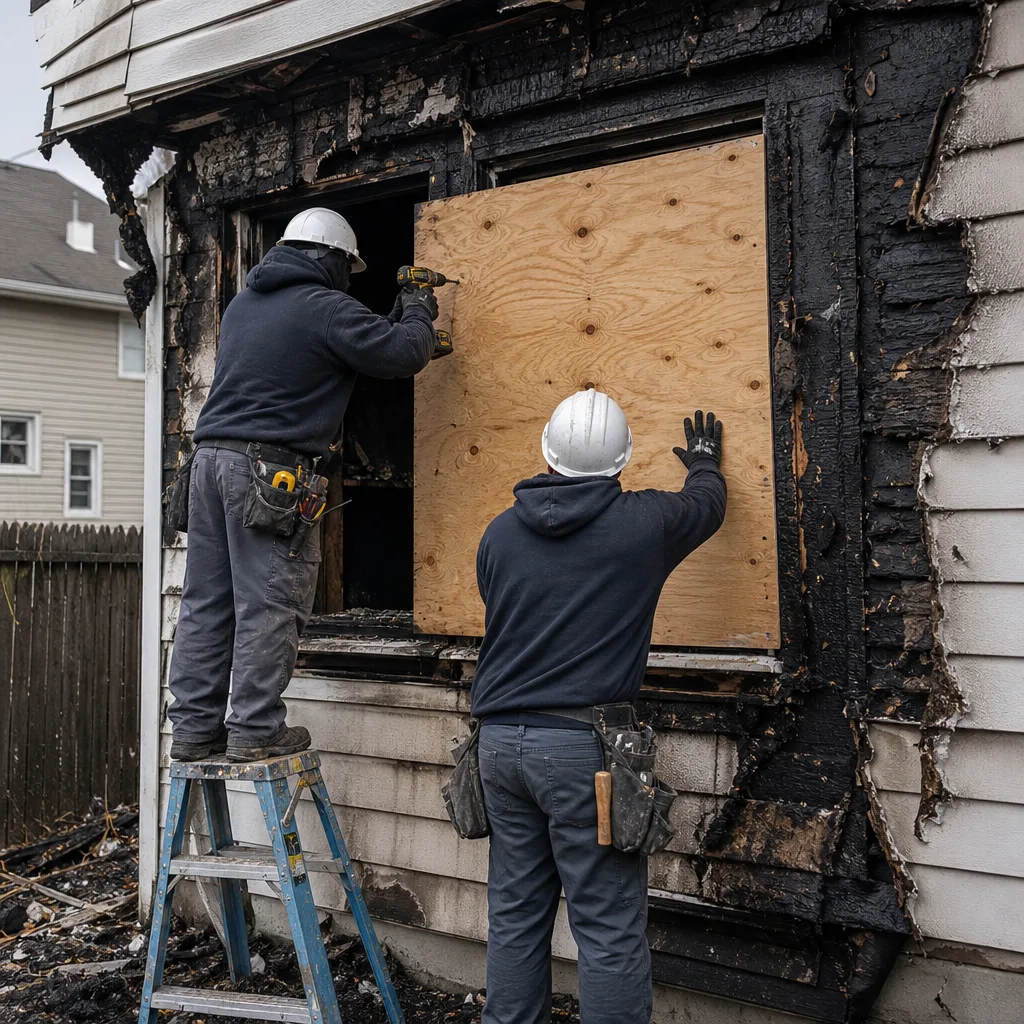
Crawl Space Treatment
Ground-floor and cellar spaces in East Harlem’s older stock, where slab-on-grade construction or dirt-cellar conditions create chronic humidity. Vapor barrier installation, dehumidification, and structural wood treatment where joists are affected.
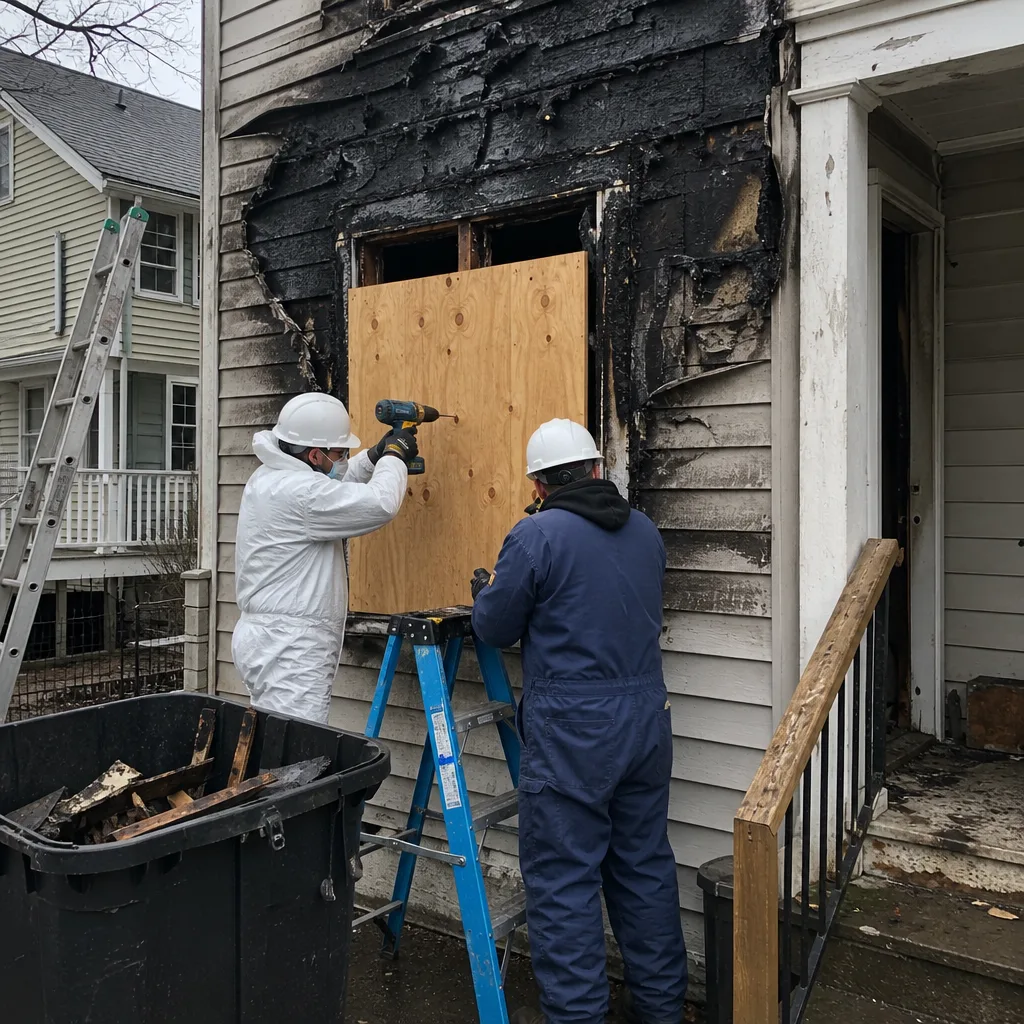
Moisture & Humidity Control
Permanent solutions for recurring mold: Dri-Eaz and Phoenix dehumidifiers sized to cubic footage, condensate drainage, and humidity monitoring. In East Harlem’s urban canyon microclimate, mechanical humidity control is often the only alternative to repeated remediation.
What happens when you call
- 1
A real person answersNo phone trees - you reach a local pro.
- 2
You get an upfront price rangeHonest numbers before anyone is dispatched.
- 3
A background-checked tech heads outLicensed & insured, dispatched right away.
- 4
You approve before work beginsNothing starts until you say go.
Mold Remediation Costs in East Harlem, NY
| Service | Typical Range in East Harlem |
|---|---|
| Visual inspection & moisture assessment | Free |
| Contained surface mold removal (1 room, Category 1 origin) | $2,200-$3,800 |
| Multi-room remediation with airshaft cavity work | $4,500-$8,200 |
| Full-unit demolition, antimicrobial treatment, rebuild (Category 3, NYCHA delay scenario) | $12,000-$18,000 |
| Black mold remediation with clearance testing | $5,800-$11,000 |
| Crawl space / cellar treatment with vapor barrier | $3,200-$6,500 |
| Whole-building humidity control system | $2,800-$5,500 |
What moves the price: the water category that caused the mold, the square footage of affected and concealed areas, whether lead or asbestos abatement is required, and whether NYCHA or co-op board approval adds scheduling complexity. Insurance typically covers mold remediation when it results from a covered water loss, with documentation. Out-of-pocket scenarios usually involve long-term humidity problems or maintenance-related leaks denied by carriers.
Every job starts with a free inspection and a written price before work begins. Haven Standard, Clause 1. Call (862) 281-7710.
We Also Serve Cities Near East Harlem
Our crews respond from the New York City office to East Harlem and surrounding neighborhoods: Astoria for Queens-based policyholders with Manhattan properties, Upper East Side for co-op and condo mold claims in pre-war buildings, Long Island City for new-construction humidity issues in converted industrial lofts, and Jackson Heights for multi-family and rental properties with similar tenement stock.
Serving East Harlem, NY - Our Local Coverage Area
We’re based in the East Harlem area and know this community well. Use the map below to see our service coverage - if you’re nearby, we can almost certainly help.
East Harlem Mold Remediation Questions, Answered
How fast does mold actually start after a NYCHA steam-riser flood in East Harlem?
Visible mold colonization begins 48-72 hours after water intrusion in East Harlem’s humid summer conditions, but in NYCHA buildings, the procurement backlog often stretches response to 2-4 weeks. By the time crews are approved, Category 2 water has degraded to Category 3, and mold has penetrated drywall, insulation, and in some cases, slab-adjacent materials. The faster call is to document the loss immediately and begin NYCHA’s approval parallel to moisture mapping. Call (862) 281-7710 for documentation guidance.
Why do East Harlem tenement mold jobs often look like they’re in the wrong apartment?
Interior airshafts in old-law and new-law tenements allow moisture and mold spores to migrate vertically between stacked units. The visible growth is rarely at the leak origin. We were called to a 5-story old-law walk-up off Lexington Houses where a top-floor tenant smelled mustiness two floors down; our tech ran moisture mapping on the airshaft-facing masonry, found the leak origin at a failed roof membrane two units up, and set containment plus a Dri-Eaz dehumidifier with air movers while documenting moisture readings on a drying log. Because two stacked units were already showing surface growth, we reclassified the water as category 2 in the kitchen line and category 3 in the airshaft-adjacent wall cavity before demo, then ran antimicrobial treatment and completed black mold remediation on the affected drywall. Remediation without airshaft-side moisture mapping will miss the reservoir and guarantee recolonization.
Do you need NYCHA approval before starting mold remediation in Jefferson or Johnson Houses?
Yes. Independent restoration crews cannot legally begin remediation in NYCHA properties until NYCHA approves the scope and places the vendor on the work order. Beginning work without approval creates a work-stoppage, re-inspection requirement, and potential liability. We coordinate documentation and scope submission to NYCHA’s procurement process while advising tenants on interim humidity control and photo documentation for their own records. Call (862) 281-7710 to discuss NYCHA-specific sequencing.
Can top-floor East Harlem walk-ups skip mold testing if the stain looks old?
No. A dry-looking stain in a top-floor tenement often conceals active colonization in the plaster lath or airshaft cavity, especially after winter freeze-thaw roof leaks. Surface appearance does not indicate active spore release or hidden reservoir conditions. We recommend air and surface sampling, plus moisture mapping on the airshaft-facing wall, before declaring any stain inactive. The inspection is free; the cost of skipping it is repeated remediation.
What does black mold remediation actually involve in a tight East Harlem alley-load building?
Staging, containment, and equipment access through narrow alley-load entries, then negative-air containment with 6-mil poly barriers inside the unit. HEPA air scrubbers run continuously. Affected drywall and insulation are removed with contained cutting tools. Antimicrobial agents dwell for extended periods on remaining structure. HEPA vacuuming and wet cleaning follow. Air scrubbers continue 48-72 hours before clearance sampling. In alley-load buildings, we use compact Dri-Eaz equipment and may stage decontamination chambers in the hallway or adjacent unit with permission. Every step is photo-documented for insurance and the Haven Standard file.
Will my insurance cover mold remediation in East Harlem?
Homeowner and renters insurance typically covers mold remediation when it results from a sudden, accidental water loss, burst pipe, or storm intrusion, documented promptly. Long-term humidity or maintenance-related mold is usually excluded. NYCHA tenants may have coverage through renters insurance or NYCHA’s carrier, depending on the loss origin. We provide the documentation, photo records, and drying logs that satisfy carrier requirements, and we coordinate directly with adjusters. Call (862) 281-7710 to review your specific policy and loss circumstances.
How long does mold remediation take in an East Harlem tenement?
Contained single-room jobs: 3-5 days. Multi-room with airshaft cavity work: 7-12 days. Full-unit Category 3 remediation with rebuild: 2-4 weeks. NYCHA approval delays add 10-14 business days before work can begin, which is why we emphasize immediate documentation and parallel coordination. Drying and air-scrubber run times are not negotiable shortcuts; they are documented to IICRC S520 and determine whether clearance testing passes.
Can we stay in the apartment during mold remediation?
For contained Category 1 surface mold in a single room, sometimes, with the containment sealed and HEPA scrubbers running. For Category 2 or 3, multi-room, or black mold remediation, no. The containment disrupts HVAC and airflow, antimicrobial agents require unoccupied dwell times, and clearance testing must occur before re-entry. We coordinate temporary relocation documentation for insurance where applicable. Call (862) 281-7710 to discuss occupancy planning for your specific job.
Our Mold Remediation team serves East Harlem with the documentation-first approach that turns restoration invoices into payable claims. Every job carries a written price before work begins, a photo record on every visit, and the 365-Day Done Right Promise under The Haven Standard. Free Second Opinion on any competitor’s written estimate.
Call (862) 281-7710 for a free inspection and written scope. Live answer, 24 hours a day.
Written by Alicia Brennan, Owner at DryMark Restoration Astoria, serving East Harlem under The Haven Standard since 2011.
Mold Remediation in Nearby Areas