Free visual inspection and a written scope of work before any mitigation begins - photos, moisture readings, and drying logs go in your claim file
The scope we write is the scope we bill. Anything new gets shown to you, in writing, before we touch it.
Storm response
 Before
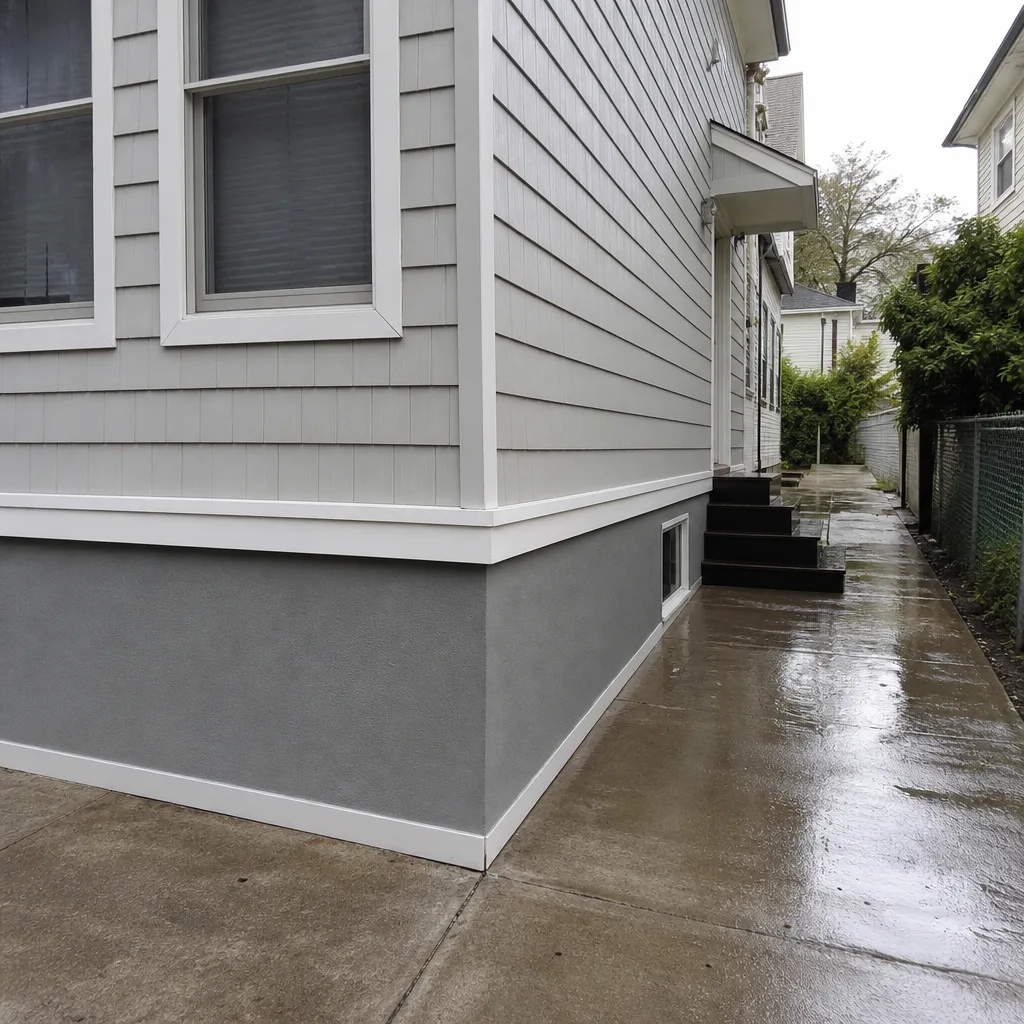 After
After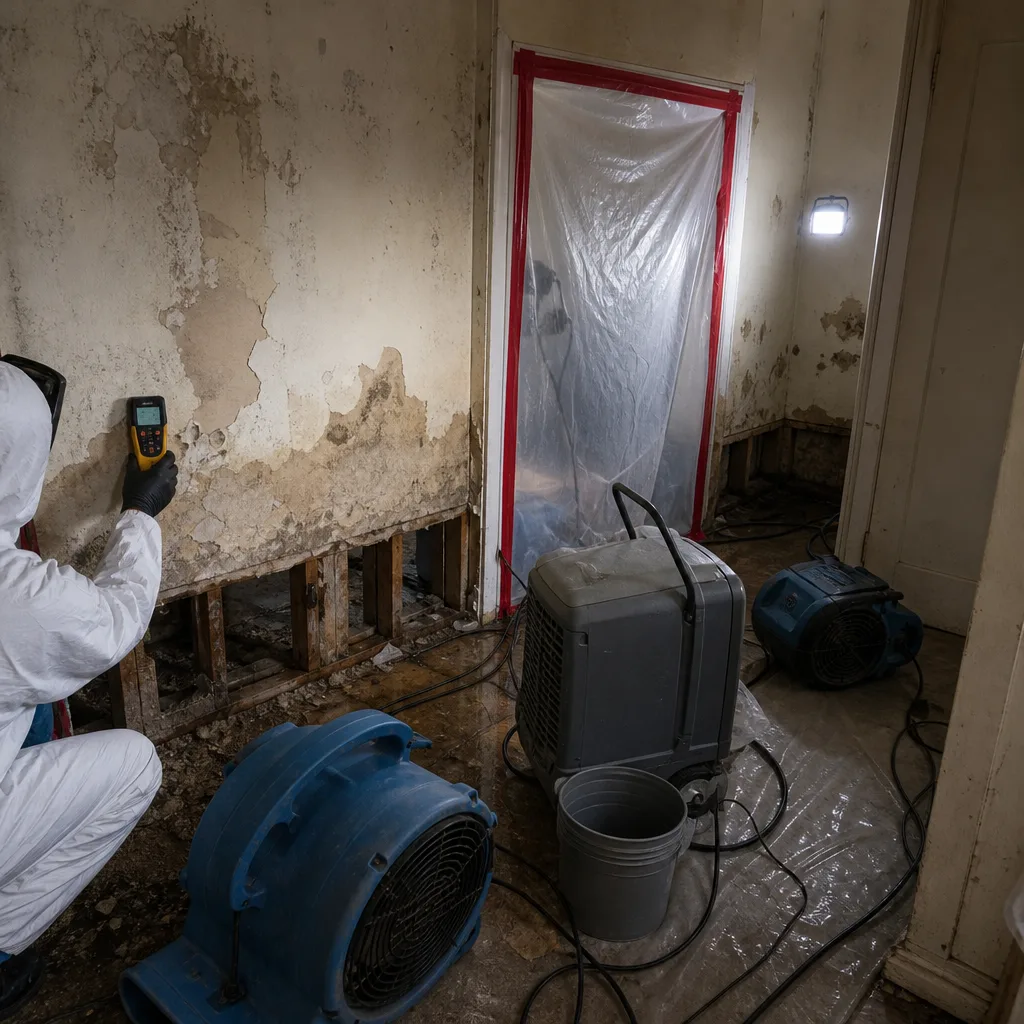 Before
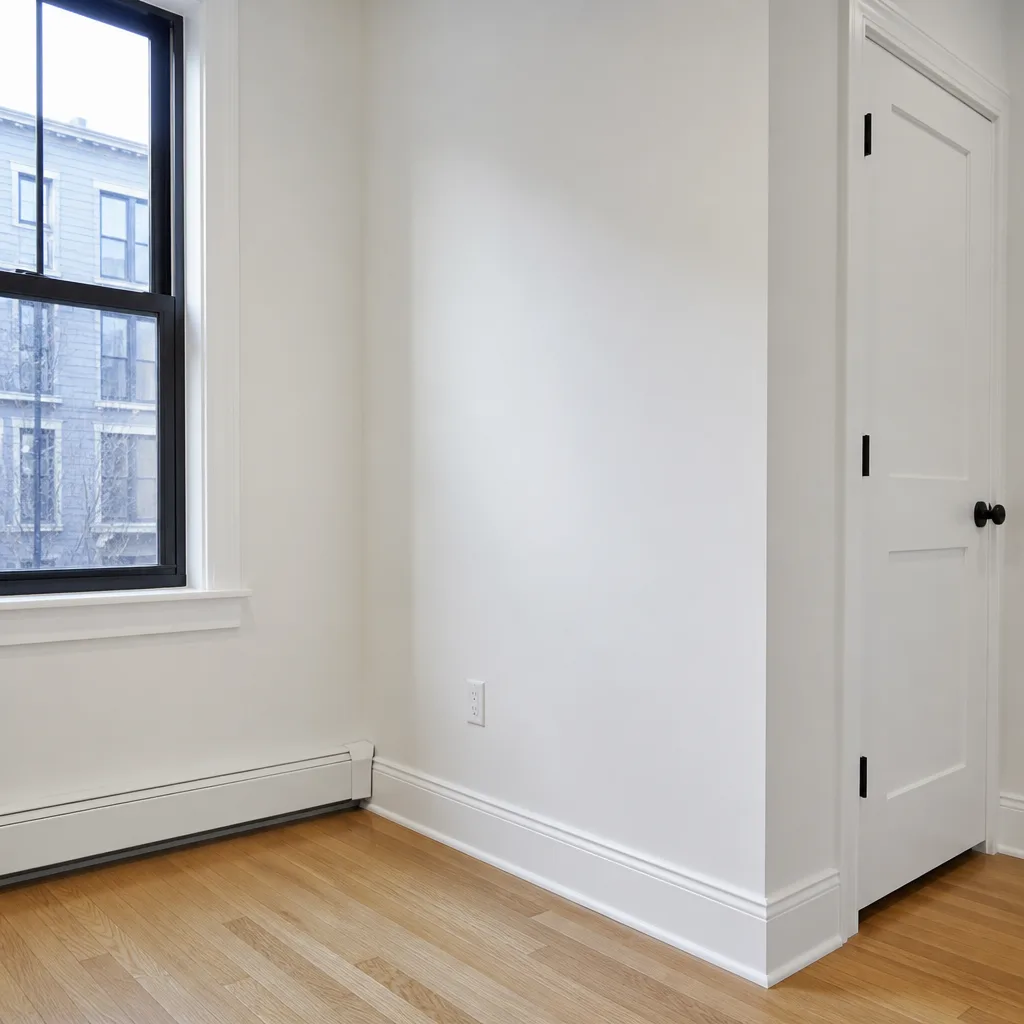 After
After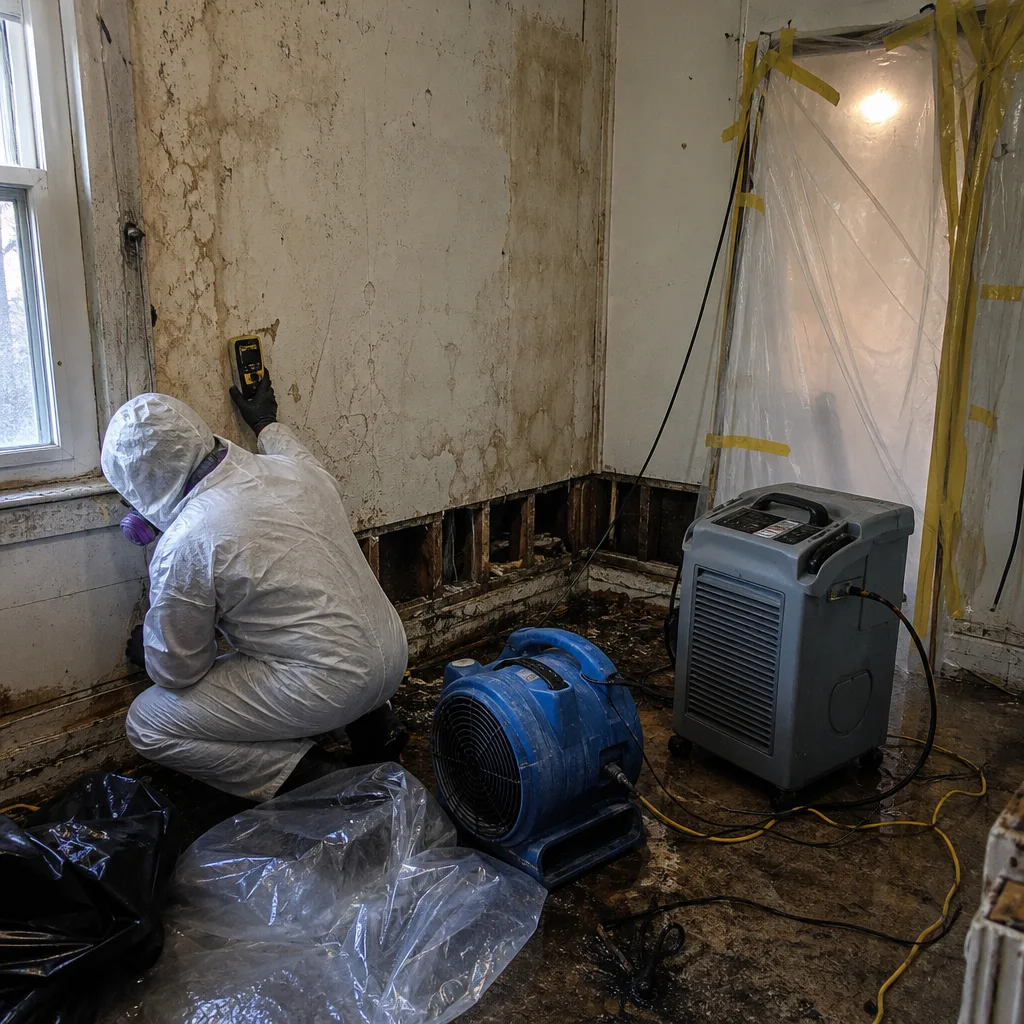 Before
 After
After24/7 Emergency Fire & Smoke Damage Restoration in Morningside Heights
A fire in a Morningside Heights pre-war building spreads damage in three directions at once: flames consume material, smoke migrates through shared walls and vertical chases, and suppression water pools behind original plaster where you cannot see it. Call (862) 281-7710 now and a live person answers, 24 hours a day, 7 days a week. We dispatch crews directly into the Morningside Heights area with a 45-minute response commitment, perform a free visual inspection, and give you a written price before any work begins. The first hour determines whether soot residues set permanently into plaster and whether water behind walls becomes a secondary mold loss. We document everything from arrival, because your insurer and your building management will both need that record.
Understanding Fire & Smoke Damage Restoration Severity in Morningside Heights Properties
Fire damage in Morningside Heights follows a pattern dictated by the neighborhood’s building stock: pre-war masonry towers, 6 to 20 stories, built 1900 to 1940, with original plaster-and-lath interiors, cast-iron drain stacks, and flat roofs with internal drainage. We classify every loss by three factors: the fire’s heat and duration, the smoke’s path and residue type, and the suppression water’s migration.
Dry smoke residue, produced by fast-burning, high-heat fires, powders across surfaces and drives into porous plaster. Wet smoke residue, from slow, smoldering fires, is sticky and acidic, clinging to unfinished masonry and metal window frames common in these older buildings. Protein residue, nearly invisible but pungent, comes from kitchen fires and embeds in cabinet interiors and wall cavities.
Smoke migrates through the building’s natural pressure differentials, traveling farther than flames ever reach. In Morningside Heights towers, it follows elevator shafts, dumbwaiters, and the gaps around cast-iron plumbing stacks. Tertiary smoke damage, the residue deposited in rooms far from the fire origin, is often the most expensive line item on a restoration scope because it requires whole-unit cleaning and deodorization.
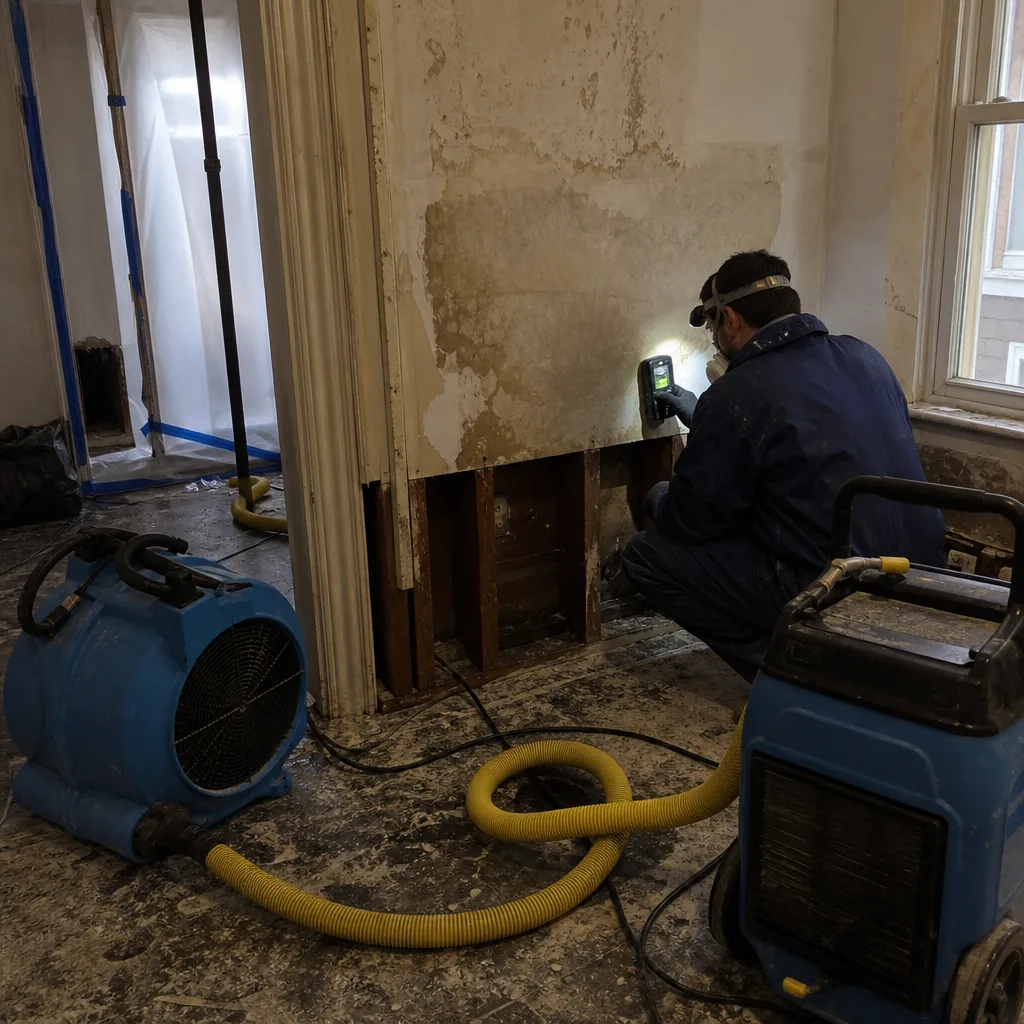
Suppression water adds a fourth damage vector. Original plaster-and-lath absorbs water slowly but releases it even slower. Without psychrometric monitoring, vapor pressure differentials push moisture into adjacent units through shared masonry walls. We map this with thermal imaging and moisture meters, then document readings to IICRC and RIA standards.
Why Morningside Heights Property Owners Choose DryMark Restoration Astoria
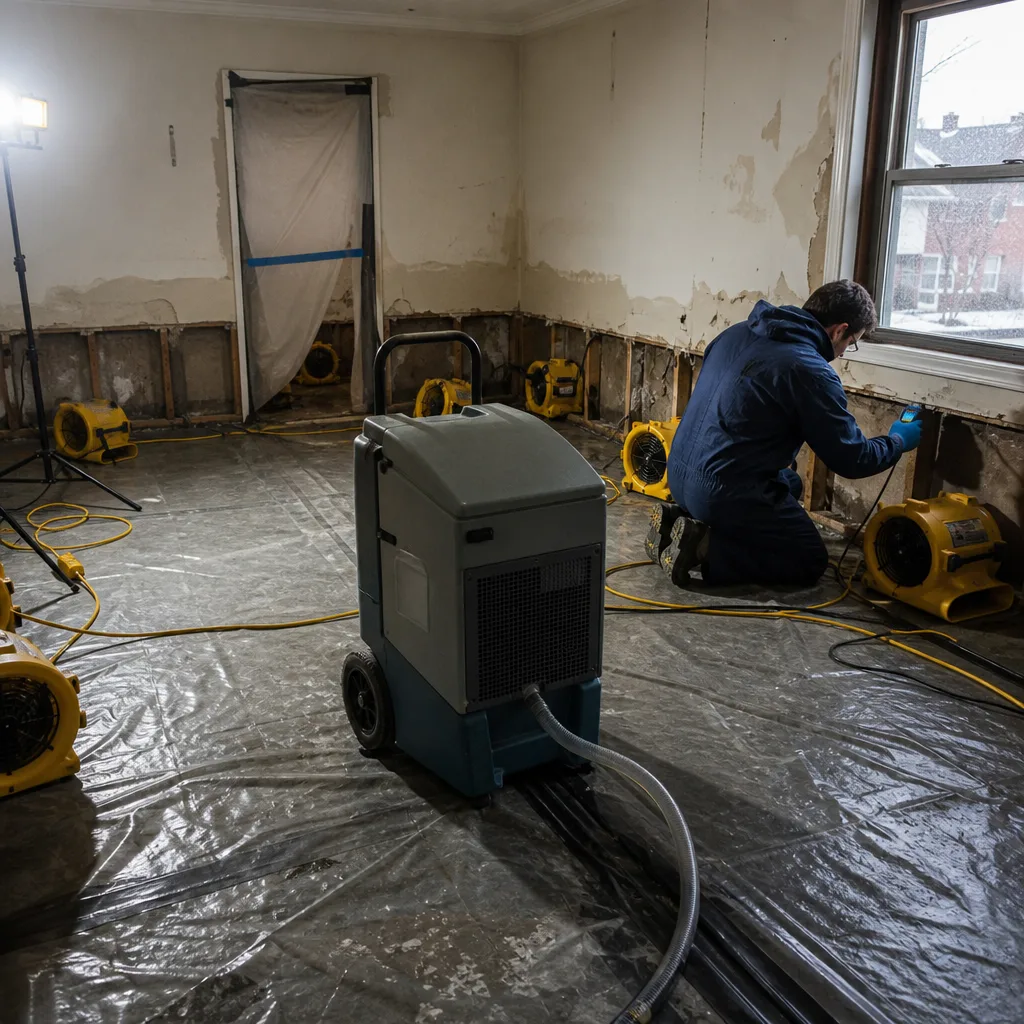
- 45-minute response commitment to Morningside Heights - our crews are staged for Manhattan dispatch, not routed from outer boroughs.
- 24/7 live answer: a real person, never an automated system, takes your call and begins documentation immediately.
- IICRC-certified crews holding FSRT (Fire and Smoke Restoration Technician) and WRT (Water Damage Restoration Technician) certifications, with AMRT (Applied Microbial Remediation Technician) on call for secondary mold.
- Free visual inspection with a written scope delivered before any work starts - Haven Standard, Clause 1.
- Direct insurance billing and adjuster coordination, including photo-documented drying logs formatted for carrier upload.
- One team from emergency board-up through final reconstruction - no handoffs to unknown subcontractors.
BeforeAfterOur Fire & Smoke Damage Restoration Process
1. Inspection & Assessment
We arrive with thermal imaging cameras, moisture meters, and hygrometers to map the full damage perimeter. In Morningside Heights pre-war buildings, this means checking not just the fire room but adjacent units above, below, and beside - smoke and water travel through shared masonry and plaster-and-lath partitions in ways modern drywall construction does not allow. We photograph every surface and record baseline moisture readings before any disturbance.
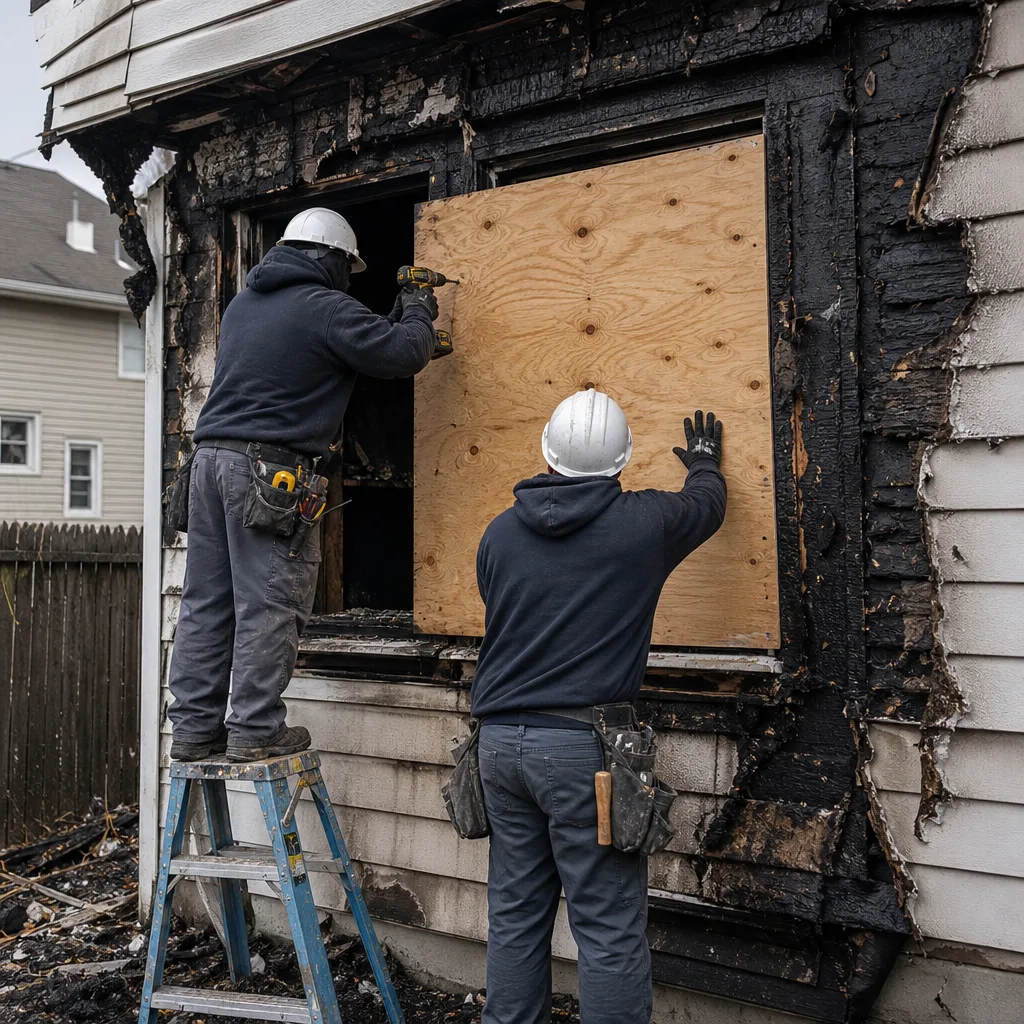
2. Emergency Board-Up & Tarping
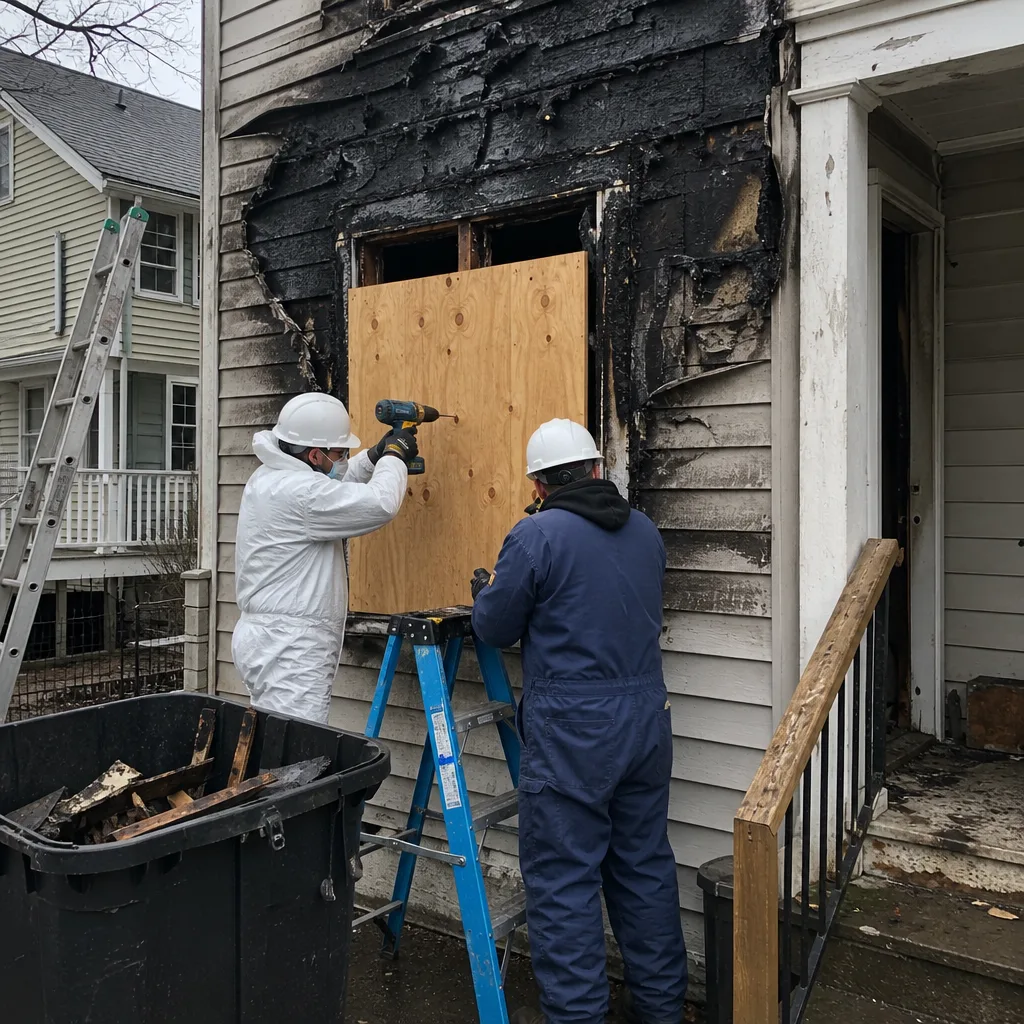
Broken windows, compromised doors, and roof breaches get secured immediately. For Morningside Heights buildings under Columbia Facilities Management, we coordinate board-up specifications with their vendor requirements - certain materials and fastening methods are mandated for institutional properties. Tarping addresses flat-roof membrane damage where suppression water or fire exposure has compromised the building envelope.
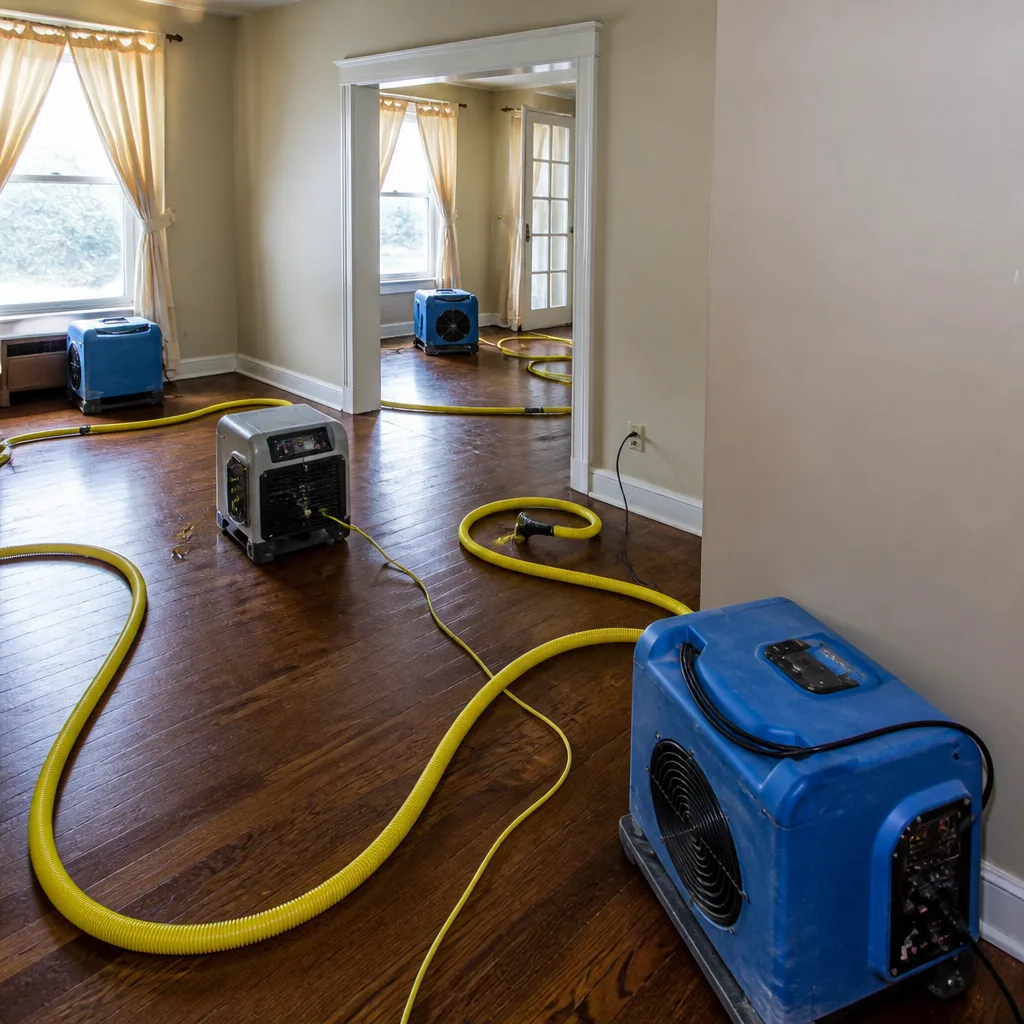
3. Water Extraction & Structural Drying
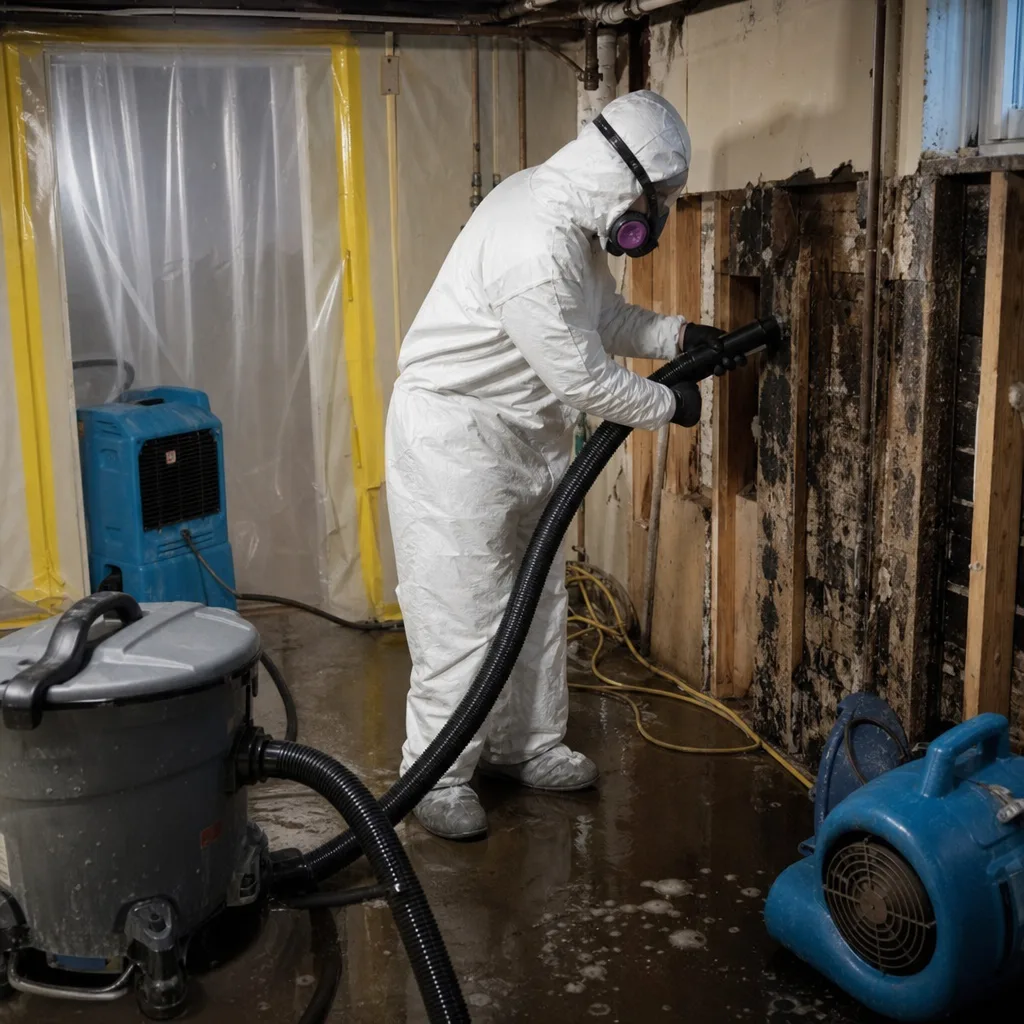
Suppression water is extracted with truck-mounted and portable systems, then we deploy Dri-Eaz and Phoenix dehumidifiers with axial air movers to establish controlled drying. Original plaster-and-lath requires lower specific humidity setpoints than modern drywall - too aggressive and the plaster delaminates from the lath. We log psychrometric data daily: temperature, relative humidity, and vapor pressure differential, the measurable force that drives moisture from wet materials into dry air.
4. Smoke & Soot Removal
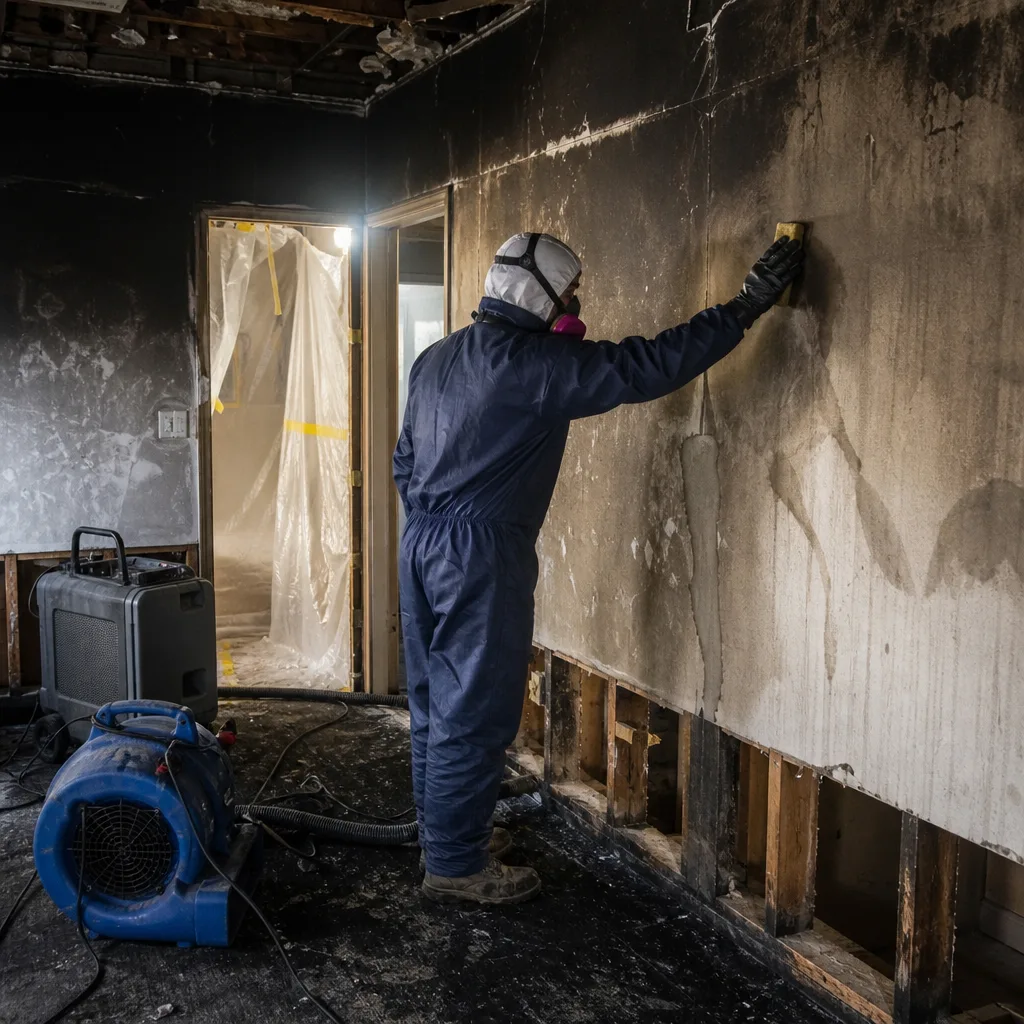
HEPA vacuums capture dry particulate first; wet cleaning with specialized agents follows for oily residues. Unfinished masonry, common in Morningside Heights basements and utility rooms, requires alkaline cleaners to neutralize acidic soot. We clean from top to bottom, changing HEPA filters on air scrubbers continuously to prevent recontamination. Thermal fogging and ozone treatment are held in reserve for odor reservoirs that surface cleaning cannot reach.
5. Odor Removal & Deodorization
Smoke odor lingers in Morningside Heights buildings because plaster-and-lath and unfinished masonry act as reservoirs. Surface cleaning is never enough. We use thermal fogging: a petroleum-based deodorizer heated to create a dry smoke-sized particle that penetrates the same pores the original smoke entered. Hydroxyl generators run safely in occupied spaces, breaking odor molecules with UV-generated radicals. For severe cases, sealed-space ozone treatment may be required, with clearance testing before re-entry.
6. Repairs & Restoration
Original plaster repair, drywall replacement, flooring, cabinetry, and painting are scoped in writing before commencement. In Columbia-managed buildings, all repair scopes route through Columbia Facilities Management for purchase-order approval - we have handled this process repeatedly and build that timeline into our project schedule. Every repair is covered by our 365-Day Done Right Promise under The Haven Standard.
Need Emergency Fire & Smoke Damage Restoration in Morningside Heights Now?
Crews minutes away, answering live 24 hours a day. The sooner we start, the less it costs.
Working With Your Insurance Company
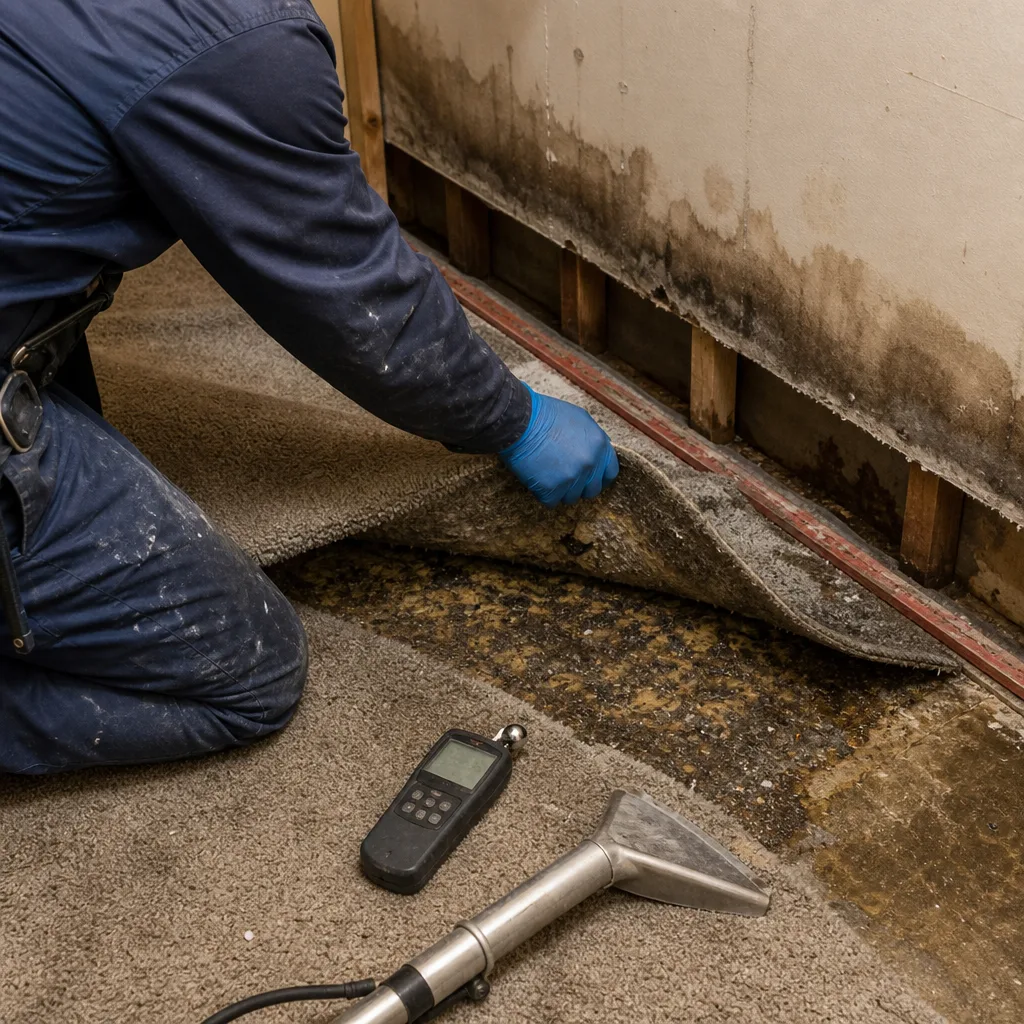
From the moment we arrive, we build a claim file that an adjuster can pay without dispute. Our estimates follow industry-standard Xactimate pricing. We speak directly with your carrier, submit documentation through their preferred portals, and flag coverage issues before they become delays. For Morningside Heights properties, this often means coordinating with multiple insurers: the building’s master policy, your HO-6 or renter’s policy, and sometimes Columbia University’s institutional coverage if the building is university-owned.
What We Provide Your Insurer
- Thorough documentation of the loss
- Photos of all damage, room by room
- Moisture readings and drying logs
- A detailed, line-item scope of work
- Direct coordination with your carrier
Built for Morningside Heights’s Loss Calendar
January deep freezes strain aging heating systems in Morningside Heights pre-war buildings. Space heaters and overloaded electrical circuits cause winter fire spikes. Spring thaw brings roof-drain blockages on flat-roof towers; pooled water finds membrane breaches and wicks through multiple floors, sometimes reaching electrical panels and causing shorts or smoldering fires in wall cavities.
Summer convective storms and nor’easters hit the elevated Morningside Heights plateau with wind-driven rain that overwhelms aging internal drainage. Lightning strikes are rare but consequential on masonry buildings with outdated grounding. The heaviest fire-suppression water losses we see in Morningside Heights come from summer kitchen fires, when open windows create pressure differentials that pull smoke through entire floors, and when residents are away, allowing smoldering to progress before detection.
Fall brings radiator season and the annual cycle of residents reactivating heating systems that have sat idle for months. Pilot light failures, gas valve issues, and dust ignition in forced-air systems spike October and November fire calls. Original 1920s electrical service, still present in some Morningside Heights buildings, cannot handle modern appliance loads - a documented pattern in our Morningside Heights work history.
Fire & Smoke Damage Restoration Across Morningside Heights’s Neighborhoods
West 116th Street to 125th Street, between Morningside Park and Riverside Park, is the core of our Morningside Heights response zone. Near Columbia University’s Morningside campus, on streets like Amsterdam Avenue and Broadway, we routinely enter buildings where Columbia Facilities Management controls access, security, and vendor approval. The Cathedral Parkway corridor, around the Cathedral of St. John the Divine, mixes institutional and residential structures with similar pre-war construction but varied management - some private co-ops, some Columbia-affiliated housing.
West 120th Street and the blocks approaching Morningside Park see more basement utility fires and boiler-room smoke events, often involving aging cast-iron heating plant and original electrical distribution. Riverside Drive buildings, with their park-facing exposures and larger unit configurations, present different smoke migration patterns - prevailing westerlies can drive residue into units facing the park during exterior fire events. Our crews know which buildings require Columbia vendor credentialing, which use standard co-op management, and which have hybrid arrangements. That knowledge saves hours on every call.
After a grease fire in a 1930s pre-war tower off Broadway near West 116th Street, our crew contained soot migration through original plaster-and-lath walls, performed smoke and soot removal with HEPA and thermal fogging, and documented moisture readings where suppression water had wicked into adjacent units. Because the building was under Columbia Facilities Management, we submitted our scope of work and drying logs through their vendor portal before final pack-out and deodorization could proceed.
Specialized Fire & Smoke Damage Restoration Services We Offer in Morningside Heights
Fire Damage Cleanup
We remove charred debris, damaged contents, and compromised structural materials, documenting each item for insurance. In Morningside Heights pre-war buildings, this includes assessing original plaster for salvage versus replacement, and identifying asbestos-containing materials in floor tile, pipe insulation, or joint compound that trigger abatement protocols before demolition proceeds.
Smoke & Soot Removal
Soot absorbs into original plaster-and-lath and unfinished masonry, so surface wiping misses odor reservoirs that later bleed back into adjacent units. We use HEPA vacuuming, chemical sponges, and alkaline cleaners matched to residue type, with air scrubbers running continuously to capture airborne particulate. This is the most technically demanding phase of Morningside Heights fire restoration.
Odor Removal & Deodorization
Smoke odor in Morningside Heights buildings can persist for months if reservoirs in plaster, masonry, and HVAC ductwork are not addressed. Thermal fogging penetrates to the same depth as the original smoke. Hydroxyl generators run during occupied phases. Sealed-space ozone treatment handles the most severe cases. We verify results with olfactory testing and, when required, air sampling.
Contents Cleaning & Pack-Out
Salvageable contents are inventoried, photographed, packed, and transported to our facility for ultrasonic cleaning, ozone treatment, or specialized textile restoration. In Columbia-managed buildings, pack-out requires Facilities Management notification and sometimes escorted access. We build this into our timeline so authorization delays do not extend your displacement.
Emergency Board-Up & Tarping
Broken windows, damaged doors, and roof breaches are secured immediately to prevent weather intrusion and unauthorized entry. Morningside Heights institutional buildings often specify particular board-up materials and fastening methods; we arrive prepared for Columbia Facilities Management requirements rather than improvising on site.
What happens when you call
- 1
A real person answersNo phone trees - you reach a local pro.
- 2
You get an upfront price rangeHonest numbers before anyone is dispatched.
- 3
A background-checked tech heads outLicensed & insured, dispatched right away.
- 4
You approve before work beginsNothing starts until you say go.
Fire & Smoke Damage Restoration Costs in Morningside Heights, NY
Fire and smoke restoration in Morningside Heights runs higher than outer-borough averages because of building-specific factors: pre-war construction requiring specialized cleaning approaches, institutional approval processes that extend project duration, and the frequency of multi-unit losses requiring coordination with multiple insurers.
| Service | Typical Range in Morningside Heights |
|---|---|
| Emergency board-up and tarping | $800 - $2,400 |
| Smoke and soot removal, single room | $1,200 - $3,500 |
| Whole-unit smoke cleaning and deodorization | $4,500 - $12,000 |
| Contents pack-out and cleaning | $2,000 - $7,500 |
| Structural drying after suppression water | $1,500 - $5,500 |
| Plaster repair or replacement | $3,500 - $15,000 |
What moves the price: the square footage affected, the smoke residue type (dry, wet, or protein), whether asbestos abatement is required, and whether Columbia Facilities Management’s approval process adds project days. Most residential fire losses in Morningside Heights are covered by insurance; our written scope, delivered before work begins, becomes the basis for your claim. Call (862) 281-7710 for a free inspection and exact quote.
We Also Serve Cities Near Morningside Heights
Our Fire & Smoke Damage Restoration in Morningside Heights crews respond throughout Manhattan and western Queens, including Fire & Smoke Damage Restoration for properties in Astoria, Upper East Side, Long Island City, and Jackson Heights. Dispatch and scheduling are coordinated from our New York City office; crews serve Morningside Heights locally.
Serving Morningside Heights, NY - Our Local Coverage Area
We’re based in the Morningside Heights area and know this community well. Use the map below to see our service coverage - if you’re nearby, we can almost certainly help.
Morningside Heights Fire & Smoke Damage Restoration Questions, Answered
Does a fire in a Morningside Heights pre-war co-op or Columbia-owned building change how restoration is scoped?
Yes. Columbia Facilities Management controls a substantial portion of Morningside Heights residential building stock, and their approval chain requires vendor credentialing, purchase orders, and scope sign-off before containment, board-up, or structural work can proceed. Private co-ops operate through boards with their own insurance and contractor requirements. We have worked under both systems and build the approval timeline into every scope. Call (862) 281-7710 and we will identify your building’s management type during the initial call.
How long can smoke odor linger in original plaster-and-lath after a Morningside Heights fire?
Months or years if reservoirs are not properly treated. Original plaster is porous and irregular; soot and odor molecules embed deeply. Surface cleaning alone fails. We use thermal fogging to match particle size to the original smoke penetration, followed by hydroxyl or ozone treatment for severe cases. Our 365-Day Done Right Promise covers odor recurrence. Call (862) 281-7710 for an assessment of your specific plaster condition.
After fire-suppression water soaks pre-war floors, how do you decide what stays and what comes out?
We map moisture content with thermal imaging and penetrating meters, then compare readings to dry standards for each material. Original plaster that reads below 17% moisture content and shows no delamination from lath can often be dried in place. Saturated plaster, crumbling lath, or asbestos-containing materials require removal under abatement protocol. Every decision is documented with photos and meter readings for your insurer. Call (862) 281-7710 for a free moisture mapping inspection.
Should we repair original plaster after a Morningside Heights fire or replace it with drywall?
Repair when the plaster is structurally sound and moisture readings permit; replace when delamination, extensive cracking, or asbestos contamination makes restoration uneconomical. Original plaster has fire-resistance and acoustic properties that drywall does not match, and co-op or Columbia Facilities Management guidelines sometimes mandate like-for-like repair. We specify the approach in writing before work begins. Call (862) 281-7710 to review your options.
What does the board-up and tarping step involve for a Morningside Heights fire?
We secure broken windows, damaged doors, and roof breaches with materials appropriate to your building type. Columbia-managed buildings often require specific plywood grades, fastening methods, and security protocols. Tarping addresses flat-roof membrane damage common in Morningside Heights towers. The goal is weather protection and security until permanent repairs are approved and scheduled. Call (862) 281-7710 for immediate board-up response.
Will insurance cover fire and smoke restoration in my Morningside Heights building?
Most residential fire losses are covered, but Morningside Heights buildings frequently involve multiple policies: the building’s master policy for common areas and structure, your HO-6 or renter’s policy for unit interiors and contents, and Columbia University’s coverage for institutionally owned properties. We identify the correct carrier, document to their requirements, and coordinate direct billing where permitted. Our written scope becomes your claim foundation. Call (862) 281-7710 and we will review your coverage situation.
How fast can your crew actually get to Morningside Heights?
We commit to 45 minutes for Morningside Heights emergency calls, with crews staged for Manhattan dispatch. Live answer 24/7 means no voicemail delay. The first hour after fire suppression is critical for soot stabilization and water damage containment in pre-war construction. Call (862) 281-7710 now and we will confirm ETA during your call.
Are your technicians certified for fire and smoke restoration?
Yes. Our lead technicians hold IICRC FSRT (Fire and Smoke Restoration Technician) certification, with WRT (Water Damage Restoration Technician) for suppression water damage and AMRT (Applied Microbial Remediation Technician) on call for secondary mold. All work is documented to IICRC, RIA, and IFA standards. Equipment includes Dri-Eaz and Phoenix dehumidification systems, HEPA air scrubbers, and thermal fogging units. Call (862) 281-7710 to verify credentials for your specific job.
Fire damage in Morningside Heights is not like fire damage elsewhere. The pre-war masonry construction, the plaster-and-lath interiors, and the institutional approval processes that govern much of the neighborhood’s housing stock create a restoration environment that generic contractors misunderstand. We have restored fire and smoke damage in Morningside Heights buildings since 2011, documenting every job to the standard that insurance carriers and building managers require. Call (862) 281-7710 for a free inspection and written scope. Estimates are free. The Haven Standard, Clause 1: your price in writing before any work starts.
Written by Alicia Brennan, Owner at DryMark Restoration Astoria, serving Morningside Heights since 2011.
Fire & Smoke Damage Restoration in Nearby Areas