
Free visual inspection and a written scope of work before any mitigation begins - photos, moisture readings, and drying logs go in your claim file
The scope we write is the scope we bill. Anything new gets shown to you, in writing, before we touch it.
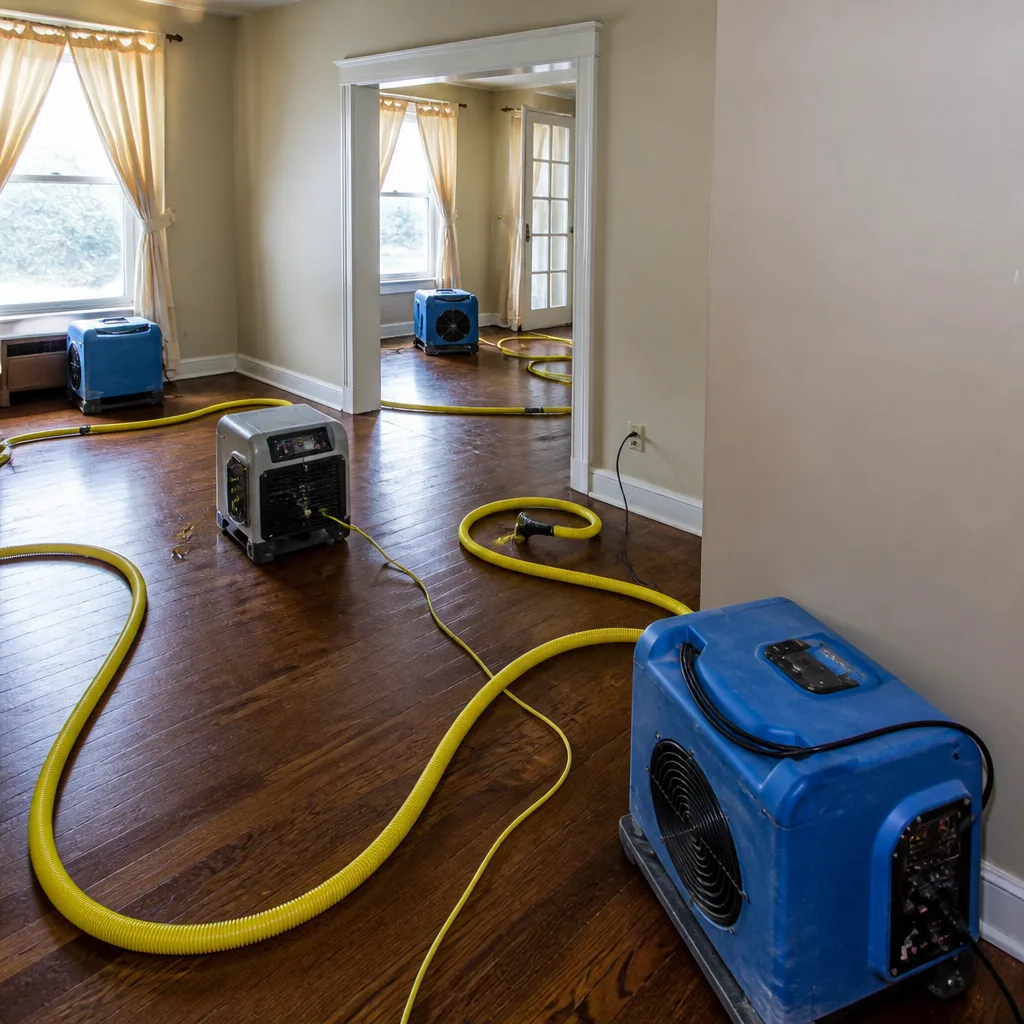
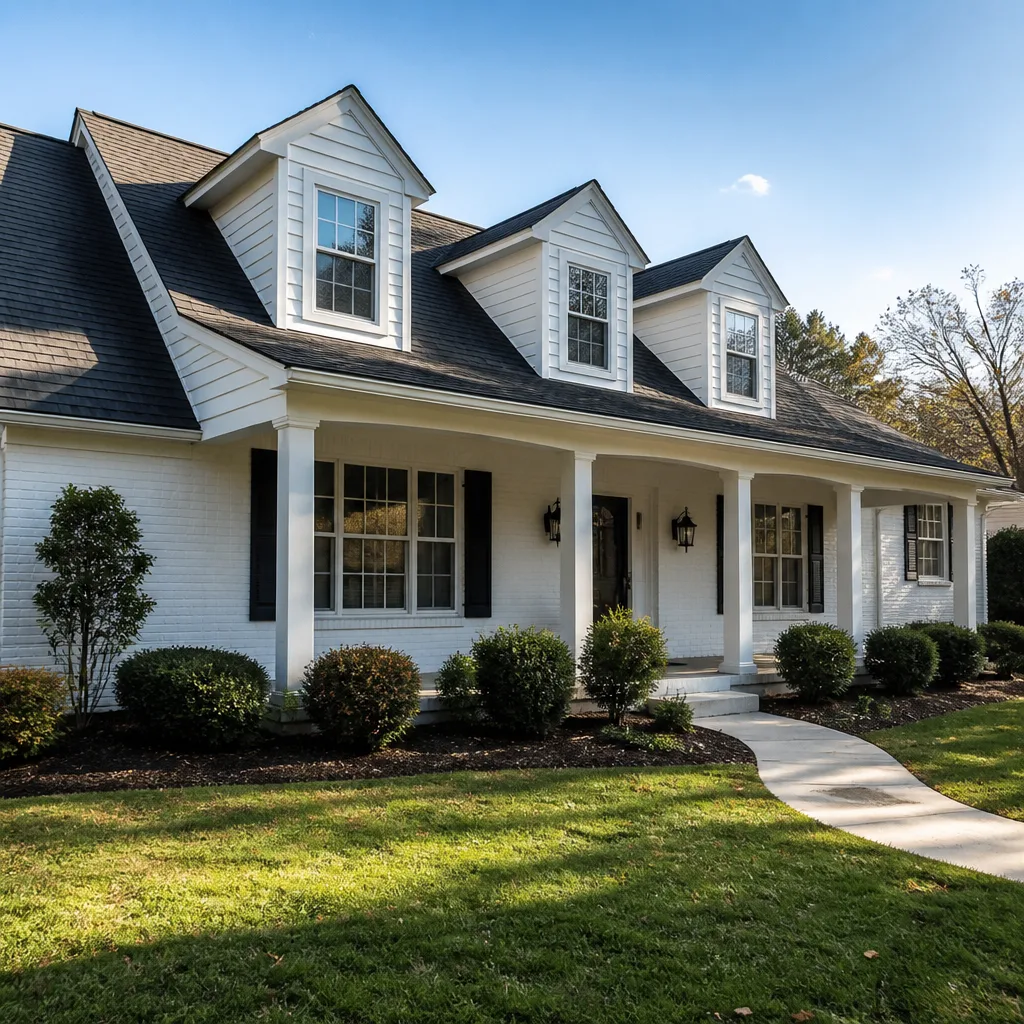
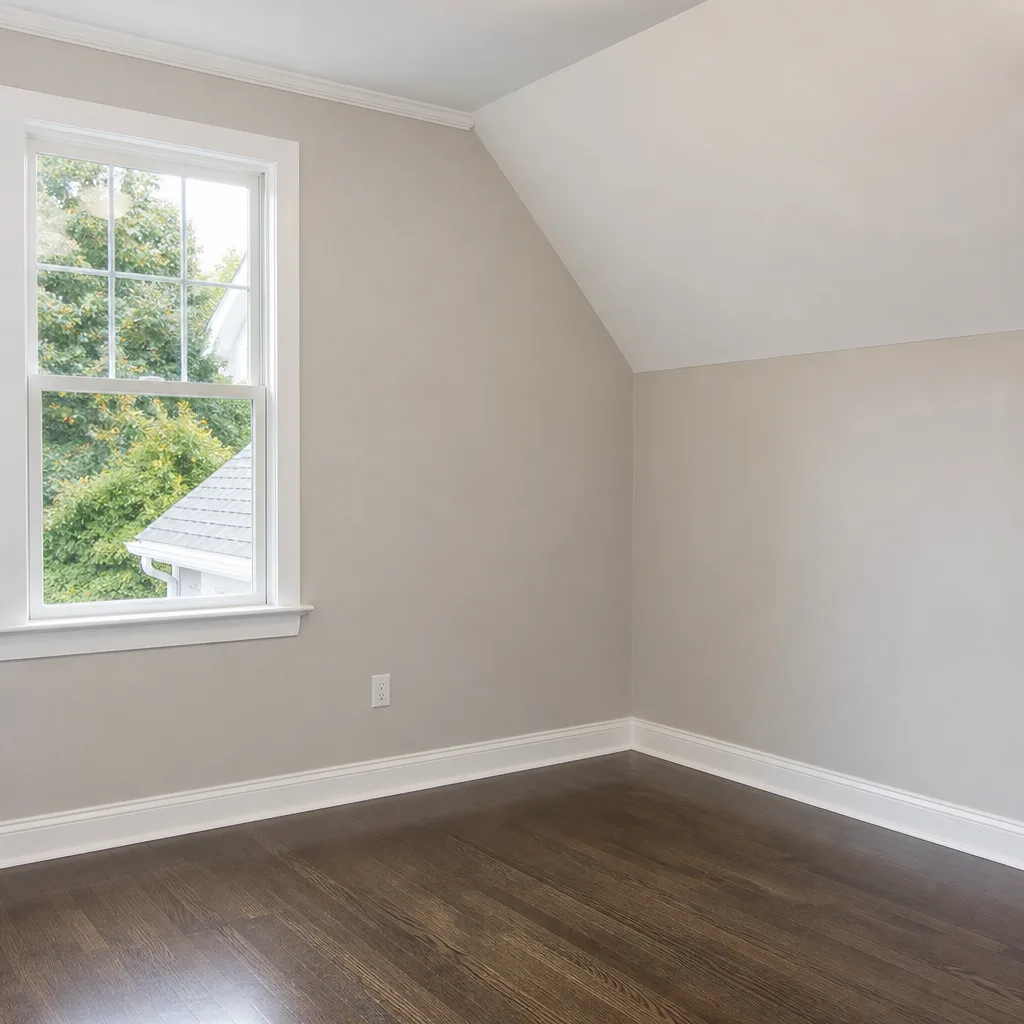
Storm response
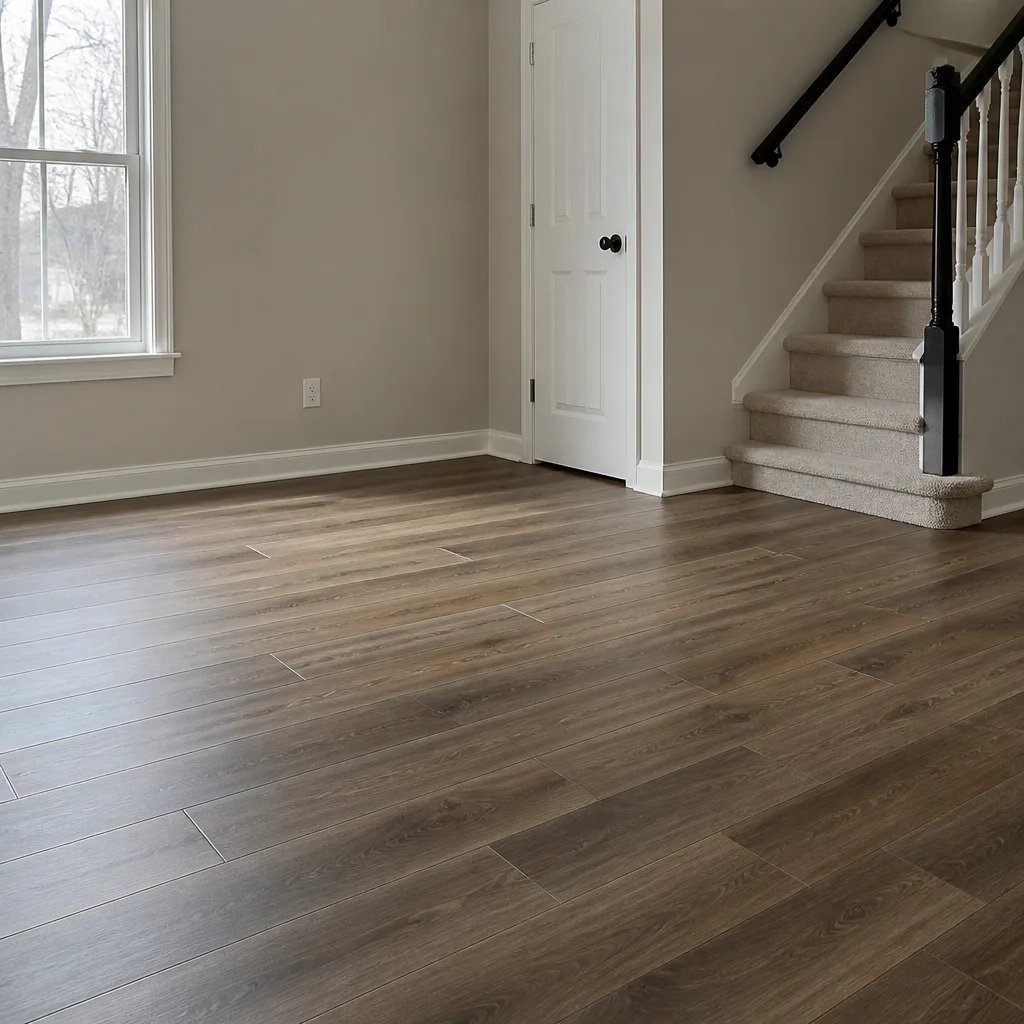
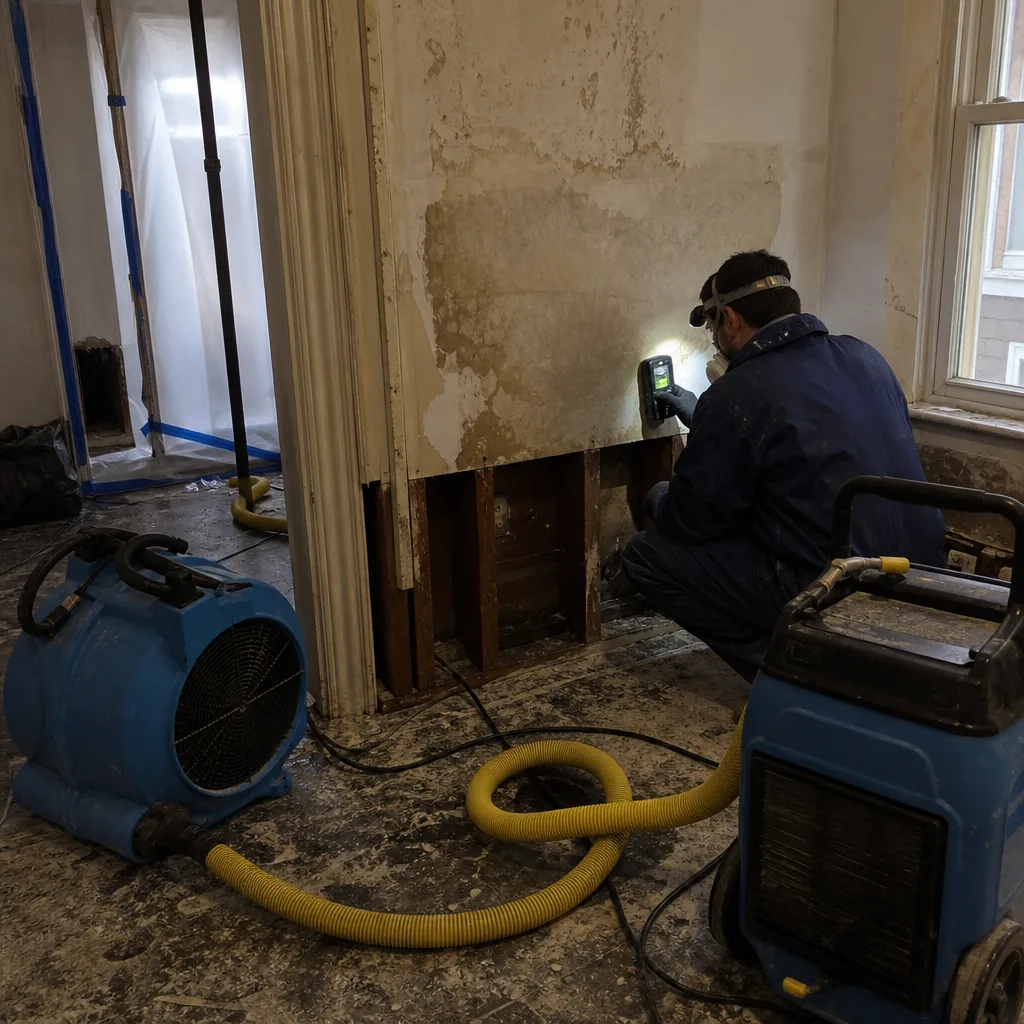 Before
 After
After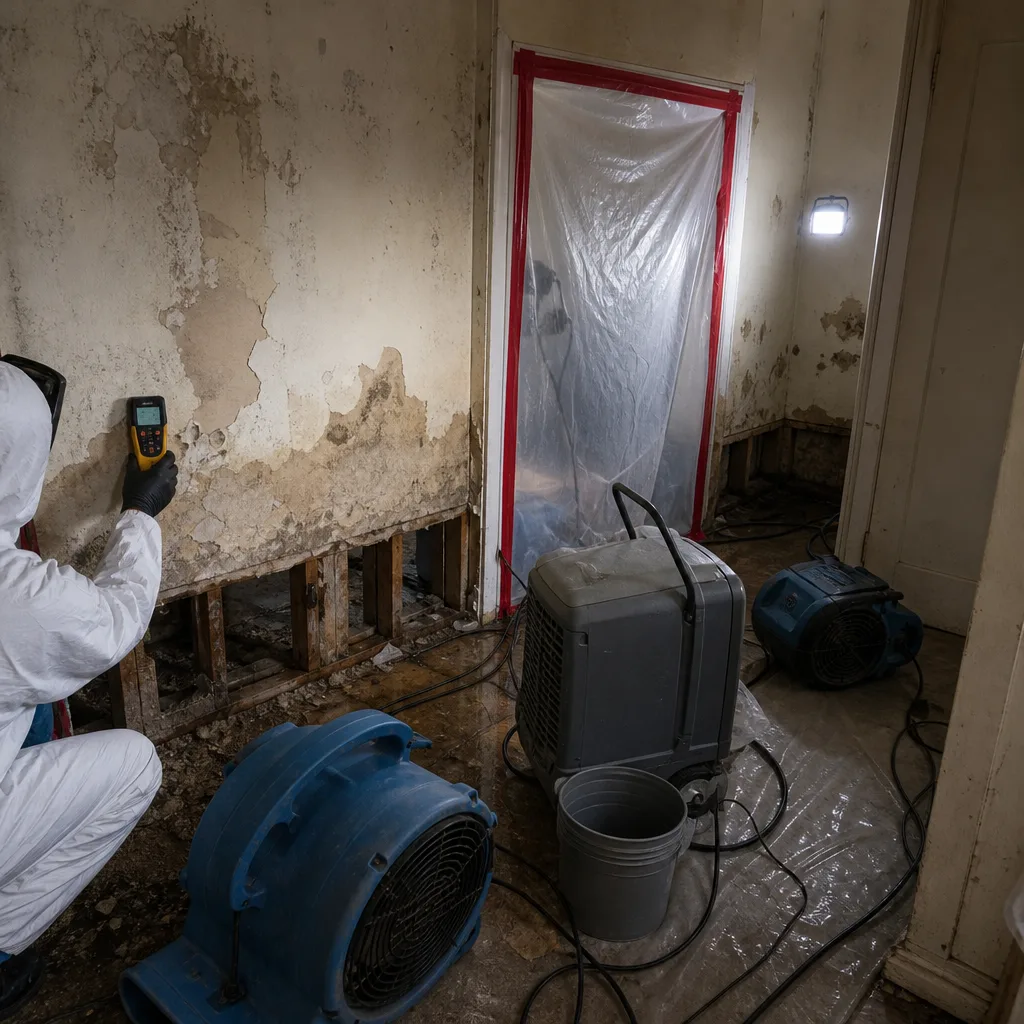 Before
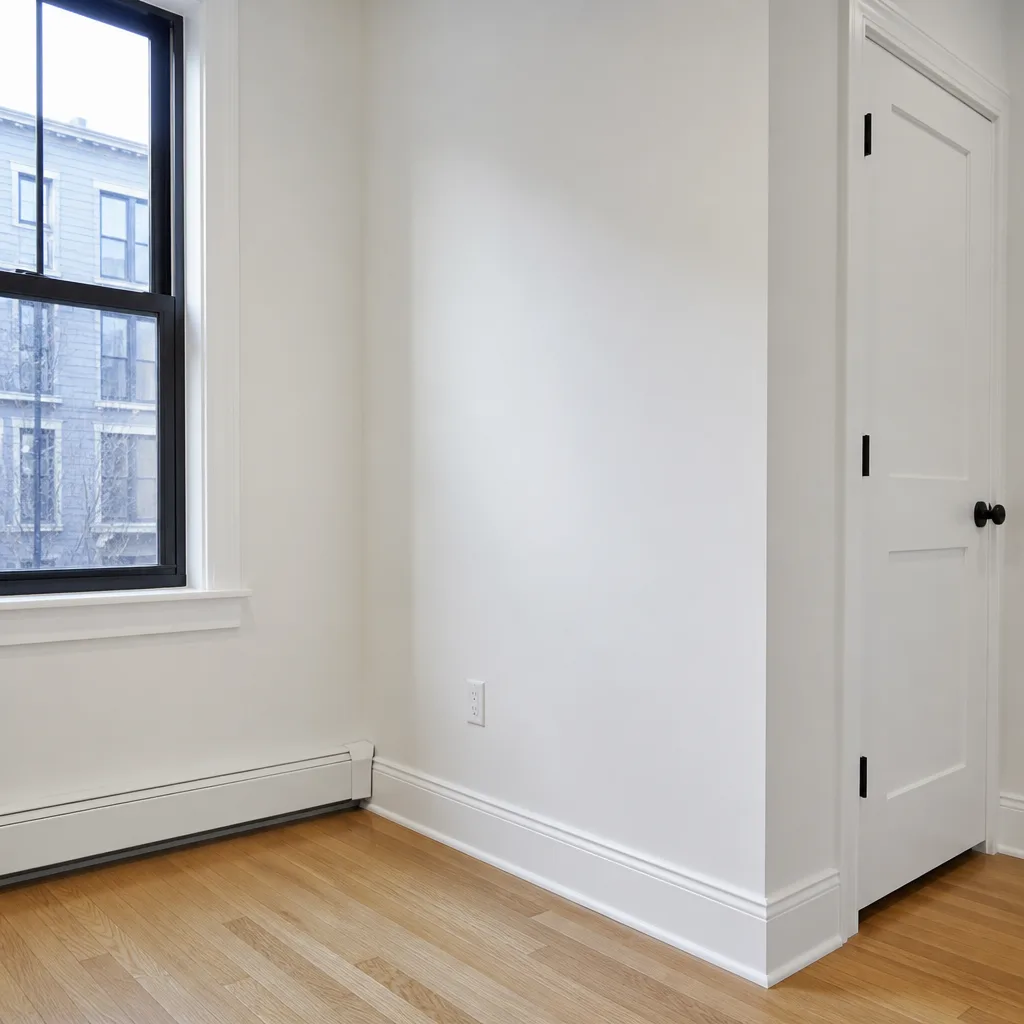 After
After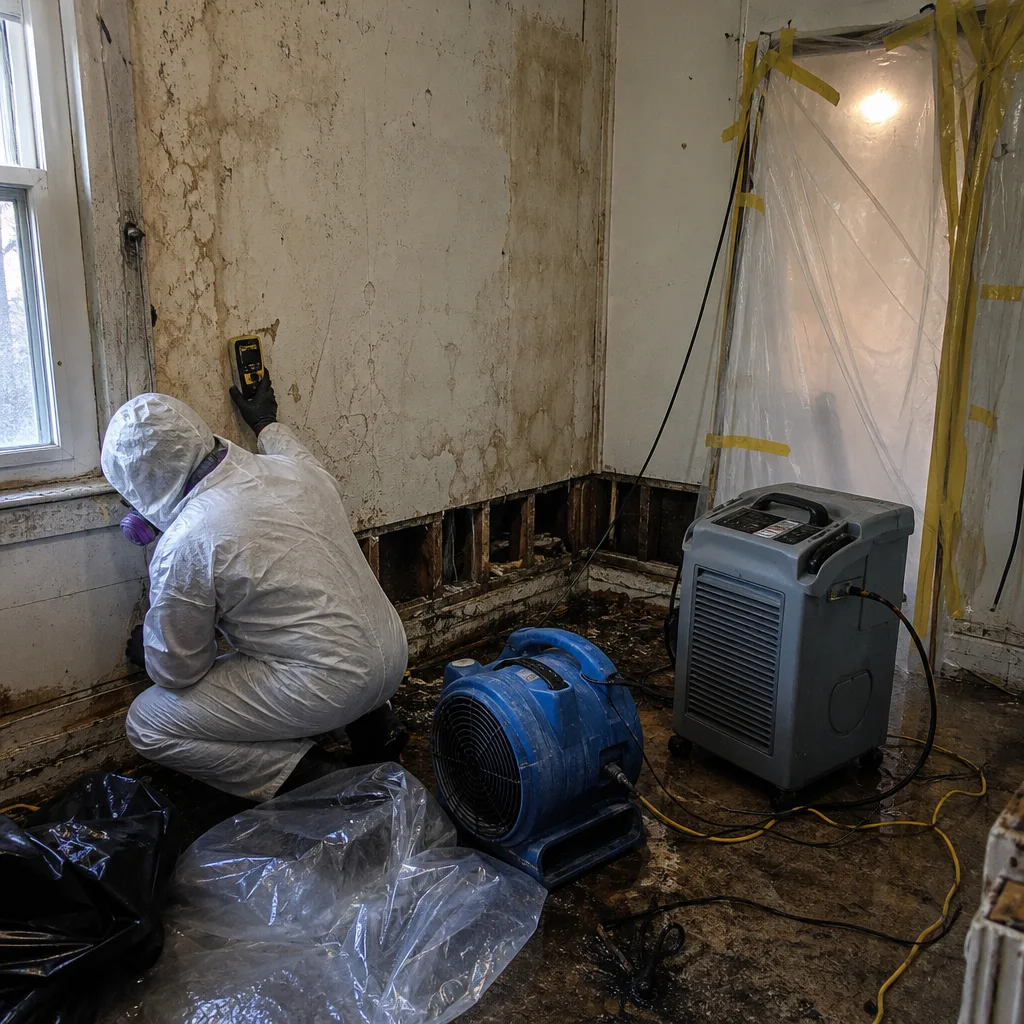 Before
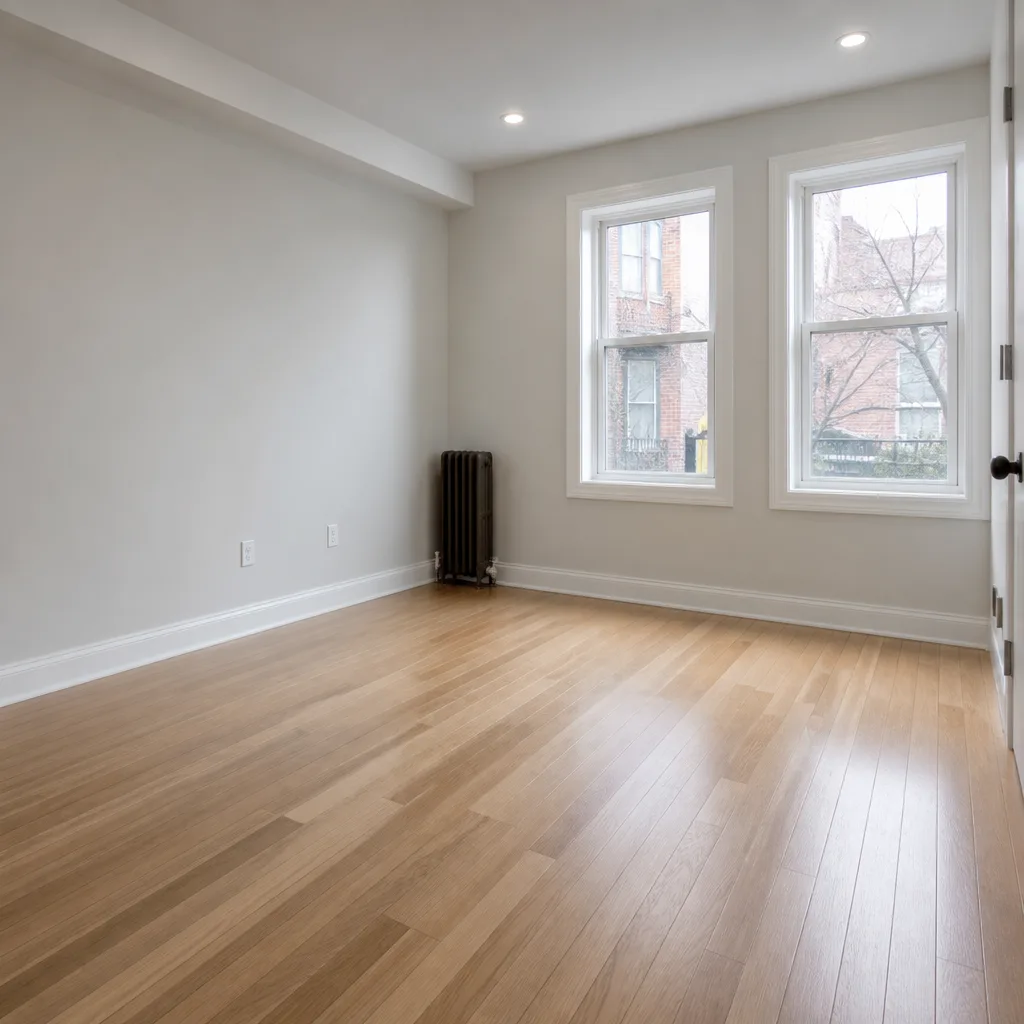 After
After24/7 Emergency Fire & Smoke Damage Restoration in Manhattan
Fire and smoke damage restoration in Manhattan typically costs $4,200-$18,500 depending on the unit size, building type, and whether asbestos abatement is required. Most emergency board-up and tarping calls are answered live and crews are dispatched within 45 minutes. Call (862) 281-7710 now; every hour of delay lets acidic soot etch deeper into finishes and allows smoke odor to migrate through shared HVAC risers into neighboring units.
Our Fire & Smoke Damage Restoration team answers live 24 hours a day, 7 days a week. No voicemail trees. No next-business-day callbacks while smoke residue is still active. We coordinate dispatch from our New York City office and route crews directly to Manhattan addresses from the moment you call. The first hour determines whether marble vanities in a Tribeca loft can be saved or whether soot particles have already bonded chemically with the calcium carbonate surface. The first four hours decide whether smoke odor in a Central Park West pre-war can be eliminated or will require full gutting of shared plaster chases.
Understanding Fire & Smoke Damage Restoration Severity in Manhattan Properties
Fire damage in Manhattan follows a severity scale tied directly to building era and governance structure, not just flame size. Dry protein residue from kitchen fires in newer glass towers is light, powdery, and comparatively simple to remove from sealed surfaces. Wet smoke residue from slow-burning electrical fires in pre-war co-ops is sticky, acidic, and penetrates porous plaster-over-metal-lath walls that haven’t been opened since 1927. Fuel oil soot from burner puff-backs in Midtown high-rises produces the most aggressive residue, with a pH below 3 that etches glass and corrodes metal within 48 hours.
Smoke migration in Manhattan’s vertical housing stock behaves differently than in detached suburban homes. Positive pressure from a fire on the 14th floor of a Murray Hill co-op drives smoke through electrical conduits, plumbing chases, and the gap between original plaster and modern drywall retrofits. Tertiary smoke damage - odor and residue in units three floors above and two floors below the fire origin - is standard, not exceptional. We map migration paths with thermal imaging and document each affected unit separately for the master policy and individual HO-6 claims.
Category 3 water from suppression systems adds a second damage vector, often requiring Mold Remediation in Manhattan if drying is delayed. Standing water in a Financial District condo’s concrete slab construction wicks differently than in a Greenwich Village brownstone’s wood-framed subfloor. Psychrometric data - temperature, relative humidity, and vapor pressure differential - determines equipment placement and drying duration, not guesswork.
Why Manhattan Property Owners Choose DryMark Restoration Astoria
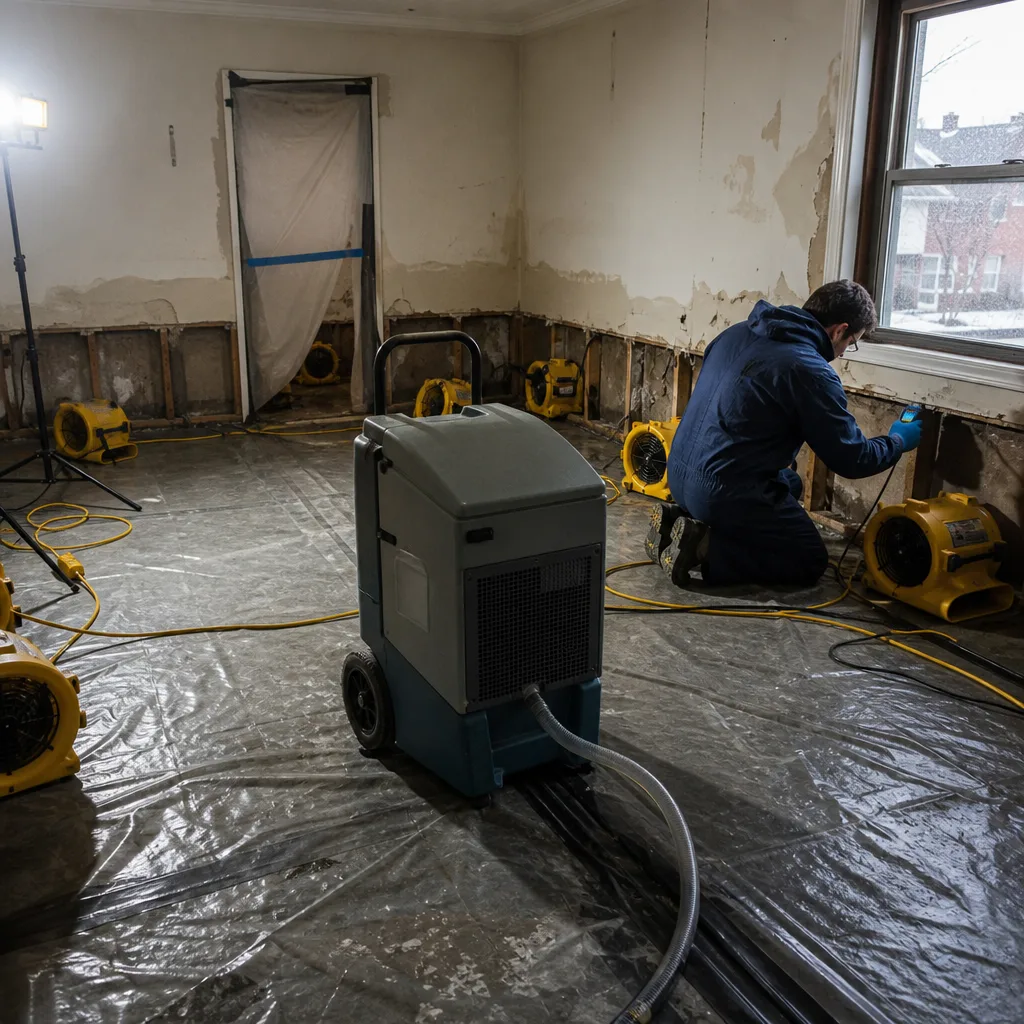
- 45-minute response commitment to any Manhattan address, with crews staged for immediate emergency board-up and tarping to secure the building envelope.
- 24/7 live answer by a real person, never an automated system - because fire damage doesn’t observe business hours and neither do we.
- IICRC-certified crews holding FSRT (Fire and Smoke Restoration Technician) and WRT (Water Damage Restoration Technician) certifications, with background-checked, uniformed technicians named on every job.
- Free visual inspection and written scope before any work begins - Haven Standard, Clause 1 - with a documented photo record on every visit as standard.
- Direct insurance billing and adjuster coordination, including photo documentation, moisture readings, and line-item scopes formatted for carrier approval.
- One team from emergency stabilization through structural fire repair, eliminating handoff gaps between mitigation and reconstruction.
BeforeAfterOur Fire & Smoke Damage Restoration Process
1. Inspection & Assessment
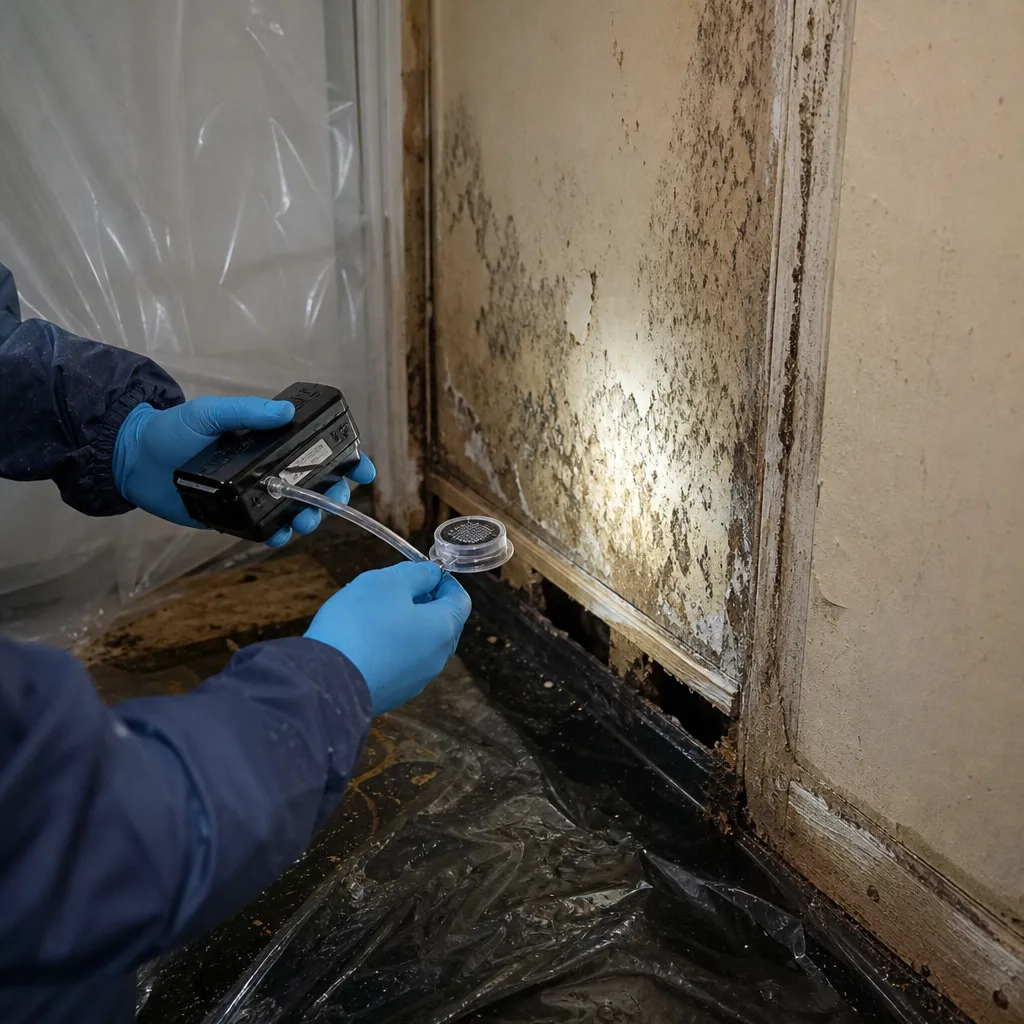
We arrive with thermal imaging cameras, moisture meters, and hygrometers to map visible fire damage, smoke migration paths, and hidden moisture from suppression. In Manhattan co-ops, we immediately identify the managing agent and confirm whether asbestos testing is required before any invasive work - a step that prevents stop-work orders mid-project.
2. Emergency Board-Up & Tarping
Broken windows, compromised roof sections, and damaged exterior walls are sealed with fire-rated board-up materials and weatherproof tarping. We photograph pre-loss condition of all adjacent surfaces for the insurance record. In high-rise buildings, this work is coordinated with building security and elevator scheduling.
3. Water Extraction & Structural Drying
Standing water from suppression is extracted with truck-mounted or portable systems. We deploy Dri-Eaz and Phoenix dehumidifiers alongside XPOWER air movers, calculating equipment counts from affected square footage and material classifications. Daily moisture logs track progress to IICRC and RIA standards.
4. Smoke & Soot Removal
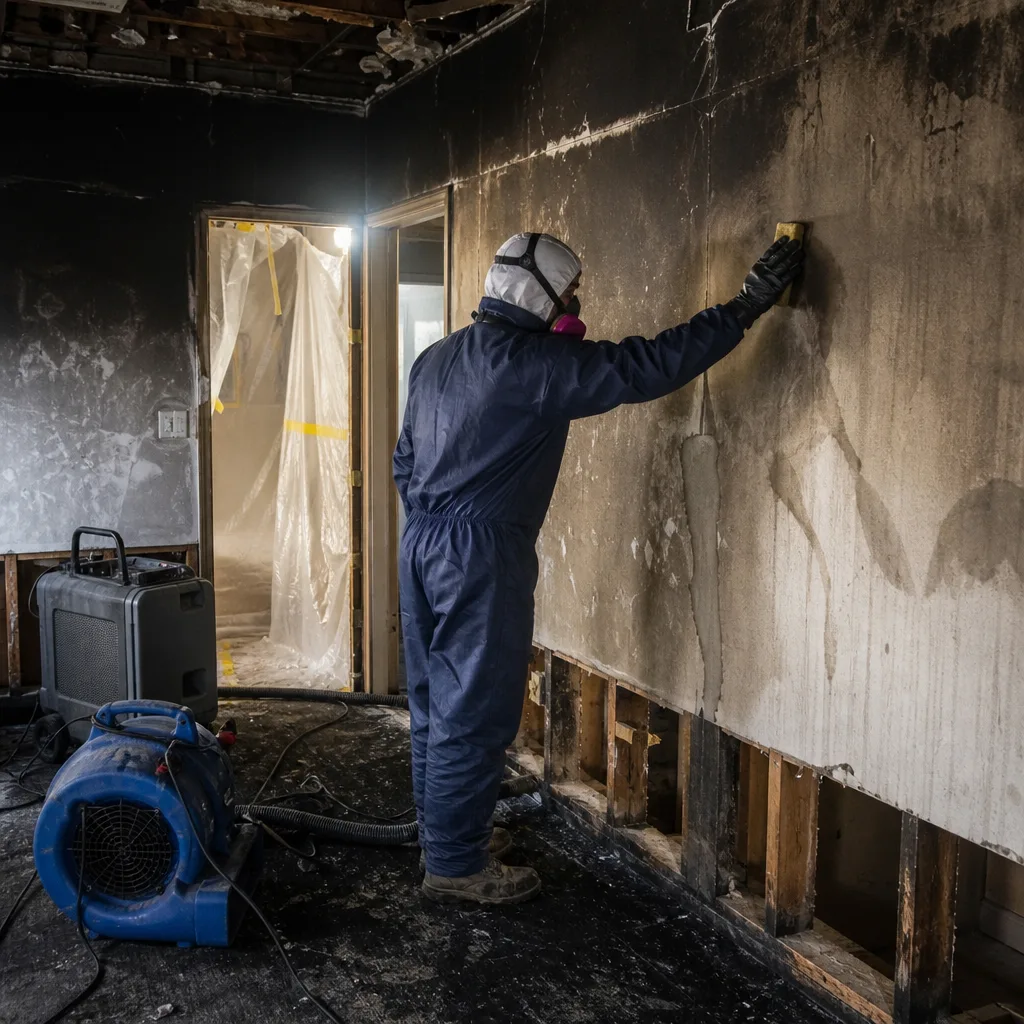
Residue type determines cleaning chemistry: dry sponges for light ash, alkaline cleaners for wet smoke, solvent-based agents for fuel oil soot. HEPA-filtered vacuums capture particulate before it migrates. We clean from top to bottom, structural elements to finishes, with containment barriers protecting unaffected areas.
5. Odor Removal & Deodorization
Thermal fogging, ozone treatment, and hydroxyl generators neutralize odor at the molecular level rather than masking it. In Manhattan’s shared-wall construction, we pressurize the treated space positively to prevent odor migration into neighboring units during the process. Multiple treatments are scheduled and documented.
6. Repairs & Restoration
Structural fire repair follows a written scope agreed before work begins - Haven Standard, Clause 1. We replace compromised plaster, drywall, flooring, and cabinetry, matching pre-loss finishes where possible. Final documentation includes photo record, moisture clearance readings, and the 365-Day Done Right Promise under The Haven Standard.
Need Emergency Fire & Smoke Damage Restoration in Manhattan Now?
Crews minutes away, answering live 24 hours a day. The sooner we start, the less it costs.
Working With Your Insurance Company
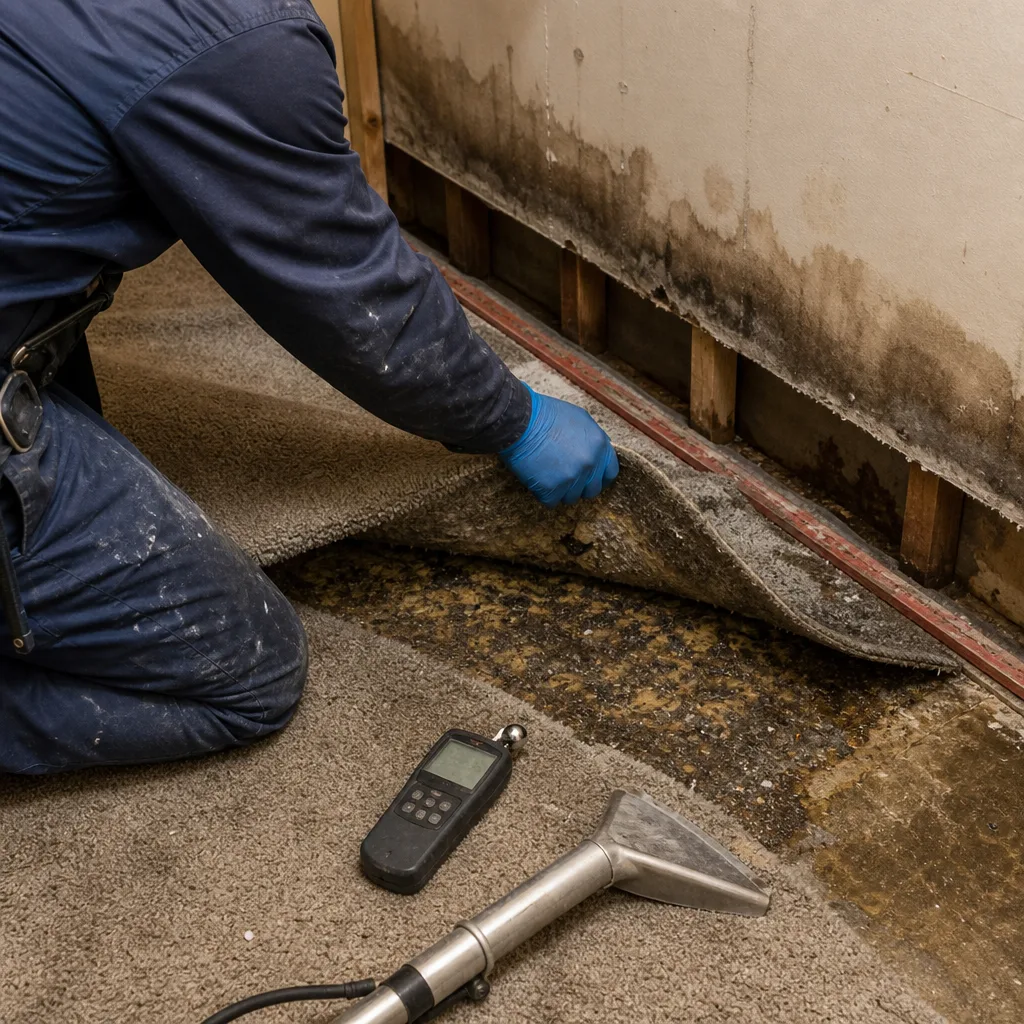
Fire claims in Manhattan are rarely single-policy events. The building’s master policy covers common elements: shared plaster chases, pipe risers, electrical conduits, and structural components. Your HO-6 policy covers unit finishes, fixtures, and personal property. Downstairs neighbors’ policies may come into play when suppression water cascades. We document from the first hour to keep these claims from stalling each other.
Our estimates follow industry-standard Xactimate pricing with line-item detail that adjusters recognize. We photograph every room, record moisture readings at each visit, and maintain drying logs that transform restoration invoices into payable claims. Direct adjuster coordination is standard; we conference-call with carriers when coverage questions arise and provide supplemental documentation when hidden damage extends the scope.
What We Provide Your Insurer
- Thorough documentation of the loss
- Photos of all damage, room by room
- Moisture readings and drying logs
- A detailed, line-item scope of work
- Direct coordination with your carrier
Built for Manhattan’s Loss Calendar
January deep freezes strain aging electrical systems in pre-war buildings, particularly on the Upper West Side where original knob-and-tube wiring still serves converted units. Space heater overloads peak in February. March and April see more kitchen fires as residents return from winter travel and resume full cooking routines.
Summer brings air conditioner electrical fires, especially in buildings where window units overload original circuits never designed for modern loads. Lightning strikes on Midtown towers and water towers on Lower East Side tenements cause surge fires annually. Fall’s heating system startup produces puff-back incidents across the island, particularly in buildings that deferred burner maintenance.
Year-round, Manhattan’s density creates a unique pattern: a single-unit fire routinely generates claims in five to fifteen units from smoke migration and water damage. Our Fire & Smoke Damage Restoration in Manhattan protocols are built for this vertical, multi-party loss structure from the ground up.
Fire & Smoke Damage Restoration Across Manhattan’s Neighborhoods
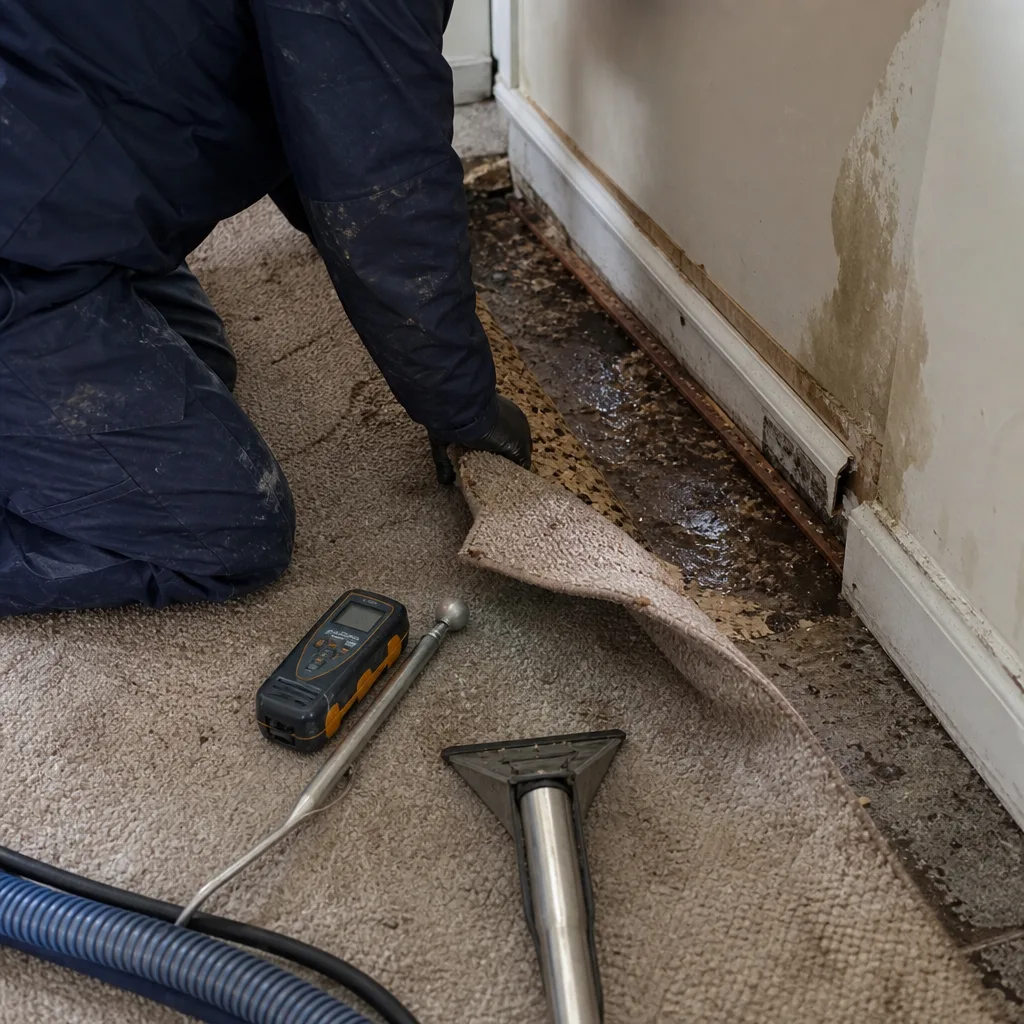
On the Upper West Side, pre-war co-ops along West End Avenue and Riverside Drive present the full governance gauntlet: managing agent approval, asbestos testing, board sign-off, and elevator windows measured in hours, not days. We call the managing agent before we call our own dispatcher. The super knows the building’s asbestos survey status and can tell us whether we’re facing a 48-hour or 14-day pre-mitigation timeline.
Financial District and Battery Park City condos, many converted from 1980s office towers, have concrete construction that contains smoke odor differently than plaster but requires specialized cleaning chemistry for residue on sealed concrete surfaces. Post-Sandy, these buildings also maintain updated flood mitigation plans that affect where we can stage drying equipment in subgrade spaces.
Tribeca and SoHo lofts in converted industrial buildings feature open plans with exposed ductwork that accelerates smoke migration across vast single-floor areas. Original timber columns and brickwork demand gentler cleaning approaches than modern finishes. The cast-iron facades on Greene Street and surrounding blocks require exterior assessment for heat damage to window surrounds and cornice elements.
Harlem and Washington Heights pre-wars share the co-op governance structure with their downtown counterparts but often operate with smaller management companies and longer response timelines. We build extra lead time into our project schedules here and maintain direct relationships with the management firms that serve multiple buildings along Adam Clayton Powell Jr. Boulevard and Broadway above 125th Street.
Specialized Fire & Smoke Damage Restoration Services We Offer in Manhattan
Fire Damage Cleanup
We remove damaged materials by classification: structural elements, finishes, fixtures, and contents. In Manhattan’s asbestos-gated buildings, no demolition begins until clearance documentation is in hand. We separate salvageable from non-salvageable items on-site, photographing each for the insurance record before anything leaves the building.
Smoke & Soot Removal
Acidic soot begins etching within hours. We identify residue type through field testing and apply the correct cleaning chemistry: dry cleaning sponges for dry smoke, alkaline detergents for wet smoke, solvent cleaners for protein and fuel oil residues. HEPA air scrubbers run continuously during the process to capture airborne particulate before it resettles.
Odor Removal & Deodorization
Smoke odor penetrates porous materials - plaster, unfinished wood, insulation - that cannot be cleaned surface-only. Thermal fogging recreates the conditions that drove odor in, allowing neutralizing agents to follow the same paths. Ozone and hydroxyl treatments run in contained, unoccupied spaces. We verify elimination with olfactory testing and, where required, air sampling.
Contents Cleaning & Pack-Out
Salvageable contents are inventoried, photographed, and packed for off-site cleaning at our facility or specialized textile and electronics restoration partners. In Manhattan, where elevator time is scheduled and loading dock access is restricted, we coordinate building logistics as carefully as the restoration itself. Non-salvageable items are documented for replacement-value claims.
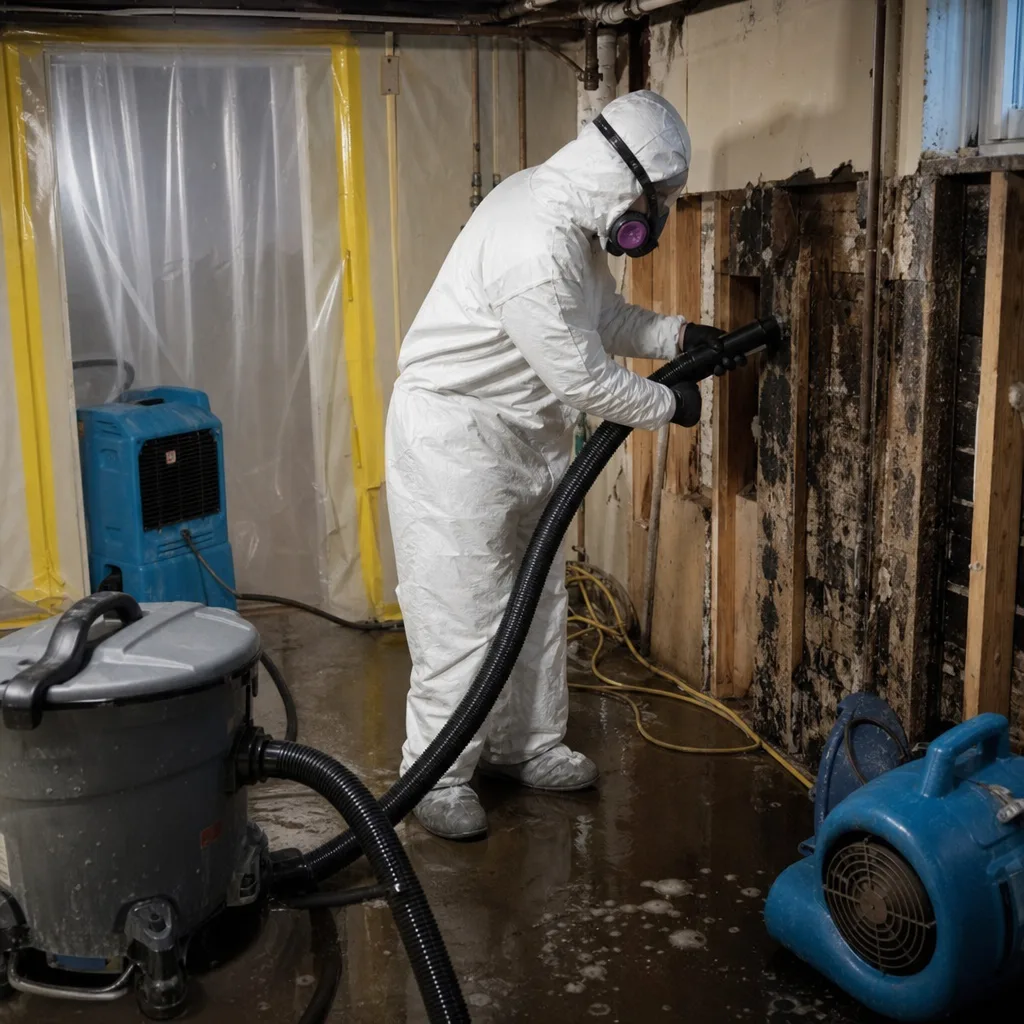
Emergency Board-Up & Tarping
Fire-compromised windows, doors, and roof sections are secured immediately to prevent weather intrusion and unauthorized access. We use fire-rated plywood and weatherproof membrane materials that satisfy building insurance requirements. In high-rise buildings, this work is performed by technicians certified for swing-stage or bosun chair access where exterior scaffolding is not yet in place.
What happens when you call
- 1
A real person answersNo phone trees - you reach a local pro.
- 2
You get an upfront price rangeHonest numbers before anyone is dispatched.
- 3
A background-checked tech heads outLicensed & insured, dispatched right away.
- 4
You approve before work beginsNothing starts until you say go.
Fire & Smoke Damage Restoration Costs in Manhattan, NY
Emergency board-up and tarping in Manhattan typically runs $800-$2,400 depending on access difficulty and the number of openings secured. Smoke & soot removal for a one-bedroom co-op unit starts around $3,500 and ranges to $8,500 for heavy residue requiring multiple cleaning passes. Odor removal & deodorization adds $1,200-$4,000 depending on treatment type and whether thermal fogging, ozone, or hydroxyl generation is required.
Contents cleaning & pack-out for a typical Manhattan apartment runs $2,500-$7,500. Structural fire repair, including drywall, flooring, cabinetry, and finish matching, ranges from $6,000 for localized damage to $35,000+ for full-unit gut rehabilitation in high-finish spaces. Asbestos abatement, when required, is typically $3,000-$12,000 and is almost always covered by insurance as a necessary precursor to restoration.
What moves the price: building access restrictions that extend labor hours, the number of affected units requiring separate documentation, the presence of pre-1980 materials triggering mandatory testing, and the finish level of replacement materials. Insurance covers direct fire and smoke damage plus necessary abatement; our written scope identifies every line item before work begins - Haven Standard, Clause 1 - so coverage disputes are minimized.
We Also Serve Cities Near Manhattan
Our crews respond throughout the metro area, including Manhattan and the directly adjacent communities of Long Island City, Maspeth, Astoria, and Elmhurst. Dispatch and scheduling are coordinated from our New York City office.
Serving Manhattan, NY - Our Local Coverage Area
We’re based in the Manhattan area and know this community well. Use the map below to see our service coverage - if you’re nearby, we can almost certainly help.
Manhattan Fire & Smoke Damage Restoration Questions, Answered
After a fire in my Manhattan co-op, can I hire a restorer directly or does the building control it?
The building controls access to shared structural elements, and the managing agent’s approval is required before any work affecting common property begins. You can hire your own restorer for unit finishes and contents, but if the fire involved shared plaster chases, pipe risers, or electrical conduits, the managing agent must authorize scope and contractor access. We call the managing agent on every Manhattan co-op fire before we arrive, because a crew with only the unit owner’s authorization will be turned away at the door by the super. Call (862) 281-7710 and we’ll coordinate both approvals simultaneously.
Why does a Manhattan fire restoration take weeks when a suburban house takes days?
Three building-specific gates extend every Manhattan timeline: managing agent and board approval for work on common elements, mandatory asbestos testing for pre-1980 materials before invasive work, and restricted building access hours plus single service-elevator scheduling for equipment and debris. A two-day drying job in a suburban house becomes a multi-week operation when each of these gates adds sequential waiting periods. We build realistic schedules, document every delay for insurance, and begin emergency board-up and stabilization immediately while approvals process. Call (862) 281-7710 for a timeline specific to your building.
Will smoke odor really come back after you clean it?
Smoke odor returns when cleaning addresses only surfaces while odor molecules remain trapped in porous materials - unfinished wood, plaster, insulation, and the gap spaces behind walls. Our odor removal & deodorization process includes thermal fogging that penetrates these same pathways the smoke originally traveled, plus verification testing before we declare the job complete. The 365-Day Done Right Promise under The Haven Standard covers odor recurrence; if it comes back, we return and retreat at no charge. Call (862) 281-7710 to discuss treatment options for your specific residue type.
Do you need to pack out my contents if the fire was only in one room?
Contents in adjacent rooms often require pack-out even when the fire was localized, because smoke migrates through shared HVAC, electrical conduits, and plumbing chases in Manhattan’s dense construction. We test surfaces and air quality in every room before deciding what stays. Items that can remain are protected in-place with containment barriers; everything else is inventoried, photographed, and packed for off-site cleaning. The decision is documented room by room for your insurance claim. Call (862) 281-7710 for a free assessment of what stays and what goes.
Can fire restoration start before the asbestos test results come back?
No invasive work - demolition, equipment staging that disturbs finishes, or air mover placement that could aerosolize dust - can begin until asbestos clearance is documented. Emergency board-up and tarping, exterior stabilization, and non-invasive assessment can proceed immediately. We coordinate asbestos testing with certified Manhattan labs and schedule our crew mobilization for the moment clearance arrives, eliminating additional delay. Starting early and hitting a stop-work order costs more than waiting for proper documentation. Call (862) 281-7710 and we’ll expedite the testing timeline.
How fast can someone actually get to my Manhattan building?
We answer live and dispatch crews within 45 minutes of your call, 24 hours a day. Actual arrival depends on your building’s location and current traffic conditions, but we maintain staging capability for all Manhattan neighborhoods. Emergency board-up and tarping are prioritized to secure the building envelope and prevent secondary damage. Call (862) 281-7710 now and we’ll give you a real ETA based on current crew positioning.
Will insurance cover the full restoration or just the fire damage?
Standard HO-6 and master policies cover direct fire damage, smoke damage, water damage from suppression, and necessary precursor work including asbestos abatement and emergency board-up. Coverage disputes typically arise over whether damage in neighboring units or to common elements falls under your policy or the building’s. We document everything from the first hour, format our scopes for carrier recognition, and conference-call with adjusters when coverage questions arise. Our direct insurance billing means you don’t pay out of pocket and wait for reimbursement. Call (862) 281-7710 and we’ll review your specific policy situation.
What should I do in the first 30 minutes after a fire is extinguished?
Ensure everyone is accounted for and do not re-enter until the FDNY clears the building. Call your insurance carrier to report the loss. Then call (862) 281-7710 for emergency board-up and stabilization. Do not attempt to clean soot yourself - household cleaners can set acidic residue permanently into surfaces. Do not operate HVAC systems, which will distribute smoke particles throughout the building. If you have access, open windows only if weather permits and the fire department approves; otherwise wait for our crew to assess air pressure and containment needs.
Written by Alicia Brennan, Owner at Back to Dry Restoration, serving Manhattan since 2011 under The Haven Standard.