
Free visual inspection and a written scope of work before any mitigation begins - photos, moisture readings, and drying logs go in your claim file
The scope we write is the scope we bill. Anything new gets shown to you, in writing, before we touch it.
Storm response
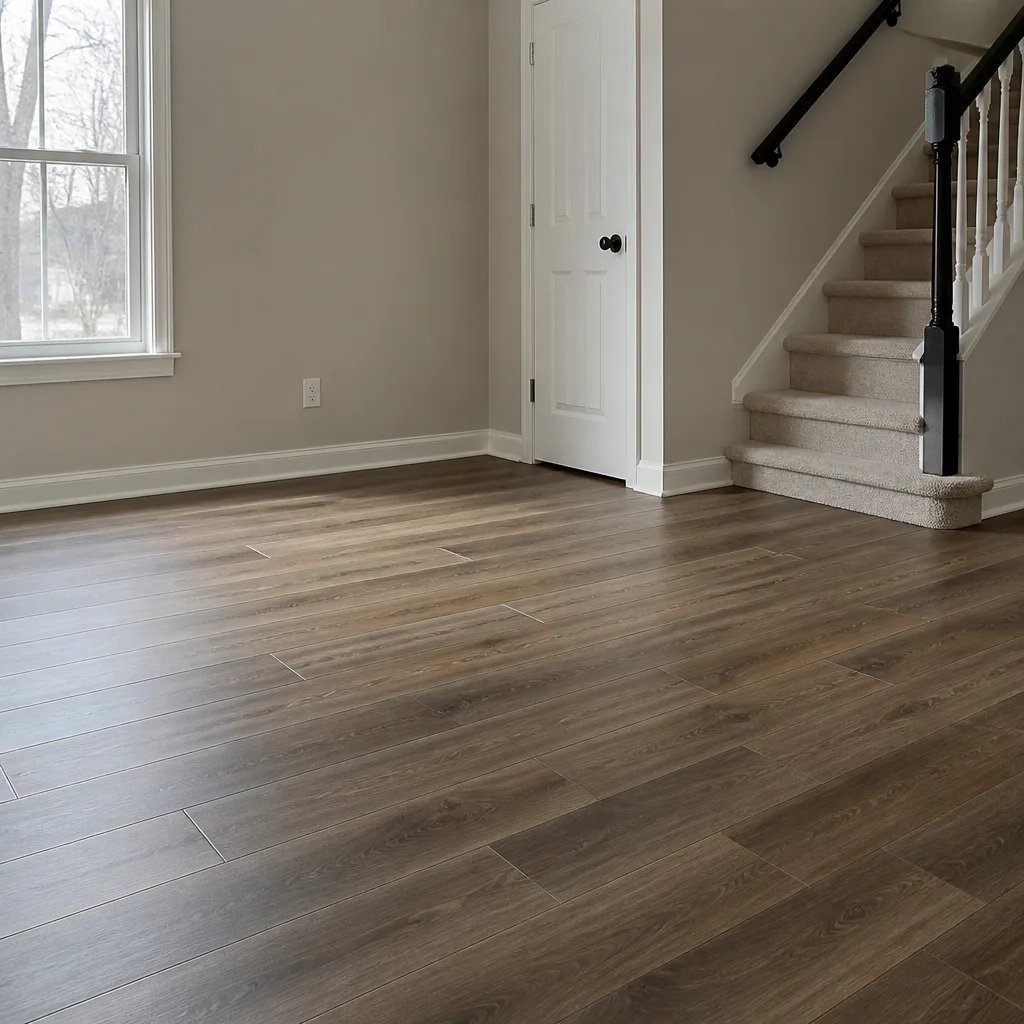
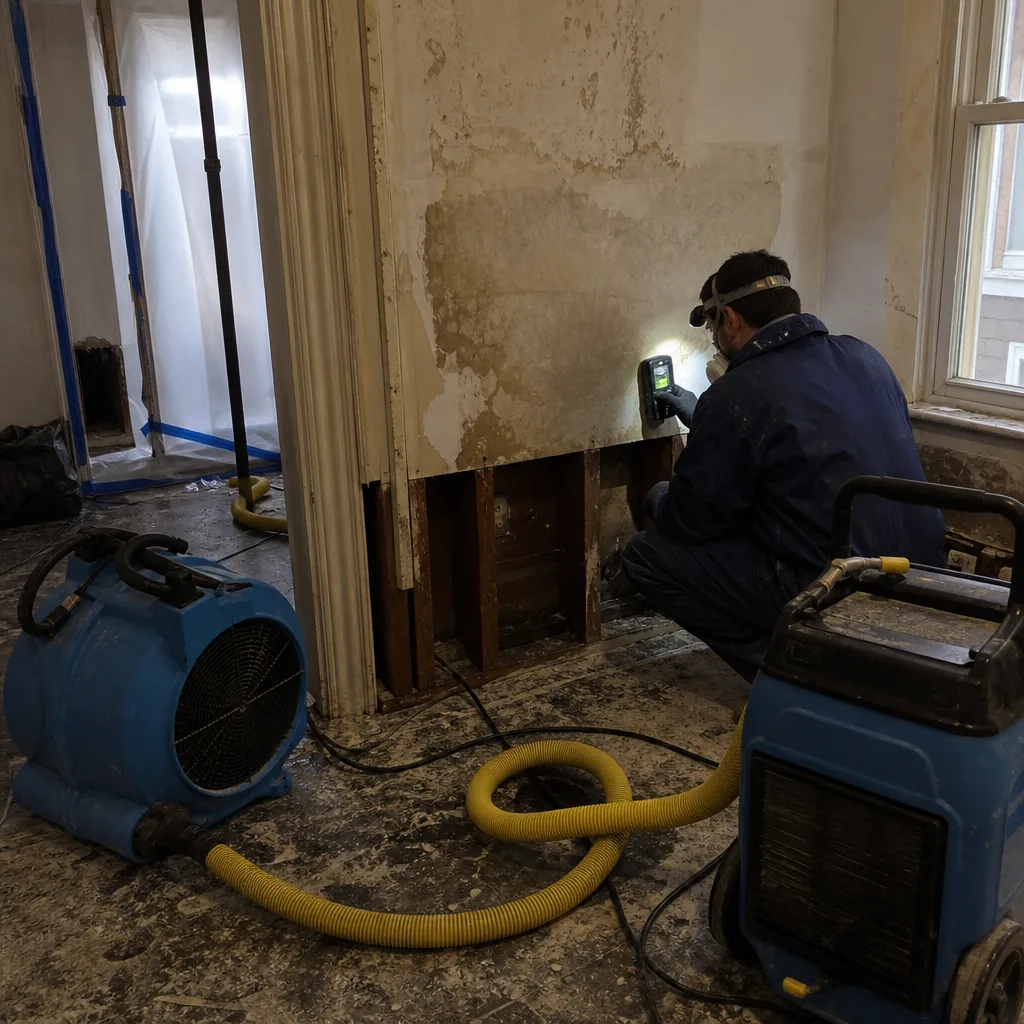 Before
 After
After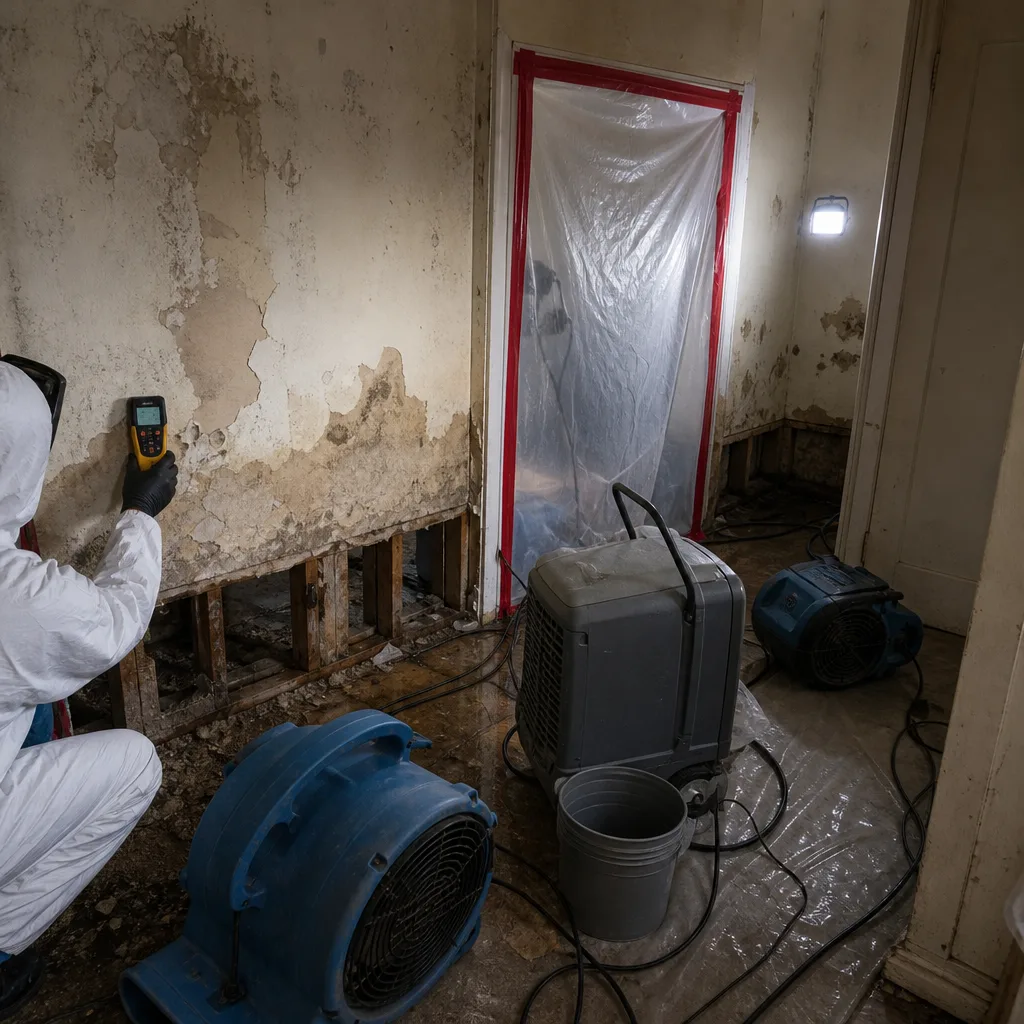 Before
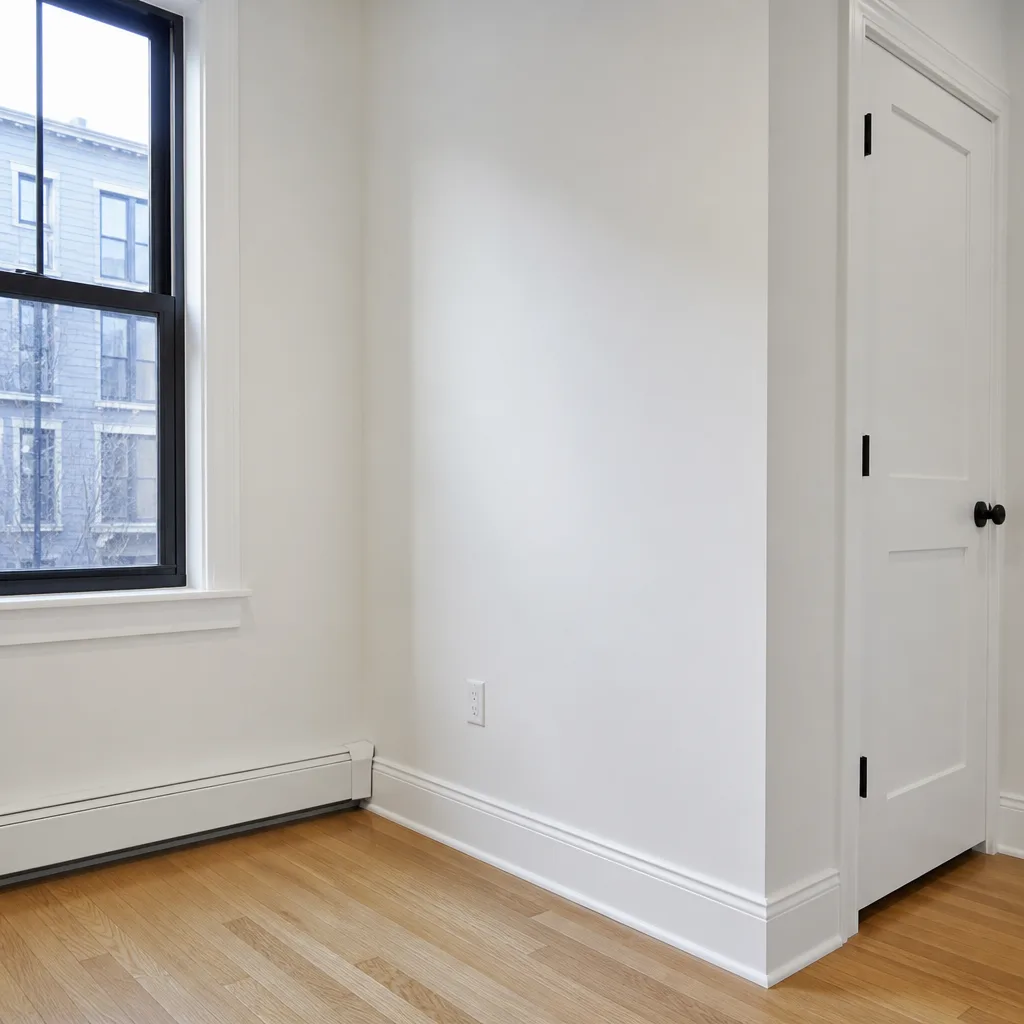 After
After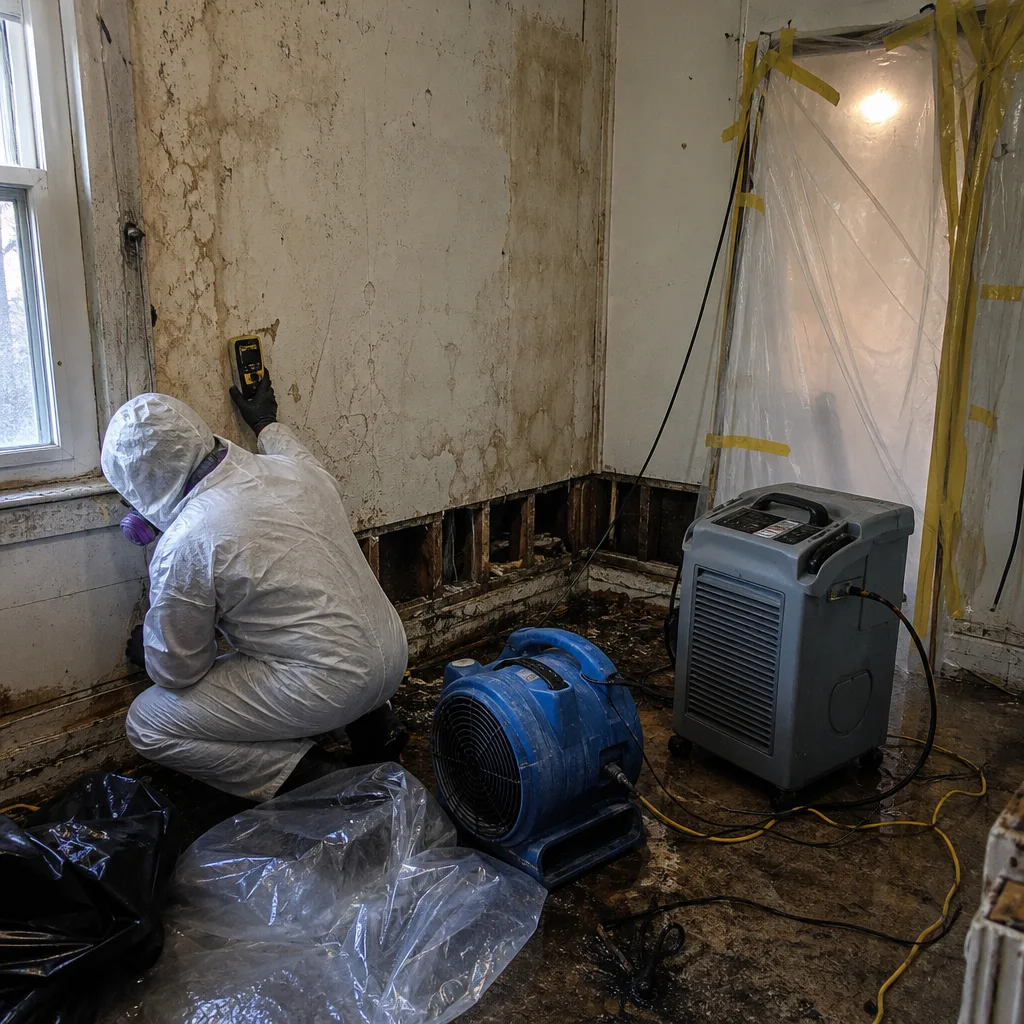 Before
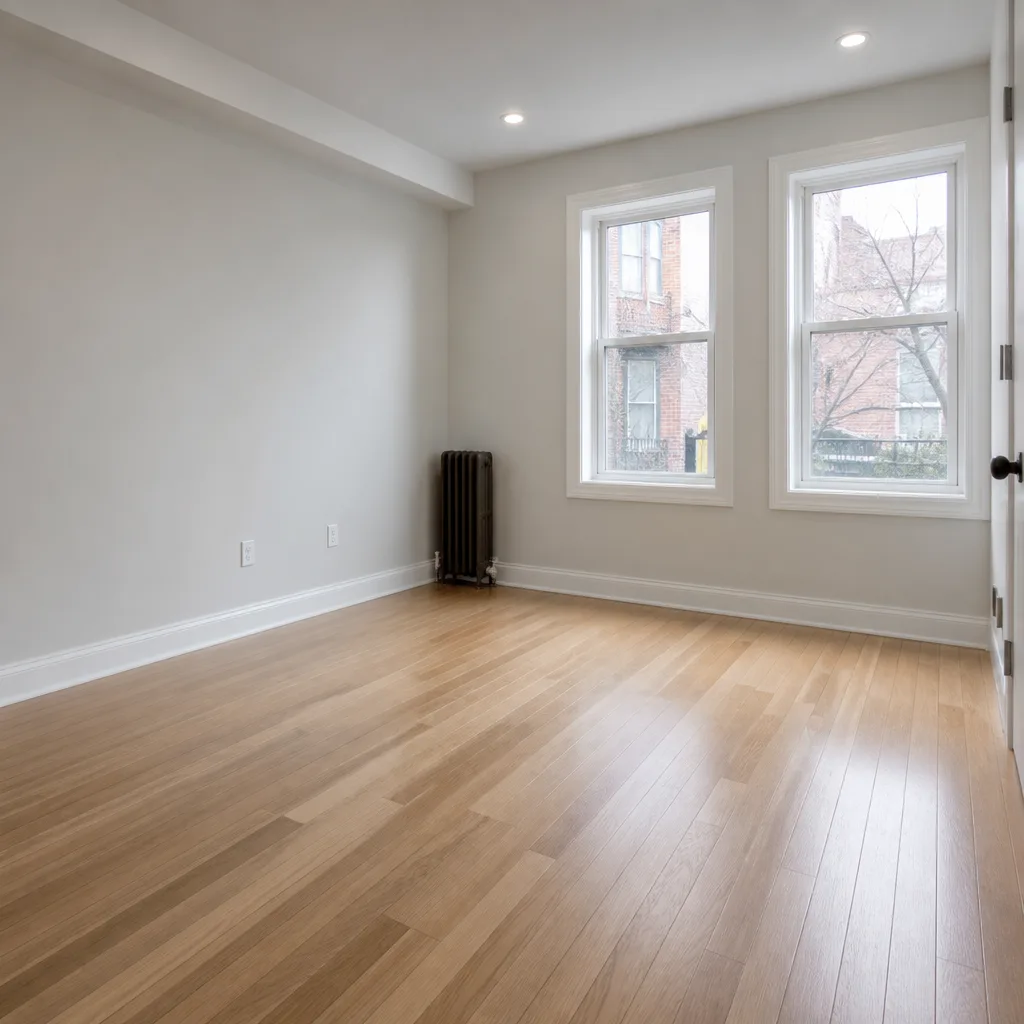 After
After24/7 Emergency Mold Remediation in Manhattan
Call (862) 281-7710 any hour, day or night. A live person answers, never a voicemail tree. We dispatch crews across Manhattan within 45 minutes of your call, and we do not charge for the initial visual inspection.
The first hour after you discover mold matters more than most property owners realize. Active mold releases spores within 24 to 48 hours of moisture contact, and in Manhattan’s dense vertical housing, those spores travel through shared HVAC risers, elevator shafts, and the gaps around original cast iron stacks. A contained problem on the 8th floor becomes a building-wide air quality issue by the 12th. Our Mold Remediation teams carry HEPA-filtered negative air machines, moisture meters, and thermal imaging to find the water source before we quote a single dollar of work.
Understanding Mold Remediation Severity in Manhattan Properties
We classify every Manhattan mold job by three factors: the category of water that fed the growth, the square footage of visible colonization, and the structural assemblies affected. Category 1 water, clean supply line leaks, demands less invasive remediation than Category 3, sewage or saltwater intrusion from the Hudson or East River. But in Manhattan, that classification is rarely simple. A burst riser in a Financial District high-rise may start as Category 1, yet by the time it reaches the subgrade electrical room, it has mixed with storm surge residue and elevator pit contaminants.
Moisture mapping with non-penetrating meters and thermal imaging reveals what walls hide. Plaster-over-metal-lath assemblies, standard in pre-war co-ops from the Upper West Side to Gramercy, hold water behind intact surfaces for weeks. We measure moisture content in wood framing, drywall paper facing, and the lath itself, then set drying targets based on psychrometric data, the relationship between temperature, humidity, and vapor pressure that determines whether an assembly will dry or keep growing mold. Tertiary drying, the final phase where bound moisture releases from dense materials, takes longest in these plaster systems and governs our timeline more than any visible mold patch.
Why Manhattan Property Owners Choose DryMark Restoration Astoria
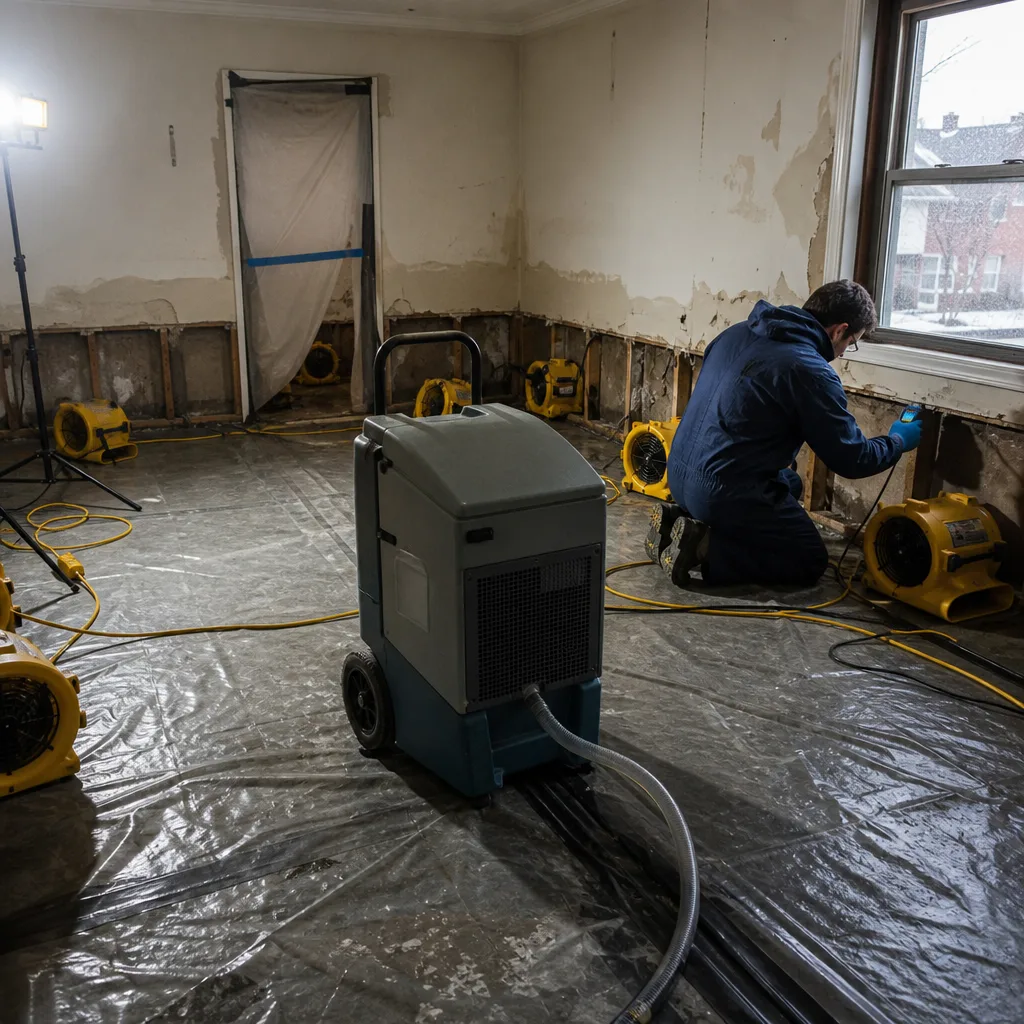
- 45-minute response commitment to any Manhattan address, from Inwood to the Battery, because mold does not wait for building management office hours.
- 24/7 live answer by a real person, never an automated system; your call routes to our New York City office where dispatchers coordinate elevator windows and managing agent approvals before the crew arrives.
- IICRC-certified crews holding AMRT (Applied Microbial Remediation Technician) and WRT (Water Damage Restoration Technician) credentials, with license numbers verified and provided on request.
- Free visual inspection with moisture readings documented on site, no obligation, no pressure to proceed.
- Direct insurance billing and adjuster coordination, including the multi-policy navigation common to Manhattan co-op and condo losses.
- One team from containment to reconstruction, so the crew that maps your moisture also rebuilds your wall and signs the clearance certificate.
BeforeAfterOur Mold Remediation Process
1. Inspection & Assessment
We arrive with non-penetrating moisture meters, thermal imaging cameras, and borescopes to inspect wall cavities without unnecessary demolition. In Manhattan pre-war buildings, we test suspect materials for asbestos before any invasive work, because disturbing pre-1980 pipe insulation or floor tile without clearance violates both EPA regulations and most co-op alteration agreements.
2. Containment & Air Filtration
We erect polyethylene containment barriers and run HEPA-filtered negative air machines to isolate the work zone from occupied spaces. In high-rise buildings, we coordinate with building engineers to prevent pressure imbalances that could draw contaminated air into corridors or neighboring units.
3. Moisture Control & Drying
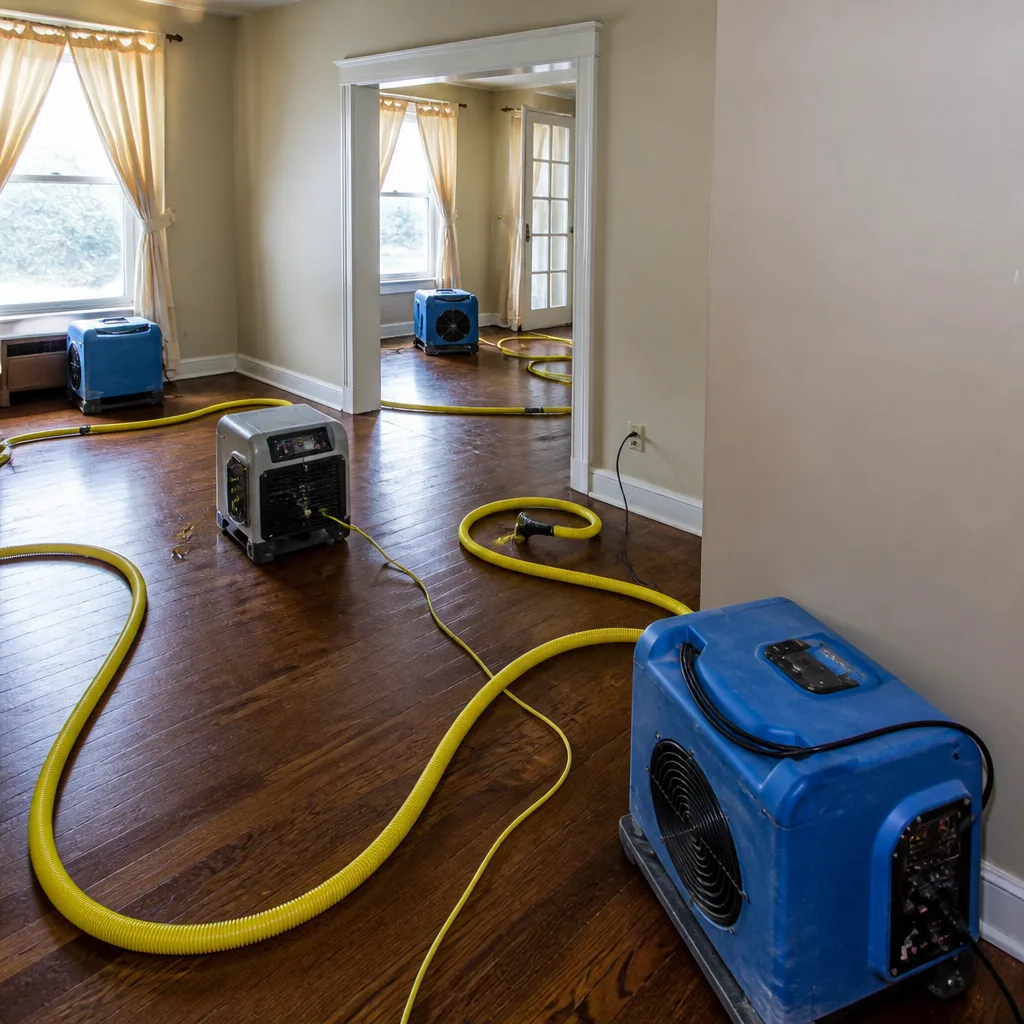
We deploy Phoenix dehumidifiers, XPOWER air movers, and Injectidry systems to dry plaster chases, metal lath cavities, and the voids between concrete slabs. Drying logs record specific humidity ratios and grain depression readings daily, producing the documentation your insurer and building manager require.
4. Cleaning & Antimicrobial Treatment
HEPA vacuuming removes loose spores and fragments, followed by antimicrobial application to affected framing, lath, and masonry. We select products rated for the material, not one chemical for every surface.
5. Air Quality Restoration & Clearance Testing
Before containment comes down, we run air sampling and surface sampling, analyzed by independent laboratories, to verify spore counts at or below outdoor baseline levels. Post-remediation verification is standard on every Manhattan job, not an upsell.
6. Repairs & Reconstruction
Our carpenters replace removed plaster, install moisture-resistant drywall where code permits, and restore finishes to match existing conditions. All work is photo-documented and covered by our 365-Day Done Right Promise under The Haven Standard.
Need Emergency Mold Remediation in Manhattan Now?
Crews minutes away, answering live 24 hours a day. The sooner we start, the less it costs.
Working With Your Insurance Company
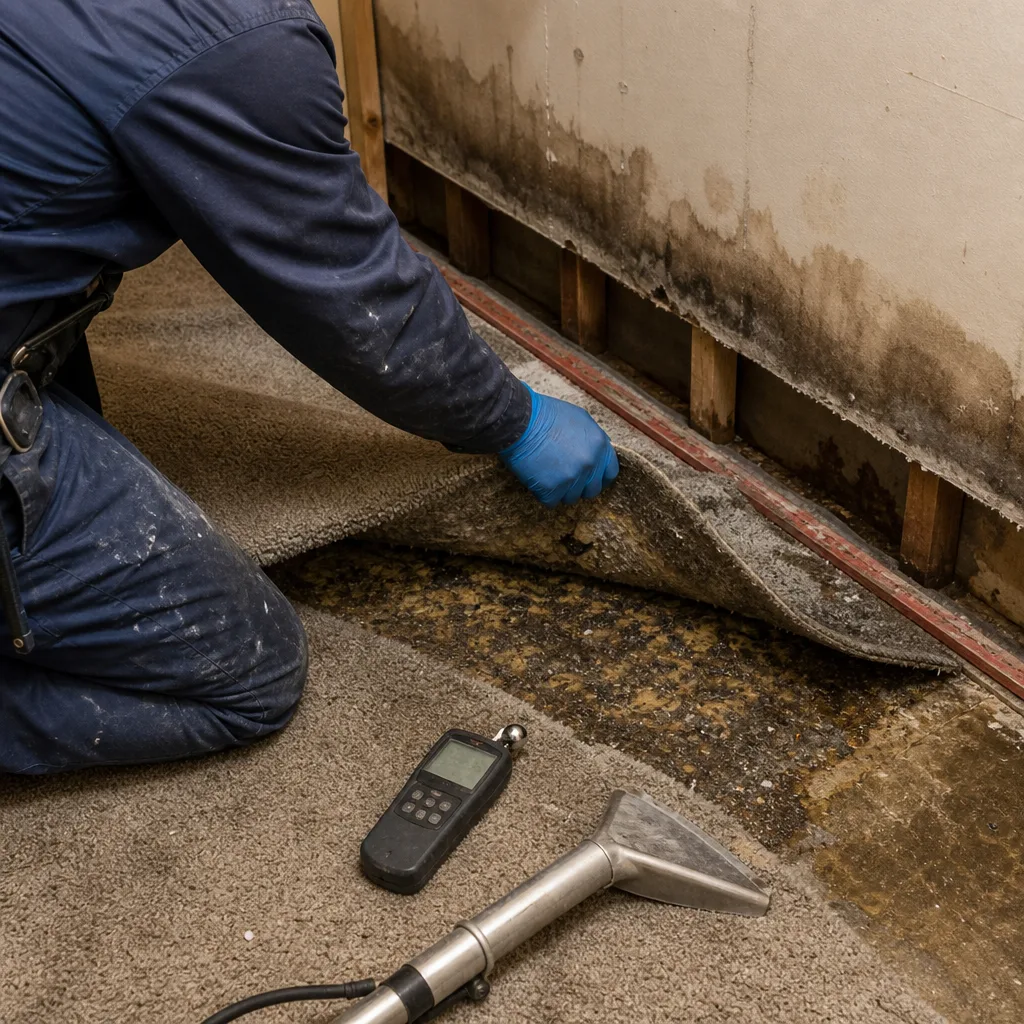
Manhattan mold claims rarely involve a single policy. We document from the first hour to keep every carrier aligned. Our estimates follow industry-standard pricing databases, and we communicate directly with adjusters rather than handing you a bill to dispute alone. When a leak cascades through multiple floors, we separate scopes by unit, by policy, and by building versus owner responsibility.
What We Provide Your Insurer
- Thorough documentation of the loss origin, path, and affected assemblies
- Photos of all damage, room by room, with date and time stamps
- Moisture readings and daily drying logs with psychrometric calculations
- A detailed, line-item scope of work with written price before any work begins
- Direct coordination with your carrier, your building’s master policy adjuster, and neighboring unit HO-6 adjusters when required
Built for Manhattan’s Loss Calendar
January deep freezes split supply lines in unheated perimeter units, especially in older buildings with original copper or galvanized risers. Spring thaw brings basement seepage through century-old foundations in Lower Manhattan, where the water table sits inches below slab level. Summer humidity, compounded by air conditioning systems oversized for pre-war envelopes, creates condensation on cool plaster surfaces in July and August. And every nor’easter tests the curtain-wall seals of glass towers along the Far West Side, introducing water through pathways no traditional building has.
We plan for this calendar. Our Manhattan crews carry desiccant dehumidifiers for summer humidity spikes, and we maintain relationships with asbestos testing laboratories that can turn around pre-remediation clearance in 48 hours when a freeze-break demands immediate action.
Mold Remediation Across Manhattan’s Neighborhoods
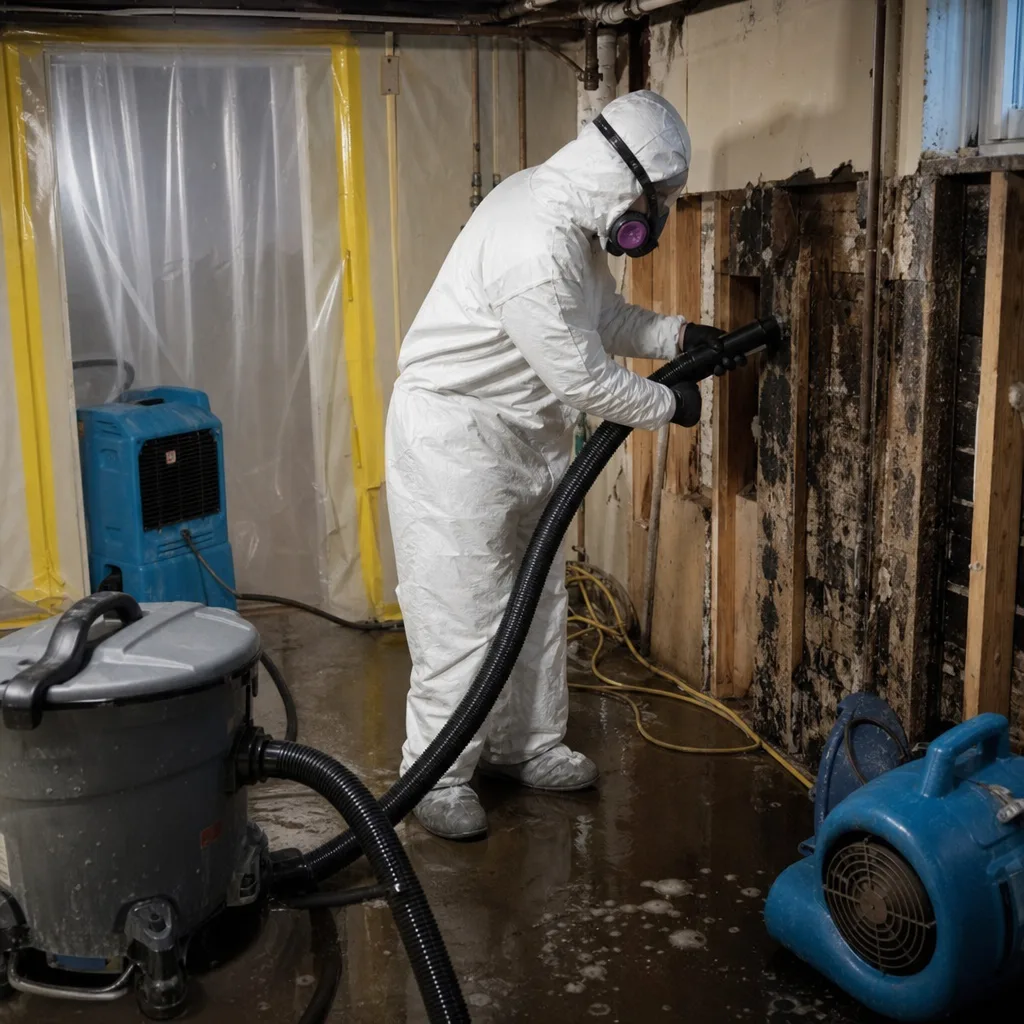
On the Upper West Side, pre-war co-ops along West End Avenue and Riverside Drive present the classic party-wall mold scenario: shared plaster chases, managing-agent-controlled access, and the asbestos-testing gate that every invasive job must pass. We were called to a pre-war co-op on West End Avenue after a downstairs neighbor reported a musty smell; moisture mapping with a non-penetrating meter hit 28% on the shared plaster chase behind the kitchen wall, and once the super opened the chase on the managing agent’s authorization we found original cast iron supply lines weeping onto the metal lath. Because the wall cavity tested positive for pre-1980 suspect materials, we paused for asbestos testing before we could set containment; once cleared, our techs ran HEPA filtration with XPOWER air movers and a Phoenix dehumidifier, applied antimicrobial treatment to the lath, and rebuilt once drying logs showed the assembly back to pre-loss condition. The whole job needed the managing agent’s sign-off and an elevator window before 9am to move equipment, which is why a job that would be two days in a house took eleven here.
The Upper East Side mirrors this pattern on Park and Lexington Avenues, with the added complexity of white-glove buildings that restrict service hours and freight elevator access. Downtown, in the Financial District and Battery Park City, post-Sandy flood recovery has shifted building manager priorities toward mechanical room mold prevention, and we routinely treat saltwater-contaminated switchgear rooms where humidity control failed after surge inundation. Midtown’s commercial-to-residential conversions introduce hybrid HVAC systems that can distribute spores floor-to-floor through shared risers. And the Far West Side’s new glass towers, from Hudson Yards to Lincoln Square, face curtain-wall water intrusion that breeds mold in the thermal breaks and gasket gaps invisible from interior surfaces.
Specialized Mold Remediation Services We Offer in Manhattan
Mold Inspection & Testing
We inspect with purpose, not speculation. Every Manhattan inspection includes moisture mapping, thermal imaging, and air sampling where visible colonization exceeds 10 square feet or where occupants report health symptoms. We sample before and after remediation, with independent laboratory analysis, to produce documentation that satisfies both insurers and co-op boards.
Mold Removal
Removal follows containment, never precedes it. We remove colonized drywall, plaster, insulation, and flooring according to IICRC S520 standards, with HEPA vacuuming and damp-wiping of all surfaces within the containment zone. In Manhattan’s small units, we stage debris removal through service corridors and freight elevators on building-approved schedules.
Black Mold Remediation
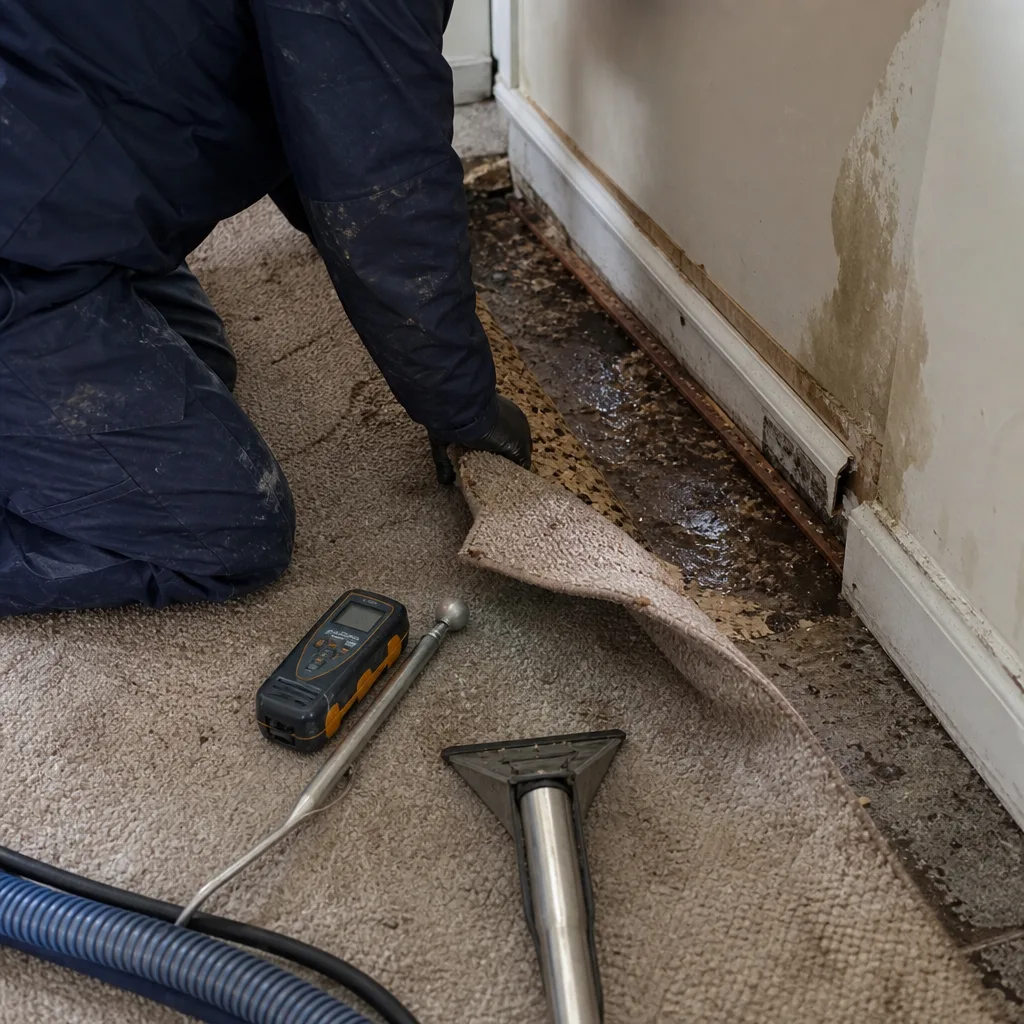
Stachybotrys chartarum and other toxigenic species require the same containment and air filtration protocol as any mold, with added attention to spore-bearing surfaces that fragment on disturbance. We do not use the term “black mold” to inflate urgency; we identify the species through laboratory analysis and scope work accordingly.
Air Quality Restoration
Post-remediation air quality restoration in Manhattan addresses what the HVAC system distributed before containment went up. We clean ductwork, replace contaminated filters, and run HEPA filtration in occupied spaces until independent testing confirms spore counts at or below outdoor baseline. This service is standard on jobs where the mechanical system was active during mold growth.
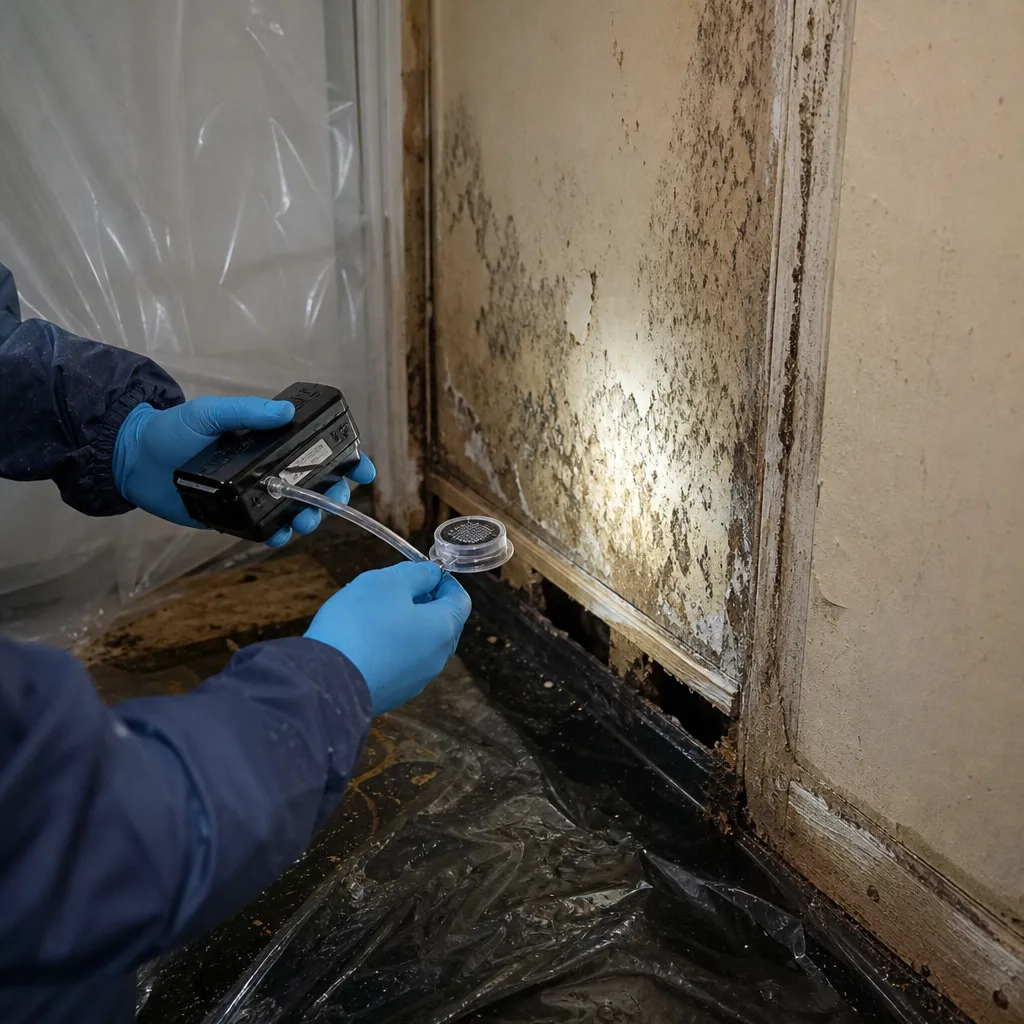
Crawl Space Treatment
True crawl spaces are rare in Manhattan high-rises, but subgrade mechanical rooms, elevator pits, and basement storage areas present equivalent moisture dynamics. We treat these spaces with the same vapor pressure management and antimicrobial protocols, often coordinating with building engineers to address chronic groundwater intrusion.
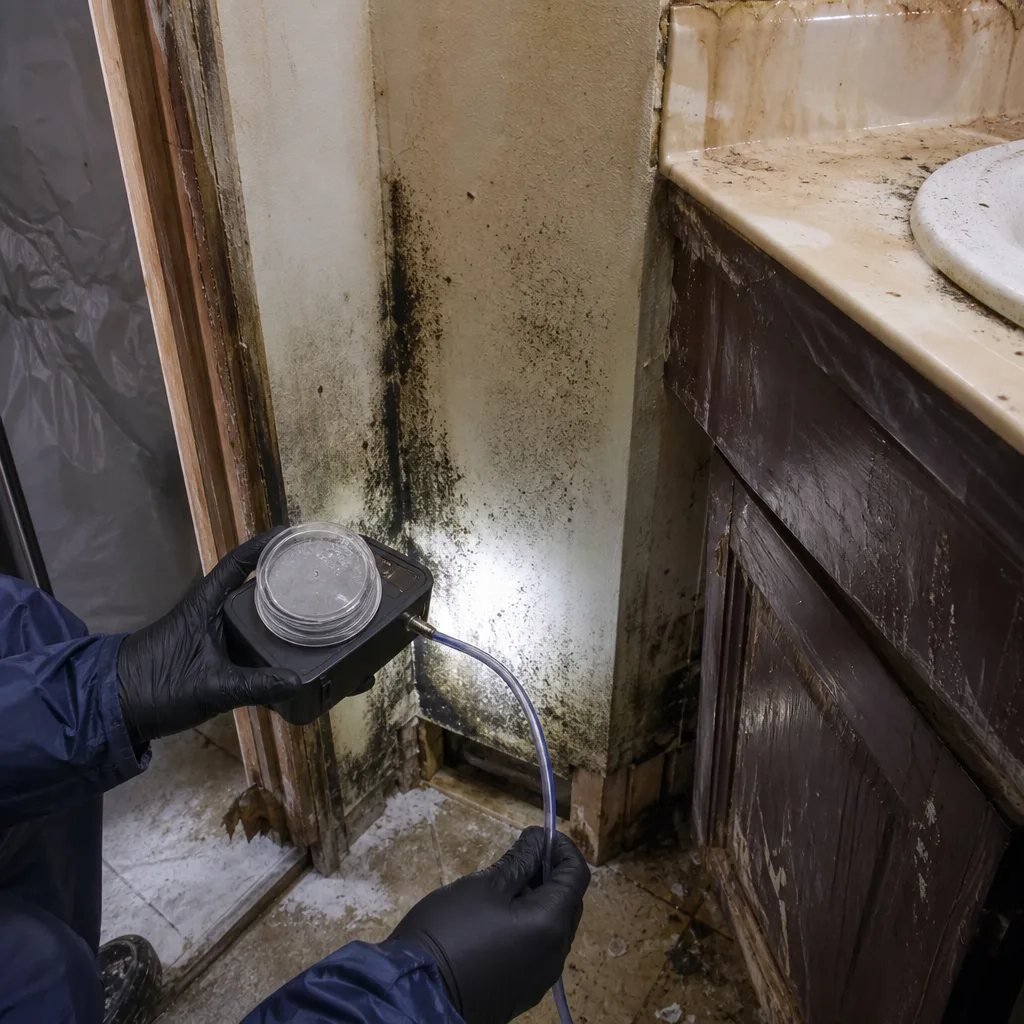
Moisture & Humidity Control
We install and monitor permanent dehumidification in chronically damp Manhattan spaces: undersized utility closets, converted basement units, and perimeter rooms with failed through-wall HVAC sleeves. Our humidity control plans include equipment specifications, target relative humidity levels, and maintenance schedules documented to your building manager.
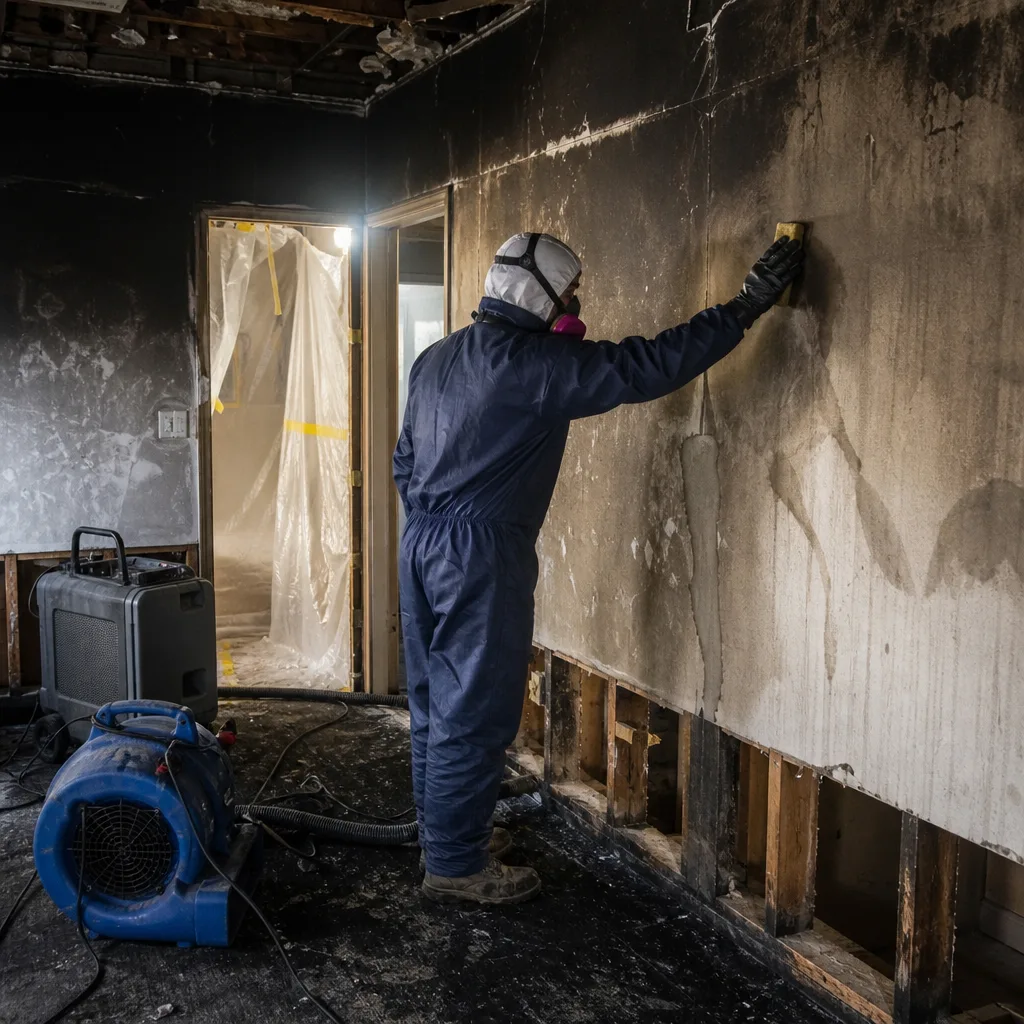
What happens when you call
- 1
A real person answersNo phone trees - you reach a local pro.
- 2
You get an upfront price rangeHonest numbers before anyone is dispatched.
- 3
A background-checked tech heads outLicensed & insured, dispatched right away.
- 4
You approve before work beginsNothing starts until you say go.
Mold Remediation Costs in Manhattan, NY
A typical mold inspection with moisture mapping and air sampling in Manhattan runs $350-$650. Containment and remediation of a localized area, one room or a single plaster chase, typically costs $2,500-$5,500. Whole-unit remediation in a pre-war co-op, with asbestos testing, managing agent coordination, and multi-week drying of plaster-over-metal-lath assemblies, ranges from $8,000 to $18,000 or more depending on square footage and material layers affected.
What moves the price: asbestos testing and potential abatement, the number of units sharing the affected chase, building restrictions on work hours and elevator access, and whether the job requires post-remediation reconstruction or just treatment. Insurance coverage varies by policy and cause of loss; we review your HO-6 or building master policy with you and provide a written scope for adjuster approval before work begins. Haven Standard, Clause 1: written price before work starts, every time, no exceptions. Call (862) 281-7710 for your free inspection and firm written scope.
We Also Serve Cities Near Manhattan
Our crews respond from the New York City office to Mold Remediation in Manhattan and across the immediate metro: Long Island City, where new construction meets aging infrastructure; Maspeth, with its industrial-to-residential conversions; Astoria, where pre-war multifamily stock faces similar riser and chase issues; and Elmhurst, with high-density housing and the same humidity challenges of the coastal plain.
Serving Manhattan, NY - Our Local Coverage Area
We’re based in the Manhattan area and know this community well. Use the map below to see our service coverage - if you’re nearby, we can almost certainly help.
Manhattan Mold Remediation Questions, Answered
A pipe leaked in the apartment above mine on the Upper East Side - why did the restoration crew need my building’s managing agent before they could start?
Because the pipe riser and the plaster chase it runs through are building common elements, not your private property. In Manhattan pre-war co-ops, the managing agent controls access to shared walls and risers, and the super will turn away any contractor with only your unit owner’s authorization. We call the managing agent first, before the insurance adjuster, because that is the difference between starting work in 24 hours and waiting a week. Call (862) 281-7710 and we will handle that coordination.
How fast does mold actually start after a leak in a Manhattan apartment?
Mold colonization begins 24 to 48 hours after materials stay wet. In Manhattan’s plaster-over-metal-lath walls, the plaster face can feel dry while the lath behind it holds moisture for weeks, so visible mold may not appear until day 10 or later. That delayed appearance is why we moisture-map every suspected leak, not just look for stains. Call (862) 281-7710 for moisture mapping before you see mold.
Why do you classify the water before you decide what to dry versus remove?
Water category determines both safety protocol and salvageability. Category 1, clean supply water, allows drying of most structural materials if we start within 72 hours. Category 2, gray water from dishwashers or washing machines, requires removal of porous materials like carpet and padding. Category 3, sewage or saltwater, demands removal of virtually all affected porous materials and antimicrobial treatment of non-porous surfaces. Misclassification risks health exposure and claim denial. We test and document category on every Manhattan job.
Do you need asbestos testing before doing mold remediation in a pre-war Manhattan co-op?
Yes, if the work will disturb suspect materials. Pre-1940 Manhattan buildings routinely contain asbestos in floor tiles, pipe insulation, and joint compound, and most co-op alteration agreements require testing before any invasive work. We coordinate testing with certified laboratories and will not set containment or run air movers until clearance is documented. This pause protects your health, your claim, and your standing with the board. Call (862) 281-7710 to schedule inspection and testing together.
Why do Manhattan mold jobs take so much longer than in a suburban house?
Three constraints unique to Manhattan: managing agent and board approval for shared-element access, asbestos testing and potential abatement before invasive work, and building rules that restrict work hours, noise, and elevator use. A two-day job in a suburban house becomes two weeks in a Central Park West co-op because we cannot simply cut open a wall at 8am on a Saturday. We build these constraints into every timeline and communicate them to your insurer so the delay is documented, not disputed.
Will my insurance cover mold remediation in my Manhattan co-op?
Coverage depends on your HO-6 policy terms, the cause of loss, and whether the mold resulted from a covered peril like a sudden pipe burst versus long-term maintenance neglect. Most policies cap mold coverage at $10,000 unless you purchased additional riders. We review your policy, document the cause, and coordinate directly with your adjuster to maximize covered scope. Our written estimate, delivered before work begins, includes line-item separation of covered and non-covered work. Call (862) 281-7710 for a free policy review with your inspection.
Can we stay in the apartment during mold remediation?
Sometimes, for small contained areas with negative air isolation and no HVAC connection to occupied rooms. For whole-unit or multi-unit jobs, or where toxigenic species are identified, we recommend temporary relocation until post-remediation clearance testing confirms safe air quality. We coordinate with your insurer on additional living expense coverage when displacement is necessary. Call (862) 281-7710 to discuss your specific layout and contamination level.
What certifications do your Manhattan mold technicians hold?
Our lead technicians hold IICRC AMRT (Applied Microbial Remediation Technician) and WRT (Water Damage Restoration Technician) certifications, with ongoing education in RIA and IFA standards. License numbers are provided on request, and every technician is background-checked, uniformed, and named before arrival. We do not send day labor or unnamed subs to your building. Call (862) 281-7710 to verify credentials for your scheduled crew.
Written by Alicia Brennan, Owner at Back to Dry Restoration, serving Manhattan since 2011 under The Haven Standard.
Mold Remediation in Nearby Areas