
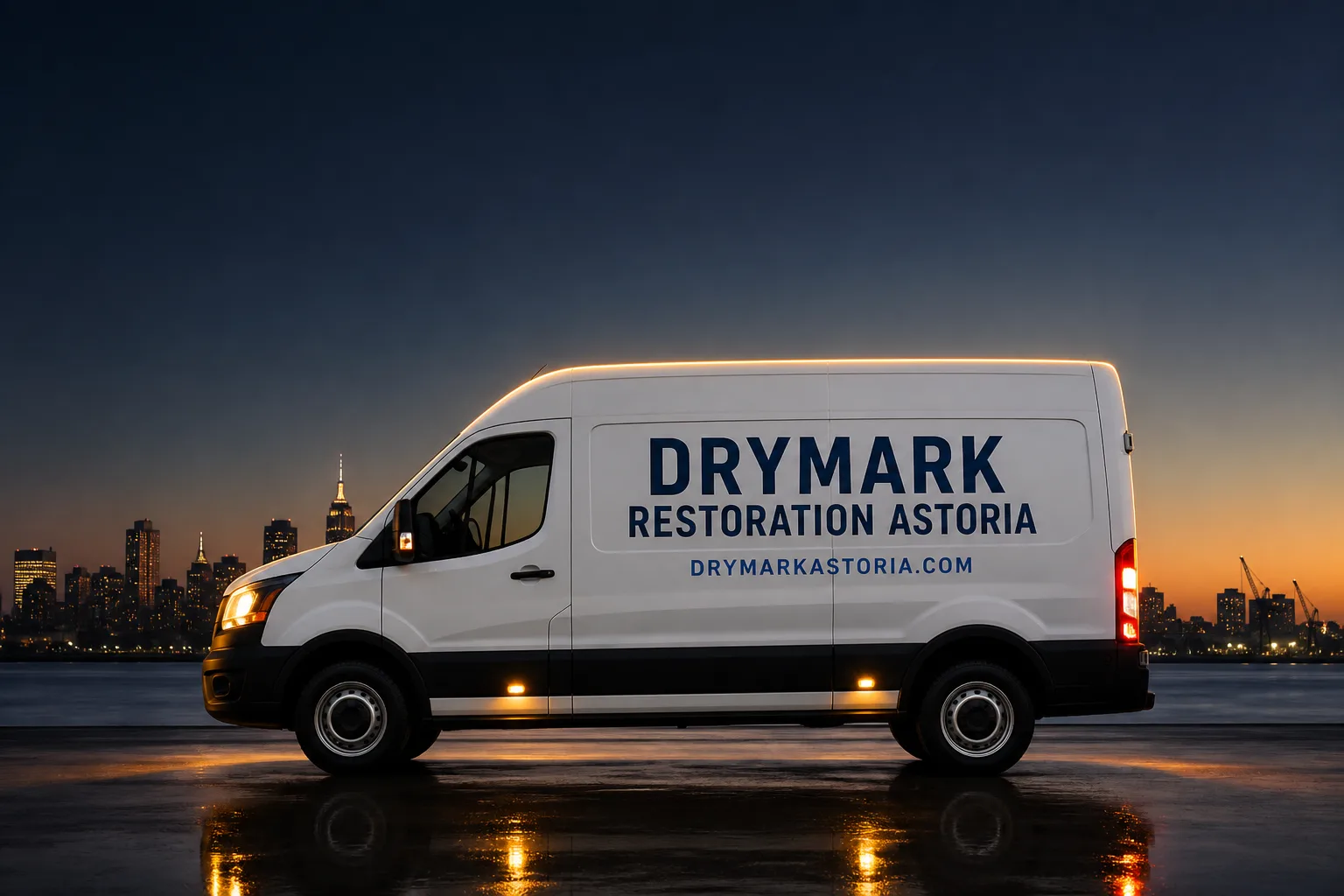
Free visual inspection and a written scope of work before any mitigation begins - photos, moisture readings, and drying logs go in your claim file
The scope we write is the scope we bill. Anything new gets shown to you, in writing, before we touch it.
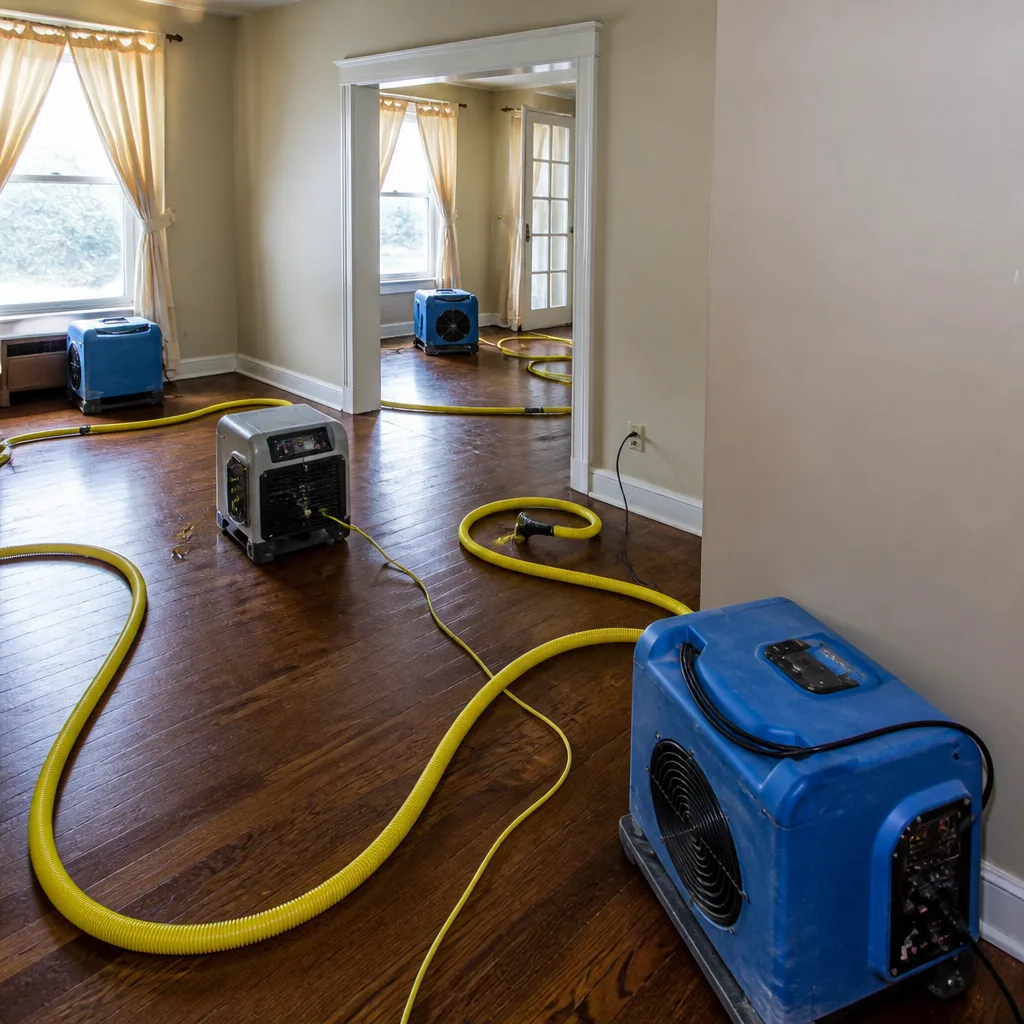
Storm response
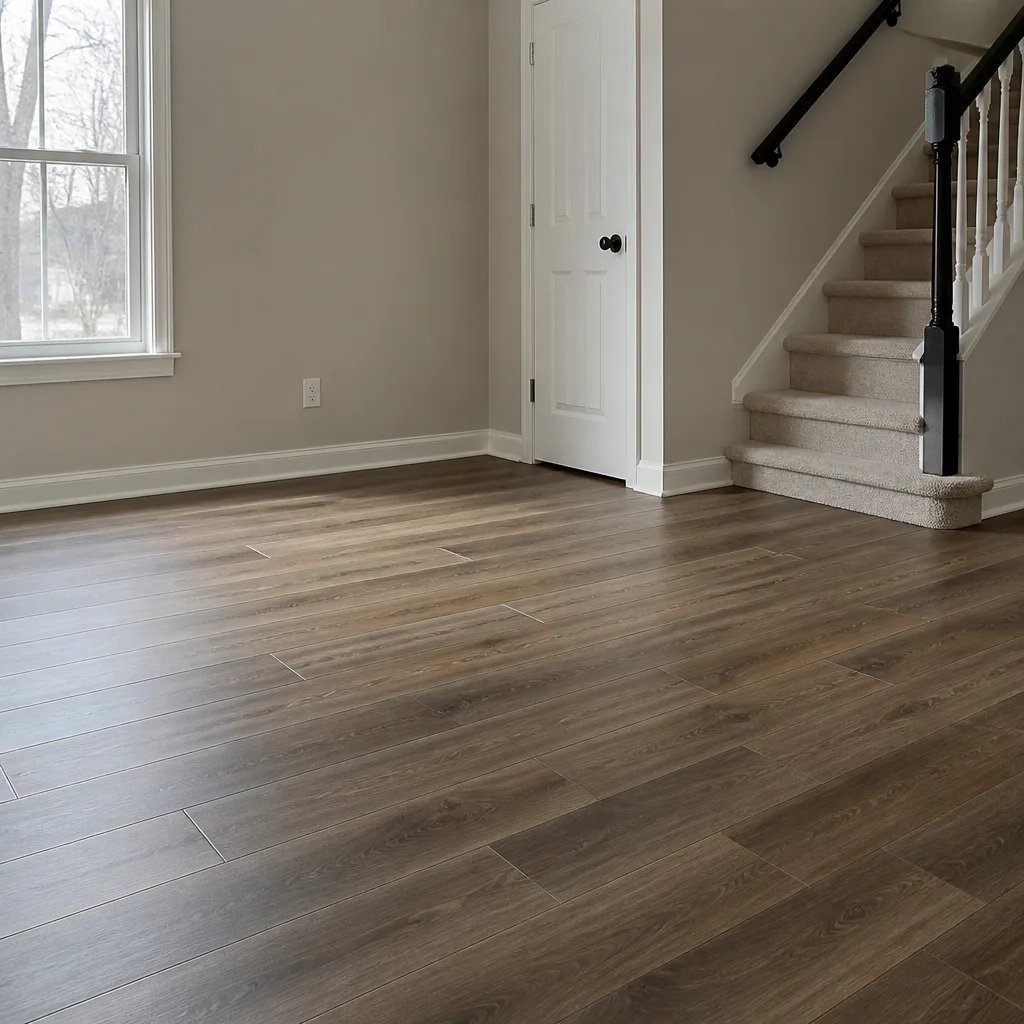
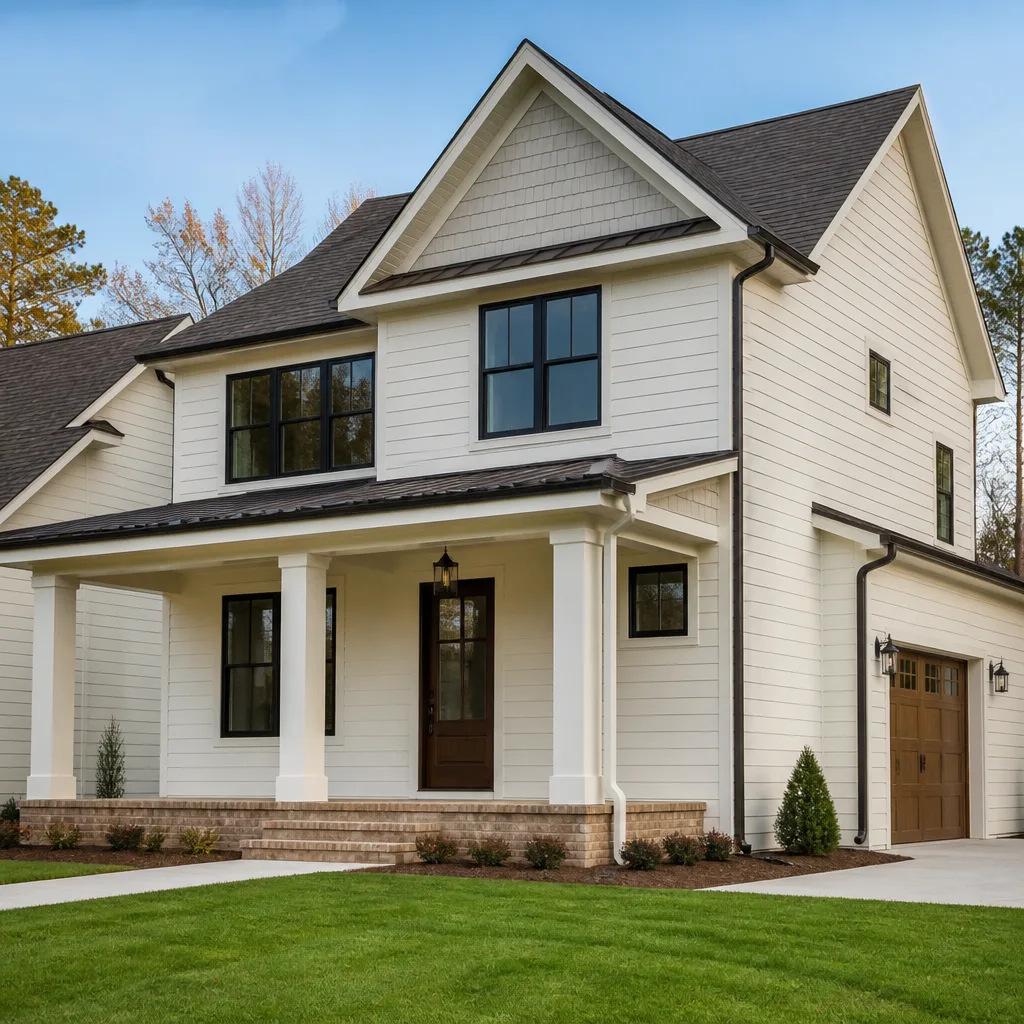
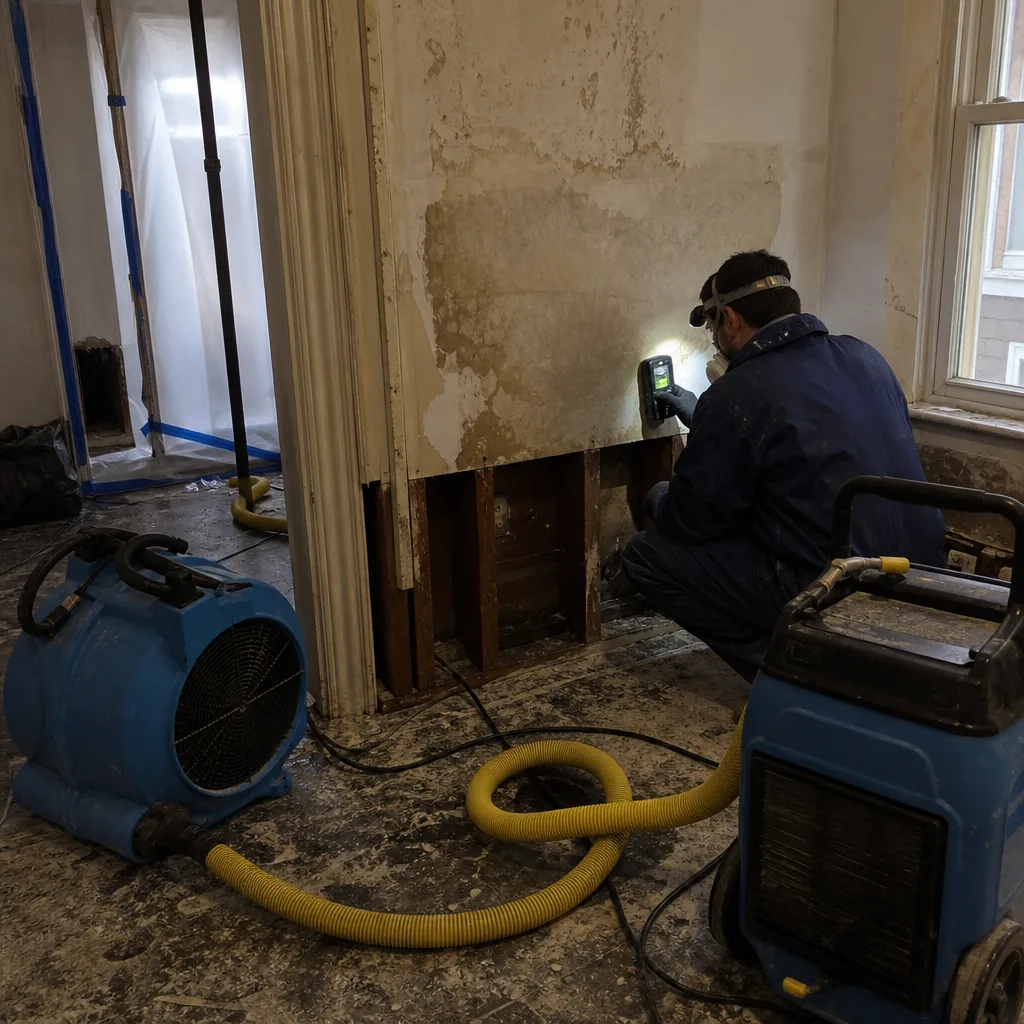 Before
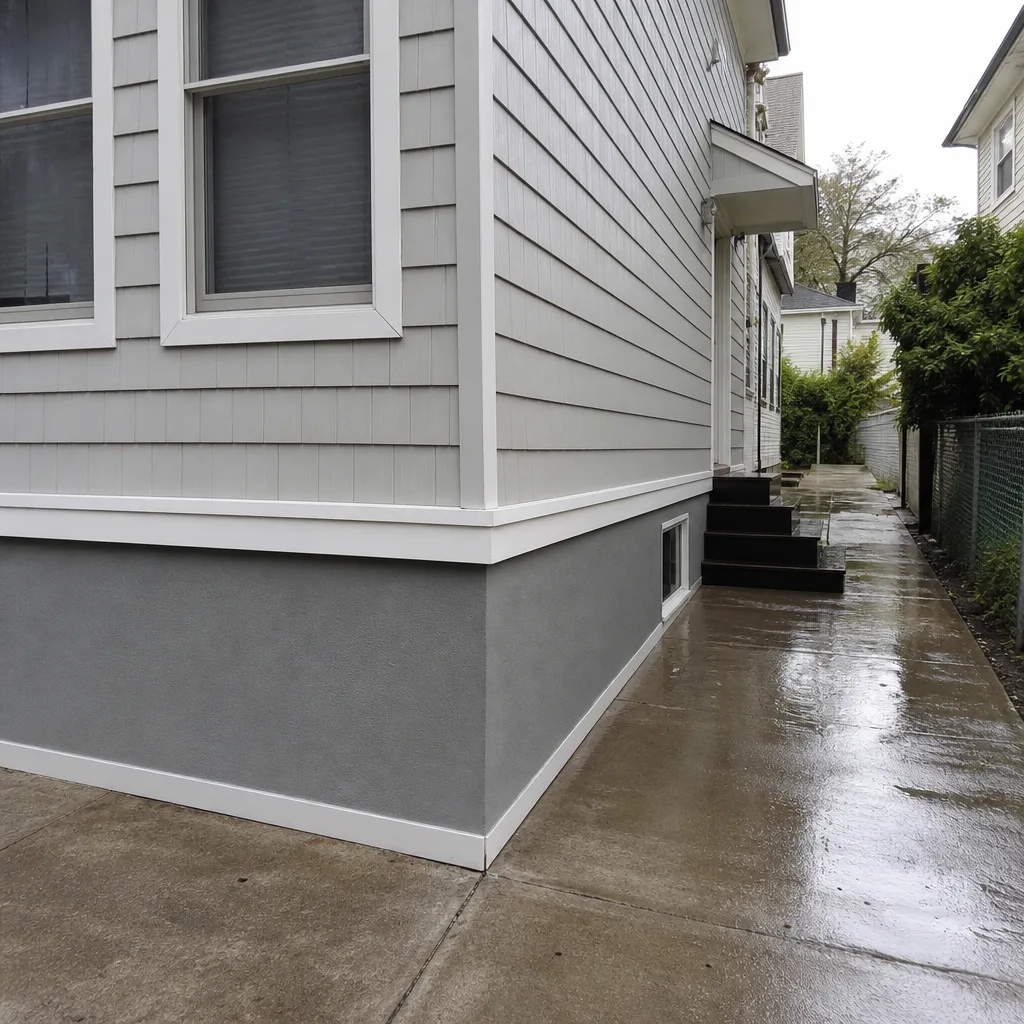 After
After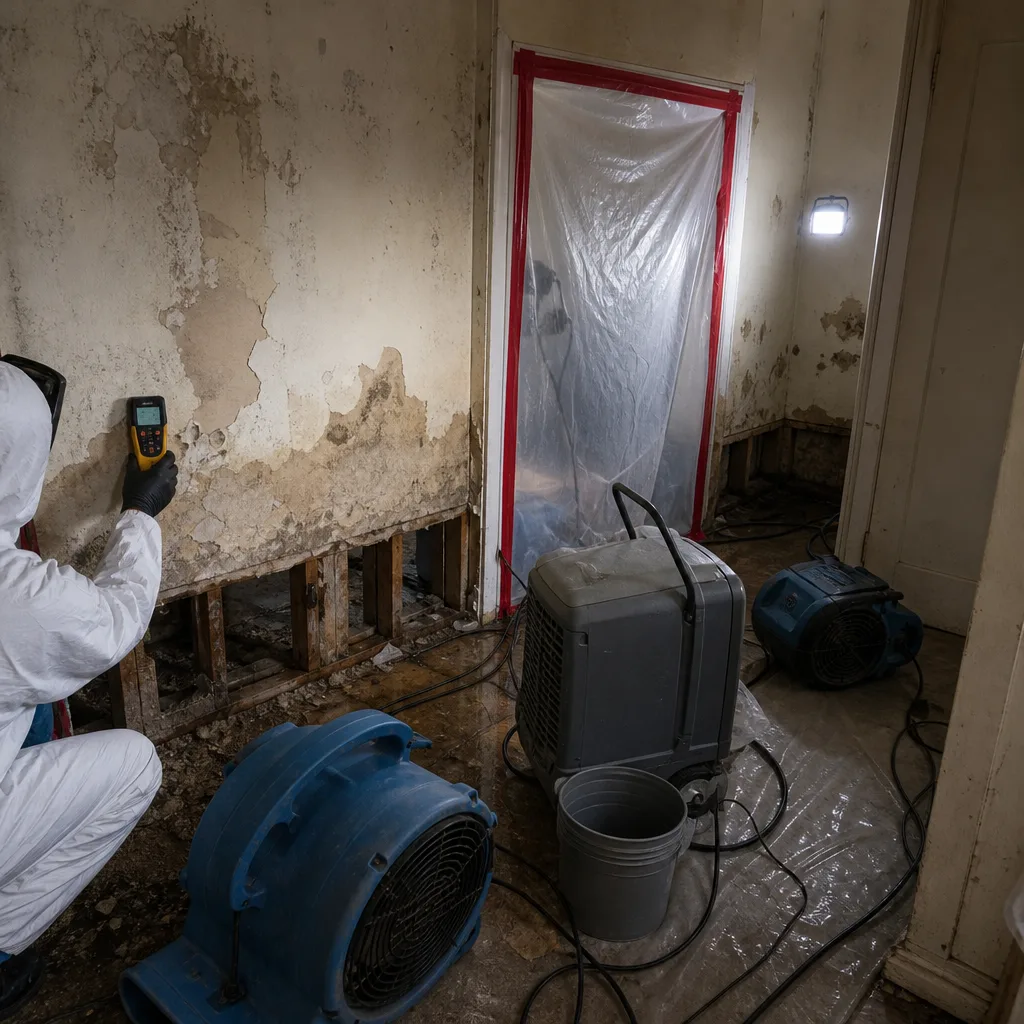 Before
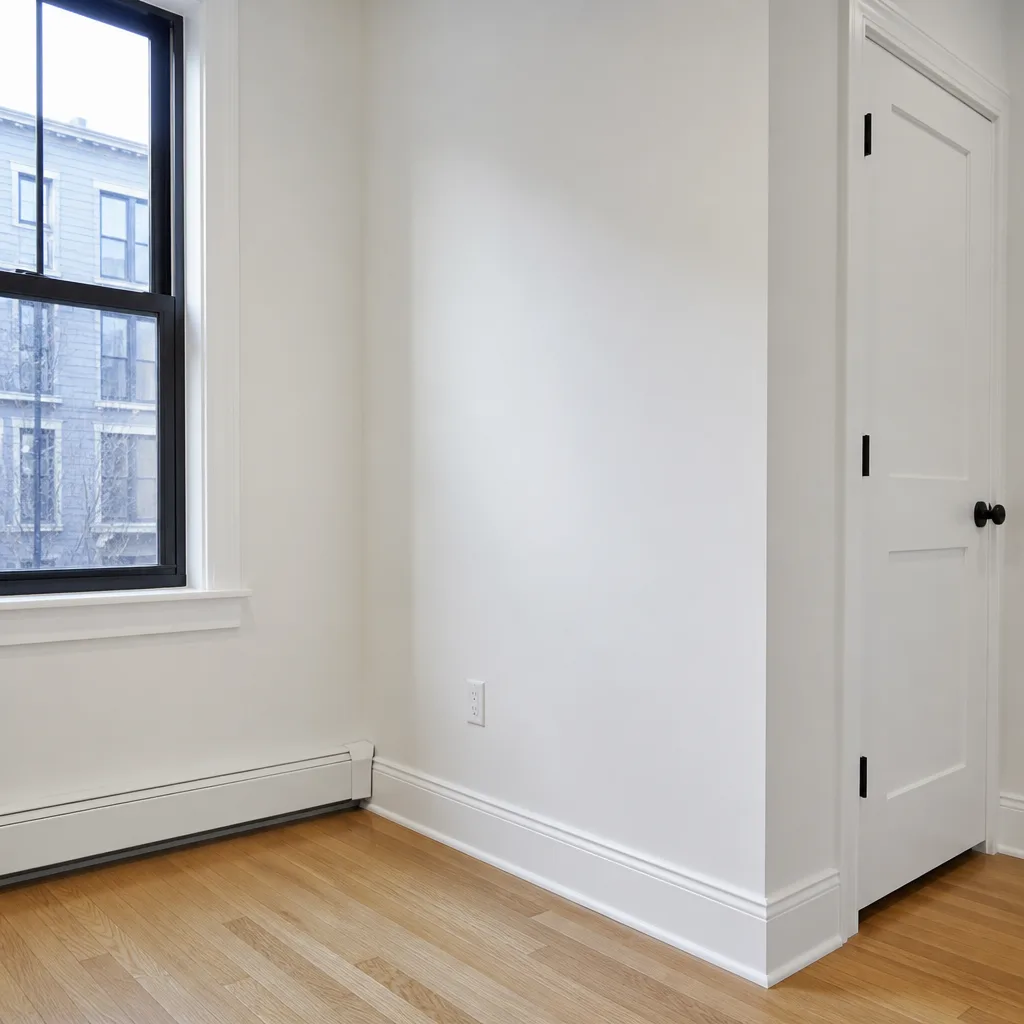 After
After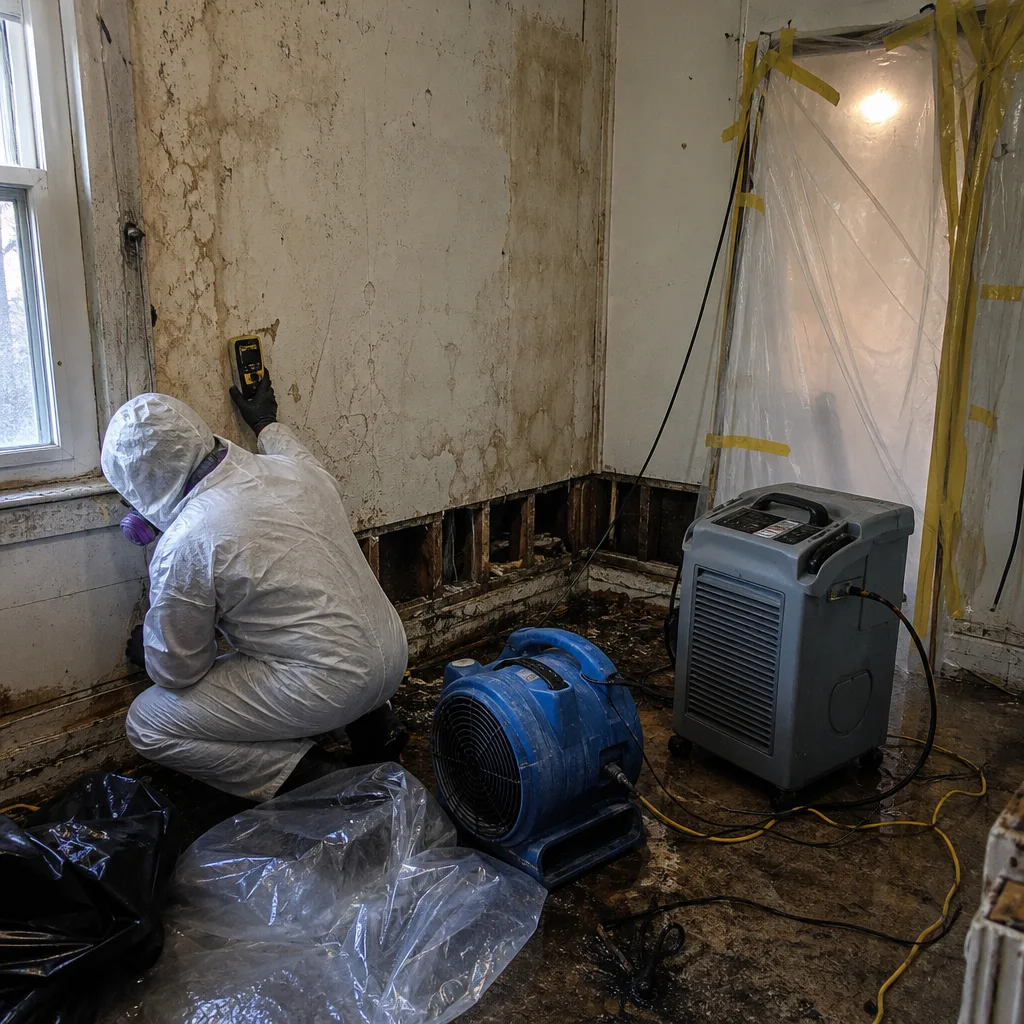 Before
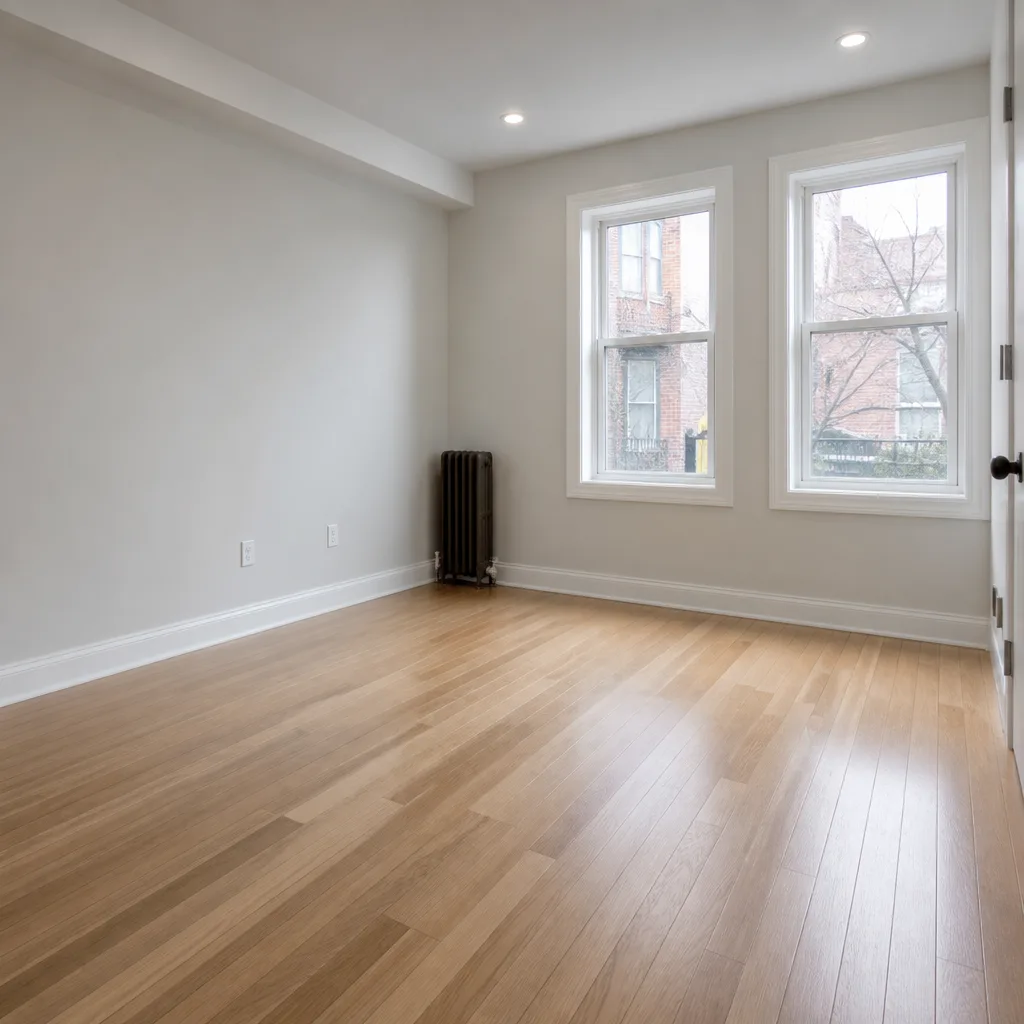 After
After24/7 Emergency Fire & Smoke Damage Restoration in Midtown Manhattan
A fire in a Midtown Manhattan building demands immediate response. Smoke migrates through HVAC risers within minutes, and the water used to suppress flames creates secondary damage that compounds hourly. Call (862) 281-7710 now - our line is answered live, 24 hours a day, by a real person who can dispatch crews to your Midtown Manhattan location immediately.
We coordinate dispatch from our New York City office and route teams directly into Midtown Manhattan’s corridor - from the Plaza District to the Garment District to Murray Hill. The first hour determines whether smoke odor becomes a permanent fixture in your plaster walls or whether we can halt it at the surface. Every minute of delay means more square footage requiring demolition instead of restoration. We provide a free visual inspection upon arrival, and every job is quoted in writing before any work begins, per Haven Standard, Clause 1.
Understanding Fire & Smoke Damage Restoration Severity in Midtown Manhattan Properties
Fire damage in Midtown Manhattan operates on a severity spectrum that maps directly to building era and construction type. Pre-war steel-frame towers - the 1920s through 1950s stock that dominates blocks from Fifth Avenue to Lexington - present unique challenges: original plaster over wood lath, asbestos-containing pipe insulation, and gravity-fed HVAC systems that behave like smoke chimneys. Smoke residue types range from dry soot (fuel-rich, fast-burning fires) to wet, sticky residue (slow-burning, oxygen-starved fires), each requiring distinct cleaning chemistry and agitation methods.
Smoke migration follows pressure differentials and thermal buoyancy, traveling through pipe chases, elevator shafts, and the interstitial spaces between floors in high-rise construction. In Midtown’s glass curtain-wall towers, smoke can infiltrate the curtain-wall cavity and re-enter floors far from the origin. We map migration paths with thermal imaging and document every affected surface to IICRC FSRT standards. Tertiary damage - the water left by suppression systems - demands psychrometric analysis: measuring vapor pressure differential between wet materials and the ambient air to calculate precise drying equipment loads.
Why Midtown Manhattan Property Owners Choose DryMark Restoration Astoria
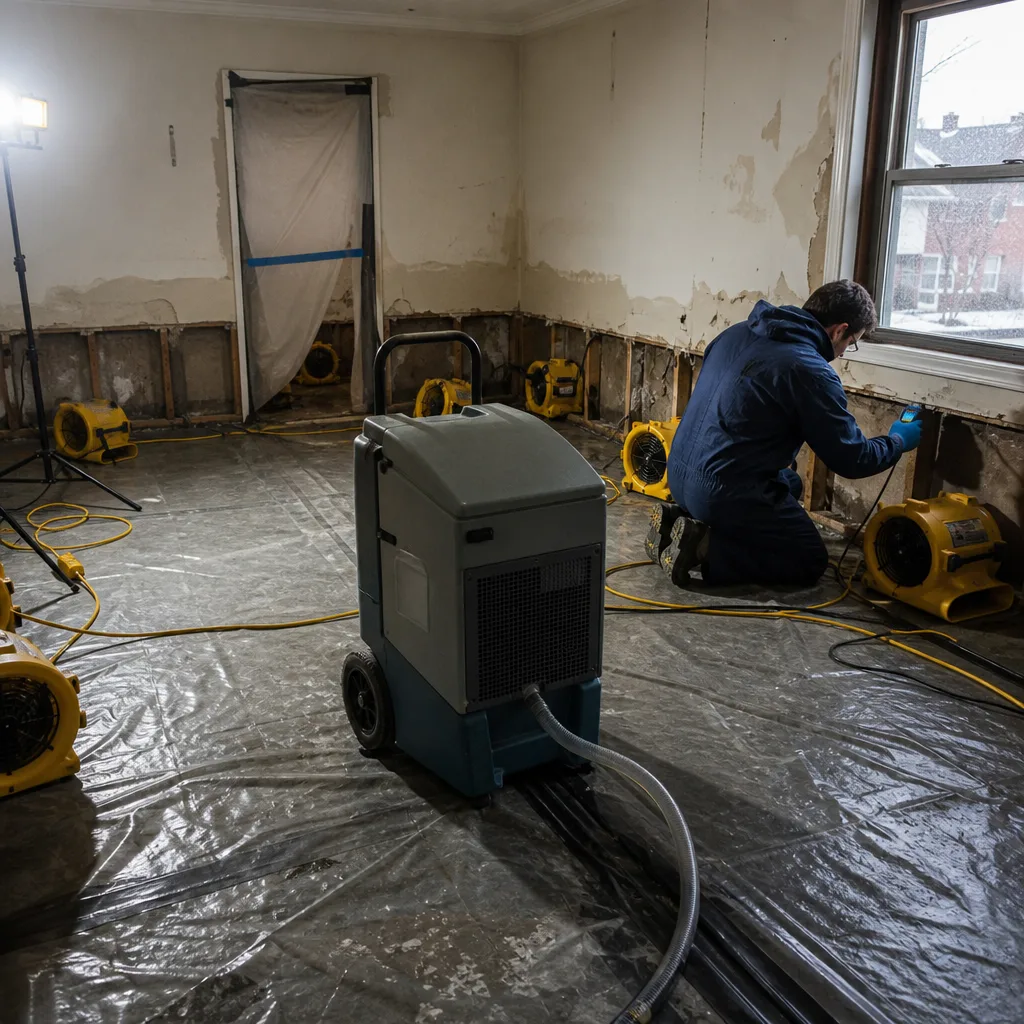
- 45-minute response commitment to Midtown Manhattan addresses - crews staged for immediate dispatch into the Plaza District, Garment District, and Murray Hill corridor.
- 24/7 live answer: a real person picks up every call, never an automated system or voicemail tree, because fire damage doesn’t observe business hours.
- IICRC-certified crews holding FSRT (Fire and Smoke Restoration Technician) and WRT (Water Damage Restoration Technician) certifications, with AMRT (Applied Microbial Remediation Technician) credentials for secondary mold concerns.
- Free visual inspection upon arrival - no charge to assess the loss and scope the work.
- Direct insurance billing: we coordinate with your carrier and adjuster, providing the documentation that turns restoration invoices into payable claims.
- One team from emergency board-up through final reconstruction - no handoffs to unknown subcontractors, no gaps in your documentation chain.
BeforeAfterOur Fire & Smoke Damage Restoration Process
1. Inspection & Assessment
We arrive with thermal imaging cameras, moisture meters, and combustion residue testing kits. Every surface is classified by smoke residue type and every moisture reading is logged. In Midtown’s pre-war buildings, we immediately test for asbestos disturbance before any demolition begins.
2. Emergency Board-Up & Tarping
Broken windows and compromised roof areas are secured to prevent weather intrusion and unauthorized access. We photograph every board-up for your insurance file and reserve freight elevator windows for equipment mobilization.
3. Water Extraction & Structural Drying
Fire suppression water is extracted with truck-mounted systems, then structural drying begins with Dri-Eaz and Phoenix dehumidifiers sized to the vapor pressure load. Daily moisture logs track progress to IICRC S500 standards.
4. Smoke & Soot Removal
HEPA air scrubbers establish negative air pressure while technicians apply dry sponging, wet cleaning, or abrasive blasting matched to the residue type. In luxury Midtown condos, we protect custom finishes with containment barriers before agitation begins.
5. Odor Removal & Deodorization
Injectidry systems force ozone or hydroxyl radicals into wall cavities and ceiling plenums, neutralizing odor molecules at the source rather than masking them. We verify elimination with olfactory testing and air sampling, not guesswork.
6. Repairs, Contents Return & Documentation
Structural repairs are completed, cleaned contents are returned from our climate-controlled storage facility, and every phase is photo-documented. The final deliverable includes a signed 365-Day Done Right Promise under The Haven Standard.
Need Emergency Fire & Smoke Damage Restoration in Midtown Manhattan Now?
Crews minutes away, answering live 24 hours a day. The sooner we start, the less it costs.
Working With Your Insurance Company
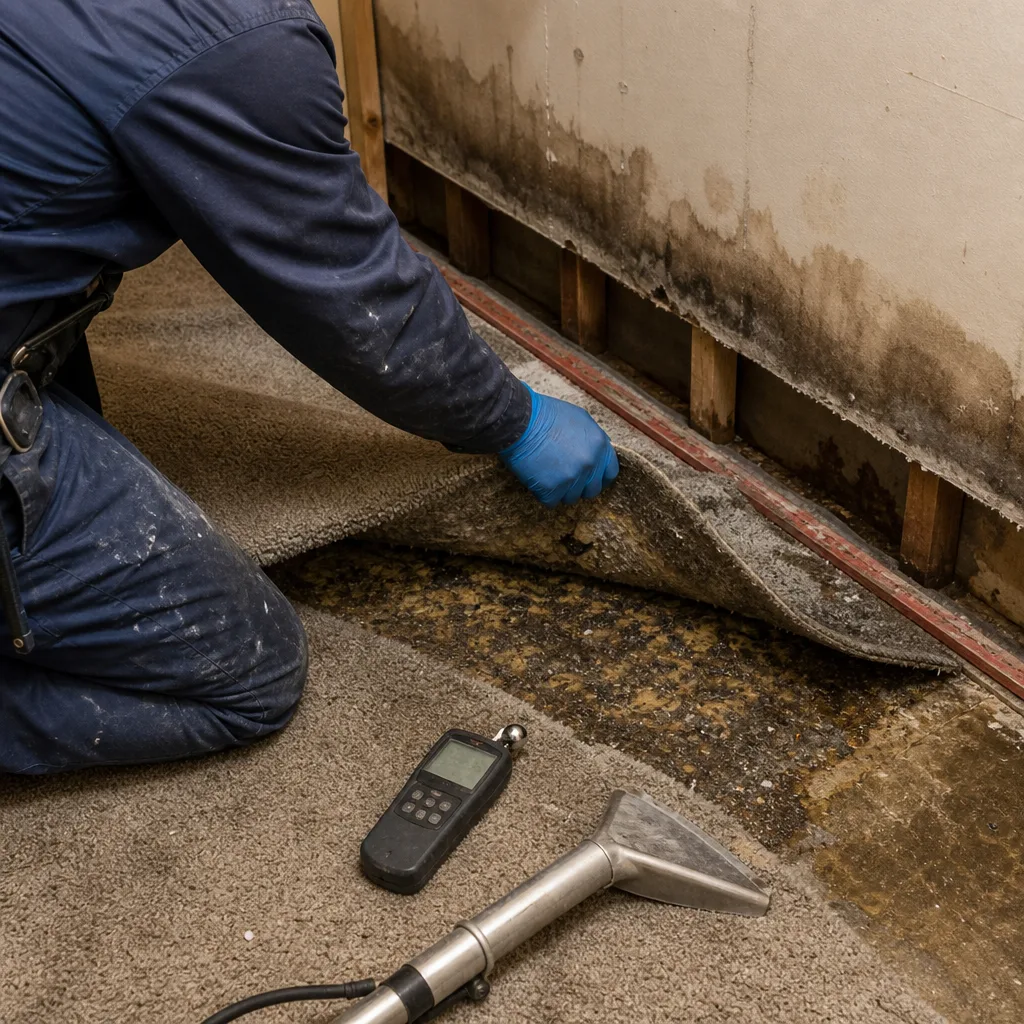
Fire claims fail at the documentation stage more often than at the damage stage. Our Fire & Smoke Damage Restoration team was built by a former claims adjuster who watched homeowners lose tens of thousands to incomplete photo records and vague scopes of work. We don’t let that happen on our jobs.
From the first hour, we create a claim file that an adjuster can read and approve without back-and-forth. Every moisture reading is logged with time, date, and location. Every damaged item is photographed in place before moving. Every conversation with your carrier is noted. We write estimates to industry-standard formats that carriers recognize, and we handle direct coordination so you’re not translating between restoration jargon and insurance terminology at 2 a.m.
What We Provide Your Insurer
- Thorough documentation of the loss origin, spread pattern, and affected materials
- Photos of all damage, room by room, with timestamp and technician name
- Moisture readings and drying logs showing daily progress to dry standard
- A detailed, line-item scope of work with unit pricing and material specifications
- Direct coordination with your carrier’s adjuster, including field meetings on request
Built for Midtown Manhattan’s Loss Calendar
Midtown Manhattan’s fire damage calendar follows patterns distinct from outer-borough residential areas. January through March brings the highest incidence of electrical fires in pre-war buildings, as aging aluminum wiring and overloaded panels meet increased heating loads. The freeze-thaw cycles that stress rooftop wooden stave water tanks can also crack electrical conduits at roof level, creating arc-fault conditions in ceiling plenums.
Summer months see kitchen fires spike in high-rise residential towers, where exhaust fan grease accumulation meets intense cooking schedules. The city’s mandatory facade inspection cycle (Local Law 11) occasionally reveals compromised fire-stopping in curtain-wall buildings, allowing faster smoke spread than code-compliant construction would permit. Nor’easter season brings lightning strikes to Midtown’s prominent towers, with surge damage to electrical systems that can smolder for hours before visible flame appears. Our crews carry the equipment and certifications to respond to each seasonal pattern with the appropriate mitigation protocol.
Fire & Smoke Damage Restoration Across Midtown Manhattan’s Neighborhoods
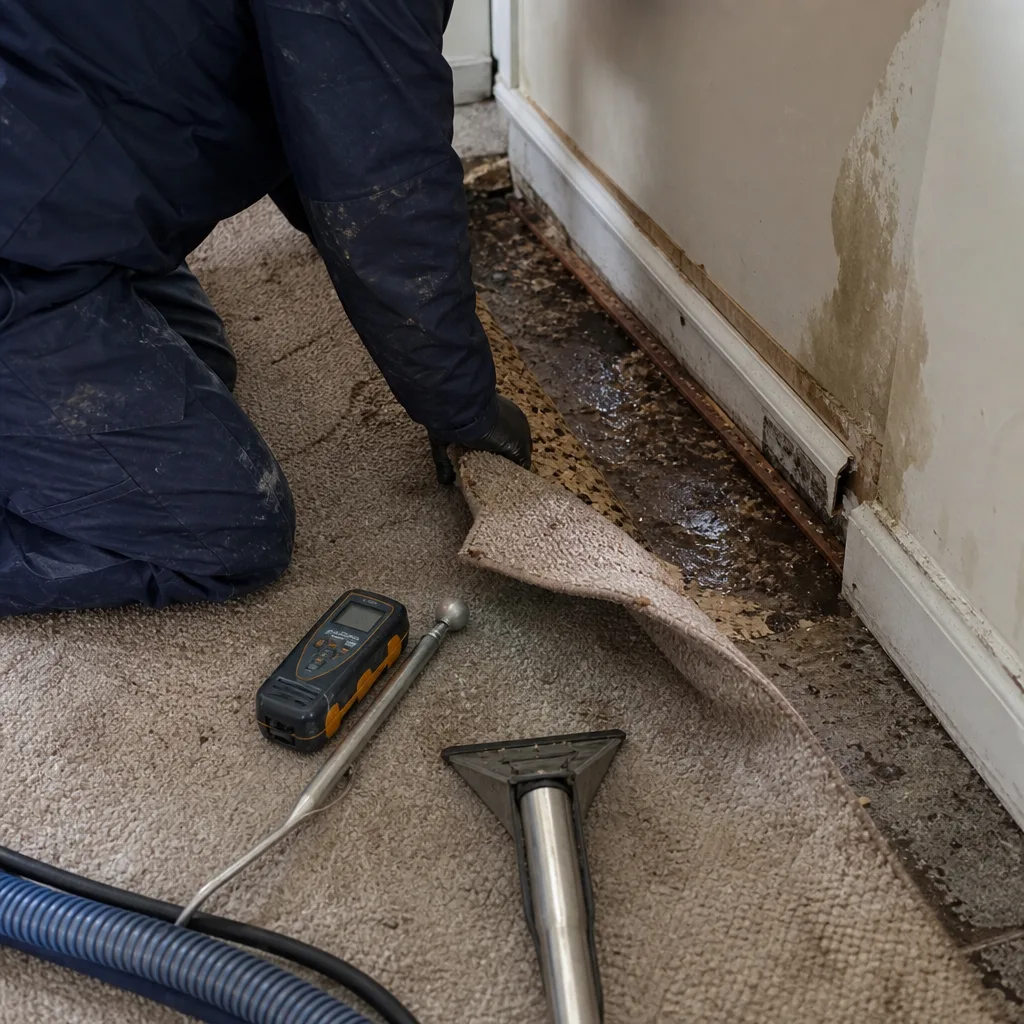
We serve the full Midtown Manhattan corridor with routes calibrated to each sub-market’s building stock and access constraints. In the Plaza District, around Central Park South and the 50s, we respond to luxury co-op and condominium towers where custom millwork and imported stone finishes demand white-glove handling during pack-out. Freight elevator windows must be reserved days in advance in some buildings; our dispatchers know which supers require 24-hour notice and which accept same-day requests.
The Garment District, from 34th to 42nd Street between Fifth and Ninth Avenues, contains a mix of mid-century commercial lofts and converted residential buildings. Fires here often involve industrial sewing equipment or aging electrical distribution, with smoke migrating through shared ductwork into neighboring units. We coordinate multi-tenant containment strategies that satisfy building management and individual insurers simultaneously.
Murray Hill, east of Fifth Avenue in the 30s, presents a denser residential profile with pre-war apartment buildings and newer condo towers. Kitchen fires are common, and the proximity of units means odor migration claims from neighbors arrive before the primary loss is settled. We document potential third-party damage during our initial assessment to protect our client from later subrogation.
Near Times Square and the Theater District, we handle losses in historic buildings with stage equipment, complex electrical loads, and strict FDNY access requirements. The 24/7 operating schedule of many properties means restoration must proceed without disrupting performances or guest services - a coordination challenge we’ve managed repeatedly since 2011.
Specialized Fire & Smoke Damage Restoration Services We Offer in Midtown Manhattan
Fire Damage Cleanup
We remove charred structural materials, classify debris for disposal per NYC DEP requirements, and prepare surfaces for reconstruction. In Midtown’s pre-war buildings, every demolition phase is preceded by asbestos testing; if ACMs are present, we coordinate certified abatement before our restoration work proceeds.
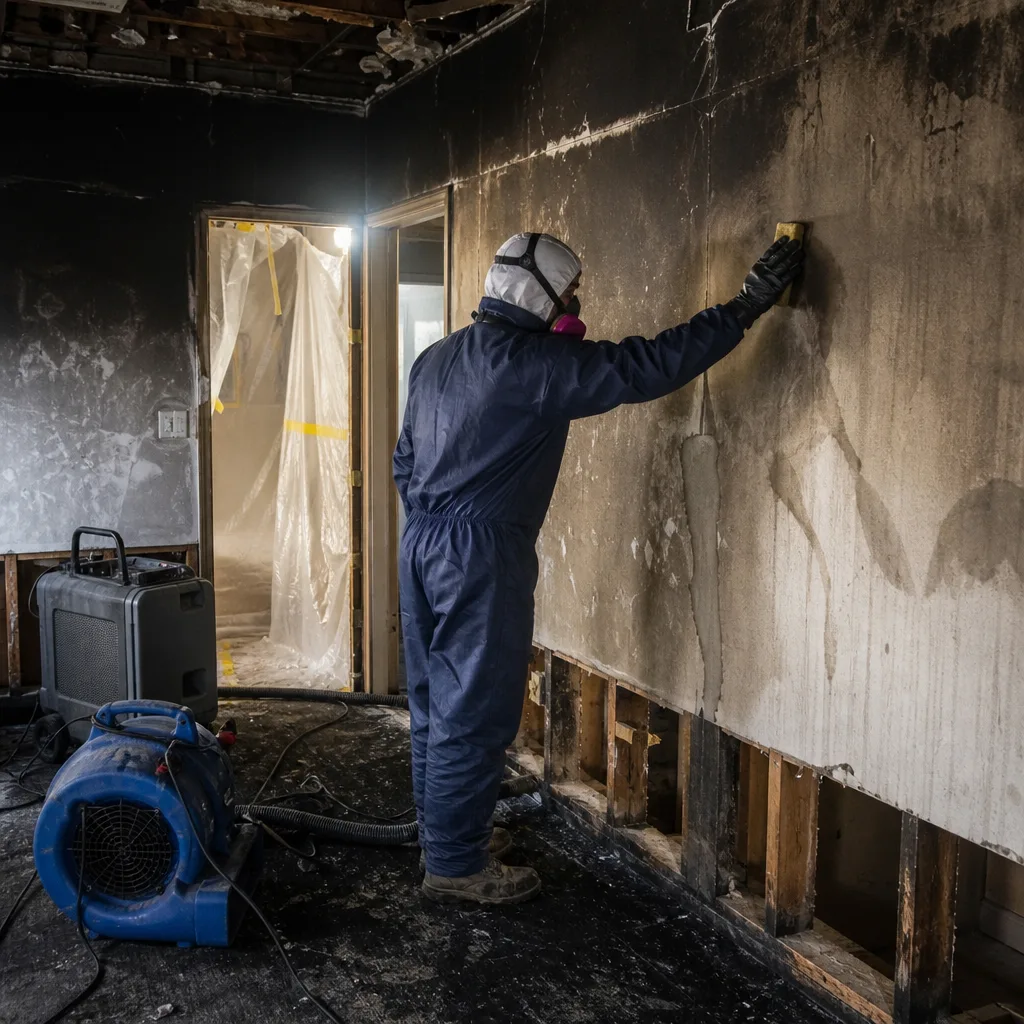
Smoke & Soot Removal
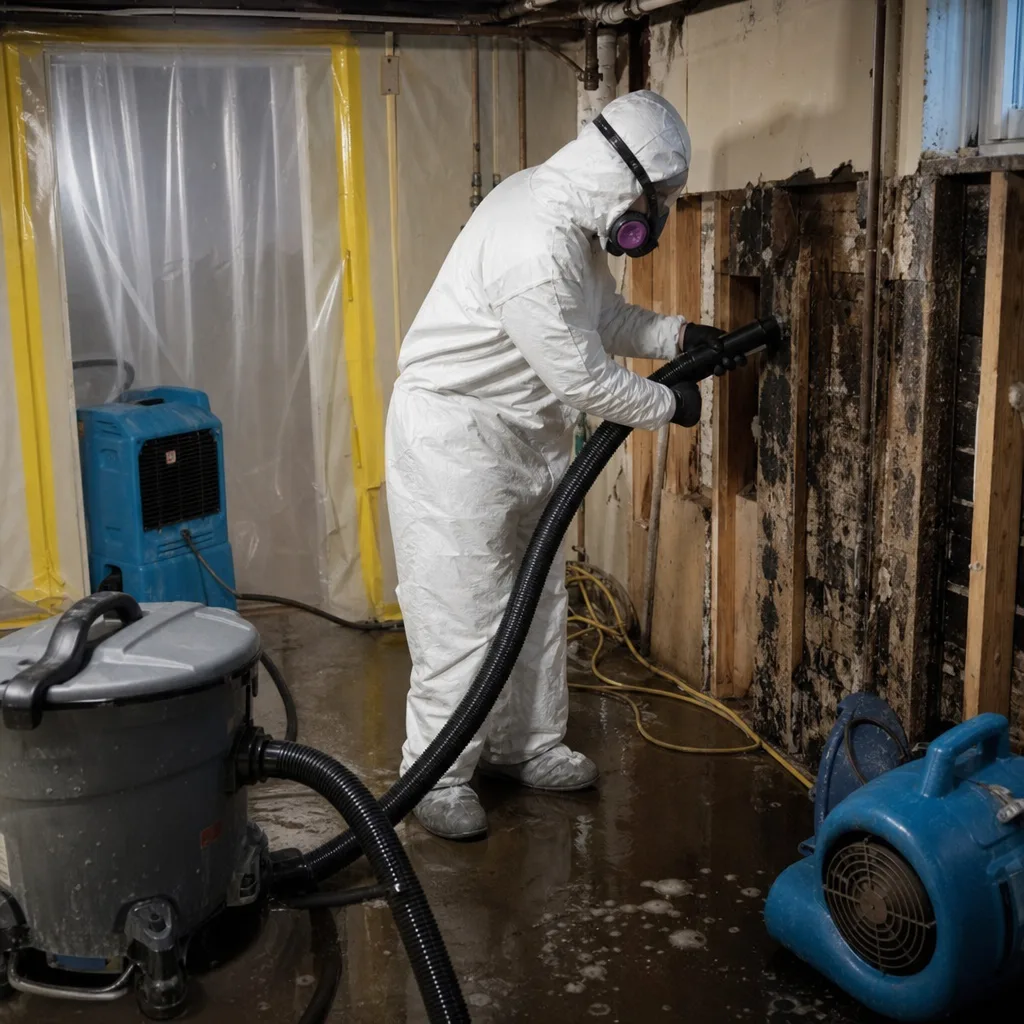
Dry soot, wet residue, and protein smoke each demand different cleaning agents and mechanical action. We identify residue type through field testing, then select from dry sponging, wet cleaning with pH-adjusted solutions, or media blasting for heavy char. Our technicians are trained to protect adjacent finishes in high-value Midtown interiors.
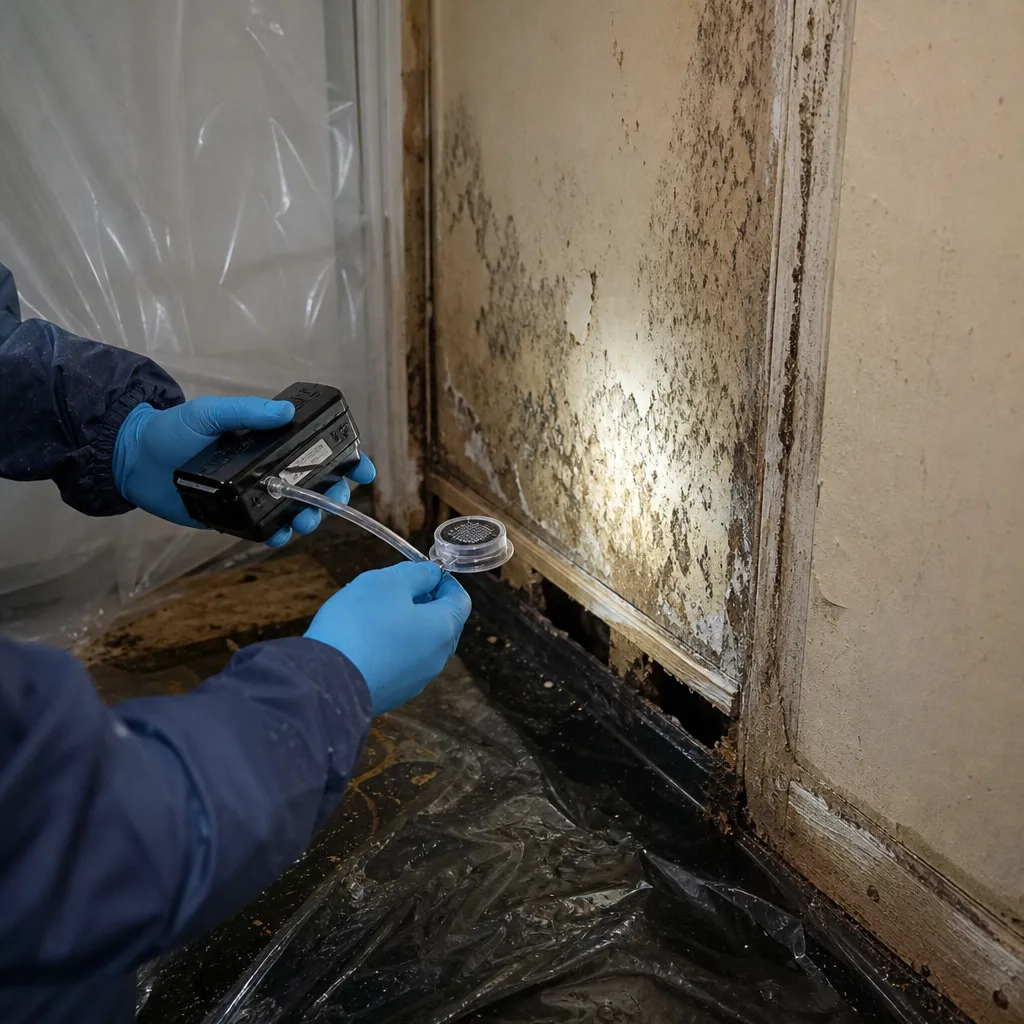
Odor Removal & Deodorization
Surface cleaning alone cannot eliminate smoke odor trapped in wall cavities, HVAC ductwork, and porous materials. We deploy Injectidry systems to force deodorizing agents into hidden spaces, then verify elimination with air sampling rather than subjective smell tests. This is particularly critical in Midtown’s tight building envelopes where recirculation systems can redistribute odor months later.
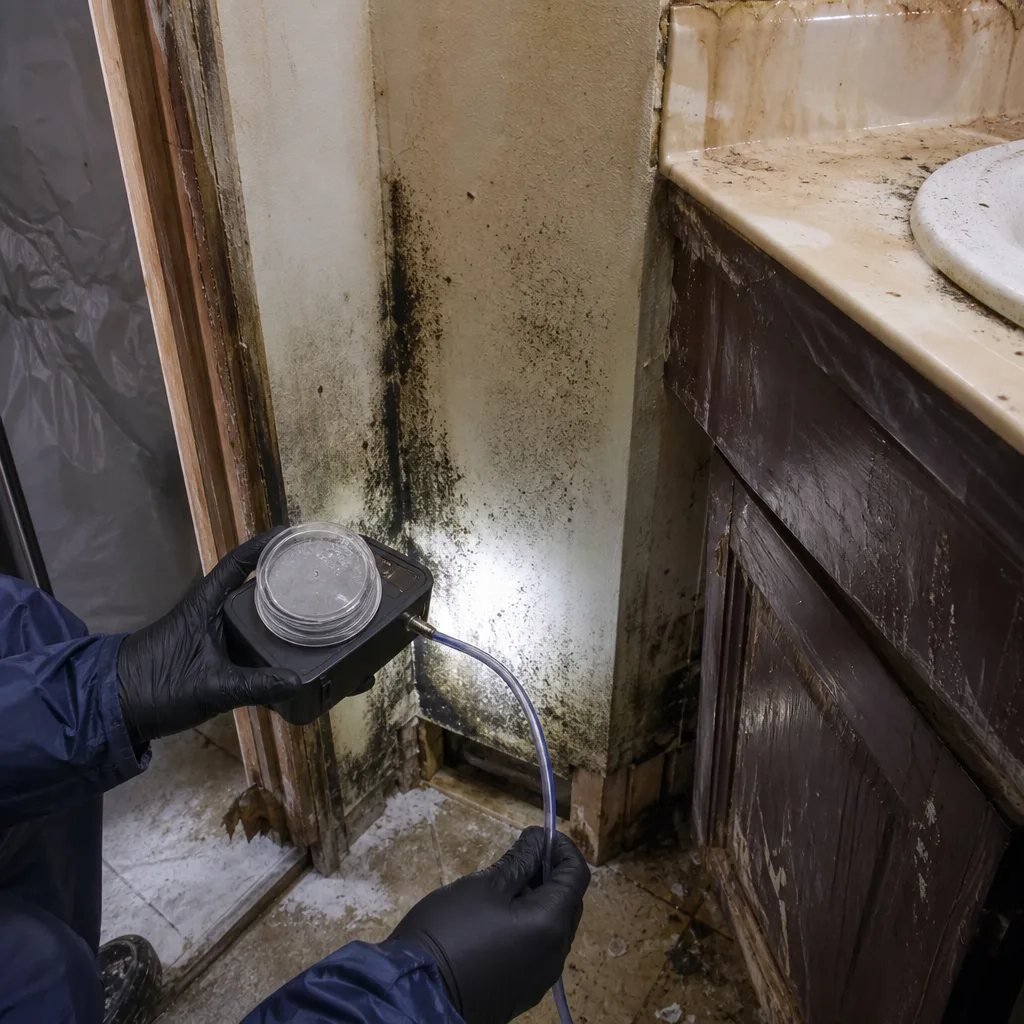
Contents Cleaning & Pack-Out
Fire-damaged contents are inventoried, photographed, and transported to our climate-controlled cleaning facility. Electronics, artwork, textiles, and documents receive specialized treatment matched to material type. In Midtown’s luxury residences, we provide white-glove handling and detailed condition reporting for insurance valuation.
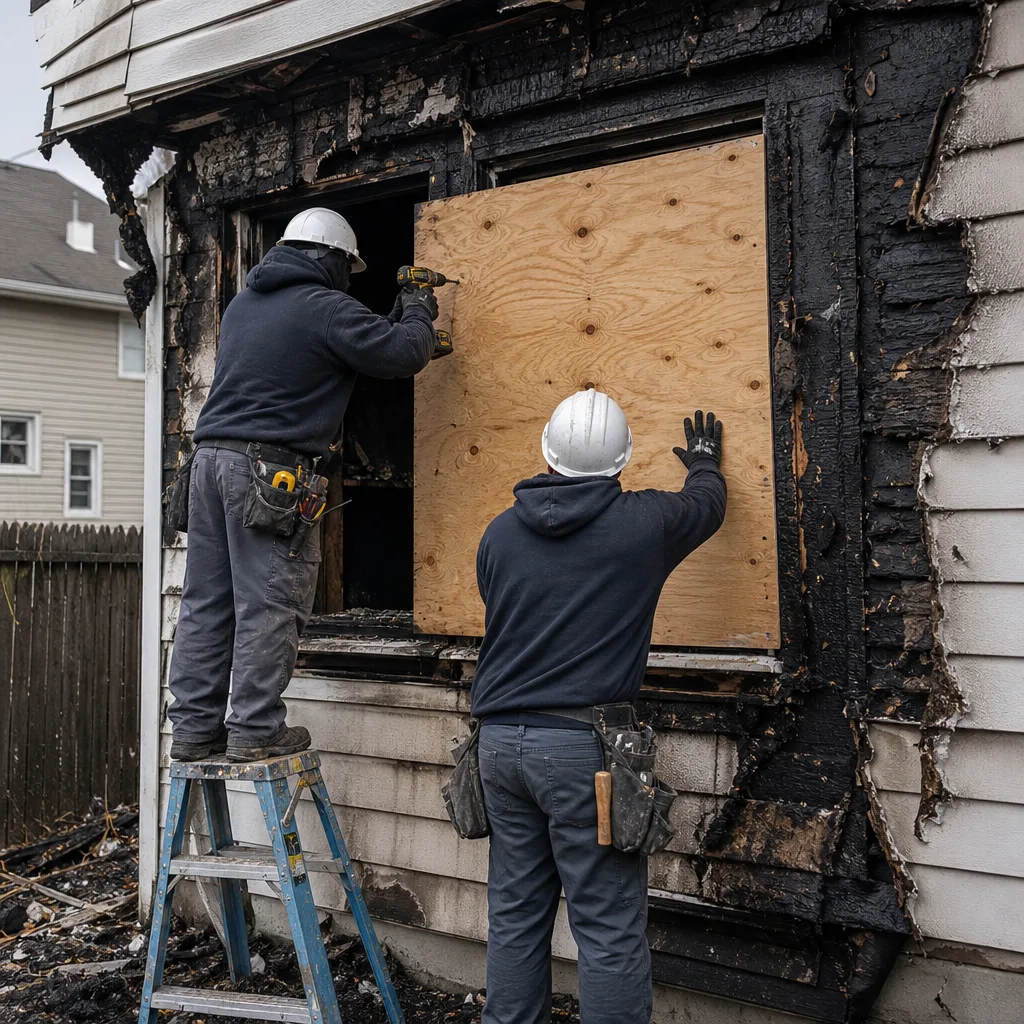
Emergency Board-Up & Tarping
Compromised windows, doors, and roof areas are secured immediately to prevent weather damage and unauthorized entry. We photograph every board-up for insurance documentation and maintain the security perimeter until permanent repairs are completed.
What happens when you call
- 1
A real person answersNo phone trees - you reach a local pro.
- 2
You get an upfront price rangeHonest numbers before anyone is dispatched.
- 3
A background-checked tech heads outLicensed & insured, dispatched right away.
- 4
You approve before work beginsNothing starts until you say go.
Fire & Smoke Damage Restoration Costs in Midtown Manhattan, NY
Fire damage restoration in Midtown Manhattan runs higher than national averages due to building access costs, asbestos abatement requirements, and the premium finishes common in the market. A typical emergency board-up and initial stabilization runs $1,200-$2,800. Smoke and soot removal for a single affected room ranges $2,500-$5,500, scaling with ceiling height and finish complexity. Full-structure odor removal with cavity injection runs $4,000-$8,500 for a standard one-bedroom apartment.
Contents pack-out and cleaning adds $1,500-$4,000 depending on volume and specialty items. When asbestos abatement is required in pre-war buildings, that phase runs $3,000-$7,500 before restoration work begins. Insurance typically covers all restoration costs minus your deductible, and we provide the documentation that minimizes out-of-pocket disputes. Call (862) 281-7710 for a free visual inspection and written scope - Haven Standard, Clause 1, always.
We Also Serve Cities Near Midtown Manhattan
Our crews respond throughout the immediate metro area, including Midtown Manhattan and neighboring communities: Astoria, Upper East Side, Long Island City, and Jackson Heights. Each market receives the same documentation-first protocol and written-price guarantee.
Serving Midtown Manhattan, NY - Our Local Coverage Area
We’re based in the Midtown Manhattan area and know this community well. Use the map below to see our service coverage - if you’re nearby, we can almost certainly help.
Midtown Manhattan Fire & Smoke Damage Restoration Questions, Answered
How does asbestos in pre-war Midtown buildings affect fire damage restoration?
Asbestos-containing materials in pre-war Midtown towers trigger mandatory NYC DEP abatement protocols before any demolition or disturbance can occur. We test immediately upon arrival and coordinate certified abatement contractors if ACMs are present, preventing violations that would shut down the project. Call (862) 281-7710 and we’ll walk through your building’s specific requirements.
Can you restore smoke-damaged custom wood doors and finishes in Midtown apartments?
Yes - we clean, deodorize, and refinish custom millwork in place when possible, and match replacement materials when necessary. Our field vignette: after a kitchen fire in a pre-war co-op on West 57th Street, we arrived to find smoke residue coating original plaster walls and a custom mahogany door. Our techs set up containment with HEPA air scrubbers and used Injectidry mats to draw smoke odor from the wall cavities, then performed antimicrobial treatment on the charred lath. We matched the door’s finish and reinstalled it after structural drying was complete, restoring the pre-loss condition.
What is the first step after a fire in a Midtown high-rise?
Ensure FDNY has cleared the building for re-entry, then call us immediately while notifying your building management and insurance carrier. We coordinate freight elevator access, test for asbestos in pre-war construction, and establish containment before smoke migrates through shared HVAC systems. Speed matters - call (862) 281-7710 now.
How do you prevent mold growth after firefighting water damage?
We extract standing water within hours, then deploy dehumidifiers and air movers sized to the vapor pressure load, with daily moisture readings logged to IICRC S500 standards. In Midtown’s tight building envelopes, we also pressurize affected areas to prevent moisture migration into dry zones. The drying log becomes part of your insurance documentation.
Do you handle pack-out and contents cleaning for Midtown residents?
Yes - we inventory, photograph, transport, and clean contents at our climate-controlled facility, with white-glove handling for high-value items common in Midtown residences. Every item is condition-reported for insurance valuation and returned only after the structure is fully restored and deodorized. Call (862) 281-7710 to schedule assessment.
How fast can crews actually reach a Midtown Manhattan building?
Our 45-minute response commitment applies to all Midtown Manhattan addresses, with crews staged for immediate dispatch into the Plaza District, Garment District, and Murray Hill corridor. Live dispatch coordinates building access requirements while crews are en route. Call (862) 281-7710 - a real person answers 24/7.
Will my insurance cover the full restoration cost?
Fire damage restoration is almost universally covered under standard homeowner and commercial policies, minus your deductible. We document every phase to industry-standard formats, coordinate directly with your adjuster, and provide the photo records and moisture logs that prevent claim disputes. Our estimates are written and itemized before work begins, per Haven Standard, Clause 1.
What certifications do your technicians hold?
Our lead technicians hold IICRC FSRT (Fire and Smoke Restoration Technician), WRT (Water Damage Restoration Technician), and AMRT (Applied Microbial Remediation Technician) certifications, with ongoing education to RIA and IFA standards. License numbers are provided on request, and every technician is background-checked and uniformed before arriving at your Midtown Manhattan property.
Every fire damage job we take in Midtown Manhattan is documented to the standard that turns restoration invoices into payable claims: a written price before work starts, a photo record on every visit, and a 365-Day Done Right Promise backed by The Haven Standard. We’re independently owned and operated, and we’ve restored 12,000+ homes since 2011 with the same protocol. If you’ve received a competitor’s estimate, we’ll review it at no charge - our Free Second Opinion is available on any written quote.
Written by Alicia Brennan, Owner at Back to Dry Restoration, serving Midtown Manhattan since 2011 under The Haven Standard.
Fire & Smoke Damage Restoration in Nearby Areas