Free visual inspection and a written scope of work before any mitigation begins - photos, moisture readings, and drying logs go in your claim file
The scope we write is the scope we bill. Anything new gets shown to you, in writing, before we touch it.
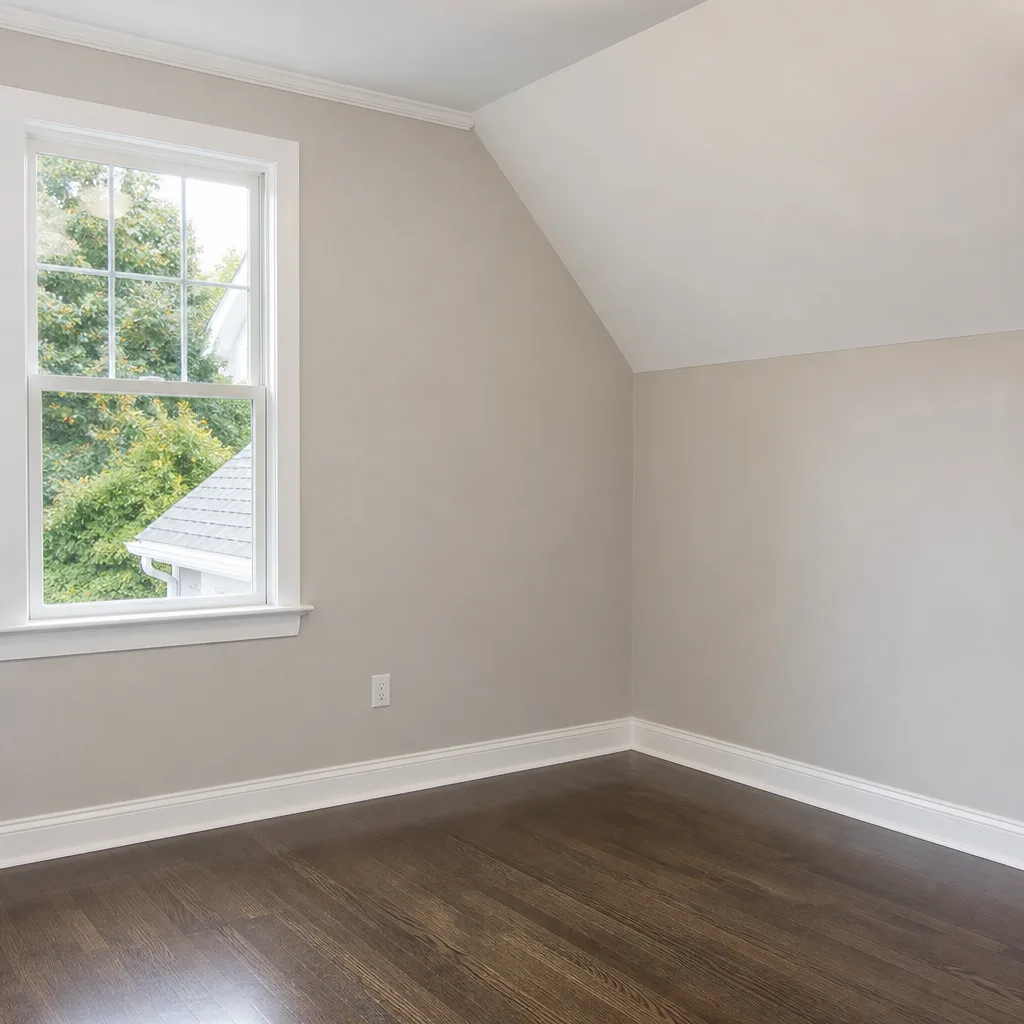
Storm response
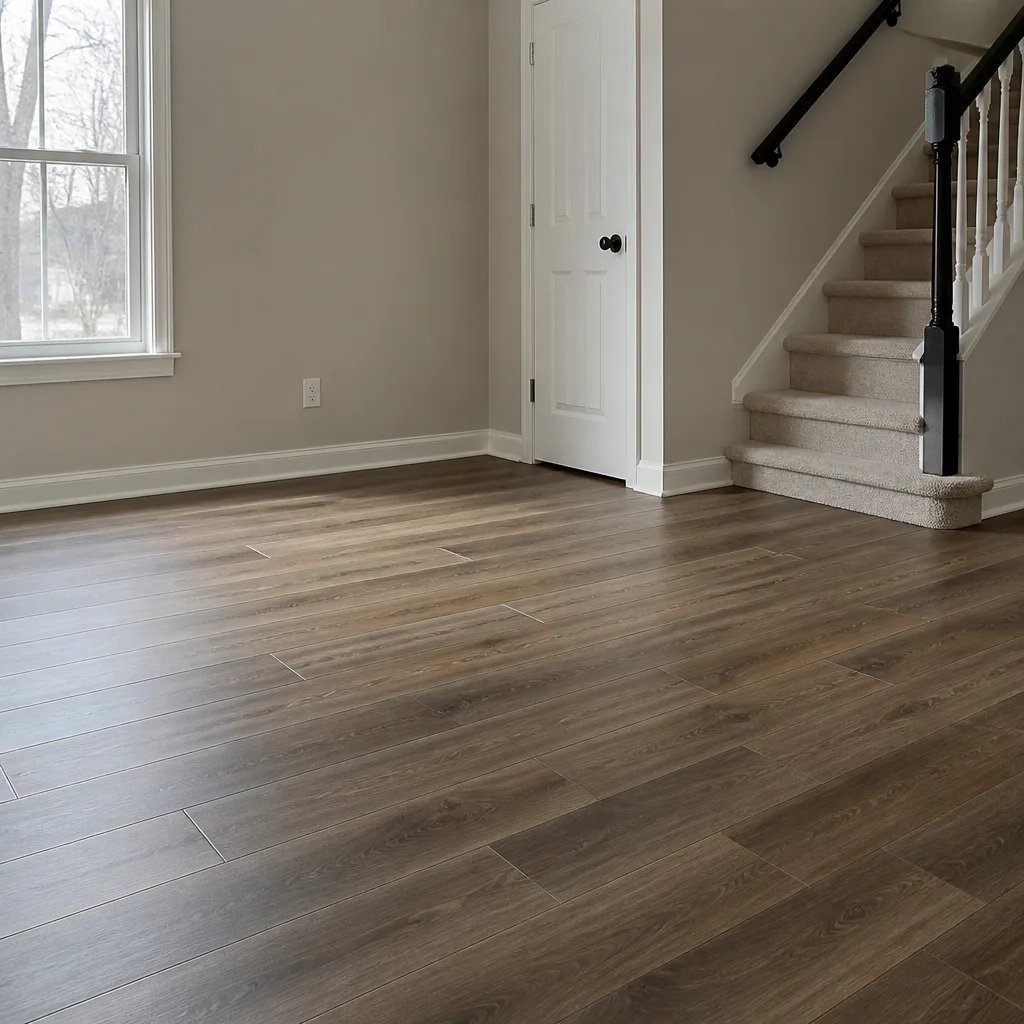
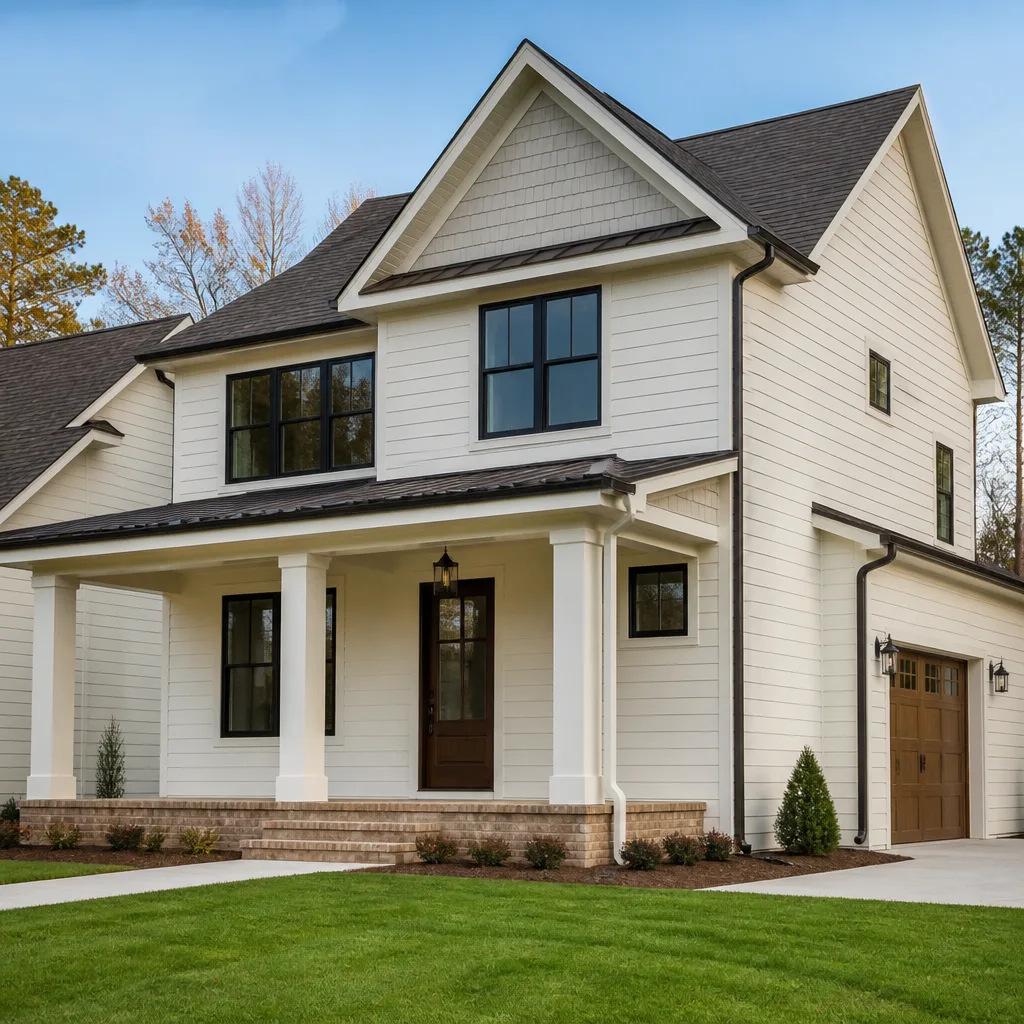
 Before
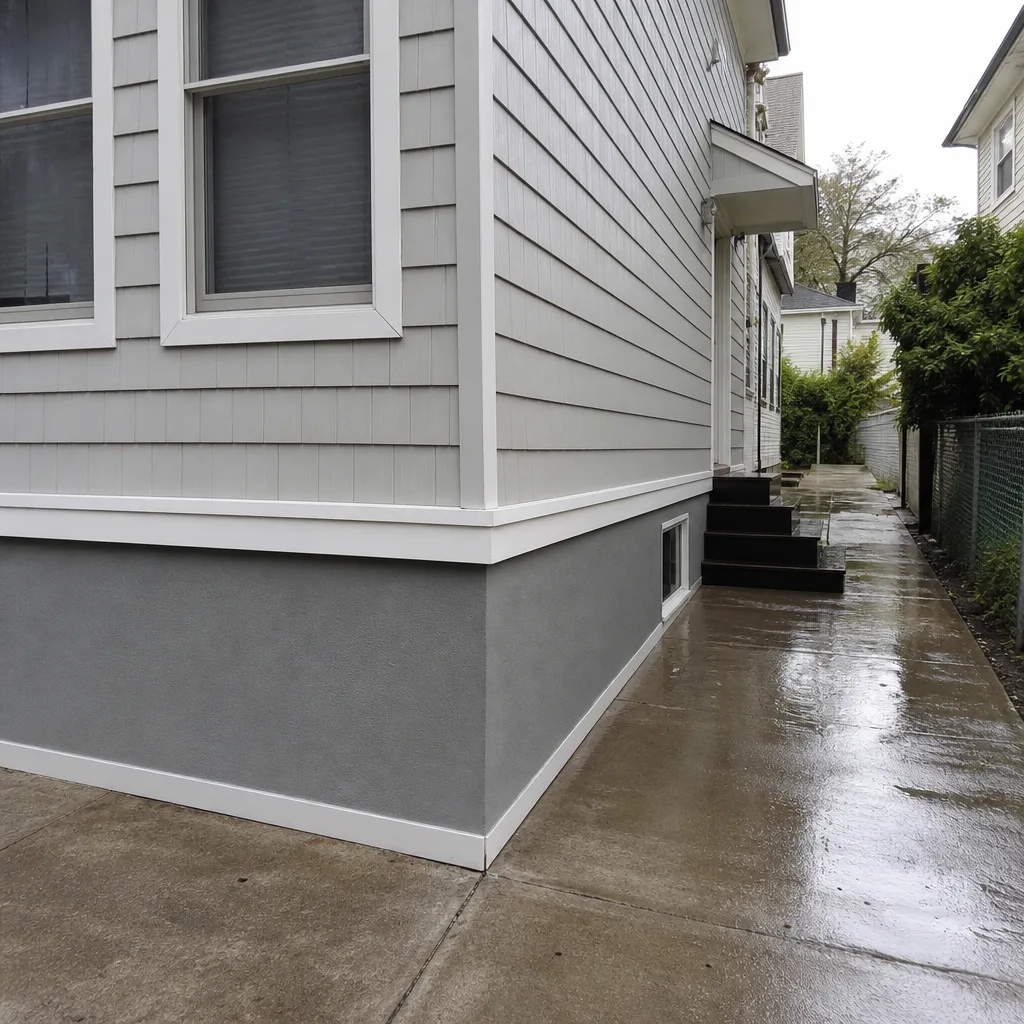 After
After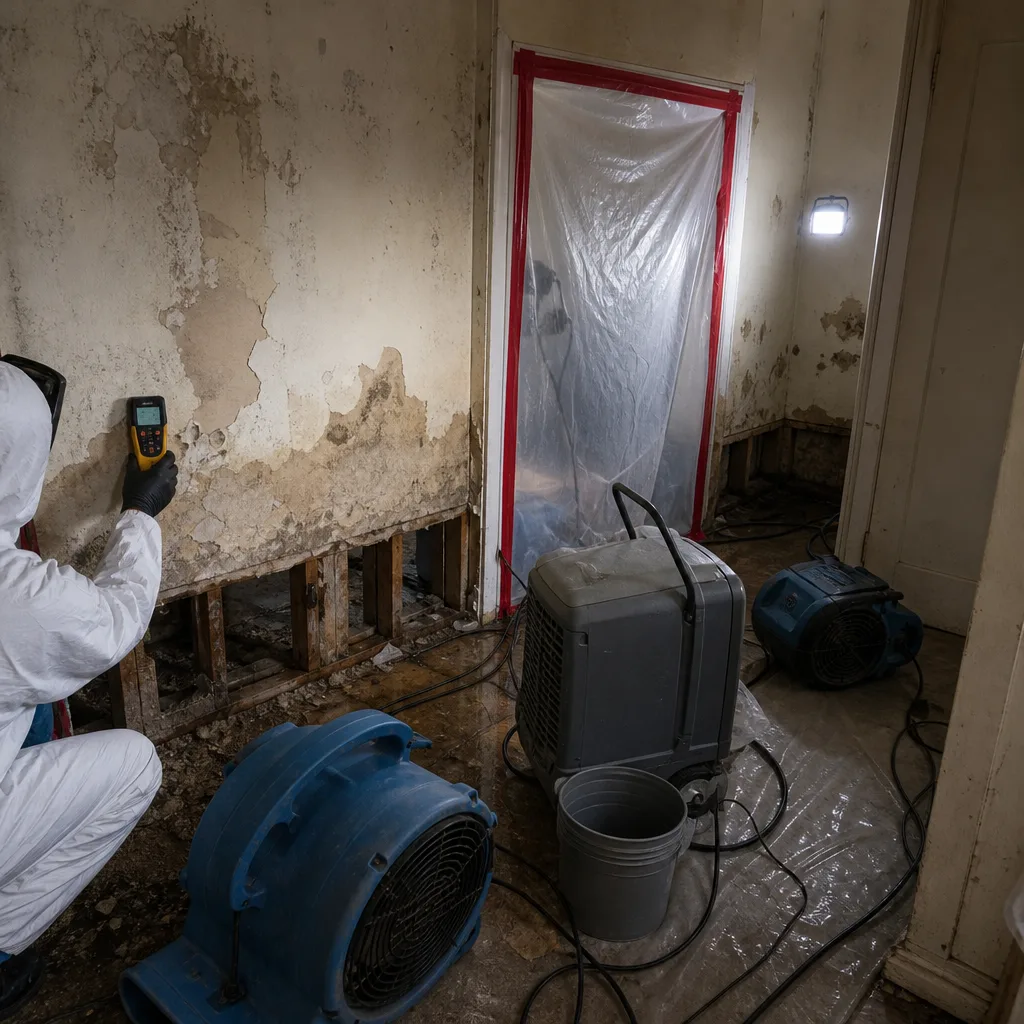 Before
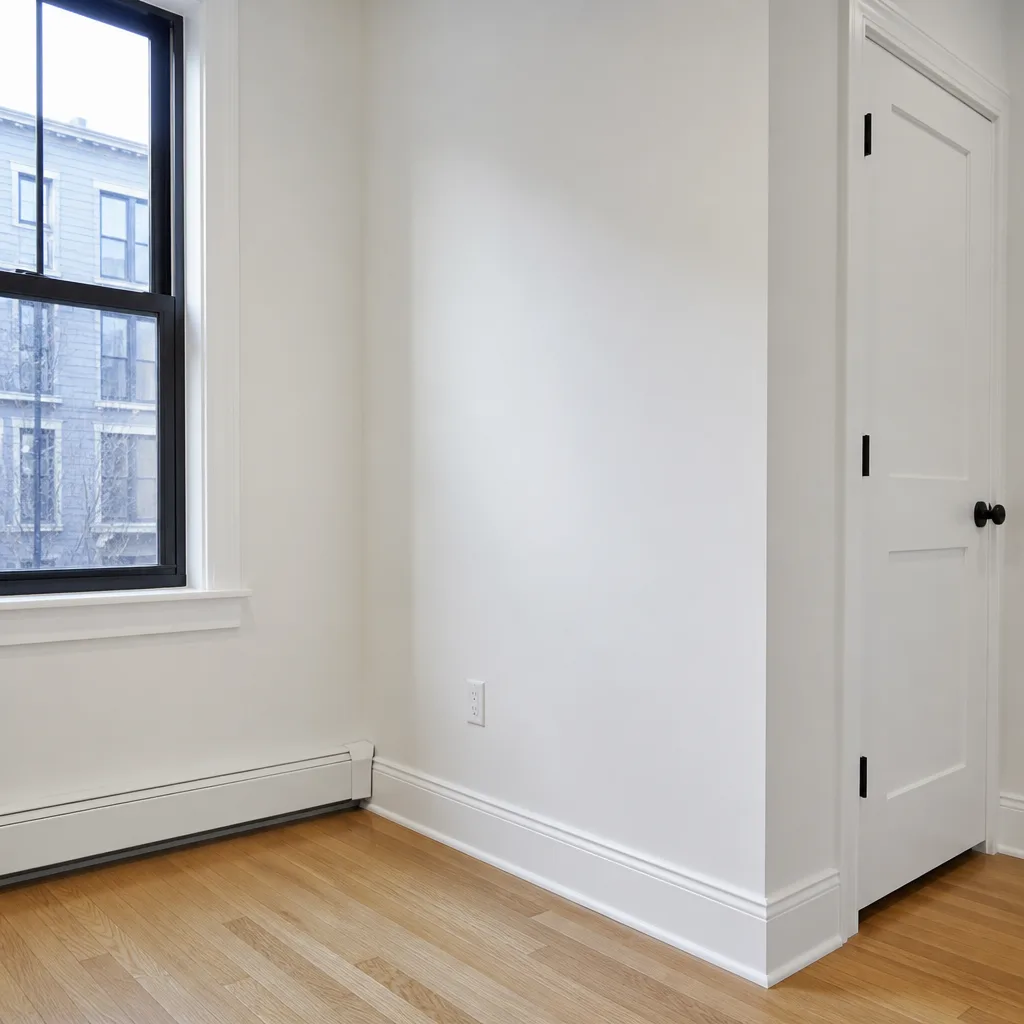 After
After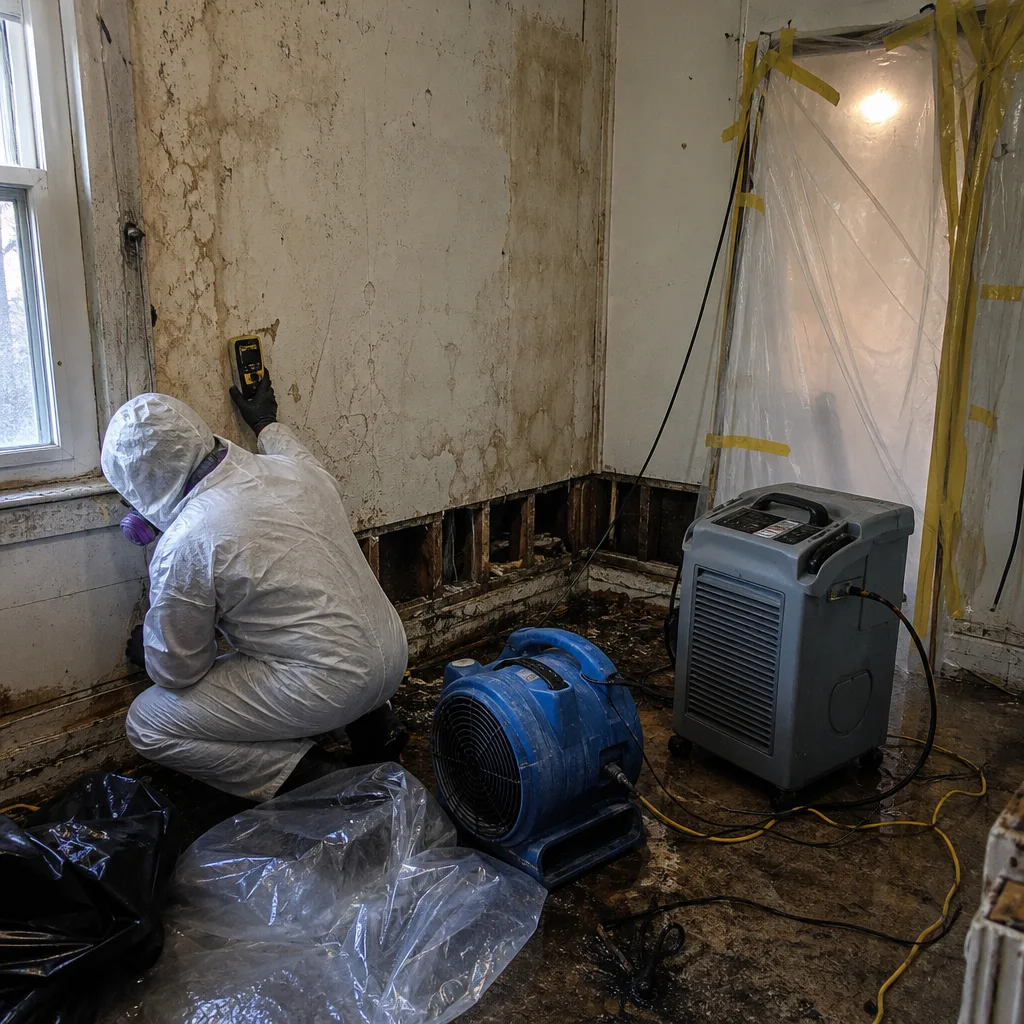 Before
 After
After24/7 Emergency Fire & Smoke Damage Restoration in Harlem
Fire and smoke damage restoration in Harlem typically costs $4,200-$18,500 depending on severity, with emergency board-up and stabilization available same day. Our crews answer live at (862) 281-7710, 24 hours a day, 7 days a week - no voicemail, no callback queues. We dispatch from our New York City office and can be on-site anywhere from West Harlem to East Harlem within 45 minutes of your call.
The first hour after a fire determines how far smoke and soot migrate through your building. In Harlem’s pre-war walk-ups and brownstones, smoke travels fast through shared masonry chases, plumbing risers, and party walls. Suppression water left standing in century-old floor systems starts Category 2 or 3 contamination within 24 hours. We provide a free visual inspection, document every room with photos before anything is touched, and deliver a written price before work begins - Haven Standard, Clause 1.
Understanding Fire & Smoke Damage Restoration Severity in Harlem Properties
Fire damage in Harlem breaks down into three severity bands tied directly to building age and construction. Light damage - surface soot on modern finishes, limited to one room - typically runs $4,200-$7,800. Moderate damage involving charred drywall, compromised plaster, and smoke penetration into HVAC or shared chases ranges $8,500-$14,000. Heavy structural damage with floor system compromise, roof involvement, or multi-unit spread starts at $15,000 and scales with abatement complexity.
Harlem’s housing stock dictates these tiers. The 5- to 6-story pre-war tenements and brownstone rowhouses built between the 1890s and 1920s contain original plaster over wood lath, lead-painted surfaces, and asbestos pipe wrap or insulation in wall cavities. A kitchen fire that seems contained often reveals these substrates once suppression water saturates the area. We classify water intrusion by category - Category 1 from a clean supply line, Category 2 with significant smoke and soot contamination, Category 3 when sewage or long-standing stagnation is present - then map moisture migration with thermal imaging and probing hygrometers to determine how many units and floors are affected.
Soot residue types vary by what burned. Protein fires from kitchens leave nearly invisible, pungent residues that etch finishes. Synthetic fires from plastics and modern furnishings produce thick, oily soot that smears and drives deep into porous materials. Natural substance fires from wood and paper create dry, powdery soot that’s easier to remove but migrates farther through convection currents. Each requires distinct cleaning chemistry and HEPA containment strategy.
Why Harlem Property Owners Choose DryMark Restoration Astoria
- 45-minute response commitment to any Harlem address, with crews dispatched from our New York City office and no third-party subcontractors.
- 24/7 live answer by a real person, never an automated system - emergency lines are staffed around the clock because fire damage doesn’t wait for business hours.
- IICRC-certified crews holding FSRT (Fire and Smoke Restoration Technician) and WRT (Water Damage Restoration Technician) certifications, with license numbers documented on every job file.
- Free visual inspection with a written scope and price delivered before any work begins - Haven Standard, Clause 1, no exceptions.
- Direct insurance billing with photo-documented estimates formatted to carrier standards, plus direct adjuster coordination so your claim moves without dispute.
- One team from emergency board-up through final reconstruction - no handoffs to unknown contractors mid-job, and every visit adds to the same documented file.
BeforeAfterOur Fire & Smoke Damage Restoration Process
1. Inspection & Assessment
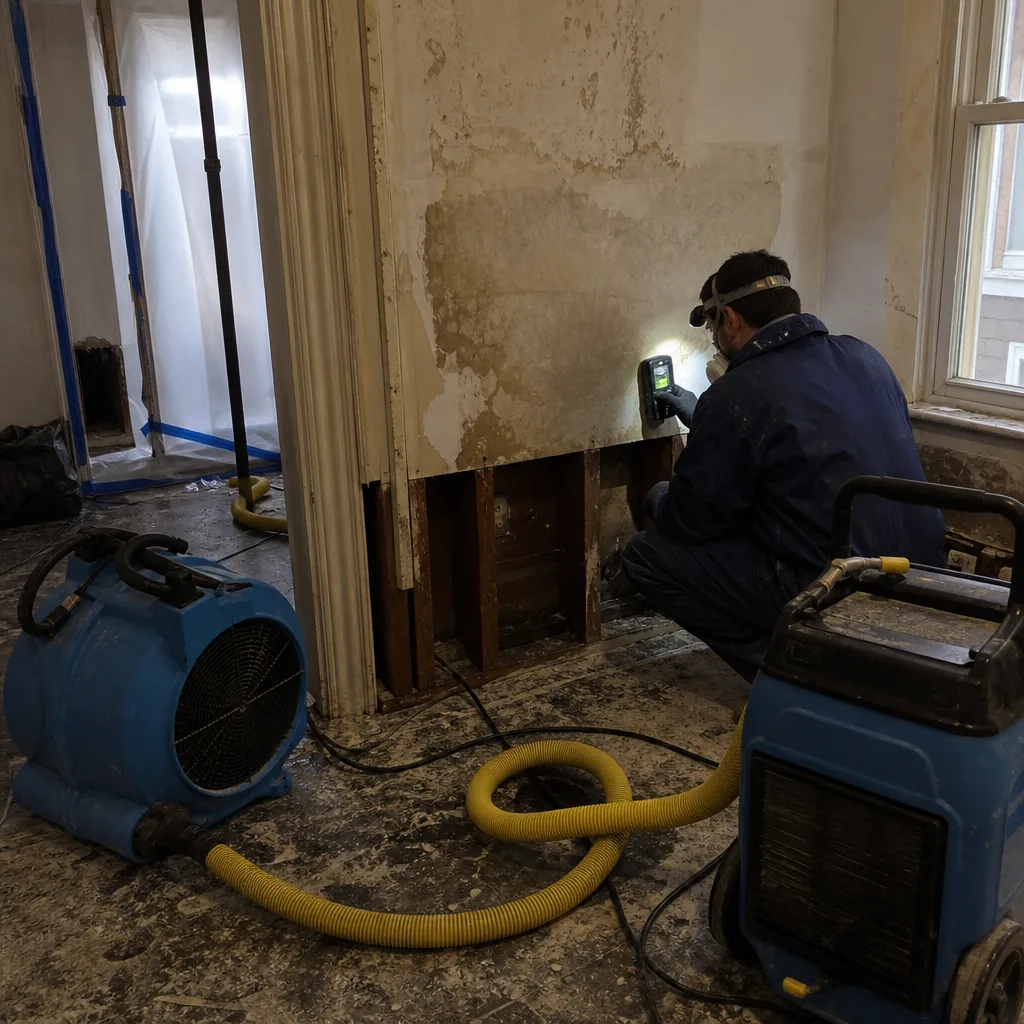
We arrive with thermal imaging cameras, moisture probes, and hygrometers to map the full extent of fire, smoke, and water damage. In Harlem’s pre-war buildings, this includes testing suspect surfaces for lead paint and asbestos-containing materials before any disturbance - a regulatory requirement under NYC Local Law 1 and DEP rules that, if skipped, can halt work mid-project and trigger violations.
2. Emergency Board-Up & Tarping
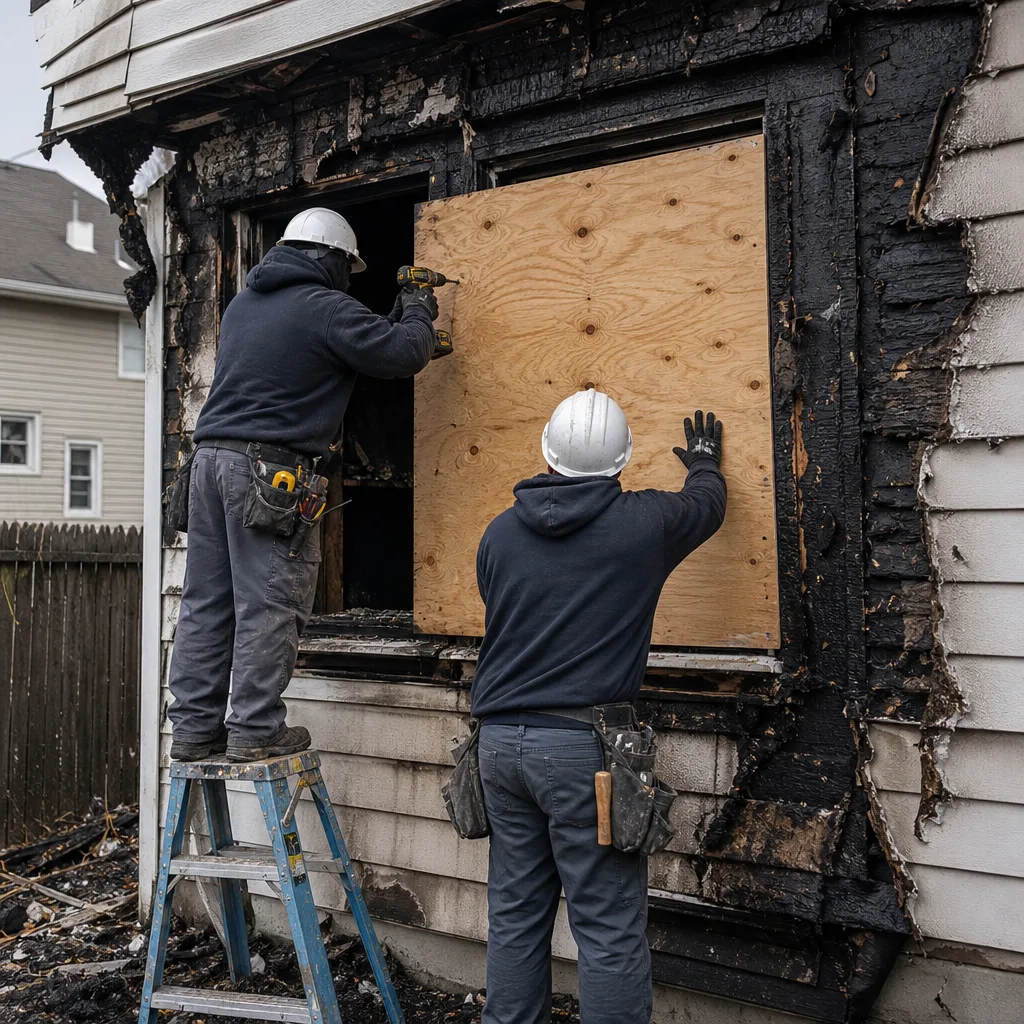
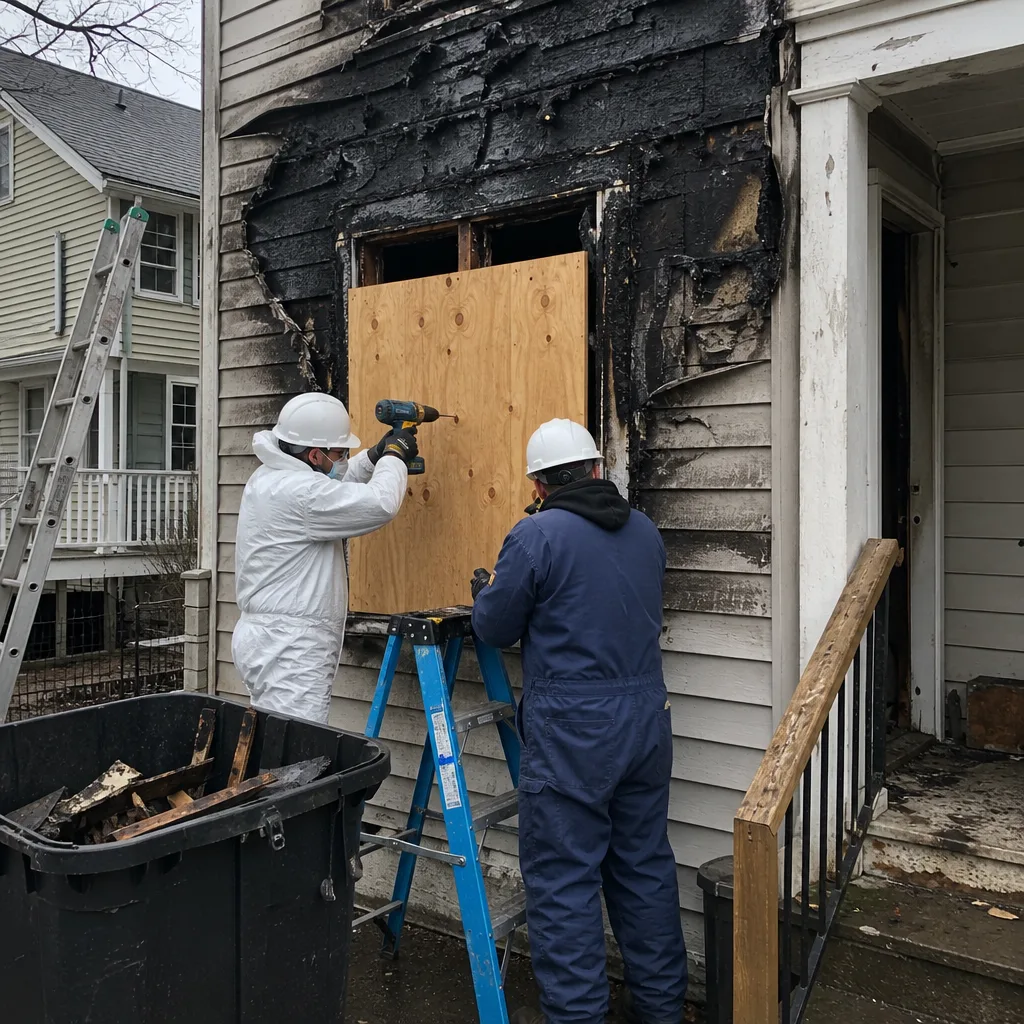
Broken windows, compromised roofs, and damaged doors get secured with plywood and weatherproof tarps the same day. We document every board-up with photos for your insurer and obtain necessary sidewalk shed or scaffolding permits when facade work is required - common on Harlem’s street-facing brownstone rows.
3. Water Extraction & Structural Drying
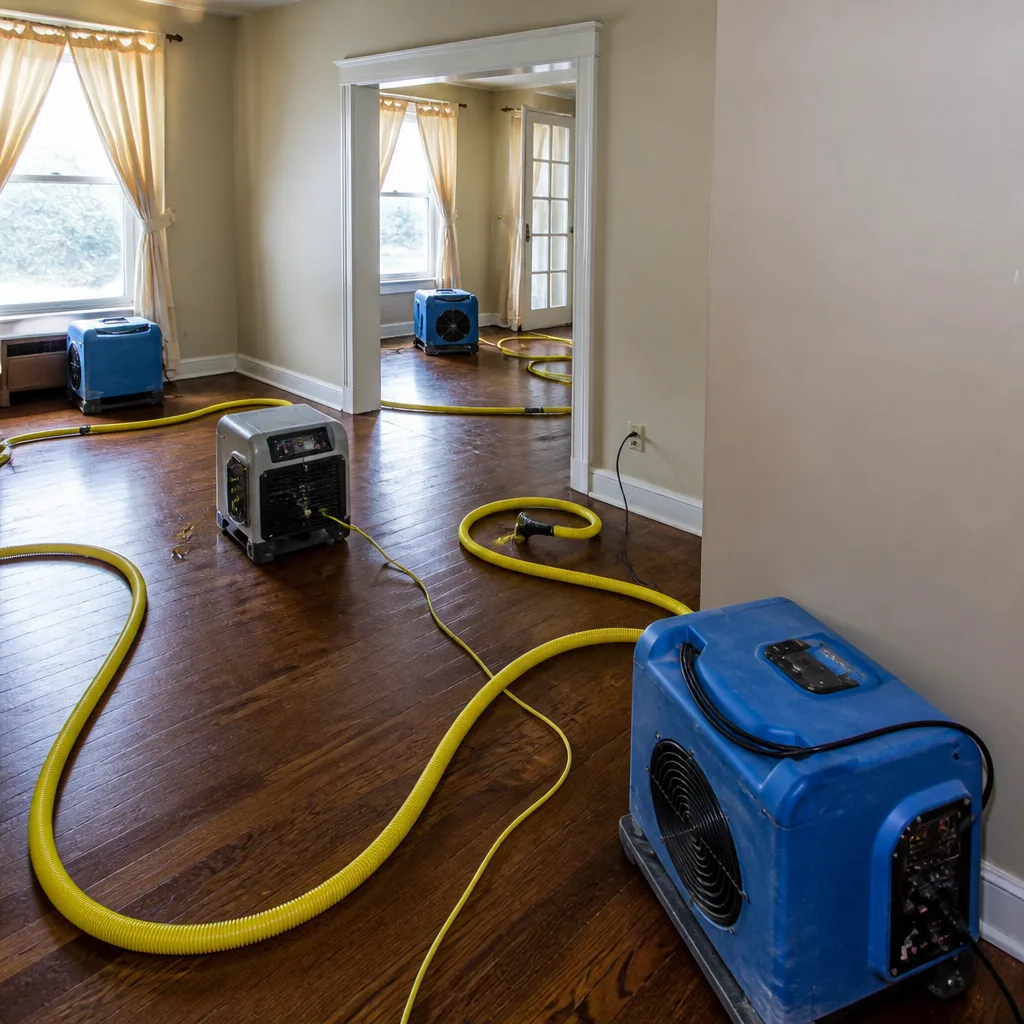
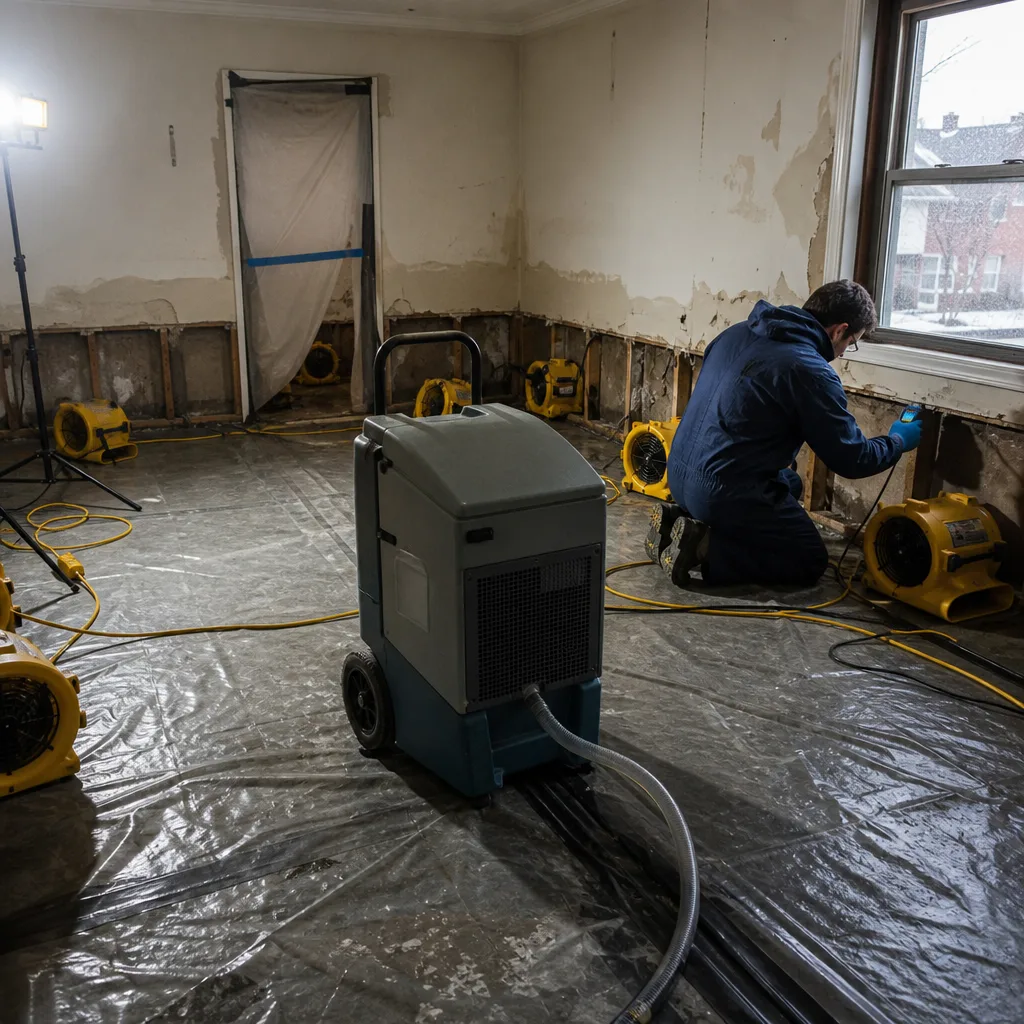
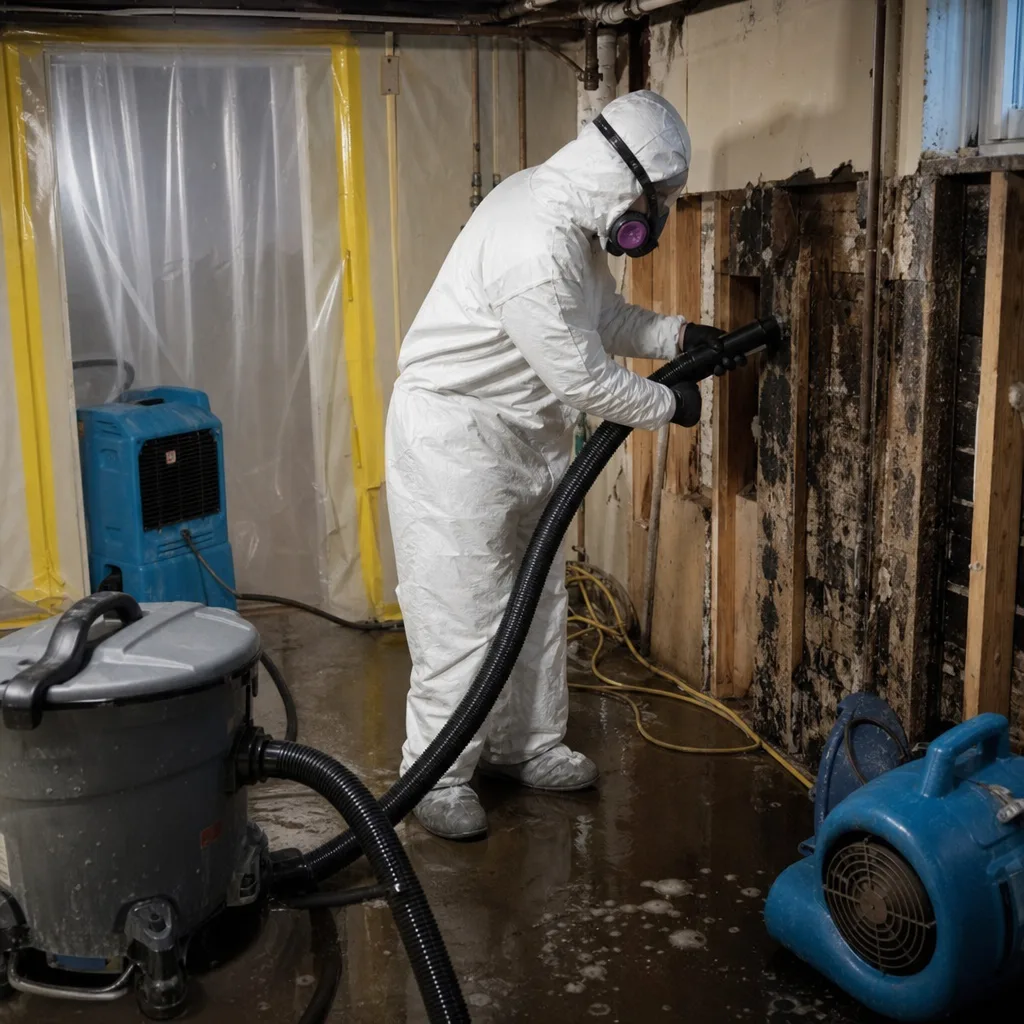
Suppression water gets extracted with truck-mounted and portable systems, then we deploy Dri-Eaz and Phoenix dehumidifiers with XPOWER air movers to establish vapor pressure differential - the measurable force that pulls moisture from wet materials into the drier air. Daily moisture logs track progress to IICRC S500 standards.
4. Smoke & Soot Removal
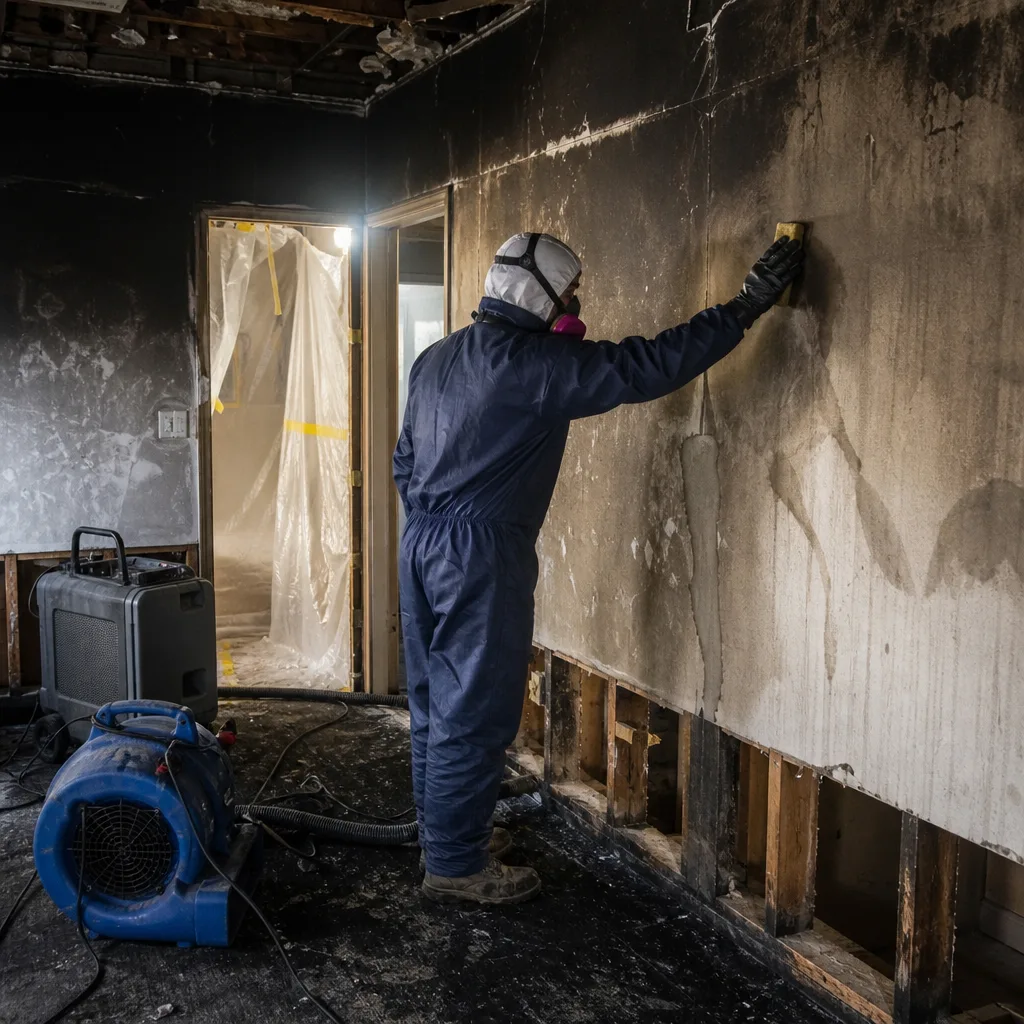
HEPA air scrubbers run negative-pressure containment while technicians apply chemistry-matched cleaning agents to each surface type. In Harlem’s shared-wall buildings, we seal adjacent units and test air quality in stacked apartments before declaring the fire unit isolated - smoke migrates through risers and chases that don’t respect property lines.
5. Odor Removal & Deodorization
Thermal fogging, ozone treatment, and hydroxyl generators neutralize odor molecules at the source rather than masking them. Railroad-style tenements with continuous floor plates and shared ventilation require whole-floor or whole-building treatment protocols - treating only the fire unit leaves persistent odor in neighboring spaces.
6. Repairs & Restoration
Reconstruction begins only after abatement clearance, drying goals are met, and your written scope is approved. We rebuild with materials matched to existing character - plaster repair for pre-war walls, period-appropriate trim for brownstones - and back every job with our 365-Day Done Right Promise under The Haven Standard.
Need Emergency Fire & Smoke Damage Restoration in Harlem Now?
Crews minutes away, answering live 24 hours a day. The sooner we start, the less it costs.
Working With Your Insurance Company
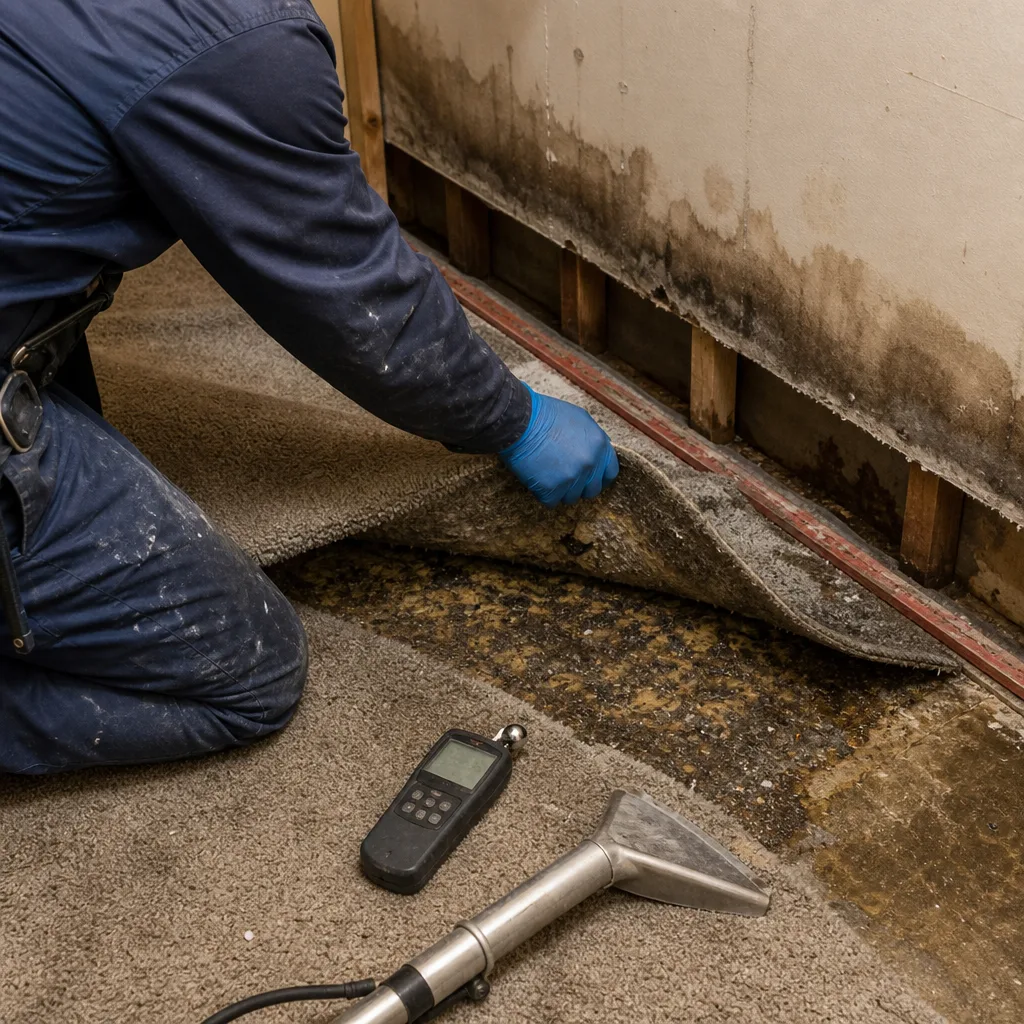
Insurance claims for fire damage succeed or fail on documentation quality. We begin building your file from the first phone call: time-stamped photos of every room, moisture readings with psychrometric data explained in plain terms, and a line-item scope that separates emergency services from reconstruction. Our estimates follow Xactimate and industry-standard formats that adjusters recognize immediately.
We communicate directly with your carrier’s assigned adjuster, provide supplemental documentation when hidden damage extends the scope, and never proceed beyond the written authorization without your signed approval. Many Harlem property owners carry additional coverage for code-upgrade requirements - common in pre-war buildings where current NYC codes exceed original construction standards - and we flag these provisions during our initial assessment so they’re not missed.
What We Provide Your Insurer
- Thorough documentation of the loss with cause-and-origin observations
- Photos of all damage, room by room, before any materials are disturbed
- Moisture readings and daily drying logs with equipment placement maps
- A detailed, line-item scope of work separating emergency from reconstruction phases
- Direct coordination with your carrier’s adjuster, including supplement negotiation
Built for Harlem’s Loss Calendar
January’s deep freezes drive space-heater fires in under-insulated pre-war units, especially in rent-stabilized buildings where landlords defer heating system upgrades. February and March bring the worst ice dam conditions on Harlem’s flat-roofed tenements and brownstone parapets; when roof drains fail, water intrusion follows electrical systems and can spark attic or cockloft fires that smolder undetected.
Spring thunderstorm season - May through July - sees lightning strikes and power-surge fires across Upper Manhattan’s aging electrical infrastructure. Summer’s heat waves overload window AC units in buildings never designed for modern electrical loads, with fuse panels and knob-and-tube remnants still present in unrenovated Harlem properties. Fall and winter return to heating-system strain: steam boiler failures, faulty radiator valves, and improvised heating solutions that violate fire codes.
Year-round, the shared infrastructure of Harlem’s walk-ups creates cascade risks. A single electrical fire in a basement panel can smoke out six units. A kitchen flare-up on the 4th floor sends suppression water through every apartment below. Our Fire & Smoke Damage Restoration team plans for these building-scale events, not isolated room damage.
Fire & Smoke Damage Restoration Across Harlem’s Neighborhoods
West Harlem, from Morningside Heights to Hamilton Heights, holds some of the city’s densest concentrations of intact brownstone rows. Fires here often involve ornate plaster moldings and original woodwork that demand specialized restoration subcontracting. We maintain relationships with period-craft tradespeople who can replicate 1890s detail when char damage exceeds salvage capacity.
Central Harlem, the historic core along 125th Street and the corridors radiating from Lenox Avenue, mixes landmarked residential blocks with commercial buildings and newer infill construction. Mixed-use fires - residential above retail - require coordination with NYC Fire Department post-fire inspections and DOB occupancy reviews that can delay reconstruction if documentation is incomplete. We file these coordinations as standard practice.
East Harlem, from 96th to 142nd Streets east of Fifth Avenue, includes NYCHA developments alongside private pre-war stock. Fires in larger buildings trigger complex tenant-relocation and HPD violation chains that run parallel to restoration work. We’ve coordinated with Harlem-based tenant advocacy organizations and city agencies to keep restoration timelines aligned with displacement assistance programs.
South Harlem, below 110th Street, borders Central Park and includes some of the most rapidly renovated pre-war buildings in the area. Renovation-quality finishes - imported stone, custom millwork, integrated smart systems - raise replacement costs and require detailed pre-loss documentation that we help assemble for your insurer.
Our Fire & Smoke Damage Restoration in Harlem coverage extends to every block, with response routes mapped to avoid bridge traffic and construction delays on corridors like Frederick Douglass Boulevard and Adam Clayton Powell Jr. Boulevard.
Specialized Fire & Smoke Damage Restoration Services We Offer in Harlem
Fire Damage Cleanup
We remove charred debris, evaluate structural integrity of fire-compromised floor and wall systems, and establish containment before any disturbance of lead-painted or asbestos-containing materials. In Harlem, this phase always includes regulatory pre-clearance - no exceptions.
Smoke & Soot Removal
Different soot types demand different approaches: dry sponging for light, powdery residues; solvent-based cleaning for oily synthetics; alkaline pre-cleaning for protein fires. We test in inconspicuous areas first, then scale to full-room treatment with HEPA-contained negative air pressure.
Odor Removal & Deodorization
Smoke odor in Harlem’s shared-wall buildings rarely stays in one unit. We trace migration paths through plumbing chases, electrical risers, and party wall gaps, then treat at the source with thermal fogging, ozone, or hydroxyl generation depending on occupancy status and material sensitivity.
Contents Cleaning & Pack-Out
Salvageable items get inventoried, photographed, and transported to our facility for ultrasonic, immersion, or dry-cleaning restoration. Non-salvageable items are documented for insurance replacement value. In multi-unit Harlem fires, we coordinate pack-outs for multiple households simultaneously.
Emergency Board-Up & Tarping
Same-day securing of compromised openings with plywood, tarps, and temporary weatherproofing. We obtain DOT and sidewalk permits when needed, and our boards are installed to code for wind load - critical on Harlem’s exposed upper-floor exposures.
What happens when you call
- 1
A real person answersNo phone trees - you reach a local pro.
- 2
You get an upfront price rangeHonest numbers before anyone is dispatched.
- 3
A background-checked tech heads outLicensed & insured, dispatched right away.
- 4
You approve before work beginsNothing starts until you say go.
Fire & Smoke Damage Restoration Costs in Harlem, NY
Light fire damage with surface soot and limited water intrusion: $4,200-$7,800. Moderate damage with plaster removal, multi-room smoke migration, and Category 2 water classification: $8,500-$14,000. Heavy structural damage with floor system replacement, roof involvement, or lead/asbestos abatement coordination: $15,000-$18,500 and above.
What moves the price: the number of affected rooms, presence of lead or asbestos requiring abatement subcontracting, whether multiple units are involved, and the category of water damage from suppression. Insurance typically covers direct fire and smoke damage plus water damage from suppression; gradual leaks or pre-existing conditions are excluded. We provide a free inspection that produces a firm, written scope - not an estimate range that shifts later. Bring a competitor’s written quote and we’ll review it at no charge.
We Also Serve Cities Near Harlem
Our crews respond daily to Astoria and Long Island City across the Triborough Bridge, Upper East Side properties along the Central Park corridor, and Jackson Heights in Queens - all within our standard response zone from the New York City office.
Serving Harlem, NY - Our Local Coverage Area
We’re based in the Harlem area and know this community well. Use the map below to see our service coverage - if you’re nearby, we can almost certainly help.
Harlem Fire & Smoke Damage Restoration Questions, Answered
After a fire in my Harlem brownstone, why do you test for lead and asbestos before any cleanup?
NYC Local Law 1 and DEP regulations require lead-safe work practices and asbestos abatement protocols before disturbing painted or insulated surfaces in pre-1940 buildings - which includes virtually every brownstone and tenement in Harlem. We test first because starting cleanup without clearance can trigger stop-work orders, HPD violations, and liability exposure for property owners. The testing adds 24-48 hours to the front of the job but prevents weeks of delay later. Call (862) 281-7710 to schedule inspection.
Can smoke from a fire in one unit reach my apartment in a Harlem walk-up?
Yes - smoke migration through shared masonry chases, plumbing risers, electrical conduits, and gaps in party walls is routine in Harlem’s pre-war tenements. We’ve documented smoke damage in units three floors above and two floors below the fire origin. Our assessments always include air quality testing and visual inspection of adjacent units, not just the fire apartment. Call (862) 281-7710 for same-day evaluation.
How fast does mold start after fire-suppression water soaks my Harlem apartment?
Mold colonization begins 24-72 hours after water intrusion in Harlem’s humid summer conditions, slower in winter but still urgent. Pre-war plaster and lath, original wood flooring, and concealed spaces behind newer drywall all provide ideal substrates. We classify water by contamination level, extract standing water immediately, and deploy dehumidification to reach 30-50% relative humidity before mold can establish. Call (862) 281-7710 for emergency drying.
Will my landlord’s HPD violations slow down the fire restoration on our building?
HPD violations can complicate but need not block restoration if documentation is complete. We coordinate directly with property managers and, when authorized, with HPD inspectors to ensure our drying logs, abatement clearances, and reconstruction permits address violation remediation requirements. Our written scopes separate restoration from code-compliance work so each moves on its own timeline. Call (862) 281-7710 to discuss your building’s specific situation.
Do you board up and tarp a Harlem building after a fire the same day?
Yes - emergency board-up and tarping is same-day service, typically within 2-4 hours of your call. We secure all compromised openings, document the work for insurance, and obtain necessary sidewalk or scaffolding permits for street-facing properties. This is standard emergency service, not an upsell. Call (862) 281-7710 for immediate dispatch.
How long does full fire restoration take in a Harlem pre-war building?
Light damage with no abatement: 5-10 days. Moderate damage with lead or asbestos coordination: 3-6 weeks. Heavy structural damage with multi-unit involvement: 2-4 months. The abatement clearance process, not the physical restoration, typically drives the timeline in Harlem’s older housing stock. We provide a written schedule with your scope so you can plan displacement or alternate occupancy. Call (862) 281-7710 for a firm timeline.
Is fire and smoke damage covered by my insurance, or will I pay out of pocket?
Standard homeowners and commercial policies cover direct fire and smoke damage plus water damage from fire department suppression. Exclusions apply to arson by the insured, vacant properties, and certain high-risk items. We review your policy provisions during our free inspection and communicate directly with your adjuster to confirm coverage before work begins. Call (862) 281-7710 to start the documentation process.
What should I do in the first 30 minutes after a fire is extinguished in my Harlem building?
Ensure everyone is accounted for and do not re-enter until the FDNY clears the structure. Call (862) 281-7710 for our 24/7 live answer - we’ll dispatch immediately and guide you through initial documentation. Do not touch soot-covered surfaces (oils from skin set stains permanently), do not operate electrical systems, and do not attempt cleanup yourself. Ventilation without professional containment can spread smoke contamination to unaffected areas.
Fire damage in Harlem’s historic housing stock demands more than standard cleanup - it requires navigation of Local Law 1, DEP asbestos rules, and the shared-building dynamics that turn a single-unit fire into a multi-unit restoration project. We’ve handled these complexities since 2011, with 12,000+ documented jobs and a written price before every one.
Written by Alicia Brennan, Owner at Back to Dry Restoration, serving Harlem since 2011 under The Haven Standard.
Fire & Smoke Damage Restoration in Nearby Areas