
Free visual inspection and a written scope of work before any mitigation begins - photos, moisture readings, and drying logs go in your claim file
The scope we write is the scope we bill. Anything new gets shown to you, in writing, before we touch it.
Storm response
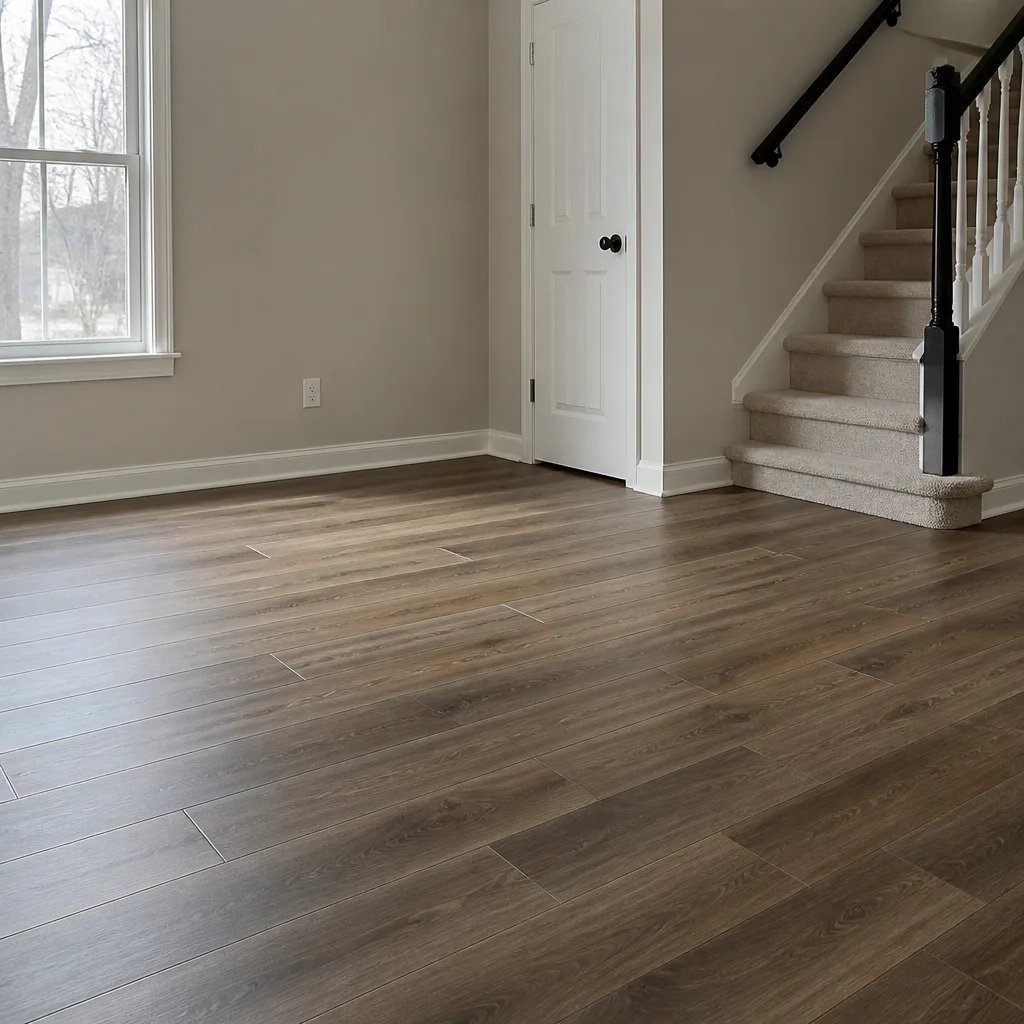
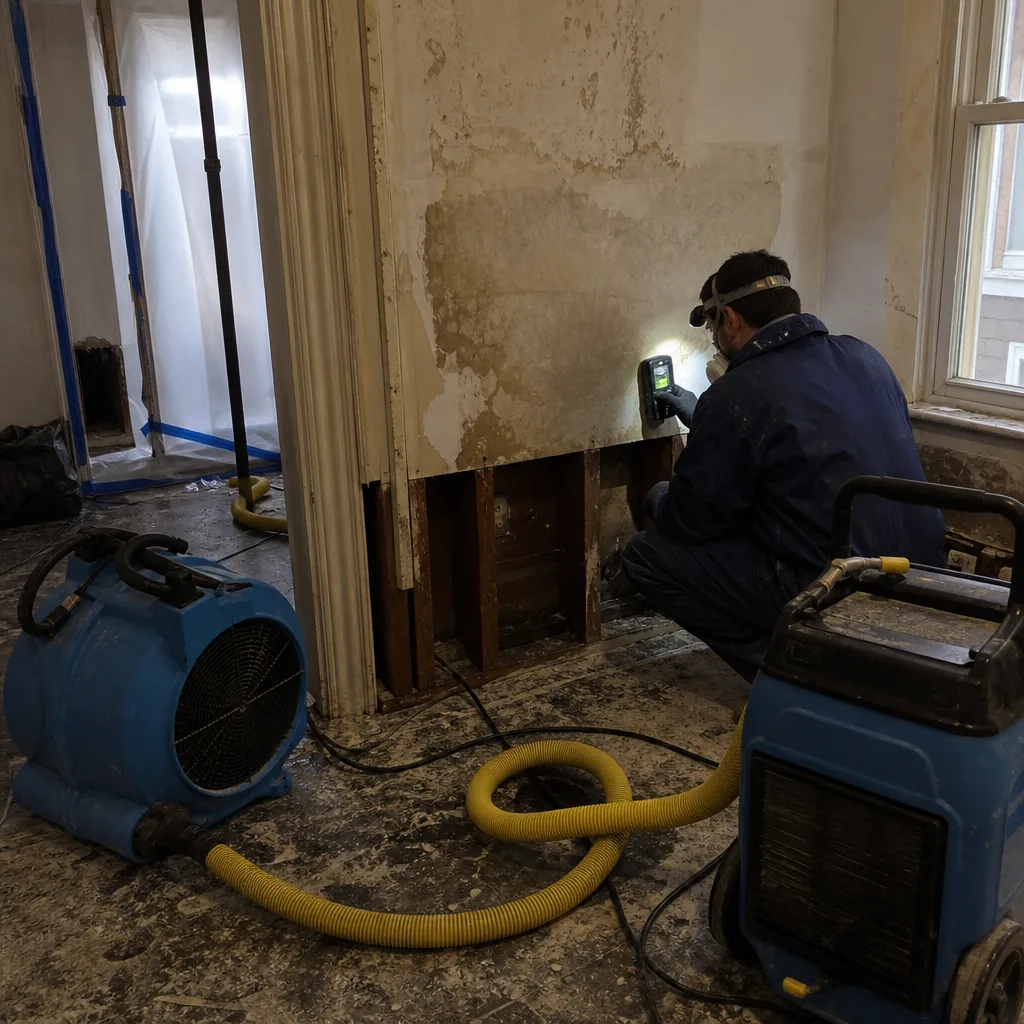 Before
 After
After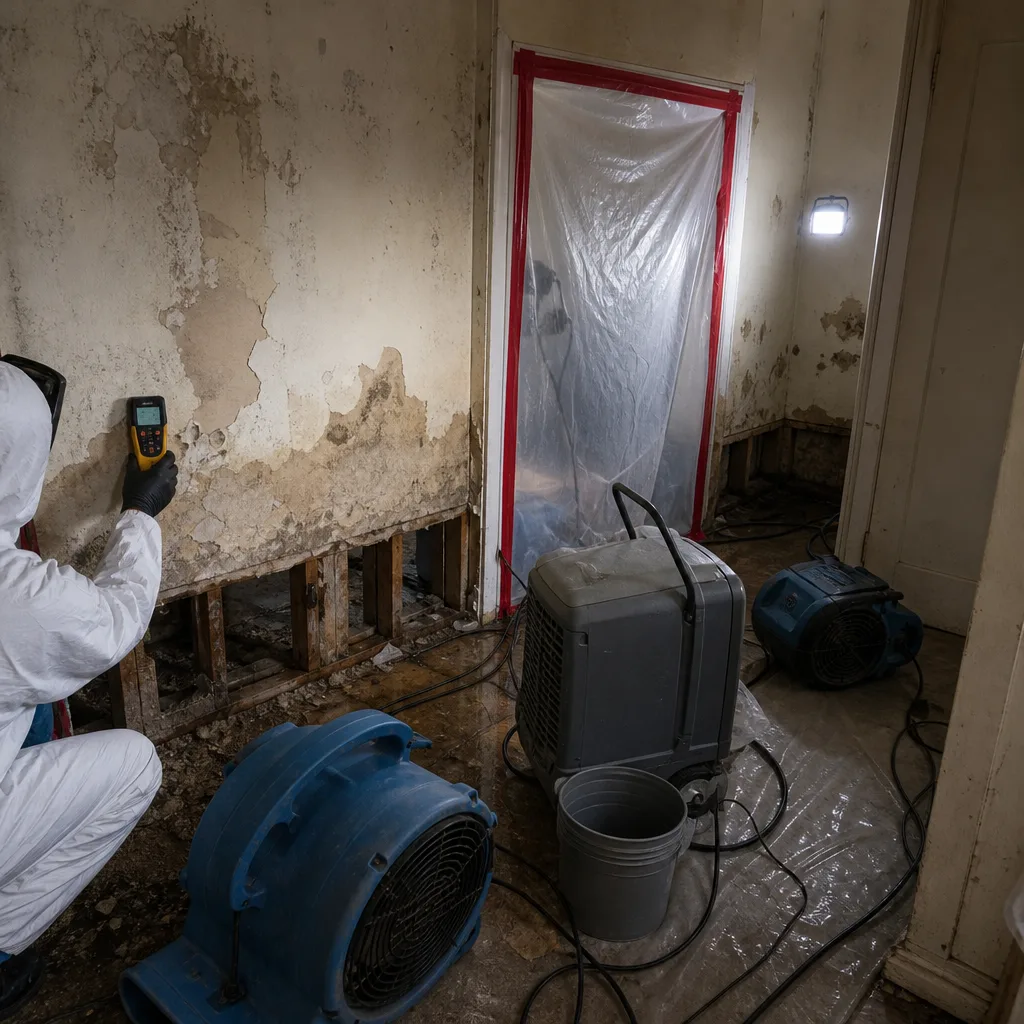 Before
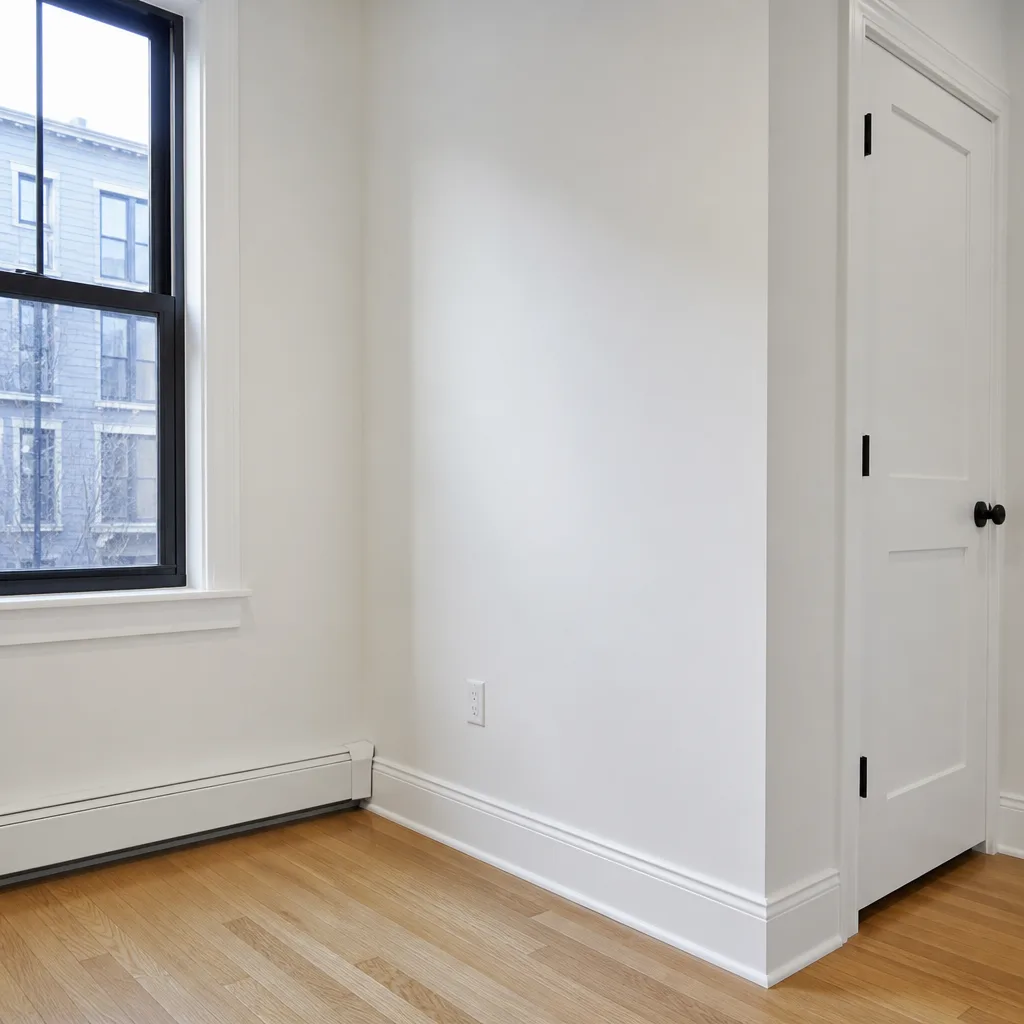 After
After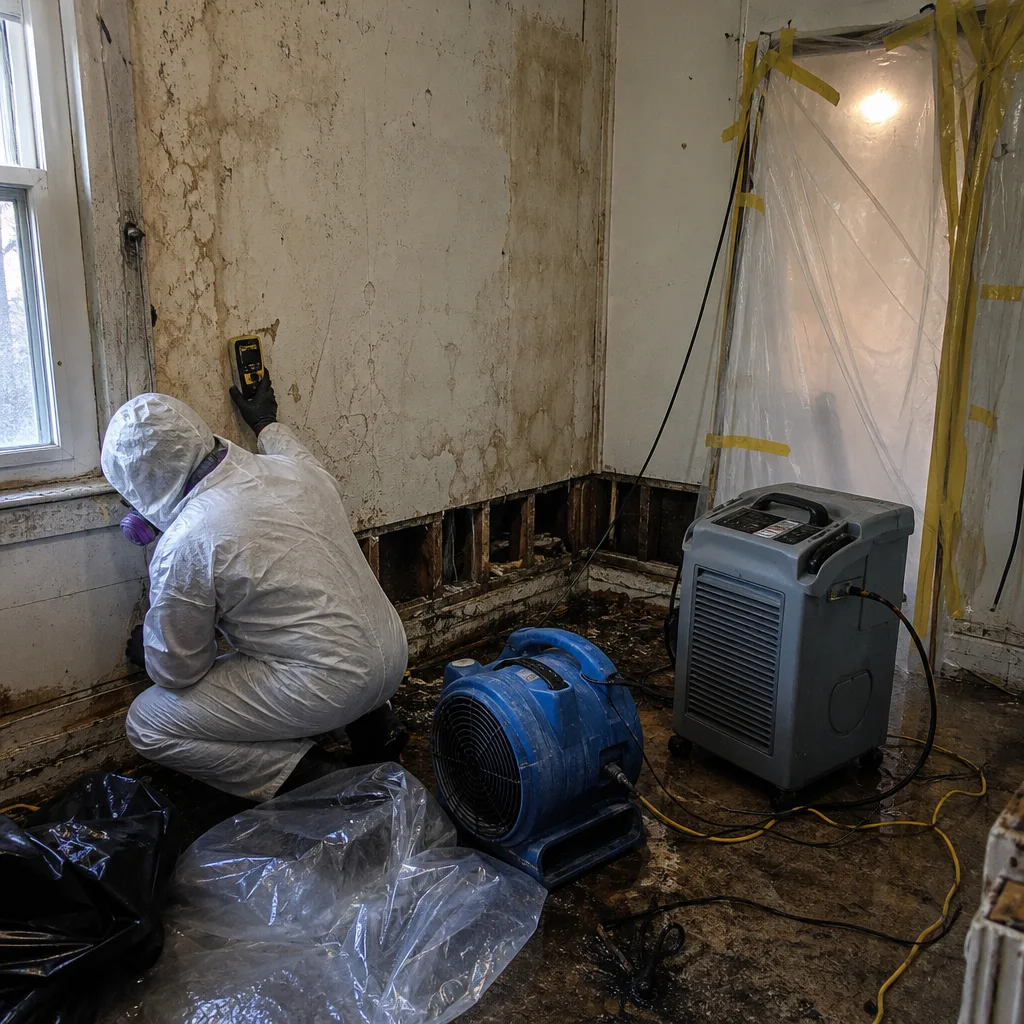 Before
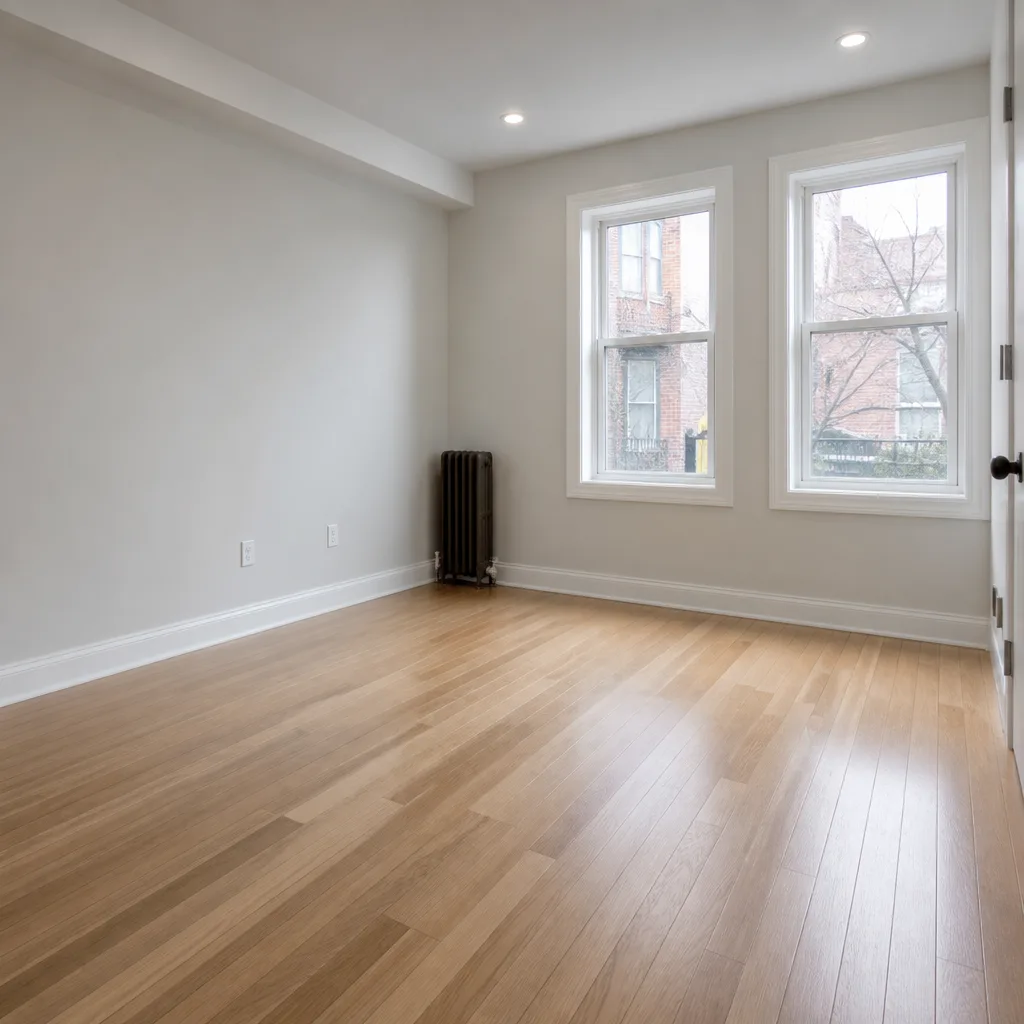 After
After24/7 Emergency Fire & Smoke Damage Restoration in Hoboken
A fire in a Hoboken rowhouse or brownstone demands immediate response. Smoke migrates through shared party walls within minutes, and the longer soot sits on horsehair plaster and original woodwork, the deeper it bonds. Call (862) 281-7710 now - our Fire & Smoke Damage Restoration team answers live, 24 hours a day, with crews dispatched to Hoboken inside 45 minutes. We provide a free visual inspection on arrival, document every room with photos before anything moves, and deliver a written price before work begins. The first hour determines whether smoke odor can be fully eliminated or becomes a permanent fixture in your plaster walls.
Understanding Fire & Smoke Damage Restoration Severity in Hoboken Properties
Fire damage in Hoboken follows a different severity scale than suburban single-family homes. The city’s attached brick rowhouses and brownstones, built between roughly 1880 and 1920, share party walls that act as horizontal chimneys for smoke and heat. A “small” kitchen fire on the third floor of an Adams Street building can deposit protein soot in the basement apartment two doors down through gaps in century-old framing.
We classify fire losses by residue type and migration path, not just burn area. Dry smoke from fast-burning materials leaves powdery, alkaline residue on surfaces. Wet smoke from slow, smoldering fires produces sticky, acidic deposits that etch glass and corrode metal within hours. Protein fires - common in kitchen incidents - produce nearly invisible, pungent residue that penetrates porous plaster and lingers for months without proper treatment.
Hoboken’s pre-1920 construction adds a critical layer: horsehair plaster over wood lath. This assembly reads dry on standard pin-type moisture meters even when the lath and framing behind it are saturated from suppression water or smoke-driven condensation. The true damage footprint almost always exceeds the visible char line. Our crews know to demo first and meter second, because scoping to surface readings alone leaves hidden mold colonies in the wall cavity. Where fire and water overlap, we also provide Mold Remediation in Hoboken to address what surface readings miss.
Why Hoboken Property Owners Choose DryMark Restoration Astoria
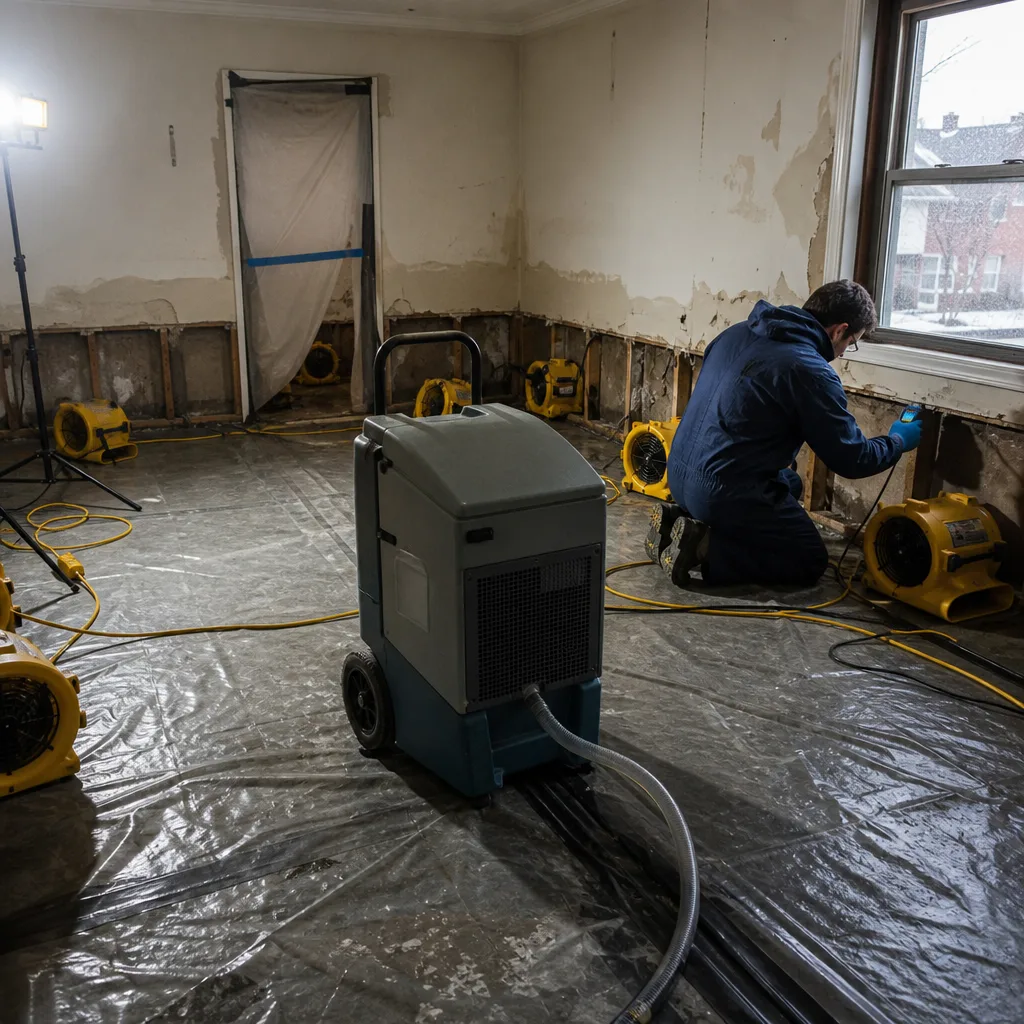
- 45-minute response commitment to Hoboken from our metro dispatch office, with crews arriving equipped for both fire residue and the water damage that suppression efforts always leave behind.
- 24/7 live answer - a real person, never an automated system or voicemail tree, because fire damage doesn’t wait for business hours.
- IICRC-certified crews holding FSRT (Fire and Smoke Restoration Technician) and WRT (Water Damage Restoration Technician) credentials, with AMRT (Applied Microbial Remediation Technician) certification for the mold that follows every fire job in Hoboken’s low-lying basin.
- Free visual inspection with photo documentation before any equipment is placed or any price is discussed.
- Direct insurance billing with adjuster coordination handled by our in-house claims team, including photo records and line-item scopes formatted to carrier standards.
- One team from emergency board-up through structural fire repair - no handoffs between mitigation and reconstruction contractors, no gaps in documentation.
BeforeAfterOur Fire & Smoke Damage Restoration Process
1. Inspection & Assessment
We arrive with thermal imaging cameras, hygrometers, and moisture meters calibrated for legacy building materials. In Hoboken’s rowhouses, we inspect adjacent units through shared party walls and map smoke migration paths that standard assessments miss. Every room is photographed before anything is touched.
2. Emergency Board-Up & Tarping
Broken windows and compromised roofs are secured immediately to prevent weather intrusion. In Hoboken’s bowl-shaped topography, a nor’easter can dump inches of rain into a fire-damaged structure within hours, converting a Category 1 fire loss into a Category 2 or 3 water event.
3. Water Extraction & Structural Drying
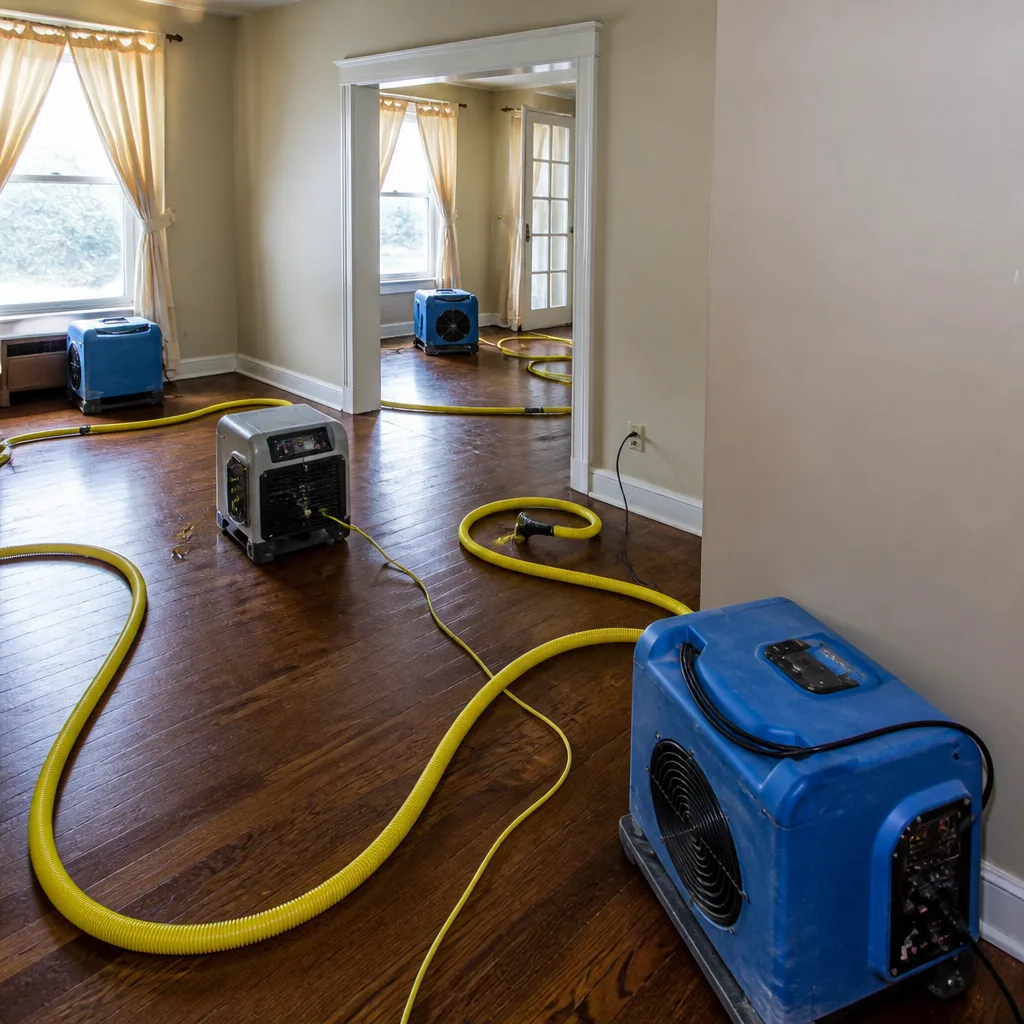
Suppression water is extracted using Dri-Eaz and Phoenix truck-mounted systems. We deploy LGR dehumidifiers and axial air movers from XPOWER, positioned to create vapor pressure differentials that pull moisture from horsehair plaster assemblies. Daily moisture logs track every reading.
4. Smoke & Soot Removal
Residue-specific cleaning agents are selected based on burn temperature and material type. HEPA air scrubbers run continuously during cleaning to capture airborne particulate. In Hoboken’s older buildings, we frequently encounter multiple residue types in the same structure, each requiring a different approach.
5. Contents Cleaning & Pack-Out
Smoke-affected belongings are inventoried, photographed, and transported to our facility for ultrasonic cleaning, ozone treatment, or specialized textile restoration. Items are stored in climate-controlled vaults until your Hoboken property is ready for return.
6. Structural Fire Repair & Odor Removal
Charred framing is replaced, horsehair plaster is reinstalled or transitioned to modern assemblies per owner preference, and thermal fogging or hydroxyl generators eliminate residual odor. Final air quality testing confirms safe reoccupation.
Need Emergency Fire & Smoke Damage Restoration in Hoboken Now?
Crews minutes away, answering live 24 hours a day. The sooner we start, the less it costs.
Working With Your Insurance Company
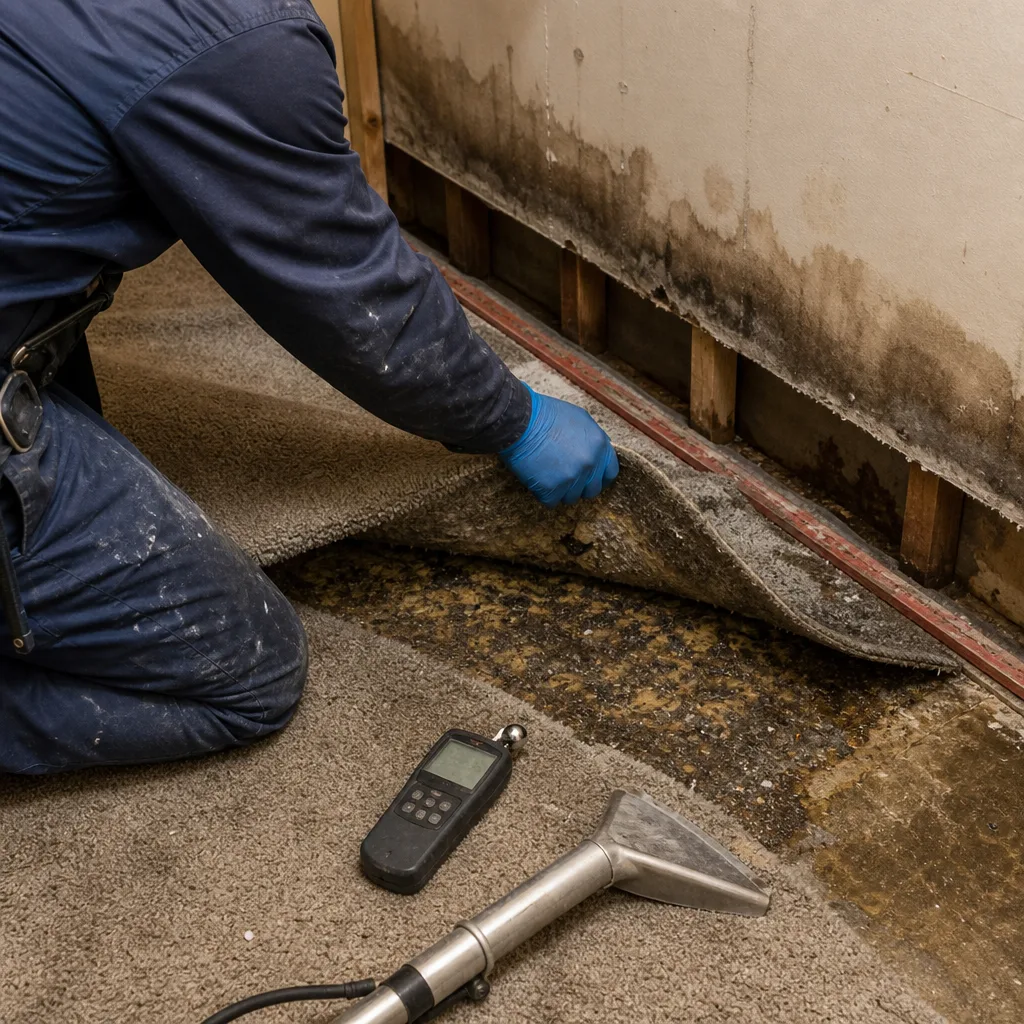
Fire claims in Hoboken rowhouses generate complexity that suburban adjusters rarely encounter. Multiple owner-of-record properties, condo association master policies, and individual unit HO-6 policies can all apply to the same loss. Our documentation protocol, developed by a former claims adjuster, produces files that resolve these overlaps without delay.
We begin photo documentation on arrival, before any mitigation starts. Every moisture reading is logged with date, time, equipment serial number, and exact location. Our scopes are written to Xactimate standards with line-item detail that carriers recognize. Direct adjuster communication is standard, not an upsell.
What We Provide Your Insurer
- Thorough documentation of the loss
- Photos of all damage, room by room
- Moisture readings and drying logs
- A detailed, line-item scope of work
- Direct coordination with your carrier
Built for Hoboken’s Loss Calendar
January deep freezes crack supply lines in uninsulated third-floor spaces, where century-old plumbing runs through exterior walls. Fire risk spikes when residents use space heaters in drafty rooms with original wiring. Spring thaw brings basement seepage that complicates fire restoration in garden-level units. Summer thunderstorms trigger lightning strikes on metal roofs and parapets common along Washington Street. Fall and winter nor’easters drive Hudson River surge against Hoboken’s eastern edge, flooding below-grade spaces while fire-damaged structures are still drying.
The defining pattern: fire and water converge. Suppression water, river surge, or sewer backup follows nearly every significant fire in Hoboken‘s bowl-shaped basin. Restoration contractors who handle fire alone miss the moisture infiltration pathway that drives mold recurrence within weeks. We scope both simultaneously, every time.
Fire & Smoke Damage Restoration Across Hoboken’s Neighborhoods
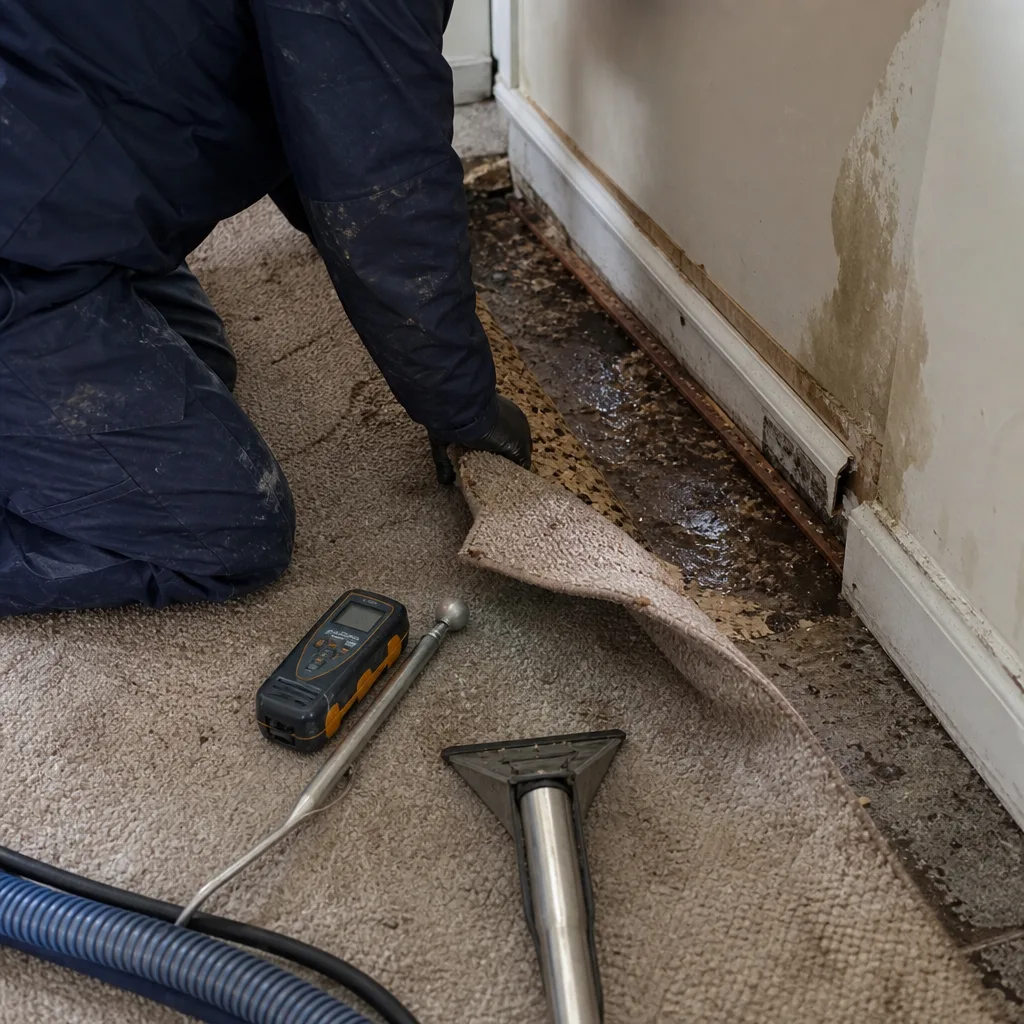
Downtown Hoboken, between Observer Highway and the waterfront, packs the highest density of converted 1890s warehouses and subdivided rowhouses. Fire here typically involves multi-unit buildings with limited access for equipment staging. Our crews pre-position air movers and dehumidifiers at street level, then run ducting through window openings to avoid lobby congestion.
The Heights, along the western edge toward the Palisades, holds some of Hoboken’s oldest freestanding homes and the steepest grades in the city. Water from suppression runs downhill through shared foundations, often pooling in basement units blocks from the original fire. We moisture-map the full downhill path, not just the burn structure.
Midtown, centered on Washington Street’s commercial corridor, mixes retail and residential in buildings with century-old mixed-use occupancy. Kitchen fires in upper-floor apartments send protein residue into ground-floor restaurants, requiring coordinated after-hours cleaning to avoid business interruption claims.
The waterfront, from Sinatra Park north to Weehawken Cove, presents newer construction but identical flood risk. Fire damage in these buildings frequently combines with storm surge from the Hudson, producing Category 3 water contamination that demands full gutting of affected assemblies.
Specialized Fire & Smoke Damage Restoration Services We Offer in Hoboken
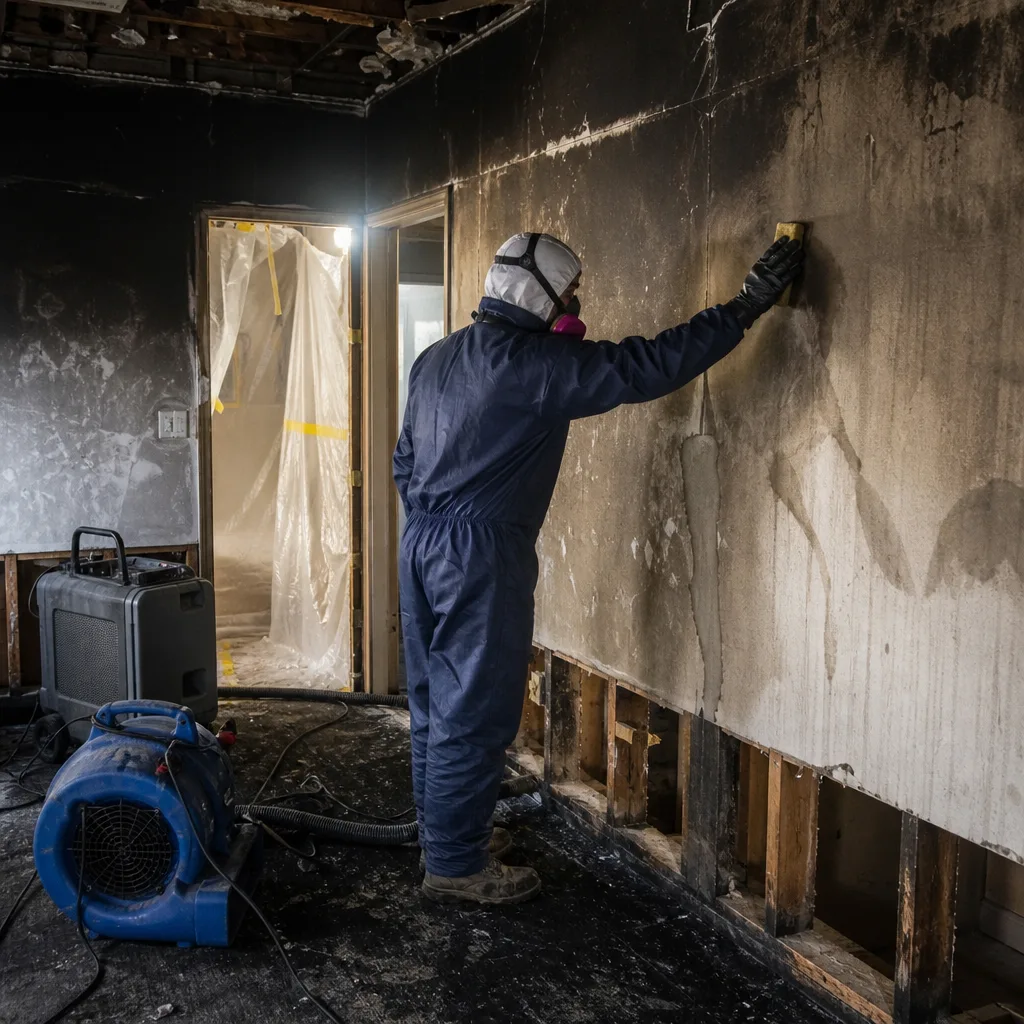
Fire Damage Cleanup
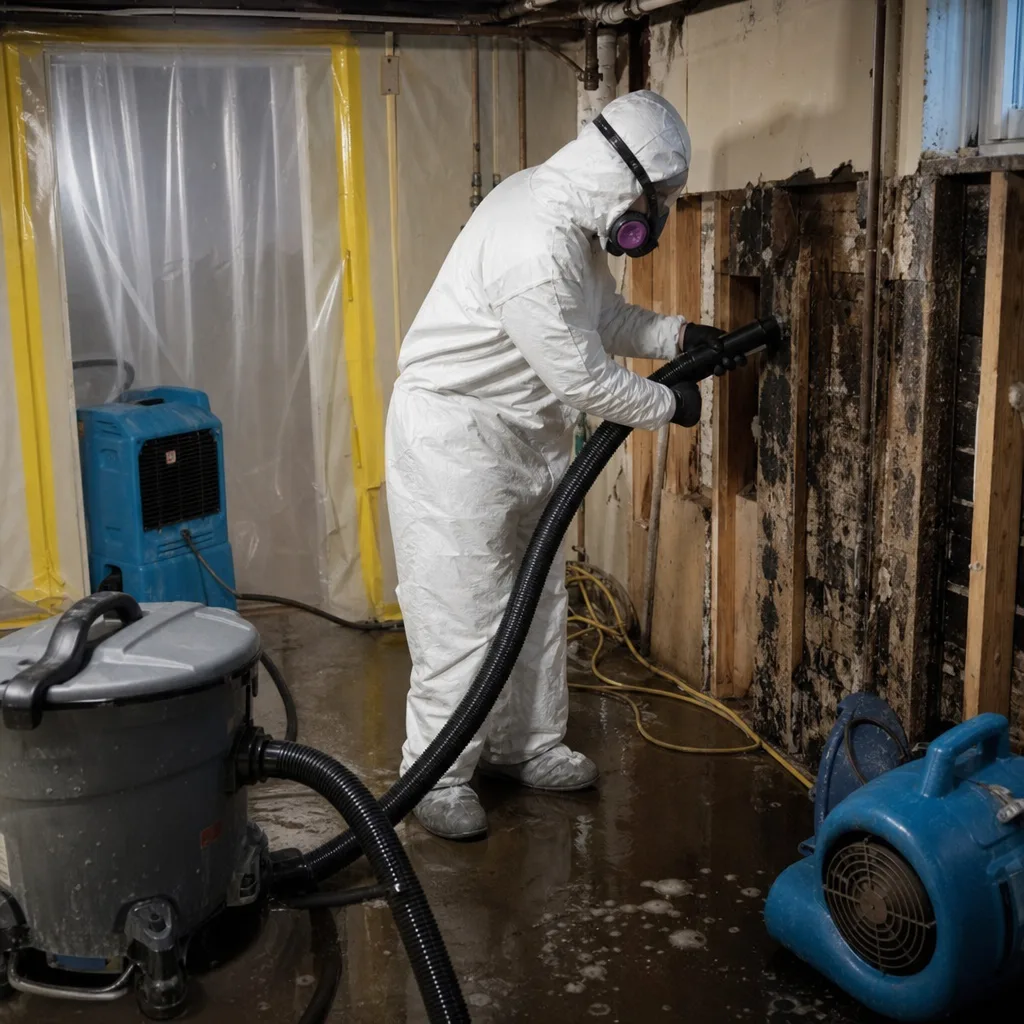
We remove charred debris, suppress dust with HEPA-negative air containment, and treat structural framing with antimicrobial solutions. In Hoboken’s rowhouses, we coordinate access through adjacent units when the fire-damaged structure is unsafe for independent entry.
Smoke & Soot Removal
Dry, wet, and protein residues each demand specific cleaning chemistry and mechanical action. We select products matched to burn temperature and substrate, then verify removal with surface pH testing. Horsehair plaster requires gentle, repeated application rather than aggressive scrubbing that drives residue deeper.
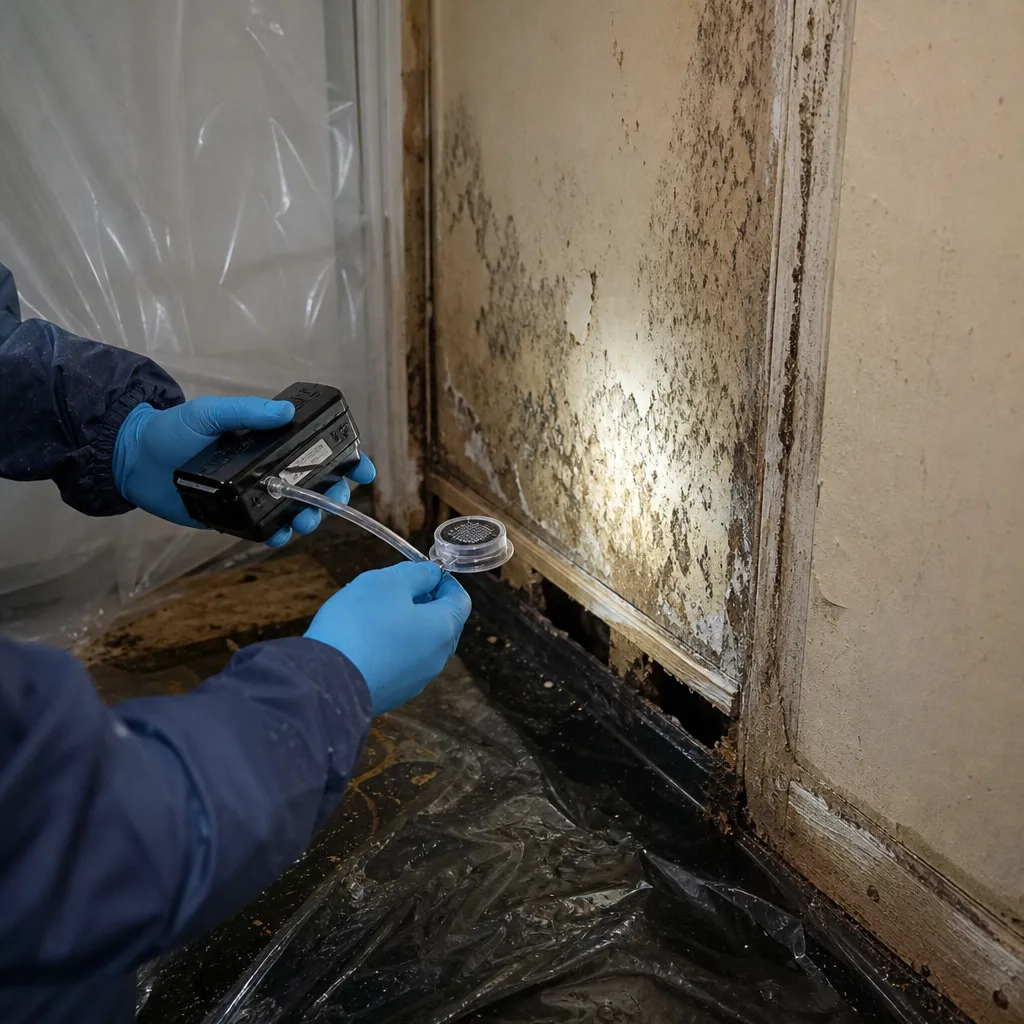
Odor Removal & Deodorization
Thermal fogging, hydroxyl generation, and ozone treatment eliminate odor at the molecular level. In Hoboken’s legacy buildings, we frequently treat the full depth of plaster assemblies, not just surfaces, because smoke odor compounds bond to the alkaline lime in original plaster mixes.
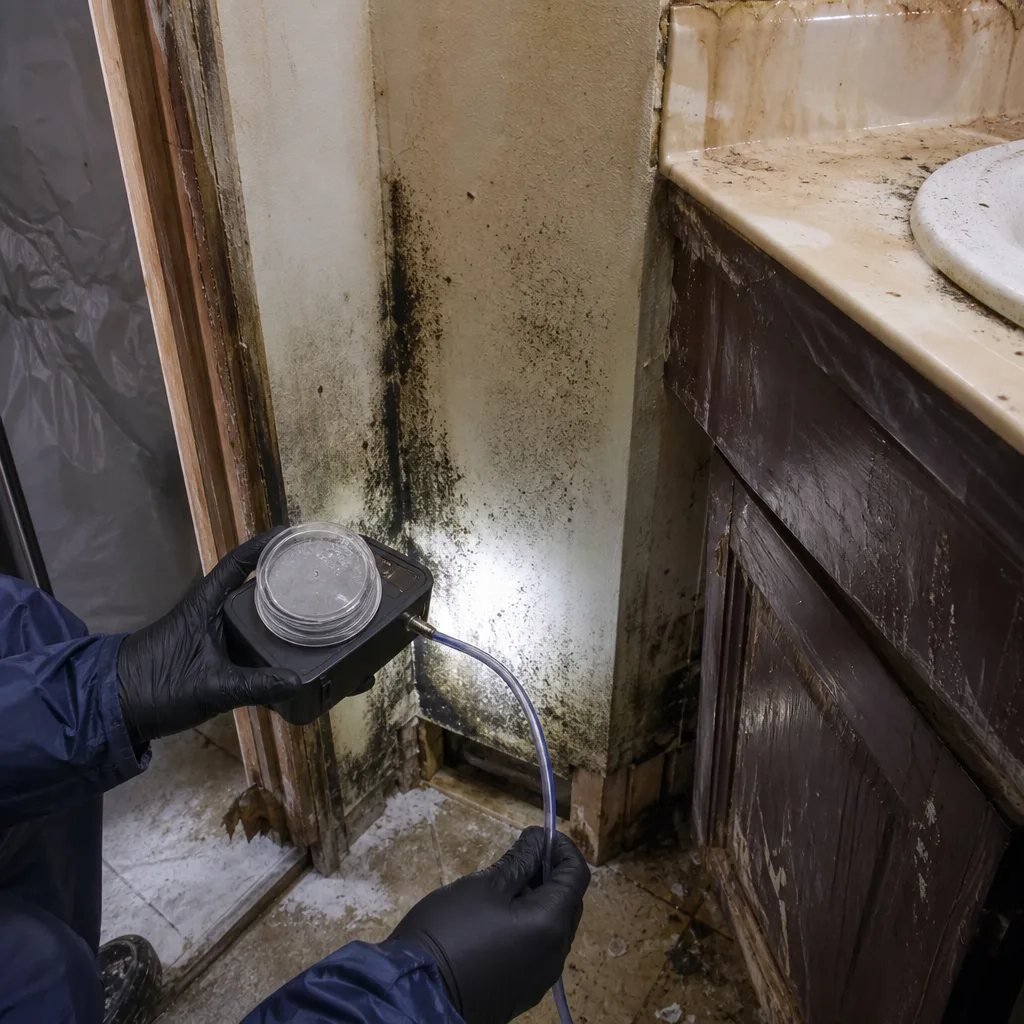
Contents Cleaning & Pack-Out
Smoke-affected items are inventoried with photo documentation, then cleaned off-site using ultrasonic immersion, dry-cleaning, or specialized electronics restoration. Climate-controlled storage protects items until your Hoboken property is reconstructed and certified for reoccupation.
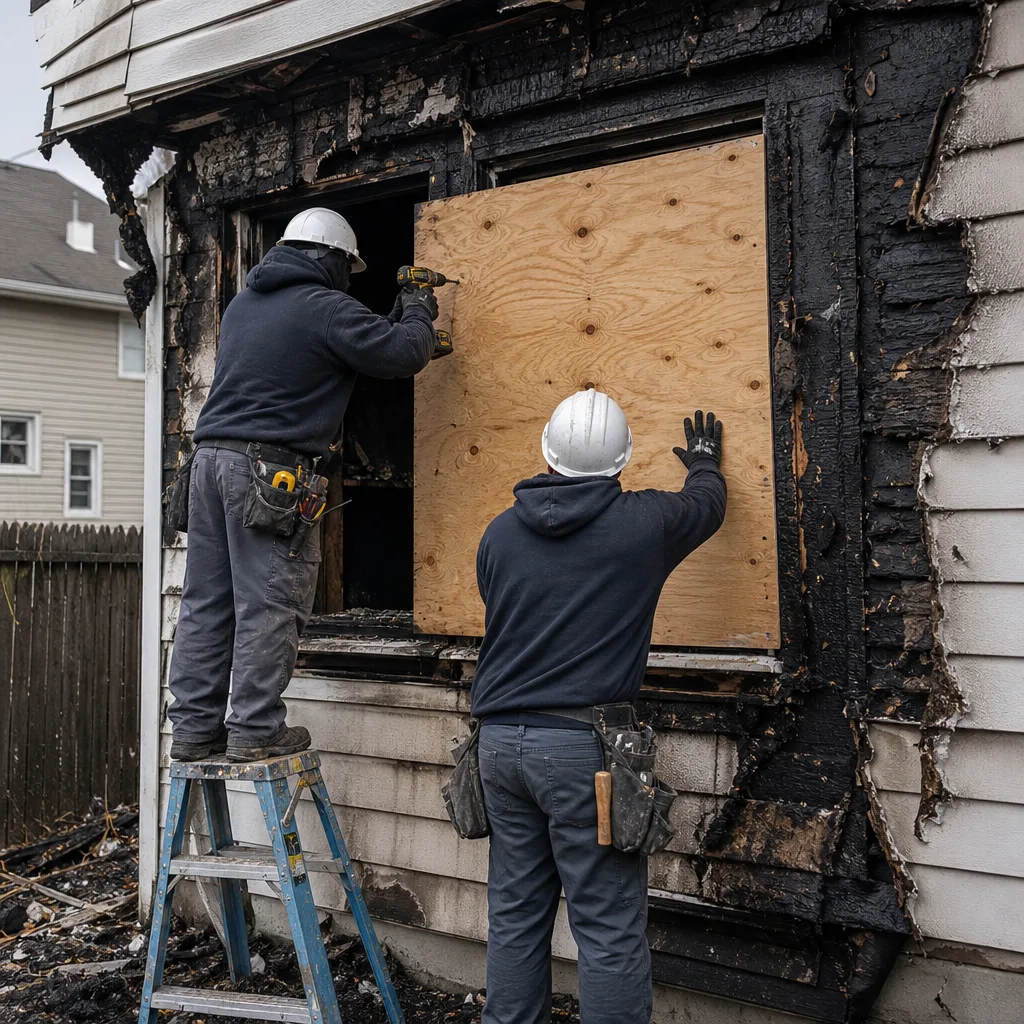
Emergency Board-Up & Tarping
Broken windows, compromised roofs, and damaged entry points are secured within hours of our arrival. In Hoboken’s flood-prone basin, board-up includes water intrusion protection, not just security, because the next tide or storm can arrive before permanent repairs begin.
What happens when you call
- 1
A real person answersNo phone trees - you reach a local pro.
- 2
You get an upfront price rangeHonest numbers before anyone is dispatched.
- 3
A background-checked tech heads outLicensed & insured, dispatched right away.
- 4
You approve before work beginsNothing starts until you say go.
Fire & Smoke Damage Restoration Costs in Hoboken, NJ
Fire restoration pricing in Hoboken reflects the complexity of legacy construction and multi-party coordination. A typical kitchen fire with limited smoke migration runs $4,200-$8,500 for cleanup, deodorization, and surface repair. Moderate fires involving multiple rooms, contents pack-out, and partial plaster demo range $12,000-$28,000. Major structural fires with full gutting, framing replacement, and reconstruction can exceed $45,000.
Smoke and soot removal alone, for a contained fire with no structural damage, typically costs $2,800-$5,500 in Hoboken’s market. Contents cleaning and pack-out adds $1,800-$6,000 depending on volume and specialty items. Emergency board-up and tarping runs $800-$2,200.
What moves the price: the number of affected rooms, residue type (protein fires require more labor than dry smoke), whether horsehair plaster must be demoed to access lath and framing, and the extent of water damage from suppression. Insurance typically covers direct fire and smoke damage; gradual mold from delayed drying may be contested if documentation is incomplete. Our written scope, delivered before work starts under Haven Standard, Clause 1, prevents surprise additions.
We Also Serve Cities Near Hoboken
Our crews respond throughout the immediate metro area, including Union City, where similar pre-war rowhouse construction and shared party-wall challenges apply.
Serving Hoboken, NJ - Our Local Coverage Area
We’re based in the Hoboken area and know this community well. Use the map below to see our service coverage - if you’re nearby, we can almost certainly help.
Hoboken Fire & Smoke Damage Restoration Questions, Answered
Why do Hoboken fire restorations often require partial demolition before the scope of work can be priced?
Because horsehair plaster over wood lath reads dry on standard pin-type moisture meters while the lath and framing behind it remain saturated and mold-active. We demo first and meter second, then price the true damage footprint. Call (862) 281-7710 for a free inspection and written scope.
Does a fire in one Hoboken condo unit usually affect the neighboring units?
Yes. Shared party walls in Hoboken’s attached rowhouses allow smoke, heat, and suppression water to migrate horizontally through gaps in century-old framing. We inspect adjacent units as standard practice and coordinate multi-party claims when needed. Call (862) 281-7710 for documentation that protects all affected owners.
Can smoke odor be fully removed from an older Hoboken apartment with plaster walls?
Yes, if treated promptly with residue-specific chemistry and adequate dwell time. Horsehair plaster is porous and alkaline, which bonds smoke odor compounds; surface cleaning alone fails. We frequently treat plaster assemblies to full depth, then verify with air quality testing. Call (862) 281-7710 to assess your specific situation.
What does the Category 1, 2, or 3 classification mean for a Hoboken fire loss?
These water-damage categories, applied to the suppression water left after a fire, determine restoration protocol. Category 1 is clean water from supply lines. Category 2 contains significant contamination from fire residue or sump backups. Category 3 is grossly contaminated from sewage or flood surge, common in Hoboken’s below-grade units during nor’easters. Each category demands different demolition depth, cleaning chemistry, and drying verification. Call (862) 281-7710 for classification and scope.
How fast do we need to act after a fire in a Hoboken brownstone to avoid mold?
Within 24 to 48 hours in Hoboken’s humid, low-lying basin. The bowl-shaped topography and aging combined sewer system create standing-water conditions that accelerate mold growth beyond typical timelines. Our crews arrive with extraction equipment and dehumidifiers to begin structural drying immediately. Call (862) 281-7710 for dispatch.
How long does complete fire restoration take in a typical Hoboken rowhouse?
Light smoke damage with no water intrusion: 3-5 days. Moderate fire with plaster demo and framing treatment: 2-4 weeks. Major structural fire with reconstruction: 6-12 weeks. Hoboken’s multi-unit coordination and permit requirements for shared buildings often extend timelines compared to single-family homes. Call (862) 281-7710 for a written timeline with your scope.
Can we stay in our Hoboken home during fire restoration?
Sometimes, for very limited smoke damage with no structural compromise and functioning HVAC isolation. Most Hoboken fire jobs require temporary relocation due to odor, airborne particulate during demo, or compromised electrical and plumbing. We document habitability conditions for your insurer and provide photo records of each phase. Call (862) 281-7710 to evaluate your specific property.
What certifications do your Hoboken fire restoration technicians hold?
Our lead technicians hold IICRC FSRT (Fire and Smoke Restoration Technician), WRT (Water Damage Restoration Technician), and AMRT (Applied Microbial Remediation Technician) certifications. All are background-checked, uniformed, and licensed, with credentials verified before arrival at your Hoboken property. Call (862) 281-7710 to confirm technician assignment.
What should I do in the first 30 minutes after a fire in my Hoboken home?
Ensure everyone is safe and accounted for, then call (862) 281-7710. Do not enter until fire officials clear the structure. Do not touch walls or surfaces, as oils from skin set soot permanently. If safe, shut off HVAC to prevent smoke circulation through shared ductwork in multi-unit buildings. Our live dispatcher will guide immediate steps while crews are en route.
We were called to a third-floor fire on the Adams Street side of a subdivided 1890s rowhouse, where the unit above had joist char behind original lath and horsehair plaster. Our tech ran containment and antimicrobial treatment on the shared framing, packed out smoke-affected contents to our facility, then moisture-mapped every adjacent room because the fire had cracked a supply line - we found Category 2 water in the below-grade unit next door before the owner had any idea. The building’s party-wall construction meant we coordinated air movers and dehumidification across three separate insurance claims for the same scope of work.
Written by Alicia Brennan, Owner at DryMark Restoration Astoria, serving Hoboken since 2011.
Fire & Smoke Damage Restoration in Nearby Areas