
Free visual inspection and a written scope of work before any mitigation begins - photos, moisture readings, and drying logs go in your claim file
The scope we write is the scope we bill. Anything new gets shown to you, in writing, before we touch it.
Storm response
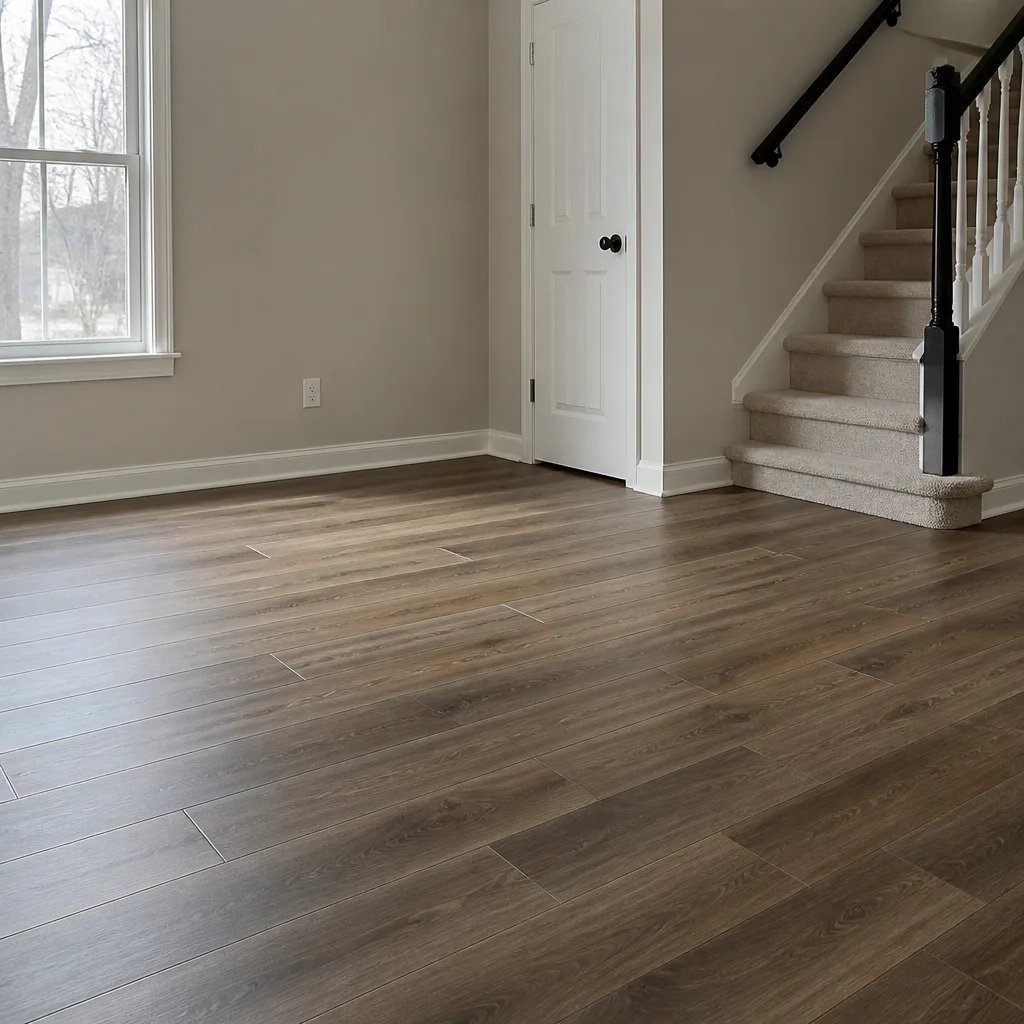
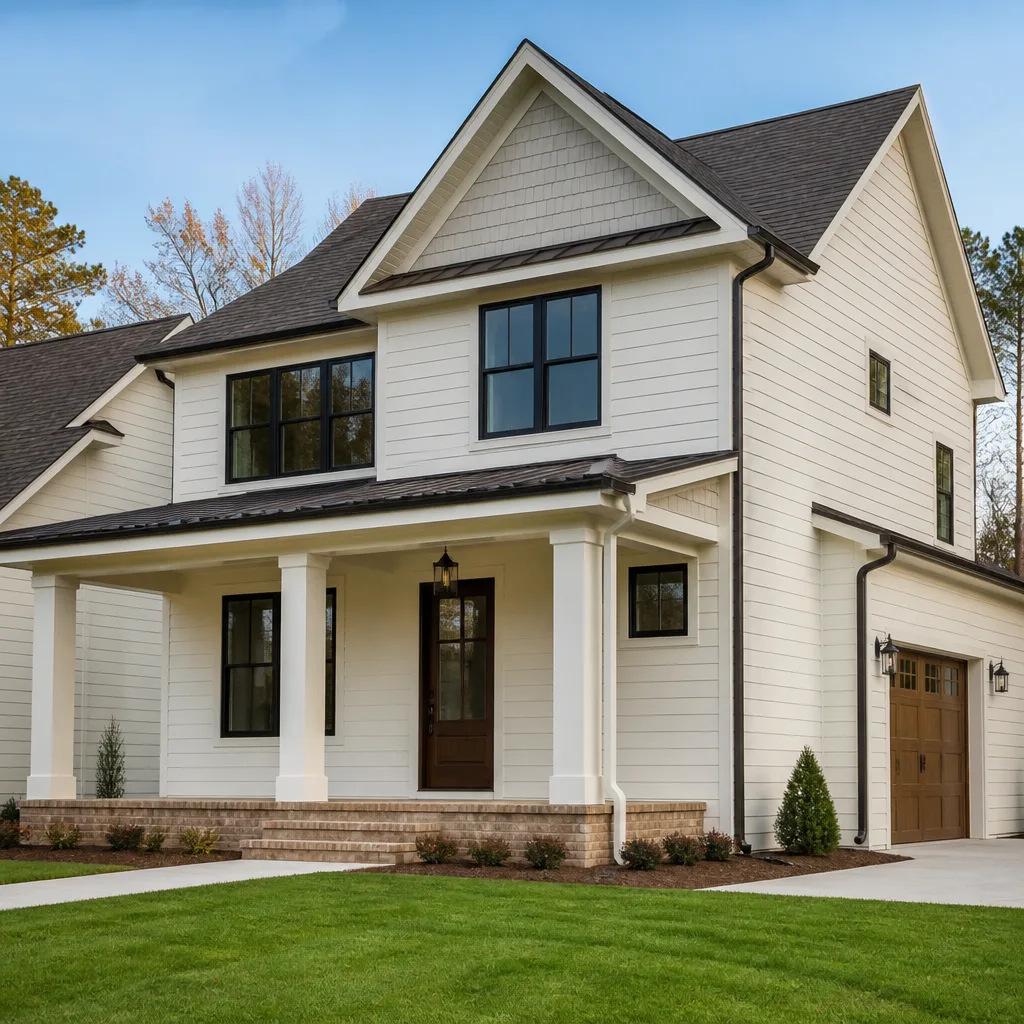
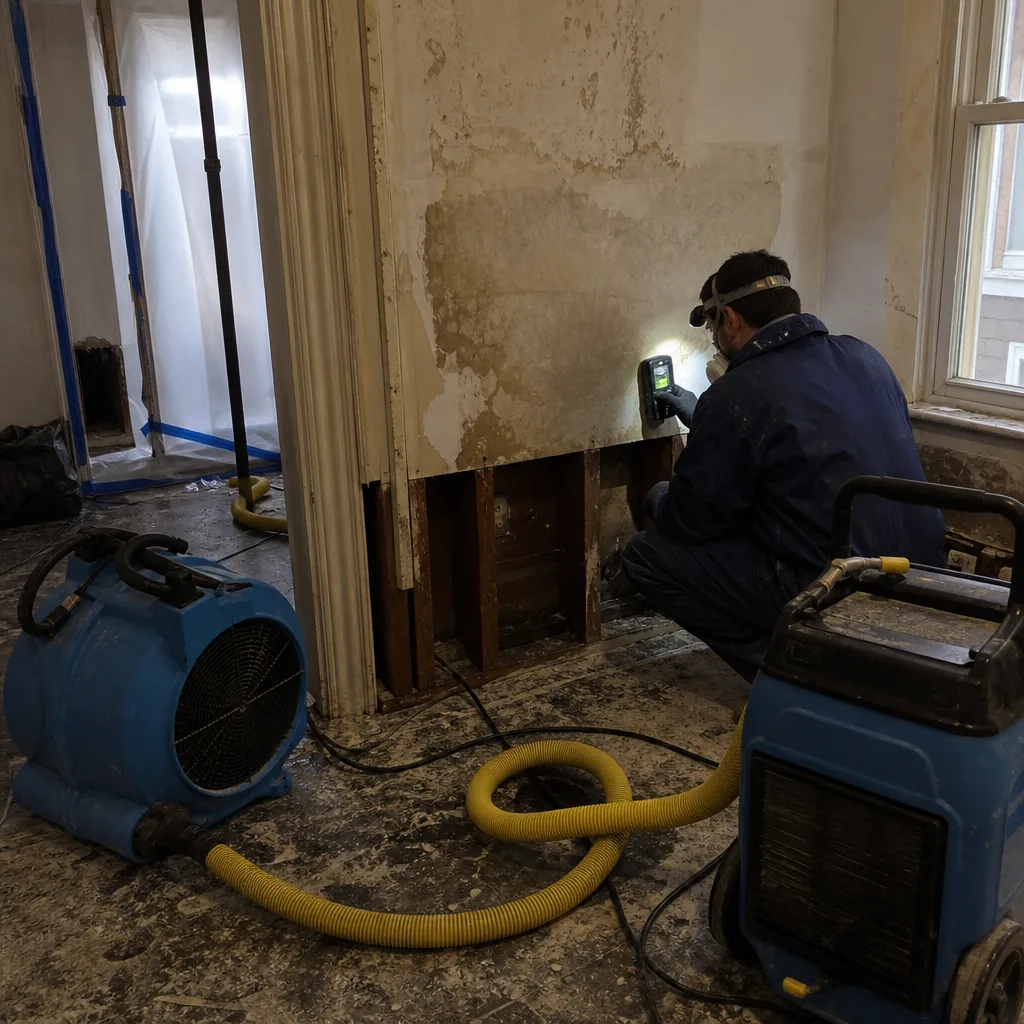 Before
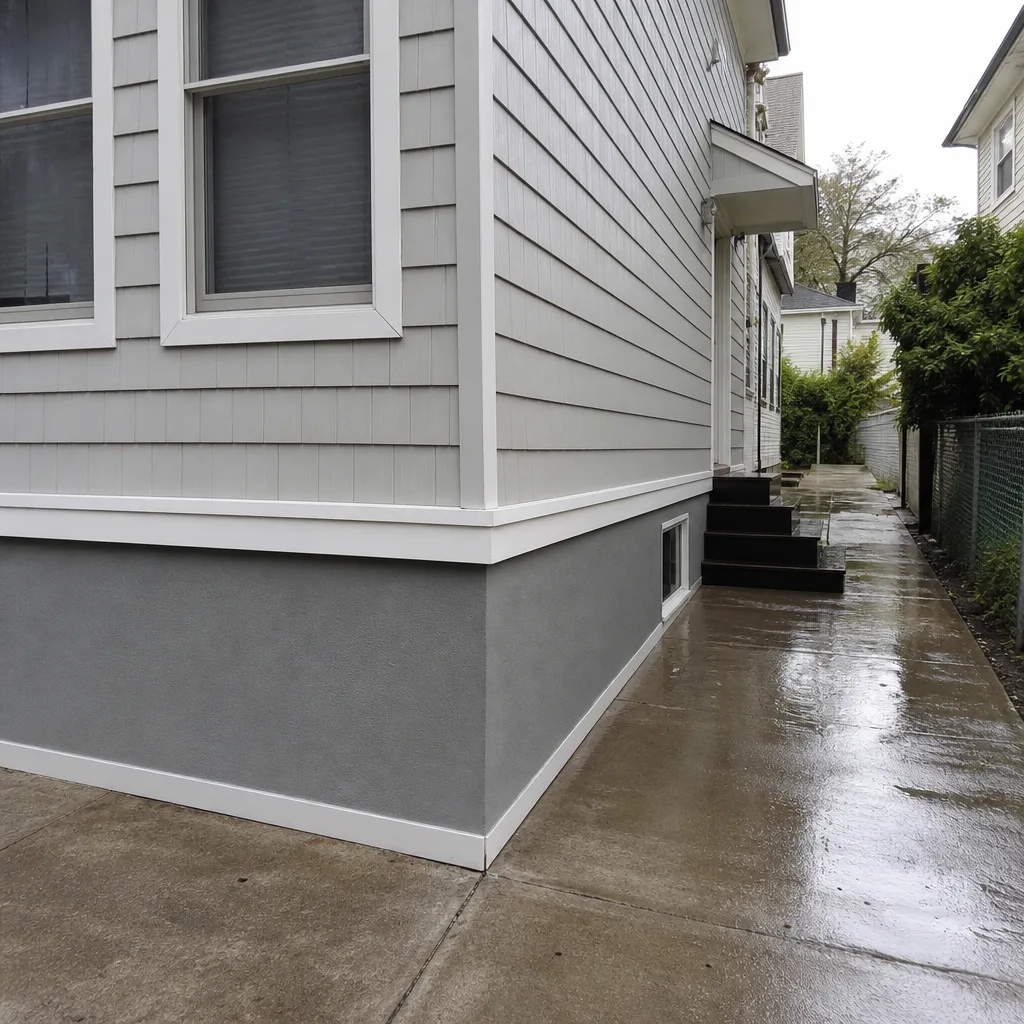 After
After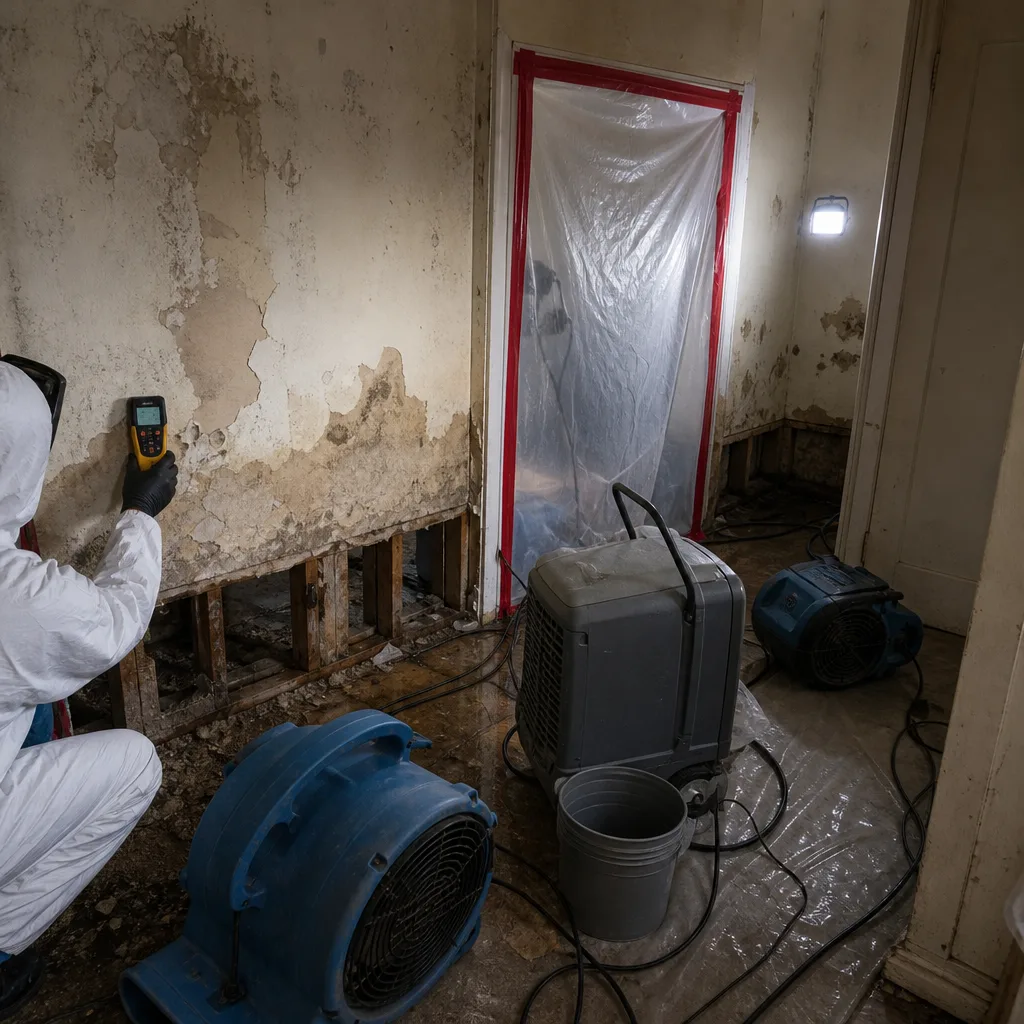 Before
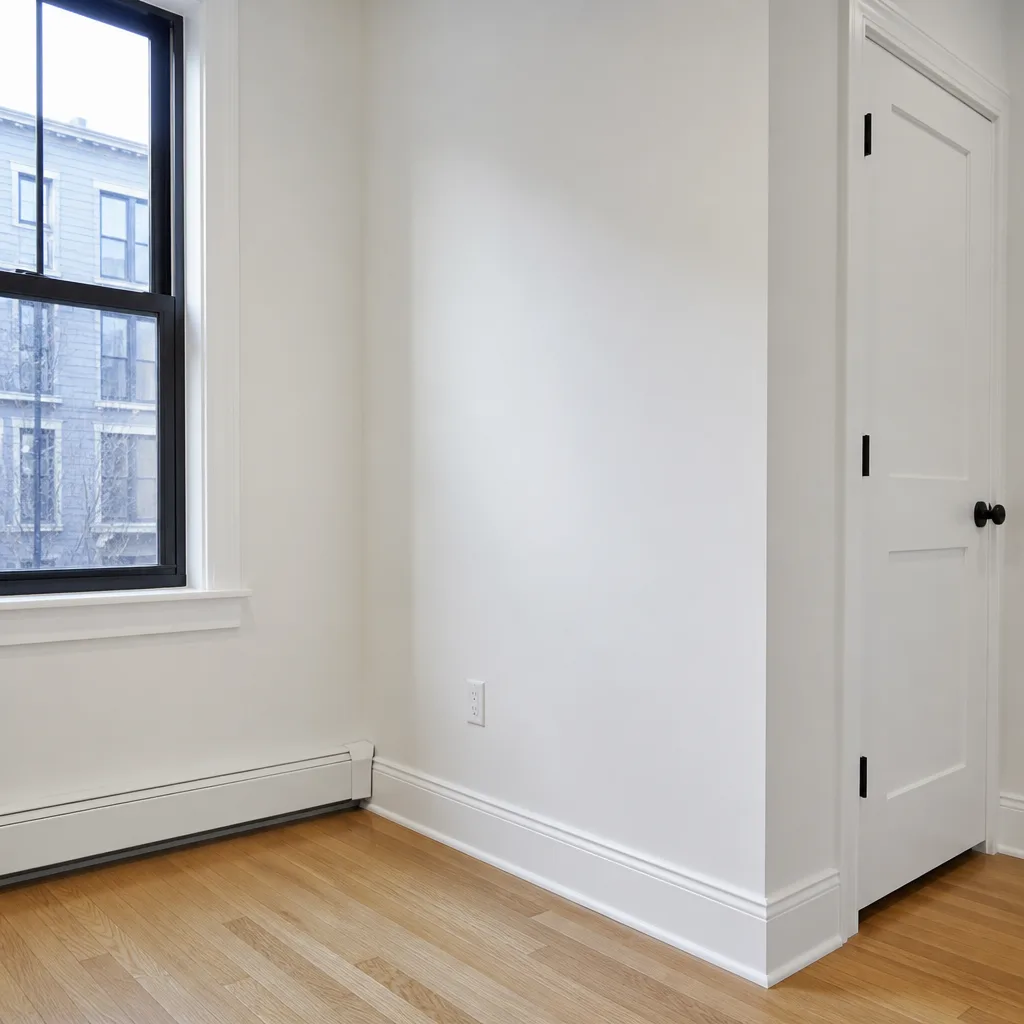 After
After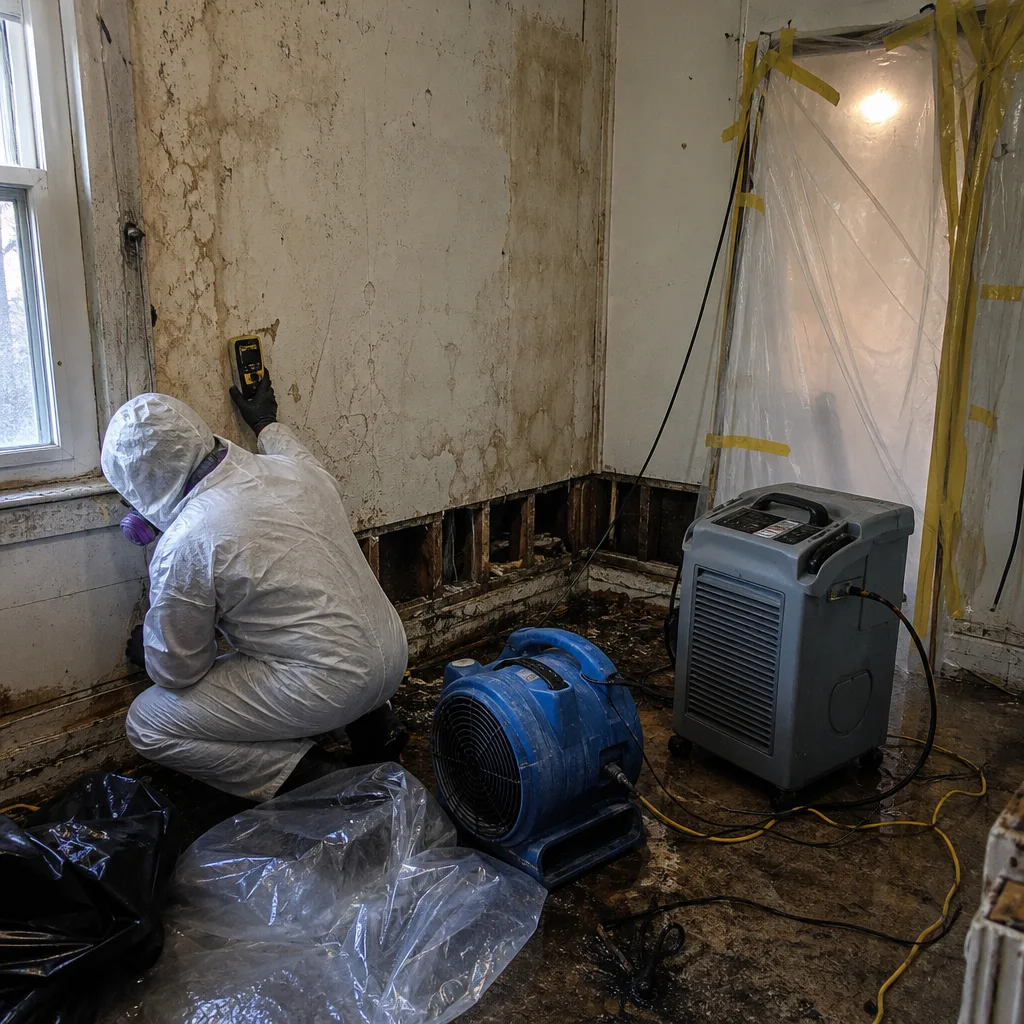 Before
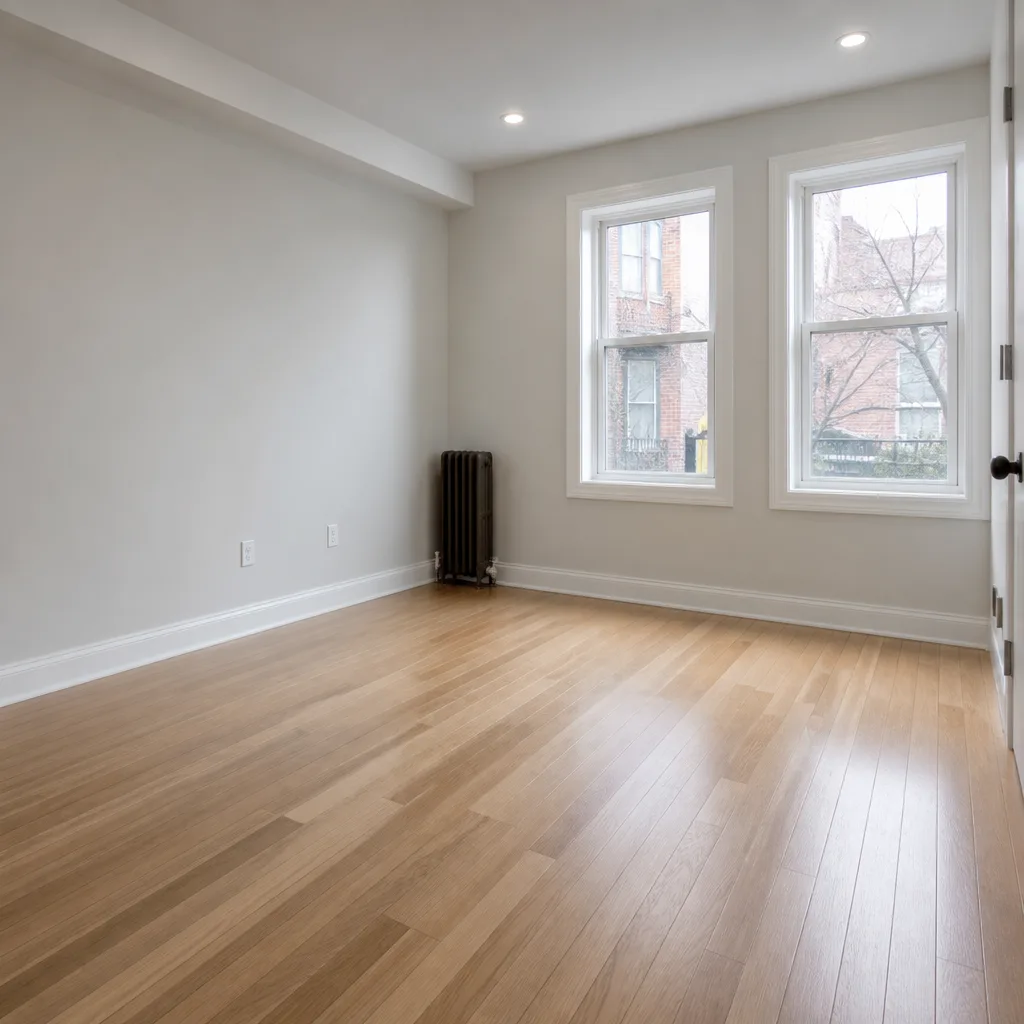 After
After24/7 Emergency Fire & Smoke Damage Restoration in Elmhurst
A fire in your Elmhurst property needs immediate response. Call (862) 281-7710 and a live person answers, 24 hours a day, 7 days a week. No voicemail, no callback queues. Our crews dispatch from our New York City office and are typically on-site in Elmhurst within 45 minutes. The first hour after a fire determines how far smoke and soot migrate through your building, how much suppression water soaks into original plaster and lath, and whether neighboring units in attached row houses will need containment. We provide a free visual inspection on arrival, document everything with photos, and deliver a written price before any work begins - Haven Standard, Clause 1.
Understanding Fire & Smoke Damage Restoration Severity in Elmhurst Properties
Fire damage in Elmhurst operates on three interlocking severity tracks, not one. There’s the fire itself (thermal damage), the smoke and soot migration (particulate and acid residue), and the suppression water (Category 1 to Category 3 depending on contact time and source). In Elmhurst’s 1920s-1940s attached brick row houses, these three tracks rarely stay confined to one unit.
Smoke migrates through pressure differentials: hot smoke rises, cools, and sinks, traveling through shared party-wall voids, unsealed balloon-frame chases, and cast-iron drain penetrations. The soot residue type matters - dry smoke from fast-burning, high-heat fires produces powdery, easily smeared residues; wet smoke from slow, oxygen-starved burns yields sticky, acidic deposits that etch metal and glass. Protein fires from kitchen grease leave nearly invisible but pungent residues that standard cleaning misses entirely.
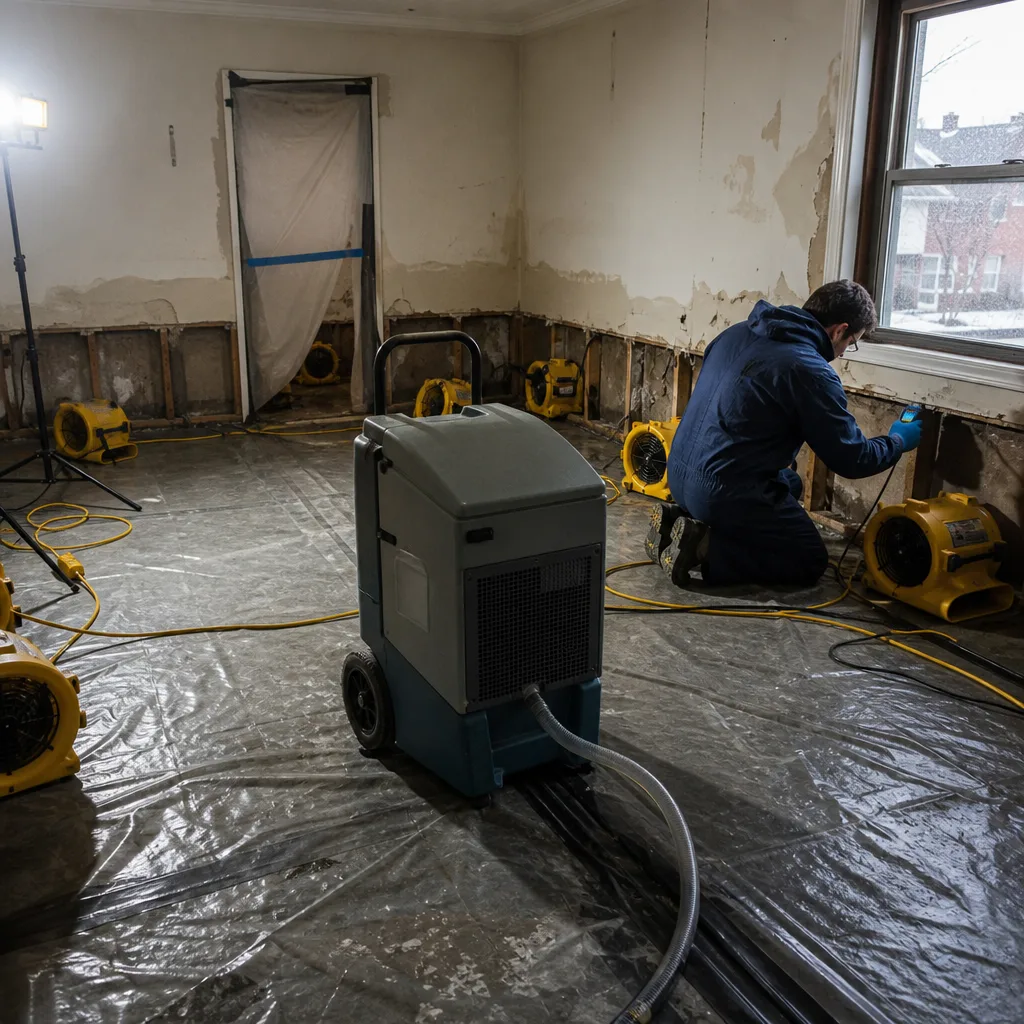
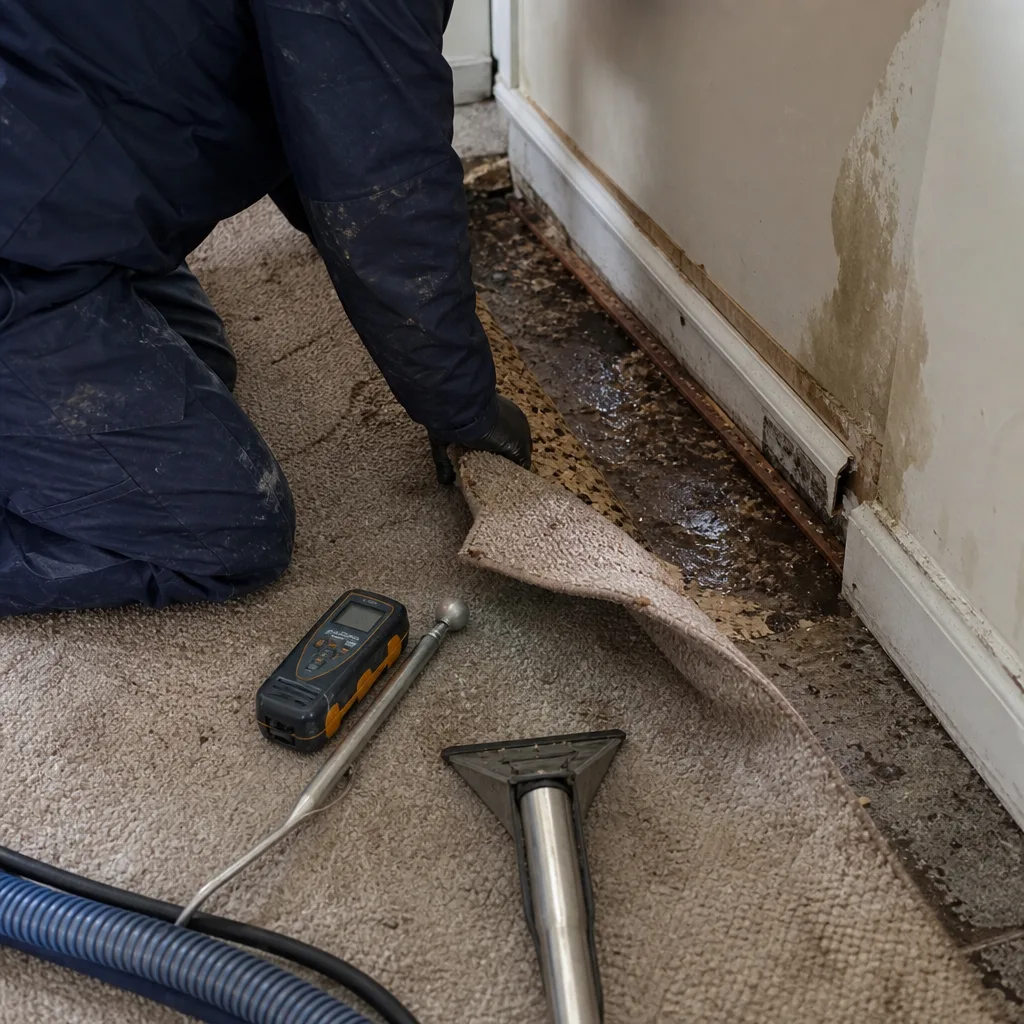
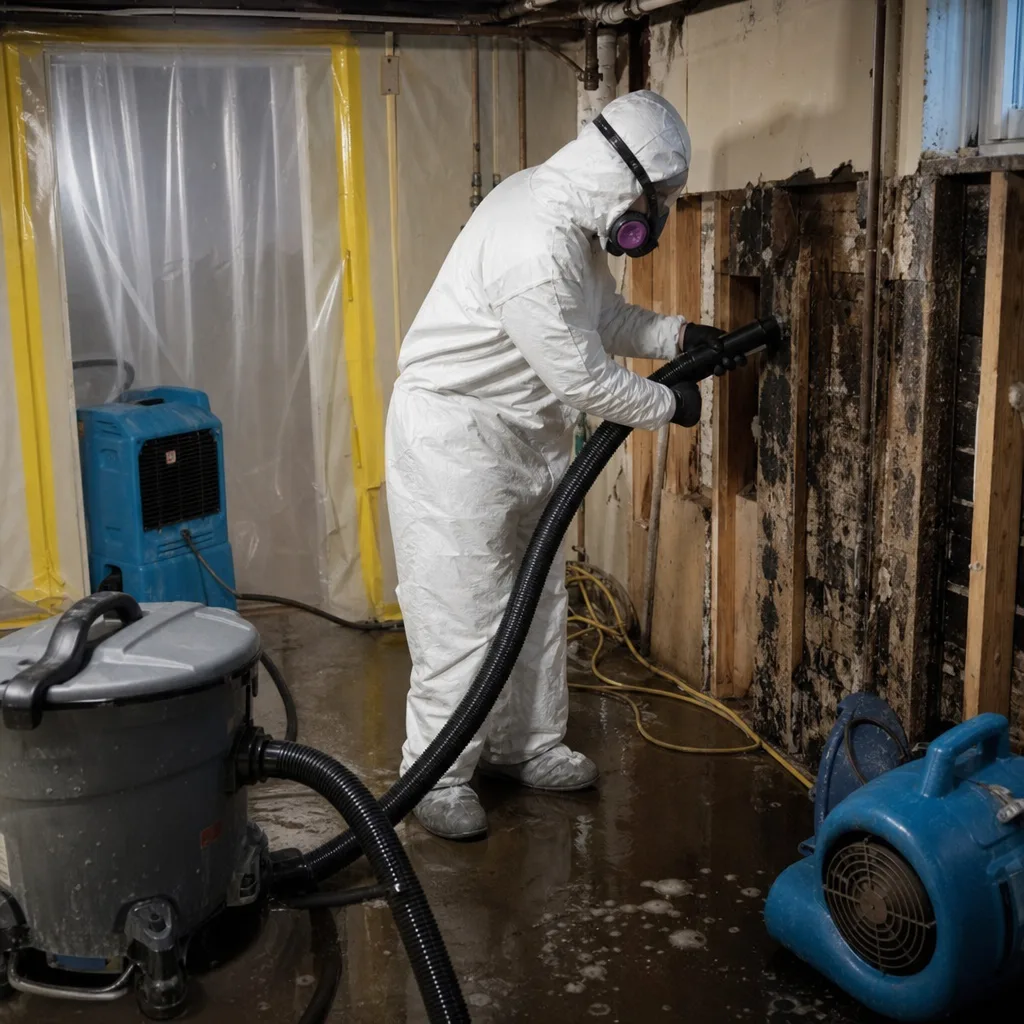
Suppression water adds the water damage vector. In older buildings with original plaster and lath, water wicks horizontally along wood stripping and vertically through masonry voids. Cast-iron drain stacks in these buildings corrode from the interior; heat stress from fire followed by thermal shock from cold suppression water can fracture them. We moisture-map every affected surface with penetrating and non-penetrating meters, then establish a psychrometric drying plan - controlling temperature, humidity, and air movement to achieve vapor pressure differential that pulls moisture from materials into the air for extraction.
Why Elmhurst Property Owners Choose DryMark Restoration Astoria
- 45-minute response commitment to Elmhurst properties, with crews dispatched from our New York City office and routed via Queens Boulevard or the Long Island Expressway depending on traffic conditions.
- 24/7 live answer - a real person, never an automated system or voicemail tree, picks up every call to (862) 281-7710 within three rings.
- IICRC-certified crews holding FSRT (Fire and Smoke Restoration Technician) and WRT (Water Damage Restoration Technician) certifications, with AMRT (Applied Microbial Remediation Technician) credentials for the mold that follows suppression water.
- Free visual inspection on every call - we document what we see, explain what we find, and leave you with a written scope and price before you decide.
- Direct insurance billing with photo-documented estimates, room-by-room moisture readings, and daily drying logs that adjusters recognize and pay without dispute.
- One team from mitigation to reconstruction - no handoffs to unknown contractors, no gaps in documentation, no finger-pointing if something isn’t right.
BeforeAfterOur Fire & Smoke Damage Restoration Process
1. Inspection & Assessment
We arrive with thermal imaging cameras, moisture meters, and soot test kits. In Elmhurst row houses, we immediately check adjacent units for smoke migration through party walls and balloon-frame chases. Every affected room is photographed, every moisture reading logged, and a written scope with line-item pricing delivered before work starts - Haven Standard, Clause 1.
2. Emergency Board-Up & Stabilization
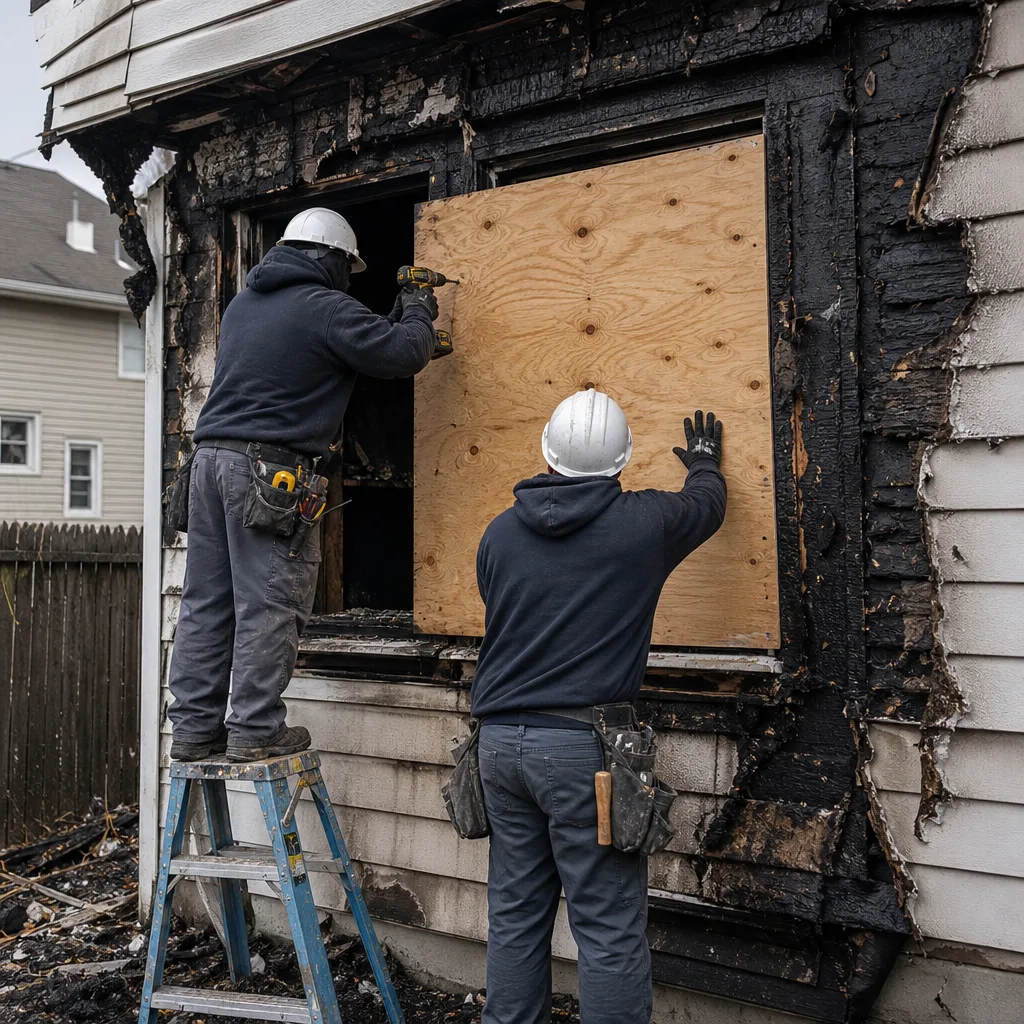
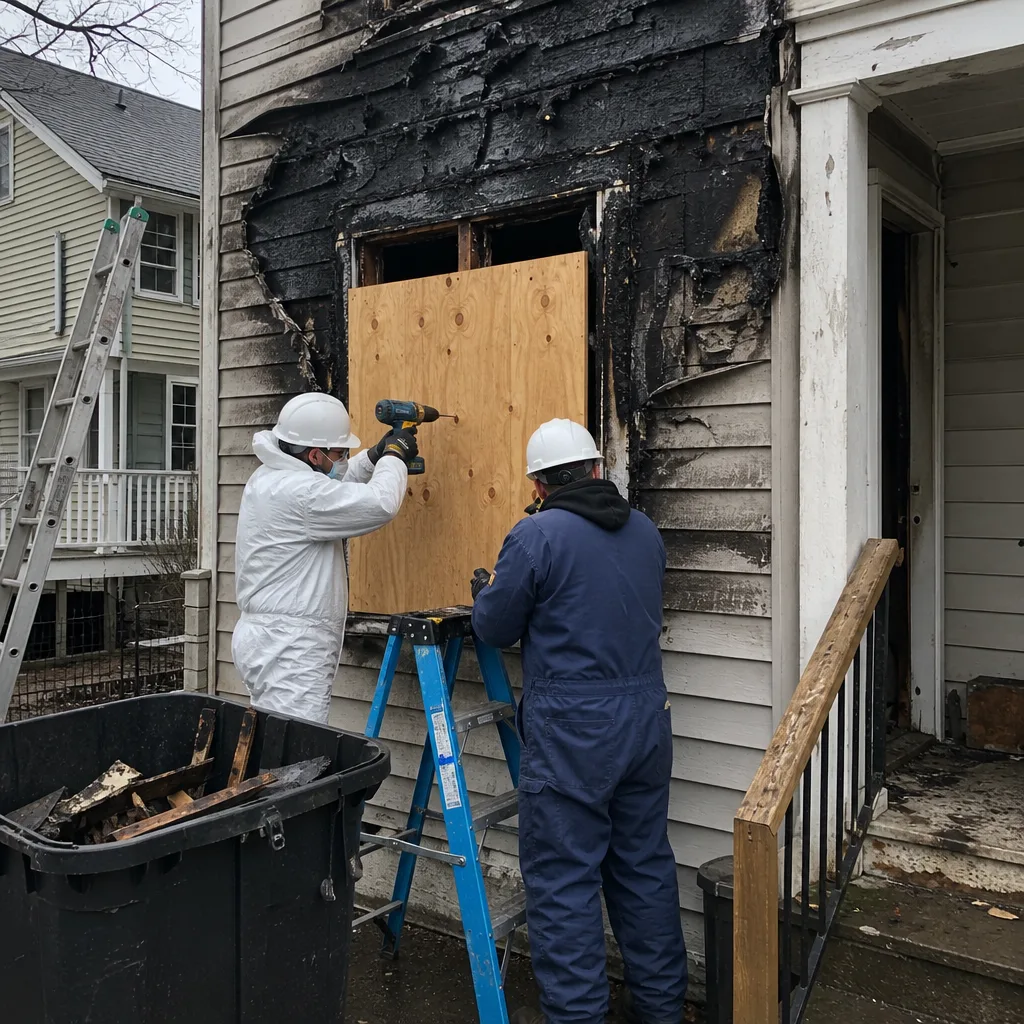
Broken windows, compromised doors, and fire-damaged roof sections get temporary protection against weather and intrusion. We tarp where needed and secure the structure so mitigation work can proceed safely, especially critical in multi-unit buildings where other tenants remain in place.
3. Water Extraction & Structural Drying
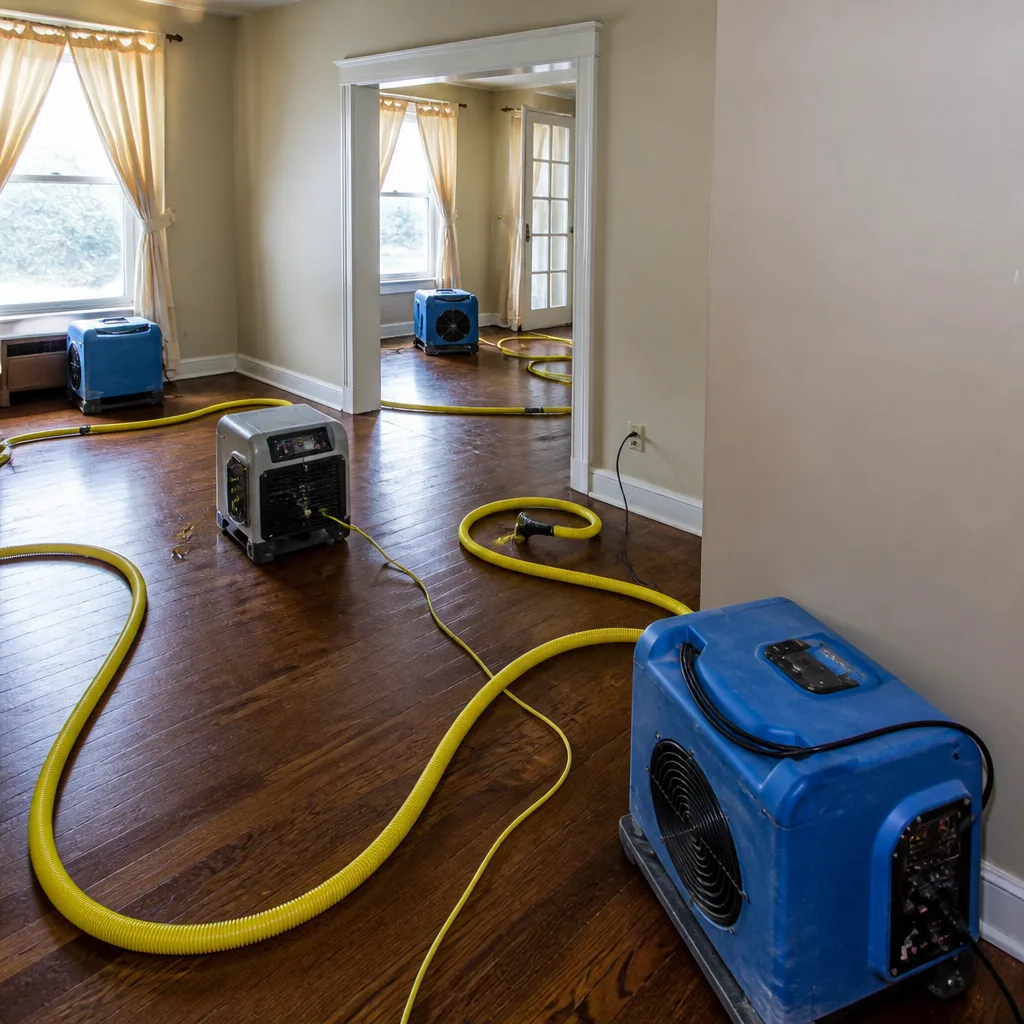
Suppression water is extracted with truck-mounted and portable systems. We deploy Dri-Eaz and Phoenix dehumidifiers, XPOWER and B-Air air movers, and Injectidry systems for wall-cavity drying. Daily moisture logs track specific humidity, grains per pound, and vapor pressure differential until materials reach established drying goals per IICRC S500.
4. Smoke & Soot Removal
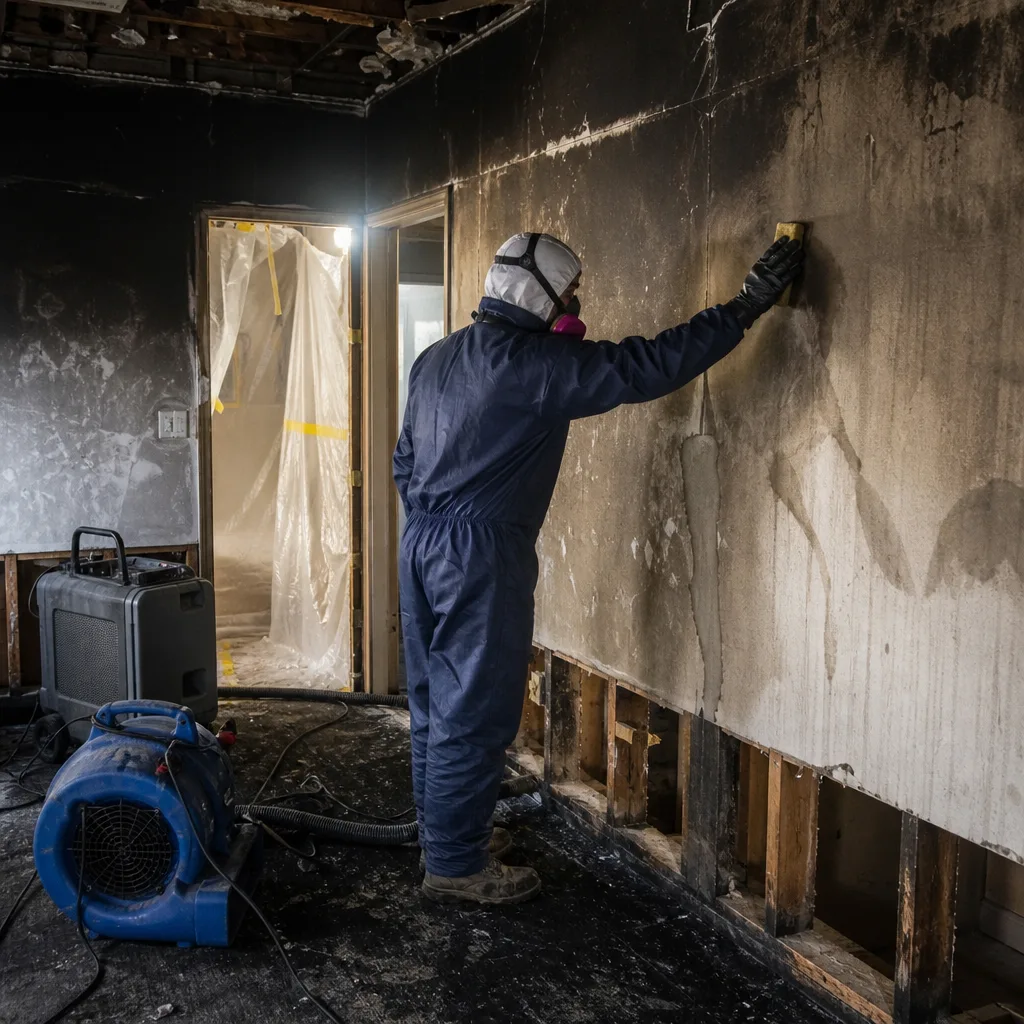
HEPA air scrubbers run continuously during cleaning. Soot residues are identified by type and treated with appropriate chemistries - dry sponges for dry smoke, solvent-based cleaners for wet smoke, enzyme digester for protein residues. We clean from top to bottom, vacuum before wiping, and never use water on dry smoke, which drives residue deeper.
5. Odor Removal & Deodorization
Thermal fogging, ozone treatment, and hydroxyl generators neutralize odor at the molecular level. In Elmhurst’s older buildings with unsealed voids, we may need to access wall cavities, floor systems, and attic spaces where smoke has traveled. Sealing with odor-blocking primers follows, not replaces, source removal.
6. Structural Fire Repair & Reconstruction
Charred framing is sistered or replaced. Heat-compromised drywall and plaster come out. We match original finishes where possible, upgrade where code requires, and deliver a photo record of completed work. The 365-Day Done Right Promise under The Haven Standard covers every repair we perform.
Need Emergency Fire & Smoke Damage Restoration in Elmhurst Now?
Crews minutes away, answering live 24 hours a day. The sooner we start, the less it costs.
Working With Your Insurance Company
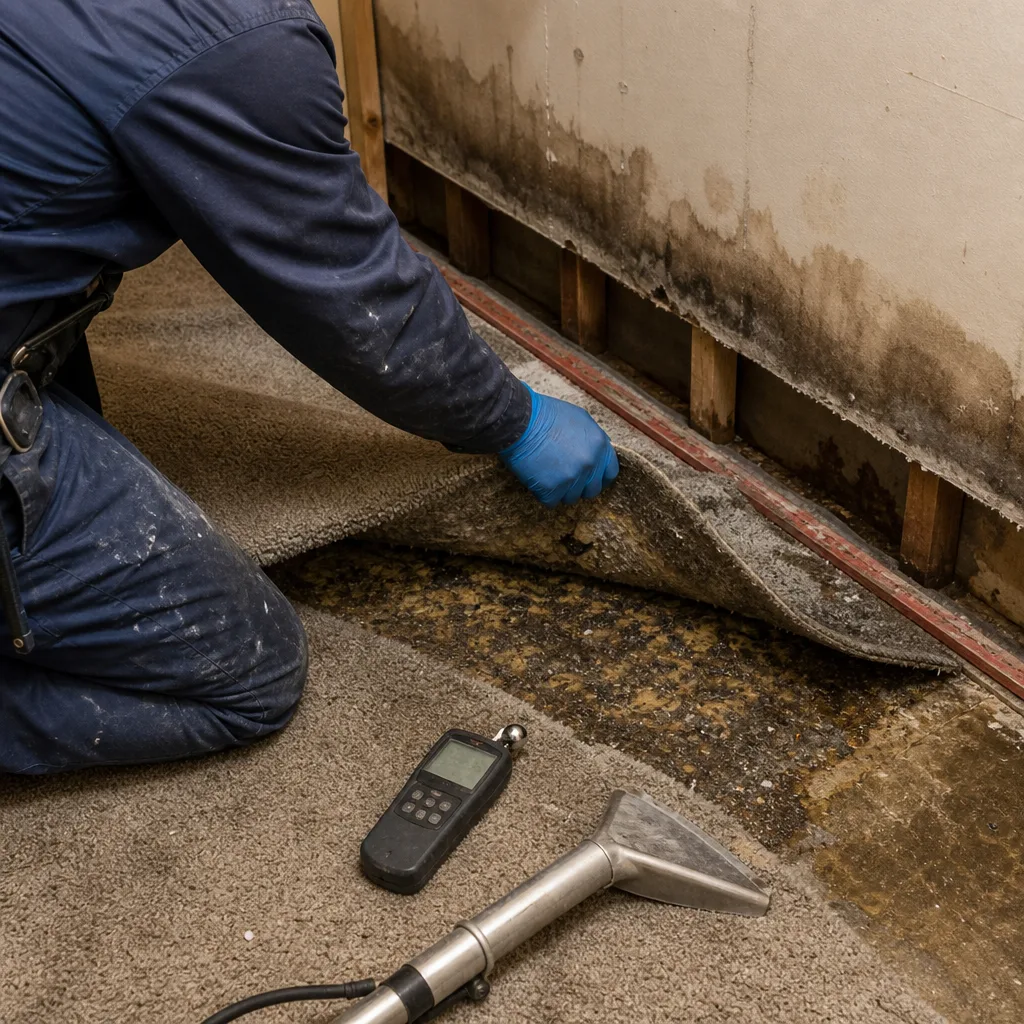
Fire claims in Elmhurst’s multi-unit row houses generate complex coverage questions - which unit’s policy applies, how shared building elements are allocated, whether unpermitted basement occupancies affect coverage. We start documenting from the first hour: photos of the fire origin, smoke migration paths, suppression water flow, and adjacent-unit damage. Our estimates follow industry-standard Xactimate pricing, and we communicate directly with your adjuster, not through you as intermediary.
The documentation we produce - room-by-room photo records, daily moisture logs with specific readings, line-item scopes referencing IICRC and RIA standards - is designed for claims that get paid without dispute. We’ve worked with every major carrier in the New York metro market and understand their documentation requirements.
What We Provide Your Insurer
- Thorough documentation of the loss
- Photos of all damage, room by room
- Moisture readings and drying logs
- A detailed, line-item scope of work
- Direct coordination with your carrier
Built for Elmhurst’s Loss Calendar
Elmhurst’s fire and smoke damage patterns track the New York metro calendar with local wrinkles. January and February bring the highest incidence of space-heater and overloaded-circuit fires in converted basement units, where tenants supplement inadequate building heat. March and April see spike fires from improperly stored winter heating equipment and the first use of aging window AC units with frayed cords.
July and August deliver the most complex jobs: lightning strikes, electrical surge fires, and the kitchen grease fires that spike during heat waves when cooking shifts to evening hours. These summer fires produce wet smoke under oxygen-starved conditions - the most damaging residue type - and suppression water compounds the loss in buildings already stressed by humidity.
October through December bring cooking-fire season and the return of portable heaters. The holiday period produces some of our most severe Elmhurst losses: unattended cooking in multi-family buildings where one kitchen fire triggers evacuation of four units and smoke damage to eight. Nor’easters and tropical remnants add the flood-smoke combination when basement electrical fires meet storm-sewer backup - the Category 3 black water scenario that Hurricane Ida made tragically visible in this exact neighborhood.
Fire & Smoke Damage Restoration Across Elmhurst’s Neighborhoods
Elmhurst is not uniform, and neither are its fire damage patterns. Near the intersection of Queens Boulevard and Broadway, the dense commercial-residential mix produces kitchen fires in restaurant-adjacent apartments with grease-vent penetration into upper floors. The Broadway corridor’s older elevator buildings have shaft smoke migration that our crews trace floor by floor with blower-door testing.
South of Roosevelt Avenue toward the LIRR Main Line, the 1920s row houses are at their densest. A fire on Forley Street or Elbertson Street typically involves shared party walls with three or four attached units. We’ve responded to jobs on the Corona side of the neighborhood line where smoke traveled through balloon-frame construction into units two doors down from the fire origin. The Grand Avenue corridor presents similar density with slightly newer stock - 1940s brick semi-detached - but the same multi-unit conversion pattern.
North Elmhurst, toward Rego Park and the LIE, includes some larger 1960s apartment buildings with centralized HVAC systems where smoke migrates through return-air plenums. These buildings require different containment strategies: zone pressurization rather than unit isolation. Our Fire & Smoke Damage Restoration team maps each building’s mechanical systems before setting negative air pressure.
The 11373 ZIP core, roughly bounded by Roosevelt Avenue, the LIRR, and the Brooklyn-Queens Expressway, remains our highest-call-density zone for combined fire-water-mold jobs. Basement units here, many converted without permits, create the liability and documentation complexities that define Elmhurst restoration work.
Specialized Fire & Smoke Damage Restoration Services We Offer in Elmhurst
Fire Damage Cleanup
We remove debris, evaluate structural integrity, and establish what can be cleaned versus what must be replaced. In Elmhurst’s older buildings, this means distinguishing original plaster that can be dried and sealed from later drywall that’s cheaper to replace than remediate. Every decision is documented with photos and written justification.
Smoke & Soot Removal
The sub-service that defines most Elmhurst jobs. Smoke travels through paths invisible until thermal imaging or blower-door testing reveals them. We treat visible surfaces and accessible voids; where smoke has entered wall cavities or floor systems, we access, clean, and seal - or we document why removal and replacement is the only viable path. Soot is acidic and time-sensitive; metal corrosion and etching begin within hours.
Odor Removal & Deodorization
Smoke odor in Elmhurst row houses often requires multi-modal treatment: thermal fogging for porous materials, ozone for unoccupied spaces, hydroxyl generators for safe continuous operation with occupants present. The goal is source removal first, then molecular neutralization, then sealing - never masking with fragrances that insurers reject and tenants resent.
Contents Cleaning & Pack-Out
We inventory, photograph, and transport salvageable contents to our facility for ultrasonic cleaning, ozone treatment, and specialized textile restoration. In multi-unit Elmhurst buildings, we coordinate pack-outs for multiple tenants simultaneously, with chain-of-custody documentation that satisfies both insurers and landlords.
Emergency Board-Up & Tarping
Immediate weather protection and security for fire-compromised structures. Critical in Elmhurst’s attached row houses where a fire in one unit leaves adjacent units exposed through damaged party walls or roof structures.
What happens when you call
- 1
A real person answersNo phone trees - you reach a local pro.
- 2
You get an upfront price rangeHonest numbers before anyone is dispatched.
- 3
A background-checked tech heads outLicensed & insured, dispatched right away.
- 4
You approve before work beginsNothing starts until you say go.
Fire & Smoke Damage Restoration Costs in Elmhurst, NY
Fire and smoke damage restoration in Elmhurst typically ranges from $3,200 for limited kitchen smoke cleanup in a single unit to $18,000-$34,000 for multi-unit jobs with suppression water, structural drying, and reconstruction. Here’s how local pricing breaks:
| Service | Typical Elmhurst Range |
|---|---|
| Single-room smoke and soot cleanup | $3,200 - $5,800 |
| Kitchen fire with suppression water (single unit) | $6,500 - $12,000 |
| Multi-unit smoke migration (2-3 units) | $12,000 - $24,000 |
| Full-structure fire with reconstruction | $25,000 - $65,000+ |
| Emergency board-up and tarping | $800 - $2,400 |
| Contents pack-out and cleaning | $2,500 - $8,500 |
What moves the price: extent of smoke migration (party-wall jobs cost more), suppression water volume and contact time, whether basement units are involved (Category 3 water raises remediation requirements), and the percentage of original materials that can be cleaned versus replaced. Insurance typically covers direct fire and smoke damage; coverage for unpermitted basement units varies by policy and requires careful documentation. We provide a free visual inspection and written scope - no guesswork, no surprises. Call (862) 281-7710 for your exact estimate.
We Also Serve Cities Near Elmhurst
Our crews respond throughout western and central Queens. We regularly perform Fire & Smoke Damage Restoration in Elmhurst and the surrounding communities: Jackson Heights to the north with its similar pre-war housing stock and multi-unit conversions; Maspeth to the west where industrial-residential edges create unique fire risks; Forest Hills with its larger garden-apartment complexes and cooperative building structures; and Long Island City to the northwest, where high-rise residential growth meets legacy industrial infrastructure.
Serving Elmhurst, NY - Our Local Coverage Area
We’re based in the Elmhurst area and know this community well. Use the map below to see our service coverage - if you’re nearby, we can almost certainly help.
Elmhurst Fire & Smoke Damage Restoration Questions, Answered
A fire started in my Elmhurst rowhouse unit - why does my neighbor’s apartment smell like smoke?
Smoke traveled through shared building voids that are normal in Elmhurst’s 1920s-1940s attached brick construction. Party walls between units often have unsealed gaps around cast-iron drain penetrations, balloon-frame chases, and attic connections that smoke follows under pressure. We treat these as multi-unit jobs from the first call, testing adjacent spaces with thermal imaging and blower-door diagnostics. Call (862) 281-7710 and we’ll map the full migration path before writing your scope.
Firefighters put out a kitchen fire in my basement apartment in Elmhurst - does the suppression water matter?
Yes, and it often matters more than the fire itself. Suppression water in Elmhurst basements encounters the same drainage limitations that make this neighborhood flood-prone: flat grade, aging combined sewers, and chronically overwhelmed storm capacity. Water that sits for 24-48 hours advances from Category 1 to Category 3, requiring full remediation rather than simple extraction. Our scopes always include moisture mapping and structural drying for suppression water, with daily logs to document the drying path for your insurer. Call (862) 281-7710 for inspection.
Can smoke odor in an older Elmhurst row house be removed without tearing out walls?
Sometimes, but only when smoke hasn’t penetrated the wall cavity. We test with moisture meters and borescope inspection to determine if voids are affected. If smoke entered the cavity, sealing paint over it traps odor that will re-emerge with temperature and humidity changes - we’ve seen this failure mode in Elmhurst jobs where previous contractors skipped cavity access. Our written scope specifies exactly which walls need opening, which can be sealed after surface cleaning, and why. Call (862) 281-7710 for a free assessment.
My Elmhurst building has unpermitted basement units - will that affect a fire damage claim?
It complicates coverage but doesn’t automatically void it. The key is documentation: we photograph and record damage in all affected spaces regardless of occupancy status, and we coordinate with your adjuster on coverage questions without inserting ourselves into the landlord-tenant-Department of Buildings triangle. Our job is to document what was damaged and what it takes to restore it to pre-loss condition. Coverage determinations belong to your carrier and your attorney. Call (862) 281-7710 and we’ll start the documentation immediately.
How fast does soot and smoke damage need to be addressed after a fire in Elmhurst?
Within hours, not days. Soot is acidic and begins etching metal, glass, and painted surfaces immediately. In humid summer conditions common to Elmhurst’s flat, low-lying basin, acidification accelerates. Odor compounds bond more permanently with porous materials over time. Our 45-minute response commitment exists because the first 24 hours determine whether original materials can be saved or must be replaced. Call (862) 281-7710 - we answer live.
How long does full fire and smoke restoration take in Elmhurst?
Light smoke cleanup in a single room: 2-4 days. Kitchen fire with suppression water in one unit: 7-14 days including drying. Multi-unit smoke migration with reconstruction: 3-6 weeks. The timeline depends on smoke migration extent, drying requirements, permit timelines for structural work, and insurance approval cycles. We provide a written schedule with the scope, updated daily, so you know where the job stands. Call (862) 281-7710 for your specific timeline.
Can my family stay in the home during fire damage restoration?
Usually not during active mitigation. Air scrubbers and ozone generators require unoccupied space for safety. If smoke damage is limited to one room and no structural or electrical hazards exist, partial occupancy may be possible with containment barriers and HEPA filtration. We evaluate this on every job and document our recommendation in writing. For multi-unit buildings where adjacent tenants remain, we establish negative air pressure to protect them from our work zone. Call (862) 281-7710 to discuss your situation.
What certifications do your Elmhurst fire restoration technicians hold?
Our lead technicians hold IICRC FSRT (Fire and Smoke Restoration Technician), WRT (Water Damage Restoration Technician), and AMRT (Applied Microbial Remediation Technician) certifications. All work is documented to IICRC, RIA, and IFA standards. Equipment is maintained per manufacturer specifications - Dri-Eaz, Phoenix, XPOWER, B-Air, and Injectidry systems with calibration records available. We don’t claim credentials we can’t produce; ask and we’ll show them. Call (862) 281-7710 with any questions.
Fire damage in an Elmhurst row house is rarely a single-unit problem. The shared construction that makes this neighborhood affordable and dense also makes smoke migration the defining feature of almost every job we perform here. We know the building types, the failure modes, and the documentation requirements that get claims paid. If you’re facing fire or smoke damage in Elmhurst, call (862) 281-7710 now. A live person answers, a crew dispatches within the hour, and you’ll have a written price before anyone starts work - Haven Standard, Clause 1, every time.
Written by Alicia Brennan, Owner at Back to Dry Restoration, serving Elmhurst since 2011.
Fire & Smoke Damage Restoration in Nearby Areas