
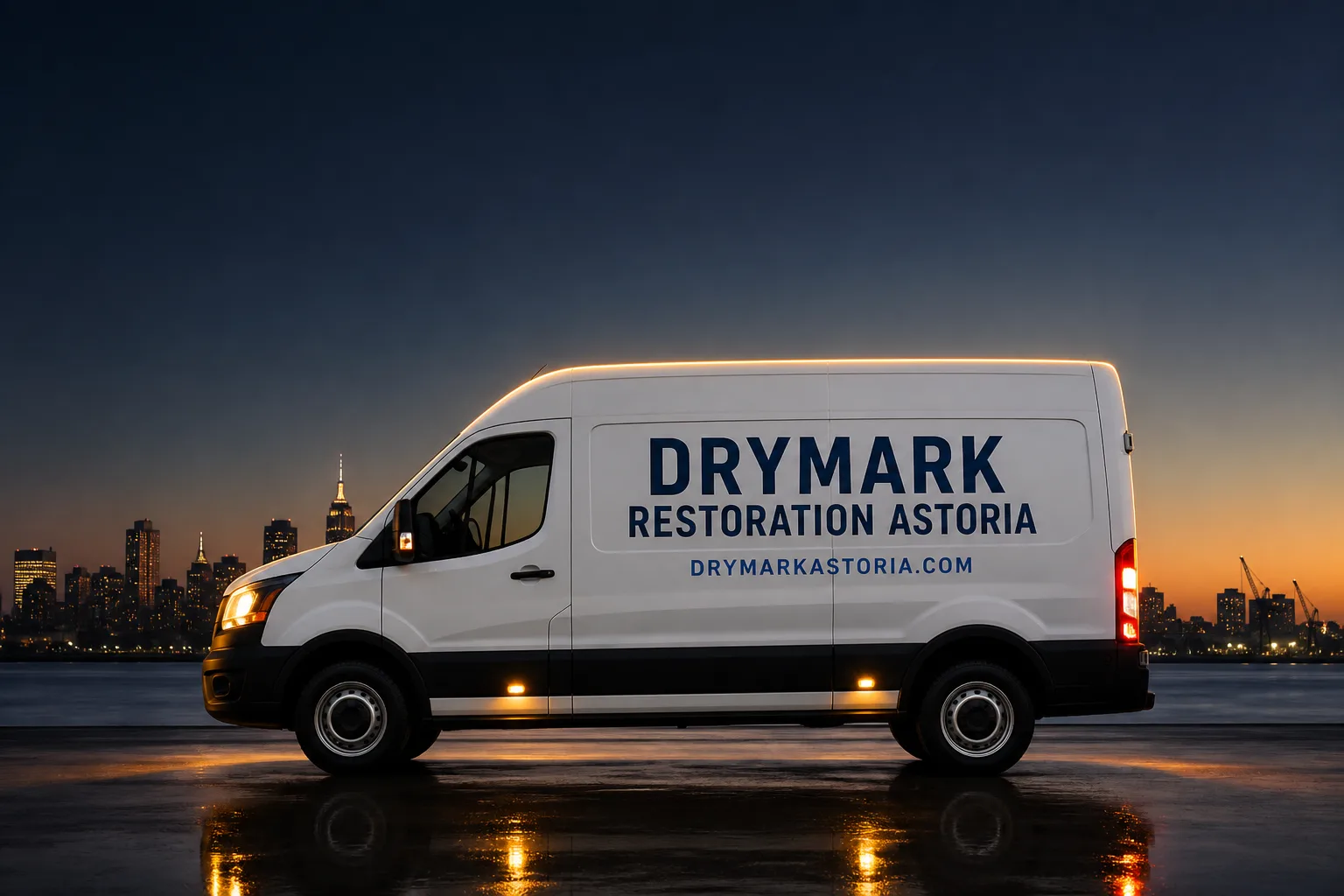
Free visual inspection and a written scope of work before any mitigation begins - photos, moisture readings, and drying logs go in your claim file
The scope we write is the scope we bill. Anything new gets shown to you, in writing, before we touch it.
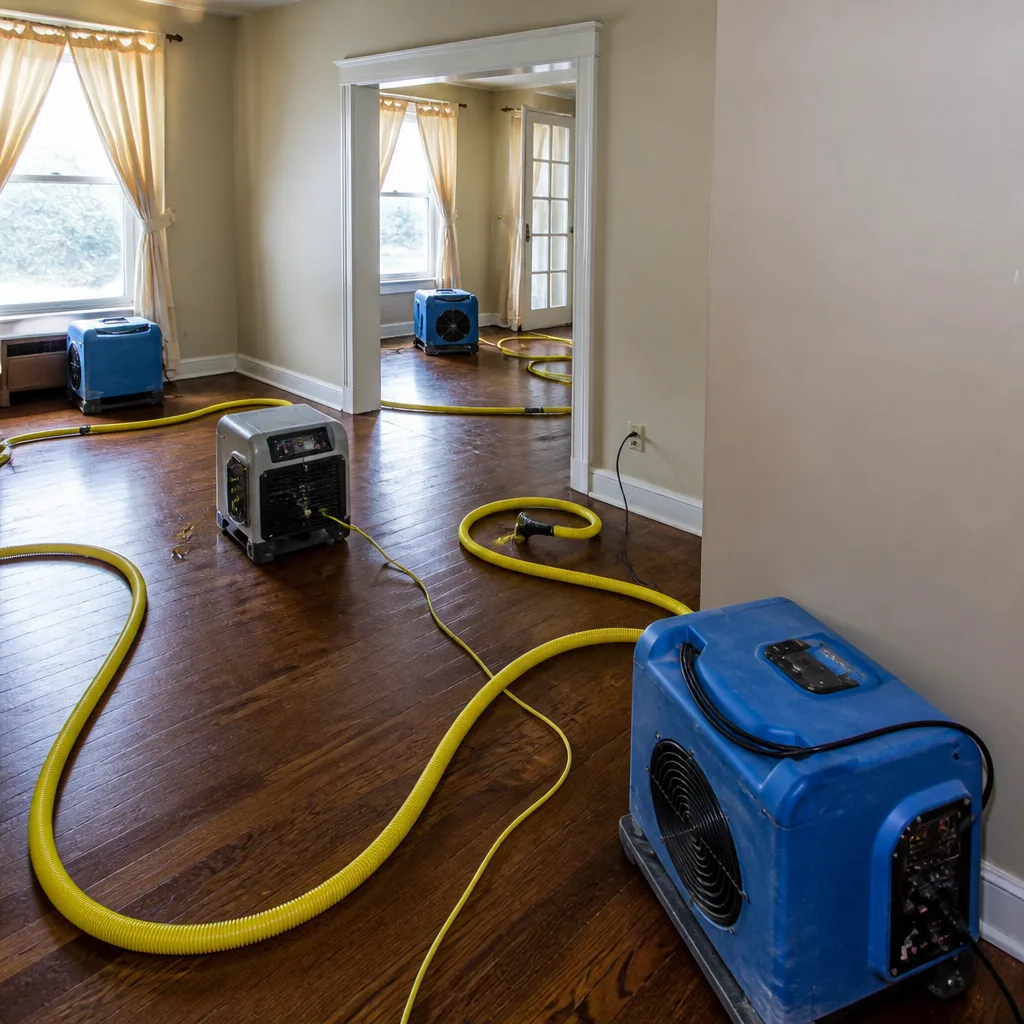
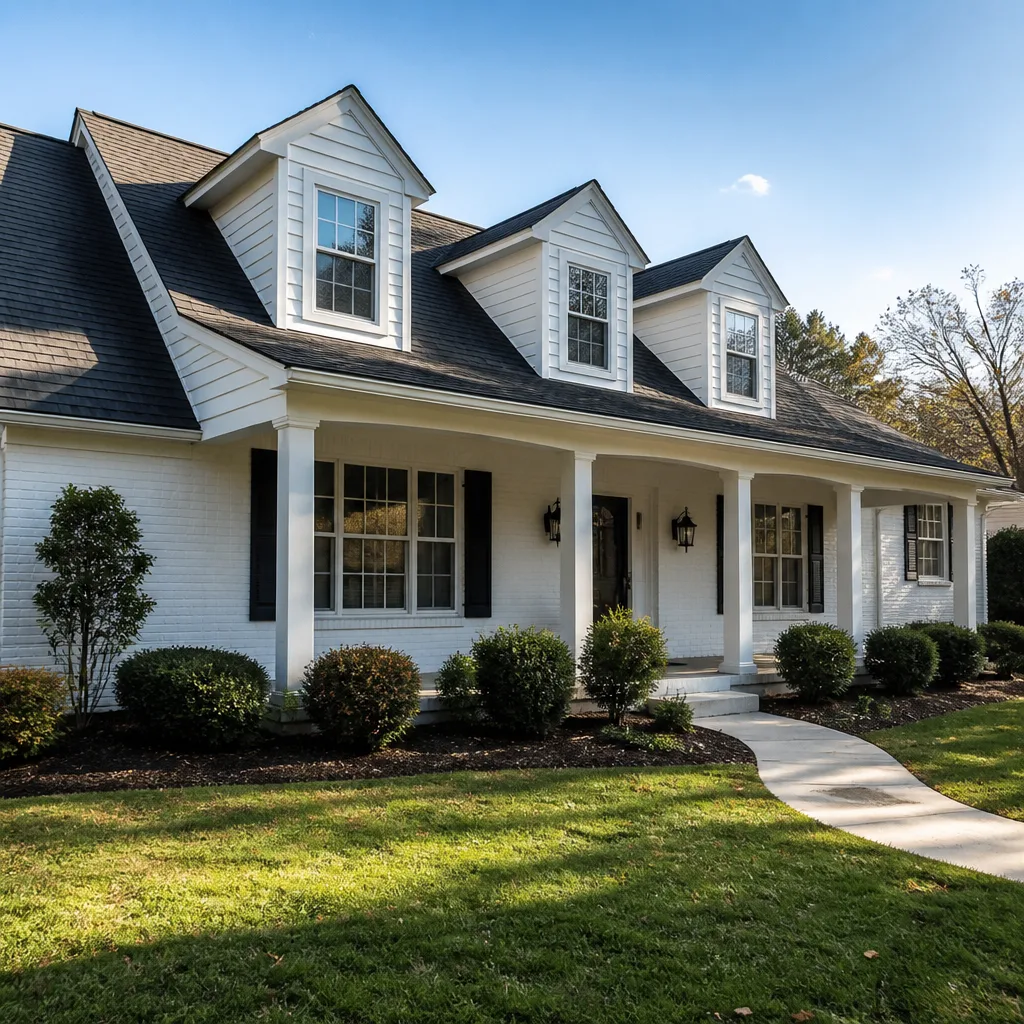
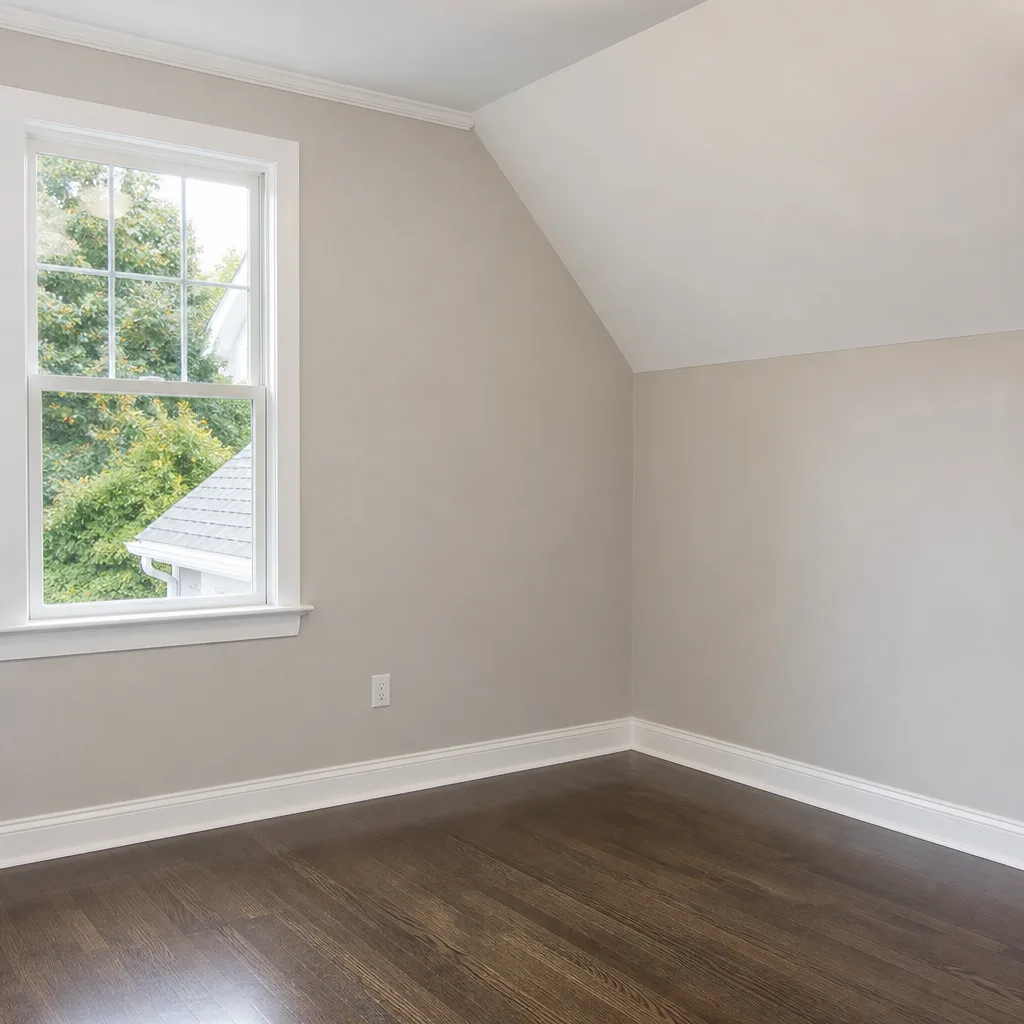
Storm response
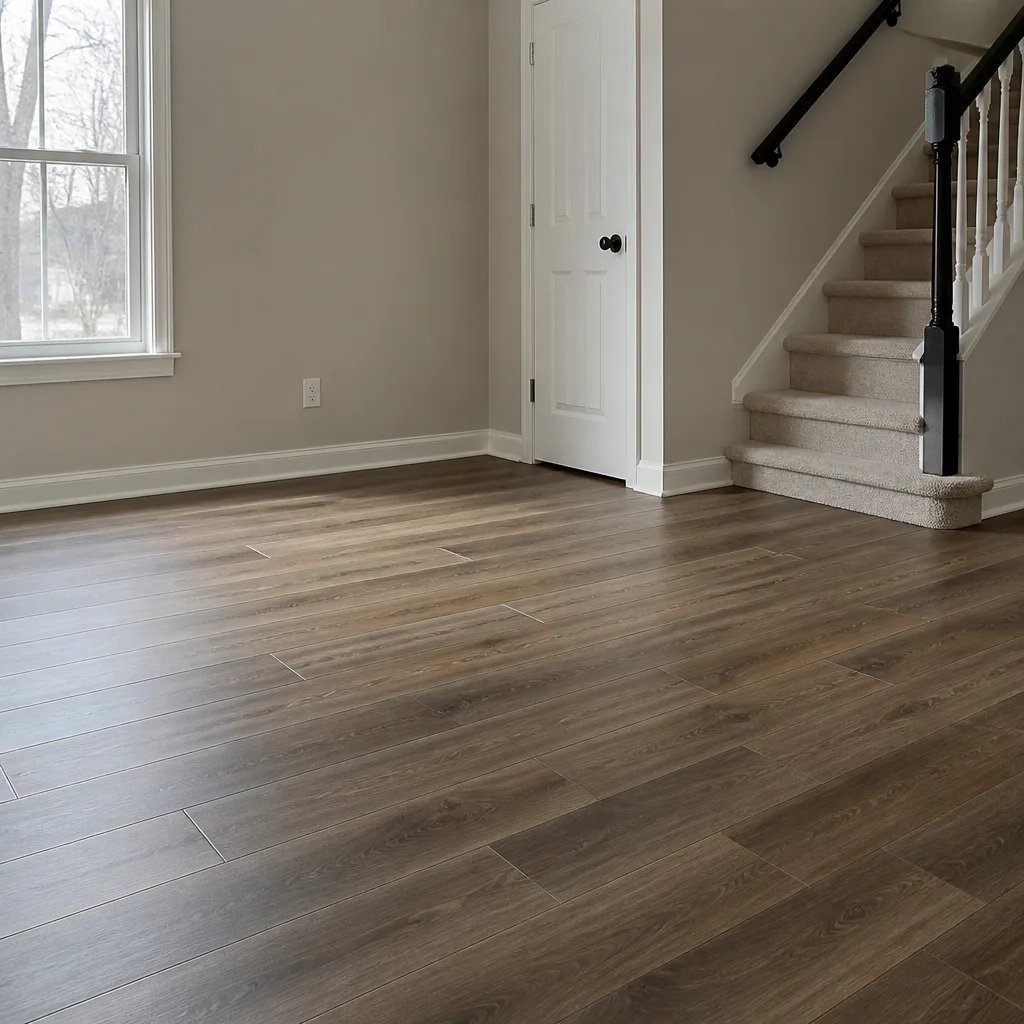
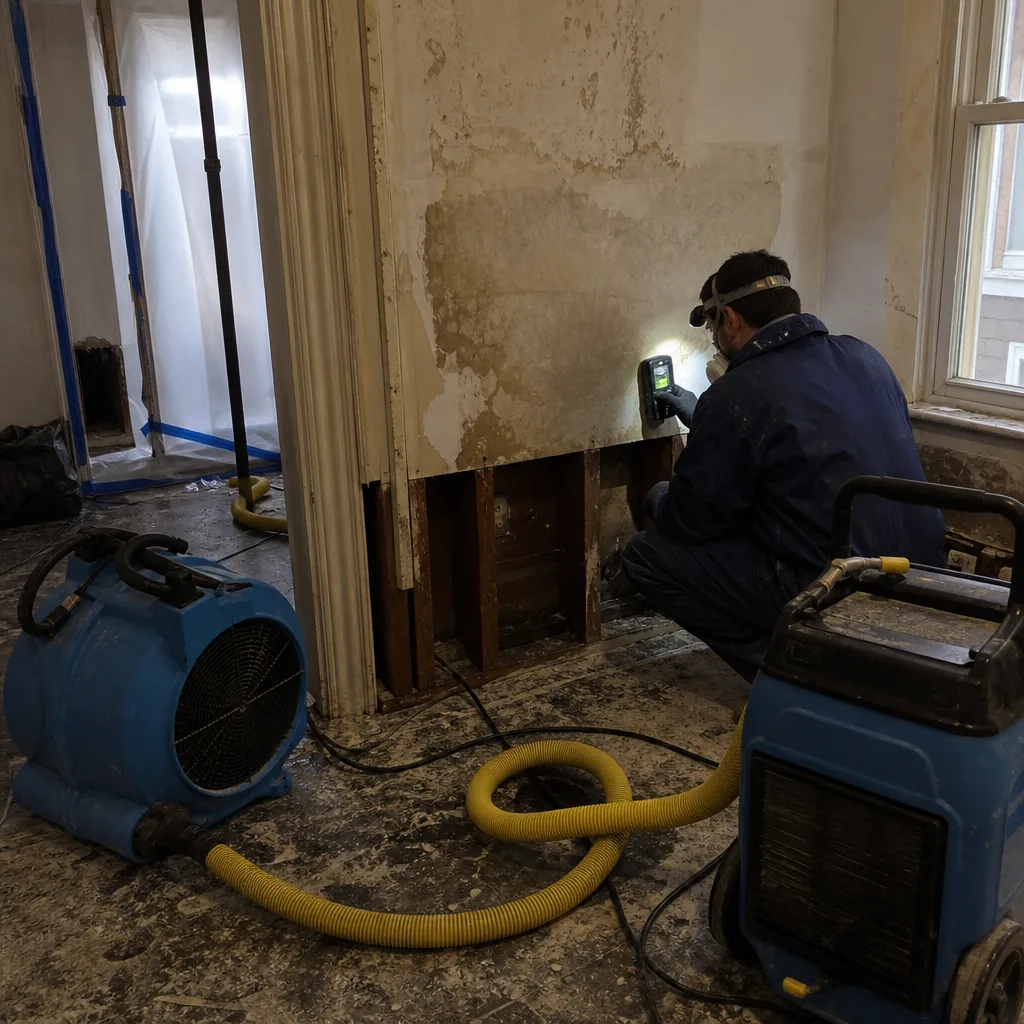 Before
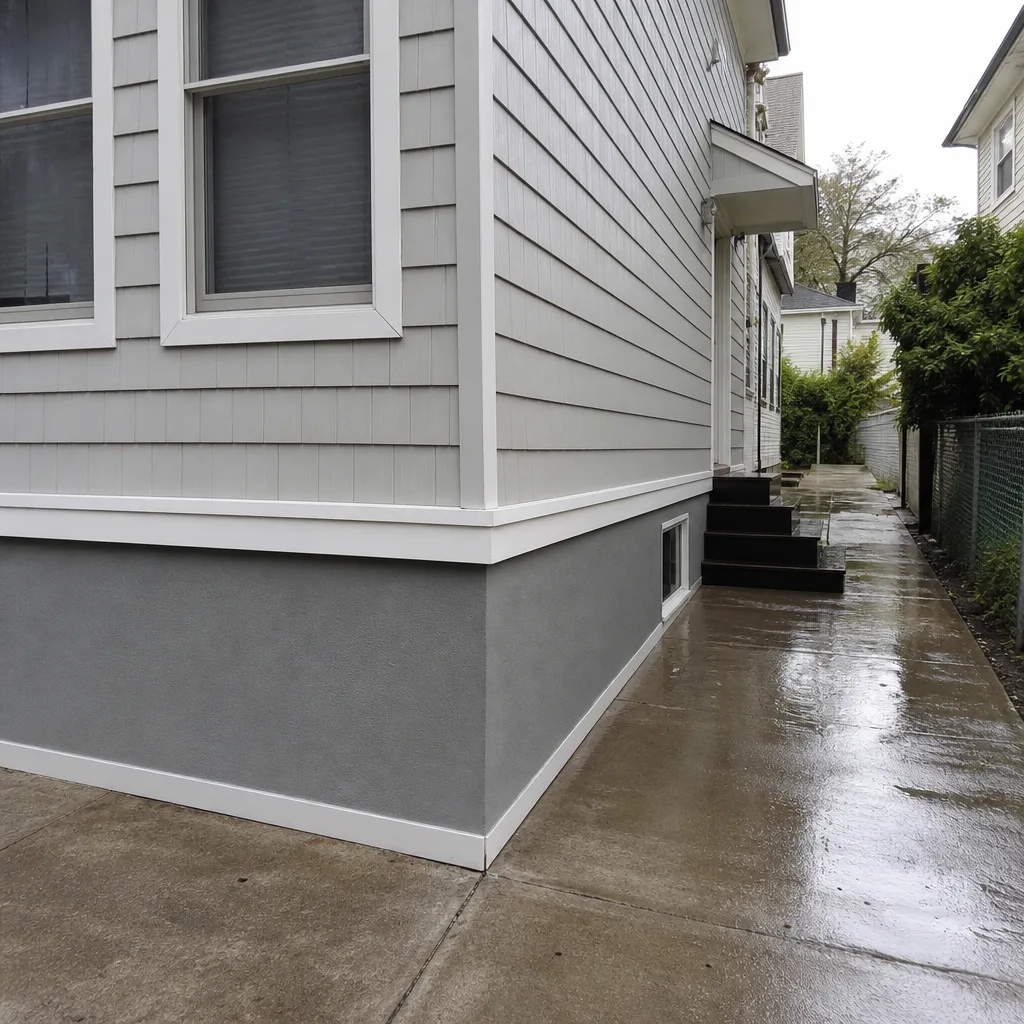 After
After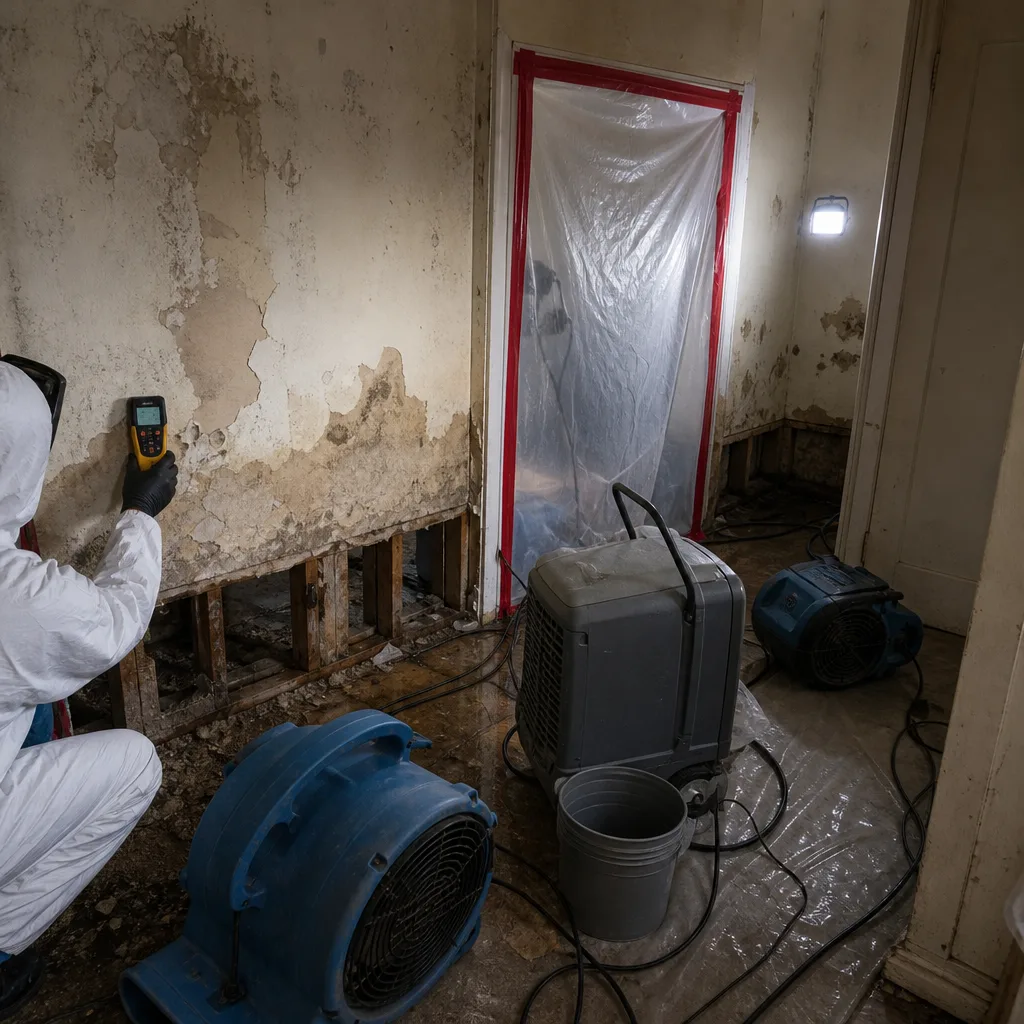 Before
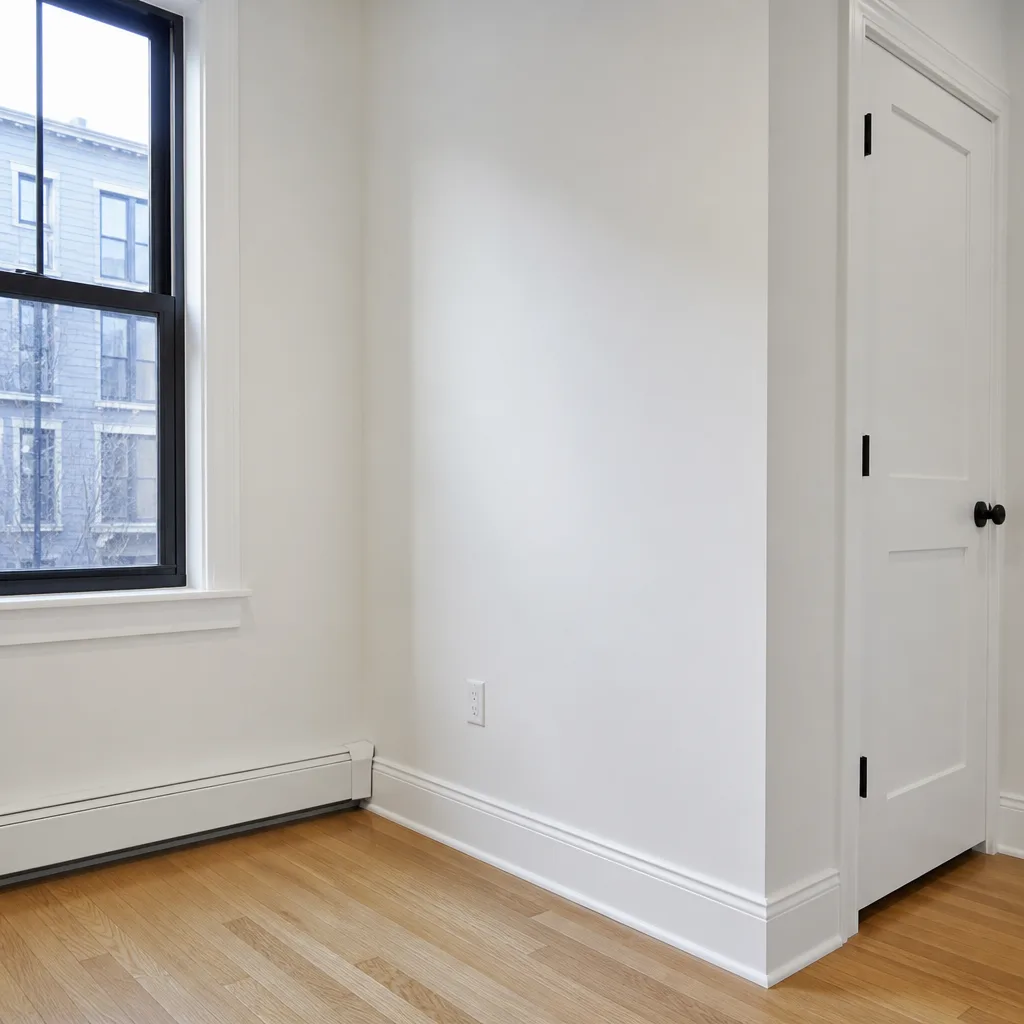 After
After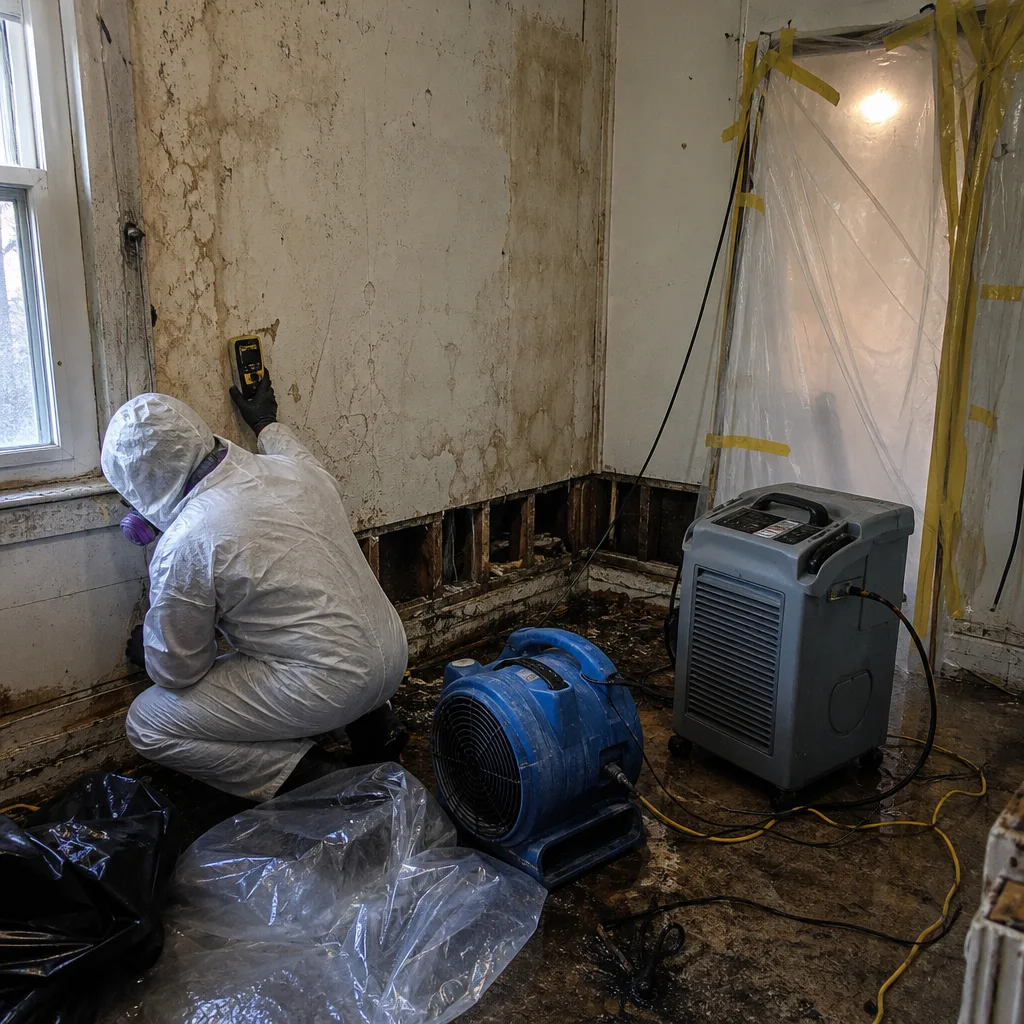 Before
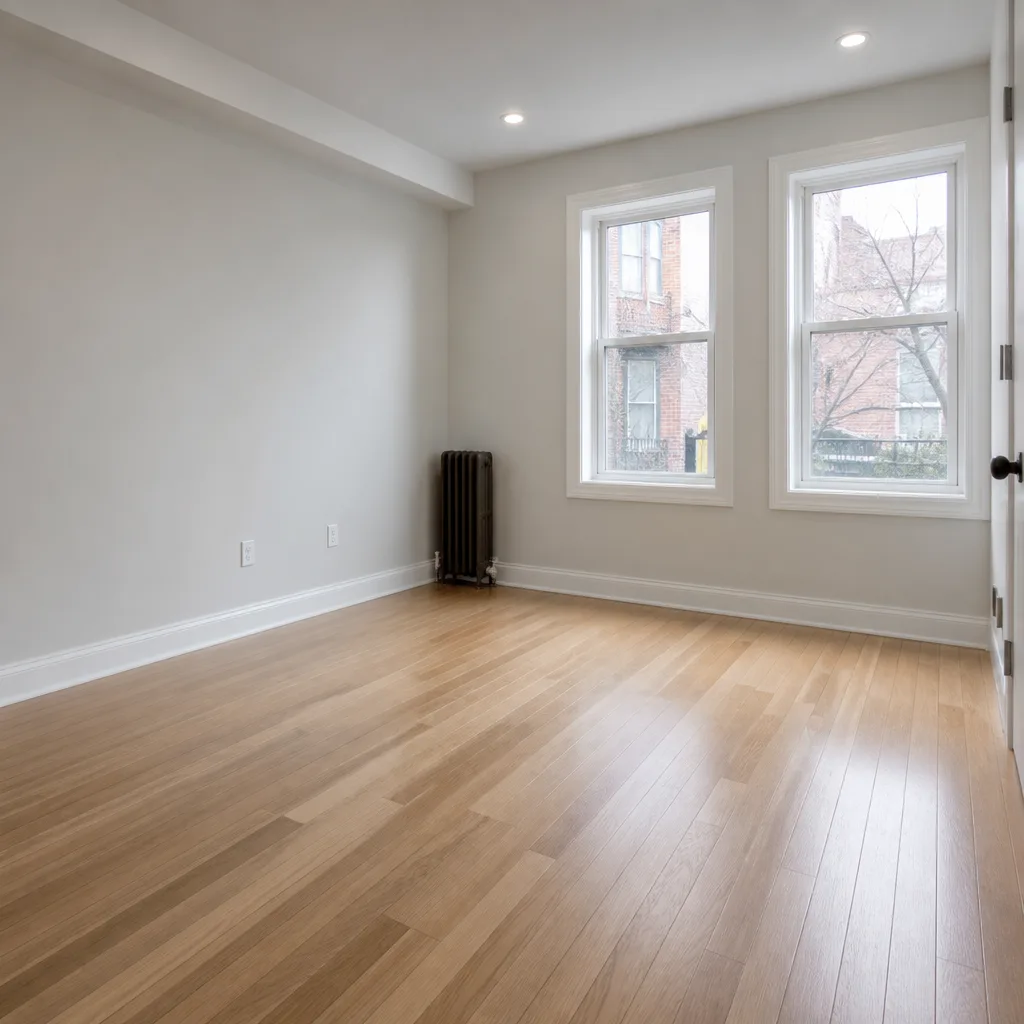 After
After24/7 Emergency Water Damage Restoration in Manhattan
Water damage restoration in Manhattan typically costs $3,200-$8,500 for a standard residential extraction and drying job, with emergency response available within 45 minutes in most Manhattan neighborhoods. Our crews are dispatched from our New York City office and carry Dri-Eaz and Phoenix drying systems sized for high-rise deployments. Call (862) 281-7710 now - a live person answers, 24 hours a day, 7 days a week, with no voicemail trees while water is still moving through your building.
The first hour determines whether moisture stops at the surface or migrates into plaster chases, elevator pits, and subgrade electrical rooms. In Manhattan’s vertical housing stock, water doesn’t spread across a basement floor - it drops through five to fifteen floors of shared wet walls and original cast-iron drain stacks. Every minute of delay multiplies the affected square footage and the number of insurance policies in play. Our Water Damage Restoration team arrives with thermal imaging cameras, pin moisture meters, and the documentation protocols that keep claims payable from the first photo.
Understanding Water Damage Restoration Severity in Manhattan Properties
Water damage severity is classified by contamination level and affected materials, not by how wet the carpet feels. Category 1 water is clean supply-line water. Category 2 carries significant contamination from washing machines or dishwasher overflows. Category 3 is grossly contaminated - sewage, seawater from storm surge, or water that has passed through building materials. Manhattan’s pre-1940 co-op buildings add a structural layer: plaster-over-metal-lath walls, original cast-iron drain stacks, and pre-1980 materials including asbestos-containing floor tiles and pipe insulation. A Category 1 supply-line break in a 1920s Upper West Side co-op can escalate to a Category 2 or 3 event if it saturates asbestos-laden plaster or activates dormant mold in the wall chase.
Moisture mapping with thermal imaging identifies vapor pressure differentials - the force that drives moisture from wet materials into dry air - and determines where tertiary drying (targeted heat and airflow to bound water in dense materials) is necessary. Structural drying in Manhattan high-rises requires psychrometric data, the measurement of temperature, relative humidity, and specific humidity, to calculate how much dehumidification capacity is needed per cubic foot of affected space. A 1,200-square-foot pre-war co-op with 10-foot ceilings and plaster walls needs a different equipment load than a post-war tower with gypsum board. We document every reading.
Why Manhattan Property Owners Choose DryMark Restoration Astoria
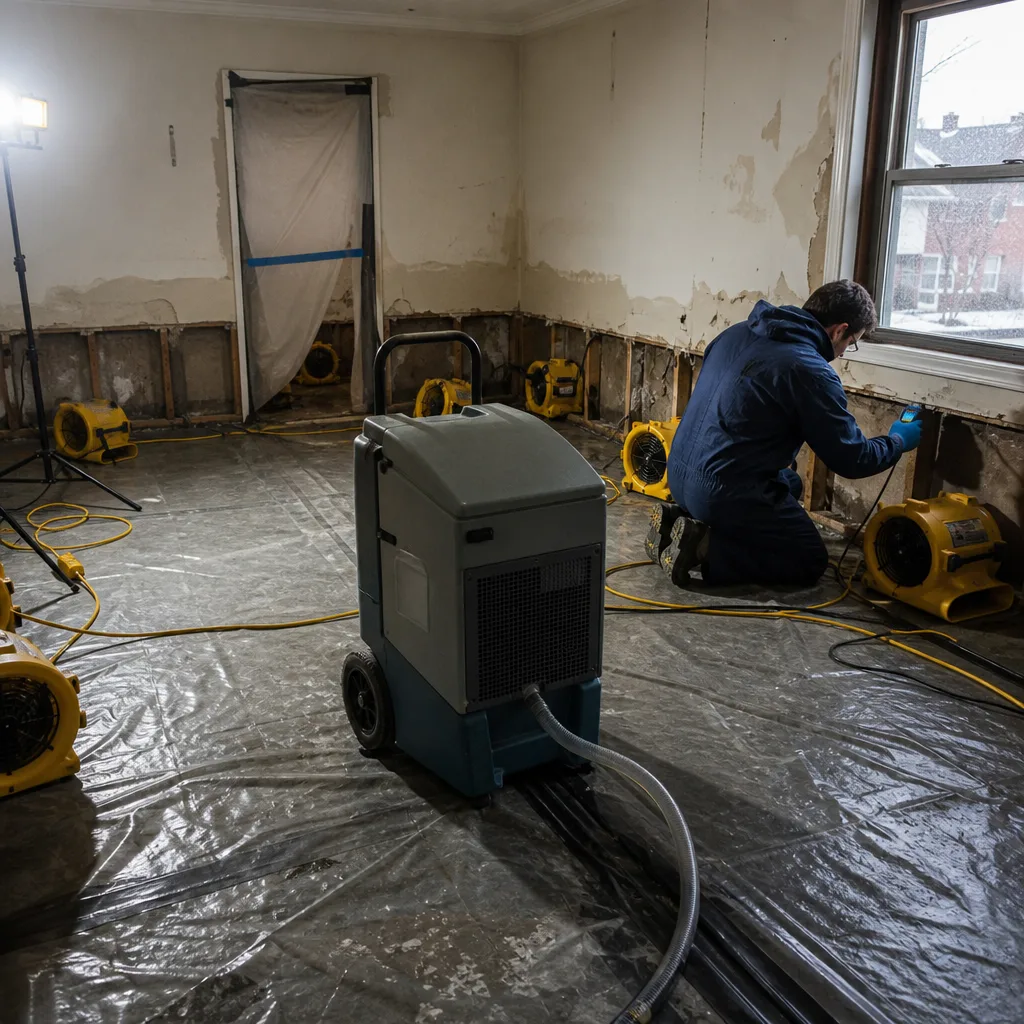
- 45-minute response commitment to Manhattan addresses - our crews know the FDR Drive, West Side Highway, and cross-town corridors that determine whether we arrive in 25 minutes or 55.
- 24/7 live answer by a real person, never an automated system or voicemail tree; your call is logged with a timestamp that your adjuster can verify.
- IICRC-certified crews holding WRT (Water Damage Restoration Technician) and FSRT (Fire & Smoke Restoration Technician) certifications, with AMRT (Applied Microbial Remediation Technician) on staff for Category 3 and mold-contaminated losses.
- Free visual inspection and moisture assessment - we measure before we quote, and the written price follows before any work begins, per Haven Standard, Clause 1.
- Direct insurance billing with photo-documented estimates formatted to your carrier’s standard - we coordinate with adjusters daily so you don’t chase paperwork.
- One team from extraction to reconstruction - no handoffs between mitigation and rebuild contractors, no disputed scope gaps, no finger-pointing if moisture readings spike after drywall goes up.
BeforeAfterOur Water Damage Restoration Process
1. Inspection & Assessment
We arrive with thermal imaging cameras, pin and non-invasive moisture meters, and a hygrometer to measure ambient conditions. In Manhattan co-ops, we identify the wet-wall chase, the drain stack path, and every unit with elevated moisture before we call the managing agent. Our assessment includes a photo record of all visible damage and a moisture map marked by room and elevation.
2. Water Extraction & Stabilization
Truck-mounted extraction units remove standing water; portable units reach high-rise floors when elevator windows limit equipment size. We deploy weighted extraction tools on carpet, squeegees on hard surfaces, and submersible pumps in elevator pits or subgrade mechanical rooms. Stabilization includes shutting down active leaks and identifying electrical hazards in saturated walls.
3. Structural Drying & Dehumidification
We calculate the exact dehumidification load using psychrometric data and deploy Dri-Eaz and Phoenix LGR dehumidifiers, XPOWER and B-Air air movers, and Injectidry cavity-drying systems for plaster chases. Daily moisture logs track specific humidity, temperature, and material moisture content until readings return to pre-loss baselines documented in our initial assessment.
4. Cleaning & Sanitization
Category 2 and 3 losses receive antimicrobial treatment to non-salvageable surfaces. HEPA air scrubbers run during all active work to capture airborne particles. In Manhattan’s shared ventilation systems, we coordinate with building engineers to isolate affected zones and prevent cross-contamination to adjacent units.
5. Asbestos & Material Testing Coordination
Pre-1980 buildings require third-party asbestos testing before invasive demolition. We schedule certified inspectors, obtain results, and adjust the scope if abatement is required. This step is non-negotiable in Manhattan’s pre-war housing stock and is built into our timeline from day one, not discovered mid-job.
6. Repairs & Restoration
Our reconstruction crew repairs or replaces plaster, drywall, flooring, and finishes to match existing conditions. The Haven Standard, Clause 1 applies: a written price before any repair work starts, with the same photo documentation and daily logs that carried the mitigation phase. The 365-Day Done Right Promise covers all work.
Need Emergency Water Damage Restoration in Manhattan Now?
Crews minutes away, answering live 24 hours a day. The sooner we start, the less it costs.
Working With Your Insurance Company
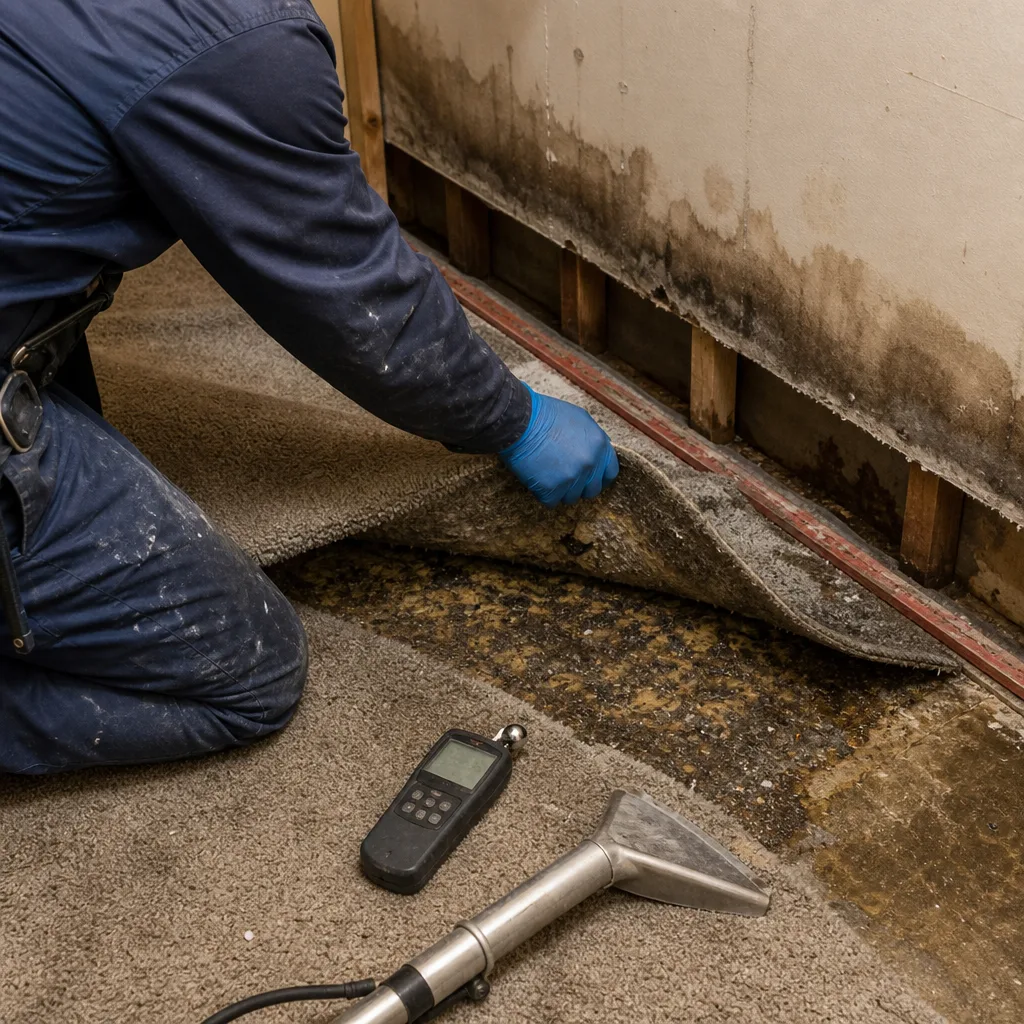
Insurance claims for Manhattan water damage are rarely simple. A single burst pipe riser can trigger an HO-6 policy for the originating unit, the building’s master policy for common elements, and multiple downstairs neighbors’ HO-6 policies for affected interiors. We document from the first hour to keep all three claim streams straight. Our estimates follow industry-standard formats - Xactimate or Symbility, depending on your carrier’s preference - and we speak with adjusters directly rather than routing everything through you.
Our documentation-first approach exists because our founder, Alicia Brennan, spent years as a claims adjuster watching homeowners lose coverage over missing photos, unsigned scopes, and disputed moisture readings. We don’t want that to happen to you.
What We Provide Your Insurer
- Thorough documentation of the loss with room-by-room damage descriptions
- Photos of all damage, equipment placement, and daily progress
- Moisture readings and drying logs with dates, times, and technician signatures
- A detailed, line-item scope of work with material classifications and quantities
- Direct coordination with your carrier’s adjuster, including conference calls with building managers when multiple policies overlap
Built for Manhattan’s Loss Calendar
January deep freezes burst supply lines in unheated perimeter rooms and terrace plumbing, particularly in pre-war buildings with original copper or galvanized risers. February and March bring freeze-thaw cycles that crack aging cast-iron drain stacks. Spring rains overwhelm rooftop drains on Flatiron and Chelsea mid-rises, sending water through penthouse mechanical rooms and down elevator shafts. Summer thunderstorms flash-flood basement and subgrade spaces in the Financial District and Battery Park City, where Hurricane Sandy established saltwater-contaminated mechanical room recovery as a recurring scenario. Fall nor’easters test window seals and curtain-wall systems on luxury towers along the Far West Side. Year-round, the original infrastructure in Manhattan’s pre-war buildings fails predictably: toilet supply lines, washing machine hoses, and dishwasher connections in units renovated decades ago.
Water Damage Restoration Across Manhattan’s Neighborhoods
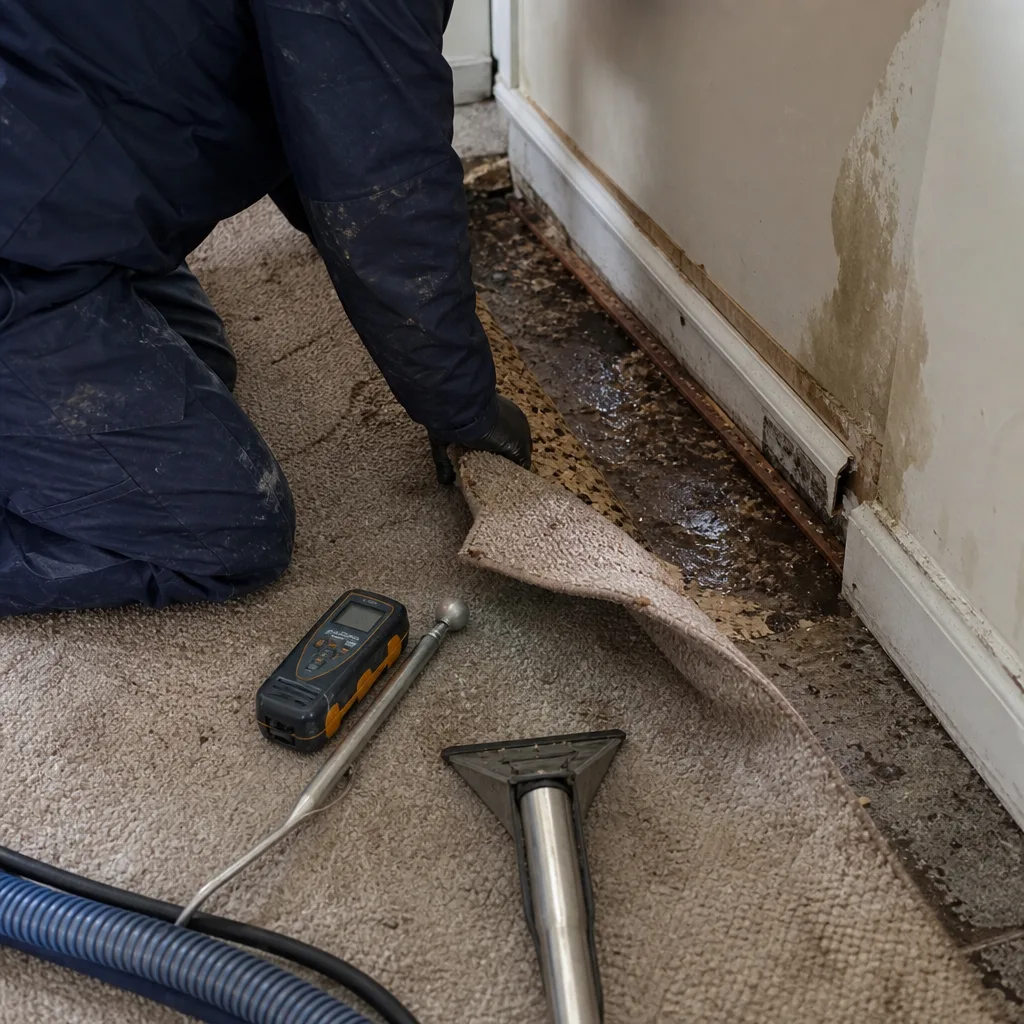
On the Upper West Side, pre-war co-op buildings along West 72nd Street and Central Park West present the classic Manhattan restoration challenge: shared wet walls, managing agent-controlled access, and mandatory asbestos testing on original floor tile. We call the managing agent before we load equipment. The Upper East Side mirrors this pattern from the 60s through the 90s, with additional complexity from white-glove buildings that restrict work hours to 9am-5pm and require padded elevator protection.
The Financial District and Battery Park City operate in a different flood regime. Post-Sandy, building managers in these zones maintain saltwater-specific mitigation plans for subgrade electrical switchgear and elevator pits. Our crews carry corrosion-inhibiting cleaners and document salt residue separately from freshwater damage for adjuster clarity. Chelsea and the Flatiron District mix pre-war walk-ups with converted industrial lofts; the lofts introduce exposed ductwork and sprinkler systems that distribute water horizontally across open floor plates when a head fails.
Midtown’s commercial-residential towers require coordination with 24-hour concierge and loading dock schedules. The Far West Side’s new glass-and-steel condos present curtain-wall water intrusion that behaves nothing like traditional plumbing leaks - we trace these pathways with borescope cameras and pressure testing rather than assuming a failed interior pipe. Manhattan is not one building type. Our response protocols account for the difference.
Specialized Water Damage Restoration Services We Offer in Manhattan
Emergency Water Extraction
Standing water in a Manhattan high-rise is never just a puddle - it’s a weight load on structural slabs, a conductivity hazard in electrical systems, and a wicking source for plaster and hardwood. We extract with truck-mounted or portable units within 45 minutes of your call, documenting gallons removed and pre-extraction moisture readings for your claim file.
Structural Drying & Dehumidification
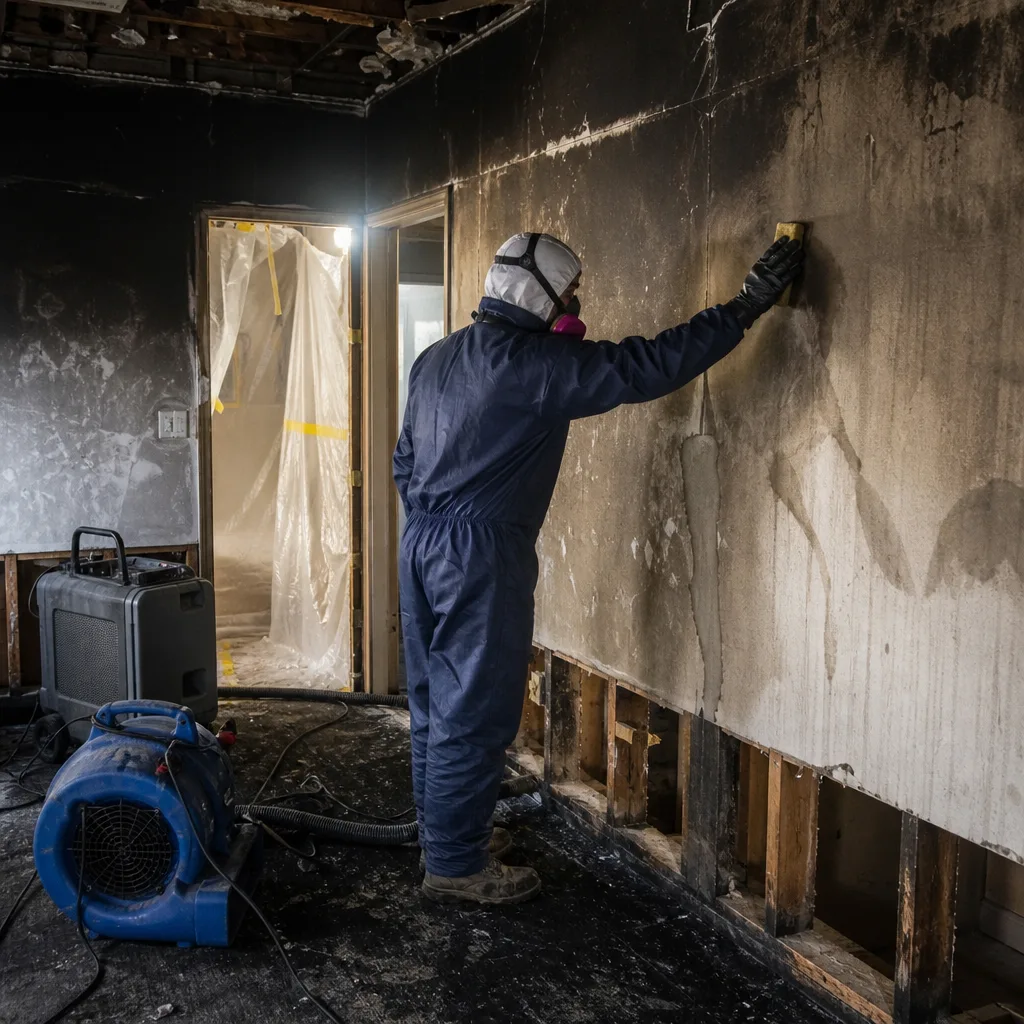
Plaster-over-metal-lath walls in pre-war buildings hold bound water that gypsum board would have released days earlier. We deploy desiccant dehumidifiers and Injectidry cavity systems to establish vapor pressure differentials that pull moisture from dense materials, logging daily psychrometric data until materials reach their documented dry standard.
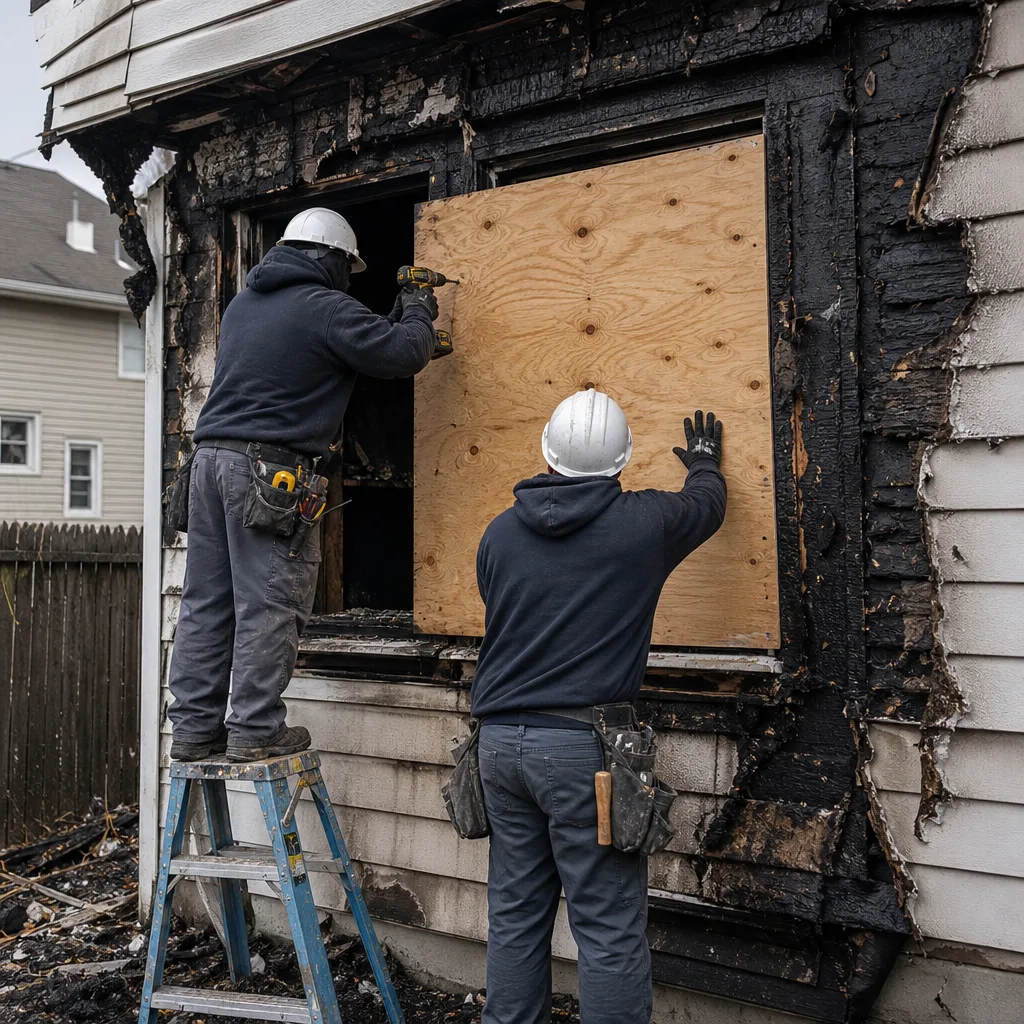
Flood Cleanup
Manhattan floods from storm surge, sewer backup, and rooftop drain failure. Each source carries different contamination profiles and different insurance coverage implications. We identify the source, classify the water, and document accordingly - Category 3 floodwater from the East River requires different handling and different claim coding than a Category 1 rooftop drain overflow.
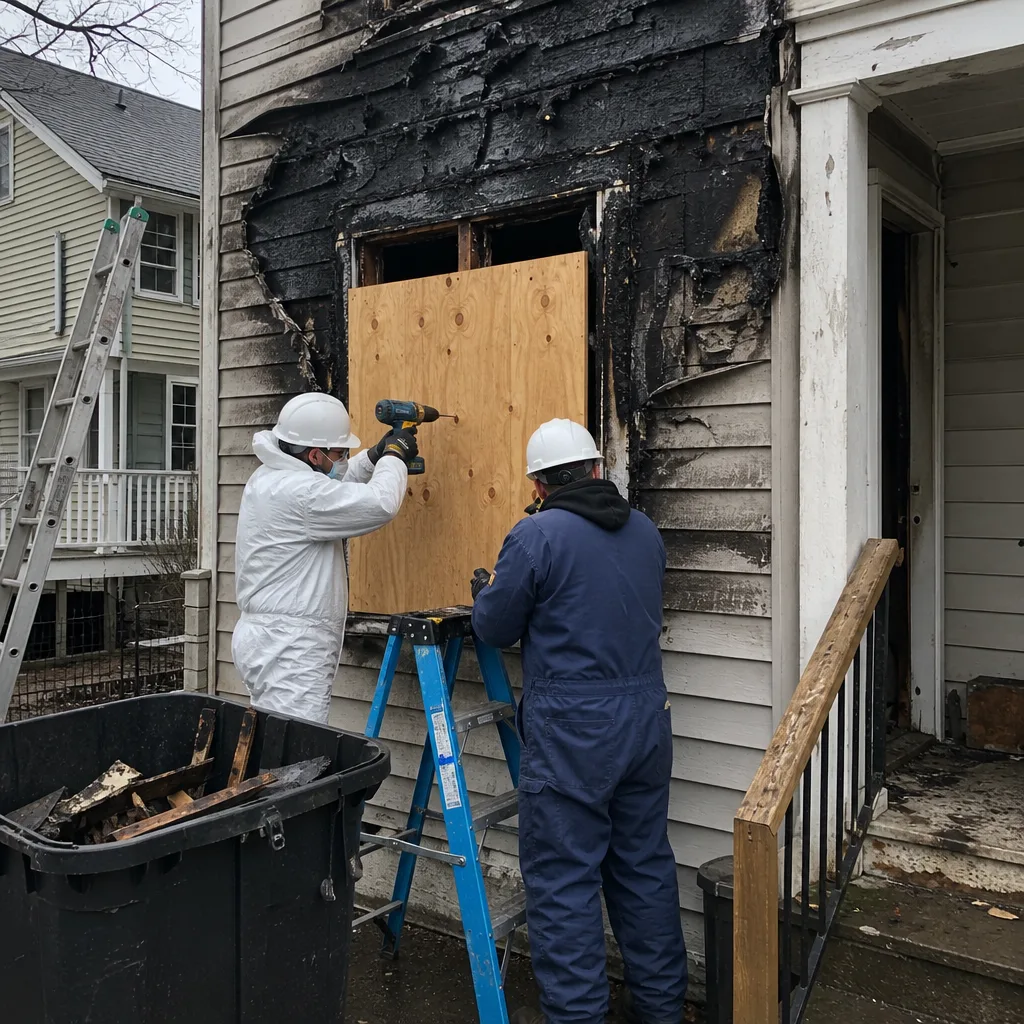
Burst Pipe Restoration
Original cast-iron drain stacks and pre-1980 copper risers fail with increasing frequency in Manhattan’s aging housing stock. A burst pipe on the 12th floor of a Central Park West co-op can read as moisture damage on five to fifteen floors simultaneously. We map each floor separately, coordinate with the managing agent for access, and maintain discrete drying logs and photo records for each affected unit’s insurance claim.
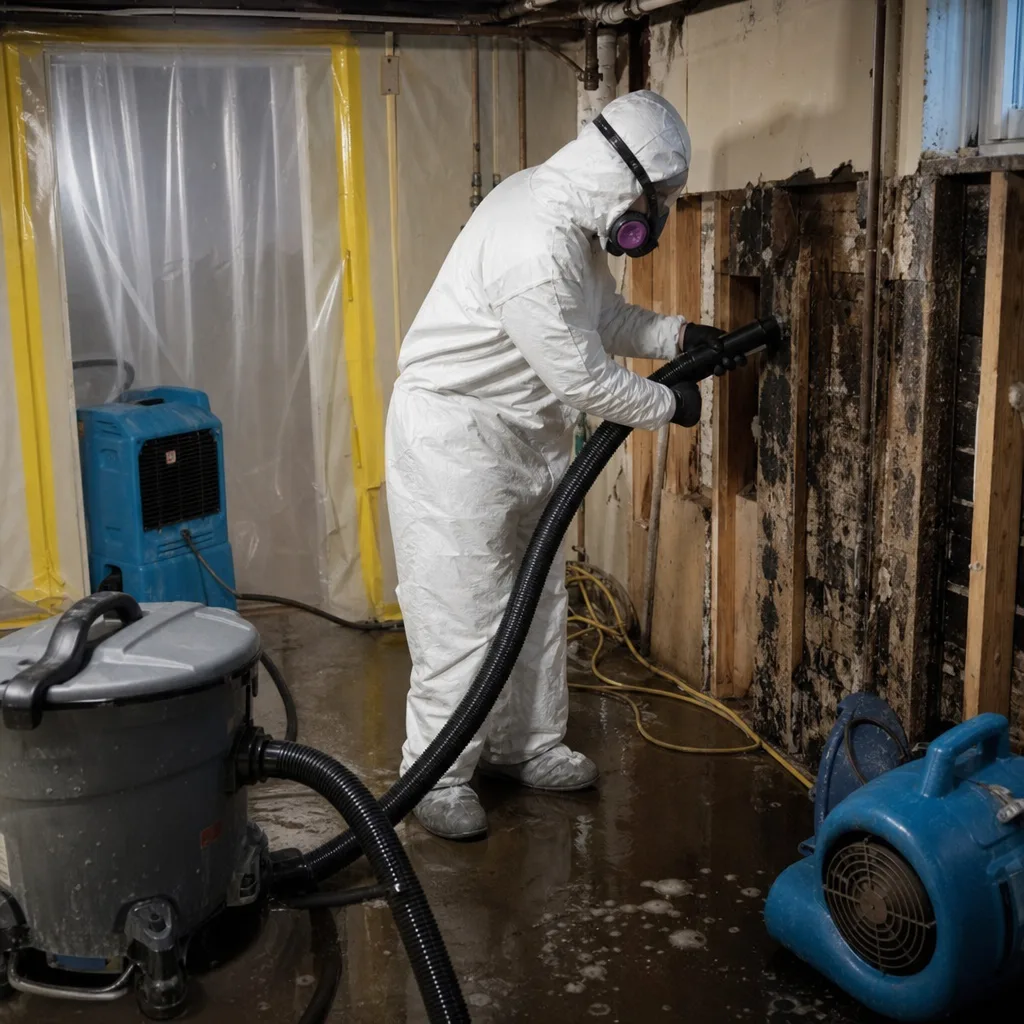
Basement Water Removal
Manhattan basements and subgrade mechanical rooms - particularly in Lower Manhattan - face hydrostatic pressure from the island’s water table and storm surge vulnerability. We pump, extract, and deploy specialized drying systems for concrete and masonry that hold moisture differently than wood-framed construction, with corrosion-inhibiting treatment for saltwater exposure.
What happens when you call
- 1
A real person answersNo phone trees - you reach a local pro.
- 2
You get an upfront price rangeHonest numbers before anyone is dispatched.
- 3
A background-checked tech heads outLicensed & insured, dispatched right away.
- 4
You approve before work beginsNothing starts until you say go.
Water Damage Restoration Costs in Manhattan, NY
A typical emergency water extraction and structural drying job in Manhattan runs $3,200-$8,500 for residential units under 1,500 square feet. Burst pipe restoration with multi-floor moisture mapping in a pre-war co-op ranges $6,500-$18,000, driven by the number of affected floors, asbestos testing requirements, and elevator-access logistics. Basement water removal in subgrade mechanical rooms starts at $4,500 and escalates with pump-out depth, electrical hazard mitigation, and saltwater contamination protocols.
What moves the price: square footage, material classification (plaster vs. gypsum vs. concrete), contamination category, asbestos testing and potential abatement, and the number of insurance policies requiring separate documentation. Insurance typically covers sudden and accidental water damage from plumbing failures; gradual leaks and maintenance-related issues are often excluded. We provide a written price before any work begins, per Haven Standard, Clause 1, and offer a Free Second Opinion on any competitor’s written estimate. Call (862) 281-7710 for an exact quote - estimates are free.
We Also Serve Cities Near Manhattan
Our crews respond from the New York City office to Water Damage Restoration in Manhattan and the immediate surrounding communities: Long Island City, with its converted industrial buildings and new high-rise towers; Maspeth, where mixed residential-commercial properties face unique drainage challenges; Astoria, with its dense pre-war housing stock and basement flooding patterns; and Elmhurst, where multi-family buildings and recent development create varied loss scenarios. The same documentation protocols and 45-minute response commitment apply across all locations.
Serving Manhattan, NY - Our Local Coverage Area
We’re based in the Manhattan area and know this community well. Use the map below to see our service coverage - if you’re nearby, we can almost certainly help.
Manhattan Water Damage Restoration Questions, Answered
My Upper West Side co-op ceiling is dripping from a riser - who authorizes the water damage restoration work?
The managing agent authorizes the work, not the unit owner. In Manhattan’s pre-war co-ops, original pipe risers run inside plaster chases shared between units, and the building’s managing agent controls scope approval and contractor access. A restorer who arrives with only the unit owner’s authorization will be turned away by the super. We call the managing agent first, before the insurance adjuster, to confirm access, work hours, and elevator scheduling. This single step is the difference between starting work in 24 hours and waiting a week. Call (862) 281-7710 and we’ll walk you through the exact sequence.
A pipe burst on the 12th floor and water reached three units below - does each unit need its own drying setup?
Yes. Each unit needs independent moisture mapping, equipment sizing, and drying logs because each unit has its own HO-6 insurance policy and its own pre-loss moisture baseline. We deploy separate air movers and dehumidifiers per unit, document each room individually, and maintain discrete photo records and daily logs for every claim file. The building’s master policy covers the riser and common elements; each unit owner’s policy covers their interior. Our documentation keeps the two streams separate and defensible. Call (862) 281-7710 for multi-unit coordination.
Why does Manhattan restoration take longer than a suburban water damage job?
Manhattan’s vertical housing stock adds layers no suburban job faces: co-op and condo board approval, managing agent authorization, scheduled elevator windows for equipment and debris, mandatory asbestos testing on pre-1980 materials, and overlapping insurance claims across multiple units and policies. A two-day extraction-and-dry job in a suburban house becomes a multi-week operation in a Manhattan high-rise not because the water is more complex, but because the governance structure gates every step. We build this timeline into our initial scope so you’re not surprised by delays that are structurally unavoidable. Call (862) 281-7710 for a realistic project timeline.
Can you dry Category 3 water in a Manhattan co-op, or does everything have to come out?
Category 3 water - sewage, seawater, or grossly contaminated floodwater - requires removal of porous materials that cannot be sanitized, including carpet pad, drywall below the water line, and insulation. Non-porous materials such as tile, concrete, and sealed hardwood can often be cleaned and dried in place. In Manhattan co-ops with plaster-over-metal-lath walls, the plaster itself is often salvageable with antimicrobial treatment and aggressive drying, but any pre-1980 floor tile or pipe insulation requires asbestos testing before demolition. We test first, scope second, and document every decision for your adjuster. Call (862) 281-7710 for Category 3 assessment.
How fast do you need to start drying after a burst pipe in a Manhattan high-rise?
Within 24 hours, and preferably within 4 hours. Mold colonization begins on wet organic materials in 24-48 hours, and Manhattan’s pre-war plaster and lath provide ideal substrate. More urgently, water in shared wet walls continues migrating vertically through the building, expanding the number of affected units and insurance claims with every hour. Our 45-minute response commitment exists to stop this migration before it reaches the floor below. The sooner we establish vapor pressure differentials with dehumidification, the less square footage we need to treat. Call (862) 281-7710 - we answer live, 24 hours a day.
Will my insurance cover water damage restoration in my Manhattan co-op?
Sudden and accidental water damage from burst pipes, appliance failures, or approved plumbing repairs is typically covered under your HO-6 policy, subject to your deductible. Damage from gradual leaks, maintenance neglect, or flooding from outside the building may be excluded or covered only under separate flood insurance. The building’s master policy covers common elements and the original structure; your HO-6 covers your interior finishes, fixtures, and personal property. We document the cause, the timeline, and the affected materials to support your coverage position, and we coordinate directly with your adjuster to resolve disputes before they delay the work. Call (862) 281-7710 for insurance-specific documentation.
Do I need to leave my apartment during water damage restoration?
Often yes, during active drying. Industrial dehumidifiers and air movers raise noise levels above comfortable living conditions, and Category 2 or 3 losses require antimicrobial treatments that temporarily affect air quality. In Manhattan’s compact units, the equipment footprint alone may make the space uninhabitable. We coordinate with your managing agent on building access for overnight drying and provide daily moisture logs so you know when readings support return. For Category 1 losses in larger units, partial occupancy with containment may be possible. We discuss this during our initial assessment and include it in the written scope. Call (862) 281-7710 to discuss your specific situation.
What certifications do your Manhattan water damage restoration technicians hold?
Our technicians hold IICRC WRT (Water Damage Restoration Technician) certification as a minimum; lead technicians add FSRT and Fire & Smoke Damage Restoration in Manhattan expertise, plus AMRT (Applied Microbial Remediation Technician) for Category 3 and mold-contaminated losses. All work is documented to IICRC, RIA, and IFA standards, producing the daily drying logs and moisture readings that turn restoration invoices into payable insurance claims. Background checks and license verification are completed before any technician enters your building. Call (862) 281-7710 to confirm current certifications for your assigned crew.
Written by Alicia Brennan, Owner at Back to Dry Restoration, serving Manhattan since 2011.