
Free visual inspection and a written scope of work before any mitigation begins - photos, moisture readings, and drying logs go in your claim file
The scope we write is the scope we bill. Anything new gets shown to you, in writing, before we touch it.
Storm response
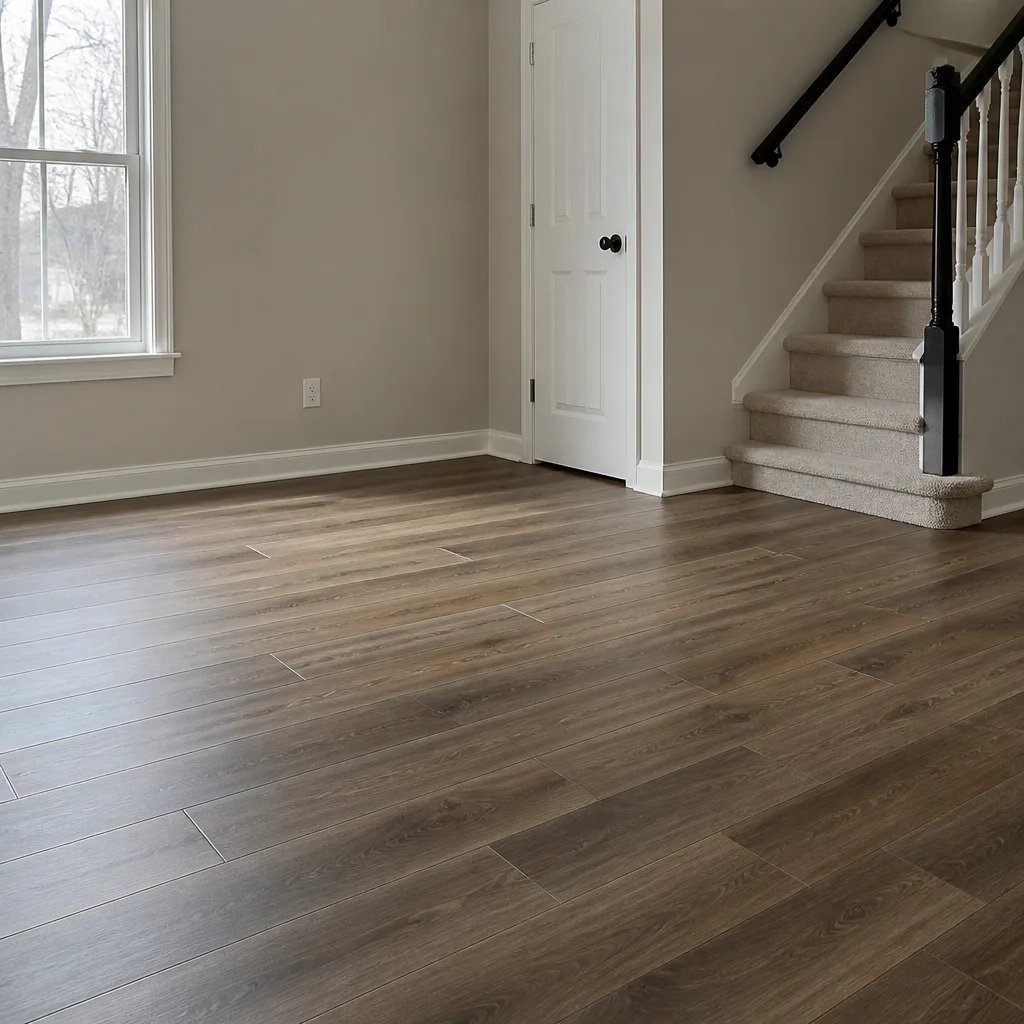
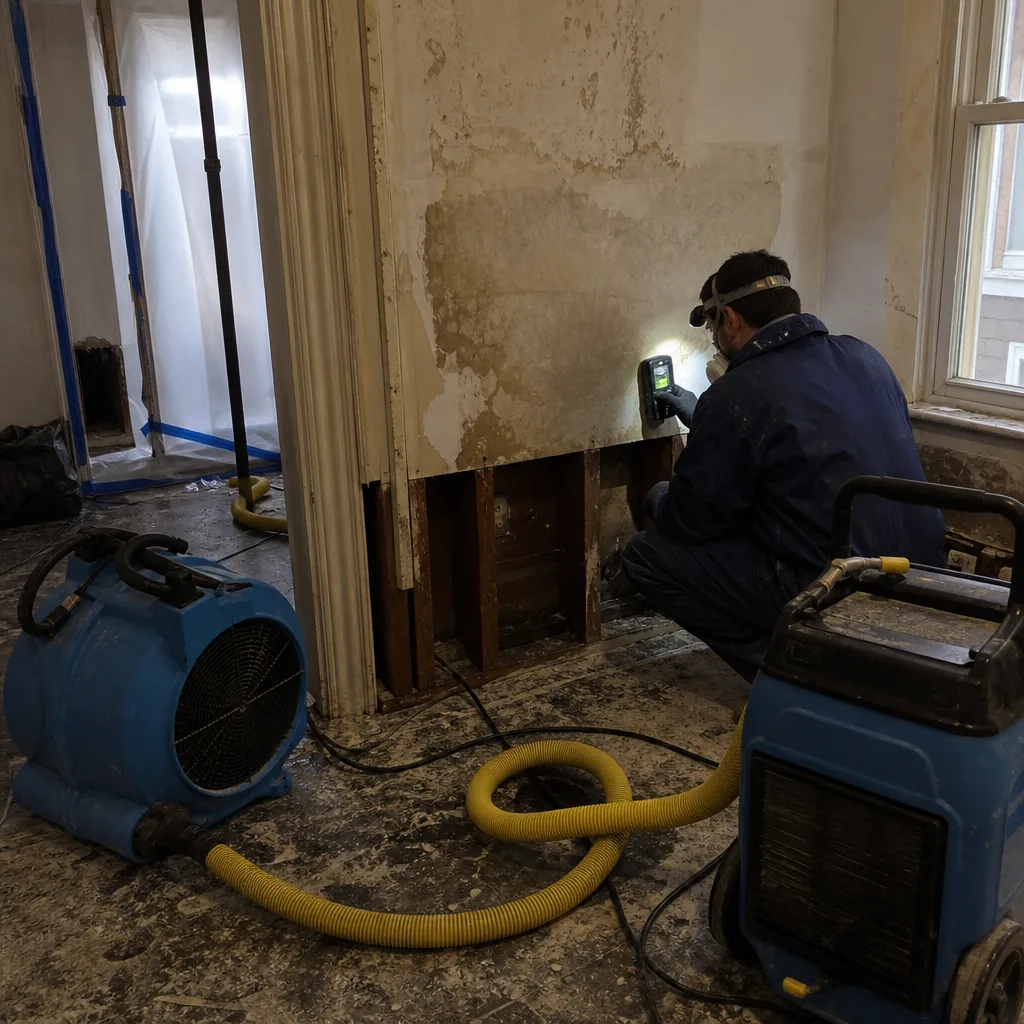 Before
 After
After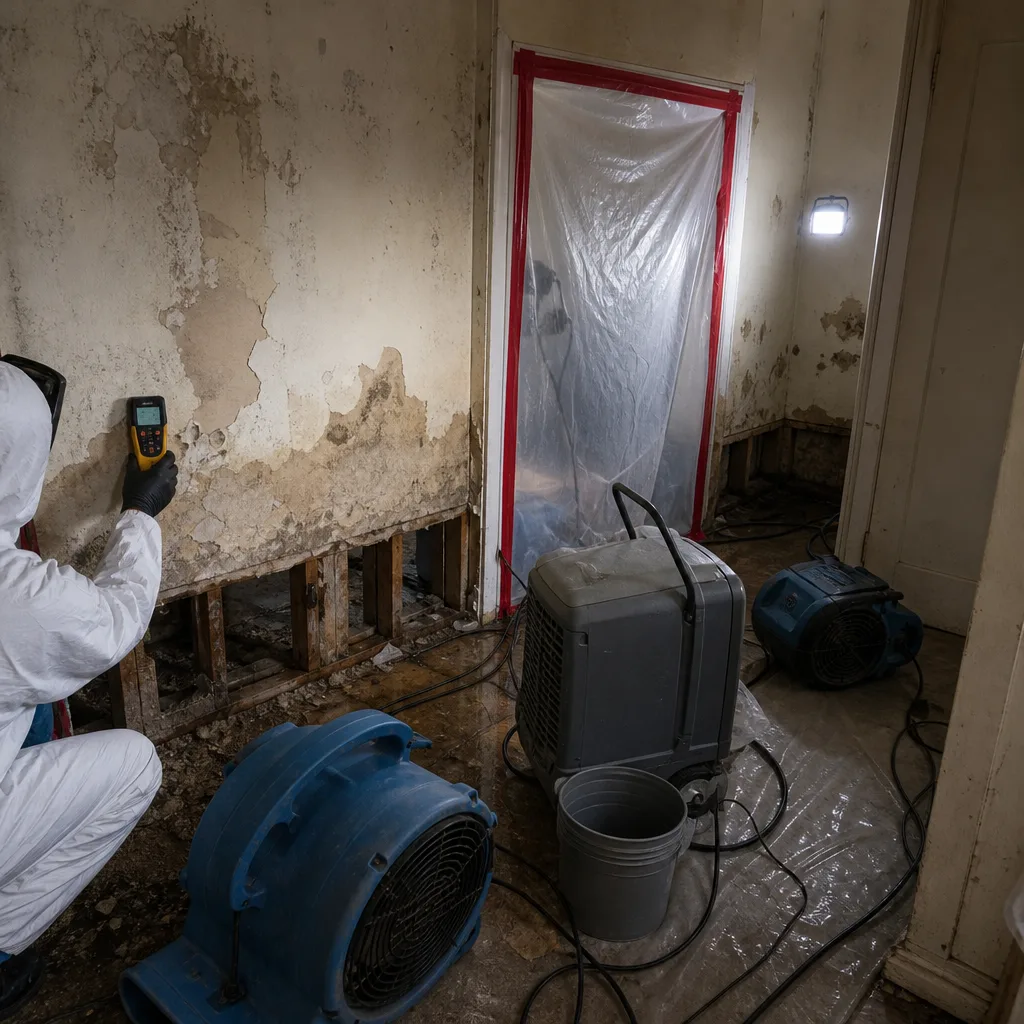 Before
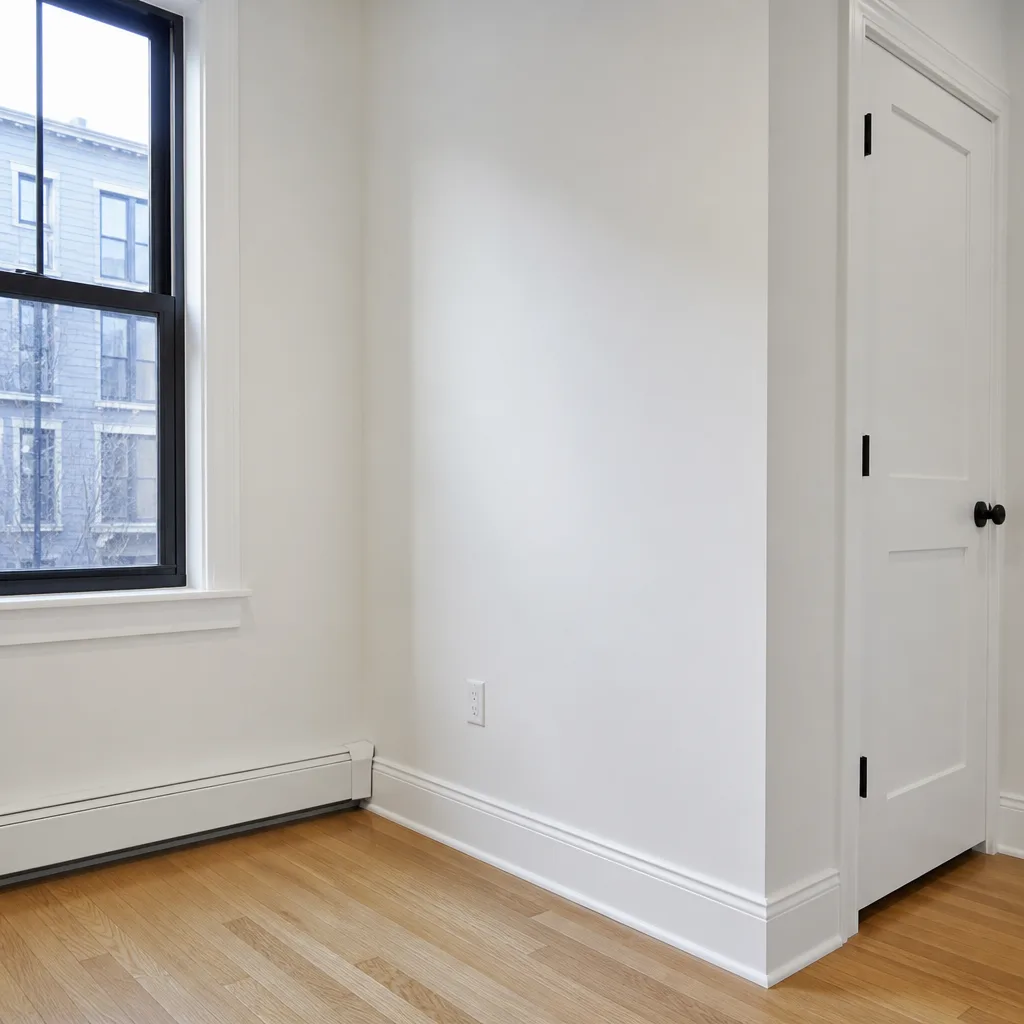 After
After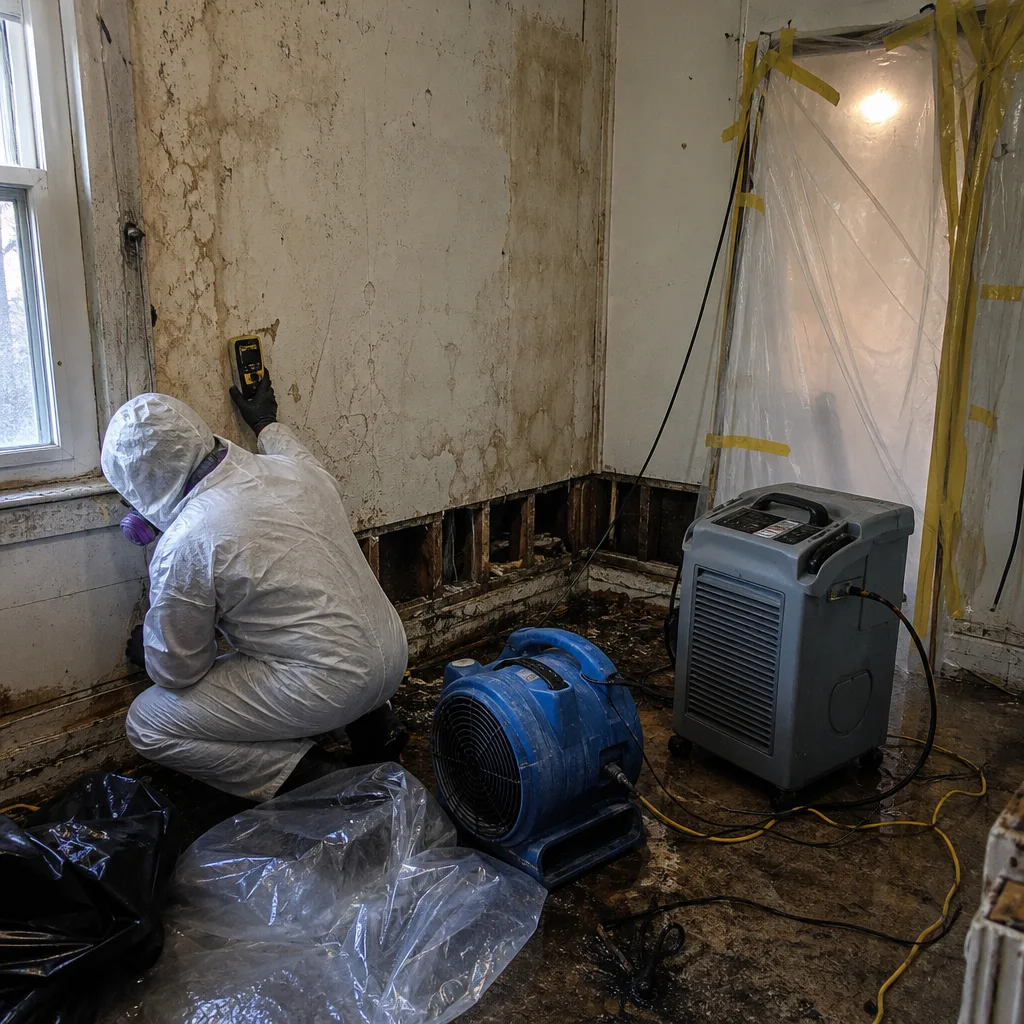 Before
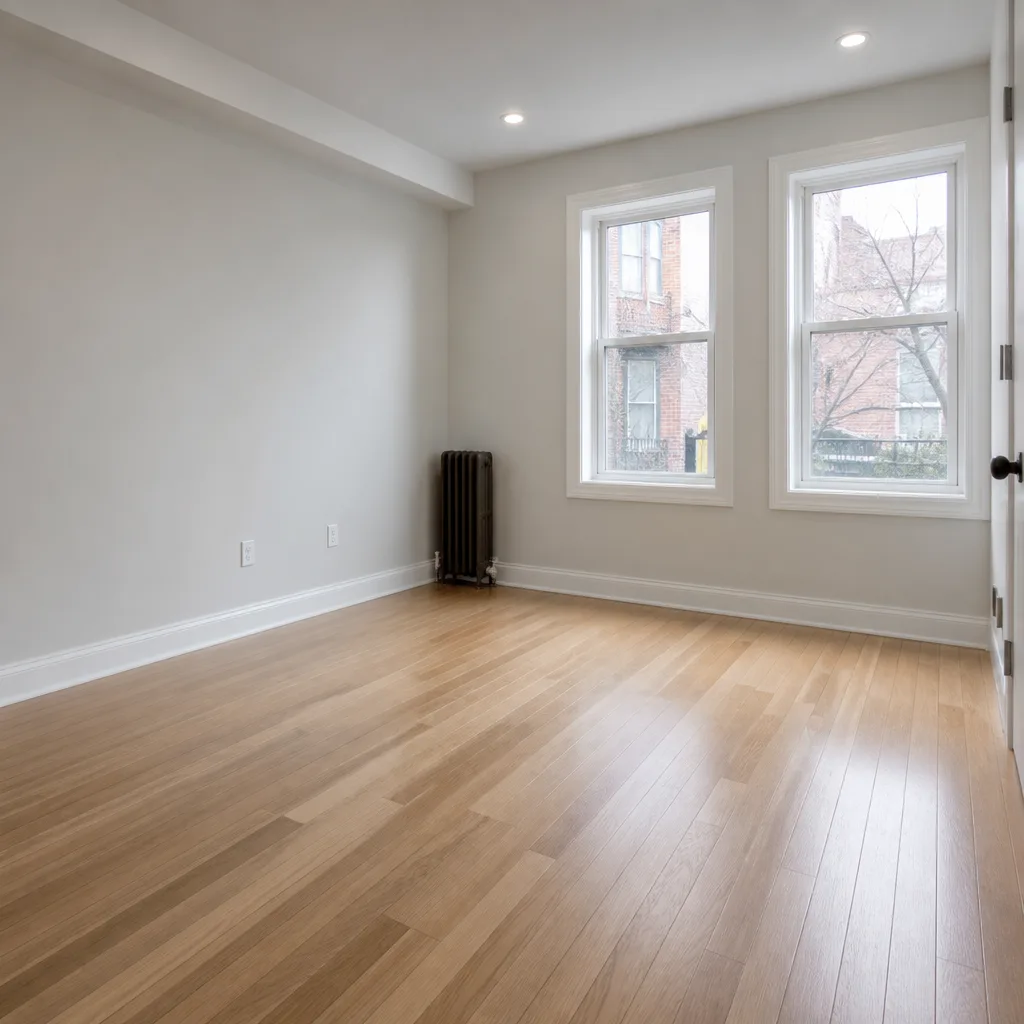 After
After24/7 Emergency Water Damage Restoration in Astoria
Water damage restoration in Astoria typically costs between $1,800 and $6,500 depending on the affected square footage and whether multiple units are involved, and our crews are usually on-site within 45 minutes of your call. Call (862) 281-7710 now; we answer live 24 hours a day, 7 days a week, no voicemail trees, no next-business-day callbacks while water is still wicking through plaster and down to the unit below. The first hour determines whether a burst pipe or roof leak stays a Category 1 extraction job or becomes a Category 2 contamination event requiring full demolition, so we dispatch from our New York City office with extraction equipment, moisture meters, and containment materials already loaded.
Our Water Damage Restoration team serves Astoria property owners with the understanding that most buildings here were built between the 1920s and 1950s, with shared party walls that let water travel where it isn’t immediately visible. We provide a free visual inspection on arrival, document everything with photos, and deliver a written price before any work begins, every time, with no exceptions, Haven Standard, Clause 1.
Understanding Water Damage Restoration Severity in Astoria Properties
Water damage in Astoria falls into three categories under IICRC S500 standards. Category 1 is clean water from a supply line, common in freeze-thaw pipe bursts in unheated top-floor units during January cold snaps. Category 2, gray water, carries chemical or biological contaminants, think dishwasher discharge or sump pump failures in Shore Boulevard basements after storm surge. Category 3, black water, includes sewage backup or floodwater from the East River, requiring full PPE, containment, and antimicrobial treatment.
Severity escalates fast in Astoria’s housing stock. The original horsehair plaster in these pre-1950 buildings is highly absorbent; a ceiling that reads 16% moisture content on a pinless meter at 9 AM can hit saturation and collapse by 3 PM if the el vibration has already stress-cracked the lath. Moisture mapping with thermal imaging lets us trace lateral migration through party walls that suburban crews often miss. Psychrometric data, temperature, relative humidity, and vapor pressure differential, tells us exactly how many air movers and dehumidifiers a sealed drying chamber needs. Tertiary drying targets the bound water in dense materials like cast-iron drain stacks and multiple layers of oil-based paint that primary air movement alone won’t touch.
The real severity driver in Astoria isn’t the water source. It’s the multi-unit coordination. When a flat-roof membrane fails over a three-family rowhouse on 30th Avenue, you’re not drying one unit. You’re managing three separate insurance policies, three deductibles, and three owners who may not agree on scope, all while NYC DEP’s pre-demolition asbestos survey clock is running.
Why Astoria Property Owners Choose DryMark Restoration Astoria
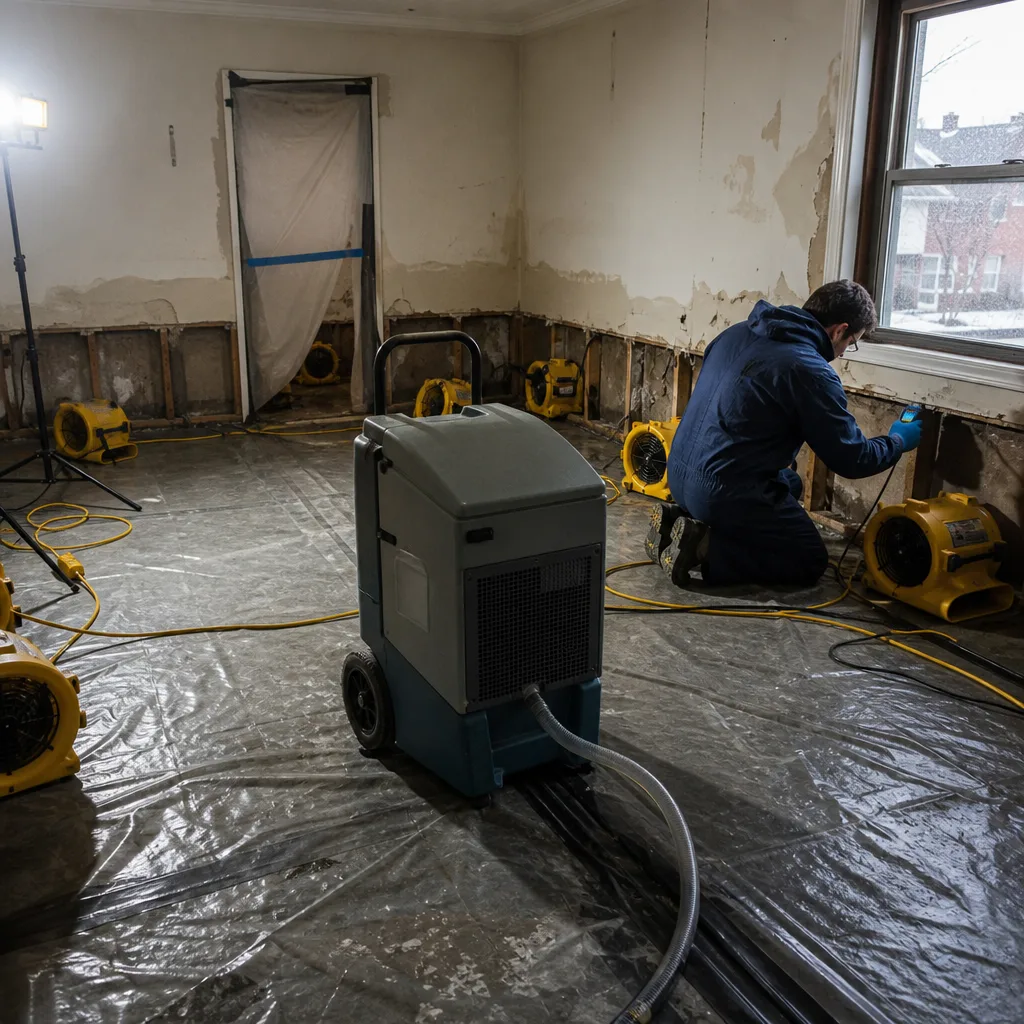
- 45-minute response commitment to Astoria addresses, with crews dispatched from our New York City office and GPS-routed around N/W line construction and Steinway Street traffic patterns.
- 24/7 live answer, a real person, never an automated system; our dispatchers can initiate insurance notification and crew assignment while you’re still on the call.
- IICRC-certified crews holding WRT (Water Damage Restoration Technician), FSRT (Fire & Smoke Restoration Technician), and AMRT (Applied Microbial Remediation Technician) certifications, with license numbers documented on every job file.
- Free visual inspection on every call; we measure, photograph, and explain what we found before any equipment runs or any price is discussed.
- Direct insurance billing with daily moisture logs, photo records, and line-item scopes formatted to your carrier’s standard, reducing back-and-forth that delays payment.
- One team from extraction to reconstruction, no handoffs between subcontractors that lose documentation or shift blame when plaster doesn’t match.
BeforeAfterOur Water Damage Restoration Process
1. Inspection & Assessment
We arrive with FLIR thermal imaging cameras, Tramex moisture meters, and borescopes to map the full extent of water migration, including lateral travel through party walls that the reported unit’s occupant can’t see. Every reading is logged with time, location, and photograph.
2. Extraction & Stabilization
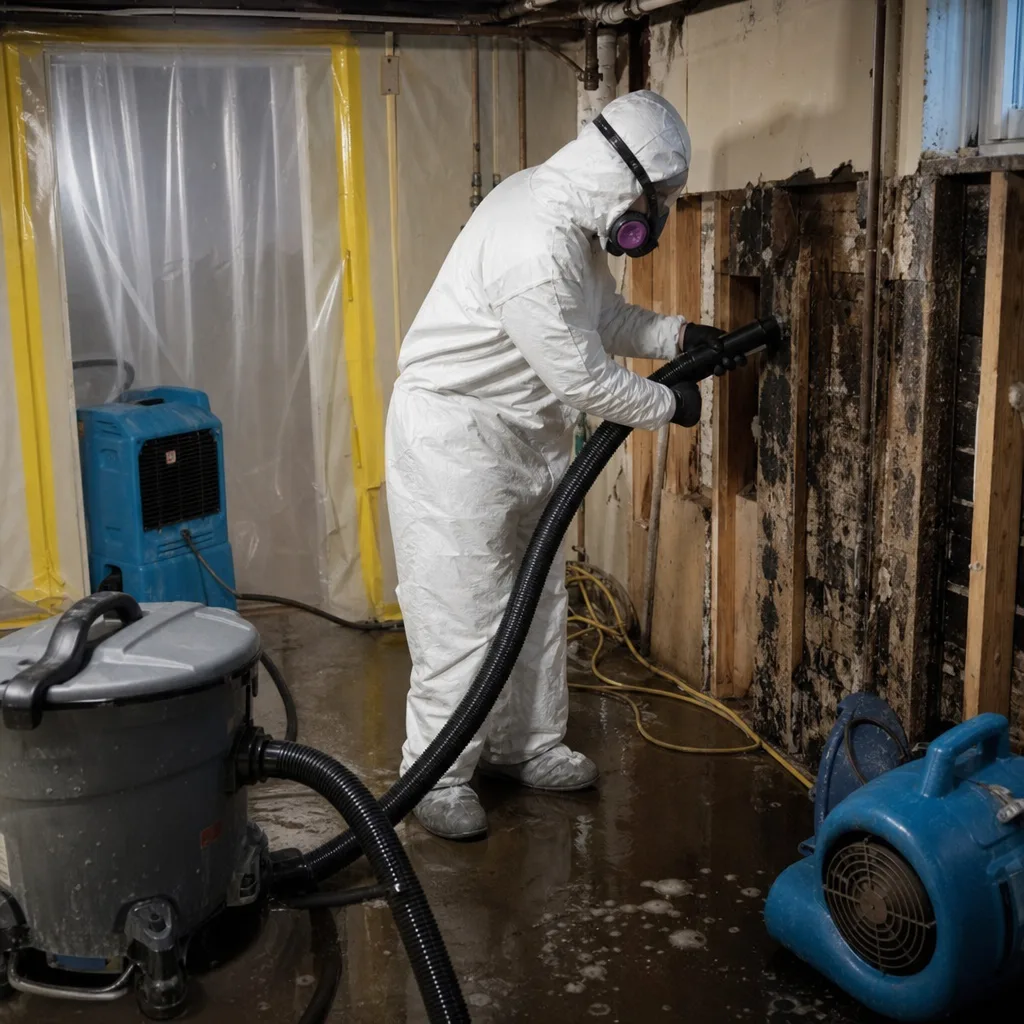
Standing water is removed with portable and truck-mounted extraction systems, followed by weighted extraction on saturated carpets and padding. We deploy containment barriers immediately in multi-unit buildings to prevent cross-contamination and protect adjacent owners’ property.
3. Drying & Dehumidification
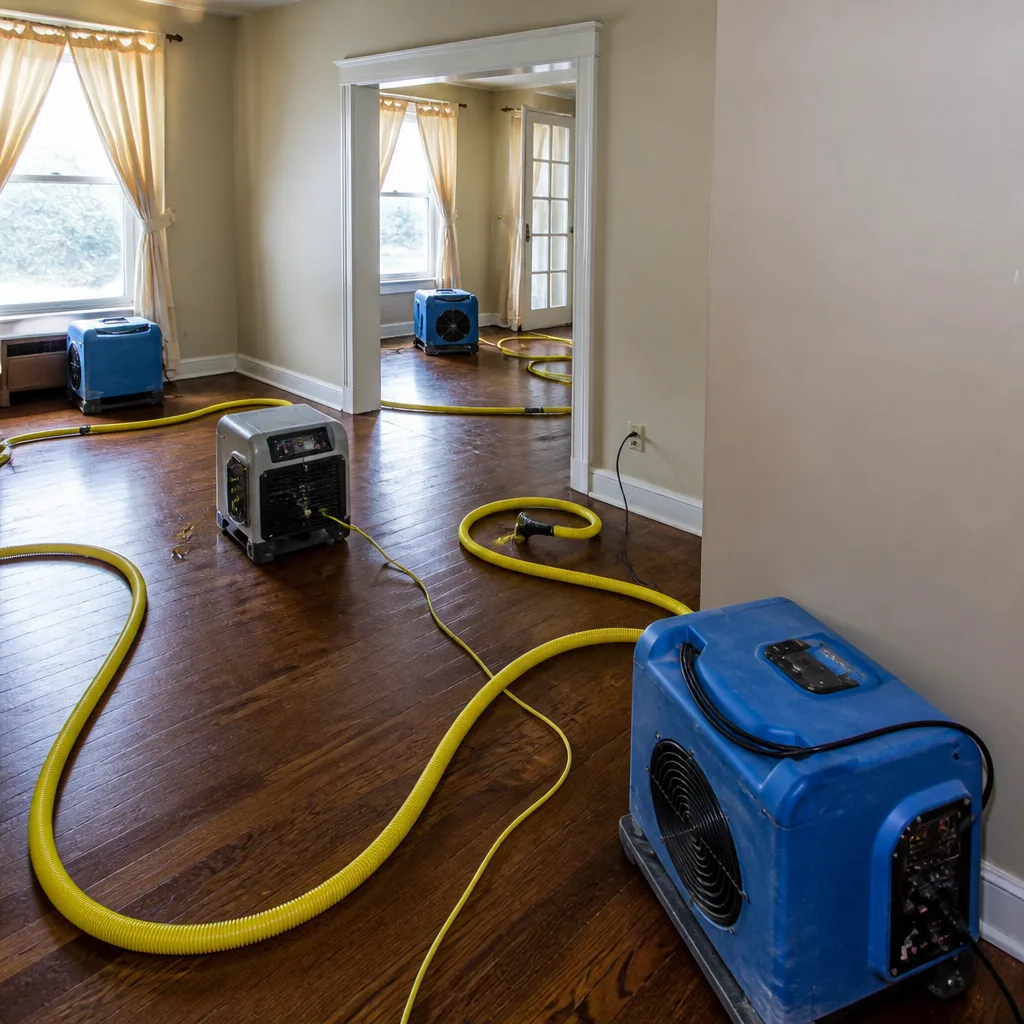
We calculate the exact drying load using psychrometric software and deploy Dri-Eaz and Phoenix LGR dehumidifiers with XPOWER and B-Air axial air movers, plus Injectidry floor and wall cavity drying systems for dense horsehair plaster that surface airflow alone won’t dry. Daily moisture readings track progress to the dry standard.
4. Cleaning & Sanitization
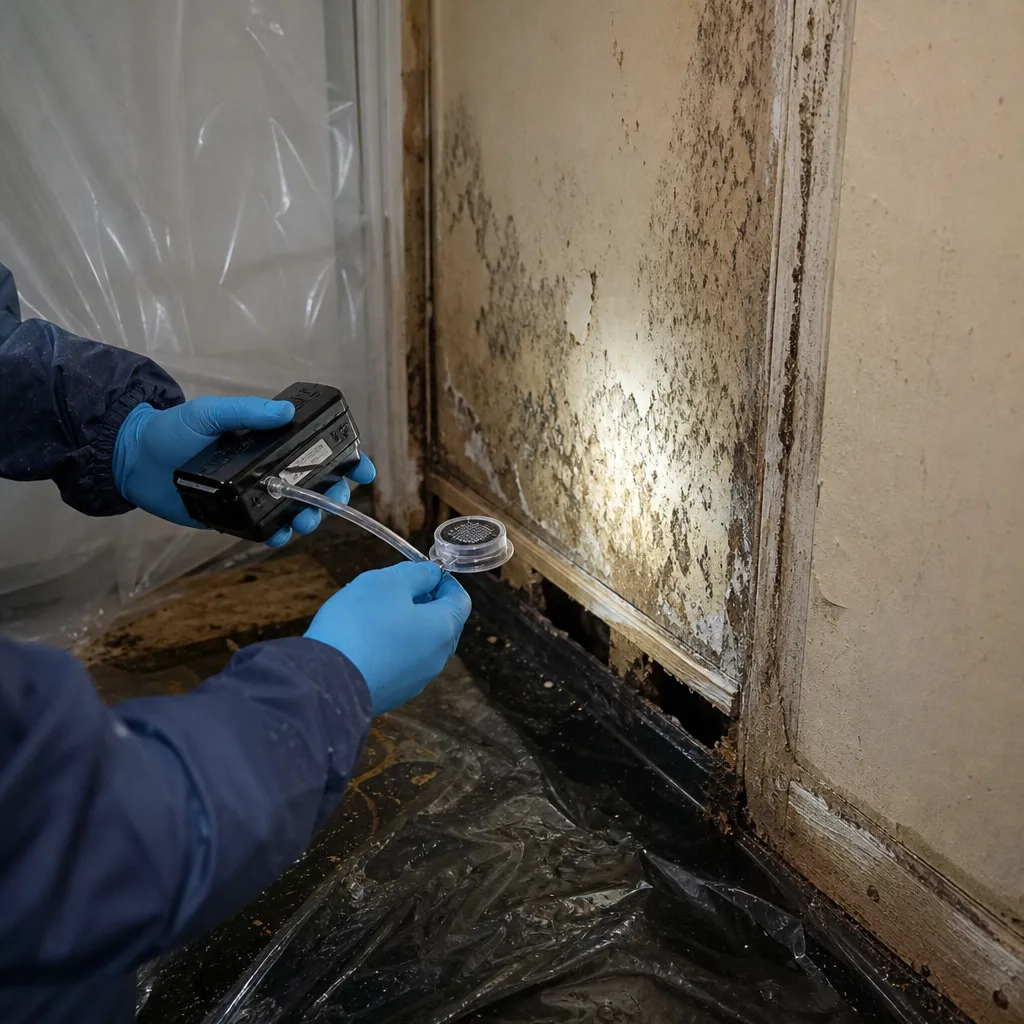
Category 2 and 3 losses receive antimicrobial treatment with EPA-registered products; HEPA air scrubbers run continuously during work to capture particulates from disturbed plaster and any asbestos-containing materials that may be encountered in pre-1980 construction.
5. Asbestos Survey Coordination & Controlled Demolition
In Astoria’s pre-1980 buildings, we coordinate the NYC DEP-certified asbestos survey before any material disturbance, sequence demolition only after clearance, and document each phase for three adjusters when multiple units are affected. This is where out-of-market crews typically fail.
6. Repairs & Restoration
Our reconstruction team replaces plaster with matching texture, refinishes hardwood where salvageable, and restores kitchens and bathrooms to pre-loss condition. The 365-Day Done Right Promise, Haven Standard, covers every repair we complete.
Need Emergency Water Damage Restoration in Astoria Now?
Crews minutes away, answering live 24 hours a day. The sooner we start, the less it costs.
Working With Your Insurance Company
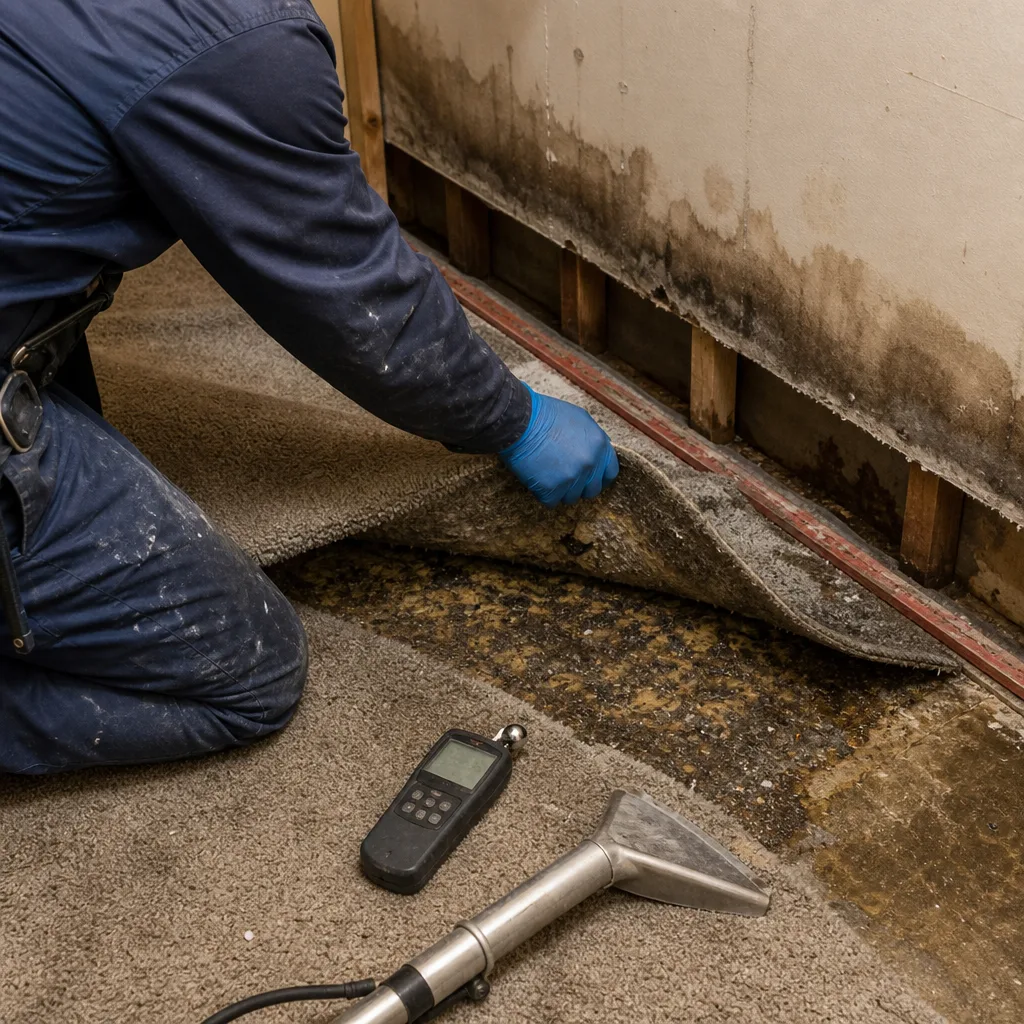
We built our documentation system because our founder, Alicia Brennan, spent years as a claims adjuster watching homeowners lose legitimate coverage over missing photos and incomplete drying logs. Every Astoria job file opens with a photo record before any equipment touches the property, continues with daily moisture readings and psychrometric charts, and closes with a signed completion certificate. We write estimates to Xactimate industry standards and communicate directly with your adjuster, not through you as a relay.
Multi-unit losses add complexity we expect. When three adjusters are involved, we provide separate, clearly labeled documentation packages for each carrier, with moisture maps showing exactly which square footage belongs to which unit. This prevents the common dispute where Carrier A claims the wet ceiling is Carrier B’s responsibility because the leak originated upstairs.
What We Provide Your Insurer
- Thorough documentation of the loss
- Photos of all damage, room by room
- Moisture readings and drying logs
- A detailed, line-item scope of work
- Direct coordination with your carrier
Built for Astoria’s Loss Calendar
January and February bring the deepest freeze risk. Unheated top-floor units in Astoria’s 1920s walk-ups, especially near drafty flat roofs, see annual pipe bursts when overnight lows drop into single digits and galvanized supply lines that have corroded internally for 80 years finally let go. We keep extraction crews on standby when the National Weather Service issues wind-chill warnings.
March and April thaw shifts the problem to basement seepage. The impermeable clay soils that underpin much of western Queens don’t absorb snowmelt quickly; hydrostatic pressure pushes water through century-old foundation walls in buildings near the East River shoreline. Sump pump failures in these conditions are common.
May through September brings thunderstorm flash flooding and the hurricane season. Astoria’s combined sewer system, parts of which date to the 1930s, can back up during intense rainfall, particularly in low-lying blocks between 21st Street and the waterfront. July and August humidity also slows natural drying in dense brick buildings, making mechanical dehumidification essential even for small losses.
October through December, nor’easters return. The flat tar-and-gravel roofs that cap most Astoria rowhouses have a 15-to-20-year service life; many in the neighborhood are past 30. Wind-driven rain finds every membrane crack, and freeze-thaw cycling opens new ones weekly. We see the highest volume of ceiling and roof leak calls in these months.
Water Damage Restoration Across Astoria’s Neighborhoods
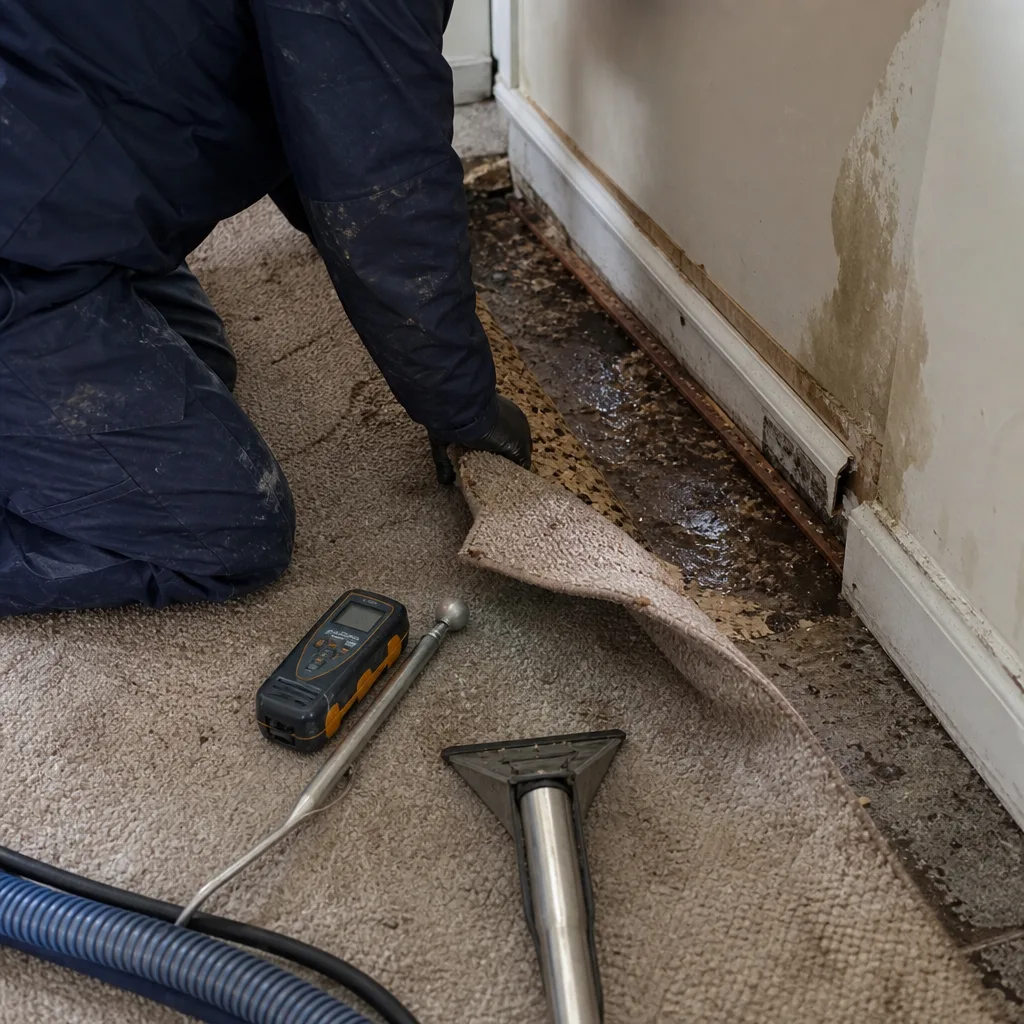
Shore Boulevard and the Waterfront: The blocks closest to the East River sit in FEMA-designated flood zones, and several buildings here took direct storm surge during Hurricane Sandy in 2012. Basement water removal in this corridor often involves Category 3 contamination from combined sewer backup, requiring full PPE and antimicrobial treatment before reconstruction can begin. We coordinate with NYC DEP on discharge permits when pumping to storm drains is restricted.
30th Avenue and the Broadway Corridor: The dense commercial-residential mix here means water losses frequently start in restaurant kitchens or laundromats and migrate into residential units above. Grease-laden gray water from commercial sources changes the cleaning protocol and the insurance classification. Our crews are trained to identify commercial-source contamination on arrival and document it for the residential adjuster.
Steinway Street and the Manufacturing Zone: The industrial buildings converted to residential use in this area often have non-standard plumbing retrofits, abandoned sprinkler systems, and uninsulated pipe chases that freeze faster than original construction. We’ve restored units where a failed pressure-reducing valve on a 1960s sprinkler line flooded four floors of converted loft space.
The N/W Elevated Line Corridors: Buildings within two blocks of the elevated subway on 31st Street experience constant low-frequency vibration that stress-cracks plaster ceilings before any water event occurs. When a roof leak or pipe burst finally saturates that compromised plaster, adjusters regularly dispute whether the collapse is storm-related or pre-existing deferred maintenance. We document the pre-loss condition of every ceiling we encounter near the el, with close-up photographs of crack patterns, to support your claim against this common denial tactic.
Specialized Water Damage Restoration Services We Offer in Astoria
Emergency Water Extraction
Standing water is removed within hours, not days, using truck-mounted and portable extraction systems sized to Astoria’s narrow rowhouse staircases and basement access points. Speed matters because Category 1 water becomes Category 2 in 48 hours in warm weather, and these brick buildings hold heat.
Structural Drying & Dehumidification
We seal affected areas with polyethylene containment and run calculated drying loads using Dri-Eaz and Phoenix LGR dehumidifiers with Injectidry mat systems for dense plaster and hardwood. Daily moisture logs track every room to the dry standard, documented to IICRC, RIA, and IFA standards, the paperwork that turns restoration invoices into payable claims.
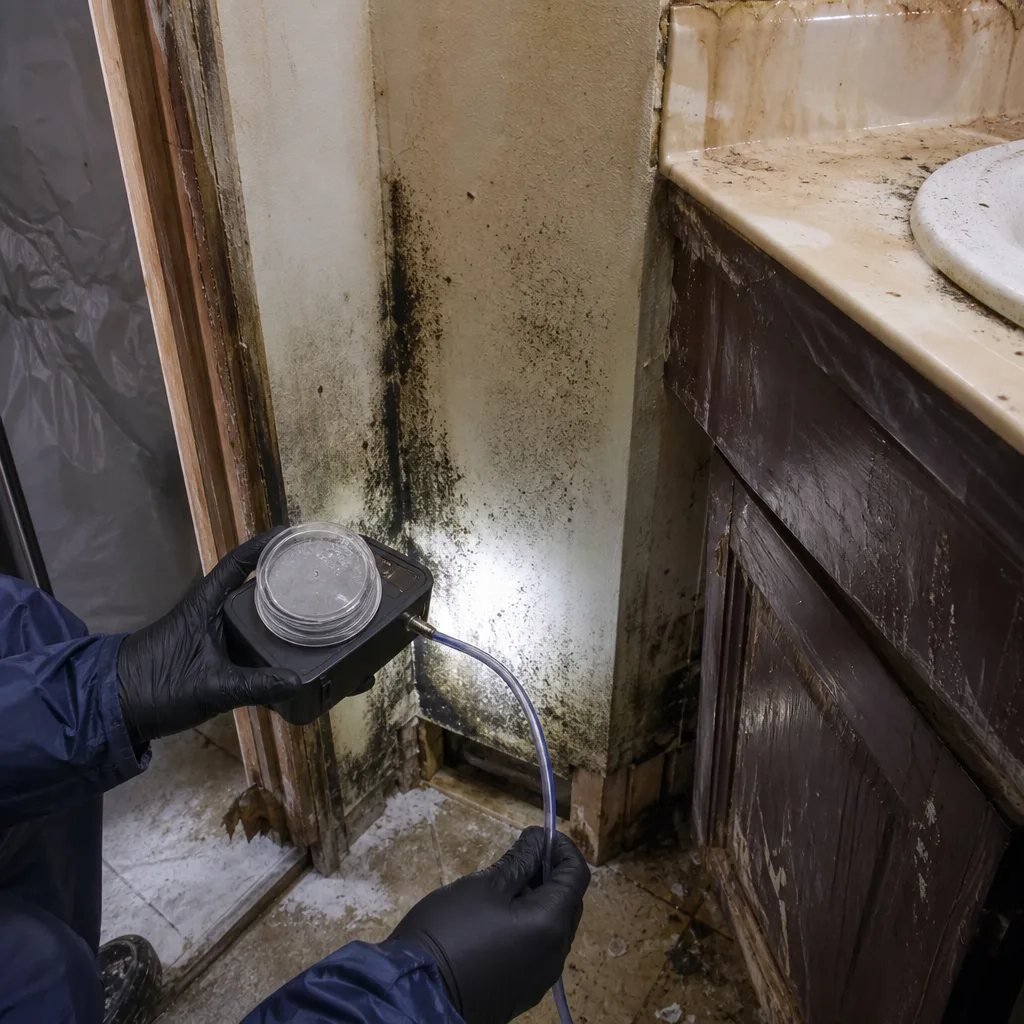
Flood Cleanup
Flood events in Astoria’s FEMA flood zones, particularly near Shore Boulevard, require Category 3 protocols: full PPE, antimicrobial treatment, and disposal of porous materials that cannot be sanitized. We coordinate with your adjuster on content inventory and photographic documentation for personal property claims.
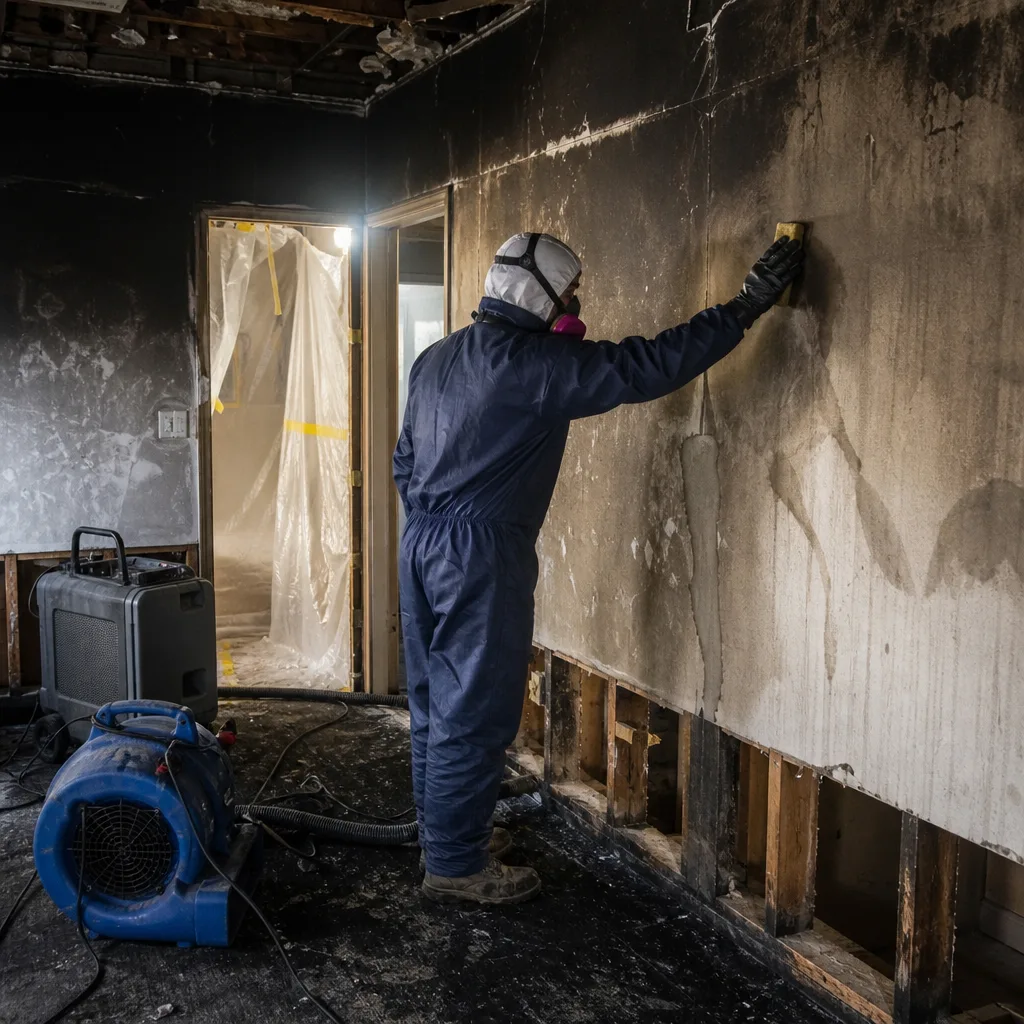
Burst Pipe Restoration
Freeze-thaw pipe bursts in Astoria’s unheated upper units are our most common winter call. We extract, dry, and document the water damage, then provide your plumber with moisture clearance readings before walls are closed. The 365-Day Done Right Promise covers our drying and repair work if secondary damage appears.
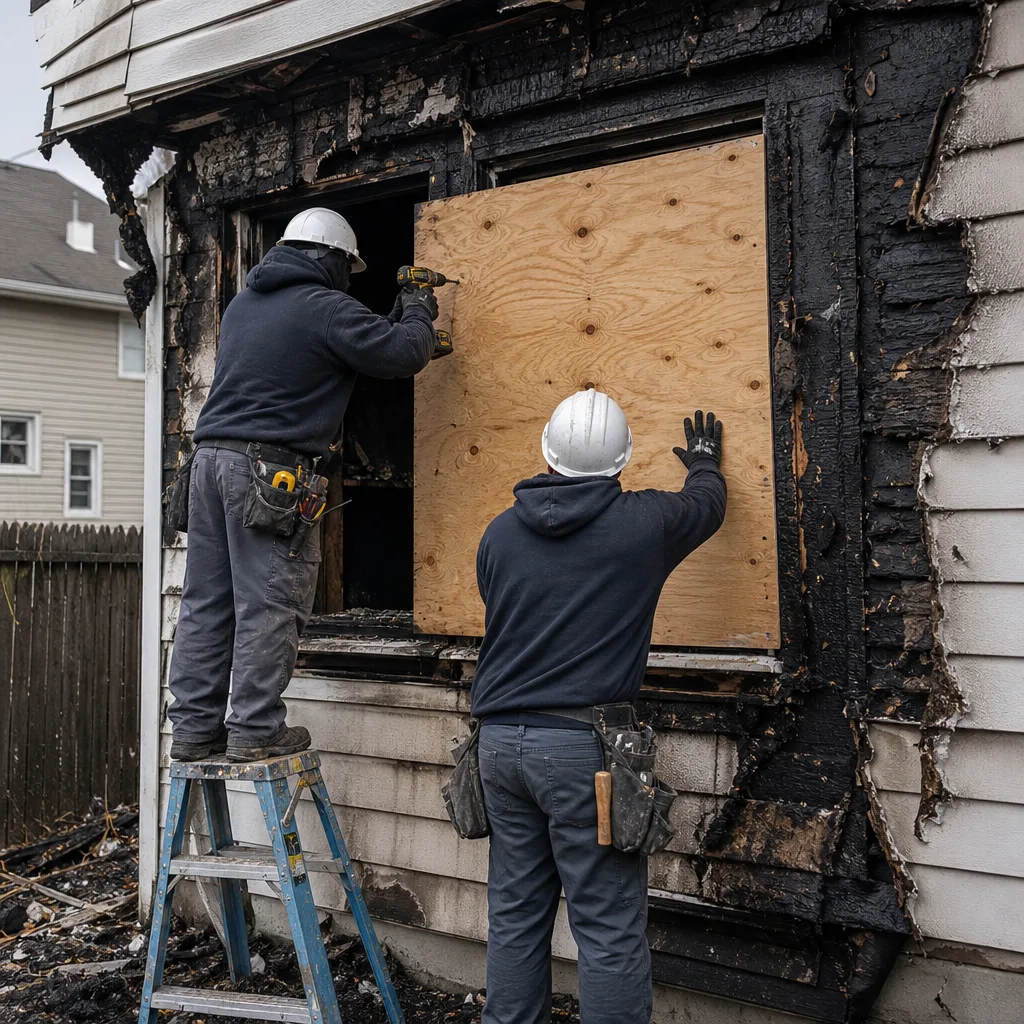
Basement Water Removal
Astoria basements, especially in pre-war buildings with deteriorated waterproofing, collect water from foundation seepage, sewer backup, and failed sump pumps. We pump to appropriate discharge points, sanitize with EPA-registered antimicrobials, and install temporary dehumidification systems sized to below-grade cubic footage.
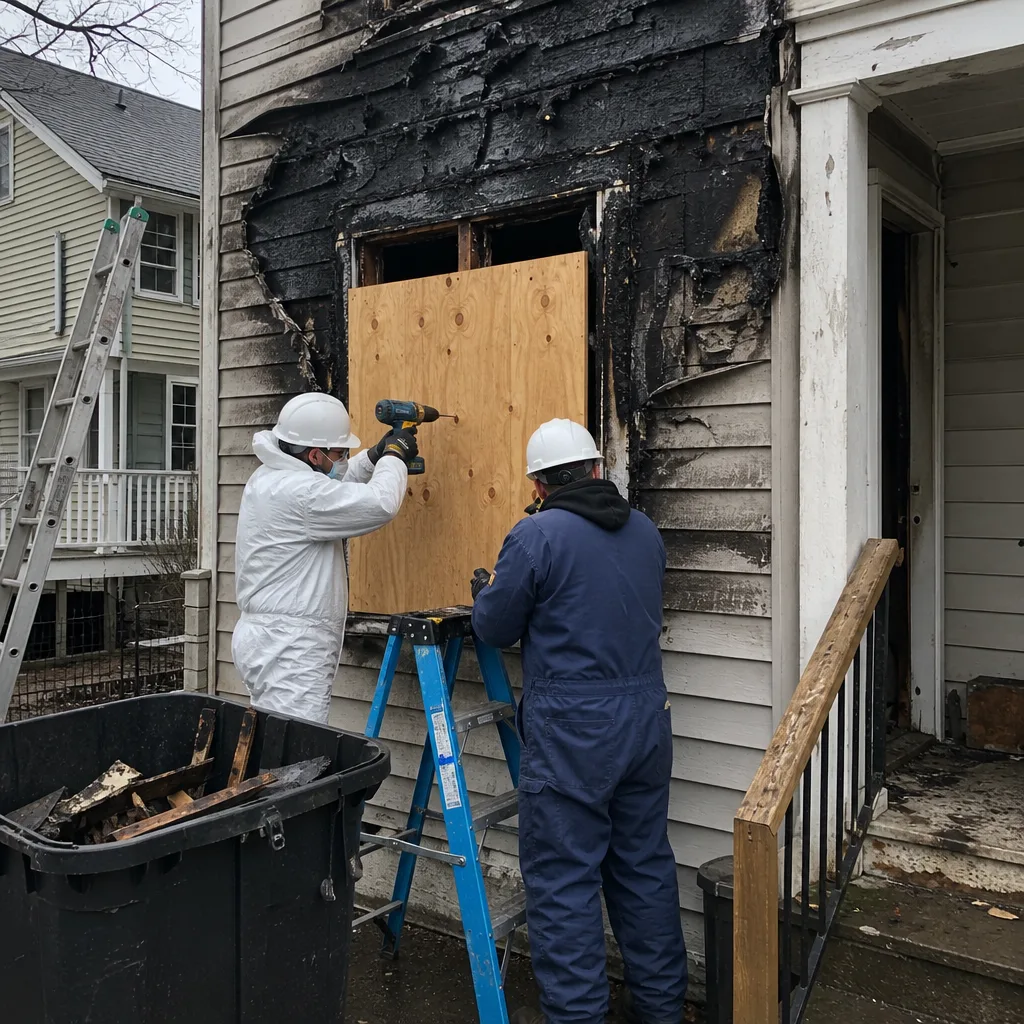
Ceiling & Roof Leak Water Damage
Flat-roof membrane failures are epidemic in Astoria’s aging housing stock. We trace water migration through multiple layers of roofing, tar, and plaster, document the path with thermal imaging, and dry affected framing before mold colonizes. In multi-unit buildings, we map exactly which ceilings in which units are affected for adjuster allocation.
What happens when you call
- 1
A real person answersNo phone trees - you reach a local pro.
- 2
You get an upfront price rangeHonest numbers before anyone is dispatched.
- 3
A background-checked tech heads outLicensed & insured, dispatched right away.
- 4
You approve before work beginsNothing starts until you say go.
Water Damage Restoration Costs in Astoria, NY
Water damage restoration in Astoria runs higher than suburban markets because of the multi-unit coordination, asbestos survey requirements, and dense urban access constraints. Here are typical ranges we see:
- Emergency water extraction only: $800-$1,800 for a single unit with no demolition
- Structural drying & dehumidification (single unit, 3-5 days): $1,800-$3,400
- Burst pipe restoration with controlled demolition and plaster repair: $3,200-$6,500
- Multi-unit rowhouse job with asbestos survey coordination: $5,500-$12,000+ depending on unit count and scope
- Basement flood cleanup (Category 3, with content disposal): $4,000-$8,500
What moves the price: unit count affected by lateral migration, Category 3 contamination requiring full disposal, asbestos survey delays that extend equipment rental, and reconstruction scope from simple plaster patch to full kitchen rebuild. Insurance typically covers sudden and accidental water damage; gradual leaks and maintenance issues are usually excluded, which is why our documentation of the loss event and its immediate cause matters for your claim.
Every job starts with a free visual inspection and a written price before work begins, Haven Standard, Clause 1. No exceptions. Bring a competitor’s written estimate and we’ll review it at no charge, our Free Second Opinion.
We Also Serve Cities Near Astoria
Our crews respond throughout western Queens from our New York City office, including Astoria neighbors Long Island City with its high-rise water losses and concierge-coordination requirements, Jackson Heights and its similar pre-war co-op stock, Maspeth with its mixed industrial-residential flooding patterns, and Elmhurst where dense immigrant-owned multi-family buildings present the same adjuster-coordination challenges we handle daily.
Serving Astoria, NY - Our Local Coverage Area
We’re based in the Astoria area and know this community well. Use the map below to see our service coverage - if you’re nearby, we can almost certainly help.
Astoria Water Damage Restoration Questions, Answered
Why does a burst pipe in one Astoria apartment often become a three-unit water job?
Because these 1920s-1950s brick rowhouses share party walls with no moisture barrier, and water from a burst pipe or roof leak wicks laterally through masonry and along framing into adjacent units. We moisture-map the full building on every call, not just the reported unit, because missing the migration leaves wet framing that feeds mold and creates liability for the owner who didn’t report the original loss. Call (862) 281-7710 and we’ll show you the readings.
Do you need an asbestos survey before water-damage demolition in Astoria?
Yes, virtually every time. NYC DEP requires a certified asbestos survey before any material disturbance in buildings constructed before 1980, and Astoria’s housing stock is almost entirely pre-1980. Original horsehair plaster, floor tiles, and pipe insulation are common asbestos-containing materials. We coordinate the survey and sequence demolition only after clearance; crews from outside the five boroughs often skip this step and get the job stopped mid-teardown. Call (862) 281-7710 for a scope that accounts for regulatory sequencing.
My ceiling cracked near the elevated subway line-can the insurer call it pre-existing?
They will try. The N/W el’s constant vibration stress-cracks plaster in buildings within two blocks of 31st Street, and adjusters regularly classify ceiling collapse after water damage as deferred maintenance rather than storm-related loss. We document pre-loss crack patterns with close-up photography on every job near the el, establishing that the water event, not the vibration alone, caused the failure. This documentation has reversed initial denials. Call (862) 281-7710 and we’ll inspect before the ceiling comes down.
How fast does mold start after a water loss in an Astoria walk-up?
Mold colonization begins in 24 to 48 hours on organic materials like horsehair plaster and cellulose insulation at moisture contents above 16%. Astoria’s dense brick buildings retain humidity longer than frame construction, so even a “small” leak that isn’t fully dried can support active mold growth within a week. Our drying targets are aggressive: we aim for structural dryness within 72 hours of extraction, with daily moisture logs proving we hit it. Call (862) 281-7710 for immediate response.
Is basement flooding near Shore Boulevard treated differently?
Yes. Shore Boulevard and adjacent blocks sit in FEMA flood zones and took direct storm surge during Hurricane Sandy; basement flooding here is typically Category 3 black water from combined sewer backup or East River intrusion, not clean groundwater. This requires full PPE, antimicrobial treatment, and disposal of porous materials that cannot be sanitized. Insurance coverage for flood-zone basement backup varies by policy and may require separate flood insurance; we document the water source photographically to support your claim classification. Call (862) 281-7710 for flood-specific response.
How long does structural drying take in an Astoria building?
Most single-unit drying completes in 3 to 5 days with proper equipment sizing and containment. Dense materials like horsehair plaster and multiple layers of oil-based paint add 1 to 2 days compared to modern drywall. Multi-unit jobs with asbestos survey delays can extend the timeline by 3 to 7 days before demolition even begins. We provide daily moisture readings so you know exactly where the job stands and when reconstruction can start. Call (862) 281-7710 for a timeline based on your specific loss.
Can we stay in the home during water damage restoration?
Often yes for Category 1 losses in undamaged rooms, but no when containment is required, equipment noise is excessive, or Category 2/3 contamination is present. In Astoria’s small walk-up units, the drying equipment footprint alone may make staying impractical. We discuss livability at the initial inspection and document any displacement for potential additional living expense coverage with your insurer. Call (862) 281-7710 to assess your situation.
What certifications do your technicians hold?
Our lead technicians hold IICRC WRT (Water Damage Restoration Technician), FSRT (Fire & Smoke Restoration Technician), and AMRT (Applied Microbial Remediation Technician) certifications, with license numbers documented in every job file. All work is performed to IICRC S500, RIA, and IFA standards, producing the daily drying logs and photo records that insurers require for claim payment. Background checks and uniformed arrival are standard. Call (862) 281-7710 to verify credentials before we arrive.
We were called to a three-family brick rowhouse off Shore Boulevard after a nor’easter drove water through a failed flat-roof membrane over the top-floor unit; moisture mapping showed the leak had traveled laterally along the shared party wall and soaked the second-floor plaster ceiling two units over. Our techs ran water extraction and set Dri-Eaz and Phoenix air movers with Injectidry mats against the horsehair plaster, contained the work area, and documented moisture readings daily in drying logs for three separate adjusters. The pre-1980 asbestos survey had to clear before we could pull the saturated ceiling, which is exactly the sequencing suburban crews miss.
Written by Alicia Brennan, Owner at DryMark Restoration Astoria, serving Astoria and western Queens since 2011.