
Free visual inspection and a written scope of work before any mitigation begins - photos, moisture readings, and drying logs go in your claim file
The scope we write is the scope we bill. Anything new gets shown to you, in writing, before we touch it.
Storm response
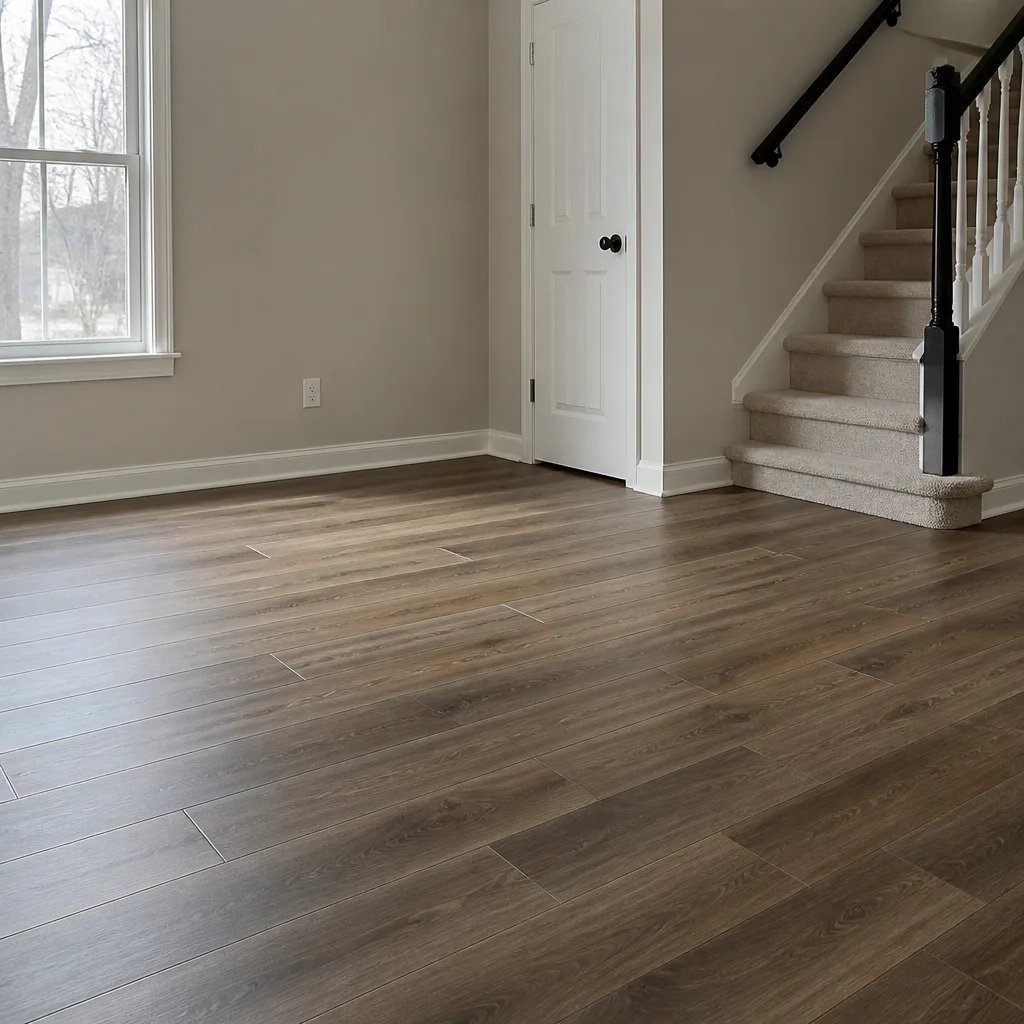
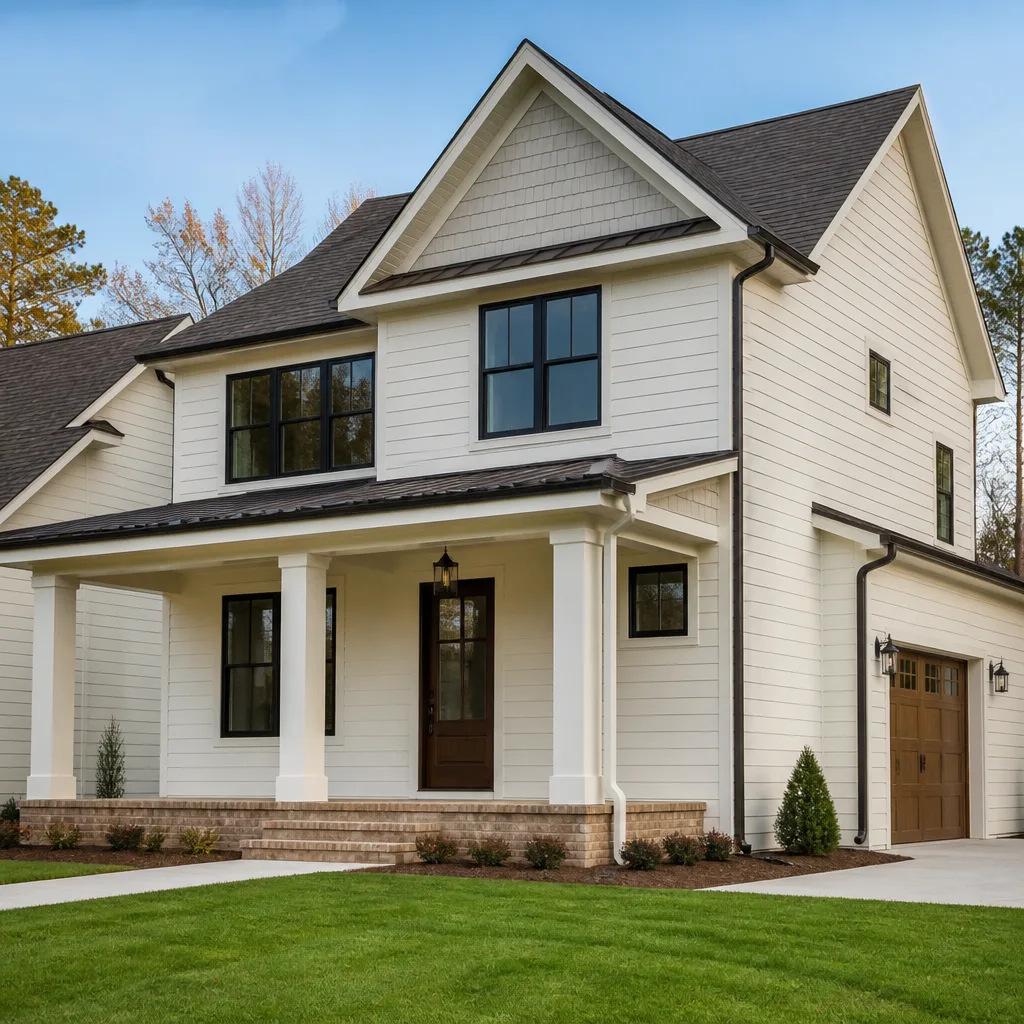
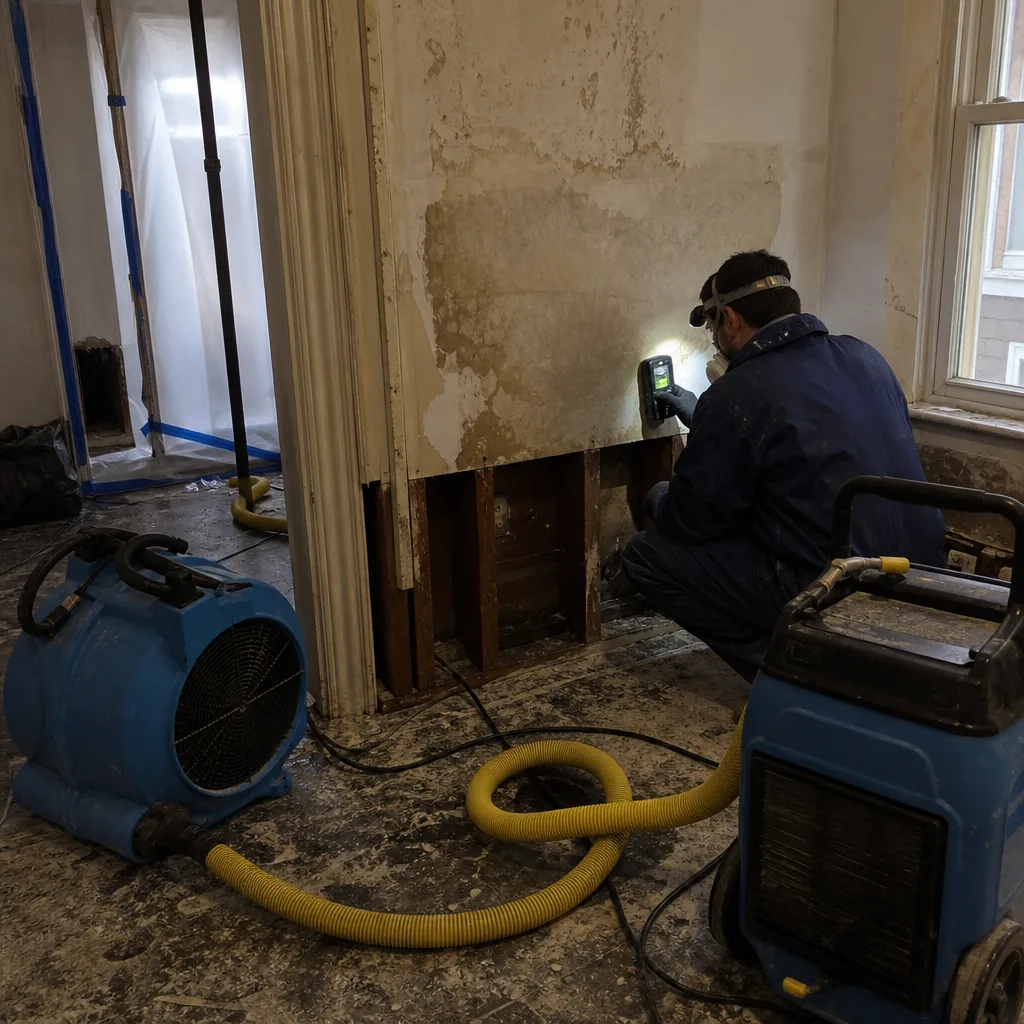 Before
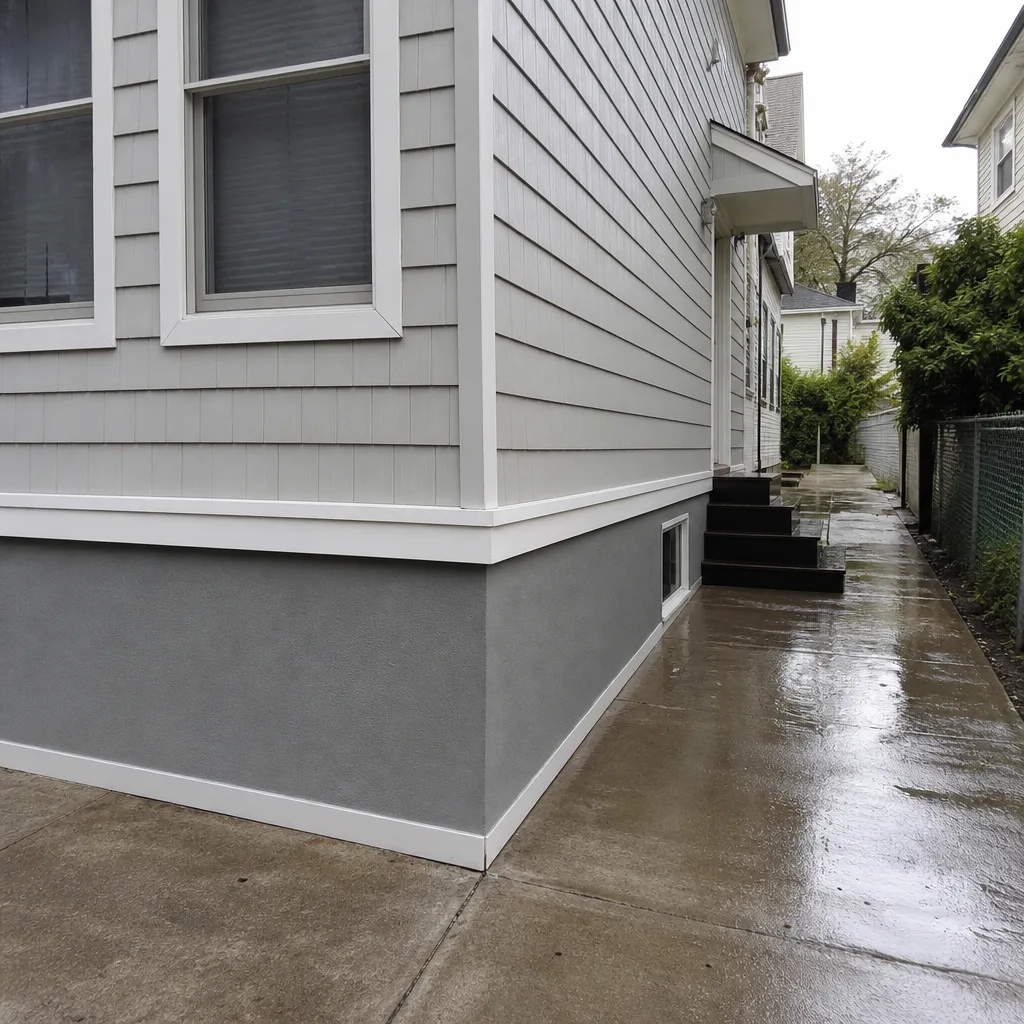 After
After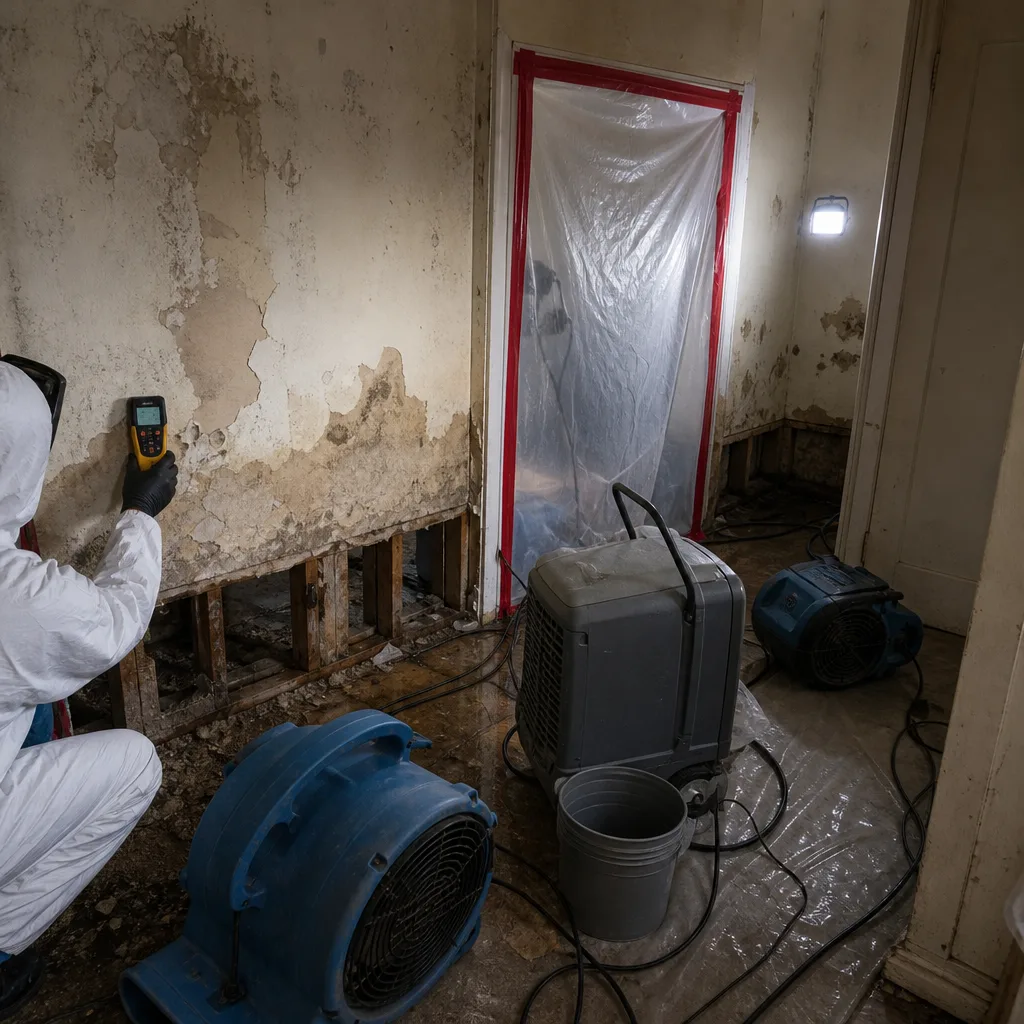 Before
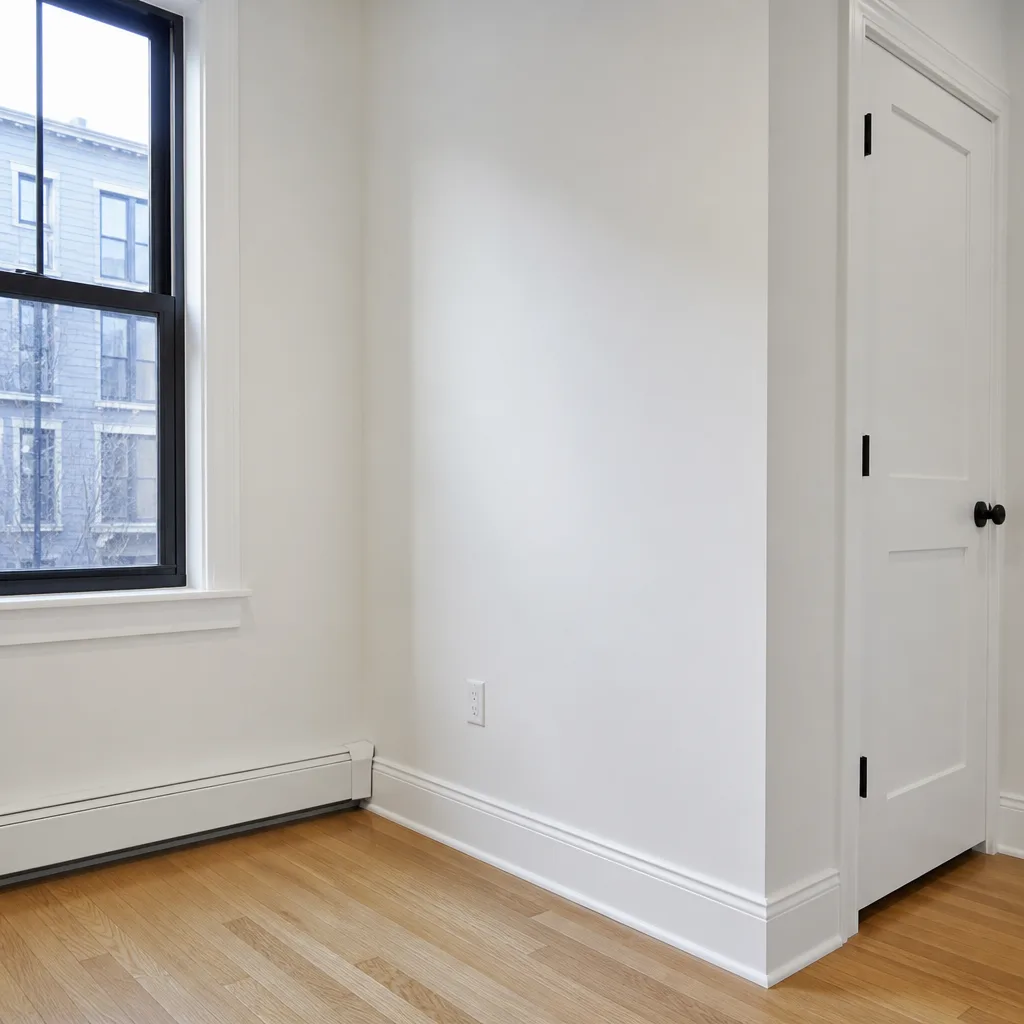 After
After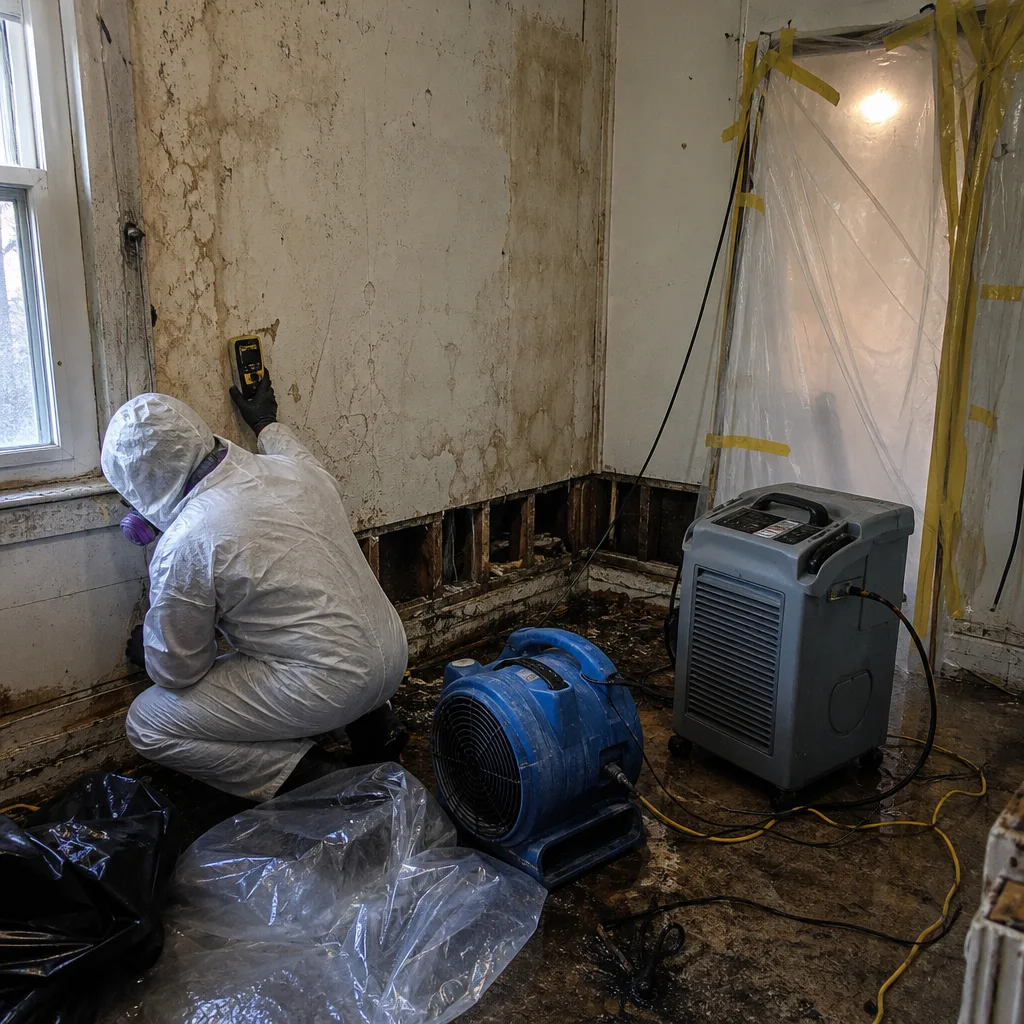 Before
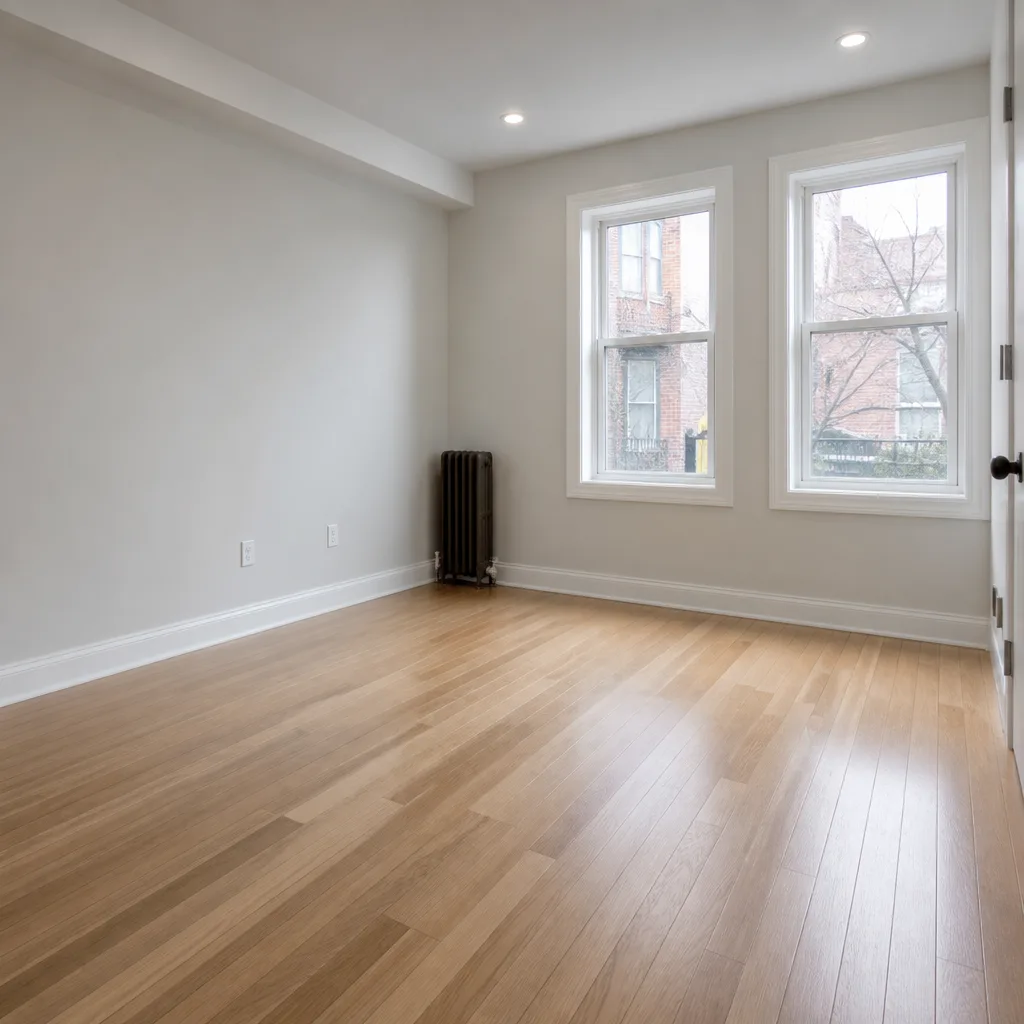 After
After24/7 Emergency Mold Remediation in Union City
Mold remediation in Union City typically costs $1,800-$6,500 depending on affected square footage and containment complexity, with most residential jobs starting within 4-6 hours of your call. Our crews answer live at (862) 281-7710 24 hours a day, 7 days a week - no voicemail trees, no next-business-day callbacks while spores are still spreading. We dispatch to Union City from our New York City office, with crews already familiar with Bergenline Avenue’s parking restrictions and the narrow cross streets that define every staging decision here. The first 48 hours after water intrusion are when mold colonizes drywall and plaster; after that, remediation costs multiply. A free visual inspection gives you a written scope and firm price before any containment goes up.
Understanding Mold Remediation Severity in Union City Properties
We classify mold contamination by square footage, substrate type, and whether the HVAC system is involved - but in Union City, we add a fourth variable: vertical migration through multi-unit buildings. Our Water Damage Restoration in Union City shows how a Category 2 water loss in a single-family home might stay contained to one room. In a 5-story tenement near 32nd Street, that same leak travels through lightwells, unsealed plumbing chases, and the stack effect that pulls air upward through the building’s core.
Our assessments follow IICRC S520 standards for professional mold remediation, measuring contamination in three tiers. Level I covers isolated growth under 10 square feet on non-porous surfaces - typically a bathroom ceiling or window frame in a single unit. Level II spans 10-100 square feet with potential hidden colonization in wall cavities, common after roof leaks in pre-WWII construction with original plaster lath. Level III exceeds 100 square feet or involves HVAC contamination, requiring full containment with negative air pressure, HEPA filtration, and often multi-party coordination between tenants, landlords, and their respective carriers.
Union City’s housing stock amplifies every tier. The original 1920s plaster in these tenements is hygroscopic - it absorbs and holds moisture long after the visible water is gone. We’ve mapped wall cavities in buildings near Summit Avenue where plaster moisture readings stayed above 17% wood moisture equivalent three weeks after a roof repair, with no surface indication of the mold colony growing behind the baseboards. That’s why our Mold Remediation protocol starts with thermal imaging and ends with third-party clearance testing, not visual confirmation.
Why Union City Property Owners Choose DryMark Restoration Astoria
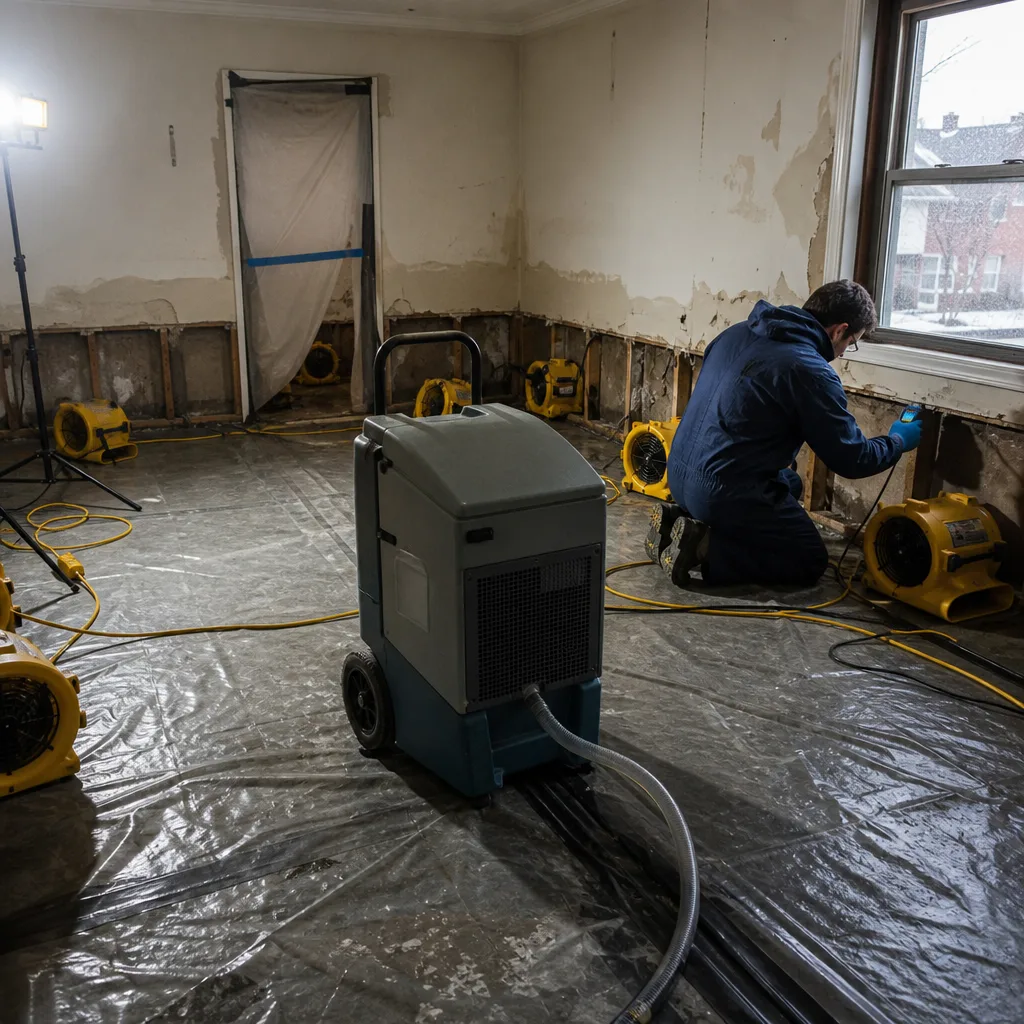
- 45-minute response commitment to Union City addresses - we know Bergenline Avenue’s parking patterns and stage accordingly.
- 24/7 live answer by a real person, never an automated system; your call routes to a dispatcher who can reach our on-call crew immediately.
- IICRC-certified crews holding WRT (Water Damage Restoration Technician), AMRT (Applied Microbial Remediation Technician), and FSRT (Fire & Smoke Restoration Technician) credentials.
- Free visual inspection with a written scope and firm price before any containment is established - Haven Standard, Clause 1.
- Direct insurance billing with photo-documented estimates formatted to your carrier’s preferred structure.
- One team from moisture mapping through reconstruction - no handoffs between vendors that lose the documentation trail.
BeforeAfterOur Mold Remediation Process
1. Inspection & Assessment
We arrive with thermal imaging cameras, pin and pinless moisture meters, and borescopes for wall cavity inspection. In Union City tenements, we map every unit vertically adjacent to the water source - the stack effect here pulls spores through lightwells and unsealed chases. You receive a written scope with line-item pricing before we open a single containment barrier.
2. Containment & Air Filtration
We establish polyethylene containment with negative air pressure using HEPA-filtered air scrubbers. For multi-unit buildings, we seal HVAC returns and install additional air filtration on affected floors. Our equipment includes Phoenix Guardian HEPA systems and Dri-Eaz HEPA 500 units, documented to IICRC and IFA standards.
3. Moisture Control & Structural Drying
Before mold removal begins, we eliminate the moisture source driving growth. This means dehumidification to 30-50% relative humidity using LGR dehumidifiers from Dri-Eaz and Phoenix, plus targeted air movement with XPOWER and B-Air axial fans. Daily moisture logs track every reading - the documentation that turns your invoice into a payable claim.
4. Mold Removal & Antimicrobial Treatment
Non-porous materials are HEPA-vacuumed and treated with EPA-registered antimicrobial solutions. Porous materials like water-damaged drywall, insulation, or carpet padding are removed and disposed of as regulated waste. In Union City’s pre-1980 buildings, we test for asbestos-containing materials before disturbing any original construction.
5. Black Mold Remediation & Specialty Treatment
Stachybotrys chartarum and other toxigenic species require enhanced PPE, strict containment protocols, and extended HEPA air scrubbing. We treat affected cavities with botanical antimicrobial agents and, where substrate integrity allows, apply polymer sealants to encapsulated surfaces. Every step is photo-documented for your adjuster.
6. Clearance Testing & Restoration
Third-party air sampling confirms spore counts at or below outdoor baseline levels before containment comes down. We then restore removed materials - drywall, insulation, flooring - to pre-loss condition, with the same crew that performed remediation. The 365-Day Done Right Promise applies to all reconstruction work.
Need Emergency Mold Remediation in Union City Now?
Crews minutes away, answering live 24 hours a day. The sooner we start, the less it costs.
Working With Your Insurance Company
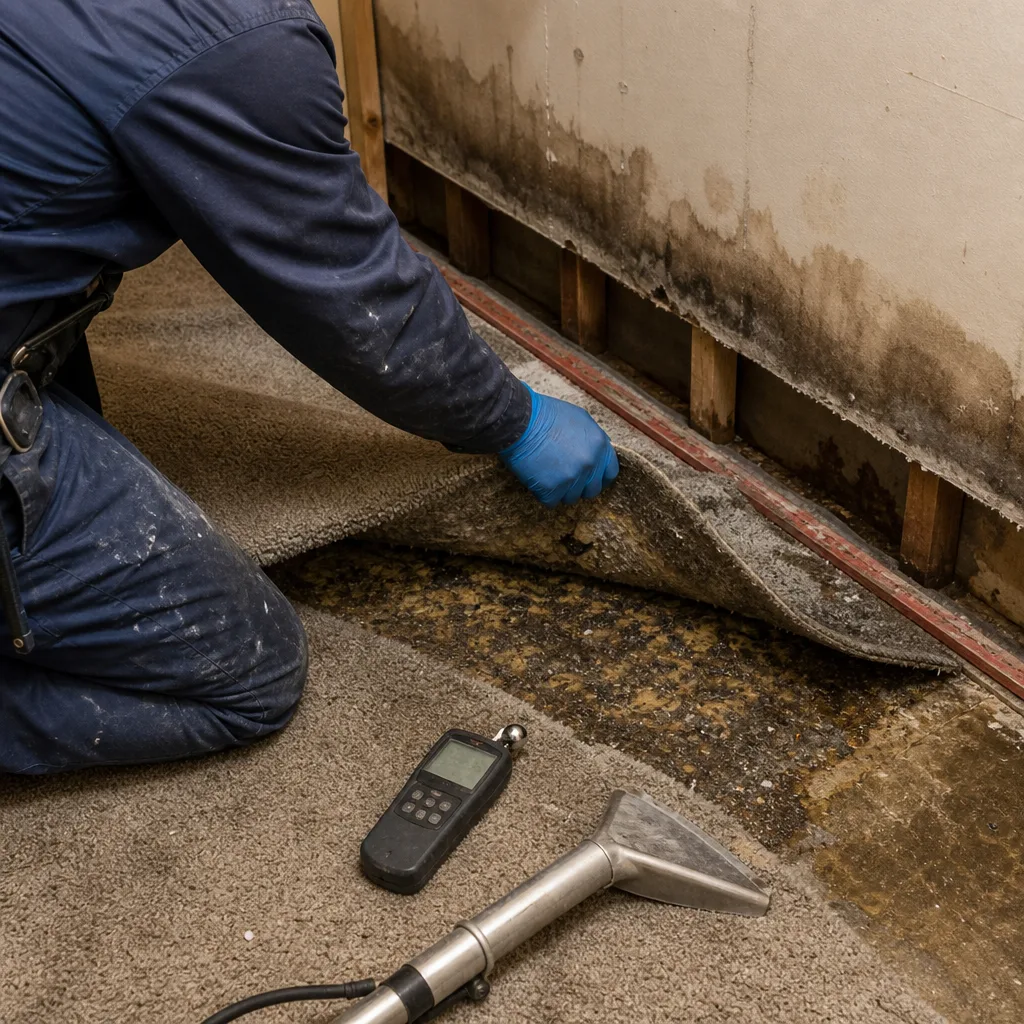
Insurance claims for mold damage fail most often on documentation gaps - the adjuster can’t verify what was wet, for how long, or why the scope includes what it does. We close those gaps from the first hour. Every Union City job receives a photo record on every visit, daily moisture logs with psychrometric data (temperature, relative humidity, vapor pressure differential), and a line-item scope written to Xactimate or Symbility standards.
We coordinate directly with your adjuster, providing the same documentation package we use for our own records. If your carrier disputes a line item, we have the moisture readings, the photos, and the drying logs to defend it. For multi-unit tenement losses, we separately document each affected unit’s damage and each tenant’s contents, preventing the claim confusion that delays payment for months.
What We Provide Your Insurer
- Thorough documentation of the loss
- Photos of all damage, room by room
- Moisture readings and drying logs
- A detailed, line-item scope of work
- Direct coordination with your carrier
Built for Union City’s Loss Calendar
Union City’s position atop the Palisades escarpment shapes its damage calendar differently than floodplain cities. We dodged Sandy’s storm surge, but we paid for it in wind load. January through March brings nor’easters with sustained winds over 40 mph that stress aging flat built-up roofs - the dominant construction type on Bergenline Avenue tenements. Freeze-thaw cycling opens cracks in roofing membranes; the next storm drives water through. By April, we’re remediating mold in ceiling cavities where leaks started in February and went unreported between tenants.
Spring thaw brings basement seepage in lower-elevation pockets near the cliff edge, but it’s a secondary pattern. Summer humidity peaks in July and August with dew points above 70°F, turning any unresolved moisture into active mold growth within 72 hours. The real crunch comes October through December: early cold snaps freeze uninsulated supply lines in exterior walls, burst pipes release hundreds of gallons into multiple units, and the combination of water damage and delayed response creates the mold jobs that carry into the new year.
After a March nor’easter peeled back a section of flat roof on a 5-story brick tenement near 32nd and Bergenline, rain poured through the top-floor ceiling and cascaded down the interior lightwell, soaking wall cavities on four floors. Our crew staged equipment across two parking spaces on Bergenline, then ran moisture mapping on every floor - the readings showed category 2 water had migrated into the original 1920s plaster, and by the time we set containment and air movers, mold was already visible on the wet drywall within 48 hours. We performed structural drying, antimicrobial treatment, and a pack-out for three affected units, all while coordinating with the building owner and four separate tenant insurance claims.
Mold Remediation Across Union City’s Neighborhoods
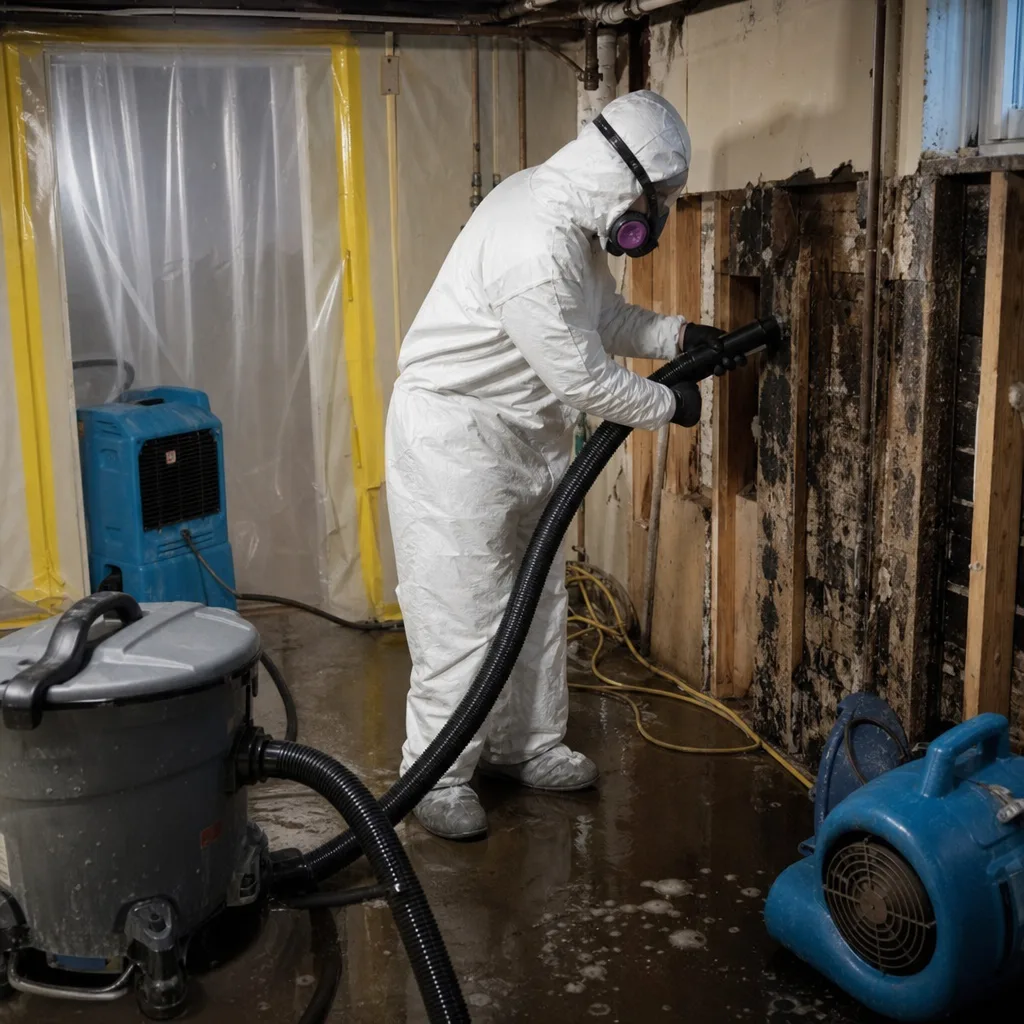
Union City’s 1.3 square miles pack distinct micro-neighborhoods, each with its own building patterns and typical loss profiles. Near the Hudson County line along West New York, 4-story brick tenements from the 1920s and 30s line narrow streets with alternate-side parking that complicates every staging decision. We’ve learned which blocks have no-parking zones on which days, and we coordinate dumpster placement with the building superintendent before we arrive.
Bergenline Avenue itself - the commercial spine - mixes ground-floor retail with residential units above, often in buildings that have been subdivided more times than their original plumbing was designed for. Mold jobs here frequently involve coordinating with business owners below and residents above, with containment strategies that preserve commercial access while isolating the affected units.
The summit corridor near Summit Avenue and the high point of the Palisades catches the worst wind exposure. Roof failures here are more common than in leeward pockets, and we’ve responded to repeated leaks in buildings where the flat roof membrane was last replaced in the 1990s. The views are spectacular; the roofing schedules, less so.
Near 32nd to 47th Streets, the numbered cross streets, pre-war construction is nearly universal. These are the buildings where we most often encounter asbestos-containing floor tiles and pipe insulation, requiring abatement coordination before mold remediation can proceed. The narrow street width - often just 30 feet building line to building line - means our crew parks on Bergenline and carts equipment down the block, adding 30-45 minutes to every setup.
Specialized Mold Remediation Services We Offer in Union City
Mold Inspection & Testing
Our inspections go beyond visual assessment to include air sampling, surface sampling with tape lifts, and ERMI/HERSTMI-2 dust analysis where health concerns are present. In Union City’s multi-unit buildings, we sample adjacent units even when no visible growth is present - the stack effect here makes cross-contamination likely, not possible.
Mold Removal
Removal protocols follow IICRC S520 and EPA guidelines, with containment scaled to the contamination level. For Union City’s typical 800-square-foot tenement units, containment often means sealing the entire apartment and creating a clean buffer in the hallway - a logistical challenge in buildings with no elevator and narrow stairwells.
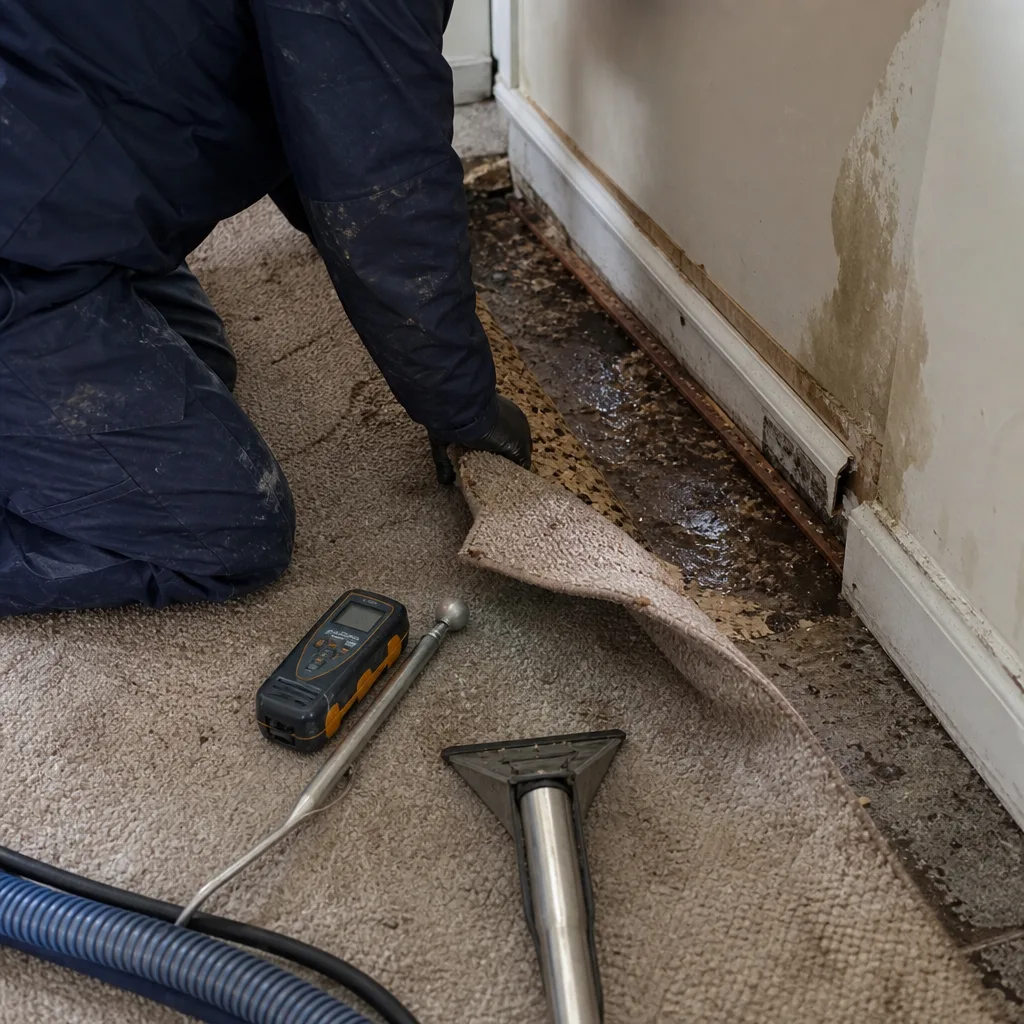
Black Mold Remediation
Stachybotrys and other toxigenic molds require enhanced protocols: full-face respirators with P100 filtration, disposable protective suits, and negative air pressure maintained throughout the process. We extend HEPA air scrubbing 24-48 hours beyond visible removal, with third-party clearance testing before reoccupancy. In Union City’s dense housing, we also test common areas and vertically adjacent units.
Air Quality Restoration
Post-remediation air quality restoration includes HVAC cleaning and filter replacement, plus continuous HEPA filtration until spore counts normalize. For buildings with shared ductwork - common in Union City’s converted tenements - we coordinate with the building’s maintenance team to prevent recontamination.
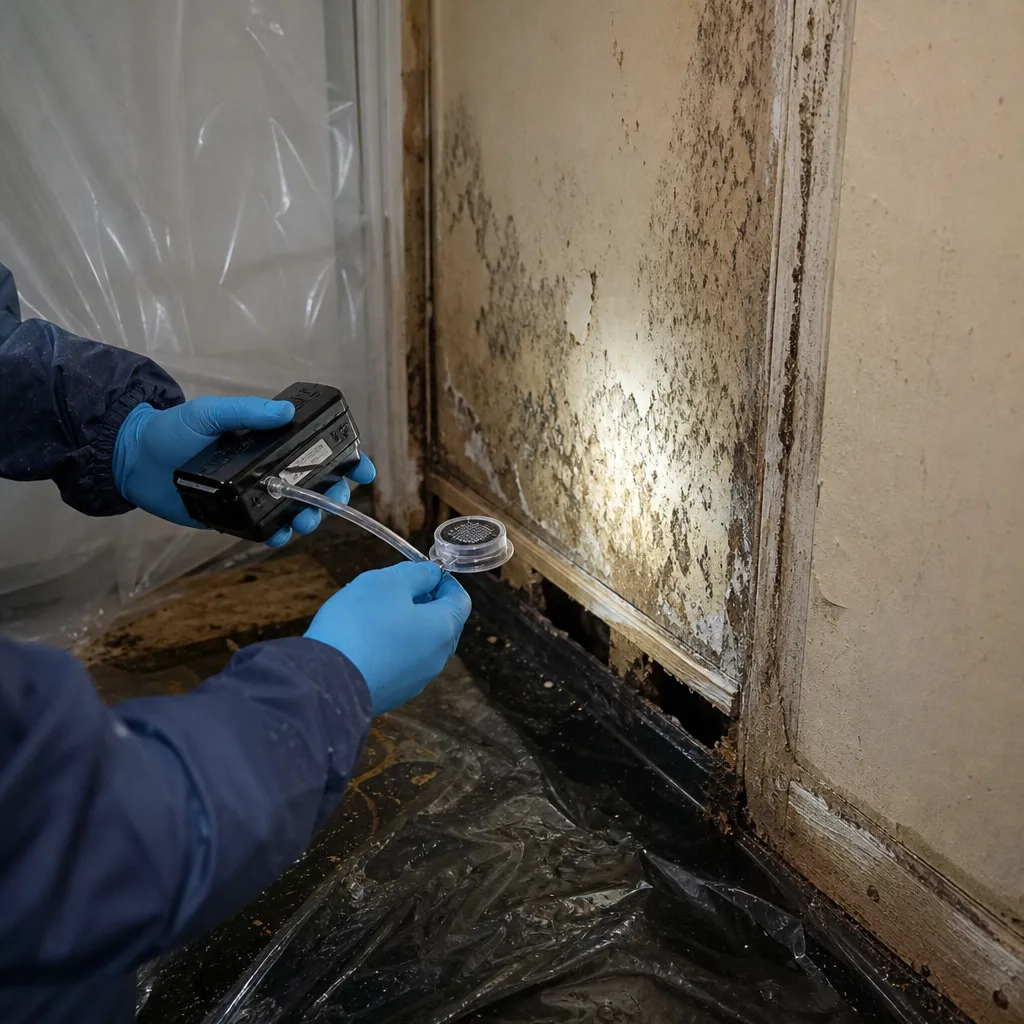
Crawl Space Treatment
Union City’s older buildings have partial basements, dirt crawl spaces, and stone foundations that wick moisture from the ground. We install vapor barriers, dehumidification, and ventilation systems sized to the specific cubic footage, with moisture monitoring that continues after remediation is complete.
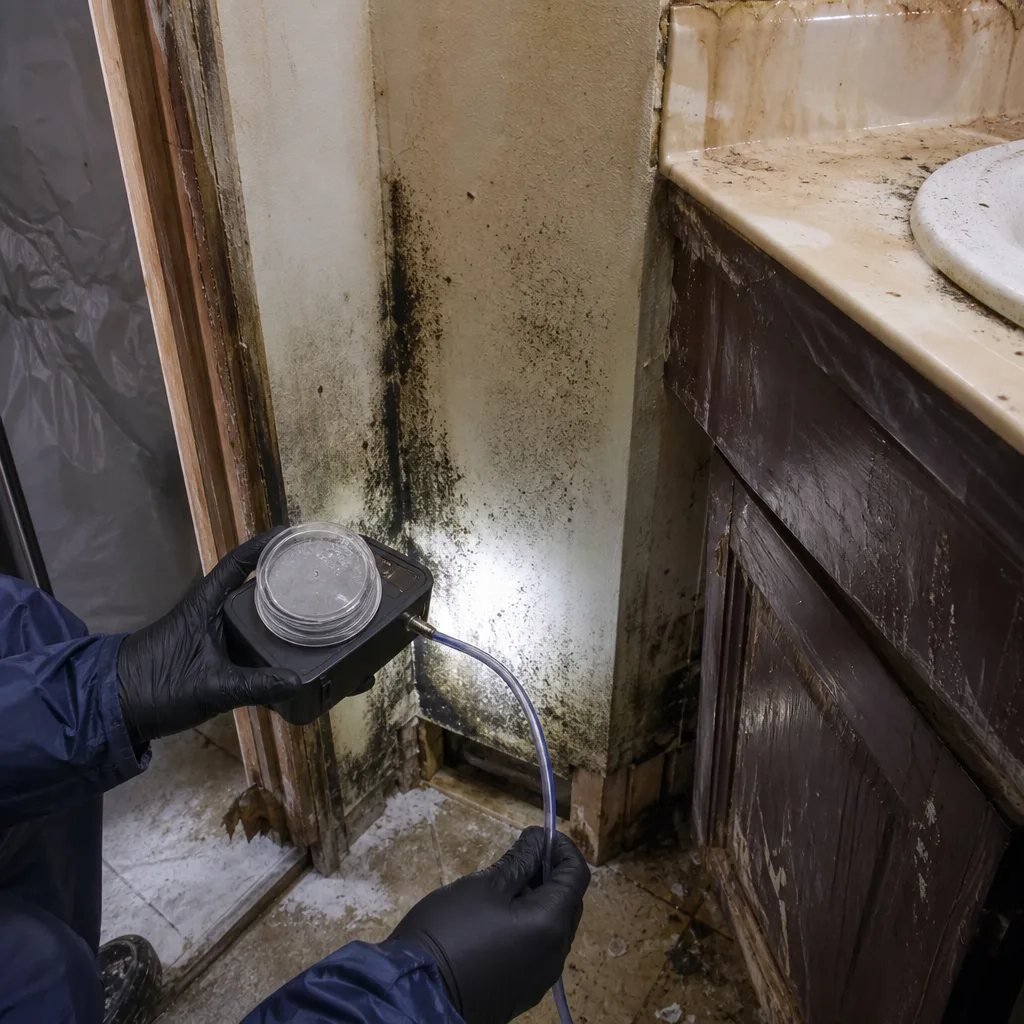
Moisture & Humidity Control
Long-term moisture control prevents recurrence. We specify and install permanent dehumidification, improve ventilation in bathrooms and kitchens, and address the building envelope failures - roof leaks, facade cracks, failed flashing - that started the mold problem. This is where remediation becomes restoration, and where our documentation proves the work was necessary.
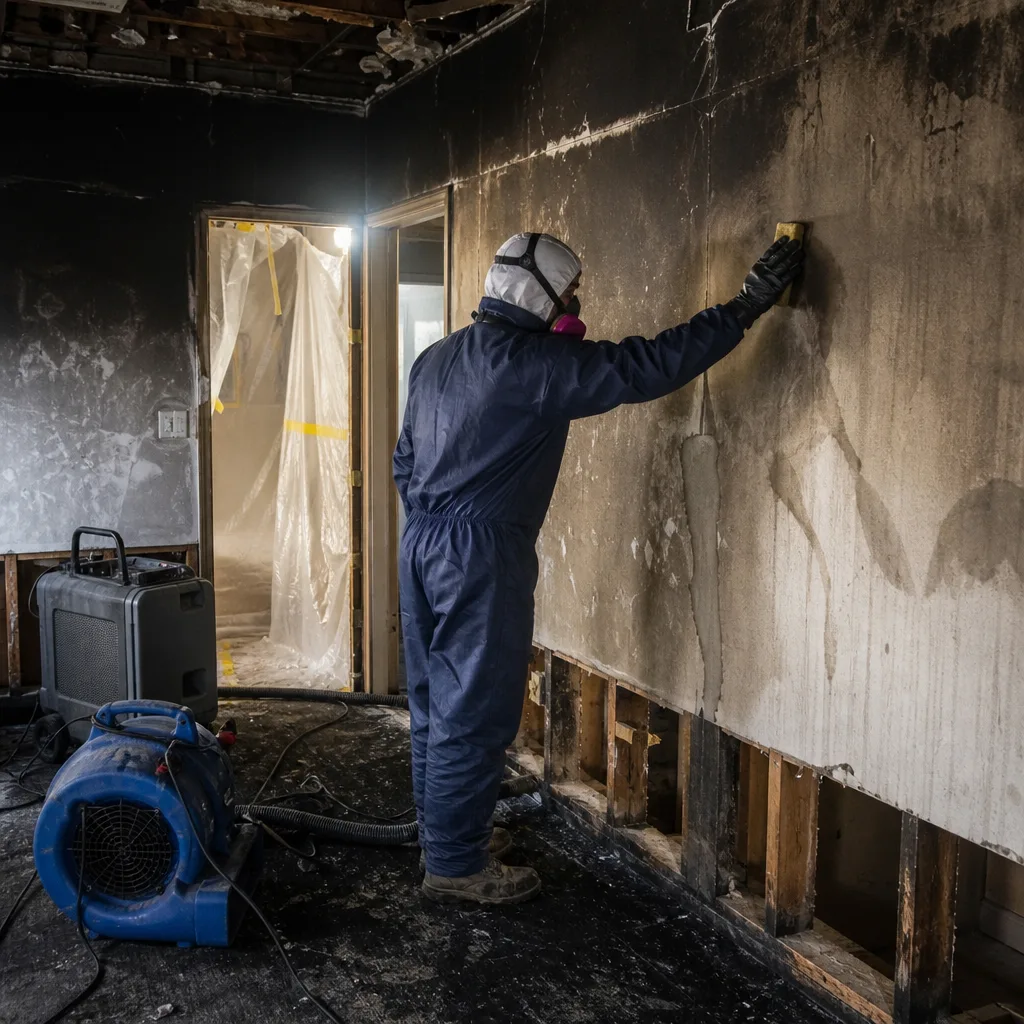
What happens when you call
- 1
A real person answersNo phone trees - you reach a local pro.
- 2
You get an upfront price rangeHonest numbers before anyone is dispatched.
- 3
A background-checked tech heads outLicensed & insured, dispatched right away.
- 4
You approve before work beginsNothing starts until you say go.
Mold Remediation Costs in Union City, NJ
Mold inspection and testing in Union City runs $350-$650 for a standard residential unit, with multi-unit assessments scaling to $800-$1,400 depending on the number of units sampled. Containment-only mold removal for isolated growth under 10 square feet typically costs $1,800-$2,800. Moderate remediation involving drywall removal, HEPA cleaning, and antimicrobial treatment in a single tenement unit ranges $3,500-$5,500.
Extensive contamination across multiple units, with full containment, negative air pressure, and third-party clearance testing, runs $6,500-$12,000 or more. The price drivers are square footage, number of affected rooms, whether the HVAC system is involved, and the logistical complexity of staging in Union City’s congested streets. Asbestos abatement, when required in pre-1980 buildings, is priced separately by a licensed abatement contractor.
Insurance typically covers mold remediation when it results from a covered water loss - burst pipe, roof leak from storm damage, etc. - but policies vary on mold-specific limits and deductibles. Our written scope includes the documentation your adjuster needs to determine coverage. Call (862) 281-7710 for a free inspection and firm quote - Haven Standard, Clause 1.
We Also Serve Cities Near Union City
Our crews respond throughout Hudson County and the immediate New York metro area. We regularly perform Mold Remediation in Union City and neighboring Hoboken, where the floodplain geography creates different moisture patterns than Union City’s Palisades elevation. The same documentation standards and written-price guarantee apply in every community we serve.
Serving Union City, NJ - Our Local Coverage Area
We’re based in the Union City area and know this community well. Use the map below to see our service coverage - if you’re nearby, we can almost certainly help.
Union City Mold Remediation Questions, Answered
Does Union City’s elevation really make mold more likely after a storm?
Yes, but for a specific reason: our elevation atop the Palisades spared us Sandy’s flooding, but it exposes our flat roofs and masonry facades to direct wind load from nor’easters.
Wind-driven rain penetrates roofing membranes and facade cracks that would stay dry in calmer conditions. Once water enters a tenement wall cavity, the stack effect pulls moisture upward through multiple floors, creating hidden mold growth that surface inspection misses. We use thermal imaging and moisture mapping on every post-storm assessment to find what wind-driven leaks have hidden. Call (862) 281-7710 for inspection - estimates are free.
How do you handle mold remediation in a densely packed tenement where one leak hits multiple units?
We establish separate containment per affected unit, coordinate with the building owner and each tenant’s insurance, and document each unit’s damage independently.
The stack effect in Union City’s multi-story tenements means spores travel vertically through lightwells and unsealed plumbing chases. Our protocol includes air sampling in adjacent units even without visible growth, and we seal HVAC returns to prevent cross-contamination. One project manager coordinates all parties, with separate scopes and documentation for each claim. The staging challenge - no alley access, Bergenline Avenue parking - we solve before we arrive, not after.
What’s the biggest mistake landlords make after a roof leak in Union City?
Treating visible mold without fixing the roof leak that caused it, and skipping moisture mapping in adjacent units.
We’ve returned to buildings where a landlord painted over mold on a ceiling six months after a roof repair, only to have the same mold return at the next nor’easter because the roof membrane was never properly sealed. The second failure is under-scoping: rushing to visible damage while missing moisture in the unit above or beside the original leak. Our protocol maps every vertically adjacent space and includes the roof repair in the scope, or documents why it’s excluded. Call (862) 281-7710 - we’ll show you what the last crew missed.
Can you remediate mold in a crawl space of an old Union City building?
Yes, though Union City’s older buildings often have partial basements and stone foundations rather than full crawl spaces.
Where crawl spaces exist, we install vapor barriers, permanent dehumidification, and ventilation systems sized to the specific space. Stone foundations wick ground moisture continuously, so we specify ongoing moisture monitoring as part of the scope. Access is often limited in these buildings - our crews are equipped with confined-space protocols and the documentation to satisfy OSHA requirements. The written price includes all access and monitoring equipment before work begins.
Do I need a permit for mold remediation in Union City?
No specific mold remediation permit is required by Union City or Hudson County for residential work, but asbestos abatement permits are required for pre-1980 buildings where ACM is disturbed.
Since nearly all Union City construction predates 1980, we test for asbestos-containing floor tiles, pipe insulation, and joint compound before disturbing any original materials. If abatement is needed, we coordinate with a licensed asbestos contractor and include their permit and documentation in the overall project record. Your insurance carrier will want to see this documentation; we provide it as standard. Call (862) 281-7710 for specifics on your building.
How fast can you actually get to Union City?
Our response commitment is 45 minutes to Union City addresses, with crews staged from our New York City office.
The real variable is parking and equipment staging on Bergenline Avenue or the narrow cross streets - a logistical reality that adds 30-60 minutes to every setup. We solve this before dispatch by confirming legal parking with the building contact and, when necessary, reserving metered spaces. For emergency calls, we send a reconnaissance technician first to secure access and begin moisture mapping while the full crew stages equipment. Call (862) 281-7710 - we’re answering live now.
Will my insurance cover mold remediation, or is it out of pocket?
Insurance covers mold remediation when it results from a sudden, accidental water loss that your policy covers - burst pipes, storm-damaged roofs, etc.
Most policies have mold-specific limits, often $10,000-$50,000, and some exclude mold entirely unless you purchased a rider. The key is documentation: we provide the photos, moisture logs, and line-item scope that prove the mold resulted from a covered loss, not long-term maintenance neglect. We coordinate directly with your adjuster and format estimates to your carrier’s preferred structure. For disputed claims, our documentation has successfully reversed initial denials. Call (862) 281-7710 - we’ll review your policy and the loss documentation at no charge.
How long does mold remediation take, and can we stay in the unit during work?
Most single-unit mold remediation in Union City takes 3-7 days from containment to clearance testing; multi-unit projects run 1-3 weeks depending on vertical spread.
Occupants must relocate during active remediation - the containment, negative air pressure, and equipment noise make the space uninhabitable, and health protocols require it. For tenants, we coordinate with your insurance carrier on additional living expenses; for landlords, we schedule work between tenancies when possible. The 365-Day Done Right Promise covers any recurrence from our remediation work, provided the original moisture source was repaired. Call (862) 281-7710 for a timeline specific to your situation.
Written by Alicia Brennan, Owner at DryMark Restoration Astoria, serving Union City under The Haven Standard since 2011.
Mold Remediation in Nearby Areas